
One Design, Many Chassis: How Italian Coachbuilders Recycled Designs Pt.1
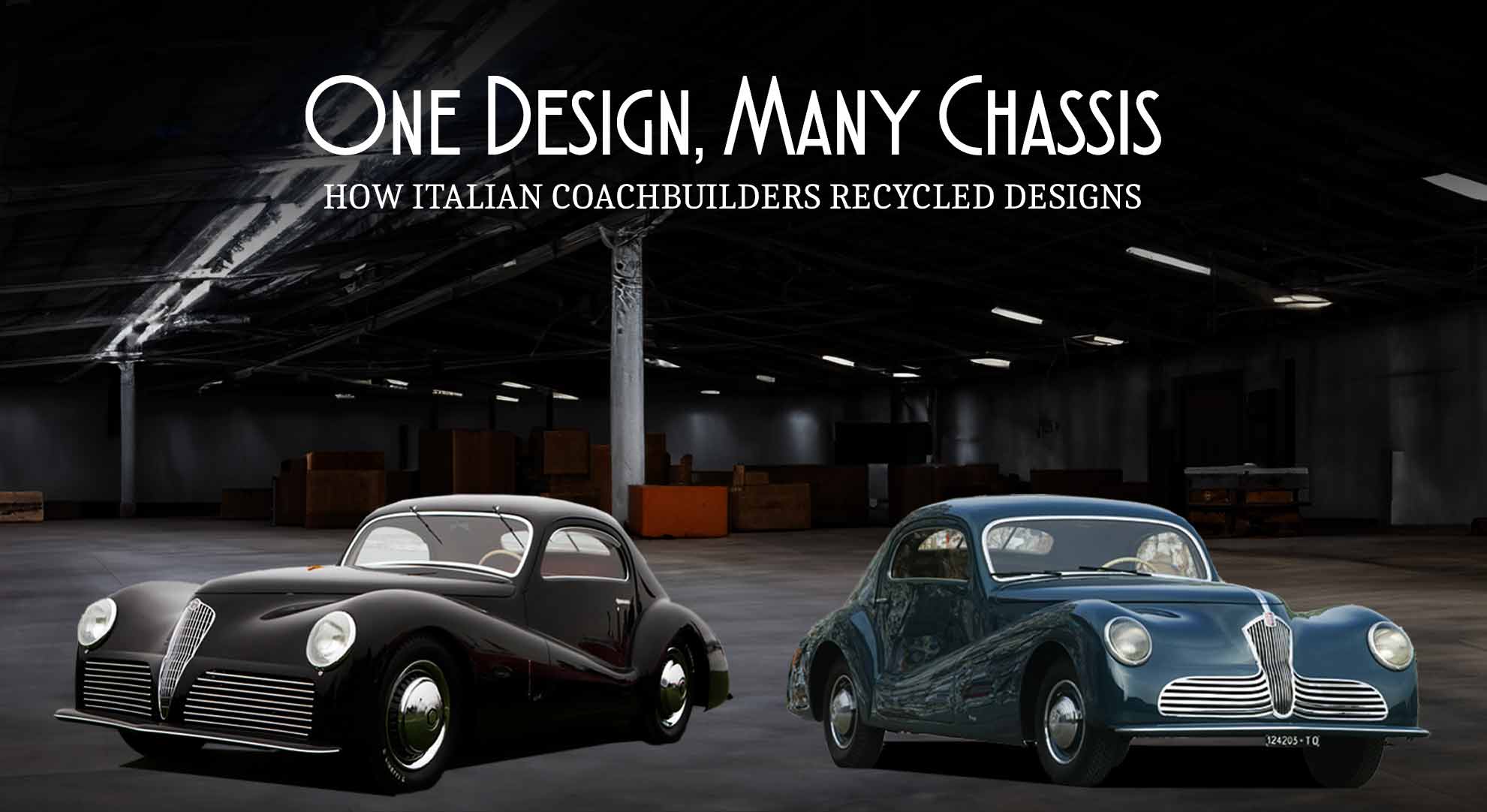
In the golden age of Italian carrozzerie (coachbuilders) from the 1930s to the 1960s, it wasn’t uncommon to experience a bit of automotive déjà vu. You might spot a sleek new coupe on a Ferrari chassis and swear you’ve seen those curves before – perhaps on a humble Fiat or an exotic Abarth. In an era when car bodies were often crafted as bespoke pieces of art, Italy’s coachbuilders sometimes recycled or adapted their designs across different chassis. This practice – essentially copy-paste in aluminum and steel – produced some fascinating cross-marque doppelgängers. Why did these legendary design houses reuse designs, and how did it play out for branding, efficiency, style, and customer reaction? Let’s dive into the quirks of this era with a friendly (and slightly funny) retrospective, focusing on major coachbuilders like Stabilimenti Farina, Pininfarina, Bertone, Ghia, and Vignale.
Why Recycle a Design?
Recycling a car design might sound like sacrilege today (imagine a Ferrari and a Fiat wearing the same dress!), but mid-20th-century Italy was a different world. Back then, coachbuilt cars were usually one-offs or limited series, and creating a whole new design for each client was time-consuming and costly. Reusing a proven design across multiple chassis had some practical perks:
Efficiency & Cost Savings: If a coachbuilder had a gorgeous design ready, why not offer it to more than one customer? It was the ultimate time-saver. Designing a car body from scratch was expensive; repurposing an existing design (with minor tweaks) allowed small coachbuilders to serve multiple clients without breaking the bank. A notable example is the design by Giovanni Michelotti for Stabilimenti Farina, seen on both a Fiat 1100 Coupé and a Ferrari 166 around 1948–49. The two cars even shared an identical wheelbase, making the body swap a no-brainer. The result? A Fiat and a Ferrari that looked uncannily similar, proving a good design could “transcend brand boundaries”.
House Style & Branding (for the Coachbuilder): In those days, the coachbuilder’s reputation was as important as the car marque. Many carrozzerie had a signature style, and clients often wanted that look. Repeating themes or even entire designs across different cars reinforced the coachbuilder’s brand. It was like a fashion house releasing a season’s collection in different fabrics or cuts. In fact, many coachbuilders treated their body designs as standalone products—templates that could be adapted to different chassis, depending on the customer’s budget or preference. Whether it was a Fiat, Lancia, Alfa Romeo, or something more exotic, the same stylish body could often be draped over multiple mechanical underpinnings.
Examples like the Ghia Supergioiello or Boneschi’s flamboyant “Pin-Up” show how a single design could appear on several different platforms, allowing clients to enjoy the look of a high-end design without necessarily paying for a top-tier chassis. Giovanni Michelotti, for instance, had a distinctive flair – by the early 1950s he was “experimenting with forms and details that would appear on many Vignale designs on Ferraris and other cars through the Fifties.” In other words, if you commissioned Vignale (where Michelotti often freelanced), you might end up with a car that shared the trendy fins, grilles, or curves seen on another Michelotti-penned beauty. Clients embraced this to a degree; they were proud to have a Vignale or Farina creation, even if another patron’s car had a déjà vu factor.
Limited Audiences & “What’s the Harm?”: Remember, these were not mass-production cars plastered on every billboard. A custom Ferrari and a custom Fiat might resemble each other, but they would rarely meet side by side. One might be a show car in Geneva and the other a daily driver in Turin. The overlap in audience was minimal, so coachbuilders sometimes gambled that no one would notice the clone wars. Often, they were right – except when they weren’t (as we’ll see in Enzo Ferrari’s case!).
Design Trends & Inspirations: To be fair, sometimes recycling was just part of broader design trends. Aerodynamic “pontoon” fenders, panoramic windshields, tailfins – these fashionable elements popped up everywhere. But in Italy the line between “on-trend” and “we literally reused the same body” could be thin. When something looked good, multiple chassis wore the look as if it were the latest couture.
Now, let’s look at how this played out with specific coachbuilders, each with their own approach to the copy-paste car design game.
Stabilimenti Farina: Ferrari Meets Fiat (and Simca, and…)
Stabilimenti Farina had a talent not just for elegant design, but for making that elegance go the extra mile—literally. Long before efficiency became a buzzword, they were quietly recycling standout coachwork across different makes and models. Take, for example, a cabriolet body first created for the Fiat 1500 in 1939, the result of a collaboration between Michelotti and Revelli di Beaumont. Sleek, balanced, and tastefully understated, it later reappeared—virtually unchanged—on a Lancia Aprilia Cabriolet. It was a smart, stylish bit of design reuse, and a sign of things to come.
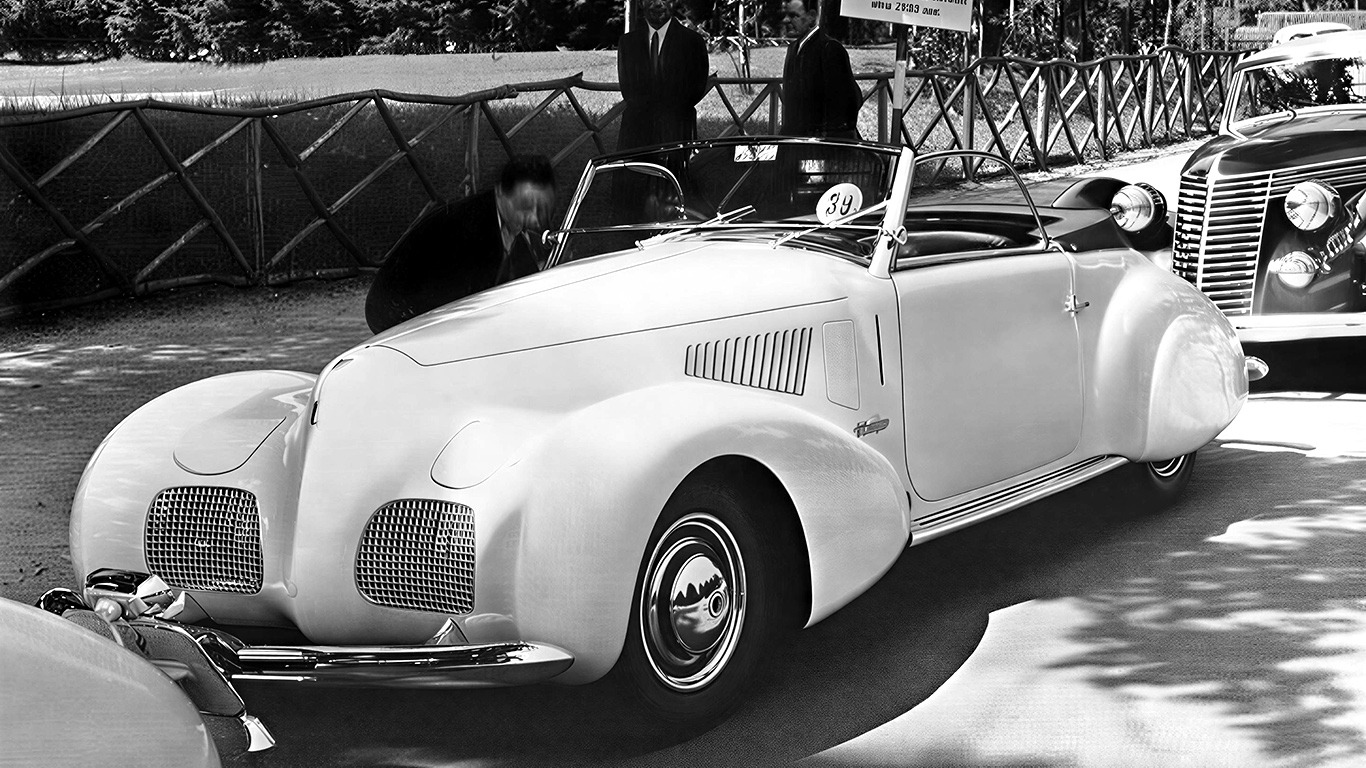
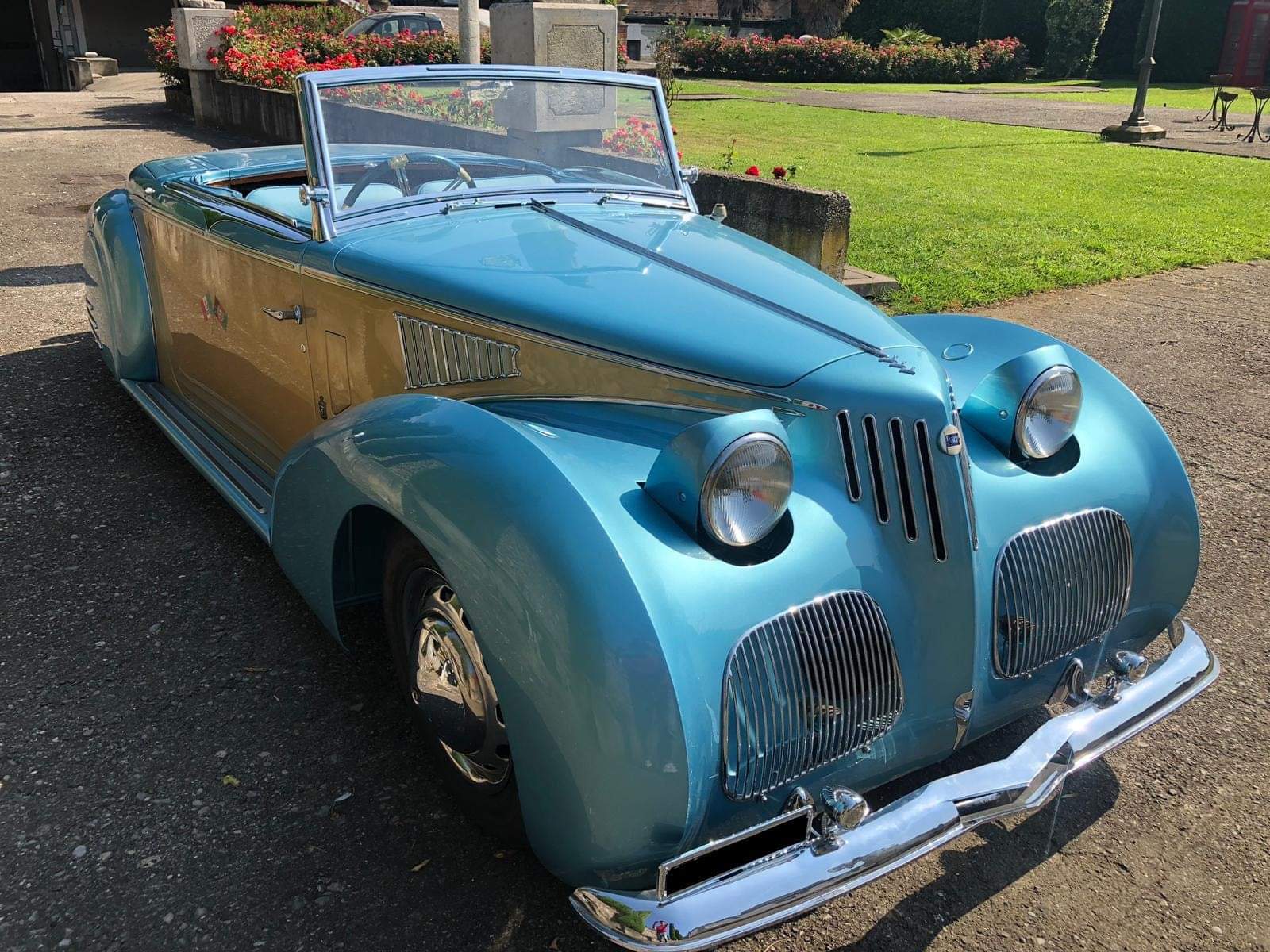
Enter the 1949 Fiat 1100 Coupé by Stabilimenti Farina. Designed by Giovanni Michelotti and unveiled at the Turin Auto Salon, this elegant little car immediately turned heads with its clean lines, balanced proportions, and refined detailing. Though based on the humble Fiat 1100 chassis, it was no mass-market product—it was built in a very limited series, following the Italian fuoriserie tradition of bespoke coachbuilding. But what caused a real stir wasn’t the Fiat itself—it was who saw it. Among the attendees was Enzo Ferrari. To his dismay, he realized that the same body—down to its curves and roofline—had been used for a Ferrari 166 Inter coupé, also bodied by Stabilimenti Farina. The only real difference was the grille: the Fiat featured a split opening, while the Ferrari wore a traditional oval. The shared wheelbase between the two chassis made the adaptation seamless—but for Ferrari, it was unacceptable. Seeing his exclusive V12 grand tourer dressed in sheet metal originally worn by a Fiat infuriated him.
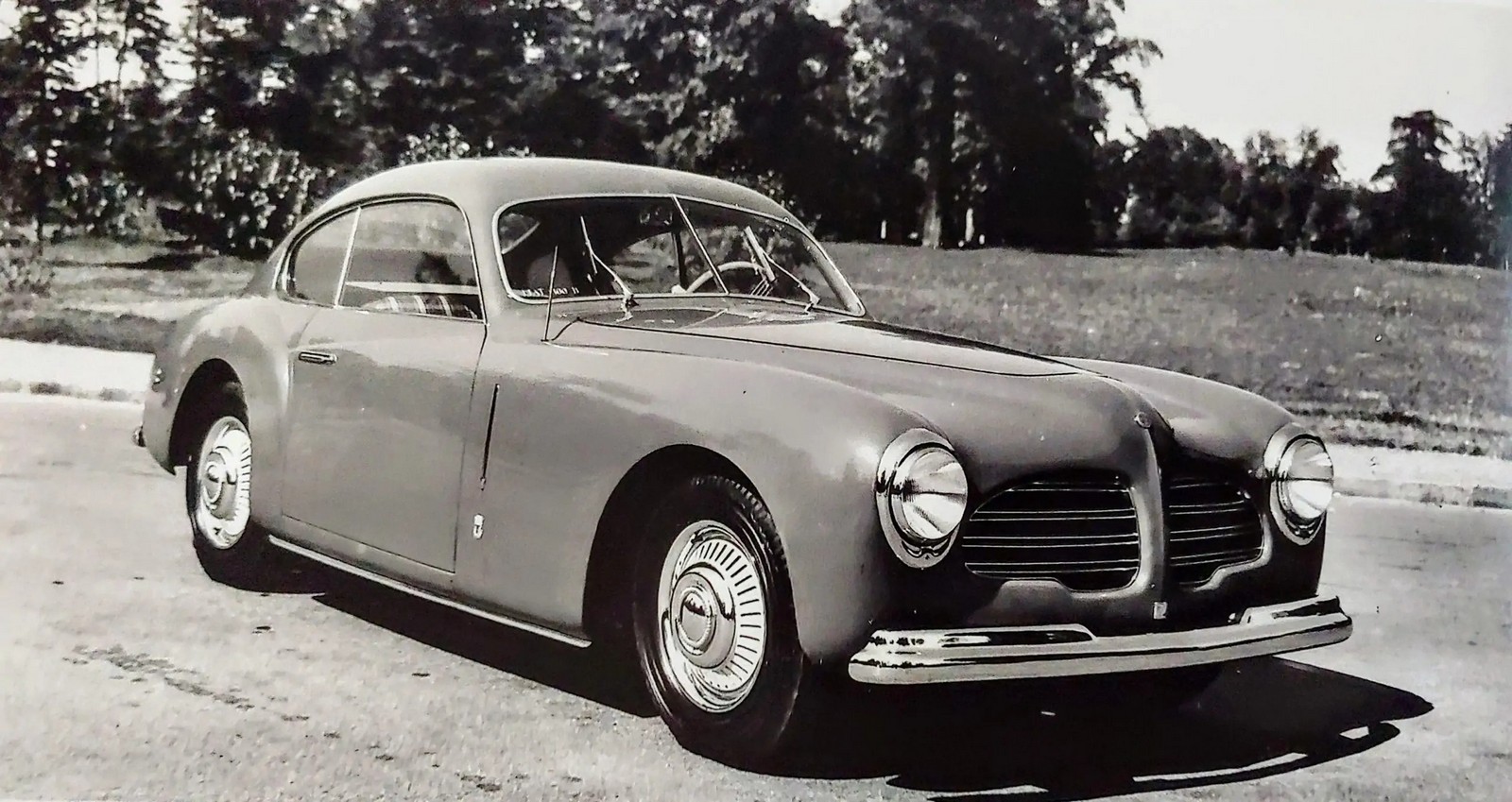
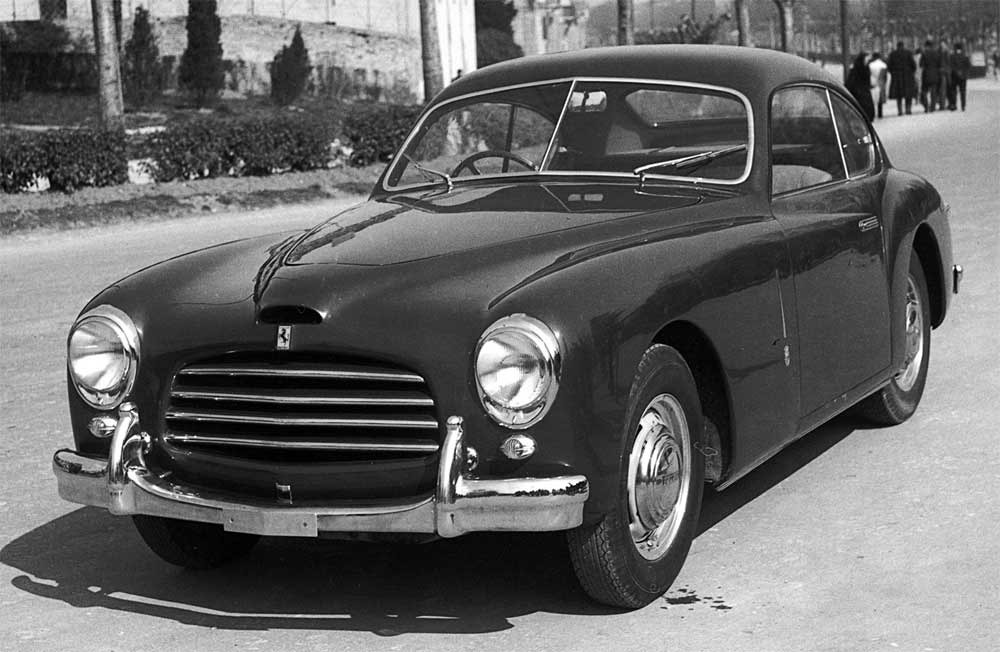
Before the Pininfarina name took off, it was Giovanni Farina—older brother to Battista “Pinin” Farina—who led the way at Stabilimenti Farina. In the late 1940s, his workshop was turning out finely tailored bodies for everything from modest Fiats to high-end Ferraris. Postwar Italy wasn’t flush with resources, but that didn’t stop Farina from getting creative. When they had a winning design, they made it work—again and again, on whatever chassis it fit.
🔗 Read more: Unveiling the Storied Legacy of Stabilimenti Farina
Farina didn’t stop there. Variations of the same design appeared on the Simca 8 — Fiat’s French cousin—showing just how adaptable the coachwork was. It made sense: streamline the design process, keep costs down, and maintain a consistent aesthetic. But as Enzo’s reaction made clear, when one of those chassis bore a Ferrari badge, reuse crossed into risky territory.
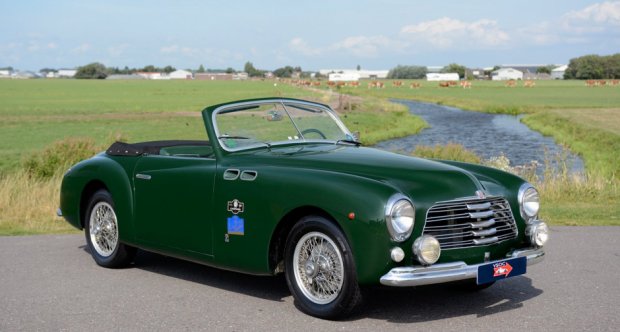
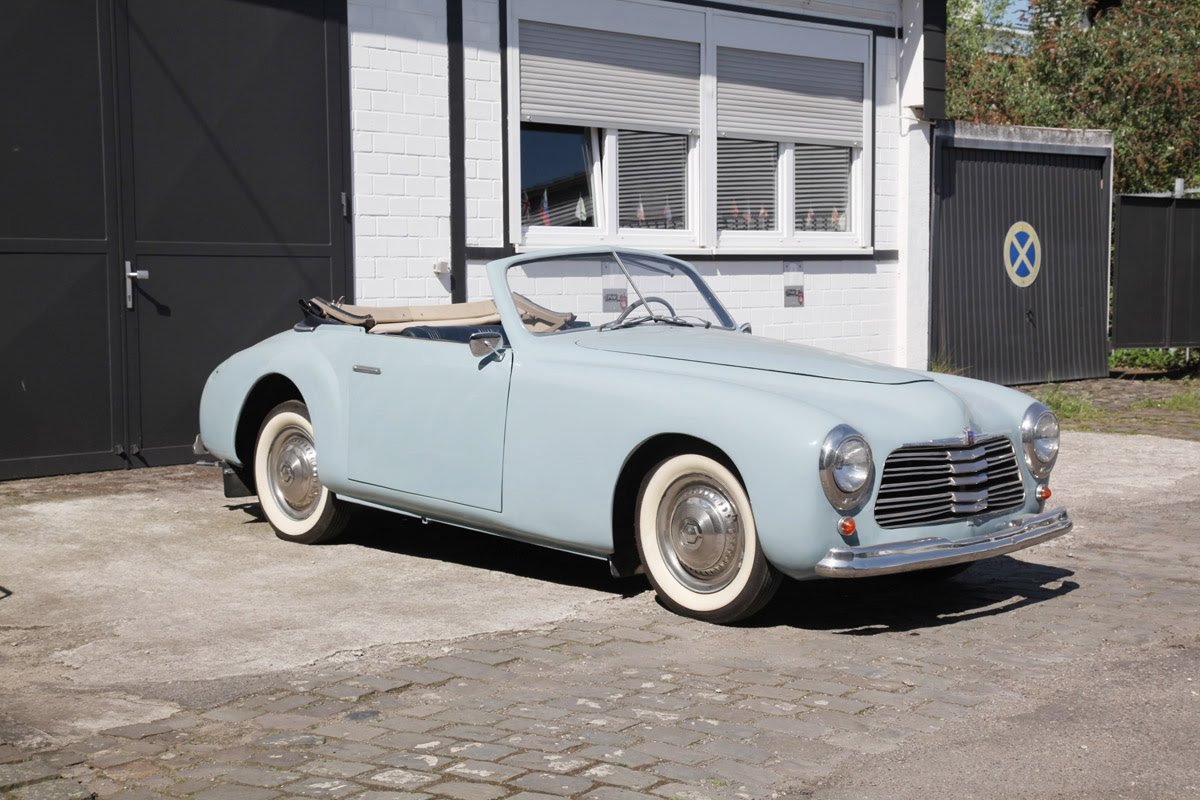
By the time Stabilimenti Farina closed in 1953, they had left behind more than just pretty cars. They’d demonstrated the ingenuity of early Italian coachbuilders—and foreshadowed a growing tension in the automotive world. As brands like Ferrari began leaning hard into identity and exclusivity, the era of interchangeable elegance was drawing to a close. But for a brief, fascinating moment, a single stylish cabriolet design could be everything to everyone—and still turn heads.
Pininfarina: The Sophisticated Stylist
Pininfarina, founded by Battista “Pinin” Farina in 1930, quickly rose to the pinnacle of Italian automotive design. Pininfarina’s hallmark was elegance and aerodynamic purity – think flowing lines and cohesive style. Compared to others, Pininfarina was perhaps less inclined to outright recycle an entire design between different marques (especially after securing marquee clients). However, that’s not to say Pininfarina didn’t dabble in some multi-chassis magic or at least repeating themes.
In Pininfarina’s early years and immediate postwar projects, the company built bodies for Alfa Romeo, Lancia, Ferrari, even British and American marques. While they usually tailored each design to the client, astute observers could notice Pininfarina’s signature cues showing up across these cars – a familial resemblance created by the same guiding hand.
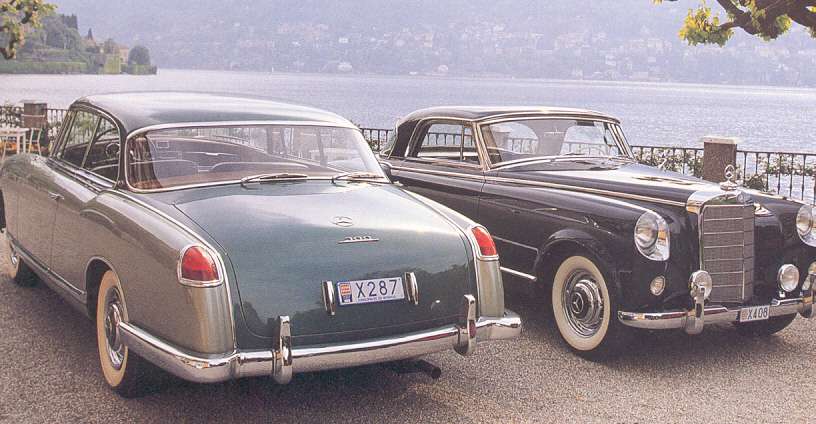
For example, the landmark 1947 Cisitalia 202 coupe (a Pininfarina masterpiece) had such an influence on car design that its “smooth and elegant lines” echoed in many sports cars of the 1950s. Pininfarina also crafted one-off specials for wealthy clients – like a custom Cadillac or a Nash-Healey – which sometimes looked like Italianate siblings of their Italian commissions. In one case, Pininfarina built two very similar luxury coupes on 1950s Mercedes-Benz 300 chassis (one in 1955 on a 300B and another later) – essentially applying Italian design flair to German underpinnings twice. This wasn’t exactly a public “recycling” for mass sale, but it shows Pininfarina repurposing a successful design concept for more than one client.
Another notable example was Pininfarina’s proposal of an Alfa Romeo 6C-inspired sedan to BMW in the early 1950s. The prototype, featuring BMW’s distinctive kidney grille integrated into a sleek, Italian-style body, was their design pitch for the future BMW 501. The resemblance to the Alfa 6C was deliberate—Pininfarina was offering their proven design language adapted for a new client. Although BMW ultimately declined the proposal in favor of an in-house design because too similar to the Alfa Romeo.
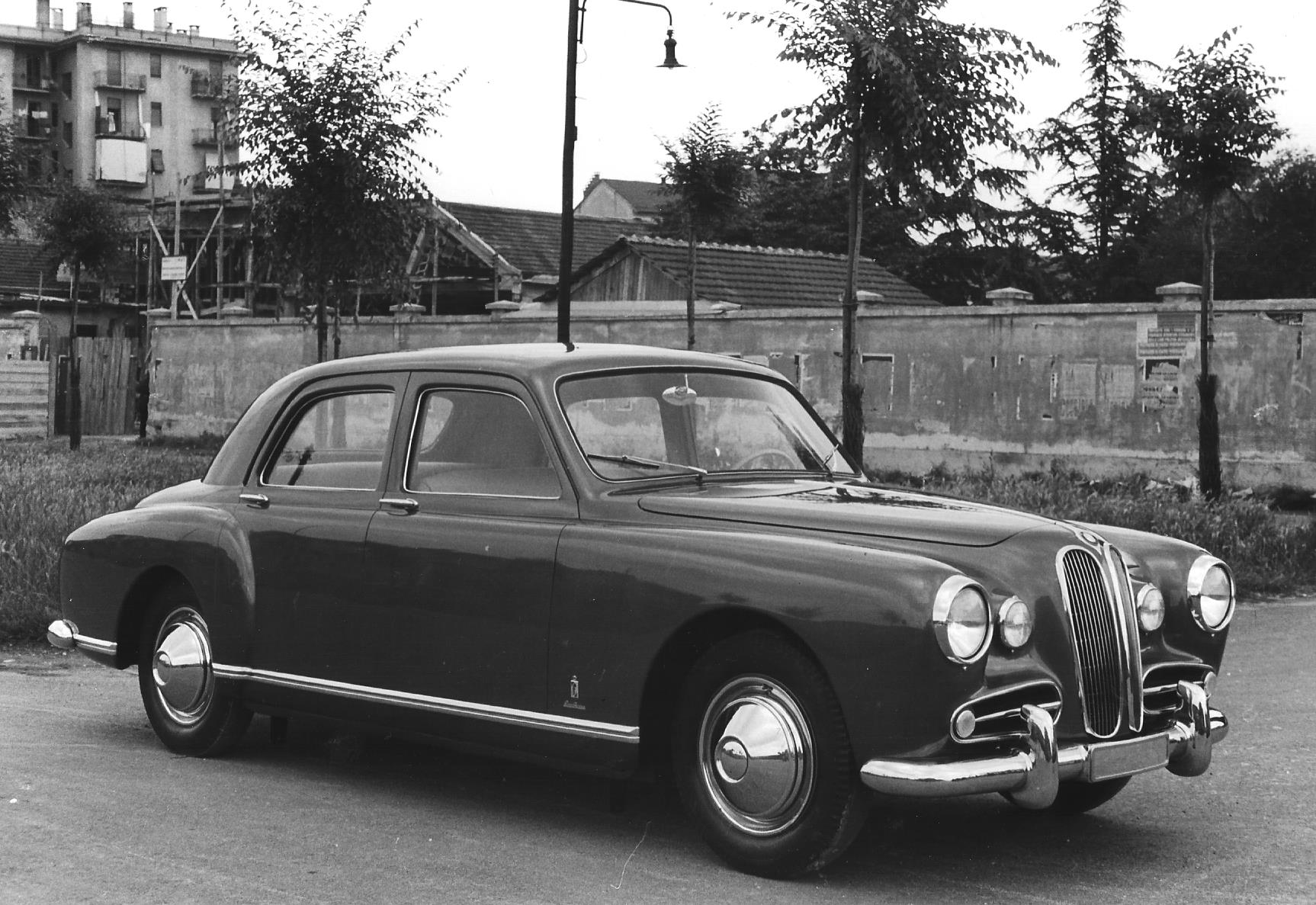
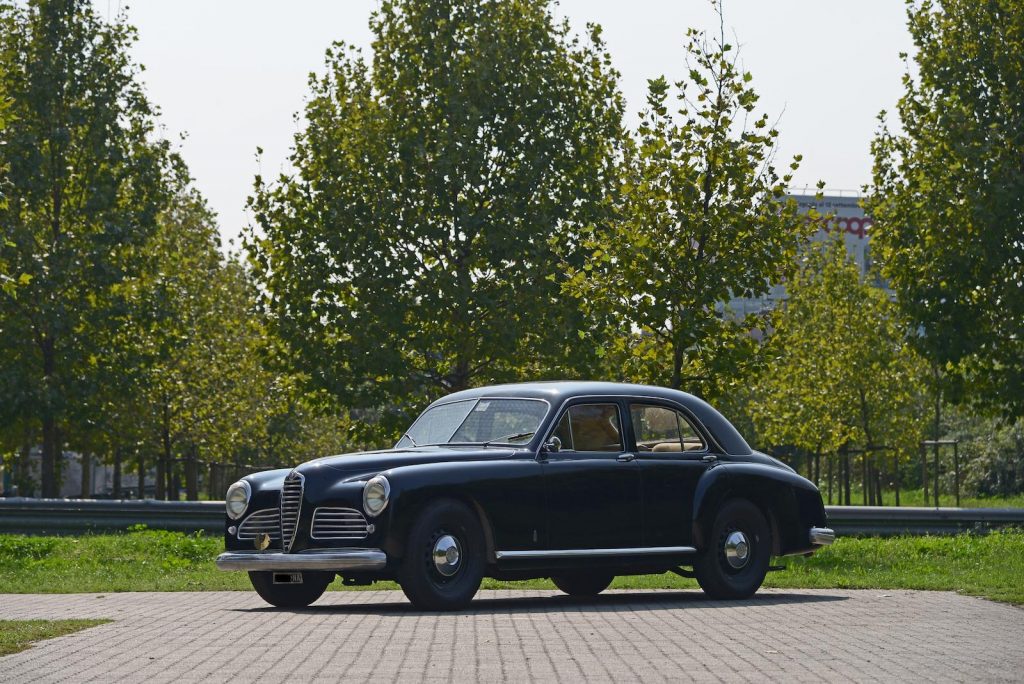
Where Pininfarina really made waves was in establishing exclusive relationships that actually curtailed design-sharing. In 1952, Battista Farina struck a fateful deal with Enzo Ferrari: Pininfarina would become Ferrari’s exclusive coachbuilder. No more Vignale, Ghia or anyone else on Ferrari’s road cars – just Pininfarina. This had a two-fold effect: it solidified Ferrari’s brand identity with a consistent look (no more confusing Ferraris with Fiats, thank you), and it meant Pininfarina no longer needed to recycle designs to beat competitors – they were the competitors, in a way. Ferrari got cohesive styling and Pininfarina got prestige and a steady workflow. “Pininfarina’s designs gave Ferrari a cohesive and elegant brand” identity, and it also meant that if a design showed up on a Ferrari, it wouldn’t pop up on a rival’s chassis next year. This exclusive era somewhat ended the classic design recycling practice for Pininfarina, since their Ferrari designs stayed on Ferraris (Enzo made sure of that!).
🔗 Read more: The Legend of Ferrari and Pininfarina’s Partnership: When Enzo Met “Pinin”
That said, Pininfarina’s talents were still in demand by others, and occasionally a sharp eye could catch a déjà vu. In the late 1950s, Pininfarina designed a beautiful unbuilt concept called the Lancia Florida (and later Florida II) – its influence can be seen in the 1960 Peugeot 404 and other sedans Pininfarina penned shortly after. Across the pond, the British Motor Corporation’s family of 1959 sedans (Austin Cambridge, Morris Oxford, etc.) all wore nearly identical Pininfarina-designed bodies – essentially one design “recycled” across five badge-engineered cars (cheeky, but BMC paid for it, so it was legit!). This was design reuse on a larger scale, albeit within one corporate family rather than freelance coachbuilding. It showed that Pininfarina was a master at leveraging a good design across as many avenues as possible – without making any one client feel shortchanged.
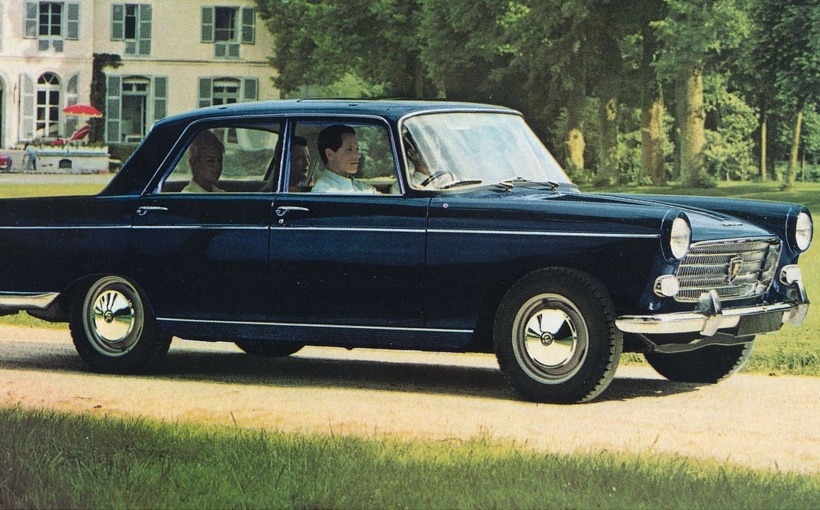
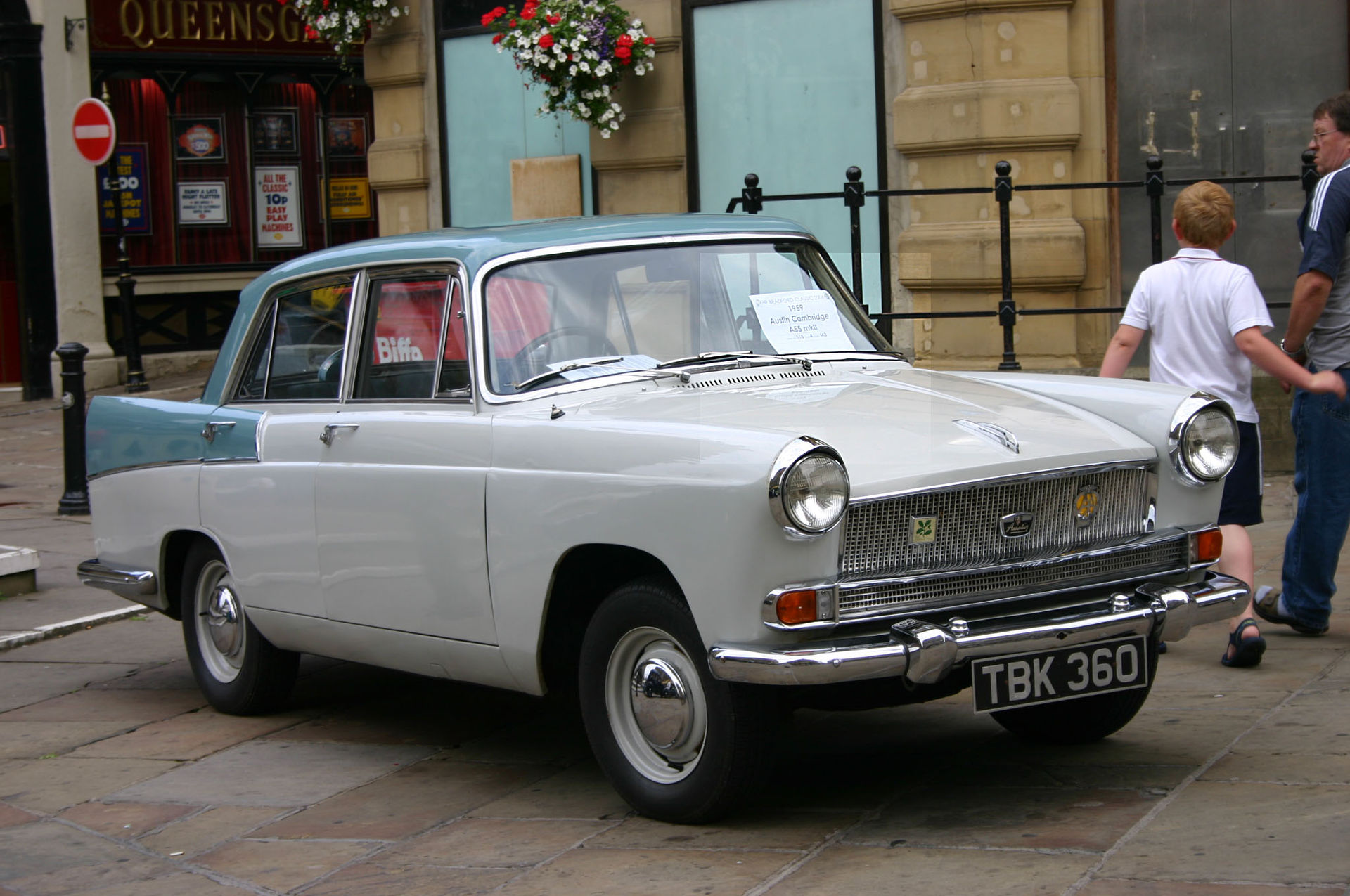
In summary, Pininfarina played the design game a bit differently: less overt cloning between different brands at the same time, and more about spreading a coherent style. When you saw a Pininfarina creation, you knew it – whether it was on a Ferrari, a Fiat, a Cadillac or a Peugeot. The consistency was part of the brand’s charm. And by the end of the 1960s, Pininfarina’s approach (exclusive partnerships and production contracts) heralded the new era – where car companies would prize unique, brand-specific designs, effectively ending the freer recycling culture of earlier decades.
Bertone: Bold Designs on Multiple Platforms
Carrozzeria Bertone earned a reputation for daring design and an open-door policy when it came to collaboration. Under the direction of Nuccio Bertone—and with design legends like Franco Scaglione and later Giorgetto Giugiaro on board—the firm pushed boundaries. While many of their creations were bespoke, one-off statements, Bertone also built a quiet legacy of design crossover: echoes, adaptations, and occasionally, outright reuse across platforms and marques.
In the early 1950s, Scaglione crafted the remarkable BAT (Berlinetta Aerodinamica Tecnica) concepts for Alfa Romeo—finned, fluid sculptures that looked like they had slipped through a time portal from the future. Though the BATs were never intended for production, their visual language reverberated through other Bertone designs. Take the 1955 Alfa Romeo Giulietta Sprint Speciale: also penned by Scaglione, it softened the BAT vocabulary into something roadworthy but still dramatic. The car wasn’t a copy—but you could clearly see the lineage. Over time, Bertone developed a recognizable “house style”—bold, aerodynamic, slightly theatrical. Even when their designs were bespoke, they still felt like part of a visual family.
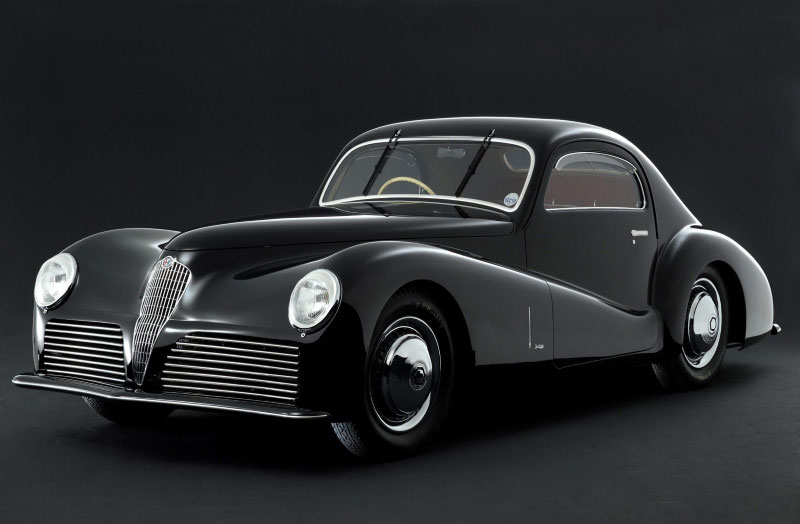
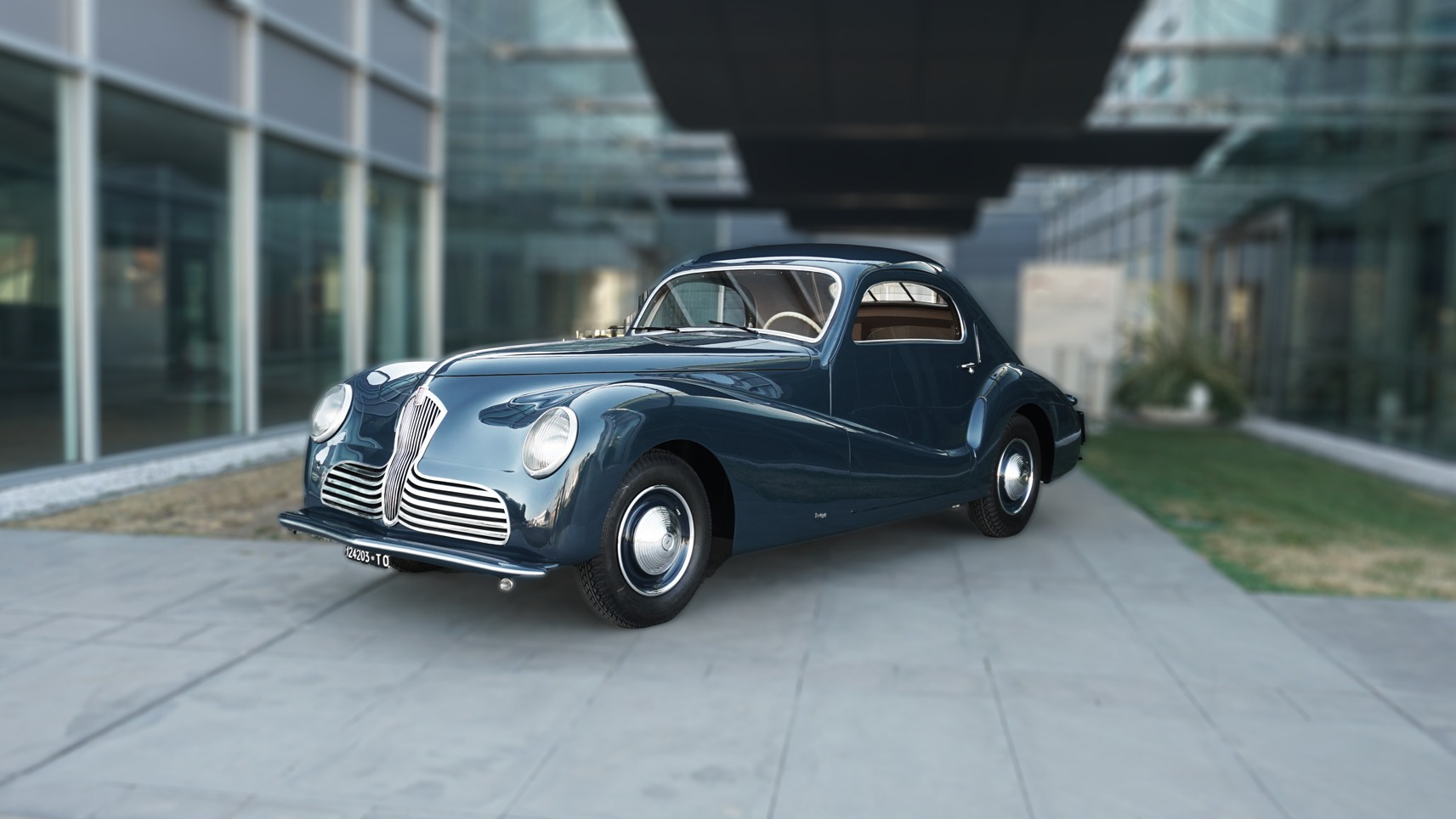
This subtle design continuity played out across marques as well. One striking example was a sharp-edged coupé Bertone built on a Fiat 1500 chassis, designed by Mario Revelli di Beaumont. Its crisp lines and taut surfaces bore a clear resemblance to Bertone’s earlier Alfa Romeo 6C 2500 SS Coupé, sharing proportions and design vocabulary. Meanwhile, their Lancia Aprilia Berlinetta and the Stanguellini 1100 Speciale—both fastbacks with a pronounced “fish snout” nose—illustrated how Bertone’s signature touches could surface in wildly different projects, sometimes within the same model year.
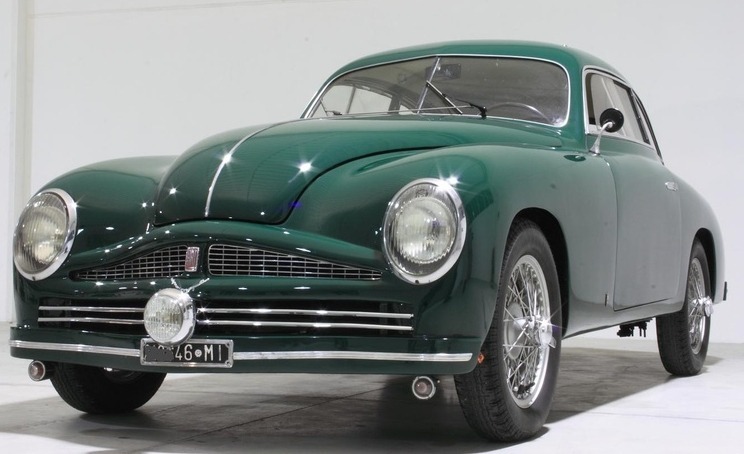
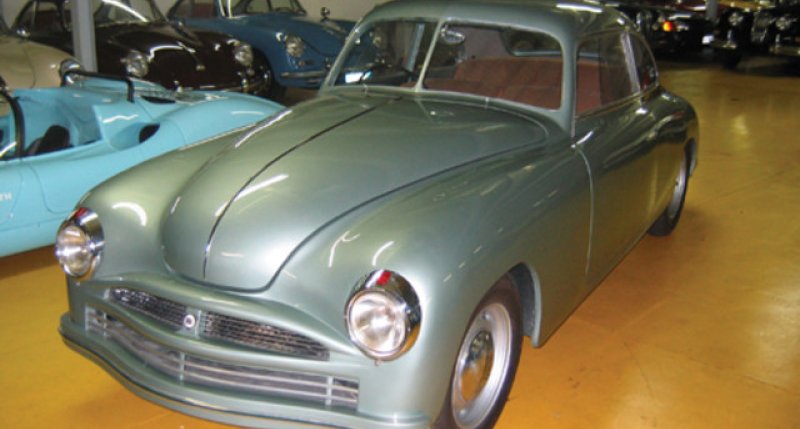
But not all reuse was abstract. Sometimes, a good design got recycled wholesale—especially when it served a practical need.
Enter Stanley H. “Wacky” Arnolt, an American industrialist with a taste for European flair. After falling for a Bertone car at an auto show, Arnolt struck a deal that would see the Italian coachbuilder design and build a series of low-production cars on British mechanical underpinnings. Between 1953 and 1958, Bertone created four models for him: the Arnolt-MG, Arnolt-Aston, Arnolt-Bristol, and a one-off Arnolt-Bentley. Each bore a distinct flavor, but some shared more than just design DNA.
The Arnolt-MG was the starting point—a svelte coupé body crafted over humble MG TD mechanicals. Around 65 were made. Later, Arnolt wanted something grander, and Bertone delivered—by scaling that same MG design up for a Bentley R-Type chassis. Designer Giovanni Michelotti reinterpreted the original body as a larger, more luxurious version: the Arnolt-Bentley. The family resemblance was unmistakable—same oval grille, same proportions—just supersized. It was, in effect, a Bentley in an MG’s tailored suit, refit for black tie.
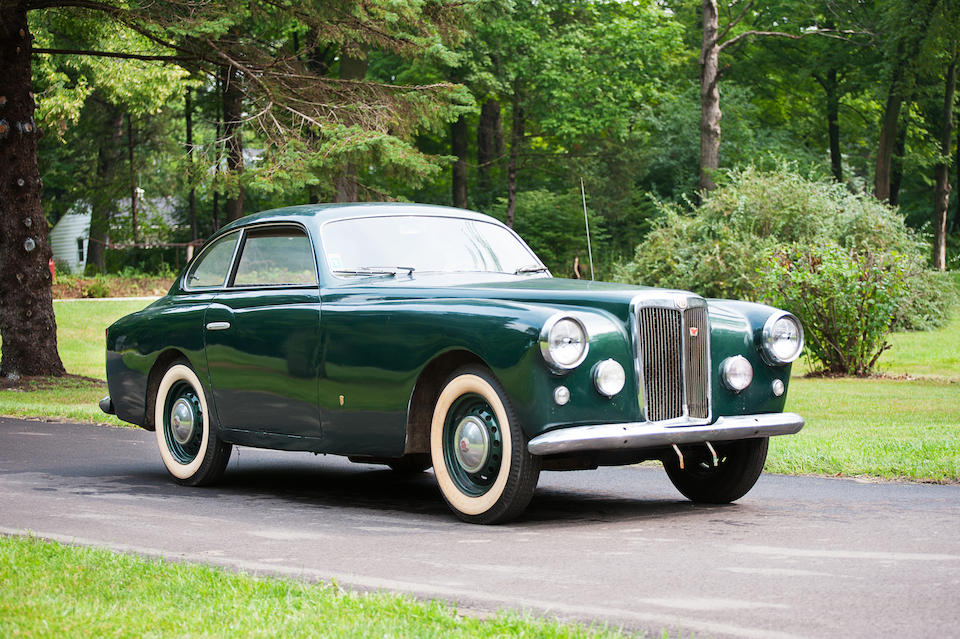
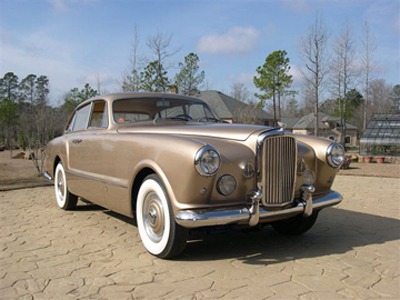
Design continuity extended further. The Arnolt-Aston roadsters, built on Aston Martin DB2/4 chassis and clothed by Scaglione, previewed the sharper forms of the later Arnolt-Bristol. Both wore the low noses and crisply creased fender lines that became Scaglione’s signature. Though mechanically different, these cars looked like siblings—products of an evolutionary design process. Each model iterated on the last, creating visual cohesion across the Arnolt lineup while keeping Bertone’s design and production costs in check.
This kind of design recycling—whether subtle motif-sharing or near-direct reuse—was more than a stylistic choice. It was a survival tactic. In the lean postwar years, contracts like Arnolt’s helped keep Bertone afloat. Clever design management allowed them to offer custom-bodied cars without reinventing the wheel every time. And in doing so, they laid the groundwork for a lasting visual identity.
Boneschi: Neo-Classical Flair on Any Chassis
Carrozzeria Boneschi, based in Milan, carved its niche in the postwar coachbuilding scene with bold, neo-classical designs that stood out for their sense of grandeur and theatrical flair. A prime example was the Pin-Up Cabriolet, unveiled in 1947 and offered on both Fiat 1500 and Lancia Aprilia chassis. Despite their mechanical differences, the two cars wore nearly identical bodies—demonstrating Boneschi’s approach of offering a body style as a “product” that could be tailored to different budgets and clients.
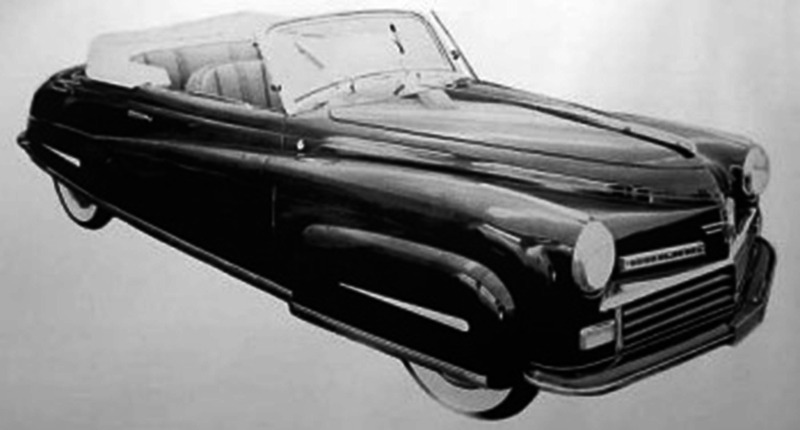
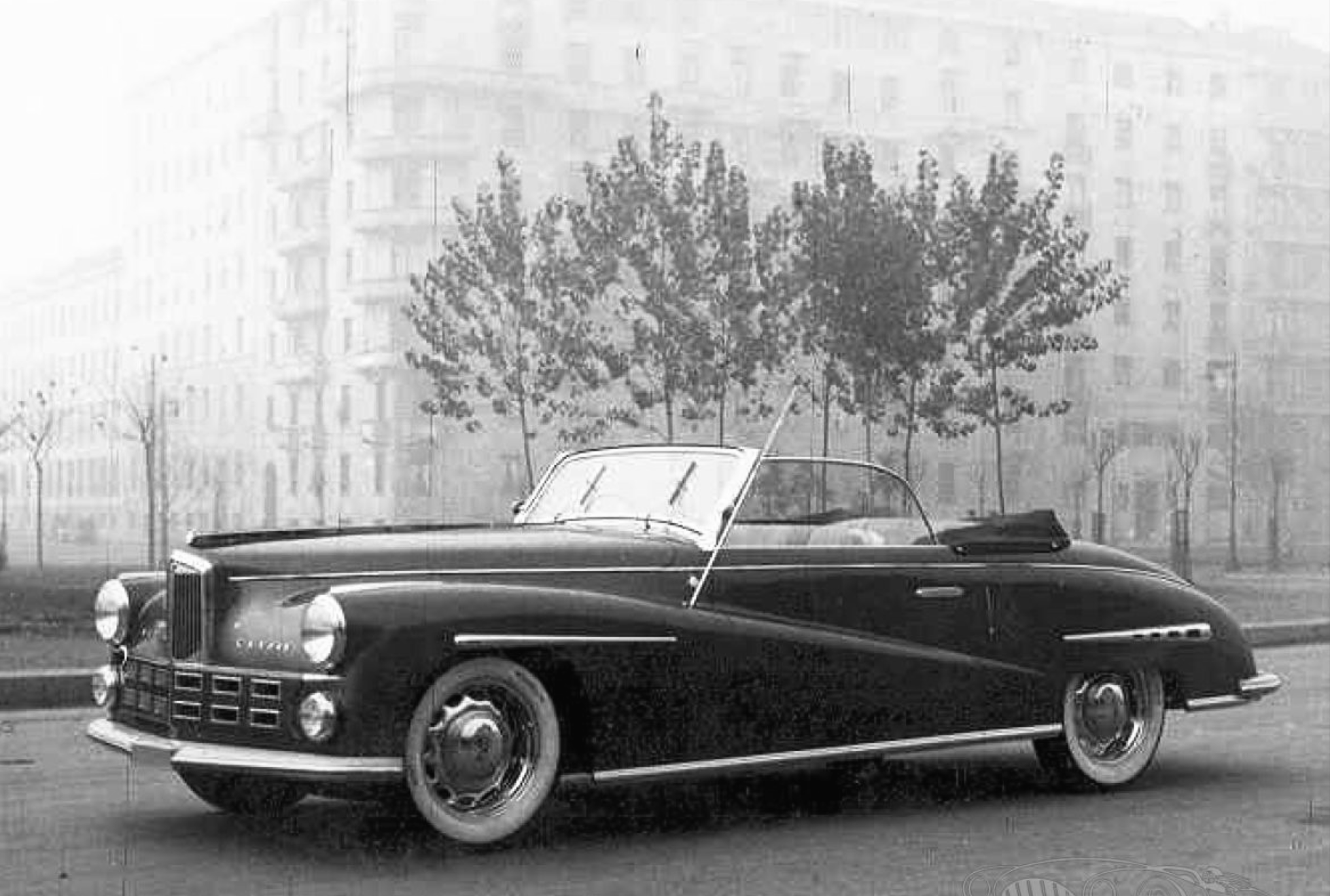
The design was unapologetically flamboyant: heavily chromed, with sweeping lines, wheel covers, and exaggerated proportions that felt more Hollywood than Milan. In an era transitioning from wartime austerity to peacetime optimism, the Pin-Up Cab’s opulence was a bold statement of renewal. Though the Lancia’s modest engine contrasted with the body’s imposing presence, the effect was part of the charm—a luxurious grand tourer look without the grand tourer powertrain.
Boneschi’s Pin-Up series exemplifies the practice of cross-chassis body design, proving that a distinctive shape could serve multiple masters. Like the Ghia Supergioiello or Vignale’s Ferrari/Abarth lookalikes, Boneschi’s creations blurred brand lines, offering customers a chance to own a slice of design flamboyance—regardless of what lay underneath.
Ghia: Jet-Age Dreams on Every Chassis
In the 1950s, Carrozzeria Ghia wasn’t just shaping cars—they were crafting rolling visions of the future. With an eye for drama and a love for the chrome-laced language of the space age, Ghia’s designers brought a sense of theatrical futurism to postwar coachbuilding. But their real genius lay in knowing when to double down on a great design. When something worked, Ghia didn’t just admire it—they adapted it, multiplied it, and sold it to the world.
Nowhere is this more vividly demonstrated than in the Supersonic saga.
The story begins in 1953, when Giovanni Savonuzzi—new to Ghia’s design team—penned a radical, aircraft-inspired body for an Alfa Romeo 1900 Sprint tuned by Conrero. With its elongated hood, tapered tail, and canopy-style roofline, the one-off coupe looked less like a car and more like something taxiing down a runway. Though the Alfa met a fiery fate shortly after its debut, the car’s appearance at the Turin Motor Show left a lasting impression. Ghia knew they had something special, and they weren’t about to let the design die with the prototype.
🔗 Read more: The Ghia Supersonic
That first Alfa may have been a one-off, but it launched a small, spectacular series. Ghia took Savonuzzi’s futuristic form and adapted it for low-volume production, starting with the Fiat 8V—a sleek, advanced sports car with just enough exclusivity to carry such an audacious shape. Between 1953 and 1956, roughly 15 Supersonics were built on the Fiat chassis, each slightly customized for its buyer but all instantly recognizable. The design, barely altered from the Alfa original, won acclaim across Europe, including “Most Beautiful Car” at the 1953 Paris Motor Show.
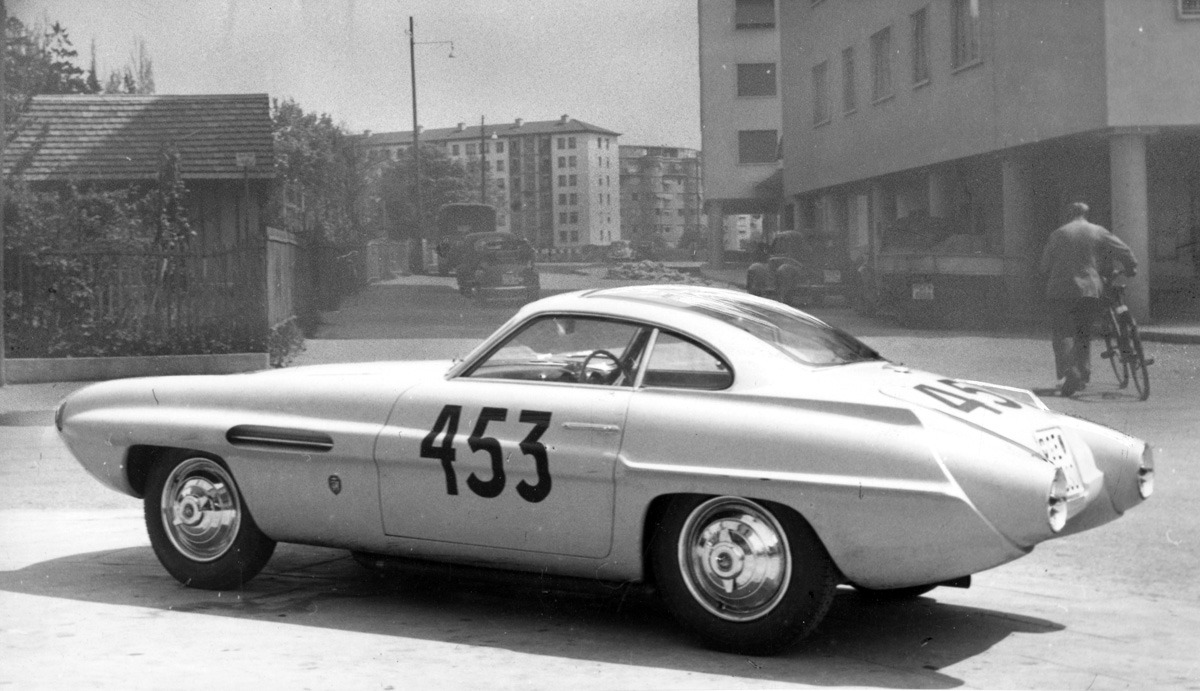
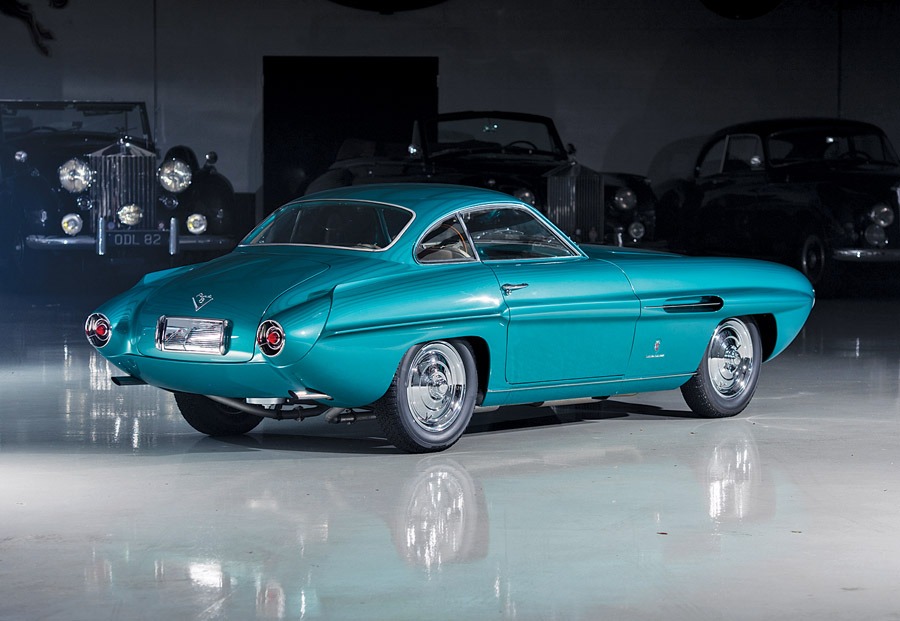
But Ghia didn’t stop with Fiat. The Supersonic body soon found its way onto other high-performance chassis, starting with the Jaguar XK120. At least three XK120s were dressed in the Savonuzzi shape, including one with a specially tuned engine by Virgilio Conrero, blending British muscle with Italian flair. The project even crossed borders behind the scenes—French Jaguar dealers helped source the chassis, making the Supersonic a truly international collaboration.
The most dramatic Supersonic variation came in 1956, when Ghia reimagined the design for an Aston Martin DB2/4 Mk II. The body was stretched to accommodate the larger chassis and 2+2 seating, but the lineage remained clear. That car ultimately landed in the hands of American racing driver Harry Schell, underscoring the Supersonic’s global jet-set appeal. Ghia had taken a singular design and turned it into a boutique brand—an aesthetic identity that transcended the underlying cars.
🔗 Read more: Virgil Exner was the designer who taught Detroit to dream again
The Supersonic concept even echoed in later projects, such as the Cobra-based Willment coupe and the Chrysler-powered DeSoto Adventurer II. The latter, created under the guidance of Chrysler design chief Virgil Exner and built by Ghia, adapted the Supersonic spirit to a big American cruiser. If the Fiat 8V was a jet fighter, the DeSoto was a luxury airliner. For Ghia, no chassis was too large—or too foreign—for a touch of rocket-age style.
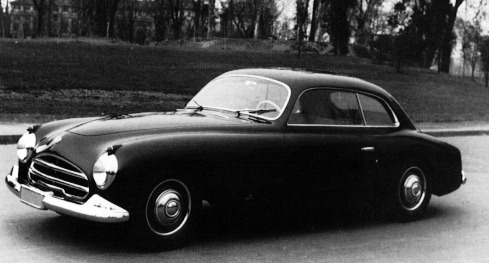
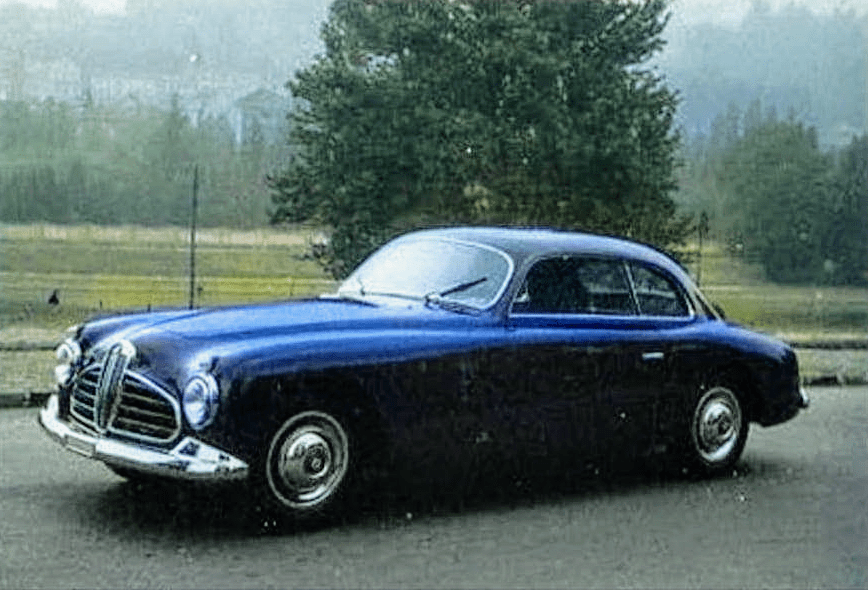
In 1949, Ghia debuted the Fiat 1500 Supergioiello coupe—another polished Michelotti creation—alongside a nearly identical Lancia Aprilia Supergioiello one-off. Both were shown at the Villa d’Este Concours d’Elegance that year, where the Fiat won its class. The Lancia, though just one car, shared the same graceful proportions, proving that a show-stopping body could jump from one platform to another with almost no adjustment. A single brilliant shape could earn admiration twice over.
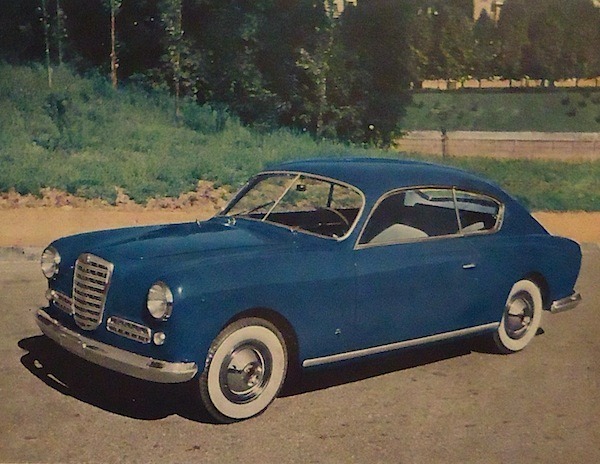
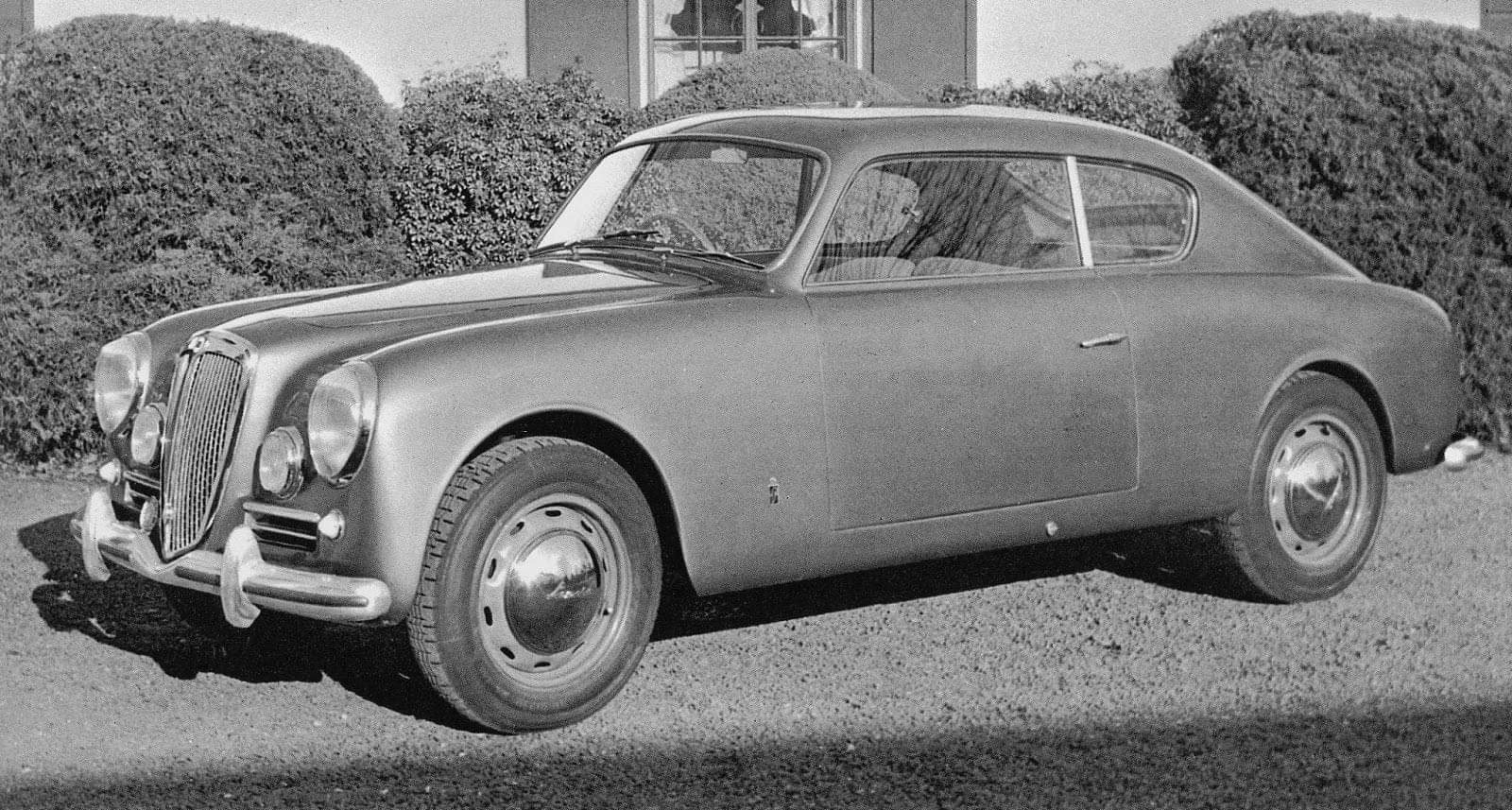
But not all of Ghia’s design reuse was quite so spectacular. Some examples showed a quieter, more refined form of recycling. The 1950 Fiat 1400 “Supergioiello”—a Michelotti-designed coupe built by Ghia—featured clean, modern lines that subtly previewed the Lancia Aurelia B20 GT, which debuted the following year. Though Ghia didn’t build the Lancia (except for a first prototype), many observers believe the Fiat coupe served as an unofficial design template. Its silhouette, details, and proportions echo through the Aurelia, making it one of those rare cases where a show car shaped a production legend without ever being credited.
Of course, the most commercially successful instance of Ghia’s design cross-pollination may be the Volkswagen Karmann Ghia. Built on humble Beetle underpinnings, the 1955 coupe borrowed heavily from the 1953 Chrysler D’Elegance concept car—another Exner-Ghia collaboration. According to some accounts, Ghia’s Felice Boano essentially scaled down the D’Elegance for VW without Chrysler’s blessing. Fortunately, Exner wasn’t upset. On the contrary, he was pleased to see his design language make it into mass production. The result was a runaway success: over 440,000 Karmann Ghias were sold between 1955 and 1974.
🔗 Read more: The Lancia B20 Design Story
In all of these stories, one theme emerges: Ghia understood the power of a good shape. Whether adapting a jet-age dream to multiple chassis, quietly influencing future production cars, or recycling a show concept into a mass-market hit, they turned design into a flexible, global currency. For Ghia, recycling wasn’t just practical—it was visionary.
That vision caught the attention of American manufacturers as well. In 1950, Chrysler, seeking a more cost-effective partner for prototype development, looked to Italy—a country benefiting from Marshall Plan support, with high craftsmanship and relatively low labor costs. The automaker launched a quiet competition between two of Italy’s premier coachbuilders: Pinin Farina and Ghia. The challenge was simple: build a prototype on a Plymouth chassis using Chrysler’s blueprints, as if preparing a production model. Two chassis were shipped to Turin, and the winning carrozzeria would become Chrysler’s official consultant.
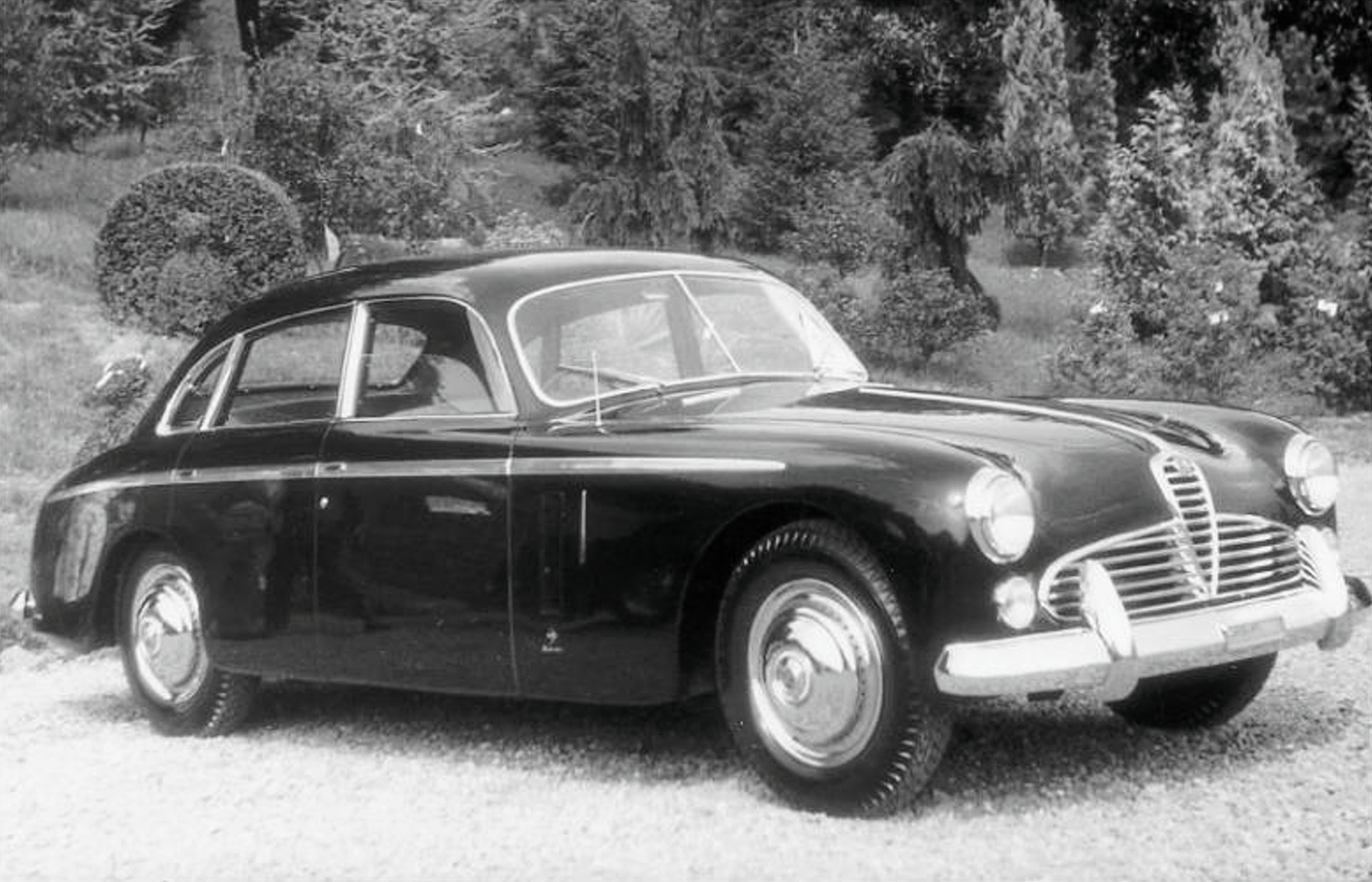
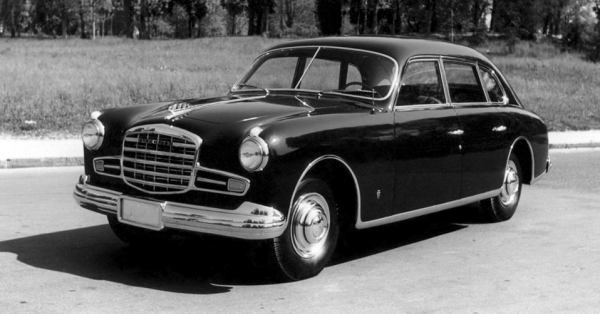
Mario Boano, then leading Ghia, wasn’t satisfied with Chrysler’s original design. Instead, he proposed his own vision—seeking permission to reinterpret the brief according to his instincts. The result was a graceful body, mounted on a Plymouth chassis, that bore a clear resemblance to the Alfa Romeo 6C 2500 he had previously designed—an award-winning car that had taken home awards at the 1949 Stresa and Villa d’Este Concours. The Americans, while perhaps less smitten with the styling itself, were impressed by the precision, craftsmanship, and overall execution. That moment marked the beginning of Ghia’s long and fruitful collaboration with Chrysler, ultimately giving rise to a series of iconic transatlantic designs that would define Ghia’s global legacy.
Vignale: Michelotti’s Mix-and-Match Mastery
In the golden age of Italian coachbuilding, Carrozzeria Vignale stood out as a studio unafraid to blur the lines between marques, sizes, and even national borders. Founded by Alfredo Vignale in 1948, the Turin-based firm quickly became known for its dramatic detailing, fast-paced output, and a design identity shaped in large part by Giovanni Michelotti, whose prolific imagination laid the foundation for much of Vignale’s visual language.
In fact, Vignale’s very first exercise in coachbuilt creativity already hinted at the design recycling that would become one of its signatures. Early on, Michelotti penned a graceful cabriolet body for a Fiat 6C 1500 — its rounded curves and restrained chrome accents showed the influence of Ghia’s prewar elegance. That very same body, with only minor adjustments to trim and proportion, soon reappeared on a Lancia Aprilia Cabriolet. For Vignale, it was a practical and effective way to show off coachwork to multiple audiences. One shape, two badges—one debut.
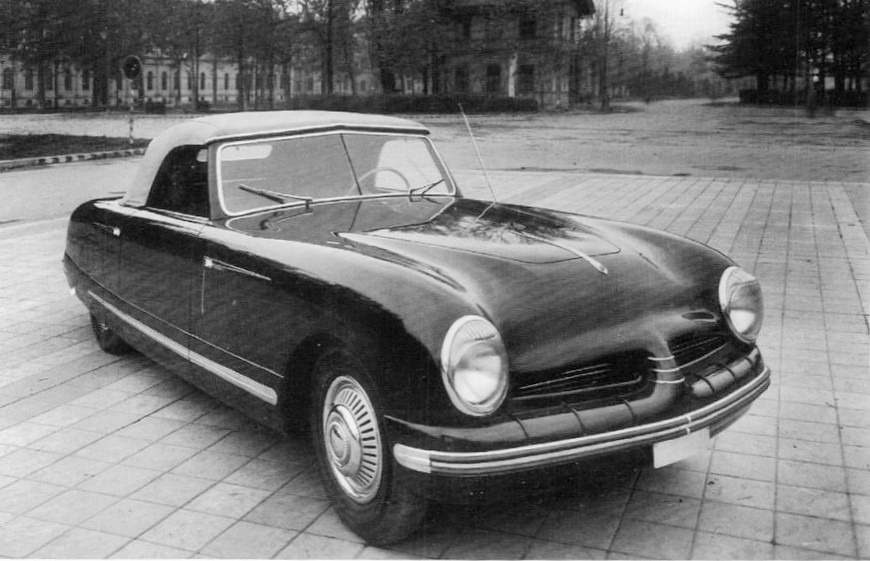
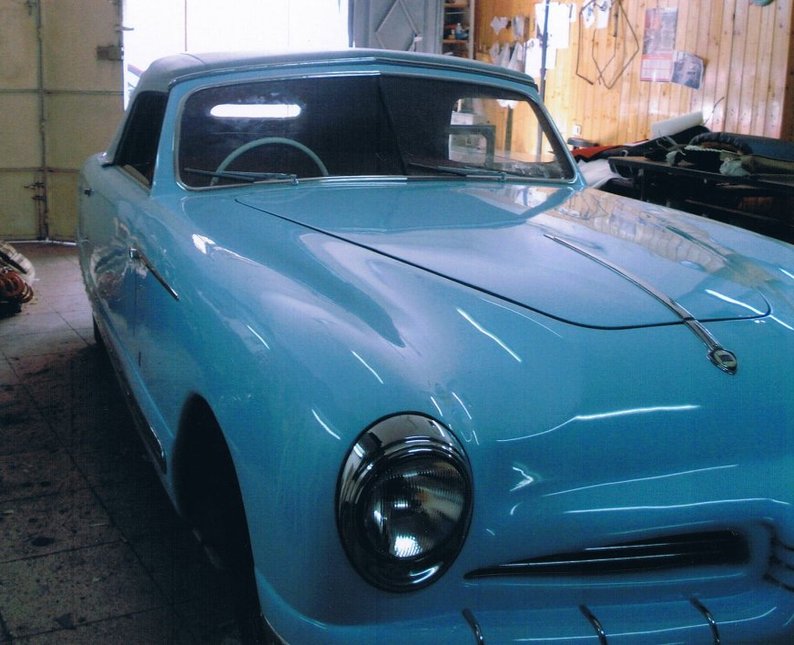
This theme continued throughout the 1950s, especially during Vignale’s collaboration-heavy years. Though best known for its work with Ferrari—where it was briefly the marque’s go-to coachbuilder—Vignale’s client list included Fiat, Maserati, Lancia, Abarth, and even occasional American projects. Thanks to Michelotti’s vision, there was often a strong family resemblance between these otherwise unrelated cars. Sometimes the similarities were subtle, and other times they were impossible to ignore.
A standout example came in 1950, when Michelotti designed a crisp, elegant berlinetta for Ferrari—a 166 Inter with curved alloy sides and a one-piece panoramic windshield that was well ahead of its time. Alfredo Vignale admired the result so much that he soon used a strikingly similar design on the diminutive Abarth 205A, a lightweight sports car with a 1100cc engine. The resemblance was uncanny: same designer, same coachbuilder, same year. But while the Ferrari had a V12 and the name to match, the Abarth looked like its mini-me—a boutique car dressed like a grand tourer. In a less sporty and humble version, the design was also used on the Fiat 1400 Orchidea.
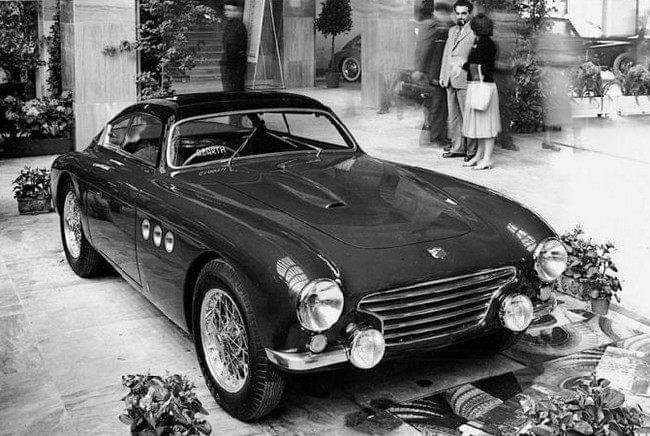
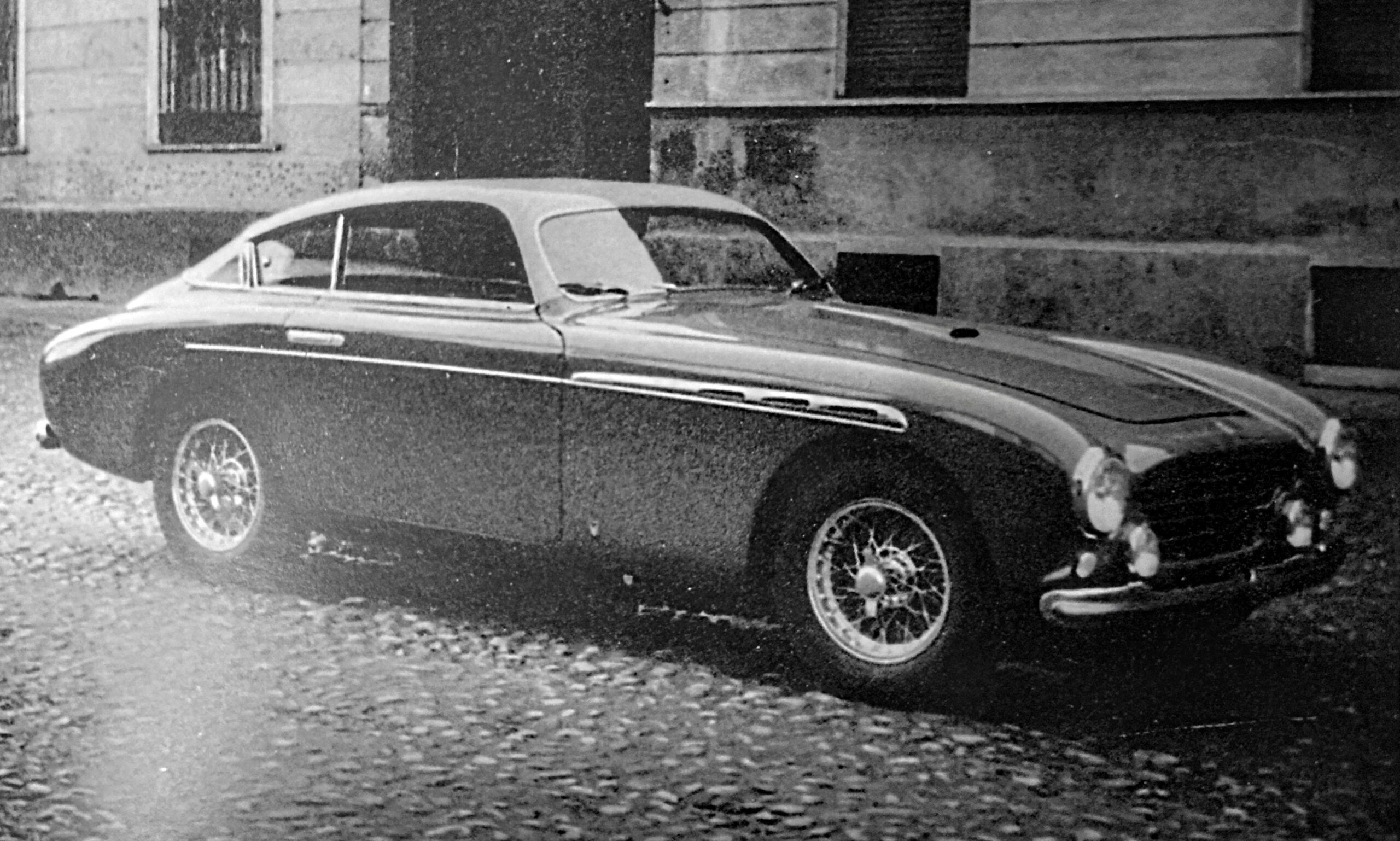
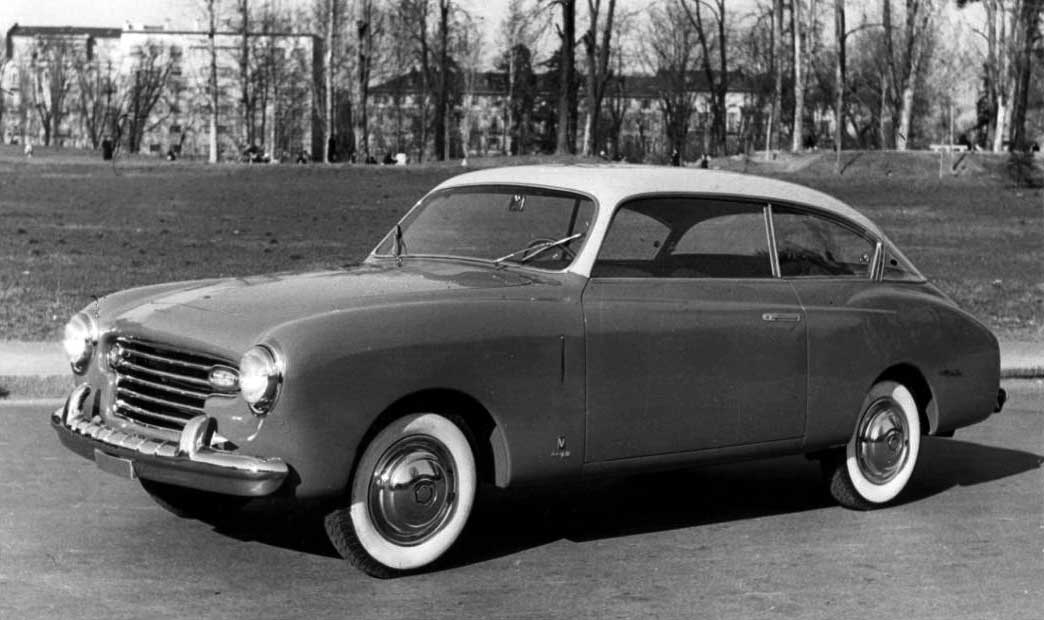
But Michelotti and Vignale didn’t shy away from the mix-and-match formula. In fact, they refined it. Across Ferrari’s 212 and 225 Sport series, Michelotti deployed consistent styling elements—an oval egg-crate grille flanked by inset headlights, faux side vents (cheekily borrowed from Buick), and dramatic two-tone paint schemes that emphasized the curves. These motifs weren’t confined to Ferrari. Around the same time, Vignale began building bodies for American industrialist Briggs Cunningham, whose Cunningham C3 sports cars bore a strong resemblance to contemporary Ferraris—same roofline, same scooped coves, same stylistic DNA.
And the visual crossover didn’t stop there. Vignale’s fingerprint extended even to Jaguar. In 1954, they bodied a pair of XK120s—a coupe and a spyder—infused with unmistakable Italian flair: tailfins, oval grilles, and flowing profiles lifted straight from Ferrari’s playbook. These weren’t factory commissions; they were likely private projects. But the effect was the same—an English car that looked distinctly Mediterranean. One could imagine puzzled onlookers at a concours asking, “Is it a Jaguar or a Ferrari?” The confusion was very much part of the appeal.
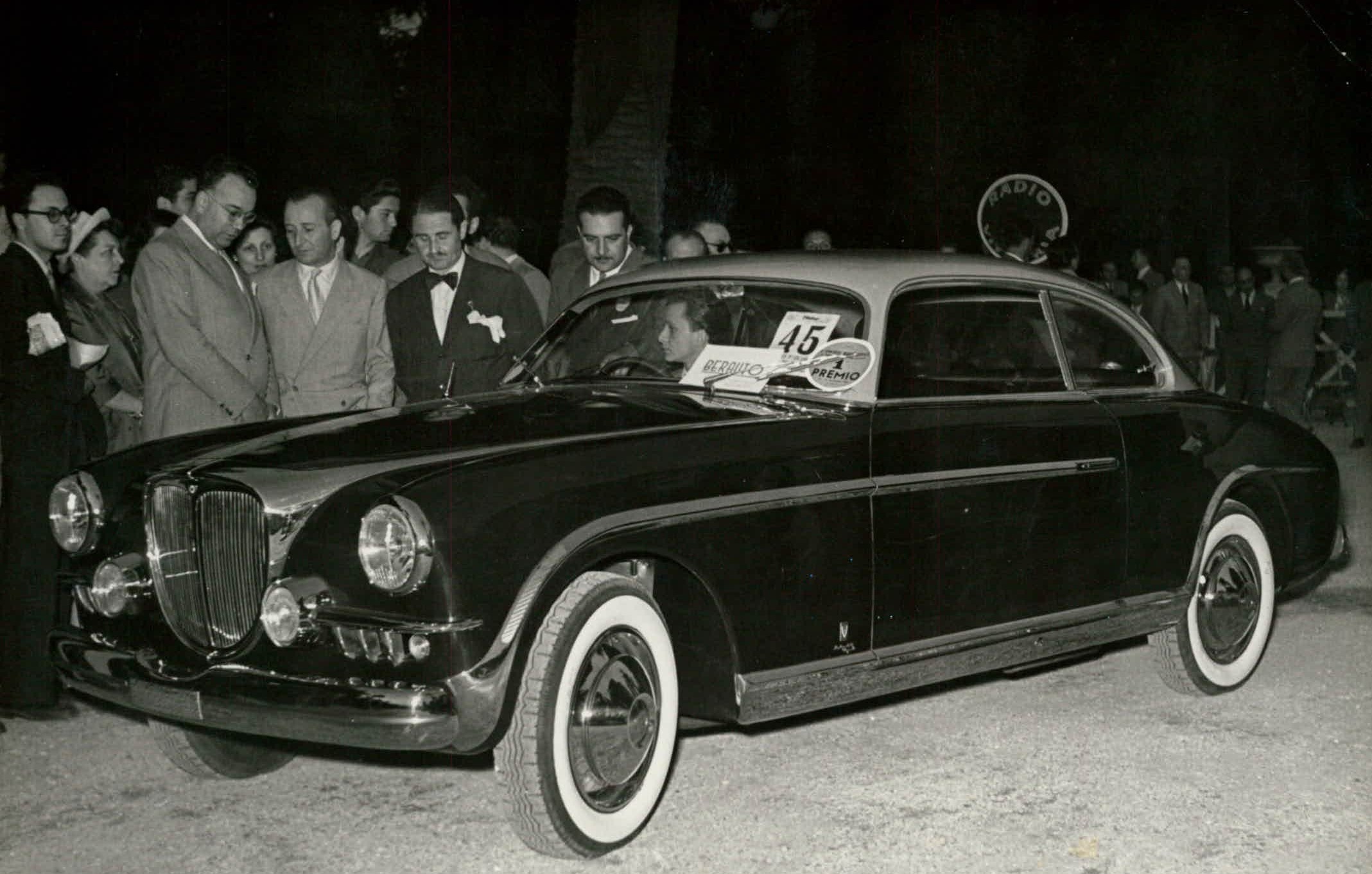
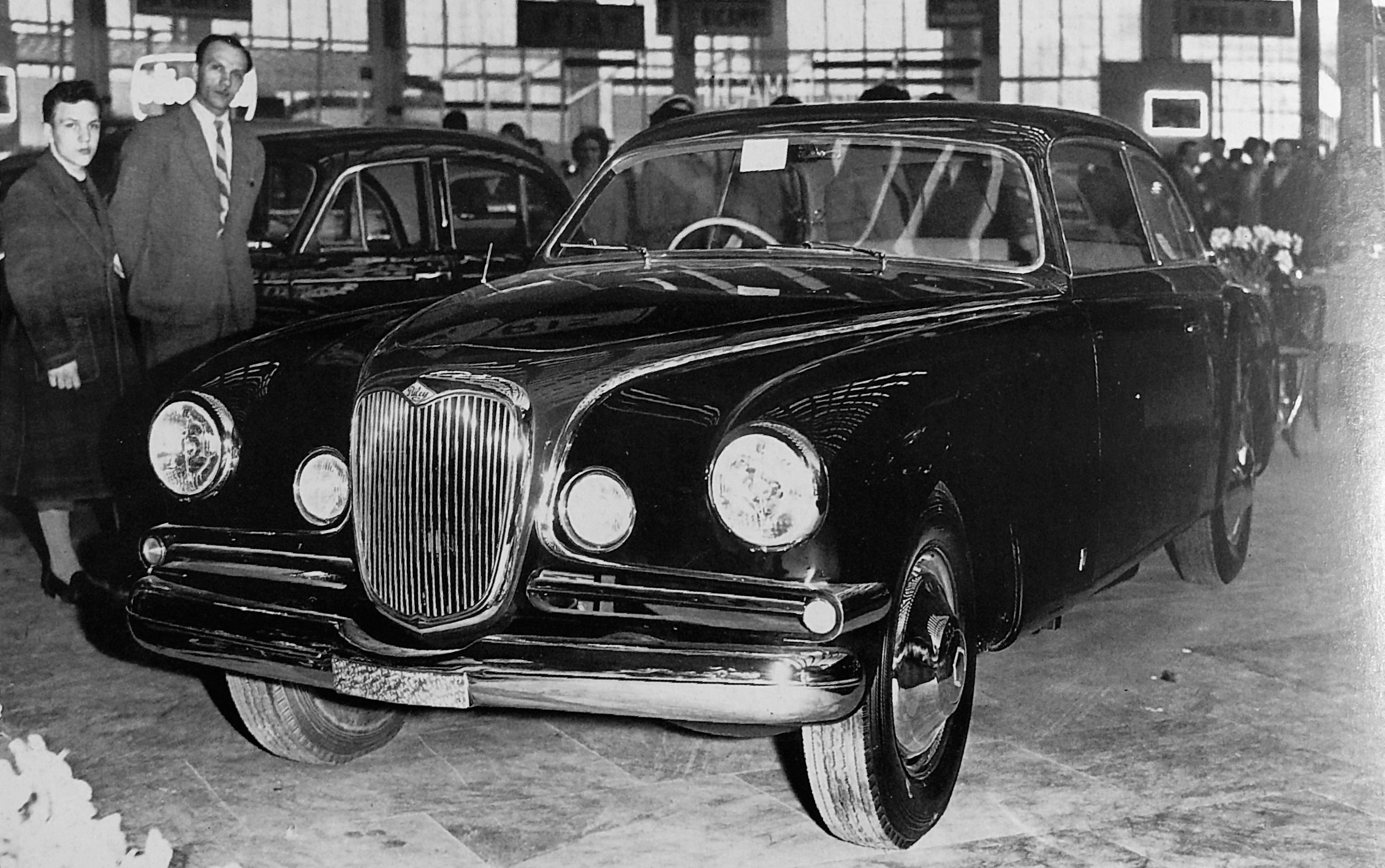
In truth, that design language didn’t just echo across brands—it often reappeared exactly across different chassis. Michelotti’s designs for Vignale were elegant, modular, and commercially savvy. A perfect example is the Lancia Aurelia B50 Coupé Vignale, a transatlantic-styled gem debuted at the 1951 Geneva Motor Show. That same sleek Michelotti body—chrome-rich, with a fastback roof and rounded fenders—was also mounted, almost unchanged, on a Riley RMB. While only three Aurelias survive with that body style, a unique Riley with the same look was shown at the 1951 Concorso d’Eleganza di Roma and later Turin. Here, one design lived two lives: one Italian, one British.
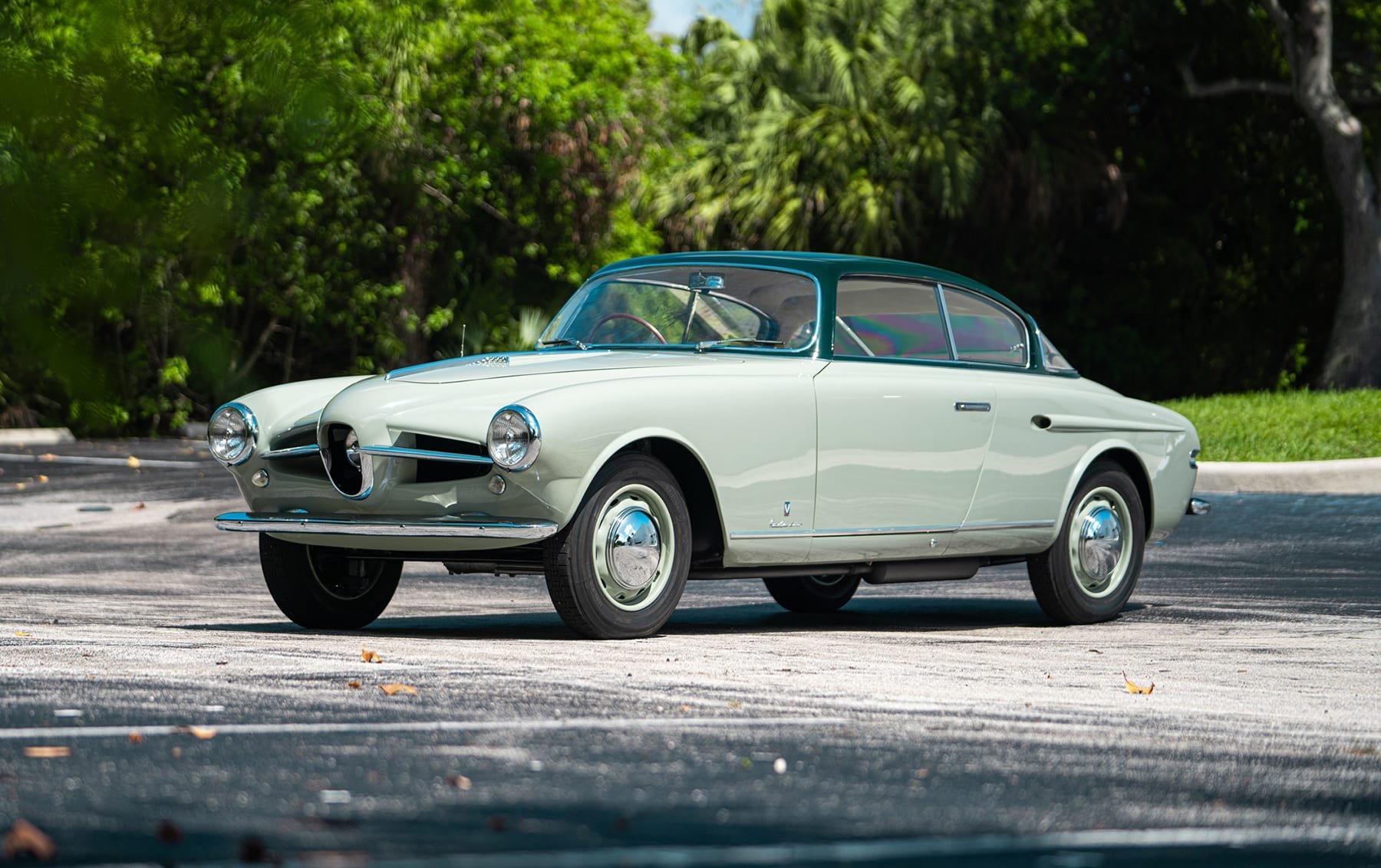
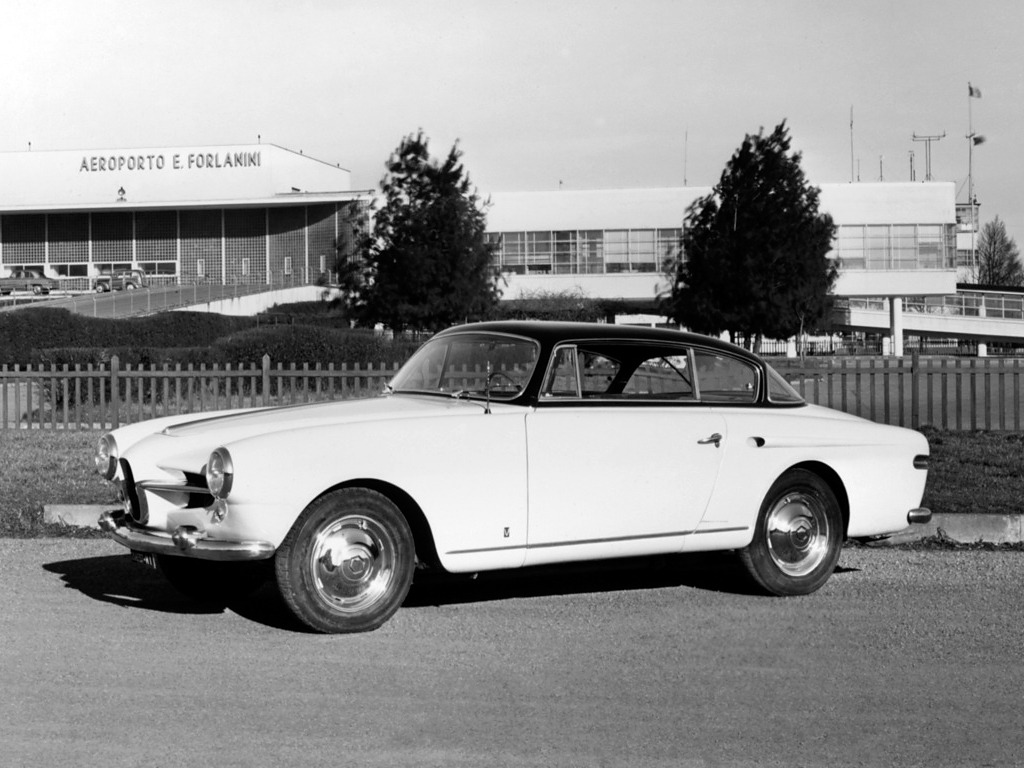
A similar story unfolded with the Lancia Aurelia B52 and the Alfa Romeo 1900 SS, both wearing a distinctive Michelotti design built by Vignale. The cars share a long, sleek profile with a central driving light mounted between a split grille—reminiscent of American Studebakers but unmistakably Italian in execution. While there’s been some debate about whether designer Rodolfo Bonetto had a hand in the Alfa’s design, the visual and contextual evidence points clearly to Michelotti. The B52’s proportions, taillights, and cabin architecture match the Alfa’s closely. In both cases, the body transcended the chassis—a Michelotti silhouette that could wear two badges without blinking.
Then there’s another surprising trio: the Fiat 8V Vignale, Cadillac Coupé Bill Frick, and a one-off MG TD. All three cars, though wildly different under the skin, wear nearly identical Michelotti-designed bodies built by Vignale between 1953 and 1954. The Fiat 8V (chassis 000046) was the first of thirteen Vignale-bodied 8Vs, combining aggressive elegance with the agility of Fiat’s “Otto Vu” V8. The Cadillac, commissioned by American tuner Bill Frick, brought that same design—arched fenders, wide grille, sleek roofline—to Detroit muscle. And the MG TD? A humble British roadster, reborn with the same couture coachwork as the Fiat and Cadillac, right down to the mini-bar tucked behind the seats. It won top honors at the 1953 Concorso d’Eleganza di Stresa, a testament to how well Michelotti’s shape fit any chassis. These weren’t just styling echoes—they were body doubles, proving that Vignale’s aesthetic could be as adaptable as it was desirable.
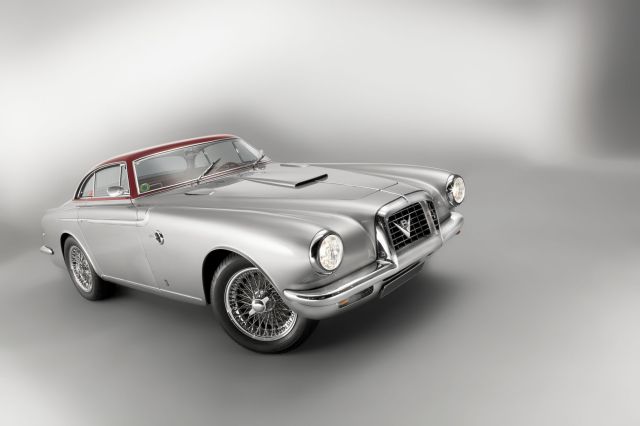
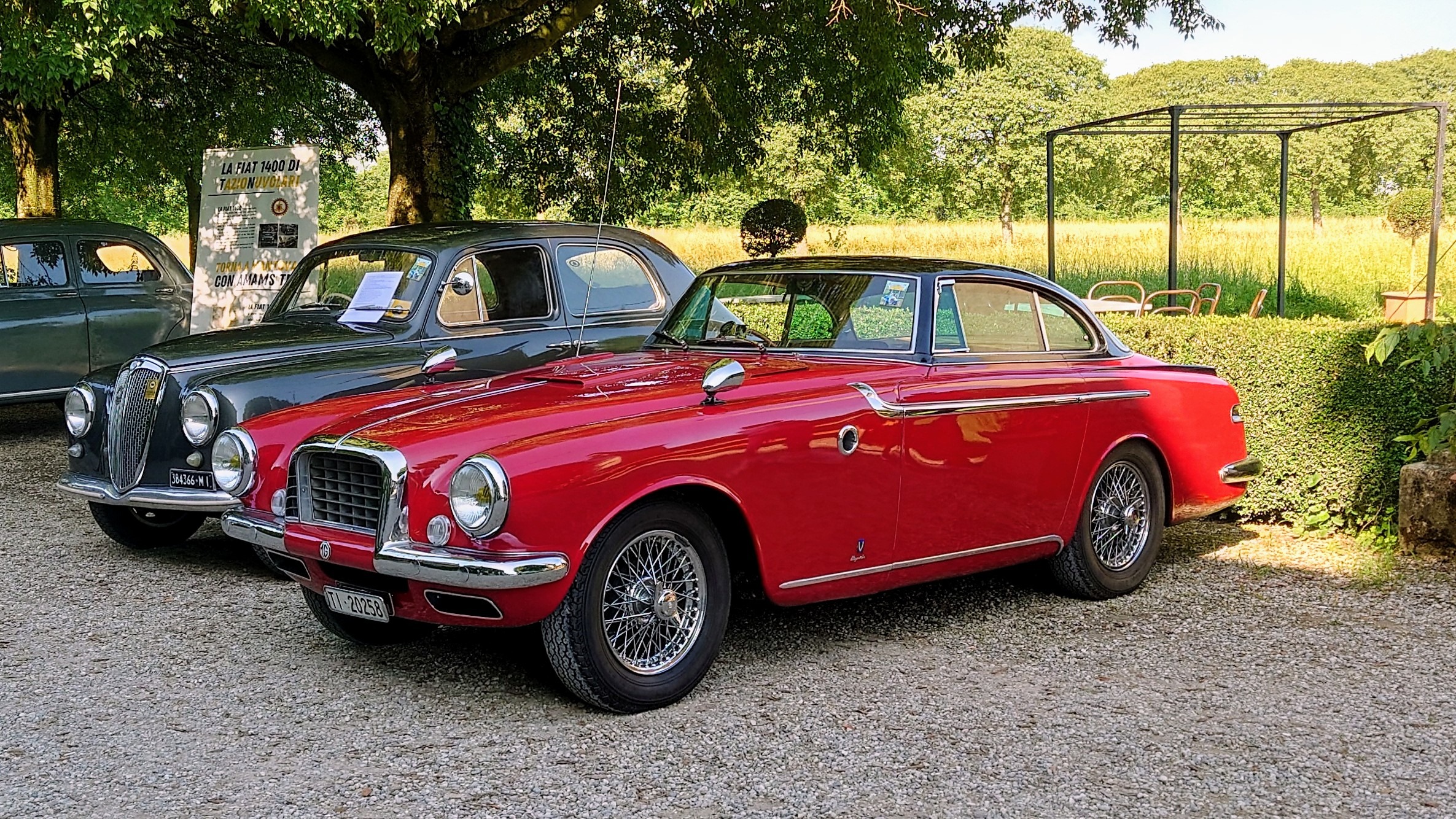
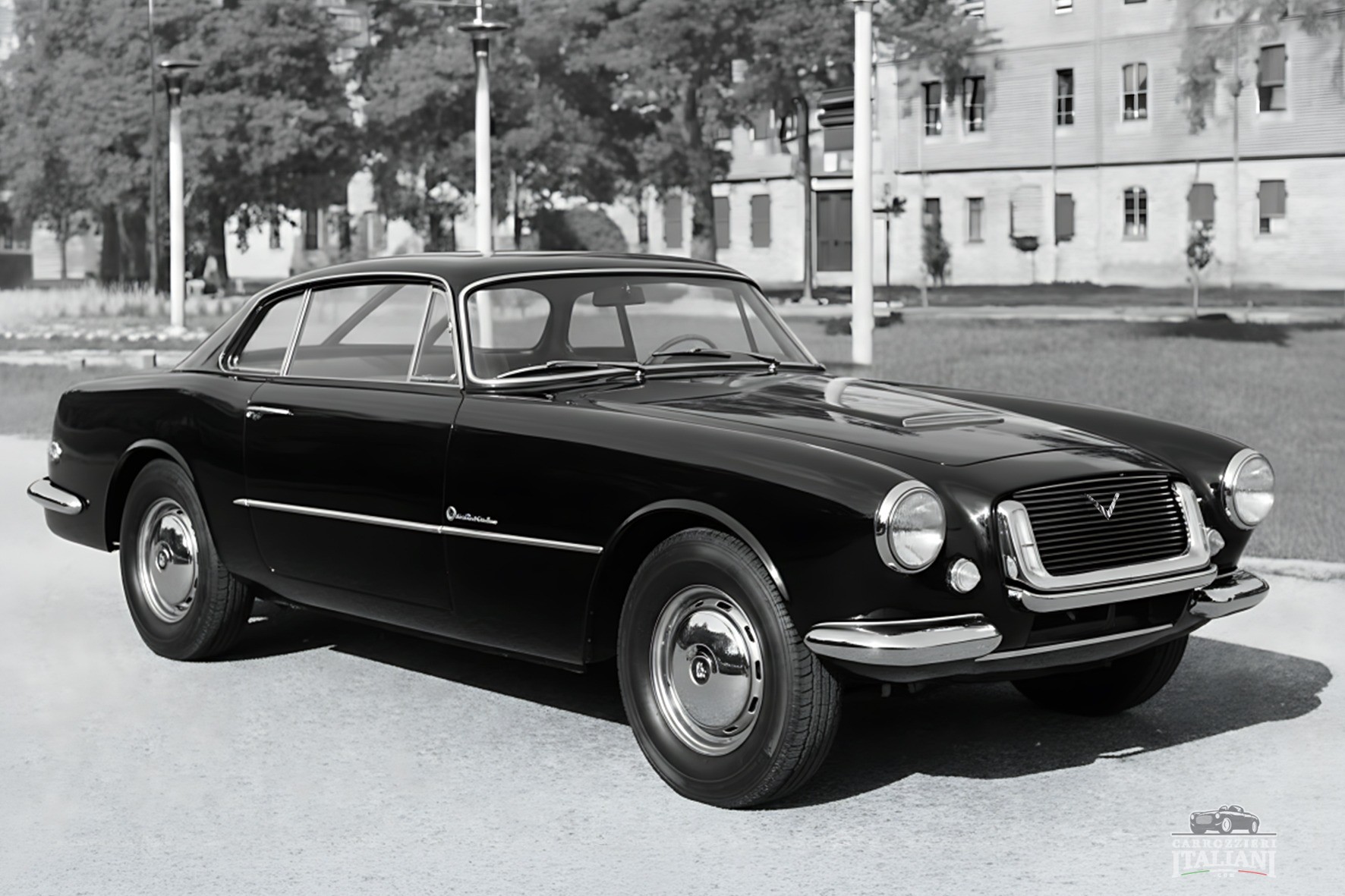
By the mid-1950s, Vignale’s design language had become a kind of mobile signature—instantly recognizable, regardless of the badge. Michelotti’s prolific imagination meant there were always new ideas, but many evolved from familiar foundations. His shapes were like modular couture: refined, repeatable, and customizable. A roofline or grille from a Lancia might resurface on a Riley, then again on an Alfa or a Fiat with minor tweaks.
As the 1950s gave way to the ’60s, the era of one-off custom bodies began to fade. Vignale shifted toward production-based work—Fiat specials like the Samantha, and series-built Maserati 3500 GTs. Michelotti eventually struck out on his own. And in 1969, Alfredo Vignale’s sudden death marked the end of the original firm, which was soon absorbed by De Tomaso and Ford.
🔗 Read more: Giovanni Michelotti: Automotive Maestro
But during its golden years, Vignale stood for something uniquely Italian: boldness with elegance, repetition with flair. In Michelotti’s hands, a great design didn’t die after one debut—it went on to live multiple lives. Whether draped over a Ferrari or a Riley, a Cadillac or an MG, Vignale’s creations shared more than styling—they shared a philosophy: beauty worth repeating.
How Touring’s Timeless Design Traveled Across Chassis
Carrozzeria Touring, the Milanese atelier behind the revolutionary Superleggera construction method, was known for its light touch—both literally and stylistically. But alongside its technical brilliance, Touring also mastered the art of quiet efficiency: reusing a single, elegant body design across multiple chassis. In the resource-scarce and transitional 1940s, this approach wasn’t laziness—it was intelligent, economical, and deeply stylish. A great design didn’t need to be thrown away after one use; it could be reshaped, resized, and reapplied like a tailor adjusting a bespoke suit for different clients. Two key episodes from Touring’s wartime and postwar history illustrate this practice with remarkable clarity.
The first case begins in 1944, when Touring bodied just nine examples of the Alfa Romeo 6C 2500 S “Turinga” Berlinetta. Constructed in the midst of World War II, these cars reflected not just engineering perseverance but also the political climate of the time. As part of Fascist Italy’s push to eliminate foreign-sounding names, Touring was temporarily rebranded as “Turinga.” The 6C 2500 S Turinga combined the firm’s signature Superleggera construction with an aerodynamic fastback form—smooth, restrained, and strikingly modern. Its flowing fenders, low roofline, and gently tapered tail gave it a sense of timeless elegance, in stark contrast to the chaos of the era.
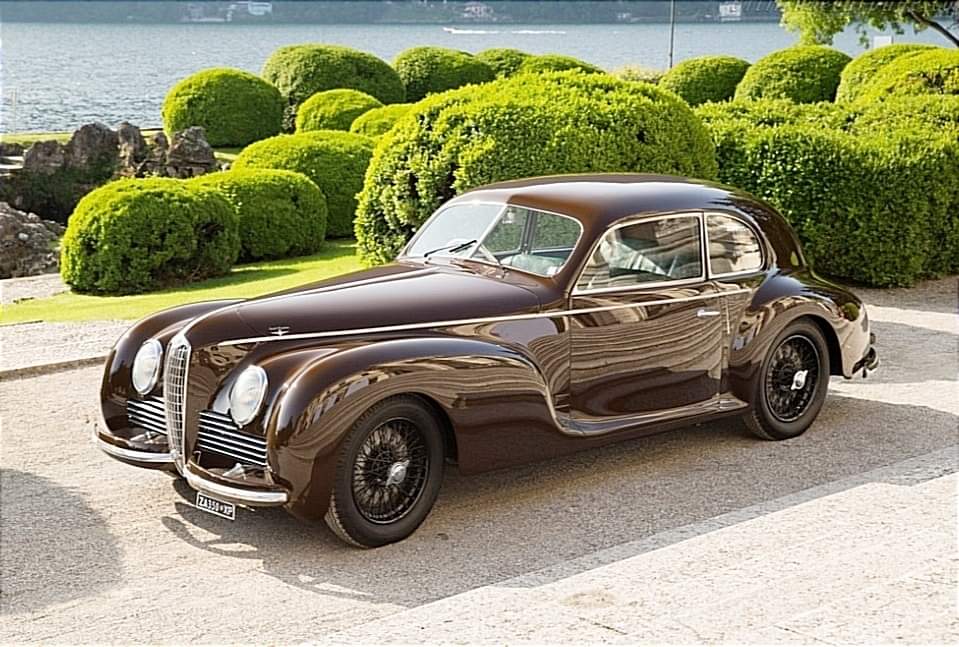
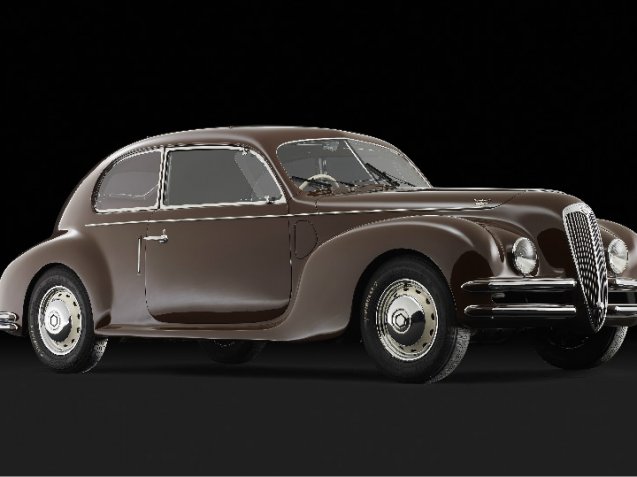
Two years later, in 1946, that same body design was revived on a completely different chassis: the compact, V4-powered Lancia Aprilia. This one-off Berlinetta, built by Touring and now preserved in the Lopresto Collection, wore the same design language as the wartime Alfa—right down to the proportions, the curve of the fenders, and the placement of trim. It was unmistakably a sibling, just scaled to a smaller format. This repurposing of the Berlinetta body showed how Touring could adapt a successful shape across wildly different mechanical foundations, without losing its identity. Today, only three Alfa Turingas are known to survive, and the Aprilia Berlinetta, which won Best in Show at the 2013 Ludwigsburg Concours, stands as its peacetime mirror—two expressions of the same idea, shaped by two very different Italys.
A second, equally intriguing case emerged in the immediate postwar years, with a coupe design that crossed borders and brands. Touring first unveiled this shape on the Alfa Romeo 6C 2500 Sport “Aerlux,” a limited series of sleek coupes that featured a novel Plexiglas roof panel—a nod to contemporary aviation. Beneath the transparent roof was Touring’s refined, minimalist bodywork: long bonnet, smooth flanks, gentle fender curves, and a tapering rear. The Aerlux was both a technical showcase and a stylistic template.
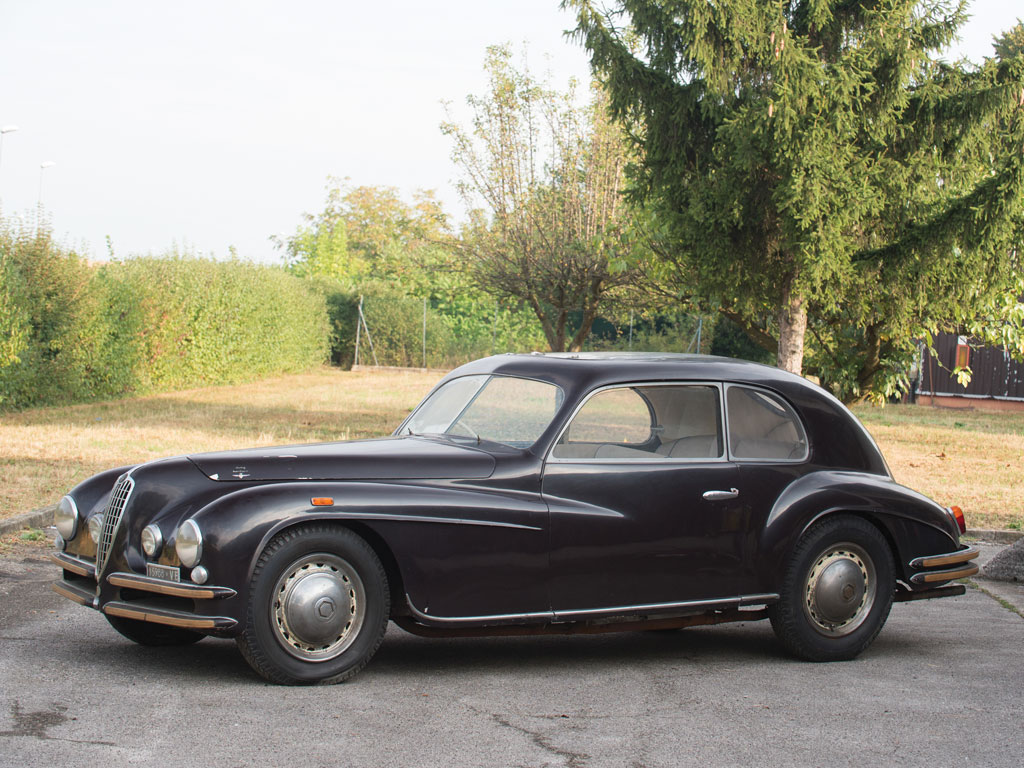
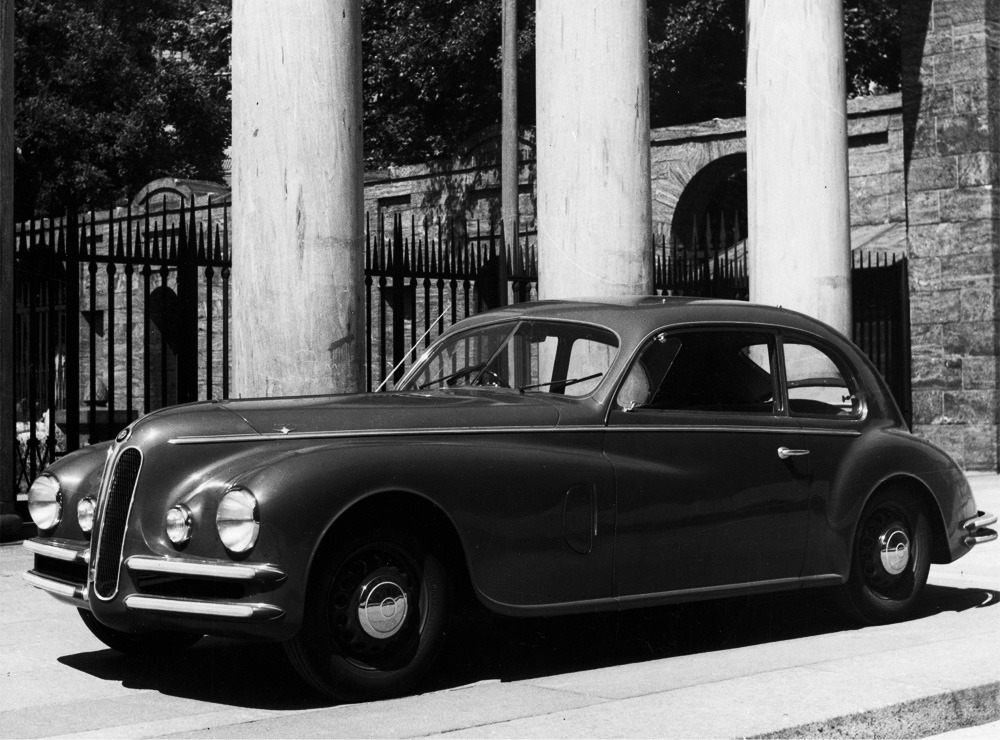
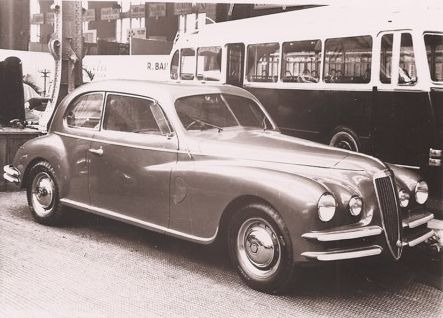
That template soon found new life on other chassis. In Britain, Bristol licensed the Superleggera system from Touring and used this very design—almost unchanged—for their 401 model. Though the engineering was different and the detailing adapted, the Bristol bore an unmistakable resemblance to its Italian cousin. It was an elegant British interpretation of an Italian body, built with aircraft precision and wrapped in Touring’s curves.
Back in Italy, the same form reappeared once more on a special Lancia Aprilia Berlinetta, which debuted at the 1947 Mostra della Carrozzeria and was later shown at the 1949 Paris Motor Show. Again, the underpinnings were more modest, but the body remained pure Touring: refined, proportionally balanced, and effortlessly streamlined. It was a visual through-line that connected three marques—Alfa Romeo, Bristol, and Lancia—through one exceptional design.
In both cases, Touring demonstrated how a masterful shape could transcend brand, engine, and even national origin. Their willingness to reuse and adapt designs speaks not of shortcuts, but of vision: a belief that form, when done right, deserves more than one chance to shine. Whether in wartime scarcity or postwar rebirth, Touring’s bodywork floated above circumstance—lightweight, elegant, and timeless.
Reactions and Legacy: From Copycats to Creativity
Design recycling in mid-century Italy was very much a product of its time—and that time didn’t last forever. By the 1960s, the automotive world was changing. Mass production, stronger brand identities, and tighter design control left little room for coachbuilders to freely restyle one car for another marque. But during the peak decades of the 1940s and ’50s, how did people respond to these cross-chassis clones?
Clients and Car Makers: Reactions varied. Wealthy clients commissioning one-off bodies often knew what they were getting. If someone saw a stunning Farina-bodied Ferrari and wanted a similar look for their Alfa Romeo, they’d simply ask—and Farina would happily oblige. For smaller automakers, borrowing a proven design could add prestige. Fiat, for instance, likely welcomed Ghia’s Supersonic styling on their 8V—it brought flair and attention. Abarth initially benefitted from the Ferrari-esque body Vignale created for their 205 coupe…until people began making less-than-flattering comparisons between the two.
Not all manufacturers were so forgiving. Enzo Ferrari, famously protective of his brand’s image, was outraged to see “his” design echoing on lesser cars. Similarly, Aston Martin reportedly allowed a few Bertone-bodied Arnolt-Astons to be built before pulling the plug, likely wary of confusing their identity or complicating customer support. Exclusive design agreements, like Ferrari’s deal with Pininfarina in 1952, signaled the start of a new era—where luxury brands no longer tolerated design overlap.
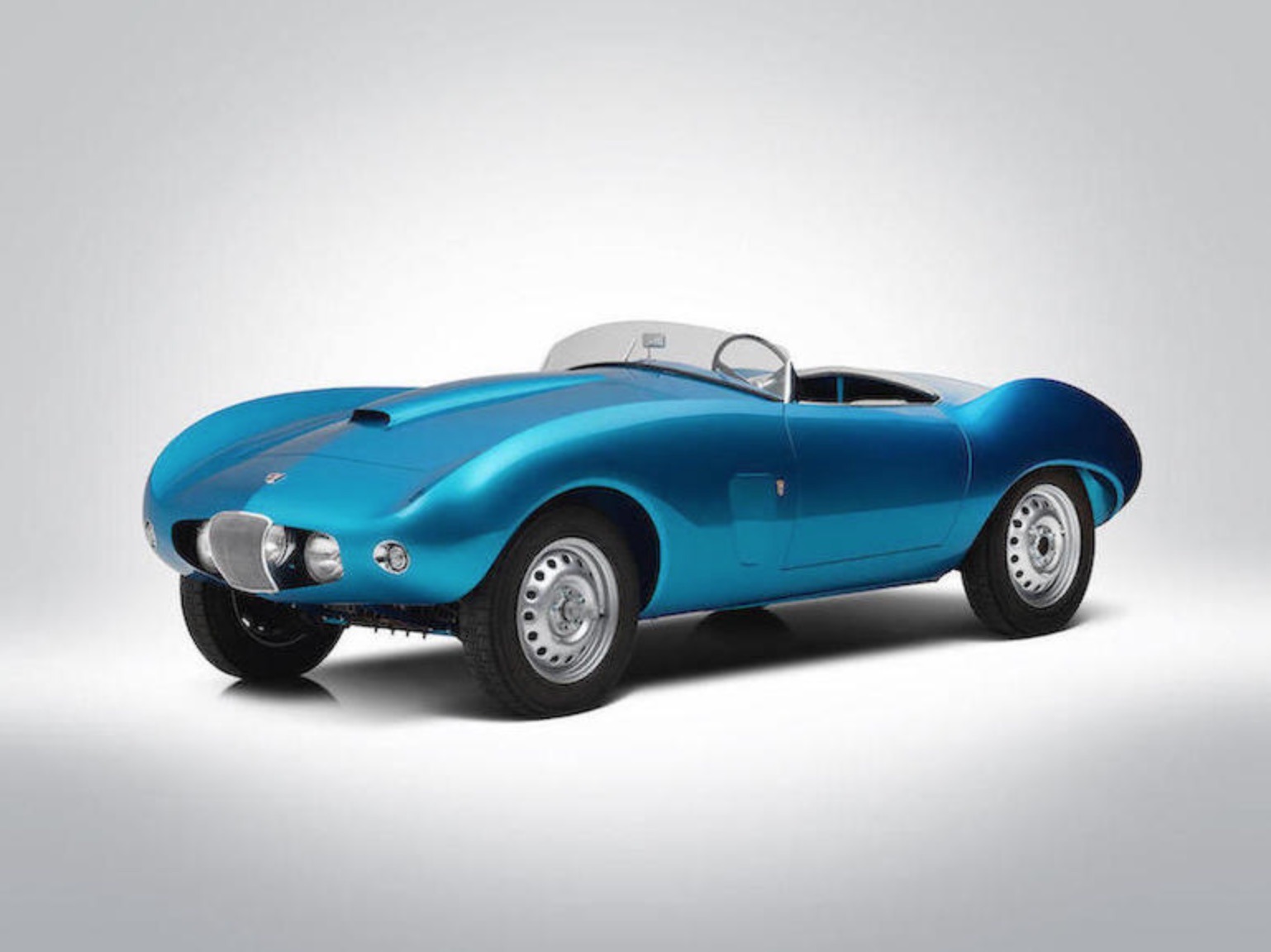
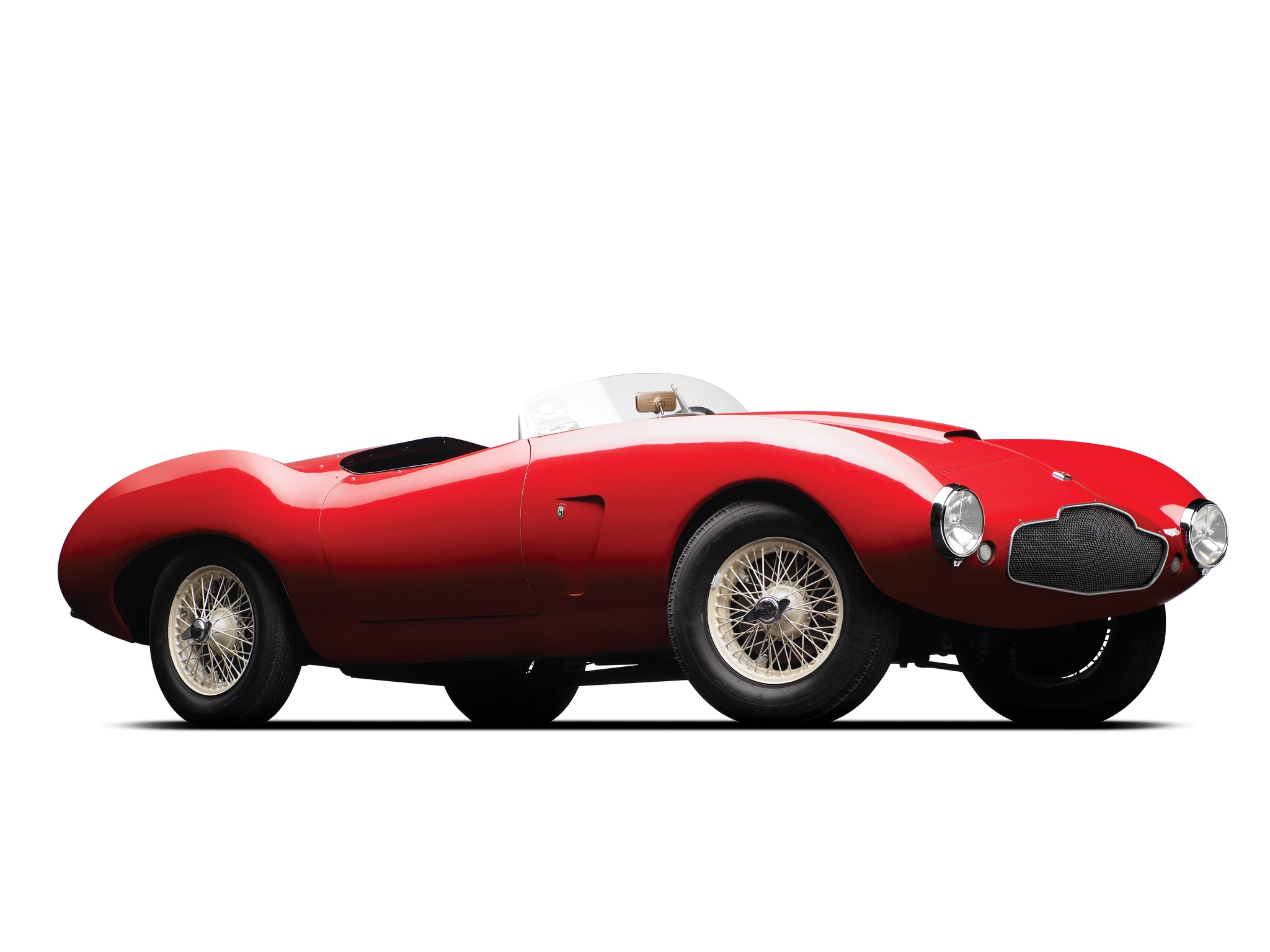
The Public and Enthusiasts: To the general public, these recycled designs probably flew under the radar. Unless you were a devoted reader of foreign auto magazines, you might never see both versions of a “twin” to compare. But enthusiasts and journalists took notice. Period reviews often noted “striking similarities” or “design controversies.” Some saw it as clever—a way to get Ferrari flair on a Fiat budget. Others likely frowned upon it, especially those paying top lira for a car they thought was one of a kind. After all, nobody wants their custom masterpiece to show up wearing the same outfit at the next villa gathering.
Auto shows amplified the drama. Imagine strolling through the 1953 Turin Auto Salon: you pass a Vignale Ferrari in bold two-tone, then spot a Lancia or Abarth nearby with an eerily similar nose or tail. It was enough to spark gossip, side-eyes, and whispered debates about who copied whom. That competitive tension remains a fun chapter in automotive lore.
Branding and Style Impact: In the short term, design reuse helped spread visual trends. Coachbuilders like Vignale, Ghia, and Farina unintentionally shaped the era’s aesthetic by repeating motifs—egg-crate grilles, wraparound windshields, sculpted fins—across multiple marques. It created a unified “Italian style” admired around the world, but it also meant that originality sometimes blurred, especially with designers like Michelotti contributing across brands.
By the late 1960s, the era of mix-and-match styling was coming to a close. Carmakers now employed in-house studios or signed exclusive design contracts, and coachbuilding shifted from freeform creativity to tightly managed partnerships. The fuoriserie tradition evolved, moving toward ultra-rare commissions or personalized versions of existing models. The days of repurposing one spectacular shape across several chassis were over—but the legacy of that creative freedom still shapes the way we view coachbuilt cars today.
Legacy: Today, those cross-chassis creations are highly prized by collectors because of their unique stories. Each “twin set” of cars has its own lore: the Ferrari and the Fiat that caused Enzo’s ire; the Abarth and Ferrari that looked alike and dueled for customers; the Ghia Supersonics, siblings separated at birth across Fiat, Jaguar, and Aston families. These cars are rolling reminders that even in a fiercely creative industry, recycling isn’t new – it’s been happening since mid-century craftsmen found ways to balance art and commerce.
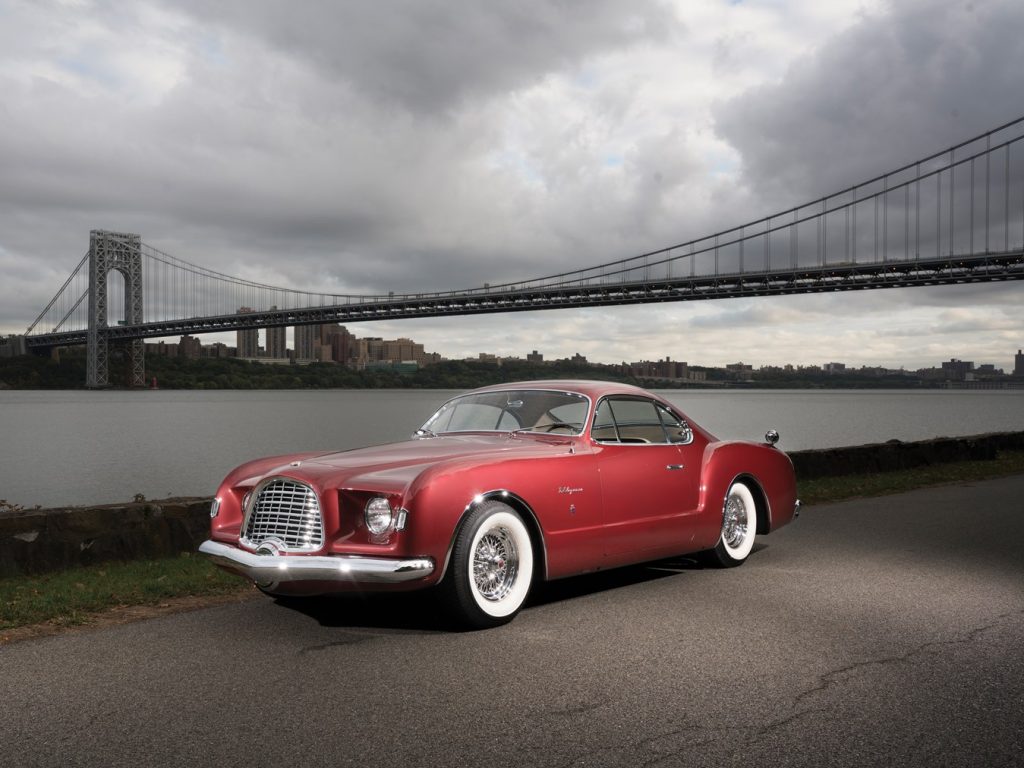
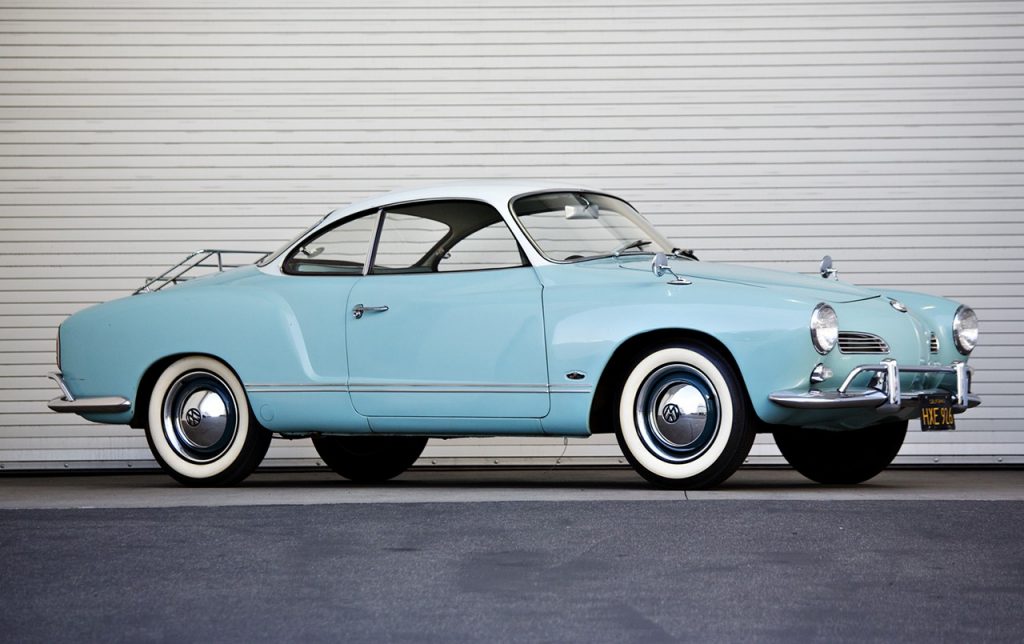
And there’s a funny sort of justice in hindsight: what was once seen as derivative can now be seen as artful. The Karmann Ghia, born from a copied Chrysler show car, is now celebrated as a design icon in its own right. The Fiat 8V Supersonic, which shared its attire with Jaguar and others, is one of the crown jewels of 1950s automotive art – nobody cares that the same dress was worn by an Aston Martin, they just want to bask in its beauty. In essence, time has been kind to these “design recyclings,” turning them from potential embarrassments into fascinating footnotes of design evolution.
One Size (Almost) Fits All
The period from the 1930s to 1960s in Italy was a fertile ground for automotive creativity, where coachbuilders were artists and engineers rolled into one – but also shrewd businessmen when need be. Recycling or adapting designs across different chassis was a clever solution to practical challenges, and it produced some of the most charming and intriguing cars in history. From Stabilimenti Farina’s cross-marque coupes, to Pininfarina’s subtle theme-sharing, Bertone’s scaled-up and scaled-down specials, Ghia’s jet-age multi-make extravaganza, and Vignale’s Ferrari/Abarth lookalikes, each coachbuilder played the game in their own style.
This practice tells us a lot about that era: it was equal parts innovation, opportunism, and dare we say, a bit of cheeky mischief. It underscores how coachbuilders saw themselves as equal partners in a car’s identity – sometimes even overshadowing the chassis maker. After all, if the same body could grace a Ferrari and a Fiat, what did that say? It said that in Italy, design was king. The carrozzerie were effectively saying: “People fall in love with the shape, not the badge. And we shape the shapes.”
Of course, as the industry matured, this free-spirited design reuse gave way to more rigid brand identities. But for a glorious few decades, there was a wonderful freedom that led to unlikely twin cars and shared automotive couture. Enthusiasts today can swap tales of these “separated at birth” cars, adding an extra layer of enjoyment to classic car spotting (“Hey, isn’t that basically the same body as…?”).
🔗 Read part 2: One Design, Many Chassis – Pt. 2: When Pininfarina Repeats Itself
In the end, the design recycling of 1930s–60s Italian coachbuilders wasn’t about laziness or lack of ideas – it was about making the most of a great idea in a time when practicality often nudged artistry to play along. It gave us some of the prettiest and most unusual car pairings ever seen. And it certainly didn’t hurt the Italian reputation for style; if anything, it spread that style far and wide. As a funny, friendly, yet professional toast to that era, we say: Grazie to those coachbuilding maestros for every recycled curve and repurposed fender. After all, imitation is the sincerest form of flattery – and in this case, it resulted in some seriously flattered (and flattering) automobiles.

ABOUT THE AUTHOR
Andreas Scheidl
Italian classic car enthusiast with German roots. Renowned as a respected figure in the classic car community, he serves as a jury member at various international concours d'elegance, including the Classic Gala Schwetzingen and Mantova. As a content creator, Andreas passionately shares his profound knowledge and appreciation for vintage automobiles. His heart beats for cars designed by Giovanni Michelotti, showcasing his discerning taste and dedication to preserving the timeless elegance of automotive history.
More stories by Andreas Scheidl ↗CONTINUE READING
Posts You Might Like
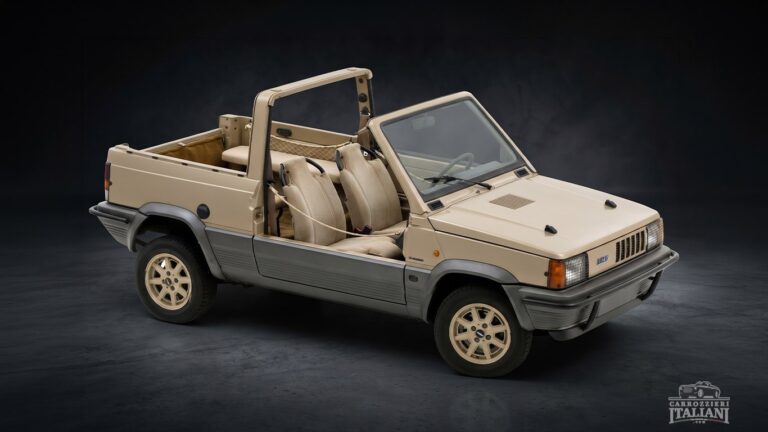
Fiat Panda Cabrio: The Italian Coachbuilders Who Opened Giugiaro’s Box
From Moretti’s Panda Rock to Italdesign’s experimental Strip, Maggiora’s four-wheel-drive convertible and Stola’s remarkable Destriero, the history of the open-top Panda reveals an unexpected chapter in Italian coachbuilding. When Giorgetto Giugiaro designed…
Read story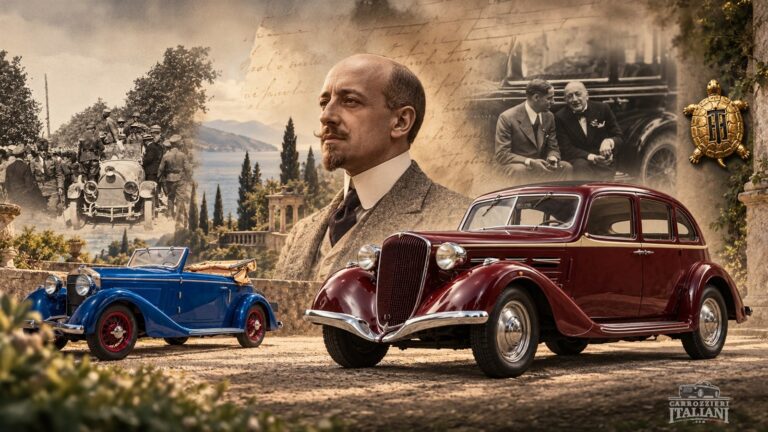
Gabriele d’Annunzio and the Cult of the Automobile
There was a time when the automobile had not yet become part of the landscape. It announced itself from afar through the beating of an engine, the smell of petrol and hot…
Read story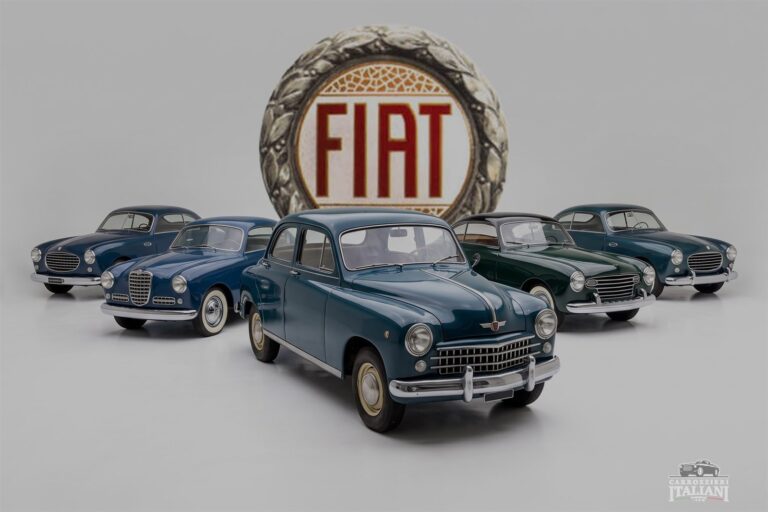
Fiat 1400: The Last Great Playground of the Carrozzieri
From Touring and Abarth to Farina, Ghia, Vignale, Boneschi, Bertone, Viotti and the smaller carrozzerie, the new Fiat quickly became one of the richest bases for Italian special bodies in the early…
Read story
How a Swiss Dealer Challenged Ferrari: The Story of Monteverdi
How Peter Monteverdi went from Swiss Ferrari dealer to creator of rare Frua and Fissore-bodied GTs, the Hai supercar and luxury off-roaders.
Read story
THE CONVERSATION
Comments 0
Share a memory, a period photograph or a documented detail about this story.