
THE VEHICLE AT A GLANCE
Model dossier
- Production period
- 1947
- Body style
- Berlinetta
- Engine
- Inline-6
- Type
- Limited
- Production
- 611
THE PEOPLE BEHIND THE CAR
Coachbuilding, design & conversions

PRICE & SALES RECORD
Vehicle value
- Original price
- Not documented
- Latest recorded sale
- Not documented
01 / THE STORY
History & context
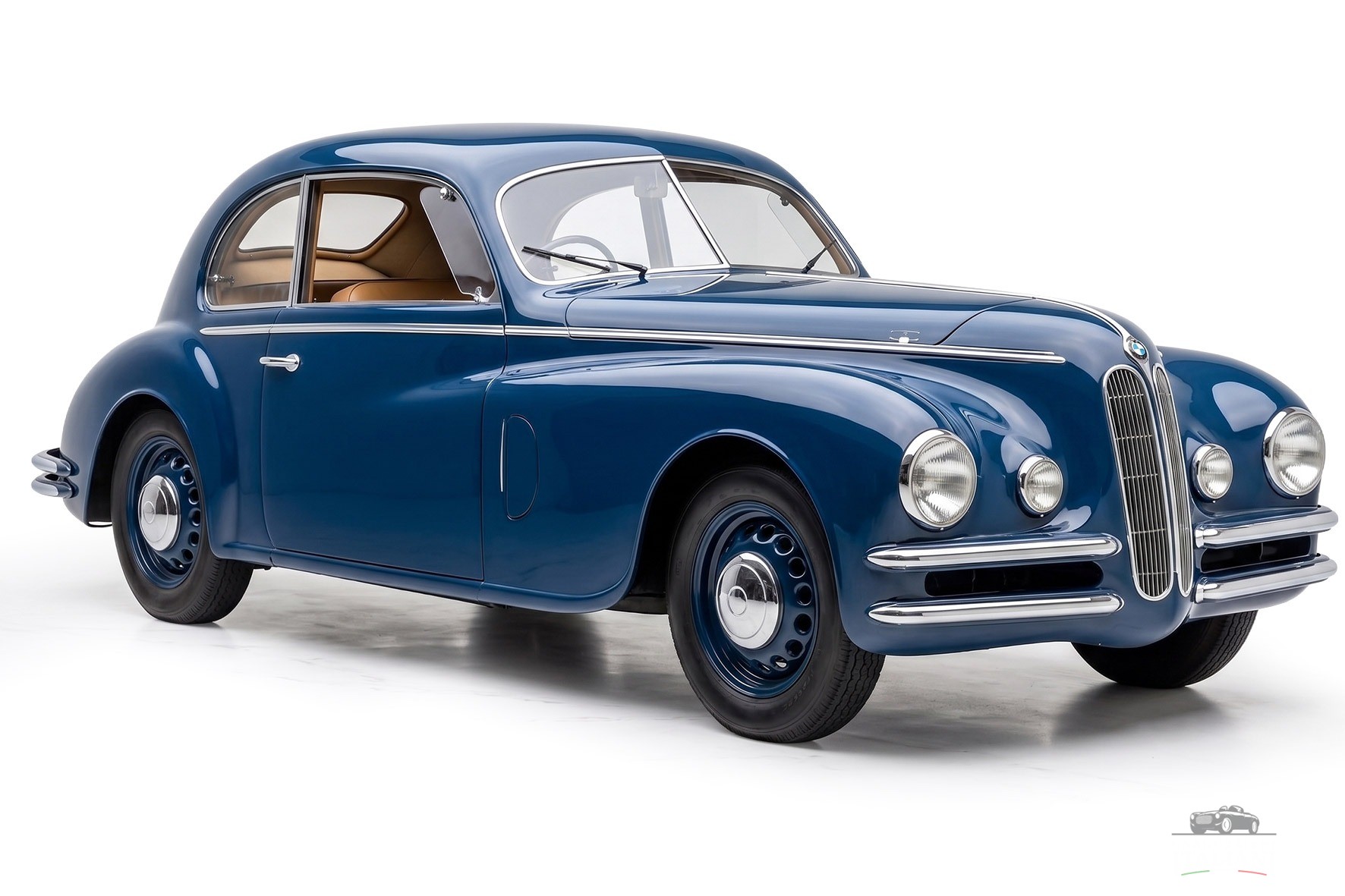
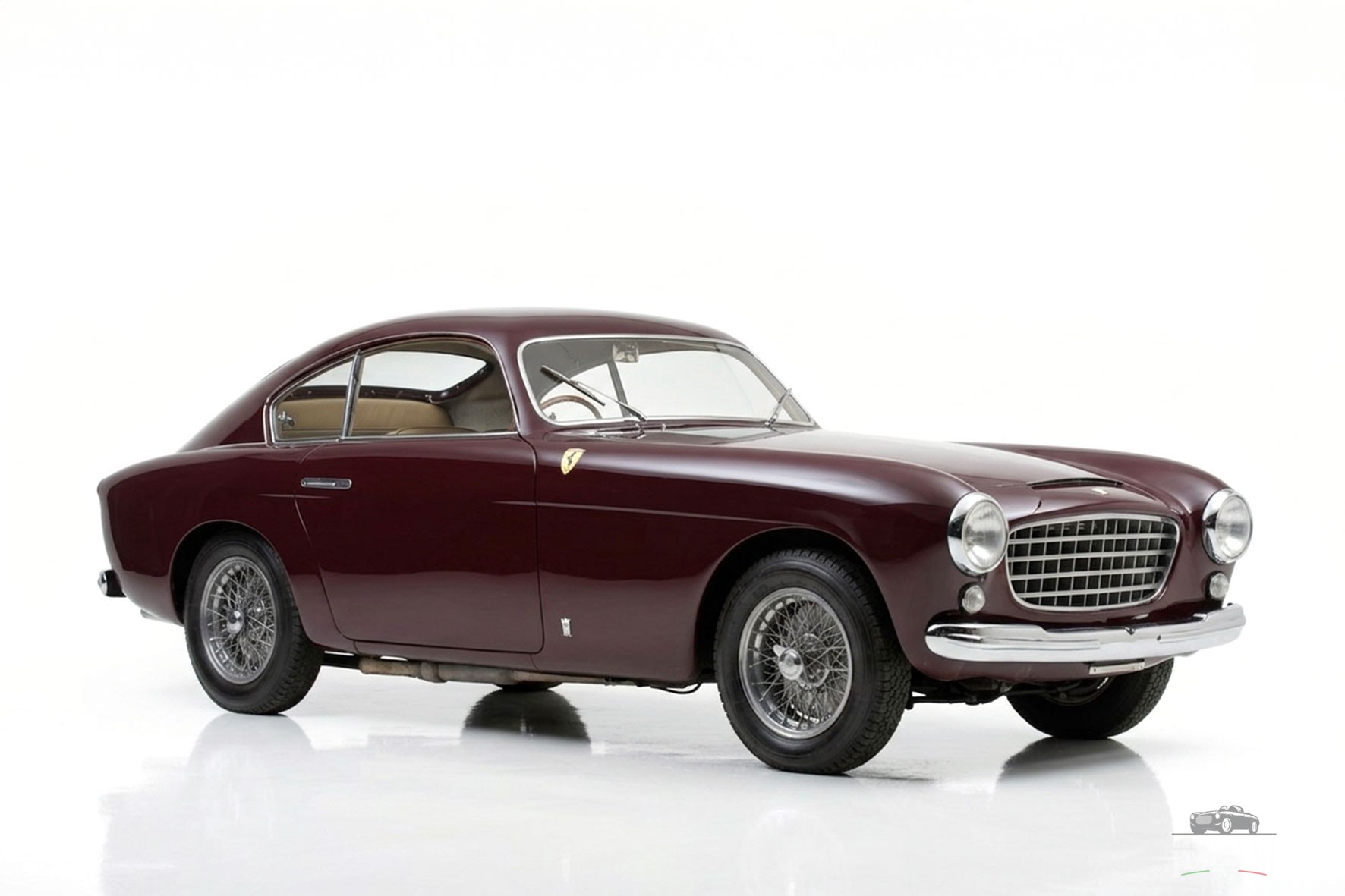
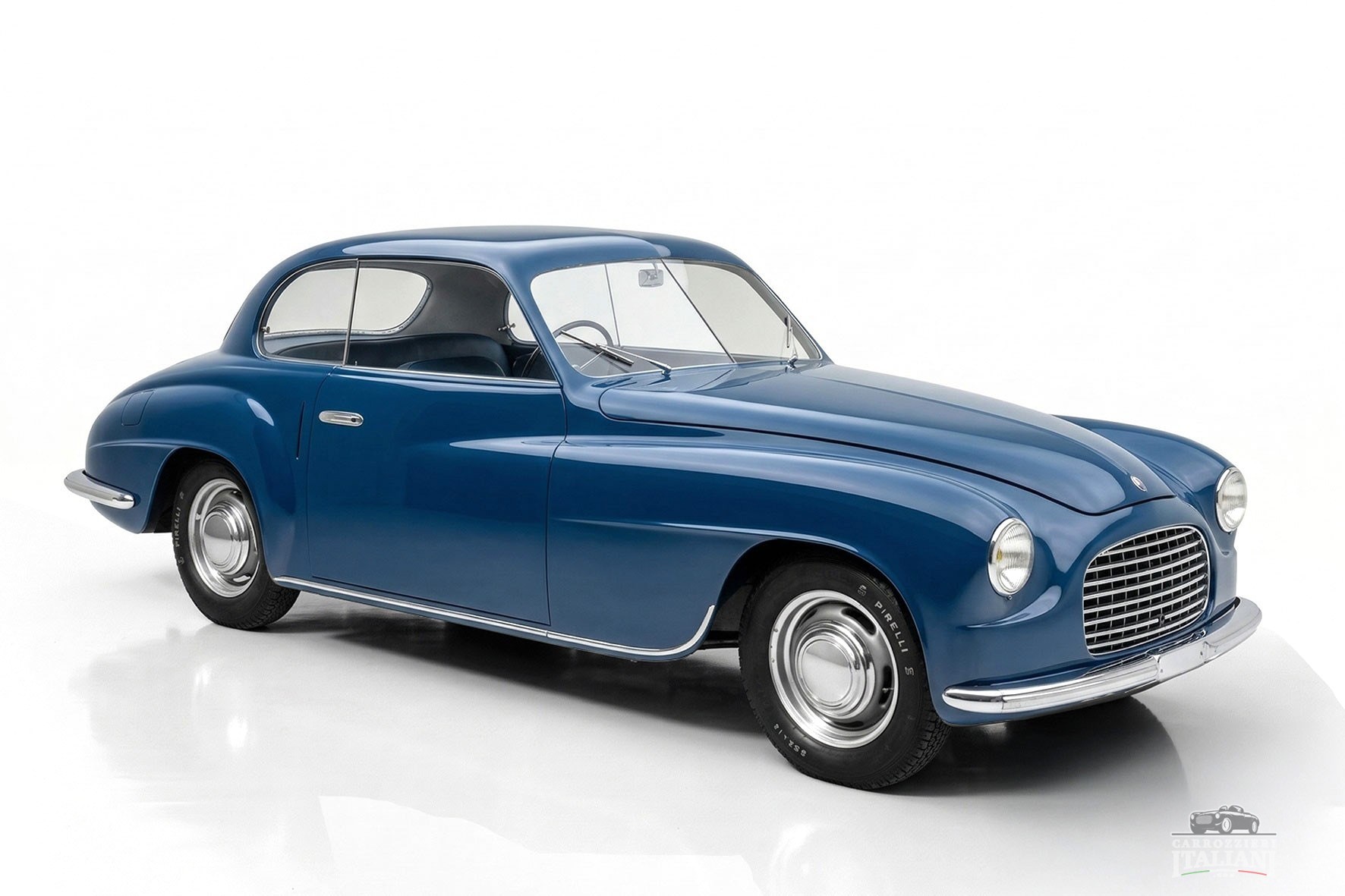
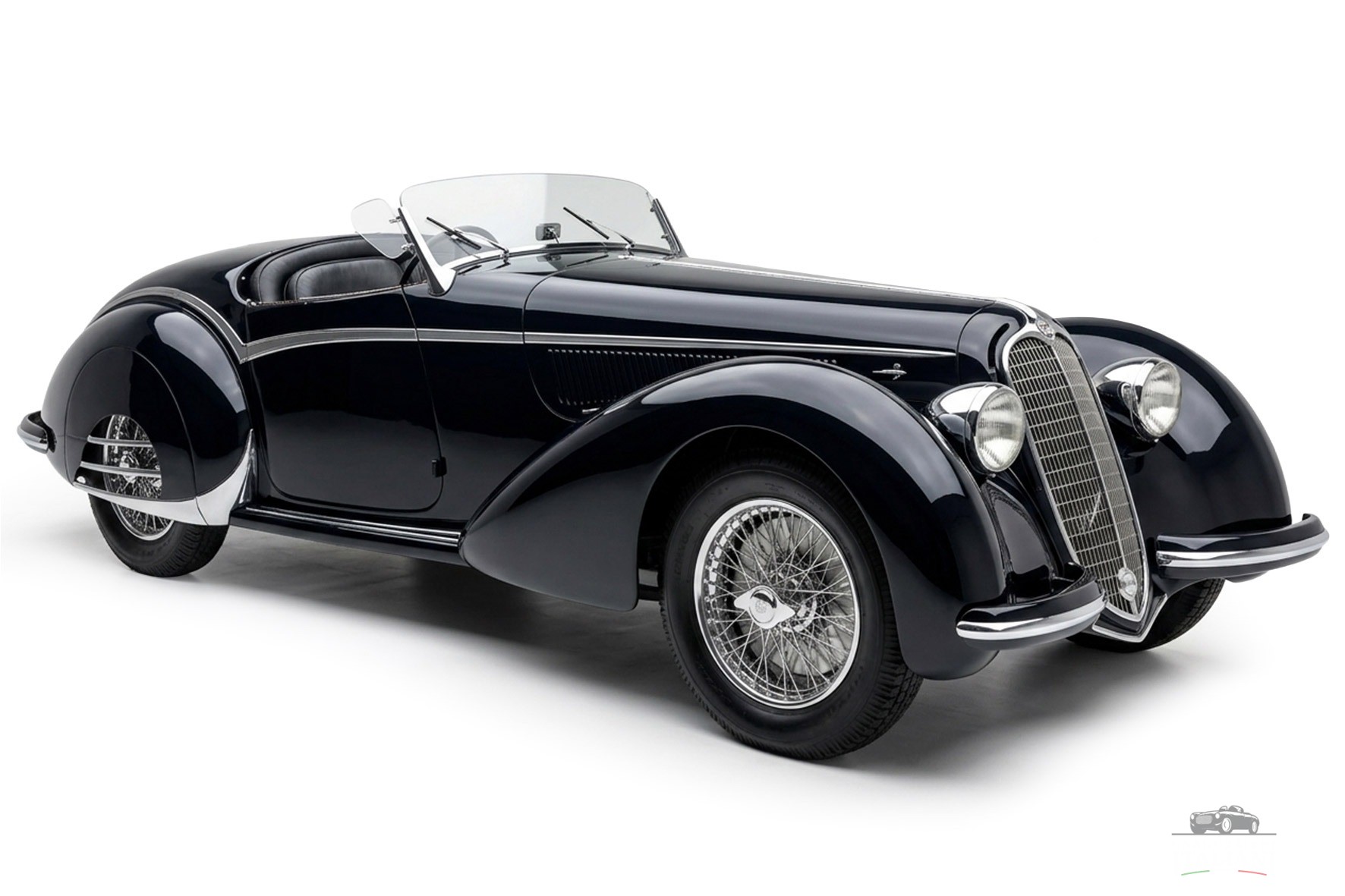
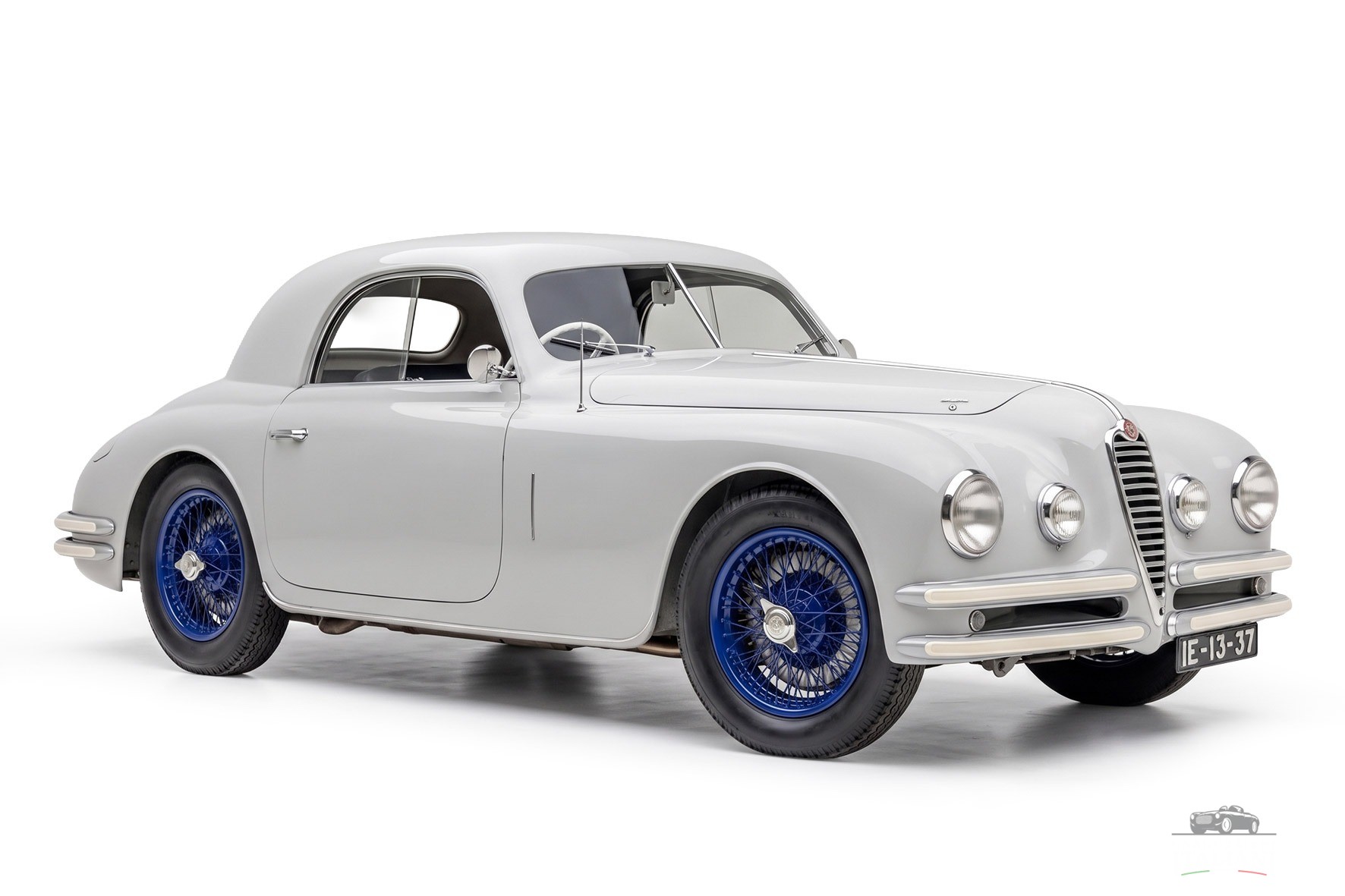
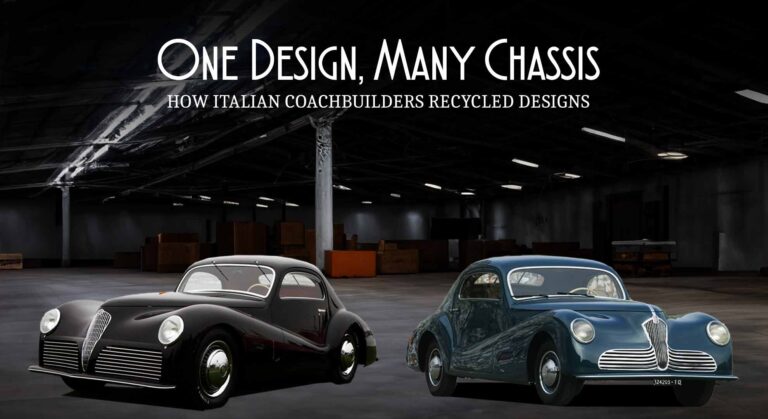
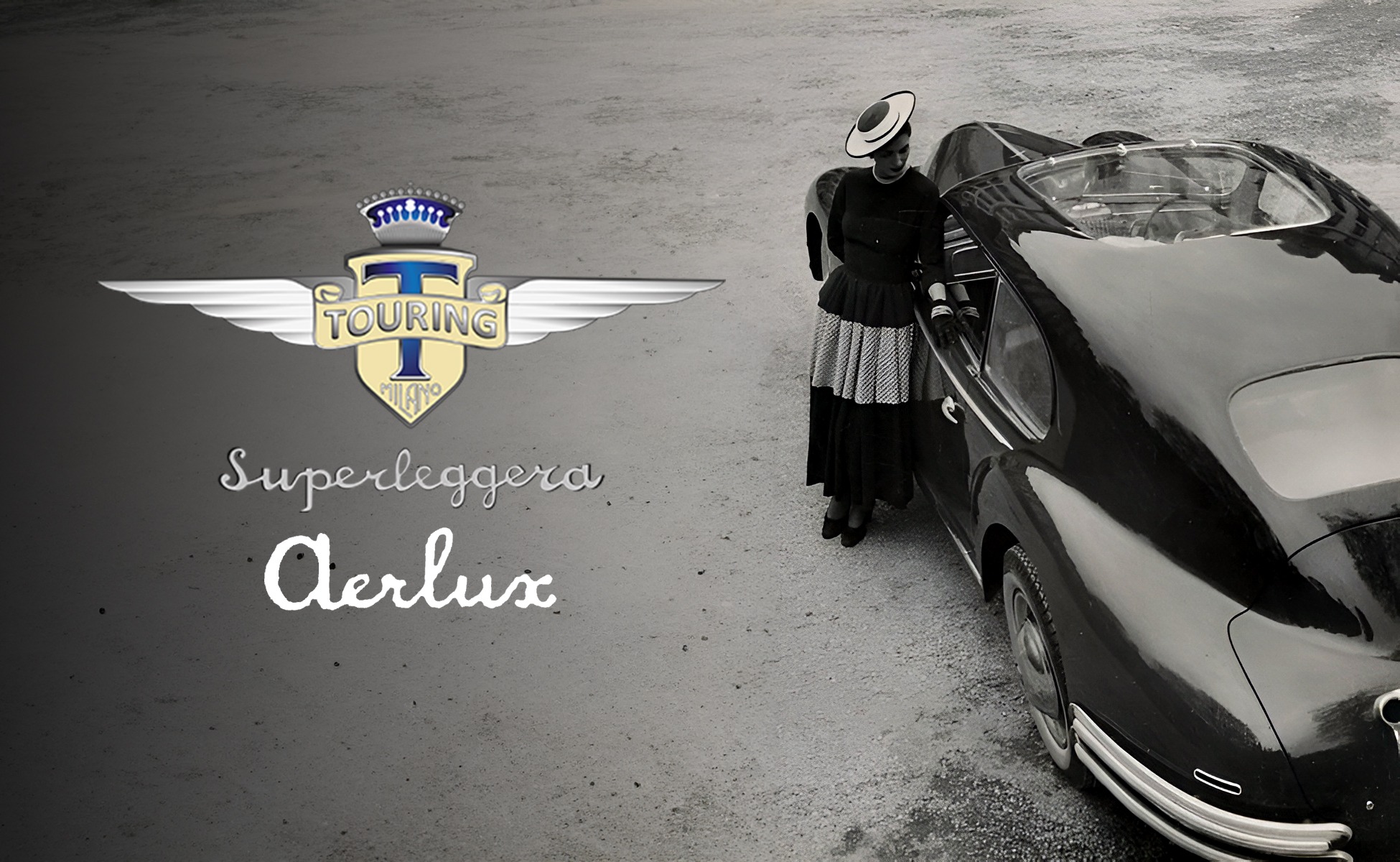
The Bristol 401, introduced in 1948, represents a pivotal moment in the British manufacturer’s post-war evolution from aircraft engineering to luxury automobile production. Building upon its wartime aeronautical expertise, Bristol applied principles of lightweight construction, aerodynamic efficiency, and mechanical precision to the development of its early road cars. The 401 was the company’s second production model and its first to feature fully bespoke coachwork, designed by Carrozzeria Touring of Milan and executed under license in England. The body of the Bristol 401 was constructed using the Superleggera method, a patented system developed by Touring that combined an aluminum outer skin with a tubular steel framework. This approach minimized weight while maintaining structural rigidity, significantly enhancing the car’s performance, efficiency, and handling. The design itself was derived directly from a Touring Berlinetta body developed for the Alfa Romeo 6C 2500 Sport and also applied to a Lancia Aprilia Berlinetta. These three cars—Alfa, Bristol, and Lancia—shared a near-identical silhouette, characterized by smooth, integrated fenders, a long, tapering tail, minimal brightwork, and an emphasis on aerodynamic purity. The relationship between the 401 and its Italian counterparts exemplifies the international influence of Touring’s postwar design language. Beneath the aluminum bodywork, the 401 employed a 2.0-liter inline-six engine, derived from the BMW M328 and refined by Bristol engineers. Producing approximately 85 horsepower and paired with a four-speed manual transmission, the engine was front-mounted with power delivered to the rear wheels. The vehicle utilized a complex suspension system, with an independent front setup featuring transverse leaf springs and swing arms, and a live axle with torsion bar suspension at the rear. Additional technical features included rack-and-pinion steering and hydraulic drum brakes on all four wheels. Notable details on the 401 included concealed door handles operated by pushbuttons, flush-fitting panels, and a distinctive narrow grille reminiscent of pre-war BMW styling. The body’s curvature and flush integration of surfaces yielded a drag coefficient of 0.36, a remarkably low figure for its era and still notable by contemporary standards. This aerodynamic efficiency contributed to the car’s excellent performance: in a 1952 The Motor magazine road test, the 401 reached a top speed of 156.6 km/h and accelerated from 0 to 97 km/h (0–60 mph) in 15.1 seconds. Fuel consumption was recorded at 13.6 liters per 100 kilometers.
IN THE ARCHIVE
Coachbuilders & design studios
02 / TECHNICAL IDENTITY
Specifications & construction
Production & construction
- Production
- 611
- Production type
- Limited
- Construction system
- Superleggera
- Construction features · Recorded
- Superleggera
Engine & performance
- Engine configuration
- Inline-6
Design & manufacture
- Coachbuilder / Body Builder · Documented
- Touring
- Designer · Documented
- Carlo Felice Bianchi Anderloni
- Manufacturer · Documented
- Bristol
06 / EVENTS & AWARDS
Events & awards
No events or documented awards are currently recorded for this vehicle.
07 / THE VEHICLE IN DETAIL
Photo gallery
No publishable photographs are currently catalogued for this vehicle.
08 / FROM THE ARCHIVE
Archive
References held in the vehicle dossier. Their inclusion does not establish that every historical claim has been independently verified.
| Reference | Source type |
|---|---|
| Registro Internazionale Touring Superleggera — Quaderni del Registro: Bristol programme www.registrotouringsuperleggera.com | Coachbuilder registry |
| Bristol Owners Club of Australia — Bristol 401 www.bristolownersclubofaustralia.com.au | Marque club registry |
THE CONVERSATION
Comments 0
Share a memory, a period photograph or a documented detail about this car.