
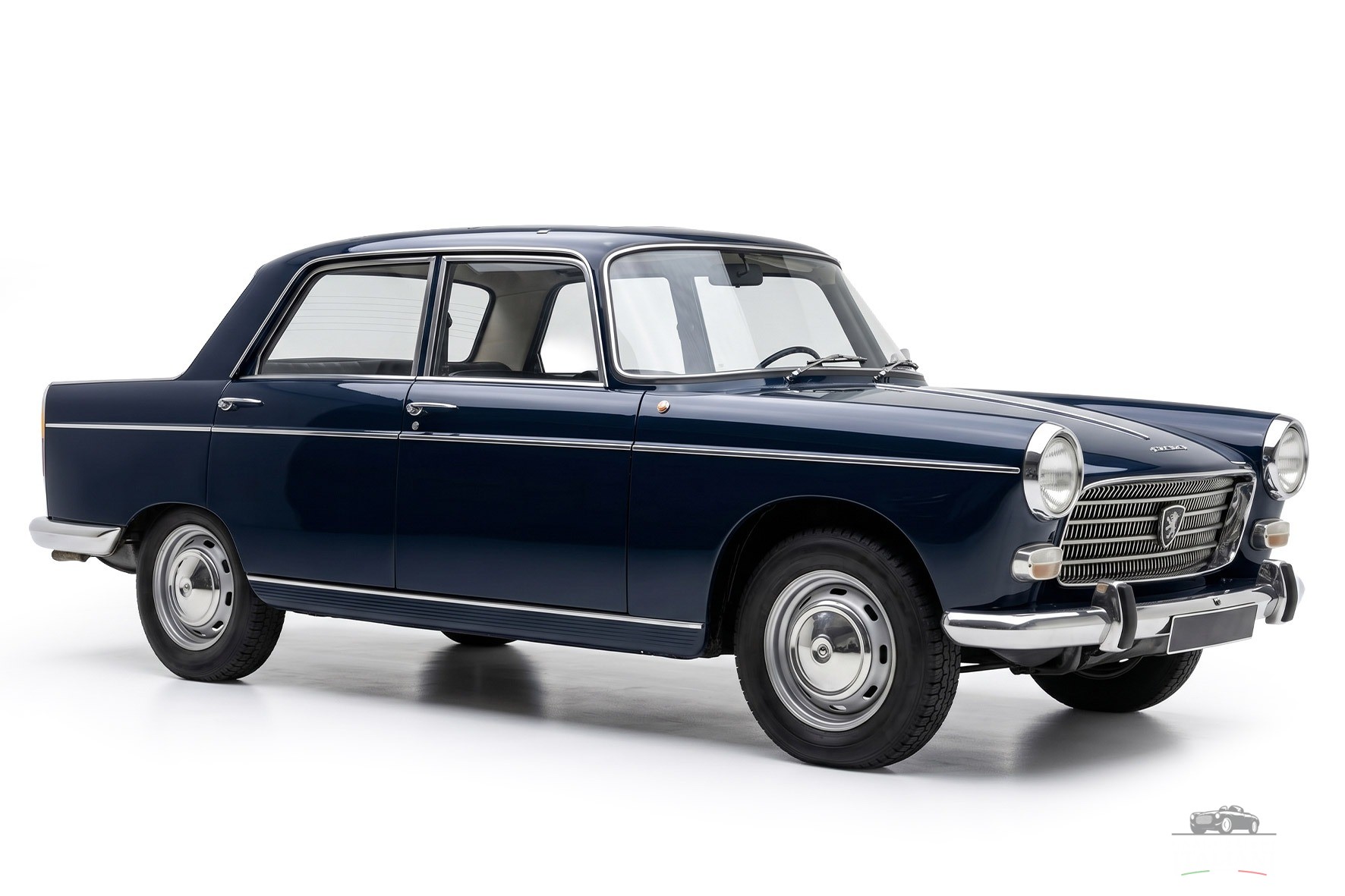
THE VEHICLE AT A GLANCE
Model dossier
- Production period
- 1960
- Body style
- Berlina
- Engine
- Inline-4
- Type
- Mass
- Production
- 2880000
THE PEOPLE BEHIND THE CAR
Coachbuilding, design & conversions
PRICE & SALES RECORD
Vehicle value
- Original price
- Not documented
- Latest recorded sale
- Not documented
01 / THE STORY
History & context
The Peugeot 404 Berline was introduced in 1960 as a mid-sized saloon developed to succeed the Peugeot 403. Designed by Pininfarina, the 404 featured clean and angular lines with subtle tailfins and a large glasshouse, reflecting the influence of Italian design within the framework of French industrial production. Built on a robust ladder-type chassis with a front-engine, rear-wheel-drive layout, the 404 was engineered for durability and long-distance comfort across a variety of terrains. The 404 was initially powered by a 1,618?cc inline-four petrol engine, fitted with either a Solex carburetor or, in the higher-specification versions, Kugelfischer mechanical fuel injection. The carbureted engine produced approximately 72 horsepower, while the injection variant was capable of 85 to 96 horsepower. A 1.9-litre diesel engine was introduced in 1962, later followed by a 2.0-litre version, targeting commercial and high-mileage users. Transmission options included a four-speed manual gearbox and, from 1961 onward, a three-speed automatic transmission developed by ZF. The suspension system comprised independent MacPherson struts at the front and a live rear axle located by trailing arms and coil springs. Disc brakes were fitted at the front wheels on later versions, with drums remaining at the rear. Interior fittings were utilitarian but offered in several trim levels, with optional features such as reclining seats, a sunroof, and a heater. Production took place at Peugeot’s Sochaux plant, with further assembly conducted in several countries under license, including Argentina, Kenya, Nigeria, and Australia. Total global production of the 404 reached approximately 2.88 million units, with the sedan comprising the majority. Its mechanical reliability and adaptability to diverse climates contributed to widespread use as a fleet vehicle, particularly in Africa and the Middle East. The Peugeot 404 Berline remained in production in France until 1975. Export and knock-down kit assembly continued into the 1980s. Though superseded by the Peugeot 504, the 404 retained a reputation for structural integrity, ease of maintenance, and ride comfort, making it one of the most enduring and commercially significant models in Peugeot’s post-war catalogue.
IN THE ARCHIVE
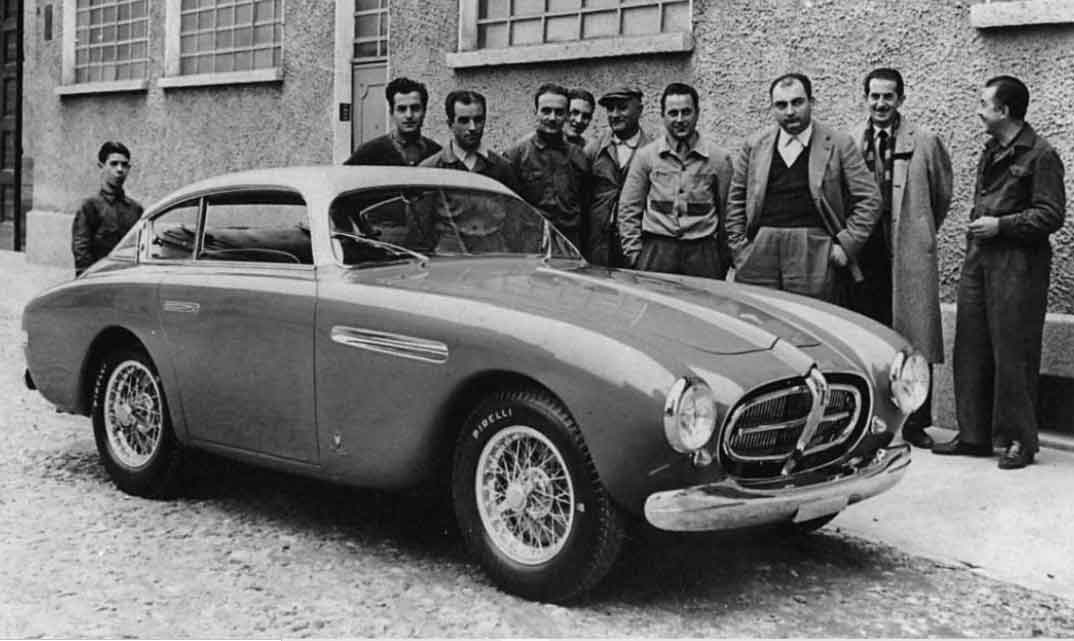
Coachbuilders & design studios
02 / TECHNICAL IDENTITY
Specifications & construction
Production & construction
- Production
- 2880000
- Production type
- Mass
Engine & performance
- Engine configuration
- Inline-4
Design & manufacture
- Design Studio · Documented
- Pininfarina
- Manufacturer · Documented
- Peugeot
06 / EVENTS & AWARDS
Events & awards
No events or documented awards are currently recorded for this vehicle.
07 / THE VEHICLE IN DETAIL
Photo gallery 5 photographs
08 / FROM THE ARCHIVE
Archive
No publishable archival references are currently catalogued for this vehicle.
THE CONVERSATION
Comments 0
Share a memory, a period photograph or a documented detail about this car.