
Giovanni Michelotti: The Freedom of a Thousand Designs
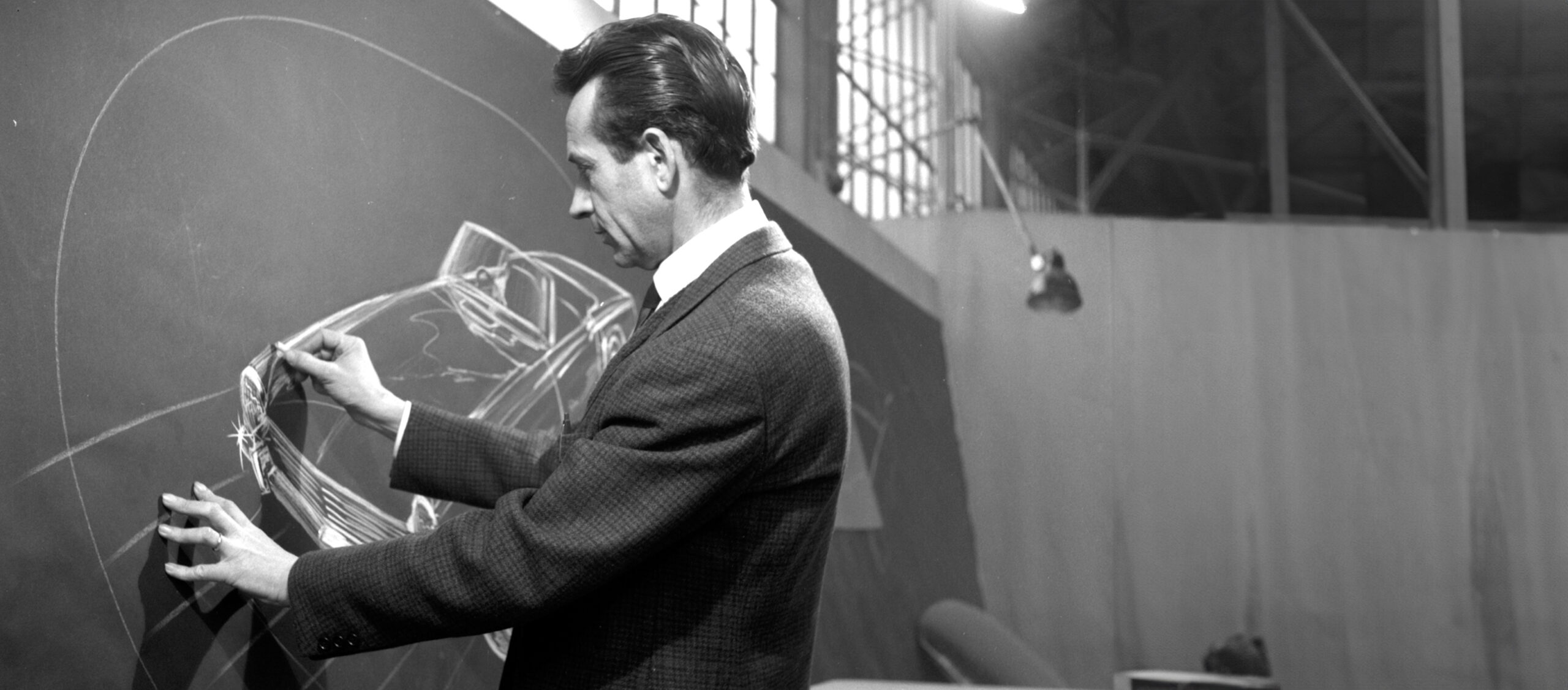
Italy’s recovery after the Second World War was driven not only by industry, but by individuals whose work embodied discipline, craftsmanship, and an unshakable belief in progress. Giovanni Michelotti’s life and career belong to this quiet reconstruction. He was not simply one of the most prolific automotive designers of the twentieth century, but a clear product of a specific Italian moment—defined by skill, perseverance, and the absence of personal acclaim.
Michelotti’s work was shaped by long nights, by problems solved through persistence rather than spectacle, and by a deep respect for craft. It unfolded in a world of exceptional artisanal ability and near-total anonymity, where talent was measured in drawings and metal, not in reputation. His extraordinary versatility—across marques, markets, and vehicle types—was never accompanied by self-promotion. Instead, his influence grew silently, carried by the cars themselves.
The post-war decades in Italy provided fertile ground for such figures. There was a shared conviction that improvement was inevitable, that effort would yield progress. In this climate, Italian coachbuilders came to define automotive style internationally, forming a practical school in which designers refined their abilities. As other national traditions declined—unable to move beyond ornament or adapt form to function—Italy led the transition toward modern automotive design.
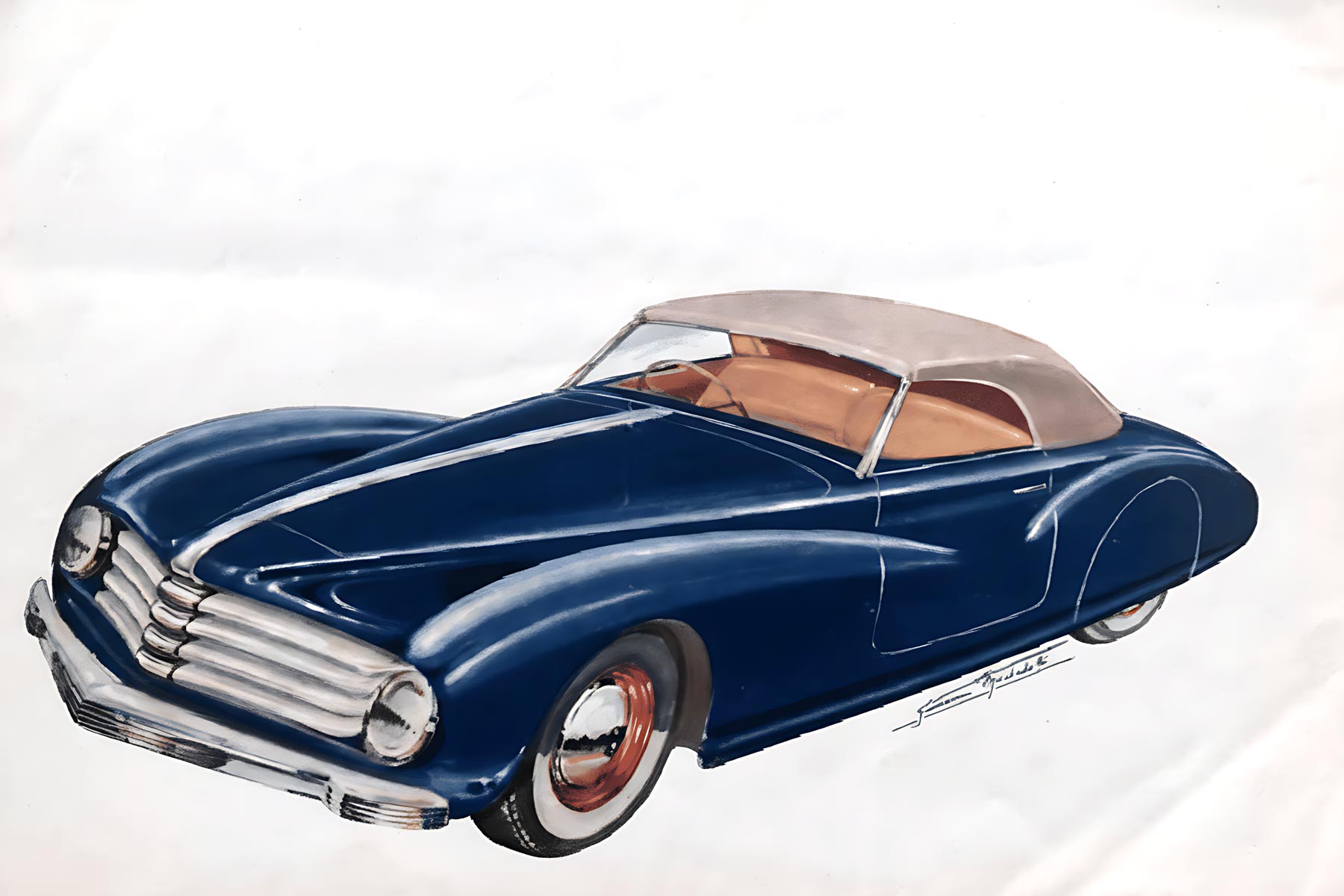
Michelotti stands as one of the clearest expressions of this triumph. His commissions from foreign manufacturers were the result of the intelligence and restraint evident in his Italian work, often realized on modest mechanical platforms such as the Fiat 600 or 1100. These cars demonstrated that innovation did not depend on prestige, but on clarity of form and purpose.
Viewed today, Michelotti’s designs reveal a rare combination of variety and coherence. His ability to interpret and evolve a design language—most notably in his work for Standard-Triumph—confirms his place among the most significant contributors to automotive aesthetic culture. His legacy is not defined by a signature style or a famous name, but by the enduring quality of ideas that helped shape the modern automobile.
A Young Talent in Turin’s Golden Era
Giovanni Michelotti was born in Turin on October 6, 1921, into a world shaped by machines and manual skill. His father worked as a manager at Itala’s engine factory, and the rhythms of industrial life—metal, noise, precision—were familiar from an early age. Yet Michelotti’s relationship with form and design did not begin at a drafting table. It began in stillness.
At eight or nine years old, he was struck by a childhood bone illness, an inflammation of the hips that required complete immobility. For six months he remained confined to bed. With little to occupy him and few distractions, he began to draw. Paper was expensive, and he owned only a single sketchbook. When one side of a page was filled, he turned it over; when the sheet was full, he erased and started again. In that repetitive, patient exercise—copying, correcting, refining—he discovered both his ability and his endurance. Drawing became less a pastime than a necessity.
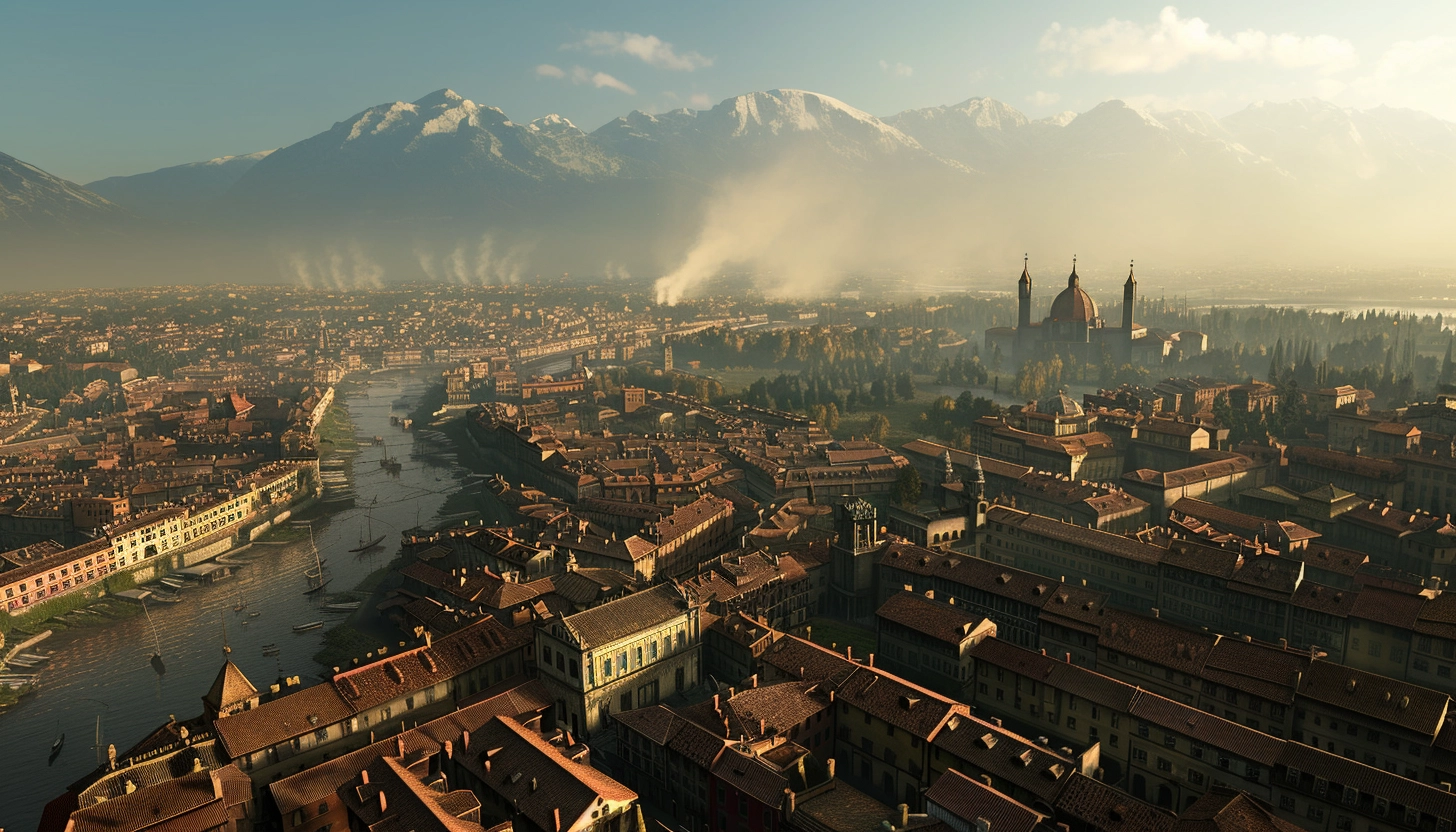
Those months left a lasting mark. Michelotti later recalled that this period shaped not only his desire to draw, but his way of working: economical, disciplined, and relentless. He learned to extract the maximum from limited means, a trait that would define his entire career.
Turin in the interwar years offered fertile ground for such a temperament. The city was the center of Italian automotive craftsmanship, a place where artisans, metalworkers, and stylists operated in quiet proximity, often without public recognition. Individual fame mattered little; what mattered was skill, reliability, and the ability to solve problems through form.
By his early teens, Michelotti already knew where he belonged. At fifteen, he left school and entered the world of coachbuilding as an apprentice draftsman. It was not ambition that drove him, but inevitability. Drawing was no longer something he did—it was how he understood the world.
1936–1945 | Apprenticeship and Formation at Stabilimenti Farina
Giovanni Michelotti’s professional life began quietly in 1937, not at a drafting table but on the shop floor. His first job had nothing to do with automobiles: for about six months he worked as a window dresser for the Standa department store on Via Roma in Turin. It was honest work, but hardly a calling.
Opportunity arrived in the most ordinary way. Michelotti’s father, Giuseppe, bought a newspaper only once a week—it was expensive—and read it slowly, from beginning to end. In the classifieds at the back he noticed a small advertisement: Stabilimenti Farina was looking for a young workshop assistant. He showed it to his son. For Giovanni, the name alone carried weight. At the time, Stabilimenti Farina was the most important coachbuilder in the city, employing hundreds of workers and producing prototypes and small series for elite clients.
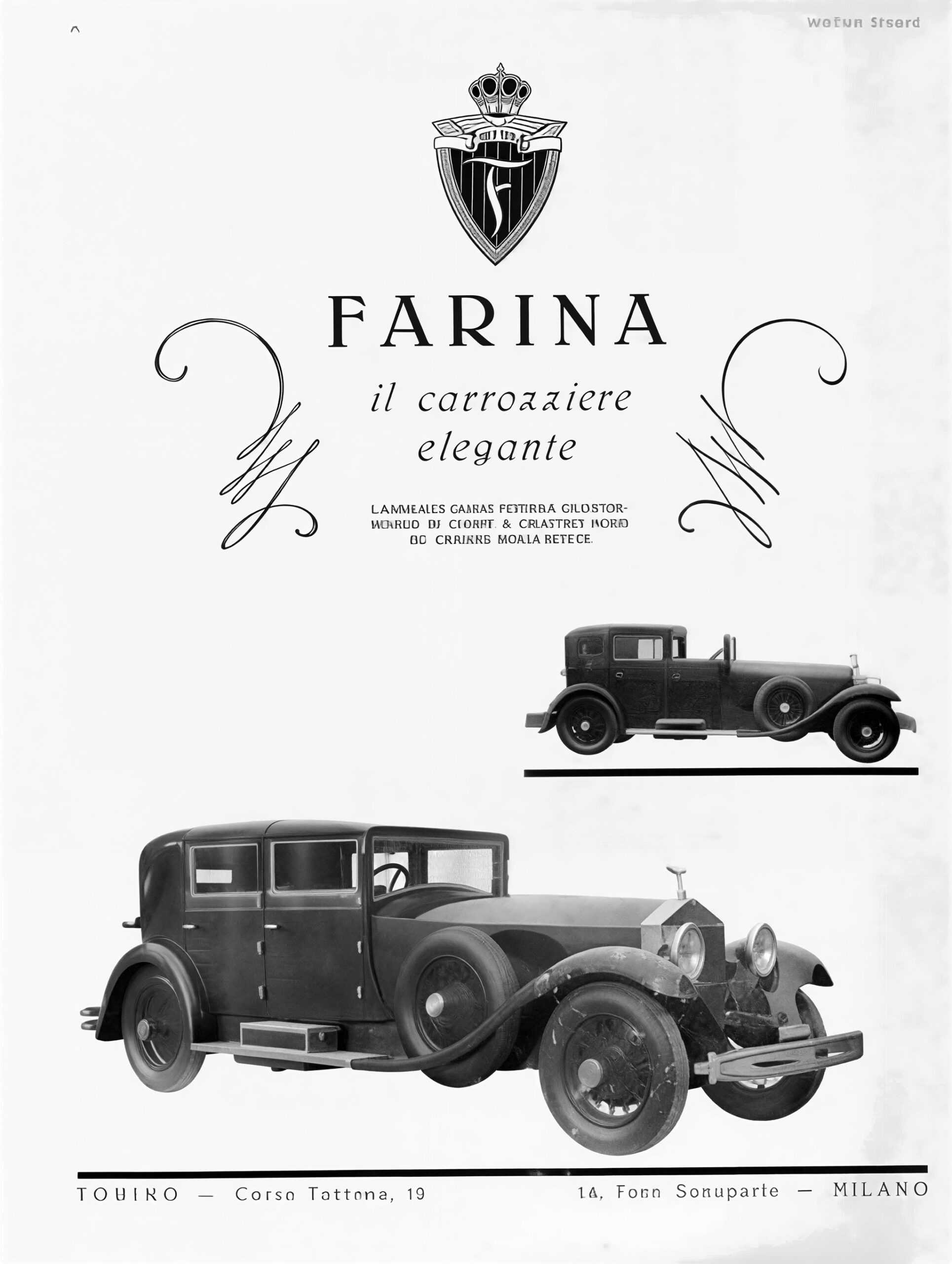
Michelotti presented himself and was hired—but not as a designer. He began as a garzone di bottega, a general helper, doing errands, cleaning, and minor office tasks. Yet every evening, while tidying desks, he lingered over the drawings left behind. He knew he could draw, and he learned by watching.
🔗 Read more: Unveiling the Storied Legacy of Stabilimenti Farina
At the same time, he attended evening drawing classes on Via Bidone, building technical discipline after long workdays. Life was not all work: occasionally he and a friend skipped class to go dancing at a dusty open-air hall known as la Polverosa, returning home covered in dirt. It was the life of a working teenager in prewar Turin—hard, modest, and intensely human.
At Stabilimenti Farina, the head of the technical office was Pietro Frua, a gifted draftsman with a clean, restrained style that influenced the young Michelotti. Frua’s temperament, however, often brought him into conflict with Attilio Farina, the son of company founder Giovanni Farina. One argument became legendary. Frua habitually parked his Fiat Topolino directly in the factory gateway, blocking all access. After repeated disputes, Attilio Farina finally dismissed him on the spot.
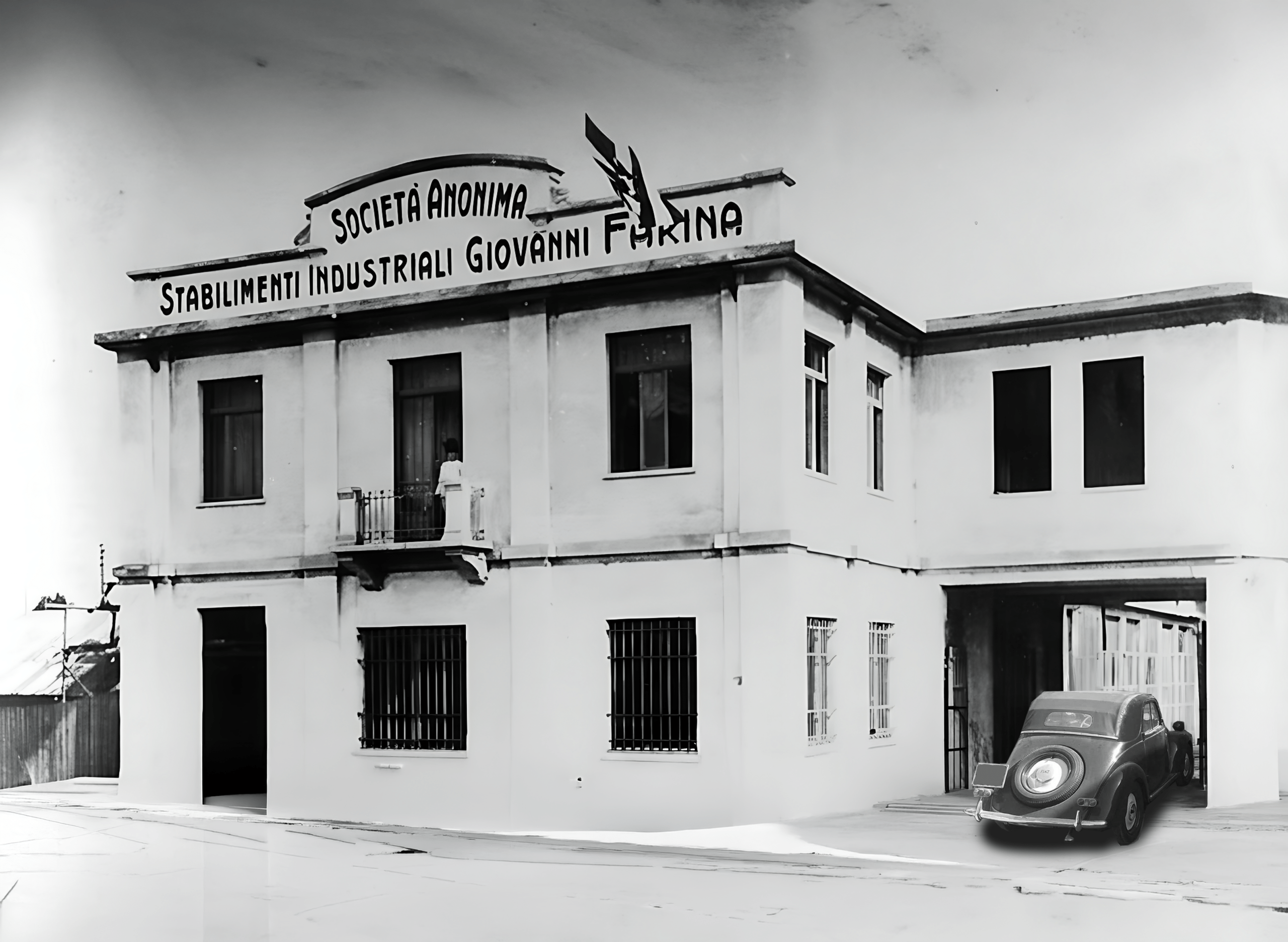
Moments later, still furious, Farina stormed into the technical office, pointed at Michelotti, and said words that would change everything:
“I see you’re capable of drawing a car, even if you’ve never done it. Fine. From today, you’re head of the technical office.”
Michelotti was barely out of his teens. Until days earlier, he had been doing menial tasks. Now, older and more experienced draftsmen reported to him. His first assignment was a piano di forma for an Alfa Romeo 6C 2500 commissioned by Count Revelli. When shown the drawings, the count approved them and said, “Now go and call the designer.”
Michelotti replied quietly, “I did it.”
It was during this early period—working directly between drawing board and metal—that one of Michelotti’s most enduring design signatures emerged almost by accident. A minor dimensional miscalculation on a full-scale body required a last-minute correction around the wheel opening. Rather than scrapping the shell, Michelotti resolved it with a subtle outward swelling of the fender, harmonizing structure and form. The solution was so convincing that it appeared intentional. This small feature, later known as the baffo (“moustache”), would recur in later Italian designs and become part of Michelotti’s visual vocabulary. Here it stands as an early example of his instinctive ability to transform error into innovation.
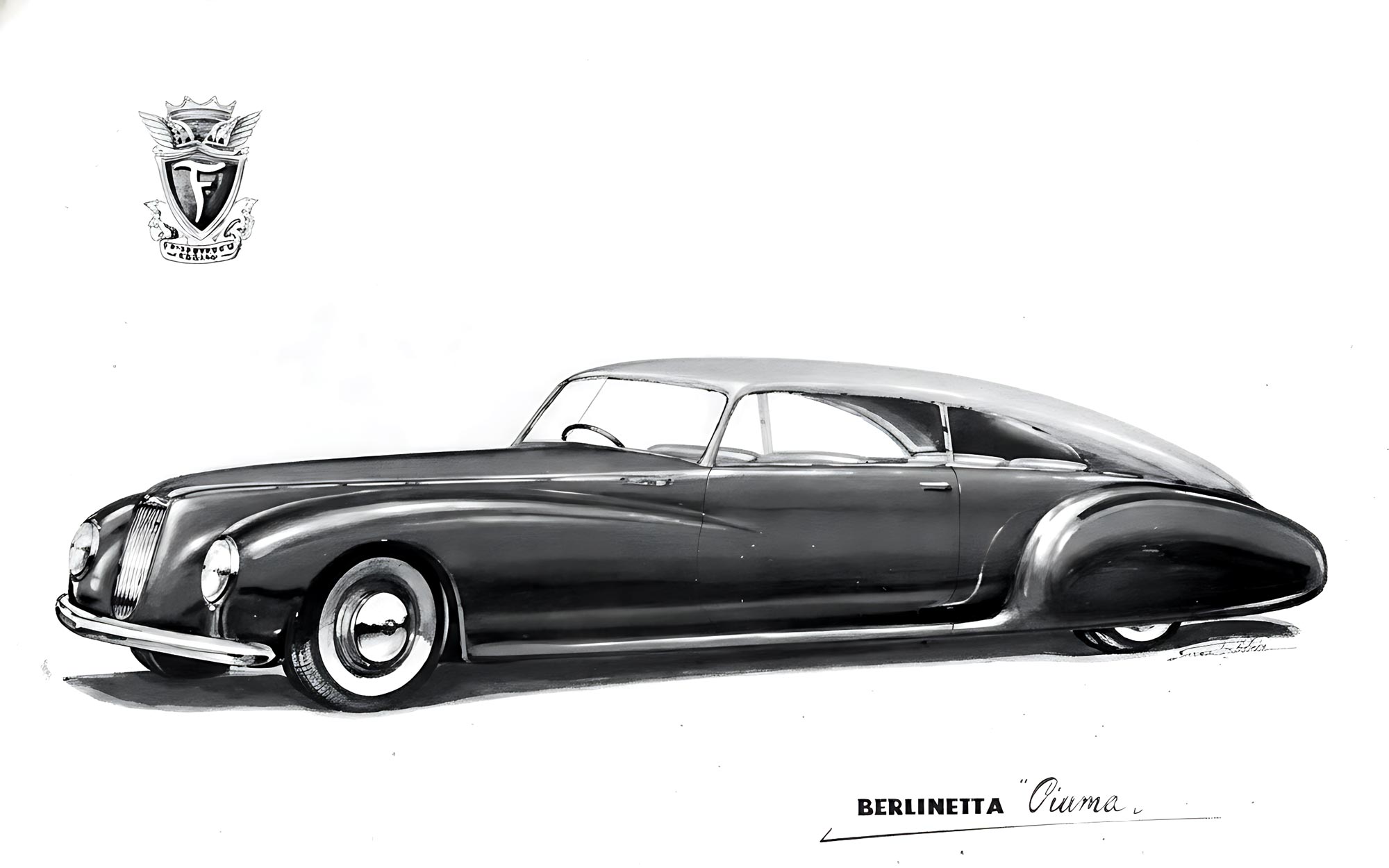
Michelotti remained at Stabilimenti Farina for nearly a decade, from 1937 to 1947, including the entire wartime period. During those years he produced an enormous volume of work, though he never took drawings home—a matter of principle. Among the thousands of projects preserved in his archive today, none originate from his Farina years, aside from a handful of photographs.
The war demanded versatility. Michelotti designed not only automobiles but also tractors, field kitchens, and utilitarian equipment. A designer, in those years, had to be able to draw anything. Though he was called up for military service, Attilio Farina used his connections to secure his discharge—Michelotti’s skills were considered essential.
In the immediate post-war years, working within Stabilimenti Farina, Michelotti also took part in one of the period’s boldest stylistic experiments: the so-called Tank Style. Presented in 1946–47 on platforms such as the Lancia Aprilia, these cars explored compact, monolithic volumes and radically simplified surfaces. Short-lived and controversial, the Tank Style nonetheless placed Michelotti at the center of a moment when Italian coachbuilding briefly pushed beyond tradition in search of a new formal language.
By the end of the war, Giovanni Michelotti was no longer a boy studying drawings after hours. He had become, almost without ceremony, a fully formed designer—shaped by discipline, responsibility, and a working culture that valued problem-solving over publicity.
1946–1947 | The Allemano Interlude
In 1946–47, Michelotti made his first decisive move. He left Stabilimenti Farina on good terms, agreeing with Attilio Farina to remain available as an external collaborator if needed. It was not a rupture, but a step forward.
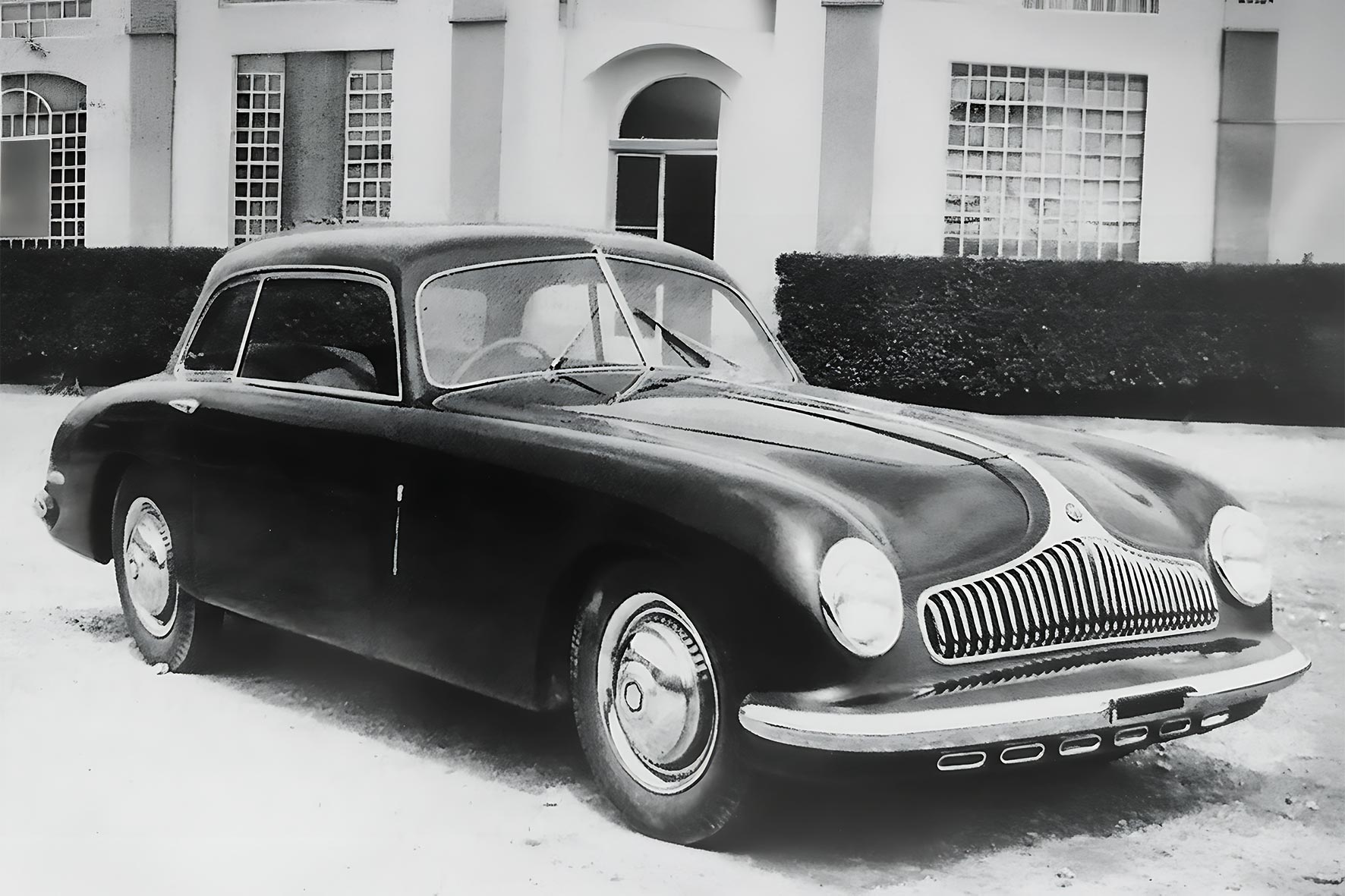
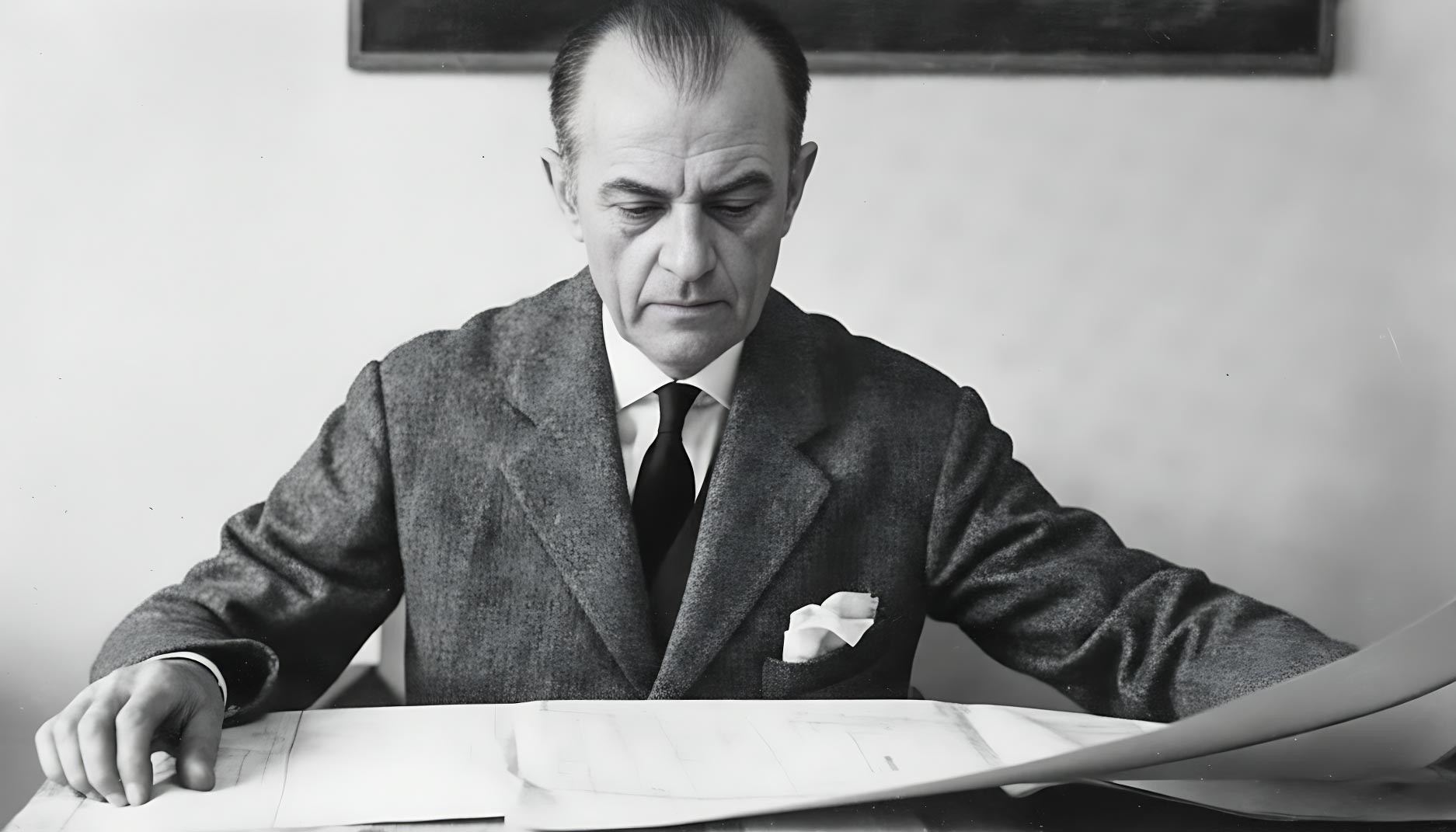
He joined Carrozzeria Allemano, where he stayed for roughly a year and a half. There, Michelotti occupied a dual role: head of the technical office and workshop manager. It proved to be an even more demanding and formative experience than Farina. At Allemano, he learned how automobiles were truly made—not just drawn. Structure, materials, tolerances, and sequence of construction were no longer abstract ideas but daily realities.
🔗 Read more: Carrozzeria Allemano: The Coachbuilder That Redefined Elegance
This period would shape his philosophy for the rest of his career. When Michelotti later worked independently, he imposed the same discipline on young designers who came to work with him. Anyone aspiring to design cars was required to spend six months in the model shop first—working wood, filing, shaping, getting their hands dirty. Drawing alone was not enough.
Allemano’s workshop reinforced this holistic view. There were no rigid departmental separations: one could observe wooden buck construction, metal shaping, panel beating, assembly, and painting in the same space. Young apprentices learned the entire process from start to finish. For Michelotti, this was not just education—it was a principle. A designer, he believed, had to understand the car as an object made by hands, not merely conceived on paper.
By the end of the war, Giovanni Michelotti was no longer a boy studying drawings after hours. He had become, almosThat brief interlude at Allemano completed his formation. When Michelotti stepped forward into independence, he did so not only as a stylist, but as a complete car designer in the deepest, most Italian sense of the word.t without ceremony, a fully formed designer—shaped by discipline, responsibility, and a working culture that valued problem-solving over publicity.
Working as a Freelancer
After leaving Allemano in 1948, Michelotti made the decisive leap: he went independent. The war was over, and Turin’s coachbuilding world was fragmenting and regenerating at the same time. Former colleagues from Stabilimenti Farina were striking out on their own—Vignale, Allemano, Balbo, Canta, Bertone, and many others. All of them faced the same question: who could design their cars?
The answer was always the same. Giovanni Michelotti.
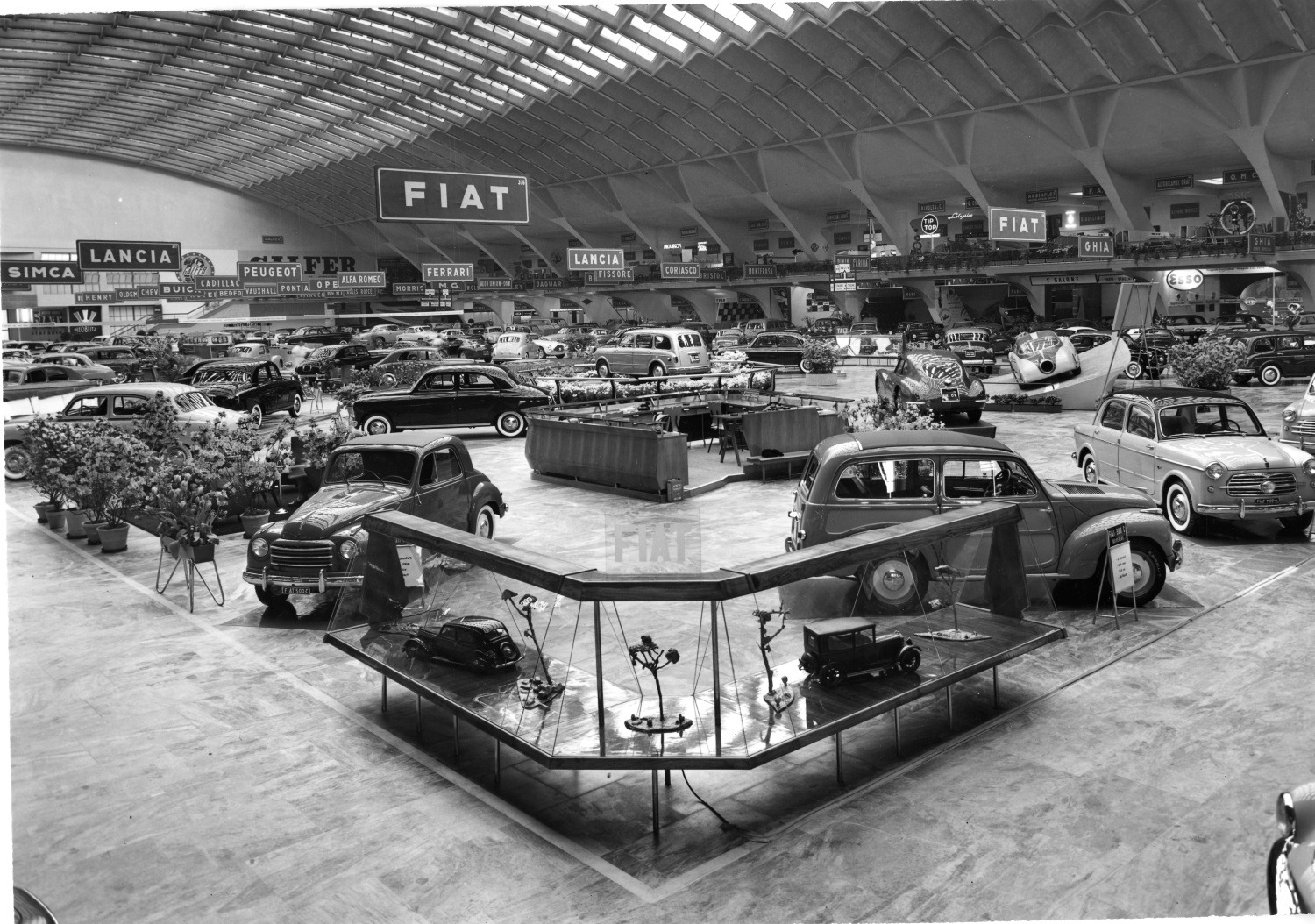
Because of this, the early 1950s produced an almost unbelievable situation. At the 1954 Turin Motor Show, dozens of brand-new cars debuted under different coachbuilder names—yet all had been designed by Michelotti. Allemano, Vignale, Balbo, Bertone, Canta, and more stood side by side, each presenting “their” new model. Behind the scenes, a single hand had drawn them all. It was likely a record—certainly something never repeated—achieved only through relentless work, day and night, following every prototype through construction.
His personal life remained modest. In 1946 he had married and moved into a small postwar apartment on Via Ormea: two rooms, a kitchen, and a bathroom. Astonishingly, this was where he drew full-size piani di forma, nearly six meters long, inside a room barely three meters square. The solution was ingenious. He built two wooden drawing boards and fixed them to adjacent walls at an angle. Unrolling the paper, he drew across both planes; when opened out, the drawing aligned perfectly. Even years later, those who saw it could only shake their heads in disbelief.
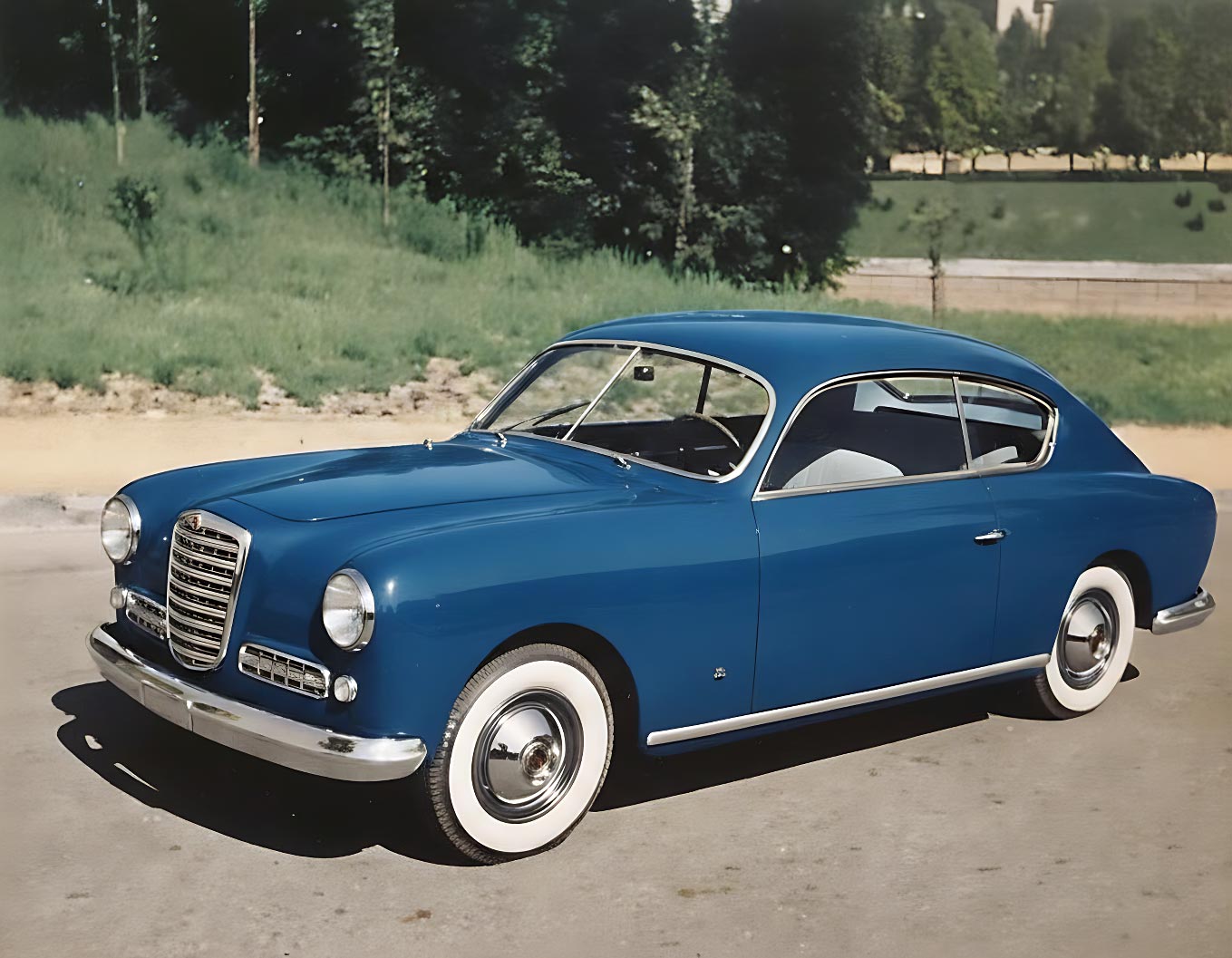
At the same time, Michelotti was increasingly involved in some of the most important Italian GT projects of the era. Among them was the Lancia Aurelia B20. While later series production would be associated with Pinin Farina, the origins of the B20 were more complex. The earliest coupé prototypes were developed at Carrozzeria Ghia, and Michelotti—already working as a freelance designer for Ghia at the time—played a meaningful role in shaping the car’s clean, balanced form. His Fiat 1400 Supergioiello coupé, shown in 1950, anticipated the B20’s proportions so closely that the relationship between the two designs is impossible to ignore.
🔗 Read more: The Lancia B20 Design Story
By 1950, the workload had become overwhelming. His daughter was born that year, and the family moved to Corso Duca degli Abruzzi, where a large living room finally allowed him to install a proper drafting table and a full-scale drawing setup. It was a small domestic upgrade—but for Michelotti, it marked the moment when freelance independence became a permanent way of life.
The Vignale Partnership
In those years Michelotti worked for almost everyone, but his most intense and consequential relationship was with Carrozzeria Vignale. From roughly 1950 to 1963—thirteen uninterrupted years—he produced thousands of designs for the Grugliasco coachbuilder. In total, 311 cars were built from Michelotti’s Vignale drawings, many of them Ferraris. Vignale was fast, skilled with aluminum, and comparatively inexpensive—qualities Enzo Ferrari valued in the early 1950s.
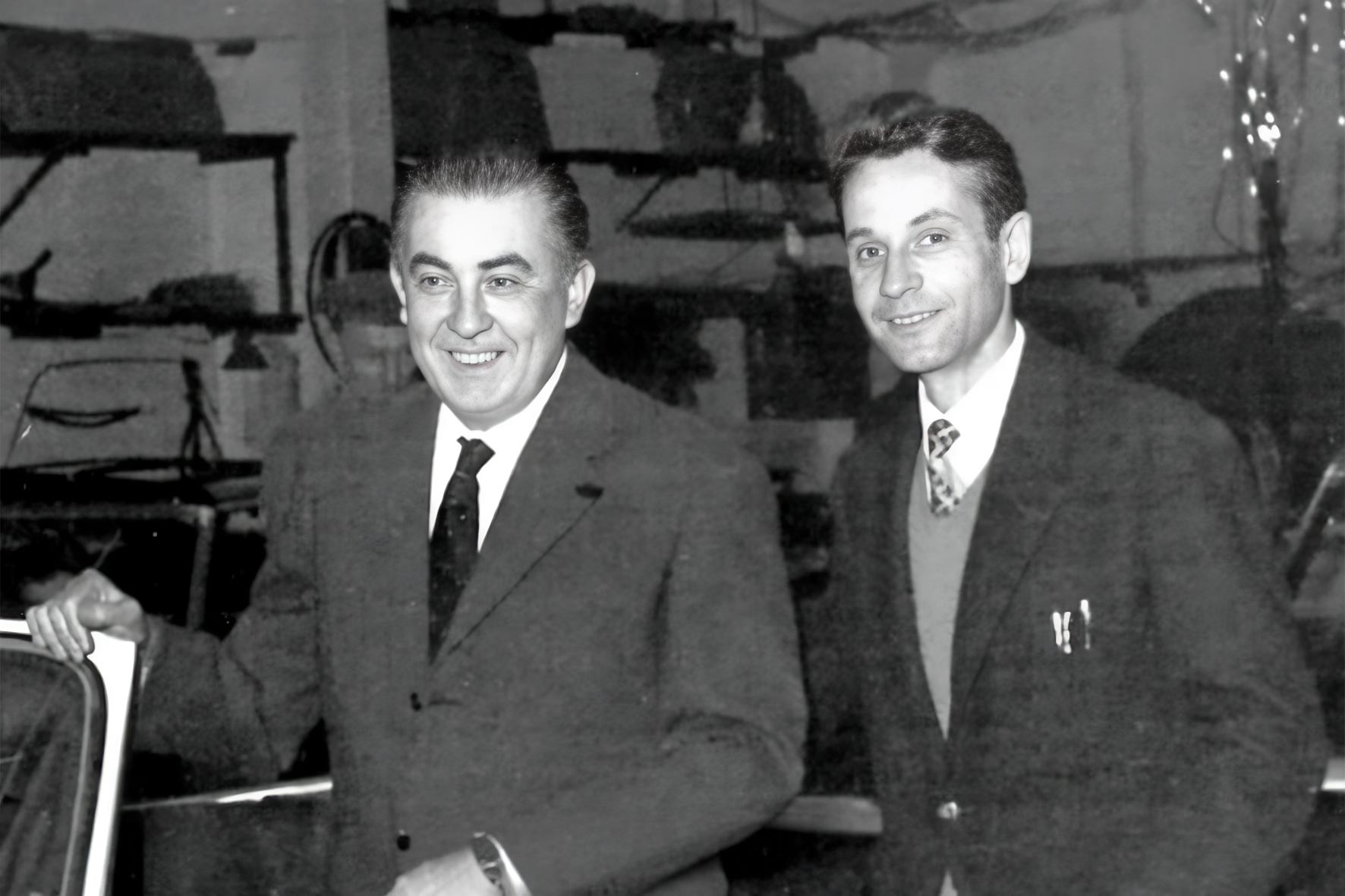
Speed sometimes came at a price. Cars could be finished in weeks, occasionally with imperfect sealing. Vignale’s philosophy was pragmatic and famously blunt: “If water gets in, we’ll drill a hole in the floor so it comes out.” Crude, perhaps—but effective. And in that pre-Pininfarina era, roughly until 1955–56, much of Ferrari’s visual identity was shaped by the Michelotti–Vignale axis. Michelotti also designed Ferraris for Allemano, Bertone, and Ghia, but with Vignale the collaboration was continuous and prolific.
Crucially, Michelotti never imposed a single personal style. Each coachbuilder received a distinct visual “signature.” A Vignale Ferrari had to be instantly recognizable as such, just as a Balbo, Allemano, or later a Triumph or BMW would speak its own language. Michelotti had an extraordinary ability to read clients—often simply by watching their expression—and translate unspoken desires into form.
One of the most emblematic stories from the Vignale years involves Luigi Chinetti, Ferrari’s American importer and head of NART. In the early 1950s, Chinetti commissioned Michelotti to design a one-off Ferrari 250 MM for Adolph Schuman, founder of the Lilli Ann Corporation, a highly successful American women’s fashion house. The request was unusual: the car was meant not only to be exclusive, but to visually support the client’s fashion business.
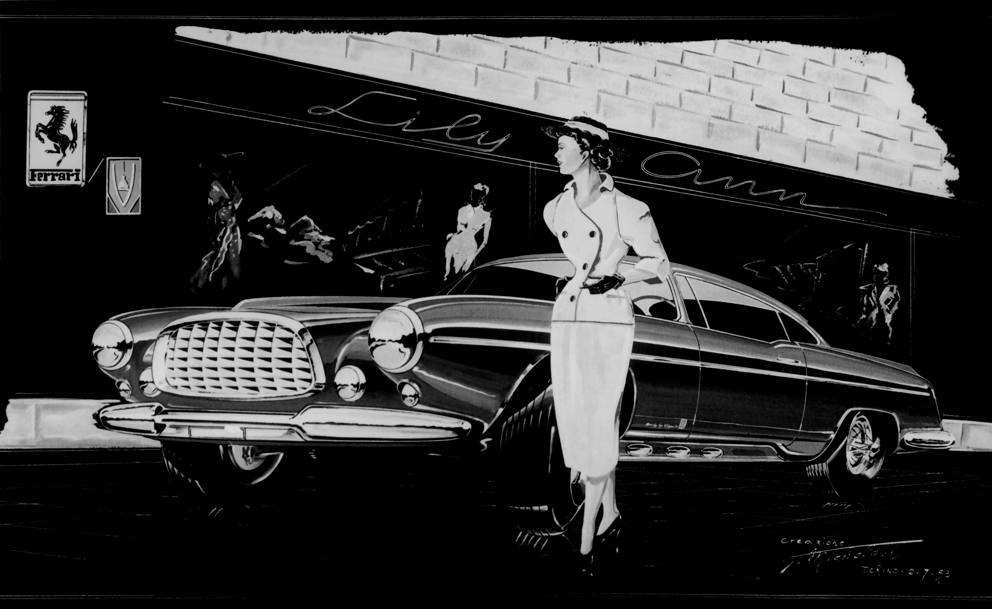
Michelotti responded in his own way. He produced sketches showing the Ferrari parked in front of a Lilli Ann boutique, with mannequins in the windows and a young woman beside the car wearing a tailored suit whose colors echoed the bodywork. The drawings were not intended as fashion designs—just atmospheric context. Yet Schuman loved the suit so much that he put it into production. Five thousand units were sold, earning enough to more than pay for the Ferrari itself. Michelotti, characteristically, received no royalties—only the quiet satisfaction of having influenced both car design and American fashion in a single stroke.
🔗 Read more: The Story of Carrozzeria Vignale
Another anecdote reveals how closely design and craftsmanship overlapped at Vignale. While working on a Ferrari commissioned by Chinetti, the importer expressed doubts about the rear of the car when it was already under construction. Michelotti took a piece of chalk and sketched a revised rear profile directly on the concrete floor. Chinetti approved it instantly. Vignale suggested they all go to dinner. Michelotti understood what that meant—and deliberately prolonged the meal. When they returned hours later, Alfredo Vignale himself, one of the finest panel beaters in Italy, had already cut apart and reshaped the rear by hand. No drawings, no delays—just metal, instinct, and mastery.
That was the world Michelotti thrived in: fast, intuitive, deeply artisanal. The Vignale partnership was not just productive—it was emblematic of a moment when Italian coachbuilding operated at full creative velocity, and when a designer’s pencil could still keep pace with a hammer.
The Ghia-Aigle Collaboration
During his golden years as a freelance designer, Giovanni Michelotti became closely involved with Luigi Segre of Carrozzeria Ghia. Together with Swiss partners Pierre-Paul Filippi and Edouard Monney, Segre founded Ghia-Aigle in Switzerland, near Lausanne. The new firm licensed the Ghia name for five years—an arrangement that brought financial relief to Ghia in Turin and instant prestige to the Swiss venture.
Michelotti worked extensively for Ghia-Aigle between 1948 and 1963, designing many of its cars while remaining independent. His archive documents this period in full. The workload was intense: in winter he traveled overnight by train over the Gotthard Pass to Aigle, working through the night before returning; in summer he drove there in his Fiat Topolino.
The collaboration proved long and remarkably productive, reinforcing Michelotti’s role as a tireless, behind-the-scenes force in postwar European coachbuilding.
Mentoring Future Designers: Michelotti Studios’ Legacy
Michelotti’s studio, a crucible of creativity, nurtured the talents of aspiring designers. Notable names like Paolo Martin, a future designer at Pininfarina, and Dany Brawand, who would become chief designer for Moretti, started their journey as apprentices at Michelotti Studios. The legacy of Michelotti’s mentorship extended beyond his designs, influencing the next generation of automotive designers.
Relationships with Major Manufacturers
Michelotti never limited himself to grand touring cars. He genuinely enjoyed designing small city vehicles, collaborating on projects such as the Iso Isetta, the BMW Isetta, the British Frisky, and the Siata Mitzi, later developed into the Vespa 400 built in France. Fiat, preparing the launch of the Nuova 500, would not allow cars of that size to be produced in Italy.
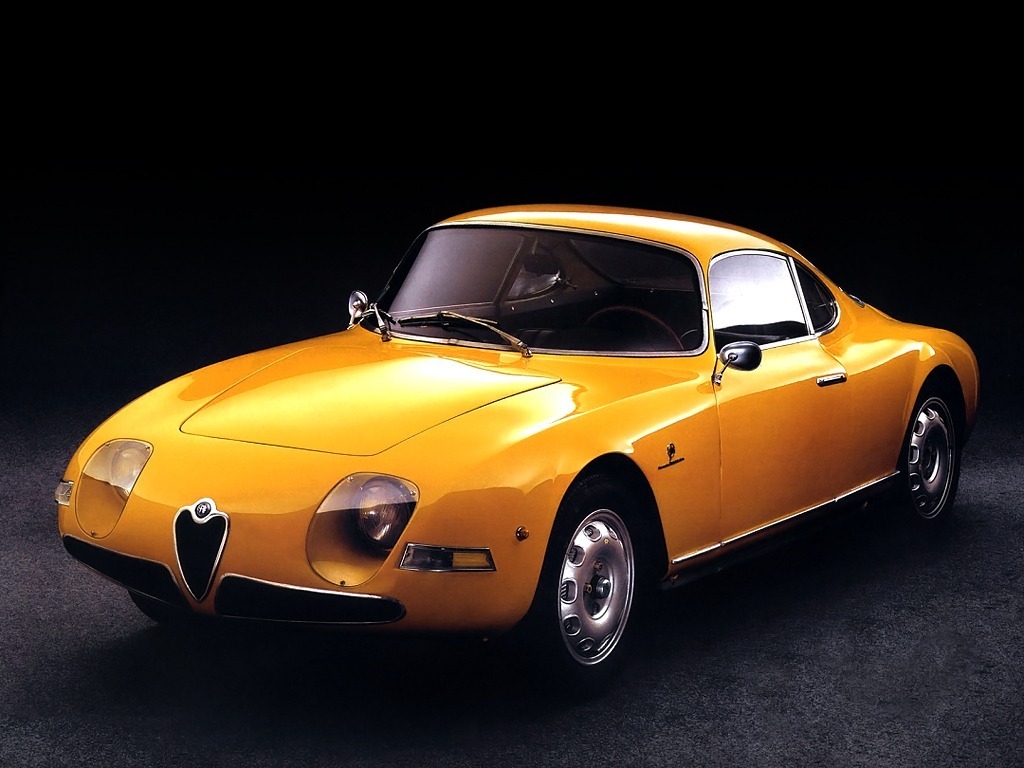
At the same time, he worked for the most prestigious names in sports cars—Lancia, Bugatti, Aston Martin—as well as for Fiat, which in those years still produced cars of real elegance. He designed series-production cars for manufacturers including Triumph, BMW, Denzel, DAF, Reliant, and others, and collaborated closely with specialist tuners such as Abarth, Conrero, and Nardi. His work even extended beyond automobiles, from Vespa accessories to domestic appliances—proof of his extraordinary versatility.
By 1956–57, major international manufacturers began seeking him out directly. His relationship with Triumph famously began at the Geneva Motor Show, when managing director Alick Dick challenged him to design a Vanguard facelift overnight. Michelotti delivered not one sketch, but three—within ninety minutes. The champagne was delivered, followed shortly by a long-term contract.
That collaboration endured through Triumph’s corporate changes and culminated decades later with the transformation of the TR7 from coupé to spider, a redesign that dramatically improved the car’s proportions.
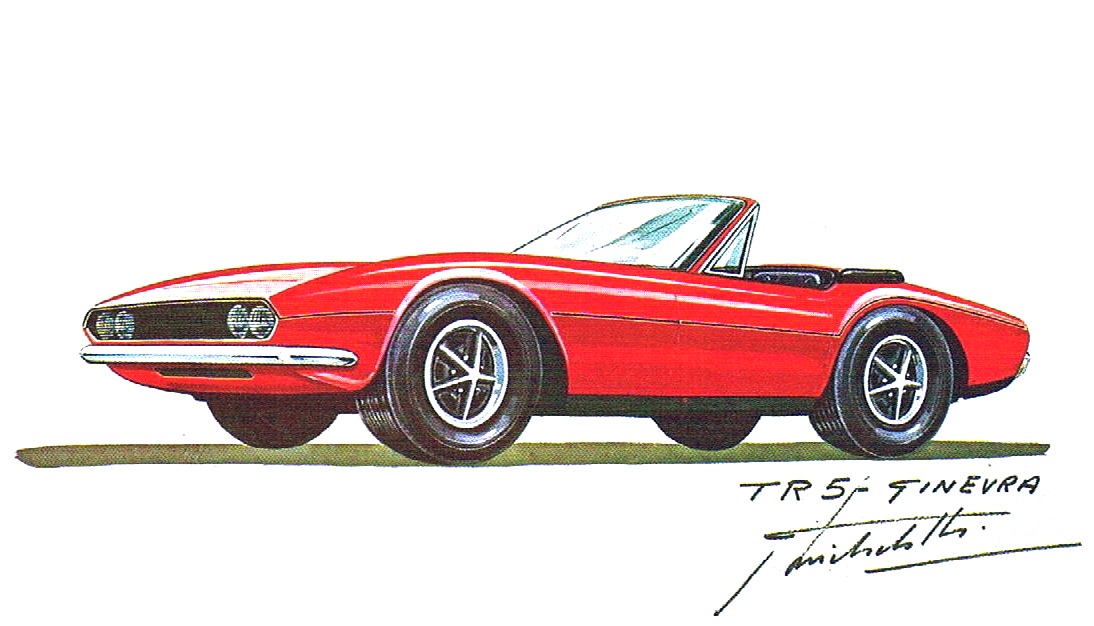
By the mid-1950s, Michelotti had moved his studio to a large penthouse on Corso Francia, then the tallest building in Turin. High above the city—and safely away from prying eyes—he assembled his largest team of designers. Many of his finest cars were born there.
🔗 Read more: The Night Triumph Found Its Shape: The History of the Herald
One night in that studio produced another legend. Triumph engineer Harry Webster, passing through Turin on holiday, stopped by for a quick visit. What began as a discussion turned into a complete redesign sketched from scratch in minutes. They worked through the night, forgetting entirely about Webster’s wife and daughter waiting in the car below—who were fortunately cared for by a sympathetic café owner. It was typical of Michelotti: intense work, effortless creativity, and genuine human warmth.
As his involvement with major manufacturers grew, confidentiality became crucial. Relying on external coachbuilders like Allemano or Vignale was no longer sufficient. In 1959, Michelotti opened his own small workshop on Via Levanna in Turin—humble, sparsely equipped, but entirely under his control. From there, he worked simultaneously as designer and coachbuilder, producing extraordinary prototypes for nearly twenty years.
In 1967, facing increased workload, Michelotti moved the company’s headquarters to Orbassano, a move facilitated by a unique exchange involving a Fiat 850 Coupé one-off built by Michelotti.
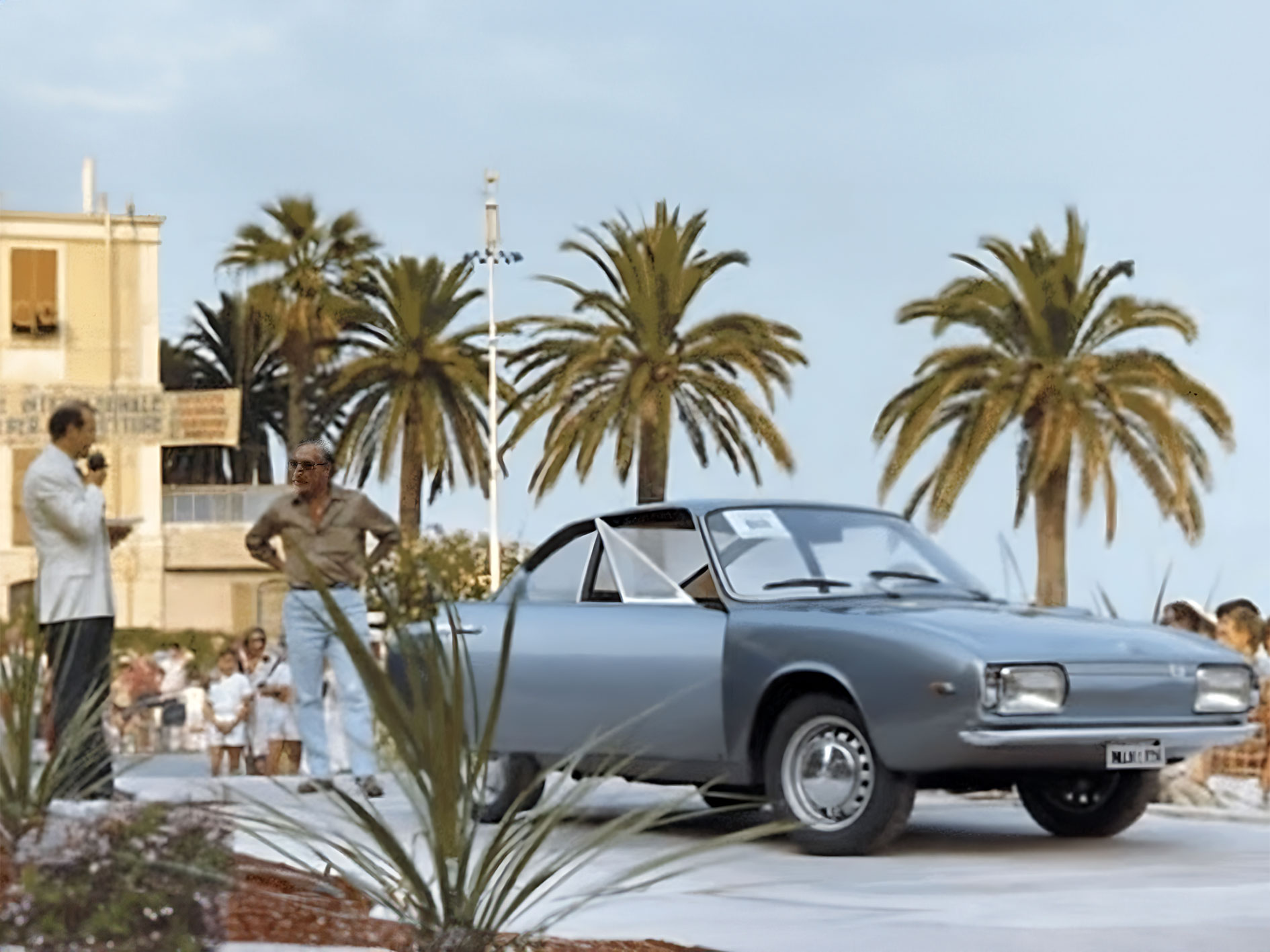
He remained both until illness cut his career short—closing the chapter on one of the most quietly influential figures in automotive history.
The Rebirth of BMW
In the aftermath of World War II, BMW was on the brink of collapse. To survive, the company needed a small, affordable car. Giovanni Michelotti entered the story through Renzo Rivolta, who formally recommended him to BMW. The Germans already knew Michelotti’s work through cars he had designed for Ghia-Aigle, and they accepted the proposal.
The first step was the Isetta. Michelotti had already shaped its appearance for Iso Rivolta in Italy, and BMW adopted the design almost unchanged. It was later developed into the BMW 600, with a longer wheelbase and improved habitability. The Isetta saved BMW from immediate ruin—but it could not restore the brand’s identity.
The real turning point came during a dramatic board meeting, when BMW was considering selling itself to Daimler-Benz. At that moment, Wolfgang Denzel, BMW’s Austrian importer and a minor shareholder, intervened. At his own expense, he had commissioned Michelotti to design and build a new car—one he believed could change BMW’s future.
🔗 Read more: Giovanni Michelotti and BMW: The Italian Designer Who Saved a Bavarian Brand
Denzel stopped the meeting, led the board into the courtyard, and unveiled the prototype. The reaction was immediate. Among those present was Herbert Quandt, who, impressed by the car’s potential, decided to acquire a controlling stake in BMW—blocking the sale and securing the company’s independence.
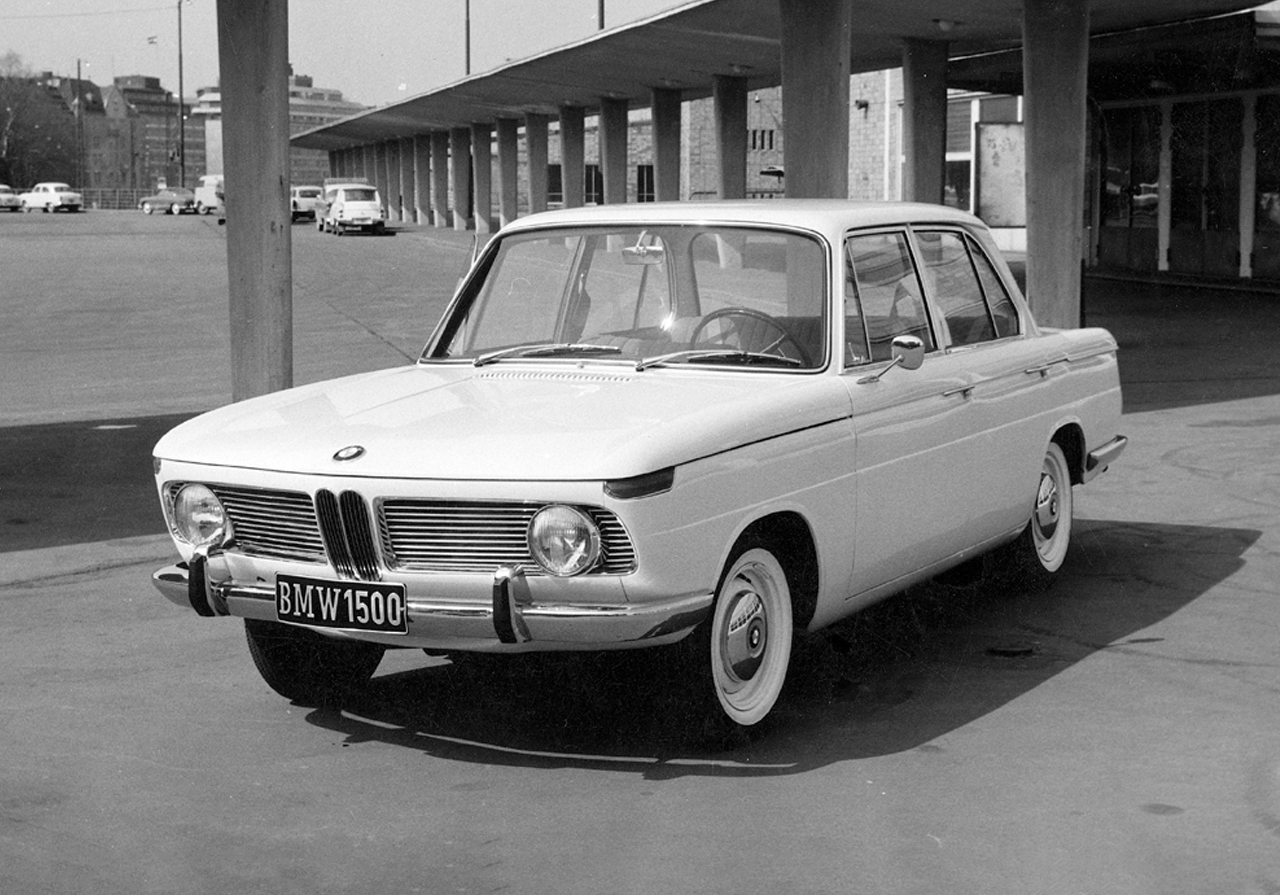
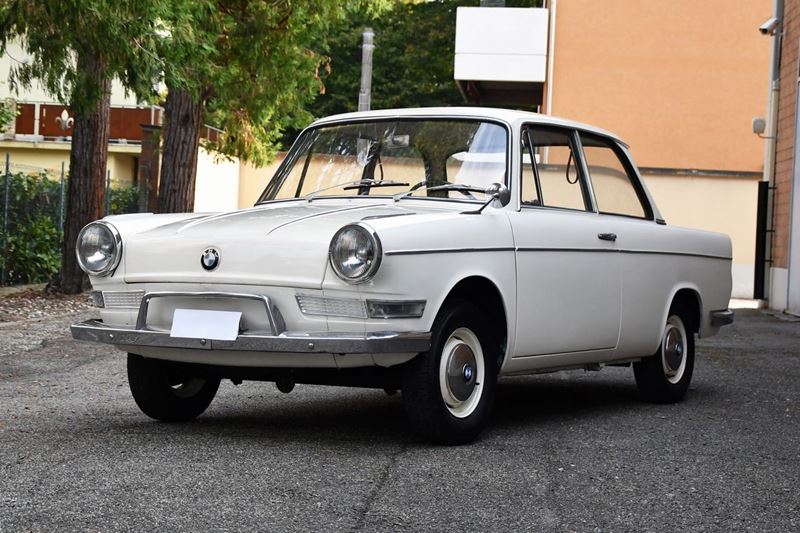
That car became the BMW 700, the model that truly relaunched the brand. From there followed the Neue Klasse sedans (1500, 1600, 1800, 2000) and later the 1602/2002, establishing the BMW identity we recognize today.
Michelotti’s involvement went even further. He developed advanced prototypes, including the BMW Turbo, widely regarded as the conceptual ancestor of the later BMW M1. Michelotti was even contracted to produce the car himself and built a 10,000-square-meter facility in anticipation of series production.
Then came the 1973 oil crisis. High-performance cars suddenly looked untenable, and BMW withdrew from the agreement. The factory Michelotti had built was later reassigned to Italdesign.
It was a lost opportunity. Michelotti’s Turbo was radically different from the eventual M1—finished in a dramatic red-to-orange gradient, bold and unmistakably Italian. A car that never reached production, yet once again proved how decisively his work had shaped automotive history.
DAF: Small but Influential
Once again, everything began with a letter. Martin van Doorne, one of the founders of DAF, wrote to Harry Webster asking whether Giovanni Michelotti might be the right person to redesign the Dutch brand’s cars. Webster’s reply was unequivocal: Michelotti was strongly recommended. The collaboration soon followed.
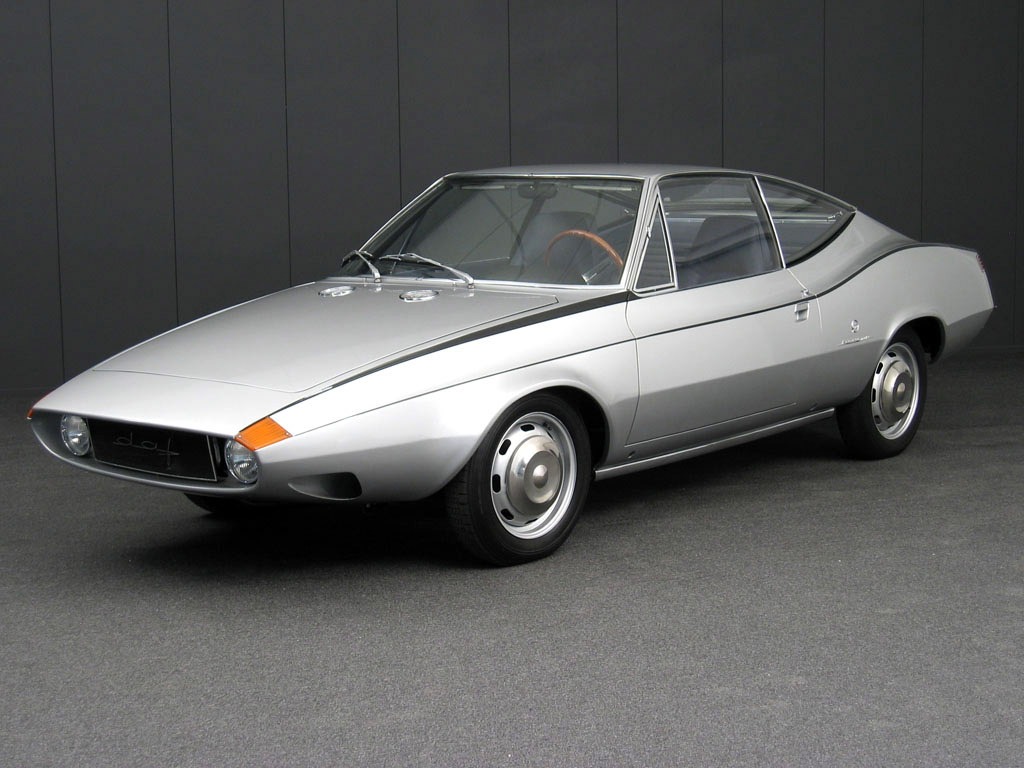
Michelotti went on to shape much of DAF’s passenger-car identity, including the facelift of the Daffodil (DAF 33) and the designs of the DAF 44, 55, and their Coupé variants. Central to these cars was DAF’s Variomatic transmission—an ingenious, low-cost continuously variable system operated by just two pedals. Remarkably advanced for its time, it even found use in Formula 3. After DAF sold its car division to Volvo, Michelotti continued to work on DAF’s industrial vehicles until everything was absorbed into the Swedish company.By 1950, the workload had become overwhelming. His daughter was born that year, and the family moved to Corso Duca degli Abruzzi, where a large living room finally allowed him to install a proper drafting table and a full-scale drawing setup. It was a small domestic upgrade—but for Michelotti, it marked the moment when freelance independence became a permanent way of life.
The French Car That Won Everything
Michelotti also designed every series of the Alpine-Renault A108 and A110, cars whose competition success needs no retelling. Less known is that he completed the original project for a fee of 100,000 lire—a respectable sum in the late 1950s—which he never received. Legal and customs complications arose, and Michelotti chose not to pursue payment.
The Rising Sun
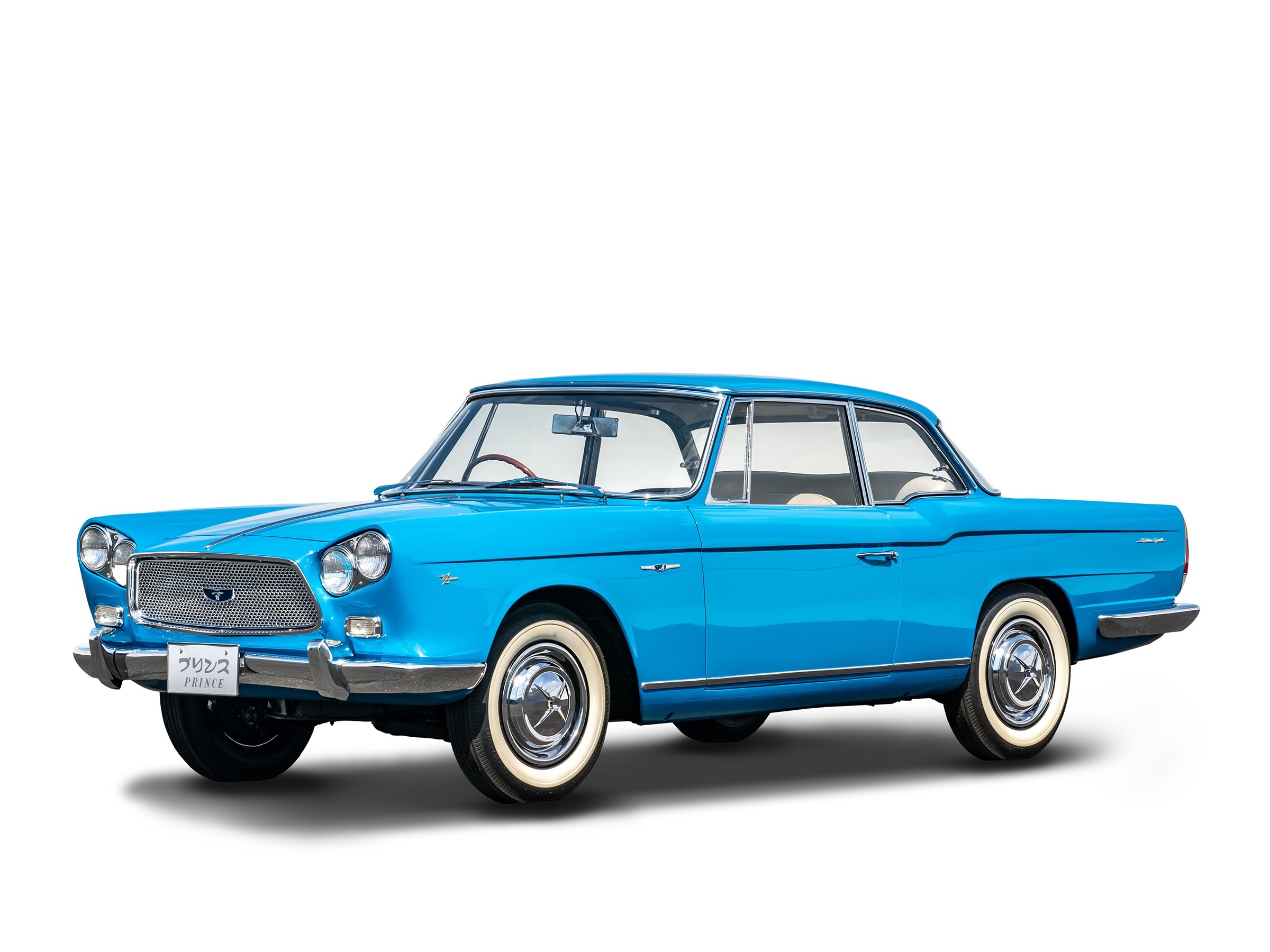
By the late 1950s, after BMW and Alpine, Japanese manufacturers entered Michelotti’s orbit. The first was Prince, for whom he designed the sporting versions of the Skyline. The car was so elegant that production remained limited, and the model was quietly phased out. Notably, Michelotti introduced almond-shaped headlights inspired by Japanese facial features—an unusually bold cultural reference at the time. Early prototypes were built by Allemano, before Michelotti established his own production facilities.
Next came Hino Motors, for whom he designed the Contessa. Starting with the Contessa 900 Coupé—with mechanical input from Nardi—he later styled the entire Contessa 1300 range, including both sedan and coupé. Production ended prematurely when Toyota, Hino’s owner, decided to focus exclusively on trucks.
The Final Project
Michelotti’s last design was for Reliant, a British manufacturer specializing in small-series cars. The result was the Reliant Scimitar SS1, featuring a steel chassis and a plastic body. It would be his final work. Around this time, Michelotti discovered the illness that would end his life: bone metastasis in his right arm—the very arm that had drawn thousands of cars—caused by advanced lung cancer.
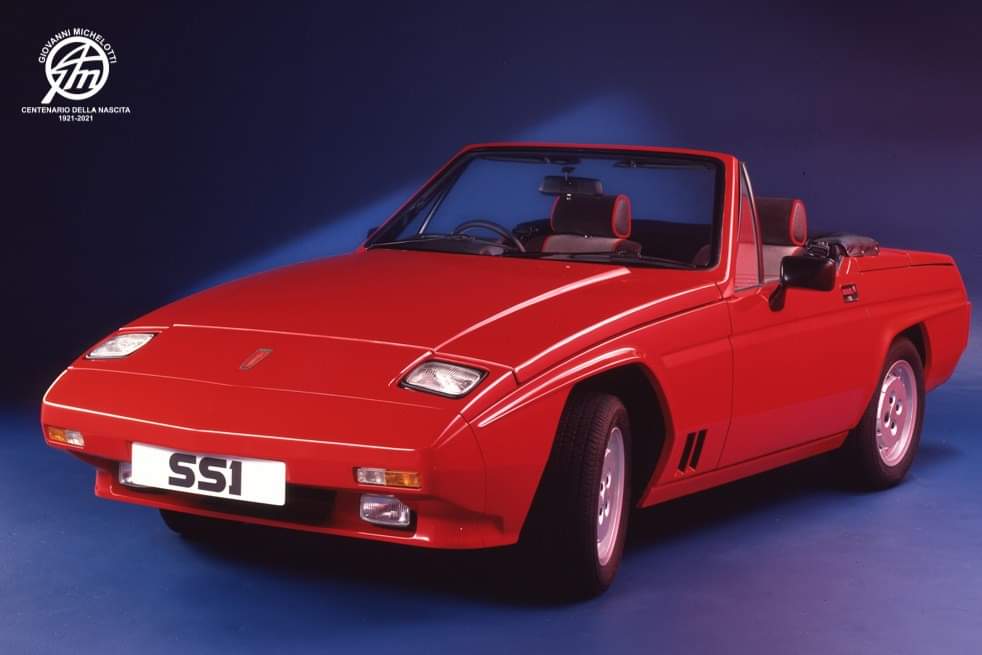
It was the quiet end of a career that had shaped automotive history across continents.
A Quiet Innovator
Giovanni Michelotti didn’t design cars to make statements. He designed them to exist—to be built, sold, driven, and remembered. And the way he worked explains almost everything about why his influence runs so deep.
Michelotti didn’t need elaborate rituals. Sometimes he started with sketches—quick, instinctive marks on tracing paper taped to the drafting table. Other times, there were no sketches at all. He simply thought the car through, took a sheet of squared paper, and went straight into a full piano di forma, often at scale. The idea might arrive in the evening; seven or eight hours later, the car was essentially done. Clean lines. No second-guessing. No endless revisions.
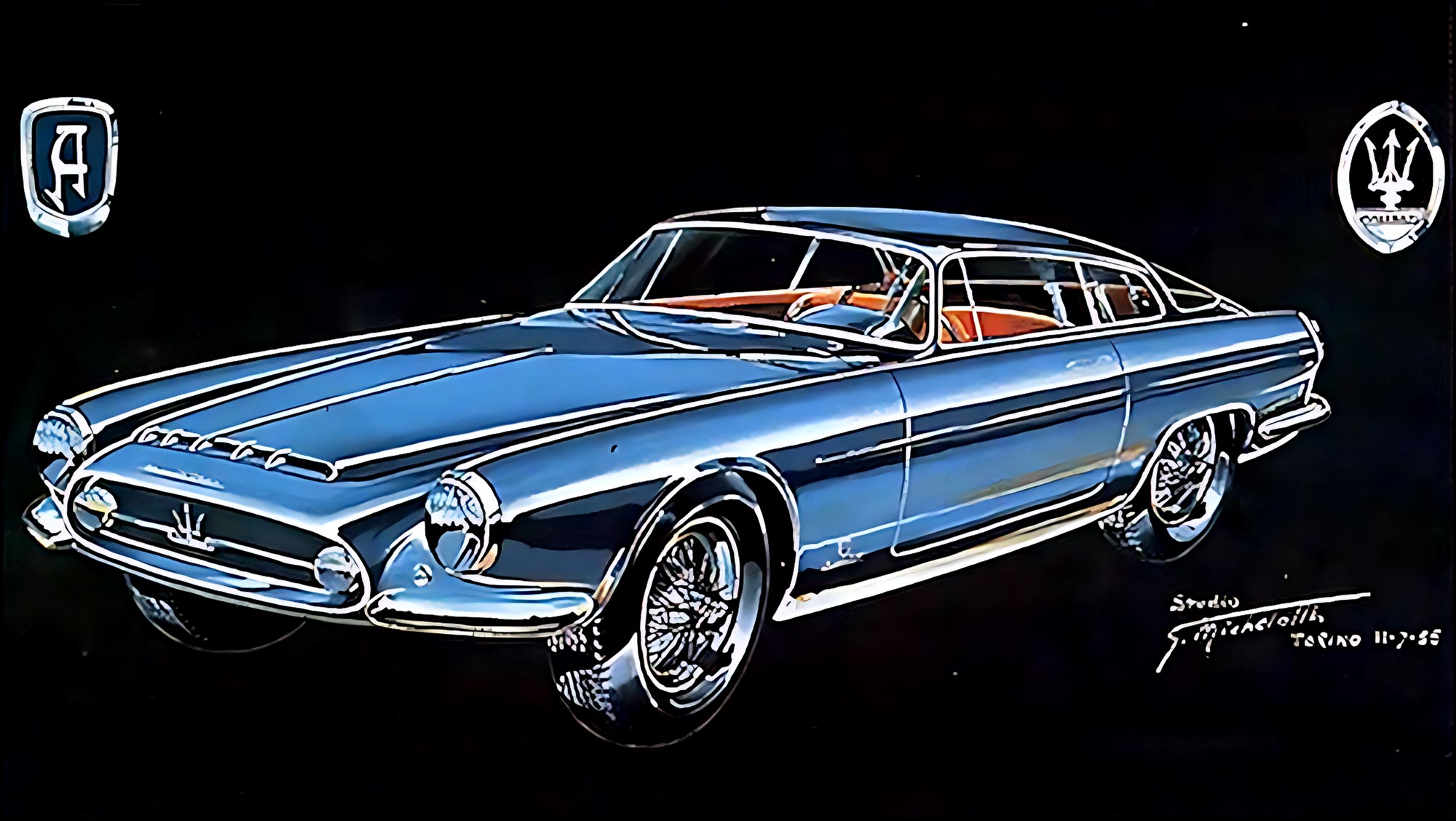
That’s the part most people miss: Michelotti didn’t iterate because he didn’t need to. He began, and he finished. The car was resolved because the idea was resolved. Where other designers adjusted, erased, corrected, Michelotti committed. And once he added his characteristic scribbles at the rear of a drawing—that was it. Finished. A quiet, unmistakable second signature.
The figurines—the presentation drawings—came when they were needed. Sometimes before, sometimes after. They weren’t vanity pieces; they were tools. And even there, you could tell the difference. As one visitor to his archive famously observed: Michelotti’s cars were “running cars.” Others looked good, but static—parked. His drawings had tension, movement, intent. They looked like they wanted to leave the page.
That mindset carried directly into the metal. Michelotti understood something fundamental: a car isn’t sculpture. It’s compromise, motion, and reality. Engineers have to build it. Marketers have to explain it. Customers have to live with it. Michelotti designed for all of them at once. That’s why his cars worked—and why manufacturers kept calling.
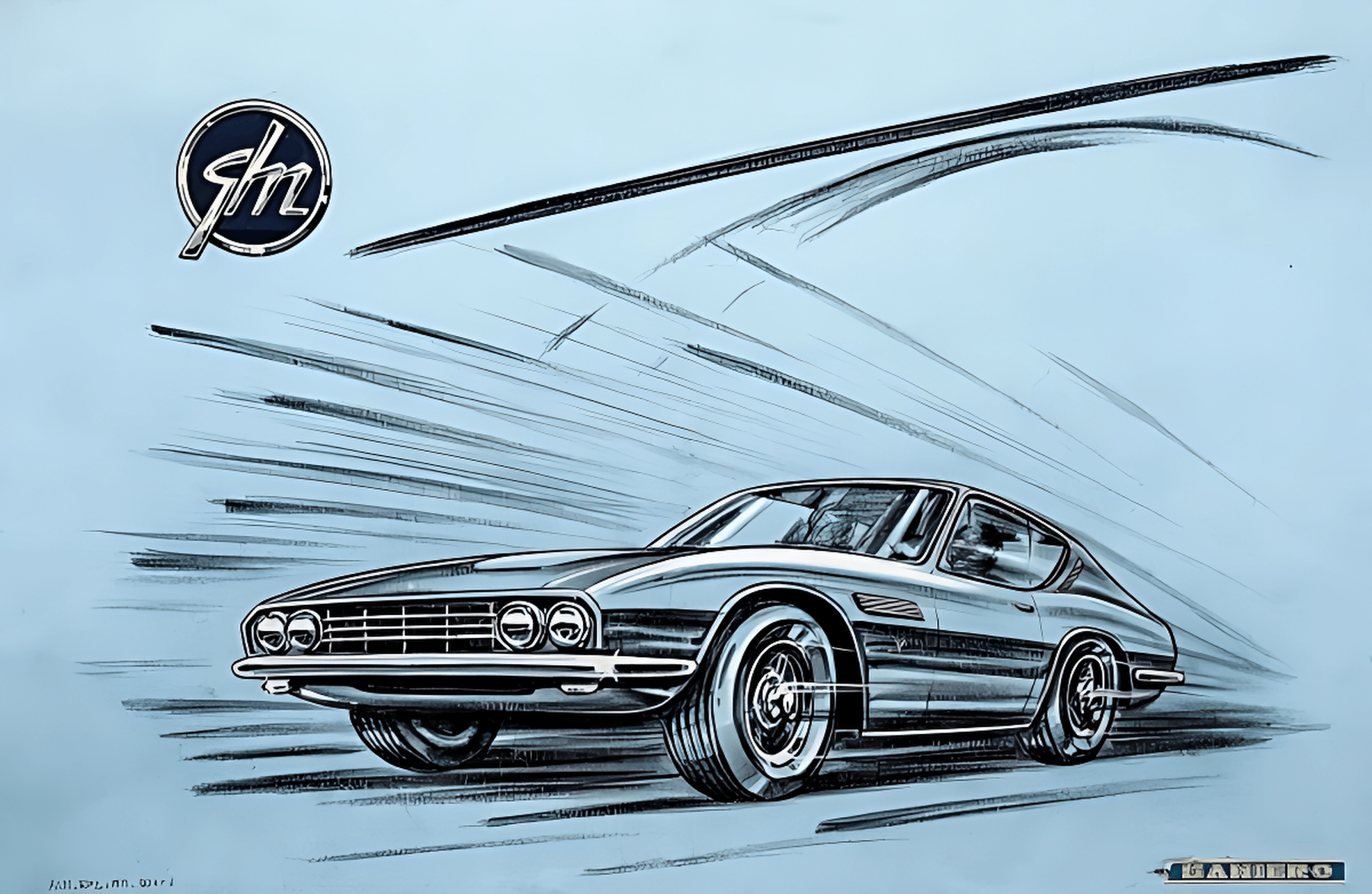
He was also consistently early. Wheel-arch flares born from a mistake—the baffo—became a defining feature of Italian design. Radical postwar ideas like the Tank Style pushed form before the industry was ready to follow. He explored structure through shape, safety through design, elegance without ornament. He didn’t patent ideas or fight for credit. He just moved on. If others adopted them later, that meant the idea was sound.
🔗 Read more: The Car That Broke Through the Wall: The Maniero 4700 GT
And then there’s independence. Michelotti could have run a major design house. He was invited. Repeatedly. He declined. Freelancing gave him freedom—freedom to jump from Ferraris to Fiats, from Triumphs to BMWs, from Europe to Japan, sometimes all in the same year. That choice cost him celebrity, but it gave him reach.
By the time manufacturers shifted to in-house studios, Michelotti had already shaped entire identities: BMW’s recovery, Triumph’s golden era, Ferrari’s early postwar language, Alpine’s rally legends, Japan’s first truly European-fluent designs. You don’t notice him because he didn’t need you to.
And that’s the irony. The more you study Michelotti, the more you realize how much of what we consider normal car design today—clean surfaces, honest proportions, cars that age well instead of loudly—comes directly from his pencil.
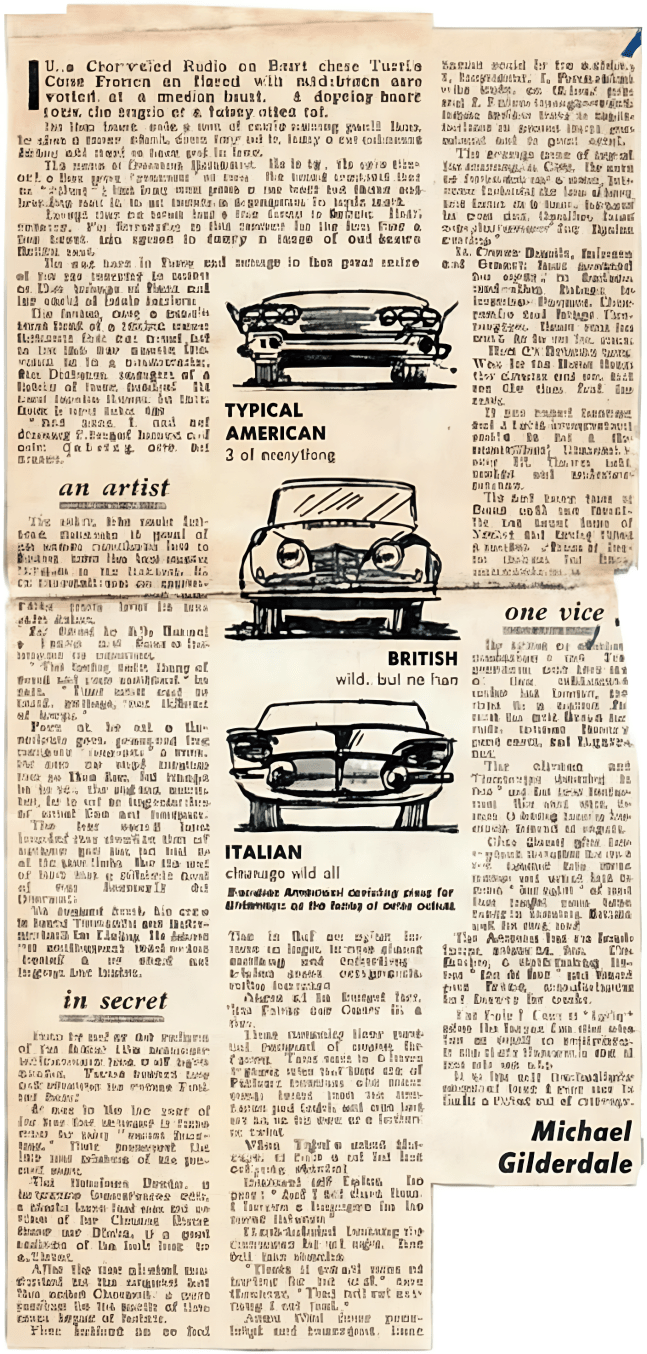
He once summed up the difference between cars with three quick sketches: the American wide and low, the English tall and narrow, the Italian elegant and poised. That was Michelotti in a nutshell. Clear, economical, accurate.
He wasn’t loud. He wasn’t precious. He didn’t chase mythology. He solved problems—fast, elegantly, and over and over again.
In an industry obsessed with star designers and brand theater, Giovanni Michelotti remains the reminder that sometimes the most important person in the room is the one quietly drawing through the night, finishing the car before sunrise, and letting the work speak for itself.
And if you love cars the way we do, that doesn’t make him unsung.
It makes him essential.

ABOUT THE AUTHOR
Andreas Scheidl
Italian classic car enthusiast with German roots. Renowned as a respected figure in the classic car community, he serves as a jury member at various international concours d'elegance, including the Classic Gala Schwetzingen and Mantova. As a content creator, Andreas passionately shares his profound knowledge and appreciation for vintage automobiles. His heart beats for cars designed by Giovanni Michelotti, showcasing his discerning taste and dedication to preserving the timeless elegance of automotive history.
More stories by Andreas Scheidl ↗CONTINUE READING
Posts You Might Like
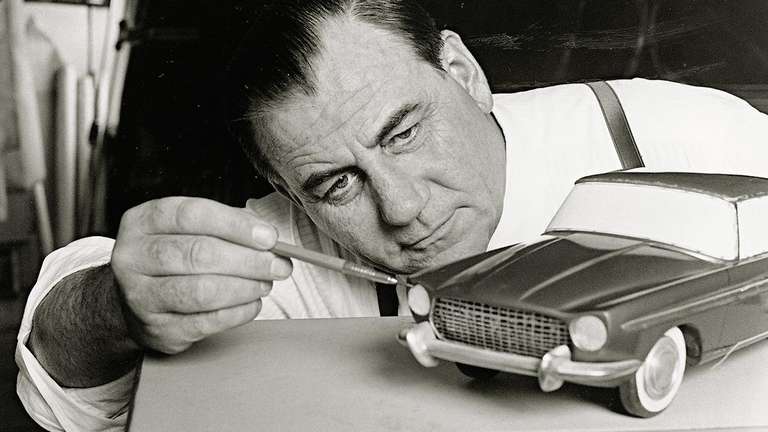
Pietro Frua: The Quiet Master of Italian Style
Pietro Frua, an influential Italian automotive designer born in 1913, left an indelible mark on the industry with his visionary work, shaping iconic cars and pioneering aesthetic excellence.
Read story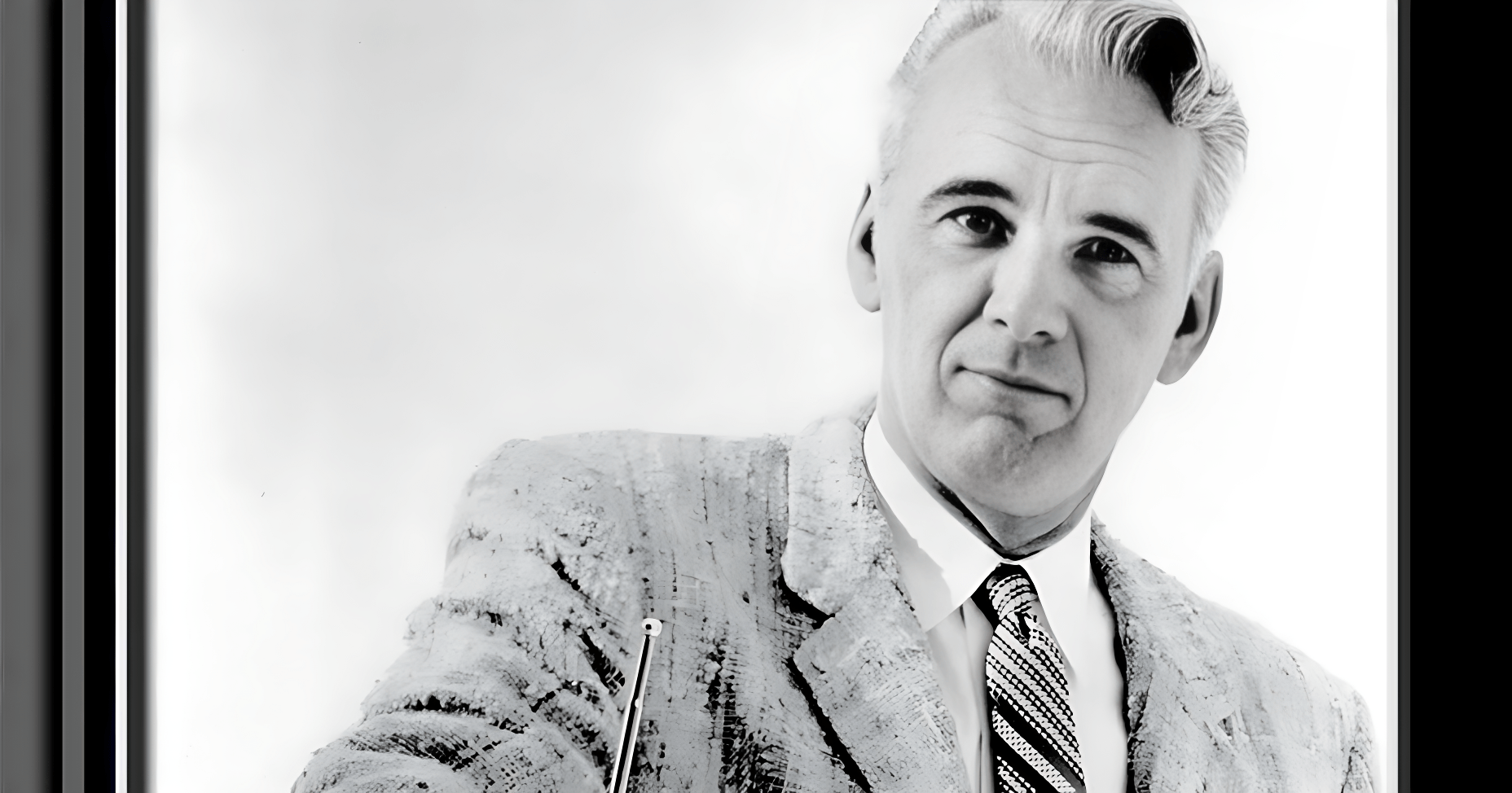
Virgil Exner was the designer who taught Detroit to dream again
Virgil Exner transformed American car design with bold artistry, aerodynamic vision, and Italian collaboration that redefined Detroit’s style.
Read story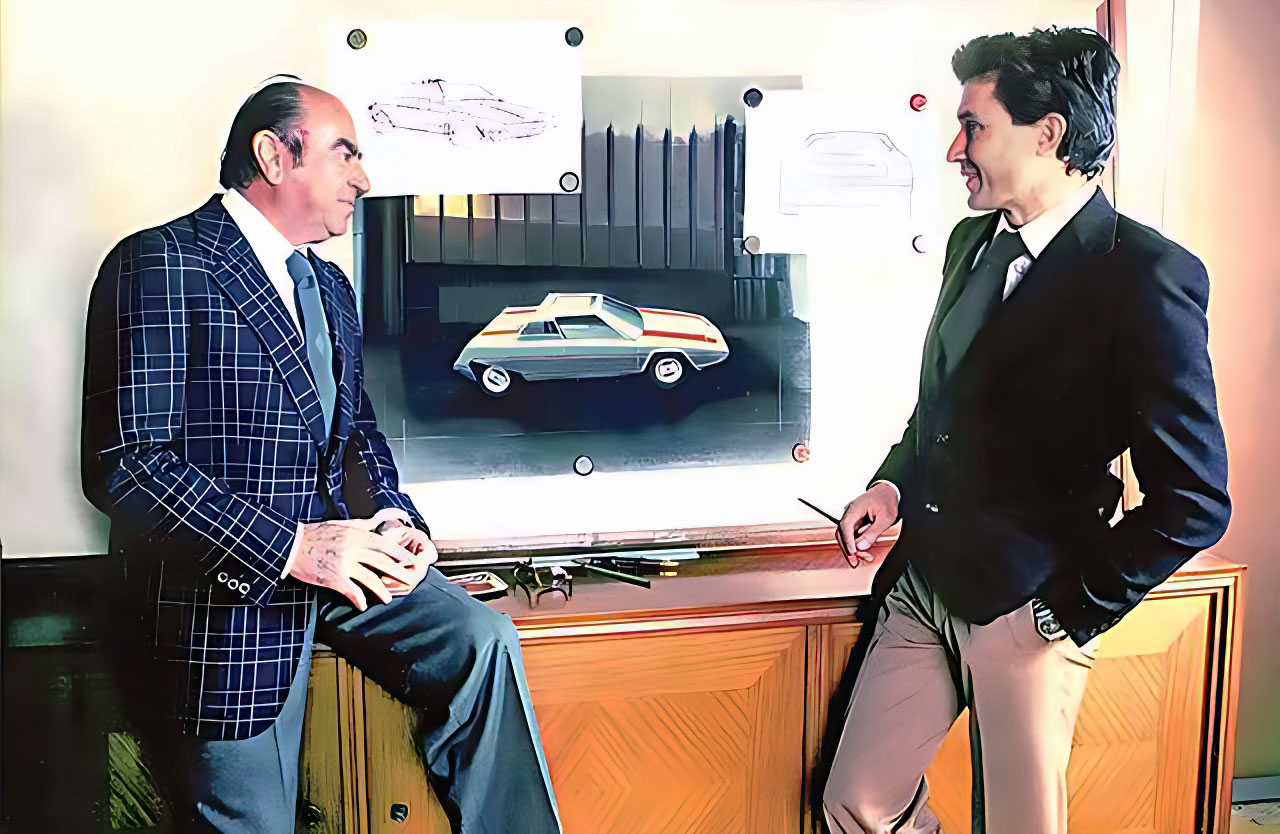
Marcello Gandini: The Man Who Designed the Future
From Lamborghini to Lancia, Marcello Gandini’s bold geometry and radical thinking defined modern car design and inspired generations of creators.
Read story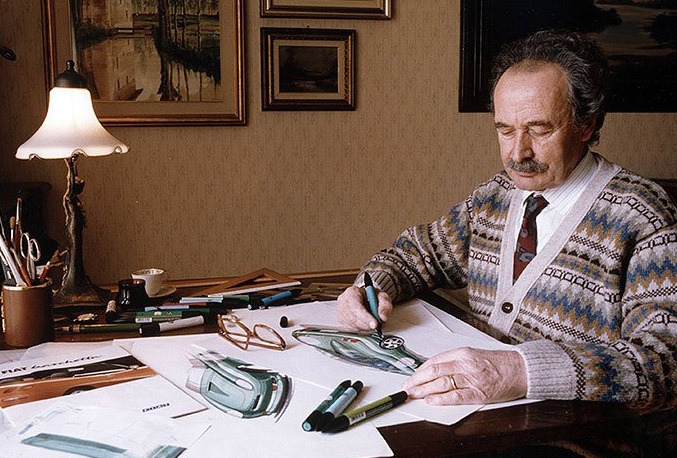
Aldo Brovarone: The Quiet Master of Elegance
Aldo Brovarone, the humble stylist behind Pininfarina’s greatest icons, from the Ferrari Dino to the Peugeot 504 and Lancia Gamma.
Read story
THE CONVERSATION
Comments 0
Share a memory, a period photograph or a documented detail about this story.