
Virgilio Conrero: The Magician Who Whispered to Engines
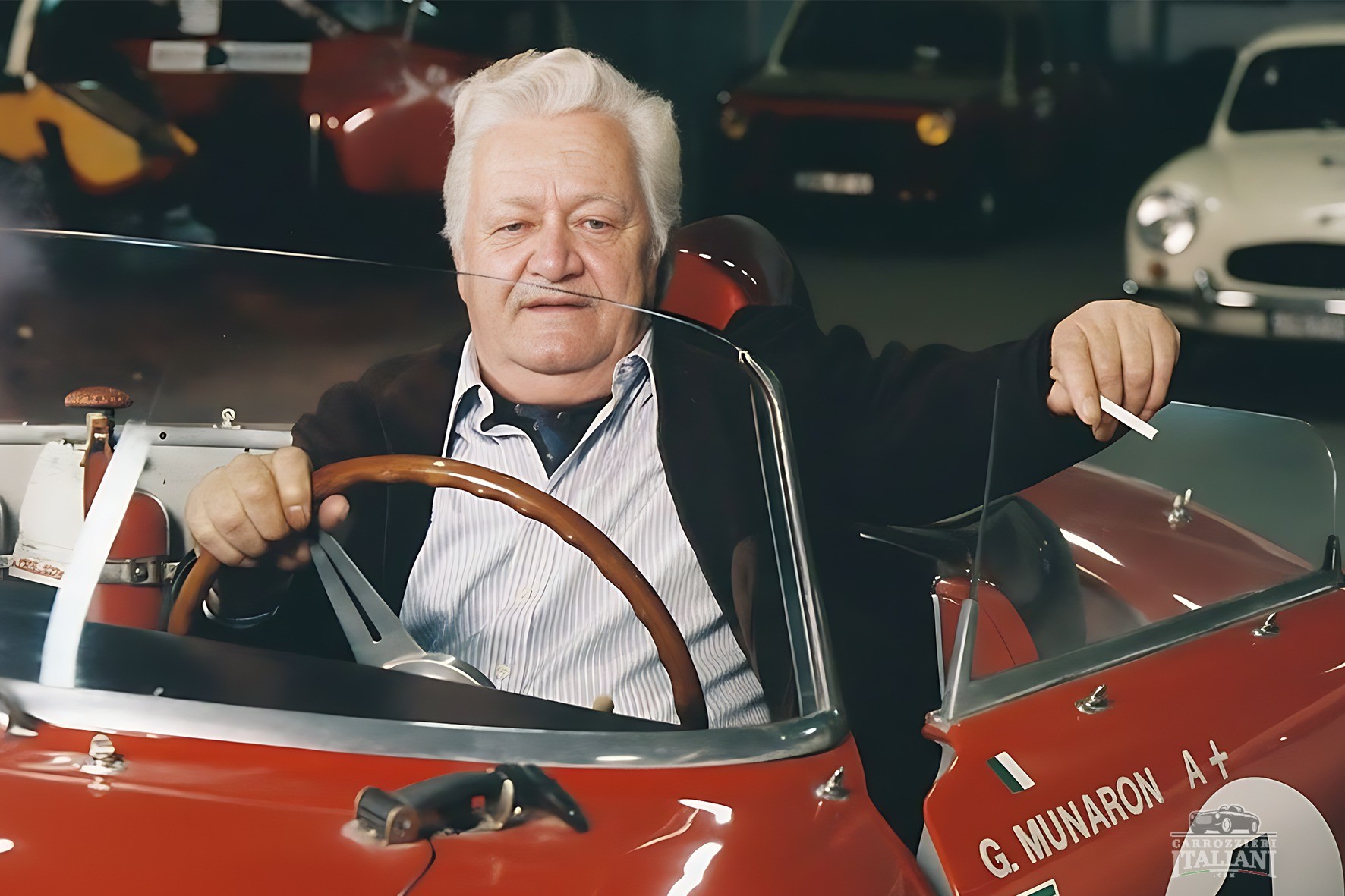
Some men build engines. Others build legends. And then, very rarely, there are those strange alchemists of metal and fire who seem to breathe life into machinery itself. Their work does not merely produce horsepower; it produces myth. Virgilio Conrero was one of those men. In the golden age of European motorsport, when the scent of castor oil hung in the air like incense and racing circuits were still bordered by stone walls and reckless bravery, his name circulated through paddocks and workshops with a mixture of admiration and disbelief. Mechanics spoke of him with respect, drivers with gratitude, and rivals with a quiet, grudging fear. They called him Il Mago—the Magician—and unlike many nicknames in racing, this one was not exaggeration.
The Boy Who Learned the Language of Machines
The story begins on a night that already carried a certain symbolic weight. At the stroke of midnight on January 1st, 1918, as Italy greeted a new year in the midst of a wounded Europe, Virgilio Conrero was born in Turin. If there was a place where a mechanical prodigy might emerge, Turin would have been among the most likely. The city had long been Italy’s industrial heart, its streets humming with factories and workshops, its skyline punctuated by smokestacks instead of cathedral spires. Machines were not merely tools there; they were the language of progress. Conrero’s father, Francesco, owned a respected gear manufacturing company, a business that produced the precisely machined components that allowed larger mechanical systems to function in perfect harmony. From an early age, young Virgilio wandered among gears, shafts, and the heavy perfume of machine oil. While other children learned their first stories from books, he learned his from the geometry of interlocking metal teeth.
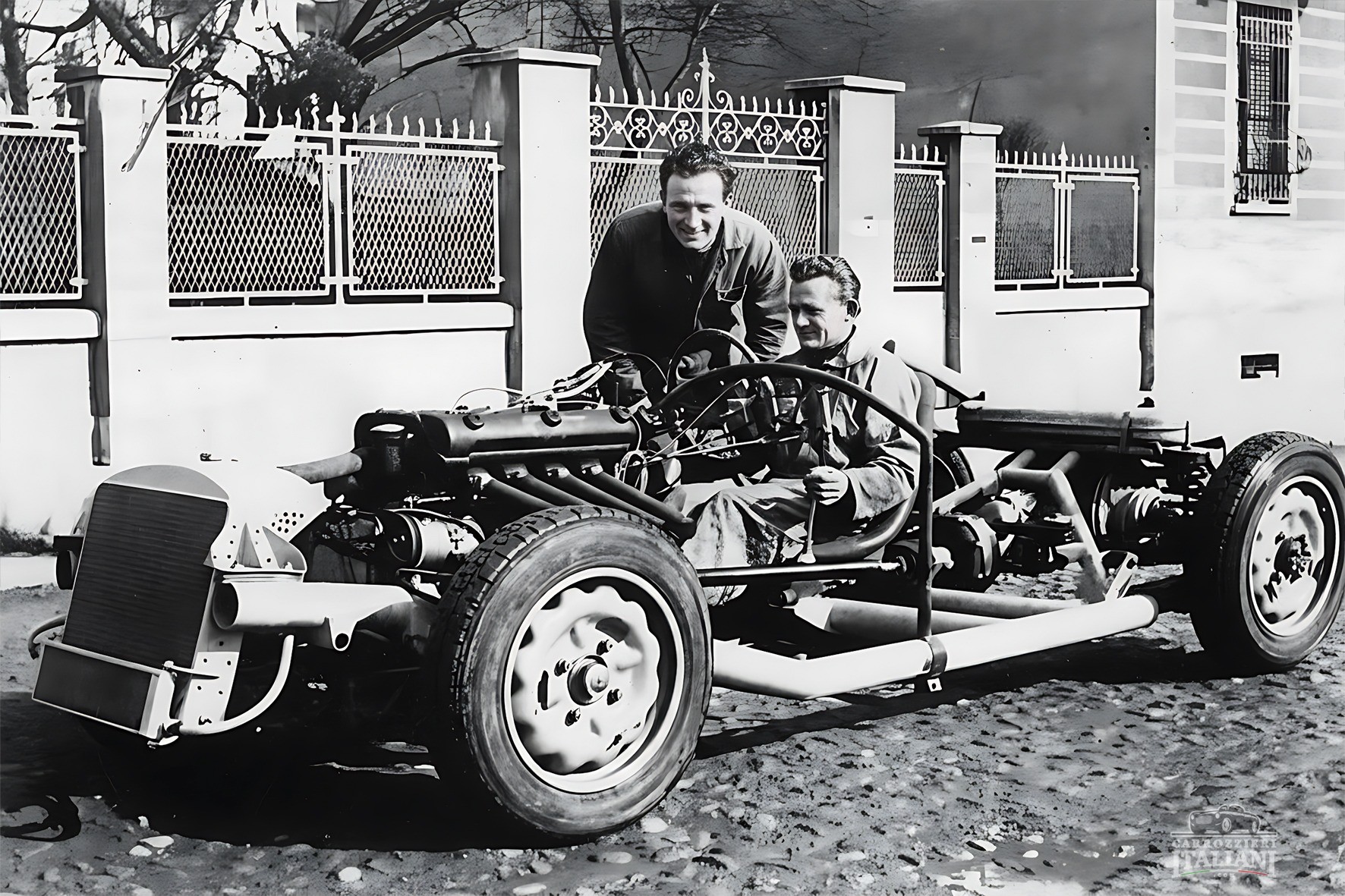
It might have been a comfortable life, one that would naturally lead him toward engineering school and eventually toward a respected position in industry. Fate, however, rarely bothers to ask permission before rearranging a life. In 1932 tragedy struck with the sudden brutality that industrial accidents sometimes carried in those days. Inside the family factory, a gas turbine exploded with devastating force. Thirteen workers died instantly. Others were gravely injured, among them Francesco Conrero. He succumbed to his injuries the following day. In a single moment the secure future that had seemed so certain for Virgilio vanished. At fifteen years old, still a boy by most measures, he found himself forced to abandon school despite his excellent academic record. Teachers had predicted he would become a mechanical engineer, but that path now seemed closed.
🔗 Read more: The History of Turin’s Automotive Industry
Yet there are moments in history when a closed door quietly redirects someone toward an entirely different destiny. Conrero never received the official title of engineer, but the world would eventually grant him something more meaningful: recognition of his genius. Determined not to abandon his love of machinery, he enrolled in a course specializing in aircraft engines, an area where the demands for precision bordered on the unforgiving. Aviation engines were not simply machines; they were matters of life and death. If they failed, the consequences were immediate and absolute. Conrero passed the course with the highest marks, demonstrating a natural mastery that astonished his instructors. He supplemented his education with additional technical courses in mathematics, drafting, and mechanical calculation. Those who later worked beside him would swear that he could perform complex engineering calculations in his head faster than most people could write them on paper. Numbers, ratios, compression figures and valve timings seemed to exist in his mind the way melodies exist in the head of a musician.
Forged in Fire: Fiat, Aviation and War
By 1934, when he was only sixteen years old, Conrero found himself hired by Fiat. It was not yet the glamorous entrance into automotive legend that hindsight might suggest. He joined the experimental engine testing department, working primarily with aviation powerplants involved in racing and record-breaking programs. The environment was intense and demanding. Engines screamed on test benches for hours while technicians monitored temperatures, pressures, and vibration patterns. It was the kind of place where fatigue was common but mediocrity was not tolerated. Conrero thrived there, immersing himself in the relentless pursuit of perfection. The work shaped his personality in ways that would define him for the rest of his life. He became quiet, almost reserved, preferring to observe rather than speak unnecessarily. Yet behind that calm demeanor existed a ferocious intolerance for sloppy work. In his world an engine deserved precision and respect. Anything less was an insult.
History, however, had not finished interfering with his life. The outbreak of the Second World War interrupted the promising trajectory of many young engineers and mechanics across Europe, and Conrero was no exception. Instead of pursuing increasingly advanced engine development at Fiat, he found himself serving in aviation during the war years. These were difficult times, but they also reinforced his understanding of machinery under extreme conditions. Wartime engines had to function in brutal circumstances and with limited resources. Problems had to be solved quickly, sometimes with improvisation that bordered on creative genius. It was an education that no classroom could have provided.
🔗 Read more: Italian Coachbuilders Under Fascism and Beyond
When the war ended in 1945, Conrero returned to Fiat only to discover that the company he had known before the conflict had changed. The work that now awaited him bore little resemblance to the thrilling experimental projects that had once filled his days. Administrative routines and uninspiring tasks replaced the mechanical challenges he loved. Rather than accept a life of quiet frustration, he made a decision that would define the next phase of his career. He left.
The Birth of the Magician
Opportunity arrived three years later, in 1948, when the brilliant engineer Carlo Savonuzzi contacted him in Turin. Savonuzzi was involved with Cisitalia, a marque that had captured the imagination of the racing world just before the war with its elegant and innovative cars. Conrero was brought in to assist with the preparation and development of Cisitalia race machines. It was here that the transformation from skilled technician to legendary tuner truly began. Cars that passed through his hands suddenly exhibited remarkable improvements. Engines developed more power and, perhaps more impressively, maintained reliability under the punishing conditions of competition. Drivers began to notice that a Conrero-prepared car seemed to possess a hidden reserve of performance waiting to be unleashed.
Around the same time Savonuzzi and Conrero also embarked on a fascinating entrepreneurial venture that reflected the restless optimism of the immediate postwar years. An American company, the Leyfield Co. of America, commissioned Savonuzzi to study and develop a racing car for the immensely popular American midget racing formula. To carry out the project, Savonuzzi and Conrero founded the Società GOBI, based in Aosta. Their ambition was to design a family of racing machines that could compete both in the Sport category and in the American-style Midget formula. At the heart of the project lay an intriguing engine concept: a horizontally opposed four-cylinder twin-cam unit. For the Midget version the engine would displace 820 cubic centimeters and be equipped with a supercharger, while the Sport variant would run naturally aspirated with a reduced displacement of 750 cubic centimeters. Even more ambitious ideas were explored on the drawing board, including a boxer eight-cylinder engine with displacements of 1100 and 1500 cubic centimeters. All versions were intended to share a robust chassis built from chrome-molybdenum steel side members, a structure that reflected Savonuzzi’s typically elegant engineering philosophy.
By 1948 the designs were complete and ready to move forward, but the American sponsor vanished almost as quickly as it had appeared, leaving the project suddenly without financial backing. Undeterred, Savonuzzi and Conrero reorganized the venture under a new name, the Società Valdostana Automobili (SVA), hoping to continue development by producing the single-seater intended for the midget formula. Unfortunately the category never truly took hold in Italy, and the ambitious plan struggled to find a market. The partners eventually shifted their attention toward building chassis for the popular 1100 racing category. Only one car was fully completed from the original program. Swiss driver Rudolph Fischer participated in testing the machine after it had been converted into a junior racing car powered by a Fiat 1100 engine. Though the enterprise never achieved the commercial success its creators had hoped for, it revealed Conrero’s early desire not merely to tune engines but to participate in the creation of complete racing machines.
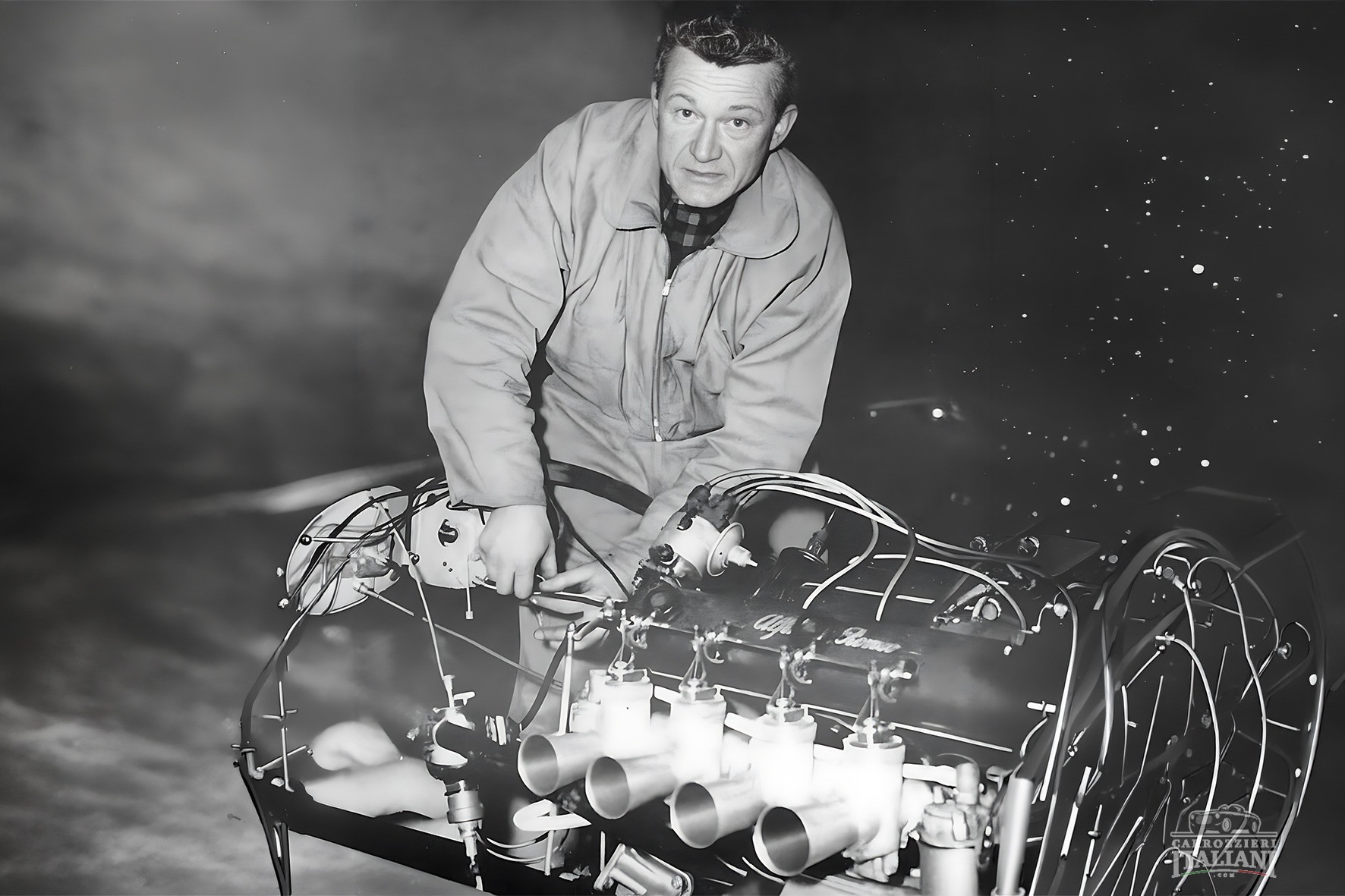
During this same fertile period he also worked on another fascinating project commissioned by engineer Fresia: a Grand Prix car powered by a supercharged 1500-cc engine running on a mixture of alcohol and gasoline and equipped with a horizontally mounted Shorrock compressor. The design reflected the daring engineering spirit of the late 1940s, when experimentation still flourished and bold mechanical ideas were welcomed rather than suppressed by regulation.
Postwar Europe was hungry for renewal. Racing circuits reopened, hill climbs resumed, and rallies once again echoed through mountain passes. Wealthy enthusiasts—known as gentleman drivers—were eager to compete but often lacked the technical expertise to transform their road cars into competitive machines. They sought specialists who could extract extraordinary performance from ordinary mechanical foundations. In the field of engine preparation, Virgilio Conrero quickly became one of the most sought-after figures in Europe. Clients arrived from France, Belgium, Switzerland, Spain, and even the United States, hoping that the quiet man in Turin might sprinkle a little of his mechanical magic onto their machines.
In 1952 he decided to formalize his growing reputation by founding his own company, Autotecnica Conrero. The modest workshop in Turin soon became a pilgrimage site for drivers and mechanics. Engines arrived in crates and left reborn. Conrero approached each one with meticulous attention, studying its design as though it were a living organism whose hidden potential could be awakened. The list of drivers who visited his workshop reads today like a roll call of motorsport royalty: Nino Farina, Jochen Rindt, Lorenzo Bandini, and even Juan Manuel Fangio passed through his orbit. For Conrero, these encounters were sources of quiet pride rather than public boasting.
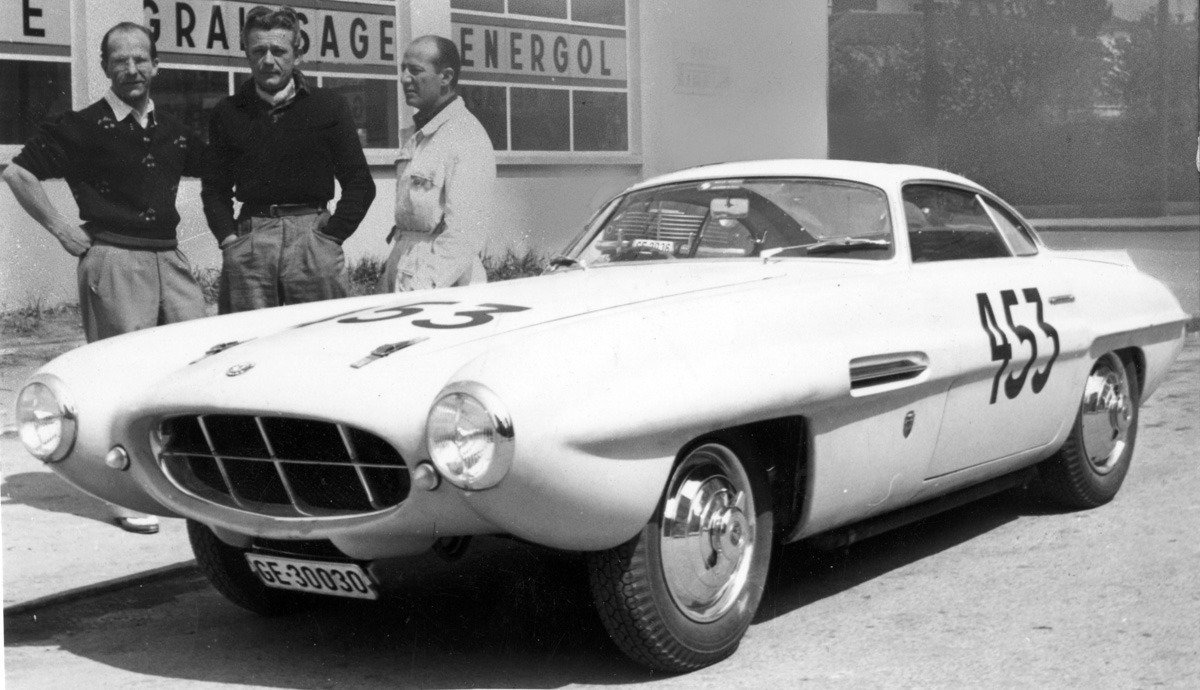
Despite his success as a tuner, he harbored a deeper ambition. Conrero did not merely want to modify cars; he wanted to build them. One of his early ventures into this realm was the development of a 2000 Sport prototype for the Swiss driver Robert Fehlmann. The car was an intriguing mechanical mosaic. Its chassis consisted of a tubular spaceframe constructed from large-diameter tubes, while the elegant Supersonic coupé bodywork was designed by Giovanni Savonuzzi at Carrozzeria Ghia. Beneath the sleek exterior lay an engine derived from the Alfa Romeo 1900, modified with twin ignition and four Dell’Orto motorcycle carburetors. The drivetrain combined components from several Italian sources, including a Lancia Aurelia rear transaxle and elements of Fiat suspension architecture. It was a bold machine, combining engineering creativity with the sculptural beauty that defined Italian sports cars of the era.
🔗 Read more: Ghia Supersonic: The Space-Age Icon on Wheels
Tragically, its life was brief. During a race in Switzerland Fehlmann lost control, the car left the road, and a subsequent fire destroyed the prototype completely. The disappointment for Conrero was profound, made even sharper by the fact that Ghia would later use the same Supersonic design lines for other projects, including cars built for different manufacturers such as Fiat, Jaguar and Aston Martin. For a man who poured his soul into every mechanical creation, such moments felt like deeply personal wounds.
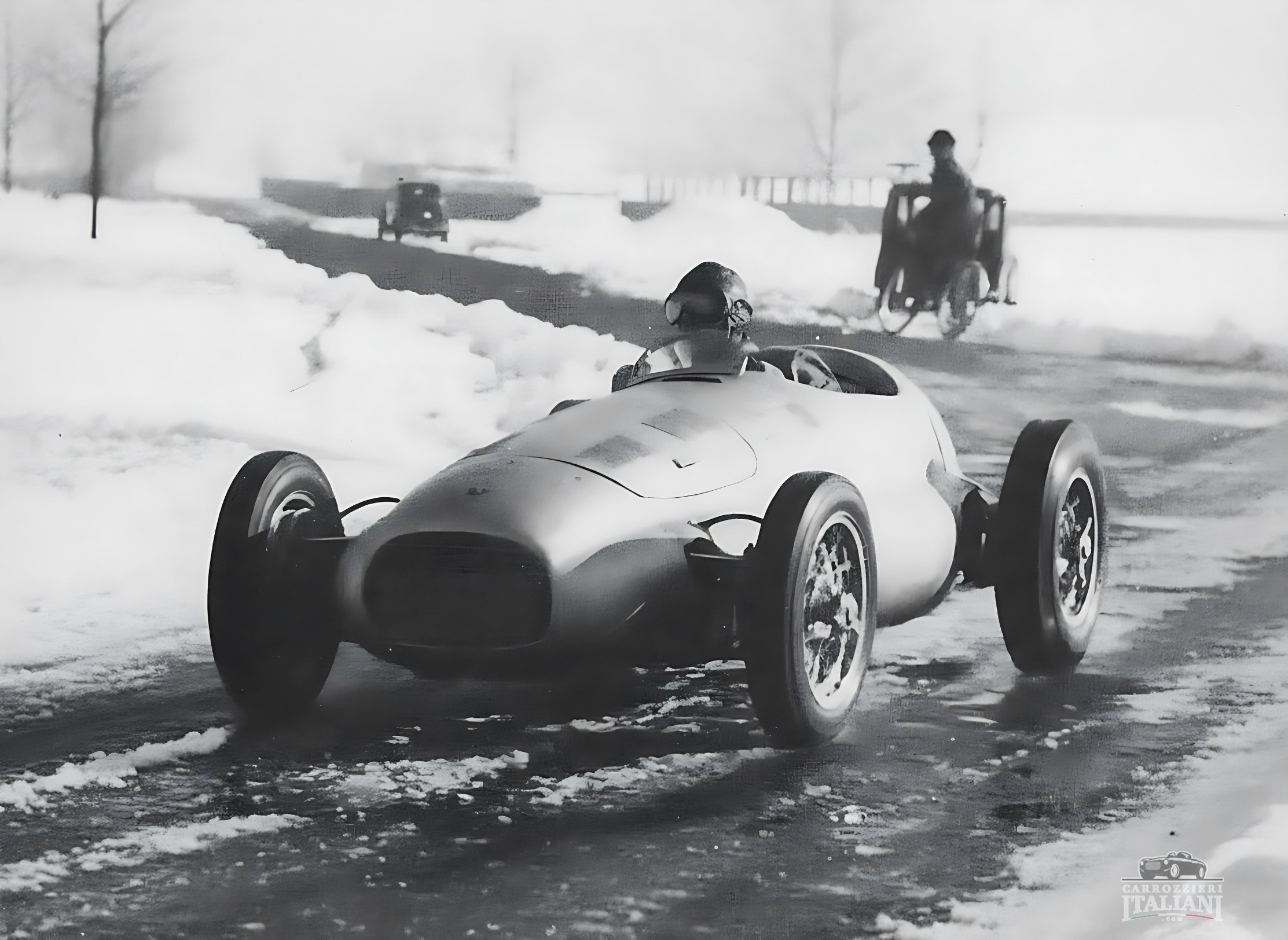
Yet racing rarely allows time for prolonged despair. By the late 1950s Conrero was enjoying a remarkable period of success both as an engine preparer and as an occasional constructor. In 1958 he developed a Formula Junior prototype that demonstrated his talent for extracting performance within tight regulatory constraints. Powered by an 1100-cc Fiat engine, the car reached speeds approaching 200 kilometers per hour. Its testing results were so impressive that a French client ordered thirty examples.
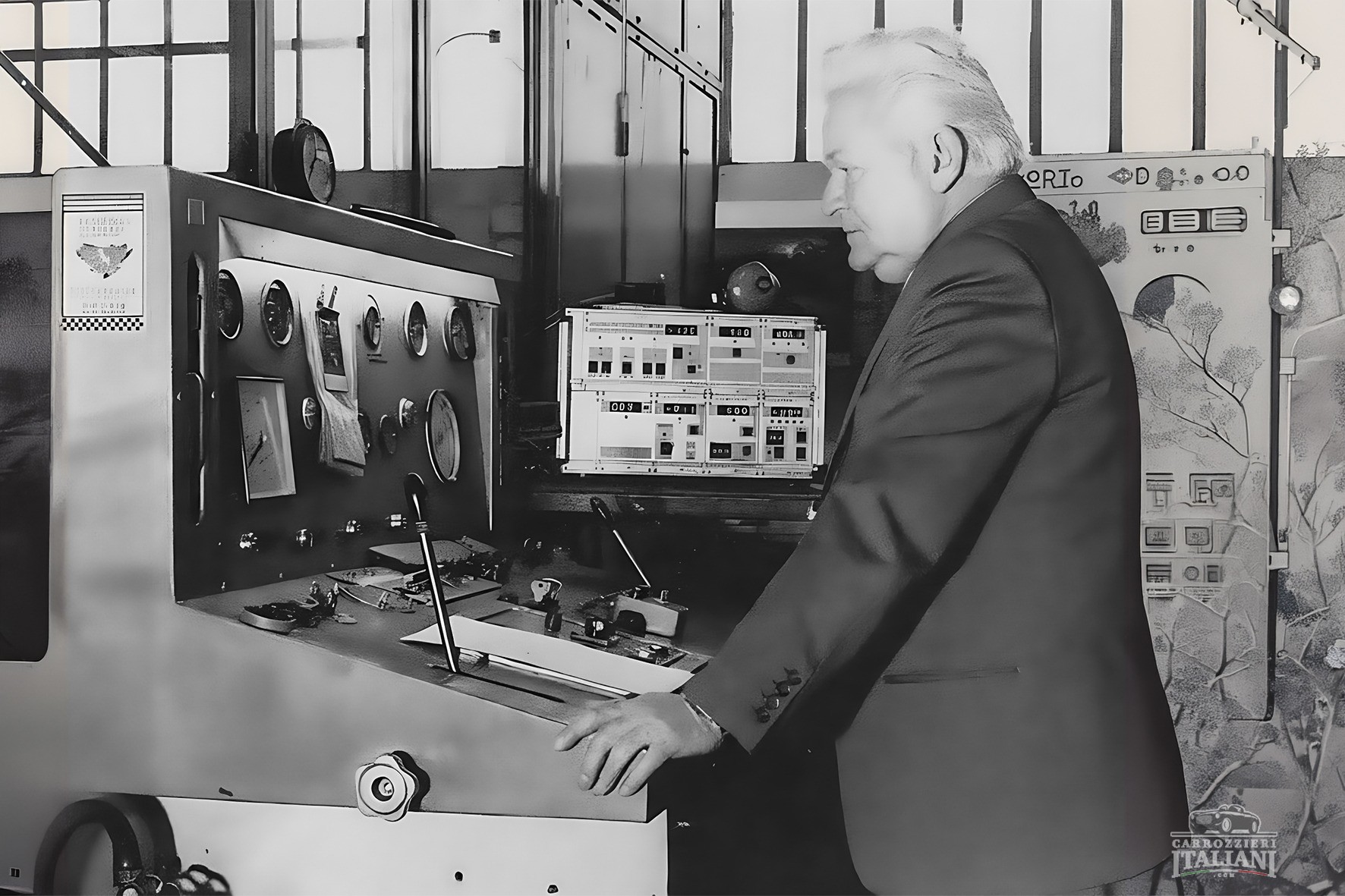
That same year Conrero-prepared cars achieved sixty-seven victories, fifteen of them outright wins. Drivers such as Carlo Abate and Ada Pace collected championships, while Bernard Consten dominated major European rallies with Alfa-Conrero machines. The Magician’s reputation spread far beyond Italy, carried by the roar of engines climbing Alpine passes and by the admiration of drivers who discovered that their cars had become unexpectedly formidable.
Despite these successes, the dream of becoming a full-scale manufacturer remained elusive. Building competitive racing cars required substantial financial resources, particularly for reliability testing. Conrero knew that mechanical failures—often trivial but catastrophic in competition—could destroy a promising project. Reluctantly, he chose to focus primarily on engine preparation rather than risk damaging his reputation through underfunded construction efforts. It was a pragmatic decision, though one that left him occasionally wondering what might have been possible with greater backing.
Engines That Could Win Anything
In 1961 he embarked on a brief but fascinating venture into Formula One alongside Alejandro De Tomaso. The project revolved around a compact 1500-cc engine derived from the Alfa Romeo Giulietta unit, but in Conrero’s hands the modest four-cylinder was transformed into something far more serious. Twin ignition sharpened combustion, large Weber carburetors fed the cylinders with generous enthusiasm, and careful internal work brought the output to roughly 152 horsepower—an impressive figure for such a small displacement in that era. The single-seater would be entrusted to experienced drivers such as Maurice Trintignant and Nino Vaccarella. The project never shook the foundations of Formula One, yet it revealed something essential about Conrero: he possessed a rare ability to apply his mechanical intuition to almost any racing discipline and make it work.
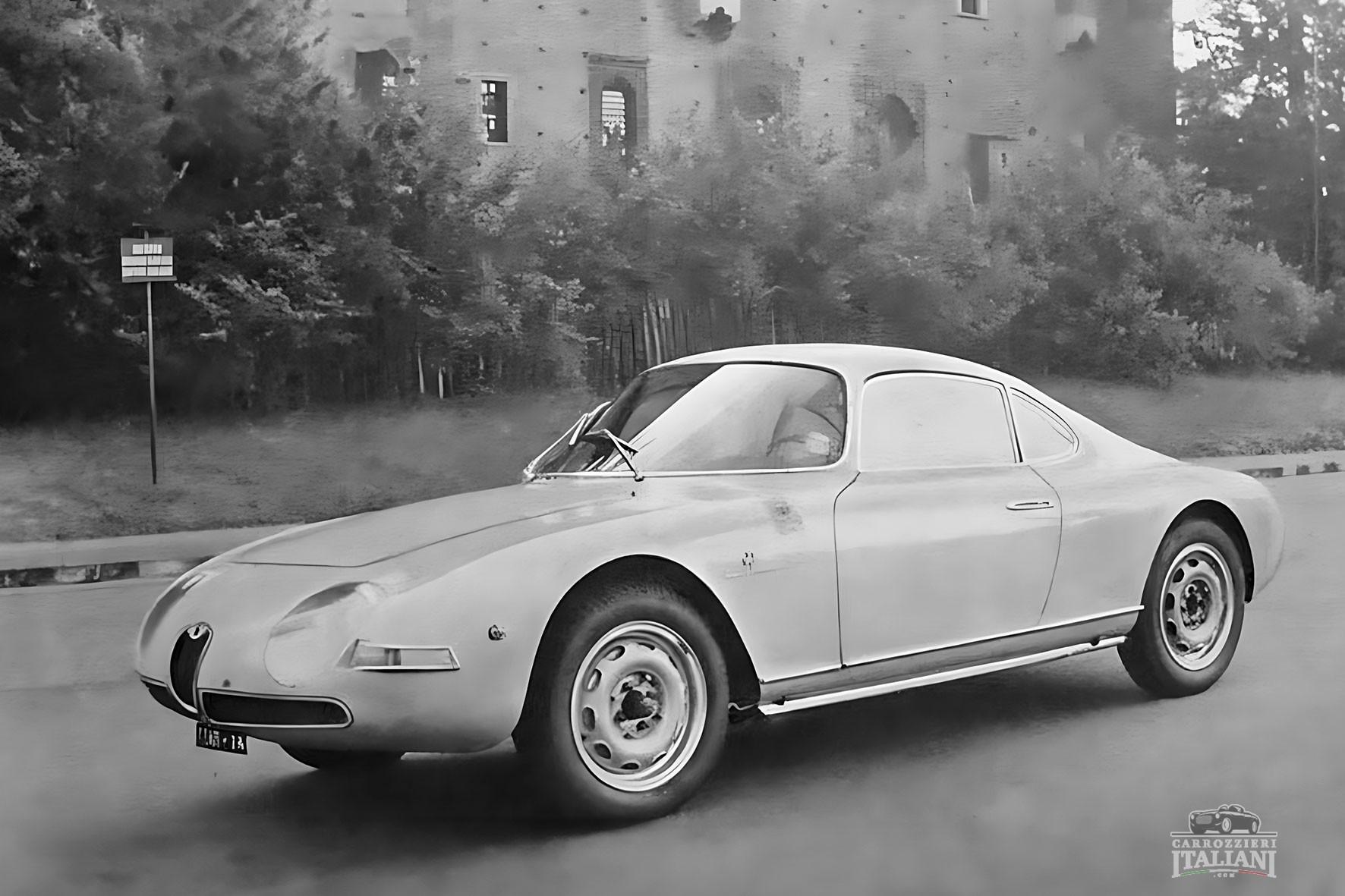
Around the same time his creativity found expression in a series of fascinating collaborations with the brilliant designer Giovanni Michelotti. One of the most striking was the Alfa Romeo Giulietta “Goccia,” a one-off prototype whose name—Italian for “drop”—perfectly captured its fluid aerodynamic form. Conceived in an era when engineers and stylists still believed that speed could be discovered in the elegant manipulation of airflow as much as in raw horsepower, the car wore a body shaped like a falling droplet of water, its uninterrupted curves flowing from nose to tail with almost organic grace. Beneath that sculptural exterior lay an Alfa-derived engine carefully prepared by Conrero, transforming the prototype from a stylistic exercise into a genuinely capable performance machine. The Giulietta Goccia would remain unique, but it stood as a vivid example of the experimental spirit that defined Conrero’s work: a willingness to blend engineering logic with imaginative design in pursuit of speed.
🔗 Read more: The Giulietta Goccia: Michelotti and Conrero’s One-Off That Shook the GT Order
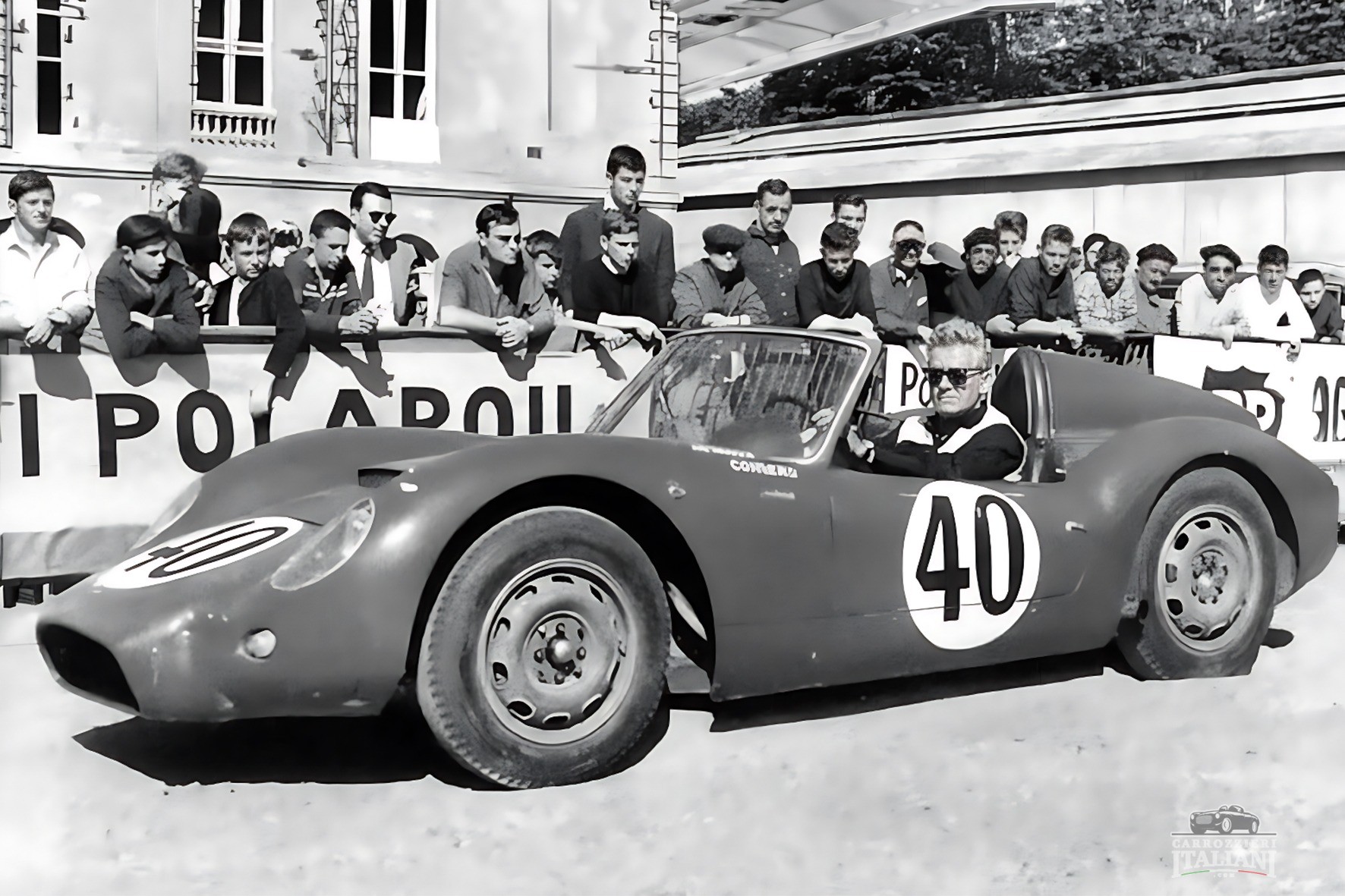
Michelotti and Conrero would collaborate again on another ambitious project, this time involving the British marque Triumph. The result was the Triumph Conrero Le Mans, a sleek prototype envisioned for endurance racing at the famous French circuit. Michelotti shaped the car with the same aerodynamic elegance that characterized his Italian creations, while Conrero focused on extracting maximum performance from the twin-cam engine. During testing the prototype demonstrated impressive potential, reaching speeds of around 230 kilometers per hour—remarkably some twenty kilometers per hour faster than another prototype running the same engine in standard configuration. Despite these promising results, shifting priorities within the Triumph program meant the car never actually lined up on the starting grid at Le Mans. Like the Giulietta Goccia, it remained one of those tantalizing “what-ifs” of motorsport history, a machine that hinted at what might have been had circumstances unfolded differently.
Conrero’s curiosity, however, was not limited to automobiles. During the early 1960s he turned his attention to powerboat racing, where engines faced an entirely different set of demands. Marine competition punished machinery with relentless high loads and brutal cooling challenges, yet Conrero approached the problem with the same analytical calm he brought to racing cars. Using Alfa-derived engines as his foundation, he prepared powerplants that went on to claim no fewer than eight world speed records on water. It seemed that any internal combustion engine passing through his workshop emerged stronger, faster, and somehow more determined to prove itself.
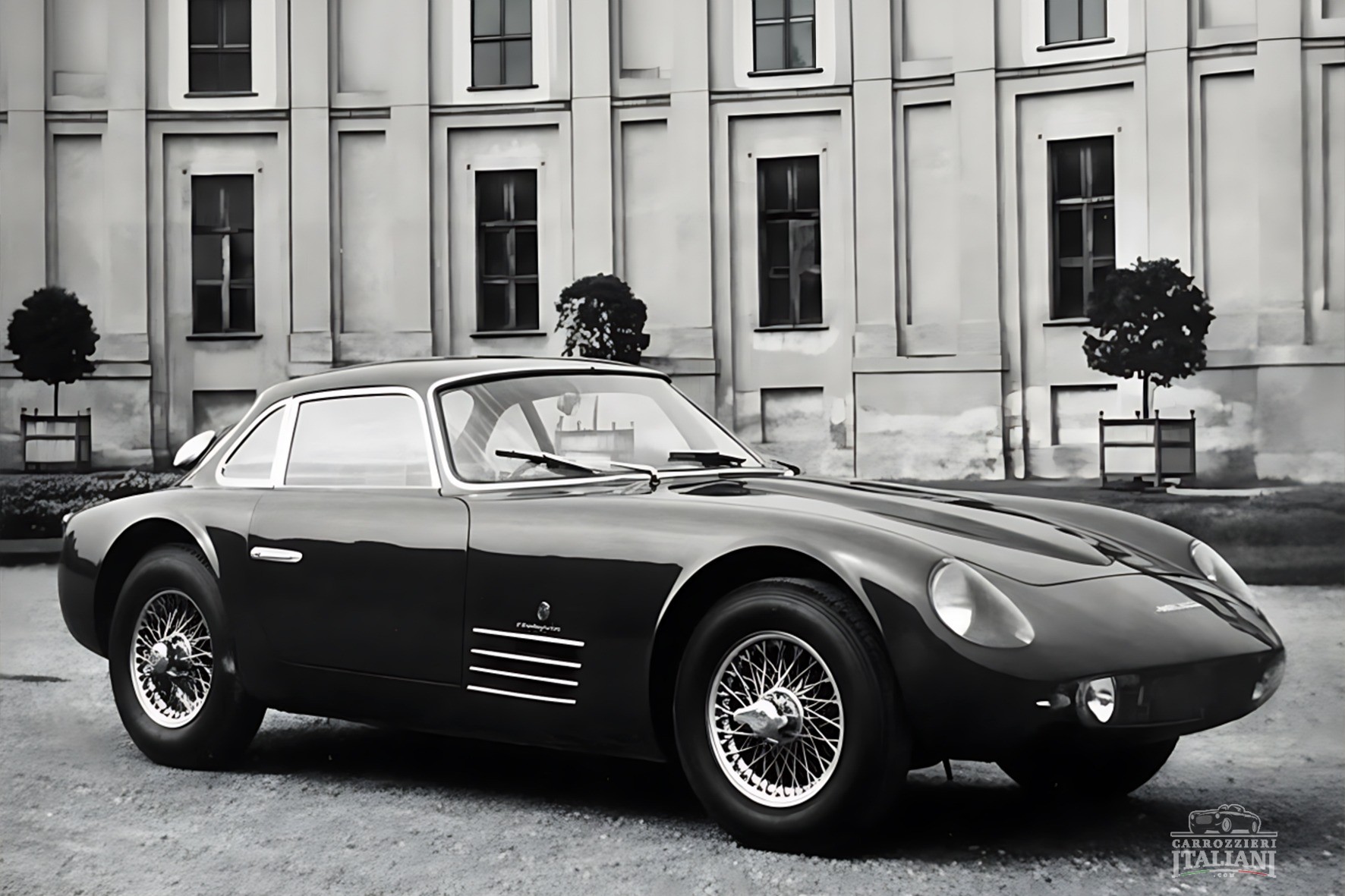
By 1963 his profound knowledge of Alfa Romeo engines led to his appointment as an official preparer for the storied Italian marque. The collaboration proved immensely successful. Conrero was not merely extracting horsepower; he was refining entire mechanical packages, balancing engine performance with chassis setup and studying racing regulations with obsessive attention so that none of his cars would ever suffer the embarrassment of technical disqualification. Victories followed in abundance, and his reputation as one of Europe’s most formidable engine tuners grew even stronger.
Yet motorsport has always been as political as it is technical. In 1968 Alfa Romeo reorganized its racing structure under the leadership of Carlo Chiti, and the new direction meant that Conrero’s official collaboration with the company came to an abrupt end. For a man who had invested years of passion and ingenuity into Alfa engines, the decision was a bitter blow. Still, the Magician had never been the sort to dwell on disappointment. Not long afterward he found his quiet revenge in the most satisfying way possible: by defeating Alfa Romeo’s own Autodelta works team at Monza with one of his privately prepared Alfa-Conrero machines. For a brief moment the paddock was reminded that while factory teams might possess larger budgets and political influence, they did not necessarily possess Virgilio Conrero’s extraordinary mechanical touch.
The Last Great Rally Wizard
The 1970s would bring yet another chapter in his extraordinary career when Opel Italy entrusted him with creating a factory-backed rally team. It was a formidable challenge: transforming ordinary road-car engines into competitive rally powerplants capable of battling the dominant Italian manufacturers. Supported by the talented test driver Giorgio Pianta, Conrero quickly produced results. Victories began to accumulate in hill climbs, circuit races, and rallies across Europe. The team’s Opel Kadett and later the Ascona models became feared competitors, known for their durability and surprising speed.
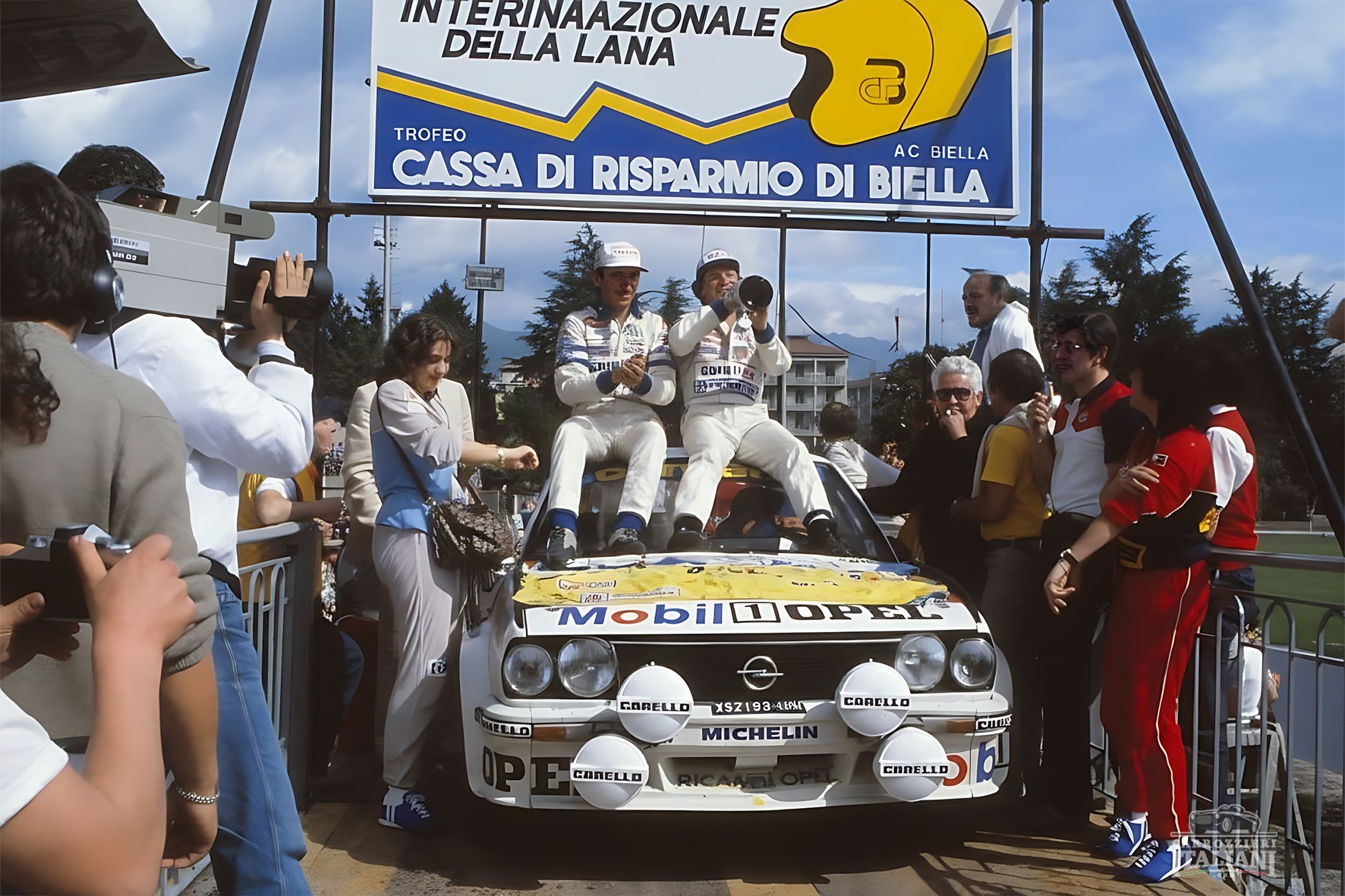
By 1981 the Conrero team achieved something remarkable. With Tony Fassina and co-driver Rudy Dalpozzo in the Opel Ascona 400, they captured the Italian Rally Championship, breaking the long-standing dominance of domestic manufacturers. The following year they went even further, winning the European Rally Championship after a series of impressive victories across the continent. For the Magician, it was a triumph that demonstrated the enduring power of ingenuity and determination.
Time, however, eventually catches up with even the most tireless innovators. By the mid-1980s Conrero’s health began to decline, and after more than fifty years immersed in engines, racetracks, and workshops, he gradually stepped away from full-time competition. His career had produced more than three thousand victories and records across countless disciplines. Yet he remained a modest man, never one to boast about achievements that others considered extraordinary.
Virgilio Conrero passed away in early 1990, leaving behind a legacy that still echoes through the history of motorsport. He had entered the world as a boy forced to abandon school after a family tragedy, and he left it as one of the most respected engine tuners Europe had ever known. Those who worked with him remembered not only his brilliance but also his quiet humanity, the calm presence of a man who seemed happiest when standing beside a running engine, listening carefully to the mechanical heartbeat he had helped create.
In a sport filled with noise, speed, and spectacle, Virgilio Conrero proved that sometimes the most powerful magic happens quietly, inside a workshop, where a man with extraordinary intuition leans over an engine and convinces it to become something greater than it ever expected to be.

ABOUT THE AUTHOR
Andreas Scheidl
Italian classic car enthusiast with German roots. Renowned as a respected figure in the classic car community, he serves as a jury member at various international concours d'elegance, including the Classic Gala Schwetzingen and Mantova. As a content creator, Andreas passionately shares his profound knowledge and appreciation for vintage automobiles. His heart beats for cars designed by Giovanni Michelotti, showcasing his discerning taste and dedication to preserving the timeless elegance of automotive history.
More stories by Andreas Scheidl ↗CONTINUE READING
Posts You Might Like

Fiat Panda Cabrio: The Italian Coachbuilders Who Opened Giugiaro’s Box
From Moretti’s Panda Rock to Italdesign’s experimental Strip, Maggiora’s four-wheel-drive convertible and Stola’s remarkable Destriero, the history of the open-top Panda reveals an unexpected chapter in Italian coachbuilding. When Giorgetto Giugiaro designed…
Read story
Gabriele d’Annunzio and the Cult of the Automobile
There was a time when the automobile had not yet become part of the landscape. It announced itself from afar through the beating of an engine, the smell of petrol and hot…
Read story
Fiat 1400: The Last Great Playground of the Carrozzieri
From Touring and Abarth to Farina, Ghia, Vignale, Boneschi, Bertone, Viotti and the smaller carrozzerie, the new Fiat quickly became one of the richest bases for Italian special bodies in the early…
Read story
How a Swiss Dealer Challenged Ferrari: The Story of Monteverdi
How Peter Monteverdi went from Swiss Ferrari dealer to creator of rare Frua and Fissore-bodied GTs, the Hai supercar and luxury off-roaders.
Read story
THE CONVERSATION
Comments 0
Share a memory, a period photograph or a documented detail about this story.