
Virgil Exner was the designer who taught Detroit to dream again
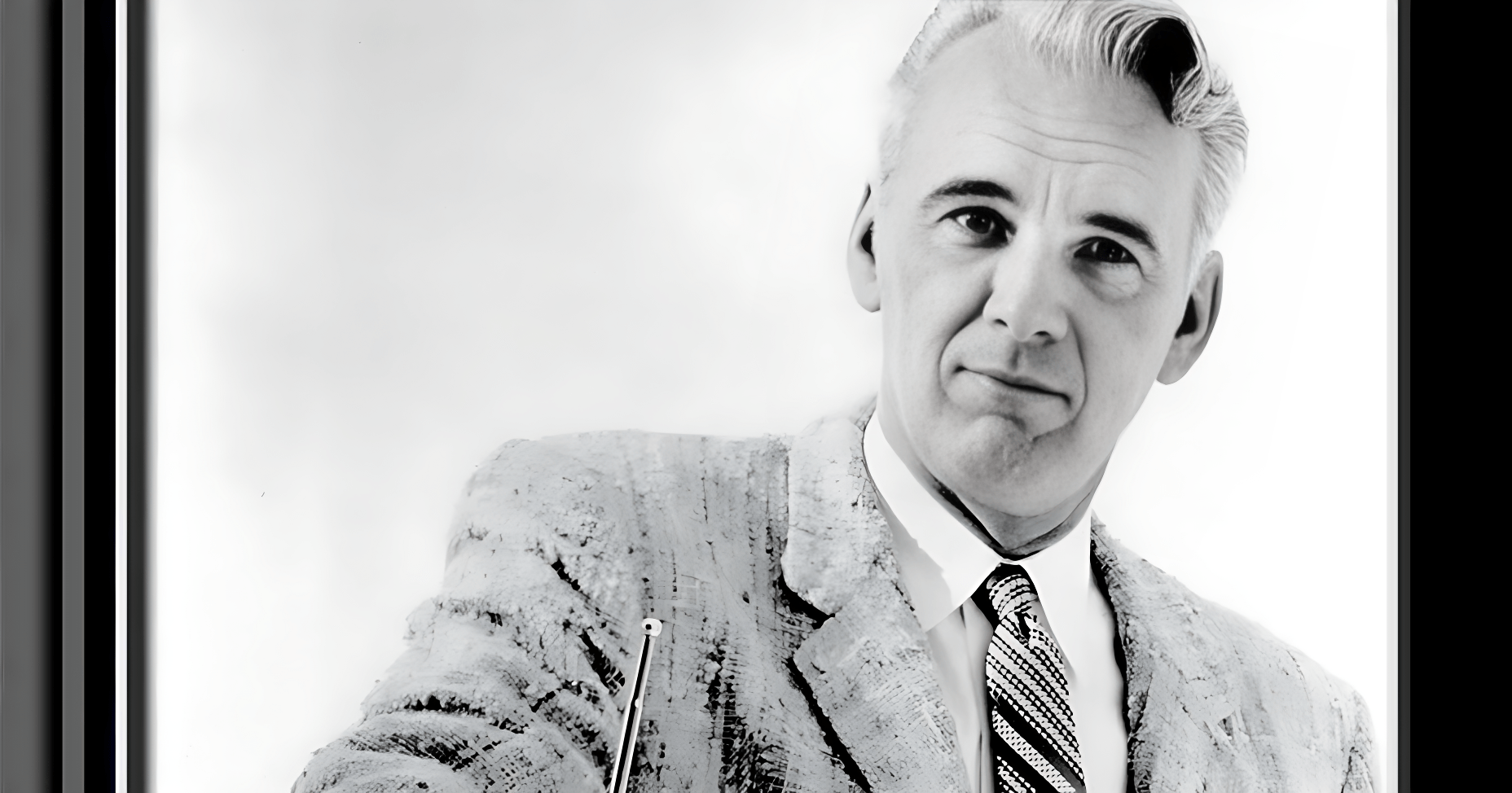
Few figures reshaped American automotive design as profoundly as Virgil Max Exner. Rising from humble beginnings in the Depression era, Exner brought a bold artistic sensibility to a business long dominated by engineers. His “Forward Look” styling of the 1950s didn’t just modernize Chrysler—it set off an industry-wide revolution, inspiring copycats across Detroit and even Europe. But behind the sweeping fins and futuristic flair lay a personal journey marked by rivalry, reinvention, and relentless creativity. Exner’s career traced the evolution of postwar design itself: from streamlined optimism to jet-age exuberance and, finally, to nostalgic neoclassicism.
Early Spark: From Art Student to Design Prodigy
Virgil Max Exner was born on September 24, 1909, in Ann Arbor, Michigan. Adopted and raised in the Midwest, young Virgil showed an early flair for art and a love of automobiles. He enrolled to study art at the University of Notre Dame in 1926 but had to drop out after two years due to financial constraints. Undeterred, Exner put his drawing talent to work in advertising – sketching bold layouts for Studebaker truck ads in the early 1930s. In 1931 he married his sweetheart, Mildred, and by the ripe age of 25 he was already making a name for himself with his elegant automotive illustrations.
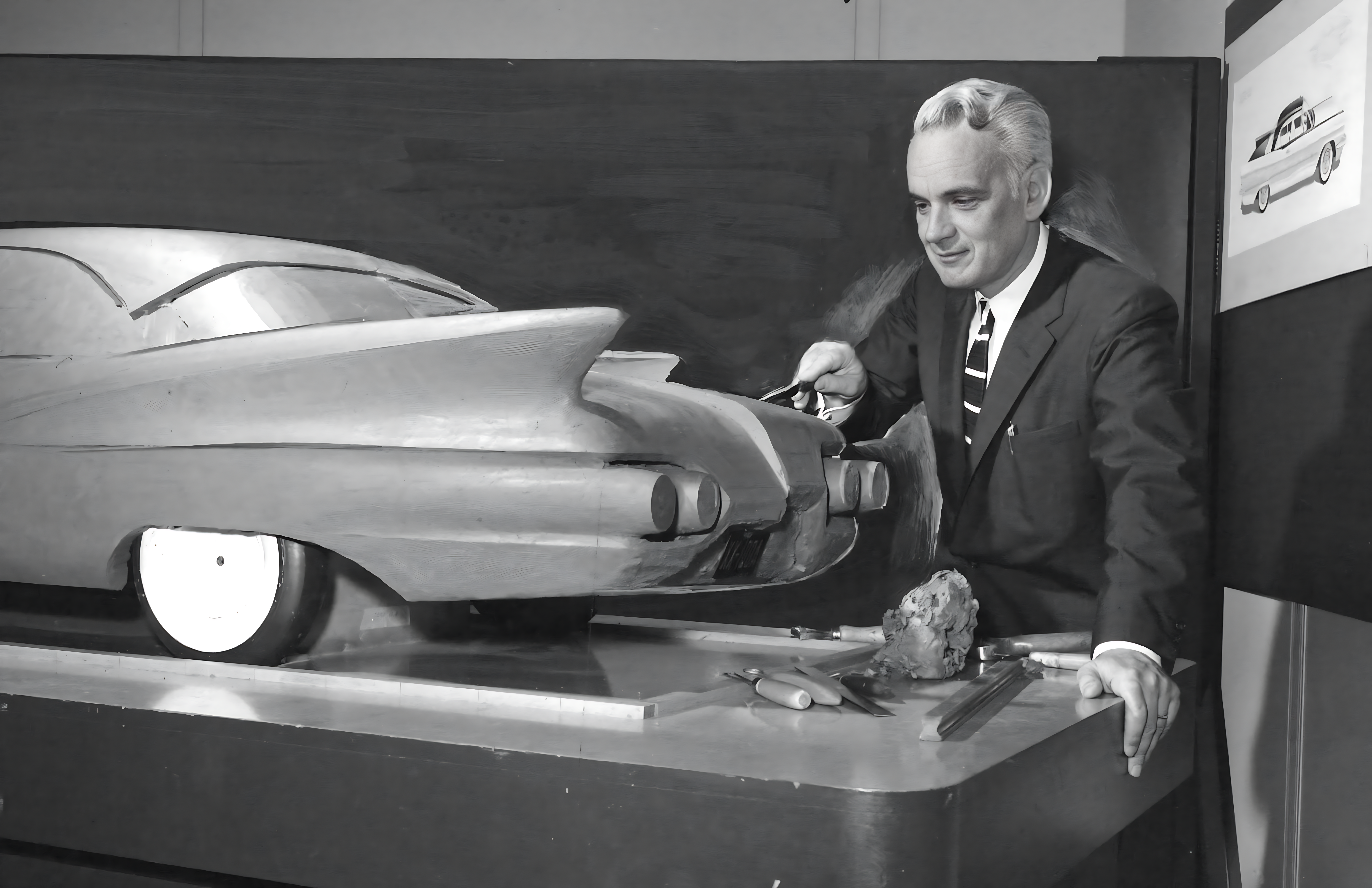
Exner’s big break into car design came when General Motors noticed his artistic prowess. GM’s legendary styling chief, Harley Earl, recruited Exner to the Art and Color Section – the heart of Detroit’s styling studios. There, Exner quickly rose through the ranks. By the late 1930s, Pontiac put the young designer in charge of its styling department – a remarkable achievement for someone not yet 30. One of Exner’s early signature ideas was the sleek “Silver Streak” trim: in 1935 he added shiny streaks of stainless steel across Pontiac hoods, giving humble sedans an illusion of length and speed. This bold touch didn’t instantly turn Pontiac into a sales leader, but it impressed Harley Earl enough to keep Exner on the fast track at GM.
Battles at Studebaker: A Clash of Creative Titans
In 1938, Exner got an offer he couldn’t refuse: the famous industrial designer Raymond Loewy promised to double Exner’s GM salary if he would join Loewy’s private design firm. Enticed by the opportunity, Exner left Detroit for Loewy & Associates. There, he plunged into designing everything from World War II military vehicles to the next generation of Studebaker cars. Exner had a hand in shaping Studebaker’s 1939–40 models and secretly plotting radically new post-war designs. But the partnership of two creative minds soon turned into a rivalry. Loewy was a celebrity in the design world – dapper, debonair, and accustomed to taking full credit for his firm’s creations. Before long, Exner bristled at seeing his own ideas publicized under Loewy’s name. The tension grew thick. “Ex,” as friends called him, poured his passion into the projects, but Loewy’s habit of claiming others’ work strained their relationship.
Things reached a breaking point over Studebaker’s landmark new coupe. As World War II ended, Studebaker was eager to leap ahead of the competition with the first truly modern post-war car. Exner and Loewy’s team developed the 1947 Studebaker Champion Starlight coupé – a design so innovative with its wraparound panoramic rear window that people remarked it looked the same coming or going. The Starlight coupe was a sensation and is widely credited as Raymond Loewy’s masterpiece. Inside the studio, however, it was Virgil Exner who had created the winning design, refining it in after-hours sketch sessions at home. In fact, Exner is listed as the sole inventor on the U.S. patent for the 1947 Starlight’s design. Loewy’s outsized public stature meant Studebaker advertised the car as a Loewy creation, which deeply stung Exner’s pride. The rift between the two men exploded in 1944 when Loewy abruptly fired Exner amid growing personal antagonism.
Fortunately for Exner, Studebaker’s management understood his value. The company immediately hired him directly as Chief Styling Engineer in South Bend, Indiana. Exner now had the freedom to design without Loewy’s shadow. He continued to perfect the “First by Far with a Postwar Car” Studebakers, helping introduce some of the first truly new car styles in America after the war. Yet, the bad blood with Loewy had lasting consequences. Corporate politics at Studebaker became uncomfortable, and by 1949 Exner decided to move on. (Ironically, Exner was everything Loewy was not when it came to giving credit – colleagues later noted that Exner was a warm and humble leader who always acknowledged his team’s contributions, a rare trait in the dog-eat-dog world of design.) Thanks to Studebaker’s engineering VP Roy Cole, Exner got glowing introductions to other automakers, including an up-and-coming opportunity at Chrysler.
A New Dawn at Chrysler – and a Fateful Italian Connection
By the late 1940s, Chrysler Corporation had a reputation for solid engineering but stodgy styling. K.T. Keller, Chrysler’s president, famously insisted that car roofs be tall enough so a man could drive while wearing his hat – which led to upright, boxy designs. In 1949 Keller decided it was time to shed Chrysler’s conservative image. To do that, he reached out to Virgil Exner, hiring him to create and lead an Advanced Styling Studio at Chrysler – a department that hadn’t existed before. Exner jumped at the chance. He moved to Highland Park and set about injecting fresh style into Chrysler’s cars. Little did he know that one of his greatest allies in this mission would come from half a world away in Italy.
🔗 Read more: The Partnership between Ghia & Chrysler
Around this same time, Chrysler was seeking ways to build their flashy “dream cars” without breaking the bank. Constructing one-off show cars in Detroit was enormously expensive – Chrysler’s in-house shops might spend upwards of $200,000 on a single prototype in the early 1950s. Looking for a more economical solution, Chrysler began exploring possibilities overseas. Italy, newly revitalized through American investment under the Marshall Plan, offered a blend of advanced craftsmanship and low production costs that was hard to ignore. Turin, in particular, had become a hub for small but highly skilled coachbuilders capable of producing limited-run, hand-built bodies to an extraordinary standard. It was there that Chrysler’s search for an affordable coachbuilding partner quietly began — setting the stage for a remarkable transatlantic collaboration that would soon reshape the company’s design fortunes.
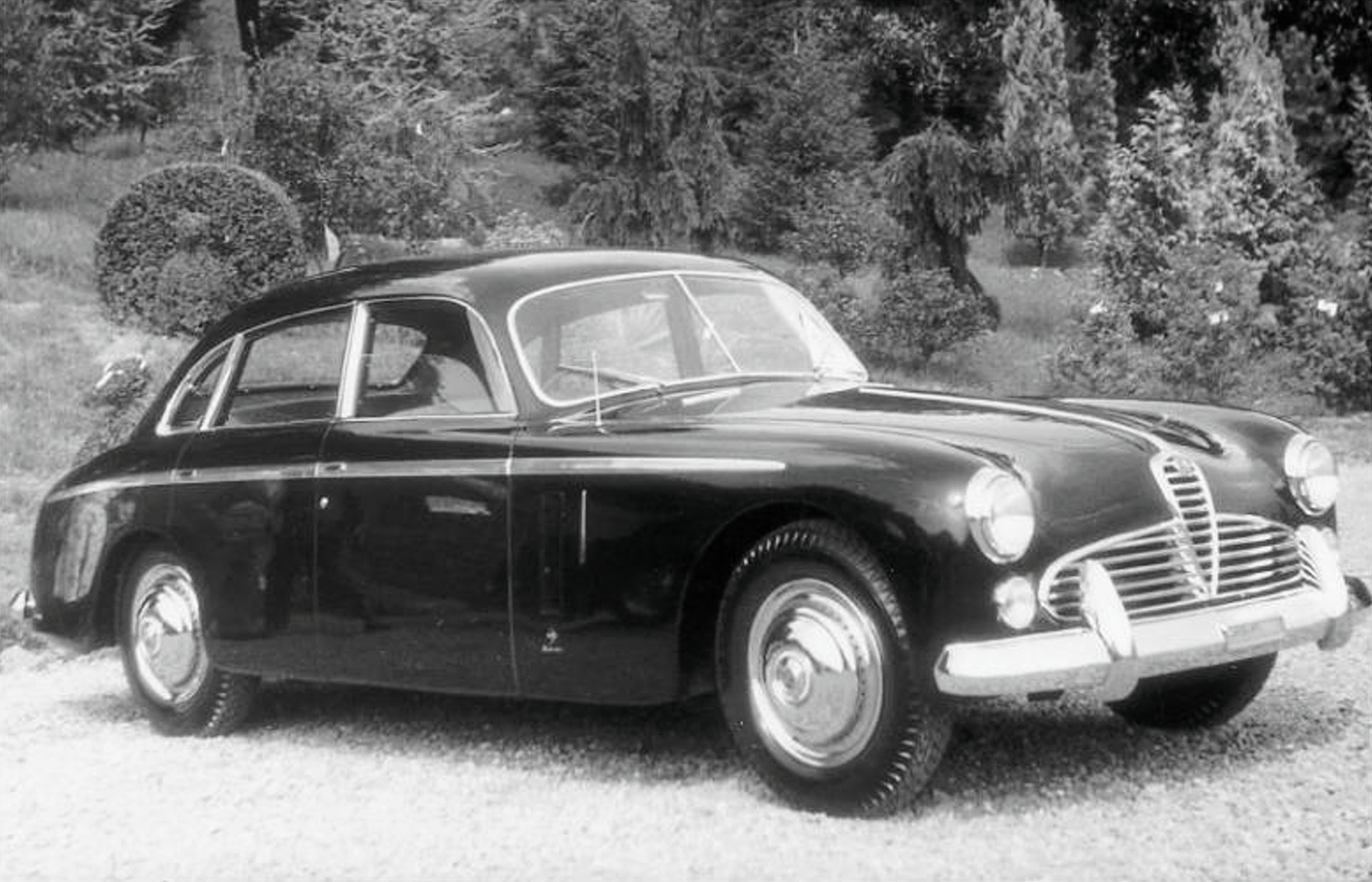
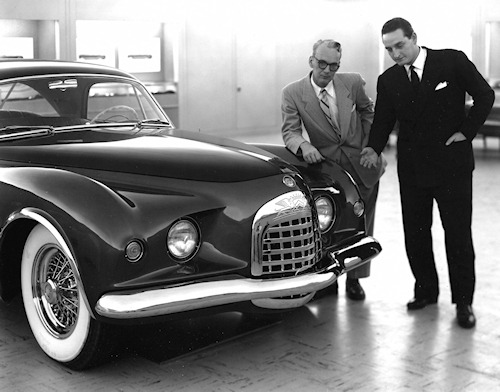
It actually started as a competition. Chrysler had quietly sent identical Plymouth chassis and design drawings to Pinin Farina in Turin and Ghia in late 1950 – essentially a coachbuilding bake-off. Pinin Farina followed Chrysler’s sketches to the letter, producing a neat but ordinary-looking prototype. Ghia, led by Mario Boano and Luigi Segre, took a bolder approach: they enhanced the design, borrowing cues from a recent Alfa Romeo 6C 2500 sedan designed by Giovanni Michelotti that had wowed crowds at the 1949 Villa d’Este Concours in Italy. The Ghia-built Plymouth XX-500 came out with a lower, sleeker roofline and a jewel-like finish – Ghia reputedly applied seventeen coats of paint, achieving a mirror-smooth black lacquer that was simply stunning. When the two Italian-bodied prototypes arrived in Detroit, Chrysler’s stylists carefully examined both. The verdict was clear: Ghia’s version had an artisanal quality and elegance that outshone the Pinin Farina car (despite Pinin Farina’s strict adherence to the original design). Chrysler chose Ghia for its prototype work, impressed not just by the continental flair of the result, but also by the low cost and superb craftsmanship Ghia offered. As a token of gratitude, Chrysler gifted Boano a new Chrysler and invited the Ghia team to Detroit to discuss further projects. A formal “consultant” contract was signed in 1951, and Virgil Exner suddenly had a secret weapon in his quest to revolutionize Chrysler’s styling: Italian coachbuilding artistry.
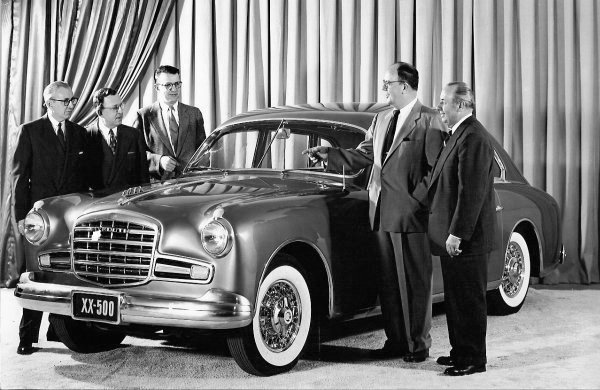
Exner and Luigi Segre hit it off from the start. Despite language barriers and Chrysler’s then-conservative corporate culture, the Italian manager and the American stylist developed a warm rapport. They shared a passion for sleek, continental automobiles. Exner admired the Italians’ handmade approach to bodywork and their keen sense of proportion; Segre, in turn, was eager to learn Detroit’s ways and expand Ghia’s influence. Often accompanied by engineer Paul Farago (an Italian-speaking Detroit expatriate who acted as translator and facilitator), Segre made regular visits to Chrysler. The personal friendship and trust between “Gigi” Segre and “Ex” Exner greased the wheels for a decade of fruitful collaboration. Exner even developed a taste for fine Italian things – colleagues joked that on his trips to Turin, Exner would buy custom-tailored Italian suits in bulk, returning to Detroit as sharply dressed as any Milanese dandy. The stylist who had once been a small-town Midwesterner was now seamlessly mingling with Europe’s design elite.
Dream Cars of the Early 1950s: Transatlantic Treasures
The first offspring of the Chrysler-Ghia alliance materialized in 1951. Exner’s studio sent over plans and a scale model for a bold Chrysler coupe concept, which Ghia then constructed by hand. The result, unveiled as the Chrysler K-310, was a handsome two-door hardtop with a distinctive high beltline and mesh grille teeth. It looked nothing like any production Chrysler – this was Exner unbound, experimenting with forms without the constraints of factory tooling. Hot on its heels, a convertible version called the Chrysler C-200 was built, sharing the K-310’s general lines but with an open top. These “idea cars” stole the show on the 1951 auto show circuit and announced that Chrysler had an imaginative new design leader at the helm. (Ghia’s involvement wasn’t heavily publicized – many Americans simply assumed Chrysler had built the cars itself – but insiders knew the Italian connection was key.) One hiccup came when the C-200 prototype, after an ocean crossing, was accidentally dropped on the New York docks during unloading, suffering a crunched fender. Ghia hastily repaired the one-of-a-kind car. It turned out to be the beginning of a string of adventures for Chrysler’s Italy-built showcars – culminating a few years later in the infamous loss of the Chrysler Norseman concept, which sank to the bottom of the Atlantic when the SS Andrea Doria went down in 1956. Exner grimly noted that being coachbuilt in Europe seemed to doom his poor prototypes to maritime mishaps!
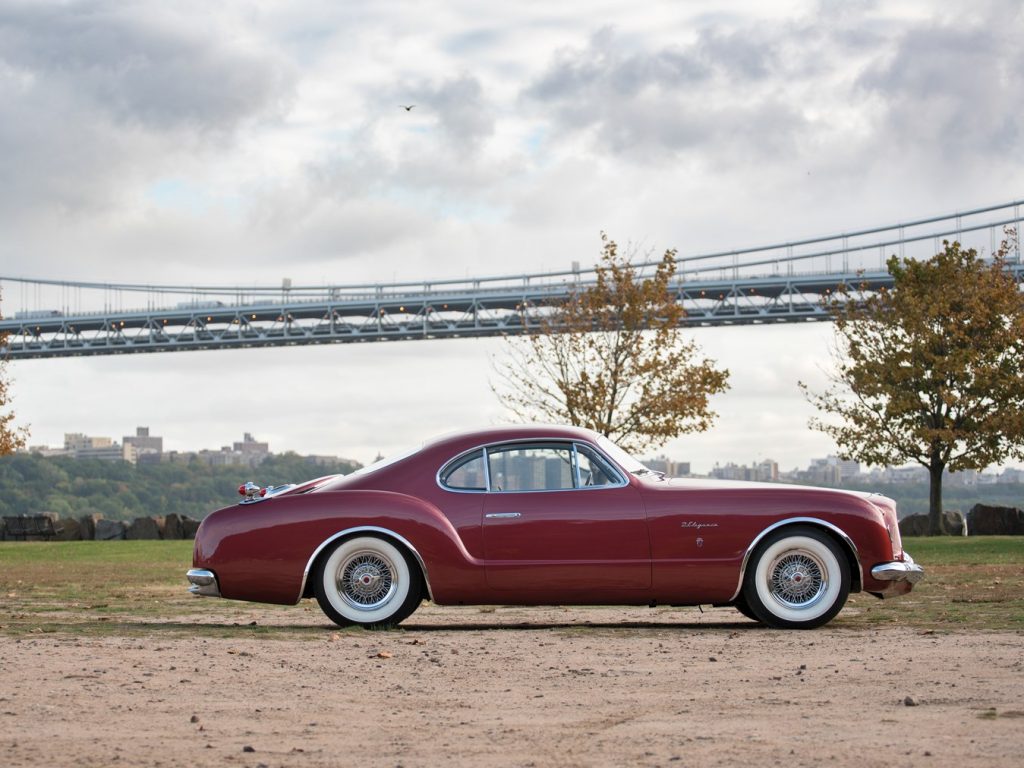
Undeterred by fate, Exner and Ghia produced a stream of increasingly stunning concept cars through the early 1950s. Each carried the Chrysler brands into exciting new stylistic territory. In 1953 came the Chrysler D’Elegance, a swoopy two-seat fastback coupe with European grand touring flair. Painted a rich burgundy and only waist-high, the D’Elegance was arguably Exner’s favorite creation – and it had an unexpected influence abroad. Ghia’s Luigi Segre took Exner’s basic D’Elegance design, scaled it down to fit a Volkswagen Beetle chassis, and sold the idea to VW. The result debuted in 1955 as the Volkswagen Karmann Ghia coupe – a pretty little sports car that became an icon in its own right. When Virgil Exner first laid eyes on a production Karmann Ghia, instead of being upset at the borrowed styling, he smiled with pride. He was “pleased with the outcome and glad that one of his designs had made it into large-scale production,” according to his biographer Peter Grist. Exner considered the Karmann Ghia the ultimate flattery. In fact, Segre made sure to send Exner the very first Karmann Ghia exported to America – a personal gift to his friend “Ex”. That little VW, carrying the DNA of a Chrysler show car, was a tangible symbol of Exner’s transatlantic design reach.
🔗 Read more: The Dodge Firearrow Series: Ghia’s Jet-Age Prototypes
Another series of Exner dream cars bore the Dodge name and hinted at a production future. The Dodge Firearrow series (I, II, III, and IV) were a quartet of Ghia-built concepts between 1953 and 1955, each refining a low-slung sporty car idea. Painted in vibrant colors (one Firearrow was a striking canary yellow), these usable, running prototypes so impressed observers that a businessman named Eugene Casaroll negotiated to buy the design. Though Chrysler itself didn’t pursue production, Casaroll worked with Ghia to put a version of the Firearrow into limited production as the Dual-Ghia in 1956. The Dual-Ghia was essentially a Firearrow with a Dodge V8 engine, hand-built by Ghia in Italy and sold to Hollywood stars and jet-setters – Frank Sinatra and Dean Martin were among its famous owners. It was yet another example of Exner’s concepts finding life beyond the show stage (even if Exner, back at Chrysler, had to watch someone else capitalize on his idea).
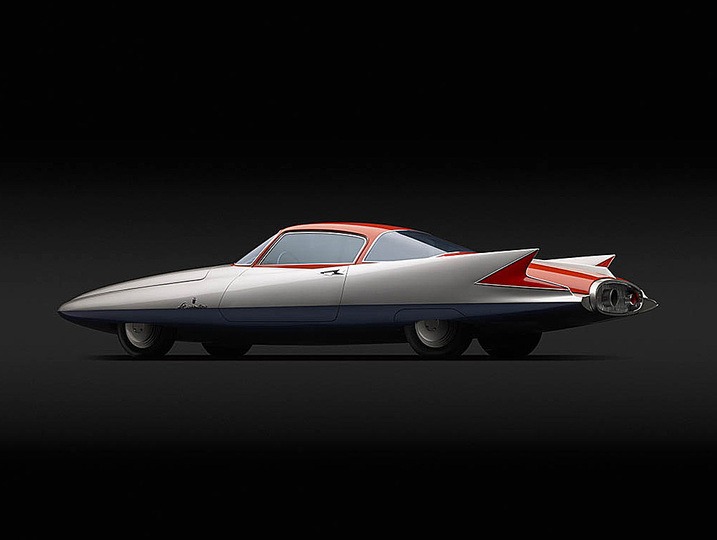
Exner’s collaborations with Ghia weren’t limited to the Chrysler marques, either. He had a hand in conceiving one of Ghia’s most memorable independent show cars: the radical Ghia “Streamline X” Gilda of 1955. This was a purely speculative laboratory car – a finned, rocket-like object inspired by aerodynamic research and named after a Rita Hayworth film. The shape of “Gilda” was largely the work of Ghia’s Giovanni Savonuzzi, but it drew inspiration from some of Exner’s wind-tunnel model studies. With its space-age tailfins and needle-nose, the Gilda looked ready for the atomic age. Exner, who had been studying aircraft and even testing car shapes in a University of Michigan wind tunnel, surely appreciated Gilda’s extreme expression of form following function. It was a sign that the Italian craftsmen were learning from Exner even as they executed his ideas. The cross-pollination between Detroit and Turin was in full bloom.
Through these one-off creations – the K-310, D’Elegance, Firearrows, and others – Virgil Exner established himself as a daring stylistic innovator. He proved that American cars could have European sophistication, and that collaboration across the ocean could produce magic. Ever the hands-on enthusiast, Exner would sometimes take these concept cars out himself for spirited test drives. In one famous incident, he even raced a high-powered Chrysler “Falcon” sports roadster (a Ghia-built 1955 concept) in an SCCA sanctioned event, just to see how the custom machine would handle on a track. This was emblematic of Exner’s character – he wasn’t just a designer in a suit; he was a genuine car guy who wanted to feel how his creations performed. Years earlier at Studebaker, he had done something equally bold, buying a retired 1932 Indianapolis 500 race car he found collecting dust and converting it into a street-legal hot rod. Exner and his son even drove that Indy car on public roads until he sold it upon moving to Chrysler. These anecdotes underscore Exner’s almost boyish enthusiasm for automobiles. He mingled an artist’s eye with a racer’s heart.
The Forward Look: Revolutionizing an Industry
By 1955, Virgil Exner’s experiments and prototype cars had sufficiently impressed Chrysler’s top brass – and, more importantly, the car-buying public – to influence the company’s entire lineup. That year, Chrysler launched its new production models bearing the tagline “The Forward Look.” Exner’s fingerprints were all over them. He had pushed for lower rooflines, smoother silhouettes, and dramatic flourishes like tailfins and wraparound windshields, all of which made the 1955 Chryslers and Dodges look futuristic next to the boxy holdovers of the early ‘50s. Indeed, the Forward Look cars debuted to great acclaim – suddenly Chrysler was cool. As one automotive historian noted, before 1955 Chrysler cars were engineering marvels wrapped in dull wrappers, but Exner “changed the course of automotive design” almost overnight. The 1955 Chrysler 300 and the $100-million redesigned Imperial both sported Exner’s hallmark themes: a long hood, a short trunk deck, and an aggressive, motion-oriented stance. Exner even created a sleek new corporate logo – the twin boomerangs of the “Forward Look” logo – to symbolize the aerodynamic, future-facing ethos of the brand.
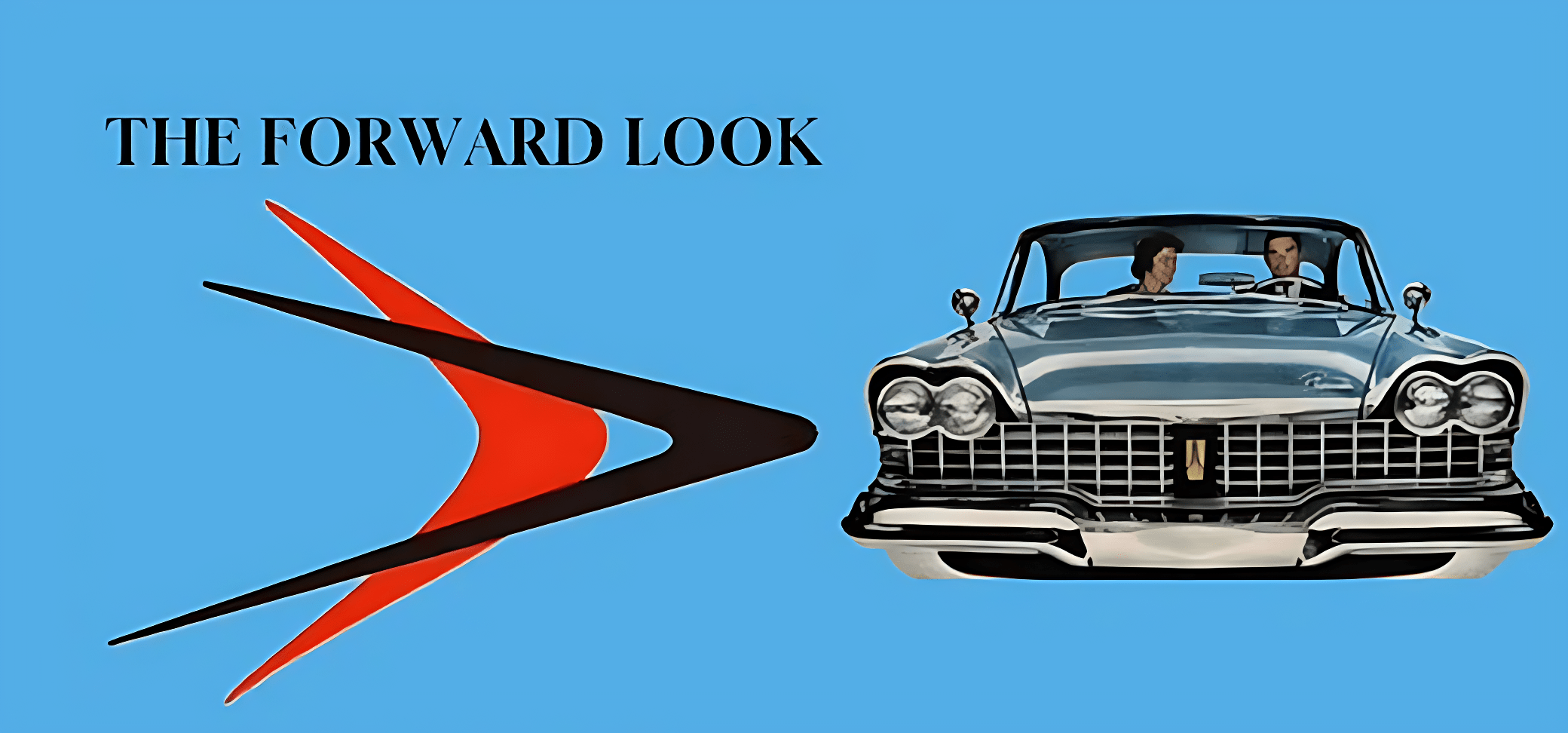
Chrysler’s competitors took notice – and fast. In 1957, Exner and his team launched a second wave: cars that were lower, longer, and wider than ever, with soaring tailfins that looked straight off a fighter jet. The 1957 Plymouths, for example, were advertised with the slogan “Suddenly, it’s 1960!” to emphasize how advanced they were. That was no idle boast. Legend has it that a young GM stylist named Chuck Jordan peeked through a fence to glimpse the 1957 Chrysler models during a secret photo shoot; when he saw those outrageous fins and sleek profiles, he rushed to alert his boss, Bill Mitchell. General Motors quickly went into panic mode, delaying their 1959 models so they could redesign them with a dash more pizazz, lest they look old-hat next to Exner’s creations. Detroit’s styling war had escalated – tailfins became the hottest fashion, and Virgil Exner was at the forefront of it.
🔗 Read more: The Forward Look: When Ghia’s Artistry Met Exner’s Vision
What made Exner’s Forward Look designs so groundbreaking? Part of it was proportion – Exner had a keen sense of how to make a car look longer and lower than it really was, by using clever two-tone color breaks and chrome accents in strategic places. He also had a passion for aerodynamics. Fascinated by aircraft and European racing cars, Exner believed tailfins weren’t just decorative; they could enhance high-speed stability by moving a car’s aerodynamic center of pressure rearward. He even did wind-tunnel testing at the University of Michigan to validate the fin concept. “The engineers found that the larger the fins were, the better the directional stability,” his son Virgil Jr. later explained – the fins helped cars track straight in crosswinds, not unlike the feathers on an arrow. Exner of course also loved the look of fins – he said they gave a car “poise” and visual thrust, making the rear end seem to leap forward. His 1957 designs featured some of the tallest fins yet, capped with clever details like twin bullet taillights and accented with “flight sweep” chrome moldings that evoked motion. The 1957 Chrysler Imperial was so advanced in styling that it not only sported monumental fins, it also became the first production car ever to use a curved panoramic windshield (a single sheet of glass curved in two planes) to achieve the low, wraparound cabin look Exner wanted. These were risky, expensive ideas – but they paid off in spades. In June 1957, the Industrial Designers Institute awarded Exner a Gold Medal for excellence in automotive design, recognizing how thoroughly he had reimagined the American automobile. A month later, Chrysler’s board of directors elected Exner a Vice President of the company – the first stylist at Chrysler to ever attain that high rank. Virgil Exner had become a star in his own right, credited in the press as the man who brought Chrysler “out of the doldrums” and into a new golden age of style.
For several years, Exner’s Forward Look dazzled consumers and set Chrysler on a sales upswing. By 1960, however, the razzle-dazzle of tailfins was reaching its limit. The competition – especially General Motors – had caught up and perhaps overdone it (Cadillac’s 1959 fins were the tallest ever, bordering on absurd). A changing wind was blowing in design. Exner himself was considering a clean break by 1961, preparing sleeker, finless designs that anticipated the next trend. But fate intervened in a cruel way.
Downfall and Departure: Health and Corporate Politics
In late 1956, at the height of Forward Look frenzy, Virgil Exner suffered a massive heart attack. The work-hard, play-hard lifestyle had caught up to him – some said years of intense stress and even a heavy smoking habit contributed. The 47-year-old Exner was sidelined for months, recovering slowly and forced to delegate more to his team. As 1957 turned to 1958, Chrysler faced not just Exner’s absence but also an economic recession that hurt car sales industry-wide. During Exner’s convalescence, his designers continued developing the next generation of models – specifically, the 1961 and 1962 Chrysler, Dodge, and Plymouth lineups. These would be crucial cars for the company’s future. Exner returned to work in 1957 and resumed his lead on the 1961–62 designs. Initially, he envisioned trimming back the fins and moving to a more understated elegance for the new decade.
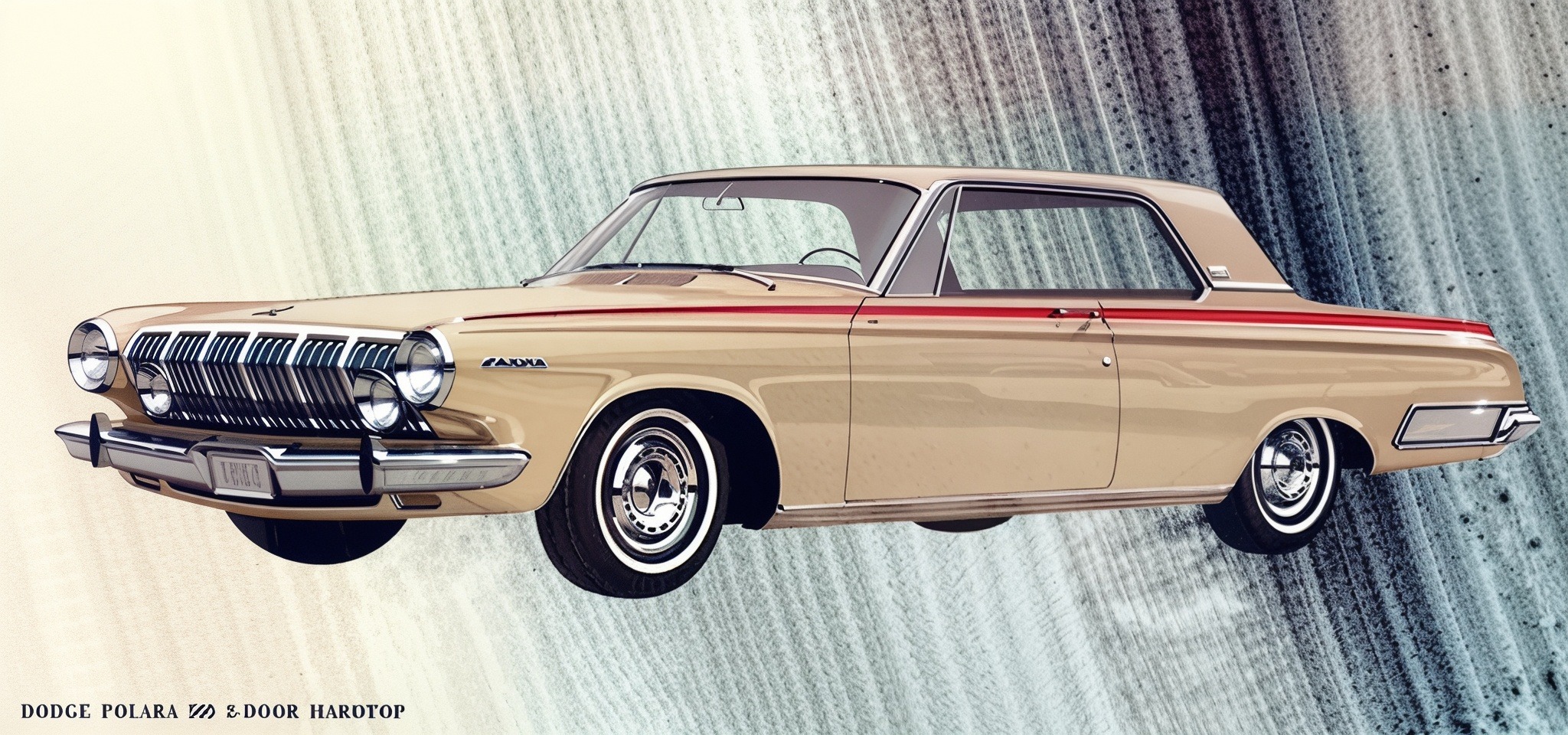
Then one day Chrysler’s new president, L.L. “Tex” Colbert, dropped a bombshell. Colbert had heard a rumor that GM was planning to drastically downsize its full-size cars. Fearful that Chrysler would be caught with oversized gas-guzzlers, Colbert ordered Exner’s team to shrink the 1962 Plymouth and Dodge designs substantially, even though those cars were already deep into development. Exner was incredulous – his stylists had a beautiful, balanced design nearly finalized, and now they were being told to chop off inches and make the cars much smaller in every dimension. Exner argued against it, insisting this rumor-driven change would ruin the cars’ proportions and make them ugly. But Colbert’s edict stood. With Exner still in somewhat frail health, day-to-day modifications fell to his deputies. By the time the 1962 models were revealed, Exner was horrified at the result. The new compacted Plymouth and Dodge looked stubby and awkward – so much so that one reviewer quipped they “appeared to have been designed by committee (a committee of barbers, that is, who simply cut last year’s styles shorter).” Consumers agreed; sales of Chrysler’s 1962 cars plunged, and the once-proud Forward Look seemed to whimper out with a whine instead of a roar. To make matters worse, the initial GM downsizing rumor proved false – GM hadn’t downsized its big cars after all, leaving Chrysler’s truncated 1962 lineup looking out of step and underwhelming.
The failure hit Exner hard. In late 1961, Chrysler’s executives decided someone had to take the blame for the sales debacle. Virgil Exner was unceremoniously fired from his post as Styling Vice President, effective 1962. It was a painful fall from grace for the man who had put Chrysler on the styling map. In a gesture of dignity (or perhaps pity), the company kept Exner on the payroll as a “consultant” for a little while longer so that he could officially retire with a full pension at age 55. But day-to-day control of design was handed over to a newcomer: Elwood Engel, freshly poached from Ford where he had designed the elegant 1961 Lincoln Continental and the Chrysler Turbine Car. Engel’s arrival marked a new, smoother design direction, and the era of wild fins abruptly ended. Exner, ever outspoken, later referred to the faceless finless ’62 cars (which he felt had been “committee mutilated”) as “plucked chickens,” because to his eyes they looked stripped naked compared to the proud finned peacocks of yore. It was a bitter but colorful summation of how he felt his vision had been compromised.
🔗 Read more: The Chrysler Turbine Car: Turbocharged Legacy
Thus, after a little more than a decade at Chrysler – one that saw him rise to the top and then tumble – Virgil Exner’s corporate career was over. He was only in his early fifties, still brimming with ideas, but now he was effectively a free agent. And while his official tenure ended on a sour note, his influence had already permeated the industry. The tailfin fad he pioneered would quickly fade by the mid-’60s, but Exner’s broader approach – bringing romance, excitement, and European sophistication to American cars – had become an enduring part of automotive design philosophy.
Reinvention and Renaissance: Exner’s Later Projects
Never one to sit idle, Exner treated his forced “retirement” as an opportunity for new creative ventures. He set up a small independent design office back home in Birmingham, Michigan, and even teamed up with his son, Virgil Exner Jr., an aspiring designer in his own right. One of their first passions was actually outside the car world: the pair loved boats. Exner applied his styling genius to luxury powerboats, partnering with Florida-based Buehler Corporation to design a series of sleek fiberglass cabin cruisers in the mid-1960s. His 1966 Buehler Turbocraft “Bolero” model was named Trendsetter for ’66 by Popular Science – a modern, low-slung speedboat that looked as sexy as his cars. Even on water, Exner’s touch was golden; one of his boat designs became Buehler’s best-seller, and today vintage boat collectors prize the Exner Turbocraft models for their mid-century style.
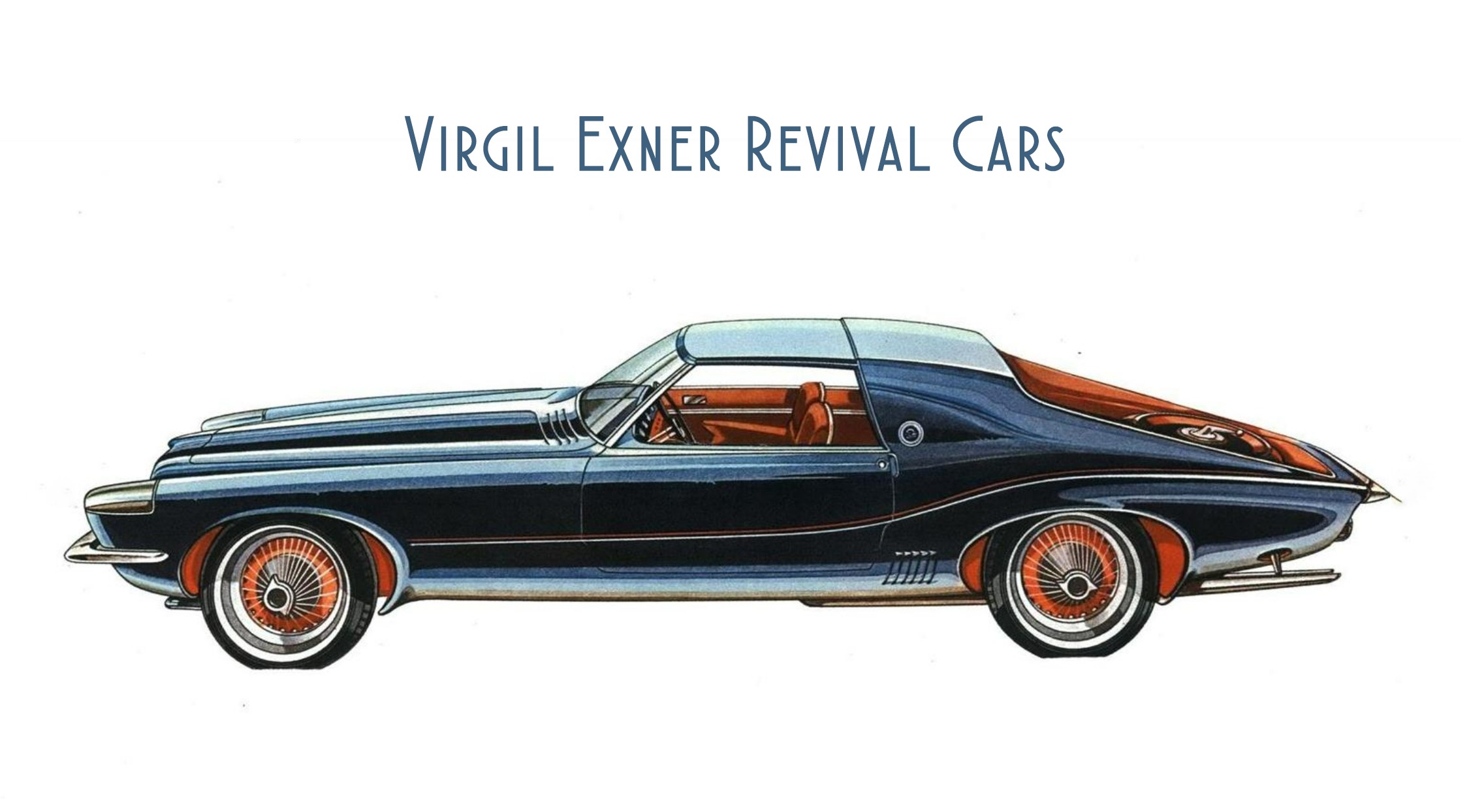
Still, the call of the open road remained strongest. In the early 1960s a nostalgic trend swept through car enthusiasts: people were buying up classic pre-war luxury cars (Duesenbergs, Packards, etc.) and restoring them, lamenting that “they don’t make them like that anymore.” Exner sensed an opportunity. What if he did make them like that again – updated for modern times? In 1963, Esquire magazine interviewed Exner about this idea, and he leapt at it. He sketched a series of “Revival Cars” – imaginative designs reviving long-gone marques like Bugatti, Stutz, Duesenberg, Packard, and Mercer, as if they were alive in the 1960s. The drawings, published in Esquire’s December 1963 issue, caused a stir. They showcased Exner’s ability to blend classic 1930s elegance (such as long hoods, freestanding headlamps, and spares on the fenders) with contemporary 1960s cues (like low profiles and jet-age scoops). These weren’t mere fantasy illustrations – Exner fully intended for some of these revival cars to be built, and he began lining up backers.
🔗 Read more: Virgil Exner’s “Revival Cars” Design Concept: A Tribute to Automotive Legends
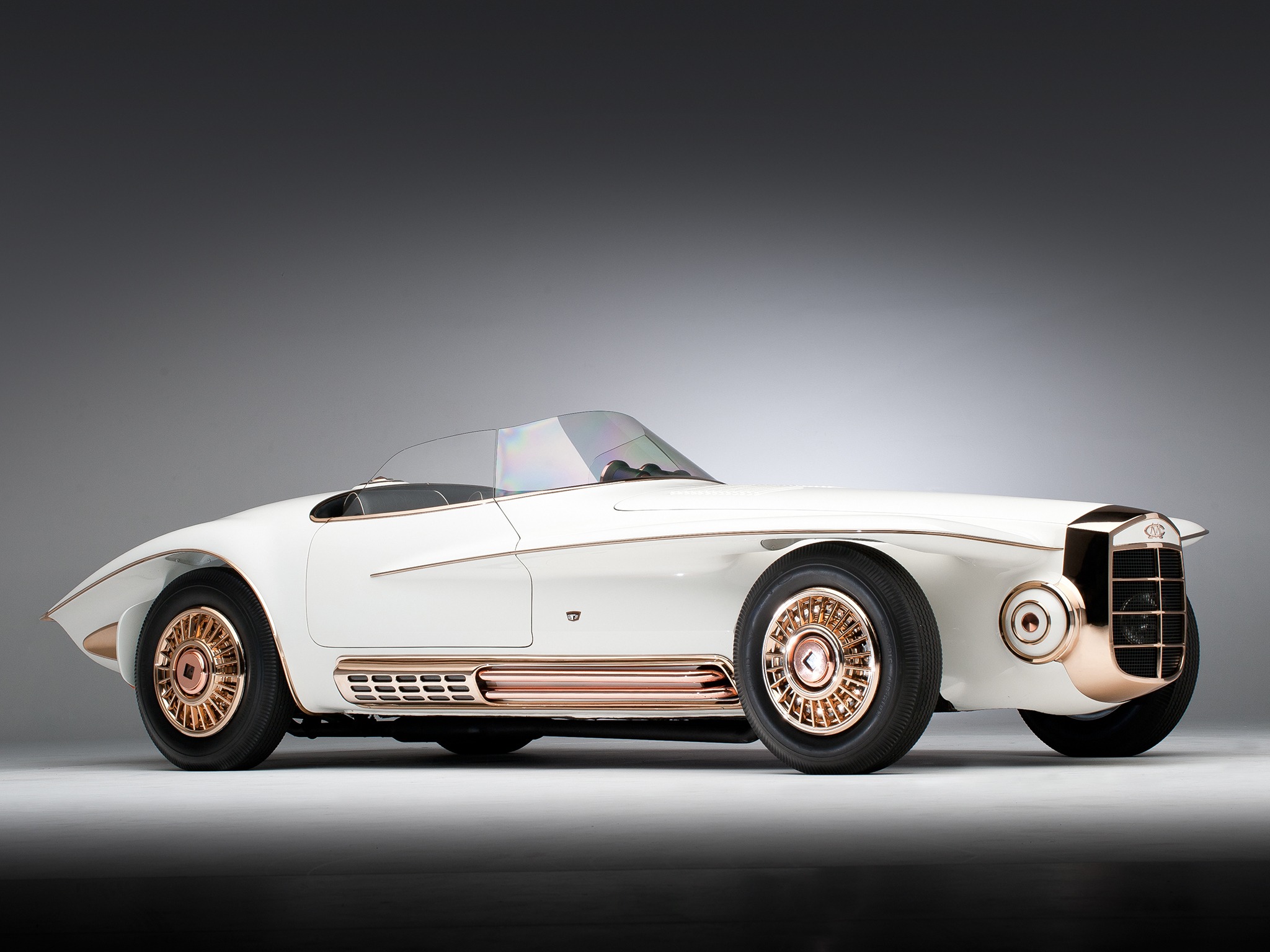
The first to materialize was the Mercer revival. Mercer had been a legendary sports car before World War I (famed for the Raceabout). Exner, working alongside his son Exner Jr., designed a two-seat roadster homage to the Mercer. They acquired a 289 cu.in. V8 chassis from Carroll Shelby’s AC Cobra as the foundation, and contracted with Carrozzeria Sibona-Basano in Turin to fabricate the body. The resulting Mercer-Cobra prototype, completed in 1965, was a showstopper: painted metallic bronze with a bold brass grille and throwback exhaust pipes, it looked like the Edwardian age reborn in the jet era. The Mercer-Cobra made the rounds at car shows, demonstrating that Exner’s neo-classical design ideas could indeed roll on the road.
Next, Exner tackled the grandest name of all – Duesenberg. With financing from Fritz Duesenberg (son of the original carmaker), Exner engineered a modern Duesenberg Model D sedan. He envisioned it as a super-luxury car built on a big Chrysler Imperial chassis, powered by a Chrysler V8, and appointed to the nines. The styling was jaw-dropping: a huge upright grille echoing the 1930s Model J, long pontoon fenders, but a low roof and sleek lines that made it look both vintage and futuristic. In 1966 a single Model D prototype was constructed by none other than Ghia in Italy. The car debuted to fanfare, even attracting celebrity buyers – Elvis Presley and Jerry Lewis were said to be among 50 customers who put down deposits. Yet the Duesenberg revival stalled due to insufficient capital. The project ran out of money before production could start, and creditors seized the one prototype as collateral. Exner was disappointed – the failure of the Duesenberg venture was a case of coming so close only to see the dream dashed.
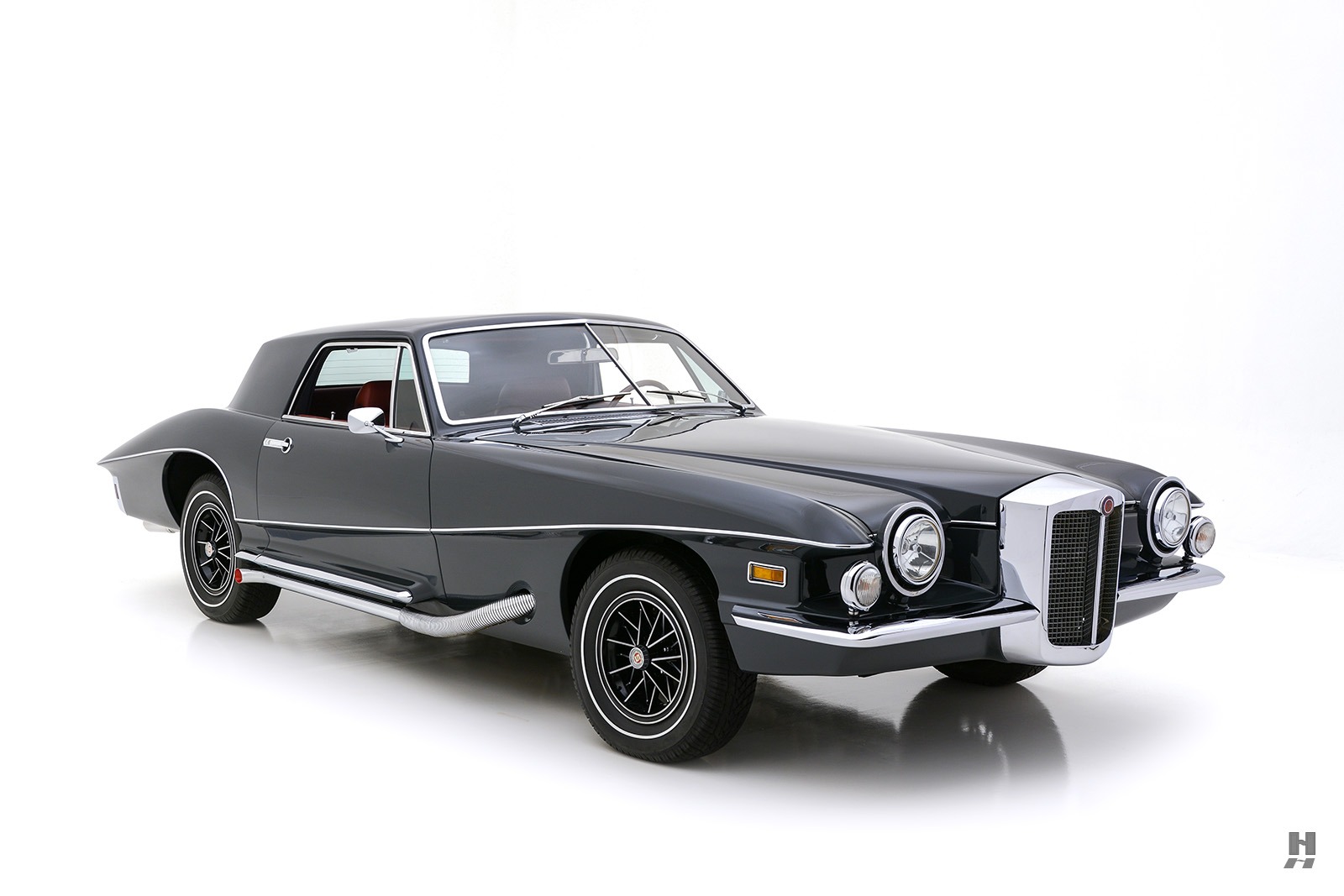
Not all was lost, though. One revival concept did make it beyond the prototype stage: the Stutz. Exner’s 1963 illustration of a Stutz reboot (a flamboyant coupé with a long tapered tail and side exhausts) caught the eye of New York banker James O’Donnell. By 1968 O’Donnell had formed Stutz Motor Car of America and hired Exner to turn the idea into reality. Using Pontiac Grand Prix underpinnings, Exner crafted the Stutz Blackhawk – an unapologetically extravagant personal luxury car. The Blackhawk combined muscle-car proportions with retro touches like a spare tire bulge on the trunk and a massive classic grille. It was coachbuilt in Italy as well: the initial prototype in 1969 was bodied by Ghia at a staggering cost of over $300,000, and subsequent production cars were hand-built by Officine Padane in Modena. When the Stutz Blackhawk debuted in 1970–71, it became an instant status symbol. Priced around $25,000 (more than a Rolls-Royce at the time), the Blackhawk attracted celebrity owners – Elvis Presley famously bought the first one off the line and even gifted a Blackhawk to Sinatra; entertainers like Dean Martin and Sammy Davis Jr. followed suit. The Stutz was essentially Virgil Exner’s swan song on wheels. While production remained niche, it proved that Exner’s neoclassical design language had a place in the anything-goes ethos of the 1970s. It was a fitting final triumph for the man who had once dominated 1950s futurism – now he was defining 1970s retro-futurism.
Legacy of a Design Legend
Virgil Exner passed away in December 1973, at the age of 64, after years of battling heart problems. In his lifetime, he had experienced dizzying highs – shaping an American car empire’s look, seeing his ideas influence automakers around the world – and some crushing lows. But through it all, Exner’s creative spirit never waned. He left an indelible mark on automotive history. Every time you see a 1950s car with tailfins or a 1960s personal luxury coupe with a long hood, you can see a bit of Exner’s influence. He was one of the first to prove that styling could truly sell cars, and that American designers could blend practicality with the kind of Italian bella figura that turns heads.
Exner’s “Forward Look” era at Chrysler stands as his greatest legacy. Those 1955–1961 machines not only reinvigorated a company but also forced the entire industry to follow his lead. He took inspiration from European coachbuilders and racers and injected it into the DNA of Detroit. He forged international partnerships (with Ghia and others) that paved the way for future collaborations between American firms and Italian carrozzieri. Decades before globalization was a buzzword, Exner was practicing it – using Italian artisans to realize American dreams. Cars like the Chrysler D’Elegance and K-310 were precursors to an era of concept cars as show business and international joint ventures in design. And in later years, his revival car projects anticipated the neo-classic styling trend that would show up in vehicles like the 1970s Lincoln Continental Marks and others.
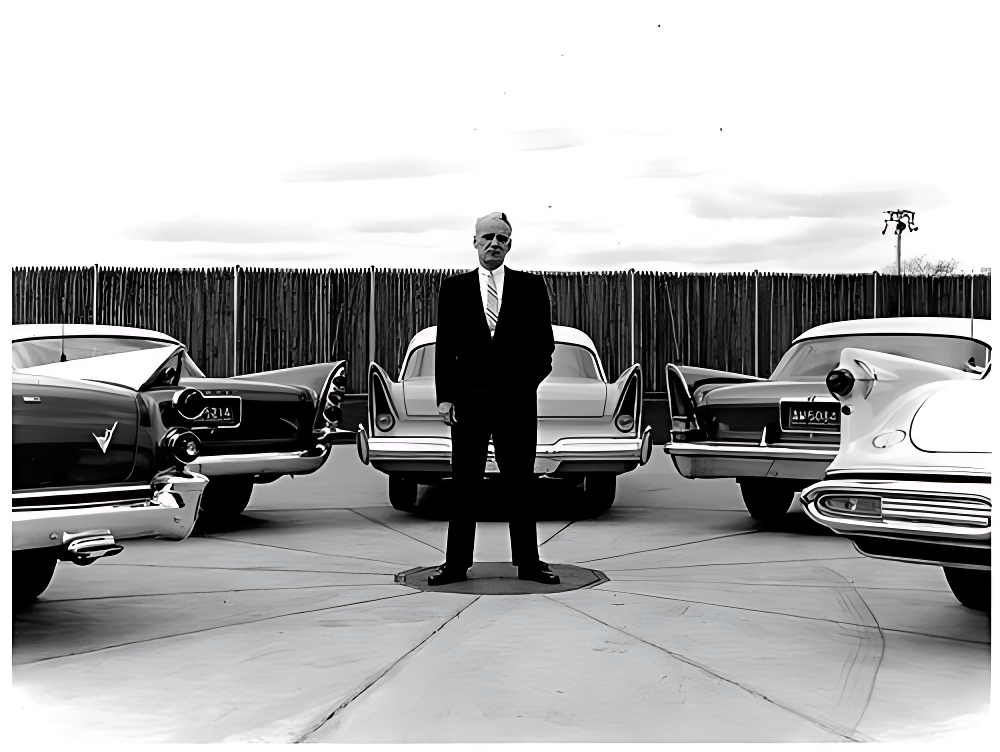
Perhaps just as importantly, Virgil Exner is remembered for bringing emotion and narrative back into car design. He liked to say that cars should have “personality” – whether it was the cheeky grin of a ’55 Plymouth’s grille or the voluptuous curves of a Ghia coupe. He often worked in solitude, sculpting clay models in the basement of his home after-hours, letting his imagination run free. Yet he was also by all accounts a generous mentor, one who shared credit and nurtured young talent rather than jealously guarding the spotlight. This endeared him to those who worked with him and created a loyal following of “Exnerists” who continued to admire and build on his design philosophies long after he’d left Chrysler.
In the final analysis, Virgil Exner’s life was nothing short of an automotive epic – the small-town kid with a sketchpad who battled giants, befriended Italian craftsmen, revolutionized Detroit’s styling, fell from favor, and then engineered a comeback on his own terms. It’s a story that remains as engaging as the tail-finned, high-styled cars he drew. Enthusiasts today still seek out the surviving Ghia-built Exner concept cars – most of which are now treasured pieces in museums and private collections. (The 1953 Chrysler D’Elegance, for instance, survives in splendid restored form; the once-lost 1960 Plymouth XNR prototype was found in a Middle Eastern garage years later and brought back to life, winning awards at concours events after a full restoration.) These cars are more than just vintage sheetmetal – they are chapters of a tale in which Virgil Exner gave American car design a shot of adrenaline and a touch of class. In every curved tailfin, every bold two-tone color sweep, and every elegant line that came out of Exner’s studio, one can sense the romance he believed automobiles should convey. As he once showed, even a humble VW Beetle platform could be transformed into an object of desire with the right design. Virgil Exner dreamed big and dared to be different – and the forward-looking world of cars is all the richer for it.

ABOUT THE AUTHOR
Andreas Scheidl
Italian classic car enthusiast with German roots. Renowned as a respected figure in the classic car community, he serves as a jury member at various international concours d'elegance, including the Classic Gala Schwetzingen and Mantova. As a content creator, Andreas passionately shares his profound knowledge and appreciation for vintage automobiles. His heart beats for cars designed by Giovanni Michelotti, showcasing his discerning taste and dedication to preserving the timeless elegance of automotive history.
More stories by Andreas Scheidl ↗CONTINUE READING
Posts You Might Like
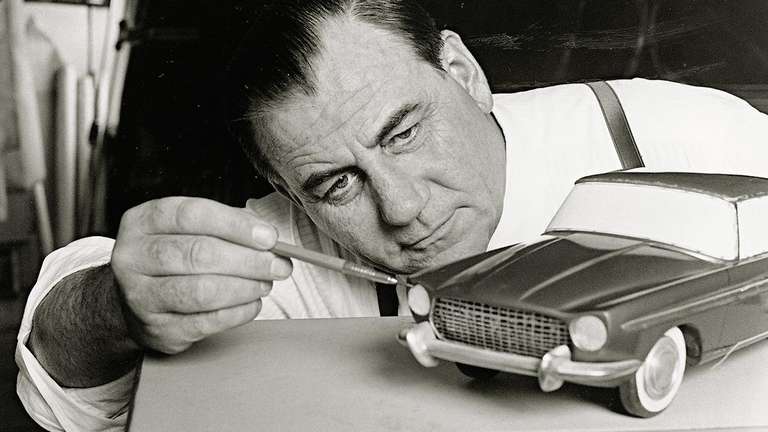
Pietro Frua: The Quiet Master of Italian Style
Pietro Frua, an influential Italian automotive designer born in 1913, left an indelible mark on the industry with his visionary work, shaping iconic cars and pioneering aesthetic excellence.
Read story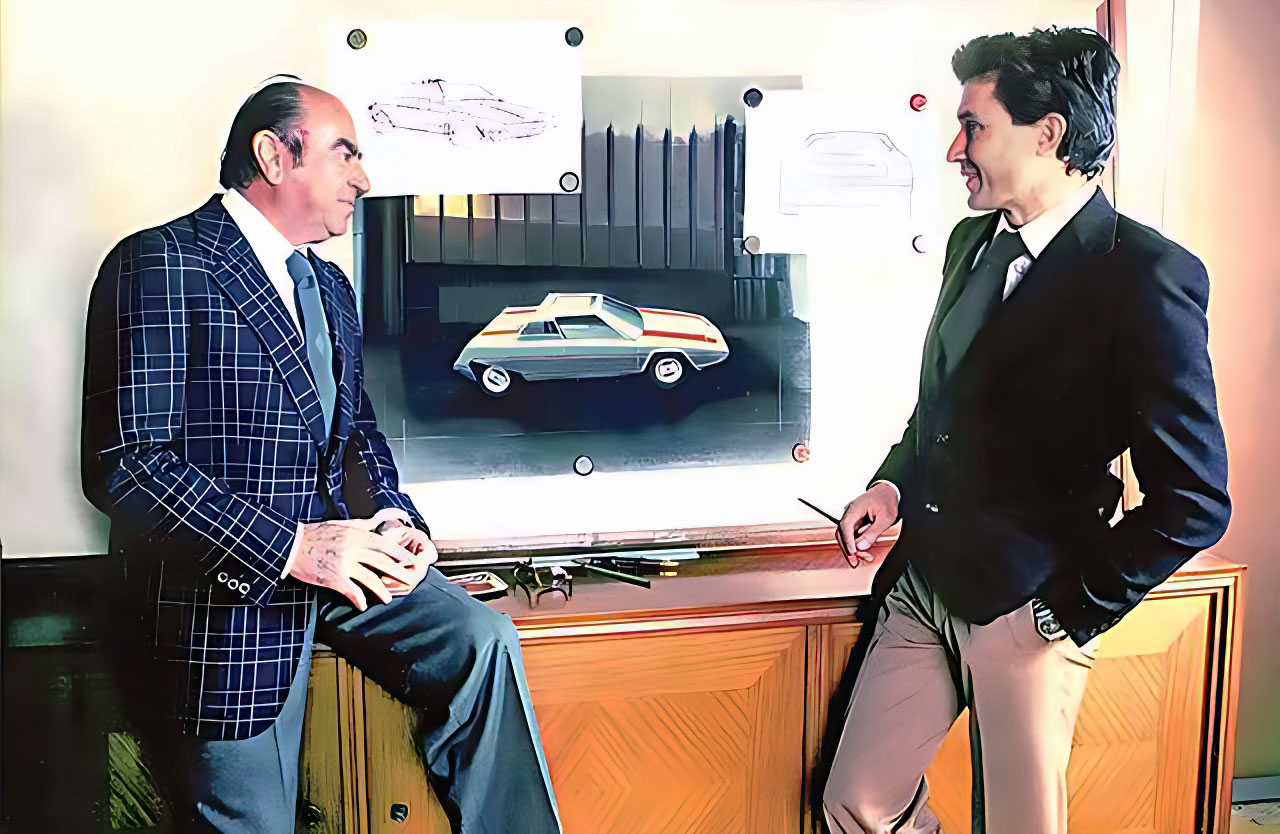
Marcello Gandini: The Man Who Designed the Future
From Lamborghini to Lancia, Marcello Gandini’s bold geometry and radical thinking defined modern car design and inspired generations of creators.
Read story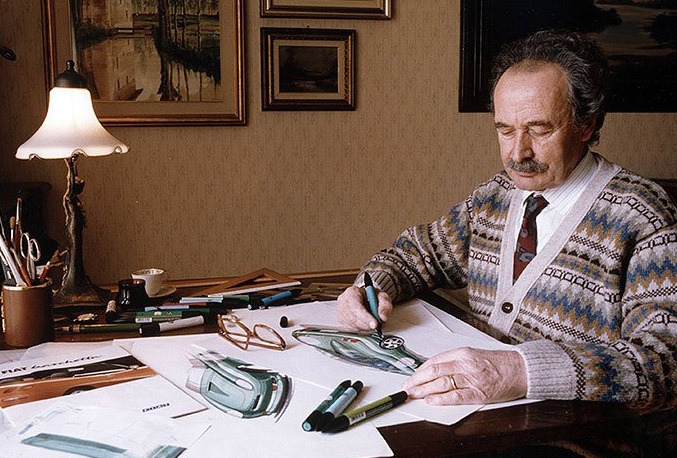
Aldo Brovarone: The Quiet Master of Elegance
Aldo Brovarone, the humble stylist behind Pininfarina’s greatest icons, from the Ferrari Dino to the Peugeot 504 and Lancia Gamma.
Read story
Tom Tjaarda: An American Designer in Turin
Tom Tjaarda shaped icons like the Fiat 124 Spider and De Tomaso Pantera. Discover the American who became Italy’s quiet design legend
Read story
THE CONVERSATION
Comments 0
Share a memory, a period photograph or a documented detail about this story.