
Tom Tjaarda: An American Designer in Turin
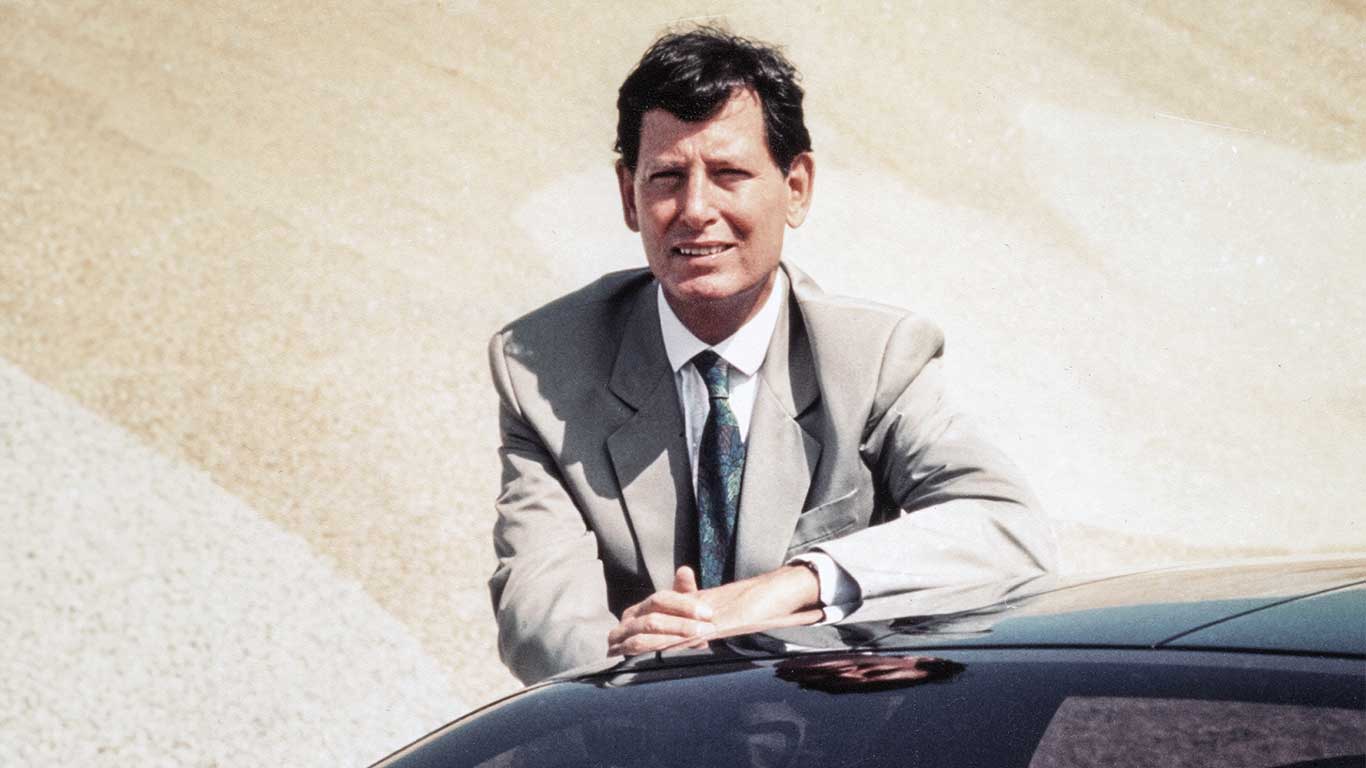
Tom Tjaarda’s name may not be as instantly recognizable as Giugiaro or Pininfarina, but his cars certainly are. From the timeless Fiat 124 Spider to the muscular De Tomaso Pantera, from Ferraris of the 1960s to Ford’s first Fiesta, Tjaarda’s hand shaped some of the most iconic cars of the 20th century. An American by birth but Italian by adoption, he spent his life sketching, refining, and reimagining cars that balanced elegance with function. His story is one of transatlantic design, quiet determination, and a legacy that stretched from exclusive Ferraris to everyday hatchbacks – a designer who proved that great cars don’t need to shout, they just need to be right.
Early Life and Education
Stevens Thompson Tjaarda van Starkenberg was born in Detroit on July 23, 1934, to parents Irene (Thompson) Tjaarda and Joop “Jan” Tjaarda van Starkenberg. Jan Tjaarda, who later Americanized his name to John Tjaarda, was himself a noted automotive designer – he had emigrated from the Netherlands in 1923 and left his mark on 1930s car design with creations like the groundbreaking 1935 Lincoln Zephyr, one of the earliest streamlined American cars. Young Tom grew up mainly with his mother after his parents divorced in 1939, but his father’s design legacy loomed large in the background.
Raised in Michigan, Tom showed an early knack for both athletics and design. At Birmingham High School in the early 1950s, he set winning records in track-and-field events, but he also spent long hours crafting model cars. In a General Motors’ Craftsmen’s Guild competition – an apprentice program for future car stylists – he won second prize with a meticulous model car design. This blend of engineering precision and artistic flair hinted at his future career. Still, upon graduating high school in 1953, Tom did not dive directly into the auto industry; instead, he enrolled in the University of Michigan to study architecture.
🔗 Read more: The Story of Ghia – part 1
At Michigan, Tjaarda’s mentor was Professor Aarre K. Lahti, a Finnish-born industrial designer who quickly recognized the young man’s keen eye for form and proportion. For his senior thesis in 1958, Tjaarda boldly departed from traditional building design and presented an automotive project: a sleek “sports station wagon” concept blending practicality with elegance. The project’s creativity and balanced proportions impressed Professor Lahti so much that he personally recommended Tjaarda to Luigi Segre, the head of Carrozzeria Ghia in Turin. This recommendation proved life-changing. With an architecture degree in hand and a portfolio that bridged American utility and European style, 24-year-old Tom Tjaarda boarded a plane to Italy in the summer of 1958, ready to launch an unexpected career in car design.
First Steps at Ghia
In August 1958, Tom Tjaarda arrived in Turin and stepped into the bustling workshops of Carrozzeria Ghia. Under the leadership of Luigi Segre, Ghia was at its zenith as an Italian coachbuilder, creating everything from compact Fiats to extravagant show cars. The studio environment was a revelation to the young American – alive with the ring of hammers shaping aluminum over wooden bucks and the buzz of artisans turning sketches into rolling art. Tjaarda’s architectural training and fresh perspective were about to be tested and refined in this crucible of Italian design.
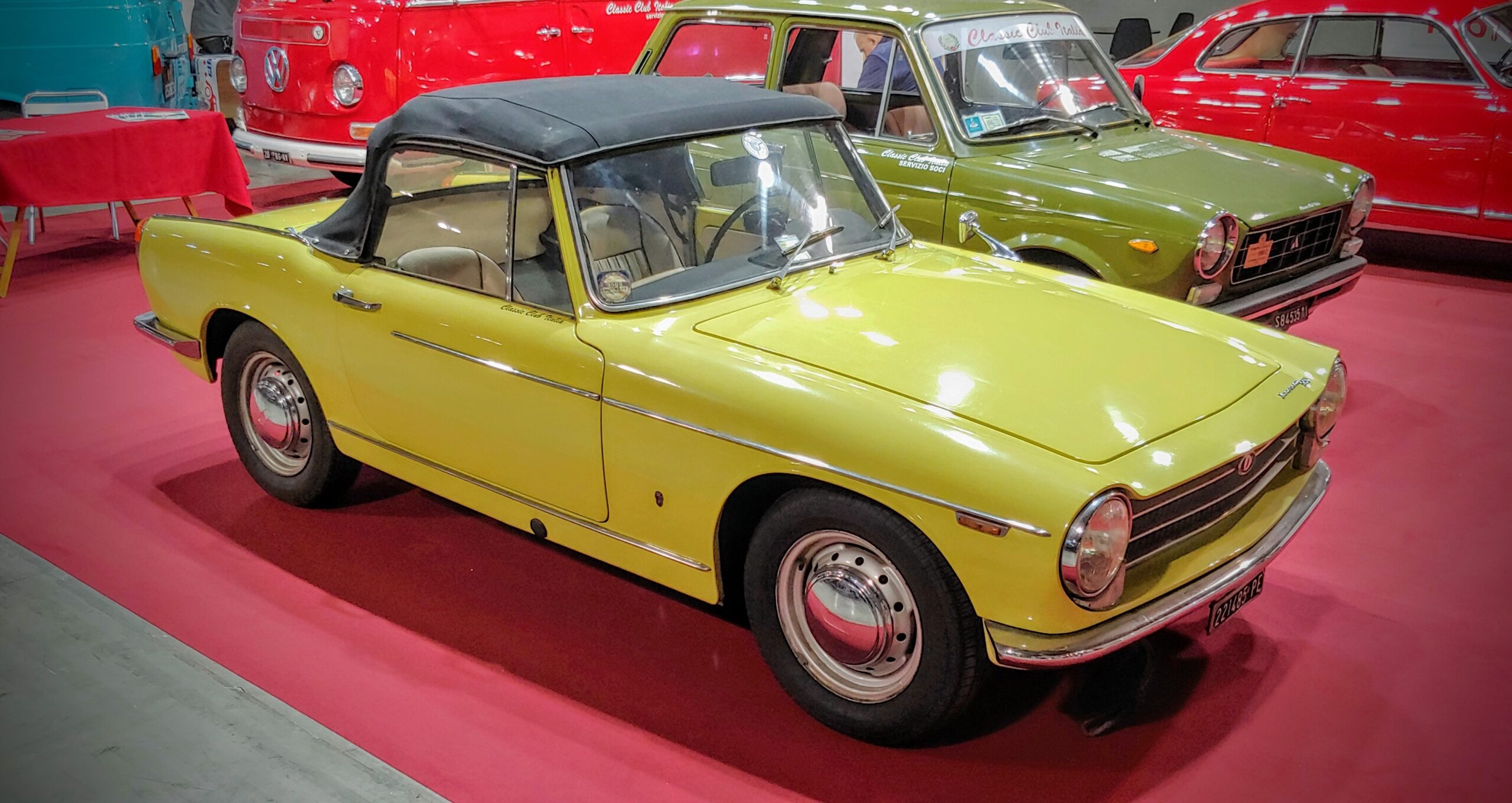
Tjaarda’s very first assignment at Ghia turned out to be a production sports car – a rarity for a newcomer in an industry that often had rookies designing hubcaps. He penned the Innocenti 950 Spider, a petite convertible based on British Austin-Healey Sprite mechanicals. Unveiled at the 1960 Turin Motor Show, the Innocenti Spider was a clean, charming roadster with elongated doors and wind-up windows that set it apart from the spartan English Sprite. It wasn’t just a pretty show car; the Spider went into production in 1961, with Ghia’s affiliate OSI building the bodies. In total, several thousand Innocenti Spiders were produced through the mid-1960s, giving Tjaarda the satisfaction of seeing his first car design enjoyed by real customers. It was an auspicious start – “the first design of Tom Tjaarda’s, drawn for Carrozzeria Ghia,” as one account notes. The Spider’s success also proved that the young American could master Italy’s signature blend of sportiness and elegance right out of the gate.
🔗 Read more: Sergio Sartorelli: Designer of Dreams
Segre and the team at Ghia didn’t coddle their new designer; Tjaarda was soon contributing to a variety of forward-looking concept cars. In 1959, he helped Sergio Sartorelli style the futuristic Ghia Selene I, an imaginative six-passenger show car that looked like something out of a science fiction movie. The Selene was a “radical… concept car” with a rear-engine, cab-forward layout and an almost symmetrical tear-drop profile. Though purely experimental, it demonstrated Tjaarda’s willingness to push boundaries and explore new automotive packaging. Equally avant-garde was the Ghia IXG “Dragster” of 1960, a needle-nosed land speed record car that Tjaarda designed to break drag racing records in the under-1000 cc class. The IXG Dragster featured aircraft-like aerodynamics – a full envelope body and long stabilizing tail – innovations that prefigured later race cars. Tjaarda even found himself designing beyond automobiles: in 1960 Ghia sent him to West Germany to collaborate on the exterior and interior of an Alweg monorail train for the upcoming “Italia ’61” exhibition in Turin. In just two years, the young Detroit architect had transformed into an Italian carrozziere, contributing to everything from roadsters to monorails. He was learning fast – absorbing the Italian artisans’ feel for curves and the science of turning drawings into reality. By late 1960, having seen several of his creations hit the road or show stand, Tom Tjaarda had established himself as a full-fledged designer at one of Italy’s most storied coachbuilders. And yet, his European journey was only beginning.
Pininfarina and the Ferrari Years
In September 1961, Tjaarda made a pivotal move, joining Carrozzeria Pininfarina in Turin. Battista “Pinin” Farina’s eponymous firm (recently renamed from Farina to Pininfarina) was, by then, the preferred design house of Ferrari and a temple of Italian automotive style. Under the guidance of design director Franco Martinengo – and with Sergio Pininfarina (Battista’s son) leading the company – Tjaarda was soon entrusted with projects that most young designers could only dream of. As he later recounted with a mix of pride and disbelief, his first assignments at Pininfarina were Ferraris: cars destined for Enzo Ferrari’s elite clientele. It was a trial by fire, and Tjaarda rose to the challenge.
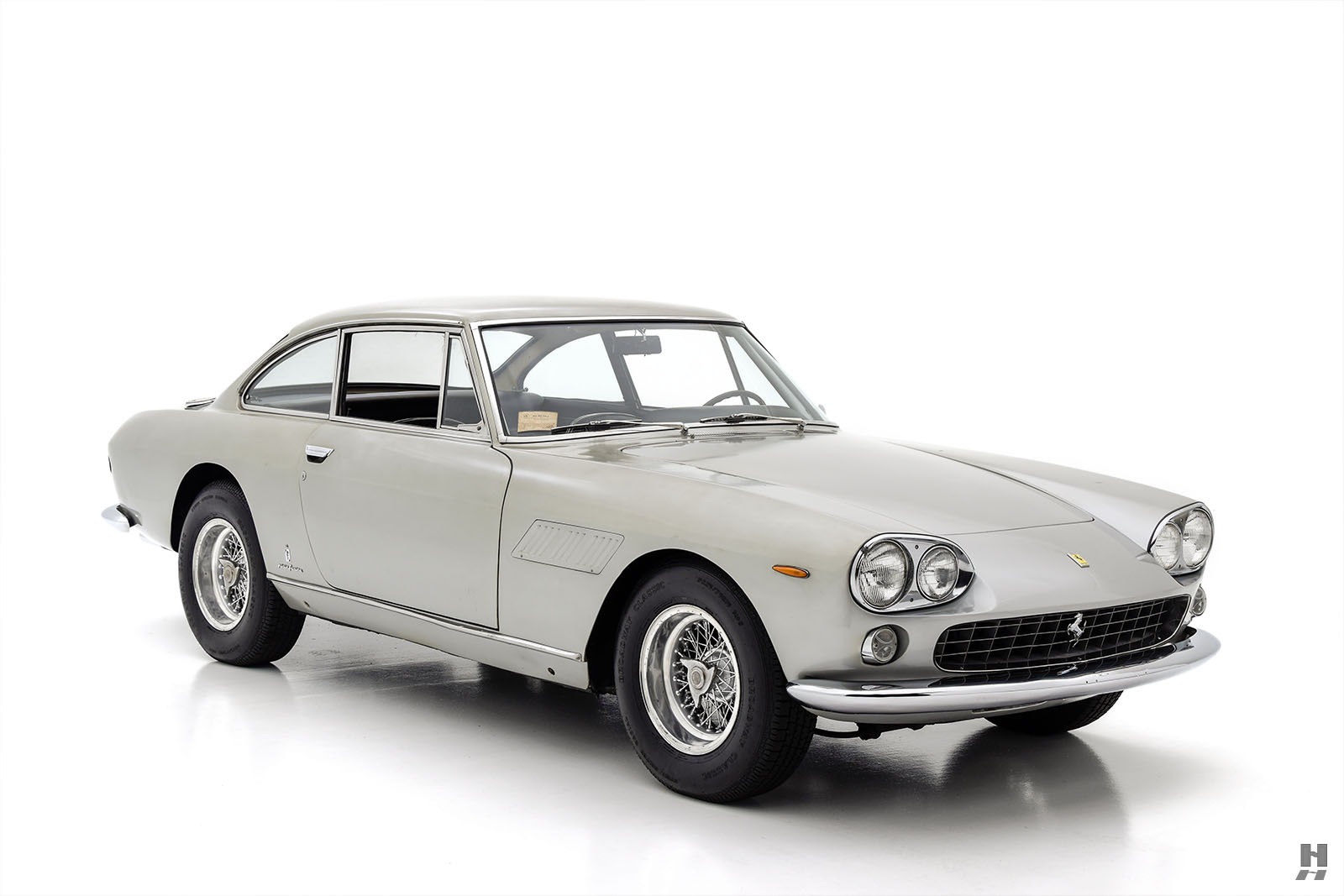
One early project was the refinement of the Ferrari 330 GT 2+2, a grand tourer with a powerful V12 heart. The first series of the 330 GT had a controversial front end with four headlamps. Tjaarda proposed a cleaner look, and the Series II 330 GT, introduced in 1965, adopted his changes: a return to twin headlights and a simplified nose that greatly enhanced the elegance of the car. The revamped face was subtle but effective, aligning the 330’s appearance with the understated sophistication that Ferrari buyers expected. Enzo Ferrari himself was reportedly pleased – he even used a 330 GT 2+2 as his personal daily driver, a quiet endorsement of the young American’s touch.
Another project was far more exclusive: the Ferrari 365 California Spider. Unveiled at the 1966 Geneva Motor Show, the 365 California was a limited-production luxury convertible – only 14 would be built for Ferrari’s best clients. Tjaarda styled this long, low four-seater Spider with an eye toward restrained glamour. It featured a dramatically raked windshield, covered headlamps, and a Kamm-style tail that ended in delicate tailfins. The interior dripped with opulence. The result was “spectacular… long and low with a raked-back windshield, sweeping haunches and a Kamm tail,” as one modern description notes. The 365 California wasn’t a race car for the track, but a grand boulevard cruiser – “a car of aristocratic presence and restrained glamour,” as many would later describe it. Designing such a Ferrari at age 31 firmly cemented Tjaarda’s credibility.
Not everything Pininfarina tasked Tjaarda with was European exotica – one of his most intriguing designs was actually based on an American icon. In 1963, he penned the Chevrolet Corvette Rondine concept for Pininfarina. Built on a new C2 Corvette chassis, the Rondine (Italian for “swallow”) was a complete restyle of the American sports car, trading fiberglass for steel and brute force for Italian finesse. Tjaarda’s design featured crisp body lines, a distinctive rising character crease, and a unique concave rear with a subtle tailfin. Most distinctively, it sported a graceful hardtop with a hint of a roll bar shape – an element that gave the roadster a targa-like profile. The Rondine’s bright metallic turquoise finish and European proportions made it a star of the 1963 Paris Motor Show. It was an inspired transatlantic hybrid – an American muscle car reimagined through a Pininfarina lens. General Motors ultimately declined to pursue the Rondine for production, reportedly quipping that it “didn’t look like a Corvette,” and indeed Tjaarda recalled that GM brass found it too far a departure from Corvette’s image. Yet in a twist of fate, the Rondine would have an echo in Tjaarda’s future: its design DNA (especially the rear treatment and roof concept) would resurface a few years later in the Fiat 124 Spider. It also remained an important milestone as one of the few Corvettes ever clothed by an Italian carrozzeria – a testament to Tjaarda’s versatility.
🔗 Read more: The Fiat 124 Sport Spider History
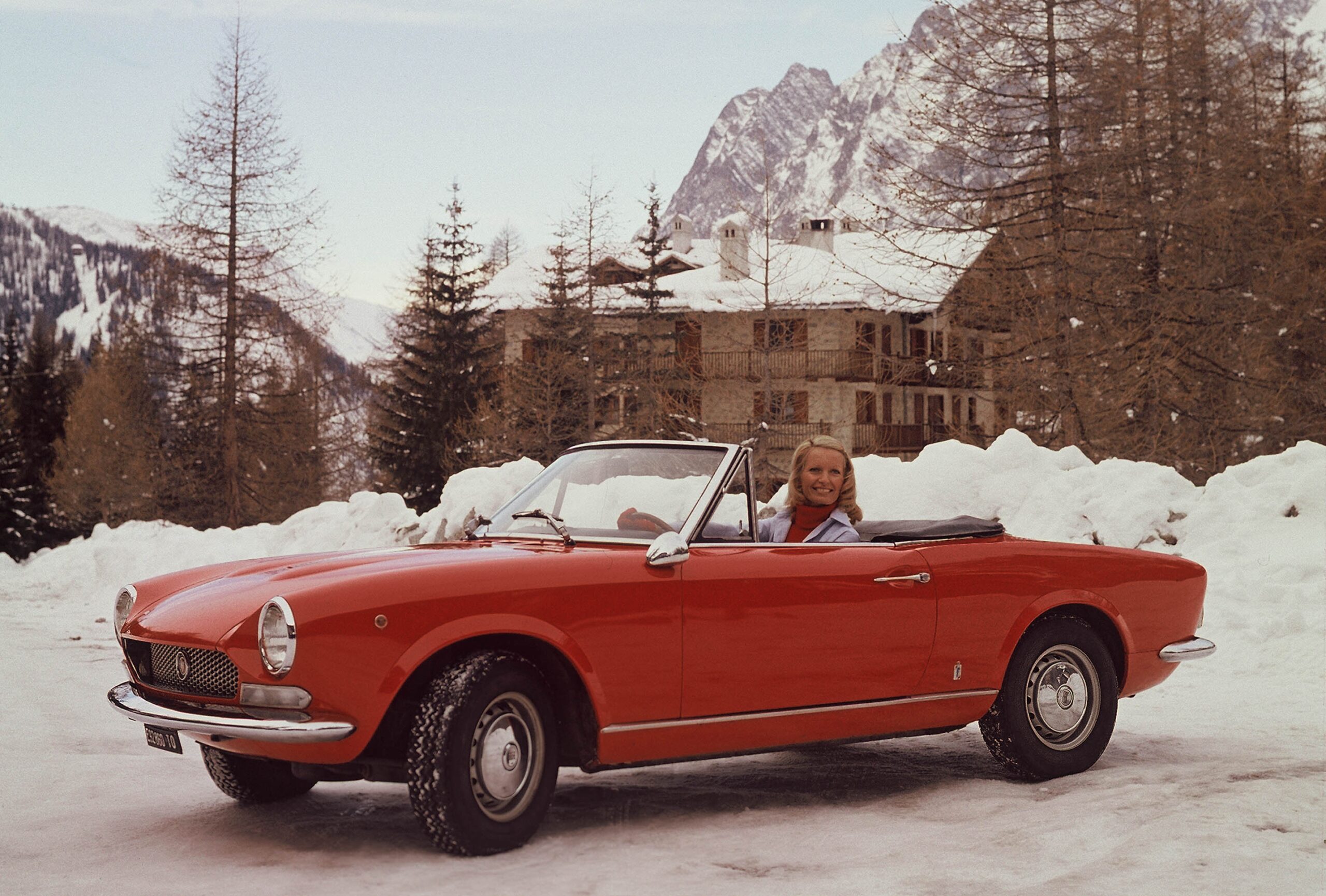
If the Corvette Rondine was a missed opportunity, the Fiat 124 Sport Spider (1966) was a grand-slam hit. This was the car that truly introduced Tom Tjaarda to the wider world, and it did so not at a rarefied concours but on roads around the globe. In 1965, Pininfarina was developing a small affordable roadster for Fiat. Tjaarda took the lead on the design, given relatively free rein by Sergio Pininfarina and Fiat’s engineers. The resulting 124 Spider debuted at the November 1966 Turin Auto Show, sporting a tidy, lithe shape that seemed to distill the essence of the mid-’60s Italian roadster. It had a slender waist, well-defined wheel arches, and just the right amount of chrome trim to feel upscale without being fussy. Under the hood was a twin-cam engine, but it was Tjaarda’s body design that made the car iconic. In the United States – which became the 124 Spider’s biggest market – drivers fell in love with the car’s combination of Latin charm and accessible price. Magazine reviews praised its balanced proportions and “friendly” styling. Tjaarda himself later expressed a bit of bemusement at the Spider’s popularity, noting that Fiat initially hadn’t placed huge importance on the project. “It was just a little sports car project we did almost on the side,” he said, “but for the public it became the car they remembered” – a quintessential accessible Italian sports car of its era. More than 170,000 Fiat 124 Spiders were sold over two decades (including later Pininfarina-badged models), a volume that dwarfed most of Tjaarda’s other projects. Not many designers can claim to have created a car that’s both an affordable classic and styled with Italian pedigree.
By the mid-1960s, Tom Tjaarda had proven that he was no mere visitor in the Italian design orbit; he was an integral part of it. In roughly five years, he had helped shape exotic Ferraris, penned a radical Corvette-based concept, and designed a wildly successful Fiat convertible – all under the Pininfarina banner. He had also absorbed the Pininfarina design ethos: an emphasis on purity of line, clarity of proportion, and a certain effortlessness in stance. This chapter of his career could have continued indefinitely, but Tjaarda was a restless spirit. In 1964, he briefly returned to the United States (working with famed architect Eero Saarinen’s protégé Eliot Noyes on projects like Cummins diesel engines and a World’s Fair pavilion), only to feel the pull of Turin again. By May 1965 he was back at Pininfarina, contributing to projects like a special Pininfarina-bodied Chevrolet Corvair coupe. The late 1960s, however, were a time of upheaval in the Italian coachbuilding industry. In 1966 Battista “Pinin” Farina passed away. Around the same time, Tjaarda began exploring opportunities beyond Pininfarina. In late 1965 he left to join Fergat (a manufacturer of automotive wheels and stampings), designing stylish wheel designs and even exhibition stands for auto shows. By 1967, he moved again, this time to Officine Stampaggi Industriali (OSI), a Ghia-affiliated firm where he worked on prototypes and show cars for a brief period. That same year he had a short stint at Ital Styling, a new design venture headed by another rising star – Giorgetto Giugiaro. These detours, while short-lived, added to Tjaarda’s versatility. He had now designed car bodies, wheels, and even architecture (during his U.S. sojourn). But a larger destiny was calling: in early 1968, Tom Tjaarda returned to Carrozzeria Ghia – this time as the de facto head of the design studio, and poised to create some of the most memorable Italian cars of the 1970s.
Ghia and De Tomaso: The Pantera and Beyond
When Tjaarda rejoined Ghia in 1968, the company was under new ownership and new energy. Argentine-born industrialist Alejandro de Tomaso had recently acquired Ghia (and its rival Vignale) and installed himself at the helm. De Tomaso was an ambitious figure with a foot in both the boutique Italian car scene and global industry – and he would soon bring in Ford Motor Company as a partner. Tom Tjaarda found himself in a unique position: an American leading the styling efforts at an Italian carrozzeria owned by an Argentinian, producing cars with international influence. As one journalist wryly observed when Ford bought Ghia in 1970, “Ford goes to Italy to buy exotic styling… and they end up with a designer born and raised in Detroit!” The irony was not lost on anyone. But Tjaarda’s heritage only proved an asset – he could understand Ford’s American mindset and still speak the language of Latin design. From 1968 to 1977, Tjaarda served as Ghia’s chief designer, and this period would define his legacy with a string of remarkable designs that fused American power with Italian flair.
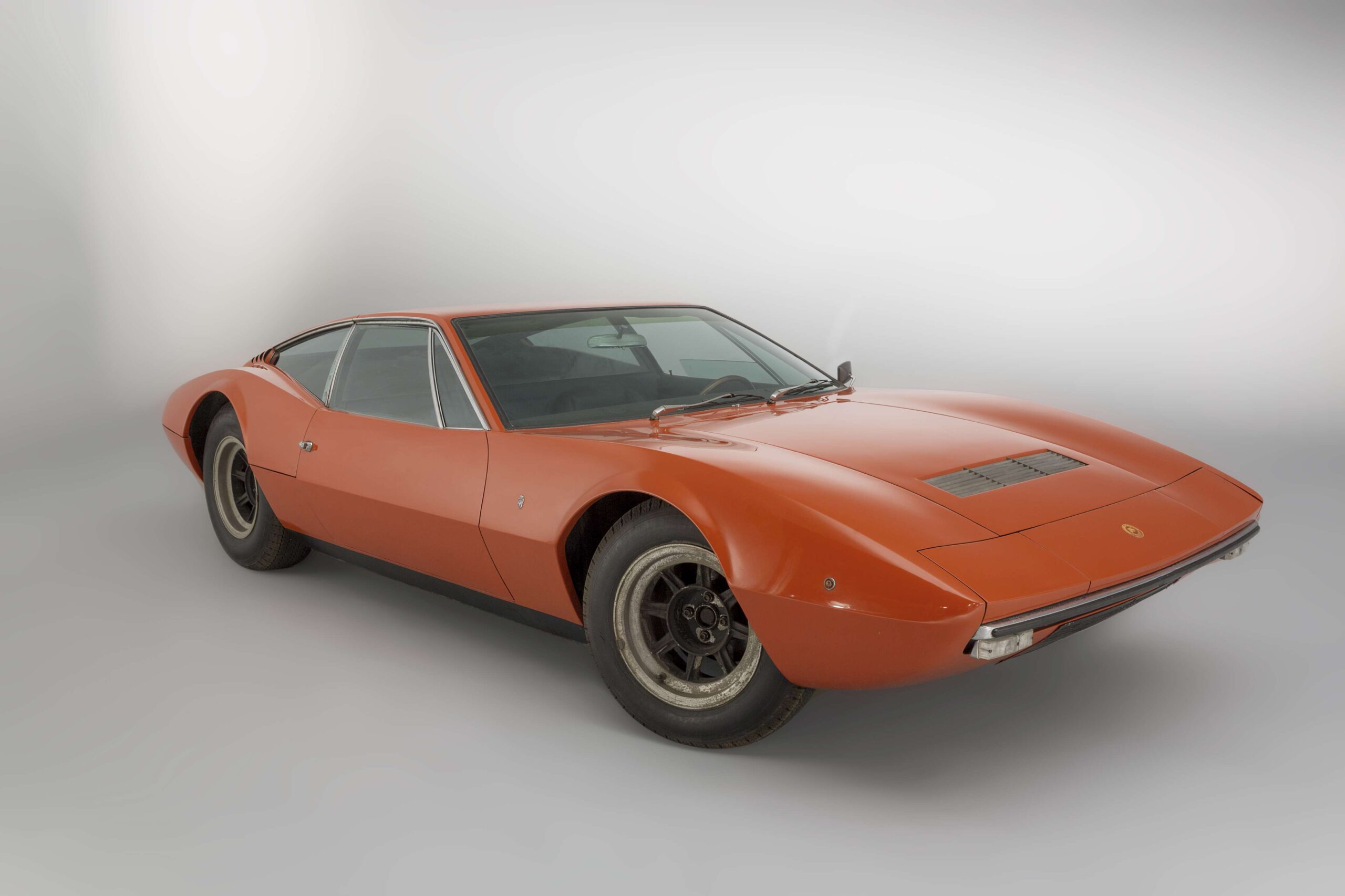
Tjaarda’s projects at Ghia spanned a broad spectrum, from concept cars to production vehicles, and often blurred the line between the two. In the late 1960s, he created a trio of one-off show cars that demonstrated Ghia’s renewed creativity. One was the 1968 Serenissima Ghia GT, a mid-engine GT conceived with Count Giovanni Volpi (of Scuderia Serenissima fame) as a potential production car. It was a sleek coupé with hidden headlights and a low-slung profile. As an American magazine later noted, “the Serenissima Ghia GT is a one-off design penned by the great Tom Tjaarda”, developed for the 1968 Turin Motor Show. Unlike many show cars, it was fully functional – powered by a potent V8 – and some believed it could have been put into production with minimal changes. Another was the 1969 Lancia Marica, a handsome 2+2 grand tourer built on the last Lancia Flaminia chassis. Displayed at the 1969 Turin show, the Marica’s modern, angular lines were “designed by Tom Tjaarda when Ghia [was] owned by Alejandro de Tomaso,” and it foreshadowed the look of later production cars like the De Tomaso Longchamp. And in 1969, Tjaarda also styled the Isuzu Bellett MX1600, a mid-engine Japanese sports car prototype commissioned by Isuzu. (This is sometimes confused with the production Isuzu 117 Coupe – which was actually Giugiaro’s design – but Tjaarda’s MX1600 was a distinct mid-engined concept with a 1.6L engine mounted behind the seats.) These and other Ghia concepts, including a wedge-shaped Lancia Fulvia 1600 HF Competizione and a quirky small off-roader, gave Ghia a dynamic presence on the show circuit around 1968–1970. They showed Tjaarda’s ability to adapt to different brands and needs: Italian luxury for Lancia, Japanese innovation for Isuzu, or even a touch of whimsy for niche projects. Alejandro de Tomaso’s strategy of leveraging Ghia’s design talent was clearly bearing fruit.
🔗 Read more: De Tomaso Pantera: The Italian-American 1970s Supercar Icon
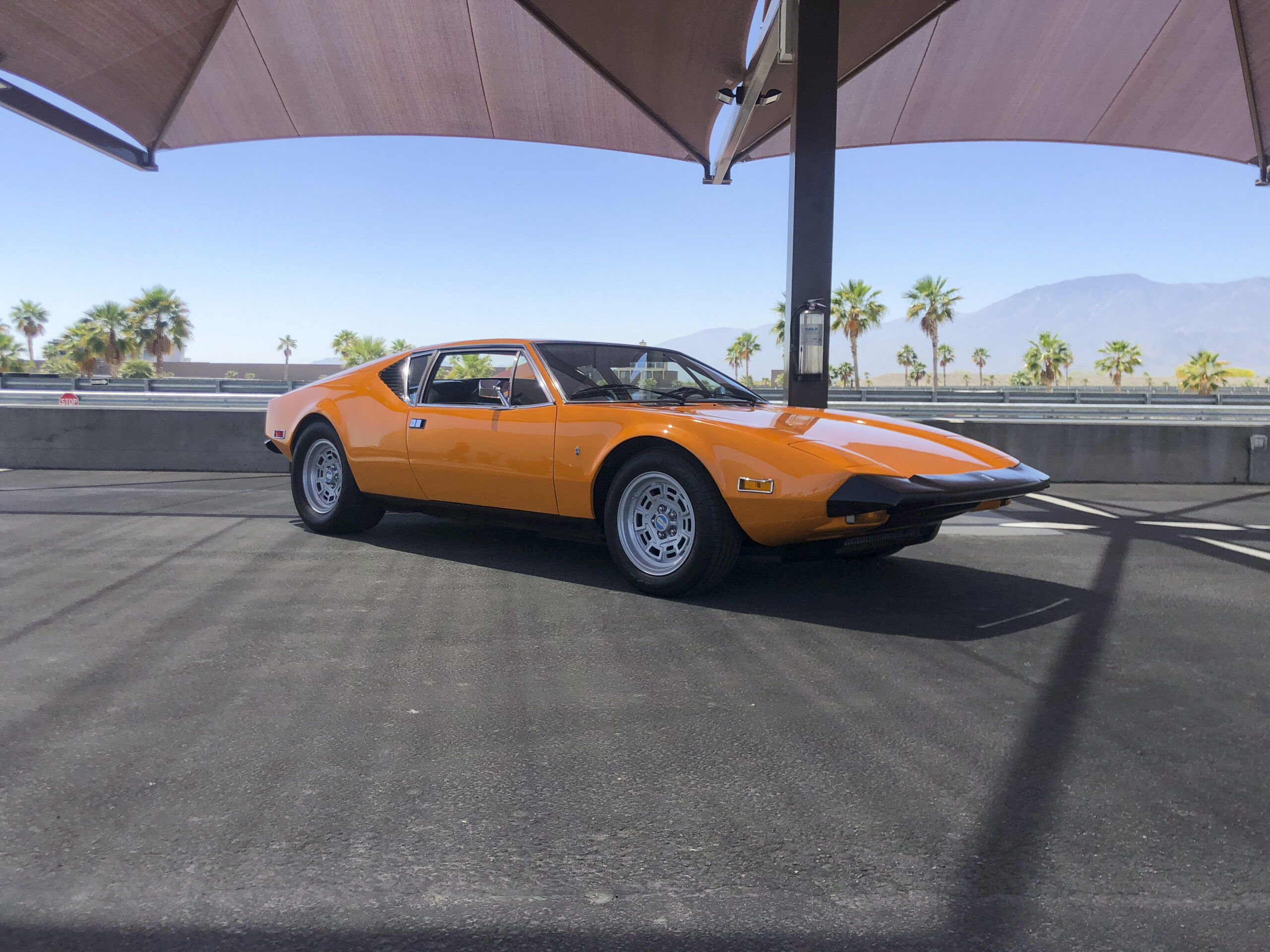
The car that truly made Tom Tjaarda a legend, however, was a production model born from this period: the De Tomaso Pantera. Introduced in 1970, the Pantera was the result of a deal between de Tomaso and Ford to create a mid-engine V8 “supercar” that could be mass-produced and sold in the U.S. through Lincoln-Mercury dealerships. Tjaarda had already gotten a taste of mid-engine layouts with the Serenissima and an earlier de Tomaso car, the Mangusta (which Giugiaro had designed). Now it was his turn to shape a mid-engine machine for the road. The Pantera’s design is still considered one of the high points of Italian automotive styling in the 1970s. Tjaarda gave the car a sharp, aggressive form – defined by taut geometric lines yet undeniably muscular in stance. From the side, the Pantera had a distinctive upswept rear fender line. Tjaarda later likened that feature to “the haunches of an animal getting set to pounce,” visually emphasizing the power of the Ford 351 cubic-inch V8 just behind the cockpit. At the same time, the overall proportion – a wide, low wedge with a stubby nose and integrated bumpers – imparted a sense of cohesion and modernity. With pop-up headlights and bold air intakes, the Pantera looked exotic, but unlike many Italian exotics, it was also relatively practical and robust, thanks to its American drivetrain. Over 7,000 Panteras were produced during the 1970s, making it one of the most commercially successful mid-engine sports cars of its erag. Enthusiasts loved to say the Pantera offered Lamborghini looks with Ford reliability. Tjaarda himself summed up the Pantera’s dual nature beautifully – he called it “a real elegant lady when parked but a bomb on the road.” Indeed, the design had to serve both purposes: be tame enough to sit in a dealer showroom and wild enough to thrill at 150+ mph. Decades later, the Pantera’s design still turns heads, and it has been canonized as a classic. It stands as perhaps Tom Tjaarda’s most famous work.
Alongside the Pantera, Tjaarda styled two lesser-known De Tomaso road cars. The De Tomaso Deauville (1970) was a luxury four-door sedan inspired by the idea of an Italian answer to the Jaguar XJ. Tjaarda managed to infuse the Deauville with a certain Italian flair – a slim grille, four round headlamps, and a sleek side profile – while packaging it as a comfortable, V8-powered saloon. The related De Tomaso Longchamp (1972) was a 2-door GT coupe/convertible, essentially a shorter, sportier derivative of the Deauville with a Ford 351 V8 up front. Its design carried over cues from the earlier Marica concept, with a squared-off roofline and a long hood balanced by a short, bobbed tail.
And then there was the curious De Tomaso 1600 Spider – a compact sports car that looked almost like a twin to Fiat’s X1/9. In fact, it shared so much of the wedge-shaped, targa-roof aesthetic that many have called it the “Pantera’s baby brother.” Tjaarda designed it in the early 1970s as a smaller, more affordable entry into the De Tomaso lineup, pairing mid-engine layout with approachable proportions. While it never went into large-scale production, the 1600 Spider showed how Tjaarda could scale down the exotic into something that hinted at mass-market practicality without losing the sharpness of his design language.
🔗 Read more: How De Tomaso Hijacked the Fiat X1/9 Before It Even Launched
While neither the Deauville nor the Longchamp achieved the fame of the Pantera, and the 1600 Spider remained more of a curiosity than a commercial venture, together they demonstrated Tjaarda’s range. He could apply his talent to sedans, grand tourers, and even compact sports cars – proof that his design vocabulary extended well beyond the mid-engine bombshell that made him famous.
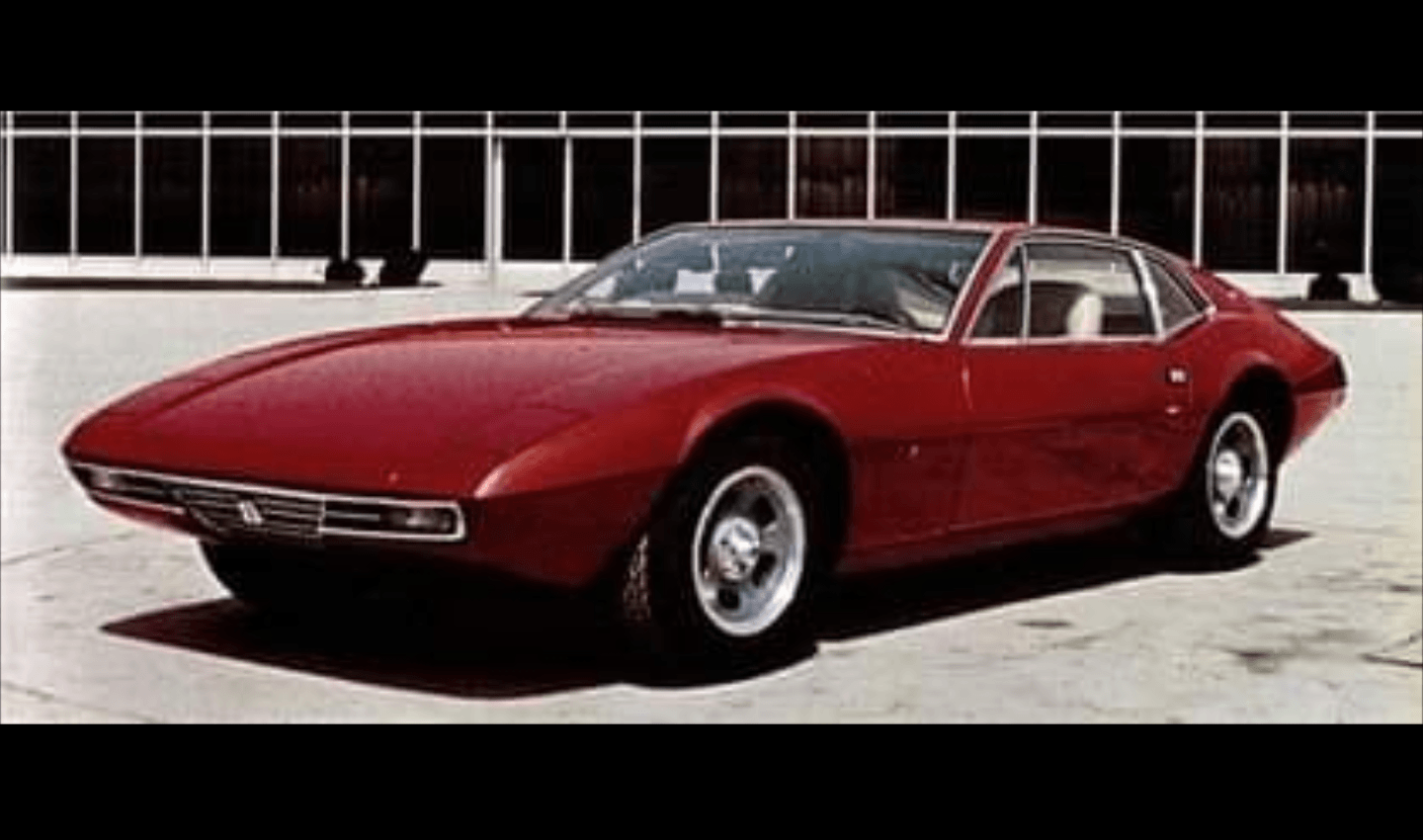
Even as these cars were being developed, Tjaarda continued to churn out concept ideas at Ghia, often with an eye toward future Ford products. In 1971, he designed the De Tomaso Zonda, a front-engined GT concept with a swoopy fastback body, shown at the Geneva Motor Show. (Not to be confused with the Pagani Zonda of decades later, the De Tomaso Zonda was a one-off prototype exploring a possible successor to the Mangusta.) He also worked on a series of experimental “Progetto Flip” safety vehicle concepts for Ford, and by 1972 he was deeply involved in Project “Wolf”, which would become the first-generation Ford Fiesta. The Fiesta project was a huge departure from Tjaarda’s usual exotica – a front-wheel-drive subcompact hatchback intended as Ford’s entry-level car in Europe. Tjaarda approached it with the same eye for proportion and function. His design, which Lee Iacocca personally approved, was simple, cheerful, and modern, with a short bonnet, a tall greenhouse for good visibility, and a clean hatchback tail. The Fiesta debuted in 1976 and went on to sell millions, introducing Ford to the lucrative world of small hatchbacks. It’s quite astonishing: the same designer who sculpted the De Tomaso Pantera also shaped the Ford Fiesta. This dual success – an exotic sports car and a ubiquitous economy car – underscores how adaptable Tom Tjaarda was. By the time he left Ghia in late 1977, Tjaarda had designed or influenced an incredible array of vehicles there: one-off showcars like the Lancia Marica and Serenissima GT, production sports cars like the Pantera, luxury GTs like the Longchamp, and practical cars like the Fiesta. He even revisited some earlier ideas: for example, in the mid-70s Ghia built a concept called the Fiat 130 Opera – essentially a four-door coupé – which echoed an unpublished Tjaarda proposal from his Pininfarina days. Tom Tjaarda’s Ghia period was, in a word, prolific.
Fiat and Rayton Fissore
After nearly a decade of high-profile work at Ghia, Tjaarda sought new challenges as the 1970s closed. In 1977 he left Ghia (shortly after Ford had fully acquired and integrated it) and worked briefly as an independent consultant. By early 1978, he joined Fiat’s in-house design center in Turin. As Director of Fiat’s Advanced Design Studio from 1978 to 1981, Tjaarda’s role shifted from creating one-off dream cars to envisioning the next generation of practical models for the mass market. It was a behind-the-scenes job, often drawing sketches and setting themes that would be handed off to other studios or Fiat’s styling staff. During his tenure, he contributed to projects that would influence cars like the 1984 Lancia Thema and 1985 Fiat Croma (both ultimately styled by Italdesign), and the Type Four project that spawned the Saab 9000. He helped oversee proposals for a range of international Fiat subsidiaries – from Brazil to Poland – lending his expertise to ensure a cohesive design language. These might not have been glamorous exotics, but Tjaarda approached them with the same rigor for proportion and usability. He understood that good design had to work not just on a show stand but in everyday use.
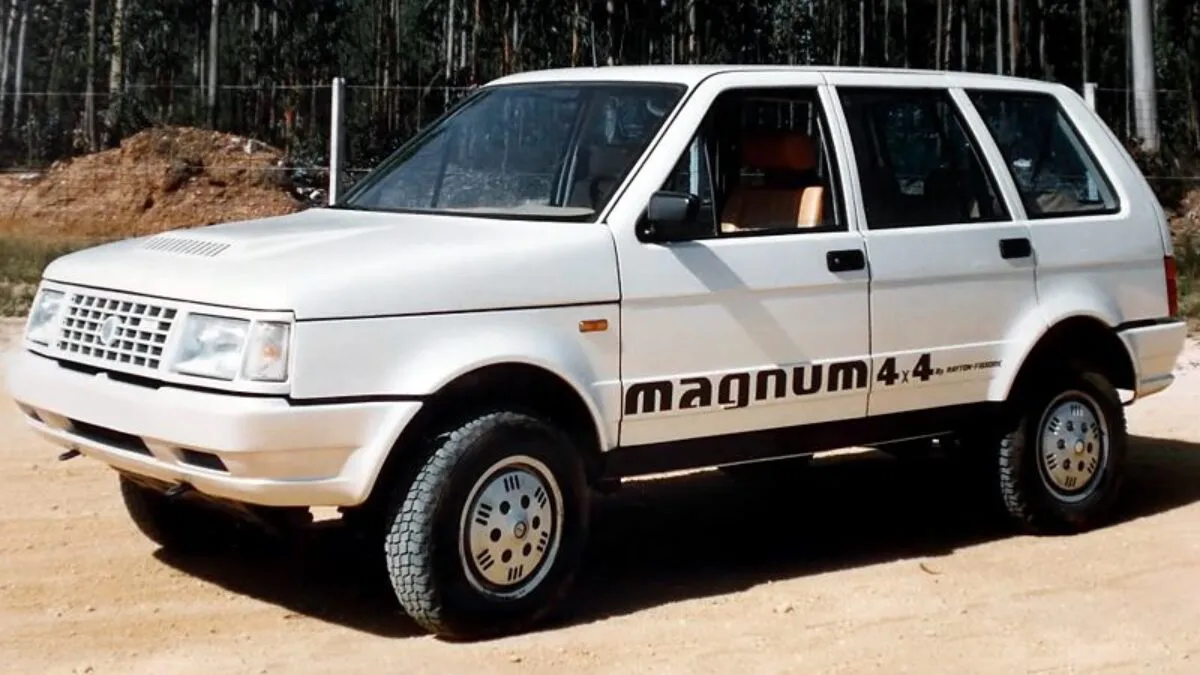
By 1981, Italy’s car industry was undergoing consolidation and change. Tjaarda moved on from Fiat and, in 1982, took a new position as chief designer at Rayton Fissore, a smaller Italian automaker and coachbuilder. There, he embarked on a project quite ahead of its time: designing one of the world’s first luxury SUVs. The result was the Rayton Fissore Magnum 4×4, introduced in 1984. Years before Land Rover would sell a Range Rover in the U.S. or before the term “SUV” was even common, Tjaarda envisioned the Magnum as a luxurious, go-anywhere vehicle for wealthy buyers. It had a squared-off, rugged body-on-frame construction, but also a plush leather interior and amenities borrowed from high-end sedans. Under the skin it used proven Fiat/Iveco truck mechanicals, but Tjaarda’s styling gave it a sleekness that pure utilitarian trucks lacked. The Magnum was later exported to the U.S. as the LaForza (Italian for “the force”), armed with American V8 power. Tjaarda was understandably proud of this project’s prescience: “This was 1984, so the term SUV was not invented back then,” he later remarked, noting that they’d essentially anticipated the luxury 4×4 boom by a decade. While the Magnum/Laforza remained a niche vehicle, it further demonstrated Tjaarda’s versatility – few designers can claim to have done mid-engine sports cars, city hatchbacks, and off-roaders for the elite.
Tjaarda Design and Later Years
In 1984, Tom Tjaarda decided to strike out on his own. He founded a design consultancy in Turin called Dimensione Design (later Tjaarda Design). Now in his 50s, with experience spanning the most prominent Italian carrozzerie and automakers, Tjaarda became something of a freelance master, taking on projects from automakers around the globe. Over the next decades, his studio worked on an eclectic mix of assignments: sports cars, family cars, concept vehicles, interiors, and more. Clients ranged from Aston Martin (for whom he did a proposal for a revived Lagonda sedan and a one-off Lagonda Vignale coupé) to Japanese brands like Mazda and Honda, and American firms like Chrysler. For Chrysler in the early ’80s he contributed to the design of the 1983–1986 Chrysler LeBaron convertible and the 1982–83 Imperial coupe refresh, giving those models a bit of European polish. In the 1990s he helped shape a Saab 900 four-door notchback prototype and worked on Revival Bugatti projects (after Italy’s Romano Artioli bought Bugatti, Tjaarda did a design for a small sporty coupe). His studio also undertook industrial design and even graphics projects, reflecting Tjaarda’s broad design interests.
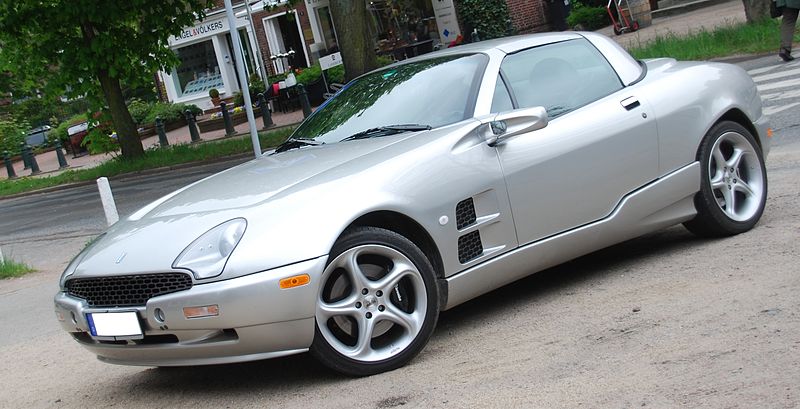
Through all this, certain cars from Tjaarda Design stood out. In the late 1980s, he revisited the idea of a grand tourer by designing the Isotta Fraschini T8 and T12 concept sedans (1998) – ultra-luxury cars intended to resurrect the dormant Isotta Fraschini marque (though they remained only prototypes). In the early 2000s, he collaborated on the Qvale Mangusta project, which was essentially a re-engineering of a Marcello Gandini design; Tjaarda tweaked and improved some aspects for the production version released in 2000. He also worked with Carroll Shelby on updating the Series 1 roadster into a proposed Series 2 (mid-2000s), and he lent his touch to various custom projects, such as a special coachbuilt Mustang (the “Tjaarda Mustang” of 2007, a modified Mustang with retro cues). All told, Tjaarda’s portfolio swelled to over 80 vehicle designs by the 2000s, a number he humbly downplayed but which cements his status among the prolific designers of the 20th century.
Even as he stayed busy, Tom Tjaarda received belated recognition for his contributions. In 1997, he was an honored guest at the Pebble Beach Concours d’Elegance and Concorso Italiano in California, celebrated for his body of work – especially the Fiat 124 Spider and De Tomaso Pantera, which by then were cherished classics. He frequently appeared at car shows and design seminars, sharing insights with new generations of designers. Those who met him in person often remarked on his approachable, gentlemanly demeanor – a world away from the egotistical “designer superstar” stereotype. Tjaarda remained a student of design history as well. In the 2000s, he penned design analyses of cars like the Maserati 5000 GT and various Ferraris, exploring what made the great Italian designs great.
🔗 Read more: Tom Tjaarda’s last creation: The Fiat 124 Targa
Fittingly, one of Tom Tjaarda’s final automotive projects was a tribute to his own legacy. In 2017, at age 82, he oversaw the creation of the Fiat 124 Tjaarda Targa, a one-off custom built from a Fiat 124 Sport Spider. Tjaarda reimagined the new 124 with a sleek semi-transparent plexiglass targa roof and other bespoke touches as a nod to the 1963 Corvette Rondine he had designed at the start of his career. In fact, the car’s entire concept – a targa-top 124 – was meant to connect the dots between the Rondine (which had a distinctive rear roll-bar roof profile) and the original 124 Spider. Unbeknownst to Tjaarda, this car would become a posthumous tribute: it was completed just after his passing and presented at the 2019 Turin auto show as “Tjaarda’s last creation”, a bookend to a remarkable career.
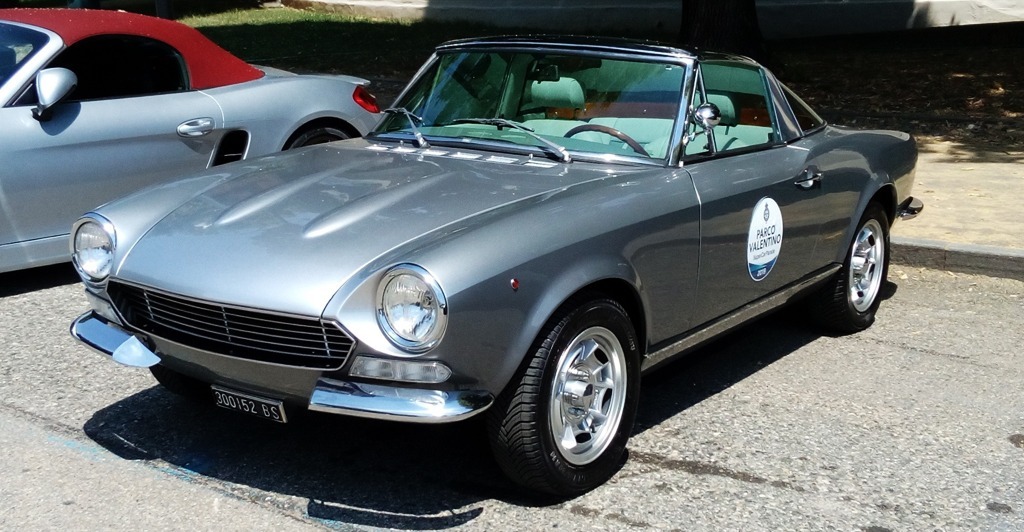
Tom Tjaarda passed away on June 1, 2017 in Turin, the city that had been his adopted home for nearly 59 years. He was 82. His funeral at the Chiesa della Crocetta was attended by colleagues, friends, and admirers – including many who had driven cars he designed without perhaps knowing his name. In retrospect, Tjaarda’s career is extraordinary not just for its length and the number of designs, but for the variety and influence of those designs. From the exotic sports cars like the Ferrari 365 California and De Tomaso Pantera to high-volume cars like the Ford Fiesta and Fiat 124 Spider, Tjaarda proved that great design knows no genre. He often spoke of honesty of form – the idea that a car’s design should flow from its function and never be overdone. He believed in clarity of line and proportion, values ingrained perhaps from his architectural training and the mid-century modern ethos. Those who examine his work can see these principles: the straightforward prettiness of the 124 Spider, the unadorned aggression of the Pantera, or the balanced elegance of the Ferrari California.
Tjaarda also succeeded in bridging cultures. He was an American in Italy, yet he became one of the great Italian coachbuilders in spirit. He brought a bit of Detroit practicality to Turin’s passion, and in doing so created cars that were not only beautiful but also eminently usable. Looking back, Tom Tjaarda once remarked that if he had only designed the 124 Spider and the Pantera, he would have felt his career was fulfilling enough. Fortunately for us, he gave the world much more. Each car – whether a show-stopping prototype or a humble family hatchback – carried a touch of his sensitivity and vision. Tom Tjaarda’s legacy is living proof of the power of good design: it can cross borders, span decades, and turn an automobile into a lasting work of art and engineering combined.

ABOUT THE AUTHOR
Andreas Scheidl
Italian classic car enthusiast with German roots. Renowned as a respected figure in the classic car community, he serves as a jury member at various international concours d'elegance, including the Classic Gala Schwetzingen and Mantova. As a content creator, Andreas passionately shares his profound knowledge and appreciation for vintage automobiles. His heart beats for cars designed by Giovanni Michelotti, showcasing his discerning taste and dedication to preserving the timeless elegance of automotive history.
More stories by Andreas Scheidl ↗CONTINUE READING
Posts You Might Like
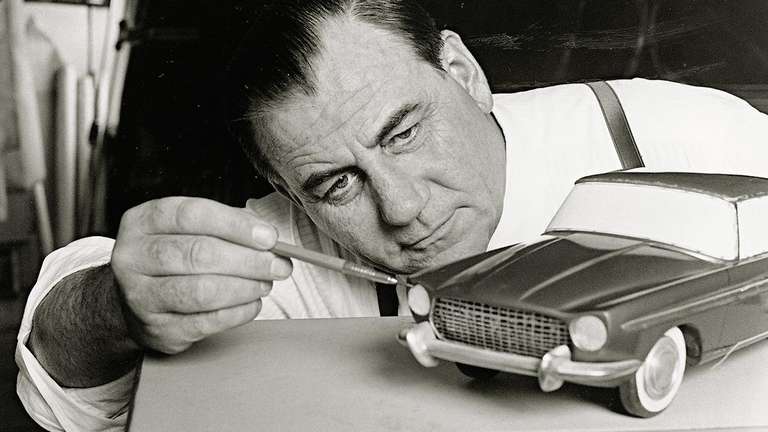
Pietro Frua: The Quiet Master of Italian Style
Pietro Frua, an influential Italian automotive designer born in 1913, left an indelible mark on the industry with his visionary work, shaping iconic cars and pioneering aesthetic excellence.
Read story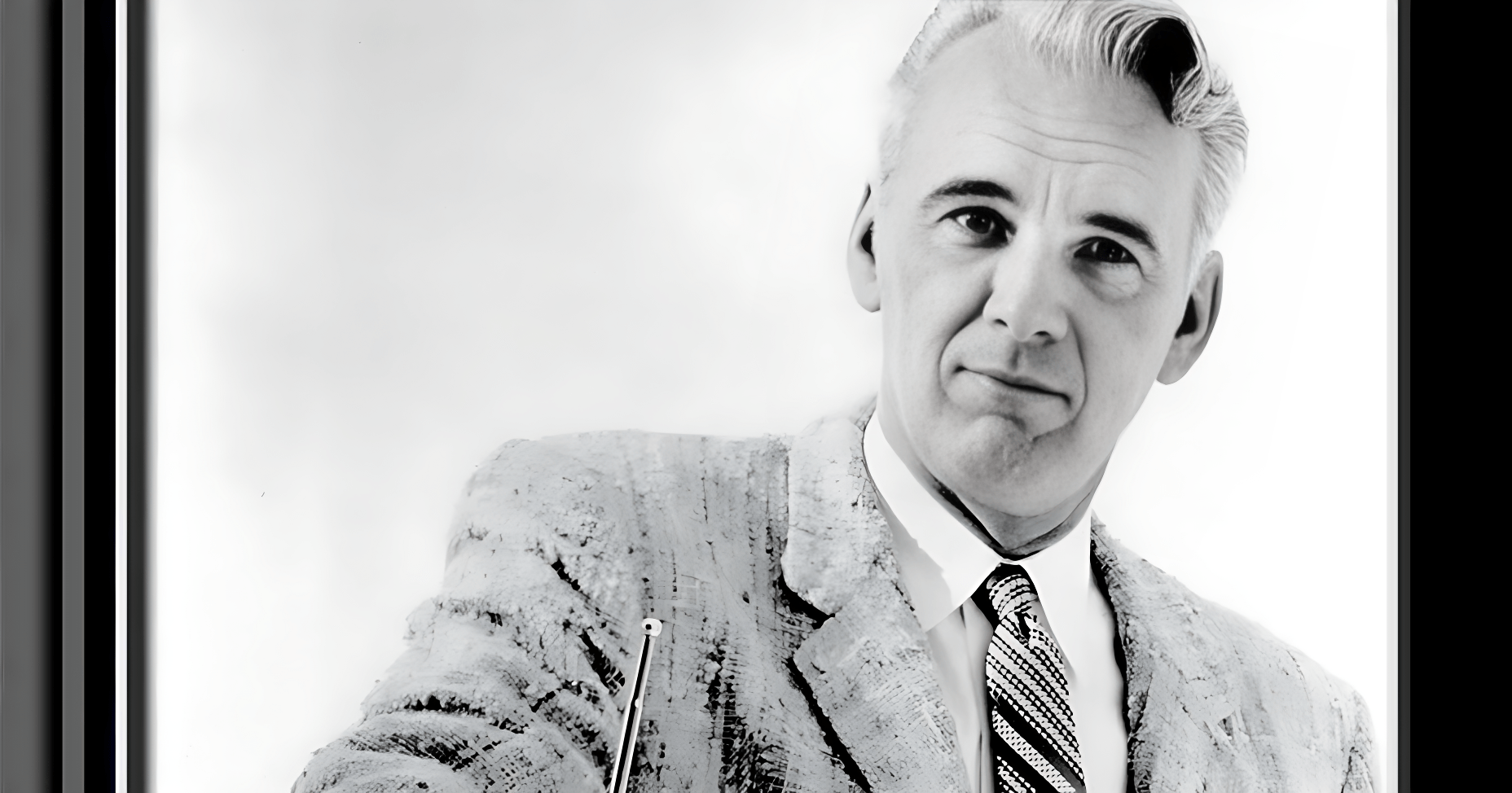
Virgil Exner was the designer who taught Detroit to dream again
Virgil Exner transformed American car design with bold artistry, aerodynamic vision, and Italian collaboration that redefined Detroit’s style.
Read story
Marcello Gandini: The Man Who Designed the Future
From Lamborghini to Lancia, Marcello Gandini’s bold geometry and radical thinking defined modern car design and inspired generations of creators.
Read story
Aldo Brovarone: The Quiet Master of Elegance
Aldo Brovarone, the humble stylist behind Pininfarina’s greatest icons, from the Ferrari Dino to the Peugeot 504 and Lancia Gamma.
Read story
THE CONVERSATION
Comments 0
Share a memory, a period photograph or a documented detail about this story.