
One Design, Many Chassis – Pt. 4: Reuse, Refinement, and Market Positioning
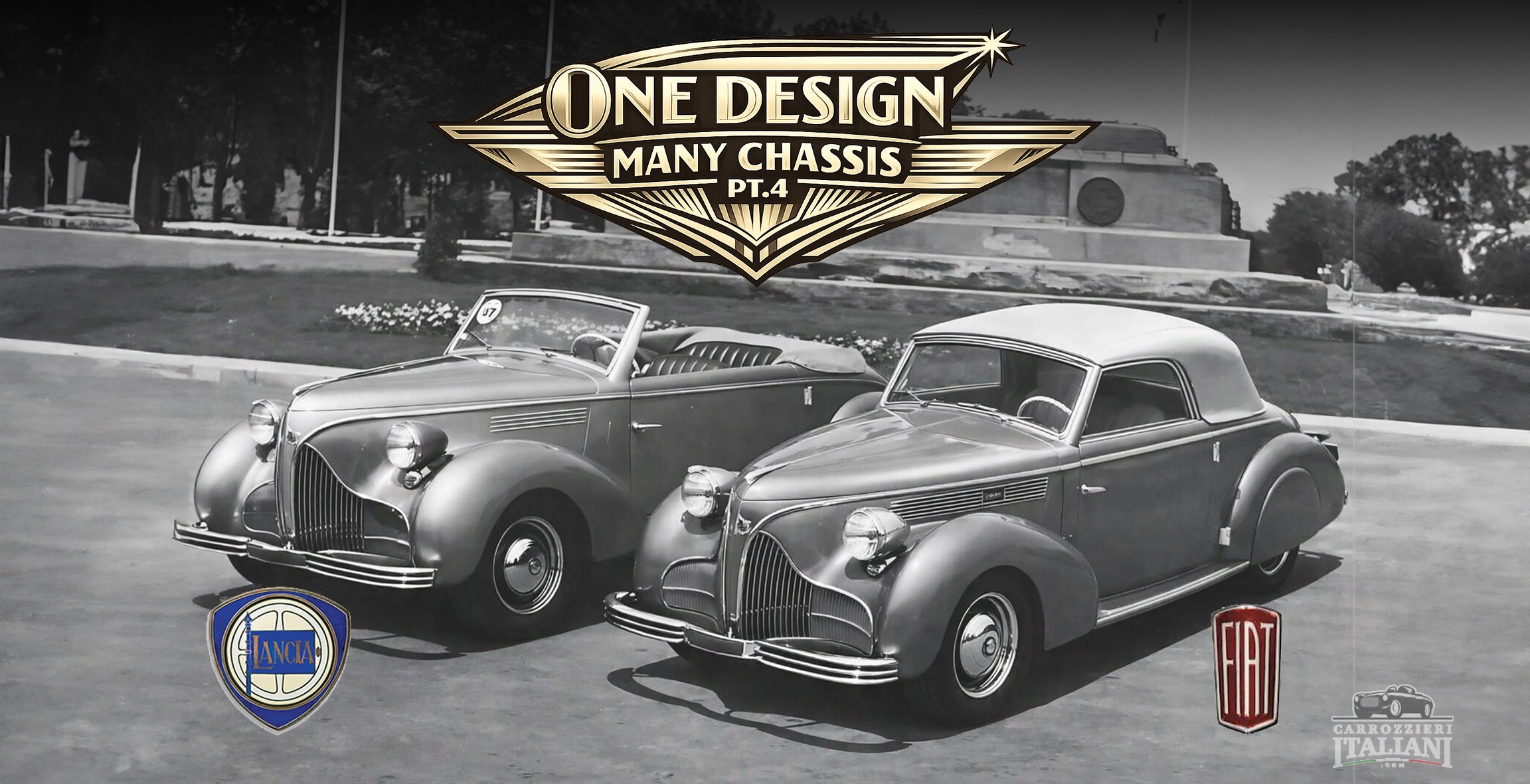
By the mid-20th century, Italian coachbuilding had reached a point where form was no longer inseparable from a single mechanical foundation. A strong design idea could outlive its original chassis, migrate across brands, and adapt to radically different technical and cultural contexts. This fourth chapter explores that phenomenon through a series of case studies in which one stylistic concept is repeated, refined, or reinterpreted—sometimes consciously, sometimes by necessity. From postwar elegance to experimental leisure vehicles, these examples reveal how Italian designers and carrozzerie treated proportion and surface as enduring values, capable of traveling far beyond the limits of a single commission.
One Shape, Three Foundations: Carrozzeria Riva and the Echo of the Cisitalia 202
All three cars discussed here trace their visual roots—directly or indirectly—to the Cisitalia 202, whose compact fastback volume and uninterrupted surfaces defined a new postwar ideal of Italian elegance. For Carrozzeria Riva of Merate, that influence became the starting point for a distinctive and transferable design language.
That language first took shape on an advanced chassis—before being distilled for a more modest one.
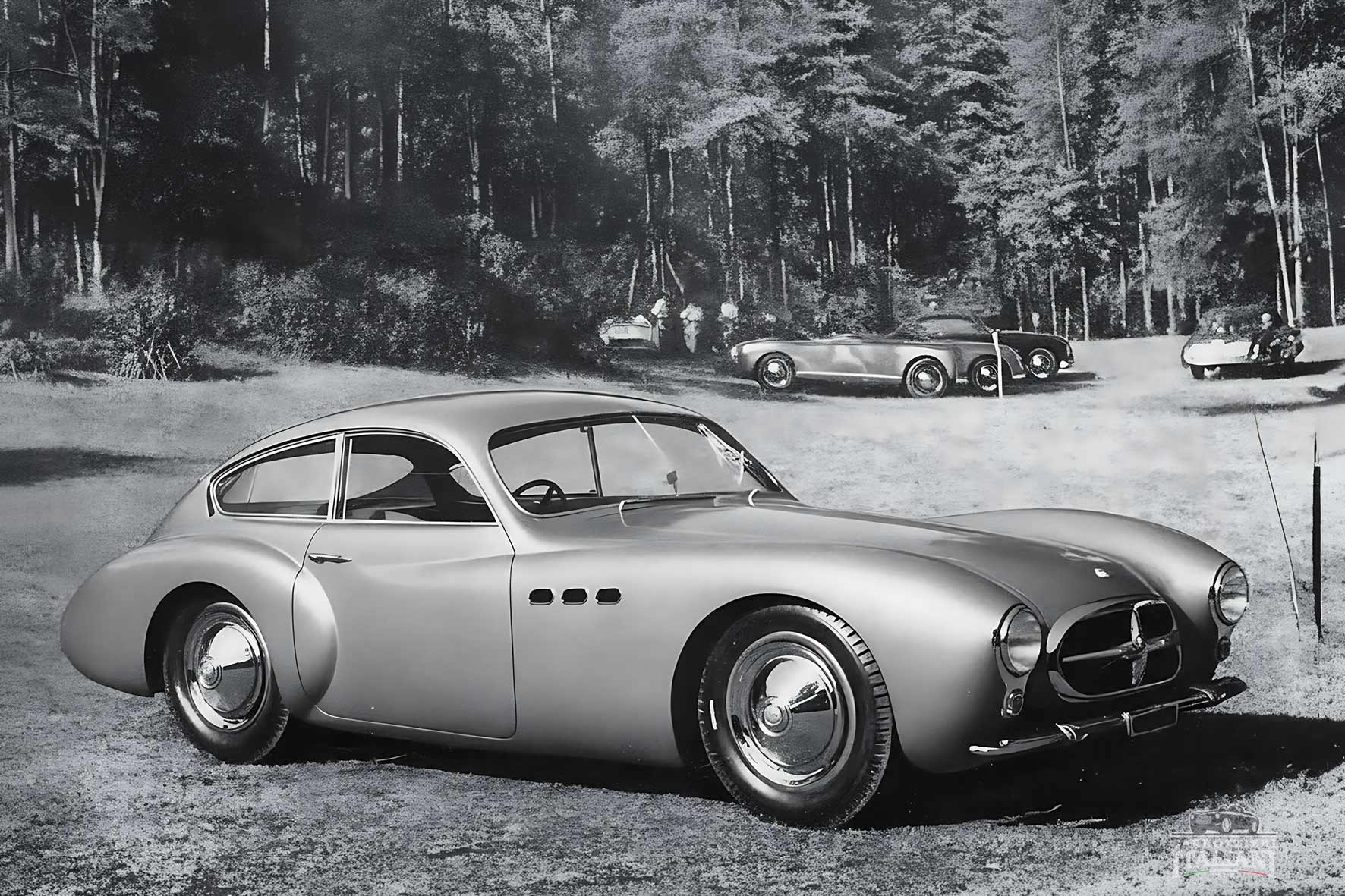
The Alfa Romeo 6C 2500 SS “La Serenissima”, completed in 1950, represents the earliest and most complete expression of Riva’s vision. Built on a lightweight GILCO tubular chassis with a shortened wheelbase and independent suspension, the car combined sophisticated engineering with an exceptionally coherent body. Its proportions were low and elongated, its surfaces fluid yet controlled, its volumes shaped as a continuous whole rather than as separate elements.
The body was crafted largely by eye, with suggestions from Count Giovanni “Johnny” Lurani Cernuschi during construction. Finished originally in metallic light blue-grey with blue Connolly leather, the Serenissima balanced technical ambition with visual restraint. Its victory at the 1950 Venice Grand Prix of Elegance, ahead of works by Italy’s leading coachbuilders, confirmed the maturity of Riva’s approach: this was not an experiment, but a resolved statement.
Riva returned to the same formal idea a year later with the Fiat 1400 Monza, unveiled at the 1951 Turin Auto Salon. Mechanically, the Fiat could not have been more different. Its unitary chassis and 45-horsepower engine placed it firmly in the realm of accessible motoring. Visually, however, the connection was unmistakable.
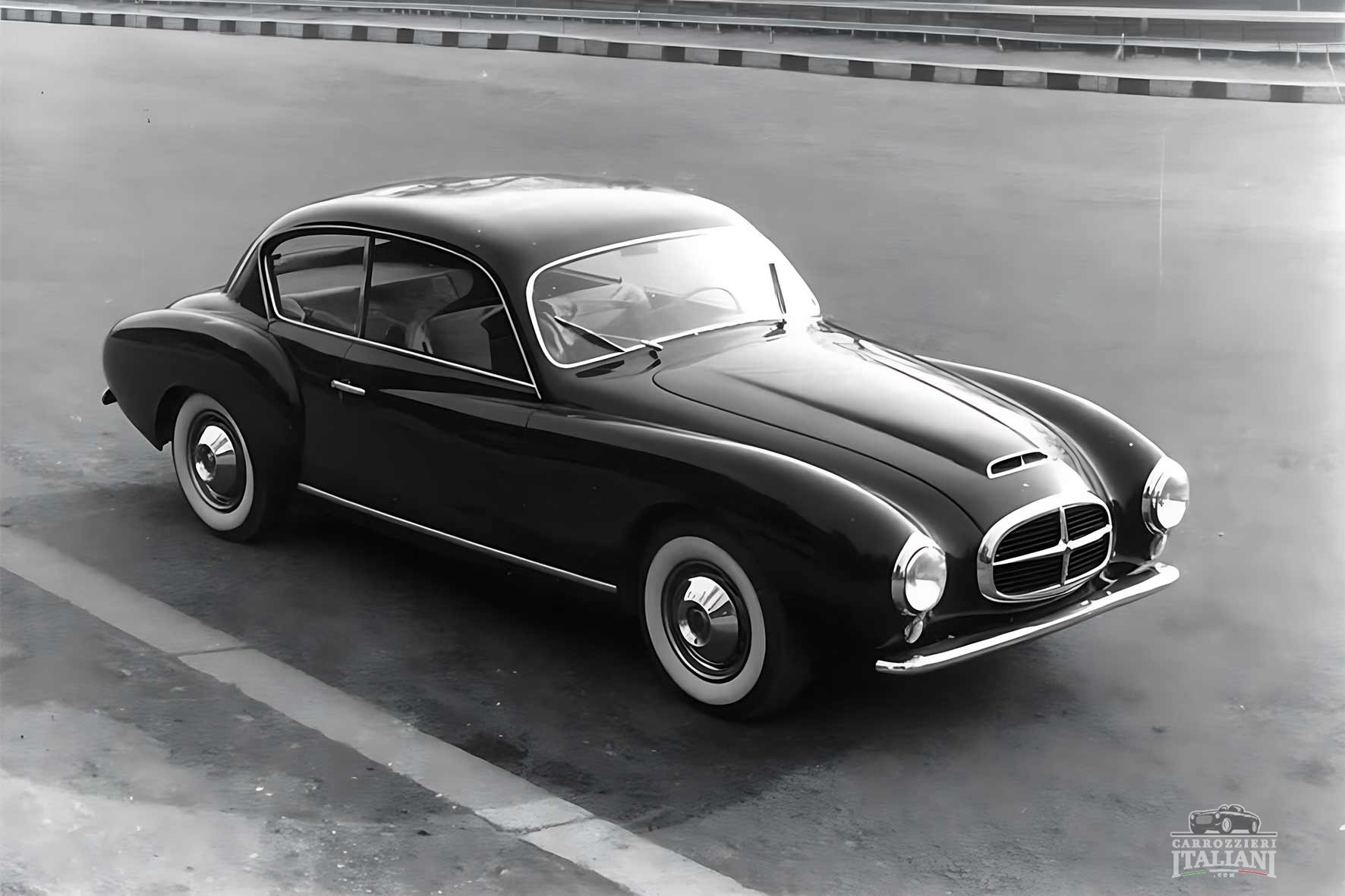
The Monza compressed the Serenissima’s vocabulary into a tighter, more economical package. The roofline retained its gentle fastback curve, the flanks remained clean and uninterrupted, and the overall form still read as a single sculpted volume. Details were simplified, and the distinctive cross-star grille gave the car an identity of its own, but the underlying logic was unchanged. Where the Alfa explored the idea at full scale, the Fiat translated it for a broader audience—without diluting its elegance.
That translation proved persuasive. The Monza’s success at the 1951 Concorso d’Eleganza del Lido di Venezia, where it was awarded top honours, demonstrated how effectively Riva’s design language could elevate even a modest platform.
Taken together, the Alfa Romeo 6C 2500 SS La Serenissima and the Fiat 1400 Monza show how a single design idea could move from exclusivity to accessibility without losing coherence. On the Alfa, Riva explored the form at its most sophisticated and technically ambitious; on the Fiat, the same language was compressed, simplified, and adapted to a far more modest mechanical reality. What changed was scale and intent—not identity.
This ability to translate one shape across such different contexts reveals the essence of Carrozzeria Riva’s work: proportion as a constant, elegance as a transferable value.
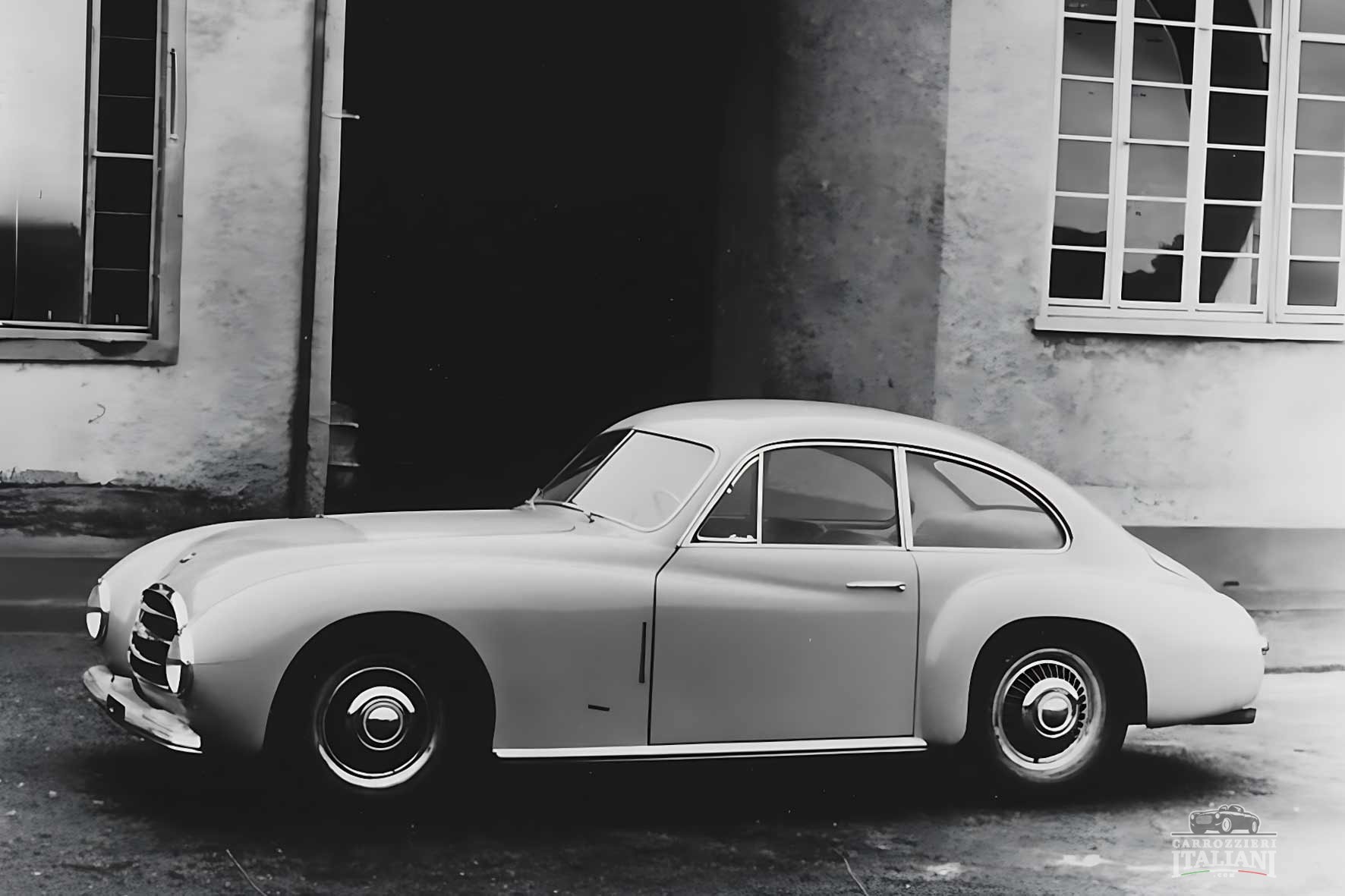
It is worth noting that the same overall stylistic direction had already appeared briefly on the Veritas 328 Coupé, confirming that Riva’s design vocabulary was already forming before it reached its most complete expression on Italian chassis
Pininfarina Between Lancia and Bristol
In the fragile years immediately following the Second World War, Italian coachbuilders often moved faster than brands could redefine themselves. Chassis crossed borders, commissions overlapped, and a single body could quietly migrate from one manufacturer to another. Few examples capture this moment better than the Lancia Aprilia Cabriolet and the Bristol 400 Cabriolet—two cars divided by nationality and intent, yet united by the same Pininfarina form.
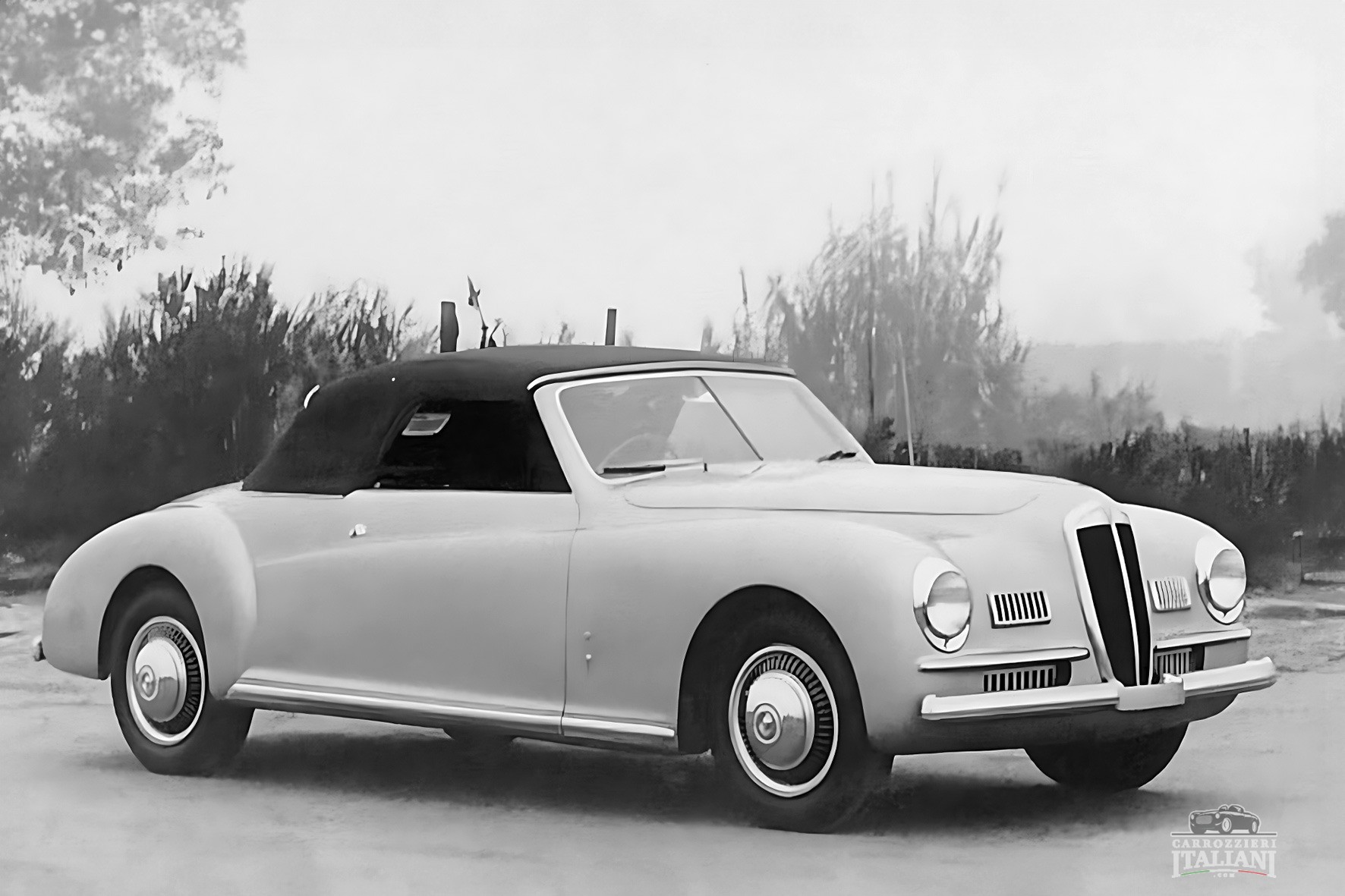
The Aprilia Cabriolet belongs to Italy’s immediate postwar renewal. Built on Lancia’s technically advanced chassis, it reflected the marque’s faith in intelligent engineering paired with restraint. Pininfarina answered with a body of quiet clarity: compact proportions, softly integrated fenders, and a silhouette shaped as a single continuous volume. The windscreen leaned gently back, the cabin sat well over the rear axle, and the surfaces flowed uninterrupted from nose to tail. Nothing sought attention; everything resolved itself through balance.
Visually, however, the Bristol retained the same calm Italian proportions, even at the front. Its grille treatment was subtly adapted to suit Bristol’s identity, yet it clearly echoed the Lancia solution, reflecting the shared workshop practices of the period. Pininfarina’s craftsmen were shaping panels around established forming templates used in hand-built body construction, a process that naturally led to recurring geometries and familiar rhythms across different marques. What changed was the badge and the interpretation—not the underlying structure of the form.
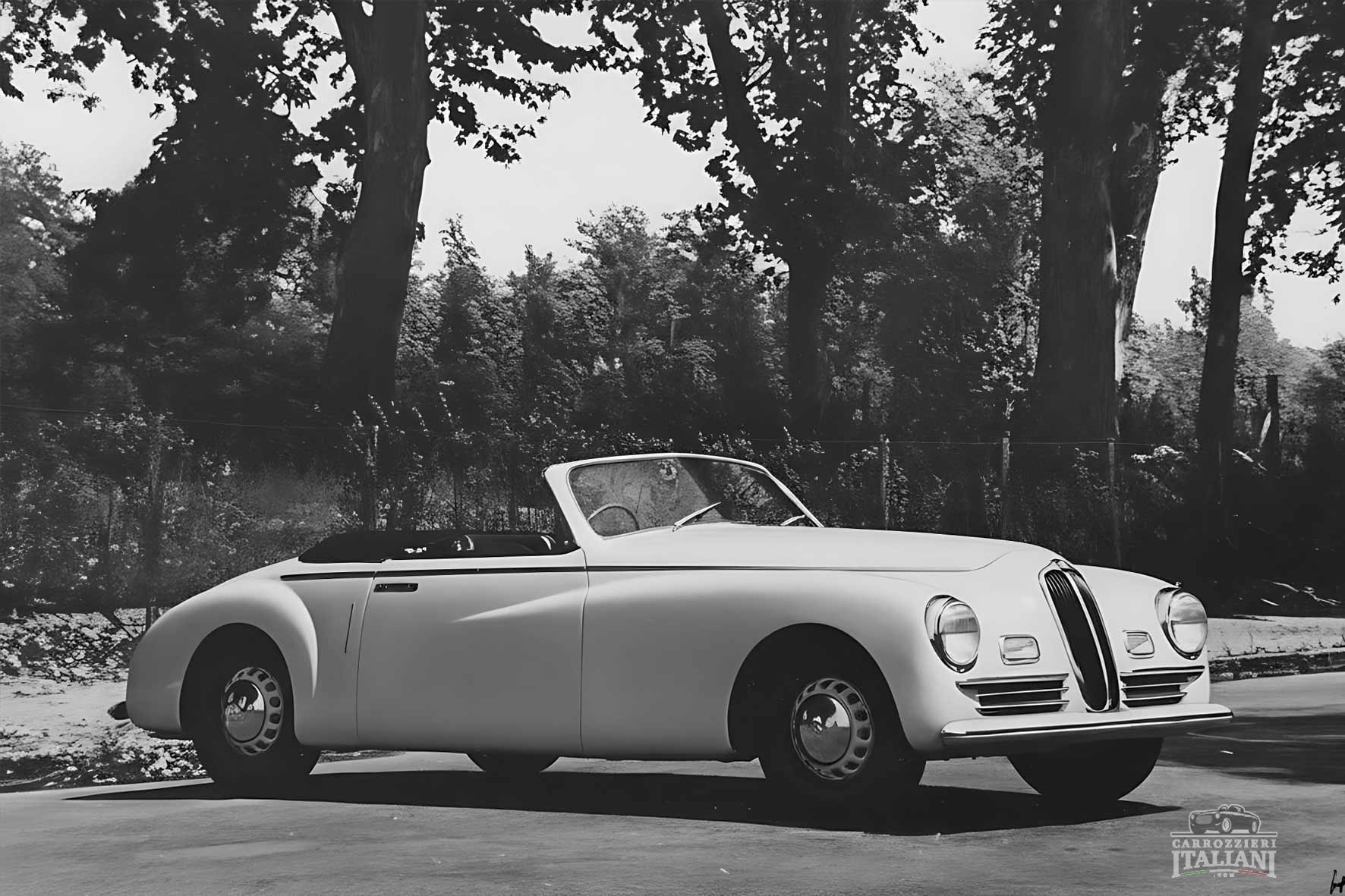
That same body soon found a very different home. In late 1946, a Bristol 400 chassis arrived at Pininfarina in Turin, originally intended to be marketed as a Frazer Nash–Bristol. When the Bristol–Frazer Nash relationship unraveled, the cabriolet was rebadged simply as a Bristol 2-Litre and remained a one-off. Mechanically, it was German in origin—BMW-derived—and tuned with competition in mind. Under H. J. Aldington’s ownership it ran with the first Frazer Nash–specification Bristol sports engine and proved itself in rallies, including the 1949 Alpine Rally.
Seen together, the Aprilia and the Bristol reveal Pininfarina’s early postwar confidence. One shape could serve two cultures without strain, adapting to different engineering philosophies while preserving its identity. In the context of One Design, Many Chassis, this is repetition at its most subtle: not reuse as convenience, but reuse as conviction—proof that good proportion can travel.
One Shape, Two Aspirations: Ghia’s Boano Junior from Fiat to Lancia
Few Italian coachbuilders interpreted postwar American styling as convincingly as Carrozzeria Ghia. Broad proportions, strong horizontality, two-tone paintwork and a sense of optimistic glamour became defining elements of its early-1950s output. The Boano Junior body is a clear product of that mindset: a single design conceived to project modernity and applied across different mechanical contexts.
Styled at Ghia under Felice Boano, with the design credited to his son Gian Paolo Boano, the Junior marked a generational and cultural shift. Its low, elongated silhouette, strong beltline and subtly hinted tailfins departed from traditional Italian restraint in favour of a more international language.
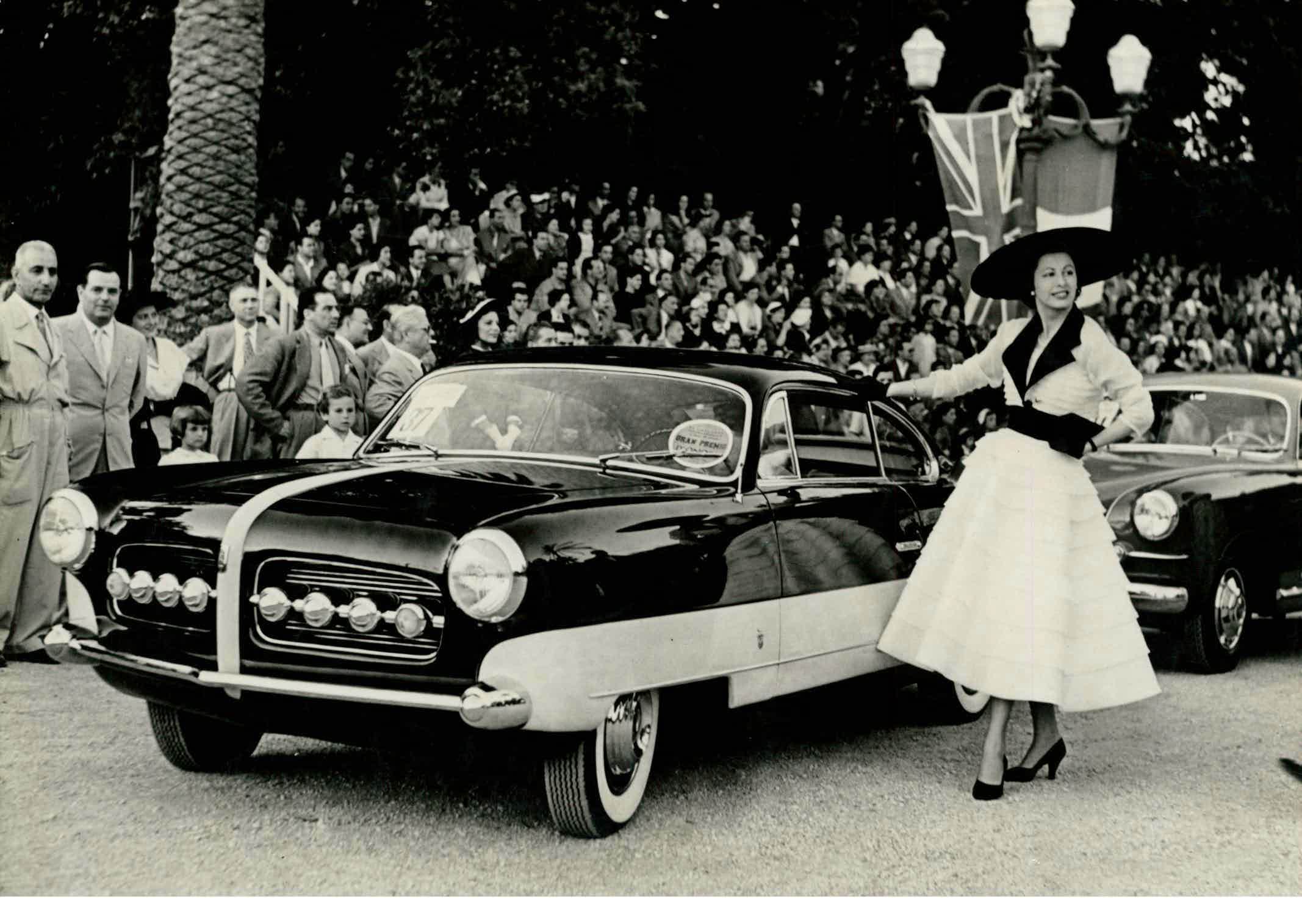
On the Fiat 1400, the Boano Junior elevated a rational platform into something aspirational. That character is most evident at the front, where the grille is defined by a row of round chromed studs. Decorative and overtly American in flavour, they lend the Fiat a playful, optimistic expression, reinforcing the idea of glamour added to a modest base.
🔗 Read more: American Inspiration: The Lancia Aurelia B52 B Junior by Ghia ft. Emilio Lacchio Ep2
Applied to the Lancia Aurelia B52, the same body took on a markedly different tone. Here, Ghia replaced the Fiat’s studs with vertical chromed slats, slimmer and more architectural in appearance. The effect is calmer and more disciplined, closely aligned with Lancia’s engineering-driven identity. Without changing the body itself, the grille alone recalibrates the car’s character—from expressive to composed.
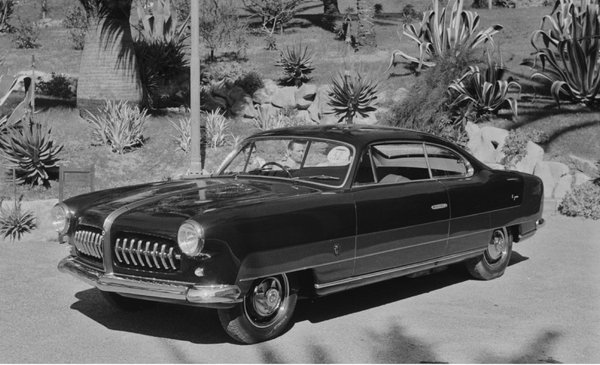
This subtle shift is what makes the Boano Junior so instructive. The same form could serve two marques with very different values, adapting through detail rather than redesign. In the context of One Design, Many Chassis, it stands as a concise demonstration of repetition used intelligently: one idea, tuned just enough to belong in two worlds.
Francis Lombardi’s Saloncino: One Concept, Two Chassis
In the immediate post-war years, Carrozzeria Francis Lombardi explored a distinctly functional yet elegant answer to the emerging demand for family-oriented vehicles, applying the same “Saloncino” estate concept to both Fiat and Lancia mechanicals. The result was a compact three-door woody wagon that balanced practicality with refined Italian craftsmanship.
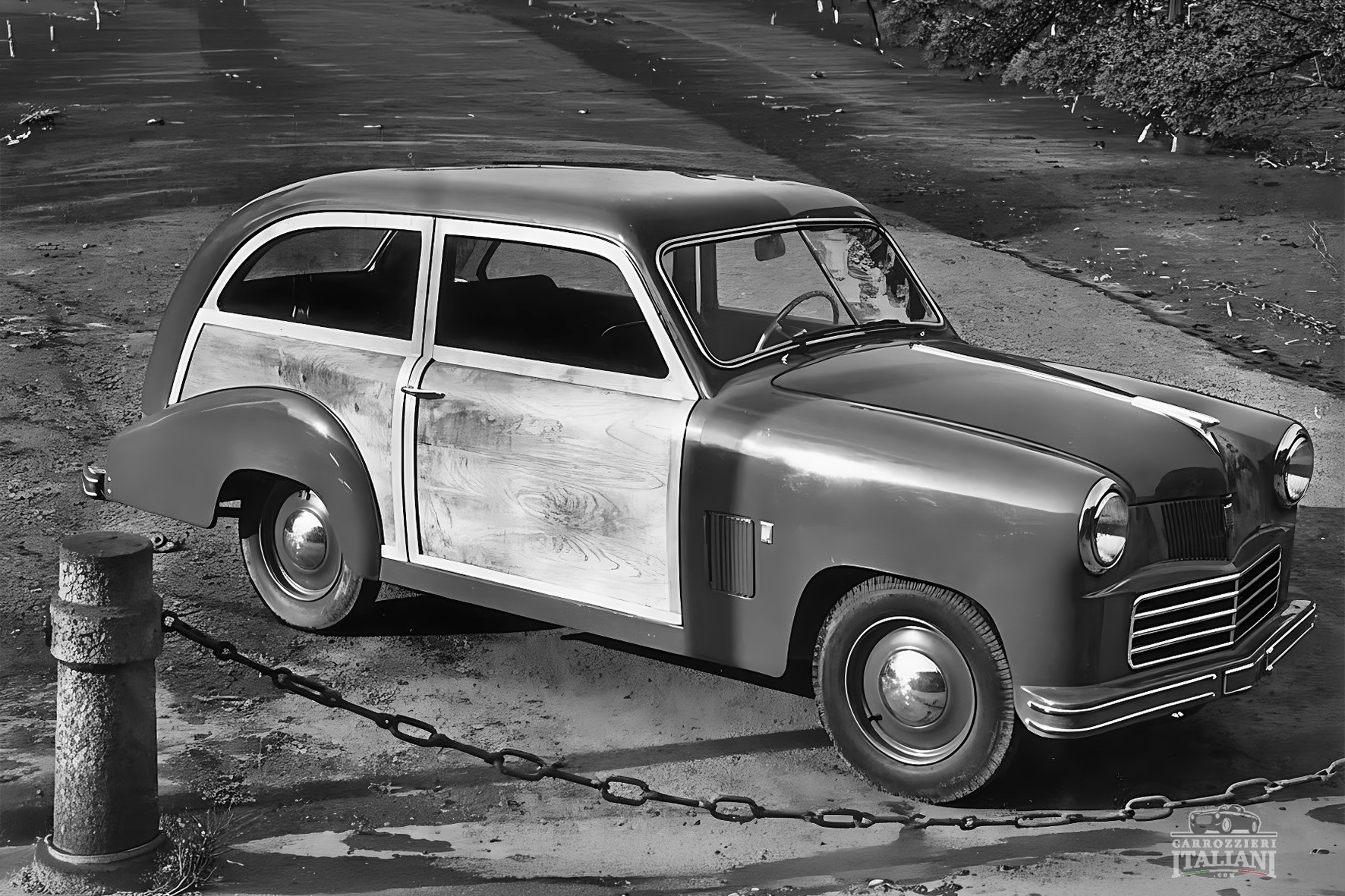
Based on the Fiat 1100 and later adapted to the Lancia Aprilia, the Saloncino shared an almost identical body architecture: steel structure combined with externally applied wooden panels along the flanks and rear, a large tailgate, and a fabric sunroof that enhanced interior brightness. The wood framing was carefully designed to remain visually detached from the side windows, giving the cabin a lighter, more spacious feel—an unusual refinement for a utility-oriented car of the period
The most immediate visual distinction between the two versions appeared at the front. While the overall silhouette remained unchanged, the Fiat 1100 Saloncino retained a simpler, horizontally slatted grille consistent with Fiat’s sober post-war identity. The Lancia Aprilia Saloncino, by contrast, adopted a more formal vertical grille treatment, echoing Lancia’s established stylistic language and lending the car a subtly more prestigious expression.
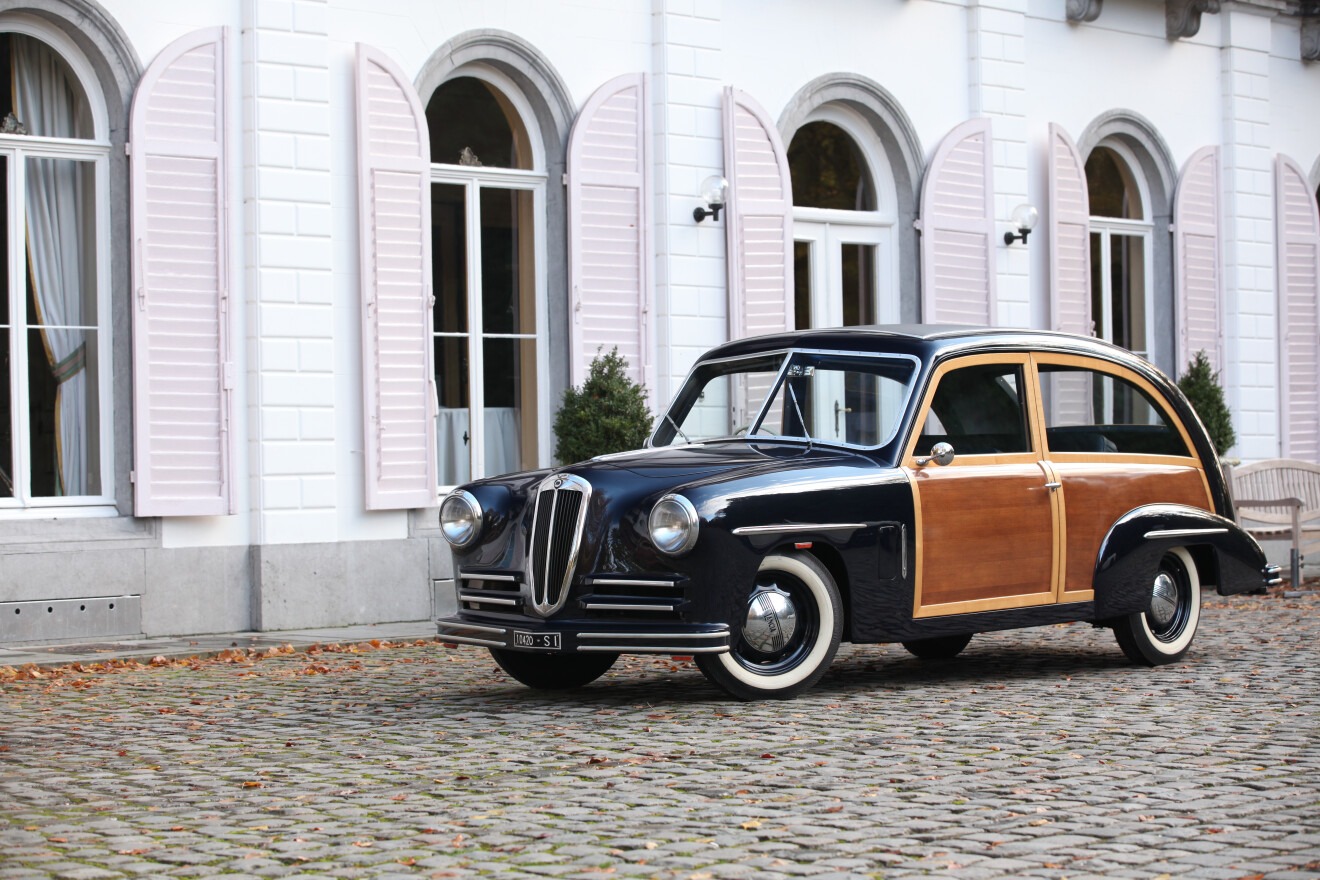
Mechanically, the differences reflected their respective platforms rather than Lombardi’s design intent. The Fiat relied on the familiar inline-four of the 1100, while the Lancia version benefited from the Aprilia’s advanced narrow-angle V4 and more sophisticated chassis layout. Yet from a coachbuilding perspective, Lombardi’s approach was clear: one coherent design, lightly adapted where necessary, capable of serving two very different brands without losing its identity.
Michelotti’s Twin Gesture: Hino Contessa Sprint 900 and Jaguar Le Mans D-Type
At first glance, the Hino Contessa Sprint 900 and the Jaguar Le Mans D-Type appear to belong to entirely different worlds. One is a compact Japanese coupé conceived for export markets; the other a dramatic British GT rooted in racing heritage. Yet both share a common origin: the hand of Giovanni Michelotti, and a strikingly similar design vocabulary.
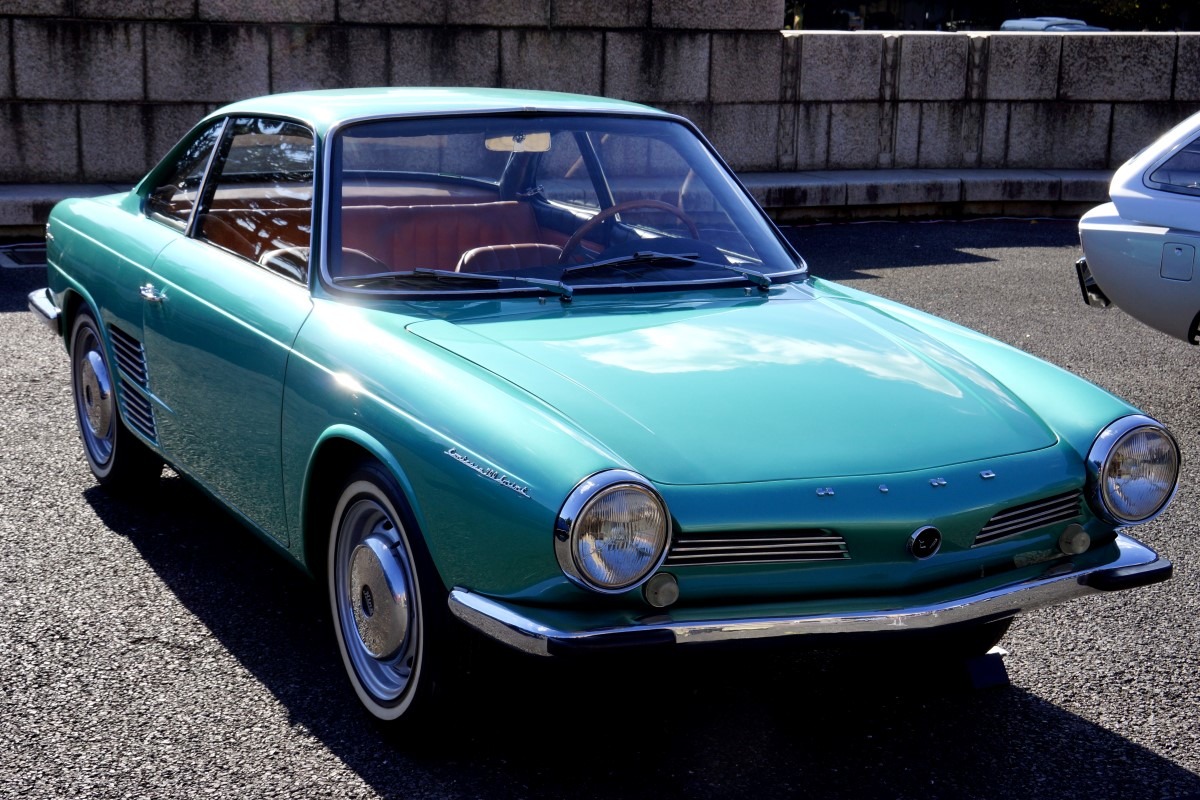
The relationship lies not in direct derivation, but in proportion and surface language. Both cars feature a long, clean bonnet line, rounded headlamps integrated into softly sculpted front fenders, and a restrained use of ornament that lets volume and stance define character. The Contessa Sprint 900 reads almost like a scaled-down study for a larger GT: compact, balanced, and elegant, with Michelotti’s trademark clarity of line.
🔗 Read more: Giovanni Michelotti: The Freedom of a Thousand Designs
Scale and layout, however, separate the two decisively. The Hino was built on the Contessa 900 platform with a rear-mounted engine, resulting in shorter overhangs and a more compact overall form. The Jaguar, by contrast, is significantly larger and more dramatic, with a front-engine layout that stretches the proportions forward and gives the car a stronger visual presence. Where the Contessa feels agile and refined, the Jaguar asserts itself through size, width, and a more overtly muscular stance.
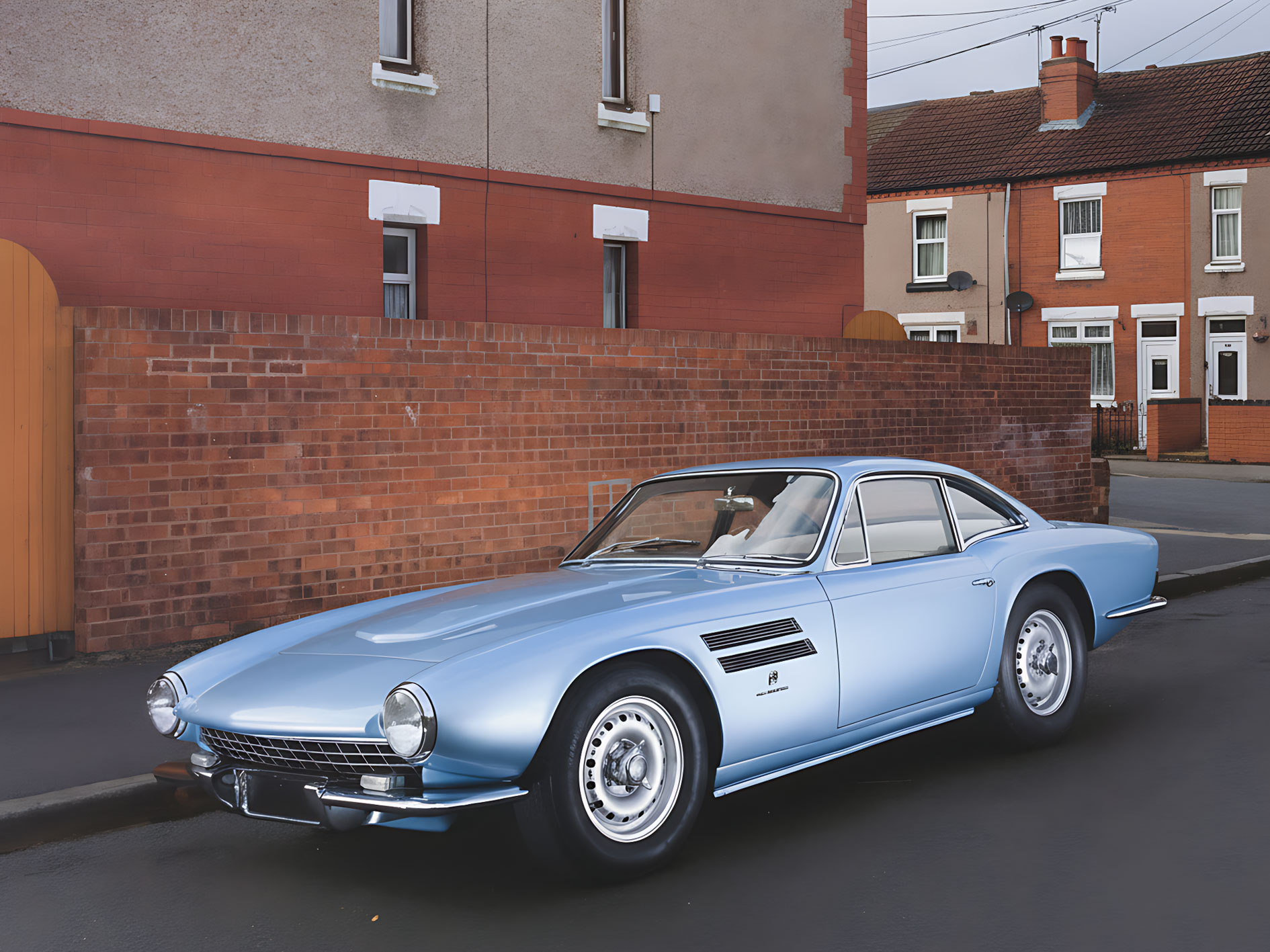
Seen together, they illustrate how Michelotti could adapt a single stylistic idea to radically different technical architectures and markets. The Contessa Sprint 900 distilled the essence of a European GT into a small, export-oriented Japanese coupe, while the Jaguar Le Mans D-Type expanded the same themes into a bolder, more powerful expression. It is a textbook example of how one designer’s language could travel effortlessly across continents—changing scale, not identity.
BMW E3 Bertone and Simca 929XB: One Design, Reused
The BMW E3 Bertone prototype and the Simca 929XB are two expressions of the same design concept, developed by Bertone in the second half of the 1960s. Originally conceived for BMW, the design was later recycled and re-proposed to Simca after failing to secure production approval in Munich.
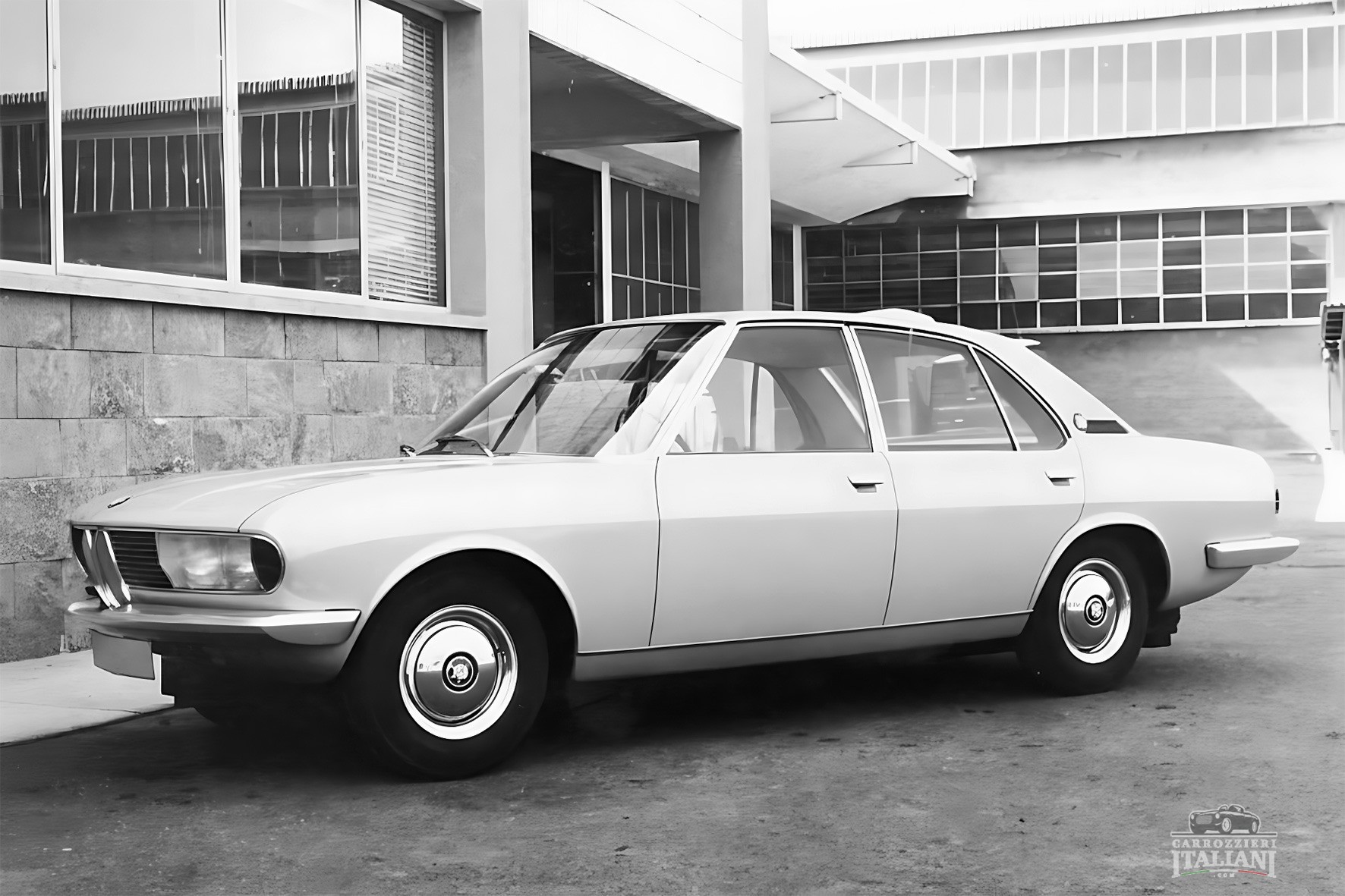
In 1966, Wilhelm Hofmeister, then head of bodywork at BMW, invited Bertone to take part in the styling competition for the forthcoming E3 “New Six” executive saloon. Bertone’s proposal featured clean surfaces, balanced proportions, and a restrained Italian interpretation of the luxury sedan formula. Although BMW ultimately selected an internal design, the Bertone concept was considered mature and convincing.
Rather than abandoning the project, Bertone later reused the same body architecture when approached by Simca, which was searching for alternatives for a new large sedan within the Chrysler Europe program. Under design director Bob Anders, the French manufacturer evaluated several proposals, including Bertone’s recycled BMW design, now presented as the Simca 929XB with only minor stylistic adjustments.
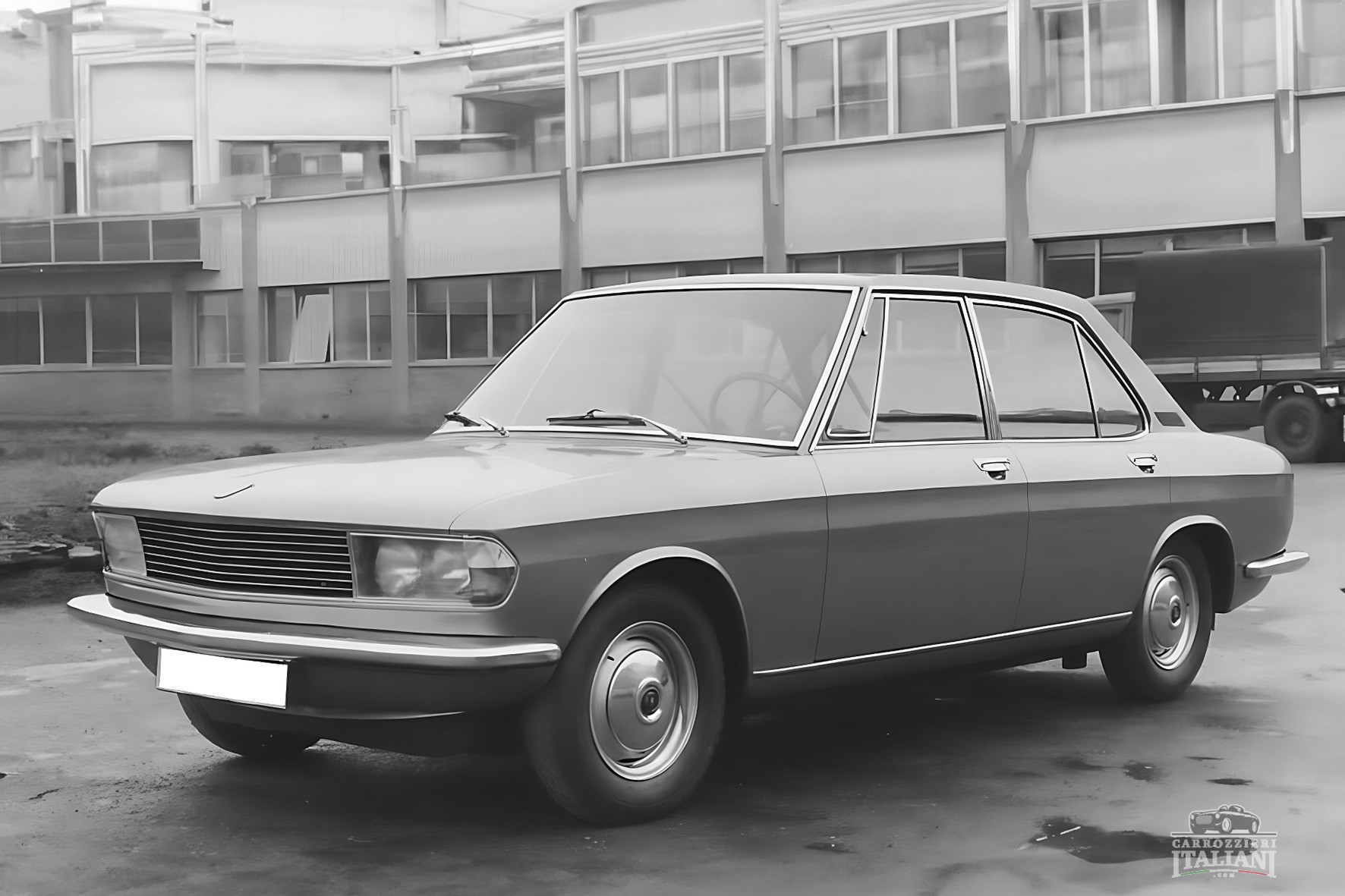
The two cars share the same fundamental proportions, glasshouse geometry, and surface treatment, differing mainly in details and brand identity rather than structure. Neither version entered production, but together they illustrate a recurring pattern in coachbuilding history: a strong design idea rarely disappeared—it simply waited for a second opportunity under a different badge.
Chrysler Shake and Matra Buggy: When Buggies Were a Thing
Around 1970, dune buggies were very much a thing. What had started as a Californian, DIY-driven phenomenon quickly became an international design trend, embraced by manufacturers and coachbuilders eager to capture a youthful, adventurous audience. Bertone was among those who took the idea seriously—elevating the buggy from beach toy to design statement.
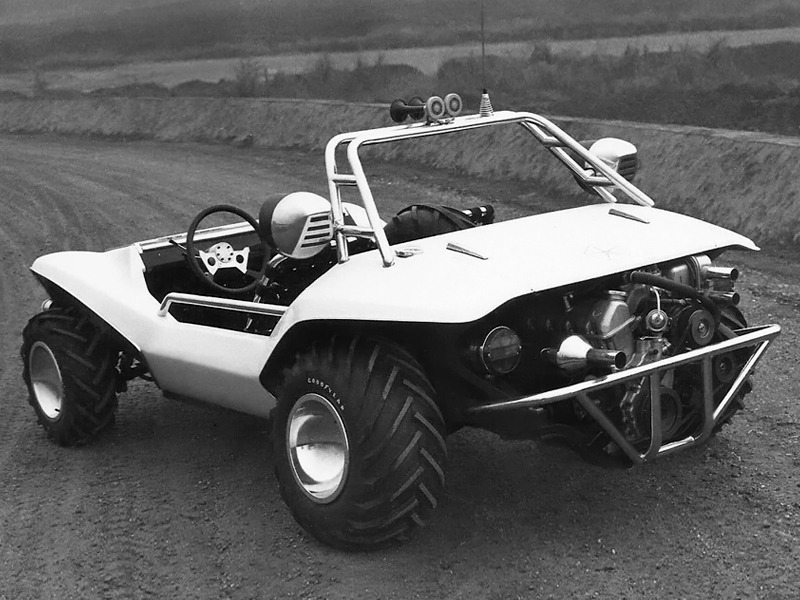
The Chrysler Shake, unveiled at the 1970 Paris Motor Show, was Bertone’s polished interpretation of the genre. Built on Simca 1200 S mechanicals, the Shake translated off-road freedom into a coherent, almost architectural form. Safety considerations, road legality, and finish quality played a central role, distancing it from the rough-and-ready dune buggies of the era. Design cues echoed Bertone’s earlier Runabout, with exposed wheels, a short wheelbase, and a taut, purposeful stance aimed squarely at a younger generation.
🔗 Read more: Marcello Gandini: The Man Who Designed the Future
Closely related in spirit—but slightly earlier in conception—was the Matra Buggy, a one-off penned by Marcello Gandini. It shared the same Simca-derived underpinnings and open-air philosophy. Where the Shake leaned toward refinement, the Matra Buggy felt more playful and experimental, with exaggerated proportions and a purer expression of off-road fun.
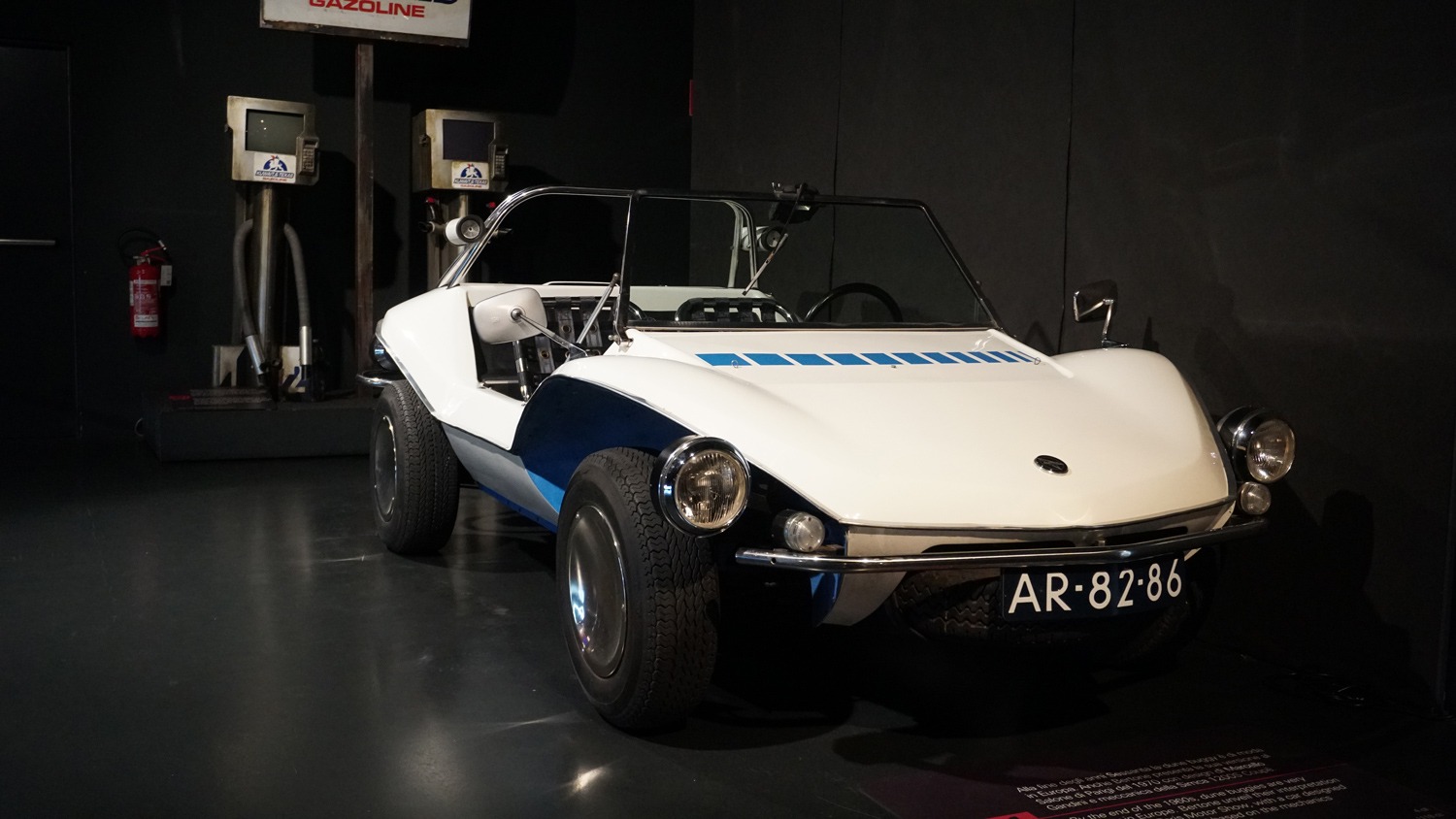
Seen together, the Chrysler Shake and Matra Buggy perfectly capture a short-lived but fascinating moment in automotive history—when freedom, leisure, and youth culture briefly reshaped design priorities. Bertone’s buggies didn’t lead to production models, but they remain vivid reminders of an era when even the most unconventional ideas were worth exploring.
Lancia Beta Spider & Bristol 412 Convertible: The Targa Twins
The Lancia Beta Spider and the Bristol 412 Convertible share a strikingly similar design philosophy, rooted in a very specific moment of the 1970s when safety regulations and open-air driving had to coexist. In both cases, Zagato adopted a Targa-style layout, centered around a fixed roll bar combined with removable roof sections, offering structural rigidity without sacrificing the open-top experience.
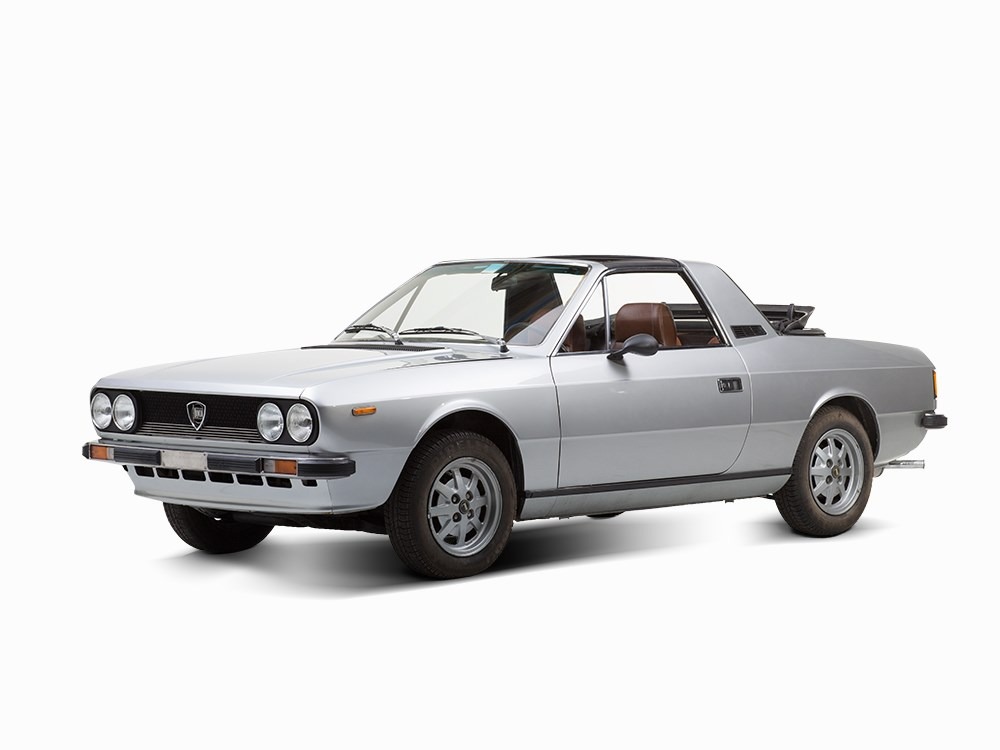
Although conceived for very different markets, the architectural solution is remarkably close. The Beta Spider originated from a Pininfarina study and was industrialized through a complex collaboration with Zagato, which transformed standard Beta Coupé bodies into semi-open cars. The result was a compact, agile “targa-spider” aimed primarily at European and US enthusiasts.
The Bristol 412 applied the same formula on a much grander scale. Designed by Zagato as well, it translated the Targa concept into a luxury GT format, pairing the roll-bar silhouette with imposing proportions and a powerful Chrysler V8. Visually and conceptually, the 412 can be seen as an upscale reinterpretation of the same structural idea pioneered on smaller, more accessible cars like the Beta Spider.
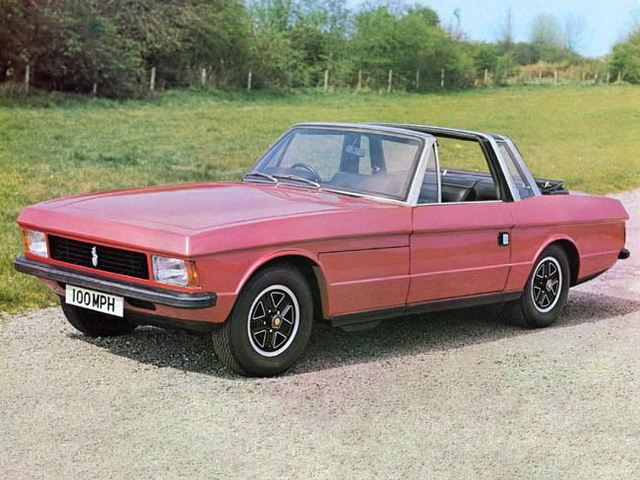
Despite their differences in size, performance, and positioning, both models demonstrate how Zagato reused and refined a single design solution, adapting it to radically different brands while maintaining a consistent stylistic identity.
Concours d’Elegance Icons: Bertone Cabriolets by Mario Revelli di Beaumont
Designed by Mario Revelli di Beaumont at Bertone, the Lancia Aprilia Cabriolet and the Fiat 1500 Cabriolet share a clear stylistic lineage that reflects late-1930s Italian coachbuilding at its most refined, where elegance and proportion were as important as engineering substance.
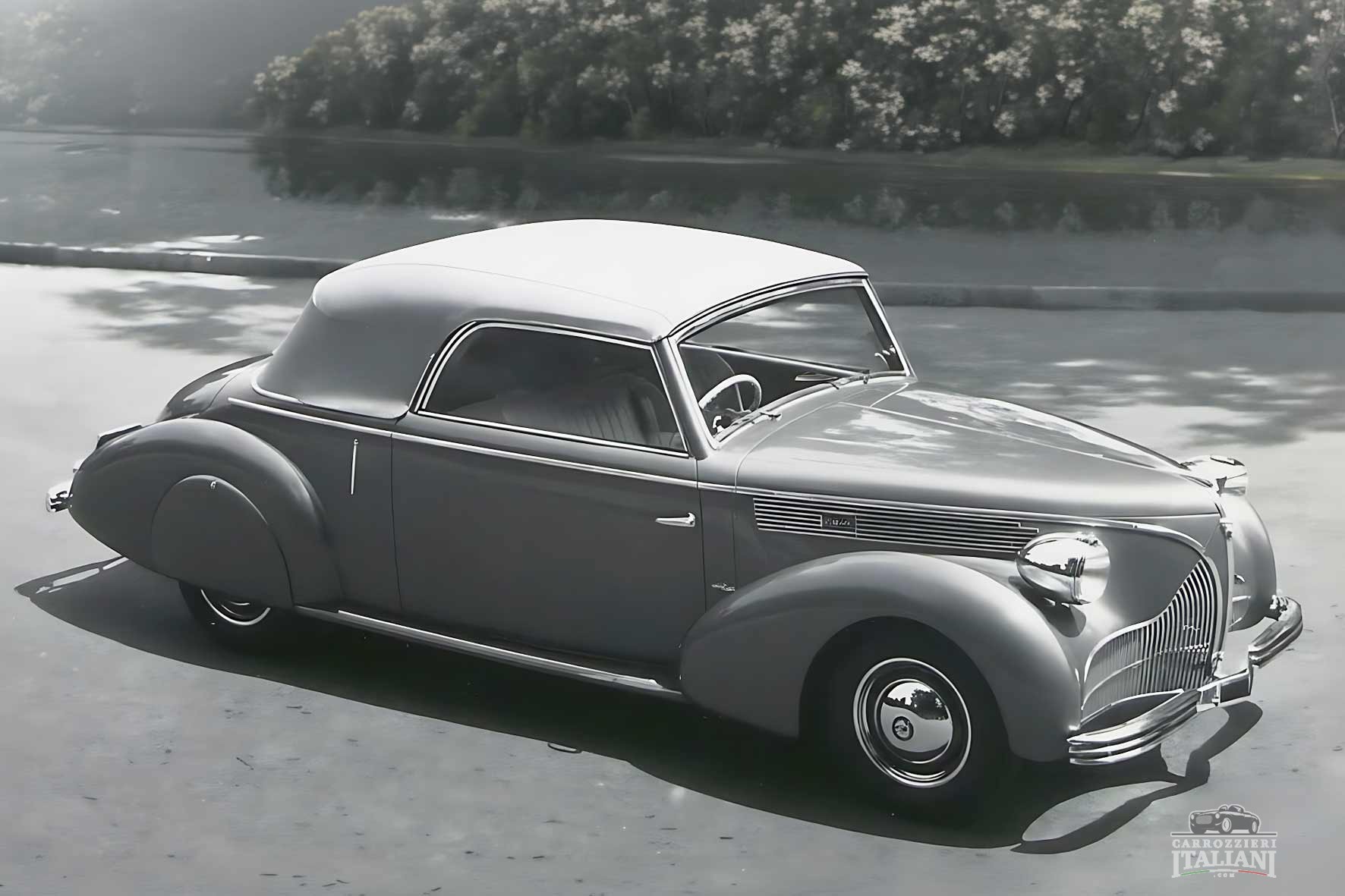
The Lancia Aprilia Cabriolet was a true one-off, created as a showpiece and unveiled at the Concorso d’Eleganza di Torino 1938. Compact, sculptural, and aerodynamically cohesive, it embodied Lancia’s progressive technical philosophy. Its narrow vertical grille, smoothly integrated headlamps, and tightly drawn volumes gave it a restrained yet sophisticated presence, perfectly aligned with the brand’s avant-garde engineering image.
The Fiat 1500 Cabriolet Bertone, presented one year later, marked its moment of glory at the Turin Concours d’Elegance in 1939, where it captivated judges and spectators alike. Owned by Giuseppe d’Ambrosio, the car stood out for its graceful lines, balanced proportions, and meticulous craftsmanship. Its success was sealed by two major awards: the Best in Show cup from La Stampa and the Royal Automobile Club Italiano cup for category winners. Compared to the Aprilia, the Fiat appears more expansive and formal, with a broader grille and richer chrome detailing, reflecting Fiat’s more luxurious and widely appealing positioning.
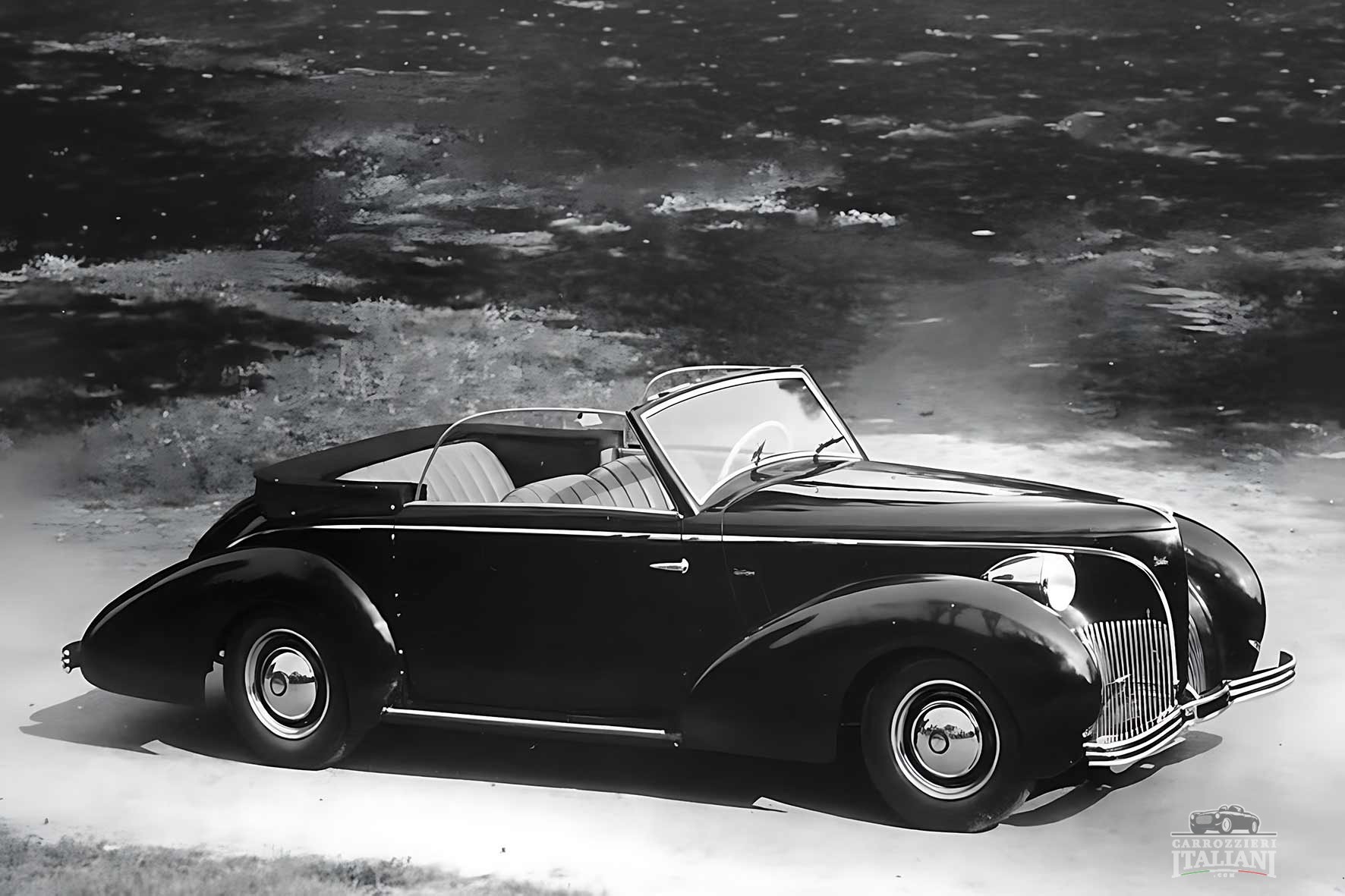
Together, these two cabriolets show how Bertone and Revelli di Beaumont adapted a shared design language to different mechanical and brand identities—one an experimental one-off for Lancia, the other an award-winning masterpiece that cemented Bertone’s reputation on the international concours stage.
Continuity, Economy, and the Value of Form
Seen in this broader light, continuity in Italian coachbuilding was not only an aesthetic choice, but also a pragmatic one. Reusing a successful body allowed designers and carrozzerie to optimize costs, shorten development time, and maximize the return on a proven form. A well-resolved design became an asset—something that could be sold, adapted, and repositioned rather than discarded.
In several cases, the body itself functioned almost as a product, while the chassis became the variable. Moving from a Fiat to a Lancia platform, for instance, often meant upgrading the same form to a higher-end context, allowing the coachbuilder to address different market segments with minimal structural change. What shifted was not the identity of the car, but its status, performance, and perceived value.
This dual logic—continuity as authorship and continuity as optimization—helps explain why repetition was so common, and so effective. Italian coachbuilders understood that design could be both expressive and economical, both signature and strategy. In that balance between creativity and pragmatism lies much of the enduring strength of Italy’s automotive culture, where form was not only an idea to admire, but a resource to deploy.

ABOUT THE AUTHOR
Andreas Scheidl
Italian classic car enthusiast with German roots. Renowned as a respected figure in the classic car community, he serves as a jury member at various international concours d'elegance, including the Classic Gala Schwetzingen and Mantova. As a content creator, Andreas passionately shares his profound knowledge and appreciation for vintage automobiles. His heart beats for cars designed by Giovanni Michelotti, showcasing his discerning taste and dedication to preserving the timeless elegance of automotive history.
More stories by Andreas Scheidl ↗CONTINUE READING
Posts You Might Like
Fiat Panda Cabrio: The Italian Coachbuilders Who Opened Giugiaro’s Box
From Moretti’s Panda Rock to Italdesign’s experimental Strip, Maggiora’s four-wheel-drive convertible and Stola’s remarkable Destriero, the history of the open-top Panda reveals an unexpected chapter in Italian coachbuilding. When Giorgetto Giugiaro designed…
Read story
Gabriele d’Annunzio and the Cult of the Automobile
There was a time when the automobile had not yet become part of the landscape. It announced itself from afar through the beating of an engine, the smell of petrol and hot…
Read story
Fiat 1400: The Last Great Playground of the Carrozzieri
From Touring and Abarth to Farina, Ghia, Vignale, Boneschi, Bertone, Viotti and the smaller carrozzerie, the new Fiat quickly became one of the richest bases for Italian special bodies in the early…
Read story
How a Swiss Dealer Challenged Ferrari: The Story of Monteverdi
How Peter Monteverdi went from Swiss Ferrari dealer to creator of rare Frua and Fissore-bodied GTs, the Hai supercar and luxury off-roaders.
Read story
THE CONVERSATION
Comments 0
Share a memory, a period photograph or a documented detail about this story.