
Neither Coupé nor Spider: Italy and the Targa Roof
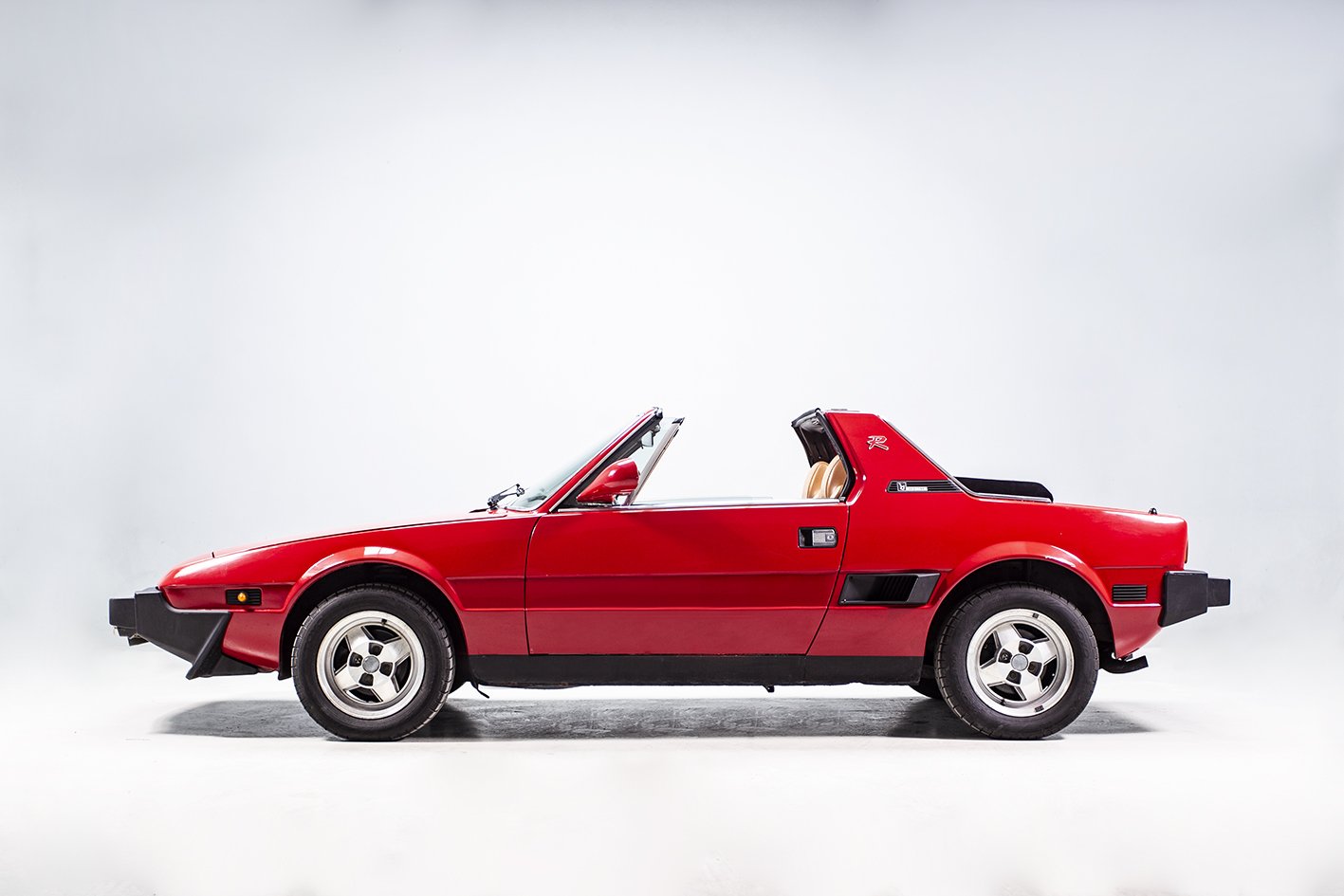
Open cars were nothing new in the 1950s. Spiders, cabriolets, and roadsters had been part of motoring culture since the earliest days of the automobile, and in post-war Europe they were more popular than ever. From Alfa Romeo to Fiat, open versions were often the most desirable models in a range—lighter, sportier, and closely associated with racing and leisure alike. Removing the roof was not a technical challenge; it was tradition.
What was becoming a challenge, however, was reconciling open-air driving with changing expectations. Cars were getting faster, bodies stiffer, and customers more sensitive to comfort, weather protection, and structural integrity. Full convertibles flexed, rattled, and required increasingly complex reinforcements. Coachbuilders began to look for alternatives—ways to preserve the pleasure of openness without the compromises of a fully disappearing roof.
It was in this context that Giovanni Michelotti proposed something different. At the 1957 Turin Motor Show, Carrozzeria Vignale unveiled the Fiat 1200 “Wonderful,” a sleek coupé that concealed an unexpected solution: a removable roof panel set between a fixed windshield frame and a solid rear structure. The car did not abandon the idea of a closed body; instead, it selectively interrupted it.
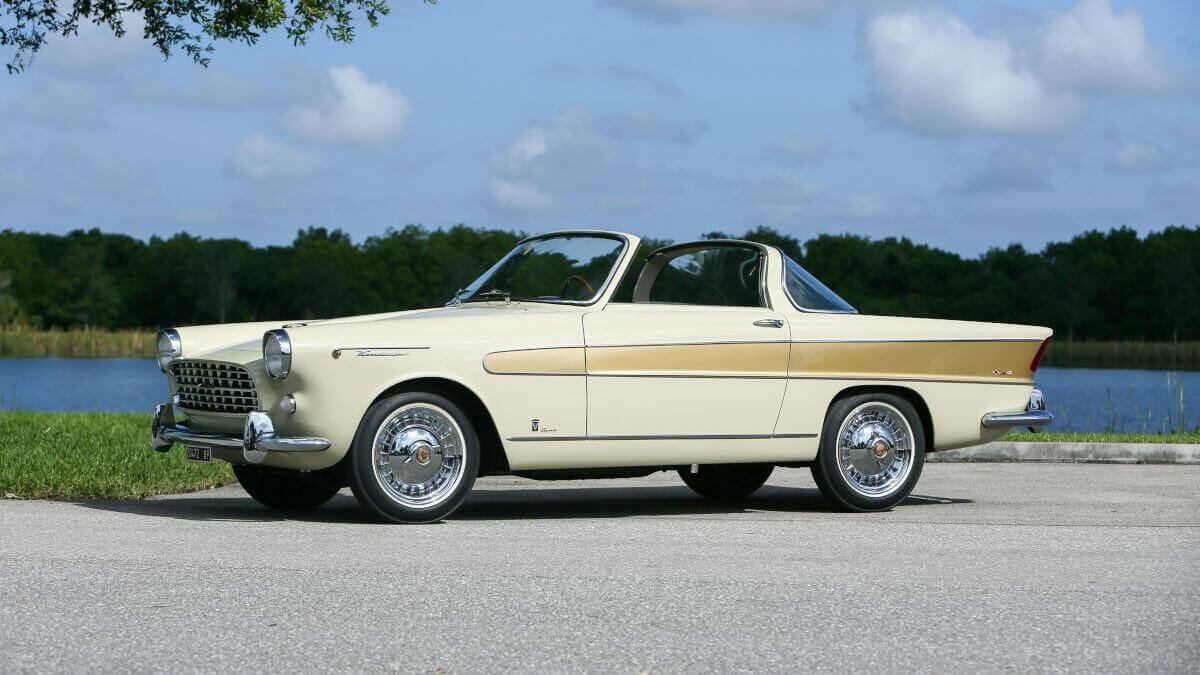
Michelotti’s experiment was not about inventing open-air driving—it was about controlling it. By keeping the roof structure partially intact, the Wonderful maintained rigidity, clean proportions, and everyday usability, while still offering a direct connection to the outside world. The solution anticipated concerns that would become central in later decades: safety, torsional stiffness, and the desire for versatility in a single vehicle.
🔗 Read more: Giovanni Michelotti: Automotive Maestro
Although the term targa did not yet exist, the principle was already there. The Wonderful demonstrated that openness could be modular rather than absolute, and that a car did not have to choose between being a coupé or a spider. It could be both, depending on mood and moment.
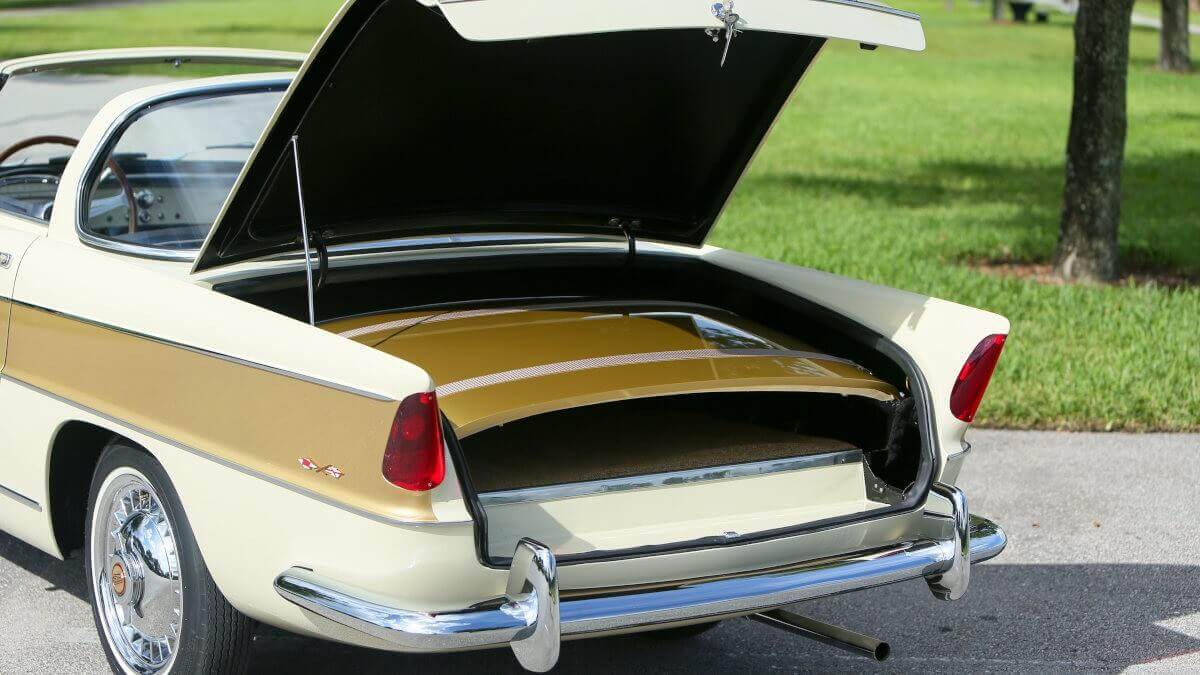
This approach would quietly influence a generation of designers. Long before it became codified or branded, the removable roof panel emerged in Italy as a thoughtful response to evolving automotive realities—an engineer’s answer wrapped in a stylist’s intuition.
From Targa Florio to the Targa Roof
The name Targa feels inseparable from Porsche, but its roots are distinctly Italian. When Porsche unveiled the open version of the Porsche 911 in 1966, it borrowed the name from Sicily’s legendary Targa Florio, wrapping its removable-roof concept in motorsport mythology. The word itself simply means “plate,” yet Porsche turned it into a new automotive category.
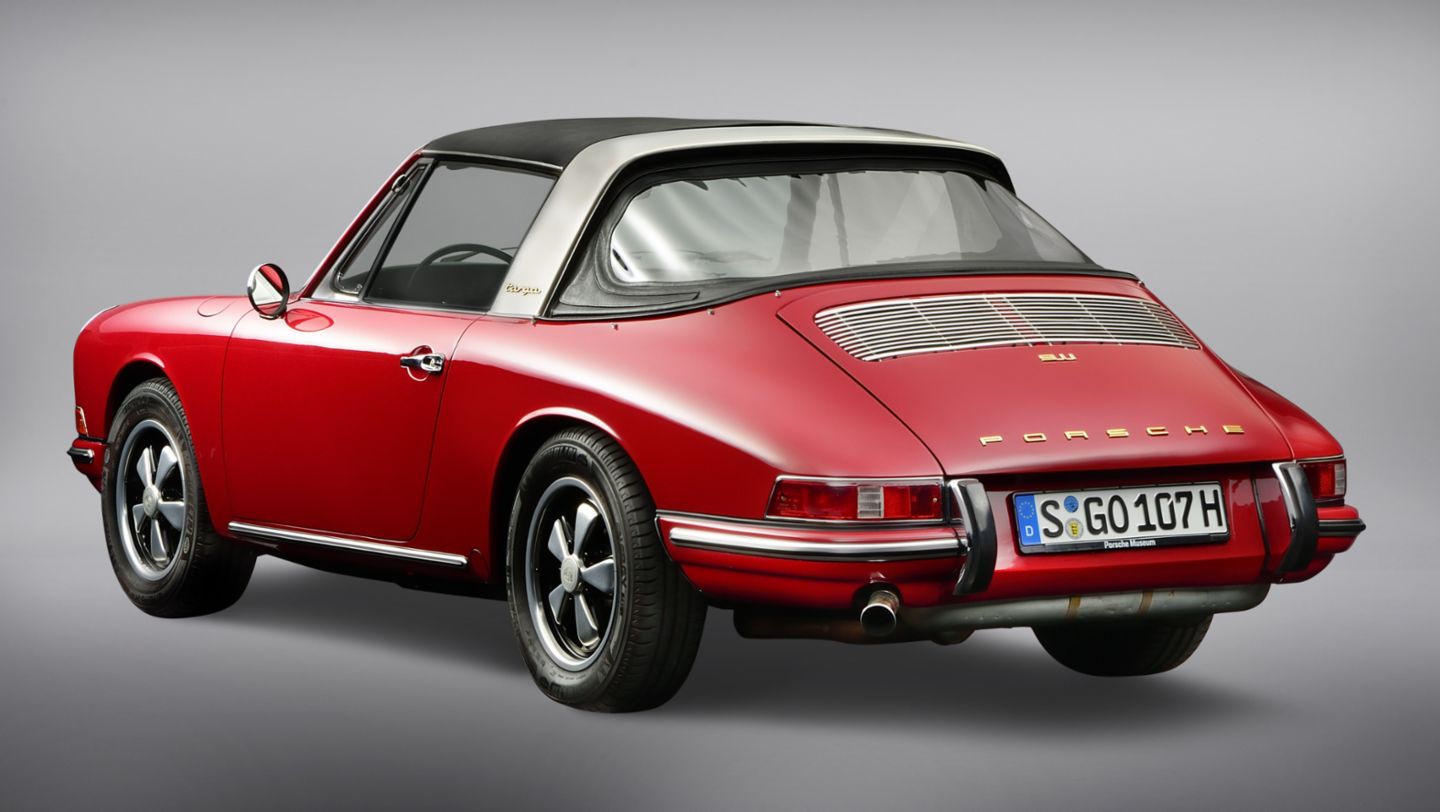
The idea, however, was already in the air. Italian designers had been questioning the coupé–convertible divide since the 1950s. As early as 1957, the Fiat 1200 Wonderful by Carrozzeria Vignale featured a removable roof panel paired with a fixed structure—open-air freedom without abandoning rigidity. It wasn’t named or formalized, but the concept was clear.
Through the 1960s, Italian carrozzieri such as Moretti, Zagato, and Bertone explored similar solutions under various names: removable hardtops, surrey roofs, hybrid convertibles. Porsche’s real contribution was not invention, but definition—giving a name, a form, and a future to an idea Italy had already been quietly testing.
Michelotti and the Shape of the Modern Targa
Giovanni Michelotti remained one of the key figures pushing the removable-roof idea toward maturity. In 1961 he penned the Triumph TR4, a British car in passport but Italian in thinking. Its optional Surrey Top—a removable steel roof panel combined with a fixed roll hoop—was, in effect, a targa roof before the term became fashionable. Period road tests highlighted the innovation: open-air driving with improved rigidity and rollover protection, without the compromises of a full cabriolet.
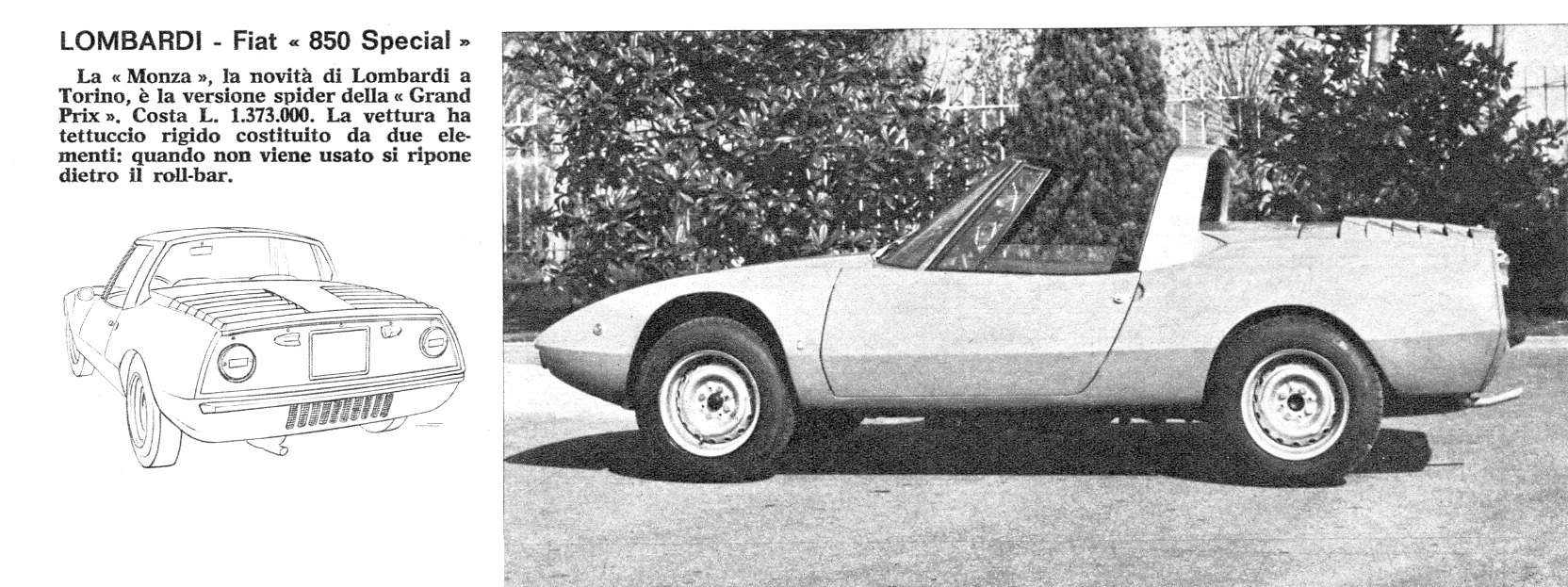
By the late 1960s, the idea was spreading across Italy’s smaller ateliers. Between 1964 and 1969, Francis Lombardi developed the Fiat 850 Monza, a compact Fiat-based sports car unveiled at the 1969 Turin Motor Show. The Monza featured a prominent rollover bar behind the seats and a removable roof panel that stowed neatly behind it—an elegant, space-efficient solution. Its layout was later cited as an influence on Lamborghini thinking, illustrating once again how small Italian projects often anticipated ideas adopted by far larger manufacturers.
🔗 Read more: The History of Carrozzeria Francis Lombardi
Michelotti himself continued refining the theme beyond Italy. The ADO 70 Calypso of 1970, however, was not his own design but a project created by Paul Hughes and built by his company for British Leyland. Conceived as a mid-engined sports-car concept, it featured a removable roof panel and a structural B-pillar that doubled as a roll bar. Contemporary observers compared it to the Porsche 914, and it clearly foreshadowed the Fiat Fiat X1/9 that would follow a few years later. Though the ADO 70 never reached production, it demonstrated how the targa concept had become a default solution for balancing safety, stiffness, and open-air appeal.
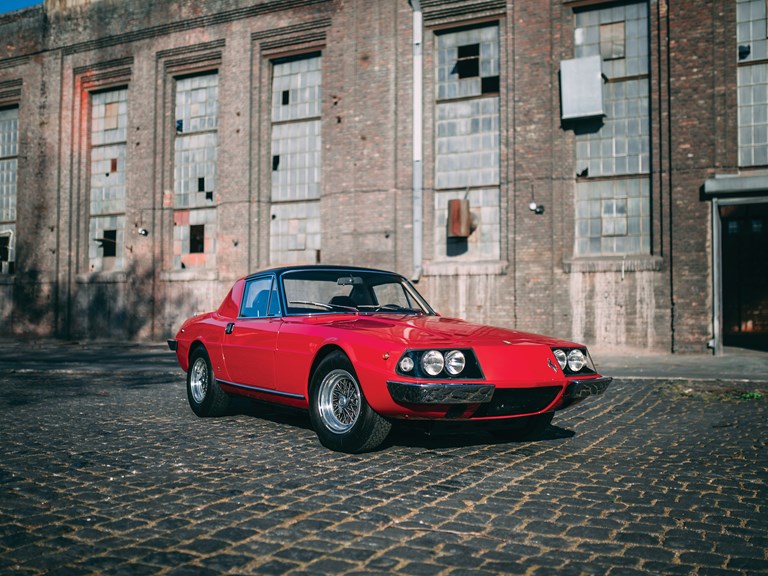
At the same time, Italy’s most expressive coachbuilders were experimenting at the upper end of the market. In 1966, Zagato created a one-off open version of the Ferrari 330 GTC, known as the 330 Convertibile Zagato. It retained fixed rear pillars with a removable roof section over the cabin—again, a targa in all but name. Its existence proved that even Ferrari could be coaxed into exploring hybrid open-roof solutions.
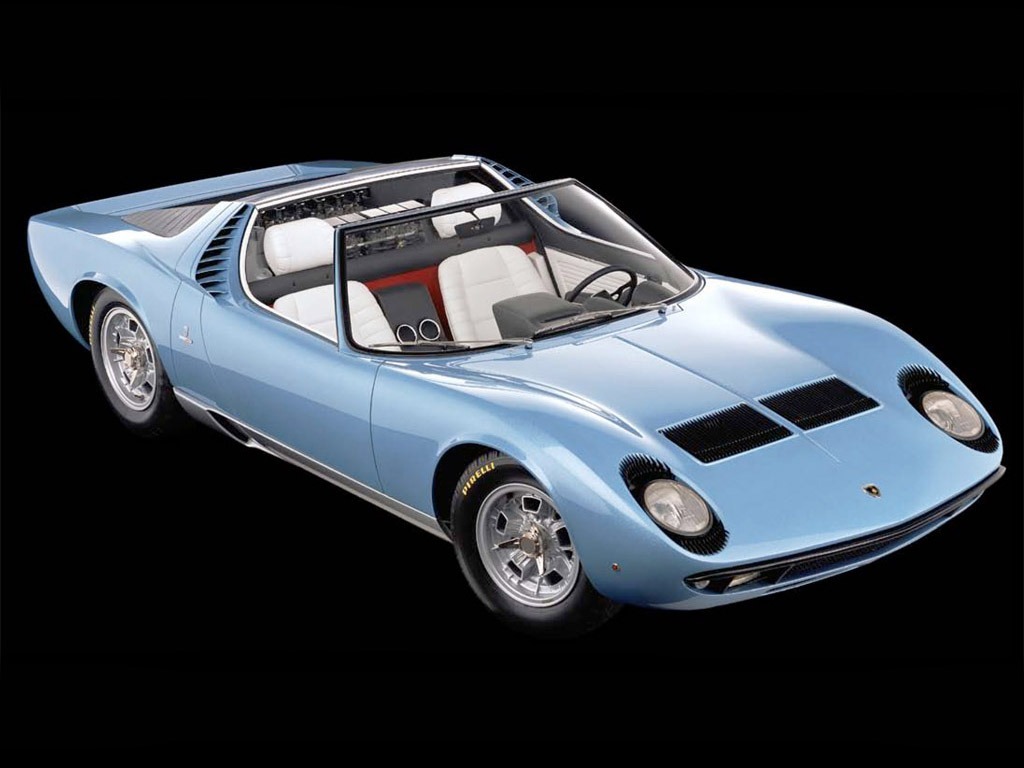
A few years later, Bertone pushed the idea into the supercar realm with the Lamborghini Miura Roadster, unveiled at the 1968 Brussels Motor Show. Though a pure one-off, the open Miura captured the same impulse: rethinking how performance cars could deliver exposure, drama, and structural integrity at once.
Taken together, these projects show that the targa roof was not a single invention, but a gradual evolution—shaped largely by Italian designers who treated the roof not as a fixed boundary, but as an opportunity for experimentation.
The 1970s gave the targa roof both momentum and purpose. Looming safety regulations—especially in the United States—cast real doubt over the future of traditional convertibles. Rather than abandon open-air motoring, European designers doubled down on alternatives that promised freedom without fragility. The answer, increasingly, was the targa.
Regulation, Reinvention, and the Targa Goes Mainstream
The 1970s gave the targa roof both momentum and purpose. Looming safety regulations—especially in the United States—cast real doubt over the future of traditional convertibles. Rather than abandon open-air motoring, European designers doubled down on alternatives that promised freedom without fragility. The answer, increasingly, was the targa.
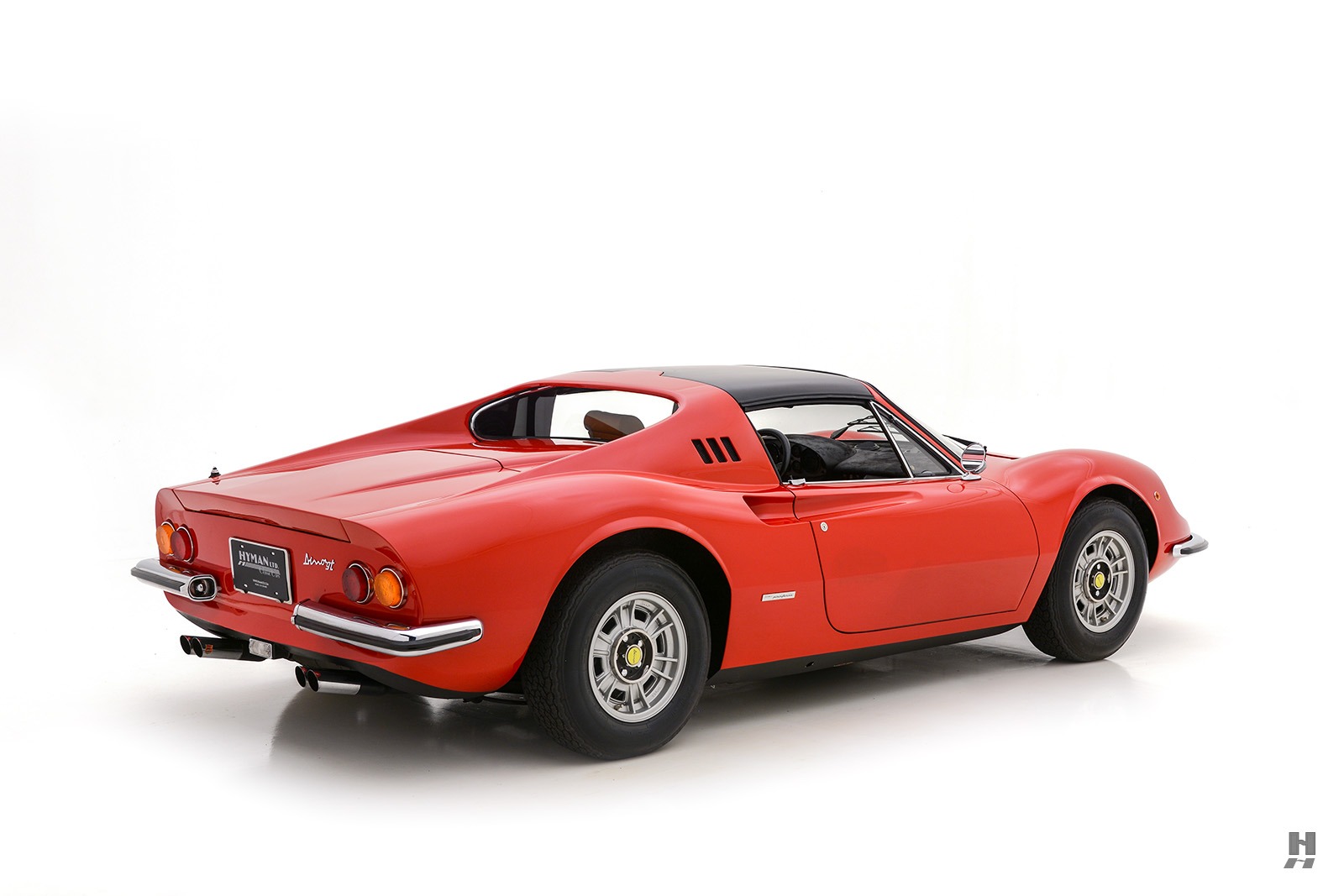
Ferrari was quick to adapt. Alongside the closed Dino 246 GT, it introduced the Dino 246 GTS. Official documents describe the GTS as a “2-door targa top,” confirming that despite the Spider name, its layout followed the removable-roof formula rather than the cabriolet tradition. The fixed structure remained; only the central panel disappeared.
Alfa Romeo explored similar ground through Pininfarina. The Alfetta Spider prototype of 1972 rejected a soft top entirely, instead featuring a removable hard roof and a fixed roll bar. Pininfarina explicitly framed it as a safer, more modern solution—clearly aligned with Porsche’s thinking—though Alfa would postpone a production open Alfetta until the following decade.
If Ferrari and Alfa tested the waters, Bertone canonized the idea. The Fiat X1/9 (1972) turned the targa into a mass-market reality. With its integrated roll hoop and lift-out roof panel that stowed neatly in the front compartment, the X1/9 proved the concept could be practical, affordable, and structurally sound. It became one of the clearest demonstrations that the targa was not a compromise, but a solution.
Bertone carried the theme upmarket with the Lamborghini Silhouette, unveiled at Geneva in 1976. Essentially an open Urraco, the Silhouette marked Lamborghini’s first embrace of the targa layout: roof panel removed, wide fixed hoop left behind, drama intact.
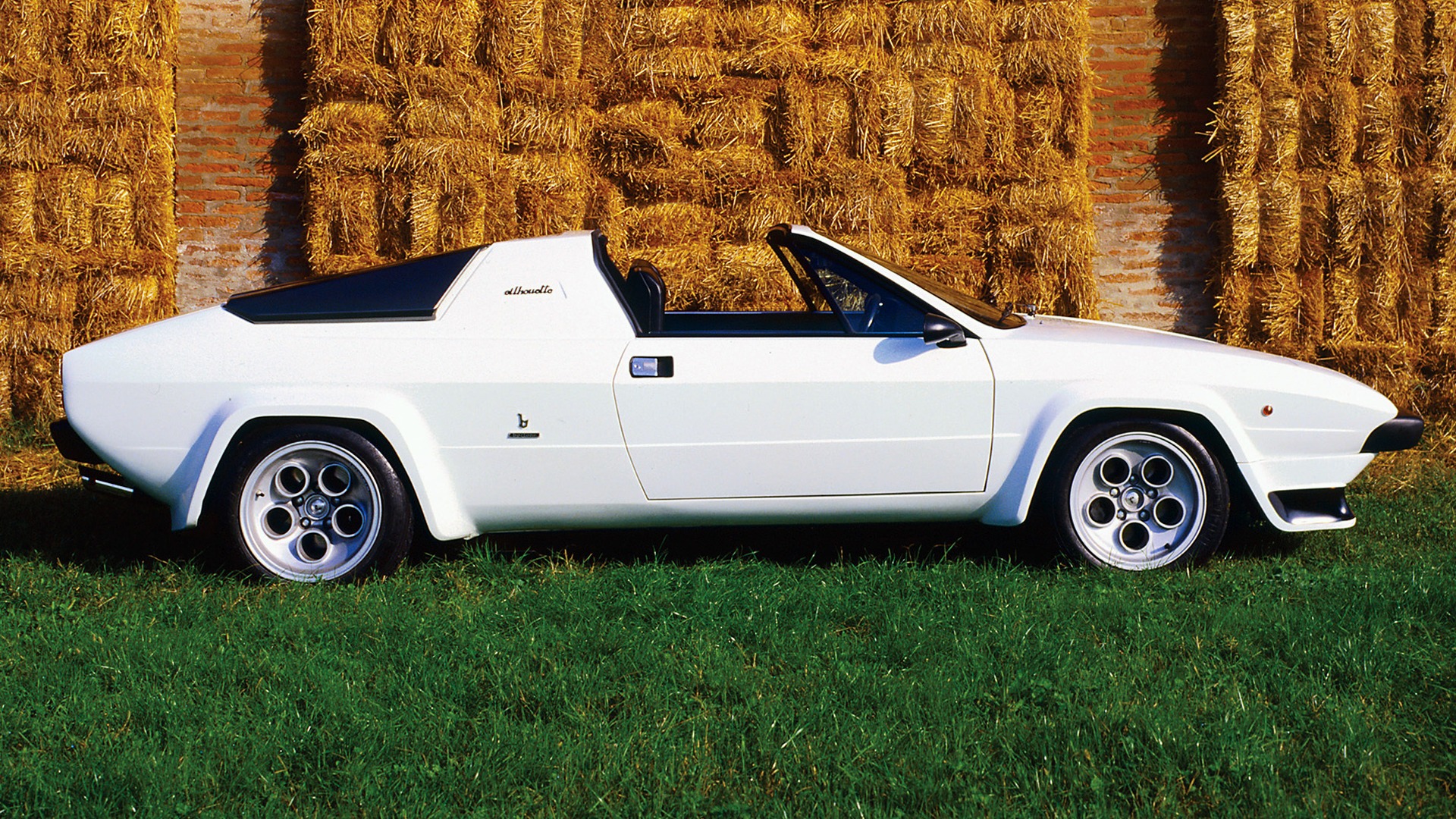
Ferrari followed suit in definitive fashion with the Ferrari 308 GTS in 1977. Its black removable roof panel transformed the 308 into an open car without ever becoming a convertible—and buyers loved it. Lancia echoed the formula with the Lancia Beta Spider (1978), officially catalogued as a “2-door targa,” complete with its own lift-out roof section.
By the end of the decade, the removable roof panel was no longer an experiment or a workaround. It had become a standard architectural solution—one that allowed Italian designers to preserve performance, safety, and style while keeping the sky within reach.
High Tech, High Speed: The Targa in the Supercar Age
By the 1980s and 1990s, the targa roof was no longer a workaround—it was a statement, even at the very top of the performance pyramid. Supercars, burdened with ever-stricter safety rules and rising power, still found room for removable roofs.
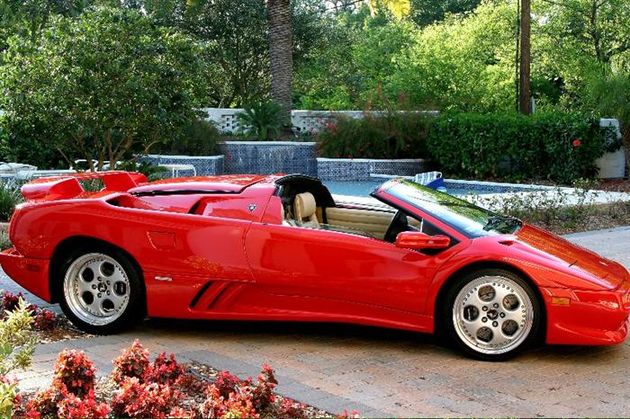
Lamborghini returned decisively to the theme. After the Lamborghini Silhouette and Lamborghini Jalpa, the idea reached its most extreme expression with the Lamborghini Diablo VT Roadster. Introduced in 1996, it featured a manually removable carbon-fiber roof panel that sat above the engine bay—an engineering headache on a car never designed to be open. Extra structural reinforcement was required, but the result proved that even a 325 km/h supercar could still embrace the targa formula.
Ferrari, meanwhile, treated the targa as continuity rather than novelty. The Ferrari 328 GTS (1985) carried forward the black removable roof panel of the 308, before handing the baton to the Ferrari 348 GTS in 1989. Official Ferrari data describes the 348 TS explicitly as a “2-door targa top,” confirming that the concept was fully institutionalized within Maranello. Designed under the direction of Leonardo Fioravanti, it showed that the cut-out roof panel had become part of Ferrari’s design DNA.
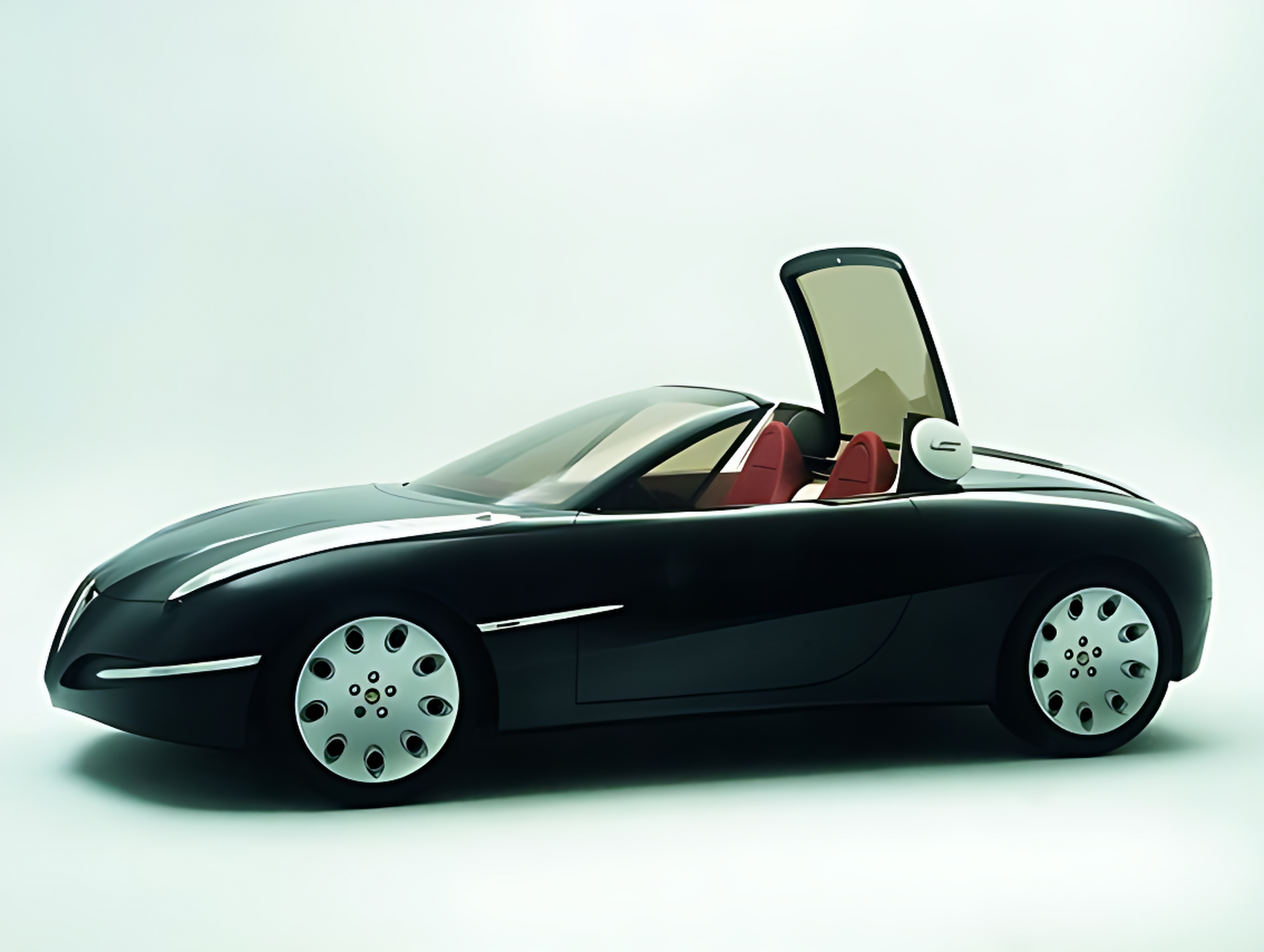
Concept cars pushed the idea further still. Fioravanti’s Alfa Romeo Vola introduced a rotating glass roof that pivoted 180 degrees—a radical reinterpretation of the removable panel. That same principle resurfaced in production with the Ferrari Superamerica, whose patented “Revocromico” roof traced a clear lineage back to the Vola.
🔗 Read more: The Lamborghini Calà: a Digital Icon
At Italdesign, the theme remained just as alive. Giorgetto Giugiaro’s Lamborghini Calà was conceived as a Jalpa replacement and listed unambiguously as a “2-door targa top.” Though it never reached production, its specification alone shows how deeply ingrained the targa format had become in Italian design thinking.
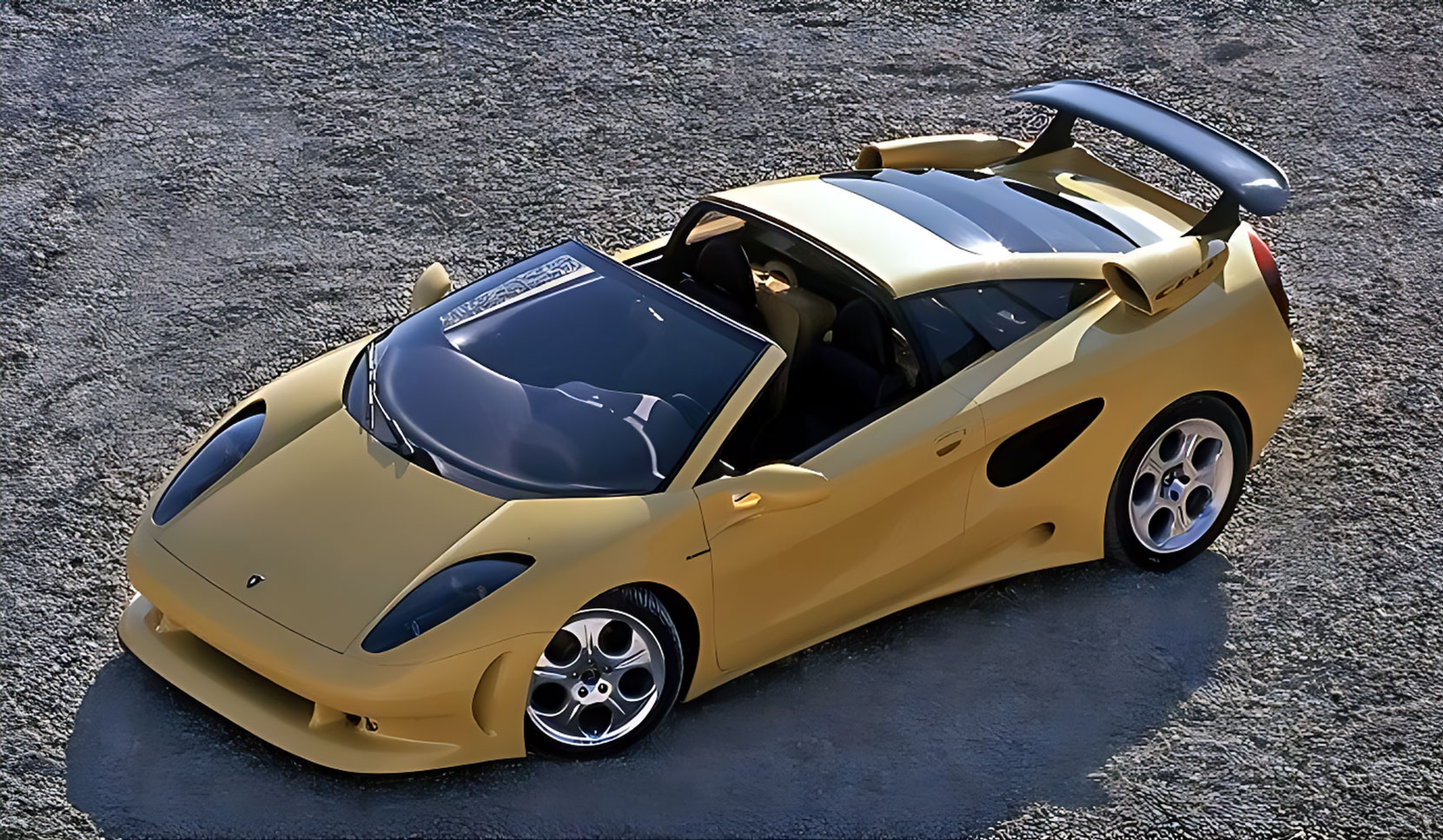
By the end of the 20th century, the targa was no longer experimental, defensive, or transitional. It had evolved—technically and symbolically—into a mature architectural choice, equally at home on mass-market sports cars, supercars, and avant-garde concepts.
Ferrari, Coachbuilders, and the Targa as a Signature
Ferrari carried the targa idea confidently into the modern era. In 1995, the Ferrari F50 arrived with a removable carbon-fiber roof panel—technically a targa—allowing Enzo-era performance with genuine open-air driving. That same year, Ferrari’s last Pininfarina-designed V8 berlinetta, the Ferrari F355 GTS, introduced a removable hard roof that lifted out behind the seats while leaving the roll hoop intact. Together with the earlier Ferrari 348 GTS, these cars confirmed that, decades after Michelotti’s early experiments, Ferrari still trusted the targa solution.
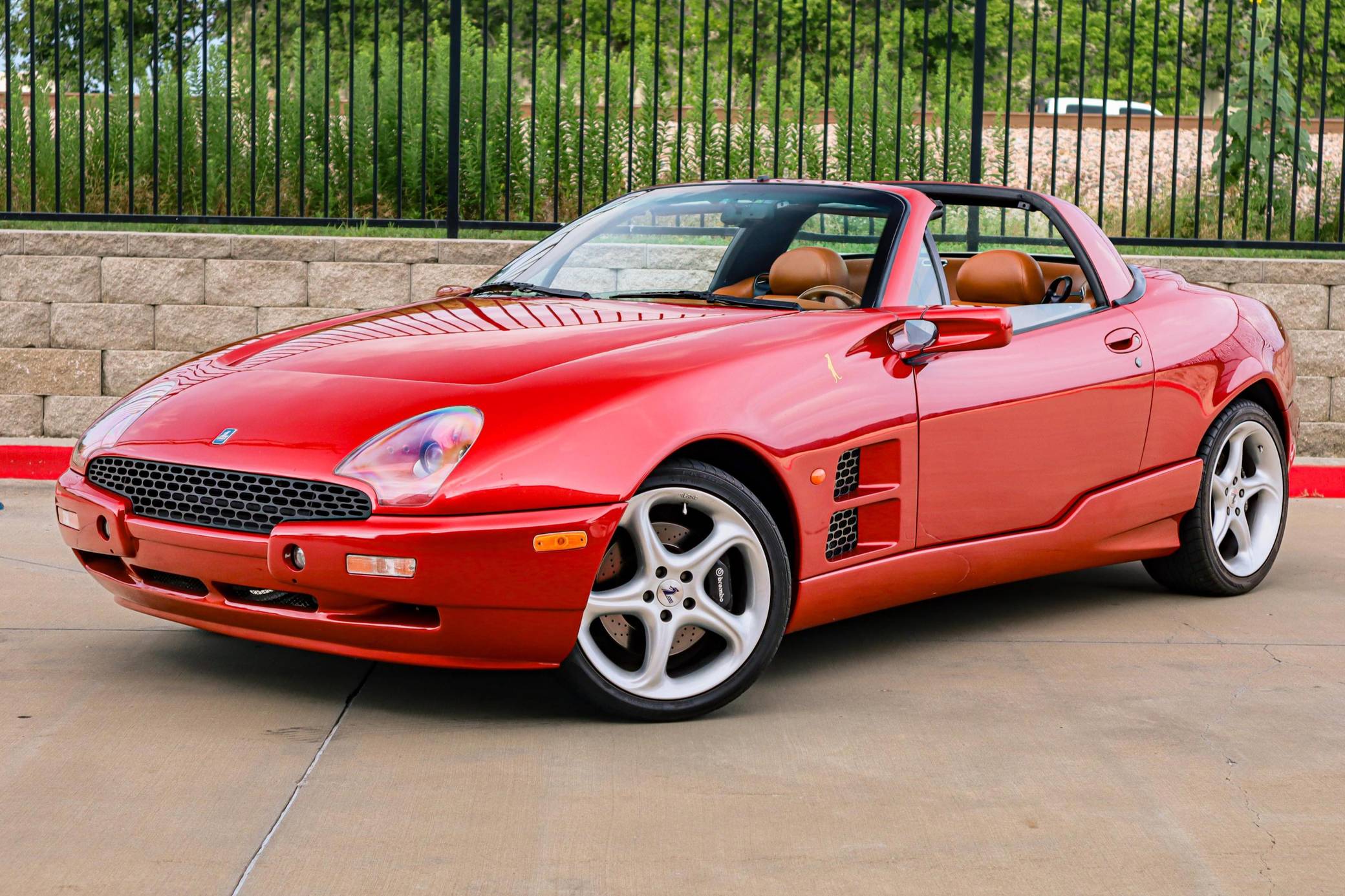
By the late 1990s, the format had become almost a badge of honor. The Qvale Mangusta, styled by Marcello Gandini and derived from a De Tomaso proposal, featured an inventive multi-position folding roof combined with a fixed roll bar—an unmistakable continuation of Gandini’s long dialogue with open-top forms.
🔗 Read more: Marcello Gandini: The Man Who Designed the Future
Even Ferrari’s extreme Maserati MC12 blurred categories: described by some sources as a “coupé-spider,” it employed a removable roof panel despite its racing focus.
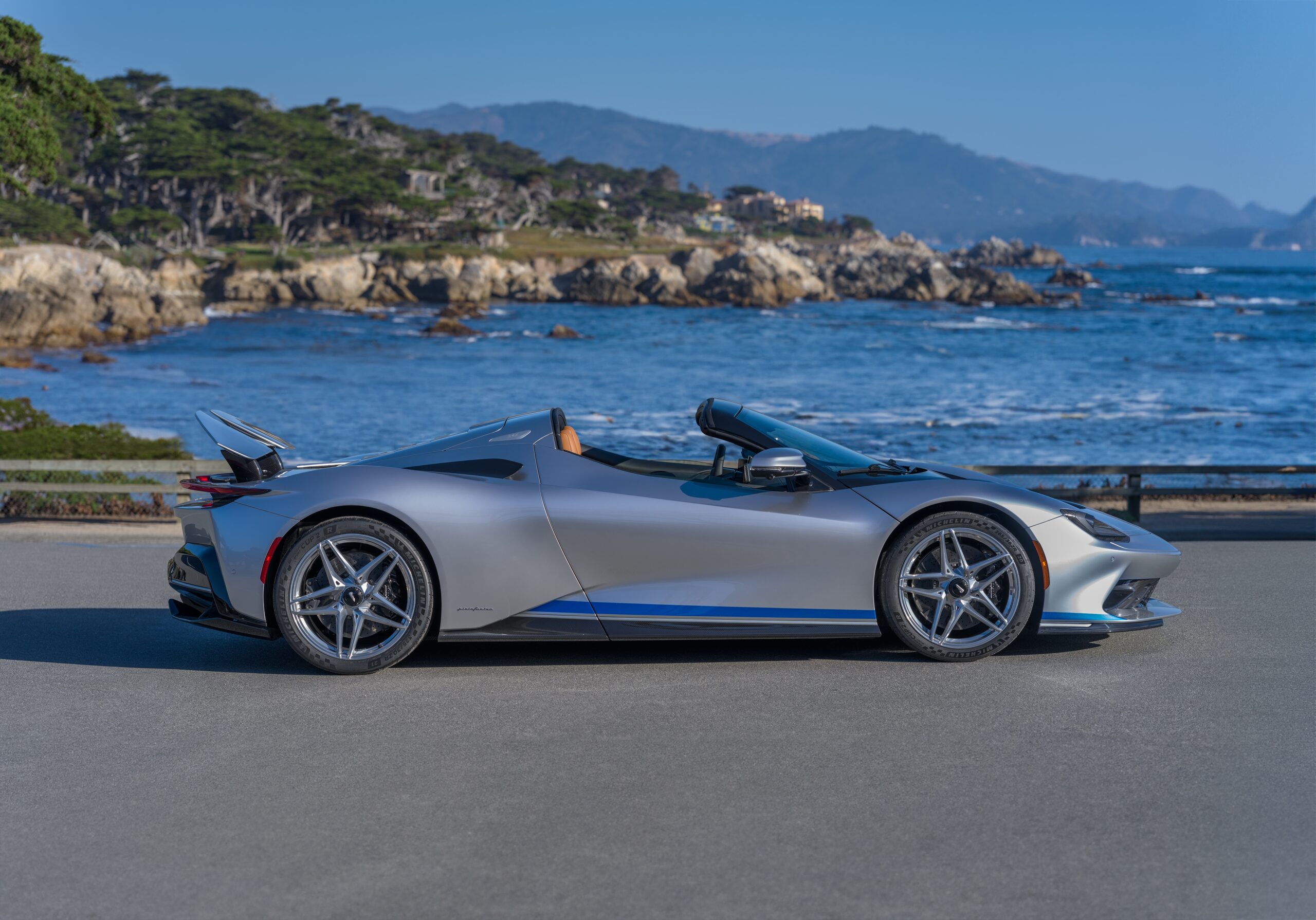
In the 21st century, technology reshaped the idea without abandoning it. The Ferrari Superamerica transformed the targa concept through electronics, while in 2024 Pininfarina made the philosophy explicit with the Pininfarina Battista Targamerica—a bespoke open-top hypercar whose very name celebrated the tradition. Looking ahead, the Bertone Runabout is set to revive the 1969 Gandini concept with a removable hard top, proving that the targa remains not a relic, but a living Italian design language—even in the electric age.
Neither Coupé nor Cabriolet
From the Fiat 1200 Wonderful to the Battista Targamerica, these cars represent only a handful of examples within a much broader Italian tradition. Across decades, Italian coachbuilders treated the removable-roof solution not as an exception, but as a natural alternative alongside the coupé and the spider. Michelotti, Vignale, Bertone, Zagato, Pininfarina, Moretti, Italdesign, and others returned to the idea repeatedly, each time reshaping it to suit new technologies, regulations, and ambitions.
What emerges is a clear pattern: the targa was never a compromise or a stopgap. It became a body style in its own right—defined by balance rather than excess, by structure as much as freedom. Neither fully closed nor fully open, it offered designers a unique architectural problem and drivers a distinct experience, different from both the coupé and the cabriolet.
Like the coupé and the spider, the targa has proven remarkably adaptable. It survived changing safety laws, shifting tastes, supercar excess, and even the transition to electrification. As long as Italian designers continue to see the automobile as something to be shaped—cut, opened, re-imagined—the targa will remain part of that vocabulary. Not as nostalgia, but as a living form, still open to the road ahead.

ABOUT THE AUTHOR
Andreas Scheidl
Italian classic car enthusiast with German roots. Renowned as a respected figure in the classic car community, he serves as a jury member at various international concours d'elegance, including the Classic Gala Schwetzingen and Mantova. As a content creator, Andreas passionately shares his profound knowledge and appreciation for vintage automobiles. His heart beats for cars designed by Giovanni Michelotti, showcasing his discerning taste and dedication to preserving the timeless elegance of automotive history.
More stories by Andreas Scheidl ↗CONTINUE READING
Posts You Might Like
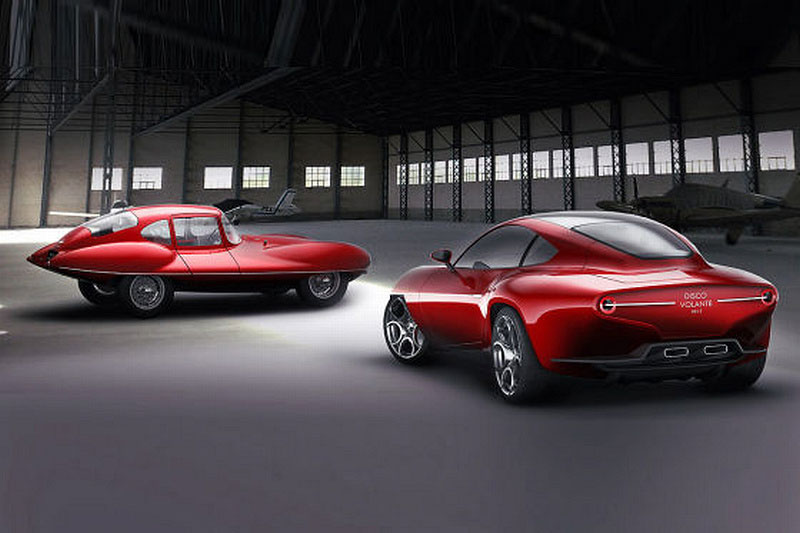
Reinterpreting the Past: When Coachbuilders revisited it’s Icons
When iconic coachbuilt cars are rebade through time, intent matters more than nostalgia. From experimental originals to modern reinterpretations, this article examines how legends are reimagined—and why some ideas refuse to stay…
Read story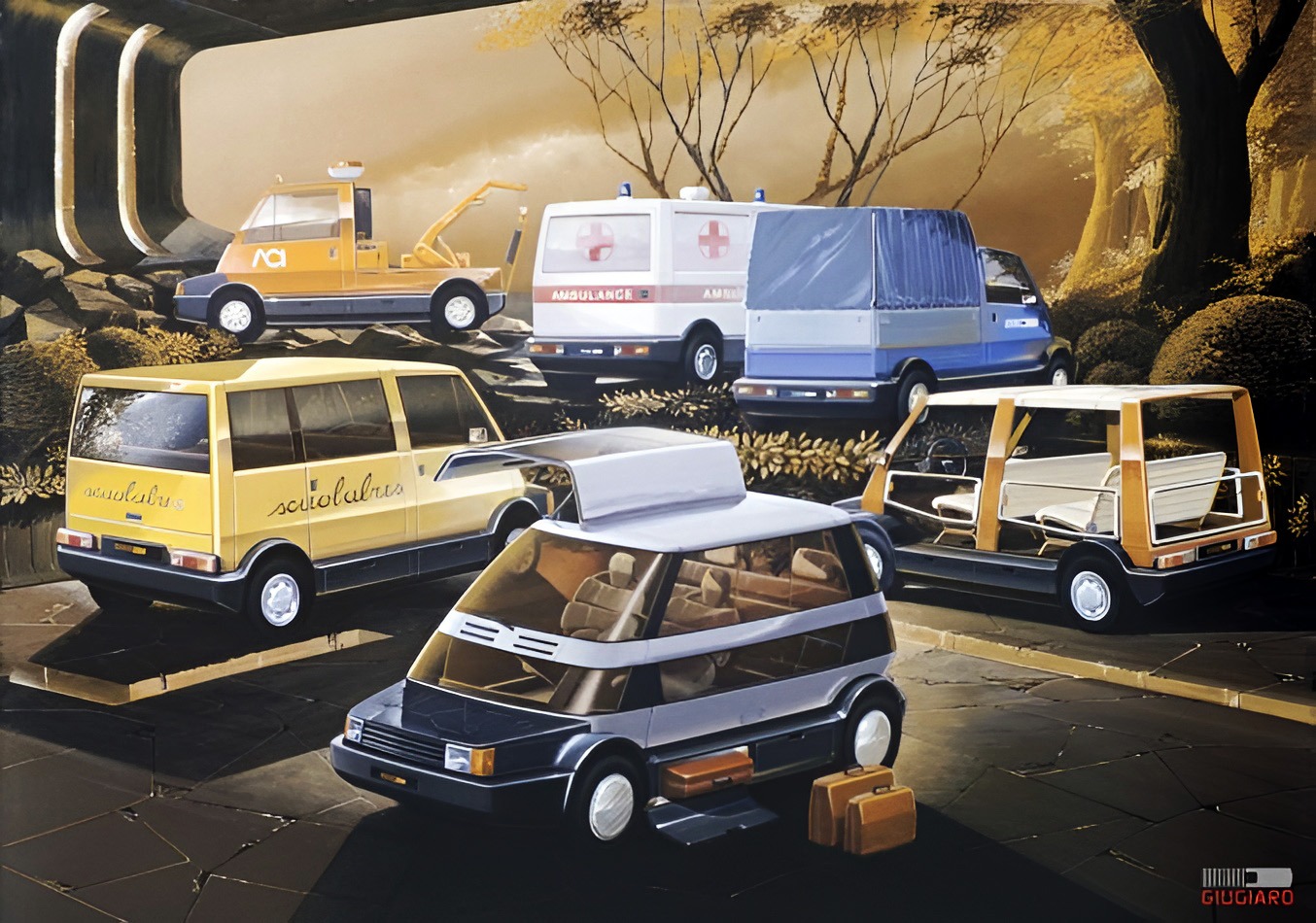
Italian Vision of the MPV: The Monovolume Concept
Long before MPVs filled suburban driveways, Italian designers were shaping the monovolume with prototypes that ranged from pragmatic to outright outrageous. Their work rewrote how space, style, and function could fit under…
Read story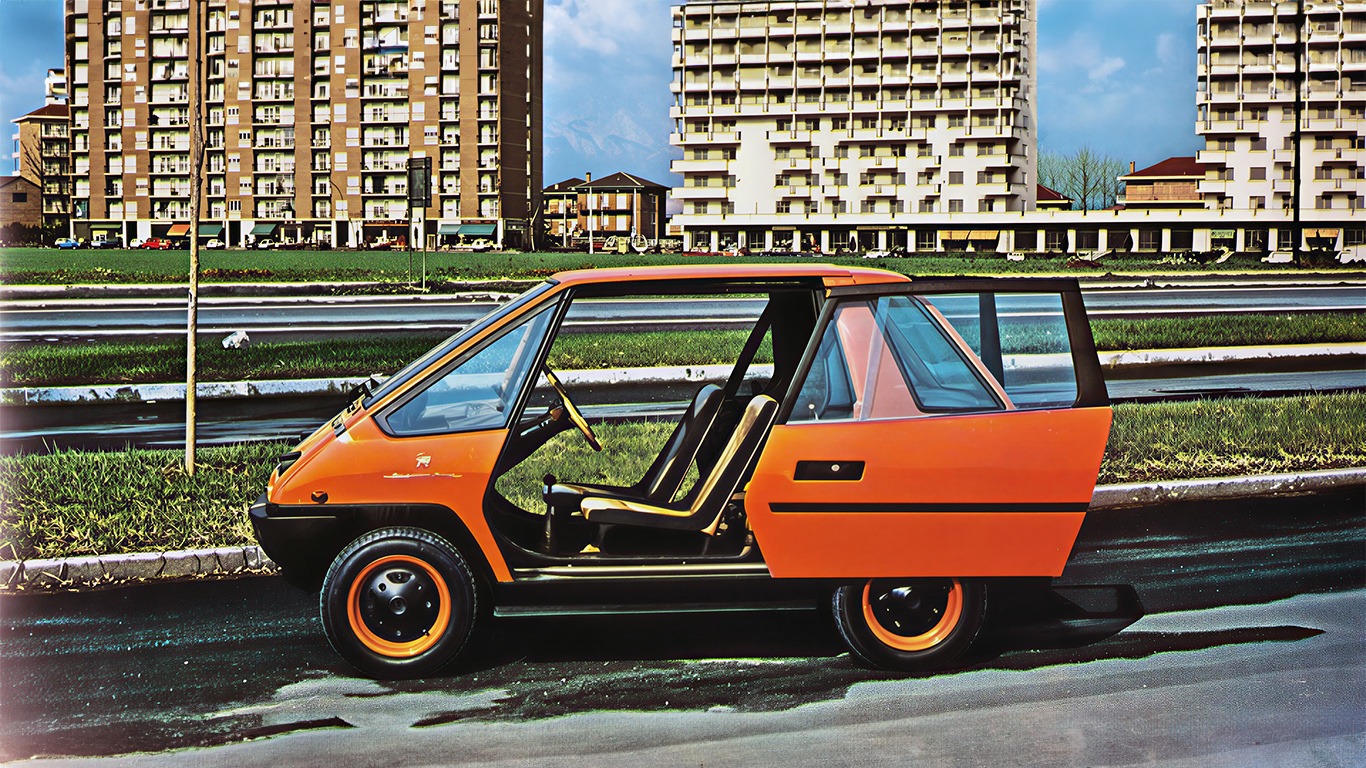
Italian Coachbuilt City Car Concepts: From Microcars to Urban EVs
How did Italy’s famed coachbuilders go from designing Ferraris to dreaming up tiny electric runabouts? From the quirky Tsé-Tsé to Pininfarina’s visionary Nido, discover how city cars became a proving ground for…
Read story
The Forward Look: When Ghia’s Artistry Met Exner’s Vision
When Italian craftsmanship met Detroit ambition, Chrysler found its soul. The Ghia–Exner partnership sparked the Forward Look—an era of fins, flair, and fearless design that changed American cars forever.
Read story
THE CONVERSATION
Comments 0
Share a memory, a period photograph or a documented detail about this story.