
Aldo Brovarone: The Quiet Master of Elegance
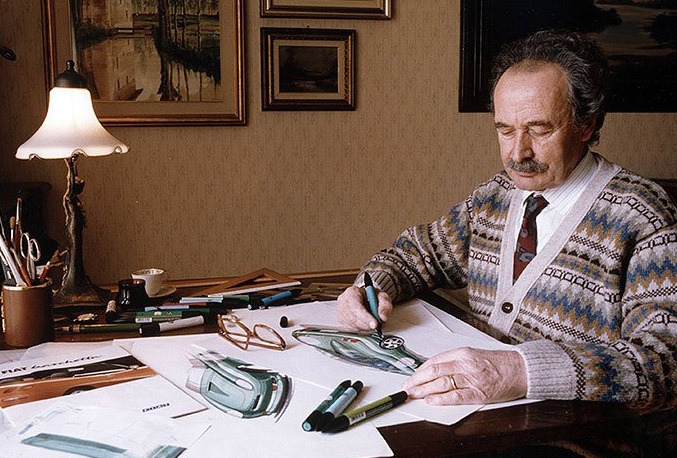
Aldo Brovarone was born on June 24, 1926, in Vigliano Biellese, a town in Italy’s Piedmont region. Growing up in an area known for its textile industry, his family initially encouraged him to pursue technical-commercial studies for a stable career. However, World War II interrupted his education – as a teenager, Brovarone was deported by the Nazis and forced to labor in occupied Poland. He managed to survive the ordeal, an experience that fundamentally altered his life’s trajectory. After the war, he briefly worked as a draftsman in a refrigerator manufacturing company, but his true passion lay elsewhere. Brovarone had always shown an artistic talent and a fascination with vehicles (especially airplanes), and he dreamed of turning that talent toward automobile design.
Freed from the confines of his pre-war career path and with Italy’s economy struggling post-war, Brovarone seized an unexpected opportunity abroad. Like many Europeans in the late 1940s, he looked to South America for a fresh start. In 1949, the 23-year-old Aldo moved to Buenos Aires, Argentina, where he found work as a graphic designer at an advertising agency. This move would prove pivotal: it placed him in the right place at the right time to enter the world of car design.
Breakthrough in Argentina: Autoar
In Buenos Aires, Brovarone’s talent soon caught the eye of Piero Dusio, an Italian industrialist and former racing driver. Dusio, known for founding the Cisitalia car company in Italy, was now establishing Argentina’s first automobile manufacturer, Autoar (Automotores Argentinos). According to several accounts, Brovarone and Dusio may have even met years earlier during the war (having been held in the same camp). In any case, by 1949 Dusio was in Argentina recruiting talent for his new venture. When Brovarone showed him some car sketches from his portfolio, Dusio was impressed and quickly offered him a job at Autoar.
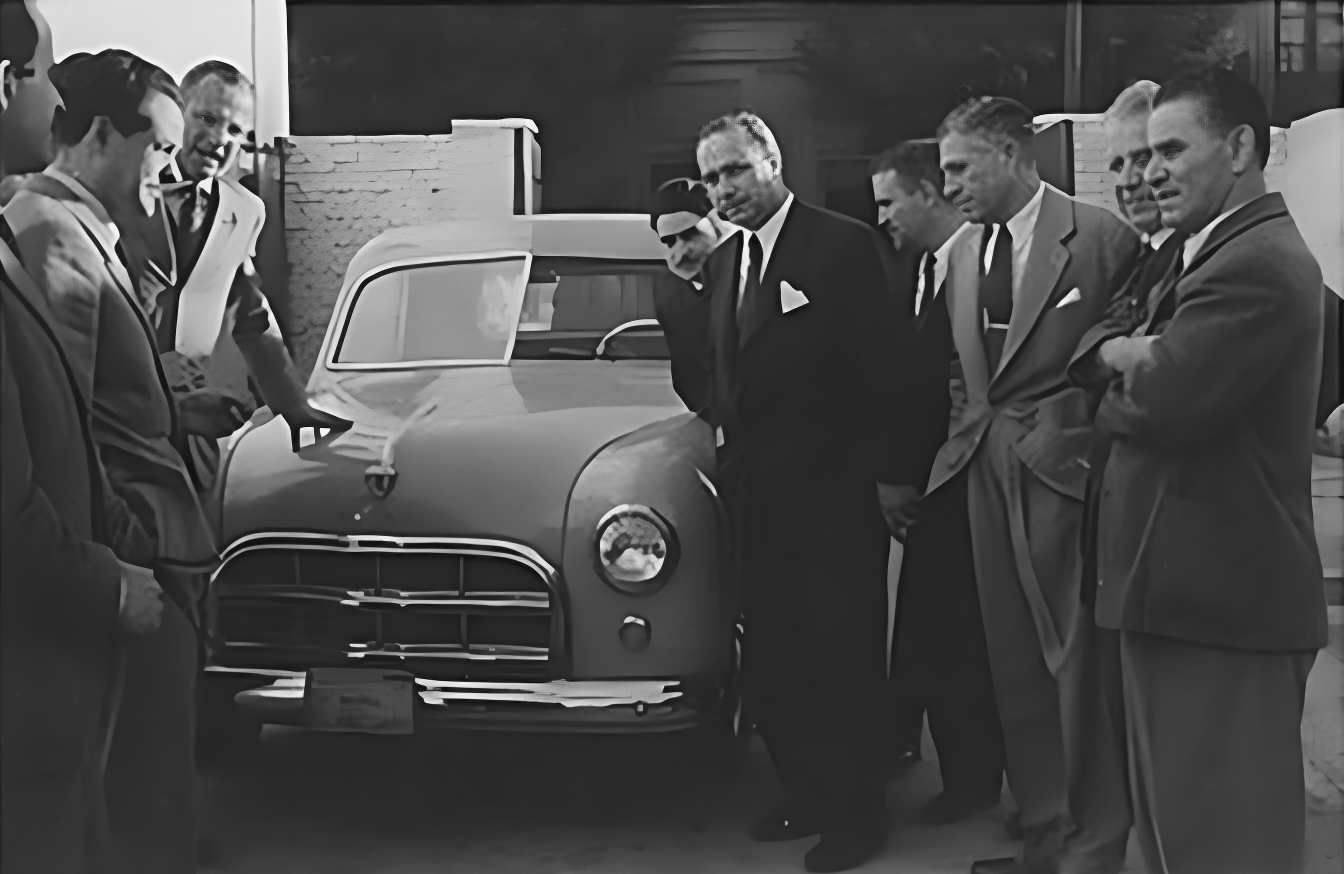
Brovarone’s first assignment for Autoar was rather extraordinary: he was tasked with creating a promotional brochure for a new car before the car’s design had even been finalized. Essentially, he had to envision and illustrate a car that didn’t yet exist. The young designer rose to the challenge – the brochure designs he drew ended up guiding the actual styling of Autoar’s cars. In 1950, Autoar produced its first models (one of which was a station wagon often referred to as the “Rural”), and Brovarone designed the bodies for all three cars that rolled out that year, basing them on the concepts he had sketched for the brochure. This hands-on experience – creating a car design from scratch in a nascent auto industry – was a baptism by fire for Brovarone and solidified his desire to be an automobile stylist.
Brovarone’s Argentine chapter, however, was relatively brief. By late 1952, Piero Dusio was preparing to return to Italy to revive the Cisitalia brand, which had gone dormant. Dusio didn’t forget his talented illustrator in Buenos Aires: in early 1953, he called Brovarone back to Italy to work as a designer for the struggling Cisitalia company. Brovarone left Argentina and rejoined Dusio in Turin, marking the end of one journey and the beginning of another in the heart of Italy’s automotive design scene.
Returning to Italy: Cisitalia and a Fateful Introduction
Joining Cisitalia in 1953 was both an achievement and a stroke of bad timing for Aldo Brovarone. The once-renowned boutique carmaker – famous for the landmark 1947 Cisitalia 202 – was on the verge of financial collapse. Brovarone was brought in as a stylist, and he contributed to several interesting projects during Cisitalia’s final years. Among them was a Cisitalia coupé powered by a Ford V8, known as the Cisitalia 808 XF, which was built by Vignale in 1953. He also drew the lines for the Cisitalia 505 DF, a sedan-bodied model built by Ghia that same year. In addition, Brovarone sketched a small sports car concept called the Tipo 33 Volo Radente, an elegant spider on Fiat 1100 mechanicals. Unfortunately, Cisitalia’s financial crisis meant that these designs saw little commercial future, but they were important in establishing Brovarone’s reputation as a creative and capable stylist. However, Cisitalia’s dire finances meant these projects had little chance to materialize. Indeed, by late 1953 Cisitalia went bankrupt and shut its doors.
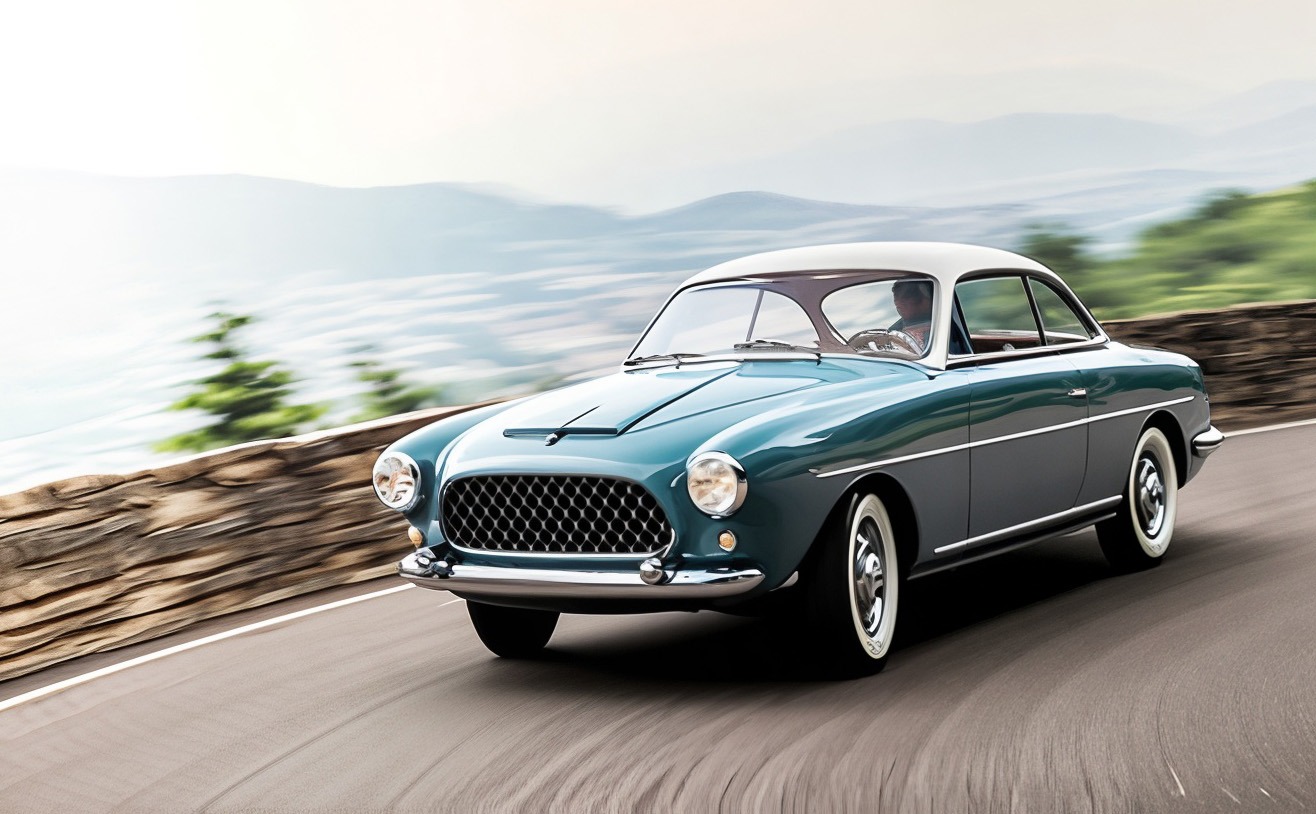
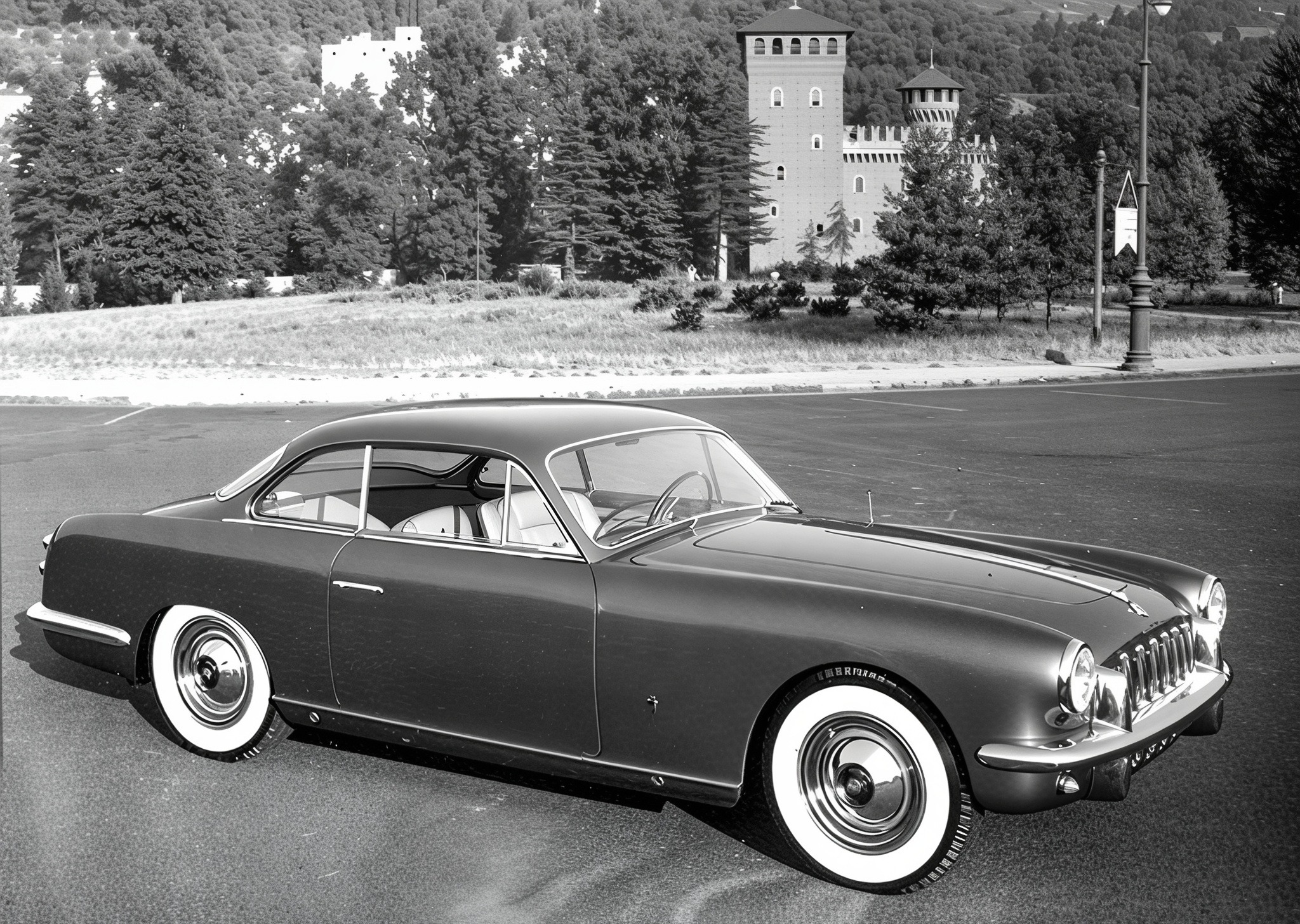
Yet, in the midst of Cisitalia’s collapse, a crucial connection was made. Piero Dusio personally introduced Aldo Brovarone to his friend Battista “Pinin” Farina, founder of the renowned design house Carrozzeria Pinin Farina. Dusio gave Farina a strong recommendation, presenting the young designer’s portfolio and vouching for his talent. This meeting proved to be a turning point in Brovarone’s career. By 1954, Pininfarina hired Aldo Brovarone, initially on a trial period, as an assistant stylist in their Turin studio. After a three-month probation, he was formally brought on staff under the tutelage of Pininfarina’s senior designers Francesco Salomone and Franco Martinengo. The shy, self-taught artist from Biella had secured a spot at one of the world’s most prestigious car design firms – just as Italian automotive design was entering a golden age.
Early Years at Pininfarina
When Brovarone started at Carrozzeria Pinin Farina in the mid-1950s, he entered an environment brimming with creativity. He later recalled that Pininfarina at that time was designing “extraordinary cars” and that he was fortunate to contribute even in small ways. As a newcomer without formal car design training, his initial role was to assist the veterans: he would draw details, prepare renderings from their sketches, and add color and refinement to concepts envisioned by his mentors. This was the era of hand-drawn illustrations and full-size sketches, and Brovarone’s strong drawing ability made him a valuable part of the team.
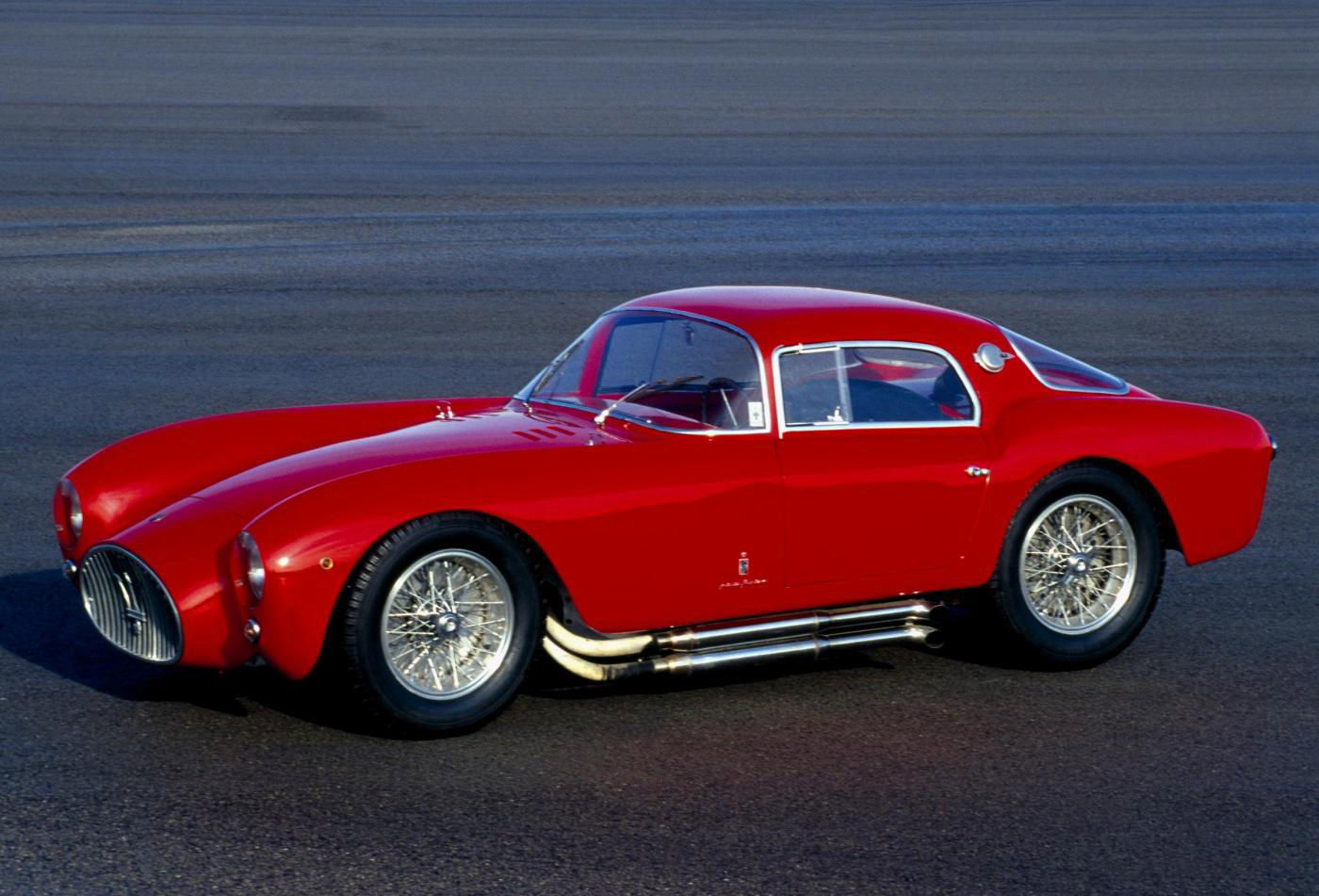
During these apprentice years, Brovarone had a hand in several notable Pininfarina projects, especially one-off show cars and low-volume sports models. For example, he contributed to the Maserati A6GCS/53 Berlinetta project in 1953–54. That car, a petite coupé on a Maserati racing chassis, was commissioned by a private client and is today considered one of the most beautiful Maseratis ever – blending racing purpose with elegant lines. Pinin Farina’s team (with Brovarone assisting) shaped four A6GCS berlinettas, the first of which debuted at the 1954 Turin Motor Show. Around the same time, Pininfarina was also crafting special cars for individual VIP clients. Brovarone worked on design details for a unique Ferrari 375 MM coupé built in 1954 for film director Roberto Rossellini and his wife, actress Ingrid Bergman. This one-off Ferrari (sometimes called the “Bergman Coupe”) was an early example of Pininfarina’s bespoke creations, and Brovarone’s involvement in such projects gave him exposure to high-stakes, high-style design.
🔗 Read more: Pininfarina Through the Ages: The Complete History
A major break came in 1955. Pininfarina had received an ultra-exclusive commission: to design a custom Ferrari 375 America Coupé Speciale for Gianni Agnelli, the influential head of Fiat and style icon of his era. Battista “Pinin” Farina decided to give multiple young designers a chance to propose ideas. Brovarone, still an “assistant” at this point, put pencil to paper and sketched his vision for Agnelli’s car. Impressively, Agnelli chose Brovarone’s sketch for the final car – the first time one of Brovarone’s original designs was fully built. The resulting coupé, completed in 1955, was striking and unusual for a Pininfarina Ferrari: painted two-tone green and red, featuring an upright egg-crate grille and even a partially glass roof. It debuted at the Turin Motor Show and remained in Agnelli’s personal collection for years. For Brovarone, the 375 America Speciale was a validation of his talent. After this success, his role at the company was elevated – no longer just refining others’ drawings, he was now originating designs of his own.
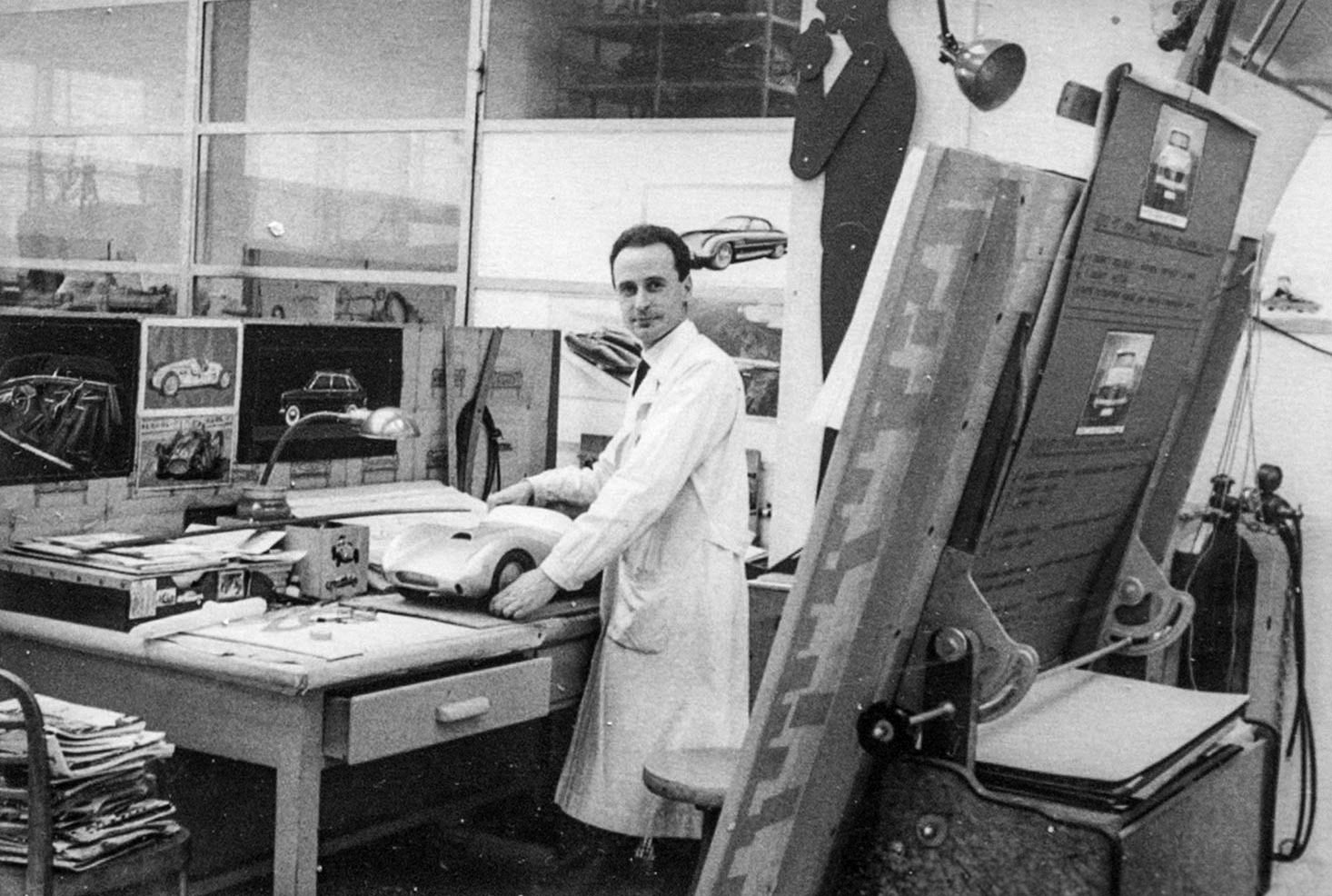
Through the late 1950s, Brovarone continued to build his portfolio at Pininfarina. He was involved in the series of Alfa Romeo Super Flow concept cars (1956–1960) based on an Alfa 6C 3000 chassis. These wildly futuristic show cars – with features like panoramic bubble windshields and translucent panels – were testbeds for new ideas, some of which eventually influenced production models (for instance, the styling of the 1966 Alfa Romeo Duetto Spider traces back to the Super Flow experiments). Brovarone’s contributions in this period were mostly behind-the-scenes and team-based, but they set the stage for what came next. By the end of the 1950s, Battista Farina recognized he had a gifted stylist in his ranks ready for larger responsibilities.
The Ferrari Superfast II: Brovarone’s Coming of Age
After roughly eight years at Pininfarina, Aldo Brovarone was entrusted with leading a high-profile project that would cement his reputation. In 1960, Pininfarina was working on a successor to the Ferrari Superamerica series – a flagship gran turismo. Brovarone was given primary design responsibility for this show car, which became known as the Ferrari 400 Superamerica “Superfast II” (the second in a series of Superfast prototypes). The Superfast II, unveiled at the 1960 Turin Auto Show, was an experimental coupé showcasing a dramatic new design language for Ferrari. Brovarone’s styling was inspired by the profile of an airplane wing, reflecting his old passion for aviation. The car had a distinctive tapered nose with a very small elliptical air intake (evocative of Ferrari’s sports racers) and a long, swept-back tail suggesting the “trailing edge” of a wing. Most striking of all, Brovarone came up with an innovative solution to keep the lines pure: he hid the headlamps under an electrically-actuated aluminum panel in the nose, so the front end could appear completely smooth when the lights were off. This was a first for Ferrari design – retractable headlights that were totally concealed – and it wowed the public and press.
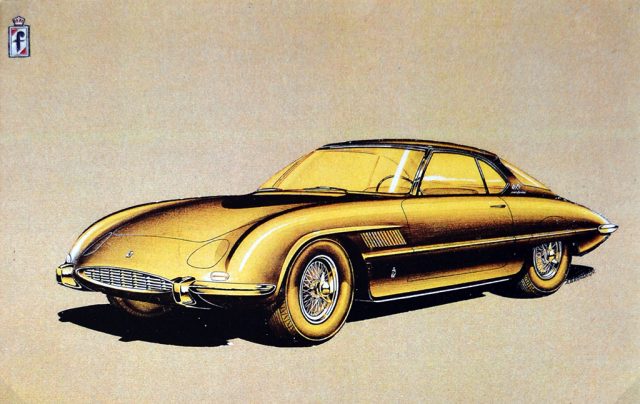
The Superfast II’s daring design drew high praise. Automotive historian Antoine Prunet later wrote, “This remarkable coupé can certainly be considered, both for its style and for its technical characteristics, one of the most outstanding examples of the coachbuilder’s art.” The prototype’s influence was seen in subsequent Ferrari road cars; elements of its styling were toned down and adapted for the limited-production Ferrari 400 Superamerica and later the Ferrari 500 Superfast (1964), both of which Pininfarina built for Ferrari’s elite clients. For Brovarone personally, the Superfast II was a milestone – it was his design, from sketch to full-size prototype, at the center of Pininfarina’s show stand. It elevated him to the top tier of designers at the firm. Indeed, by the mid-1960s Aldo Brovarone had become one of Pininfarina’s lead stylists, soon to be involved in projects that would become legends in their own right.
The Dino and the Mid-Engine Revolution
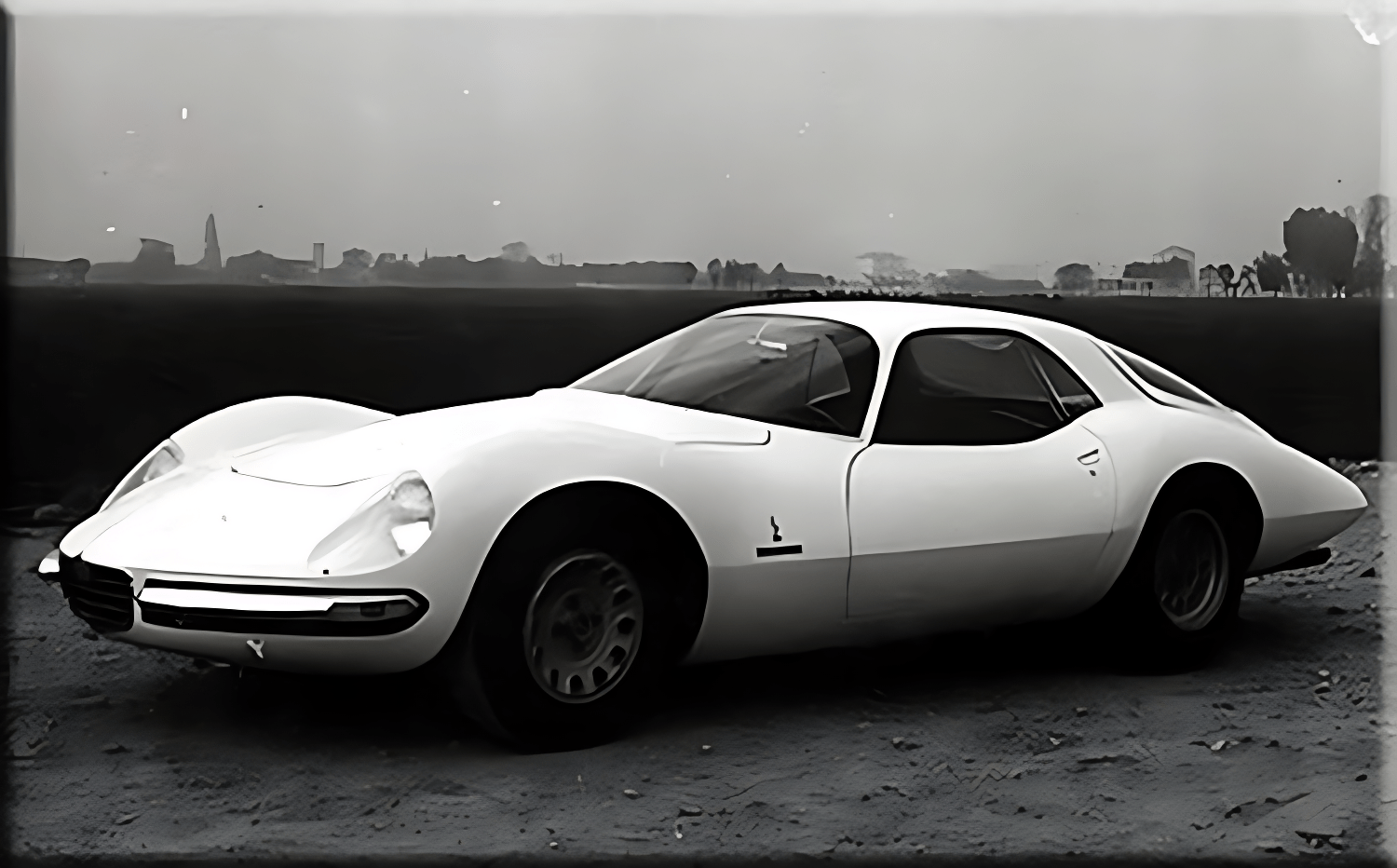
The 1960s were a transformative decade in sports car design, with the rise of the mid-engine layout. Aldo Brovarone contributed one of the era’s most significant designs: the Ferrari Dino. It began with a show car called the Dino 206 GT “Berlinetta Speciale”, which Pininfarina unveiled at the 1965 Paris Motor Show. Brovarone was the primary designer of this prototype. Notably, it was the last project overseen by Pininfarina’s founder Battista Farina (who saw it before his passing in 1966), and one of the first taken forward by his son Sergio Pininfarina – marking a generational handoff at the company.
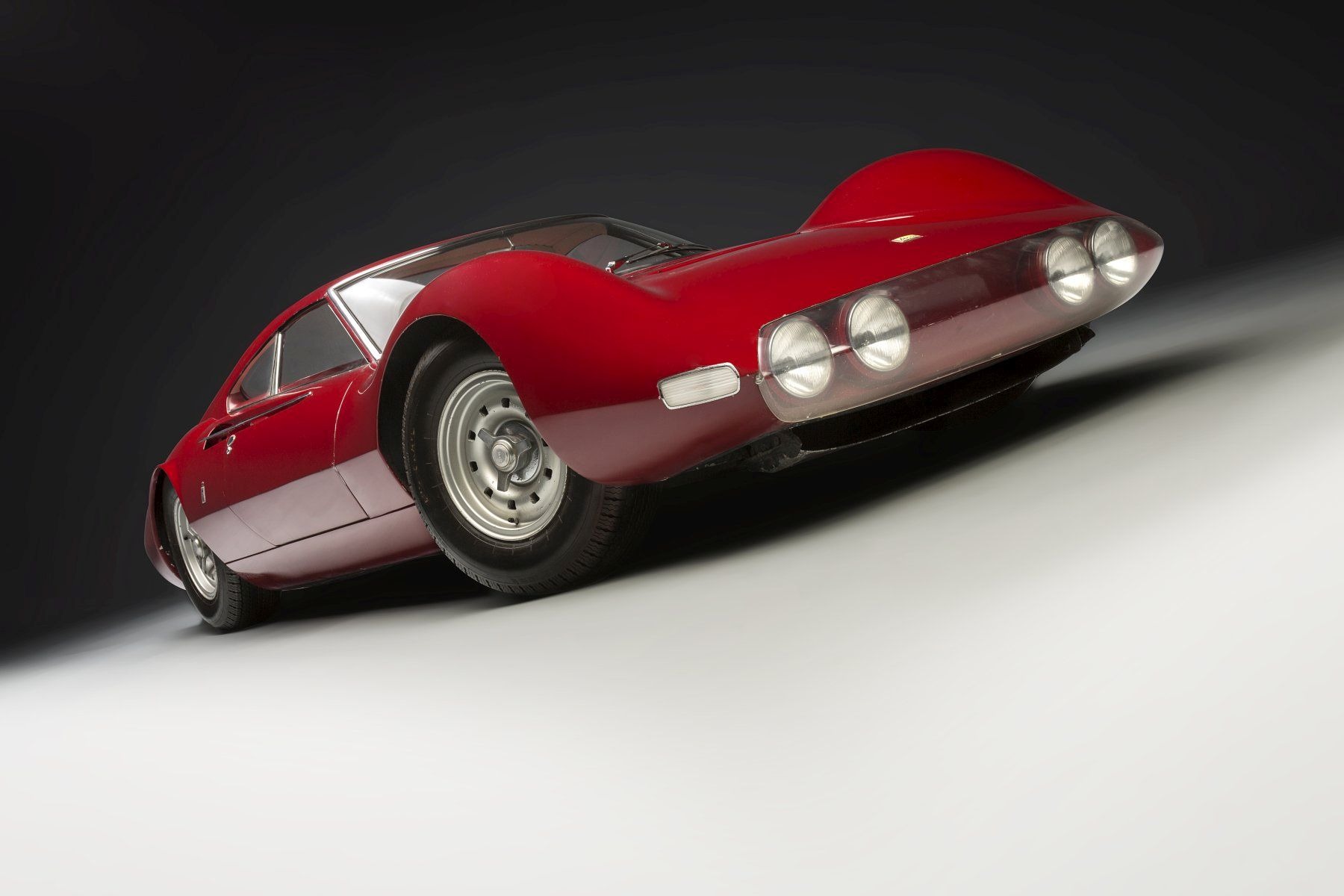
The Dino Berlinetta Speciale was a small, jewel-like coupé on a competition chassis (a Dino 206 S race car) and was Ferrari’s first mid-engine design study for a road car. Brovarone’s styling for the Dino prototype was revolutionary and influenced countless future Ferraris. It featured a very low-slung, lenticular body shape with a cockpit faired into it. At the front, a thin, blade-like nose incorporated an air intake with two pairs of headlamps ingeniously hidden behind a transparent cover. The sides had a pronounced dihedral angle, with a scoop forming at the base of the rear fender to channel air into the mid-mounted engine – a novel solution at the time. Perhaps the most distinctive element was the Dino’s tail: a vertical, concave rear window flanked by two tall fins extending back from the roof pillars. These fins gave the little Dino a dramatic look and would later become a signature on some mid-engine Ferraris. Brovarone’s aircraft inspiration was again evident in the Dino’s refined, aerodynamic form.
🔗 Read more: The Legend of Ferrari and Pininfarina’s Partnership: When Enzo Met “Pinin”
The positive reception of the Dino Berlinetta Speciale set the stage for Ferrari to develop a production mid-engine sports car. Indeed, Enzo Ferrari decided to create a new sub-brand (named after his late son Alfredo “Dino” Ferrari) for smaller V6-powered models. Pininfarina, with Brovarone on the team, refined the show car’s design into the Dino 206 GT road car, which debuted in 1967, followed by the 2.4-liter Dino 246 GT/GTS in 1969–72. These Dino models are today considered some of the most beautiful sports cars ever made, and Brovarone is widely credited as a chief stylist behind their timeless lines. The Dino’s influence on Ferrari was profound: it pioneered the brand’s move to mid-engine road cars, a lineage that would later include the Ferrari 308, F40, and many others. For Brovarone, the Dino 206/246 became something of a magnum opus – a harmonious blend of engineering and art that has remained an icon.
Around the same mid-1960s period, Brovarone worked on several other interesting projects. In 1965, he designed the Alfa Romeo Giulia 1600 Sport (also known as the Alfa Giulia Tubolare prototype). This was a one-off Pininfarina coupé on a tubular chassis Alfa, a further exploration of aerodynamic forms. He also contributed to mainstream production models: notably, Brovarone was part of the Pininfarina team that styled the 1966 Alfa Romeo Spider “Duetto”, the now-classic round-tail roadster. Alongside designers Franco Martinengo, and others, Brovarone helped refine the Duetto’s design, which evolved from those earlier Superflow concepts. The Duetto, launched in 1966, became an enduring icon – remaining in production (with updates) for nearly three decades. Brovarone’s collaborative role in its creation is another testament to his versatility, able to work on both avant-garde prototypes and production-friendly shapes.
Design Manager and Production Car Successes
By the early 1970s, Aldo Brovarone’s long tenure and broad experience at Pininfarina earned him a new role. In 1974, he was promoted to Head of the Styling Office (Design Manager) for Pininfarina. In this leadership position, he oversaw the design team and guided numerous projects, often in partnership with Leonardo Fioravanti. Colleagues later noted that Brovarone was modest and unassuming despite his status – he was content to let others shine and focused on the work rather than personal glory. In fact, such was his dedication that he was known to spend his evenings at the studio drawing “figurini” (car renderings) to help younger designers, even while he was their boss. His passion for design never waned, and he remained very much a hands-on practitioner of the art.
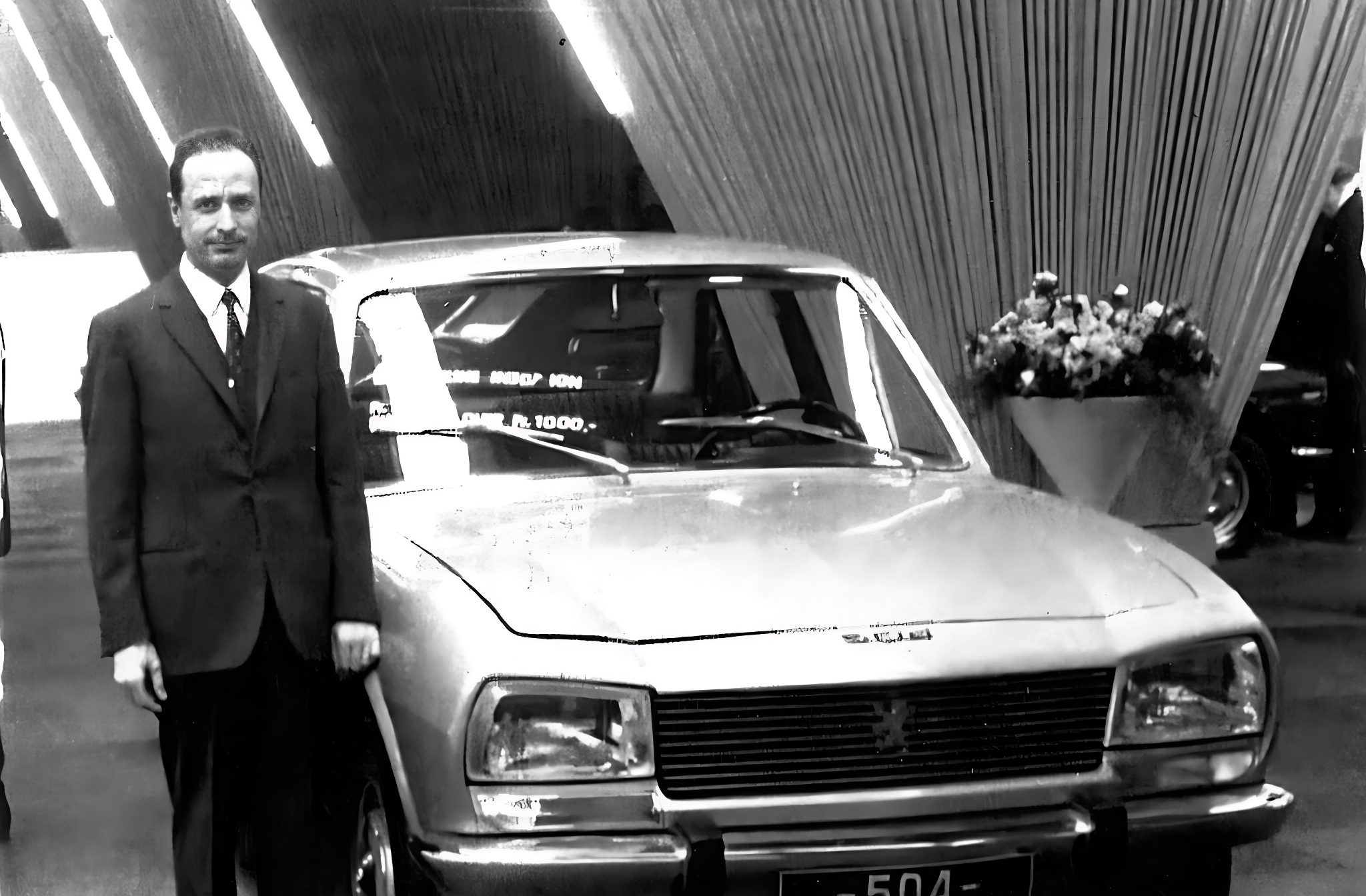
During the 1970s, Aldo Brovarone’s pencil shaped not only exotic Ferraris but also the everyday landscape of European roads. One of his proudest achievements came with the Peugeot 504, unveiled in 1968. Peugeot had asked Pininfarina for a sedan that could embody elegance without sacrificing durability, and Brovarone’s sketch immediately struck a chord. His design was crisp and balanced, with a subtle kick-up in the trunk line that gave the car a touch of dynamism without compromising its sober character. The French marque refined the details, but the essence was his. The 504 went on to win European Car of the Year in 1969, and millions would be built in factories as far afield as Africa and South America. It was proof that Brovarone could create beauty not just for collectors’ garages, but for the masses.
🔗 Read more: The Partnership between Peugeot & Pininfarina
At the same time, his hand continued to guide Ferrari’s grand tourers. The 365 GT 2+2, nicknamed the “Queen Mary” for its stately size, bore the hallmarks of his style: a long, confident hood, a graceful greenhouse, and a neatly resolved tail that echoed the themes he had first explored with the Superfast II. Before it, he had already touched the rarefied heights of Ferrari exclusivity, contributing to the 500 Superfast of 1964 and the 365 California of 1966 – cars built in handfuls for heads of state and industrialists, each a rolling sculpture with Brovarone’s sense of proportion in its bones.
Yet Brovarone was never content to remain in the past. The Turin Motor Show of 1975 saw him unveil his most radical work: the Alfa Romeo Eagle, a wedge-shaped coupé perched low and sharp on an Alfetta platform. It was an audacious gesture in a decade obsessed with aerodynamics and futurism. The car divided opinion, and even Brovarone later admitted that it might not have been his most successful effort. But it revealed his willingness to experiment, to push the language of Italian design beyond the curves and into the angular territory that younger stylists were beginning to explore.
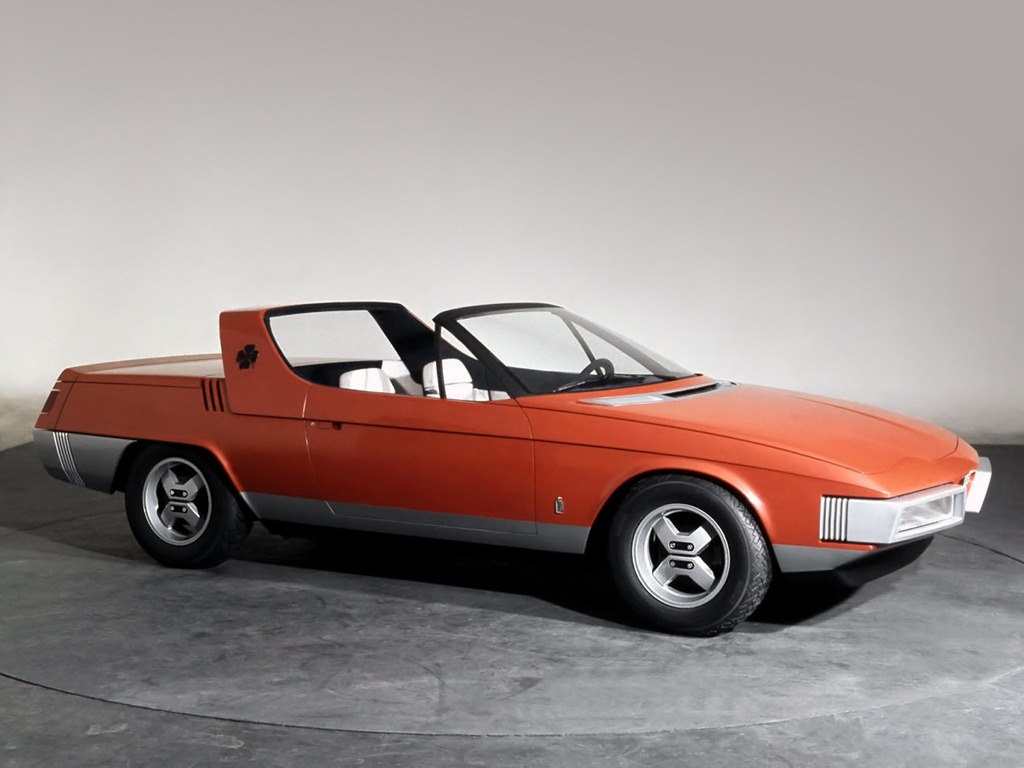
Not long after, he returned to his true voice with the Lancia Gamma Coupé. Designed around 1974 and launched in 1976, it was a project very close to his heart. While colleagues offered flamboyant, rounded proposals, Brovarone looked instead to Lancia’s heritage of refinement and understatement. He gave the Gamma taut lines and a restrained profile, a coupé of elegance rather than aggression. “I didn’t design a sports car, but a classic with taut lines and an elegant spirit,” he explained years later. And indeed, the production car was virtually identical to his drawing – a rare triumph of design purity over committee compromise.
His influence could also be felt at Peugeot once again. The 604, the French flagship of 1975, carried echoes of Brovarone’s drafting table. While Pininfarina’s collaboration with Peugeot blurred the lines of authorship, many credit him with the sober, dignified character of the 604’s three-box silhouette. It was the perfect companion to the 504 – another reminder that Aldo Brovarone could shift effortlessly between the realms of prestige and practicality, always guided by a consistent belief in proportion, clarity, and class.
🔗 Read more: Designing the Ferrari 456: Pietro Camardella’s masterpiece
Throughout the 1970s, as Pininfarina’s Design Manager, Brovarone not only contributed his own designs but also guided younger designers. In fact, one notable young recruit in the 1980s, Pietro Camardella (who would later design the Ferrari F40), recalled how Brovarone personally oversaw his design internship. Camardella humorously recounted that Brovarone kept sending him back to redo his drawings – asking one week for larger format, another week for more color – before finally giving him a spot on the team. It was a kind of tough-love mentorship that ultimately prepared many designers for successful careers. Brovarone’s combination of artistic skill and generosity made him a revered figure in the studio. Former colleagues describe him as a “maestro dal cuore gentile” – a master with a kind heart – who was always ready to share his knowledge.
Final Projects at Pininfarina: The F40 and Farewell
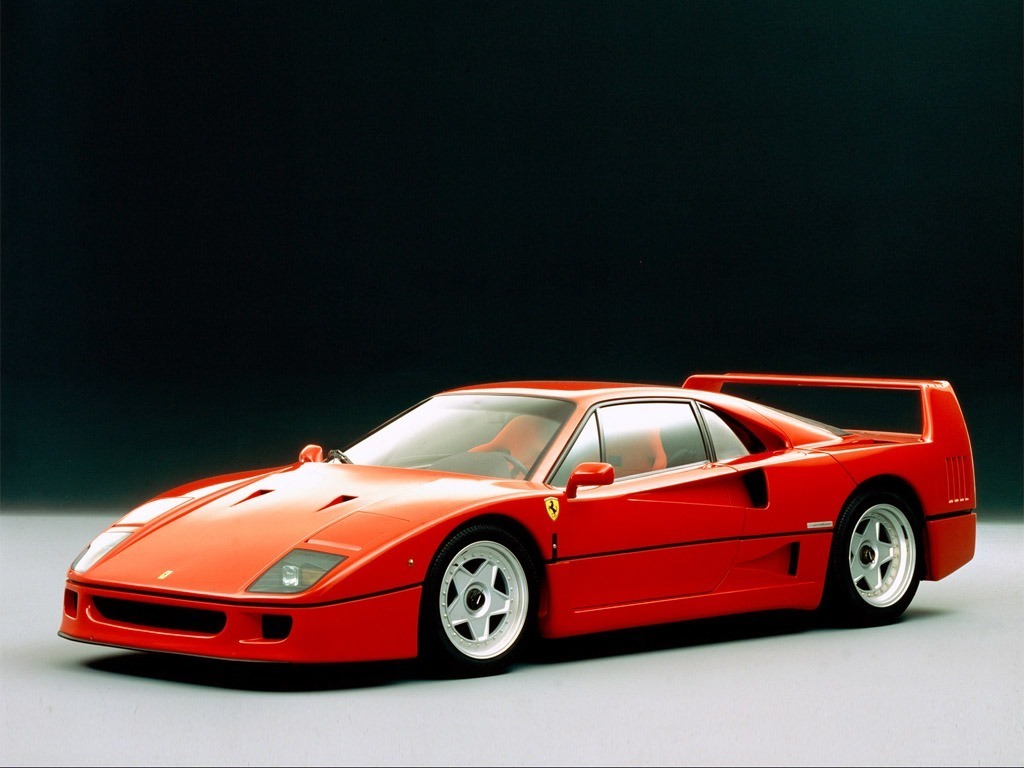
Aldo Brovarone remained at Pininfarina through the 1980s, continuing to provide input on various designs. As the decade progressed, he approached retirement but still had one more famous project in which to take part. In the mid-1980s, Ferrari was developing what would become the Ferrari F40, the extreme mid-engine supercar launched in 1987. The primary designer of the F40’s body was Pietro Camardella, one of the new generation talents at Pininfarina – but Camardella worked under Brovarone’s supervision. Just before he retired, Brovarone collaborated on refining the F40’s design, lending his seasoned eye to the project. The F40’s brutal, race-bred shape was a far cry from the curvy elegance of the Dino, but it carried forward the mid-engine lineage that Brovarone helped start. It’s fitting that one of his last contributions at Pininfarina was to assist in crafting this legendary car, which marked Ferrari’s 40th anniversary and became an icon of the 1980s.
In 1988, after 35 years at Pininfarina, Aldo Brovarone retired from the company. He had risen from junior illustrator to chief stylist, leaving behind an incredible body of work that included some of the most admired cars of the 20th century. Remarkably, Brovarone retired without much fanfare – true to his humble nature. By that time, he was in his early 60s and had mentored a generation of designers who would carry Pininfarina forward. But Brovarone’s story didn’t end with retirement; in fact, he remained active in automotive design circles and continued doing what he loved best – drawing cars – well into his later years.
In 1988, after 35 years at Pininfarina, Aldo Brovarone retired from the company. He had risen from junior illustrator to chief stylist, leaving behind an incredible body of work that included some of the most admired cars of the 20th century. Remarkably, Brovarone retired without much fanfare – true to his humble nature. By that time, he was in his early 60s and had mentored a generation of designers who would carry Pininfarina forward. But Brovarone’s story didn’t end with retirement; in fact, he remained active in automotive design circles and continued doing what he loved best – drawing cars – well into his later years.
Freelance Adventures with Stola and Studiotorino
Stepping away from Pininfarina opened the door for Brovarone to engage in passion projects on his own terms. In the 1990s, he formed a friendship with Alfredo Stola, whose family company Stola S.p.A. was a prominent automotive prototyping and engineering firm. The Stolas, recognizing Brovarone’s genius, invited him to collaborate on some of their show cars. Initially, Brovarone was hesitant – he was officially pensionato (retired) and enjoyed a quiet life in Turin with his art. In fact, when asked if he would do some consulting for Stola, Aldo replied candidly, “Dear Mr. Stola, I’m retired. I can’t and I won’t take on any consulting work. If you like, though, I can draw you some sketches – but I’ll do it just as a hobby. It’ll help keep me in shape.”. This charming response embodies Brovarone’s character: honest, generous, and unable to resist the allure of sketching car designs.
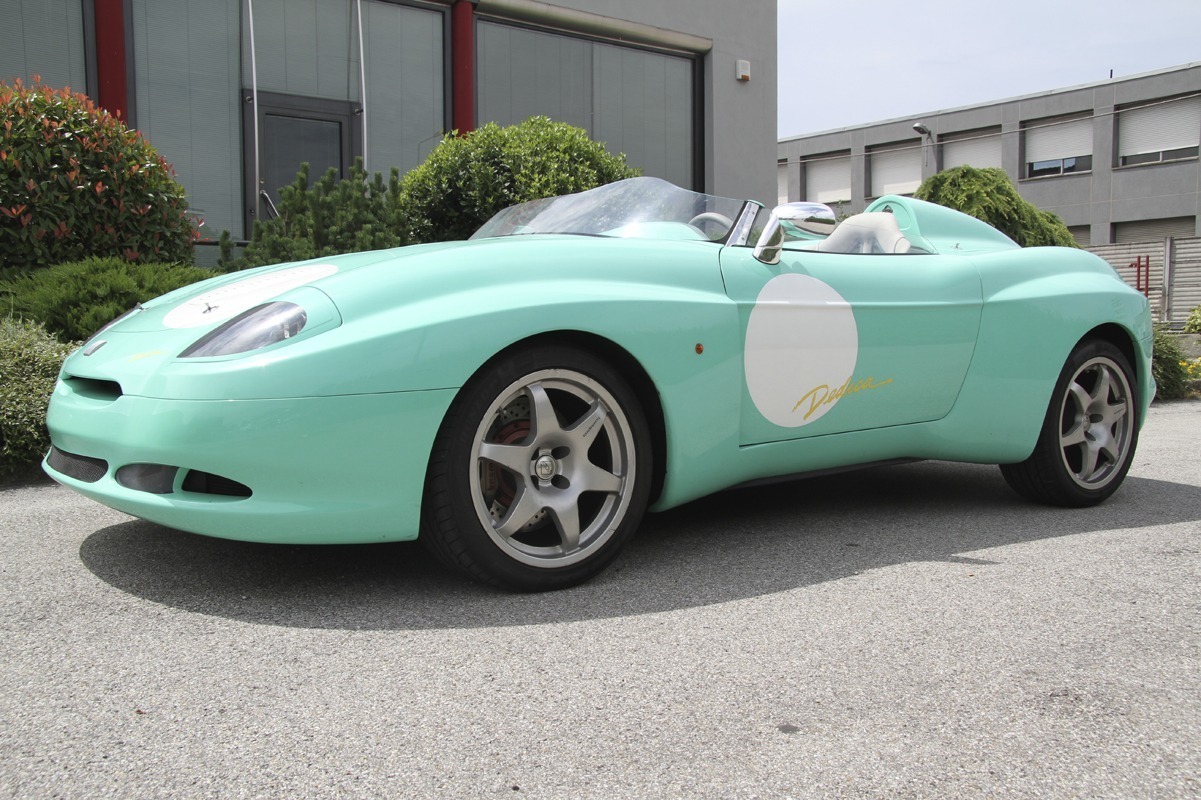
True to his word, Brovarone’s involvement with the Stola family was never about contracts or consultancy fees; it was about friendship, passion, and the irresistible pull of the sketchpad. In 1996, he quietly lent his hand to the Fiat Dedica, a delicate roadster inspired by the Fiat Barchetta. Created as a gesture of gratitude to Fiat, the Dedica carried Brovarone’s unmistakable touch in its balanced lines – a graceful return to car design after years of retirement.
🔗 Read more: The Fiat Barchetta Design Story: A Little Boat with Grand Ambitions
Two years later, at the Turin Motor Show, the curtain rose on the Abarth Monotipo, a radical speedster built on a Fiat Abarth chassis. Once again, Brovarone’s pencil had danced across the paper, shaping a concept that was as daring as it was pure. His collaboration with Stola didn’t end there; he continued to supply sketches and ideas, helping bring to life the Stola S82, a Porsche-based spider unveiled in 2000, and later the Stola GTS in 2002. These projects were not commissions so much as gifts – elegant lines born from the hand of a man who simply could not stop creating.
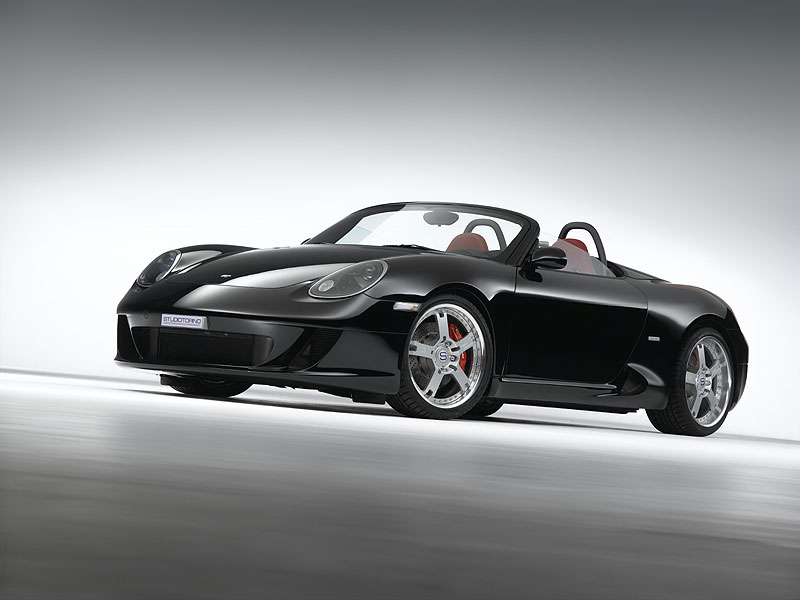
When Alfredo Stola left the family firm to found a bespoke design aterlier called Studiotorino in 2005, Brovarone again lent his support. He co-designed the Ruf RK Spyder (2005), a Porsche Boxster-based custom roadster that Studiotorino built in limited numbers. The RK Spyder was even honored at the 2005 Milan Triennale design exhibition as the most beautiful car of the year. In a delightful epilogue to this project, Brovarone surprised Stola by secretly sketching a coupé version of the RK Spyder on his own. He invited Stola over, unveiled two breathtaking drawings of an RK Coupé, and enthused the team to actually build it. Thus, the Ruf RK Coupé was born in 2006 as an unintended but inspired addition to the lineup – all because Brovarone couldn’t stop himself from creating another beautiful car design.
These later collaborations were done not for profit but for passion. Those close to him observed that Brovarone never lost the spark for design; even in his seventies and eighties, he continued to sketch in pencil and paint gorgeous tempera illustrations of cars and airplanes, some of which were printed as collectible postcards for friends and fans. In an era of computer-aided design, Brovarone remained charmingly old-school – he never owned a computer or a cellphone, preferring the tactile feel of paper and pencils.
Legacy and Reflections
Aldo Brovarone passed away on October 12, 2020, in Turin at the age of 94. His death came just days after the passing of his beloved wife, and he was mourned by the automotive community worldwide. Though he was not a household name to the general public, car enthusiasts recognize Brovarone as one of the great Italian designers, a “maestro” whose work spoke louder than his name. He often downplayed his own skill, describing himself as “a normal designer who put his imagination and experience at the service of a goal”, rather than a grand artist seeking personal glory. Indeed, throughout his career at Pininfarina, individual designers were rarely publicized – cars were credited to the house style – and Brovarone was perfectly content with that arrangement. One journalist noted that it likely “didn’t bother the self-styled draughtsman all that much. The cars, after all, were the thing.”.
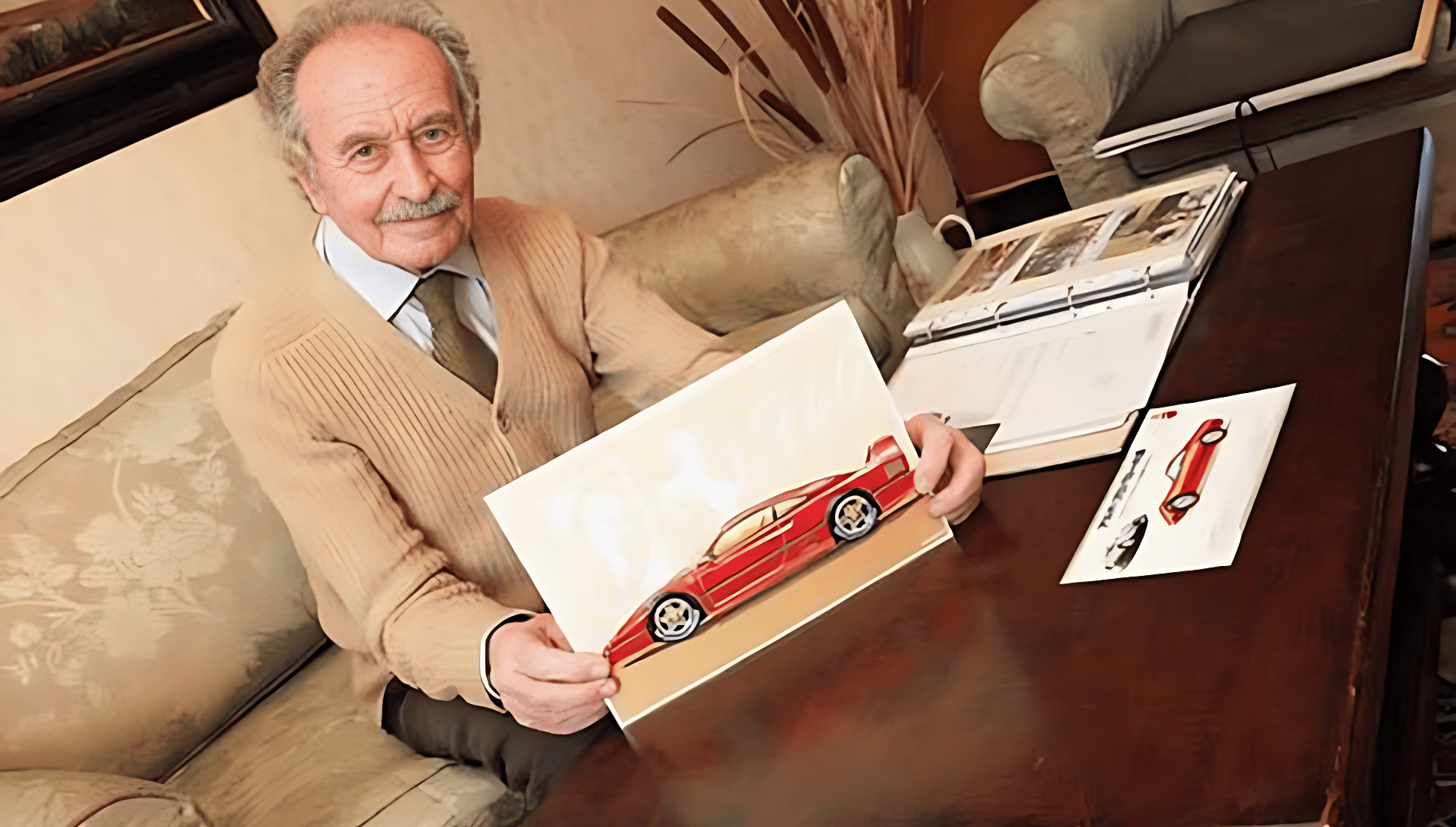
And what a legacy those cars are. From the elegant one-offs of the 1950s, through the trend-setting Ferrari Dino and Peugeot 504 of the 1960s, to the refined grand tourers of the 1970s and the outrageous F40 in the 1980s, Brovarone’s portfolio spans an incredible range. Many of his designs – the Dino 246 GT, the Maserati A6GCS Berlinetta, the Ferrari 375 Coupé Speciale, the Lancia Gamma Coupé – are considered high points of automotive art and are treasured by collectors and museums. His work was characterized by a certain timeless elegance: he could pen both innovative, aerodynamic forms and classically proportioned, graceful cars.
Colleagues and friends remember not only his skill but also his character. He was described as having an always kind soul – a gentleman in the truest sense. He generously mentored young designers, remained loyal to his employers and friends, and never stopped being a student of beauty. In retirement, he even served as a judge at classic car concours and continued educating others about automotive history. On the occasion of his 90th birthday, Brovarone mused that in modern car design “there is nothing new left – only things that have been forgotten” – a humble acknowledgment that the past holds endless inspiration if one knows where to look.
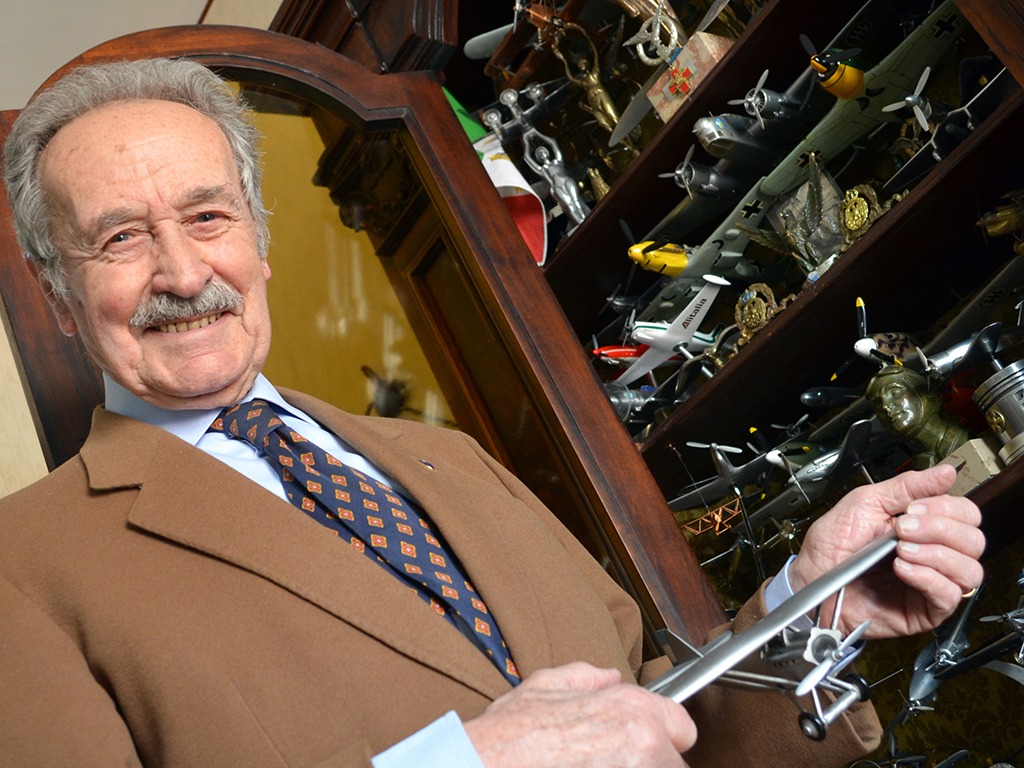
In summing up Aldo Brovarone’s contribution, one might use the very qualities he aimed for in his designs: style and refinement. He was not the flashiest of Italy’s carrozzieri, but he was immensely respected. As a quiet force behind Pininfarina’s throne, he helped shape some of the most iconic automobiles of the 20th century. His story – from a war-disrupted youth to a celebrated designer – is as extraordinary as the cars he drew. Today, enthusiasts and historians celebrate Brovarone as a true master of Italian coachbuilding art, a man whose pencil sketches gave life to machines that stir the soul. The Dino Berlinetta Speciale he crafted in 1965, for example, remains “one of the most outstanding examples of the craft of building car bodies”, and indeed of Brovarone’s own artistry.
In the end, Aldo Brovarone’s life teaches us about dedication to one’s passion. He once said his goal was always to focus completely on the objective – the car – and not on himself. With that focus, he achieved what few can claim: he left behind rolling works of art that speak for him. Even without his name on the badge, his designs ensure that Aldo Brovarone’s legacy will endure on roads and concours lawns for generations to come.

ABOUT THE AUTHOR
Andreas Scheidl
Italian classic car enthusiast with German roots. Renowned as a respected figure in the classic car community, he serves as a jury member at various international concours d'elegance, including the Classic Gala Schwetzingen and Mantova. As a content creator, Andreas passionately shares his profound knowledge and appreciation for vintage automobiles. His heart beats for cars designed by Giovanni Michelotti, showcasing his discerning taste and dedication to preserving the timeless elegance of automotive history.
More stories by Andreas Scheidl ↗CONTINUE READING
Posts You Might Like
Pietro Frua: The Quiet Master of Italian Style
Pietro Frua, an influential Italian automotive designer born in 1913, left an indelible mark on the industry with his visionary work, shaping iconic cars and pioneering aesthetic excellence.
Read story
Virgil Exner was the designer who taught Detroit to dream again
Virgil Exner transformed American car design with bold artistry, aerodynamic vision, and Italian collaboration that redefined Detroit’s style.
Read story
Marcello Gandini: The Man Who Designed the Future
From Lamborghini to Lancia, Marcello Gandini’s bold geometry and radical thinking defined modern car design and inspired generations of creators.
Read story
Tom Tjaarda: An American Designer in Turin
Tom Tjaarda shaped icons like the Fiat 124 Spider and De Tomaso Pantera. Discover the American who became Italy’s quiet design legend
Read story
THE CONVERSATION
Comments 0
Share a memory, a period photograph or a documented detail about this story.