
Fiat 1100 TV: The Coachbuilt Coupés You Didn’t Know Existed
Imagine this: it’s the mid-1950s, you’re comfortably well-off — and you want to treat yourself to a stylish little coupé. Fiat has just unveiled the new 1100 TV, a sharper, livelier version of its trusty family sedan, and the carrozzieri are lining up to tempt you with their own visions of speed and elegance. Allemano, Vignale, Pininfarina, Ghia, Zagato… each offers a different flavor of Italian flair. Which one would you choose?
In the early 1950s, Fiat wasn’t exactly famous for thrill rides – its cars were practical family transport, solid but a bit on the dull side. That started to change in 1953 when Fiat introduced the new 1100/103, nicknamed “Nuova 1100.” This compact Millecento (Italian for “1100”) was a modern, lightweight four-door sedan that was actually fun to drive. It had a 1.1-liter engine with about 36 horsepower, good for roughly 72 mph – modest figures, but a big deal for an affordable car in postwar Italy. Fiat was clearly looking to add some spice to its image, and they didn’t stop there.
Just six months later, at the October 1953 Paris Motor Show, Fiat pulled the wraps off a hotter version of the Millecento: the Fiat 1100 TV, where “TV” stands for Turismo Veloce – Italian for “Fast Touring.” The name wasn’t just marketing hype. Under the hood, the 1100 TV got a twin-carburetor setup and higher compression, bumping output to about 48–50 PS (around 50 horsepower) – a healthy jump over the standard model’s 36 PS. That extra pep pushed the little 1100 to a top speed of roughly 135 km/h (84 mph). It was as if Fiat’s sensible family sedan had downed a double espresso and decided to have some fun. Perfect for zippy city driving or a spirited weekend run in the country, the 1100 TV even proved its mettle on the track – it dominated its class in the legendary Mille Miglia road race during the mid-1950s, scoring class victories in 1954 and 1955. Not bad for a car you could drive to work on Monday and race on Sunday!
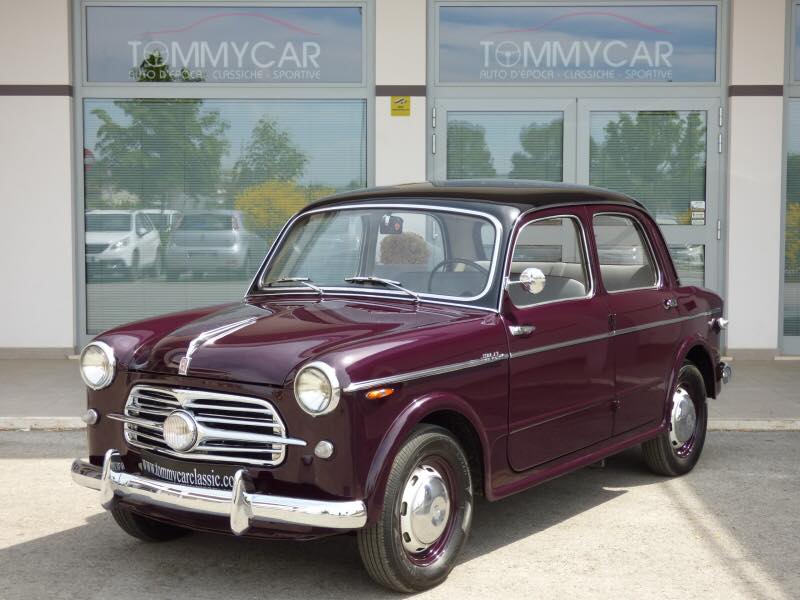
Fiat made sure the 1100 TV looked the part of a sporty little tourer, too. The car came dressed up from the factory with a two-tone paint scheme and extra chrome trim for a dash of elegance. A distinguishing feature was the single fog lamp inset in the front grille – a sort of one-eyed “monocle” that gave the TV a unique face, flanked by two shiny chrome whiskers. The rear of the car got a stylish tweak as well, with a larger curved rear window and tailfins sporting differently shaped tail lamps to set it apart from the regular 1100 sedans. In the cabin, the Turismo Veloce felt a bit more special: a sporty two-spoke steering wheel, two-tone upholstery, full carpeting, and even optional reclining bucket seats (a rarity in economy cars of the time) reminded you this was the upmarket 1100. All these upgrades didn’t come cheap – the TV cost substantially more than the standard model – but Fiat’s more enthusiastic clientele ate it up. Finally, here was an Italian “everyman” car with a fun streak, and it quickly earned a reputation as the little giant that could win races and look charming while doing it.
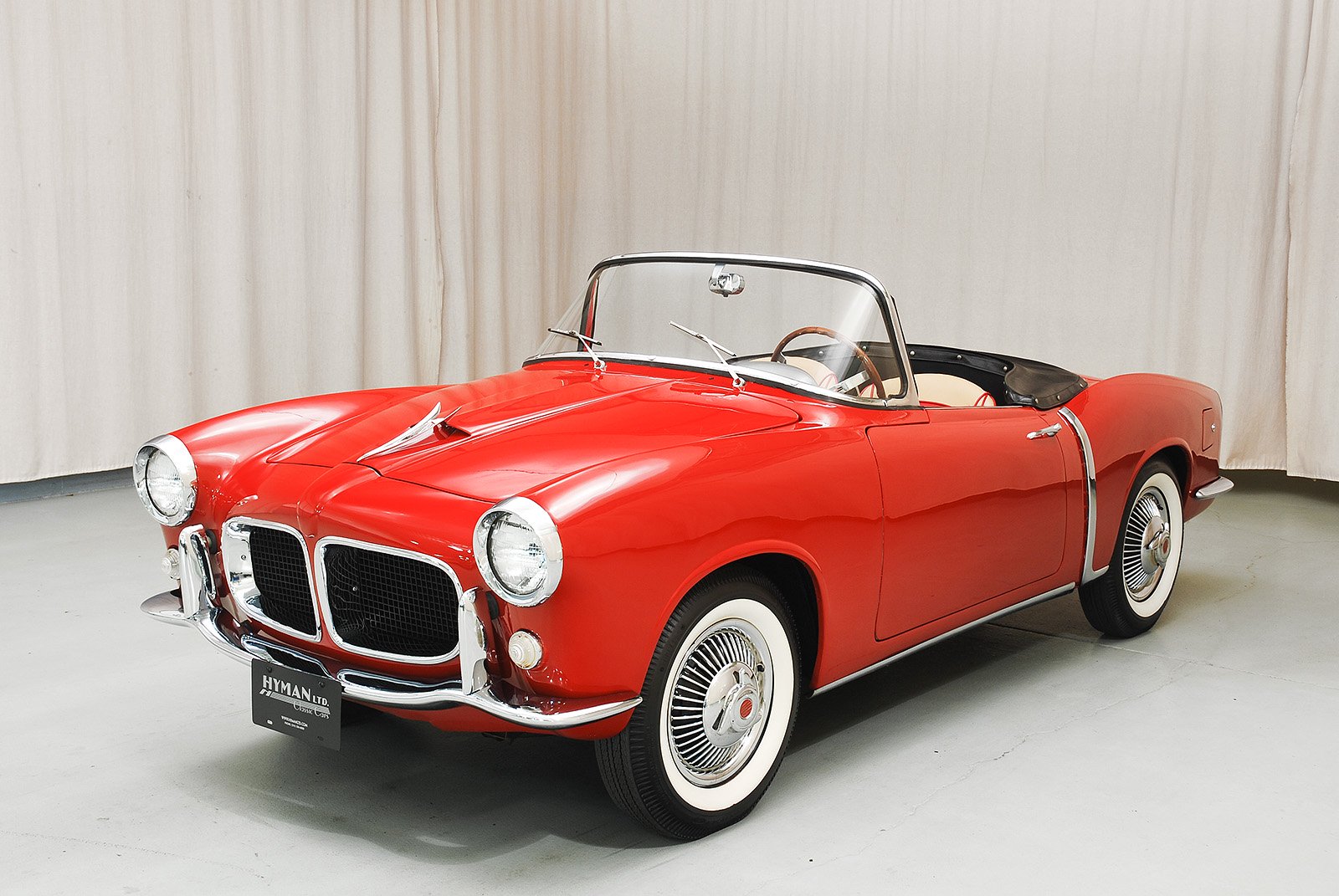
Driven by the 1100 TV’s success, Fiat even expanded the lineup with a bit of top-down flair. In 1955 they introduced the 1100 TV Trasformabile, a stylish 2-door cabriolet version built by Fiat’s own special bodies department (Carrozzerie Speciali) and designed by Luigi Rapi. Now Fiat had a sporty sedan and a swoopy convertible in the catalog, each based on the sprightly 1100 TV. But as exciting as the factory offerings were, the story of the 1100 TV was only just getting started – because Italy’s independent coachbuilders were about to work their magic on this humble hero.
Coachbuilt Coupés: Italian Creativity Unleashed
In 1950s Italy, the carrozzeri (coachbuilders) were like automotive fashion houses – and the Fiat 1100 TV was their latest muse. Its lively little chassis and eager engine made the perfect canvas for custom creations. Soon, names like Allemano, Pininfarina, Vignale, Ghia, Bertone, and others were reimagining the humble Millecento as glamorous coupés or spiders, often debuting them at major shows in Turin, Geneva, and Paris.
🔗 Read more: The Fiat 1100: A Canvas for Creativity
Some were one-off showpieces, others built in small batches for select clients. From Allemano’s sleek “Filante,” to Vignale’s rare and elegant “Desirée,” and Pininfarina’s more widely produced coupé, each carrozzeria gave the 1100 TV its own unique flair. Even Ghia, Bertone, and smaller ateliers joined in, experimenting with jet-age styling, dramatic profiles, and luxurious touches.
What all these interpretations shared was an ability to transform Fiat’s practical family sedan into a miniature grand tourer. Beneath the variety of shapes and trims remained the same spirited heart – proof that with a bit of Italian creativity, even an everyday car could become a head-turning jewel.
Accossato
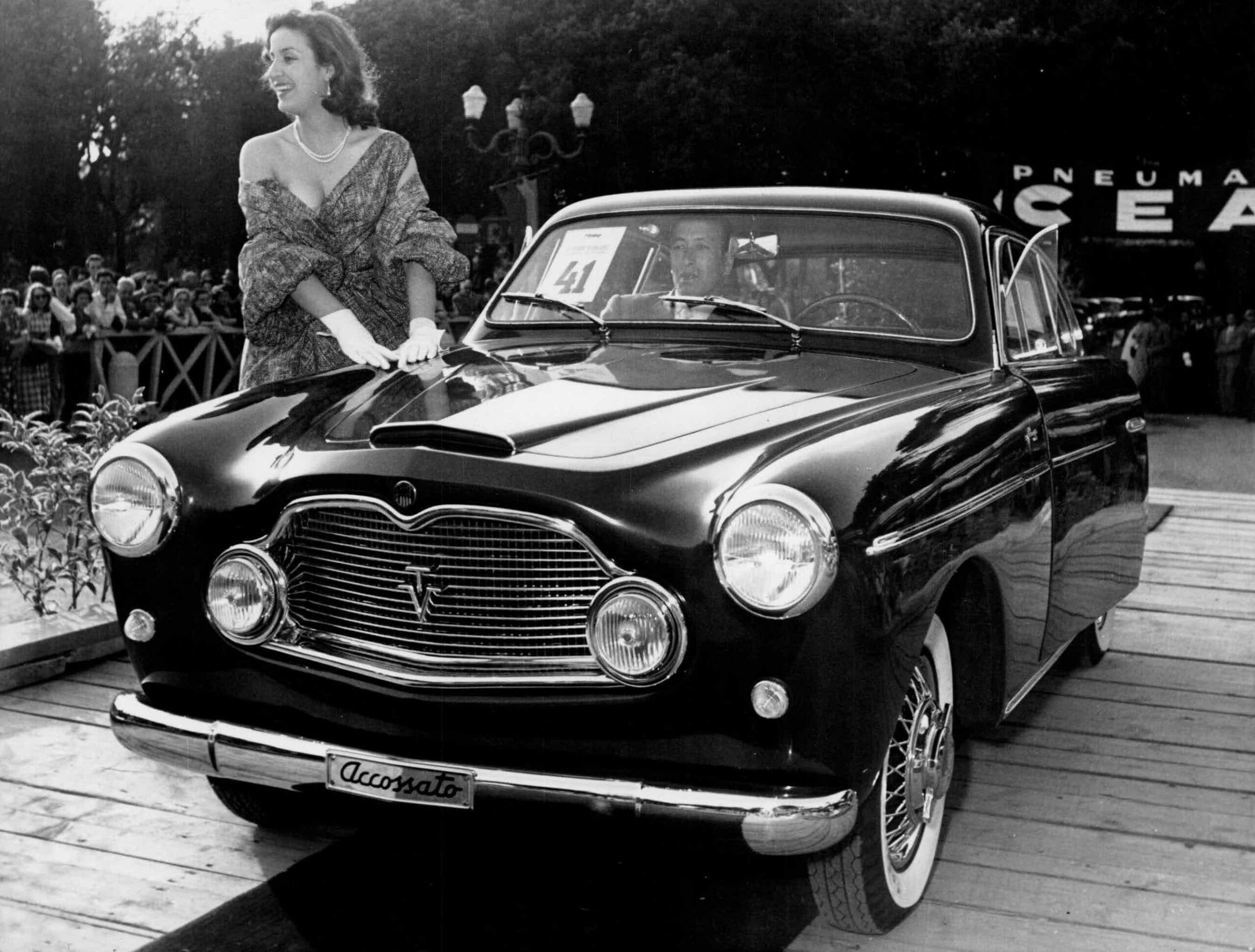
Unveiled at the 1954 Turin Auto Salon, the Accossato-bodied 1100 TV by Giovanni Michelotti stood out for its bold grille with a thick chrome bar and integrated fog lights. Its clean proportions and flowing lines gave the modest Fiat a modern, upscale character. Built in very small numbers, it remains one of the rarest and most distinctive coachbuilt variations of the Turismo Veloce.
Allemano
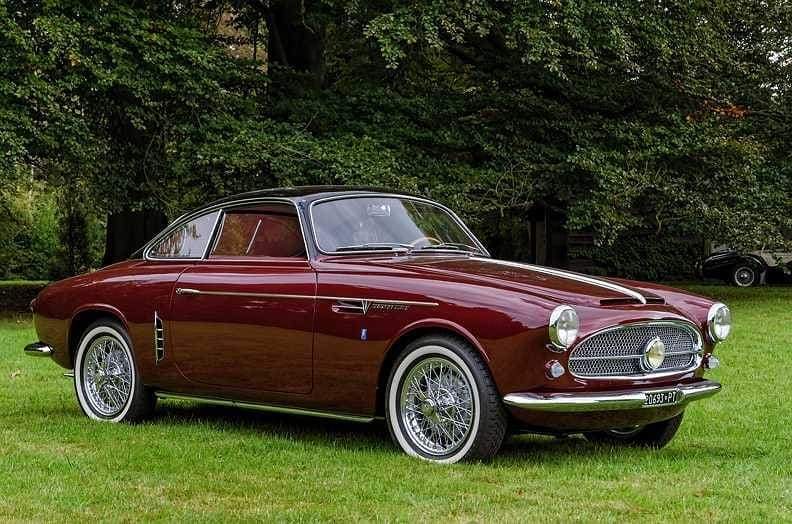
Unveiled at the 1954 Geneva Motor Show, the Allemano-bodied 1100 TV Sport “Filante” (Italian for streamlined) was a Giovanni Michelotti design with an elegant, aerodynamic silhouette. Its bold elliptical grille with auxiliary lamps and chrome details became a signature that also appeared on two other Allemano creations: a 2+2 Coupé and a Spider, both built the same year. Acclaimed at concours in San Remo and Cortina, the Filante remains one of the most graceful and influential interpretations of Fiat’s Turismo Veloce.
Boano
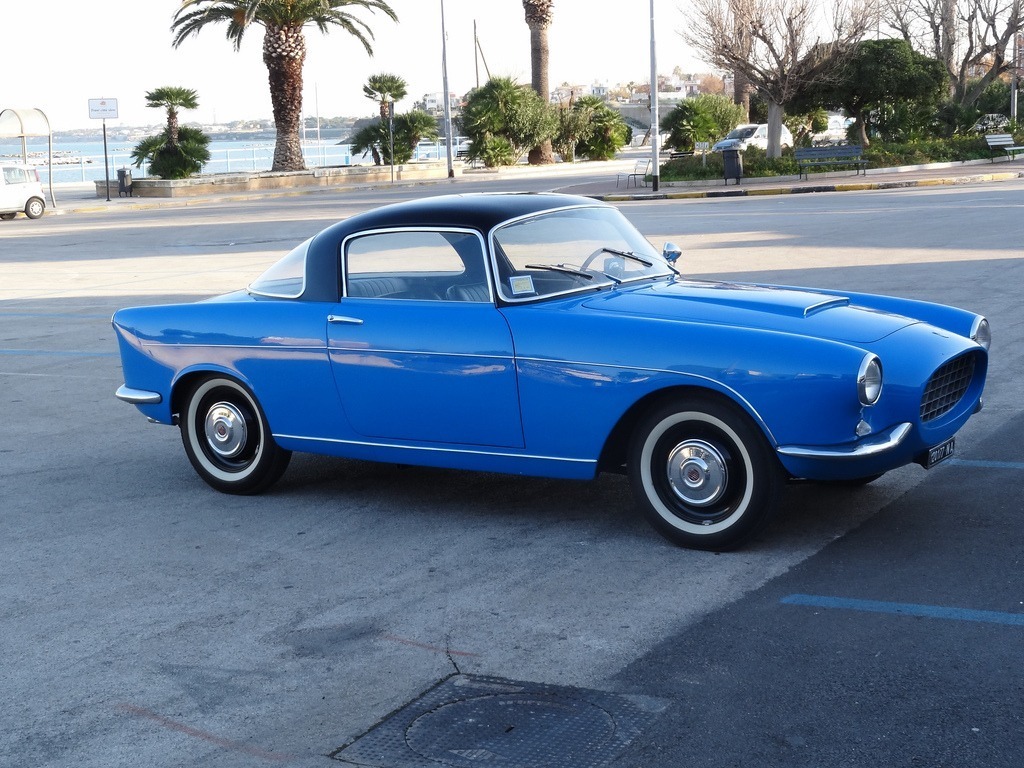
Produced in just ten examples, the Boano-bodied 1100 TV was one of Giovanni Michelotti’s rarer designs, created during Felice Mario Boano’s brief independent venture after leaving Ghia. With its handmade aluminium body, steel doors, and perspex rear window, it stood out for both style and innovation. Giannini tuned the engine to 65 hp, giving this coupé extra verve. Only one example is known to survive today, recently restored, making the Boano a jewel-like rarity among coachbuilt Turismos Veloce.
Boneschi
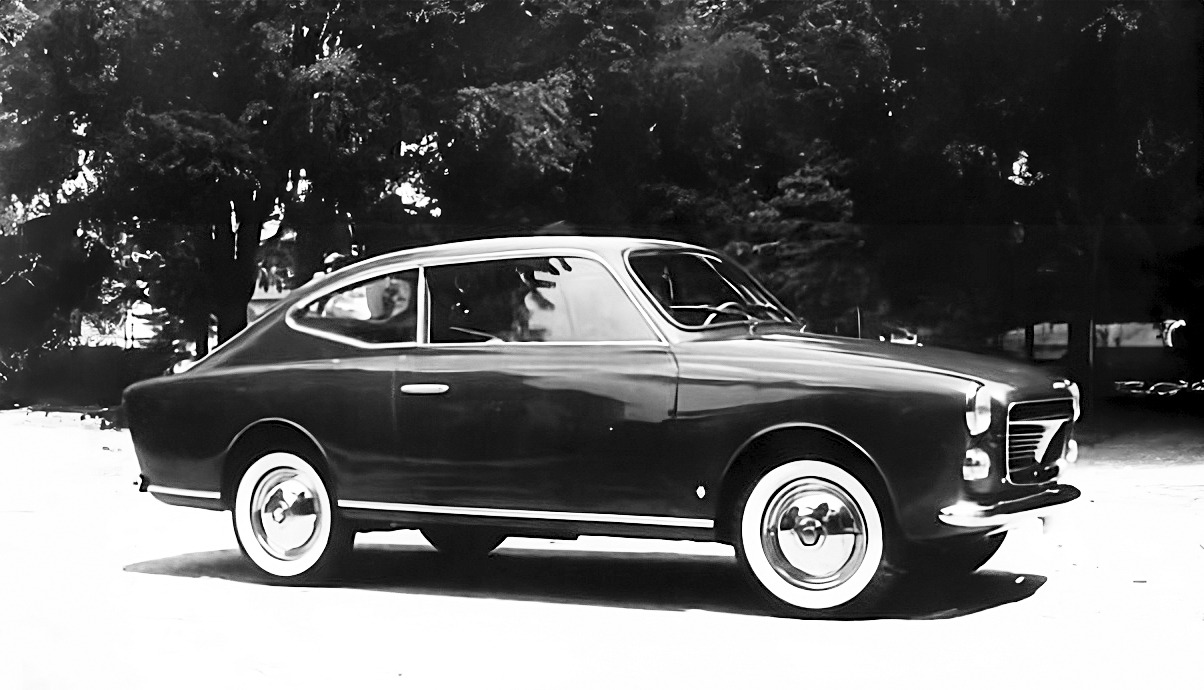
Introduced at the 1953 Turin Auto Show, the Boneschi “Spring” coupé gave the new Turismo Veloce a clean, modern look. Its low roofline, fastback profile, and distinctive rear side window hinted at Boneschi’s later linea tesa ideas, though the overall form remained softer. A simplified grille and wide glass areas reinforced its rational, contemporary character. Built only in small numbers, the Spring also appeared at the 1954 San Remo concours, where its balanced proportions were praised as one of the most understated yet elegant 1100 TV specials.
🔗 Read more: The ‘Linea Tesa’ design by Carrozzeria Boneschi
Canta
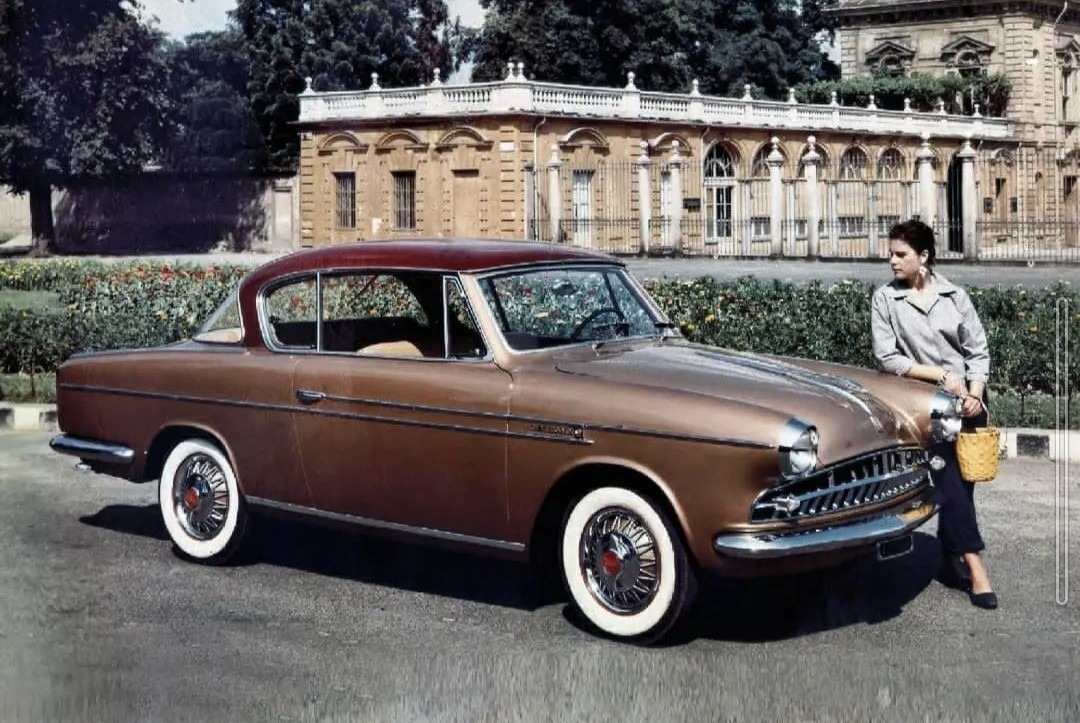
Built in 1954 by Carrozzeria Canta, this Michelotti-styled coupé quickly gained the nickname “Studebaker Fiat” for its close resemblance to the American Champion. Public response was enthusiastic, but Studebaker soon raised legal concerns, forcing Canta to revise the design later that year with a more individual look. Produced on both 1100 and 1400 chassis, the Canta illustrates the era’s fascination with American trends filtered through Italian craftsmanship, and the risks of getting too close to overseas inspiration.
Colli
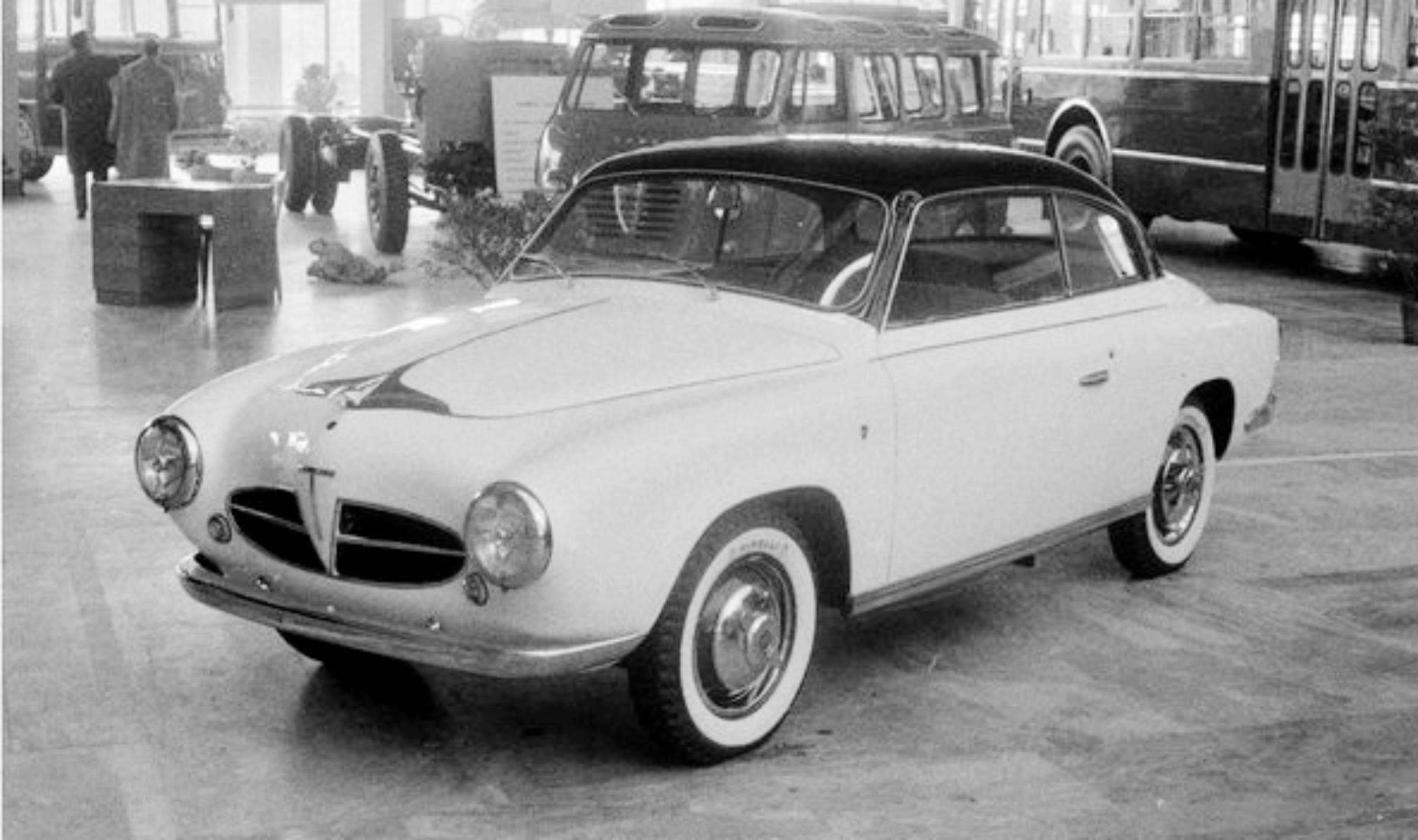
Shown at the 1954 Turin Auto Salon, the Colli coupé stood out with its two-tone paint, chrome hood trim, and a grille that cleverly incorporated the “TV” initials. Less slender than some rivals, its bold lines and quirky details gave it a distinct personality. Inside, Colli emphasized comfort and space, making it a practical yet unconventional take on the Turismo Veloce. Though divisive in style, it remains memorable for its originality and daring approach. Probably a one-off.
Fissore
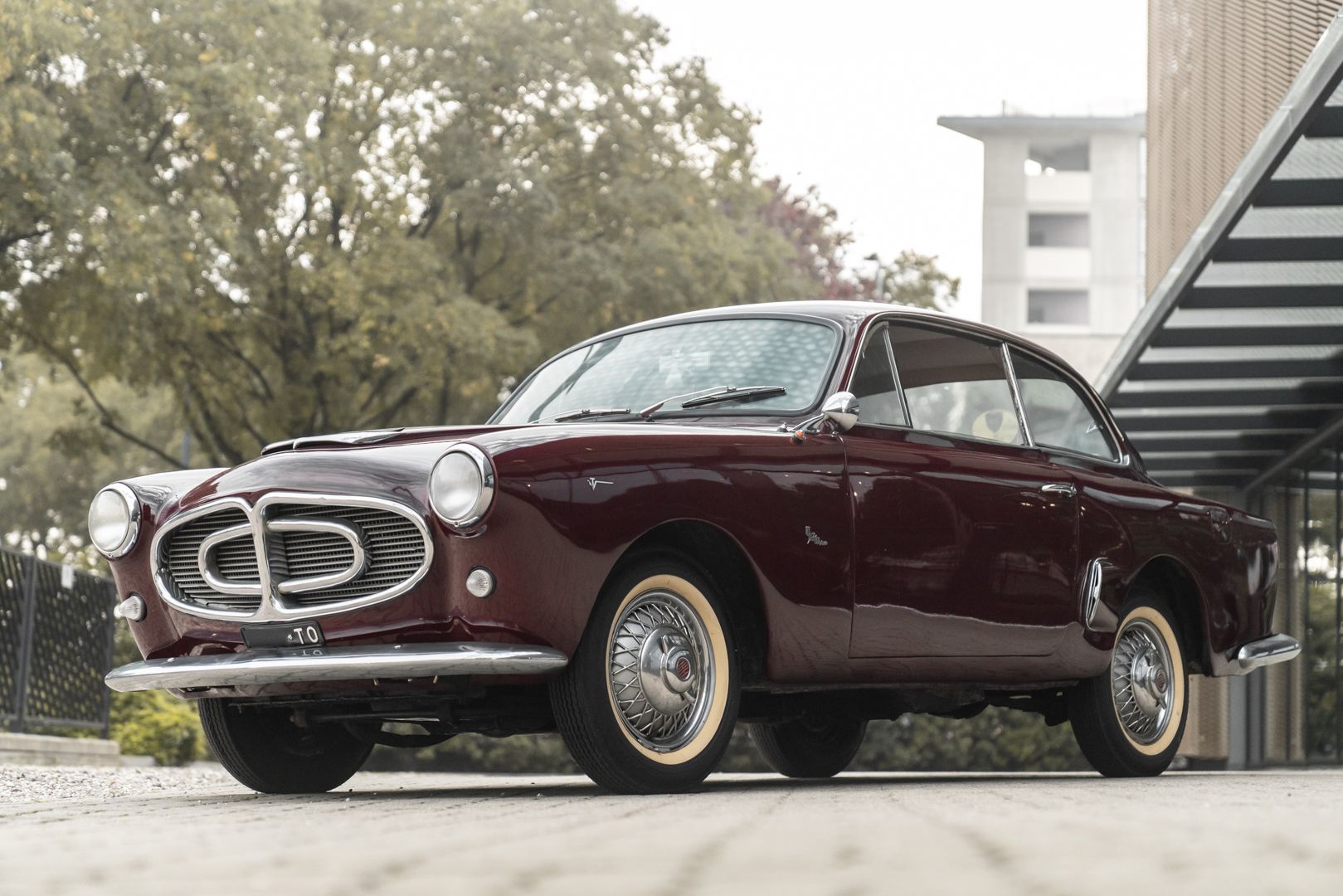
Among the rarer fuoriserie interpretations, Carrozzeria Fissore presented its own coupé on the 1100 TV chassis in the mid-1950s. Distinctive for its bold oval grille crossed by a central bar, the design gave the compact Fiat a more assertive face while retaining balanced proportions and smooth flanks. Built in very limited numbers, the Fissore coupé stands out today as an unusual and striking variation on the Turismo Veloce theme.
Frua
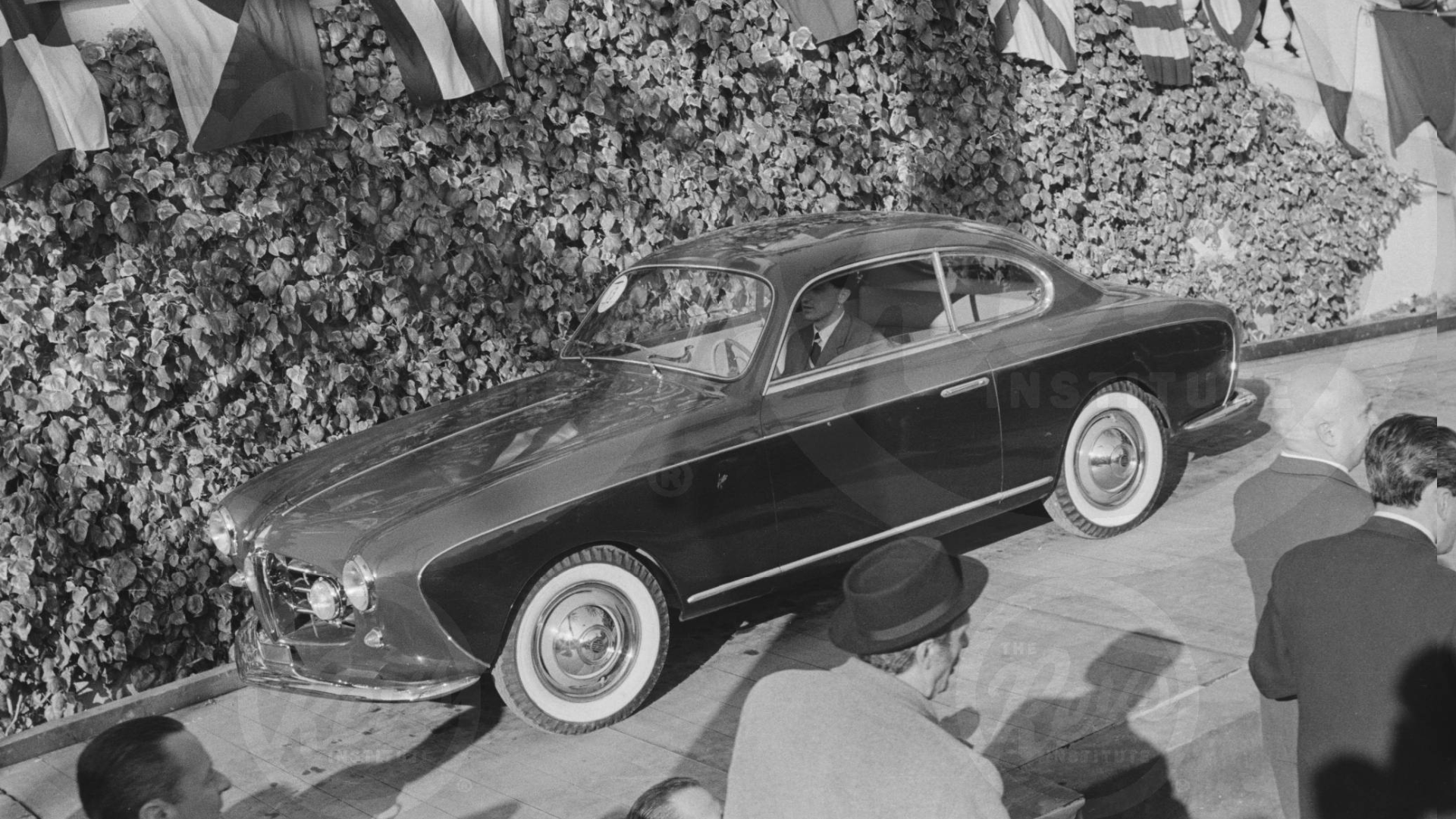
Exhibited at the 1954 San Remo Concorso d’Eleganza, Pietro Frua’s take on the 1100 TV was among the most dramatic interpretations of the model. With its sharp front treatment, pronounced fender lines, and refined proportions, it transformed the modest Fiat into a show car of real presence. Frua’s coupé stood out for its elegance and flair, securing attention at one of Italy’s most prestigious concours events and underlining the versatility of the Turismo Veloce chassis.
Ghia
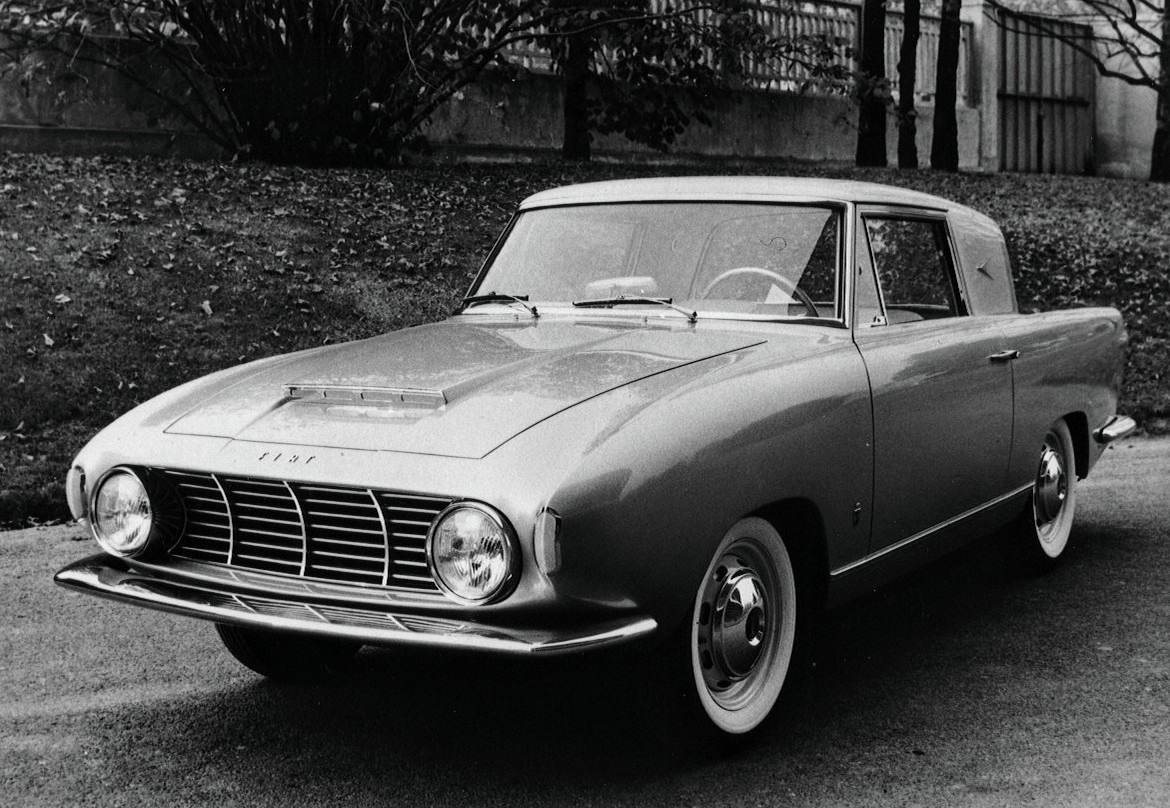
Among Ghia’s various interpretations of the Turismo Veloce, the 1957 coupé by Sergio Sartorelli was the most daring. Built as a one-off show car for the Turin Motor Show, it featured a sharp, rectilinear body with a wide horizontal grille and clean, slab-sided flanks—far removed from the rounded forms still common in mid-1950s design. Its taut lines gave the compact Fiat a modern, almost American flavor. A spider version with the same styling was also produced, underlining the adaptability of Sartorelli’s theme. Both remain striking examples of how Ghia pushed the 1100 TV into avant-garde territory.
🔗 Read more: Sergio Sartorelli: Designer of Dreams
Monterosa
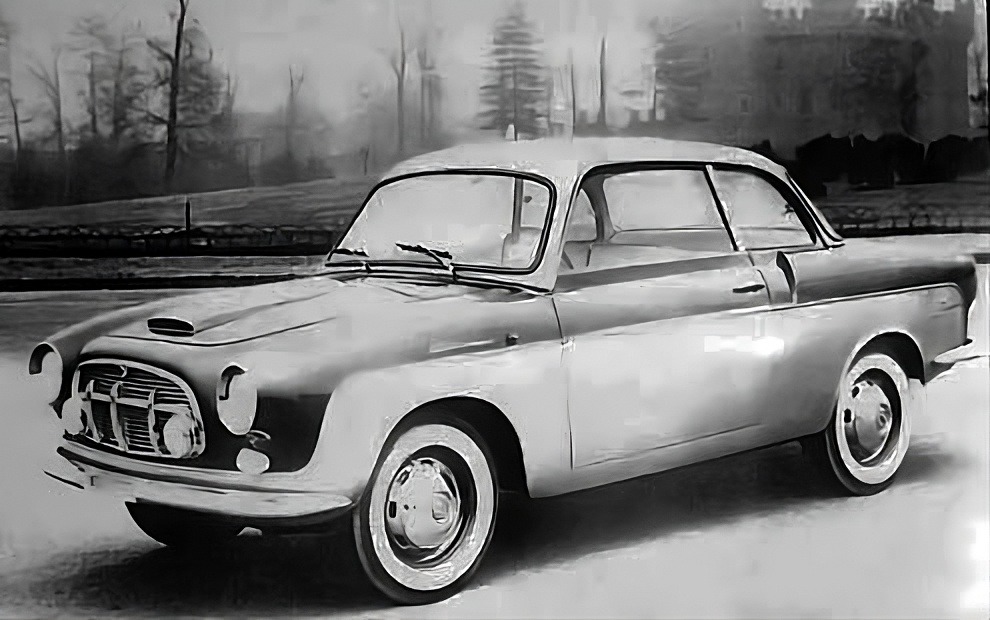
Built in 1954 by Carrozzeria Monterosa of Turin, this 1100 TV coupé displayed a distinctive blend of bold American-inspired details and compact Italian proportions. Its upright front grille with integrated lamps and a scooped bonnet gave the car a robust, almost experimental look, while the squared-off roofline and clean sides hinted at the boxier styles to come later in the decade. Produced in very small numbers, the Monterosa coupé remains a curious but memorable chapter in the 1100 TV’s coachbuilt story.
Monviso
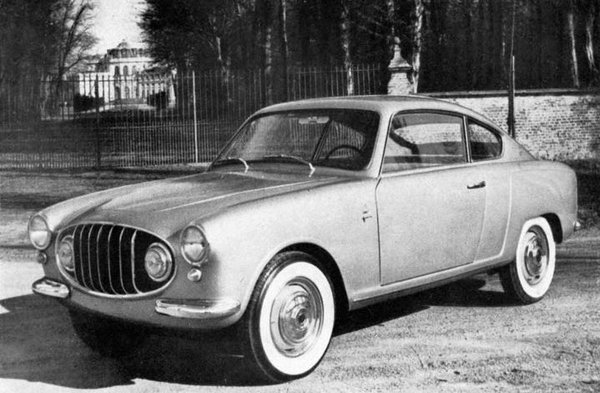
Presented by Carrozzeria Monviso at the 1954 Turin Auto Salon, and later shown at the San Remo concours, this Giovanni Michelotti-designed coupé was one of several 1100 Monviso variants, alongside a berlinetta and cabriolet. The coupé stood out for its tall oval grille and smooth, flowing profile, a blend of elegance and subtle sportiness that reflected Michelotti’s signature touch. Rare and refined, it remains a highlight of Monviso’s brief but creative contribution to the Turismo Veloce story.
Pininfarina
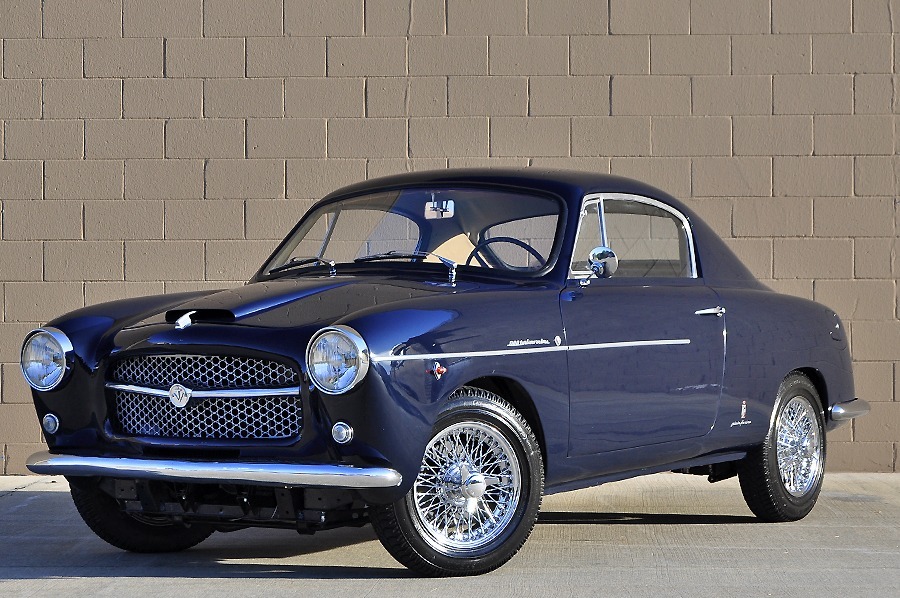
Pininfarina, probably the coachbuilder with the most proposals on the 1100 TV chassis—opened its run with the first-series coupé, unveiled at the 1953 Paris Salon. With clean, low-slung proportions and restrained detailing, it gave the Turismo Veloce true gran turismo poise. Built in far greater numbers than any other coachbuilt 1100 TV (around 780 across three years), it set the template for the model line; a later second series added a wraparound rear window, but the original remains the purist’s pick.
Savio
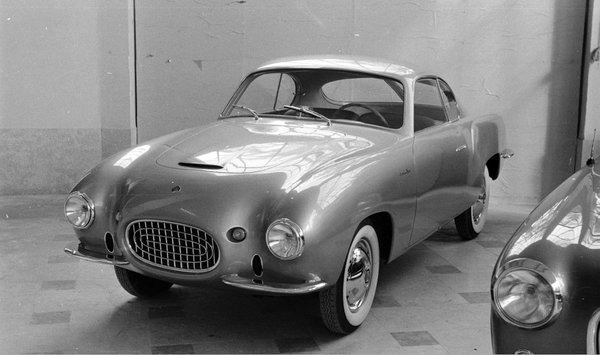
Unveiled at the 1953 Turin Motor Show, the Savio-bodied 1100 Sport was a one-off creation styled by Franco Scaglione. With hand-crafted aluminum panels and mechanical upgrades developed in-house, it pushed the Turismo Veloce into more serious performance territory. Power rose to 54 hp thanks to a higher compression ratio and reworked intake, while suspension changes sharpened handling. Sold new to architect Renato Benassi, the car combined Scaglione’s flair with Savio’s engineering, making it one of the most technically ambitious—and rarest—1100 TV specials.
Vignale
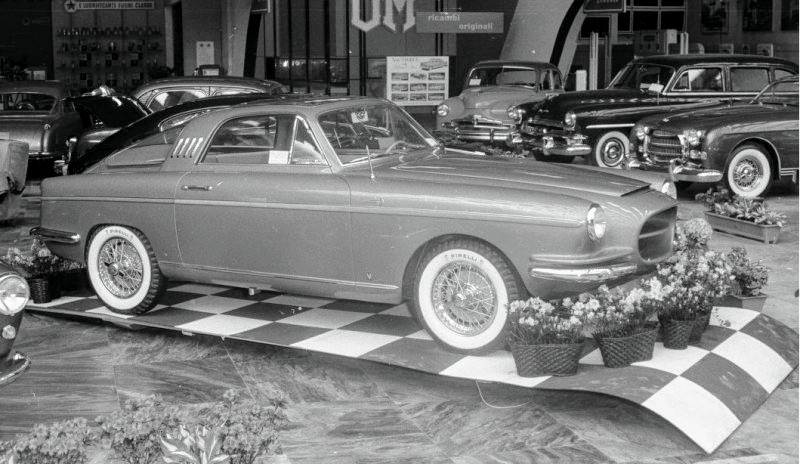
Among Vignale’s many proposals on the 1100 TV, the Antibes of 1954 stood out as a one-off showpiece designed by Giovanni Michelotti. First shown at the Turin Auto Salon and later at the Concorso d’Eleganza al Pincio in Rome, it impressed with its slender proportions, flowing lines, and an unusual natural wood strip along the fender—an artisanal detail that became its defining flourish. Widely considered one of Michelotti’s most elegant Fiat designs, the Antibes set the tone for Vignale’s other interpretations of the Turismo Veloce, from the similarly styled Mignon to the limited-production Désirée and Printemps, and even the unique Charmant. Together, these variations underscored Vignale’s ability to blend refinement with individuality across the 1100 TV chassis.
Zagato
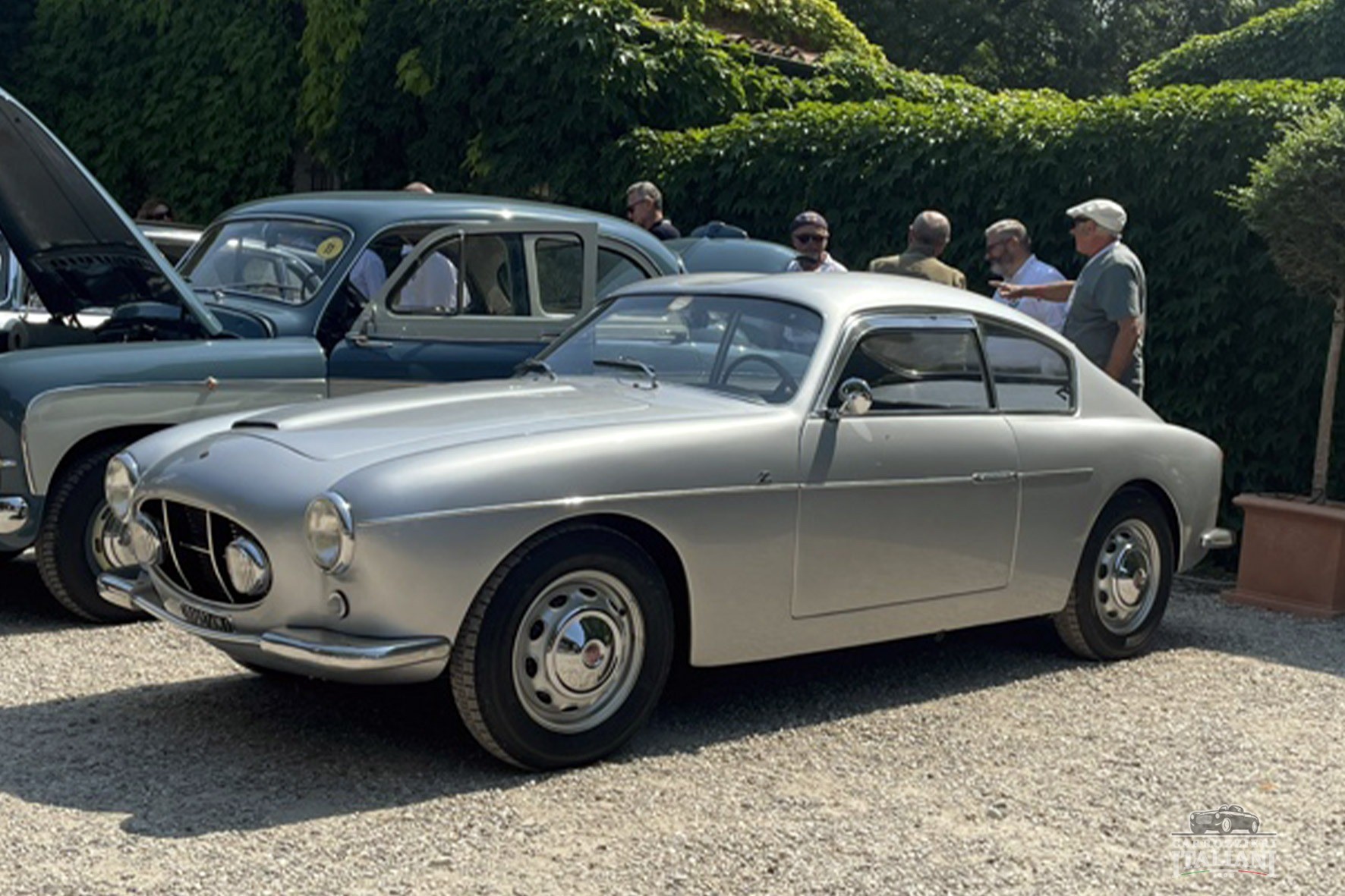
Zagato’s take on the 1100 TV was a true gran turismo distilled to its essence: light, rounded, and built with competition in mind. About 15 examples were made, with only three known to survive today—one originally owned by Elio Zagato himself and preserved in the same family for nearly 60 years. In typical Zagato fashion, the coupé combined aerodynamic simplicity with functional elegance, echoing the design spirit the Milanese coachbuilder was simultaneously applying to Maserati, Alfa Romeo, and Abarth. A small series, but one that underlined the 1100 TV’s potential as a genuine sporting machine.

ABOUT THE AUTHOR
Andreas Scheidl
Italian classic car enthusiast with German roots. Renowned as a respected figure in the classic car community, he serves as a jury member at various international concours d'elegance, including the Classic Gala Schwetzingen and Mantova. As a content creator, Andreas passionately shares his profound knowledge and appreciation for vintage automobiles. His heart beats for cars designed by Giovanni Michelotti, showcasing his discerning taste and dedication to preserving the timeless elegance of automotive history.
More stories by Andreas Scheidl ↗CONTINUE READING
Posts You Might Like
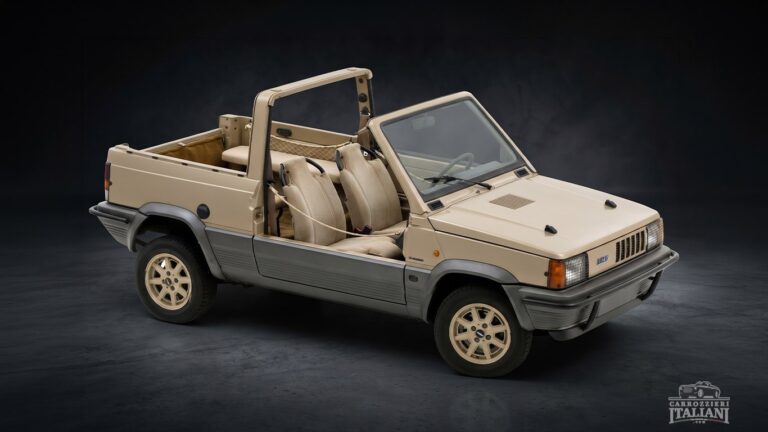
Fiat Panda Cabrio: The Italian Coachbuilders Who Opened Giugiaro’s Box
From Moretti’s Panda Rock to Italdesign’s experimental Strip, Maggiora’s four-wheel-drive convertible and Stola’s remarkable Destriero, the history of the open-top Panda reveals an unexpected chapter in Italian coachbuilding. When Giorgetto Giugiaro designed…
Read story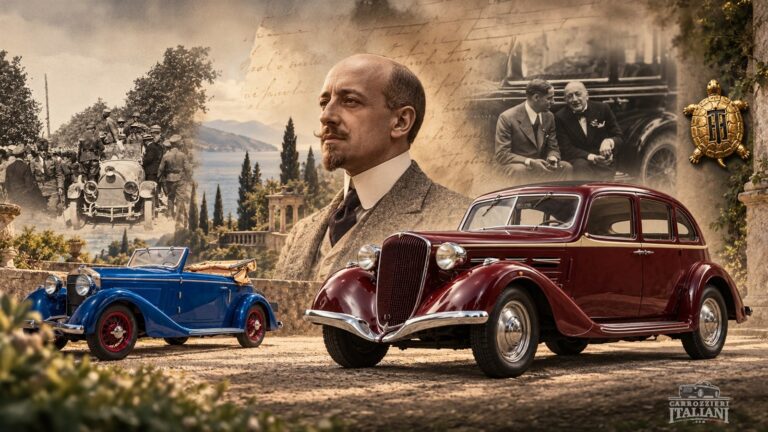
Gabriele d’Annunzio and the Cult of the Automobile
There was a time when the automobile had not yet become part of the landscape. It announced itself from afar through the beating of an engine, the smell of petrol and hot…
Read story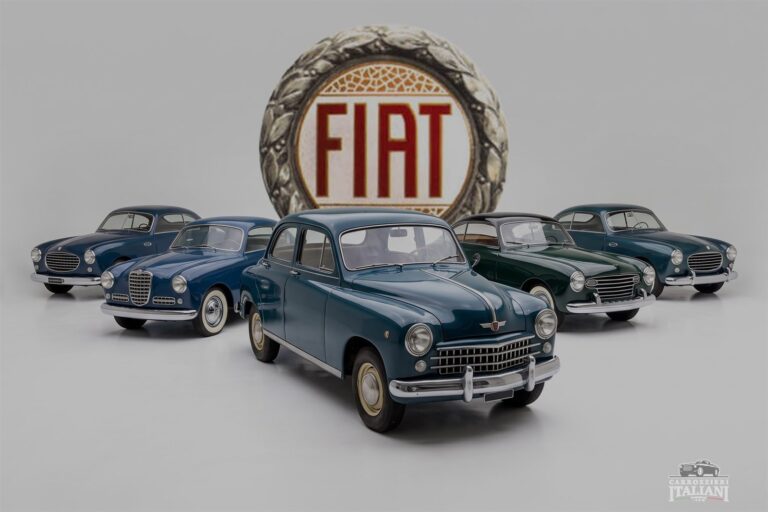
Fiat 1400: The Last Great Playground of the Carrozzieri
From Touring and Abarth to Farina, Ghia, Vignale, Boneschi, Bertone, Viotti and the smaller carrozzerie, the new Fiat quickly became one of the richest bases for Italian special bodies in the early…
Read story
How a Swiss Dealer Challenged Ferrari: The Story of Monteverdi
How Peter Monteverdi went from Swiss Ferrari dealer to creator of rare Frua and Fissore-bodied GTs, the Hai supercar and luxury off-roaders.
Read story
THE CONVERSATION
Comments 0
Share a memory, a period photograph or a documented detail about this story.