
The story of Carrozzeria Monterosa
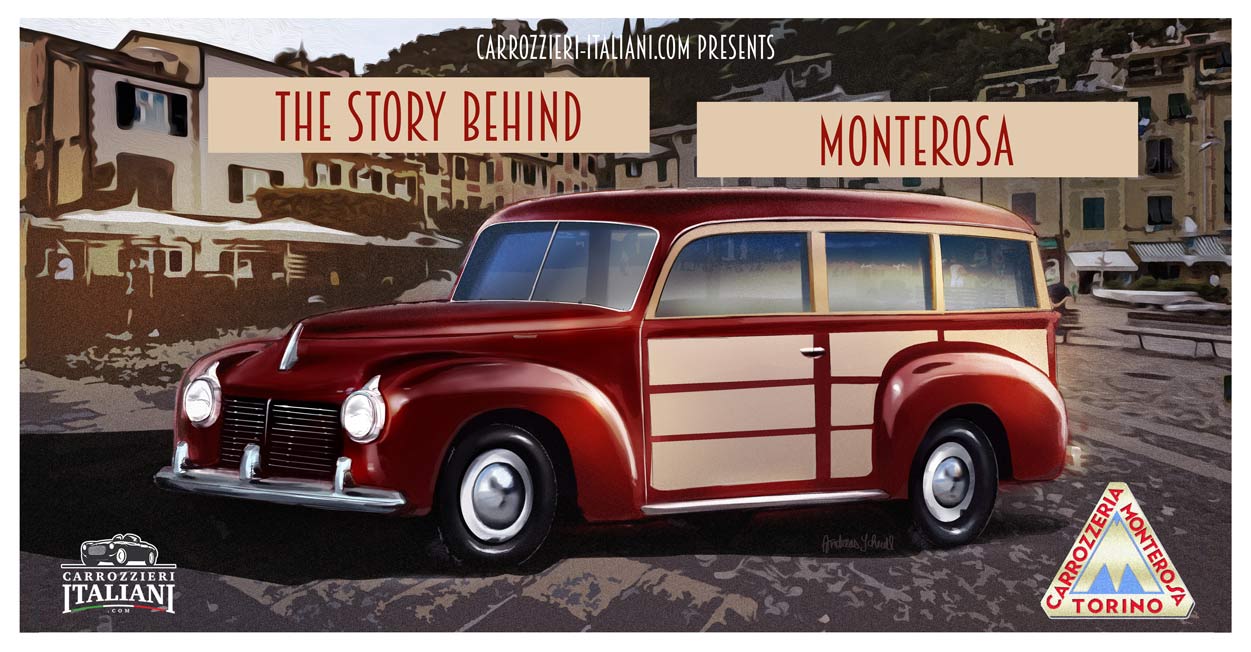
Imagine post-war Italy in 1946: cities rebuilding, resources scarce, and opportunity ripe for those bold enough to seize it. In this setting, a young coachbuilder named Giorgio Sargiotto decided it was the perfect time to launch a custom car-body business. That venture became Carrozzeria Monterosa, a small Turin-based shop that would ride the wave of Italy’s automotive rebirth with creativity, audacity, and a touch of Italian eccentricity. Over the next 15 years, Monterosa earned a reputation for stylish station wagons, quirky one-offs, and some prize-winning designs – all while driven by colorful characters and innovative ideas. Let’s take a chronological journey through Monterosa’s rollercoaster history, from its early years of scrappy ambition to the heights of prosperity, and ultimately to its bittersweet decline and lasting legacy.
A Bold Beginning in Turin
Carrozzeria Monterosa was officially founded in early 1946, as Italy emerged from World War II. Giorgio Sargiotto – a skilled craftsman with big dreams – partnered with businessman Edgardo Barbero to set up shop in Turin.
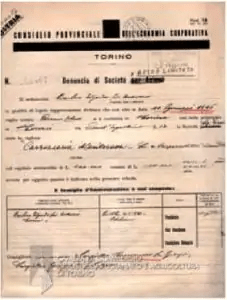
According to the Turin Chamber of Commerce records, the company was established on January 11, 1946, with headquarters at 12 Sant’Agostino Street. By February 22, 1946, Monterosa was formally registered with a corporate purpose of “repairing and manufacturing automobile bodies,” essentially the art of coachbuilding. The initial capital was a modest 400,000 lire (a sum that might buy you a few tires today), jointly put up by three key figures: Edgardo Barbero (who became President), Tommaso Sargiotto (Giorgio’s cousin, named as administrator), and Sergio Sargiotto (another family member, also administrator). Of the trio, only Giorgio Sargiotto had real coachbuilding expertise – but sometimes passion and chutzpah count as much as experience.
Giorgio Sargiotto certainly had the credentials. Born in Turin in 1915, he had cut his teeth at the famed Bertone coachbuilder, rising through the ranks during the 1930s and early ’40s. By 1942 he was promoted to Deputy Chief Officer of Bertone’s metalworking department (the Ferradori department), and by late 1943 he became Chief Officer, Bertone’s top shop-floor position. In short, he knew how to shape metal into rolling art. His cousin Tommaso, though not a designer, was a trained mechanic from Anelli & Bosio, handy for the technical side. And then there was Edgardo Barbero – an older gentleman from Biella with no prior car-building background, but plenty of business savvy and unbridled energy.
Edgardo Barbero: The “Unbridled” Entrepreneur
Edgardo Barbero might have been the least car-savvy of the founders, but he made up for it in life experience (and then some). Born in 1900, Barbero had led a colorful career before Monterosa. In archival records he’s described as a man who tried his hand at almost everything: he started as a merchant, then became an army officer in the sharpshooters, then a traveling salesman; by 1939 he was working for the Radio Brevetti Ducati Scientific Society. If that wasn’t varied enough, he also had a talent for getting into mischief. Barbero’s financial history included a bankruptcy in 1930 (the Court of Biella declared him bankrupt – though an amnesty later halted the proceedings). He even managed to get temporarily suspended from the National Fascist Party in 1931 for “unspecified reasons” likely related to his rather bohemian lifestyle. (It takes a certain flair to get kicked out of a party that was known for disciplining others – clearly, Barbero lived by his own rules.) Police reports from his hometown noted his years in Biella were unstable, “often straddling the boundaries of legality,” and even mention his association with “a woman of ill repute,” which in 1930s parlance suggests a very lively social life. In short, Barbero was no buttoned-down executive; he was one of Biella’s earliest squadristi (fascist blackshirts) known for fearless, daredevil behavior – the kind of guy who would drive forward when everyone else hit the brakes.
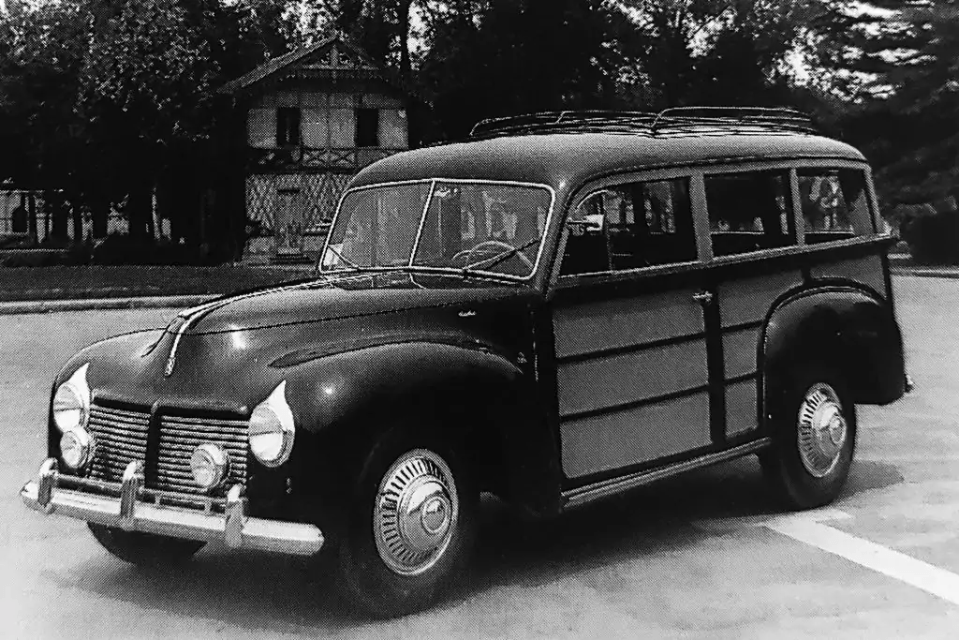
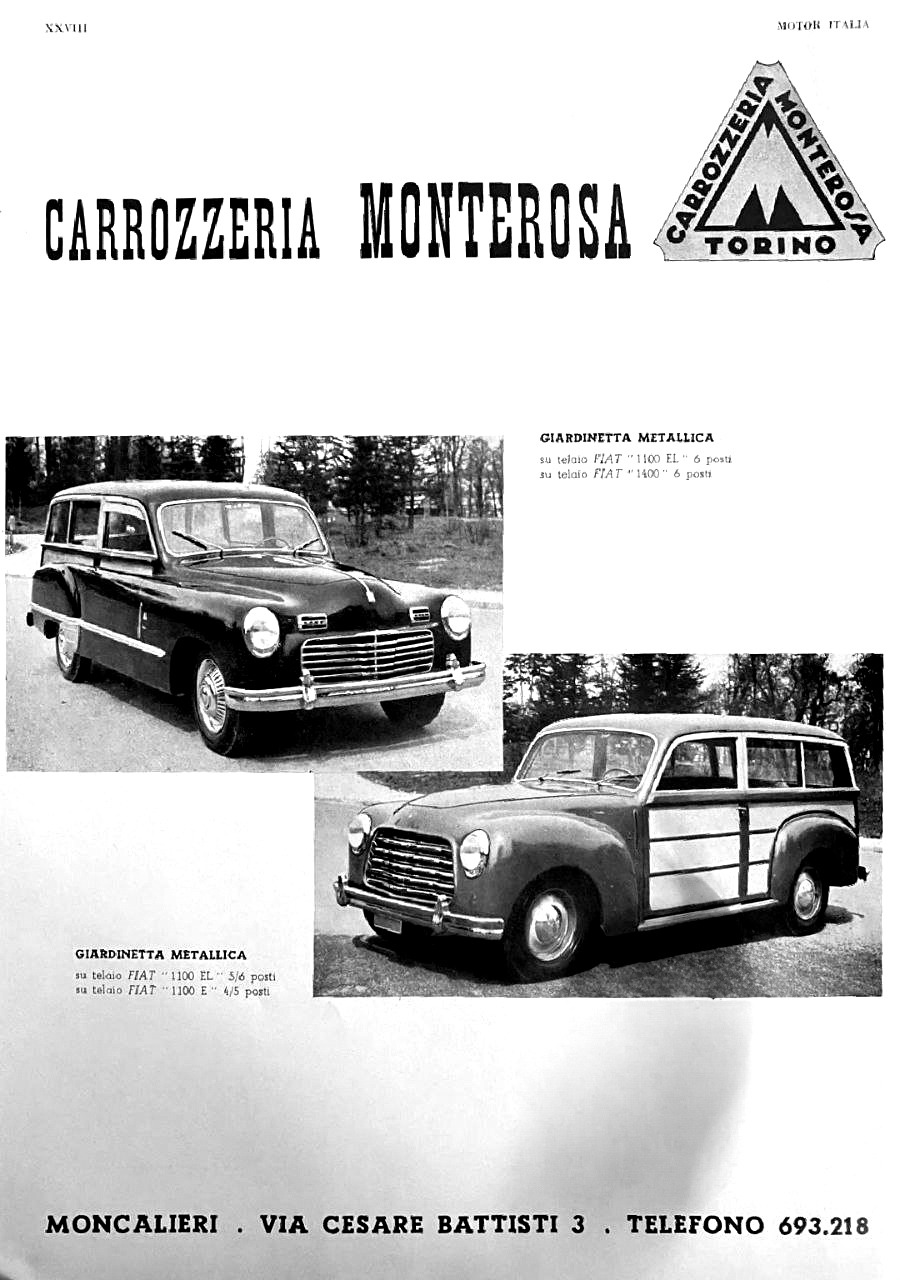
All this brio could have spelled trouble, but after World War II Barbero reinvented himself. He directed his relentless energy into Carrozzeria Monterosa, becoming the company’s driving business force. Under his watch (and Giorgio Sargiotto’s technical lead), Monterosa quickly carved out a niche: the company specialized in station wagons – known in Italy as “giardiniera” or “giardinetta” – which were in hot demand during Italy’s post-war reconstruction. In those tough years, people needed versatile vehicles: something that could haul materials during the week and take the family out on Sunday. Monterosa’s well-crafted station wagons fit the bill perfectly. They were sturdy workhorses that could transform into leisure vehicles on a whim, elegantly swinging from commercial use to recreation with ease. Thanks to this savvy focus, Monterosa had immediate success – orders rolled in, and it became a preferred coachbuilder for those wanting practical yet stylish wagons. Barbero, once a restless soul, now channeled his boldness into growing this young enterprise.
Faux Wood, Real Metal: Wagon Innovation in the 1940s
Monterosa’s early production centered on station wagons built on readily available car chassis. In 1946–47, the company started crafting giardiniera (woody wagons) using the popular Fiat 1100 and Lancia Aprilia platforms. These were exactly the kind of utilitarian vehicles post-war Italy craved. But Monterosa gave them an extra twist of style. At a time when many coachbuilders were making “woody” wagons with actual timber (partly due to metal shortages), Monterosa boldly went in the opposite direction – they simulated the wood look entirely in metal. In terms of painting and finish, the Monterosa wagons got a faux woodgrain effect, imitating wooden bodywork, but beneath the paint it was all steel. This approach had huge advantages: metal-bodied wagons were sturdier, less prone to rotting or warping, and required less maintenance than genuine wood. In other words, Monterosa built “woodies without the wood,” sparing owners the worry of termites in their fenders or constant varnish upkeep.
🔗 Read more: The Rise of the Giardiniera: From Utility Vehicle to Trendsetter
To be fair, Monterosa wasn’t entirely alone in this metal-woody revolution. Rival Carrozzeria Viotti had pioneered the Italian station wagon (Viotti even trademarked the term “Giardinetta” for their woody wagons) and used real wood on their bodies during the immediate post-war steel shortage. Monterosa cheekily sidestepped that approach by painting the wood effect on steel panels. Another coachbuilder, Fissore, also experimented with all-metal wagons around the same time. Fissore’s early prototype on a Fiat 1100 chassis had only the doors with wood trim and the rest in metal, mimicking American-style woody wagons. Ultimately, Fissore’s production version still used some wood framework, but Monterosa had gone fully metal from the start, which proved to be the smarter long-term move.
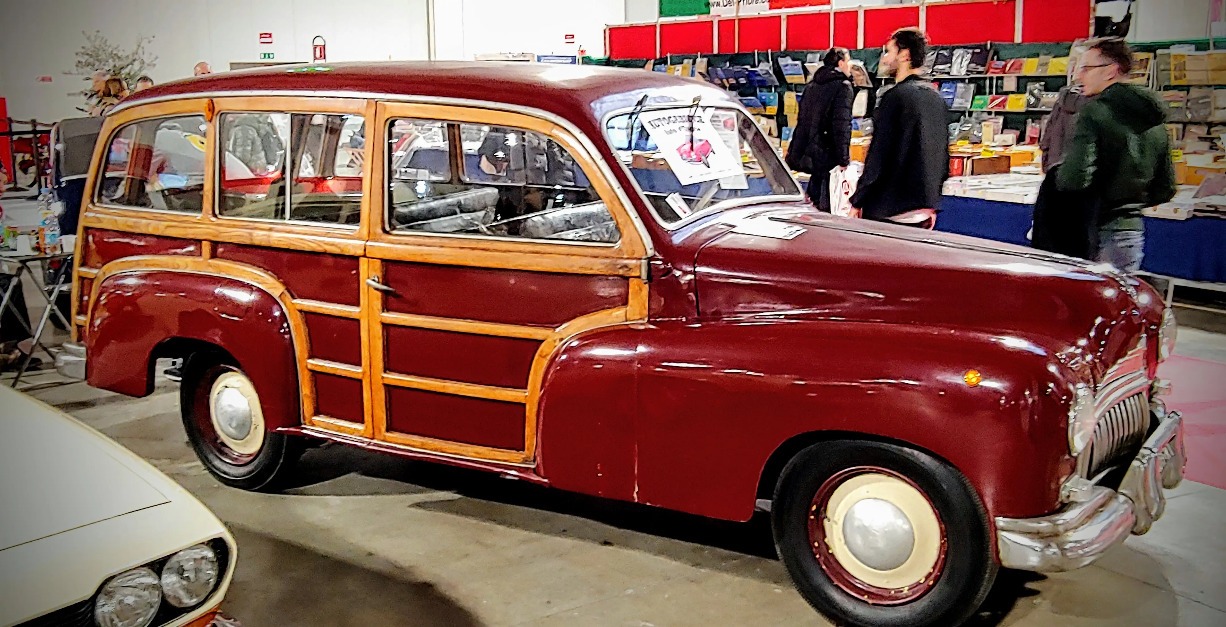
Monterosa’s faux-wood, all-metal wagons were not just practical – they were pretty enough to show off. In September 1948, the company debuted its creations at the 31st Turin Auto Show, the first major Italian auto show after the war. They weren’t the only ones there with station wagons – many coachbuilders brought their best “woodies” to Turin that year – but Monterosa’s (and Fissore’s) stood out for being pioneering all-metal designs. The industry magazine L’Auto Italiana actually heaped praise on Fissore’s painted-metal approach, noting how refreshing it was to see wagons without decorative timber, wearing full paint instead. No doubt Monterosa’s similar approach also caught the eye of journalists and the public. After years of seeing patchwork wartime conversions and makeshift wood paneling, here were wagons that looked modern and elegant with their sleek painted flanks. The positive reception was such that Monterosa soon started eyeing a move to a larger facility in Moncalieri (a town just outside Turin) to keep up with demand. Not bad for a company barely out of infancy.
Monterosa didn’t limit itself to just Fiat 1100s and Lancia Aprilias, either. As the early 1950s rolled in, they expanded their repertoire. They built occasional ambulances, hearses, and even promotional vehicles (imagine a rolling billboard van) for various clients. And when Fiat introduced new models like the Fiat 1400 sedan in 1950 – Fiat’s first post-war car – Monterosa was quick to adopt that chassis for a larger station wagon conversion. They also worked with the elegant Lancia Aurelia chassis for some special bodies. By embracing multiple brands (Fiat, Lancia, even some Alfa Romeos later on), Monterosa positioned itself as a versatile boutique coachbuilder ready to tackle anything with wheels.
A Prize at the Venice Concours
Monterosa’s early innovation did more than just attract customers – it also won accolades. In 1950, one of Monterosa’s Fiat-based station wagons achieved a noteworthy honor at the Concorso d’Eleganza del Lido di Venezia (Venice Concours d’Elegance), a prestigious Italian car beauty pageant. The Monterosa Fiat 1400 Giardinetta presented at Venice wowed the judges and took home a class win (Gran Premio) in its category. This was a big deal: the Venice concours was an elite event where Italy’s finest automotive designs were showcased, and Monterosa’s all-metal “woodie” wagon held its own against creations from top coachbuilders like Ghia and Vignale. L’Auto Italiana reported that at the 1950 Lido di Venezia event, Monterosa’s wagon was awarded the prestigious class prize alongside other notable winners (including a stylish Fiat 1400 convertible and the Vignale “Orchidea” coupé). The win underscored the craftsmanship and elegance Monterosa packed into a utilitarian wagon. It’s almost poetic that a car which could double as a hearse or family hauler by day was collecting trophies for beauty by night! This victory put Carrozzeria Monterosa on the map of Italian coachbuilding excellence, at least for a moment, and gave the company some bragging rights in their sales brochures.
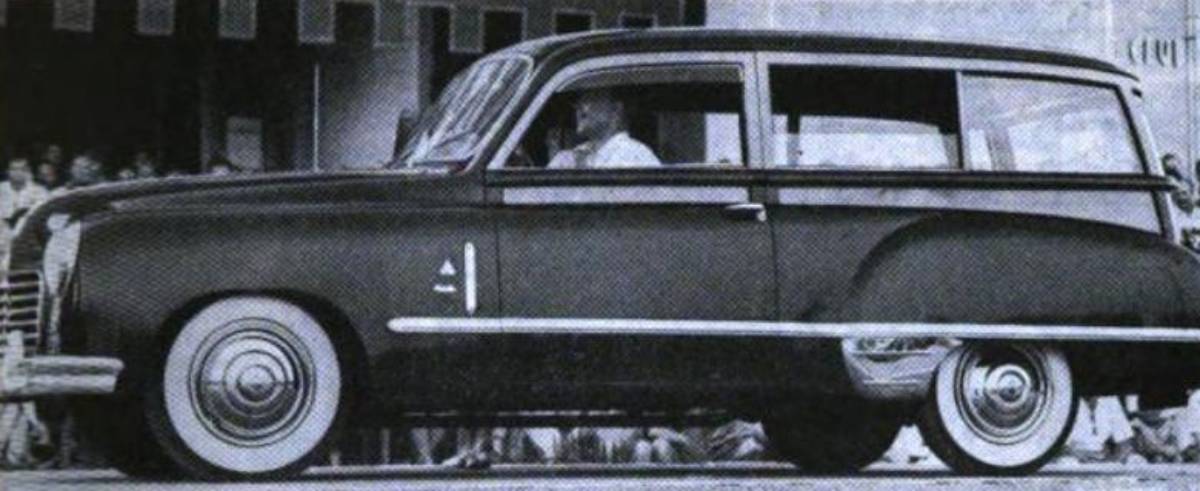
Following this high-profile success, Monterosa continued to participate in the show circuit and concorsi. Their creations were seen at other events in the 1950s – for example, Monterosa presented a Fiat 1100 Giardiniera at the 1954 Concorso d’Eleganza in San Remo, rubbing shoulders with entries from rivals like Fissore and Frua (though it was just an honor to participate, as victory eluded them that time). The concours appearances demonstrated that Monterosa’s designs could be competitive in elegance as well as practicality, further enhancing the firm’s reputation among enthusiasts.
The Prosperity: Peak Years and Stylish Creations (Mid-1950s)
By the mid-1950s, Italy’s economy was improving and car culture was flourishing. Carrozzeria Monterosa rode this wave with gusto, evolving from wagons to sportier customs. After moving to the larger Moncalieri premises, the company started branching out into coupés and special editions, often in collaboration with talented freelance designers. In 1954, Monterosa unveiled a smart little Fiat 1100/103 Coupé with body design by a rising star of the car design world, Giovanni Michelotti. This sleek 2-door model, built on Fiat’s new 1100/103 platform, was a hit – it proved that Monterosa wasn’t just about wagons; they could make a pretty sports coupé too. The 1100 Coupé by Michelotti garnered notable success and likely turned heads at motor shows. Flush with that success, Monterosa set its sights even higher (or perhaps smaller, in this case) the following year.
The year 1955 was a breakout moment thanks to Italy’s new favorite toy: the Fiat 600. The Fiat 600 was a tiny, affordable people’s car that debuted in 1955, and it took Italy by storm – suddenly everyone wanted one, or wanted to customize one. Monterosa saw an opportunity and pounced. In 1955–56, they developed three distinct custom versions of the Fiat 600. All versions shared a charming signature: a two-tone paint scheme with plenty of chrome accents, giving even the humble 600 a dash of dolce vita glamour.
These thoughtful design touches, coupled with solid craftsmanship, earned Monterosa a growing reputation in Italy’s evolving automotive landscape. Customers loved that they could have a practical city car that didn’t look exactly like the millions of other Fiat 600s on the road. And importantly for Monterosa’s coffers, these custom packages were profitable. Each step-up option on the Fiat 600 cost an extra 60,000 lire – not an astronomical sum even then, but enough that the upgrades fattened Monterosa’s margins. Every customer who opted for a flashy two-tone paint or tailfins was effectively boosting Monterosa’s bottom line. The steady demand for these “600 specials” brought significant financial prosperity to the company. It was a win-win: Italian drivers got to feel unique and chic, and Monterosa laughed all the way to the bank (or perhaps to the next project meeting).
🔗 Read more: The Fiat 600 Elaborate
By 1956, Monterosa was doing so well that they expanded their lineup of in-house designs yet again. That year they rolled out a pair of sporty models derived from the Fiat 600, both styled by Giovanni Michelotti (who by now was a frequent collaborator). One was a 600 “Berlinetta” and the other a 600 Coupé, and interestingly they were almost twins – sharing the same lower body and general design. The primary difference was up top: the berlinetta had a sleeker roofline with an extra rear quarter window, giving it a more airy greenhouse and a slightly more formal coupé appearance. It was like offering the 600 in two flavors: one a tight 2-seater coupé, and the other a 2+2 with a bit more light and space for occasional rear passengers. Both versions were stylishly executed and reinforced Monterosa’s reputation for innovation in the Italian auto market. They showed that even the cheapest car on the market could be reborn as an elegant mini-grand-tourer in the right hands.
Initially, both the 600 berlinetta and coupé featured a panoramic wraparound rear windshield – a trendy feature in the mid-’50s that gave a car a jet cockpit look. However, Monterosa discovered that those fancy curved rear windows were expensive and complicated to produce, so later they quietly replaced the berlinetta’s panoramic glass with a more conventional flat rear window to save on costs. (Better to simplify production than to price yourself out of the market, after all.)
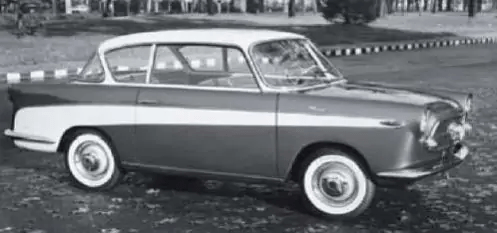
Monterosa didn’t forget the slightly larger cars either. In 1958, they revisited the Fiat 600 one more time to create a new 2+2 coupé with more interior space and light – essentially an updated, roomier version of their earlier designs. They also refreshed their offerings on the Fiat 1100 platform that year: a new 1100-based 2+2 coupé and a Giardiniera (station wagon), both of which could be ordered with the uprated Fiat 1200 engine for a bit more zip. It seems Monterosa was ensuring they had something for everyone: tiny coupés for the trendsetters and practical yet stylish wagons for the family or commercial user, all under one roof.
By the end of the 1950s, Carrozzeria Monterosa was at its zenith. They even caught the attention of major manufacturers. In early 1959, Lancia – one of Italy’s most respected car makers – was looking to update its Appia sedan. Monterosa was invited to pitch a design, and they developed a stylistic reinterpretation of the Lancia Appia (Series II) with freshened lines. Lancia’s team evaluated it closely, and while Monterosa didn’t get to produce the next Appia, the influence of their proposal was clear: when Lancia released the Appia Series III later on, several styling cues appeared to be directly inspired by Monterosa’s design. In a way, that was a huge compliment – a David vs. Goliath moment where the little coachbuilder’s ideas rubbed off on the big carmaker. It showed Monterosa’s design prowess was taken seriously at high levels.
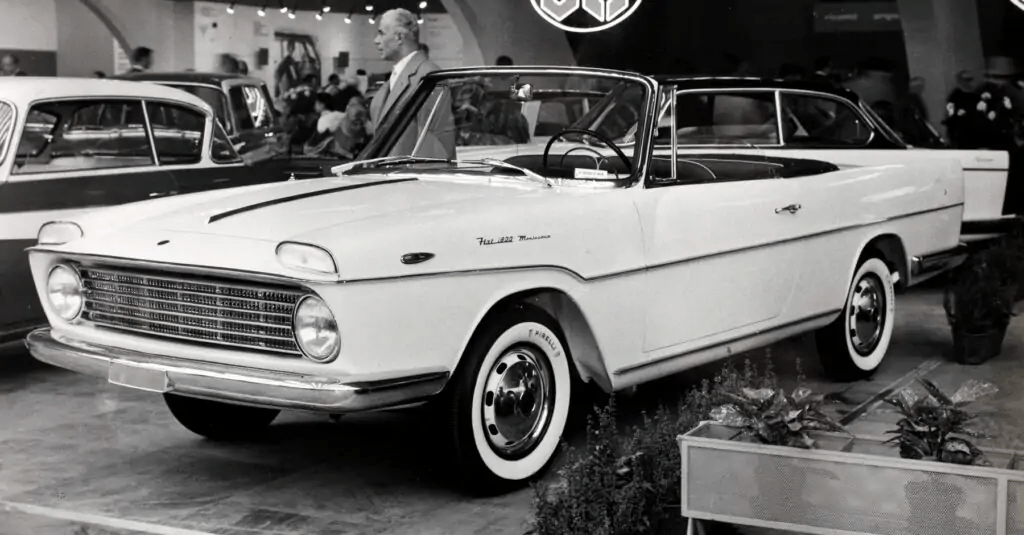
Later in 1959 (an autumn to remember), Monterosa unveiled two more crown jewels in its portfolio. The first was a Fiat 1500 S Coupé, a sporty two-seater powered by an OSCA engine. (For the uninitiated: OSCA was the engine developed by the Maserati brothers – essentially a high-performance twin-cam unit, which turned Fiat’s humble 1500 into a bit of a pocket rocket). Styled again by Michelotti, the 1500 S Coupé by Monterosa offered a unique alternative to the standard Fiat/Pininfarina-designed 1500S convertible. It likely appealed to discerning enthusiasts who wanted something rarer than the factory offering. The second was perhaps Monterosa’s most exclusive creation ever – a cabriolet (convertible) built on the Fiat 1800/2100 chassis. This elegant open-top car had the distinction of being a one-off, meaning only one was ever made. It was a swanky full-size convertible, combining Fiat’s flagship six-cylinder platform with Monterosa’s custom coachwork. With its long flowing lines and bespoke features, the Fiat 1800/2100 cabriolet Monterosa must have been a head-turner – the sort of car a movie star or industrialist might commission for summer drives on the Riviera. Unfortunately, if you’re hoping to see one in person, you’d better have a time machine: that sole example remained unique, a fleeting star in Monterosa’s history that never saw a production run. Still, it demonstrated the ambition and range that Monterosa had achieved by the end of the decade – from microcar specials to full-size luxury convertibles, they had done it all.
The Decline: Changing Times and a Farewell (1960–1961)
Alas, as the 1960s dawned, the party was coming to an end for many coachbuilders in Italy, and Monterosa was no exception. The very forces that had allowed companies like Monterosa to thrive – a hungry market for custom variations and small-series cars – were shifting. Major automakers were starting to offer more models and variants of their own, and unibody construction (which made it harder to do custom body-on-frame coachwork) was becoming the norm. The writing was on the wall.
In 1960, Carrozzeria Monterosa introduced a few final tweaks and projects, as if trying to keep the flame alive. They updated the Fiat 1500 S Coupé design with minor refinements like smoother, bolt-free bumpers for a cleaner look. They even undertook one last very special commission: a unique Maserati 5000 GT coupe. The Maserati 5000 GT was an ultra-rare exotic (only a few dozen made in total, all by different coachbuilders for wealthy clients including the Shah of Iran). Monterosa managed to craft their own interpretation of the Maserati 5000 GT as a one-off model in 1960. It was a daring swan song – mixing it up with the likes of Touring, Pininfarina, and Bertone who also built bodies for the 5000 GT. If that Monterosa-bodied Maserati 5000 GT still exists, it would surely be a jewel in any collection and a star at modern concours. (In fact, rumor has it that one of the Monterosa 5000 GT cars might appear at a top-tier concours in the near future, which speaks to its rarity and allure.)
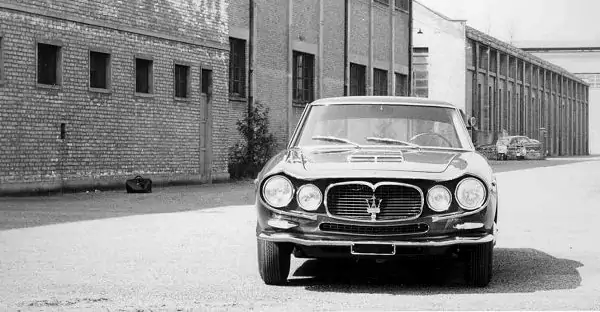
Despite these last hurrahs, the economic reality could not be escaped. The custom coachbuilding market was collapsing in the early ’60s – often referred to as the “coachbuilder crisis.” Orders dried up as consumers opted for standard models, and the cost of crafting bespoke cars became unsustainable. By 1961, Carrozzeria Monterosa saw no viable path forward and was forced to cease its automotive operations. After 15 years of imaginative work, the doors of the workshop closed on car building. It was an all-too-common fate among small Italian carrozzerie of that era, many of which either shut down or were absorbed into larger design houses as the industry consolidated.
🔗 Read more: The Maserati 5000 GT
Interestingly, the company Carrozzeria Monterosa didn’t disappear overnight. Legally it stayed on the books until 1974, but it pivoted away from car projects. The firm’s facility in Moncalieri found new life as a simple real estate asset – they leased out their workshops to other businesses, effectively becoming a landlord. Meanwhile, Giorgio Sargiotto – the coachbuilding mastermind – wasn’t ready to give up his passion. He moved to Japan for a few years (perhaps applying his skills abroad or seeking new opportunities in an emerging car market). By the late 1960s, Sargiotto returned to Italy and made one more attempt at coachbuilding with a new outfit, Carrozzeria Sargiotto. However, lightning didn’t strike twice. The new venture never achieved the success of Monterosa, and it eventually faded into obscurity (but that, as they say, is a story for another time).
Edgardo Barbero, the irrepressible businessman, also fades out of the narrative here – one imagines he went on to other ventures or perhaps finally slowed down to enjoy a quieter life after the whirlwind of the 1950s. The era of Carrozzeria Monterosa had come to an end, but what a ride it was.
The Little Coachbuilder That Could: Remembering Carrozzeria Monterosa
Though Carrozzeria Monterosa closed its doors in 1961, its legacy lives on in the hearts of classic car enthusiasts and in the handful of surviving cars that bear its name. For a small firm, Monterosa left an impression that far outlasts its years. The station wagons that were once practical tools of a rebuilding nation are now prized rarities, sought after by collectors who appreciate their historical significance and charming design. The Fiat 1100 and 1400 Monterosa Giardiniera wagons – especially the one that won the Venice concours in 1950 – are celebrated as early examples of all-metal “woodies” that combined elegance and utility. At classic car shows, these Monterosa wagons stand out, often drawing curious onlookers who have never seen one before. (It’s always fun to watch people tap the side of a Monterosa wagon expecting wood, and hear the clang of metal instead!)
The sporty Monterosa coupés and berlinettas from the 1950s have also gained a cult following. Because they were produced in very limited numbers, each surviving example is almost like a piece of art. In recent years, some of these cars have made appearances at international concours d’elegance. In 2021, for instance, a beautifully restored Fiat 600 Berlinetta Monterosa designed by Michelotti was showcased at the Classic Gala Schwetzingen in Germany, parked alongside better-known coachbuilt cars. It didn’t just hold its own – it charmed the crowds as a “little sister” to the flashier Ferraris and Maseratis, proving that Monterosa’s designs still exude a unique charisma. And speaking of Maserati, if the Monterosa-crafted 5000 GT were to resurface at Pebble Beach or Villa d’Este in the future, it could easily steal the spotlight in a special class of one-off Italian curiosities.
🔗 Read more: Giovanni Michelotti: Automotive Maestro
Perhaps the most profound legacy of Carrozzeria Monterosa, however, is the window it provides into a transformative era of automotive history. The company’s story encapsulates the resourcefulness of post-war Italian artisans – using creativity to overcome material shortages (fake woodgrain on steel!), repurposing humble cars into bespoke beauties, and always balancing on that fine line between business and artistry. Monterosa’s collaborations with designers like Giovanni Michelotti highlight how even lesser-known firms contributed to the evolution of car design, sometimes influencing mainstream models (recall Lancia borrowing those Appia styling cues). For classic car enthusiasts, knowing about Monterosa adds depth to understanding the 1950s: it wasn’t just the big names like Pininfarina and Bertone shaping Italian automotive style, but also boutique houses like Monterosa working passionately in the background.
In the end, Carrozzeria Monterosa may have been a relatively small blip in automotive history, but it’s one worth celebrating. The company’s life was short, adventurous, and filled with innovation – much like a spirited Italian road trip. It started with ambition and craft in a difficult time, peaked with clever niche creations and even some trophies on the shelf, and bowed out when the world changed around it. And yet, decades later, when one of its long-forgotten creations rolls onto a lawn at a concours or appears in a classic car magazine, people smile and take note. “Monterosa…chi è?” they might ask. Now you know the answer: Carrozzeria Monterosa was the little coachbuilder that could – a company that blended practicality and panache, left us a few dazzling gems, and proved that in the car world, sometimes the underdogs have the best stories.
Sources:
01. “Asse Torino-Tokyo” by Elvio Deganello – EpocAuto N.9
02. L’Enciclopedia dei Carrozzieri Italiani by Alessandro Sannia
03. Authors personal archive

ABOUT THE AUTHOR
Andreas Scheidl
Italian classic car enthusiast with German roots. Renowned as a respected figure in the classic car community, he serves as a jury member at various international concours d'elegance, including the Classic Gala Schwetzingen and Mantova. As a content creator, Andreas passionately shares his profound knowledge and appreciation for vintage automobiles. His heart beats for cars designed by Giovanni Michelotti, showcasing his discerning taste and dedication to preserving the timeless elegance of automotive history.
More stories by Andreas Scheidl ↗CONTINUE READING
Posts You Might Like
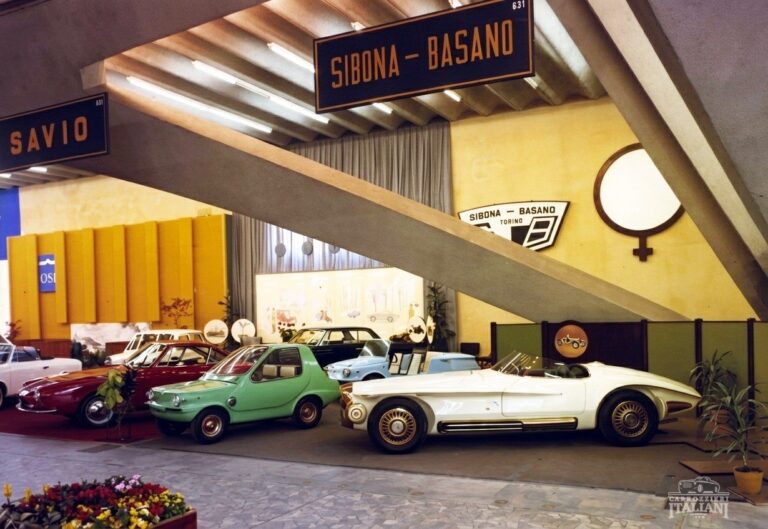
Sibona & Basano: The Turin Workshop Behind Abarth, Exner and Autonova
For a brief period in the 1960s, Sibona & Basano occupied a distinctive position in Turin's coachbuilding industry, constructing competition bodies, prototypes and experimental cars for Abarth, American designers and some of…
Read story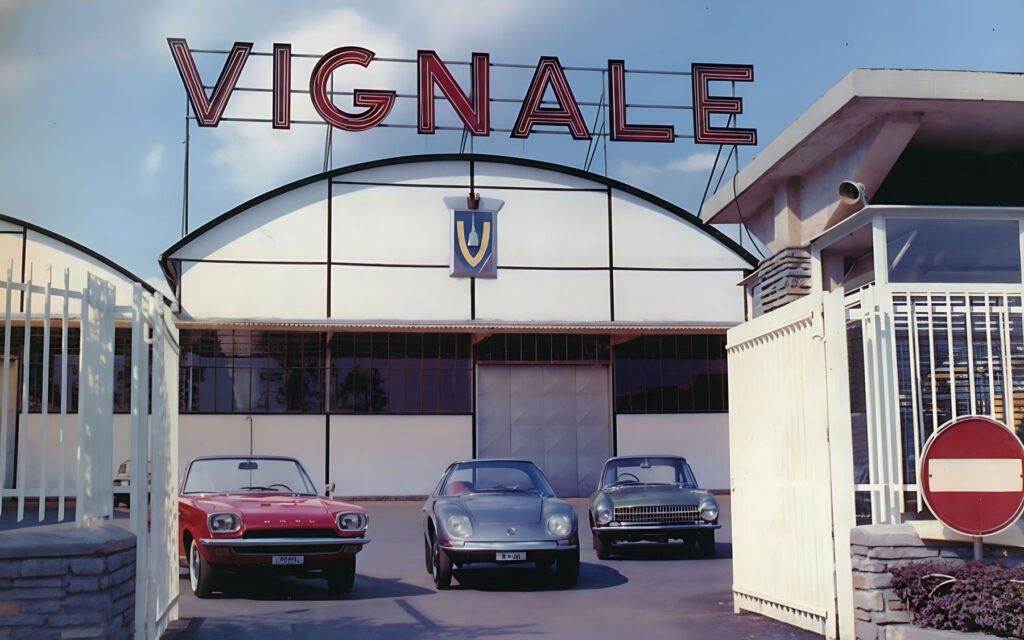
The Story of Carrozzeria Vignale
The story of Carrozzeria Vignale represents one of the many somewhat forgotten success stories born against the backdrop of an Italy that was torn apart by the Second World War and which,…
Read story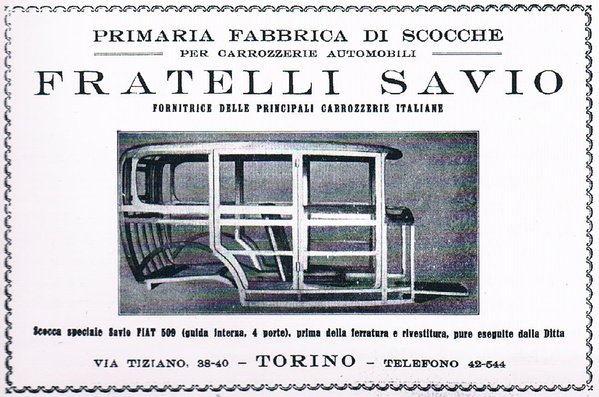
Carrozzeria Savio: The History
From early Fiat specials to the Jungla, Delta S4 and Italdesign Aztec, the story of Carrozzeria Savio is far richer than many remember.
Read story
The History of Carrozzeria Boano
The untold story of Mario Boano and Carrozzeria Boano, from Ferrari 250 GTs to the Spiaggina, reshaping Italian automotive history.
Read story
THE CONVERSATION
Comments 0
Share a memory, a period photograph or a documented detail about this story.