
Sergio Sartorelli: Designer of Dreams
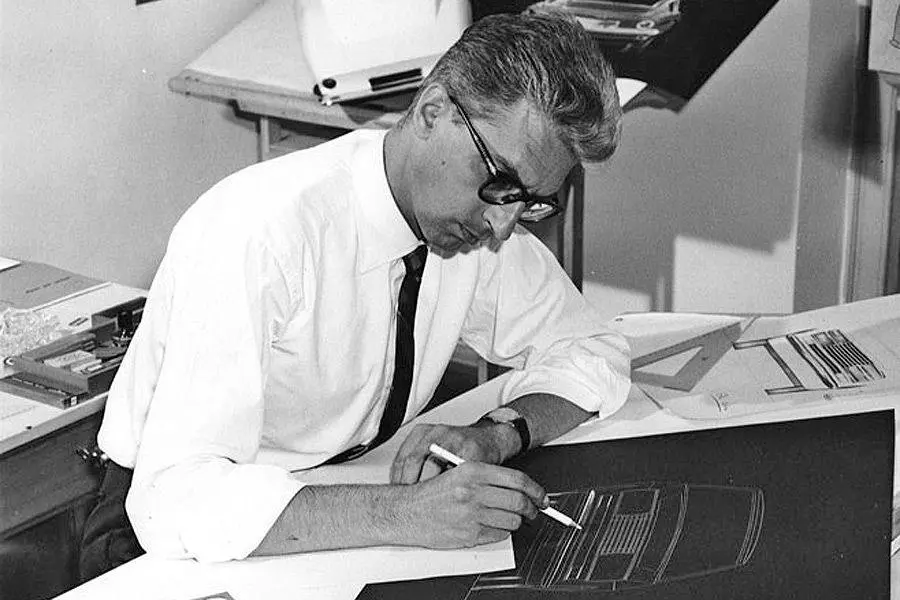
Sergio Sartorelli may not be as famous as some of Italy’s superstar designers, but his cars certainly are. From the elegant Fiat 2300 S to the sharp-lined Karmann Ghia Type 34 and the quirky, futuristic OSI Silver Fox, Sartorelli helped shape some of the most interesting Italian and European cars of the 1950s, ’60s, and ’70s.
His path began in postwar Italy, where a young Sergio spent his days sketching cars on scraps of paper and carving wooden models by hand. That childhood passion eventually led him to Ghia in Turin, and later to OSI and Fiat, where he left his mark on everything from exclusive show cars to everyday models like the Fiat 126.
Quiet, thoughtful, and endlessly dedicated, Sartorelli approached design with both creativity and practicality. He wasn’t loud or flashy — but his work speaks clearly for him. This is the story of a modest engineer-artist who helped shape the look of everyday mobility and some of the era’s most surprising dream cars.
The early years
Sergio Sartorelli grew up in the difficult years around World War II, but even as a child he found an escape in drawing. Born on May 7, 1928, in Alessandria, he spent hours sketching cars, trucks, and even military machines on whatever scraps of paper he could find. His imagination was his refuge. At around nine years old, he drew a wolfhound so realistic that his teacher accused him of tracing it and tore it up — a painful moment that only strengthened his determination to improve.
As he entered his teenage years, Sergio began carving wooden car models by hand, using photos from magazines as inspiration. Materials were scarce, but his creativity wasn’t. He had a natural eye for proportions and form, and he refined his skills with patience and persistence.
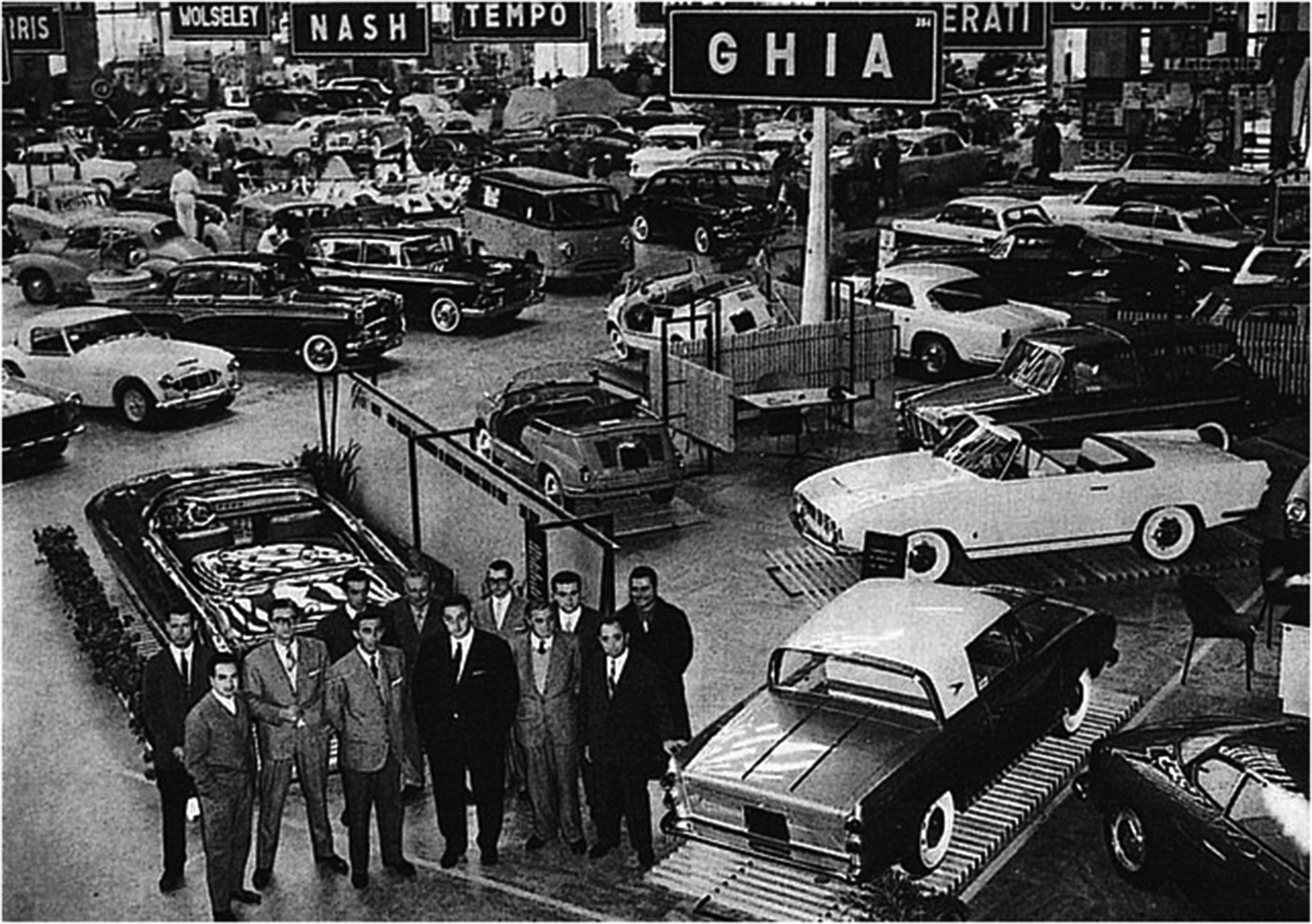
After the war, he followed a more formal path into engineering. He enrolled at the Polytechnic University of Turin, where he combined his artistic instincts with rigorous technical training, graduating in Mechanical Engineering in 1954. Military service followed, and he spent 18 months as a cartographer in the Italian Army — yet even there, drawing remained his constant companion. Hoping to break into the automotive world, he sent sketches to Carrozzeria Boano and Pinin Farina, but both turned him down. It was discouraging, but he wasn’t ready to give up.
🔗 Read more: The story of Ghia – part 1
His opportunity finally arrived in 1956. Giovanni Savonuzzi, technical director at Carrozzeria Ghia, saw real promise in his work and offered him a position. For the polite, quietly ambitious young engineer who had dreamed of designing cars since childhood, it was a breakthrough. Joining Ghia’s styling department marked the beginning of a remarkable journey — one that would soon make him a key figure behind some of Italy’s most memorable and inventive automobiles.
Apprenticeship at Ghia – Crafting Showstoppers
When Sergio Sartorelli walked into Carrozzeria Ghia in 1956, he entered a world where creativity ruled. Ghia was one of Italy’s most prestigious design studios, famous for elegant custom cars and bold showpieces. Under the guidance of technical director Giovanni Savonuzzi and Ghia’s energetic owner Luigi Segre, Sartorelli learned fast. He refined his airbrush techniques, built scale models, and spent long hours at the drawing board soaking up everything he could about coachbuilding.
His early assignments involved imagining new bodies on familiar mechanical bases. In 1957, Sartorelli helped design a trio of Fiat 1100-based show cars for the Turin Motor Show: a stylish coupé, an open spider, and even a charming little giardinetta (station wagon). Displayed under the Ghia-Monviso name, these clean, elegant shapes delighted visitors and showed that the young designer had a confident hand.
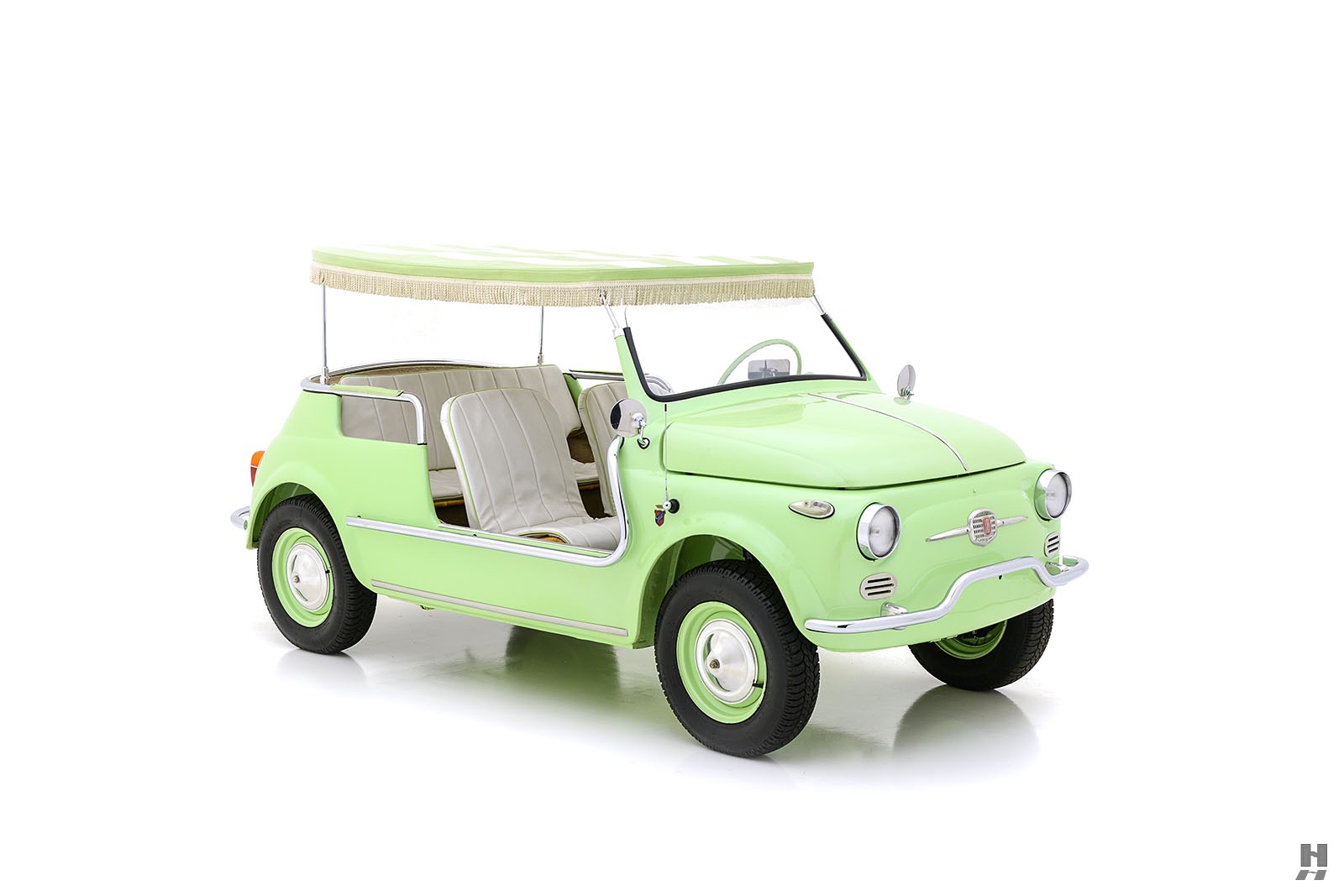
That same year, he contributed to one of Ghia’s most playful creations — the Fiat 500 “Jolly.” With no doors, a cut-down body, and wicker seats, the Jolly became the ultimate beach toy, famously adopted by celebrities like Aristotle Onassis. Built in small batches on both Fiat 500 and 600 platforms, the Jolly helped put Sartorelli on the map as a designer who could blend fun with style.
🔗 Read more: La dolce vita: the Spiaggina beach cars
Sartorelli also took on more serious work. Volkswagen had approached Ghia to explore possible replacements for the Beetle, and in 1957 he sketched a sleek Volkswagen 1200 coupe proposal. VW never moved forward with the design, but the project taught him how to merge German logic with Italian elegance — a blend that would become one of his trademarks.
Late in 1957, everything changed. Savonuzzi left for Chrysler, leaving a major gap in Ghia’s leadership. Seeing exceptional potential, Segre promoted the 29-year-old Sartorelli to Head of the Prototype Department. It was a huge responsibility for someone still early in his career. Suddenly he was overseeing concept cars and bespoke creations for clients around the world. With his mix of engineering discipline and artistic instinct, Sartorelli stepped into the role determined to live up to Segre’s trust — and soon began shaping some of Ghia’s most memorable work.
Transatlantic Dreams – Ghia’s American Projects
By the late 1950s, Carrozzeria Ghia was enjoying a strong and glamorous partnership with Chrysler in Detroit. Virgil Exner, Chrysler’s design chief, adored Italian styling and often turned to Ghia to bring his most daring ideas to life. As head of Ghia’s prototype department, Sergio Sartorelli suddenly found himself shaping the look of some of the most eye-catching American show cars of the era.
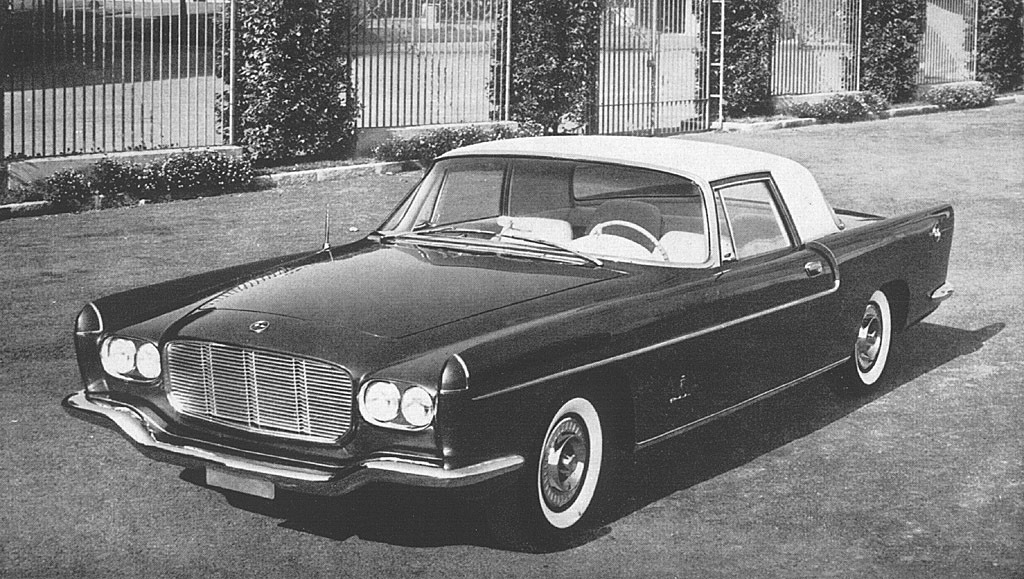
In 1957, he helped refine the Dual-Ghia 375 — a luxurious V8 grand tourer built on a Chrysler chassis for Dual Motors. Equal parts American muscle and Italian elegance, it was aimed squarely at Hollywood’s elite. Its long, smooth lines carried Sartorelli’s touch, and when the car debuted in the U.S., it quickly attracted a celebrity audience. Frank Sinatra famously owned one, and the Dual-Ghia became a status symbol overnight, proving that Sartorelli could deliver a style that resonated on both sides of the Atlantic.
🔗 Read more: Virgil Exner was the designer who taught Detroit to dream again
That same year, Ghia was also asked to create a grand limousine on Chrysler underpinnings. The result was the Ghia Crown Imperial — a towering, formal limo with dramatic tailfins and a regal presence. Built in only a handful of examples between 1957 and 1963, it was the kind of car meant for royalty; in fact, one became the official state limousine of the Shah of Iran. For Sartorelli, working on the Crown Imperial was a masterclass in blending American flamboyance with Italian refinement. It taught him how to handle scale, luxury, and cultural expectations in design.
His growing reputation reached beyond Italy. In 1958 he was invited to join an international design study program in Germany and Paris, alongside future design legends like Bruno Sacco of Mercedes-Benz. It was a major honor — but Luigi Segre refused to let him go, knowing Ghia couldn’t afford to lose their rising star. Although disappointed, Sartorelli stayed in Turin and was rewarded with even more significant projects.
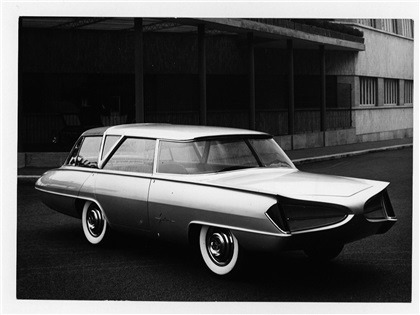
One of the most memorable was the Ghia Selene (1959), a futuristic people-mover concept. Working with a young Tom Tjaarda, Sartorelli designed a bubble-domed, rear-engined family car that looked straight out of the space age. Unveiled at the 1960 Turin Motor Show, the Selene featured a one-box silhouette, dramatic glasswork, and even a periscope-style rearview mirror. It was pure imagination on wheels — and although it remained a one-off, it showed the world that Sartorelli was unafraid to push boundaries. His willingness to explore bold ideas cemented his reputation as one of the most forward-thinking designers of his generation.
The Italian Touch for Volkswagen – Karmann Ghia Type 34
By 1960, Sergio Sartorelli had already shown he could handle everything from wild concepts to luxury one-offs. Now, he was handed one of the most important assignments of his career: designing Volkswagen’s new top-of-the-range sports coupé. VW and coachbuilder Karmann wanted something more refined than the original Karmann Ghia (Type 14), and with the new Type 3 mechanicals ready, they turned to Ghia — and to Sartorelli.
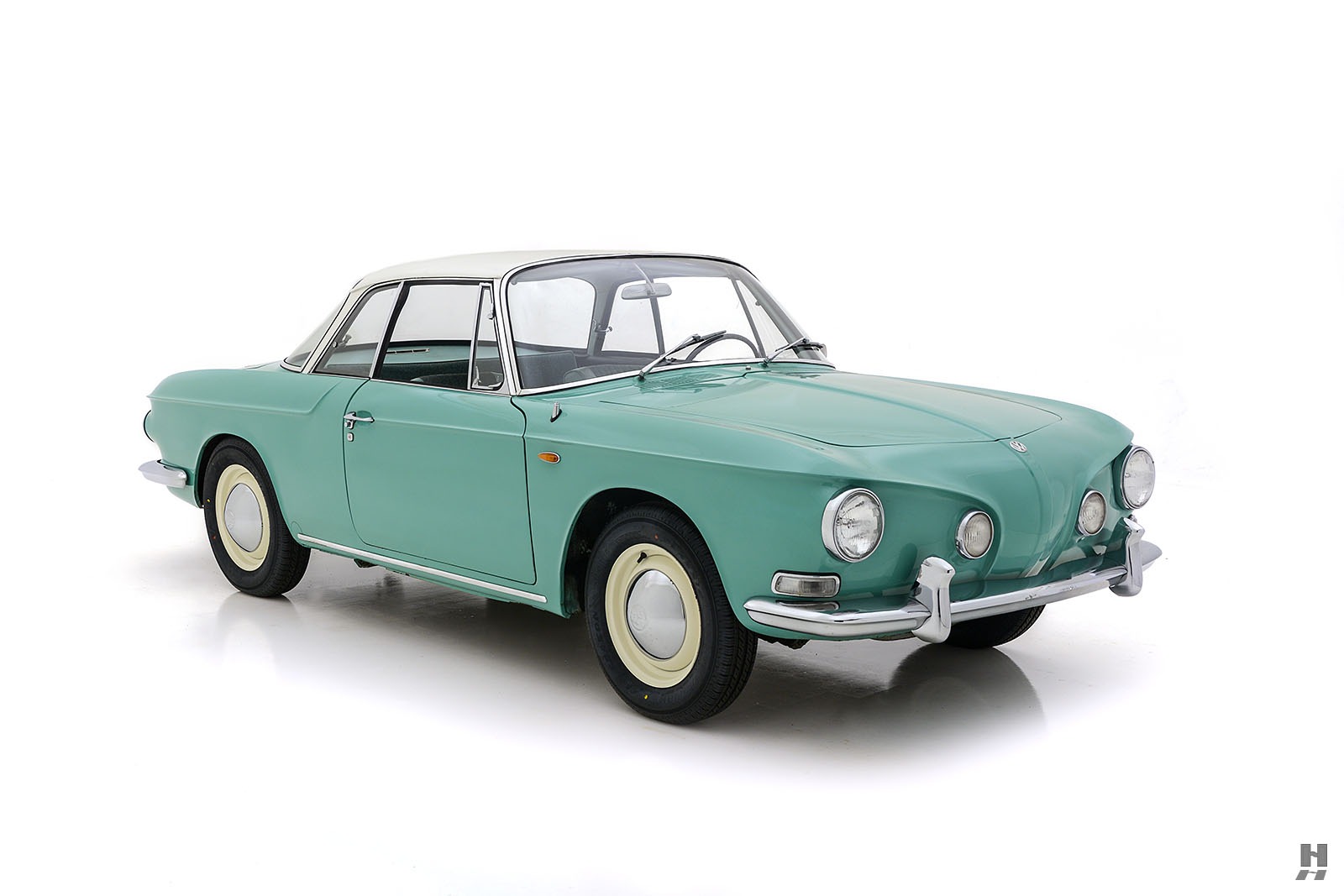
The result, unveiled in 1961, was the Volkswagen Karmann Ghia Type 34, a sleek 2+2 coupé that looked nothing like the soft, rounded Type 14. Sartorelli gave the new car crisp, angular lines, a wider stance, and a low, purposeful profile. It featured quad headlights, a formal roofline with big glass surfaces, and a clean, upscale interior that could even be ordered with an electric sunroof — a luxury in early-’60s VW land. While it rode on familiar rear-engine VW hardware, the styling was unmistakably Italian: elegant, modern, and beautifully balanced.
When the Type 34 made its public debut at the 1961 Frankfurt Motor Show, it immediately grabbed attention. Reviewers praised its “Turin touch,” noting how different it felt from Volkswagen’s usually modest design language. This was a VW with real presence — bella figura in German clothing.
But the Type 34 faced real-world obstacles. It cost much more than the Beetle-based Type 14, and worse yet, it was never officially sold in the United States, VW’s biggest export market. As a result, production remained limited: only about 42,500 units were built between 1962 and 1969. Enthusiasts in America learned of it mostly through magazines, nicknaming it the “European Karmann Ghia.”
🔗 Read more: How Italy and Germany United to Create the Karmann Ghia
Over time, however, the Type 34 earned a loyal following. Its straight-edged, modern styling turned out to be ahead of its time, predicting the look of many late-1960s and early-1970s European cars. Collectors now appreciate its rarity and the purity of its design.
For Sartorelli, the project became one of his calling cards. Decades later he would be honored by the Italian Karmann Ghia Club for giving Volkswagen a touch of Italian soul. But back in the 1960s, the modest designer simply enjoyed seeing his “big Ghia” gliding along German autobahns and Alpine roads — a quiet but lasting reminder of how seamlessly he could blend German discipline with Italian artistry.
Fiat’s Grand Tourer – The 2300 S Coupé
While Sartorelli was shaping the new Karmann Ghia for Volkswagen, he was also crafting an elegant grand tourer for Fiat. In 1960, Ghia unveiled a beautiful concept at the Turin Motor Show — the Fiat G230S, a sleek 2+2 coupé study. It was an instant hit on the stand. Fiat’s top brass loved it so much that they immediately asked Ghia, and Sartorelli in particular, to turn it into a production-ready model.
Just a year later, at the 1961 Geneva Motor Show, the finished Fiat 2300 S Coupé made its debut. Sartorelli had created a refined, understated GT that gave everyday buyers a taste of Italian luxury — a car often affectionately called the “poor man’s Ferrari.”
The design was clean and purposeful: a long hood, slim pillars, big glass areas, and almost no unnecessary decoration. It looked expensive without trying too hard. Under the skin, it used Fiat’s six-cylinder 2300 sedan platform, but the coachbuilt body made it feel like something far more exclusive. Because Ghia’s workshop couldn’t handle higher-volume production, bodies were built by OSI (Officine Stampaggi Industriali) — Sartorelli’s first real work with the company that would later play a major role in his career.
🔗 Read more: OSI (Officine Stampaggi Industriali): Ghia’s Forgotten Daughter
Performance matched the looks. With its 2.3-liter Lampredi-designed straight-six, tuned by Abarth to around 150 hp in S form, the 2300 S Coupé was one of Italy’s quickest touring cars of the era. It cruised at over 120 mph, backed by four-wheel disc brakes and well-sorted handling. Reviewers praised its blend of style and performance, noting how closely its proportions echoed some Ferraris of the time — only the Fiat badge gave away its origins.
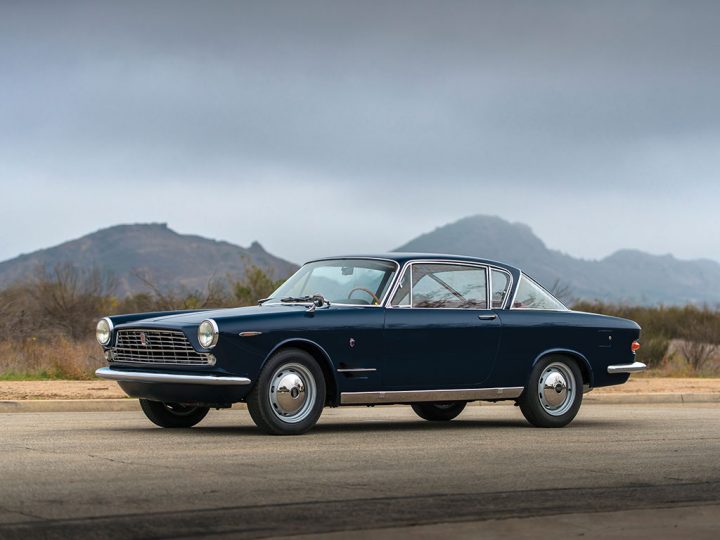
Production lasted until 1968, with only a few thousand examples built, making it a rare sight even then. Over time, the 2300 S Coupé earned a reputation for its timeless, understated elegance. Today, restored examples are welcomed at major concours events, admired for their clean lines and coachbuilt heritage.
Fiat had asked Sartorelli to “make something beautiful,” and he delivered far more than that — he created one of the most refined grand tourers in Fiat’s history, and a defining highlight of his early career.
One-Off Masterpieces – Innocenti’s Maserati and Other Specials
In the early 1960s, if you were a wealthy industrialist or a head of state with a dream car in mind, Ghia was the place to knock. And whenever the request was bold or unusual, Sergio Sartorelli was often the man turning those dreams into metal.
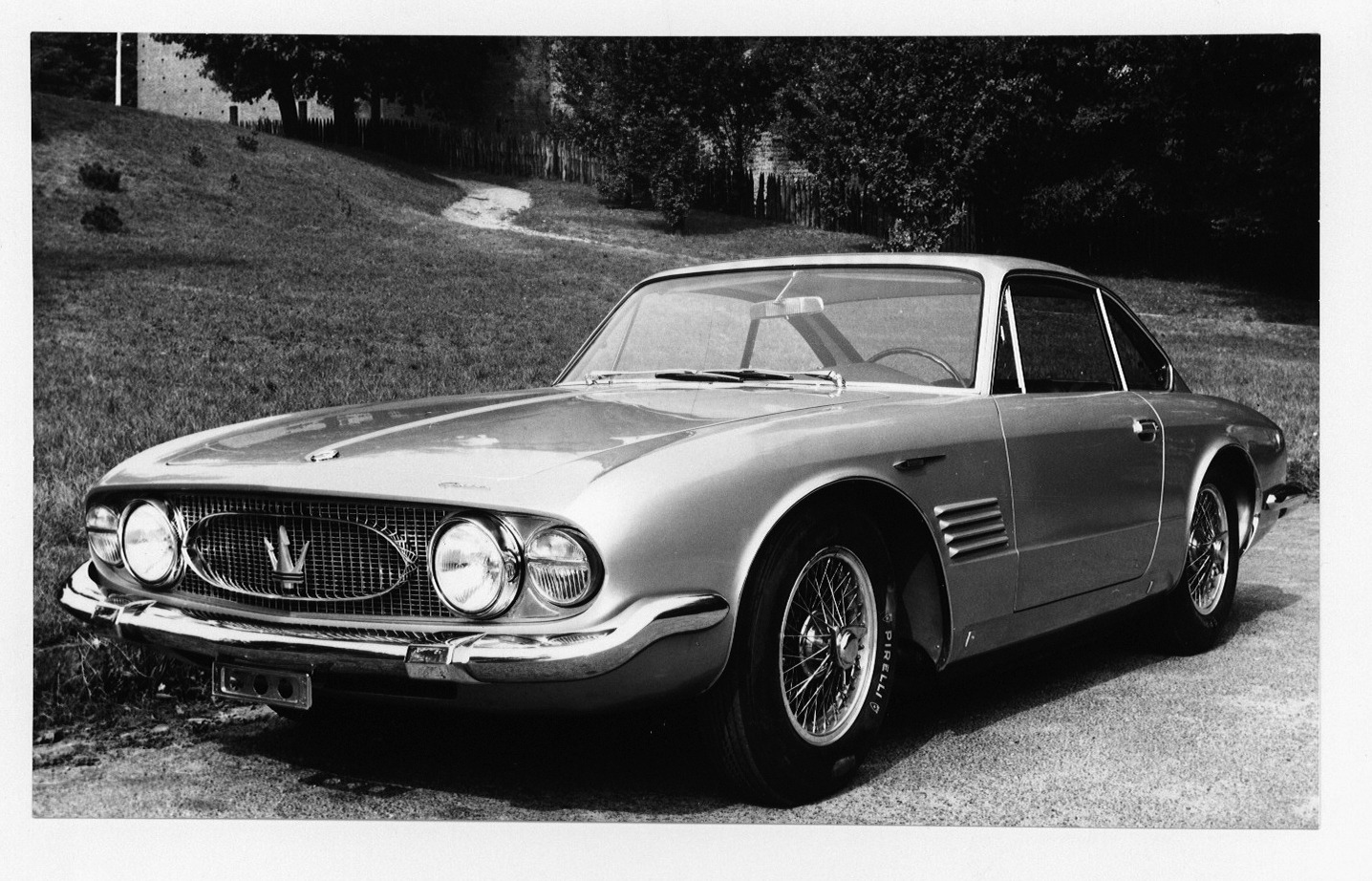
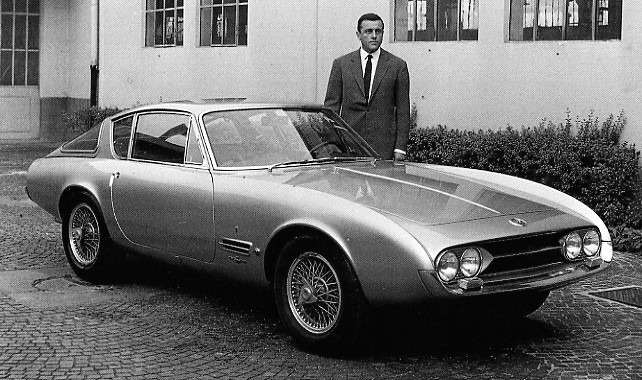
The most famous of these special commissions was the Maserati 5000 GT ordered by Ferdinando Innocenti, the industrialist behind Lambretta scooters. Innocenti wanted something absolutely unique, so in 1961 Ghia built a one-off 5000 GT on chassis AM103.018 — with Sartorelli leading the design.
The result was striking. Sartorelli’s 5000 GT looked nothing like the restrained Maseratis of the era. Its sharp lines, daring surfacing, and unusual details — from angular tail treatments to inventive lighting — made it feel like a car from the future. Painted silver with a black interior, it debuted at the 1961 Turin Motor Show, where it stunned visitors. Some of the ideas Sartorelli explored on this car later resurfaced in Ghia projects of the mid-’60s; the 5000 GT was, in many ways, his rolling design laboratory.
🔗 Read more: The Maserati 5000 GT: From Racing Tragedy to the “Shah of Persia” Supercar
After its debut, the car disappeared into Innocenti’s private collection and eventually slipped out of the public eye. For decades, it was known among enthusiasts as the “lost 5000 GT.” Incredibly, it resurfaced in the Middle East in the 2010s, dusty but largely intact. Sold at auction in 2019 for around half a million dollars, it is now undergoing a careful restoration — a long-overdue recognition of Sartorelli’s creativity. Characteristically, the car bore no signature of its designer; only now do historians fully appreciate how ahead of its time it really was.
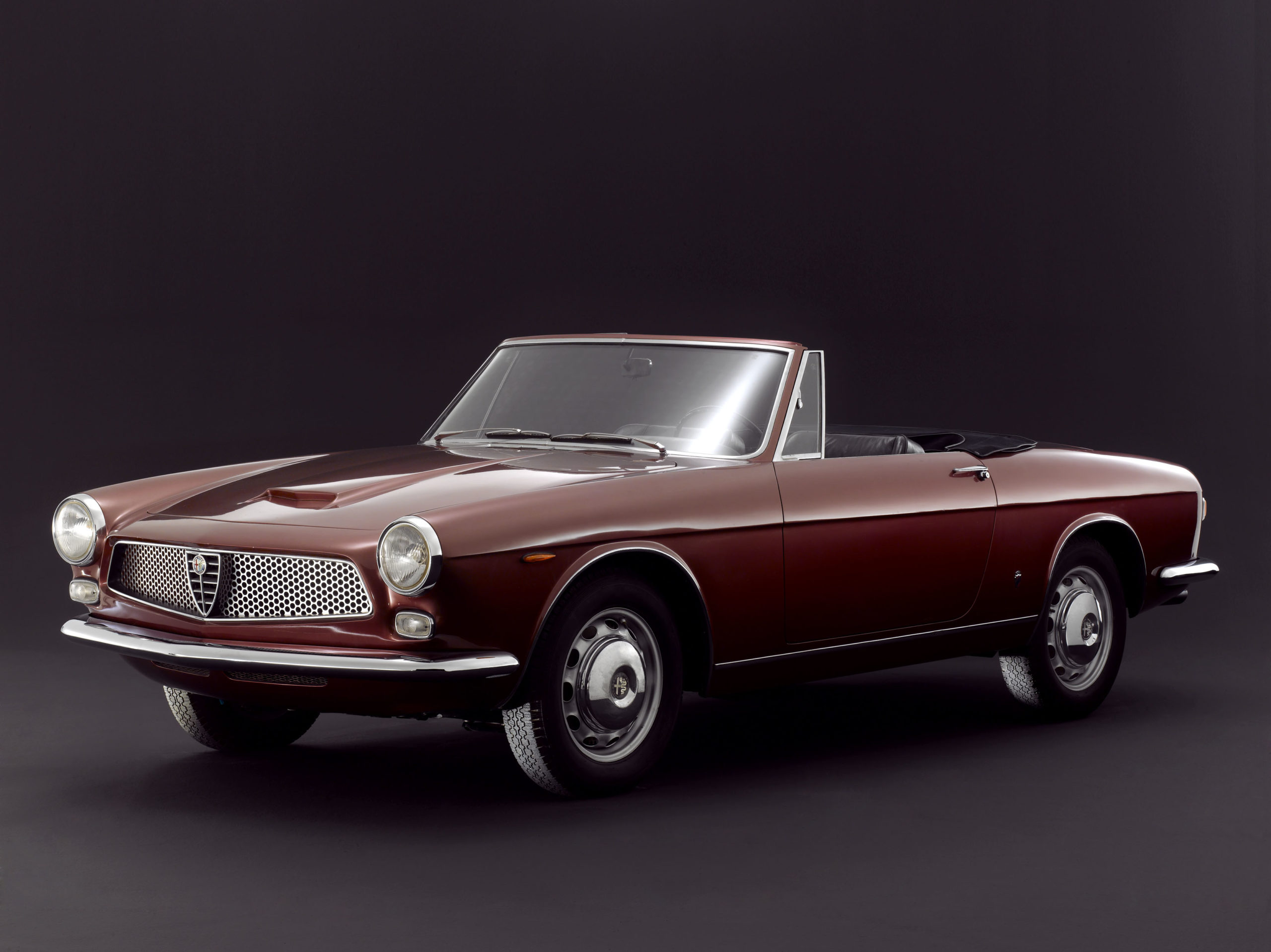
Sartorelli’s Ghia years were filled with other rare and unusual projects as well. In 1962 he designed a one-off Alfa Romeo 2600 Spider, a smooth, elegant prototype built on Alfa’s six-cylinder platform. Only one was made, but it showed how comfortably Sartorelli could adapt his style to different brands.
He also penned the Ghia 1500 GT, a compact two-seater powered by a Fiat 1500 engine. Built in small numbers — fewer than 50 in total — it gave Ghia its own boutique sports car and proved that Sartorelli could deliver both exclusivity and coherence in a small package.
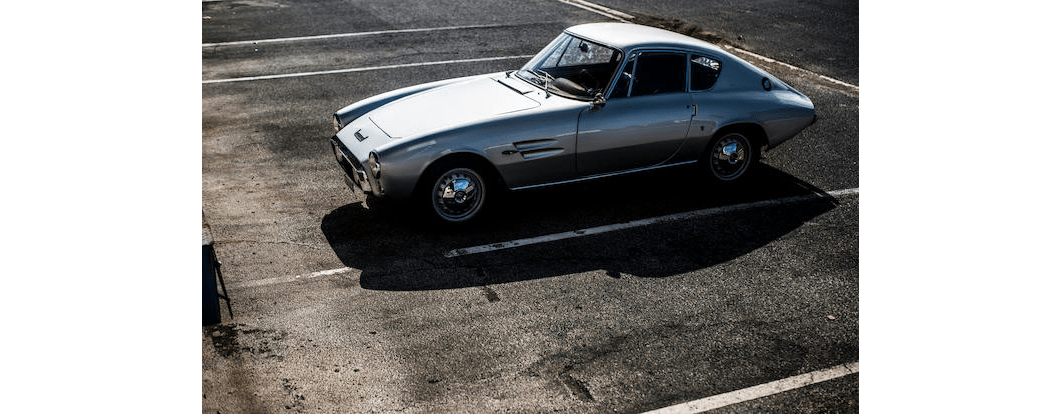
By the early 1960s, he was juggling multiple projects at once. He even returned to the Karmann Ghia Type 14, sketching updated facelifts for Volkswagen. VW only adopted small regulatory changes at the time, but Sartorelli’s more adventurous proposals would later echo in other Karmann Ghia prototypes, hinting at the ideas he constantly explored behind the scenes.
These years represented a creative peak for Sartorelli at Ghia. But everything changed suddenly in February 1963, when Luigi Segre, his mentor and Ghia’s president, passed away. His death sent shockwaves through the coachbuilding world and triggered changes within the company. As new ownership arrived and the atmosphere shifted, Sartorelli sensed it was time to move on.
In just six years at Ghia, he had created showstoppers, dream cars, transatlantic projects, and some of the most imaginative Italian designs of the era. Now he was ready for the next chapter — one that would give him even greater responsibility and an entire design center to shape.
The OSI Adventure – Small Series, Big Ideas
After Luigi Segre’s death, Ghia’s direction changed quickly, and the special partnership it had with Officine Stampaggi Industriali (OSI) came apart. OSI had been created in 1960 as a sister company to Ghia, meant to handle small-series production while Ghia focused on pure design. Without Segre, OSI suddenly lacked both a design identity and a clear future. For a short time it survived on freelance work — even Giovanni Michelotti lent a hand — but it became clear that OSI needed a proper in-house styling department.
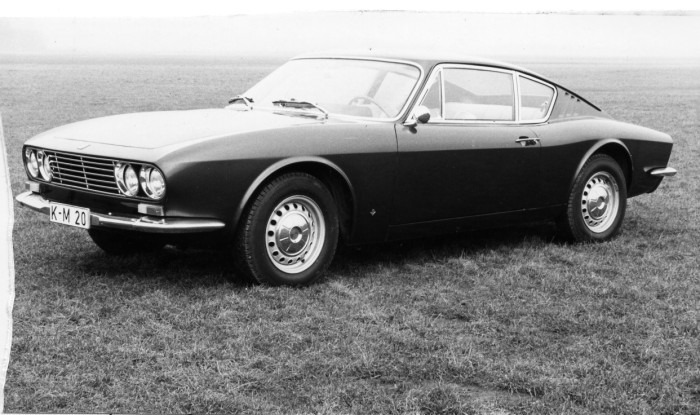
In 1965, the company turned to Sergio Sartorelli. He was hired as Director of Styling and asked to build an entire design and prototype center from the ground up. For Sartorelli, this was an irresistible challenge: a blank page, a free hand, and the chance to shape a whole studio in his own way. He gathered a compact, highly skilled team of about sixty people and created a close-knit, workshop-like atmosphere. With a small wind tunnel, new modeling rooms, and an open, collaborative spirit, the OSI studio became a creative laboratory. Sartorelli later remembered 1966 and 1967 as years of remarkable energy — short, intense, and incredibly productive.
One of the first results of this new adventure was the Ford OSI 20M TS Coupé. Ford’s German division wanted a stylish coupé based on the Taunus 20M, something that could elevate the brand’s image. Sartorelli designed a low, elegant GT with a distinctive rising beltline and a balanced, confident stance. It appeared at the 1966 Geneva Motor Show and entered production soon after. German buyers appreciated its Italian flair, and OSI even produced a one-off Spider version to show how flexible the design could be.
In a very short time, OSI became a studio where ideas blossomed almost faster than they could be built. Sartorelli’s team tackled everything from clever city-car concepts to small leisure vehicles and compact sports prototypes. Their imagination ranged widely, from exploring the possibility of an early crossover based on Fiat components to experimenting with mid-engined performance layouts using Alfa Romeo mechanicals. The workshop never lacked for new shapes, new challenges, or new engineering puzzles to solve.
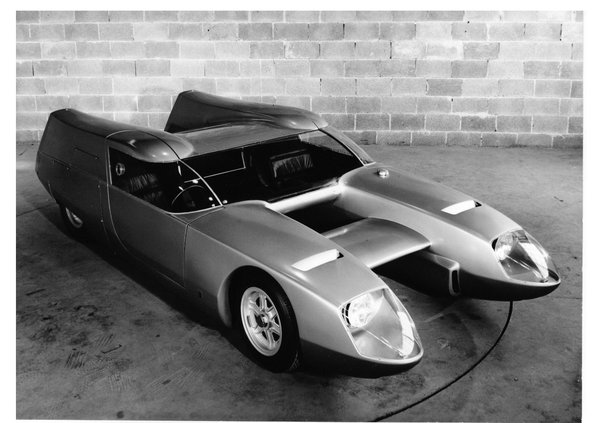
Nothing captured this experimental spirit more vividly than the OSI Bisiluro “Silver Fox” of 1967. The car looked like nothing else on the road — two narrow hulls joined by a central spine, shaped to cheat the wind in every possible way. Despite having only a tiny one-liter engine tucked inside one fuselage, it was aerodynamic enough to reach astonishing speeds, close to those of a Lamborghini Miura. Sartorelli envisioned it as a lightweight endurance racer and equipped it with adjustable spoilers and a stabilizing tail wing. When OSI unveiled the Silver Fox at the Turin Motor Show, it stunned the crowd. Futuristic, daring, and almost unbelievable, it symbolized the creative freedom of the OSI years. Sadly, the company’s worsening finances prevented it from ever racing at Le Mans, as originally planned.
Alongside these bold experiments, OSI also worked on more conventional projects for Fiat and others, turning out practical wagons, compact coupés, and various prototypes. But even as the studio’s creativity seemed limitless, the company behind it was struggling. Without the firm contracts it needed and facing a difficult market, OSI shut down at the end of 1967.
The closure was a painful moment for Sartorelli. He had poured himself into OSI, building a team that worked almost like a family. Known for rolling up his sleeves and joining the craftsmen on the shop floor, he earned deep respect from the metalworkers and model makers who shaped his designs. With OSI gone, many of those people were absorbed into Fiat’s design center — and Sartorelli followed with them.
What he had begun at OSI had lasted only a few years, but the ideas born there would echo for decades. And now, a new chapter awaited him back in the world of large-scale industry, where he would once again help shape the cars of everyday life.
Designing for the People – Fiat Centro Stile and the Fiat 126
In 1968, Sergio Sartorelli moved to Centro Stile Fiat, bringing many of his trusted colleagues from OSI with him. Fiat’s design chief, the legendary Dante Giacosa, set up a new “Future Studies” department and put Sartorelli in charge. On paper, it was an exciting mission: explore advanced ideas, shape concept cars, and imagine Fiat’s future. But the moment Sartorelli arrived, he stepped into a very different automotive world from the one he had known at Ghia and OSI.
The late ’60s and ’70s were turbulent years. Economic uncertainty, fuel crises, and changing markets forced carmakers to be cautious. Fiat increasingly focused on low-cost facelifts and pragmatic updates rather than bold new shapes. Sartorelli often felt his creativity boxed in by deadlines, budgets, and the pressures of mass production. Years later, he admitted he sometimes found the department underused, a far cry from the freewheeling innovation of OSI.
Even so, he continued to give his best — and soon, a project arrived that would change millions of lives.
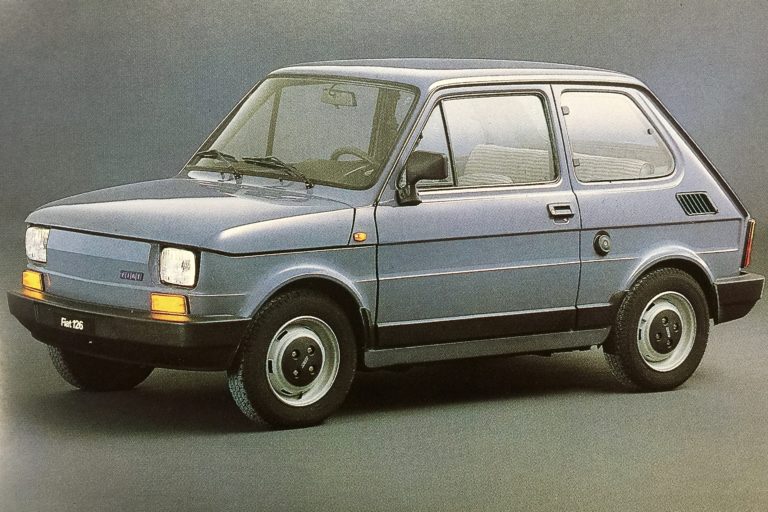
By 1970, Fiat needed a successor to the beloved 500. The brief was delicate: modernize the little icon without losing what people loved about it. Sartorelli and his team got to work, sketching a small, practical city car that felt familiar yet fresh. The result, unveiled in 1972, was the Fiat 126.
The 126 carried Sartorelli’s unmistakable touch. Its shape was more upright and squared-off than the bubbly 500, giving it more cabin space and a slightly more mature look. Bigger windows improved visibility, and the clean, simple panels kept manufacturing costs low. And although the styling evolved, the heart of the car — the rear-mounted, air-cooled twin cylinder — remained pure Fiat tradition. Sartorelli had crafted a design that was honest, practical, and friendly, exactly what a people’s car needed to be.
When the 126 debuted at the 1972 Turin Motor Show, it was clear that Fiat had a worthy heir to the 500. Reviewers praised its no-nonsense appearance, noting how approachable it felt despite being more modern. Its simplicity made it cheap to build and easy to repair — essential for the markets it would soon dominate.
The car’s true destiny unfolded in Eastern Europe. Production quickly shifted to Poland, where the 126 became the Polski Fiat 126p and entered everyday life on an enormous scale. For many families, it was their first car, the machine that opened the door to mobility. Even today, the 126 is remembered with deep affection across Poland and beyond; it became part of the cultural landscape. More than 4.5 million were built worldwide — an astonishing legacy for a designer best known for limited-series GTs and sleek prototypes.
There was even a nickname that stuck: Bambino — the child of the 500, grown a little taller and a little wiser thanks to Sartorelli’s pencil.
For all the glamour of the Maseratis, concept cars, and daring experiments he had created in earlier years, helping design a humble little Fiat that made everyday life better for millions might have been one of Sartorelli’s most meaningful achievements. It proved that good design doesn’t always shout; sometimes it simply serves — gracefully, quietly, and for a very long time.
The Ritmo – Avant-Garde Style of the Late ’70s
By the mid-1970s, Sergio Sartorelli and his Future Studies group at Fiat were quietly working on all sorts of design proposals. Most of their ideas stayed behind studio doors, but one project pulled Sartorelli right back into the spotlight: the Fiat Ritmo — known as the Strada in some markets.
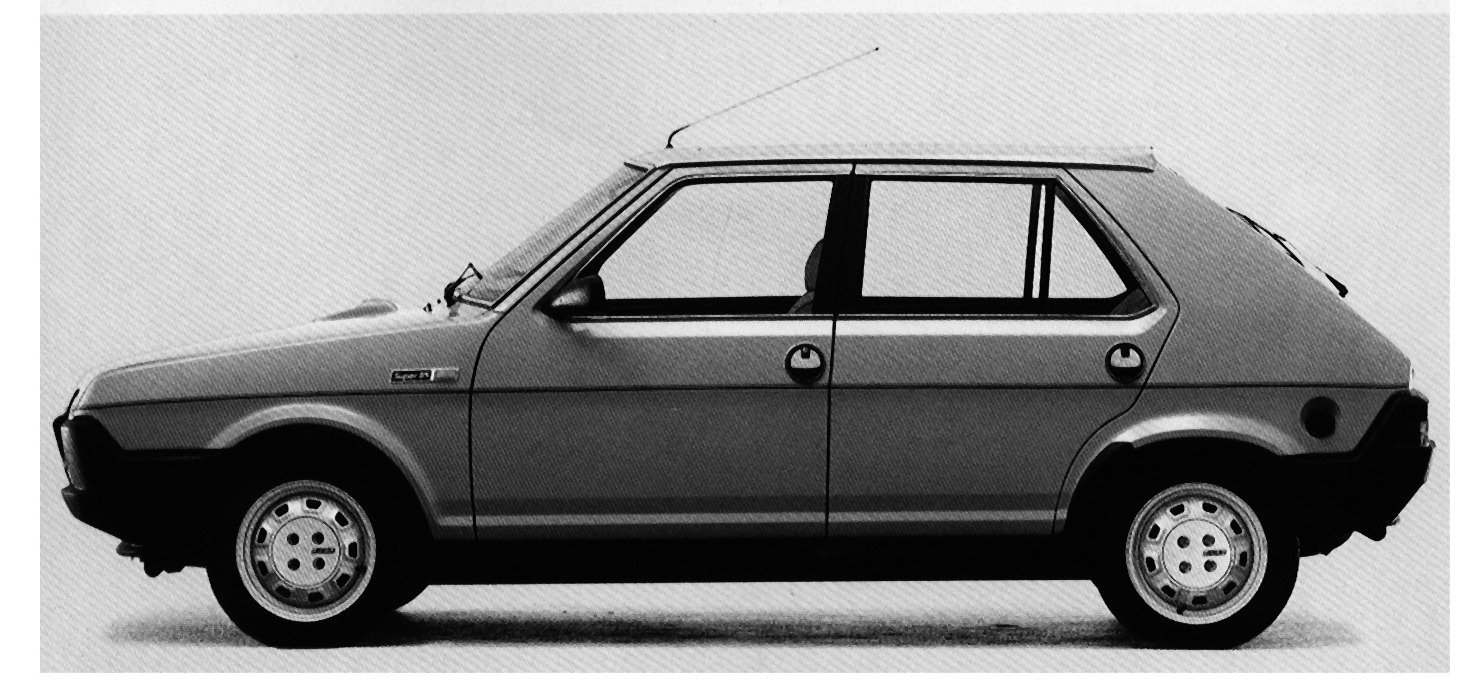
Fiat needed a fresh, modern hatchback to follow the successful 128. The internal codename was X1/38, and Sartorelli, together with a young Pierangelo Andreani, led the styling. When the Ritmo was unveiled in 1978, it immediately stood out. It didn’t just look different — it looked like it came from a different design philosophy altogether.
The most talked-about feature was the pair of big black polyurethane bumpers that wrapped around the car. Instead of a traditional grille, the front bumper rose right up to meet the headlights, giving the Ritmo a smooth, uninterrupted face. In an era full of chrome frames and upright grilles, this was radical. Some people loved its clean, functional look; others didn’t quite know what to think. One commentator even joked that the Ritmo was “too pragmatic to have an image.”
But Sartorelli had a clear reason for doing it this way. The bumpers were designed to absorb low-speed impacts without damaging the metal underneath — perfect for city driving and tight parking spaces. Repair costs dropped dramatically, and Fiat’s engineers appreciated the logic behind the shape. What looked unusual in 1978 became normal by the 1980s, when almost every car followed the same bumper-integrated trend.
The Ritmo had other distinctive touches, too: round door handles sitting inside circular recesses, modular plastic fascias, and a friendly, rounded overall shape that contrasted sharply with the straight-edged Volkswagen Golf of the time. Fiat also broke ground in manufacturing, introducing extensive robotics to build the Ritmo — a move made easier by Sartorelli’s simple, uncluttered form.
Production ran from 1978 to 1988, and nearly 1.7 million were made. Early on, the Ritmo sold very well, offering Europeans a stylish and practical “Italian Volkswagen.” But as the market grew more conservative, Fiat softened the look. A 1982 facelift added a conventional grille and toned down the quirky elements. Sartorelli’s original, bold vision was gradually diluted.
Today, though, the early Ritmo’s design is being rediscovered. Its playful details and unconventional face feel refreshingly daring compared to the uniform hatchbacks of its era. It represents a moment when Fiat wasn’t afraid to take risks — and when Sartorelli still had room to push shapes forward.
For Sartorelli, the Ritmo was probably the last major production car he shaped directly at Fiat Centro Stile. His team touched other projects, such as the first Lancia Beta sedan and the Fiat Regata, but by the early 1980s, new designers and outside studios were increasingly steering Fiat’s design direction.
Those round bumpers remain one of his final visual signatures on a mass-market car — bold, practical, inventive, and just a little polarizing. In other words, unmistakably Sartorelli.
Legacy and Later Years – A Life in Design
Sergio Sartorelli’s formal career ended in 1984, when Fiat — facing another financial downturn — offered him early retirement at age 56. By then he had witnessed the industry shift from hand-drawn sketches to computer screens, from coachbuilt bodies to robotic lines. Although he felt the difficult years had limited how many of his ideas reached production, he didn’t dwell on regrets. Almost immediately, he founded his own consultancy, Esse Design, determined to keep creating.
Freed from corporate demands, Sartorelli finally embraced his many passions. He taught automotive design in Milan, sharing decades of experience with young students. At home in Turin, he immersed himself in meticulous hobbies: he built an entire Märklin model railway by hand and crafted detailed toy ships and tanks for his grandchildren. Whatever he touched — a model, a painting, a household repair — he approached with the same quiet precision. As his wife recalled, “there was nothing he couldn’t perfect — his imagination had wings.”
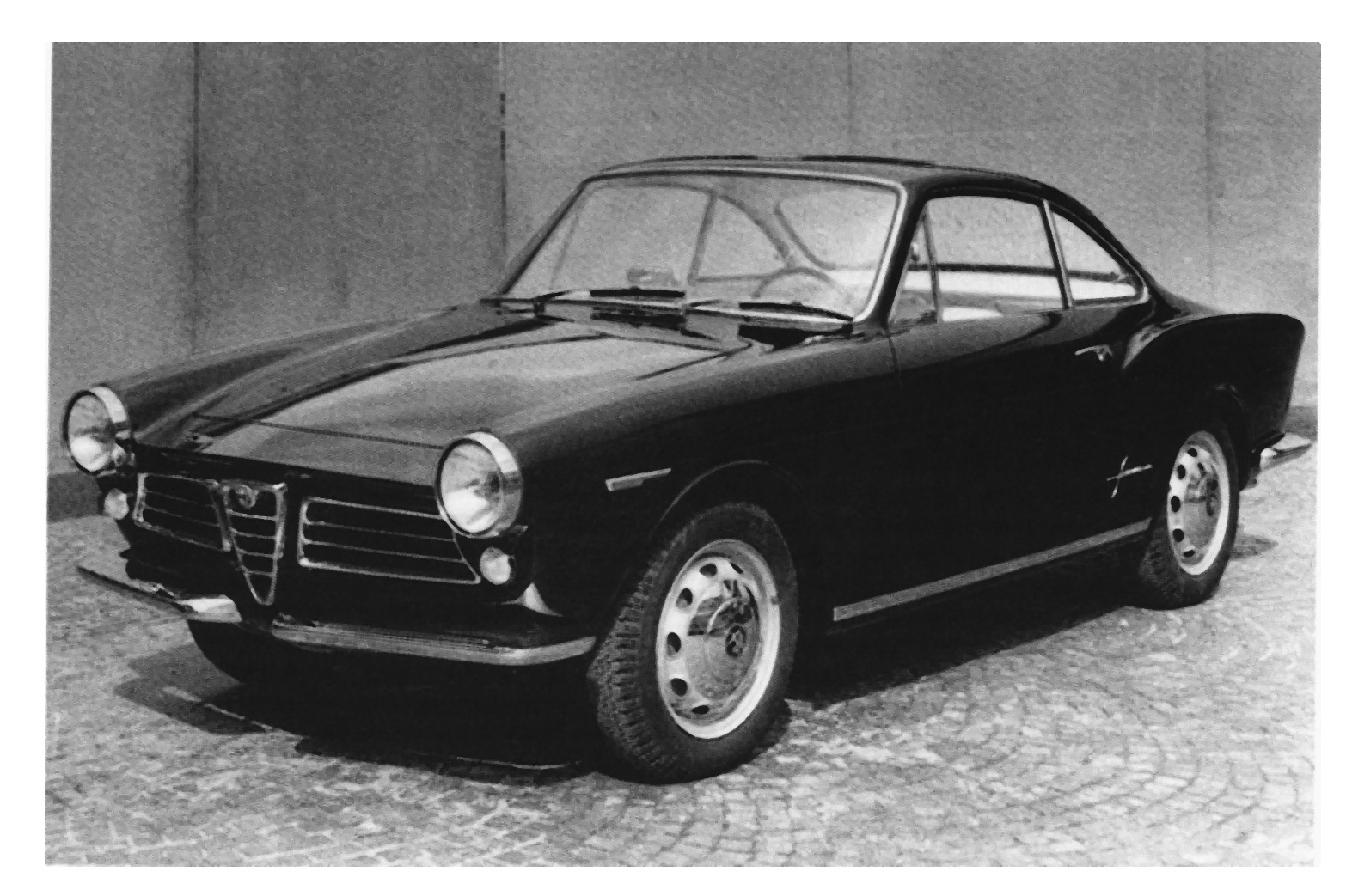
Sartorelli passed away in Turin on November 28, 2009, at 81. But his legacy remains clearly visible. Every time a Karmann Ghia Type 34 glides by, a Fiat 2300 S shines at a concours, or a humble Fiat 126 buzzes through city streets, his sense of proportion and purpose lives on.
In 2025, the OSI Silver Fox — one of his boldest designs — reappeared at the Villa d’Este concours, stunning a new generation with its twin-hull “catamaran” shape. Other works once overlooked have also found renewed appreciation: collectors now pursue the OSI 20M TS Coupé, the long-lost Maserati 5000 GT by Ghia is being restored to its former glory, and the Type 34 has earned well-deserved cult status.
Sartorelli’s story is one of quiet passion and enduring creativity. He never sought the spotlight; he simply kept sketching, refining, and solving problems with elegance. His career shows how art and engineering can meet in a single line, a single curve, a single idea brought to life.
Ultimately, he taught that car design isn’t just about making something look beautiful — it’s about giving shape to dreams. And from the boy sketching during wartime to the grandfather crafting perfect models, Sergio Sartorelli never stopped doing exactly that.

ABOUT THE AUTHOR
Andreas Scheidl
Italian classic car enthusiast with German roots. Renowned as a respected figure in the classic car community, he serves as a jury member at various international concours d'elegance, including the Classic Gala Schwetzingen and Mantova. As a content creator, Andreas passionately shares his profound knowledge and appreciation for vintage automobiles. His heart beats for cars designed by Giovanni Michelotti, showcasing his discerning taste and dedication to preserving the timeless elegance of automotive history.
More stories by Andreas Scheidl ↗CONTINUE READING
Posts You Might Like
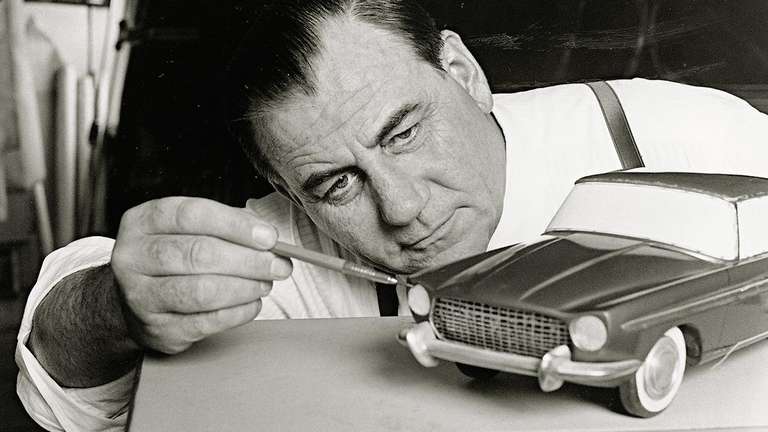
Pietro Frua: The Quiet Master of Italian Style
Pietro Frua, an influential Italian automotive designer born in 1913, left an indelible mark on the industry with his visionary work, shaping iconic cars and pioneering aesthetic excellence.
Read story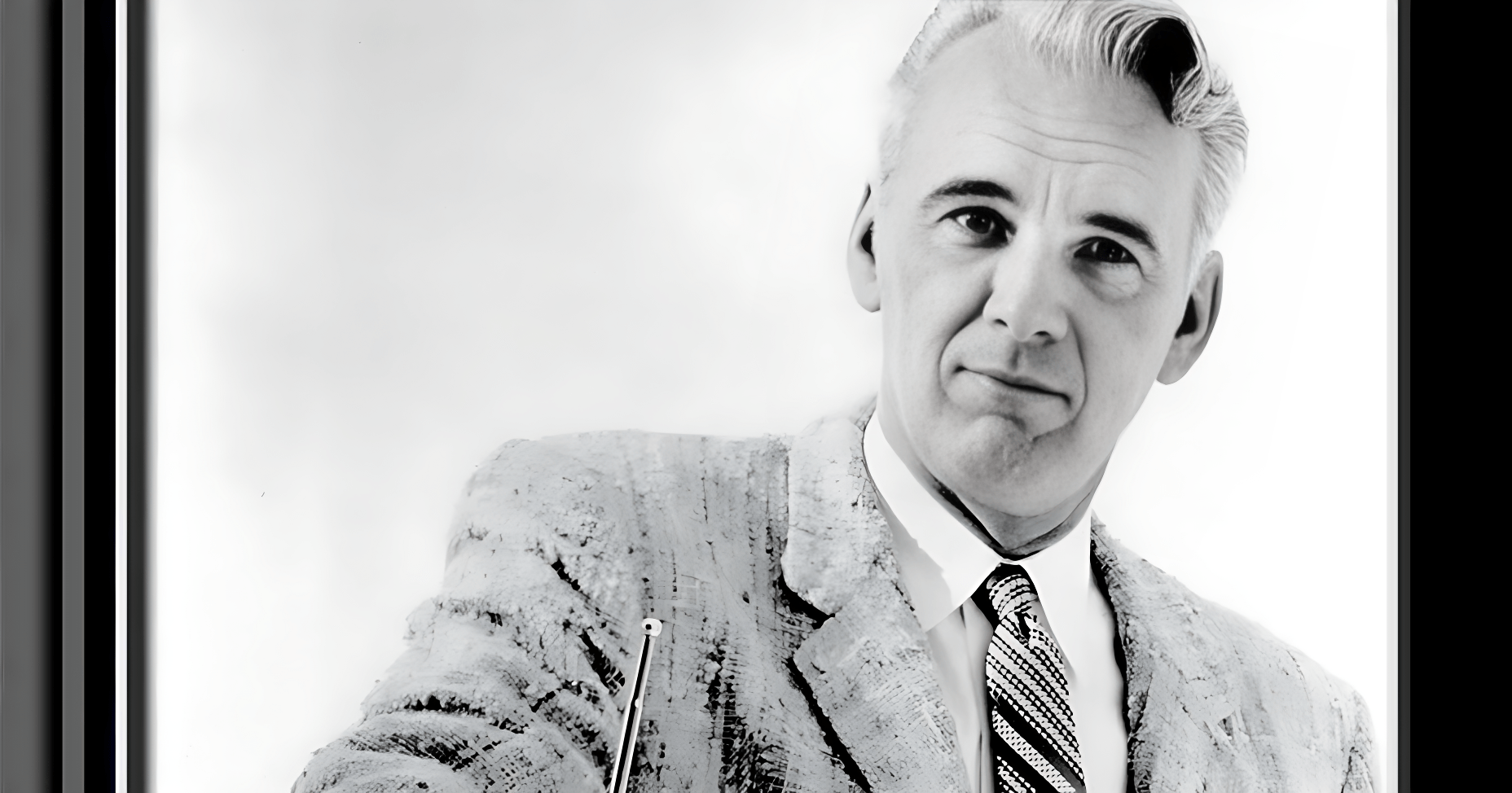
Virgil Exner was the designer who taught Detroit to dream again
Virgil Exner transformed American car design with bold artistry, aerodynamic vision, and Italian collaboration that redefined Detroit’s style.
Read story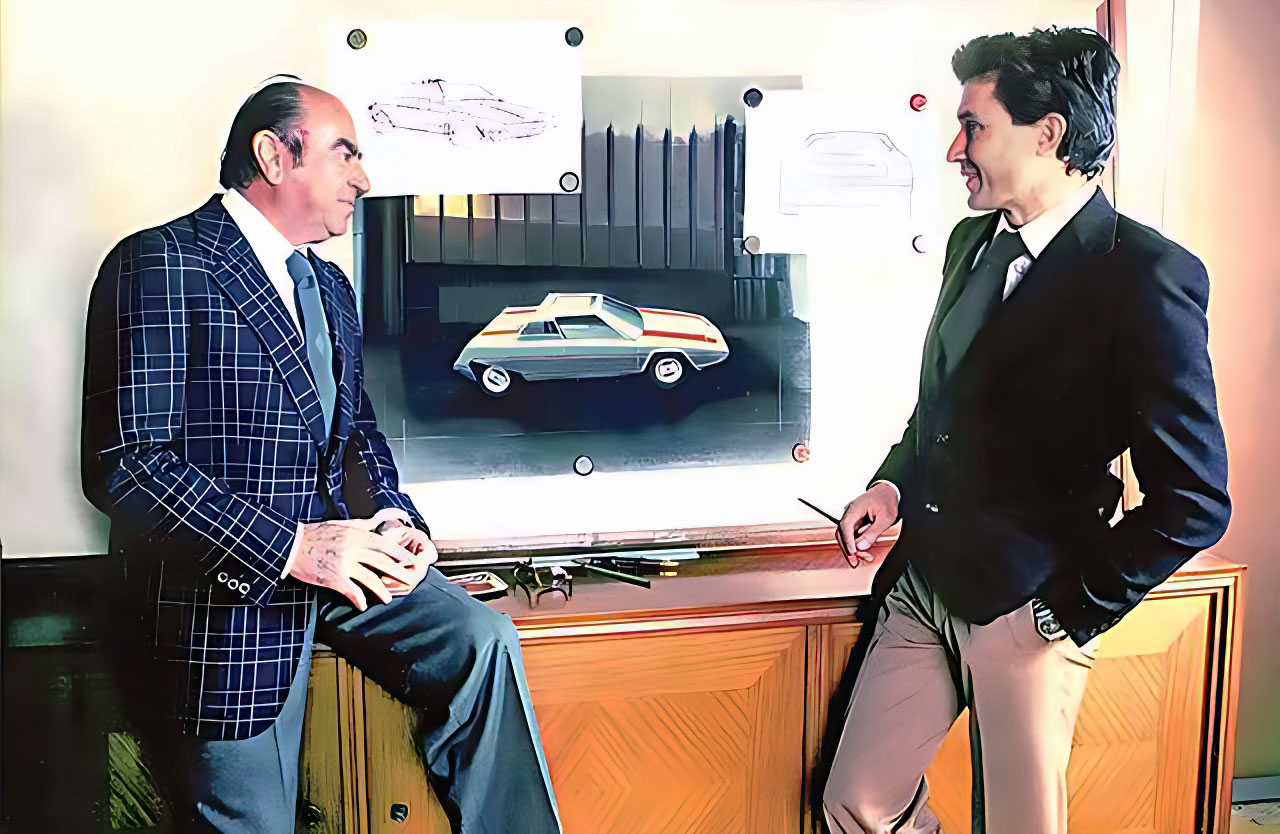
Marcello Gandini: The Man Who Designed the Future
From Lamborghini to Lancia, Marcello Gandini’s bold geometry and radical thinking defined modern car design and inspired generations of creators.
Read story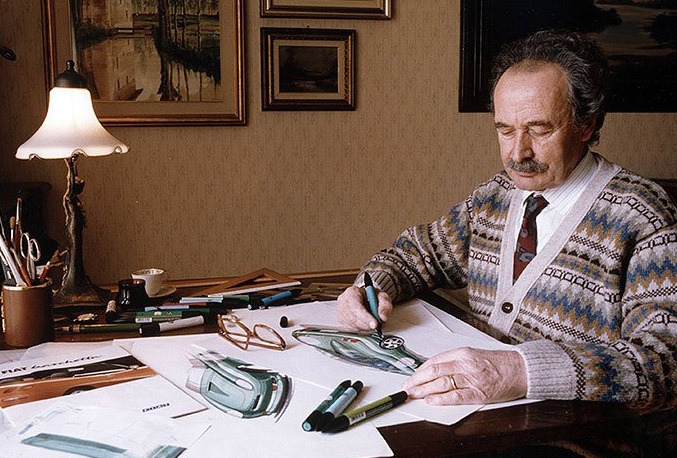
Aldo Brovarone: The Quiet Master of Elegance
Aldo Brovarone, the humble stylist behind Pininfarina’s greatest icons, from the Ferrari Dino to the Peugeot 504 and Lancia Gamma.
Read story
THE CONVERSATION
Comments 0
Share a memory, a period photograph or a documented detail about this story.