
The Touring Berlinetta Lusso: The Ferrari Maranello Didn’t Dare to Build
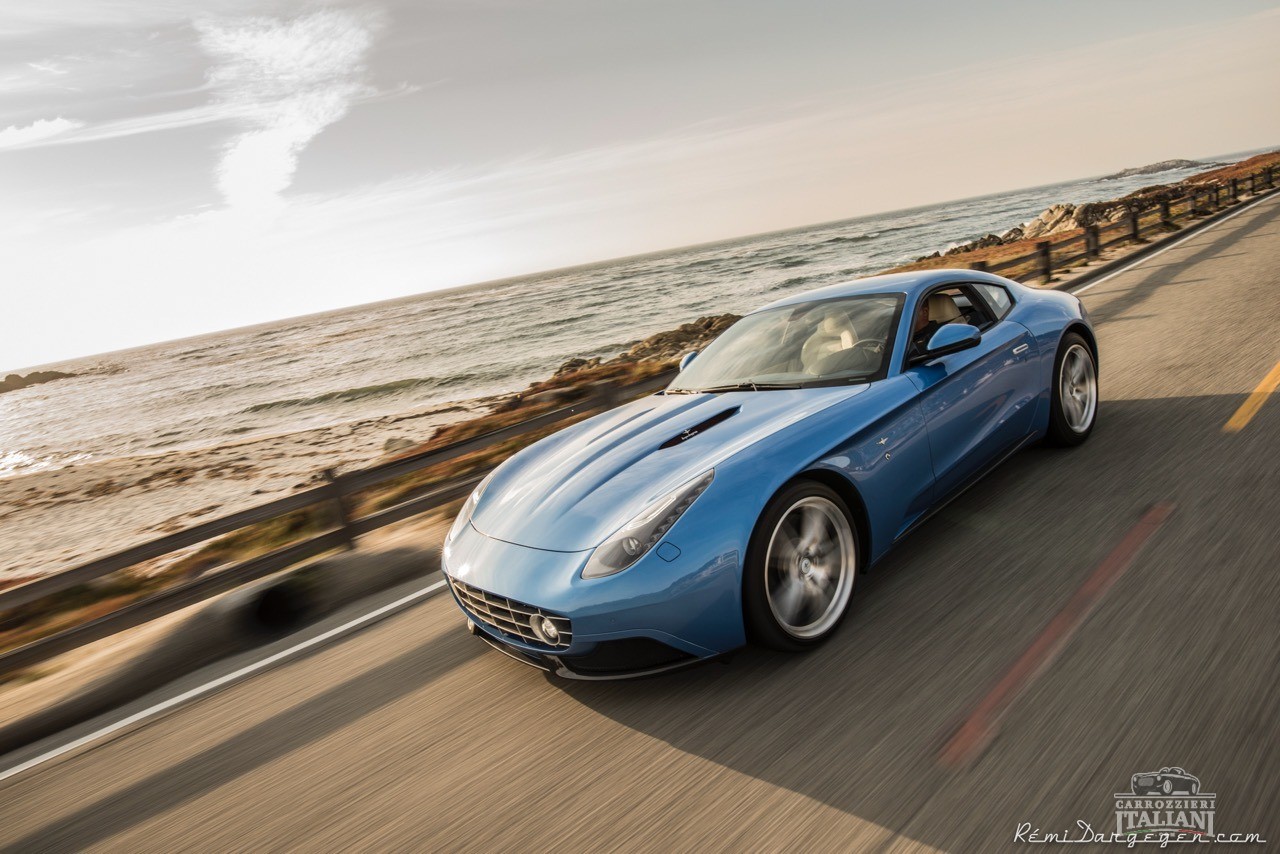
The Touring Berlinetta Lusso is a 2015 creation from the reborn Carrozzeria Touring Superleggera, built on the underpinnings of the Ferrari F12 Berlinetta, and shaped into something that feels less like a modern supercar and more like a carefully revived memory of Ferrari’s golden age.
Designed by Louis de Fabribeckers, it draws heavily on 1950s inspiration—most notably the Ferrari 166 MM—with its long bonnet, compact cabin, and flowing proportions that prioritise elegance over aggression, all wrapped in hand-formed aluminium and carbon fibre coachwork crafted by artisans rather than machines.
🔗 Read more: The History of Carrozzeria Touring: From Superleggera Origins to Modern Revival
Despite this nostalgic exterior, it retains the full mechanical force of the F12, including its 6.3-litre V12 producing around 740 horsepower and paired to a 7-speed gearbox, creating a car that looks like a sculpture but performs like something far less polite.
With only five examples produced, each individually tailored, and its debut at the Geneva Motor Show earning widespread praise, the Lusso stands as a rare and rather defiant statement that heritage, craftsmanship, and modern performance can still coexist without shouting about it.
A Bit of History, and Quite a Lot of Style
To understand the Touring Berlinetta Lusso, you have to go back to a time when cars weren’t assembled so much as composed, which is exactly what Carrozzeria Touring Superleggera had been doing since 1926, when it made its name pioneering the Superleggera method—lightweight aluminium panels stretched over a delicate steel frame, equal parts engineering and artistry.
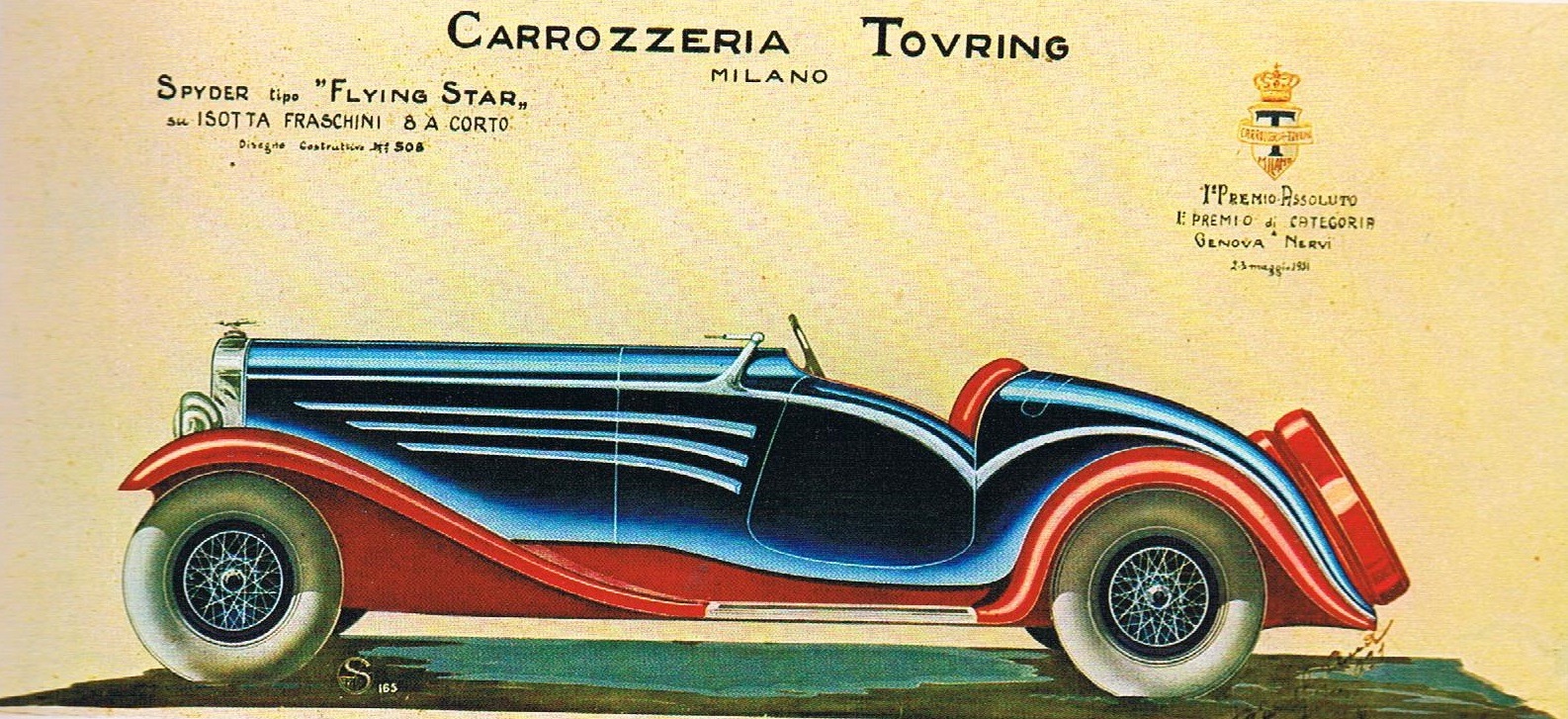
Through the post-war years, Touring became one of the key players in the golden age of coachbuilt grand tourers, shaping some of the most beautiful Italian machines ever made, before quietly disappearing in 1966, as if it had decided the world was becoming a bit too fond of mass production and not nearly fond enough of elegance.
Then, in 2006, it came back, revived by Roland d’Ieteren, and instead of trying to compete with modern manufacturers on their own terms, it did something far more interesting, which was to carry on exactly where it had left off, producing limited-run creations like the Maserati Bellagio, the Bentley Flying Star, and the Alfa Disco Volante—cars that felt less like products and more like statements.
🔗 Read more: 18 Modern Coachbuilt Cars Every Collector Must Own
By the time the Lusso arrived in 2015, Touring wasn’t just building cars, it was making a point, because this was conceived very deliberately as a return to the “golden era of elegance,” a modern interpretation of the Italian fuoriserie tradition of the 1950s, when wealthy clients didn’t just buy cars, they commissioned them.
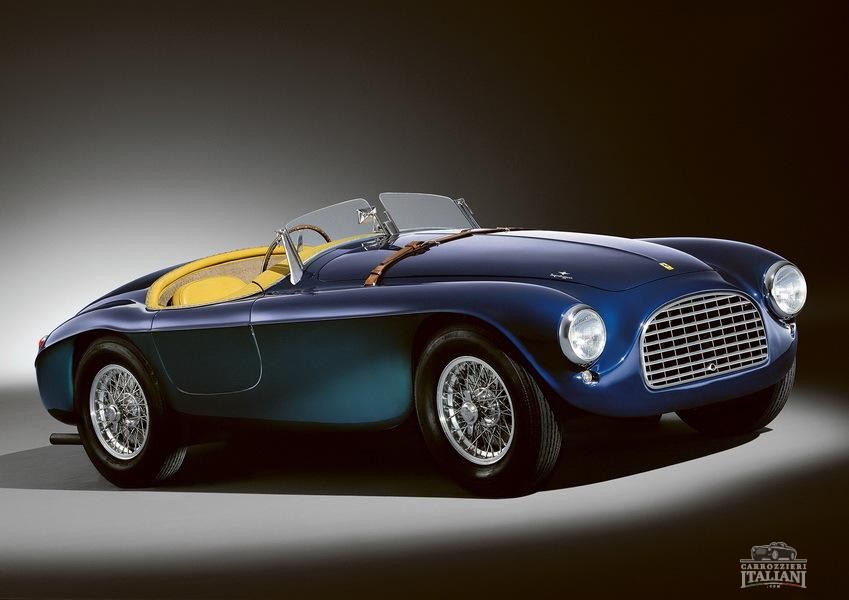
Even the name is doing a bit of historical name-dropping, nodding to Ferrari’s own past—particularly the 250 GT Lusso—while the design, led by Louis de Fabribeckers, reaches further back still, taking clear inspiration from the Ferrari 166 MM Barchetta, a car owned by Gianni Agnelli and widely considered one of the most effortlessly stylish machines ever put on four wheels.
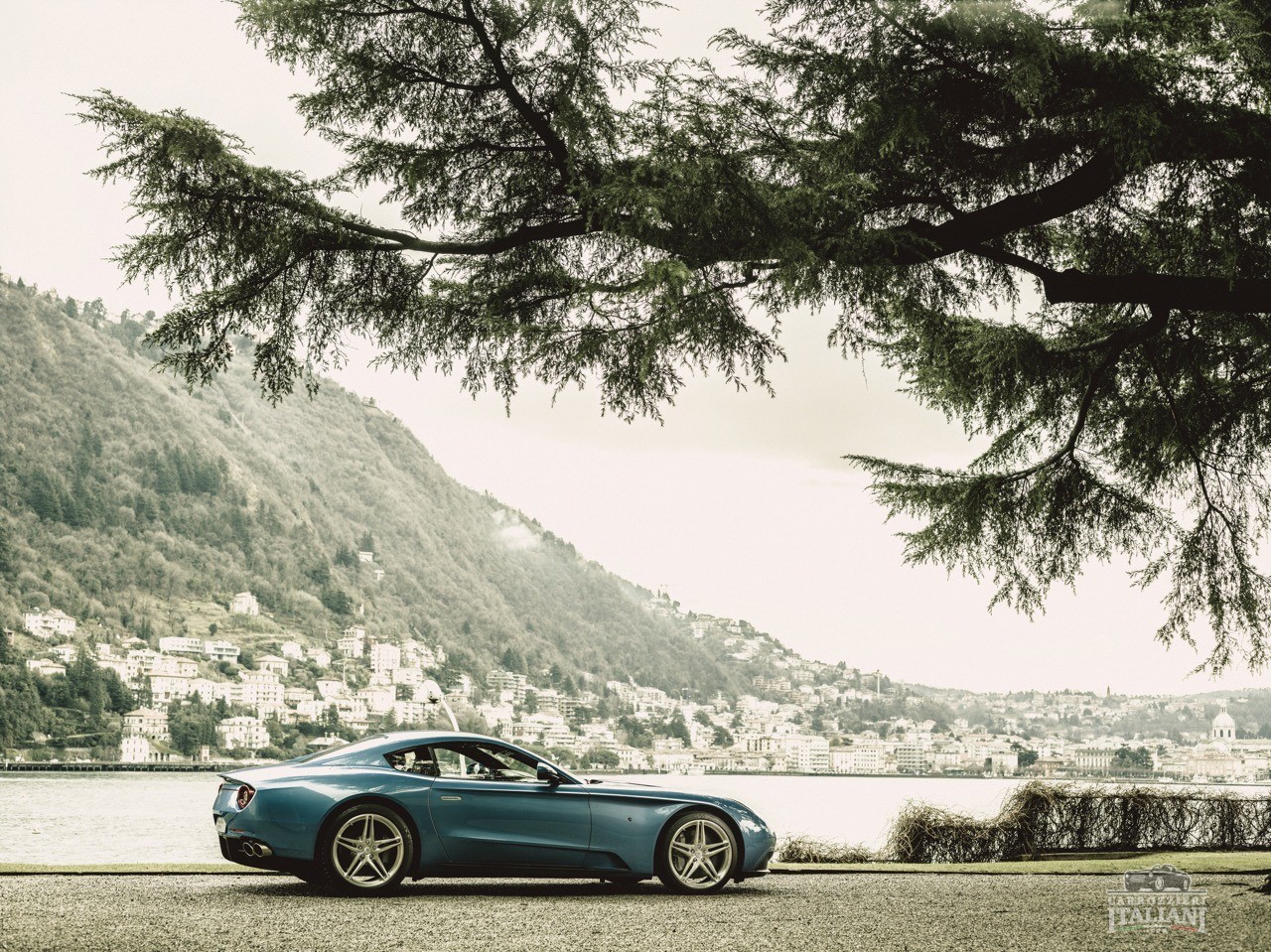
And you can see it, because the Lusso doesn’t shout, it flows, with a sweeping grille, a gently curving tail, and proportions that feel almost suspiciously clean in an era obsessed with vents, slashes, and unnecessary drama, all of it built around what Touring calls “glorious volumes and proportions,” which is a wonderfully Italian way of saying they resisted the urge to overcomplicate things.
The process itself was equally old-school, involving full-scale wooden bucks and hand-shaped aluminium panels, with de Fabribeckers reportedly tweaking the design right up to the last possible moment—something you simply cannot do when your car is stamped out of carbon fibre in a factory the size of Luxembourg.
The result is a long-hood, short-cabin coupe that manages to look both muscular and restrained at the same time, helped along by Touring’s signature beltline sweeping from the front wheel to the tail, creating a shape that feels alive even when it’s standing still, which, in a world of aggressively styled modern Ferraris like the F12 and the faintly bonkers GTC4, makes the Lusso seem almost rebellious in its simplicity.
The Man Behind the Shape
At the centre of the Touring Berlinetta Lusso sits Louis de Fabribeckers, Touring’s Head of Design since 2005, a man who didn’t just sketch the car but effectively argued it into existence, having trained in France and spent decades immersed in the slightly mad world of bespoke automobiles before being handed the keys to Touring’s rebirth.
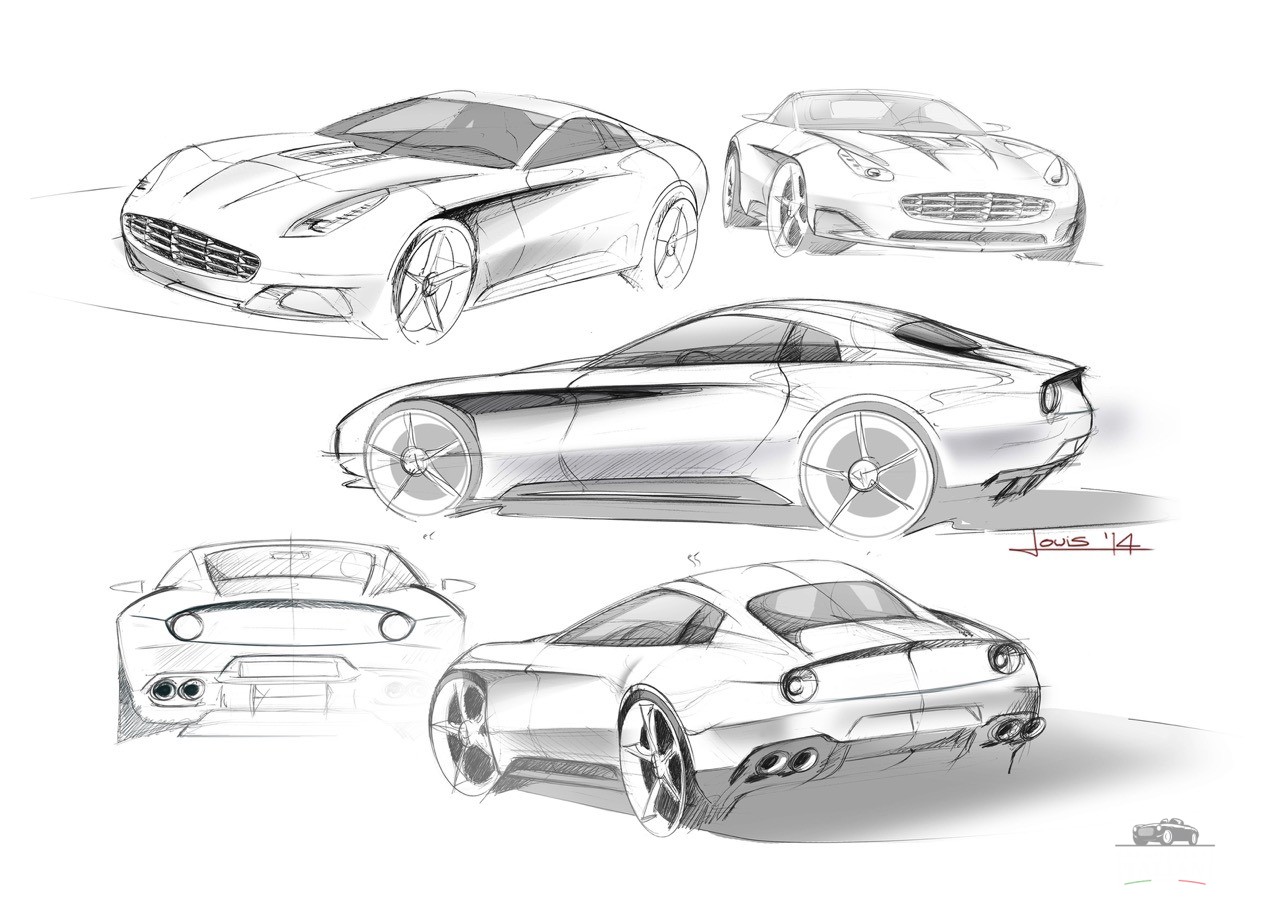
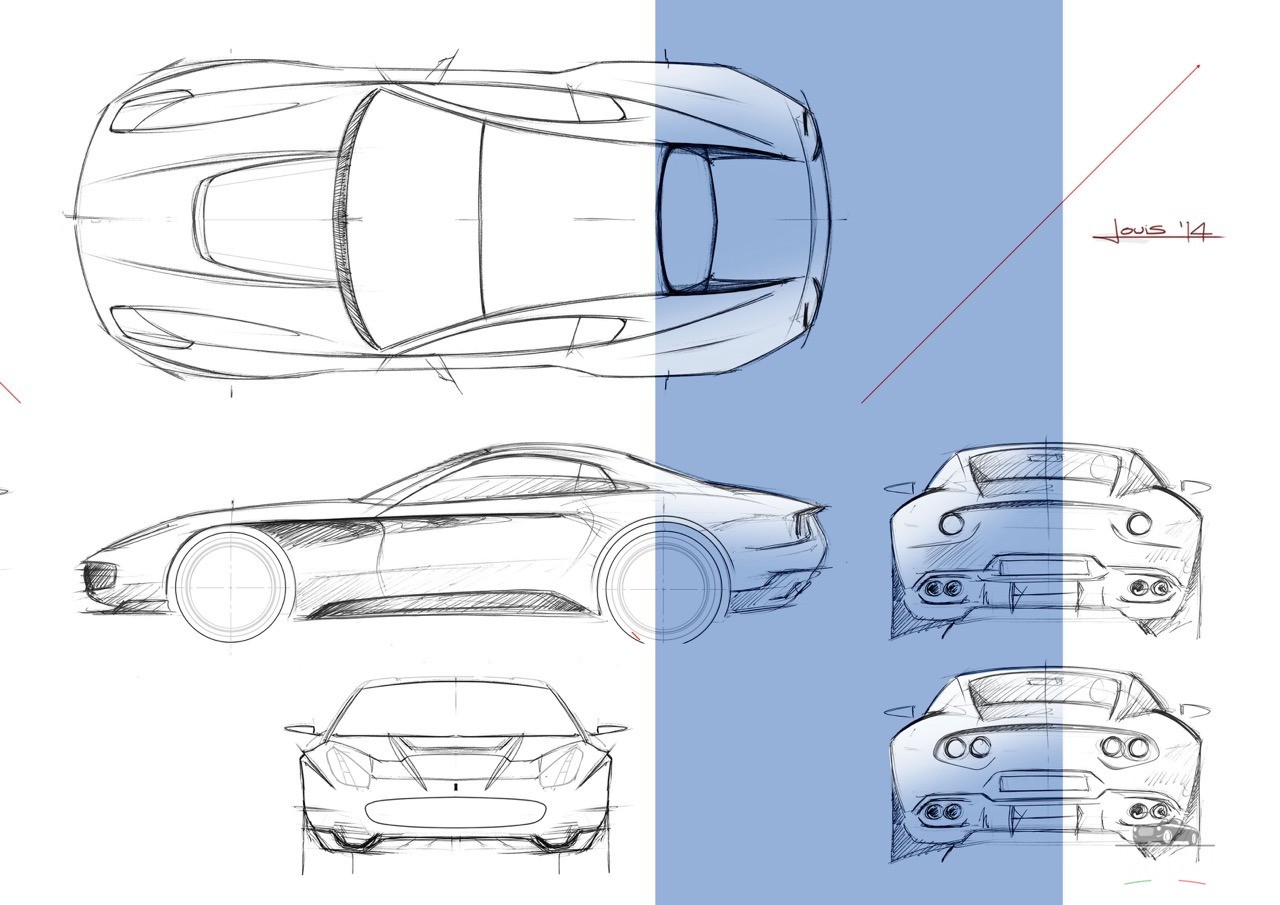
His brief was deceptively simple—take the Ferrari F12 Berlinetta and reinterpret it as something more elegant, more bespoke, and crucially, less shouty—and the way he went about it was anything but modern, with the team starting from Ferrari’s technical blueprints before redrawing, reshaping, and physically modelling every single panel by hand, using sketches, clay, and full-scale wooden bucks that were endlessly tweaked with tape and chalk until the proportions felt just right.
And this is where things get interesting, because instead of amplifying the F12’s aggression, Fabribeckers deliberately dialled it back, softening the fastback into something more classical, introducing cleaner lines, and even borrowing a character line from the Ferrari 166 MM, which is rather like quoting Shakespeare in a world obsessed with hashtags.
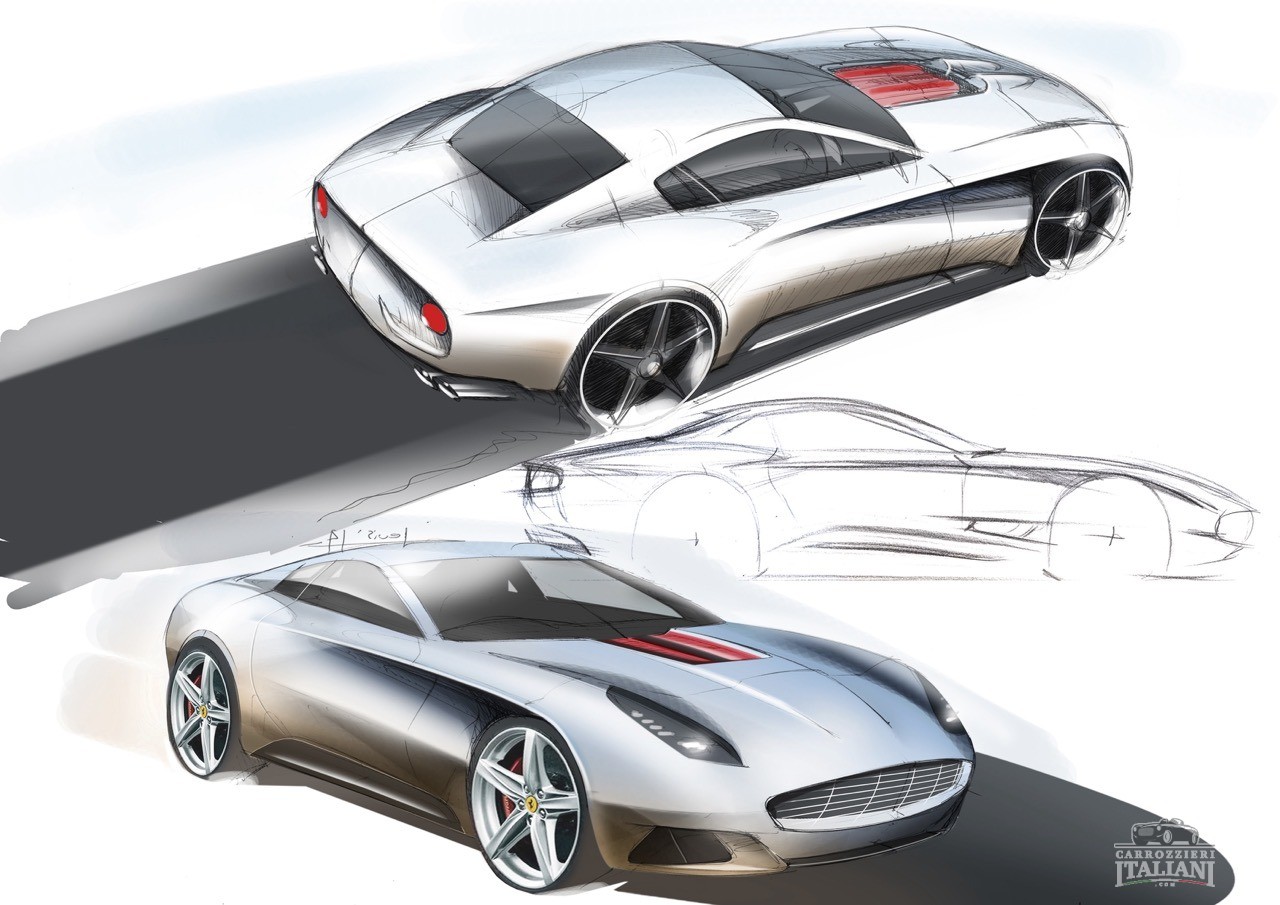
The front end was reworked into a broader, more composed shape, the bonnet gained its own distinctive vents, and around the back the Lusso abandoned Ferrari’s sculptural theatrics in favour of something lower, calmer, and—whisper it—more dignified, while also doing something quietly rebellious by omitting the prancing horse badges entirely, presumably to avoid a strongly worded letter from Maranello.
🔗 Read more: The Car That Marked the End of Carrozzeria Touring: The Sunbeam Venezia
The result is a car that doesn’t try to intimidate you, which in modern supercar terms is practically revolutionary, because where the F12 looks like it wants to pick a fight, the Lusso looks like it’s already won one and doesn’t feel the need to mention it.
Step inside, and the differences become even more dramatic, because while the structure may come from Ferrari, everything you can actually see and touch is pure Touring, with each interior built from scratch and tailored entirely to its owner, meaning there is no standard configuration, no options list, and absolutely no chance of two cars ever being the same.
Buyers chose everything—leathers, colours, materials, finishes—resulting in cabins that range from subtle and classic to quietly extravagant, all of it reinforcing the idea that this isn’t a car you simply purchase, but one you commission, like a suit from Savile Row or a yacht if you’ve had a particularly good year.
And that, really, is Fabribeckers’ greatest trick here, because he didn’t just design a car, he reintroduced an entire way of thinking—one where the machine adapts to the owner, not the other way around.
How You Turn a Ferrari Into Art
The story of the Touring Berlinetta Lusso doesn’t begin with a blank sheet of paper, but shortly after Touring’s earlier revival act, when the success of the Disco Volante made it abundantly clear that there was still a place in the world for properly coachbuilt machines, provided you were willing to ignore concepts like efficiency, speed of production, and common sense.
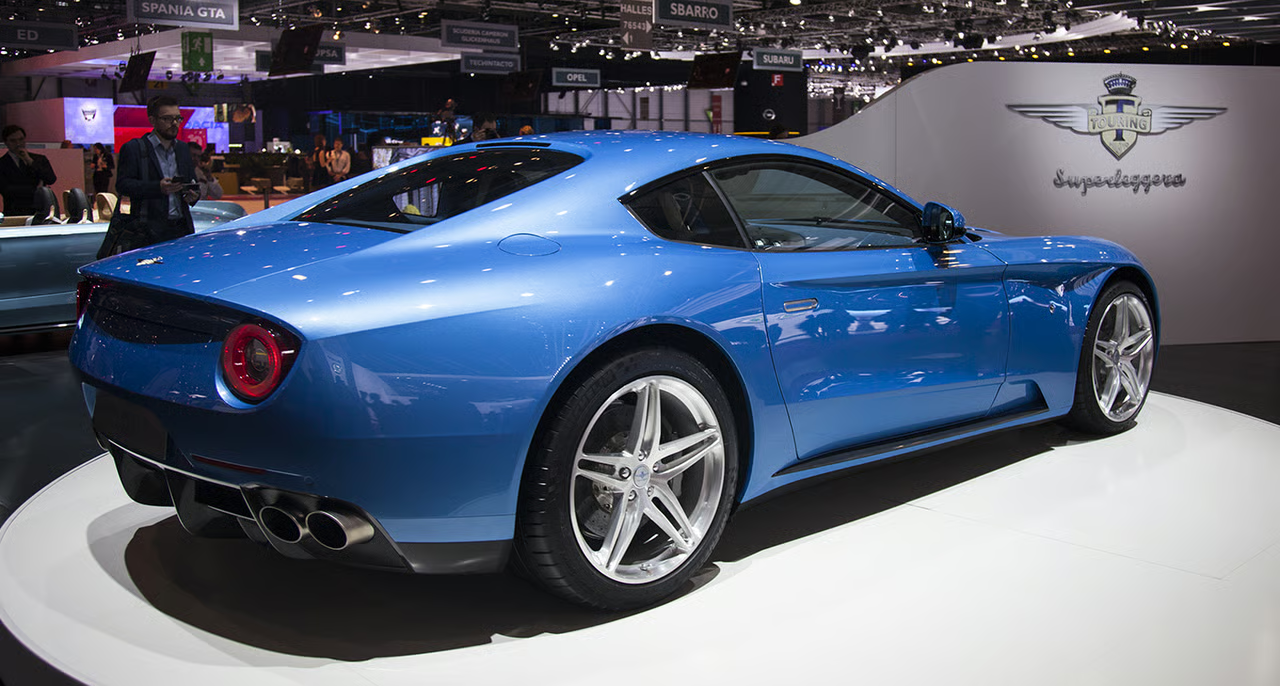
By late 2014 the design was ready, and in March 2015 the first car appeared at the Geneva Motor Show, looking like it had quietly time-travelled from a more elegant decade, but what really makes the Lusso interesting is not how it looks on a turntable, but how it comes into existence in the first place.
Because this isn’t a case of ordering a car, ticking a few boxes, and waiting for delivery; instead, owners had to go out and buy a Ferrari F12 Berlinetta, deliver it to Touring’s Milan workshop, and then watch—presumably with a mix of excitement and mild panic—as craftsmen proceeded to take it apart, removing virtually every exterior panel until only the essential structure remained.
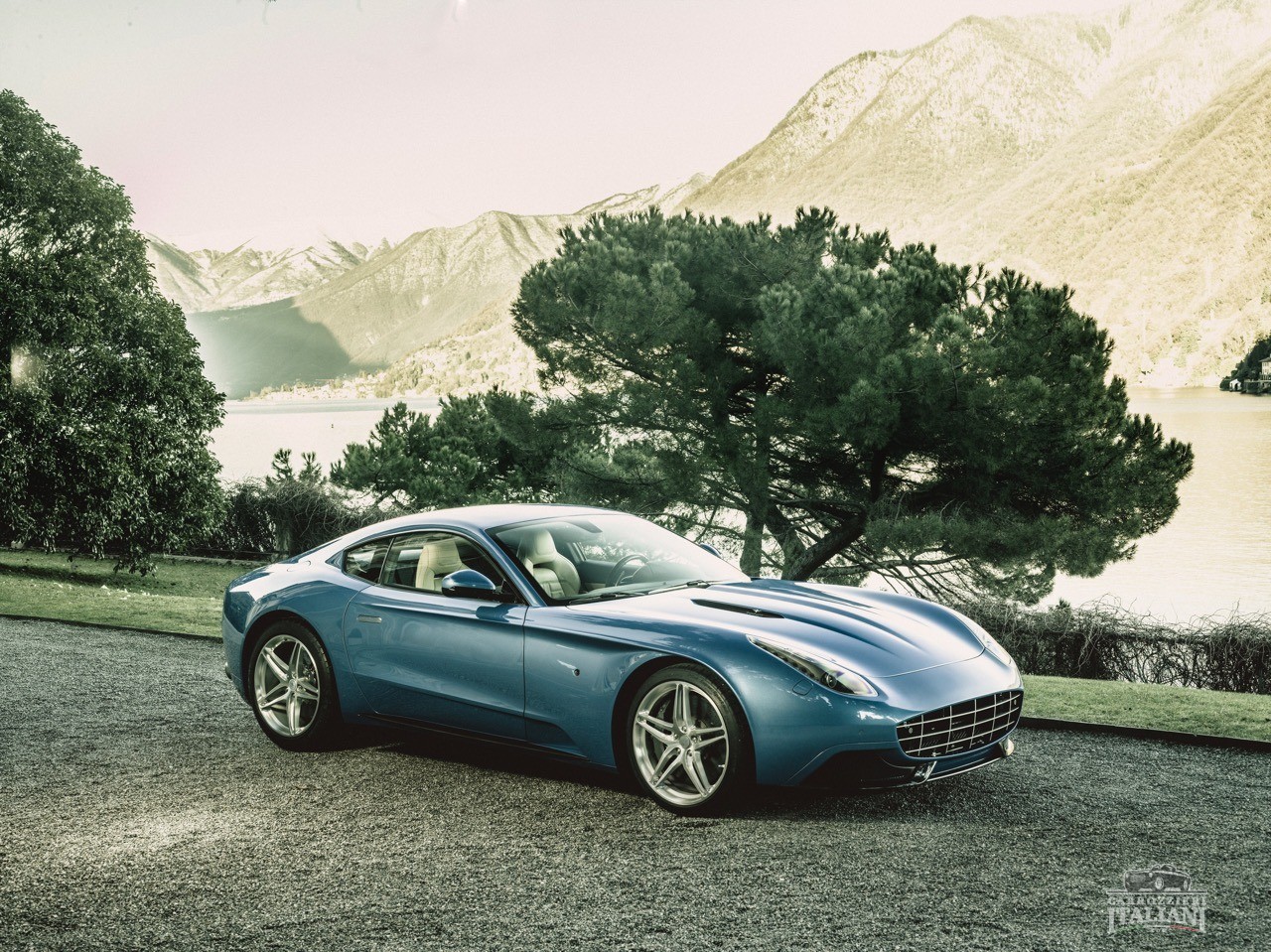
Strict homologation rules meant that only the windshield, headlights, and taillights could be reused, while everything else was discarded, leaving the original chassis, suspension, and glorious V12 drivetrain intact but stripping away the visual identity entirely, like turning up to a formal event and being handed a completely new wardrobe halfway through the evening.
From there, the real work begins, and it is work in the most traditional sense, because each Lusso required around six months and more than 5,000 hours of labour, during which full-scale wooden bucks were used as the foundation for shaping entirely new body panels, hammered out of aluminium by hand in a process that feels closer to sculpture than manufacturing.
The construction itself is a clever blend of old and new, with large exterior surfaces such as the bonnet, doors, and rear deck formed from aluminium, while carbon fibre is used selectively for elements like the front bumper, splitter, and diffuser, not for show but to keep weight down and performance intact, resulting in a car that is not only lighter than the original F12 but also around 20 percent stiffer, which is the sort of improvement engineers get very excited about.
🔗 Read more: Ferrari F355: Designer Maurizio Corbi on Creating a 1990s Icon
What emerges from this painstaking process is something that shares its mechanical soul with Ferrari but has an entirely different presence, defined by clean, uninterrupted lines and that sweeping rear haunch—a continuous curve running from the front arch to the tail—that simply cannot be replicated by machines, no matter how many computers you throw at the problem.
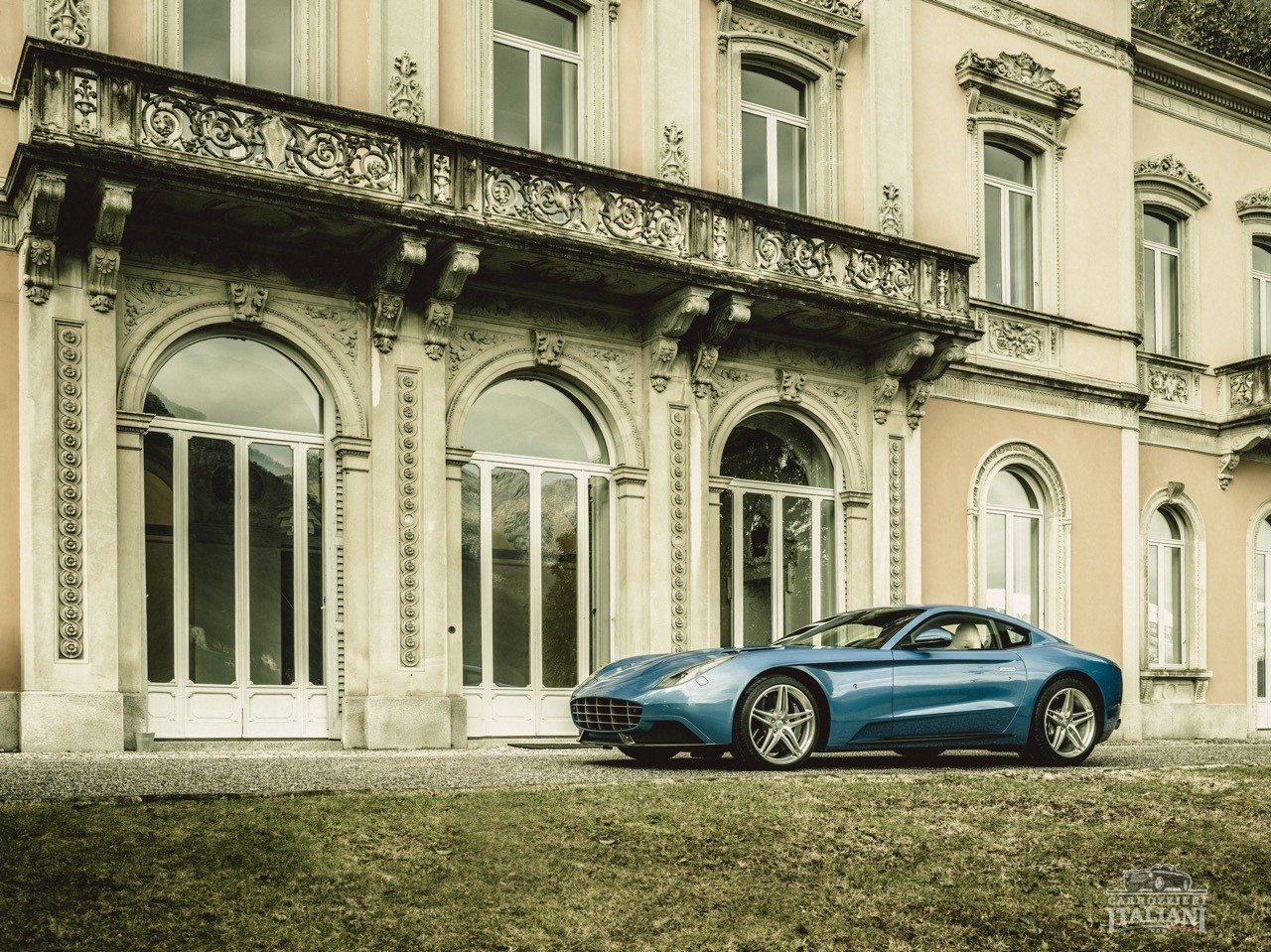
Once the shaping is complete, each car is finished, painted, and tailored to its owner, with Touring even offering long-term support for the bespoke bodywork, which is reassuring because replacing a hand-beaten aluminium panel is not something you can sort out on a Saturday afternoon.
And then there’s the final twist, because all five cars were effectively spoken for the moment they were shown in Geneva, production was capped at exactly five units, and each one remained tied to its original Ferrari chassis number, meaning this isn’t a separate model so much as a complete transformation—one that turns something already extraordinary into something genuinely unique.
Debut and Reception
When the Touring Berlinetta Lusso made its public debut at the Geneva Motor Show in March 2015, it didn’t rely on noise or theatrics to make an impression, instead arriving in a deep metallic blue and quietly demonstrating that elegance can still steal the spotlight in a room full of attention-seeking supercars.
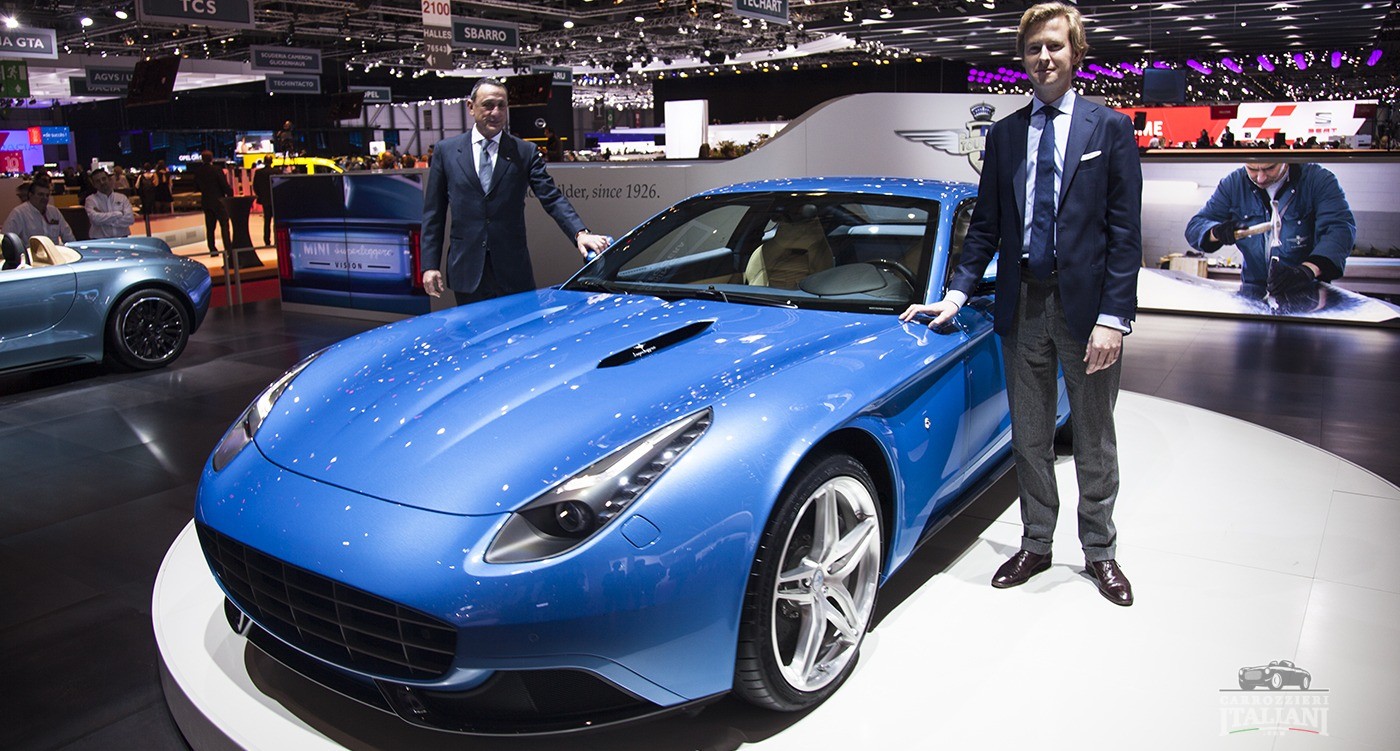
In a show dominated by sharp edges, vents, and aerodynamic aggression, the Lusso stood apart by doing almost nothing of the sort, presenting clean surfaces, balanced proportions, and a sense of restraint that immediately drew praise from journalists, many of whom described it as a beautifully resolved, retro-inspired reinterpretation of the Ferrari F12 Berlinetta that looked less like a modified car and more like an entirely new Ferrari.
🔗 Read more: The Ferrari Dino 308 GT4 : When Gandini Broke Maranello’s Rules
Critics were equally struck by the craftsmanship behind it, noting the thousands of hours required to shape its body by hand, while early driving impressions confirmed that beneath the graceful exterior it retained the full performance of the F12, delivering supercar-level acceleration and speed without compromising its more refined character.
What made the Lusso particularly compelling, however, was not just how it looked or how it performed, but what it represented, because at a time when Ferrari itself was moving toward increasingly aggressive design language, this car offered a clear and confident alternative—one rooted in heritage, proportion, and timeless style rather than visual excess.
The Five Cars
Production of the Touring Berlinetta Lusso was strictly limited to five examples, each created from a donor Ferrari F12 Berlinetta and individually commissioned, meaning that rather than a conventional series, the Lusso exists as five distinct interpretations of the same idea
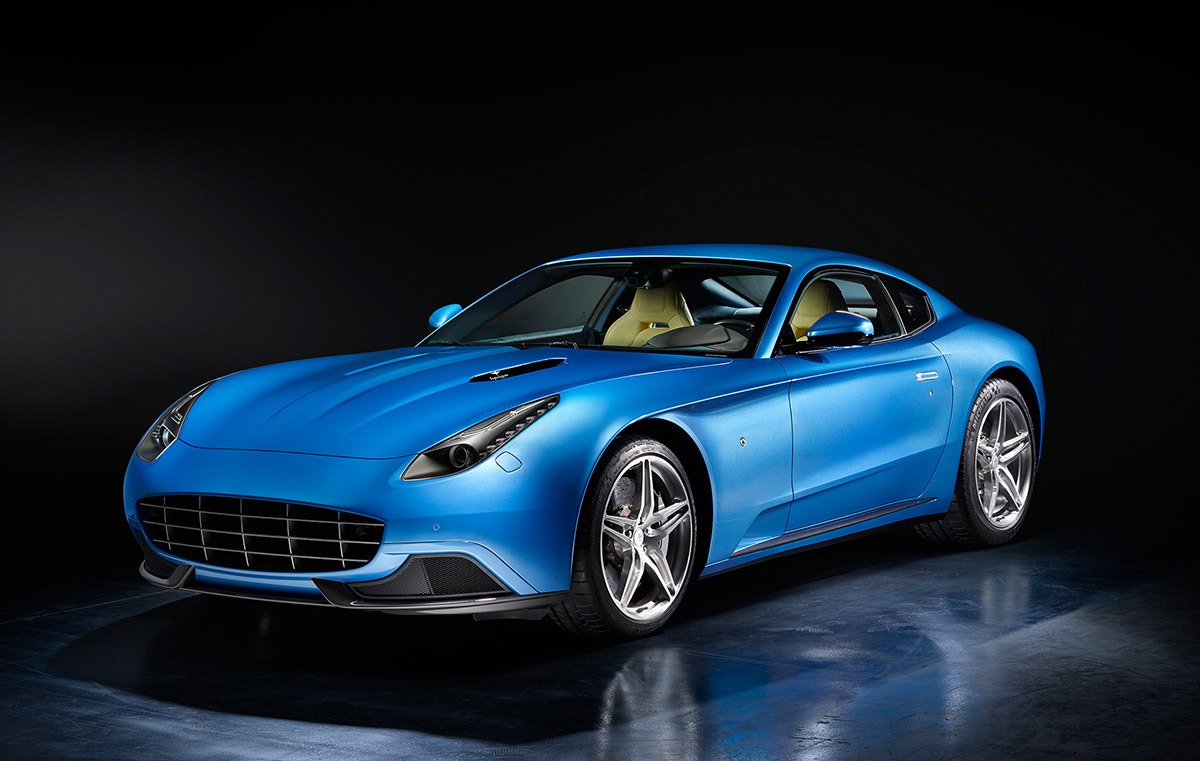
Touring avoided traditional chassis naming or public numbering, referring to each simply as one of five, which reinforces the notion that these cars were not produced, but created—each one shaped around its owner’s taste, much like the great Italian coachbuilt machines of the 1950s.
In terms of specification, while all five share the same underlying engineering, their visual identities differ, with three examples finished in shades of blue—including the Geneva show car—and two in grey tones, among them the unique “Grigio Mistico,” a bespoke colour developed specifically for one client, highlighting just how far the personalization process could go.
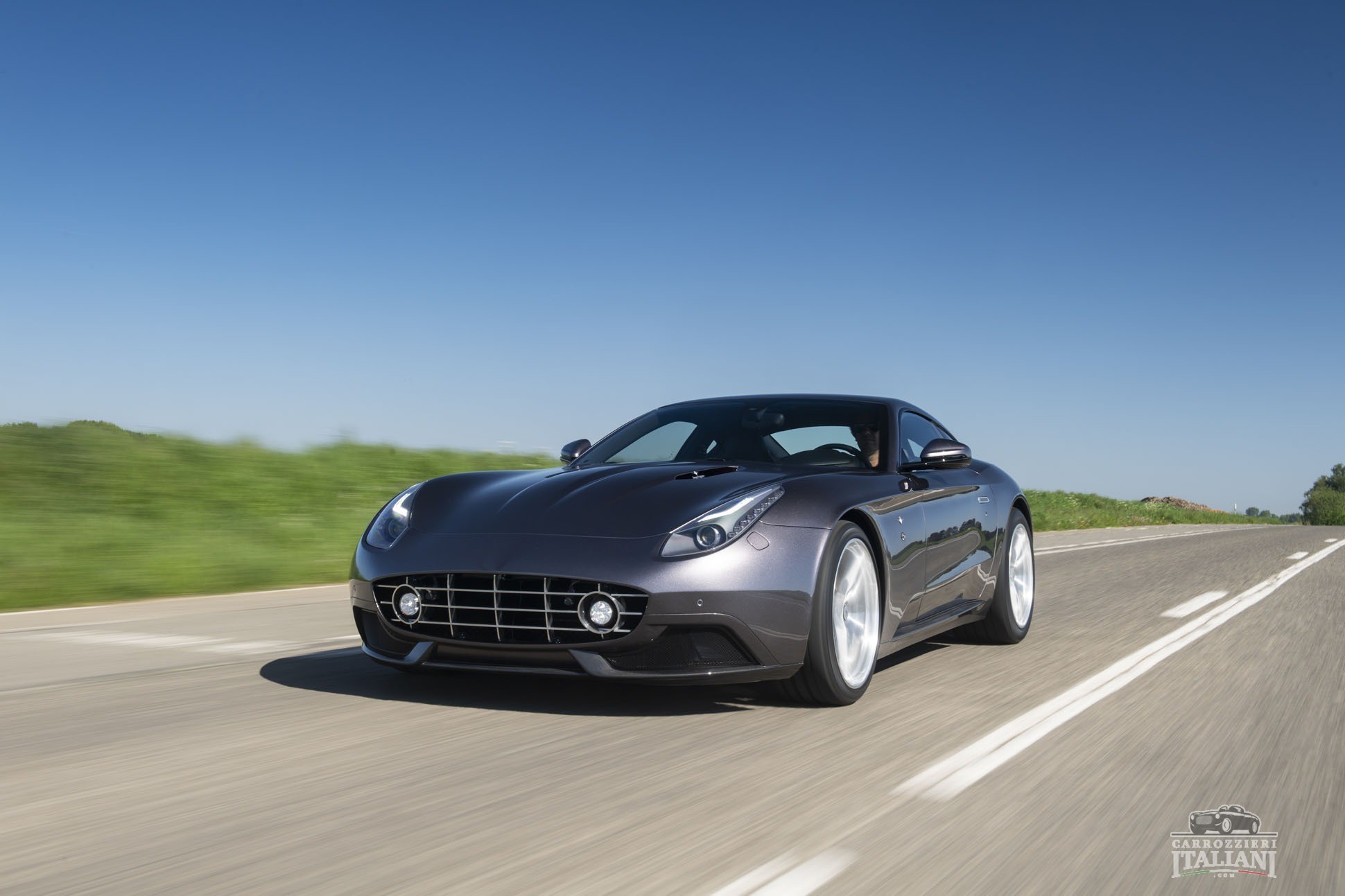
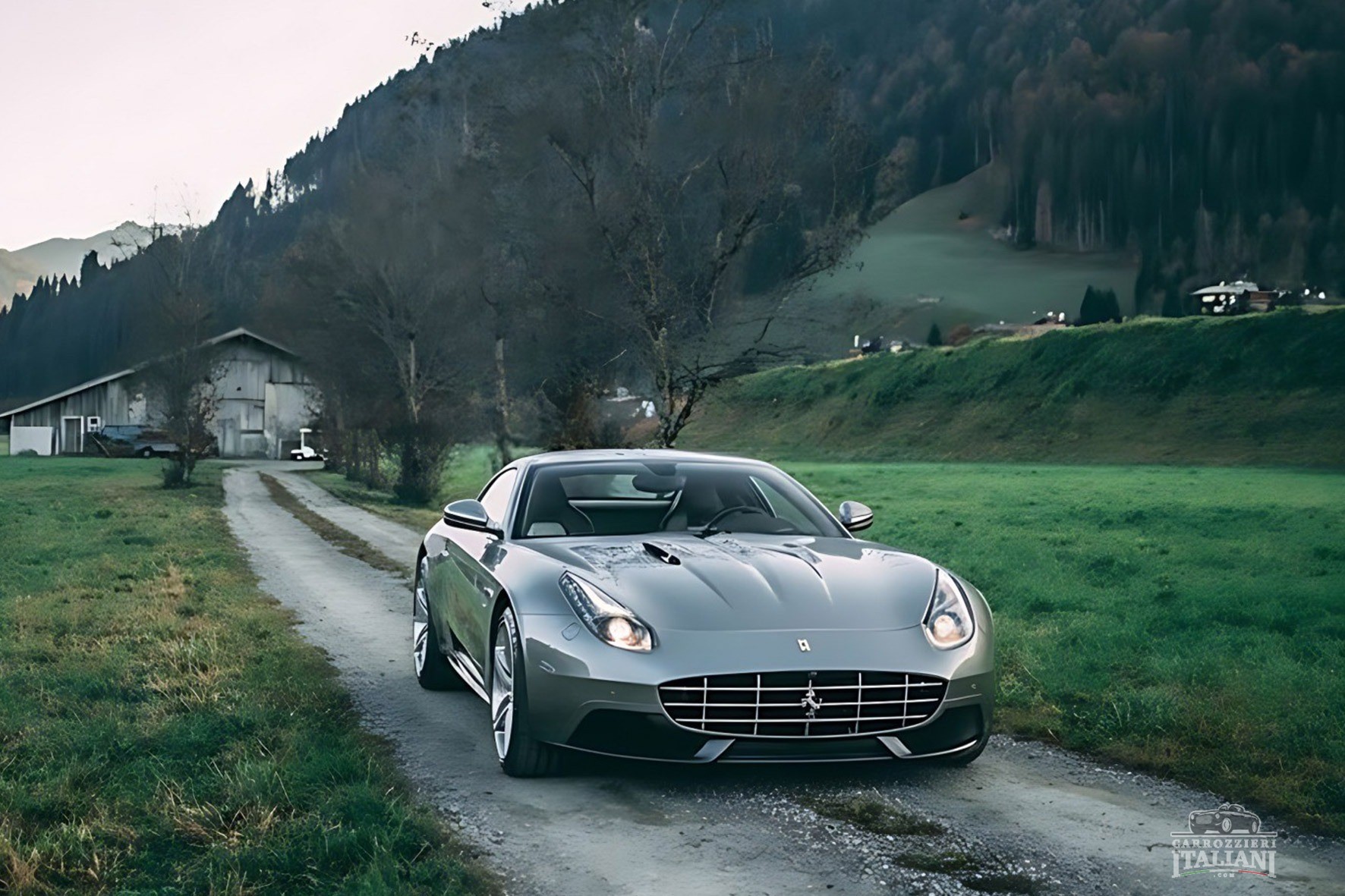
Every interior is entirely unique, with no standard configuration and no options list, as Touring built each cabin from scratch according to the owner’s preferences, resulting in five cars that are mechanically similar but aesthetically and atmospherically distinct.
The cars are now dispersed across private collections, with two known to reside in Singapore within the EuroSports Collection, while others remain in Europe under discreet ownership, one notably accompanied by its original stripped Ferrari body and even the wooden buck used during construction, preserved as part of the car’s history.
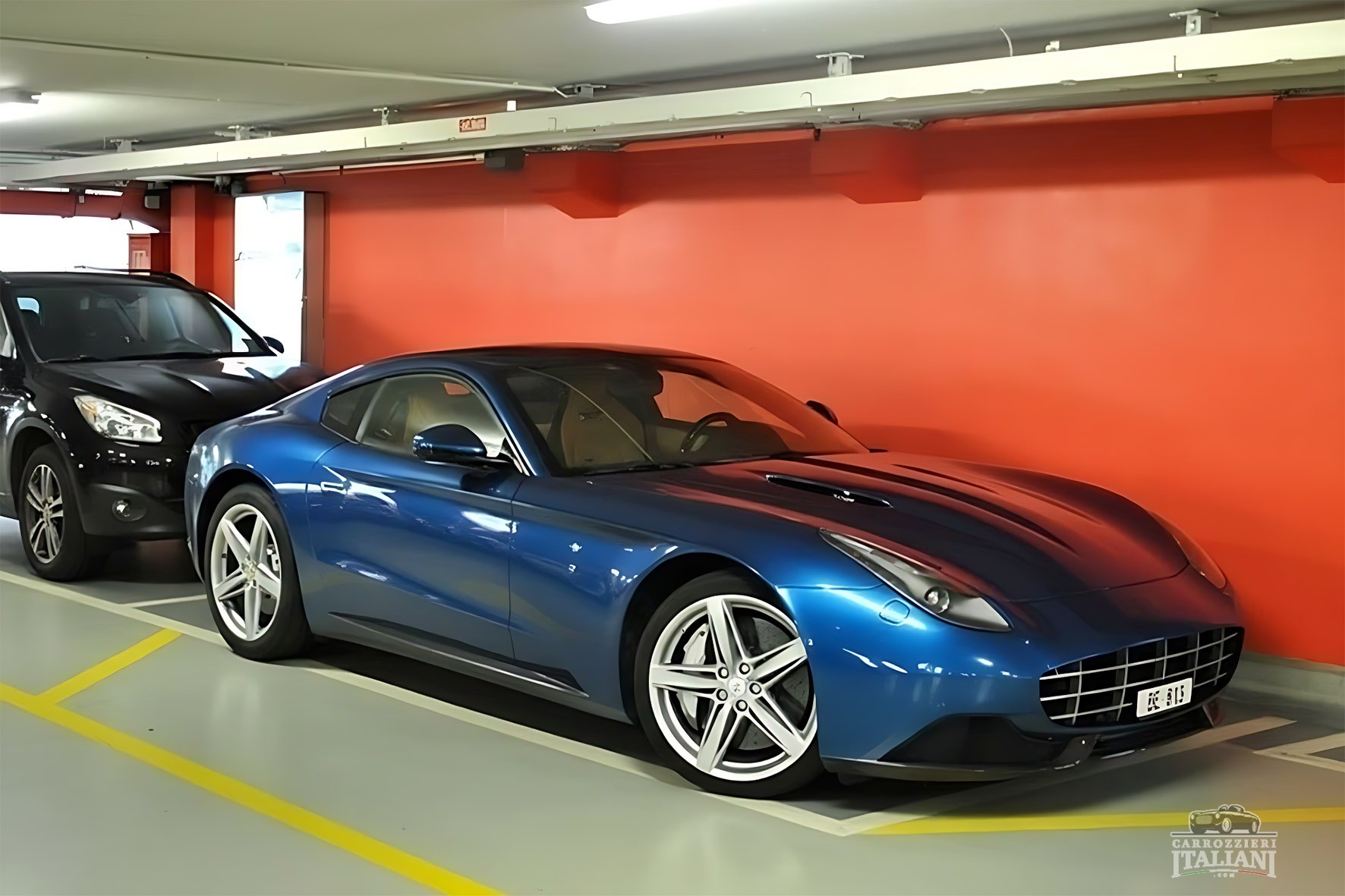
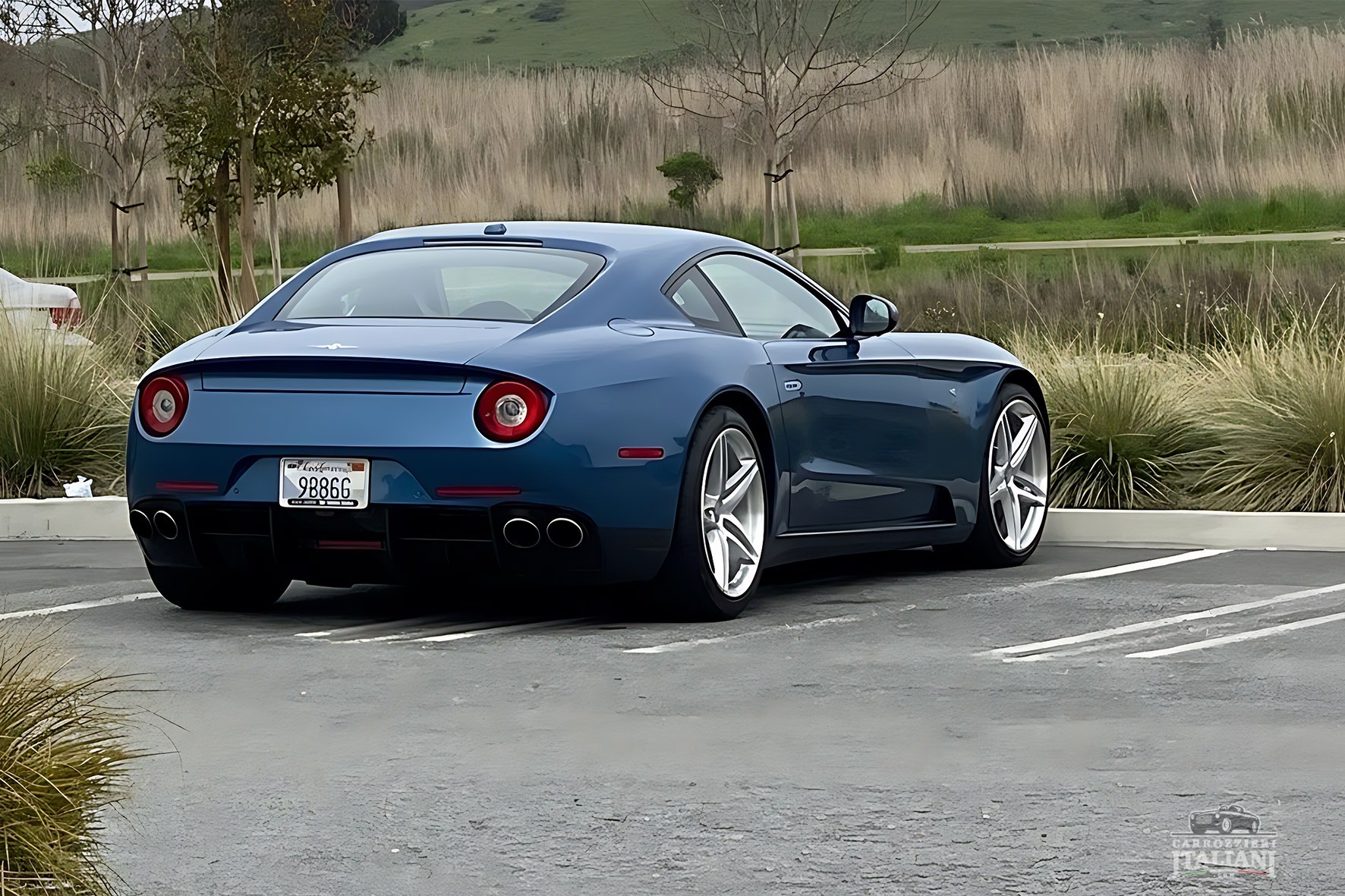
Public appearances have been extremely rare, and although the Lusso was never intended for the open market, one example—car #2 of 5—briefly surfaced for sale in 2019 with very low mileage, marking the first time a Lusso had been publicly offered since production, before disappearing once again into private hands.
A Quiet Rebellion
The Touring Berlinetta Lusso does not announce itself as a revolution, yet that is precisely what it is, because in an era when performance cars became increasingly defined by aggression, complexity, and visual excess, it chose instead to pursue proportion, restraint, and clarity of form—values that had largely disappeared from modern automotive design.
In doing so, Carrozzeria Touring Superleggera did more than reinterpret the Ferrari F12 Berlinetta; it reasserted an entire philosophy, one rooted in the coachbuilding tradition where elegance is not an accessory but the foundation, and where the relationship between surface and volume matters more than ornament or theatrics.
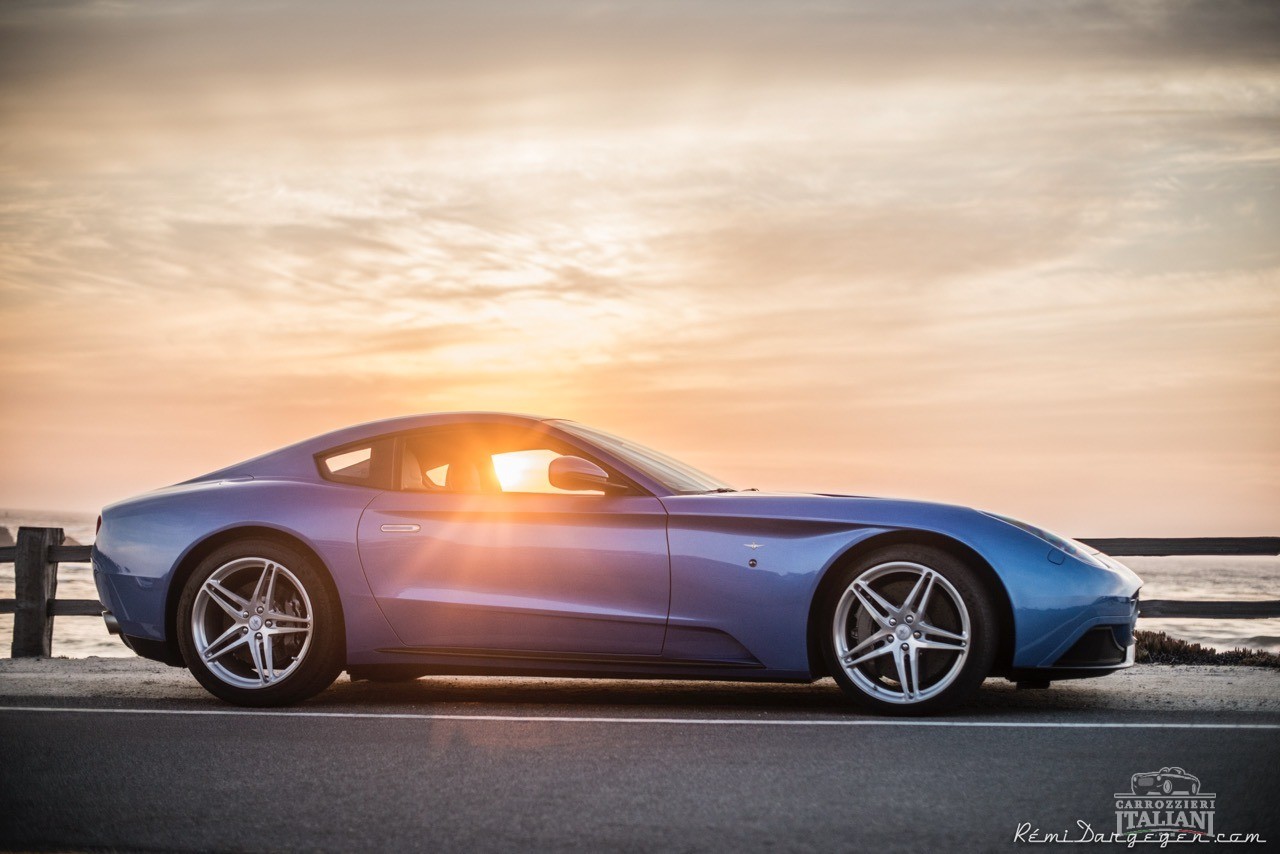
The significance of the Lusso lies in this discipline, because rather than exaggerating the Ferrari beneath it, Louis de Fabribeckers refined it, removing what could be seen as visual noise and distilling the car into something more resolved, more coherent, and ultimately more timeless, achieving a balance that many contemporary designs struggle to approach.
Its reception reflected this clarity of purpose, as critics and collectors alike recognized that the Lusso was not merely a stylistic exercise but a considered alternative to the prevailing direction of high-performance car design, offering a vision of what a modern grand tourer could be if guided by heritage without becoming nostalgic.
Its reception reflected this clarity of purpose, as critics and collectors alike recognized that the Lusso was not merely a stylistic exercise but a considered alternative to the prevailing direction of high-performance car design, offering a vision of what a modern grand tourer could be if guided by heritage without becoming nostalgic.

ABOUT THE AUTHOR
Andreas Scheidl
Italian classic car enthusiast with German roots. Renowned as a respected figure in the classic car community, he serves as a jury member at various international concours d'elegance, including the Classic Gala Schwetzingen and Mantova. As a content creator, Andreas passionately shares his profound knowledge and appreciation for vintage automobiles. His heart beats for cars designed by Giovanni Michelotti, showcasing his discerning taste and dedication to preserving the timeless elegance of automotive history.
More stories by Andreas Scheidl ↗CONTINUE READING
Posts You Might Like

A Central Driving Position, a Rear-Mounted V8. Was This Really a Lancia?
In 1948, visitors to the Turin Motor Show could see an unusual Lancia on the stand of Carrozzeria Ghia. It was a large two-door coupé with a two-litre V8 mounted behind the…
Read story
Fioravanti F100: The Ferrari He Was Allowed to Imagine
Enzo Ferrari’s centenary, Leonardo Fioravanti’s independent studio and a supercar that explored air brakes, steel wheels and a new way of driving—without ever wearing the Cavallino.
Read story
Michelotti Shellette: When the Fiat 850 Became a Yacht
The yacht designer, the Turin stylist and the tiny coachbuilt car that crossed between the quay, the royal holiday house and the auction room. Some automobiles were conceived for the open road,…
Read story
Maserati A6 1500: A New Road for the Trident
When the doors of the Geneva Motor Show opened in March 1947, Maserati was a name that required little introduction to anyone who followed motor racing. What it did not yet possess…
Read story
THE CONVERSATION
Comments 0
Share a memory, a period photograph or a documented detail about this story.