
Ferrari F355: Designer Maurizio Corbi on Creating a 1990s Icon
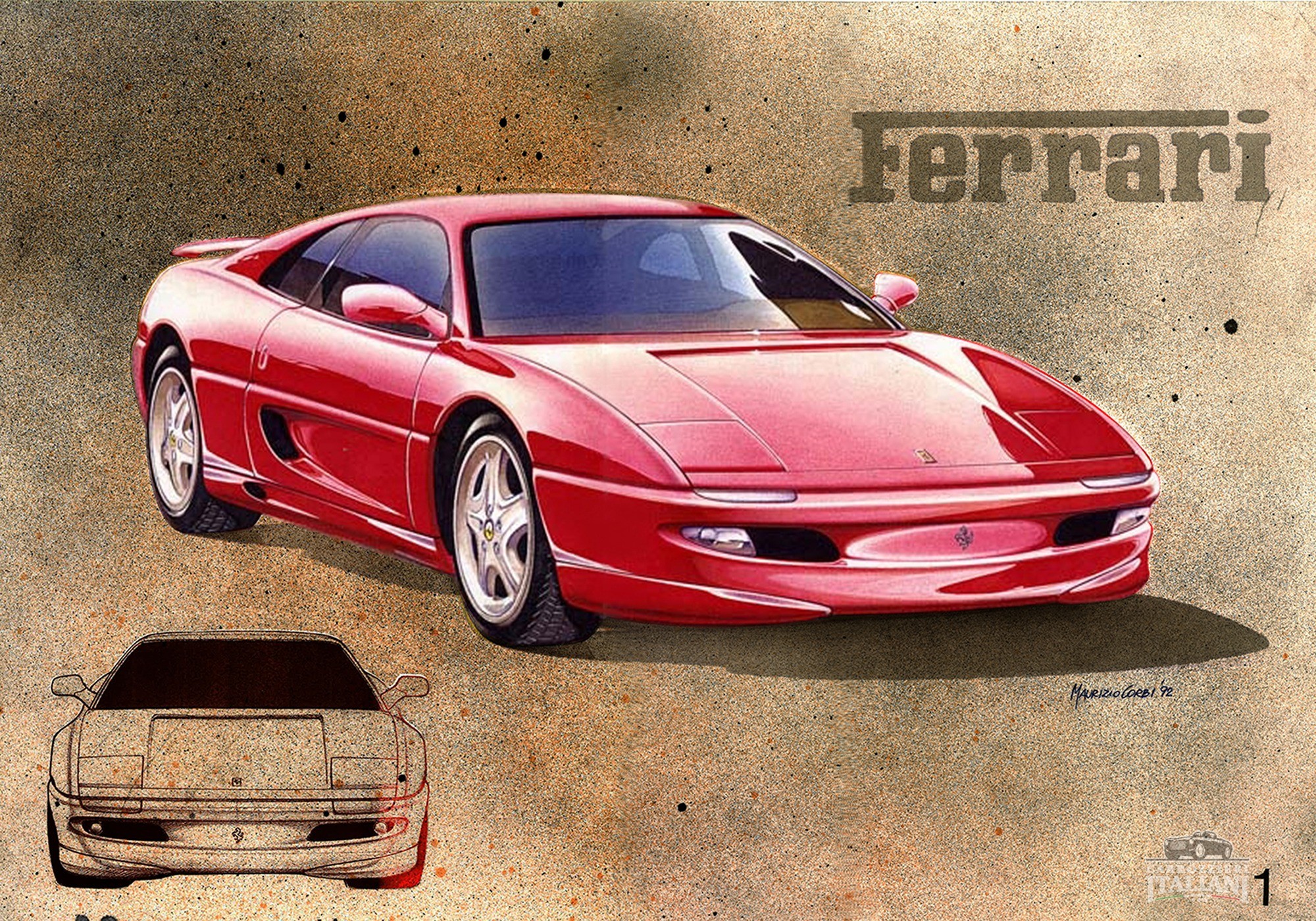
The F355 represents a moment of transition. It closes one chapter of Ferrari’s mid-engined V8 lineage and prepares the ground for the more radical generational shift that would follow. It is also a car born under constraint: limited hard points, inherited architecture, strong internal expectations, and a brand identity that could not be compromised.
At the center of its creation stands Maurizio Corbi, interviewed by Andreas Scheidl, whose testimony offers a rare inside perspective — not as a technical engineer dissecting numbers, but as a direct witness to the creative tension behind the project.
A Dream Fulfilled at Pininfarina
Cars, Corbi says, marked and conditioned his entire life. From early adolescence he had no ambition other than to become an automotive stylist. That clarity of purpose eventually led him to Pininfarina — and, as a Ferrari fan, into the orbit of the brand he admired most.
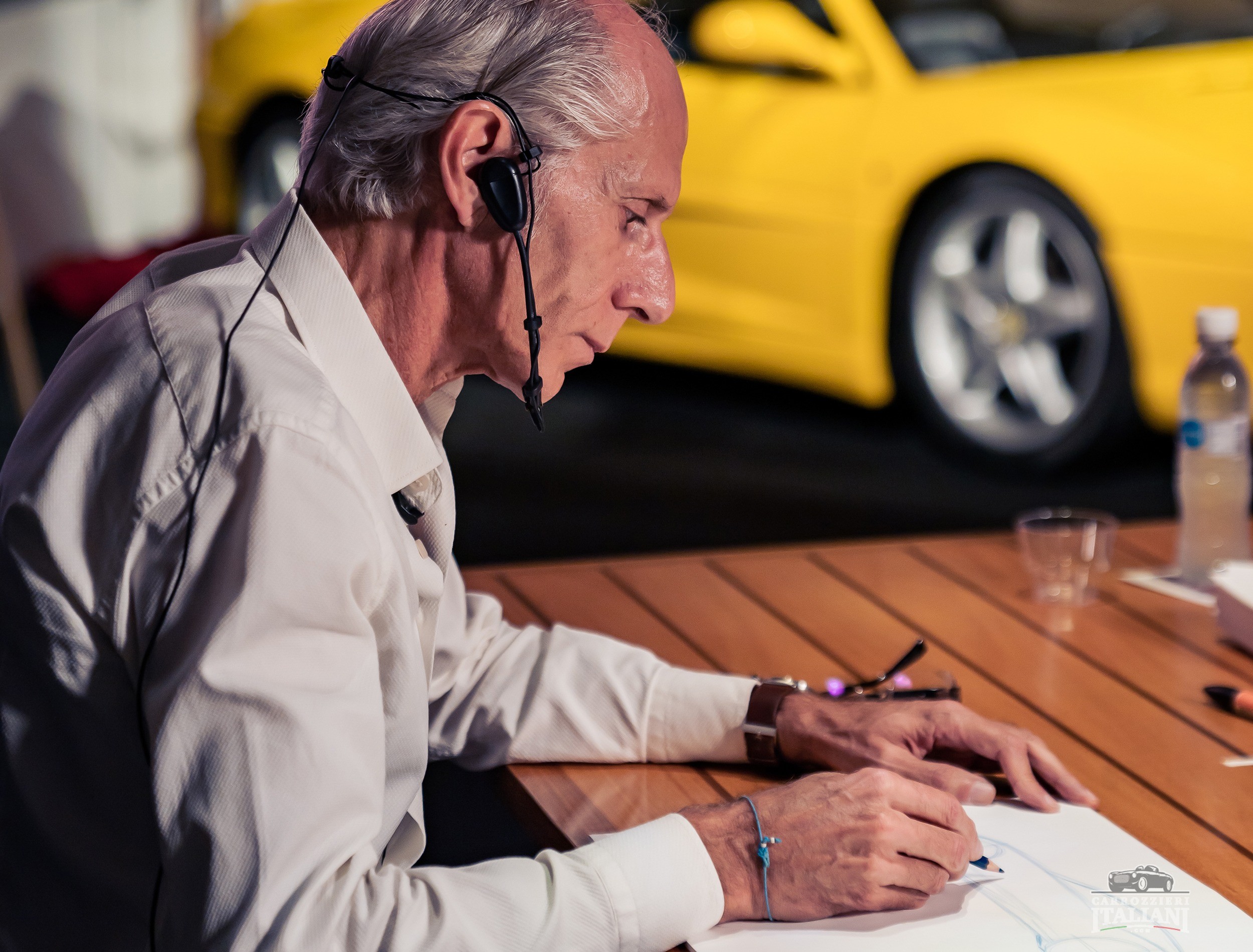
Landing there was, in his own words, like hitting the jackpot.
After 35 years of service, Corbi has since moved into a new professional chapter focused on automotive events, concours d’elegance, and art exhibitions. Yet the F355 remains one of the most emotionally charged projects of his career.
🔗 Read more: Designing the Ferrari 456: Pietro Camardella’s masterpiece
When asked why the F355 still “works” thirty years later, he answers without hesitation: because of its impeccable proportions and very clean surfaces. It is still appreciated today for the same reasons it captivated audiences in the mid-1990s.
Replacing the Ferrari 348
To understand the F355, one must first understand the climate into which it was born.
The 348 had faced criticism. Some questioned its performance relative to expectations; others felt its design echoed the Ferrari Testarossa too closely. It was even nicknamed — somewhat unfairly — as a diminished version of its larger sibling.
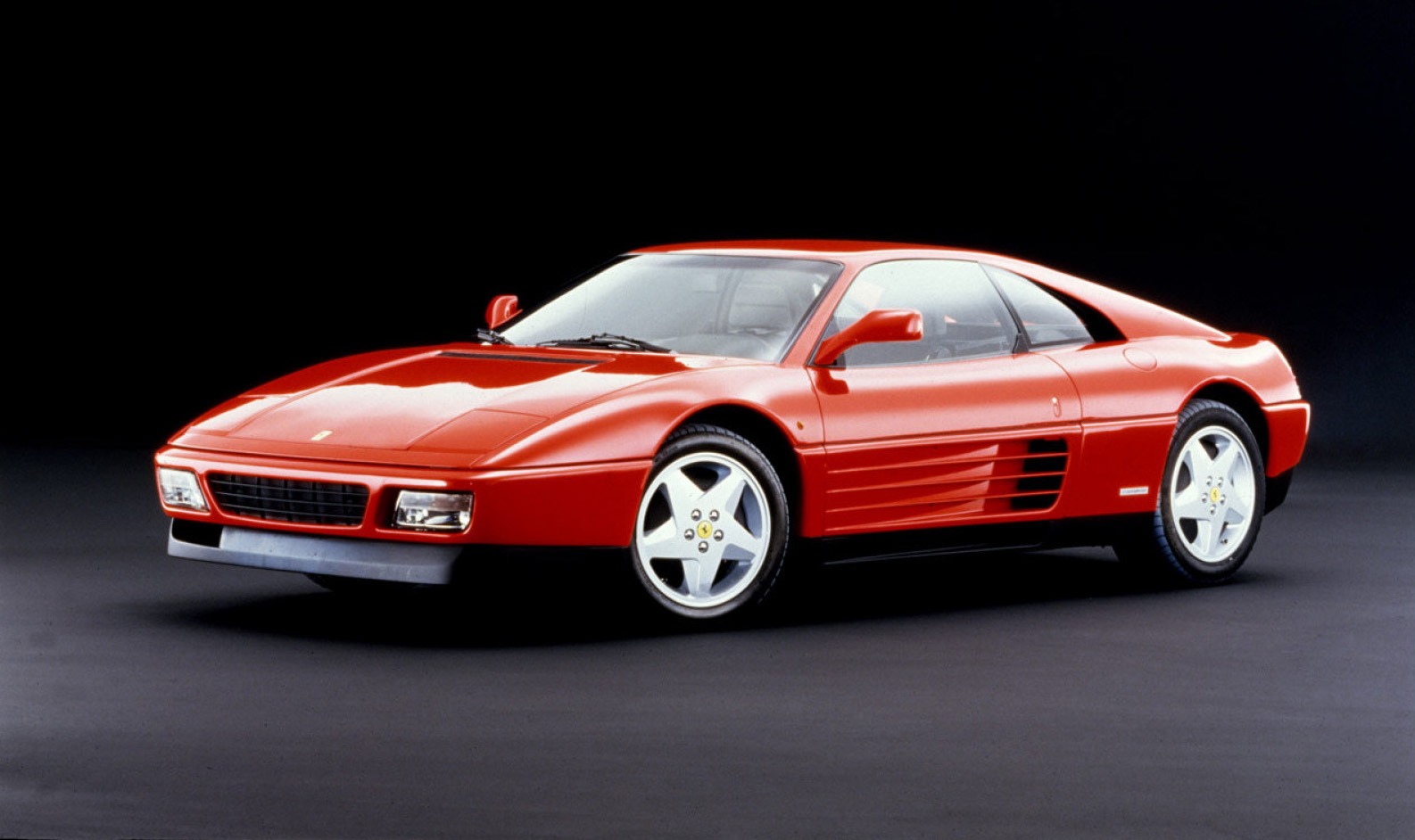
Ferrari needed more than an update. It needed redemption.
When Ferrari asked Pininfarina to develop a successor, the objective was clear: create a new model that would revitalize the mid-engine V8 line and restore confidence. But this was not a blank-sheet project. The new car would retain the 348’s core body structure. Designers could intervene only on the front and rear bonnets, bumpers, and the outer door skin.
This restriction defined the challenge. The proportions could not be reinvented from scratch. They had to be refined.
Tradition Versus Change
The F355 did not aim to shock the world visually. Corbi explains that the stylistic approach was reassuring rather than revolutionary. There was continuity in the lines, in the stance, in the overall silhouette. The generational leap would come later with the Ferrari 360 Modena.
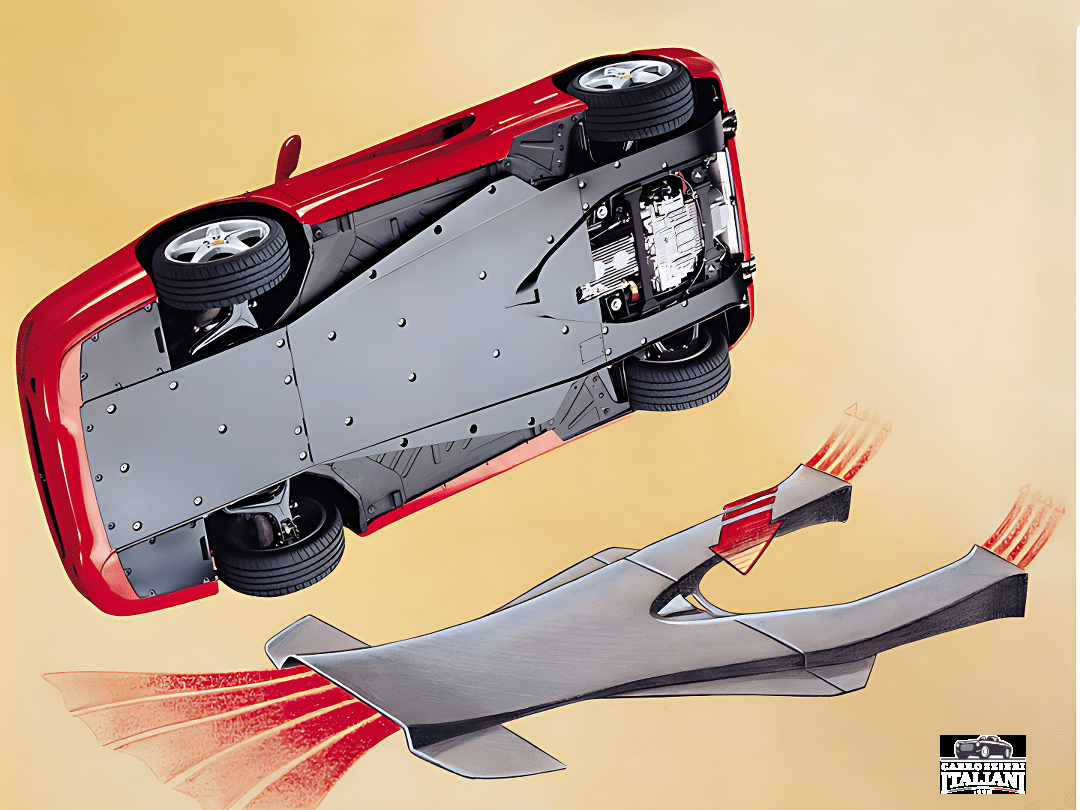
Technically, however, the car represented a significant leap forward. It introduced a five-valve-per-cylinder V8 engine, advanced electronic systems, and a fully developed aerodynamic underbody. It would later become available with an electro-actuated transmission, marking Ferrari’s first step toward paddle-shift gearboxes in road cars.
The contrast was deliberate. The visual language reassured loyal enthusiasts; the engineering pushed the brand into a new era.
This balance may explain why the F355 feels timeless. It neither clings to the past nor rejects it.
The Nose Knows
During development, technical decisions influenced the front-end design in unexpected ways. The placement of two oil radiators at the outer edges of the nose made it possible to eliminate the traditional central grille and create a front luggage compartment.
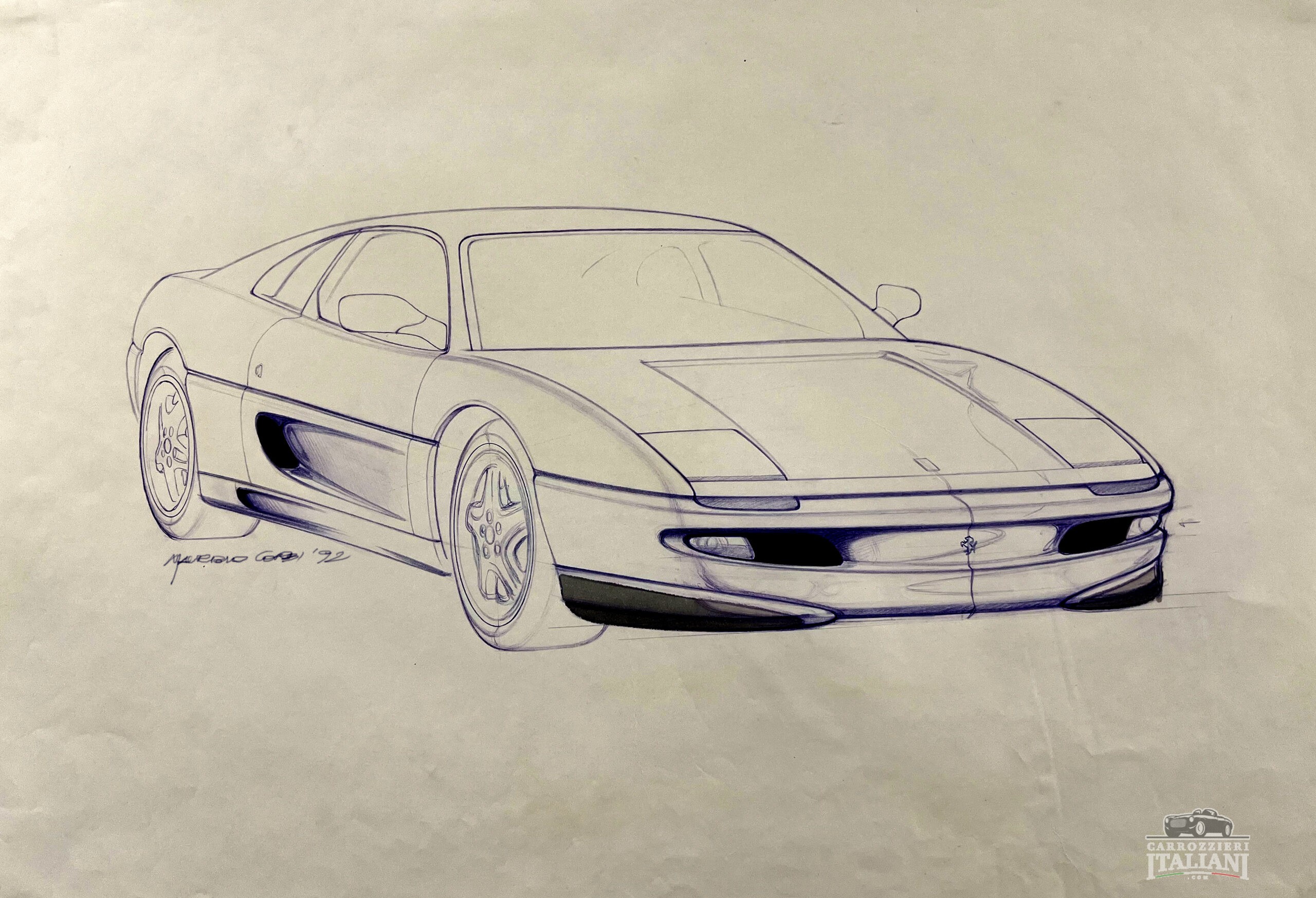
At one stage, the clean solution without a central grille seemed definitive. Yet Ferrari ultimately decided to reintroduce a grille element, expressing concern that the twin lateral intakes alone might not communicate the expected Ferrari identity strongly enough.
Corbi recalls mixed emotions about this shift, particularly the addition of fog lights integrated into the bumper in a way he felt was less harmonious than his original proposal.
These moments reveal how complex the development of a Ferrari can be. Even small visual elements carry symbolic weigh
The Perfect Three-Quarter
Ask Corbi which angle best captures the F355, and he answers immediately: the front three-quarter view.
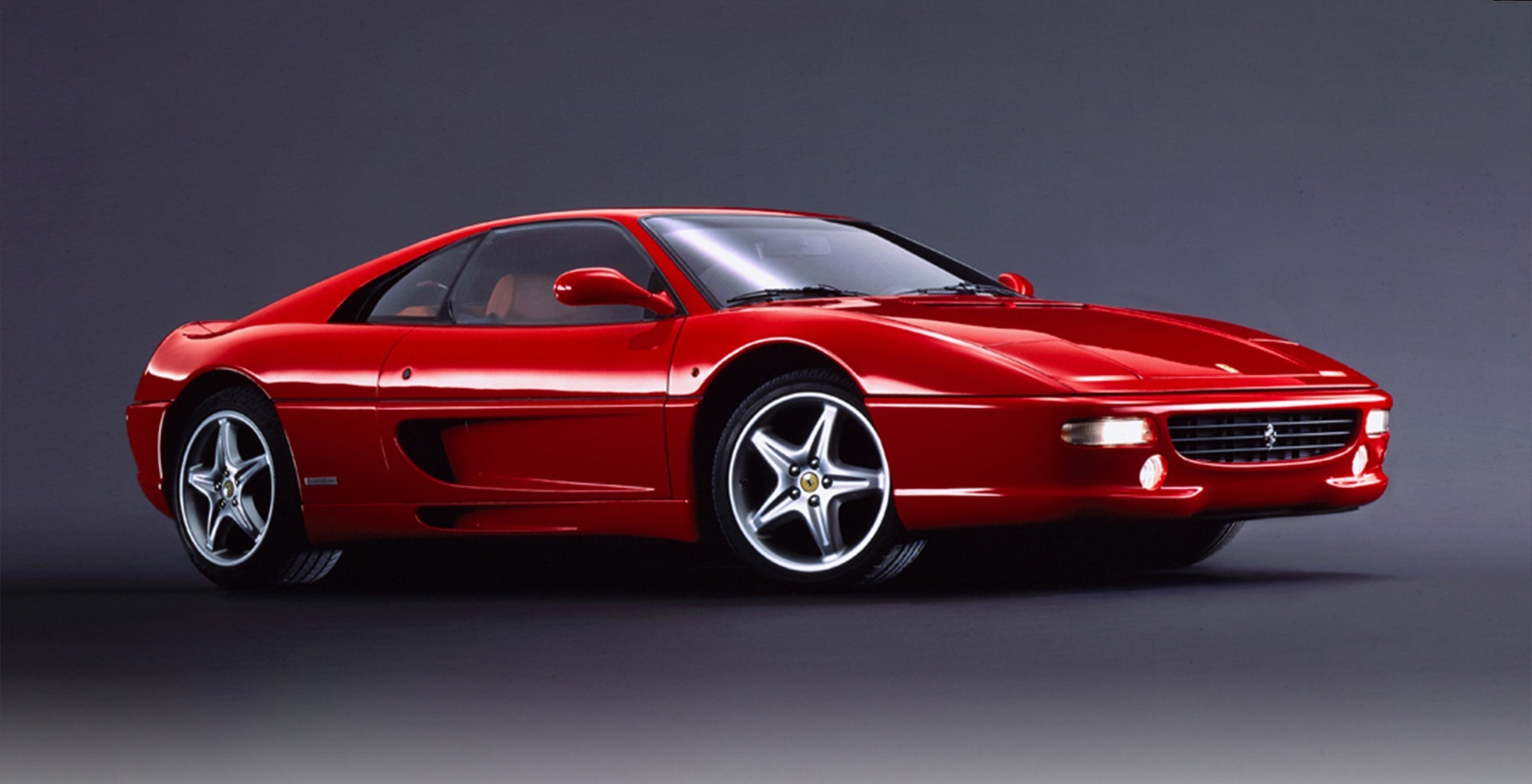
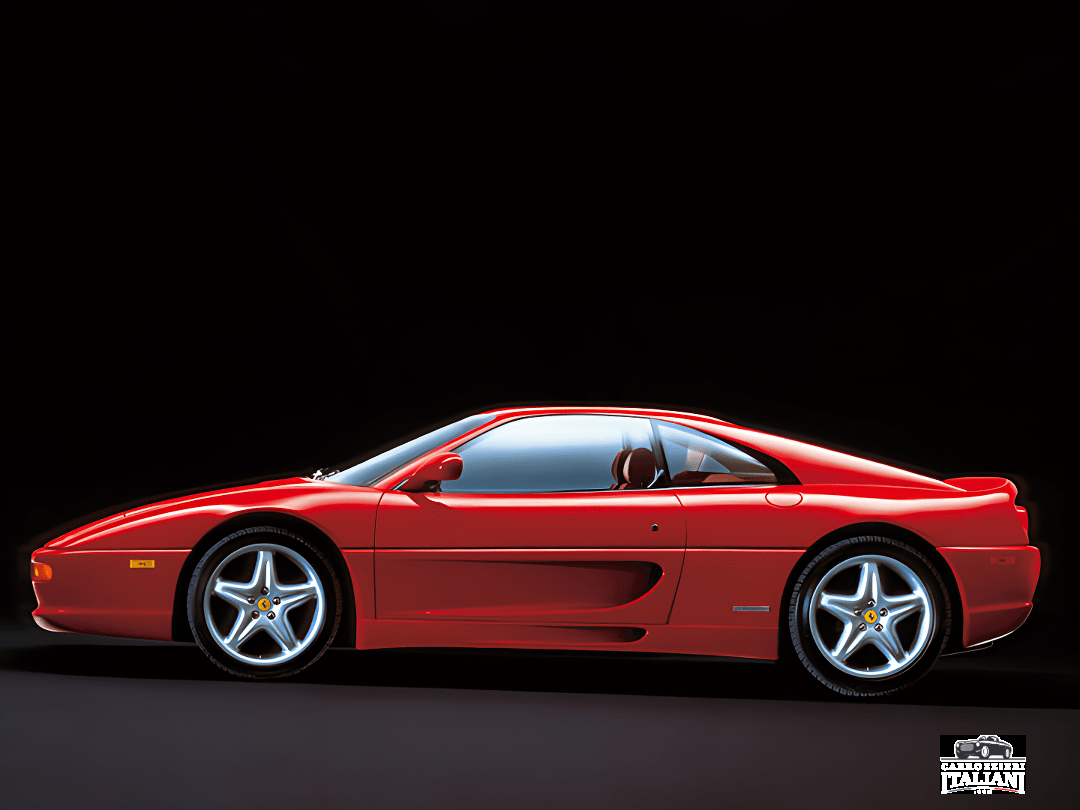
From this perspective, the car’s balance becomes evident. The low nose flows into taut front fenders. The cabin sits precisely where it should in relation to the axles. The side air intakes carve into the bodywork with sculptural clarity.
Those twin intakes, he notes, are perhaps the most subtly “Ferrari” element of the entire design. They are not exaggerated, yet they define the car’s identity. Their plasticity gives the body tension and depth, guiding the eye toward the rear where the engine resides beneath the glass.
Driven by Feeling
In designing a Ferrari, Corbi insists, emotion is fundamental. Function is almost taken for granted.
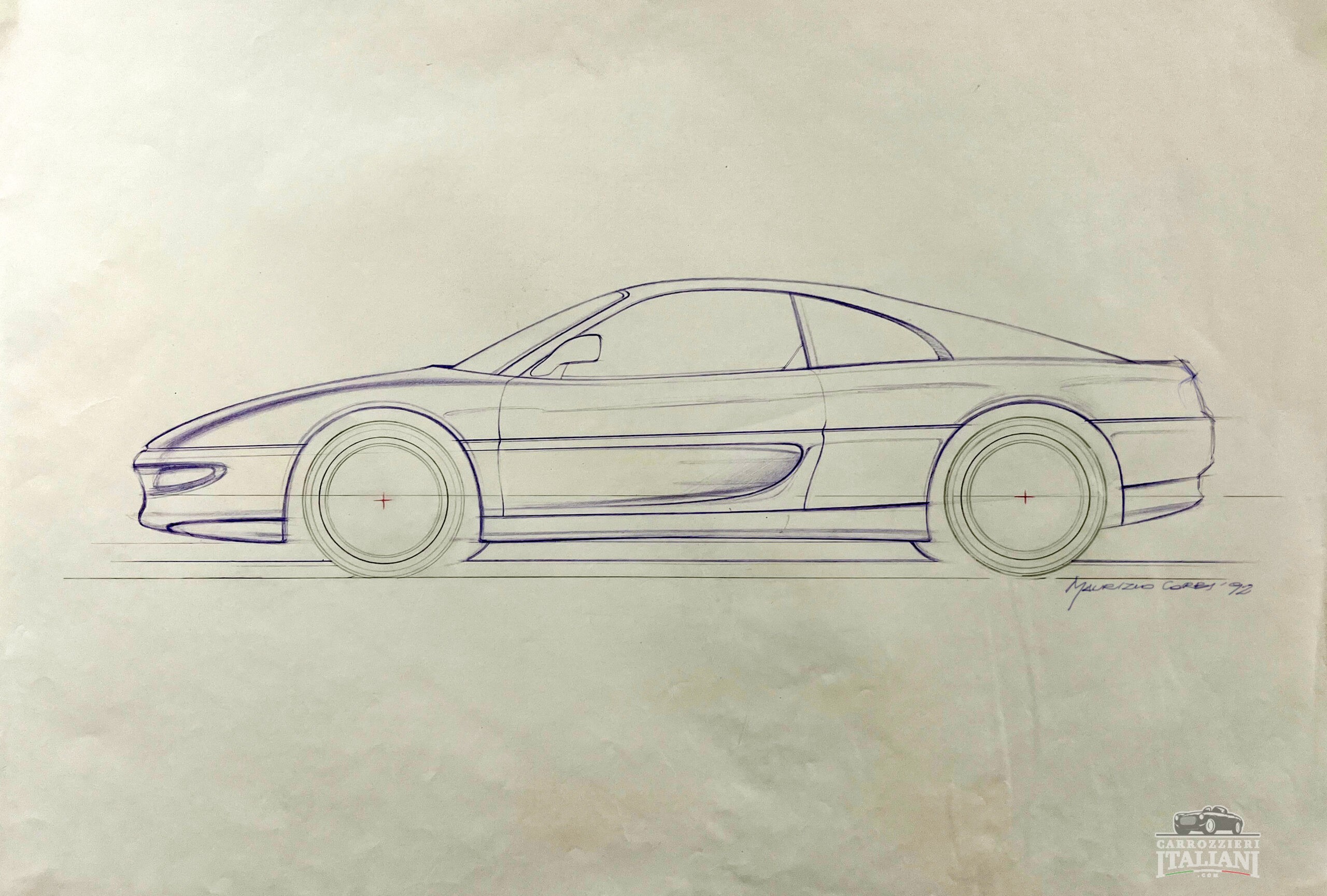
A Ferrari must move you before you even turn the key. The F355 achieves this through proportion rather than ornamentation. It does not rely on oversized wings or dramatic flourishes. Instead, it seduces through purity.
That purity is what allows it to age gracefully. Even among far more powerful successors, the F355 rarely feels outdated.
The Montezemolo Years
The F355 emerged during the presidency of Luca Cordero di Montezemolo, a period of renewed ambition for Ferrari.
Corbi describes Montezemolo as a strong communicator with refined taste. Under his leadership, internal dynamics evolved. The long-standing balance between Ferrari and Pininfarina shifted subtly, reflecting a new strategic direction for the brand.
The F355 may represent the closing chapter of a generation that began with cars like the Ferrari Dino 246. It stands at the edge of transformation — stylistically rooted in tradition yet pointing toward a future defined by technology and globalization.
Winning the Internal Competition
Within Pininfarina, multiple proposals were developed for the new Ferrari. Corbi’s design was ultimately selected. Why?
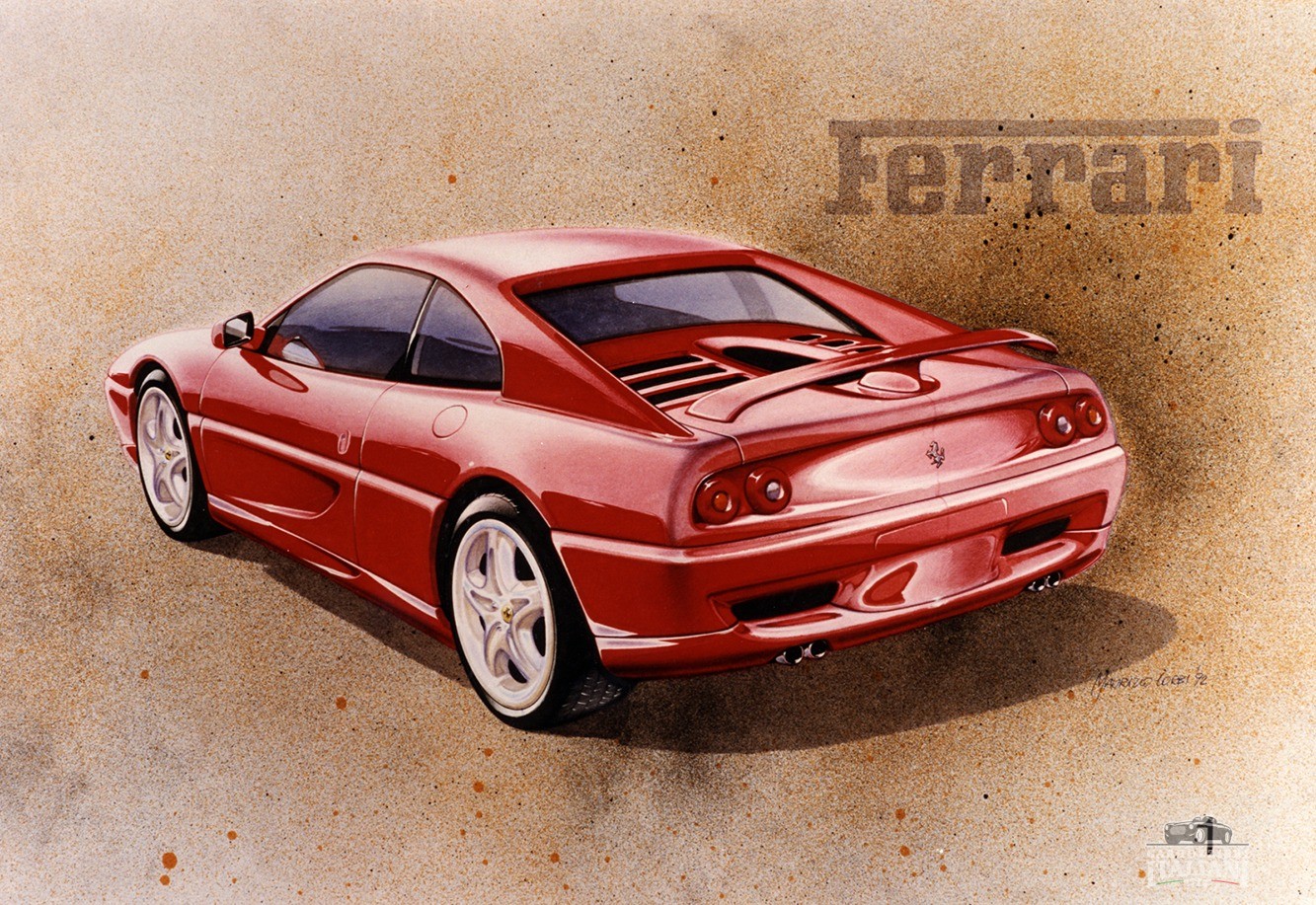
He admits it is difficult to explain. Perhaps, he suggests, in the 1990s he possessed a special connection to Ferrari projects. His lifelong passion for the brand may have placed him in what he describes as a kind of creative trance whenever he approached a Ferrari brief. He felt aligned instinctively with the shared culture of Pininfarina and Ferrari.
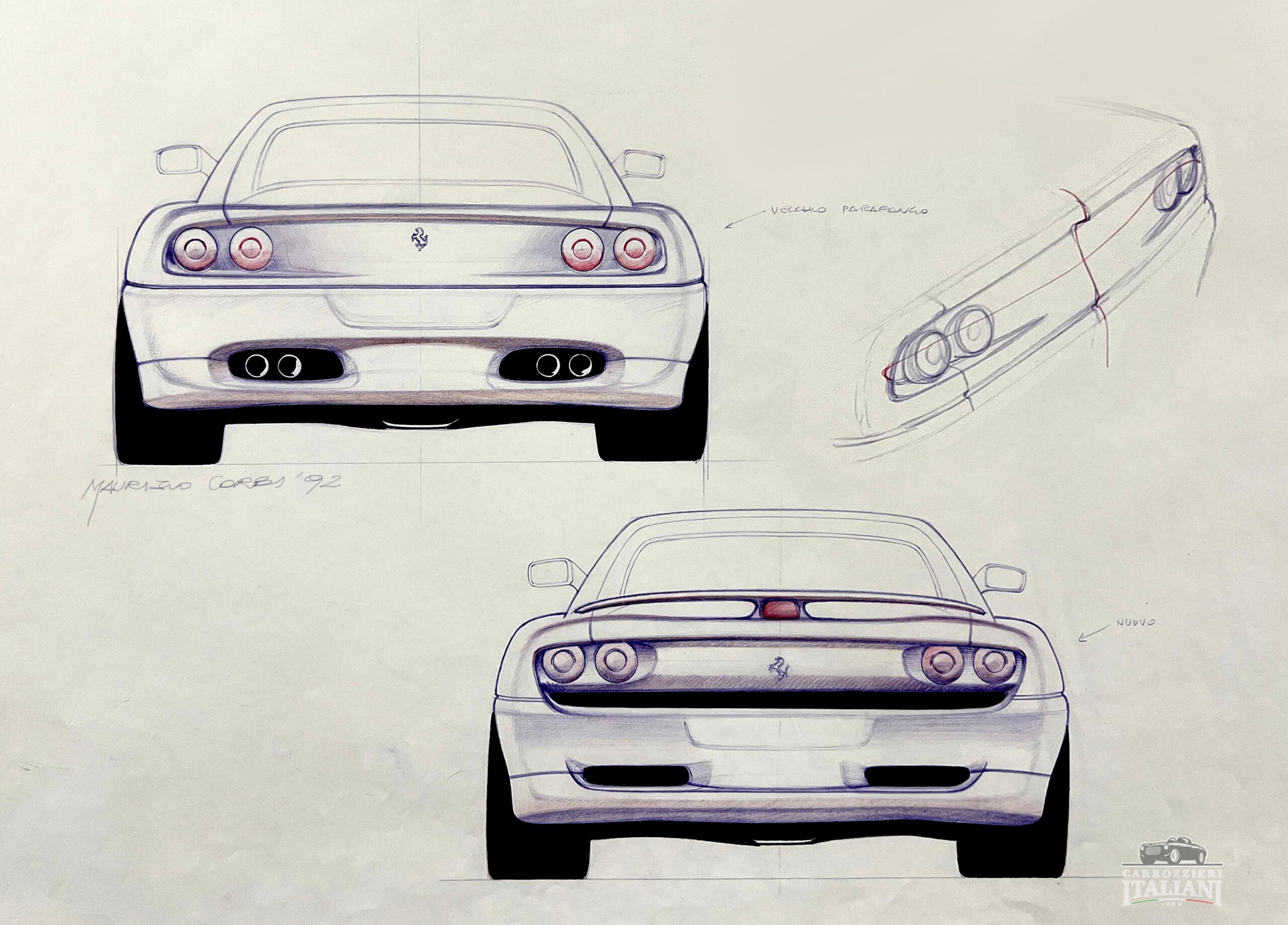
When his proposal was chosen, he felt immense happiness. Yet development inevitably brought compromises. The front bumper revisions disappointed him. The rear bonnet area underwent countless alternative studies, more than he personally believed necessary.
Such tensions are part of bringing any production car to life.
The F355 made its global debut at the 1994 Geneva Motor Show.
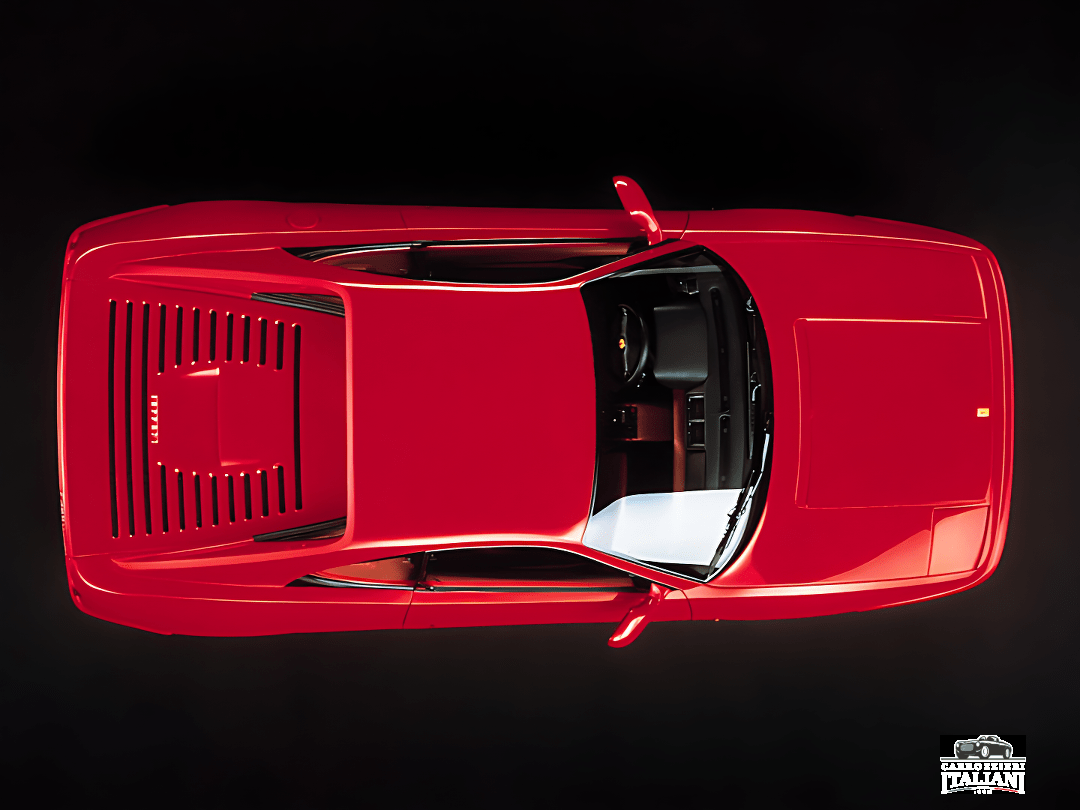
In the bright, unforgiving light of the exhibition hall, the car’s surfaces spoke clearly. Its stance was confident without arrogance. Observers recognized immediately that Ferrari’s mid-engine V8 had matured.
Public and press reaction was enthusiastic. The F355 was perceived as a decisive step forward. It delivered the performance, sound, and aesthetic cohesion enthusiasts had been waiting for.
In the years that followed, the model expanded to include closed and open variants, as well as a track-focused Challenge version and the innovative F1 transmission option. Each retained the essential character established at Geneva.
Shaping the Next Generation
The F355’s legacy extends beyond its production run.
It paved the way for electronic integration in Ferrari’s road cars. It demonstrated the viability of paddle-shift transmissions. It proved that aerodynamic underbody development could coexist with elegant design.
Most importantly, it reestablished confidence in Ferrari’s V8 line just before the arrival of the 360 Modena, which would introduce an aluminum architecture and a more radical stylistic shift.
A Car That Still Just Makes Sense
Without the F355’s success, that leap might have been far more difficult.
The Ferrari F355 represents the sweet spot between classic and modern. It offers analog engagement yet hints at digital evolution. Its engine sings with mechanical clarity, its manual gearbox delivers tactile satisfaction, and even its early F1 transmission marks a historic turning point.
For Maurizio Corbi, the memories remain vivid — the thrill of seeing his proposal selected, the creative intensity of development, the occasional frustration of compromise.
🔗 Read more: The Ferrari GG50 by Giorgetto Giugiaro: A personal celebration
For enthusiasts, what remains is the object itself.
Thirty years on, the F355 still looks right. It still feels special. It still captures that delicate balance that defines the best Ferraris: beauty without excess, power without brutality, innovation without arrogance.
It is not merely a car of its era.
It is the moment when Ferrari refined its formula to near perfection.

ABOUT THE AUTHOR
Andreas Scheidl
Italian classic car enthusiast with German roots. Renowned as a respected figure in the classic car community, he serves as a jury member at various international concours d'elegance, including the Classic Gala Schwetzingen and Mantova. As a content creator, Andreas passionately shares his profound knowledge and appreciation for vintage automobiles. His heart beats for cars designed by Giovanni Michelotti, showcasing his discerning taste and dedication to preserving the timeless elegance of automotive history.
More stories by Andreas Scheidl ↗CONTINUE READING
Posts You Might Like
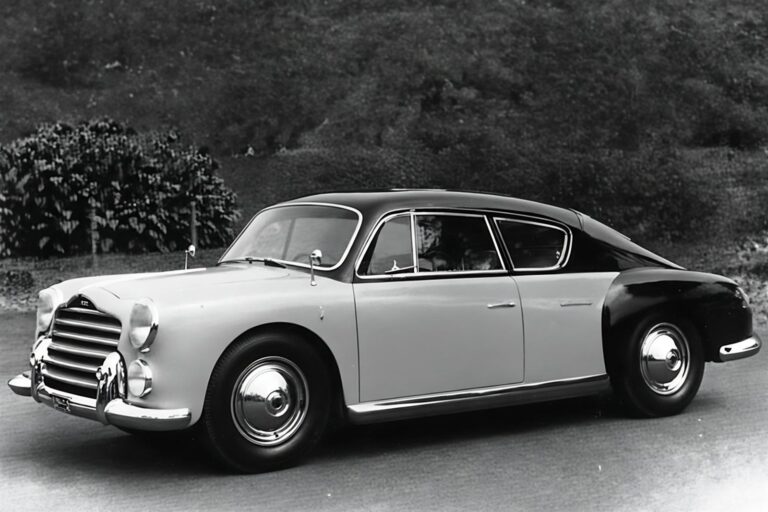
A Central Driving Position, a Rear-Mounted V8. Was This Really a Lancia?
In 1948, visitors to the Turin Motor Show could see an unusual Lancia on the stand of Carrozzeria Ghia. It was a large two-door coupé with a two-litre V8 mounted behind the…
Read story
Fioravanti F100: The Ferrari He Was Allowed to Imagine
Enzo Ferrari’s centenary, Leonardo Fioravanti’s independent studio and a supercar that explored air brakes, steel wheels and a new way of driving—without ever wearing the Cavallino.
Read story
Michelotti Shellette: When the Fiat 850 Became a Yacht
The yacht designer, the Turin stylist and the tiny coachbuilt car that crossed between the quay, the royal holiday house and the auction room. Some automobiles were conceived for the open road,…
Read story
Maserati A6 1500: A New Road for the Trident
When the doors of the Geneva Motor Show opened in March 1947, Maserati was a name that required little introduction to anyone who followed motor racing. What it did not yet possess…
Read story
THE CONVERSATION
Comments 0
Share a memory, a period photograph or a documented detail about this story.