
The History of Carrozzeria Touring: From Superleggera Origins to Modern Revival
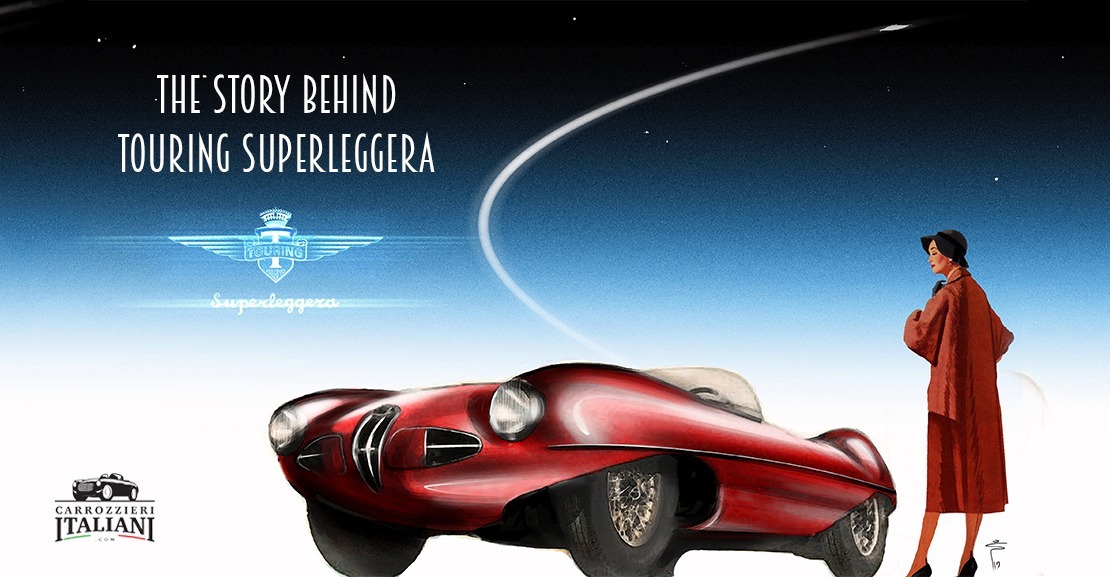
Carrozzeria Touring is a legendary name in Italian automotive design – a coachbuilder synonymous with elegance, innovation, and lightweight construction. From humble beginnings in the 1920s with two lawyers-turned-car-enthusiasts at the helm, through golden-era collaborations with marques like Alfa Romeo, Ferrari, and Aston Martin, to a dramatic decline in the 1960s and an inspiring 21st-century rebirth, the story of Touring spans nearly a century. It’s a tale filled with engineering breakthroughs (hello, Superleggera!), world-beating designs, concours trophies, celebrity clients, and a fair share of ups and downs. So buckle up for a journey through time with the “super light” coachbuilder that left a heavyweight legacy on the automotive world.
Beginnings in Milan (1926–1930s)
Carrozzeria Touring was born in Milan in 1926 when two young lawyers, Felice Bianchi Anderloni and Gaetano Ponzoni, decided they liked engines more than injunctions. The pair purchased a small coachbuilding firm called Carrozzeria Falco (from founder Vittorio Ascari) and rechristened it Carrozzeria Touring.
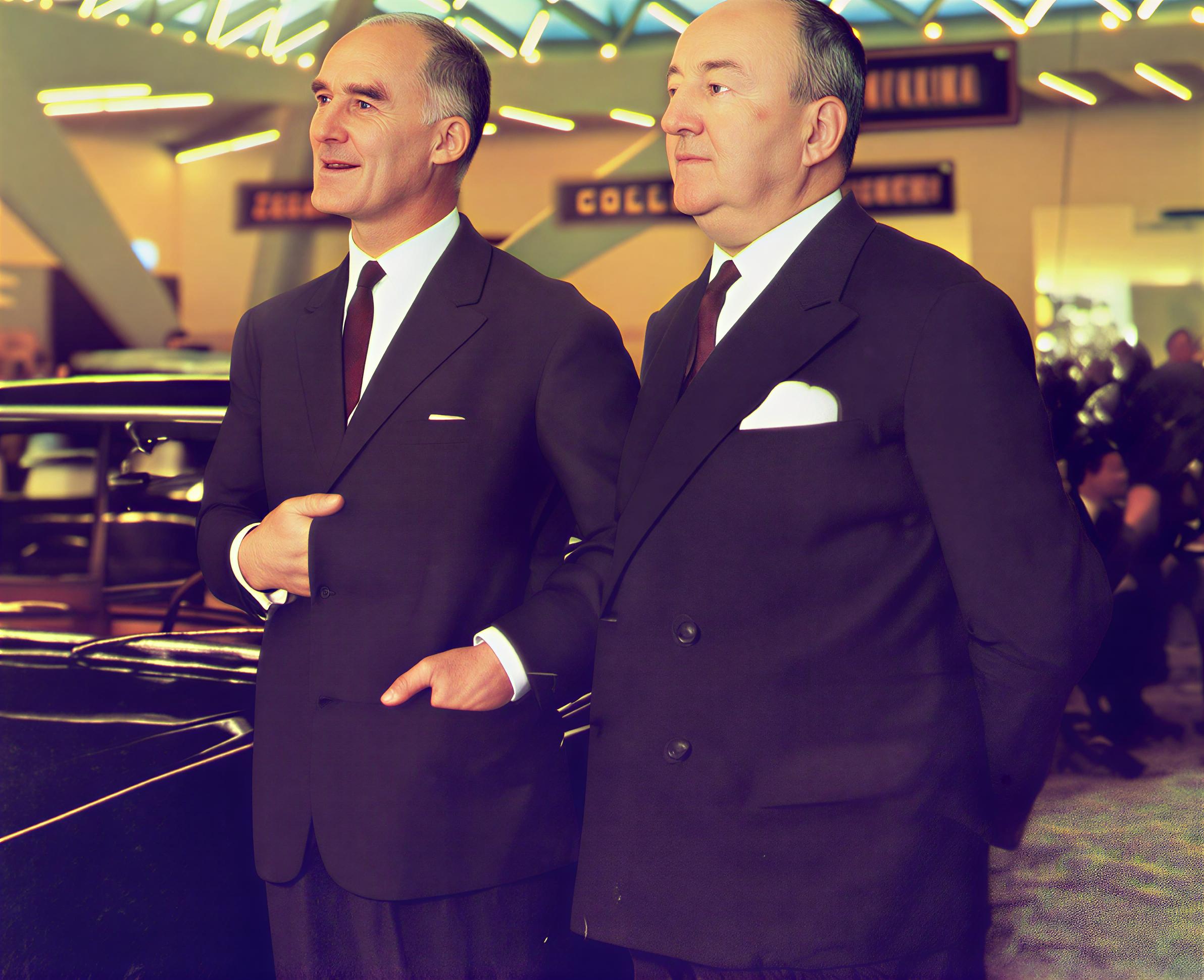
Felice Anderloni, despite his legal background, was a born car guy – he’d been a test driver for Isotta Fraschini and even worked for Peugeot’s Italian arm. With his petrol-fueled passion, Felice took charge of design and engineering, while Ponzoni handled the business side. They set up shop on Via Ludovico da Breme in Milan, conveniently near major automakers like Alfa Romeo and Isotta Fraschini. Almost immediately, Touring attracted an elite clientele thanks to its exquisite craftsmanship and style. Among the first customers were none other than Benito Mussolini – yes, Italy’s infamous dictator – who became a repeat client, as well as King Victor Emmanuel III and Queen Elena of Italy. (When both the King and the dictator are riding in your custom creations, you know you’re making an impression… albeit an interesting one.)
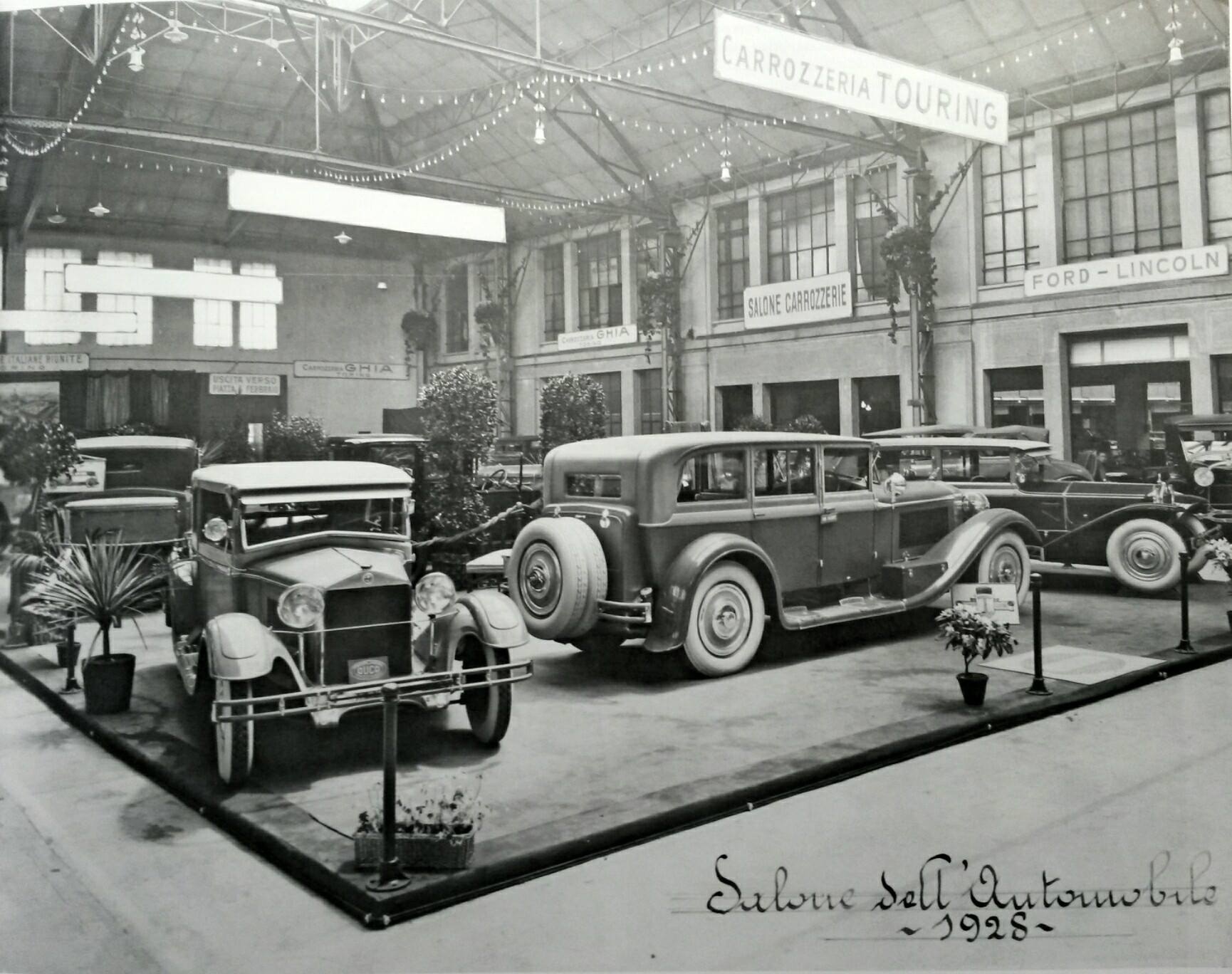
In these early years, Touring built car bodies the traditional way: wood framing, hand-shaped panels, lavish attention to detail. They even licensed the popular Weymann system – a 1920s technique using fabric-covered wood frames to cut weight and noise. This showed that from the start, Felice Anderloni had an eye on weight reduction and innovation. A talented young designer, Giuseppe Seregni, joined as Touring’s first professional stylist.
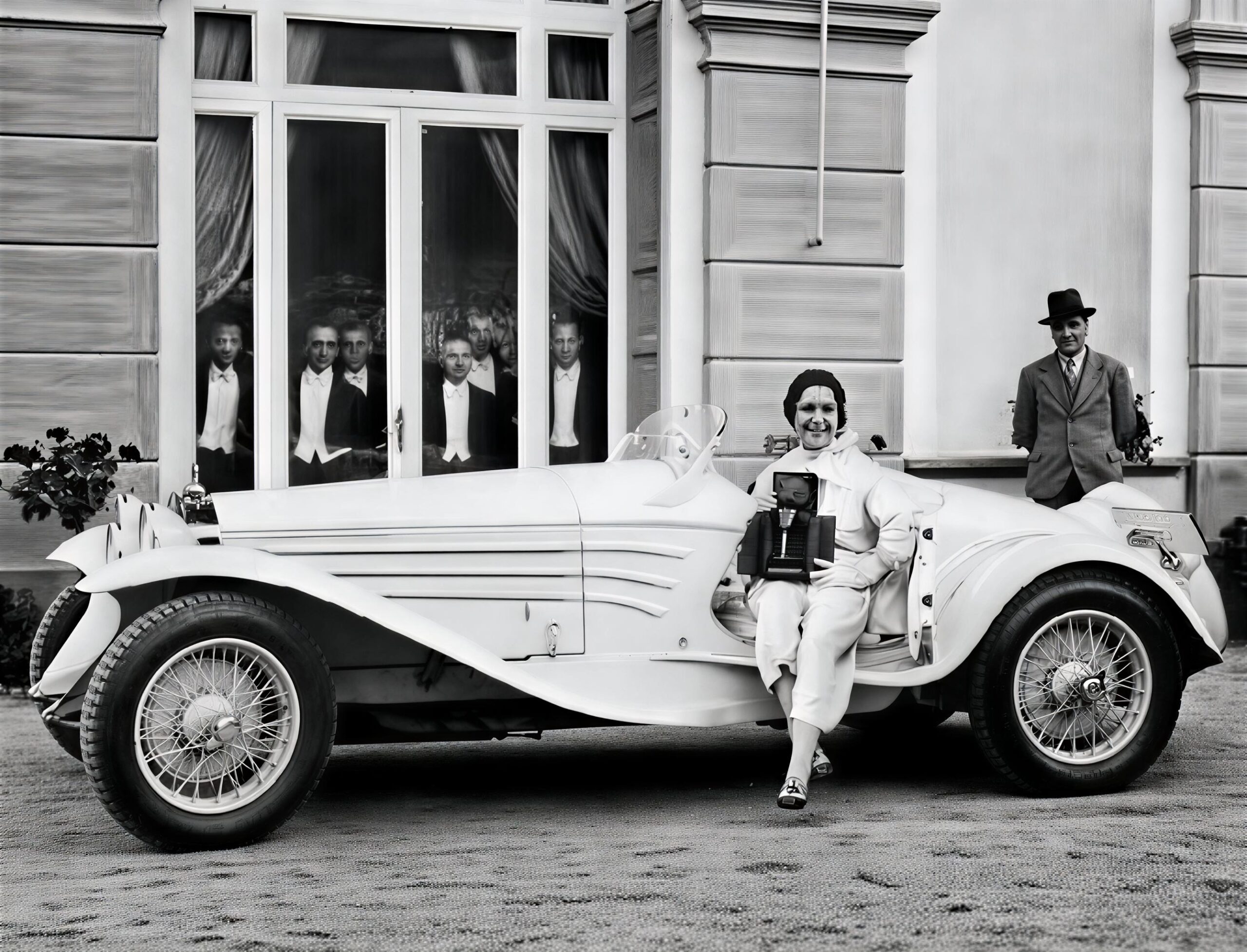
In 1931, Seregni and Anderloni collaborated on a stunning Isotta Fraschini coupé nicknamed Flying Star, which stole the show at that year’s Concorso d’Eleganza Villa d’Este on Lake Como. In fact, during the early 1930s Touring’s creations swept up awards at Europe’s top concours d’elegance – those glamorous competitive car shows where custom coachbuilt cars were judged like pieces of art. These accolades boosted Touring’s reputation and brought in a flood of new orders. By the mid-1930s, the company was crafting bespoke bodies for Alfa Romeo, Lancia, Bianchi and others, ranging from opulent grand tourers to raw-boned racing machines. A forward-thinking approach was already ingrained: Felice believed lighter, aerodynamic cars would outperform heavy ones. Little did the world know, Touring was about to revolutionize automotive coachbuilding with that very idea.
The Superleggera Revolution (1936–1939)
In 1936, Felice Bianchi Anderloni patented a construction system that would become Touring’s greatest legacy: Superleggera, Italian for “super light”. By 1937 the first Superleggera-built cars were wowing the world. The concept was ingenious yet straightforward: instead of using heavy wooden frameworks for the car’s body, Touring formed the body shape with a skeleton of small-diameter steel tubes, and then draped it in thin aluminum alloy panels.
🔗 Read more: The Superleggera System by Carrozzeria Touring
In 1936, Felice Bianchi Anderloni patented a construction system that would become Touring’s greatest legacy: Superleggera, Italian for “super light”. By 1937 the first Superleggera-built cars were wowing the world. The concept was ingenious yet straightforward: instead of using heavy wooden frameworks for the car’s body, Touring formed the body shape with a skeleton of small-diameter steel tubes, and then draped it in thin aluminum alloy panels.
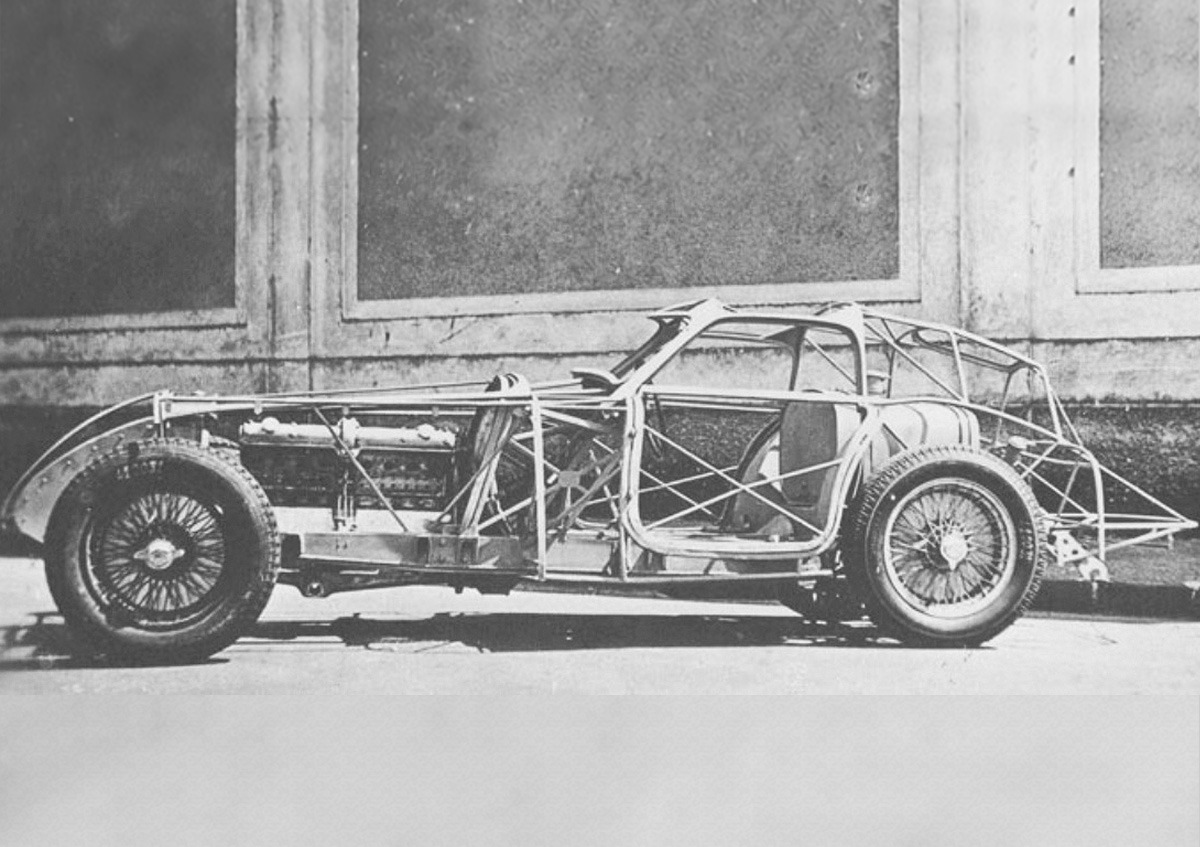
The late 1930s saw gorgeous machines built with Touring’s Superleggera system. Alfa Romeo in particular took full advantage: Touring clothed the mighty Alfa Romeo 8C 2900 sports car in 1937–38 with an impossibly sleek Superleggera body that is today regarded as one of the most beautiful automobiles ever. The various Alfa 8C 2900 spiders and berlinettas (roadsters and coupes) that Touring built were not just pretty faces – they were also extremely successful in racing, thanks to their light weight and slippery aerodynamics.
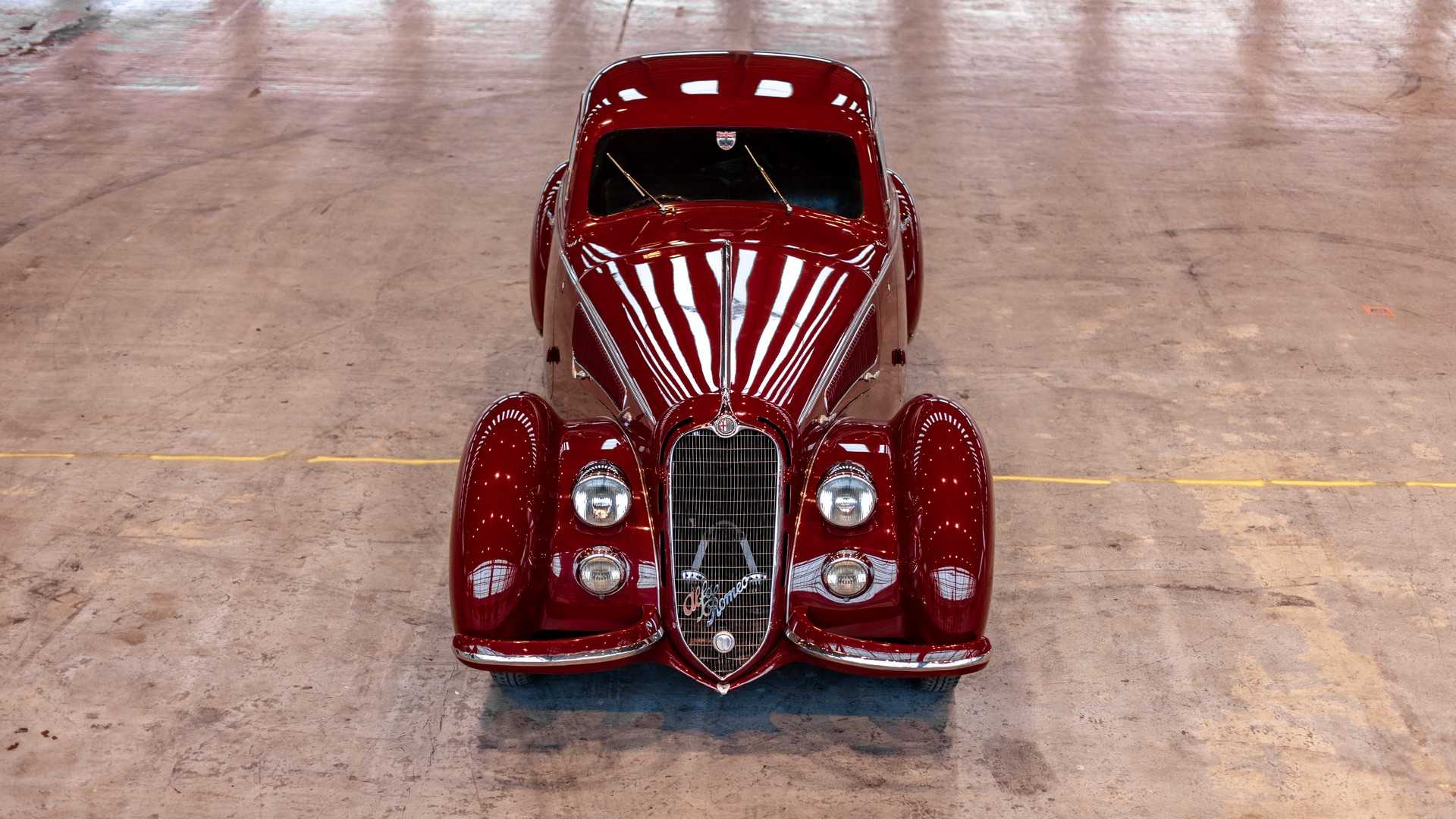
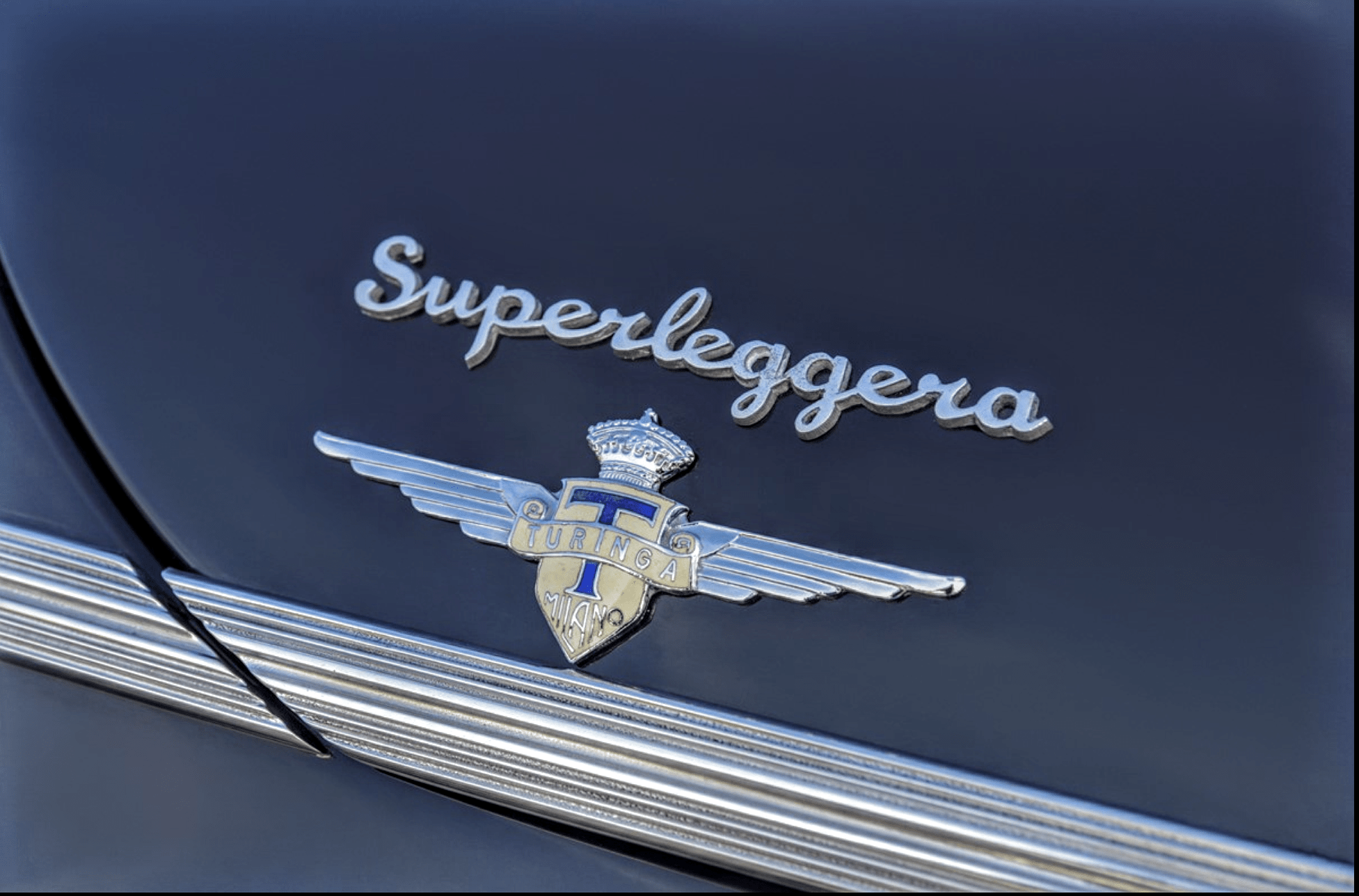
Touring was one of the first coachbuilders to do wind-tunnel testing, refining those “wind-cheating” forms. Felice’s obsession with reducing weight and drag was summed up by a motto his son Carlo Felice (nicknamed “Cici”) would later famously state: “Weight is the enemy, air resistance the obstacle.” In an era when many cars were basically rolling brick houses, Touring’s approach was radical. By the end of the 1930s, Superleggera had become not just a construction technique but a respected brand unto itself – the word Superleggera was often emblazoned in script on the hood of Touring-bodied cars as a proud badge of honor. Clients knew that behind a gorgeous Touring design lay an engineering secret to make it fly.
Wartime Setback and Post-War Comeback
World War II threw a wrench into every Italian automaker and coachbuilder, and Touring was no exception. With Italy entering the war, the fascist government even made Touring change its name in 1941 to the more Italian-sounding “Carrozzeria Turinga” (apparently “Touring” was too English-sounding for Mussolini’s comfort). During the war, normal car production halted. Touring survived by manufacturing aircraft parts and other war material, applying their Superleggera know-how to military needs. It was a tough period of essentially hibernating the coachbuilding business – the designers kept sketching and dreaming, waiting for peace to return so they could get back to making cars.
By late 1945, WWII was over and Italy was picking up the pieces. Touring shed the awkward Turinga alias and proudly restored Carrozzeria Touring as its official name by 1947. But the world had changed. Several years of lost progress meant that American car styling had leapt ahead and would influence early post-war European cars. Many Italian automobiles of the late 1940s sported a hint of American flair (small tailfins, more chrome, two-tone paint), and Touring’s designs were no exception initially. More importantly, Touring’s brilliant Superleggera system was now widely appreciated – in the late ’40s, many other carrozzerie (coachbuilders) licensed the Superleggera patent or simply copied the principles. After all, who wouldn’t want to boast that their car is lighter and faster thanks to modern construction? This diffusion of Superleggera actually helped Touring’s business boom again as automakers sought out light, stylish bodies for new high-performance models.
Tragedy struck in 1948, just as things were looking up: Felice Bianchi Anderloni, co-founder and creative soul of Touring, passed away. It was a huge blow, coming right when Italy’s auto industry was gearing up for a post-war renaissance. Fortunately, Felice’s son Carlo Felice “Cici” Anderloni, then in his mid-20s, stepped in to carry the torch. Carlo had essentially grown up in the Touring workshop, imbibing his father’s design philosophies. Now he assumed the role of chief designer and director, while Gaetano Ponzoni continued to manage the finances. Carlo Anderloni would lead Touring into the 1950s – a second golden age – with youthful energy and a deep respect for his father’s ethos. And indeed, even before the ’40s ended, Touring had some spectacular new projects on the road that hinted the best was yet to come.
Glory Days: Ferrari, Aston Martin, Pegaso & More
In 1946, a certain ex-Alfa Romeo racing manager named Enzo Ferrari founded his own car company, and by 1947-48 Ferrari was building high-performance sports cars for both racing and wealthy clients. Naturally, Enzo needed beautiful, lightweight bodies for these machines – and who better to supply them than Carrozzeria Touring? Thus began one of Touring’s most celebrated partnerships. Touring became a favorite coachbuilder for early Ferrari road and race cars, clothing many of the first Ferraris in sleek aluminum attire.
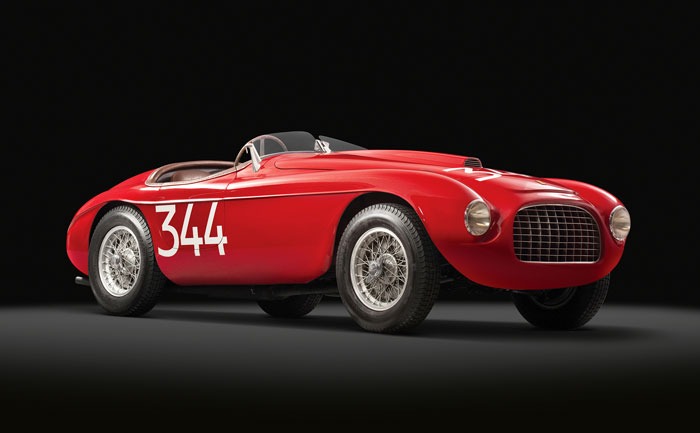
One of Touring’s all-time masterpieces debuted in 1948: the Ferrari 166 MM Barchetta. This tiny open-top sports car was built for endurance races like the Mille Miglia (hence “MM”). For the 166 MM, Touring created a body so pared-down and pretty that it instantly captivated the automotive world. The car had flowing fenders, no roof, minimal adornment – it looked like a little boat, which led an Italian journalist to affectionately dub it “barchetta” (meaning “little boat”). That nickname stuck, and to this day any small open Italian sports car might be called a barchetta thanks to Touring’s design. The 166 MM Touring Barchetta wasn’t just a show pony either; it was a formidable racer. In 1949 a Touring-bodied 166 MM won the 24 Hours of Le Mans, earning Ferrari its first big victory on the international stage. The design’s purity and balanced proportions (long hood, short tail) would influence sports car styling for decades. It even inspired foreign admirers – the British AC Ace, which later became the Shelby Cobra, is often said to have drawn inspiration from the little Ferrari barchetta. When Lee Iacocca introduced the 1964 Ford Mustang, he famously described its sporty silhouette as having a “long hood and short rear deck” – a phrase that had entered designers’ lexicon largely because Touring’s post-war Italian sports cars popularized that look. In short, the 166 Barchetta put Touring on the map globally: it was praised as “one of the most charismatic shapes ever” in automotive design, and the fact that it could win races proved Touring’s mantra that lightweight + aerodynamic = victory.
Touring’s relationship with Ferrari flourished into the early 1950s (they bodied models like the 195 Inter, 212, and 340 America among others), but Ferrari was just one chapter. Alfa Romeo, Touring’s old pre-war partner, returned as well. In 1949 Alfa introduced the 6C 2500 SS Villa d’Este, a gorgeous coupe bodied by Touring that was named after winning the top prize at the Villa d’Este concours. This elegant car was the last of Alfa’s storied 6C series and was a fittingly glamorous send-off, built in limited numbers for Europe’s elite (even Prince Aly Khan owned one). Touring’s design for it was so admired that “Villa d’Este” became part of the car’s official name after the concours victory – a nice nod to Touring’s dominance on the concorso scene.
Meanwhile, Touring was spreading its wings internationally. In the late ’40s, they worked with Britain’s Bristol on the sleek 401 model (Bristol licensed some Touring patents and styling cues). They also collaborated with Spanish upstart Pegaso, designing the body for the exotic Pegaso Z-102 sports car – an Iberian rarity with Italian flair. One of the more curious cross-continental projects was the Hudson Italia of 1953–54. Yes, American Hudson Motor Company wanted a halo sports car and turned to Touring to style and build it. The Hudson Italia was a striking Anglo-Italian hybrid: an American chassis with a Touring Superleggera body on top, complete with quirky transatlantic design touches. Though only 26 Hudson Italias were made, they’re a fascinating footnote that shows Touring’s prestige extended even across the pond (and if you ever see one at a U.S. car show, you can bet jaws drop when people learn it was crafted in Milan by the same folks who dressed Ferraris!). Touring even revisited an old love, Isotta Fraschini – the storied luxury carmaker that had gone defunct after the war. In the early ’50s Isotta tried a comeback and Touring built a prototype for them. The revival ultimately fizzled, but for Anderloni, working on a new Isotta Fraschini must have been a sentimental project, since he had started his career at that company back in the 1920s.
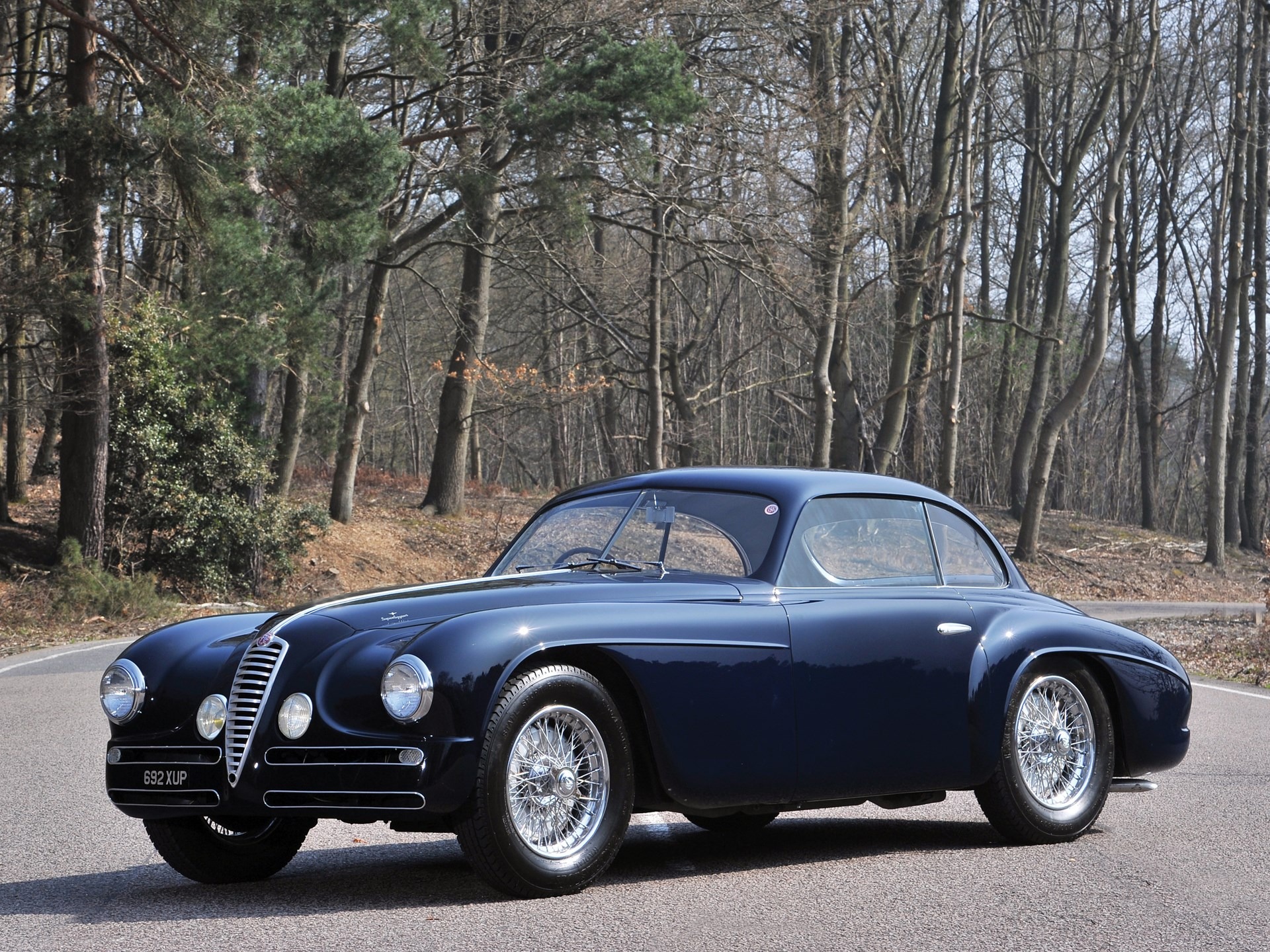
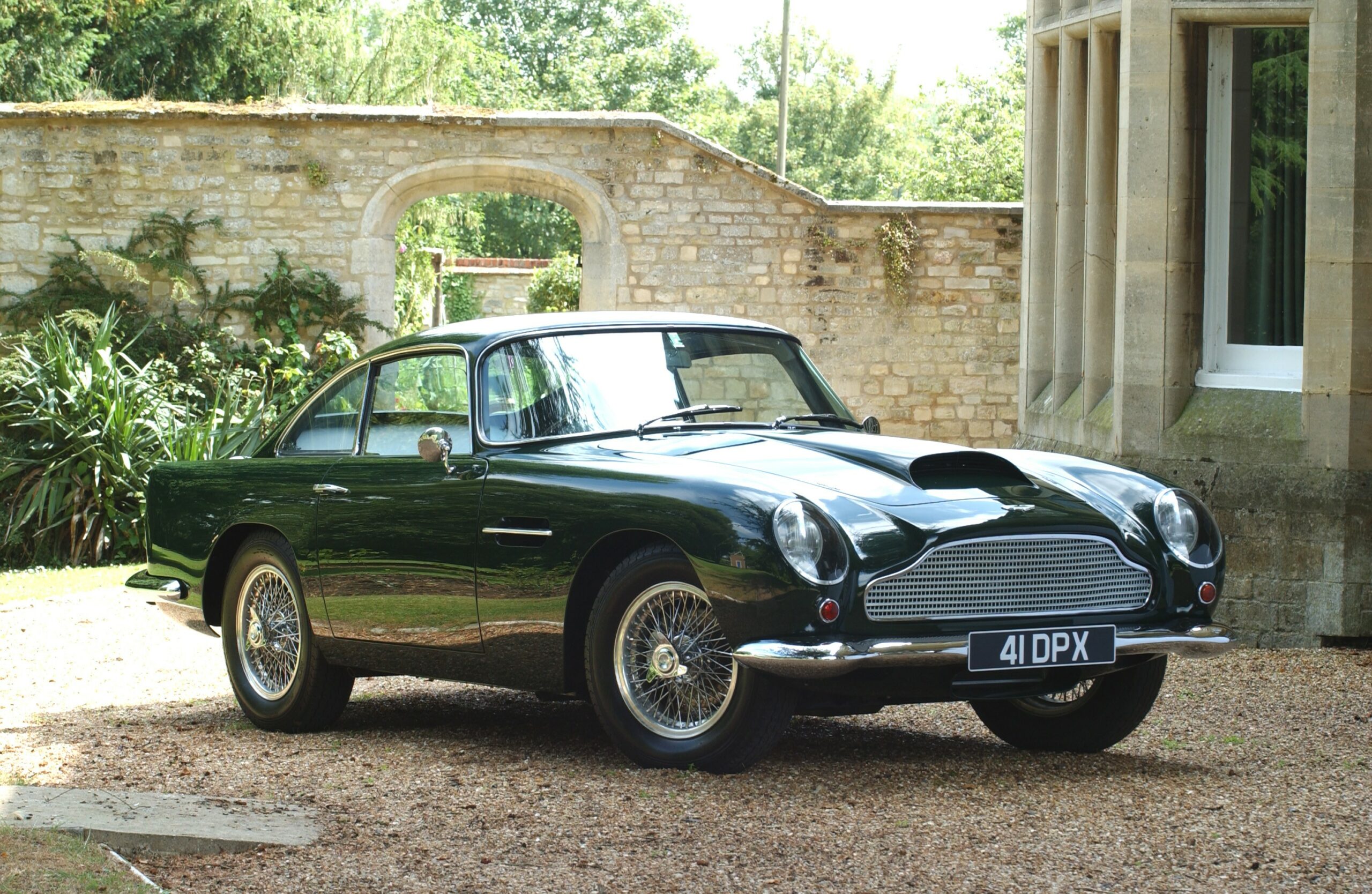
Perhaps Touring’s most famous partnership of the 1950s – aside from Ferrari – was with Aston Martin. By the mid-50s, Aston Martin (in England) was looking to create a world-class Grand Tourer. Aston’s owner, the industrialist David Brown, was very impressed by Touring’s Superleggera bodies and sought their expertise. Touring was contracted to design and engineer the body for the new Aston Martin DB4, which launched in 1958. The result was spectacular: the DB4’s aluminum coachwork, with its clean lines and perfect proportions, is considered one of the prettiest GT cars ever. And it was literally Superleggera – early DB4/DB5/DB6s even wore small “Superleggera” script badges on their hoods, advertising the lightweight construction under the paint. Under the licensing deal, Aston Martin built these bodies in-house in England using Touring’s blueprints and techniques (and paid Touring a royalty per car). This led to the iconic Aston Martin DB5 in 1963 – yes, James Bond’s famous silver ride owes a bit of its DNA to Carrozzeria Touring! (Q Branch added the ejector seat later, presumably.) The Anglo-Italian marriage of Aston’s chassis and Touring’s coachwork was a huge success, cementing Touring’s global reputation. Fun fact: Even decades later, Aston Martin remembered Touring’s contribution – their modern 2018 DBS model was officially named the “DBS Superleggera” as a tribute to the Touring philosophy of light weight.
By the end of the 1950s, Carrozzeria Touring was at the zenith of its fame. The company had evolved from a custom job shop into something of a boutique production partner for Europe’s finest automakers. They had to expand their facilities to keep up with demand, taking on more workers and even opening a second, larger plant to handle limited-series production runs. Touring-bodied cars were winning best of show trophies at concours events and winning races on the track (it’s said that in the ’50s no other coachbuilder’s bodies claimed as many racing victories as Touring’s did). From the posh boulevards of Milan to the pit lanes of Le Mans, Touring’s name was gold. But as the calendar turned to the 1960s, storm clouds gathered for the traditional art of coachbuilding. The auto industry was changing, and not in a way that favored hand-built aluminum masterpieces.
Challenges and Closure (1960s)
The 1960s brought revolutionary changes in how cars were designed and built. The biggest shift was the move from body-on-frame construction (where a separate coachbuilt body could be bolted onto a chassis) to unibody or monocoque construction (where the body and frame are one integrated structure). In a unibody world, there wasn’t much room for independent coachbuilders – you couldn’t easily have Touring build a custom body for a car whose entire structure was welded together in the factory. Moreover, automakers were scaling up production using presses and assembly lines, and they began styling and manufacturing even their limited-run models in-house to control costs. The niche for firms like Touring was shrinking fast.
Touring tried to adapt. They shifted from purely designing and prototyping show cars to also taking on contract manufacturing – essentially becoming a low-volume production line for special models. For example, in the early ’60s Alfa Romeo hired Touring to build the bodies for the Alfa Giulia GTC, a convertible version of the Giulia sedan. Likewise, they worked on a potential Autobianchi Primula Coupe. Touring invested heavily in a brand-new production facility in Nova Milanese (just outside Milan) around 1960, hoping to modernize and ramp up output. This was a bold and risky move: they were transforming from artisanal coachbuilder into a small-scale manufacturer, buying new machinery and greatly increasing overhead.
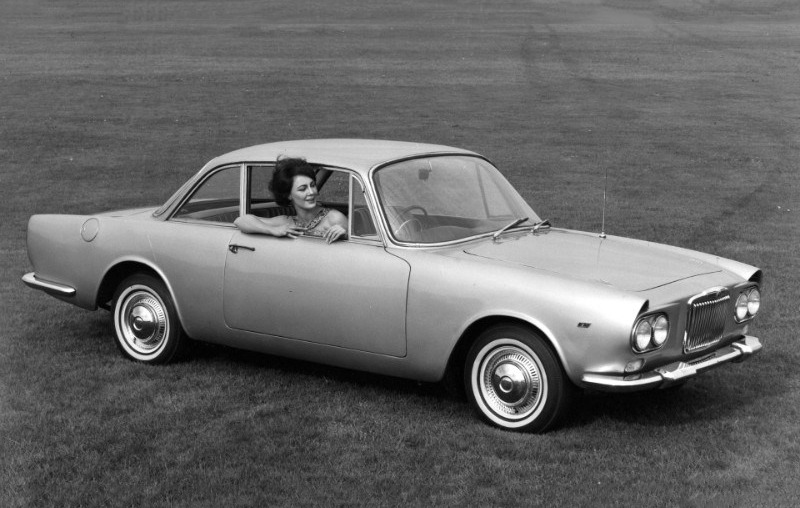
Sadly, a series of economic and business setbacks hit Touring in the early ’60s. Some anticipated projects fell through as car companies got cold feet or ran into their own financial problems. A particularly devastating blow was dealt by the British Rootes Group (makers of Sunbeam and Hillman). Touring had been contracted to produce bodies for several Rootes projects – they even engineered a few Sunbeam Alpine prototype coupes and started work on a sporty coupe called the Sunbeam Venezia (to be built on British mechanicals but with Italian style). Banking on this big order, Touring’s new factory geared up… only for Rootes to abruptly cancel the program due to a market slump. In the end, only a handful of Touring-built Sunbeam Venezia cars were completed in 1963 (pretty little machines, now ultra-rare collectibles), and the rest of the hoped-for production never happened. Touring was left holding the bag – a shiny new factory with barely anything to build in it. The financial strain was immense.
🔗 Read more: The Car That Marked the End of Carrozzeria Touring: The Sunbeam Venezia
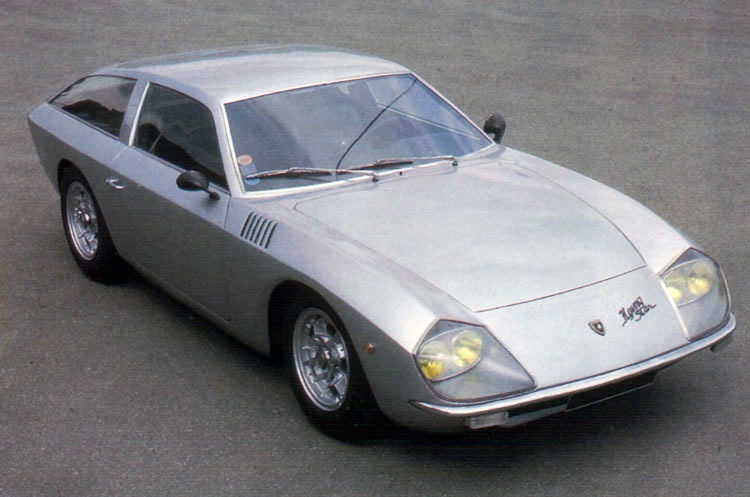
Touring scrambled to find other contracts. They courted Maserati for upcoming models, and indeed Touring had previously designed the gorgeous Maserati 3500 GT coupe in 1957 (one of their successes, with around 2,000 made), but newer Maserati projects started going to other coachbuilders like Vignale. Touring also collaborated with Lamborghini on that company’s very first production car, the Lamborghini 350 GT (1964) and its 400 GT successor – Touring designed and built the bodies for Lamborghini’s early Grand Tourers, proving they could still do series production of high-end sports cars. However, Lamborghini was also a fledgling company and produced cars in small numbers; Touring’s work for them, while iconic (even the one-off Lamborghini Flying Star II concept in 1966), wasn’t enough to fill an entire factory’s capacity. There were discussions with Aston Martin about designing a new DBS, and a few prototypes like the Alfa Romeo Giulia GTC mentioned, or the second-series Flying Star concept car on a Lambo chassis, but one by one these either remained one-offs or were taken in-house by the manufacturers.
Touring tried to find other work to compensate. There were talks with Maserati and others for new projects, and Aston Martin continued to have Touring design ideas (a planned Aston Martin DBS body by Touring in 1966, and even a second-generation Flying Star II concept on a Lamborghini chassis). But many of these remained one-offs or prototypes as the clients pulled back, facing their own economic pressures. By 1964, Carrozzeria Touring was in dire financial straits, burdened with the costs of the new plant and too little revenue. The company went into receivership (administration) in 1964 to manage its debts. They limped along for a brief period, completing a few remaining orders, but finally, in 1966, Carrozzeria Touring ceased production. Interestingly, Touring never formally declared bankruptcy – it simply wound up operations and closed its doors in a quiet, somber fashion. After 40 remarkable years, the era of the original Carrozzeria Touring had come to an end.
By 1964, Carrozzeria Touring was in serious financial trouble. The combination of high expenses from the factory expansion and a dearth of steady work was unsustainable. That year, the company went into receivership (a form of administration to manage debts). They soldiered on for a short while, completing remaining orders (one of which was finishing up the Lamborghini 400 GT 2+2 bodies – in fact, after Touring’s demise, Lamborghini had to have another coachbuilder, Marazzi, finish the last few cars). In 1966, after exactly 40 years of operation, Carrozzeria Touring quietly closed its doors. Interestingly, they never declared formal bankruptcy – they simply wound up operations and ceased trading. It was an unceremonious and heart-breaking end to an illustrious era.
To add insult to injury, as Touring was shutting down, a catastrophic fire destroyed about 80% of the company’s historical archives – drawings, photos, build records, all gone. It was like a museum of automotive art going up in smoke. To this day, historians and enthusiasts lament the loss of what must have been a treasure trove of designs (the what-ifs and never-built concepts that were lost in that fire haunt the imagination). The craftsmen of Touring dispersed to the winds – many found jobs at other Italian carrozzerie or automakers, injecting a bit of Touring’s DNA into those firms. Co-founder Gaetano Ponzoni was already elderly by then and faded into retirement. Carlo Anderloni, however, remained a passionate advocate for Touring’s legacy.
🔗 Read more: Concours d’Elegance: We Need to Talk
In the decades after the closure, Carlo became the de facto historian of Carrozzeria Touring. In the 1970s and ’80s, as interest in classic Italian cars blossomed, Carlo helped establish a Touring registry to track every surviving car bodied by the firm. He painstakingly contacted owners around the world to piece together records (especially important given the archive fire). Carlo also had a hand in reviving the very concours d’elegance that had jump-started Touring’s fame: the Villa d’Este Concorso. When Villa d’Este was rebooted in the 1990s, Carlo served as President of the Jury, presiding over a show where many Touring classics inevitably star. In his honor, Villa d’Este later created the “Carlo Felice Bianchi Anderloni Memorial Trophy,” awarded each year to the most elegant Touring-bodied car at the event – a touching tribute to the man who kept the flame alive. Carlo Anderloni lived to see one more chapter in the Touring story – one that must have brought him immense satisfaction – before he passed away in 2003. That chapter was the rebirth of Touring itself.
The Phoenix Rises: Touring’s Revival
For about forty years, “Touring” was a revered but dormant name – seen only on the fender badges of classic cars at shows or in museums. But in 2006, the dormant name rode again. A Milanese lawyer and car enthusiast, Piero Mancardi, backed by a Dutch investment group (Zeta Europe BV, associated with Belgium’s historic D’Ieteren family), acquired the rights to the Touring Superleggera brand. Their vision was to create a new Carrozzeria Touring for the 21st century, one that honored the traditions of craftsmanship and innovation on which Touring was built. And so, Carrozzeria Touring was reborn as Touring Superleggera S.r.l. in Milan. In a poetic twist, one of the D’Ieteren family ancestors had been a carriage builder in the 1800s – so in a way, a coachbuilding heritage helped revive Italy’s famous coachbuilder.
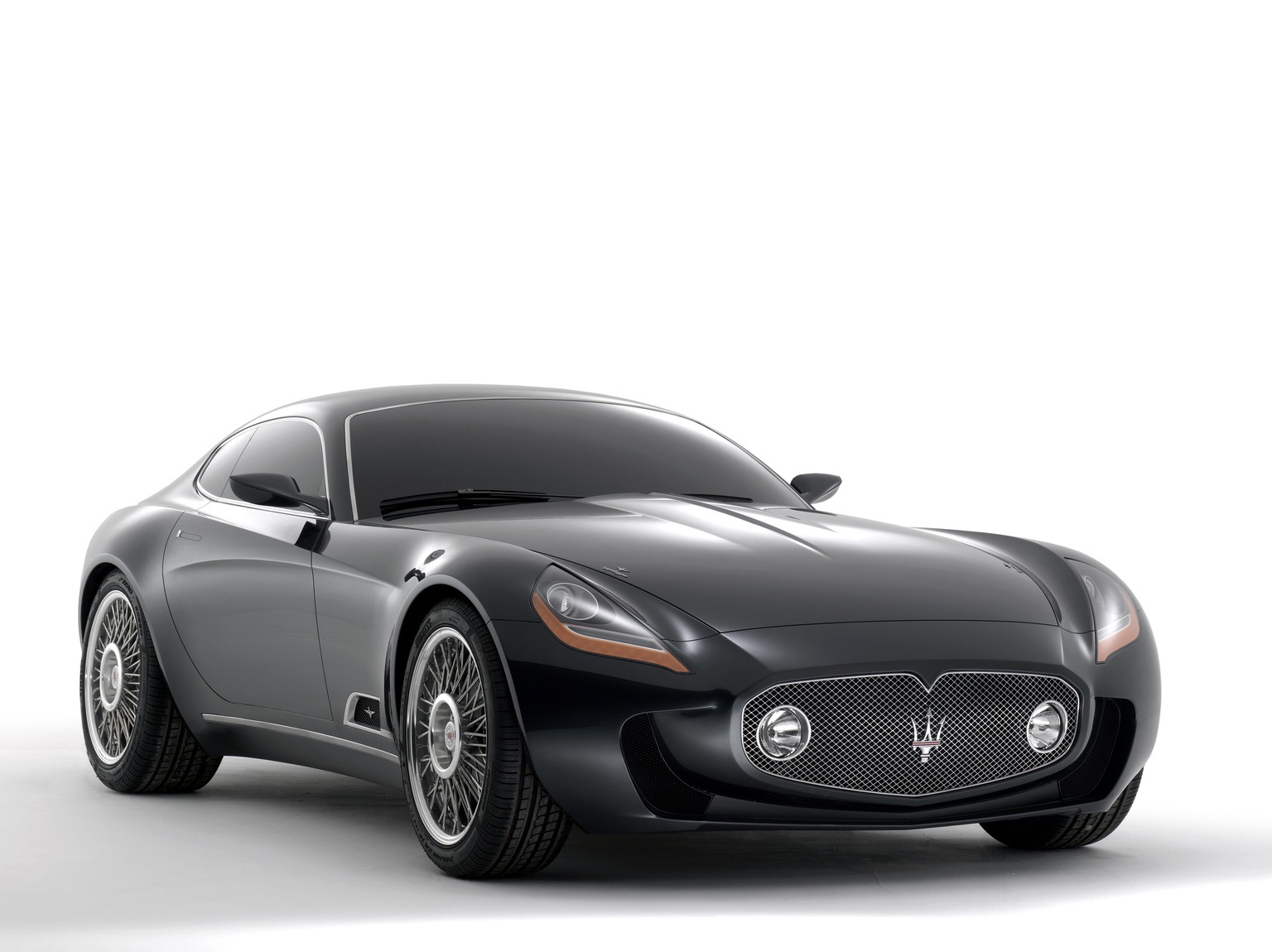
The new Touring Superleggera quickly made headlines with bespoke creations that captured the spirit of the old. They set up as a design and engineering house, offering to style and build limited-edition custom bodies for those wealthy enthusiasts who felt regular supercars were just too ordinary. They also offered restoration services for vintage Touring-bodied classics, coming full circle to care for the very heritage that made their name. Appropriately, Touring’s revival was first announced via stunning concept cars unveiled at the Villa d’Este Concours in 2008 – coming back to the very stage where Felice Anderloni’s creations had triumphed in the 1930s. In 2008 Touring presented two one-off models: the Bellagio Fastback and the A8 GCS Berlinetta. The Bellagio was especially cheeky – a custom wagon (shooting brake) created from a Maserati Quattroporte sedan. It was a marriage of practicality and Italian flair that only Touring might attempt (because honestly, who wouldn’t want a Maserati station wagon to take the dogs out hunting in style?). The A8 GCS Berlinetta, meanwhile, was a gorgeous two-seat sports coupe concept, also Maserati-powered, paying homage to a 1950s Maserati racecar. These early projects signaled that the new Touring was going to honor the old by doing what they always did best: combining elegance, innovation, and a dash of audacity.
In 2010, Touring revealed the Bentley Continental Flying Star at the Geneva Motor Show – a coachbuilt shooting brake conversion of Bentley’s Continental GT. Even Bentley gave their blessing to this limited-series creation, which blended British luxury with Italian custom bodywork in the grand tradition of the ’50s. By 2012, Touring took a page straight from its own history book: to celebrate Alfa Romeo’s centenary, they unveiled the modern Alfa Romeo Disco Volante. This was a swoopy supercar based on the Alfa 8C Competizione, inspired by Touring’s wild 1952 “Disco Volante” concept (which had looked like a flying saucer – hence the name). The new Disco Volante was produced in ultra-small numbers from 2013 onward, each one handbuilt, and it reminded everyone that the spirit of Touring’s design – daring yet timeless – was alive and well. It even won design awards, including accolades at Villa d’Este, proving that a 60-year-old idea could still wow in modern metal.
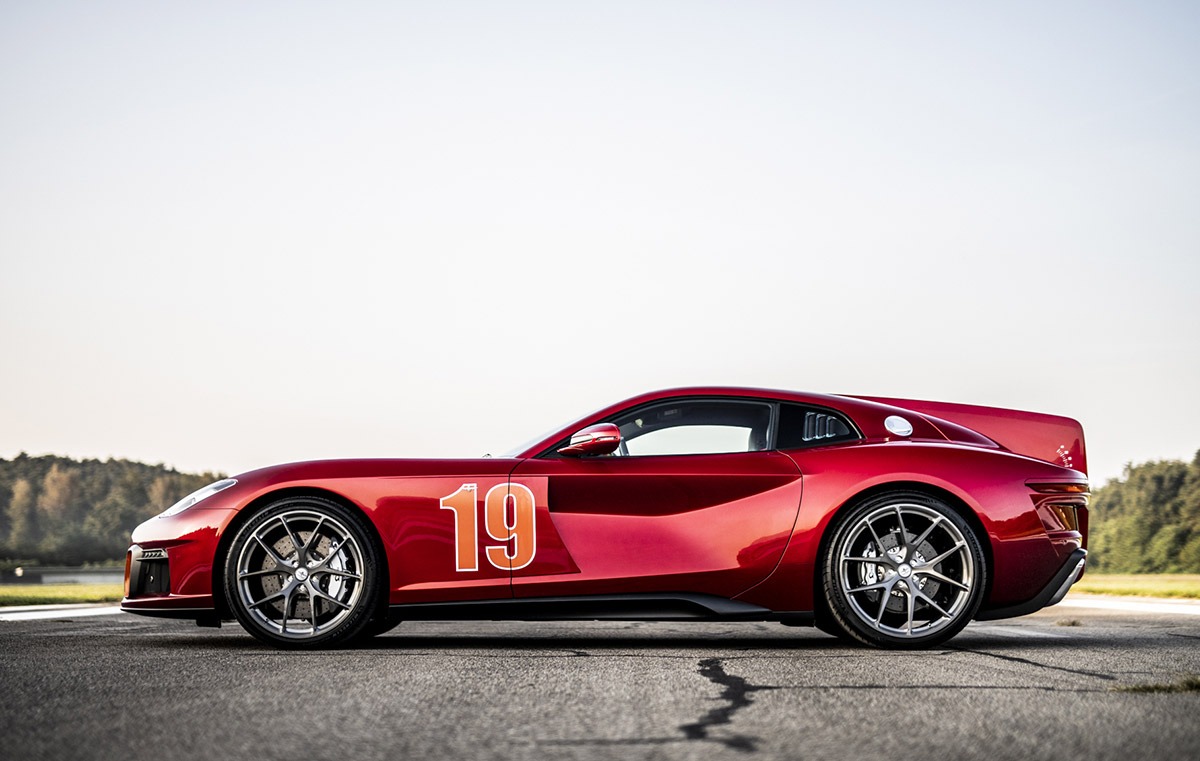
Touring Superleggera has since produced a string of bespoke models, often revealed at prestigious events like the Geneva Motor Show or Villa d’Este. They created the delightful Mini Superleggera Vision concept in 2014 (an electric blue roadster that had enthusiasts begging BMW to put it into production). In 2015 came the Touring Berlinetta Lusso, a rebodied Ferrari F12 that channeled the look of a 1960s Ferrari 250 GT – it was both retro and contemporary, and of course built in very limited numbers for discerning clients. Another notable project was the Touring Sciàdipersia (2018 coupe, 2019 convertible), which was a coachbuilt Maserati GranTurismo reimagined as an exotic grand tourer. The name Scià di Persia means “Shah of Persia” – a tribute to the fact that in 1958 Touring had built a one-off Maserati 5000 GT for the Shah of Iran. History came full circle as Touring now created a handful of these modern “Shah” Maseratis, each tailored to the individual buyer – just like the old days of coachbuilding.
🔗 Read more: The Maserati 5000 GT
In 2020, even a global pandemic didn’t stop Touring: they unveiled the dramatic Aero 3, a V12 supercar with carbon-fiber bodywork influenced by 1930s aerodynamics (it even has a prominent tail fin, recalling pre-war Alfa Romeo racers). With each creation, Touring has shown an uncanny ability to weave its heritage into modern forms. Their modus operandi is much like it was in the mid-20th century: build exclusive, hand-crafted automobiles for the top end of the market. Sure, today they might use carbon fiber and CAD design, but the philosophy of bespoke elegance remains intact. The reborn company also takes on design commissions for other manufacturers and continues to restore classic Touring-bodied cars to concours condition. In short, Touring is back as an automotive haute couture atelier, and the world of car enthusiasts couldn’t be happier.
Epilogue – Legacy and Leadership
The legacy of Carrozzeria Touring is far greater than the number of cars it built. The very word “Touring” attached to a car has come to signify a certain excellence and pedigree – whether it’s a Touring-bodied Alfa 8C from 1938 winning Best of Show at Pebble Beach, or a modern Aston Martin DBS proudly wearing a Superleggera badge on its hood. Touring’s innovations in lightweight construction prefigured the era of aluminum spaceframes and carbon-fiber tubs. Its design aesthetic – combining purity of line with bold creativity – remains a high-water mark in car styling. Many of the most valuable classic cars on earth are Touring creations, cherished in collections and shown at the most prestigious concours d’elegance (it’s no coincidence that Villa d’Este’s top award often goes to a Touring masterpiece from the ’30s or ’50s). And beyond the stats and trophies, there’s a romance to Touring’s story that captures the imagination: the vision of two young men in 1926 betting everything on their passion for cars, the image of craftsmen hammering aluminum into art under the Milanese sky, the drama of great successes and a heartbreaking collapse, and then the phoenix-like rise from the ashes decades later.
Today, as Touring Superleggera approaches its 100th birthday (1926–2026!), the company is once again carving out a niche at the zenith of automotive design. The current leadership – led by the revival team’s hand-picked successor Salvatore Stranci as General Manager (who took over in 2020 after CEO Piero Mancardi’s fruitful tenure) – carries forward the ethos that Felice Bianchi Anderloni began so long ago. Under this guidance, Touring continues to create “dream cars” for those lucky few who can commission them, and to celebrate its past through restorations and heritage events. In a world of mass-produced vehicles, Touring stands for the rare art of the fuoriserie – the custom-built special. It’s quite remarkable that a name from motoring history has not only survived but is thriving in a modern form, still winning design awards and still making car lovers’ hearts skip a beat. Not bad for a company founded by a couple of young lawyers who loved cars more than courtrooms!
In the grand tapestry of automotive history, Carrozzeria Touring has earned a richly deserved place. Its influence is everywhere – from the Superleggera techniques used in sports cars, to the enduring beauty of the classic forms it shaped, to the very language we use to describe car design (barchetta, anyone?). As we celebrate Touring’s past and look to its future, one can’t help but feel that Felice Anderloni and his son Carlo are smiling somewhere, watching their “super light” dream continue to glide, glistening under the Italian sun, for generations to come.

ABOUT THE AUTHOR
Andreas Scheidl
Italian classic car enthusiast with German roots. Renowned as a respected figure in the classic car community, he serves as a jury member at various international concours d'elegance, including the Classic Gala Schwetzingen and Mantova. As a content creator, Andreas passionately shares his profound knowledge and appreciation for vintage automobiles. His heart beats for cars designed by Giovanni Michelotti, showcasing his discerning taste and dedication to preserving the timeless elegance of automotive history.
More stories by Andreas Scheidl ↗CONTINUE READING
Posts You Might Like
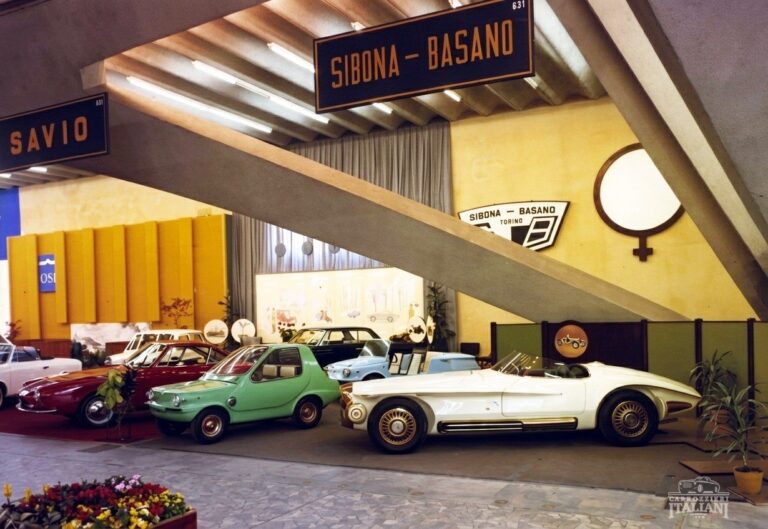
Sibona & Basano: The Turin Workshop Behind Abarth, Exner and Autonova
For a brief period in the 1960s, Sibona & Basano occupied a distinctive position in Turin's coachbuilding industry, constructing competition bodies, prototypes and experimental cars for Abarth, American designers and some of…
Read story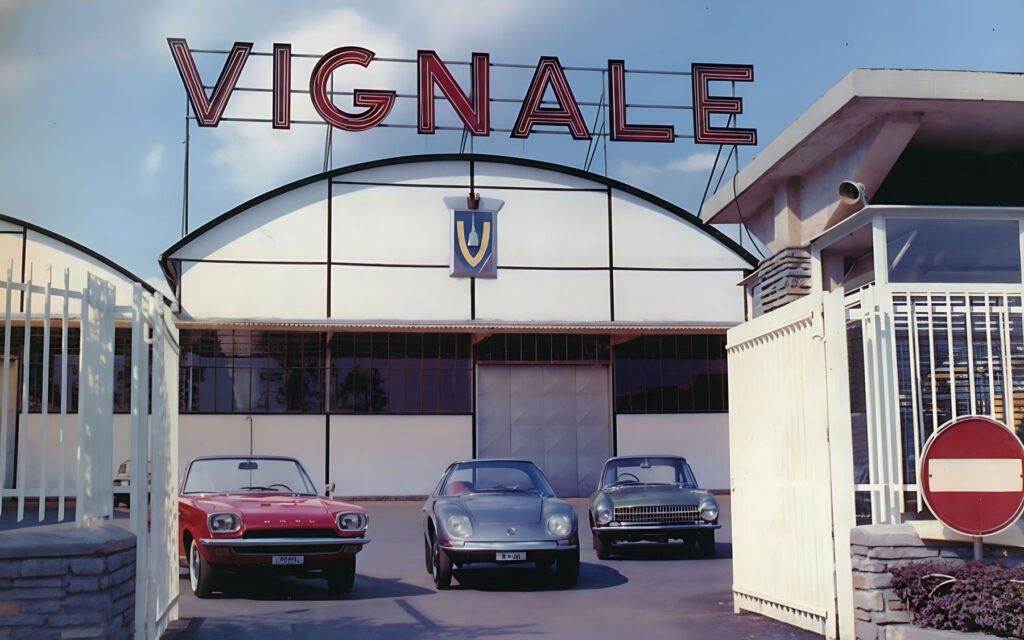
The Story of Carrozzeria Vignale
The story of Carrozzeria Vignale represents one of the many somewhat forgotten success stories born against the backdrop of an Italy that was torn apart by the Second World War and which,…
Read story
Carrozzeria Savio: The History
From early Fiat specials to the Jungla, Delta S4 and Italdesign Aztec, the story of Carrozzeria Savio is far richer than many remember.
Read story
The History of Carrozzeria Boano
The untold story of Mario Boano and Carrozzeria Boano, from Ferrari 250 GTs to the Spiaggina, reshaping Italian automotive history.
Read story
THE CONVERSATION
Comments 0
Share a memory, a period photograph or a documented detail about this story.