
The Story of Carrozzeria Viotti
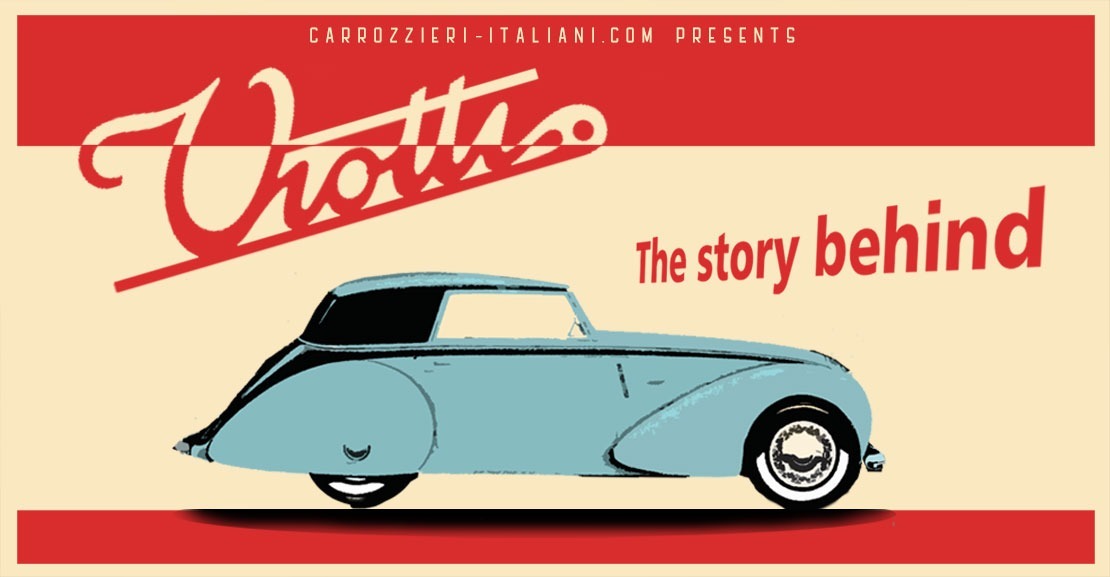
Carrozzeria Viotti is remembered as one of Turin’s legendary coachbuilders, a company that blended artisan craftsmanship with early ventures into series production. Founded in 1921 by a young and ambitious Vittorino Viotti, this coachbuilding firm made its mark by creating elegant custom automobile bodies for Italy’s elite and later pioneering the “Giardinetta” – Italy’s first take on the station wagon. Over four decades, Viotti evolved from a small shop into an industry innovator, collaborating with major automakers like Fiat and Lancia, before closing in 1964. In the 2010s, the storied name was even briefly revived, reminding enthusiasts of Viotti’s lasting legacy in automotive design. What follows is a comprehensive journey through Carrozzeria Viotti’s history, highlighting its key figures, milestones, and impact on car enthusiasts and the automotive industry.
Viotti & Tolfo: Early Years (1921–1929)
The origins of Carrozzeria Viotti trace back to post-World War I Turin. Vittorino Viotti was born in 1900 to humble roots, but he studied up to technical school and started his career at FIAT before moving to the coachbuilder Mario Casaro’s workshop. With an entrepreneurial spirit, in 1921 the 20-year-old Viotti partnered with his friend Torquato Tolfo – a colleague from Casaro – to establish their own automobile body shop. They opened Viotti & Tolfo in a small workshop at 9 Via Ilarione Petitti, strategically located not far from FIAT’s first factory in Turin. Starting with only about a dozen skilled mechanics, the fledgling firm initially took on repair work and minor customizations for local clients.
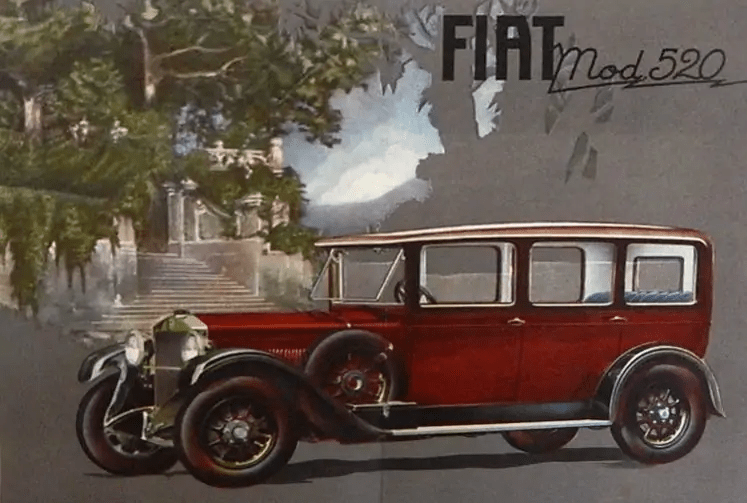
By the mid-1920s, Viotti & Tolfo had begun designing complete custom car bodies, quickly earning a reputation for high-quality luxury coachwork tailored to individual client desires. One of their early hits was a stylish torpedo touring body style they dubbed the “Linea Gran Moda”, an aerodynamic open-top design that proved immensely popular around 1924–25. Thanks to this chic and modern bodywork, orders flooded in – not just from Fiat and Lancia chassis owners (their usual fare) but even from upscale marques. Notably, the firm bodied a few Ansaldo cars and even created a lightweight aluminum-bodied Itala 61 roadster for the Duke of Spoleto in 1927. Projects like these showcased the young company’s versatility and attracted attention from Italy’s wealthy motoring enthusiasts. In fact, Viotti & Tolfo’s custom creations were soon winning awards at concorso d’eleganza (elegance competitions) – including honors for their work on Fiat 520 and 525 models and an Alfa Romeo 6C 1750, among others. By the late 1920s, Viotti & Tolfo had become one of Turin’s best-known coachbuilders, admired for their craftsmanship and creative flair.
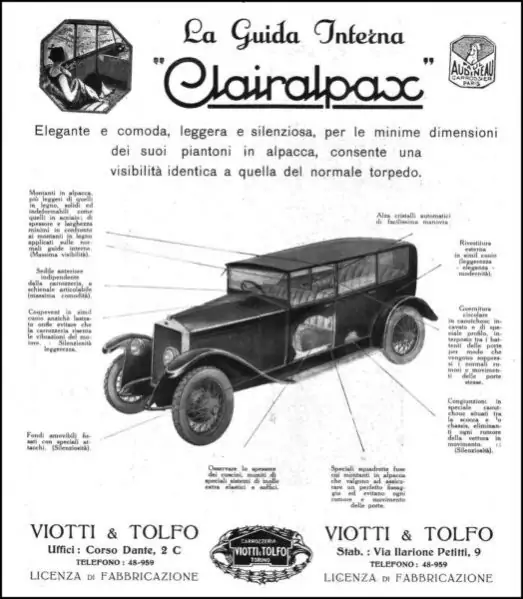
A key factor in Viotti’s early success was a willingness to embrace new technology. In 1926, the company acquired the Italian rights to the French “Clairalpax” patent from coachbuilder Paul Audineau. This innovation was a hybrid construction technique using Alpax (a light aluminum-alloy also known as alpacca or duralumin-silicon alloy) in place of wood for certain frame components. By replacing the traditional thick wooden roof pillars with thin metal-alloy pillars, Viotti could significantly increase the glass window area in their car bodies. The result was brighter, airier cabins with much larger windows than other cars of the era – a strong selling point for style-conscious customers. Viotti’s use of Clairalpax construction made their custom bodies lighter and more advanced than many factory-built counterparts. Always both a savvy engineer and businessman, Vittorino Viotti even patented other ideas – for example, in 1929 he patented “Isothermic” ventilated roofs to keep car interiors cooler. These early innovations demonstrated how Viotti combined traditional Italian artisan coachbuilding with forward-thinking technical improvements, setting the stage for greater success.
By 1928–1929, Viotti & Tolfo were riding high on strong demand from wealthy clientele (even members of the Italian royal family were counted among their patrons). Yet Viotti sensed change on the horizon. The economic crash of 1929 and shifting market trends threatened the old model of building ultra-expensive one-off luxury bodies. Vittorino Viotti recognized that to survive and grow, his firm needed to adapt. Rather than focusing solely on bespoke creations, he envisioned combining his workshop’s high-quality craftsmanship with a more small-series production approach – offering standardized designs built in limited batches. In other words, Viotti foresaw the need to industrialize just enough to make coachbuilt quality available to a broader market. This insight would soon lead to a major transformation of the company.
The Birth of Carrozzeria Viotti (1930s Expansion)
Determined to expand beyond the small workshop scale, Vittorino Viotti made bold moves at the dawn of the 1930s. In April 1930, he reorganized the business as a new joint-stock company, Società Anonima Carrozzeria Viotti, geared for more industrial operations. This transition was made possible by bringing in new partners and resources. Viotti bought out his original partner Tolfo’s share, and teamed up with engineer Ezio Magnanelli, a Turin industrialist who owned the Stabilimento Meccanico Subalpino engineering works. Through a merger with Magnanelli’s firm, Carrozzeria Viotti gained access to a large modern factory on Corso Stupinigi in Turin – a significant upgrade in space and tooling from the old Petitti street shop. At the same time, Viotti absorbed another coachbuilder, Carrozzeria Maggiora, taking on its staff and appointing its owner Arturo Maggiora as Viotti’s production manager. (Notably, Maggiora even continued running his own small martelleria panel-beating shop on the side while overseeing Viotti’s production.) Another supporter was Carlo Castiglioni, a supplier who folded his own coachbuilding business to join Viotti’s venture. With these strategic partnerships, Viotti suddenly had both the manufacturing capacity and the skilled workforce to handle larger orders.
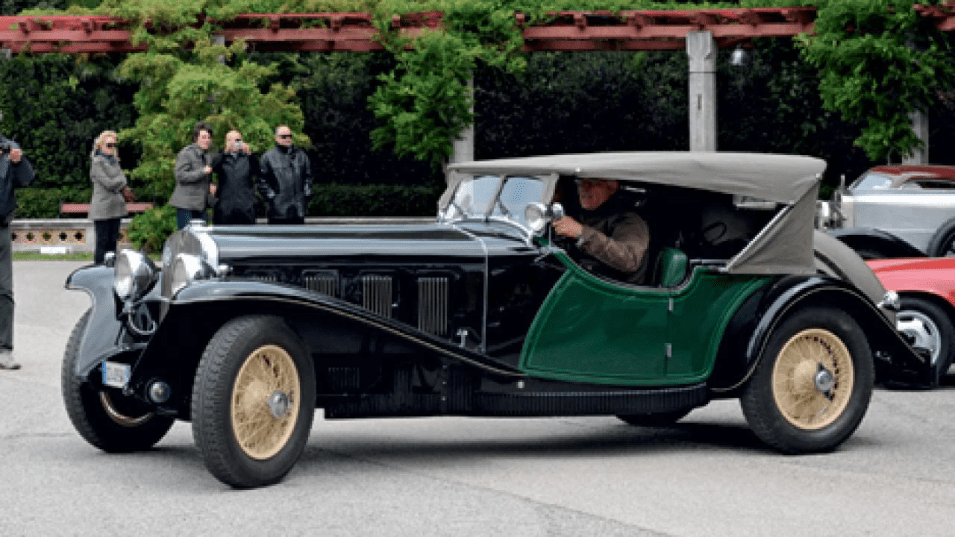
Under the new structure, Carrozzeria Viotti pivoted sharply towards series production of standard models, while still maintaining the refined quality of bespoke builds. Vittorino Viotti’s foresight paid off quickly. In 1931, Italy’s biggest automaker Fiat approached Viotti to commission a special sports model: the Fiat 525 SS. This was Fiat’s flagship sporting chassis of the time, and Viotti was tasked to craft an elegant spider (roadster) body for it. The resulting 525 SS by Viotti – a sleek two-tone spider styled by designer Mario Revelli di Beaumont – garnered praise, showcasing that Viotti could deliver top-caliber work even for the most exclusive projects.
🔗 Read more: Mario Revelli di Beaumont: the first Freelance Car Designer
Even more significant was what came the next year: in 1932, Fiat launched the 508 “Balilla”, a new compact car aimed at Italy’s middle class. Seeing an opportunity, Viotti developed his own attractive and aerodynamic version of the Fiat 508 Balilla – with a modern, streamlined body that stood out from Fiat’s standard offering. This car was affordable yet stylish, exactly what a broader segment of customers desired. It became the first automobile that Viotti built in relatively large numbers. According to Viotti’s biography, the Balilla provided the basis for Viotti’s standardized creations, which were eventually produced in the thousands. The Viotti-built 508 Balilla variant was so well-received that Fiat itself took notice. Since Fiat’s own factory was running behind in updating the Balilla’s design, they allowed the Viotti version – particularly an aerodinamica streamlined sedan model – to be temporarily sold alongside Fiat’s standard model. In fact, Fiat even listed the Viotti aerodynamic sedan in their catalog and arranged for it to be produced under license by Polski-Fiat in Warsaw, Poland, to fulfill demand. This was an extraordinary validation of Viotti’s approach: a custom coachbuilder’s design had been adopted by a major manufacturer for series production. Meanwhile, Carrozzeria Viotti continued to turn out custom-ordered one-offs for private clients on various chassis, even as their catalog of standardized bodies expanded. The early 1930s thus saw Viotti successfully straddling the worlds of craftsmanship and industry, marking them as a pioneer in what we today might call boutique manufacturing.
Throughout the 1930s, Viotti’s collaboration with Fiat deepened. The coachbuilder was entrusted with building the official convertible and sports versions of Fiat’s models. For example, Viotti built the factory-approved standard open-top bodies for the Fiat 508 C “Nuova Balilla” / 1100 (the successor of the original 508), including an elegant Cabriolet and a sporty Spider roadster. These were sold through Fiat dealerships, cementing Viotti’s status as a trusted partner. At the same time, Viotti’s workshop still produced unique creations on demand: everything from luxurious custom sedans to specialized utility vehicles. Some notable examples from this era included:
Service vehicles for EIAR – Italy’s public radio broadcaster – likely some of the country’s first radio broadcast vans.
SIATA racing cars – Viotti built bodies for small sports cars by SIATA (Società Italiana Auto Trasformazioni Accessori), a Turin firm known for tuning Fiats. In fact, one Viotti-bodied SIATA was raced by Vittorio Mussolini, son of Italy’s then-leader, in the 1930s.
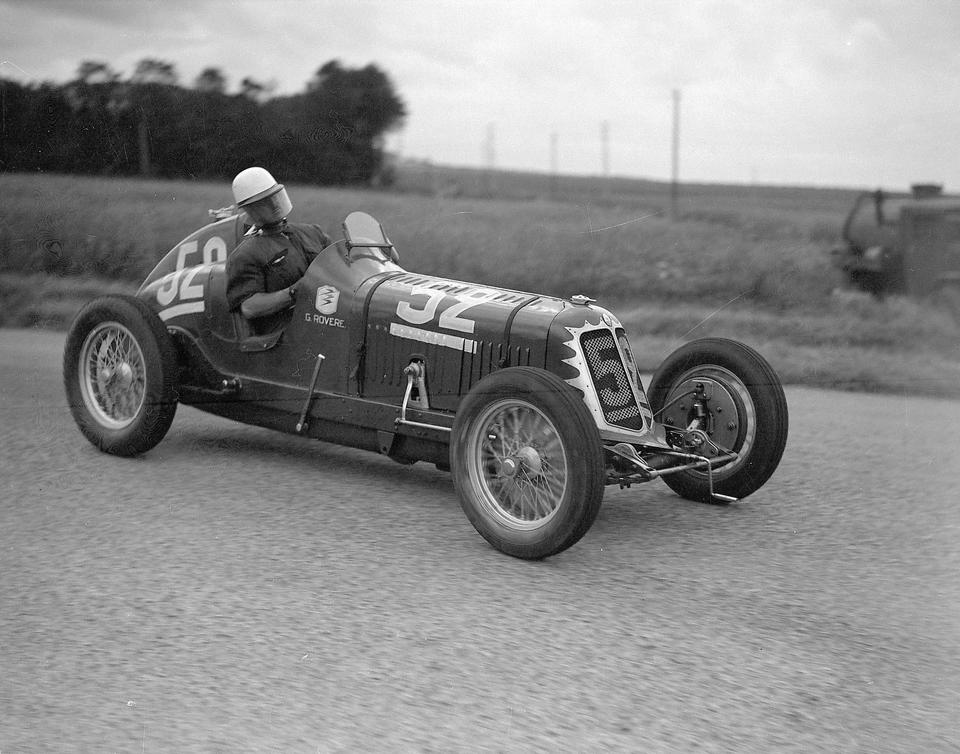
A record-breaking Maserati 4CM – Viotti crafted an aerodynamic body for a Maserati 4CM single-seater, which engineer Giuseppe Furmanik drove to set a world speed record in 1937 for the 1500 cc class. This achievement underscored Viotti’s technical prowess, as the car needed to be both lightweight and streamlined for maximum velocity.
Such a diverse portfolio – from family cars to race cars, from radio trucks to roadsters – showcased how versatile and professional Carrozzeria Viotti had become by the late 1930s. Viotti’s factory was reportedly the largest coachbuilding operation in Italy during those years. Vittorino Viotti himself gained considerable prestige, receiving honors such as the Order of Merit for Labor (Cavaliere del Lavoro) in 1935 for his industrial achievements. By not yet 40 years old, he had become one of Turin’s wealthiest industrialists and even branched out into other businesses (including starting a company that made aluminum-lined packaging for military rations – a venture that thrived during World War II). Yet even as Viotti diversified, the core coachbuilding business remained his passion and primary claim to fame.
War and the Giardinetta Innovation (1940s)
World War II disrupted Italy’s automotive industry and Carrozzeria Viotti was no exception. With the outbreak of war in 1940, civilian car demand plummeted and factories refocused on military needs. Viotti’s facilities began producing military-style bodies on Lancia Aprilia and Artena chassis for the Italian army. However, tragedy struck early: in January 1941, Allied bombing raids on Turin destroyed Viotti’s main factory on Corso Stupinigi. This was a crippling blow, halting most production. The company relocated operations to a smaller FIAT-owned facility on Corso Bramante in Turin. There, Viotti could only manage very limited output – mostly repairing damaged military vehicles – and even that under the supervision of occupying German authorities by 1944. Essentially, the war years put Carrozzeria Viotti in a state of survival mode, as was the case for many Italian coachbuilders.
When the war ended in 1945, much of Italy’s industry lay in ruins and materials like steel were in extremely short supply. Vittorino Viotti emerged with determination to rebuild not only his own firm but also to help rejuvenate Italy’s coachbuilding sector. As the elected President of the Coachbuilders’ Group within the national automotive industry association (ANFIA), Viotti convened meetings with fellow coachbuilding companies to discuss collaborative solutions. Viotti’s big idea for the postwar market was a novel type of vehicle called the “Giardinetta” (Italian for “little garden”, a whimsical term that came to denote an estate or station wagon). Developed by Viotti in collaboration with stylist Mario Revelli di Beaumont, the Giardinetta was envisioned as a multi-purpose car for carrying people or cargo – essentially one of the first station wagons in Italy. Crucially, it was designed to be economical and practical in the resource-starved postwar context: the Giardinetta’s rear body would be built partly out of wood, a material more readily available than steel at the time. This “woody” wagon could even be assembled using chassis and mechanical parts from older pre-war cars like Fiat 1100s or Lancia Aprilias that were still running, repurposing them into useful new vehicles.
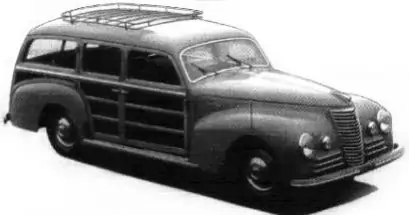
In 1946, Viotti proposed that all the remaining coachbuilders band together as a consortium to produce the Giardinetta en masse for the nation’s urgent transportation needs. Unfortunately, his colleagues were skeptical – most saw the wagon concept as too utilitarian or “too American” in style for their tastes (at that time, station wagons were associated with U.S. cars). With little support, Viotti forged ahead on his own and put the Giardinetta into production at Carrozzeria Viotti. The response was tremendous: the Giardinetta filled a crucial niche in early postwar Italy, providing a functional, low-cost vehicle to get the country moving again. Its wood-bodied construction elegantly sidestepped the steel shortage problem, and its flexibility made it popular for both family and commercial use. Very quickly, the “Giardinetta formula” became a trend – competitors who initially doubted the idea scrambled to imitate it once they saw how successful Viotti’s wagons were. In effect, Carrozzeria Viotti had pioneered the Italian station wagon, and “Giardinetta” entered the lexicon as a term for this vehicle style.
🔗 Read more: The Rise of the Giardiniera: From Utility Vehicle to Trendsetter
Viotti’s first Giardinette were built on Fiat 1100 chassis in 1946–47, featuring rear bodies with wooden panels. They were Italy’s very first modern station wagons, predating Fiat’s own later wagon offerings. Encouraged by the demand, Viotti expanded the concept to other platforms as well. Through the late 1940s and into the early 1950s, Viotti created Giardinetta versions of various cars – from humble Fiats to high-end luxury machines. For instance, they built Giardinetta bodies on the Lancia Aprilia, on the new Fiat 1100/1200, and even on prestigious models like the Lancia Aurelia and Alfa Romeo 6C 2500. The latter examples, often styled by talented designers like Giovanni Michelotti, were beautifully crafted “woody” wagons where style began to overtake pure utility. By 1951–52, Viotti’s upscale Giardinette had become something of a fashion statement – transforming a vehicle originally born out of necessity into a symbol of practical elegance. One notable variant was the “Sleeping” wagon on a Fiat 1100/1200 platform, which featured fold-flat seats to create a sleeping area, anticipating the idea of a camper wagon.
Amid this success, Viotti did not abandon the luxury custom body market. In the late 1940s the firm also resumed building one-off bespoke coupes and convertibles for wealthy clients, often on Fiat 1100 and 1500 chassis. Still, the Giardinetta became Viotti’s signature product of the postwar era, to the point that “Giardinetta by Viotti” became synonymous with tasteful yet practical design. It’s worth noting that only one other coachbuilder, Carrozzeria Fissore, had initially agreed to join Viotti’s wagon project – and even they produced only limited numbers. Most others jumped on the bandwagon later by creating their own wood-bodied wagons after seeing Viotti’s triumph. For a brief period, Carrozzeria Viotti was setting the trend for an entire category of vehicles in Italy.
Postwar Success in the 1950s
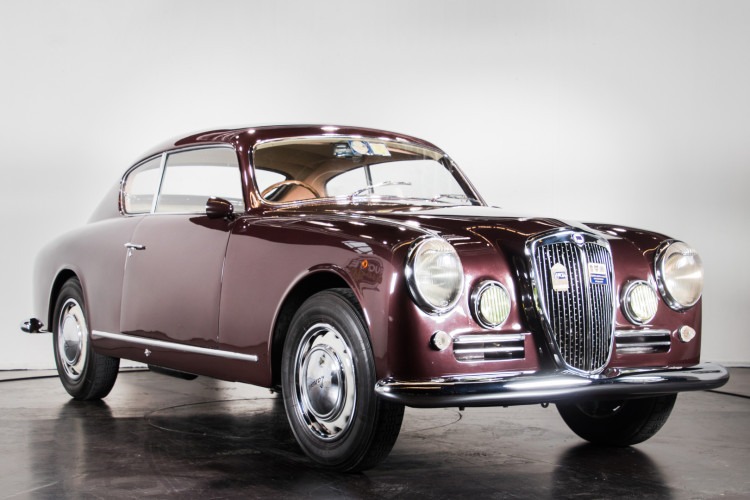
By the early 1950s, Italy’s economy was recovering and the major automakers were introducing new models. Carrozzeria Viotti continued to ride the wave of its Giardinetta’s popularity while also taking on new high-profile projects. In 1950–51, the Lancia company was developing its landmark grand tourer, the Lancia Aurelia B20 GT coupe. Lancia commissioned the first batch of Aurelia B20 bodies from external coachbuilders, and Viotti won the contract to build the initial series of about 100 Aurelia B20 coupes. These early B20 GTs, launched in 1951, which design was inspired by the Fiat 1400 Supergioiello design by Giovanni Michelotti (for Ghia) with a clean fastback shape, and Viotti’s craftsmen executed the body construction at their Turin facility.
🔗 Read more: The Lancia B20 Design Story
The Viotti-built Aurelia B20s showcased excellent workmanship; however, the unexpected success of the Aurelia meant demand quickly exceeded the capacity of a small coachbuilder. After roughly the first 98–100 cars, Lancia moved production of the B20 to Pininfarina to handle larger volume. This episode highlighted the scale limitations of Viotti’s operation – their quality was top-notch, but mass production of a hit model was beyond their throughput. Still, having their name attached to the launch of the Aurelia GT, one of the world’s first true Gran Turismo cars, was a prestigious accomplishment for Viotti.
Around the same time, Viotti was also involved with Lancia’s smaller model, the Appia. When Lancia decided to offer a stylish Appia Coupé, the project was actually designed by Pininfarina but Viotti was subcontracted to build the bodies for the limited production run. And naturally, given Viotti’s station wagon expertise, Lancia turned to them to create a family “Giardinetta” version of the Appia as well. The Appia Giardinetta by Viotti (introduced in 1959) was a steel-bodied estate car that combined Pininfarina’s refined styling cues with Viotti’s wagon practicality – it was marketed through Lancia’s dealerships in small numbers. These collaborations with Lancia reinforced Viotti’s reputation as the go-to coachbuilder for elegant limited-series factory specials in the 1950s.
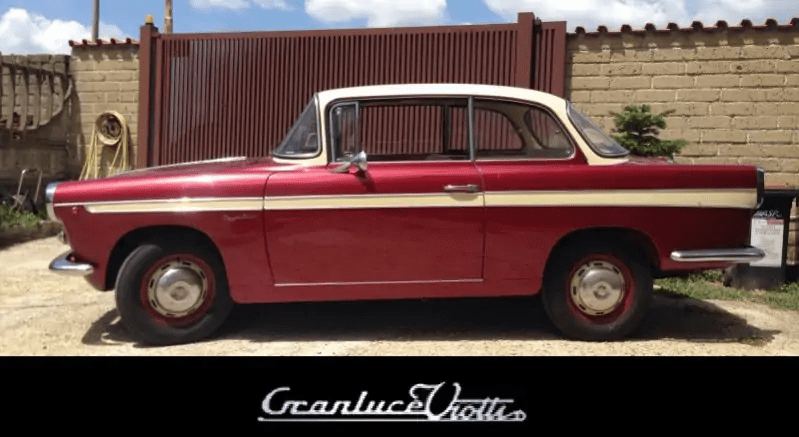
Meanwhile, Viotti kept developing their own models to attract general customers. At the 1957 Turin Motor Show, they unveiled the Fiat 600 “Granluce” Coupé – a charming 2+2 coupe based on Fiat’s popular rear-engined 600 minicar. The name Granluce (“large light”) hinted at its design feature: a panoramic rear window granting plenty of light, consistent with Viotti’s love of airy, glassy cabins. This petite coupe had a sporty flair and was aimed at buyers wanting something more exclusive than the standard Fiat 600. They also built a larger Gran Turismo berlinetta on the Fiat 1100/1200 platform around 1956, providing a sleek alternative to Fiat’s sedans. These Viotti-branded special models were produced in limited quantities, adding to the diversity of Viotti’s catalog.
During this period, many of Viotti’s wood-bodied Giardinette were gradually replaced by all-steel station wagon conversions as steel became more available. They produced a small series of Fiat 1300/1500 Giardinette (estate versions of Fiat’s mid-size family car introduced in 1961). However, this time Viotti met stiff competition: Fiat themselves launched an official Familiare wagon model for the 1300/1500 just months after the sedan, undercutting Viotti’s offering on price. As a result, only about 50 Viotti Giardinette on the 1300/1500 were ever made. It was a sign that the window of opportunity for independent coachbuilt wagons was closing as manufacturers started covering those niches.
Nevertheless, Carrozzeria Viotti kept trying to innovate in design. In 1961, in an effort to regain visibility, Viotti created a trio of striking concept cars in collaboration with freelance designer Rodolfo Bonetto with his linea tesa design concept. These were one-off show cars on the chassis of a Fiat 500, a Fiat 600, and a Fiat 1500, each featuring futuristic styling cues of the early 1960s. One of them, the 1961 Viotti Fiat 500 Sport by Bonetto, was a particularly groovy speedster with a cut-down windshield and a targa-like roof bar – a design far ahead of its time. While purely prototypes, they demonstrated that Viotti still had creative energy and was willing to push stylistic boundaries.
🔗 Read more: The ‘Linea Tesa’ design by Carrozzeria Boneschi
By the mid-1950s, however, storm clouds were gathering. On Christmas Eve 1956, Vittorino Viotti tragically died of a heart attack at just 56 years old. This was a huge loss – Viotti had been the driving force, and although his cousin Francesco Viotti (a long-time collaborator) took over the business, it was hard to fill Vittorino’s shoes. The late 1950s into the early ’60s also brought industry challenges: the rise of unibody construction and expanding in-house styling departments at automakers meant fewer contracts for traditional coachbuilders. Viotti did secure one more significant production job in 1959 – building the Lancia Appia Giardinetta as mentioned, and finishing the last Appia Coupé units for Pininfarina. They also built a handful of sporty coupes on Fiat 1800/2100 chassis (styled by Pietro Frua) and a Fiat 1500 Coupé S during the early 1960s. But despite these projects, the company’s profitability was sliding. Viotti’s niche – enhancing or customizing standard cars – was shrinking, as customers increasingly bought the sleek new factory models or turned to aftermarket trim kits for personalization. By 1964 Carrozzeria Viotti was in deep financial trouble and ultimately closed its doors that year, ending the original era of the Viotti coachworks. It was one of many renowned Italian coachbuilders of the pre-war and immediate post-war period that didn’t survive the industry consolidation of the 1960s.
Decline and Closure
Several factors contributed to Viotti’s decline. First, without Vittorino’s charismatic leadership and business acumen, the company struggled to adapt further in a rapidly changing auto industry. The late 1950s brought a crisis for specialist coachbuilders, as many automakers moved to monocoque (unibody) car designs that were harder for outside firms to modify, and as mass-produced models left less room in the market for coachbuilt specials. Viotti’s limited production capacity also meant it could not take full advantage of bigger contracts like the Aurelia B20 – when that opportunity arose, it slipped to larger rivals like Pininfarina. The firm tried to capture new customers with its own sports coupés and updated Giardinette, but these faced stiff competition from the cars sold directly by Fiat and others. For example, when Fiat introduced its own station wagon, Viotti’s version became redundant. Additionally, tastes were changing: by the 1960s, the wood-paneled wagon look was falling out of fashion, and American-influenced styling with tailfins and chrome was in vogue. Interestingly, Viotti did pivot to offering customization packages – “Americanizing” cars like the Fiat 600 and Lancia Appia with extra chrome and two-tone paint, to appeal to contemporary trends. But these measures were not enough to sustain the business. After a period of decline, Carrozzeria Viotti ceased operations in 1964, bringing an end to over 40 years of creative coachbuilding.
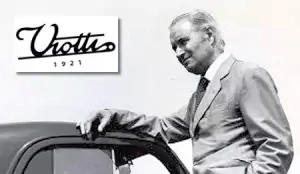
Despite its closure, the influence of Carrozzeria Viotti did not disappear. The Giardinetta concept had left a lasting legacy in Italian automotive design – the idea that a station wagon could be stylish and desirable as well as practical caught on, and by the 1960s most Italian manufacturers offered “family” versions of their popular models (a trend Viotti helped kick-start in the 1940s). Viotti’s early adoption of light-alloy construction and large glass areas prefigured later automotive design trends favoring airy, open cabins and lighter weight. Enthusiasts and historians continue to recognize Vittorino Viotti as an innovator who bridged the coachbuilt era and the era of limited-series production. Many Viotti-bodied cars are today prized collectibles – whether it’s a one-off Alfa Romeo from the 1930s that might appear at concours events, or a charming Viotti Fiat Giardinetta that still turns heads at classic car shows.
Revival and Legacy
For decades after 1964, the Viotti name lay dormant, remembered only by enthusiasts. But in the second decade of the 21st century, there was an attempt to resurrect the storied marque. In 2012, a group of entrepreneurs – including Chinese automaker Zhejiang Jonway Automobile as an investor – acquired the rights to the Viotti brand and logo. They established a new design and engineering company in the Turin area (Rivoli) with the aim of reviving Viotti’s spirit of exclusive, handcrafted automobiles for modern times. The new Viotti venture focused on designing sports cars and even eco-friendly hybrid vehicles, and it appointed Emanuele Bomboi as chief designer. Shortly thereafter, the new owners made a bold move by purchasing another historic name: Willys, the American brand famous for Jeeps but also associated with sports cars like the Willys Interlagos (a Brazilian-built Alpine). They also partnered with the revived Maggiora coachbuilding firm in Italy to have production capabilities and StudioTorino (Porsche Moncenisio).
🔗 Read more: The Porsche Moncenisio: Craftsmanship, Heritage, and Unforgettable Adventures
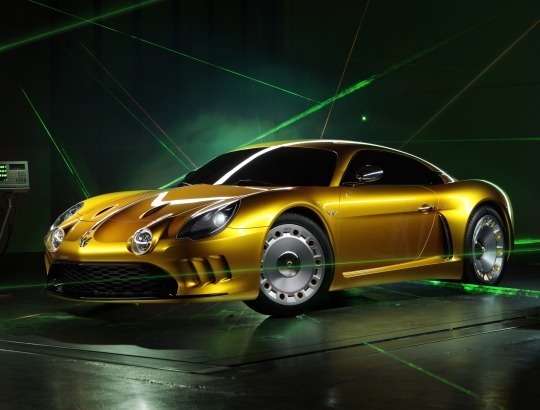
The culmination of this revival effort was unveiled at the Bologna Motor Show in December 2014: the Willys AW380 Berlinetta, presented as a Viotti-built car. This was a modern supercar inspired by the classic Willys Interlagos/A108 design, featuring a Porsche-derived 3.8-liter engine and exotic styling. The AW380 Berlinetta was intended to be produced in a limited series (numbered to evoke exclusivity, much as original Carrozzeria Viotti might have done) and it generated buzz among collectors for its blend of old-name nostalgia and contemporary performance. However, despite the fanfare, the project encountered major setbacks. The Italian manufacturing partner, Fabbrica Italiana Maggiora, went bankrupt, and as a result the AW380 never progressed beyond the prototype stage. By the late 2010s, the Viotti revival effort had effectively stalled.
Even though a full resurrection failed to materialize, the brief revival underscored the enduring allure of the Viotti name. It harkened back to the golden age when a small Turin carrozzeria could create rolling works of art and influence automotive trends far beyond its size. Today, Carrozzeria Viotti’s legacy lives on in the cars that survive and the stories that enthusiasts tell. Key figures like Vittorino Viotti and Mario Revelli di Beaumont are recognized in automotive history for their contributions to design and coachbuilding innovation. Viotti’s work – from the custom luxury fuoriserie of the 1920s, to the standard-setting Balilla of the 1930s, to the trendsetting Giardinetta of the 1940s and the glamorous specials of the 1950s – reflects a narrative of creativity adapting to an ever-changing car industry. It’s a heritage that classic car lovers continue to celebrate, ensuring that the Viotti story remains very much alive.
The story of Carrozzeria Viotti is a rich narrative of innovation, adaptation, and style. From a two-man startup in 1921, through its heyday setting fashion in coachbuilt cars, to its twilight and eventual rebirth attempt, Viotti’s history mirrors the evolution of 20th-century automotive design in Italy. It remains a beloved chapter for automotive historians and enthusiasts, representing the marriage of Italian artistry and automotive ingenuity across decades. Vittorino Viotti’s legacy as a coachbuilder and visionary entrepreneur continues to shine through the elegant lines of the cars that bear his name, ensuring that Carrozzeria Viotti’s place in automotive history is secure for future generations.

ABOUT THE AUTHOR
Andreas Scheidl
Italian classic car enthusiast with German roots. Renowned as a respected figure in the classic car community, he serves as a jury member at various international concours d'elegance, including the Classic Gala Schwetzingen and Mantova. As a content creator, Andreas passionately shares his profound knowledge and appreciation for vintage automobiles. His heart beats for cars designed by Giovanni Michelotti, showcasing his discerning taste and dedication to preserving the timeless elegance of automotive history.
More stories by Andreas Scheidl ↗CONTINUE READING
Posts You Might Like
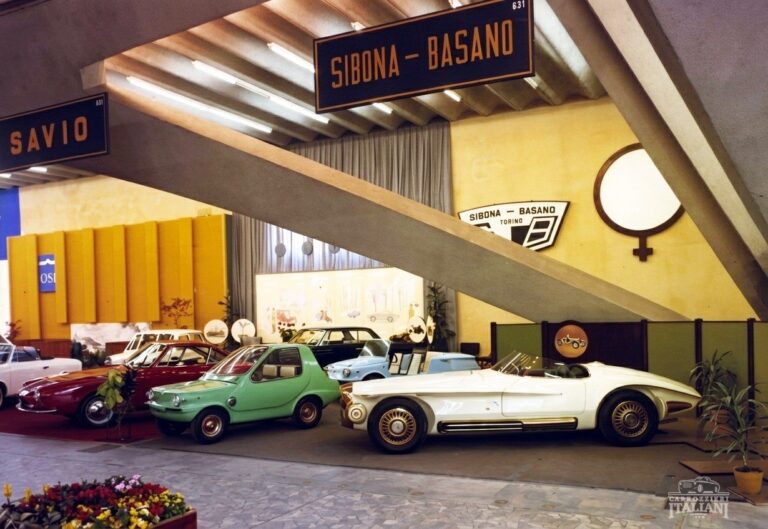
Sibona & Basano: The Turin Workshop Behind Abarth, Exner and Autonova
For a brief period in the 1960s, Sibona & Basano occupied a distinctive position in Turin's coachbuilding industry, constructing competition bodies, prototypes and experimental cars for Abarth, American designers and some of…
Read story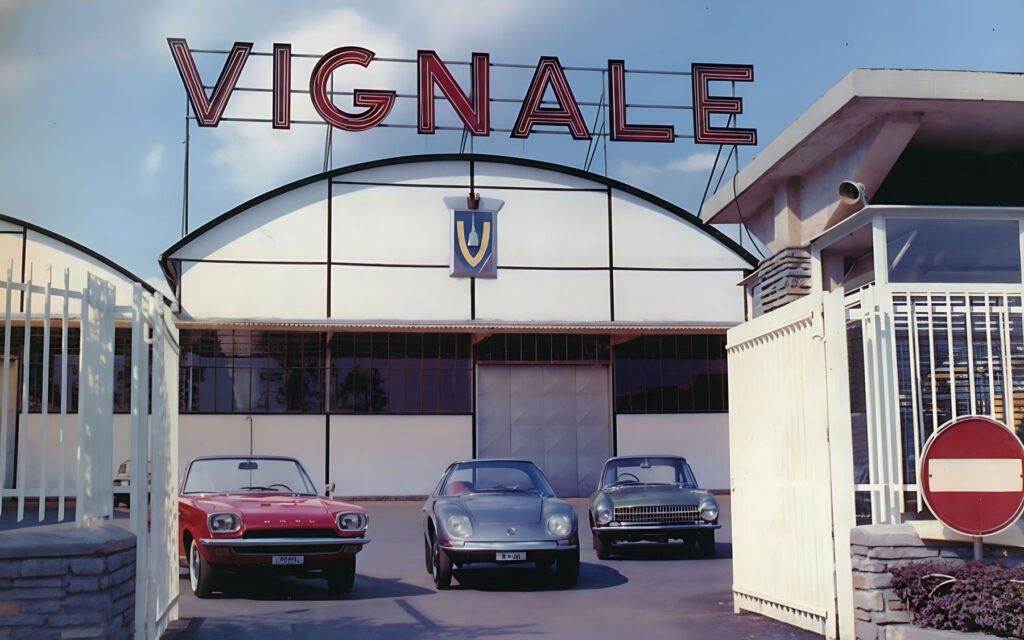
The Story of Carrozzeria Vignale
The story of Carrozzeria Vignale represents one of the many somewhat forgotten success stories born against the backdrop of an Italy that was torn apart by the Second World War and which,…
Read story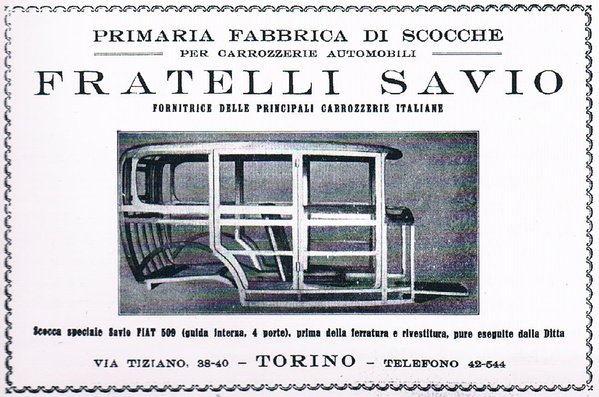
Carrozzeria Savio: The History
From early Fiat specials to the Jungla, Delta S4 and Italdesign Aztec, the story of Carrozzeria Savio is far richer than many remember.
Read story
The History of Carrozzeria Boano
The untold story of Mario Boano and Carrozzeria Boano, from Ferrari 250 GTs to the Spiaggina, reshaping Italian automotive history.
Read story
THE CONVERSATION
Comments 0
Share a memory, a period photograph or a documented detail about this story.