
The History of Carrozzeria Boano
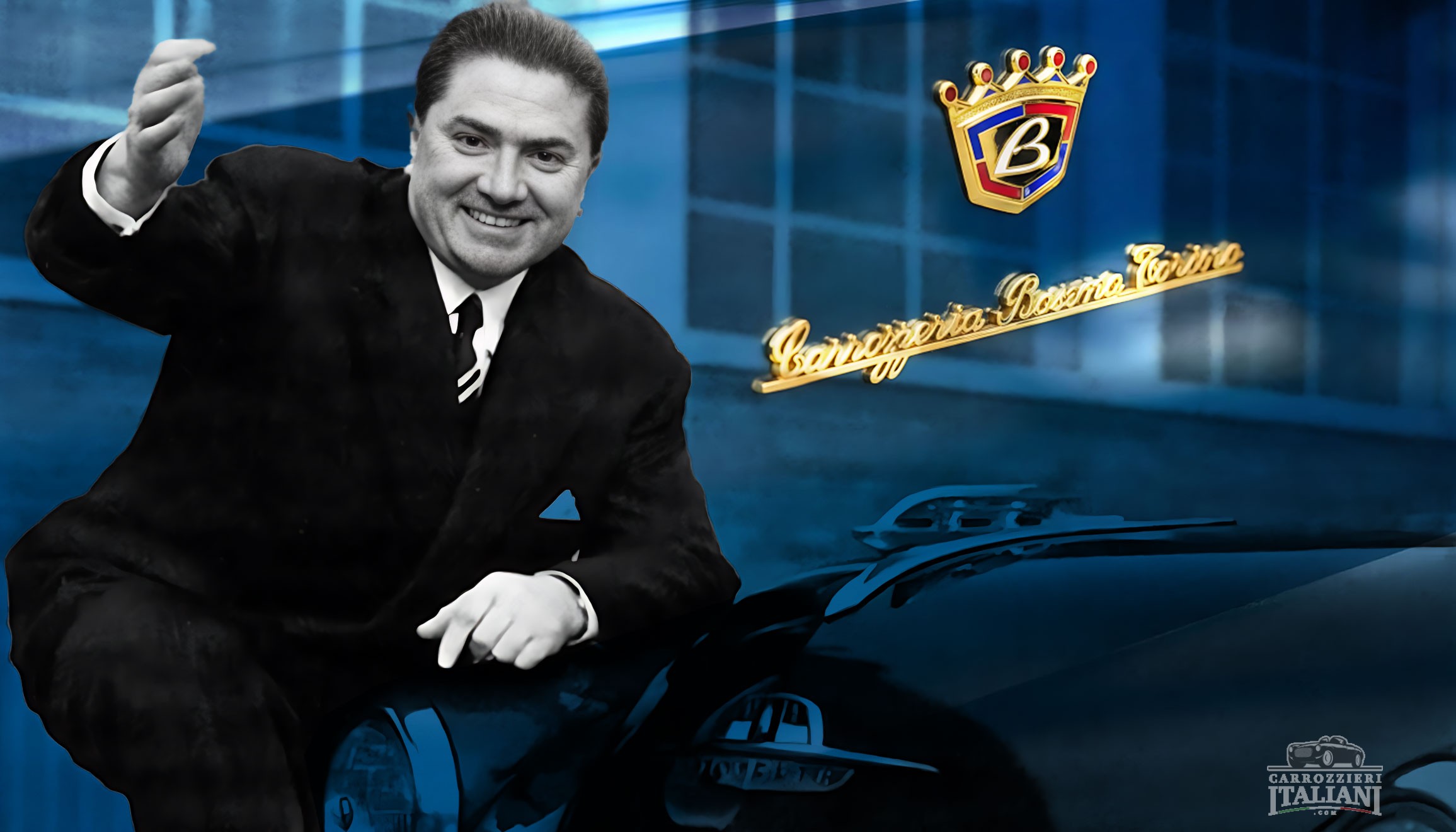
There is a tendency in the history of Italian automobiles, especially when dealing with the golden age of coachbuilding, to romanticise everything into the figure of the solitary genius. Every elegant coupé, every dramatic one-off, every low-slung berlinetta seems to require a single heroic designer’s name attached to it, as if every great car of the period emerged fully formed from the pencil of one inspired stylist working alone late into the night. It makes for elegant storytelling, certainly, but in the case of Mario Felice Boano it has also created one of the most persistent misunderstandings in post-war automotive history.
So let us begin where any serious article should begin: by dismantling the myth.
Contrary to what countless books, auction catalogues and magazine articles have repeated for decades, Mario Boano was not a designer in the stylistic sense. In fact, testimony from several people who worked in Turin during those years makes the point even more sharply, recalling that Mario “didn’t even know how to draw a circle with a pencil.” It is an almost brutal line, but it serves a crucial purpose: it immediately restores perspective. Mario was not the man sketching side profiles on vellum paper until two in the morning, nor the romantic figure bent over tracing paper refining a shoulder line until dawn. He was the man who made sure the right people were in the room, the right commissions came through the door, the workshop ran properly, and the client left impressed. In other words, he was a first-rate coachbuilder, organizer and entrepreneur, and frankly, in 1950s Turin, that mattered just as much as being able to sketch a roofline.
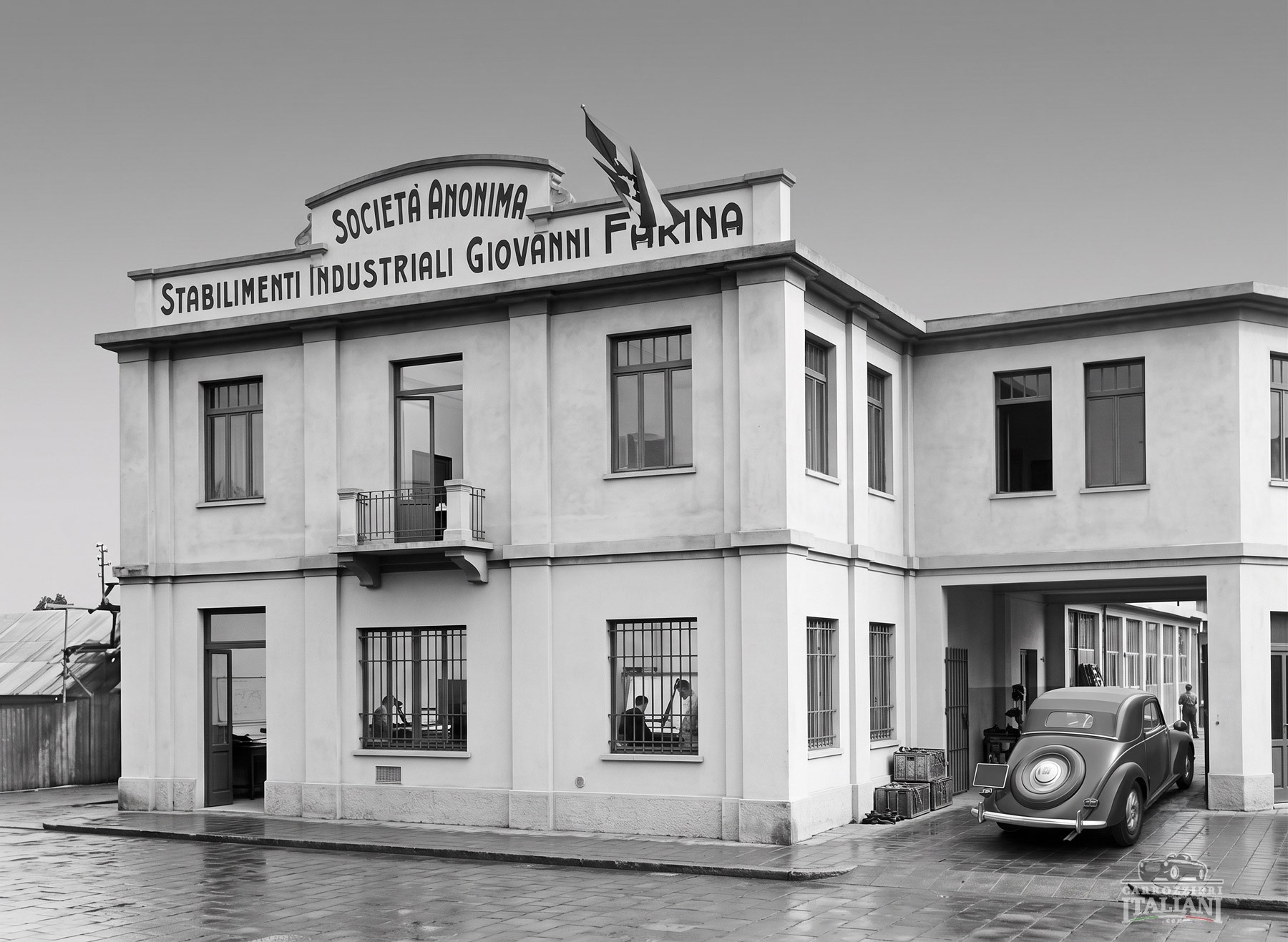
His professional story begins at Stabilimenti Farina, one of the foundational institutions of Italian carrozzeria culture. In pre-war Turin, this was not merely a workplace but an education in the realities of the automobile business. Here Boano learned the language of production, the dialogue between engineering and style, and the practical demands of low-volume craftsmanship. It was the sort of environment that taught not only how cars were built, but how a workshop functioned, how commissions were handled, and how elegance had to coexist with feasibility.
From there he moved to Pinin Farina in 1930, entering an even more refined industrial and stylistic environment. These were the years that shaped him decisively: not as an artist, but as a man with an instinctive understanding of how automotive beauty was translated into steel. If Farina gave him discipline, Pinin Farina sharpened his understanding of how craftsmanship, design and industrial method had to work together.
🔗 Read more: Pininfarina Through the Ages: The Complete History
Then came the moment that truly placed him at the heart of Italian design history.
In 1944, together with Giorgio Alberti, Boano acquired Carrozzeria Ghia following the death of Giacinto Ghia. This was no small event. Ghia would become one of the great names in international design, and Mario, alongside Luigi Segre, was one of the men responsible for its rebirth. This period saw projects associated with the Alfa Romeo 2500 CC, Ferrari 166 berlinettas, the early Lancia Aurelia GT coupé proposals, and later the now-legendary Volkswagen Karmann Ghia.
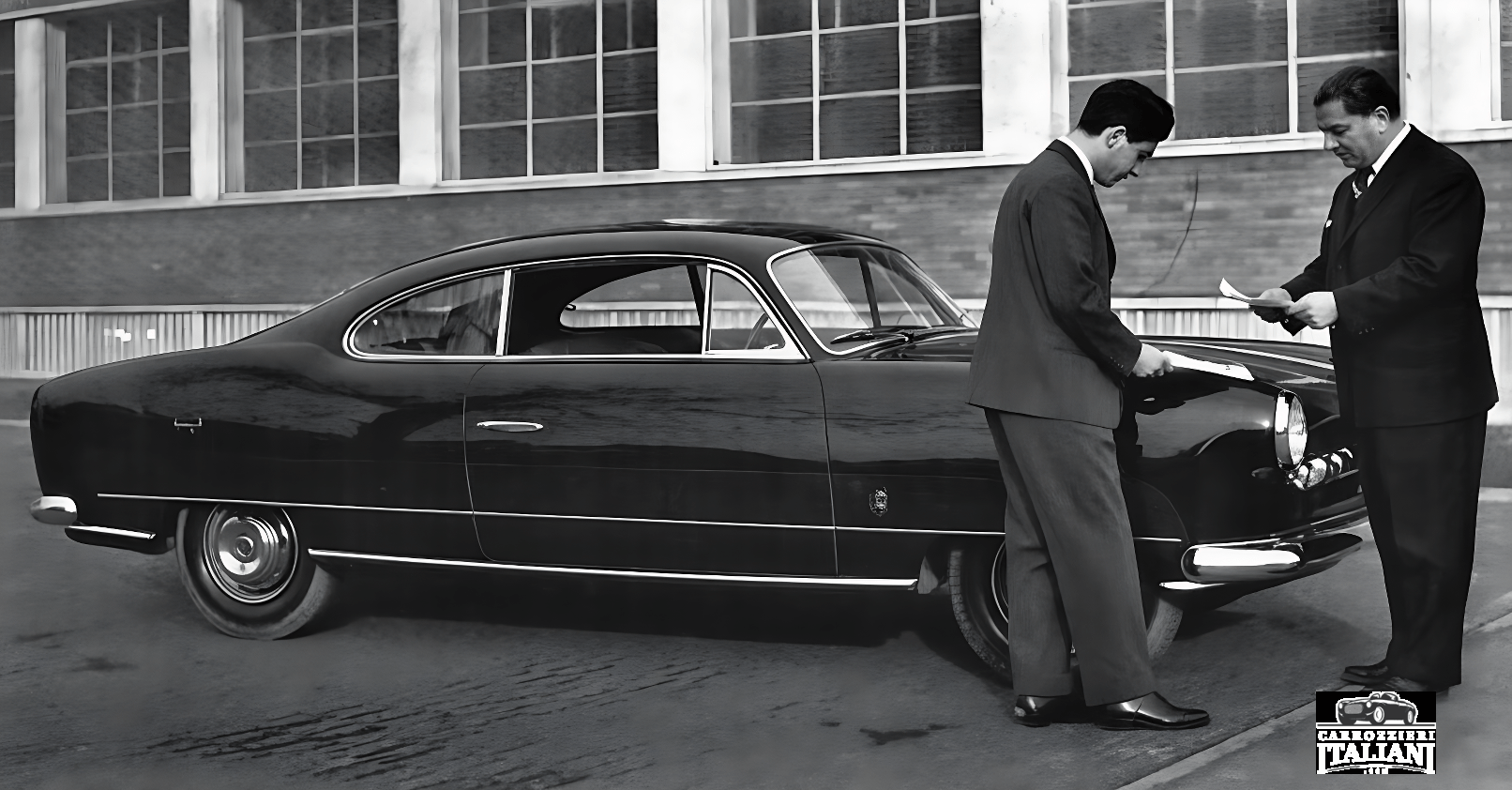
What matters in this phase is not to force authorship where it does not belong, but to understand Mario’s real role. He was not the hand drawing every line. He was building the world in which those lines could exist: the workshop, the people, the reputation and the industrial discipline that made great cars possible.
And that distinction is everything, because it is precisely from this foundation — industrial intelligence, credibility and an extraordinary instinct for talent — that the story of Carrozzeria Boano truly begins.
The birth of Carrozzeria Boano in Grugliasco
By 1954, Mario Boano had reached the point in his career where putting his own name on the door was no longer an ambition but the natural next step. After the formative years at Stabilimenti Farina, the industrial refinement of Pinin Farina, and the decisive Ghia chapter, he had accumulated something far more valuable than notoriety: credibility. He understood how a coachbuilding house functioned from the inside out, how to manage commissions, how to speak to manufacturers, and above all how to recognize talent. It was at this moment that Carrozzeria Boano was founded in Grugliasco, together with his son Gian Paolo Boano, and this is where the story of the company truly begins.
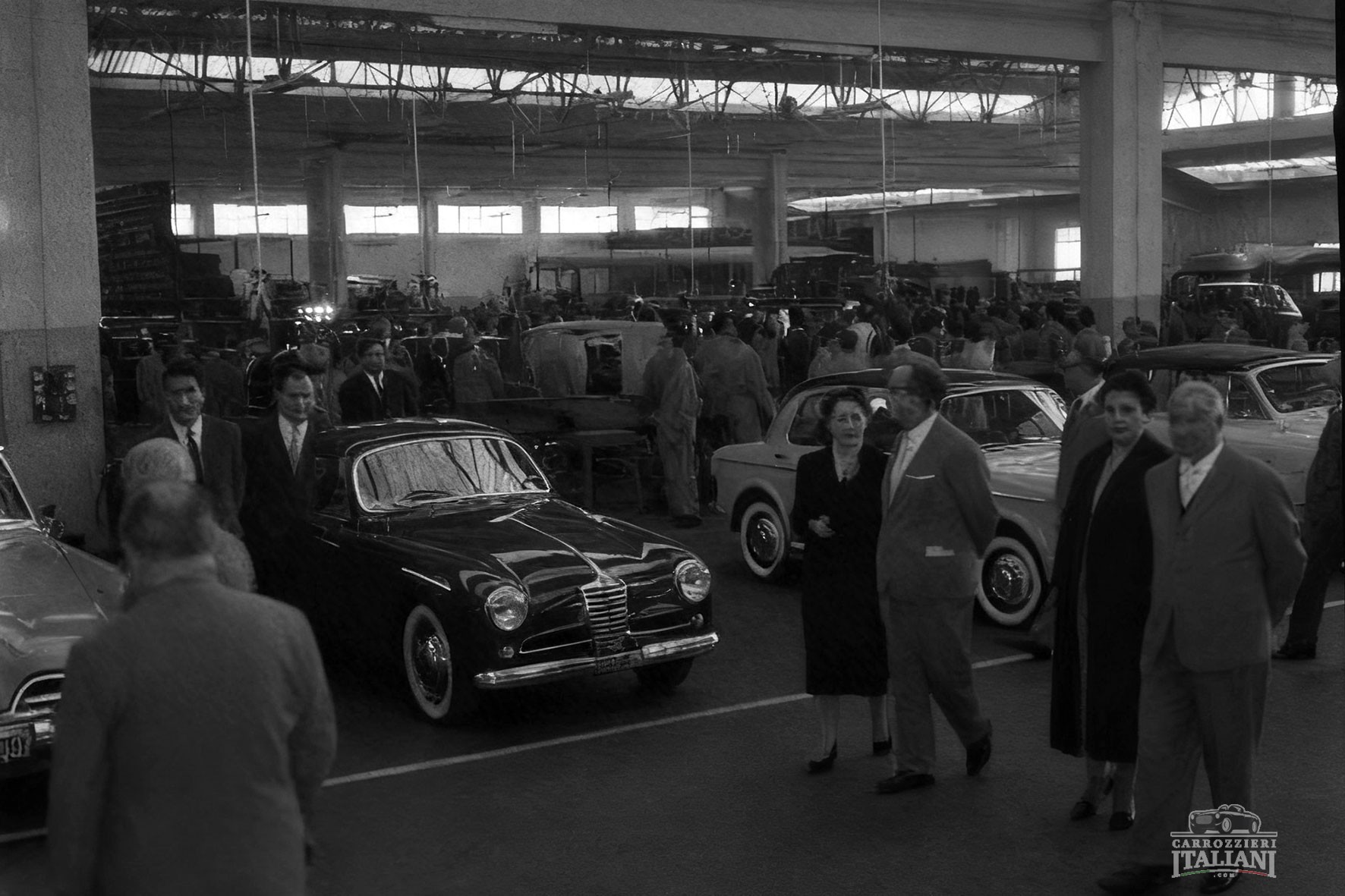
What made the new carrozzeria immediately interesting was the balance at its core. Mario brought the structure, the business instinct, and the relationships that had been built over two decades in Turin’s automotive world. Gian Paolo, by contrast, brought the visual language. Unlike his father, whose contemporaries famously remarked that he “couldn’t even draw a circle with a pencil,” Gian Paolo possessed genuine stylistic talent: proportion, line discipline, and the ability to create bodies that felt modern without chasing fashion. The company was therefore born not from a single auteur figure, but from a combination that was, in many ways, more effective — industrial intelligence paired with design sensibility.
The timing could hardly have been better. Italy was entering the years of the economic miracle, and the automobile was rapidly becoming an expression of status and aspiration as much as a means of transport. Coachbuilders still occupied a crucial place between industrial manufacturers and wealthy private clients, and Boano entered that space with impeccable timing.
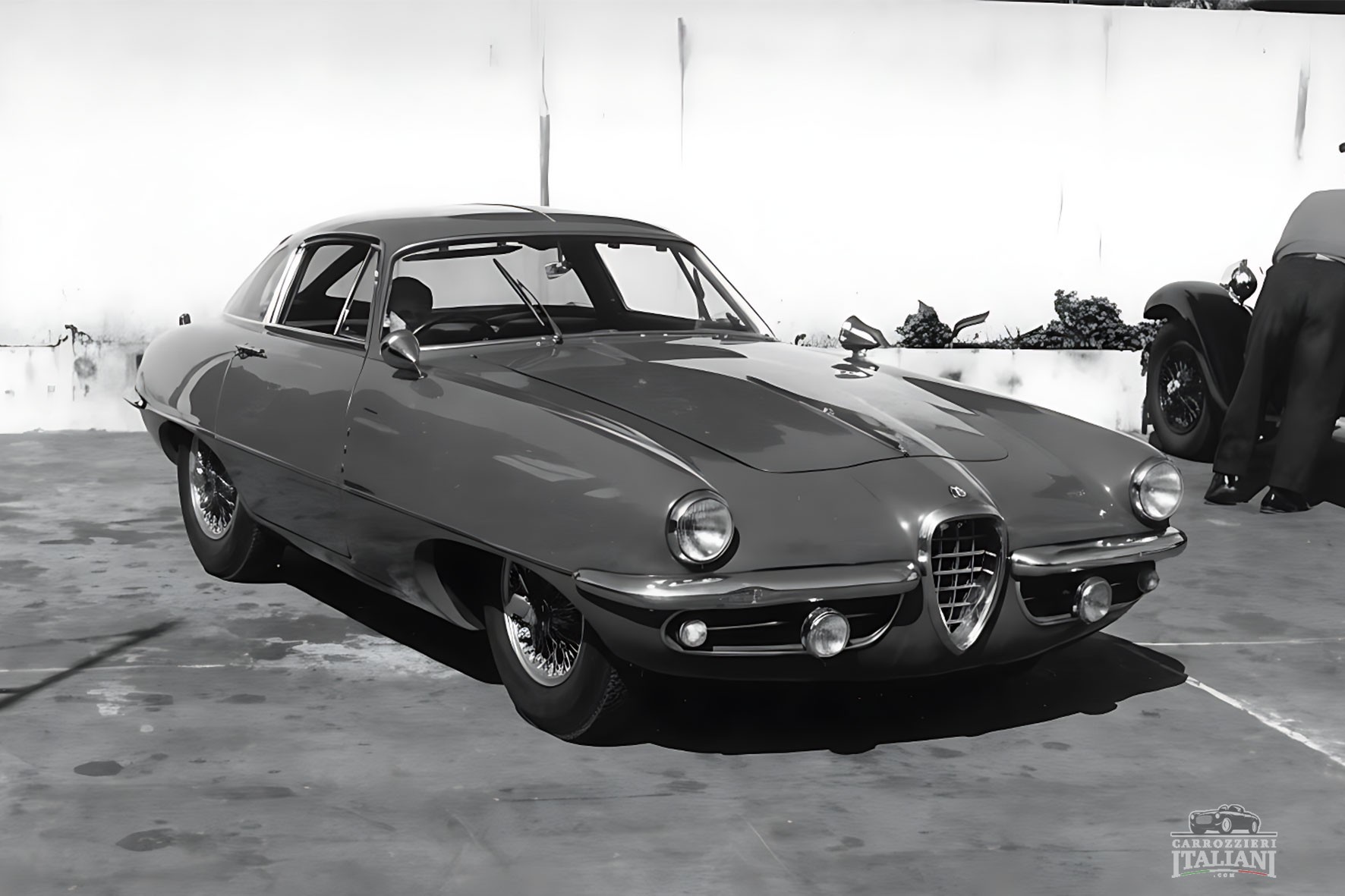
From the very beginning, the breadth of the workshop was evident. This was not a house defined by a single marque or a narrow design identity. One of the earliest and most significant creations to emerge in this first phase was the Alfa Romeo 6C 3000 CM Boano, the remarkable one-off originally built for Juan Perón, then President of Argentina. Rather than existing as an isolated showpiece, it perfectly represented what the young carrozzeria was capable of: blending prestige, performance and exclusivity into a car that carried both technical and political significance. Built on a Berlinetta Colli chassis, it was a dramatic grand tourer that reportedly exceeded 150 mph at Monza in the hands of Alfa Romeo’s test driver Consalvo Sanesi, a figure that underlined the seriousness of the machine.
The fact that such a commission came so early in the life of the company speaks volumes about Mario’s standing within the industry. This was not the kind of project entrusted to an untested workshop. It required trust, reputation, and the confidence that the finished car would reflect prestige at the highest level.
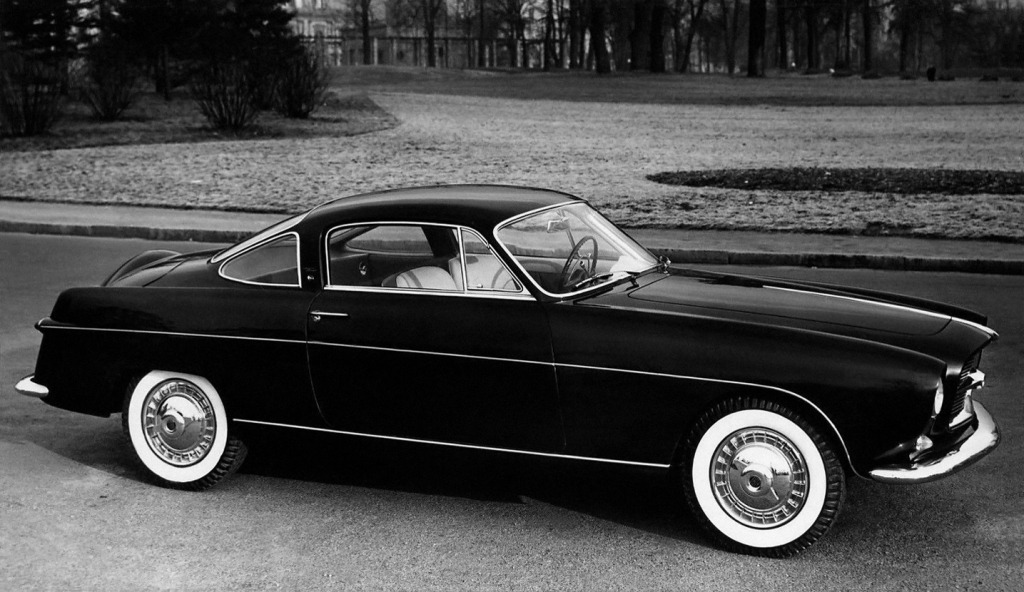
Alongside this high-profile Alfa came the Fiat 1400 Coupé Sport, a limited-production model that demonstrated another of Boano’s key strengths: the ability to elevate relatively conventional mechanical underpinnings into something genuinely desirable. This was one of the qualities that would come to define the workshop in its early years. Boano did not rely solely on spectacular one-offs; it also understood how to bring elegance and character to more accessible platforms.
This duality is what makes the early history of Carrozzeria Boano so compelling. On one side there were prestigious, almost symbolic commissions such as the Perón Alfa, cars that sat close to the worlds of politics and power. On the other there were beautifully resolved production-oriented coupés that reflected the optimism of a rapidly modernising Italy.
🔗 Read more: The History of Carrozzeria Ghia – Part 1
Already, the identity of the company was becoming clear.
This was not a house confined to Ferrari or Alfa Romeo, nor was it interested in building a reputation on a single halo car. It moved fluidly across brands and segments, guided by Mario’s strategic instinct and Gian Paolo’s eye for proportion. In that first year alone, Carrozzeria Boano established itself as a workshop capable of moving between exclusivity, speed, and elegance with remarkable ease, laying the foundations for the far richer and more varied story that would unfold in the years immediately following.
When Boano found its voice
If 1954 laid the foundations, 1955 was the year Carrozzeria Boano truly came alive. This is the point at which the workshop’s output becomes almost dizzying in both range and confidence, the sort of year that transforms a promising young carrozzeria into a name spoken with real respect in Turin, Milan, Paris and, increasingly, across the Atlantic. What had begun as a carefully positioned family enterprise in Grugliasco now started to reveal its full character: versatile, ambitious, and capable of moving effortlessly from sporting one-offs to high-concept dream cars, from compact Abarth specials to elegant grand tourers. It is, in many ways, the first year in which Boano stopped being simply new and started becoming important.
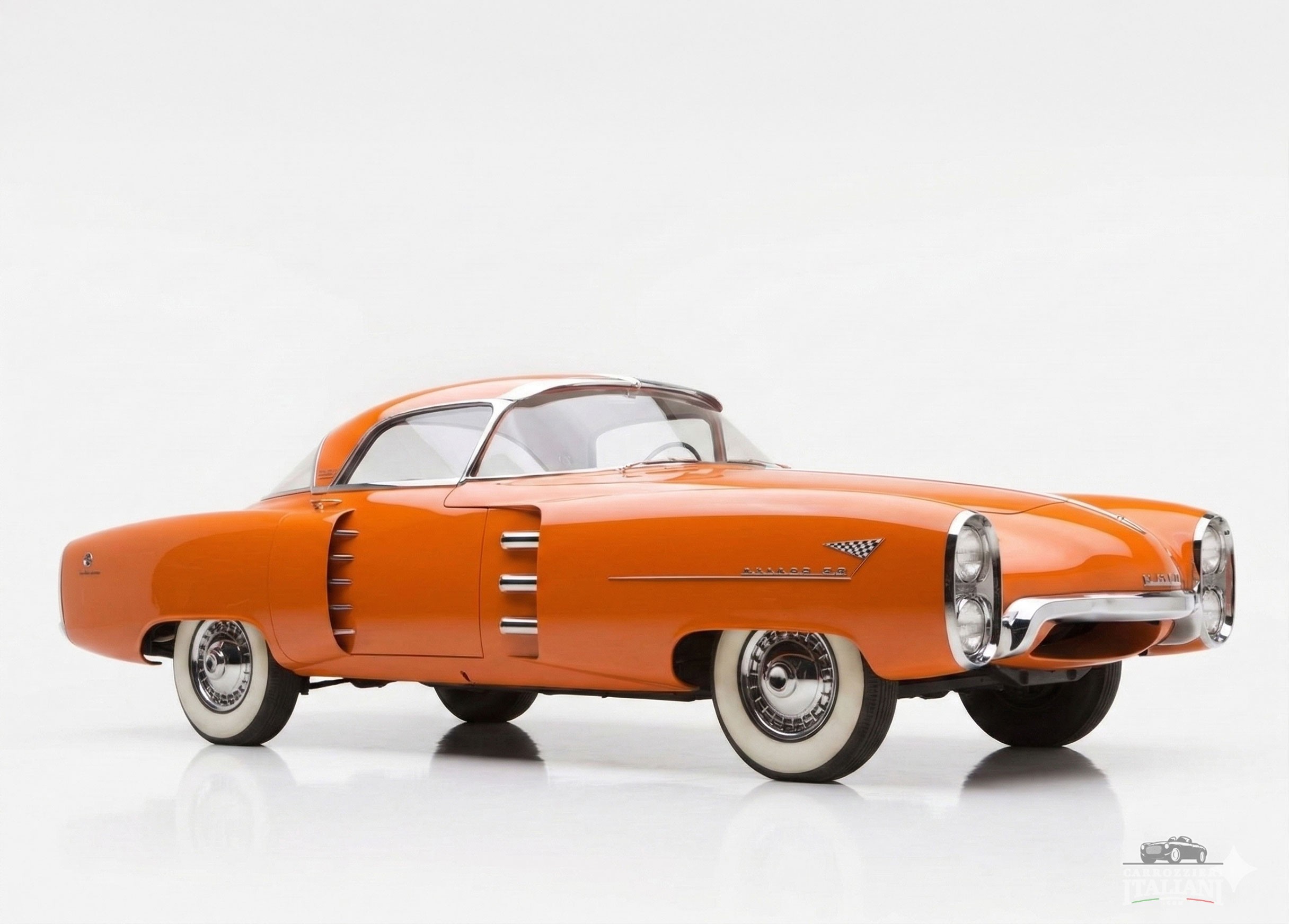
One of the most spectacular cars of the period was undoubtedly the Lincoln Indianapolis, a concept that still looks outrageous even today. Long, dramatic and almost aircraft-like in its stance, it perfectly captured the transatlantic fascination with speed, modernity and jet-age glamour that defined the mid-1950s. The proportions are almost theatrical: an endless bonnet, a cockpit set low and rearward, and a body that seems less sculpted than launched. It was exactly the sort of car that could only have emerged from that unique dialogue between American ambition and Italian style, a machine built not merely to move but to astonish. Even now it feels like something imagined for tomorrow and accidentally delivered seventy years early.
If the Lincoln represented Boano at its most visionary, the same year also revealed the workshop’s remarkable fluency in compact performance design through a series of Abarth-bodied specials that have since become cult objects among enthusiasts. The 207 A Spyder, 208 A Spyder, 209 A Coupé, and 210 A Spider arrived in rapid succession, and together they form one of the most energetic chapters in the company’s history. These were cars that felt restless even at a standstill. Small, taut, and full of mechanical intent, they perfectly embodied the spirit of post-war Italian sporting design: lightweight, agile, and visually charged with motion. There is something almost nervous in their stance, as if every line is under tension, waiting for the next straight road or hillclimb start.
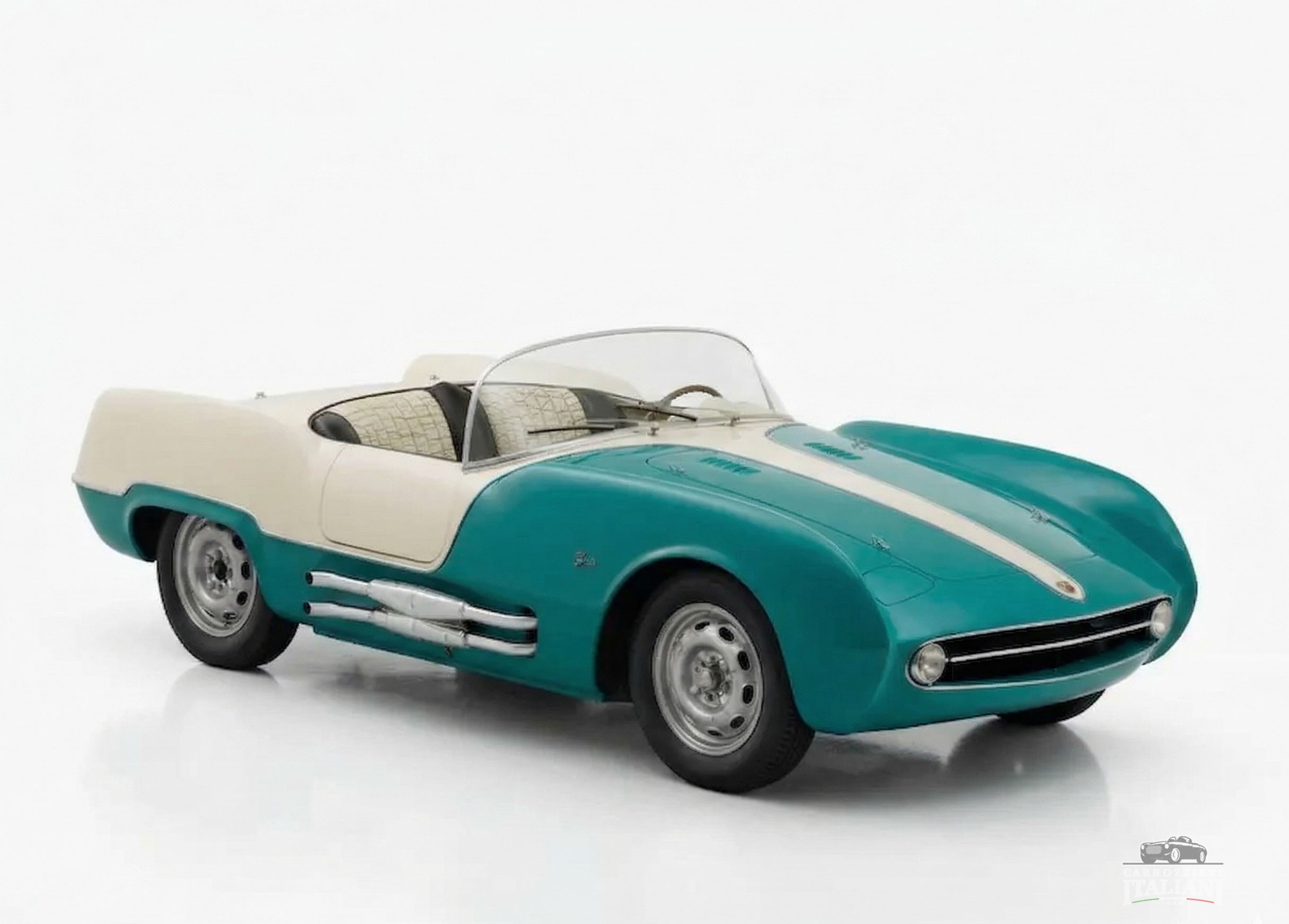
This was also the year in which Boano demonstrated that its strength did not lie solely in dramatic one-offs or concept cars. The workshop was equally capable of producing refined and highly resolved coachwork on more conventional bases. The Renault Abarth Frégate and the Alfa Romeo 750 Competizione are both excellent examples of this, showing how fluidly the company could move between different marques and different design languages without ever losing its own sense of proportion and elegance.
🔗 Read more: Elegance on Wheels: The Grand History of the Concours d’Elegance
Among all the cars of 1955, however, one deserves particular attention: the Alfa Romeo 1900 Primavera. This is not merely because it is beautiful — though it undoubtedly is — but because it represents the moment in which Boano’s work was publicly validated at the highest level. The Primavera was elegant in the most disciplined Italian sense of the word: restrained rather than ostentatious, modern without trying too hard, and proportioned with real intelligence. It was recognized as such in its own time, winning its class at the Concorso d’Eleganza di Campione d’Italia in 1954.
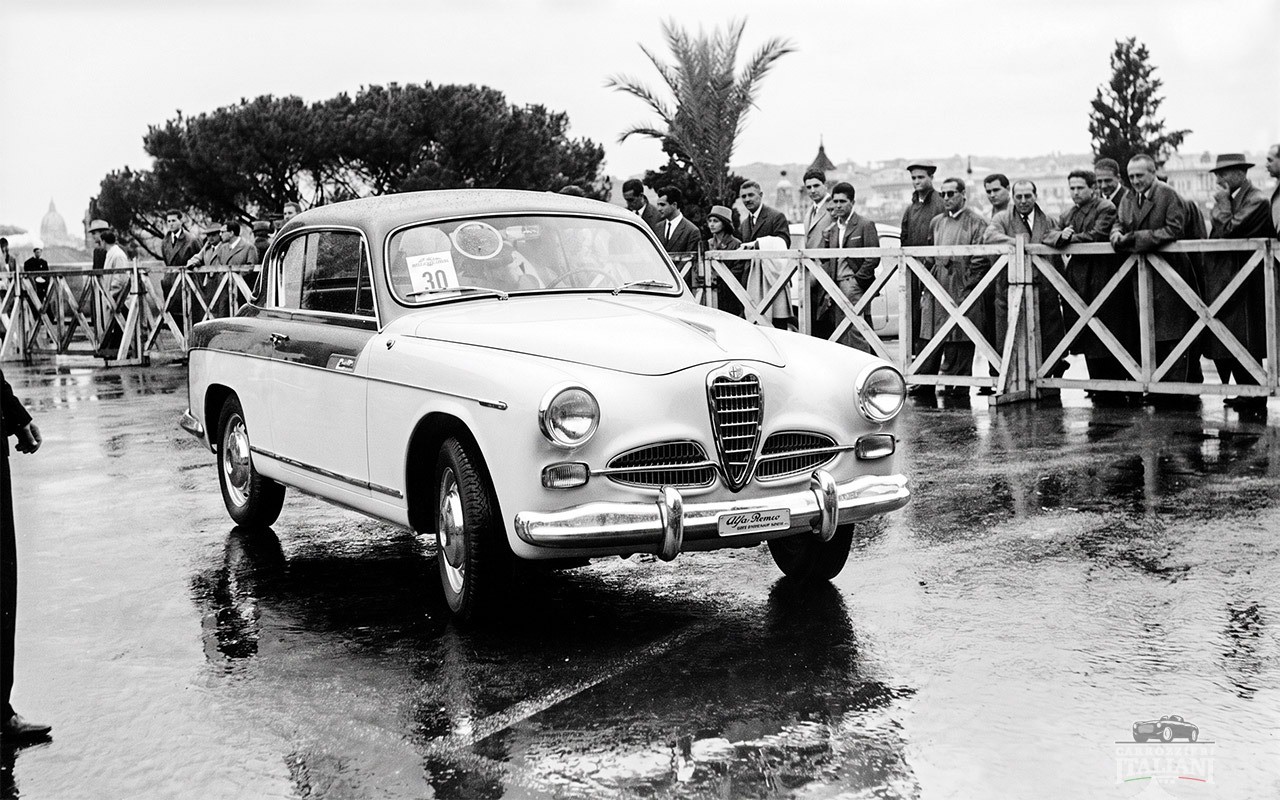
That matters enormously.
It reminds us that Boano was not simply producing curiosities or isolated specials for niche clients. It was producing cars that were being celebrated, judged and awarded in the most prestigious circles of the period. In other words, the workshop had already moved beyond the experimental phase and into genuine recognition.
And then there is the Jaguar XK140 Boano, perhaps one of the most fascinating one-offs in the workshop’s history, not least because it was commissioned by Raymond Loewy. When one of the most important industrial designers in the world chooses your workshop, you know you are doing something very right. That commission says more about Boano’s reputation than any retrospective praise ever could. Loewy, a man who understood proportion, image and modern design better than almost anyone of his generation, did not choose casually.
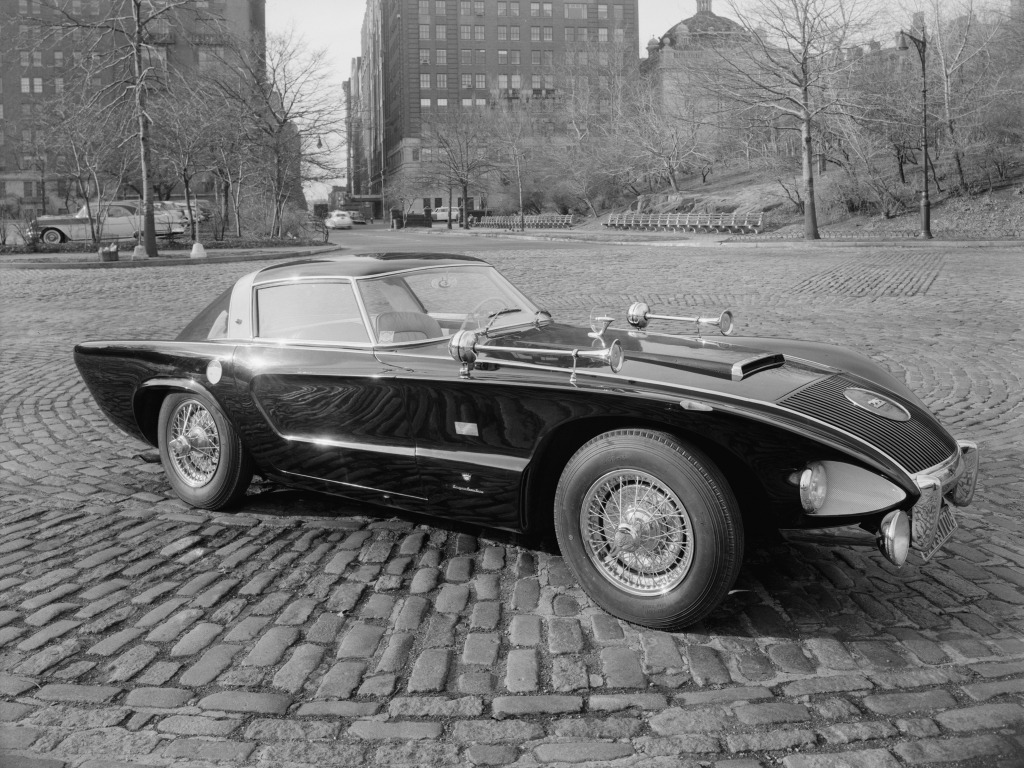
By the end of 1955, Carrozzeria Boano was no longer merely an emerging name in Turin’s crowded coachbuilding scene. It had become a serious player, a house capable of moving from American concept glamour to Italian sports minimalism, from concours-winning elegance to bespoke commissions for the most design-conscious clients in the world. This was the year the name stopped being a promise and became a reputation.
Ferrari, Agnelli and the years of prestige
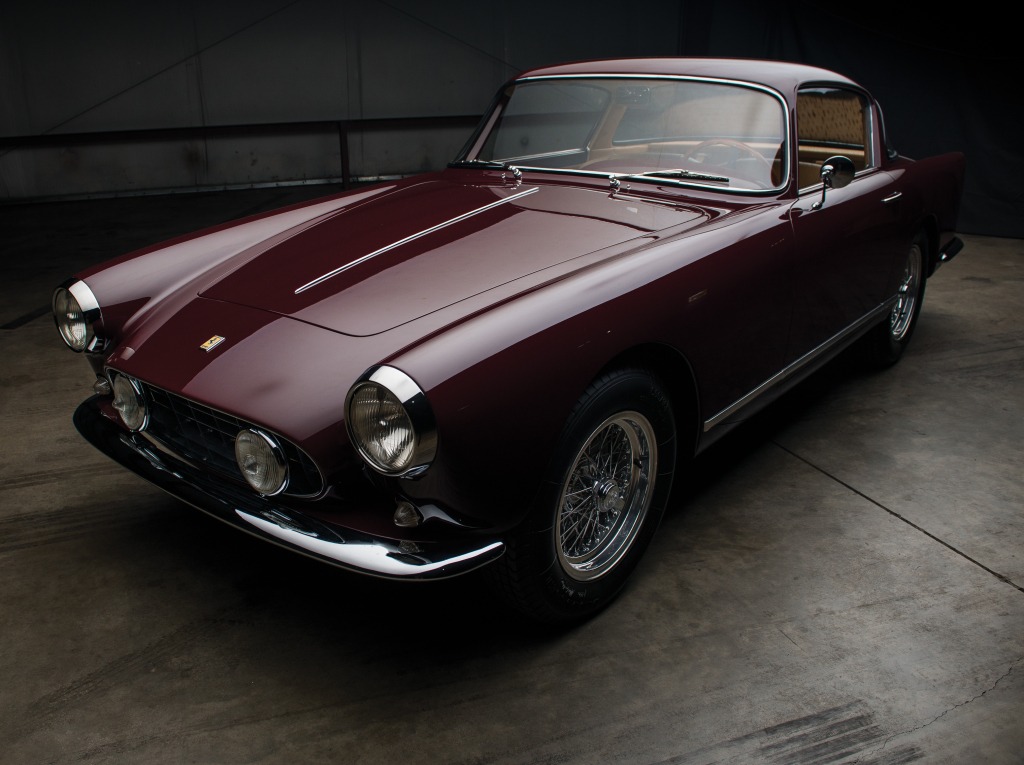
This is, inevitably, the chapter that many histories tend to overemphasize, because the moment the word Ferrari enters the story, perspective often narrows and everything else risks being pushed into the background. Yet while this phase absolutely deserves its place, it should be understood as part of a broader and far richer narrative rather than the sole defining moment of Carrozzeria Boano. By 1955 and 1956, the workshop had already demonstrated its versatility, elegance and technical credibility across multiple marques, and it was precisely that growing reputation that led to one of the most important commissions in its short but brilliant life: taking over part of the early production of the Ferrari 250 GT Coupé from Pininfarina.
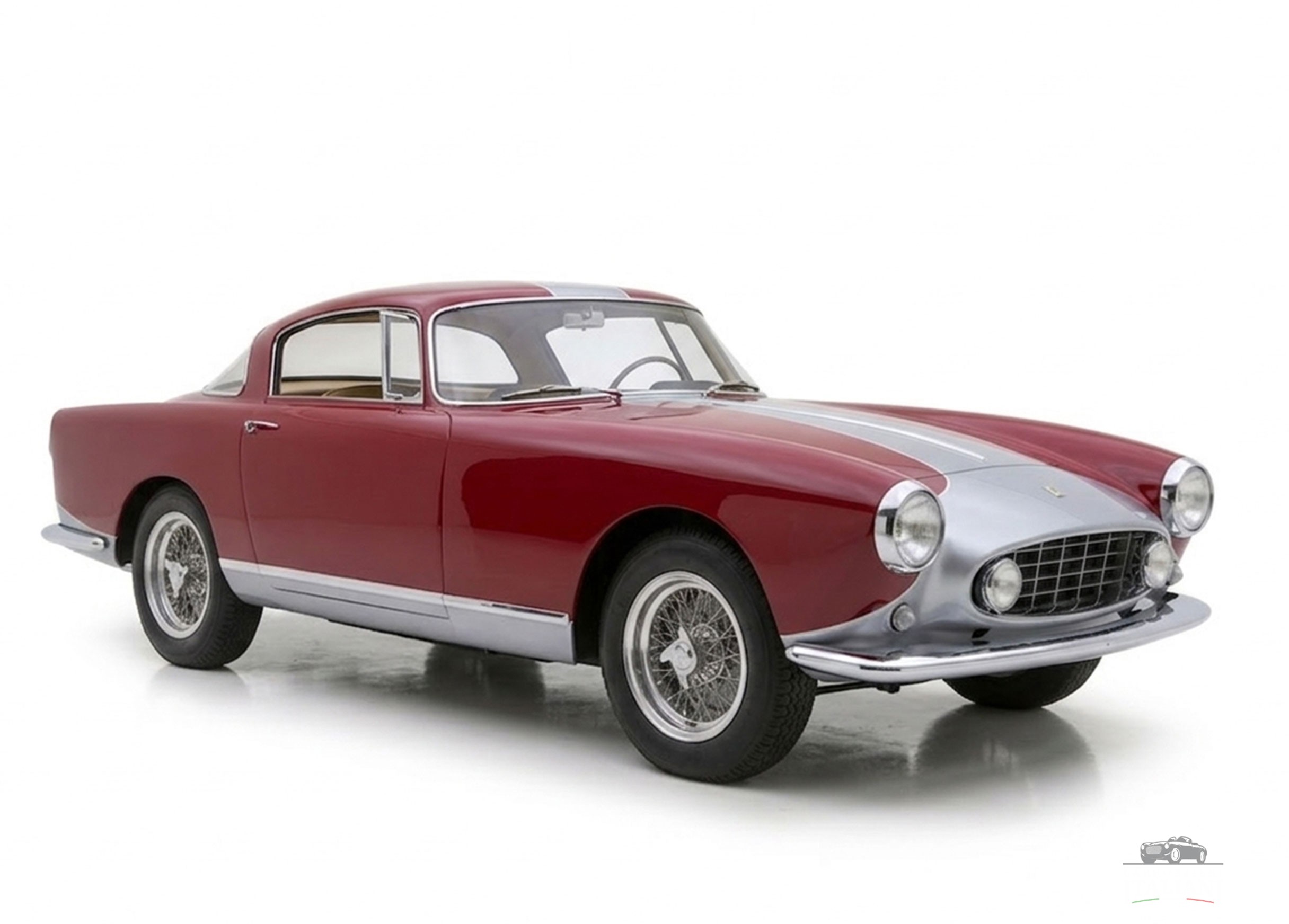
Yes, it is important. Yes, it is historically significant. But what makes it truly meaningful is not simply the Ferrari badge itself, but what it says about Boano’s standing within the industry. Ferrari did not entrust this work lightly. To be asked to contribute to the early production of one of Maranello’s most significant grand tourers meant that Boano had, in a remarkably short time, established itself as a carrozzeria capable not only of producing exquisite one-offs but of meeting the standards required by one of the most demanding manufacturers in the world.
Alongside the 250 GT Coupé came the Ferrari 250 GT Cabriolet, the 250 GT Speciale, and the 410 Superamerica, cars that helped cement Boano’s reputation among elite manufacturers and wealthy clientele alike. These were not simply prestigious commissions; they represented the workshop’s arrival in the upper echelon of post-war automotive culture, where exclusivity, speed and elegance converged.
Yet what makes this period particularly fascinating is that, even while working with Ferrari, the workshop never lost its appetite for the unusual, the bespoke and the faintly eccentric.
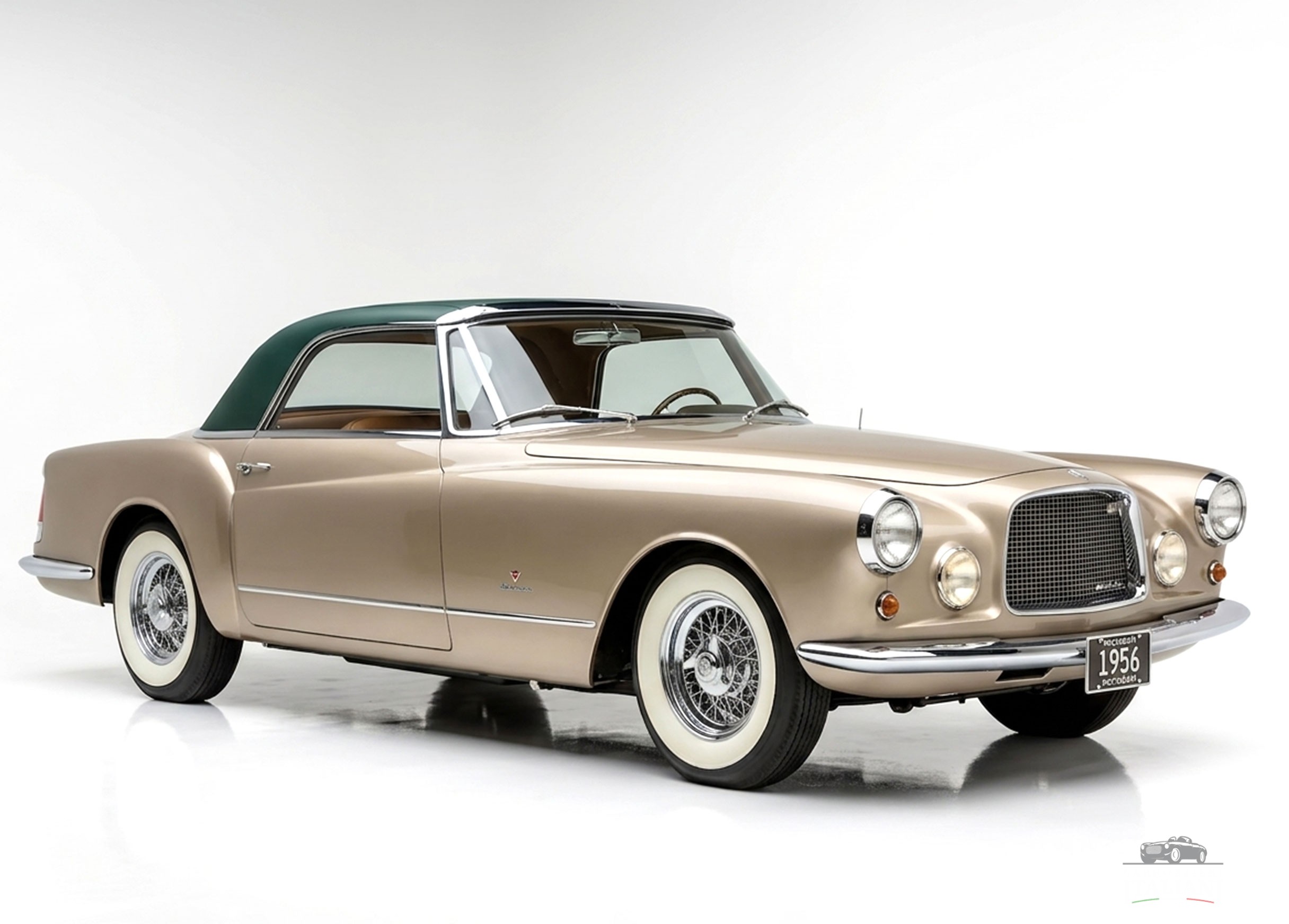
At the very same time, Boano was also producing some wonderfully individual one-offs, and among them the most famous is almost certainly the Chrysler 300B built for Gianni Agnelli.
And here comes one of those details that makes automotive history feel genuinely alive.
🔗 Read more: The Chrysler 300B Boano: the Avvocato’s american one-off
The car was delivered without Chrysler badging, because within Fiat it was effectively forbidden for Agnelli to be seen driving a non-Fiat-branded automobile. It is one of those perfectly absurd, deeply Italian anecdotes that captures the atmosphere of the period better than pages of corporate history ever could. The idea that one of the most powerful industrial figures in Europe could own an American grand tourer, but only if its identity was discreetly erased, is so wonderfully theatrical that it deserves to be retold every single time.
It also says something important about Boano’s clientele. This was no longer simply a workshop serving collectors and enthusiasts; it was operating in the orbit of presidents, industrial dynasties and global elite figures. The company had become a trusted name for clients who wanted something unique, elegant and discreetly powerful.
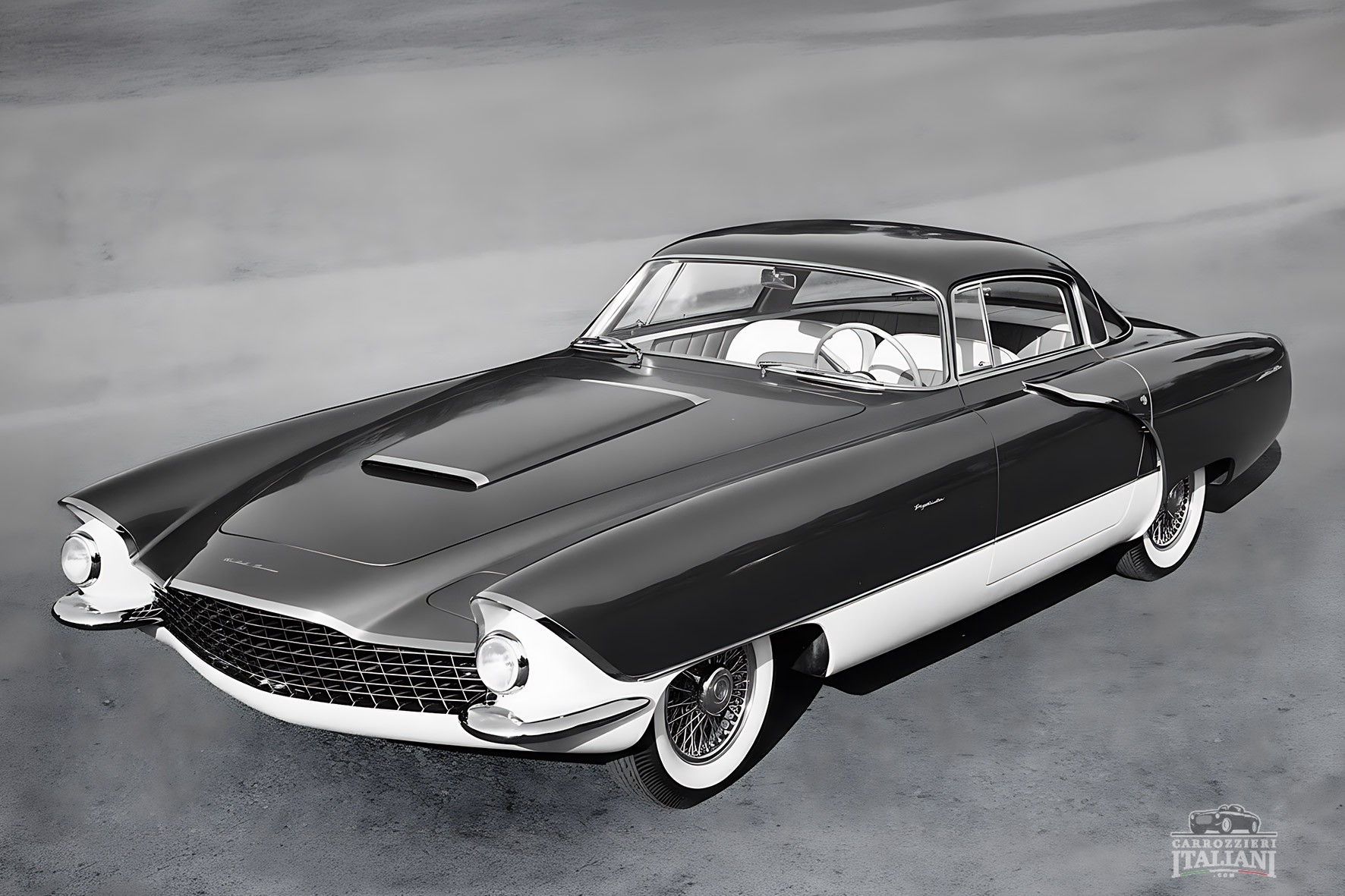
The Chrysler Corsair followed in 1956, further proving the level of international prestige Boano had achieved. At this point the workshop was moving effortlessly between Ferrari grand tourers, American dream-car commissions and bespoke cars for the Agnelli circle, all while maintaining a stylistic consistency rooted in proportion and presence.
This was no longer merely a local Turin workshop.
This was a name recognized across Europe and America, a carrozzeria whose reputation had extended far beyond Piedmont and whose cars were beginning to embody a broader idea of post-war luxury and performance.
By the end of this period, Boano had achieved something extraordinary in a remarkably short span of time: it had become a house equally comfortable building for Maranello, for Detroit and for the most powerful family in Italian industry.
Fiat specials, the Spiaggina, and the transition to Ellena
One of the most charming and, too often, overlooked aspects of the Boano story lies not in the world of Ferrari V12s or presidential one-offs, but in its relationship with Fiat’s smaller cars, because if the earlier chapters show the workshop’s ability to operate at the highest levels of prestige, this final phase reveals something equally important: its understanding of the new Italy that was beginning to emerge. Like many of the great Italian carrozzieri of the 1950s, Boano quickly realized that the Fiat 600 was a perfect canvas for reinvention. It was compact, modern, mechanically straightforward, and — most importantly — it sat at the heart of a country that was becoming mobile for the first time on a truly mass scale.
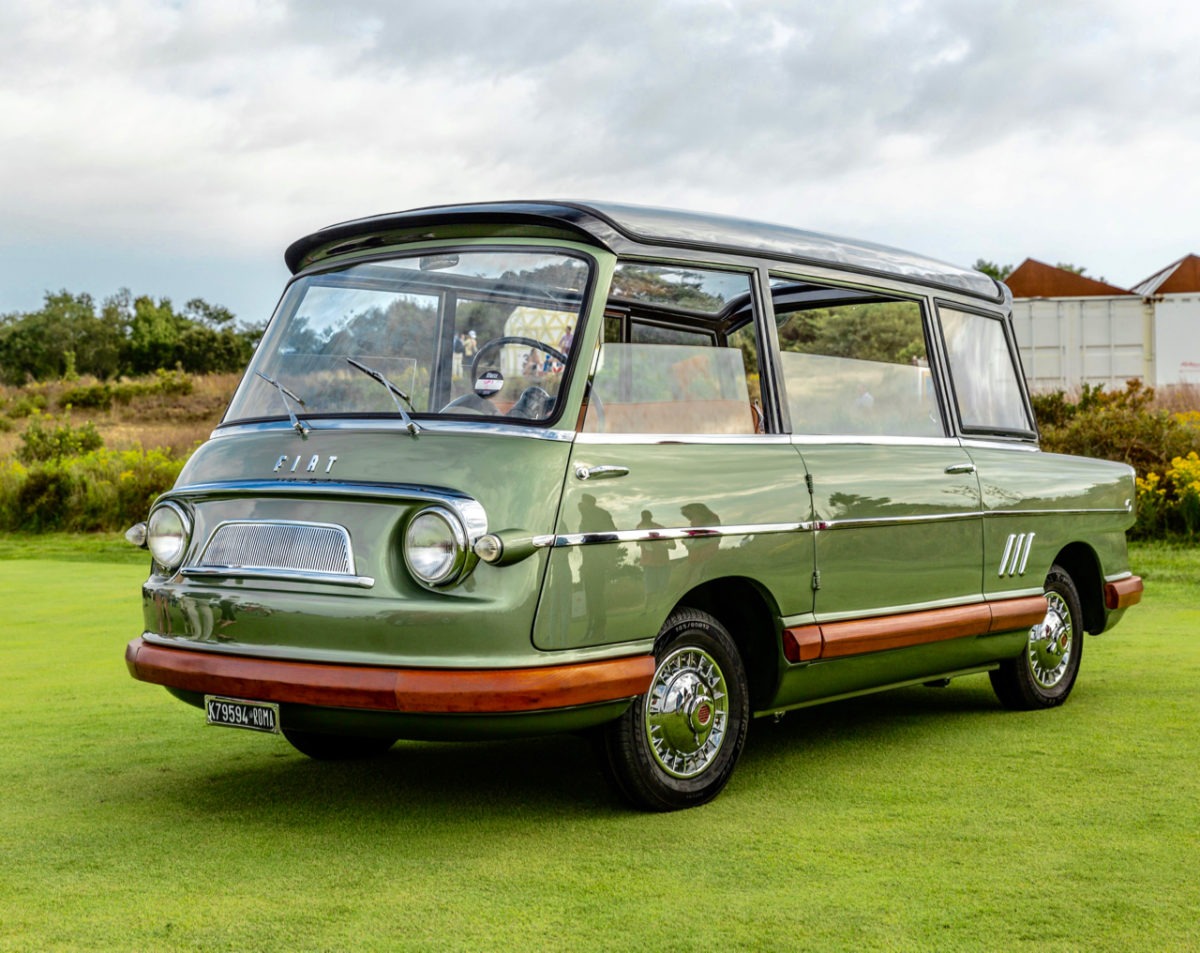
From this intuition came a series of wonderfully imaginative derivatives: the Fiat 600 Coupé, 600 Elegance, 600 Mirafiori, and later the 600 Torpedo Marina. These were not merely styling exercises or vanity projects. They matter because they reflect a profound social shift. This was no longer just a country of aristocrats, industrialists and heads of state commissioning V12 grand tourers. This was a country in motion, a nation rebuilding itself economically and culturally, where mobility was becoming democratic but style remained deeply important. In that sense, Boano understood something fundamental about Italy in the second half of the 1950s: people did not want merely transportation, they wanted aspiration.
🔗 Read more: La dolce vita: the Spiaggina beach cars
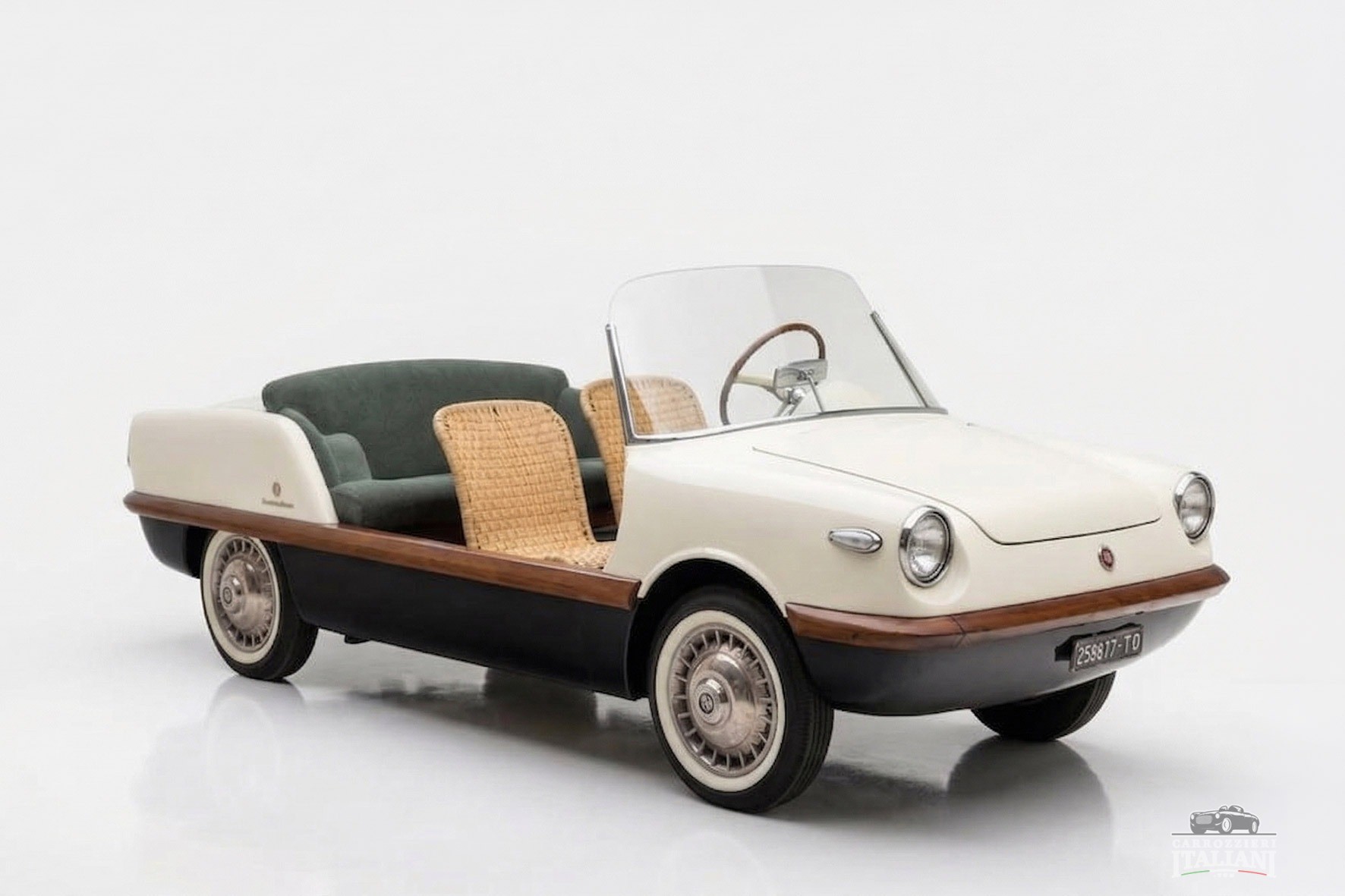
And nowhere is that spirit more perfectly captured than in the Fiat 500 Spiaggina Boano, produced in small series by Carrozzeria Savio under license. It is almost impossible to imagine a more complete expression of 1950s Italian glamour. The car is not simply a vehicle; it is a scene. Beach clubs on the Riviera, polished wooden jetties, linen shirts, polished loafers, sunglasses, the smell of salt in the air and the sea glittering beyond a row of parasols. The Spiaggina distills an entire lifestyle into four wheels and a few square feet of coachwork, and in doing so it perhaps says as much about the Italy of the period as any Ferrari ever could.
Yet, almost as quickly as it had arrived, the Boano chapter as an independent company came to an end.
After just three years, the workshop closed, and the remaining Ferrari 250 GT units passed to Carrozzeria Ellena, led by Mario’s son-in-law Ezio Ellena. On paper, this could be read as an ending, but that would be too simplistic and, frankly, not quite true.
This was not an ending in the tragic sense.
It was a transformation.
The workshop did not disappear so much as evolve into the next phase of its story, with the Ellena name carrying forward part of the production and spirit that Boano had established. More importantly, Mario himself did not step away from the automotive world. Instead, he moved to Fiat under the leadership of Dante Giacosa, where he contributed to the styling department and later to projects connected with the Simca 1000, bringing with him decades of experience in coachbuilding, industrial organization and design culture.
Then came one of the most fitting transitions of all.
In 1959, Gian Paolo Boano succeeded him as head of Fiat’s Centro Stile, remaining there until 1988. In many ways, this moment perfectly encapsulates the legacy of the Boano family: Mario, the man who built the framework, and Gian Paolo, the man who gave it form. The independent carrozzeria chapter may have ended, but the Boano influence on Italian automotive design continued for decades within one of the most important manufacturers in Europe.
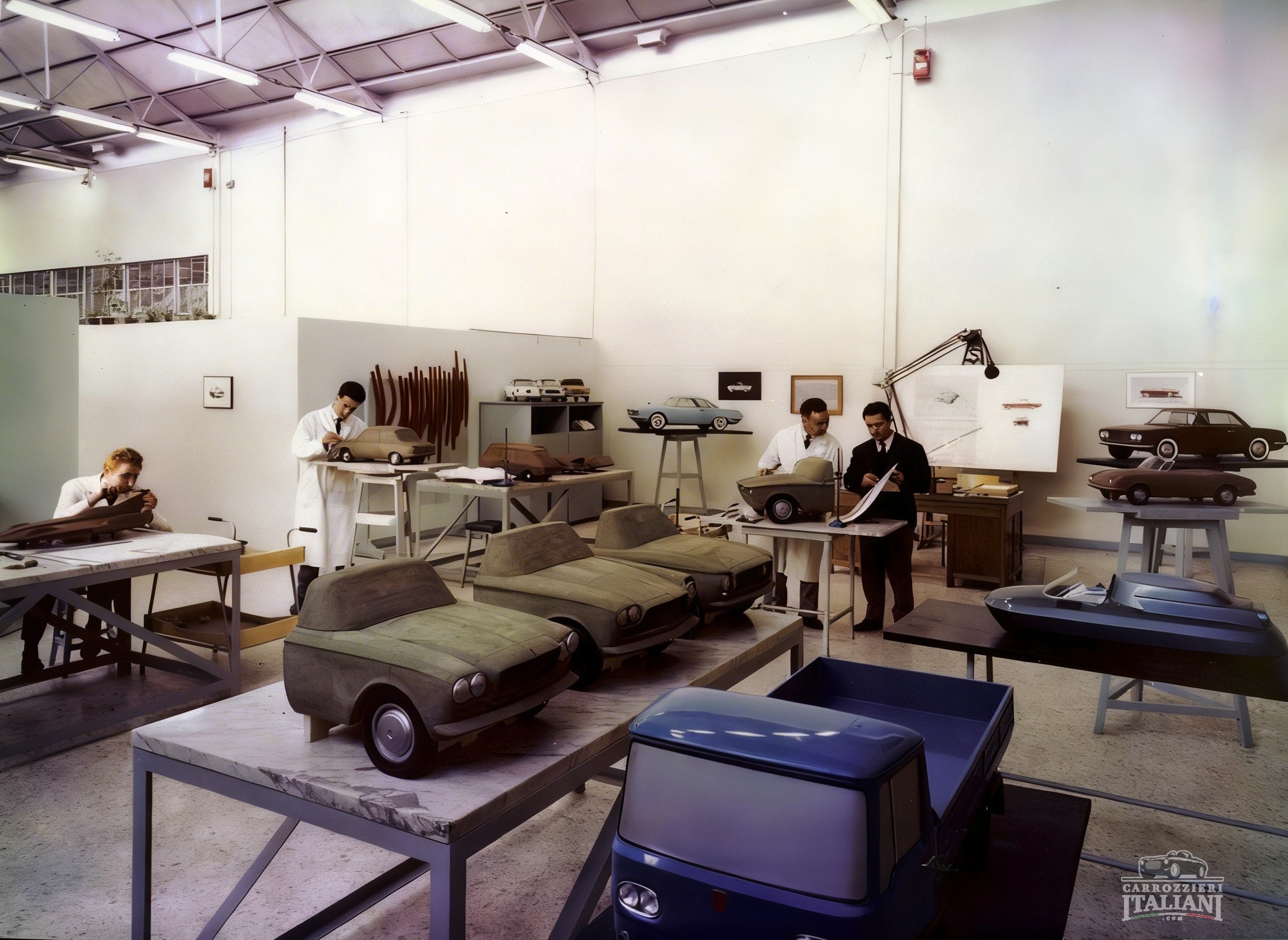
Mario retired in 1966 and died in 1989.
And perhaps that is the perfect final image with which to leave his story.
Not the myth of a solitary designer with a pencil in hand.
But the far more compelling figure of a man who, despite not being able — as many contemporaries joked — to draw even a circle, built one of the most fascinating chapters in Italian automotive history by understanding exactly how talent, craftsmanship and opportunity needed to come together.
That, in the end, is the true legacy of Mario Boano.

ABOUT THE AUTHOR
Andreas Scheidl
Italian classic car enthusiast with German roots. Renowned as a respected figure in the classic car community, he serves as a jury member at various international concours d'elegance, including the Classic Gala Schwetzingen and Mantova. As a content creator, Andreas passionately shares his profound knowledge and appreciation for vintage automobiles. His heart beats for cars designed by Giovanni Michelotti, showcasing his discerning taste and dedication to preserving the timeless elegance of automotive history.
More stories by Andreas Scheidl ↗CONTINUE READING
Posts You Might Like
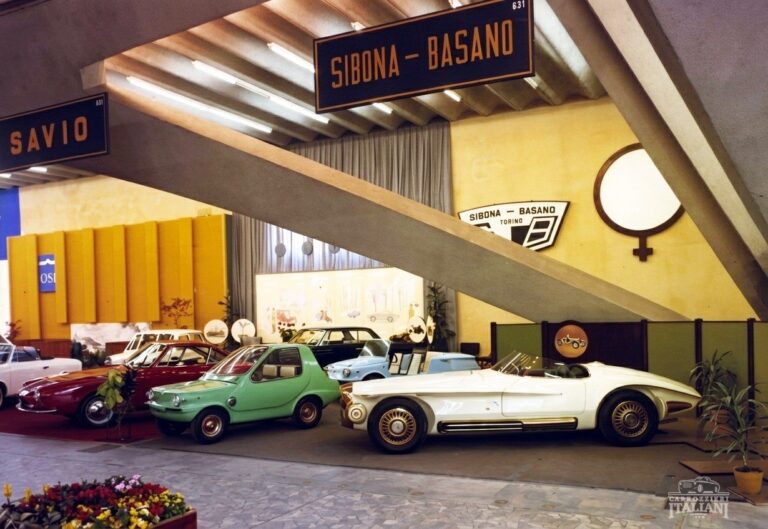
Sibona & Basano: The Turin Workshop Behind Abarth, Exner and Autonova
For a brief period in the 1960s, Sibona & Basano occupied a distinctive position in Turin's coachbuilding industry, constructing competition bodies, prototypes and experimental cars for Abarth, American designers and some of…
Read story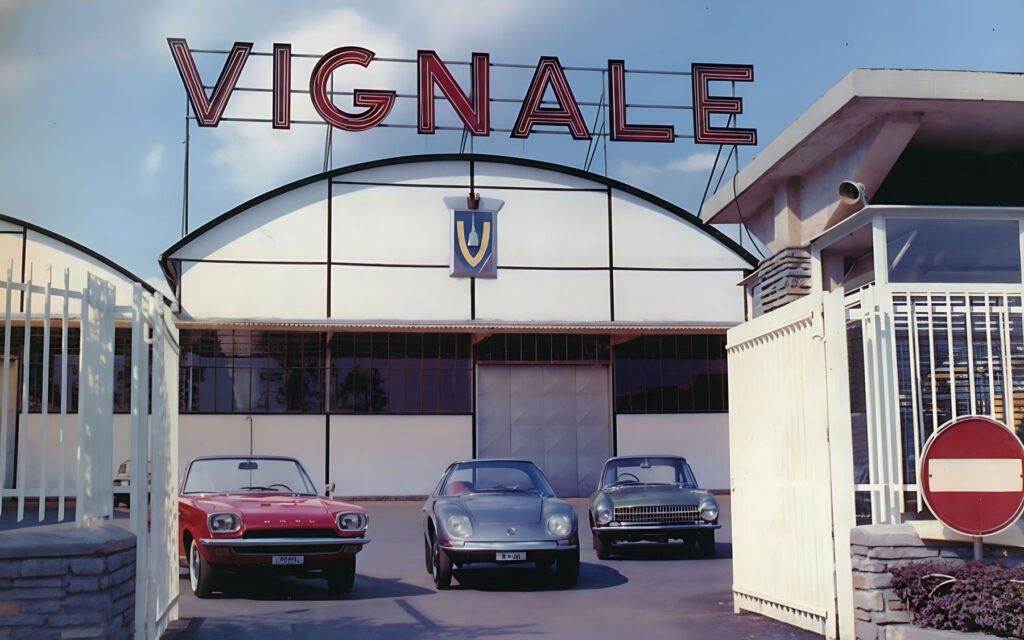
The Story of Carrozzeria Vignale
The story of Carrozzeria Vignale represents one of the many somewhat forgotten success stories born against the backdrop of an Italy that was torn apart by the Second World War and which,…
Read story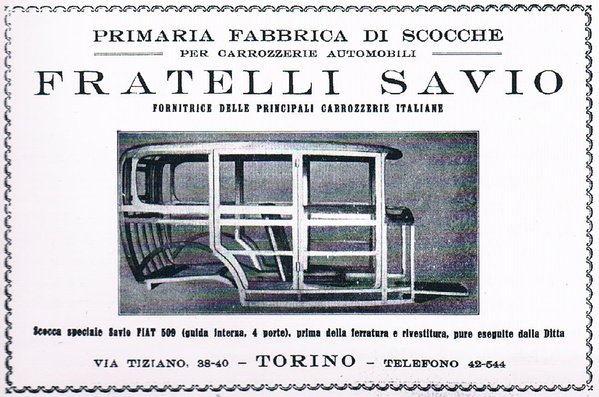
Carrozzeria Savio: The History
From early Fiat specials to the Jungla, Delta S4 and Italdesign Aztec, the story of Carrozzeria Savio is far richer than many remember.
Read story
Carrozzeria Coggiola: The Untold Story of Turin’s Hidden Coachbuilder
Discover the story of Carrozzeria Coggiola, the discreet Turin coachbuilder behind some of the most striking concept cars of the 20th century. From Saab and Volvo to Chrysler and Mercedes, its hidden…
Read story
THE CONVERSATION
Comments 0
Share a memory, a period photograph or a documented detail about this story.