
The Last Dream of the Alfa Six: Alfa Romeo 2600 SZ
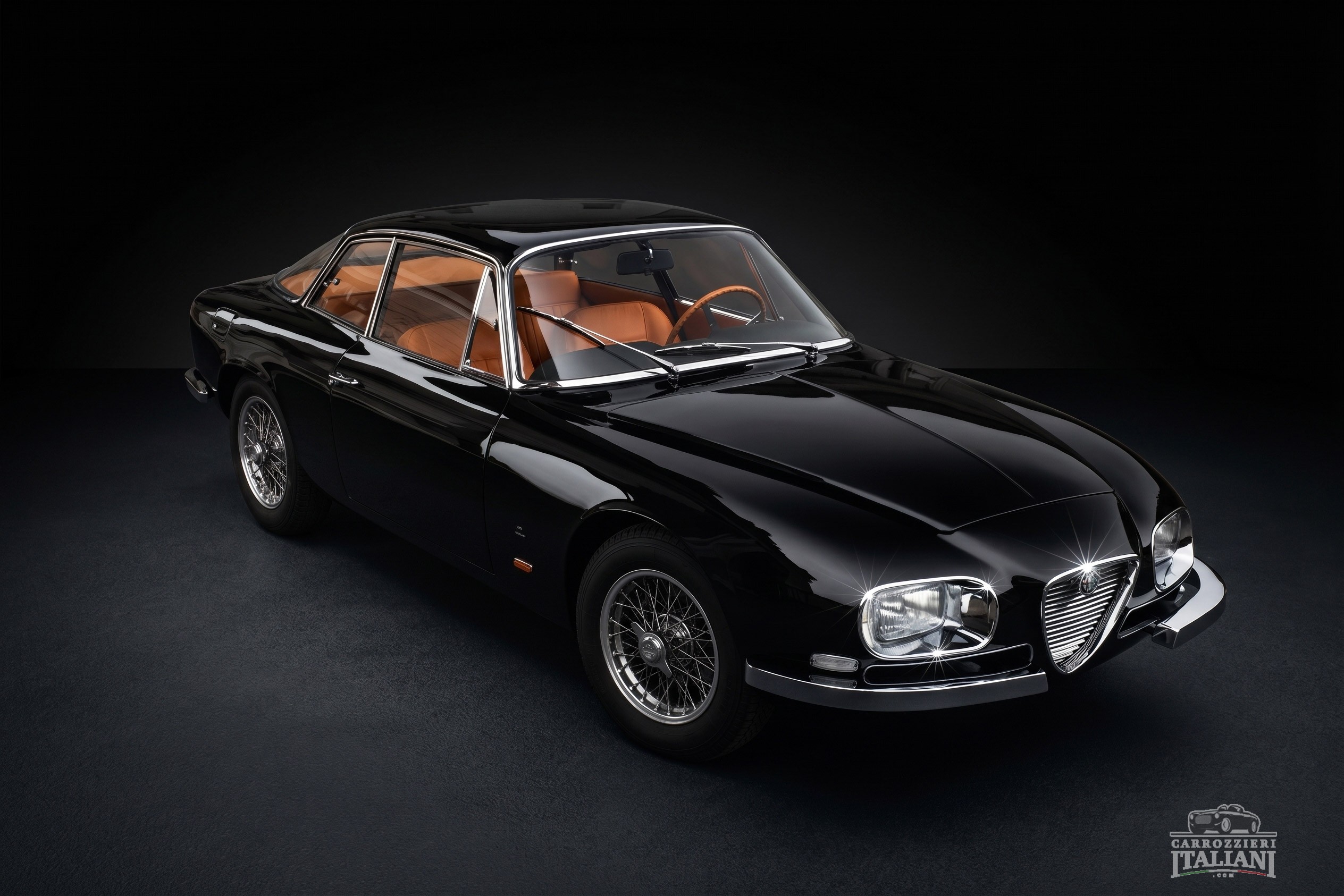
How Ercole Spada and Zagato turned Alfa Romeo’s grand six-cylinder coupé into one of the strangest, rarest and most revealing GTs of the 1960s
A shape that refuses to behave
There are Alfa Romeos that explain themselves at first glance. A Giulietta Sprint is immediately elegant. A Giulia TZ looks as though it wants to leave the room before you have finished looking at it. The 2600 SZ is different. It makes you work.
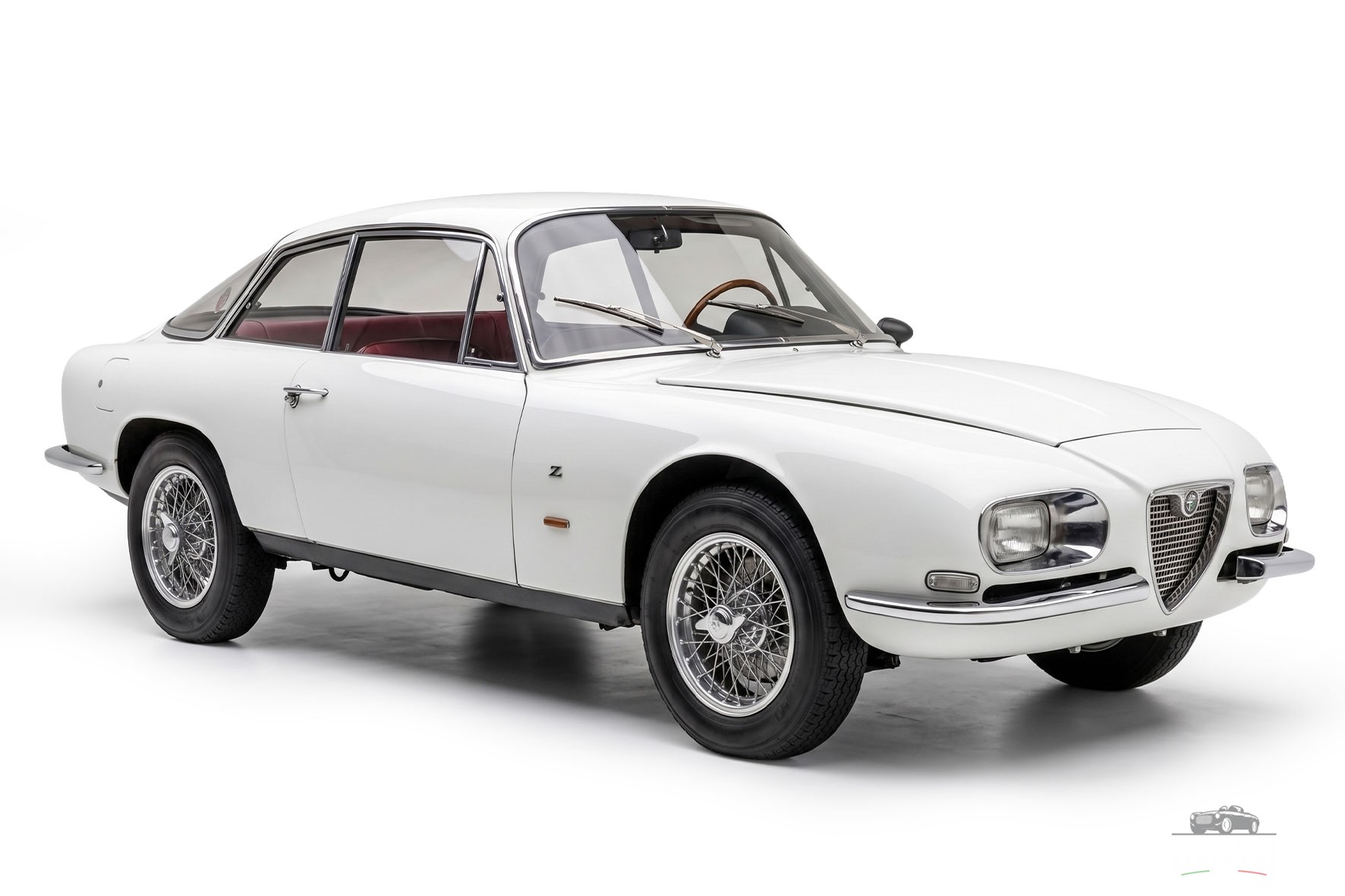
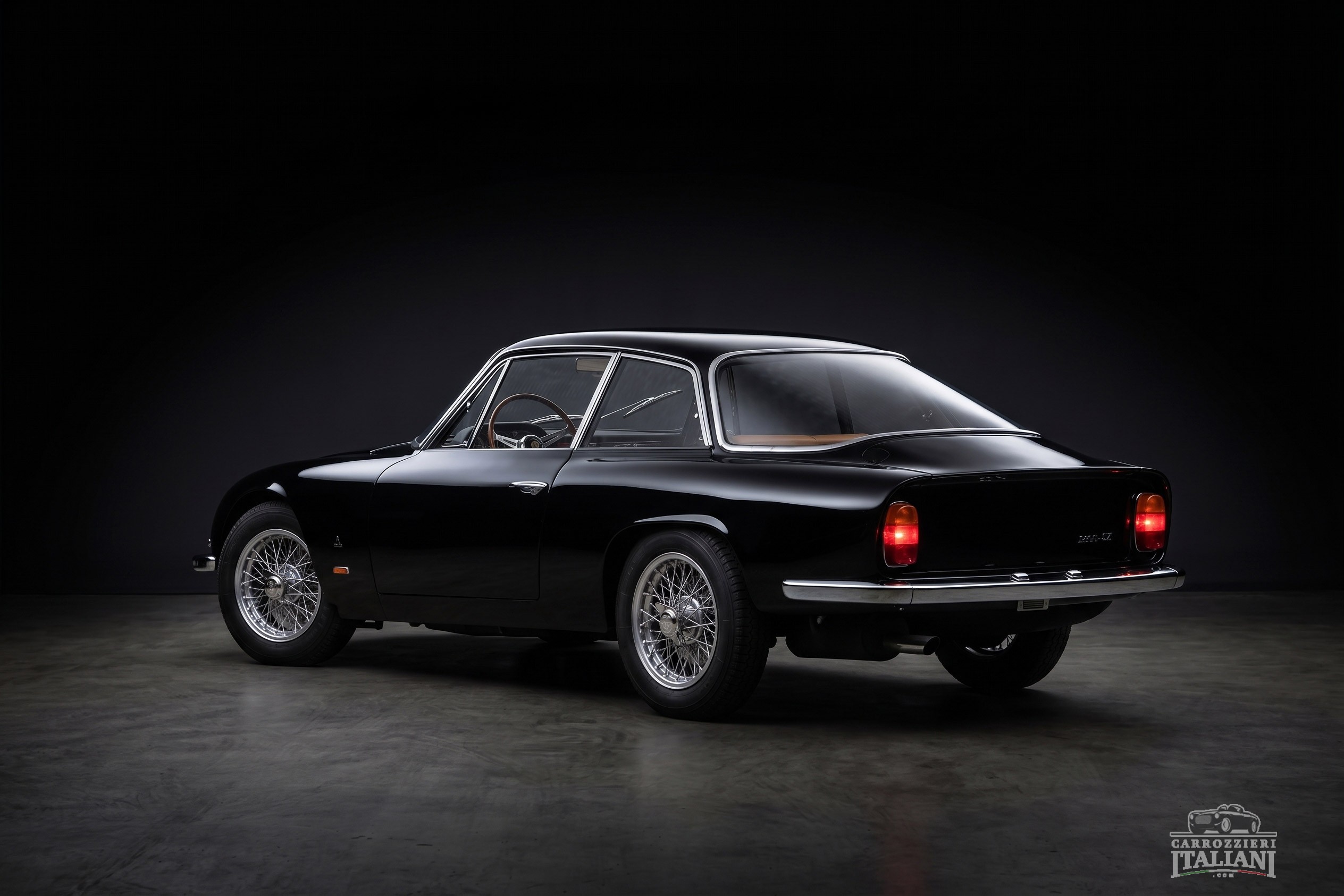
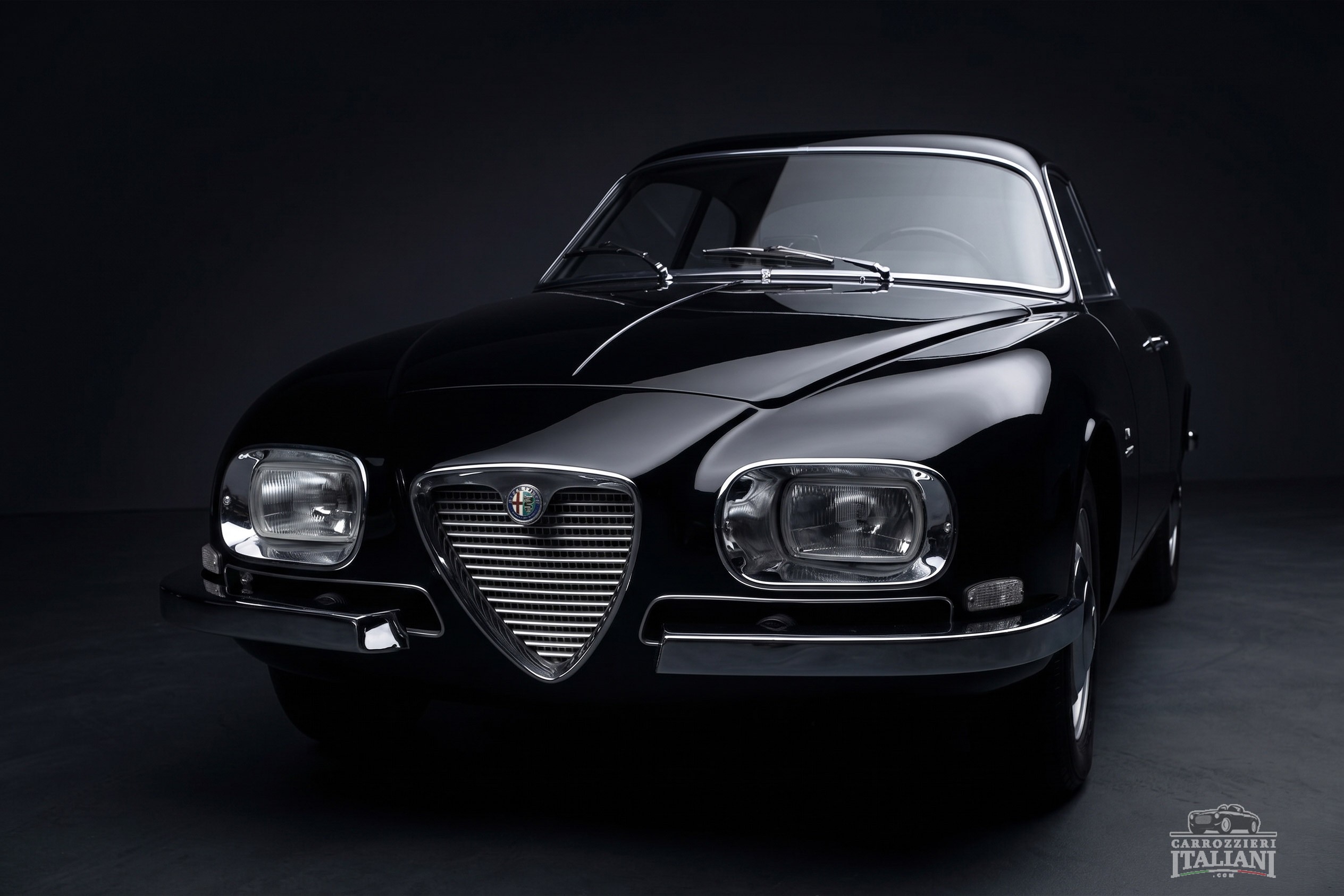
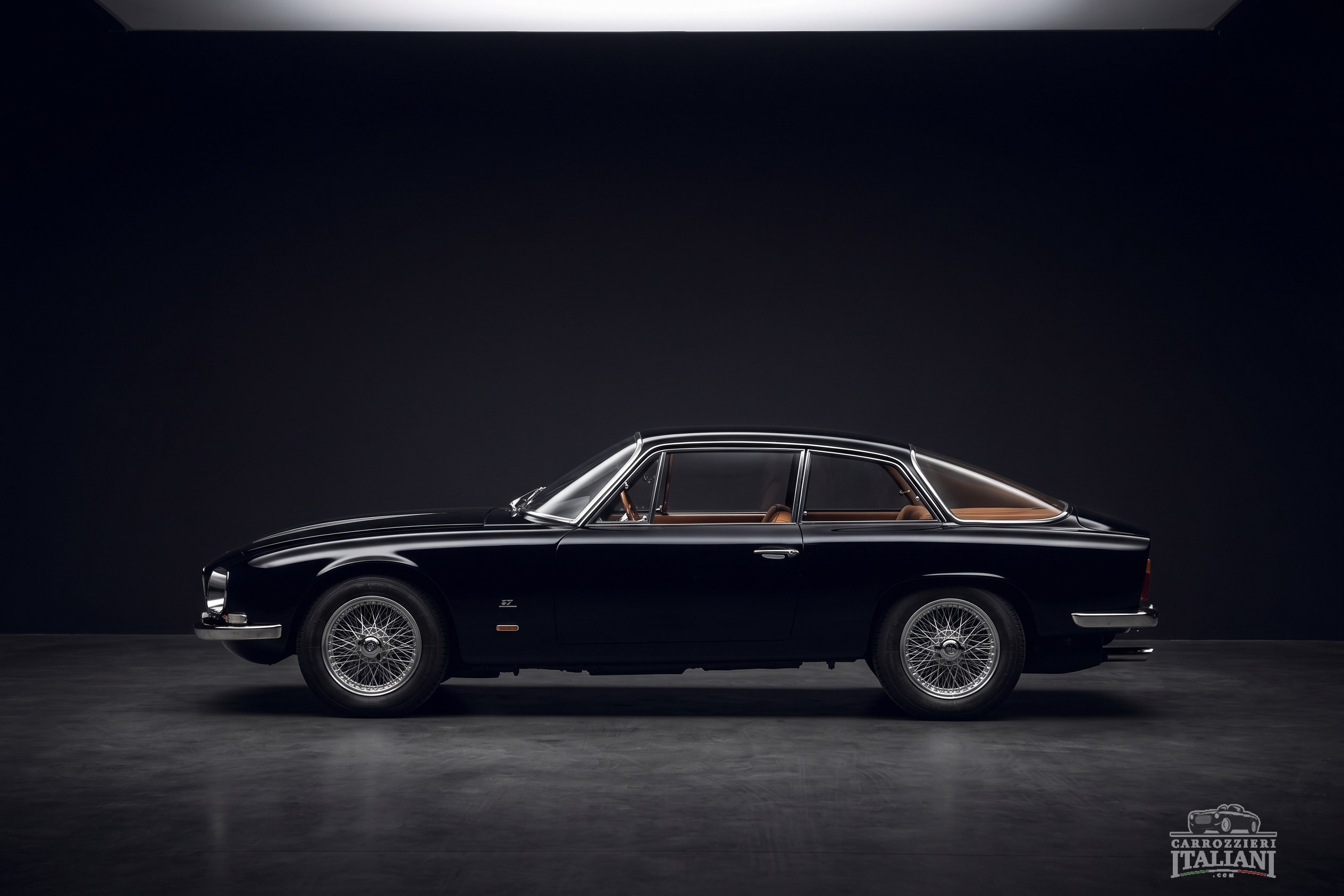
The front is almost confrontational. The Alfa shield is not merely large; it seems to have swallowed the grille around it. The roof is low, the side glass broad, the rear cut short with none of the graceful taper one might expect from an expensive Italian Gran Turismo. Even today, parked beside a Bertone 2600 Sprint, the Zagato looks less like a derivative than like a disagreement.
That is exactly what makes it interesting.
By the time the definitive car appeared at Frankfurt in 1965, Alfa Romeo’s big six-cylinder range was already living on borrowed time. The 2600 had been introduced three years earlier with all the ingredients expected of a flagship Alfa: a 2.6-litre twin-cam straight-six, a five-speed gearbox, disc brakes and three distinct bodies. There was the sober Berlina, Touring’s open Spider and Bertone’s handsome Sprint. The Sprint in particular looked every inch the sophisticated continental coupé.
Zagato was asked to do something else.
The company in Terrazzano di Rho had spent the first half of the decade making Alfa Romeos smaller in spirit even when their dimensions remained unchanged: lighter, tighter, more aerodynamic, less interested in conventional beauty. Ercole Spada, then still a young designer, had already helped give the Giulietta SZ its abbreviated tail and was working in the same creative atmosphere that produced the Giulia TZ. On the 2600, however, there would be no tubular racing chassis and no homologation target. There was simply Alfa Romeo’s largest road-going engine, a shorter platform and the freedom—or problem—of finding a new shape for it.
The result became one of the most unusual production Alfas of the decade, and one of the last occasions on which the old world of the Italian carrozzeria could take a major manufacturer’s flagship mechanical package and send it back looking almost unrecognisable.
Before the SZ, there was a Spider underneath
The name “2600 Sprint Zagato” has always encouraged a convenient misunderstanding. It sounds like a Bertone Sprint stripped of its body and given another. Alfa Romeo’s own historical material tells a different story.
The Zagato prototype used the shortened 2,500 mm wheelbase of Touring’s 2600 Spider, not the longer 2,580 mm platform of the Bertone Sprint. In a car whose engine and front structure already occupied substantial space, those eight centimetres mattered. They changed the relationship between bonnet, cabin and rear overhang before Spada drew a single line.
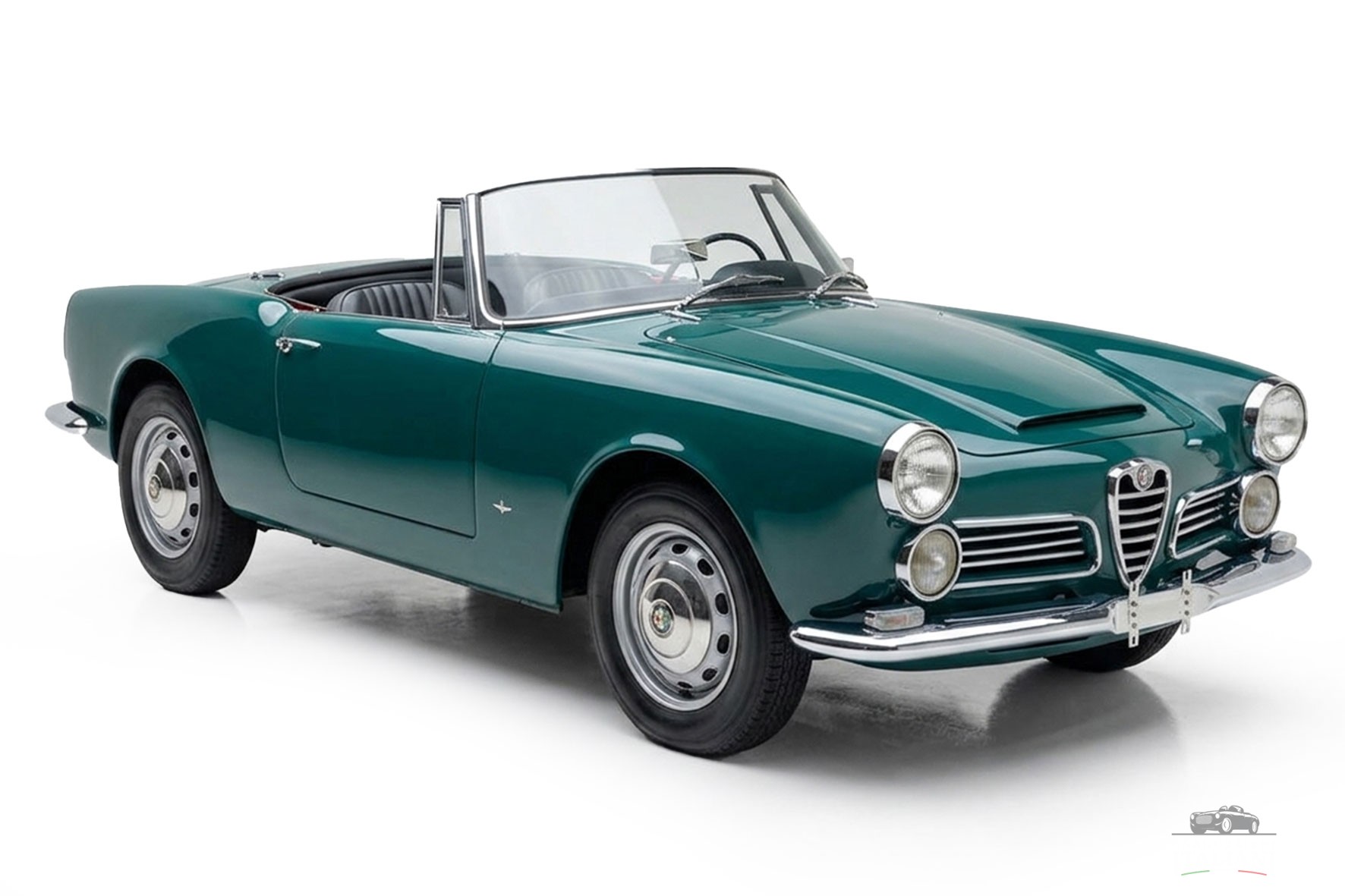
A specialist Zagato register goes further still. It identifies the first development car as chassis 856001, Zagato job number 647, and traces it back to a 2600 Spider chassis numbered 191575 and dated 30 October 1962.
That one entry changes the way the whole project reads. The SZ was not merely a styling variation created late in the 2600’s life. At least one physical development chassis existed very early, and it began as a Spider.
This is also where the story immediately becomes complicated. Alfa Romeo’s museum dates the first public appearance of the Zagato prototype to the Turin Motor Show of 1963. The specialist register says November 1962. Alfa Romeo club material has also repeated the earlier date.
It is tempting to solve this by choosing one year and moving on. That would make the article cleaner and the history worse.
For now the dates have to remain side by side. Alfa Romeo’s museum is the strongest institutional source for the official chronology. The register, however, supplies an unusually specific donor chassis, date and Zagato job number. A period Turin catalogue or factory document may eventually settle the matter. Until then, the uncertainty belongs to the car.
And perhaps it suits the 2600 SZ. Even its beginning refuses to behave neatly.
The yellow car
Whatever year one assigns to its first public appearance, the prototype itself was difficult to forget.
It was yellow. The nose was low and almost all shield. The Alfa Romeo scudetto sat deeply into the centre, surrounded by little of the polite chrome architecture used on the regular 2600. Behind it came a compact cabin and a tail that ended almost abruptly, slightly recessed in the manner of Zagato’s competition work.
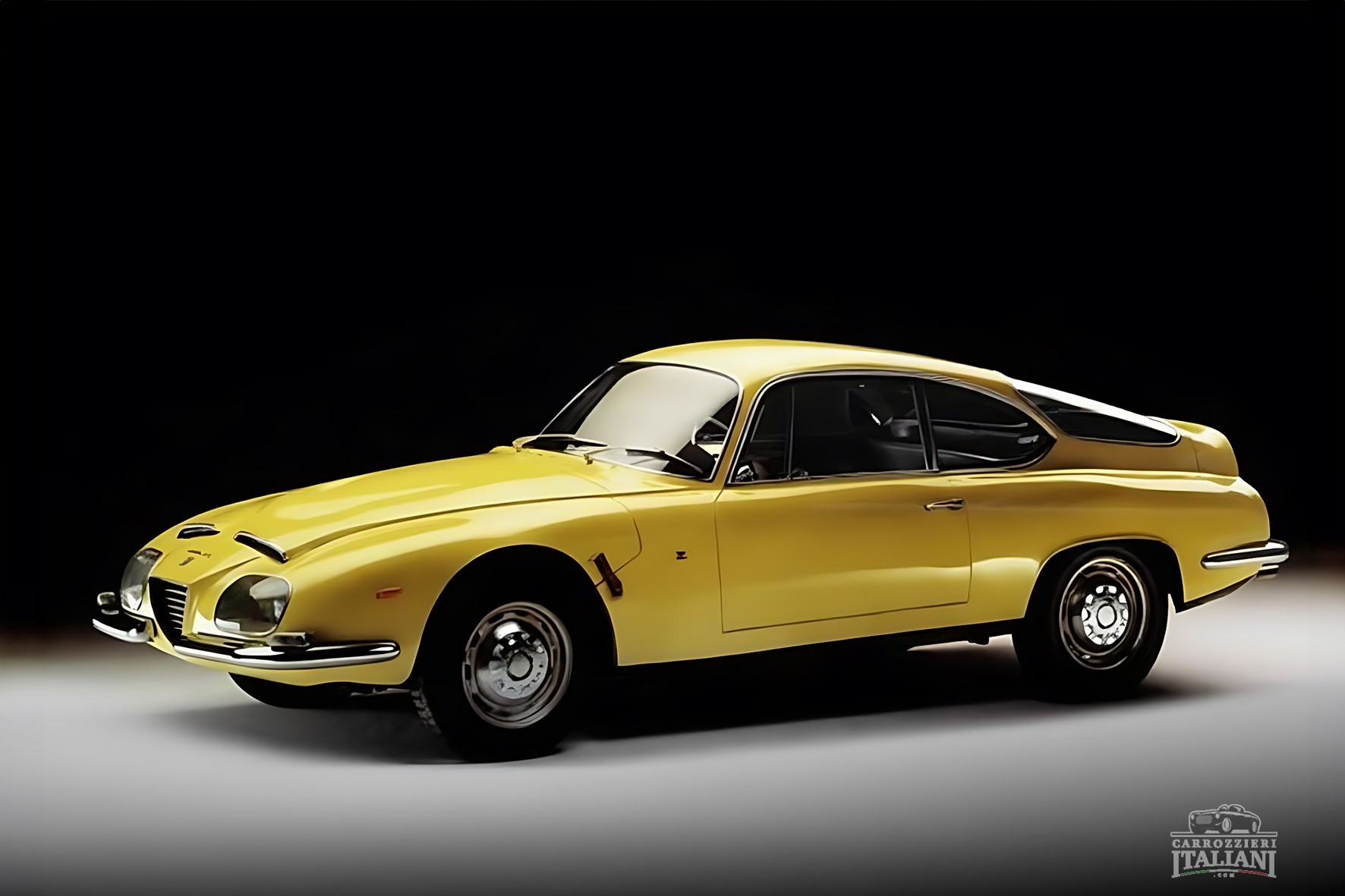
Alfa Romeo today describes the body as “streamlined and essential”, which is accurate but perhaps too gentle. The first SZ looked experimental. The leather bonnet straps and visible air openings gave the front a functional quality that disappeared later. The rear looked as if somebody had removed the last part of a conventional fastback after the wind had already done its work.
The museum records 145 CV at 5,900 rpm, a weight of 1,250 kg and a maximum speed of 197 km/h for the prototype. Those figures place it in the same broad performance world as the production 2600 Sprint, but the shape communicates something entirely different. This was less a luxury coupé with sporting pretensions than a coachbuilder’s argument about what a large Alfa could look like.
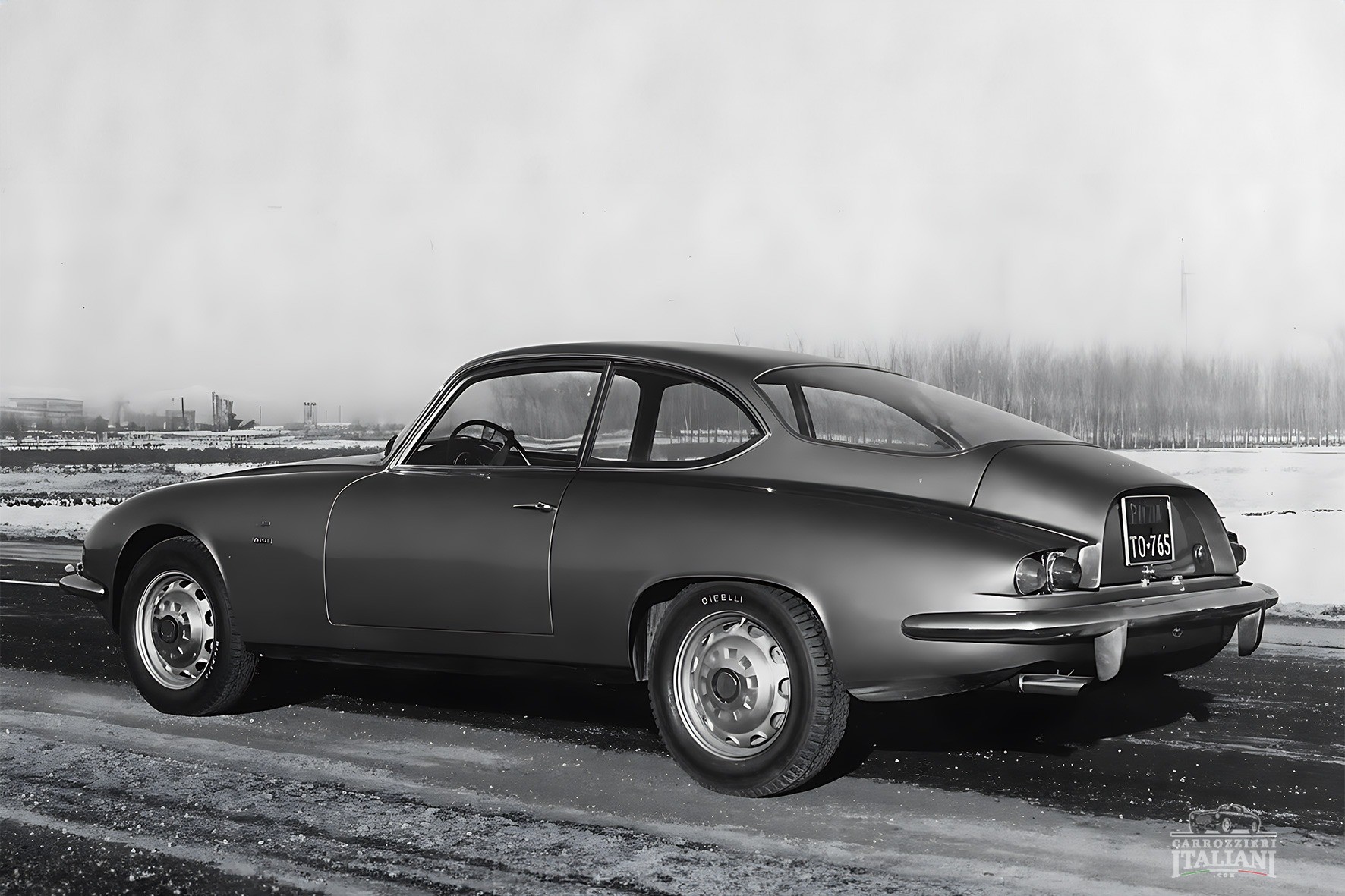
Spada was working during a period when Zagato’s use of the truncated tail had moved from experiment to vocabulary. The Giulietta SZ Coda Tronca had demonstrated the value of terminating the body sharply rather than carrying an impractically long aerodynamic tail. The Giulia TZ would take the idea into a much more competition-focused environment. On the big 2600, the same principle acquired a stranger character because it had to coexist with more height, more weight and a cabin suitable for a road-going GT.
The prototype returned at the next Turin show according to Alfa Romeo, now on the manufacturer’s stand rather than Zagato’s. It was not yet the car buyers would receive. Between that yellow show car and the definitive 1965 SZ lay another phase of drawings, revisions and compromises.
Spada redraws the dream
Among the most intriguing surviving clues are design drawings attributed to Ercole Spada and dated 1964. A specialist Zagato archive describes them as proposals for the 2600 SZ and notes that the eventual production car was substantially different. The same source says that ideas from the abandoned design later informed the Rover TCZ.
That claim deserves proper archival confirmation, but it fits the way Italian coachbuilders worked at the time. Drawings did not always die when a commission changed direction. Proportions, glass treatments, front-end ideas and entire themes could reappear on another chassis months or years later.
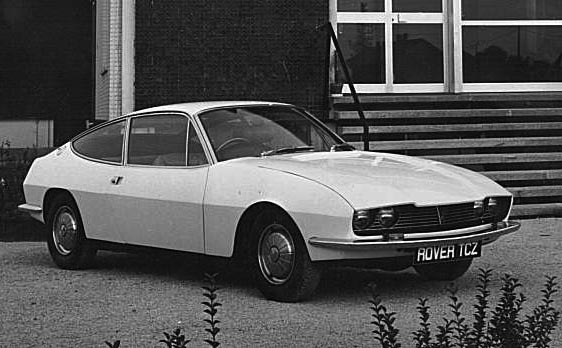
For the 2600, what emerged in 1965 was more resolved than the original show car but no less distinctive.
The Alfa shield grew and moved higher. The headlamps became more upright. The bonnet lost the obvious intake openings and the leather straps. Cooling air was managed more discreetly around and behind the bumper line. The body retained the short tail and expansive glazing but looked less like a competition prototype pressed into road service.
Frankfurt 1965 was the real beginning of the production car. Alfa Romeo gave it its own type designation, 106.12.
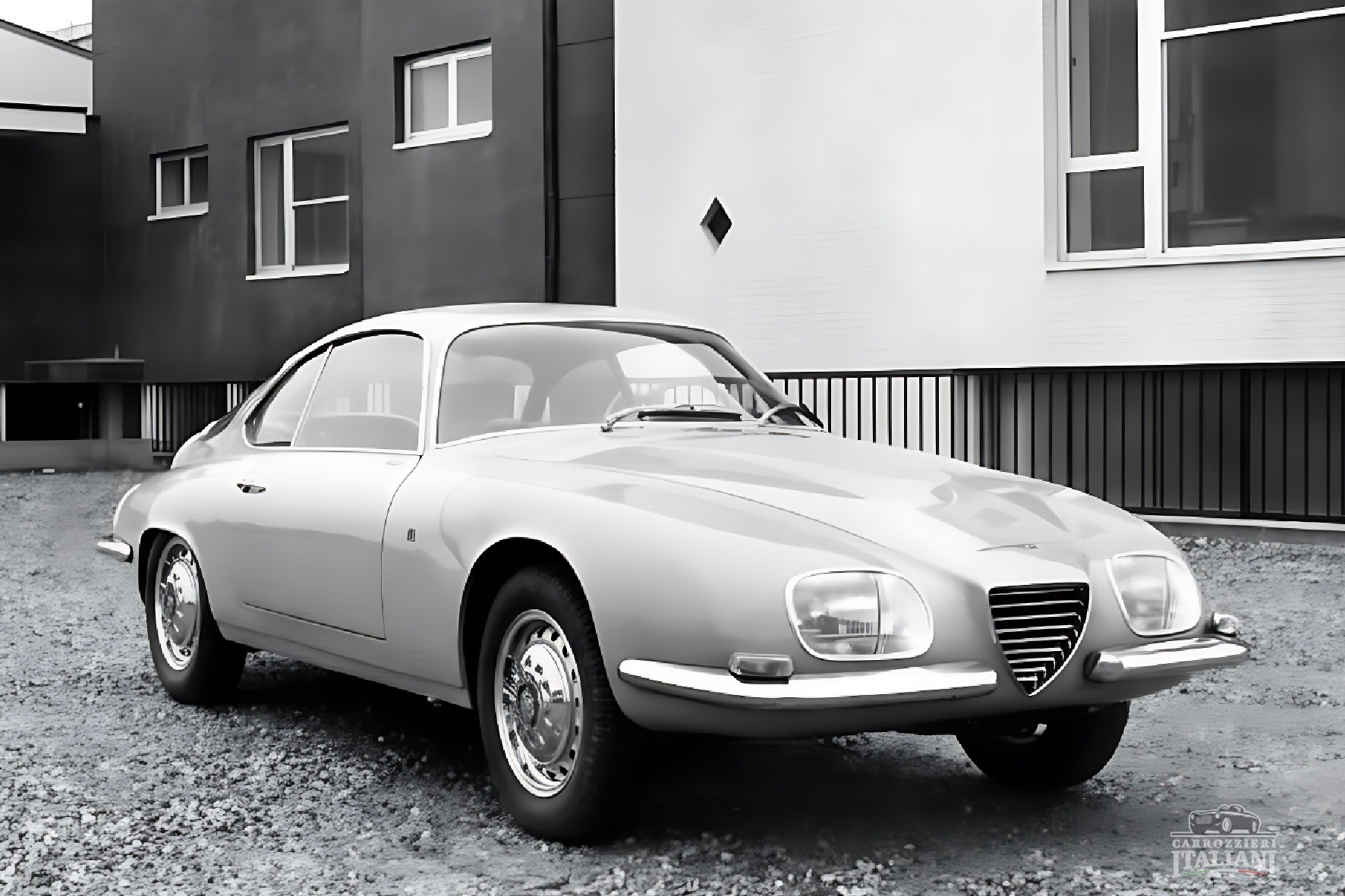
That designation matters. The regular Spider was 106.01 and the Bertone Sprint 106.02. The Zagato was therefore not merely an unofficial carrozzeria conversion attached to the side of the range. It was recognised as its own model within the Alfa Romeo type system.
Spada was responsible for the styling, but the finished car was the product of more than a single pencil. Zagato had to turn the surfaces into something that could be built repeatedly. Alfa Romeo supplied the mechanical package, type identity and production relationship. Elio and Gianni Zagato were running the company. The bodies had to leave Terrazzano not as drawings, but as road cars.
That distinction is easily lost in modern writing, where “designed by Zagato” and “designed by Spada” are often treated as interchangeable. One names the organisation; the other the stylist. The 2600 SZ needed both.
Not quite aluminium, not quite simple
The more one reads about the production car, the more the apparently simple facts begin to fray.
Body construction is a good example. Zagato’s name almost automatically produces the phrase “aluminium body” in later descriptions. It is understandable. Aluminium was central to the company’s competition identity. But the 2600 SZ was not a Giulietta racer, and the sources do not agree.
Some modern references call the body aluminium. Others describe steel construction. Surviving cars are reported with aluminium opening panels. The most sensible conclusion is not to invent one.
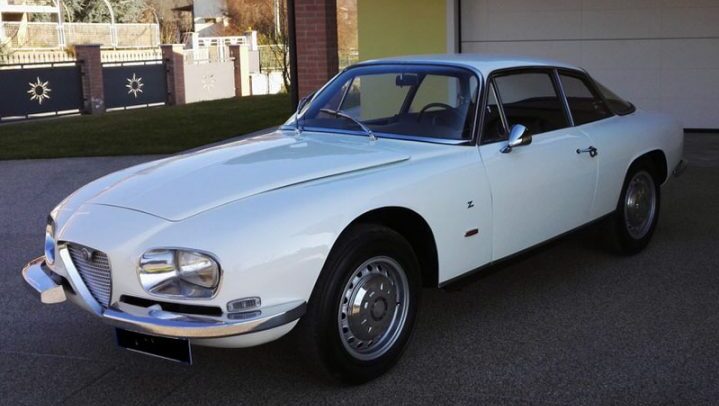
A mixed construction would make perfect sense for a low-volume road GT. Steel provided repeatability and structural consistency; aluminium could still be used where saving weight was useful. But until a factory body drawing, period build specification or carefully documented survey of an original car settles it, the words “all aluminium” should be treated with caution.
Weight is similarly slippery. Alfa Romeo gives 1,250 kg for the prototype. Other publications have quoted lower figures around 1,140 kg for production cars. That may reflect genuine differences between prototype and series bodywork, or simply different definitions of dry and kerb weight.
Even the engine output is less clean than it appears.
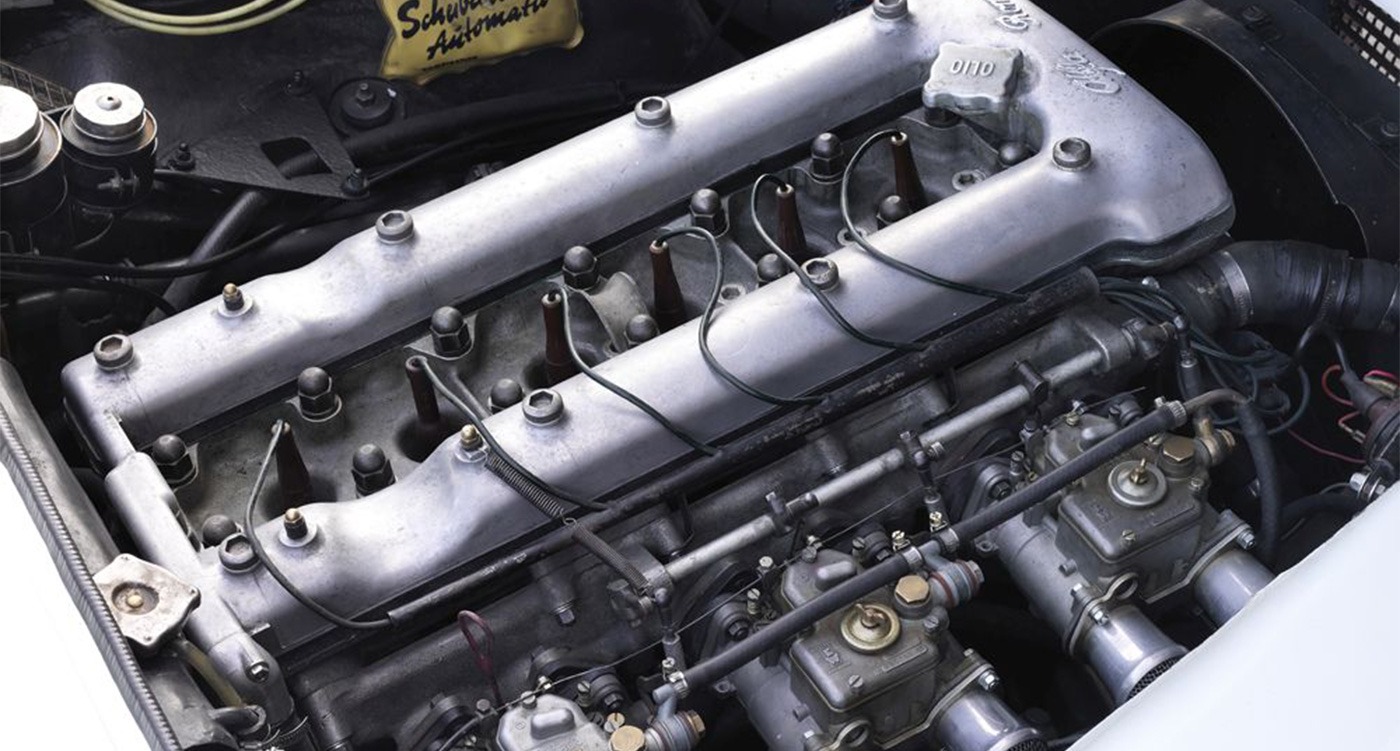
The factory museum gives 145 CV at 5,900 rpm. A number of later sources use figures around 162 or 165 hp. One Alfa Romeo club profile helps explain why both numbers may have circulated by quoting approximately 162 hp gross and 143 hp net. In the 1960s, when measurement standards were not always presented clearly to the buyer, a number could grow substantially depending on how it was measured.
For the road-going SZ, 145 CV remains the safest factory-derived figure. It is also the figure Alfa Romeo gives for the regular 2600 Sprint. The Sprint’s museum specification confirms three twin-choke carburettors, a five-speed gearbox, rear-wheel drive and four-wheel disc brakes.
That does not mean every surviving SZ remained standard.
A 2600 SZ with the Conrero Treatment
Chassis AR856013 is one of those cars that can distort a model history if its later life is mistaken for its original specification.
Recent French-market documentation describes it as delivered at the end of 1965 through SOFAR, Alfa Romeo’s importer in Paris, and first registered in 1966. It was originally white with a black interior. The same file records four registered keepers and gives engine number AR00601 10034.
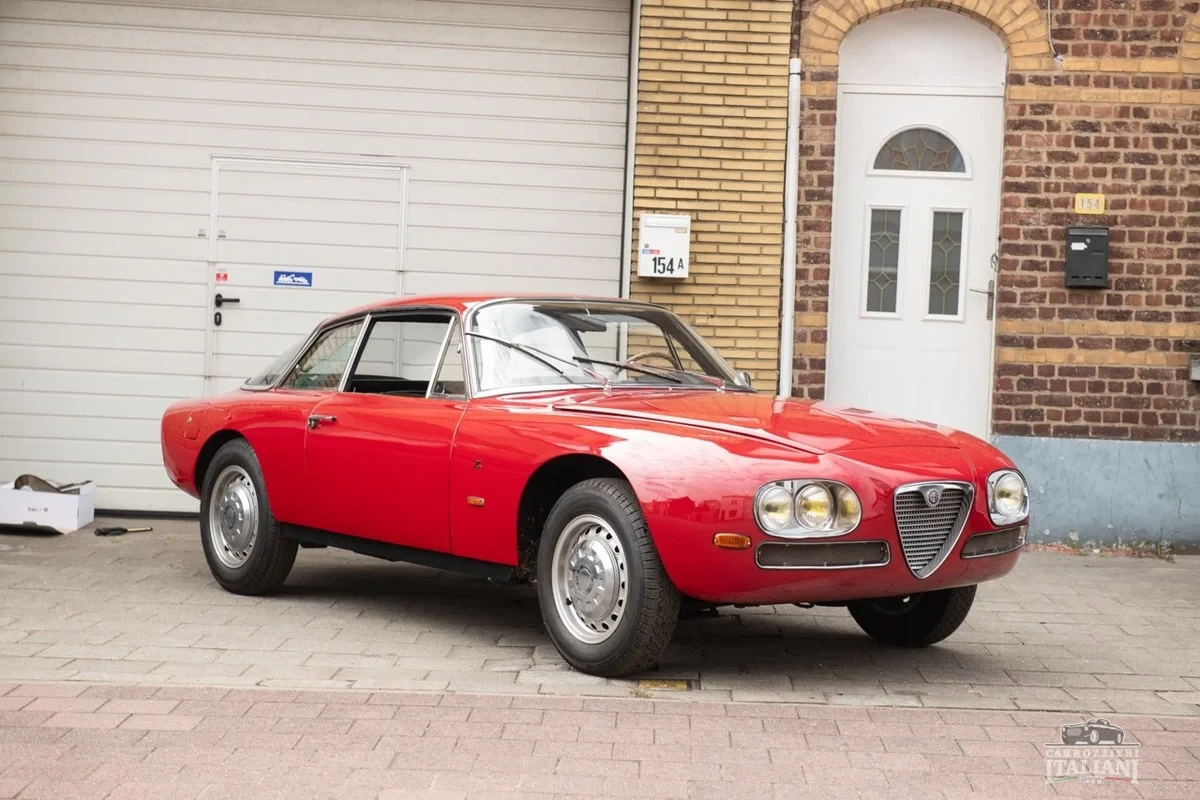
Then the story becomes more interesting.
The history file is said to contain invoices for engine work by Conrero and a dynamometer report showing 221.8 bhp at 6,500 rpm. If those documents are authentic and contemporary, they make 856013 a fascinating example of what happened when one of Zagato’s rare road cars reached a specialist tuner.
They do not make the 2600 SZ a 221-hp production model.
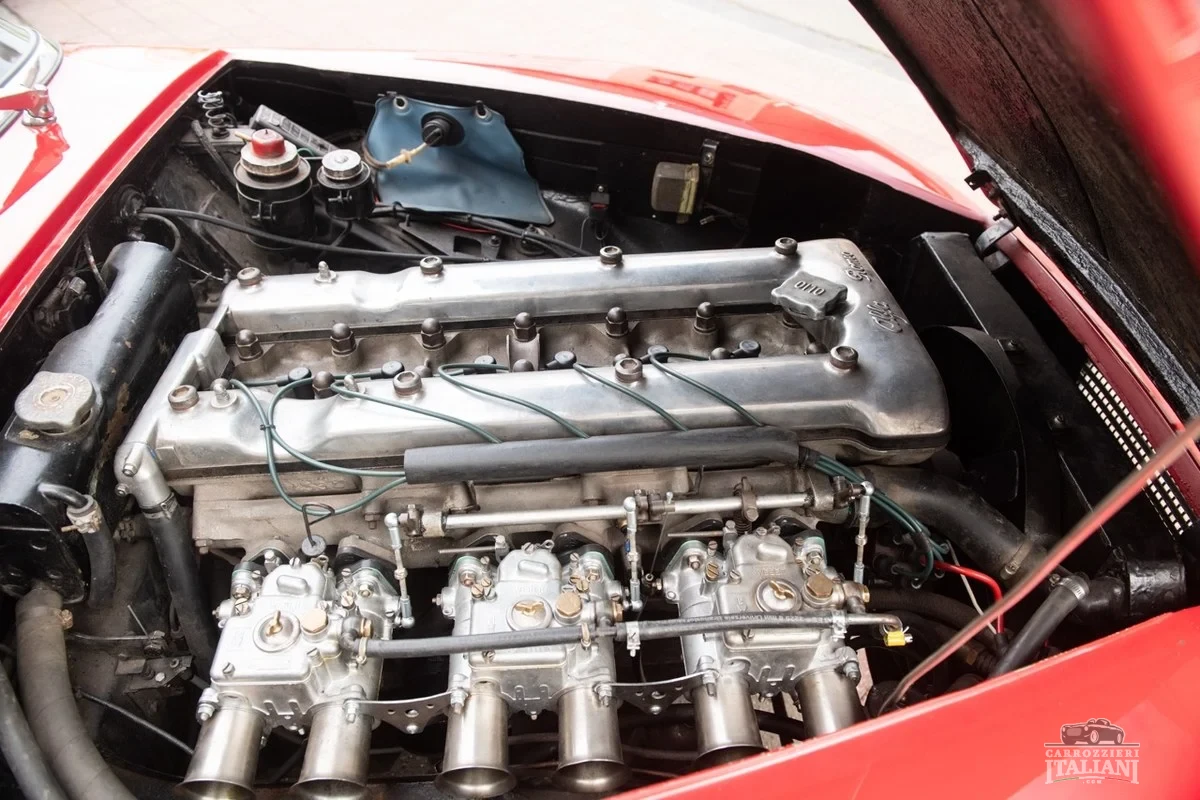
This seems obvious, yet market descriptions have a way of bleeding into general histories. One exceptional car becomes a specification. One competition claim becomes “racing history”. One restoration colour becomes “original”.
The point of a chassis register is precisely to stop that migration.
856013 belongs in the model story because it shows what owners did with these cars once they left Alfa Romeo and Zagato. But its Conrero work must remain attached to 856013, just as its French delivery and SOFAR history belong to that chassis alone.
Professor Salis and chassis 856034
Another car brings the 2600 SZ back to Italy.
The specialist register gives chassis 856034 a Zagato production date of 27 October 1965. Alfa Romeo completed it on 10 December. Twelve days later it was registered to Professor Bruno Salis in Sassari.
Those dates offer a rare glimpse of the rhythm behind a small-series coachbuilt car. The body and the finished Alfa did not share one single “birth date”. Zagato had its production moment; Alfa Romeo had another; the registration came later still.
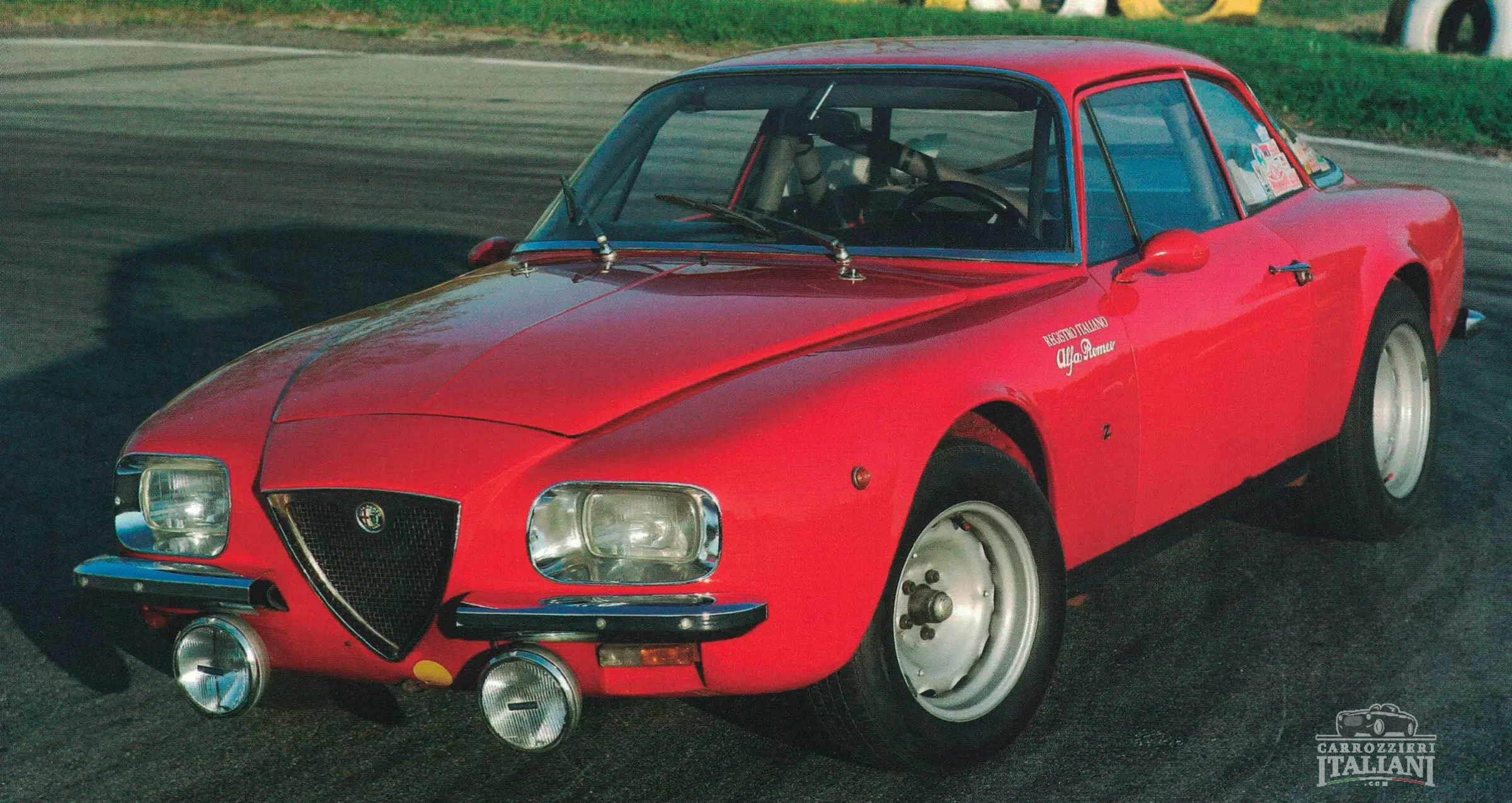
856034 was originally recorded as light grey metallic with black vinyl. In later years its story acquired a more dramatic element: a dealer advertisement claimed that the car had been prepared for the Targa Florio by Patriarca.
It is exactly the kind of claim one wants to be true.
Patriarca was a respected name in Italian competition preparation. The Targa Florio gives any chassis instant romance. But romance is not evidence. No period entry, workshop invoice or contemporary photograph has yet surfaced in the material examined to confirm that the car actually received such preparation or competed there.
So the claim remains where it should: visible, attributed and unresolved.
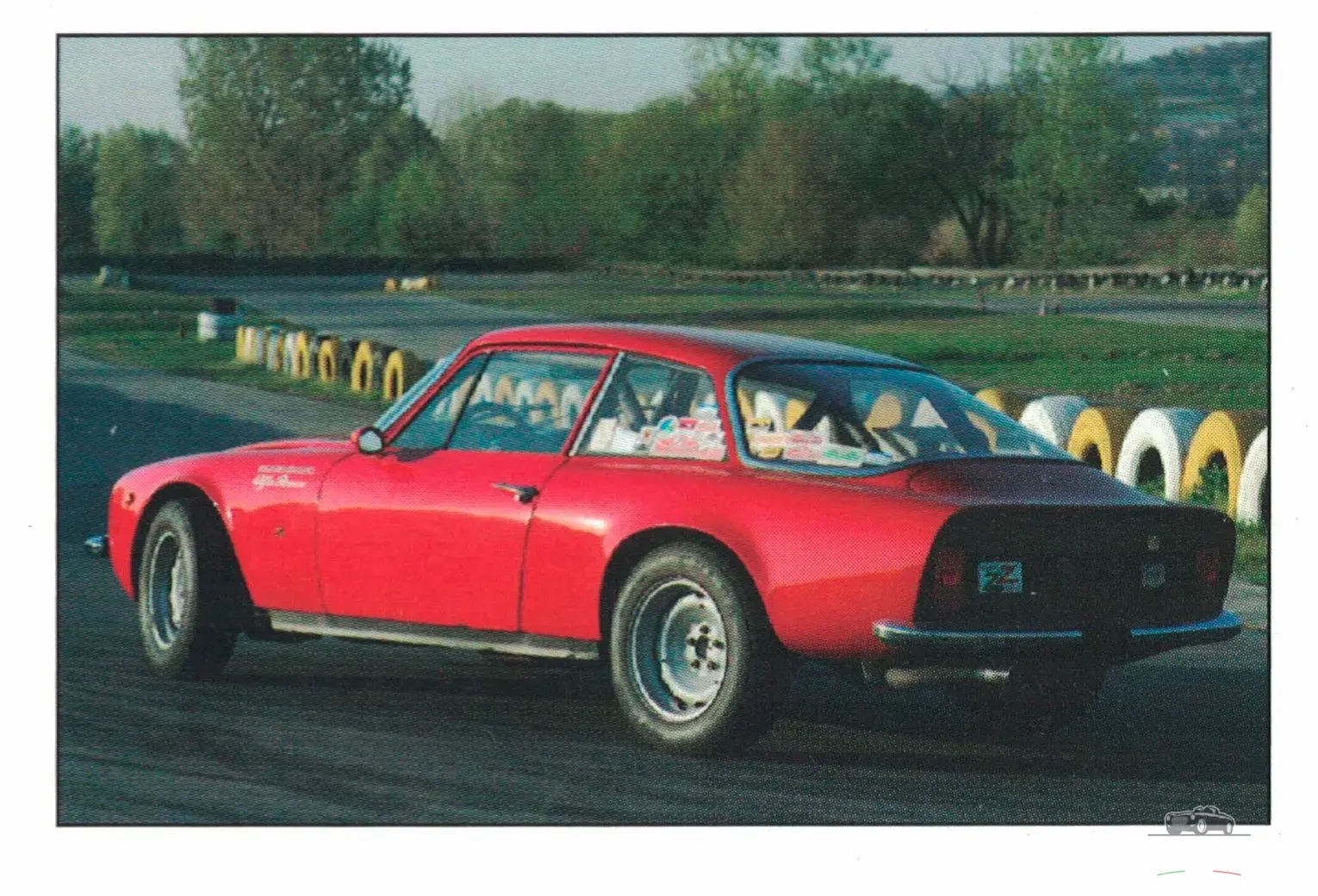
The later auction trail is firmer. Bonhams offered 856034 in 2006 without a sale. It returned to Bonhams at the Goodwood Festival of Speed sale on 24 June 2016 and sold for £97,820.
An auction result may look less exciting than a Targa Florio story, but it is precisely the kind of hard date that allows the modern biography of a chassis to be reconstructed. Listings capture colours, condition, registration numbers, claims and photographs. Compared over time, they often reveal where a car’s story changed.
A white car, a long sleep and the useful messiness of ownership
Chassis 856075 tells a more intimate story.
The register records a Zagato production date of 18 May 1966. Later accounts describe it as a white car delivered in Rome in June. Even here, small details differ between sources: the first owner’s name appears in slightly different forms, and descriptions of the original interior are not entirely consistent.
Those discrepancies are not dramatic, but they are valuable. They remind us how quickly “known history” becomes a chain of copied sentences.
A later owner wrote publicly about living with 856075 and described a major German restoration in 1992 costing DM120,000. The car appeared at Bonhams sales in Geneva in 2000 and 2003, passed to collector Ian Wade and eventually remained in Britain. When acquired again in 2016 after periods of limited use, it needed the kind of recommissioning familiar to anyone who has revived an old Italian GT: carburettors, brakes, gearbox, fuel tank, fuel system, electrics.
That owner’s account is not an Alfa Romeo build sheet and should never be treated as one. But it gives something factory records cannot: the life of the car after the brochure photographs stopped.
The great strength of a small-production model is that, in theory, every chassis can eventually acquire this depth. With 105 cars rather than 7,000, individual histories become part of the model’s character.
Why only 105?
One hundred and five production cars is the number supported by Alfa Romeo’s museum and by the dedicated specialist register. It is also the total associated with production data derived from Luigi Fusi.
Another number, 110, appears frequently in auction and collector literature. It may reflect a different counting method—perhaps prototypes, pre-series bodies or later completions—but no source found so far carries more authority for 110 than Alfa Romeo itself does for 105.
Even the annual breakdown needs care. The familiar figures are 32 cars in 1965, 59 in 1966 and 14 in 1967. They total 105 perfectly. Yet individual Zagato build dates do not always sit neatly inside the chassis-number ranges later assigned to those years.
856034 is the obvious example: its documented Zagato date is October 1965 even though some later tables place its serial range in 1966.
Nothing supernatural is happening. A low-volume coachbuilt car could have several relevant dates: body completion, Alfa Romeo completion, invoicing, dispatch and first registration. Later historians often chose one without saying which.
The more interesting question is not whether Zagato sold “only” 105. The interesting question is how a car this specialised reached series production at all.
It was expensive. Later period-price references place the Italian list price at roughly four million lire depending on date and taxation. The regular Bertone Sprint already served buyers who wanted a large six-cylinder Alfa coupé. The Zagato offered fewer concessions to conventional taste and required specialist construction.
It was also arriving just as Alfa Romeo’s future was becoming obvious. The Giulia was lighter, newer and increasingly central to the company’s identity. Autodelta was turning smaller Alfa Romeos into serious competition machinery. The 2600 straight-six remained prestigious but was becoming a magnificent old language spoken at the edge of a new decade.
The wrong car at exactly the right moment
Seen that way, the 2600 SZ begins to feel less like an odd derivative and more like a snapshot of two worlds crossing.
For Alfa Romeo it belonged to the end of the large twin-cam six-cylinder Gran Turismo tradition. There would be other six-cylinder Alfas later, of course, but not a direct continuation of this 2600 formula.
For Zagato it belonged to a period of extraordinary freedom. The company could build a Giulia TZ for competition, a Flavia Sport for Lancia, an Aston Martin in a tiny series and a 2600 coupé whose front end looked unlike anything else in the Alfa showroom.
For Ercole Spada, it sat between the cars that made his reputation. He had joined Zagato in 1960 and would leave before the decade was out. His best work from those years never became one simple visual recipe. Some cars were soft and organic, others severe. Some existed to reduce drag; others had to make an unconventional shape manufacturable.
The 2600 SZ is perhaps the least obvious of them because the mechanical package fought back.
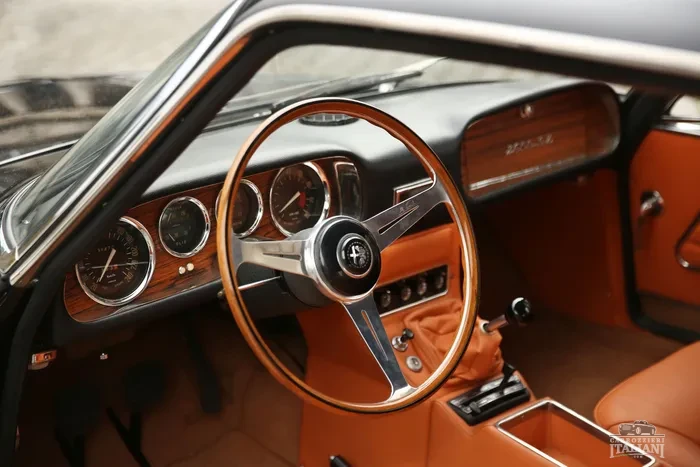
A 2.6-litre straight-six needs bonnet length. A comfortable GT needs cabin volume. A road car needs bumpers, cooling and weather protection. Zagato could not shrink those requirements away. Instead it compressed the visual mass around them.
The broad glasshouse, short rear and enormous shield are the result. It is not delicate. It is certainly not anonymous. And after sixty years, it may be more interesting because it was never universally pretty.
The last dream of the Alfa six
There is a temptation with rare Italian cars to turn every uncertainty into myth.
The 2600 SZ does not need that treatment.
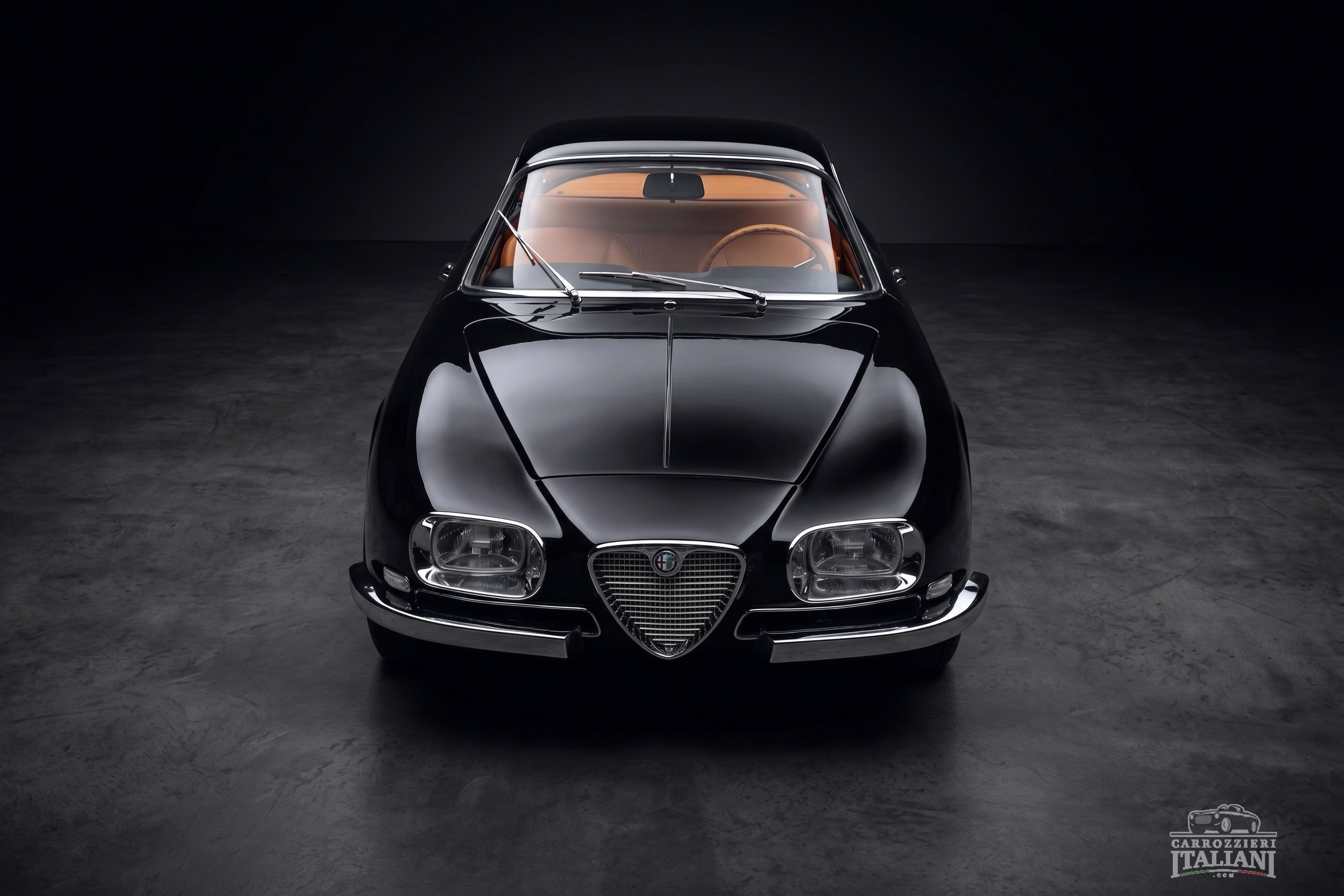
Its real history is already richer: a first prototype whose public debut is still disputed between 1962 and 1963; a donor Spider chassis identified by number; a Zagato job number; a yellow body that continued to change; Spada drawings that did not become the production car; a definitive Frankfurt version with its own Alfa Romeo type designation; 105 production examples; and individual cars whose lives can be followed through owners, tuners, restorations and auction rooms.
Even the unresolved details add texture. Was the production body predominantly steel with aluminium panels, or have later descriptions oversimplified the construction? Which power figure should be quoted when period gross and net standards differ? Did 856034 really have a Patriarca connection? Can the 1962 Turin appearance of 856001 be proven from a period catalogue?
Those questions are still open.
What is not open is the character of the car.
The 2600 SZ was built at the moment when Alfa Romeo’s great six-cylinder GT tradition met Zagato at its most experimental. It was too late to define Alfa Romeo’s future and too civilised to become another TZ. Instead it became something harder to categorise: a small-production road car with the visual unease of a prototype.
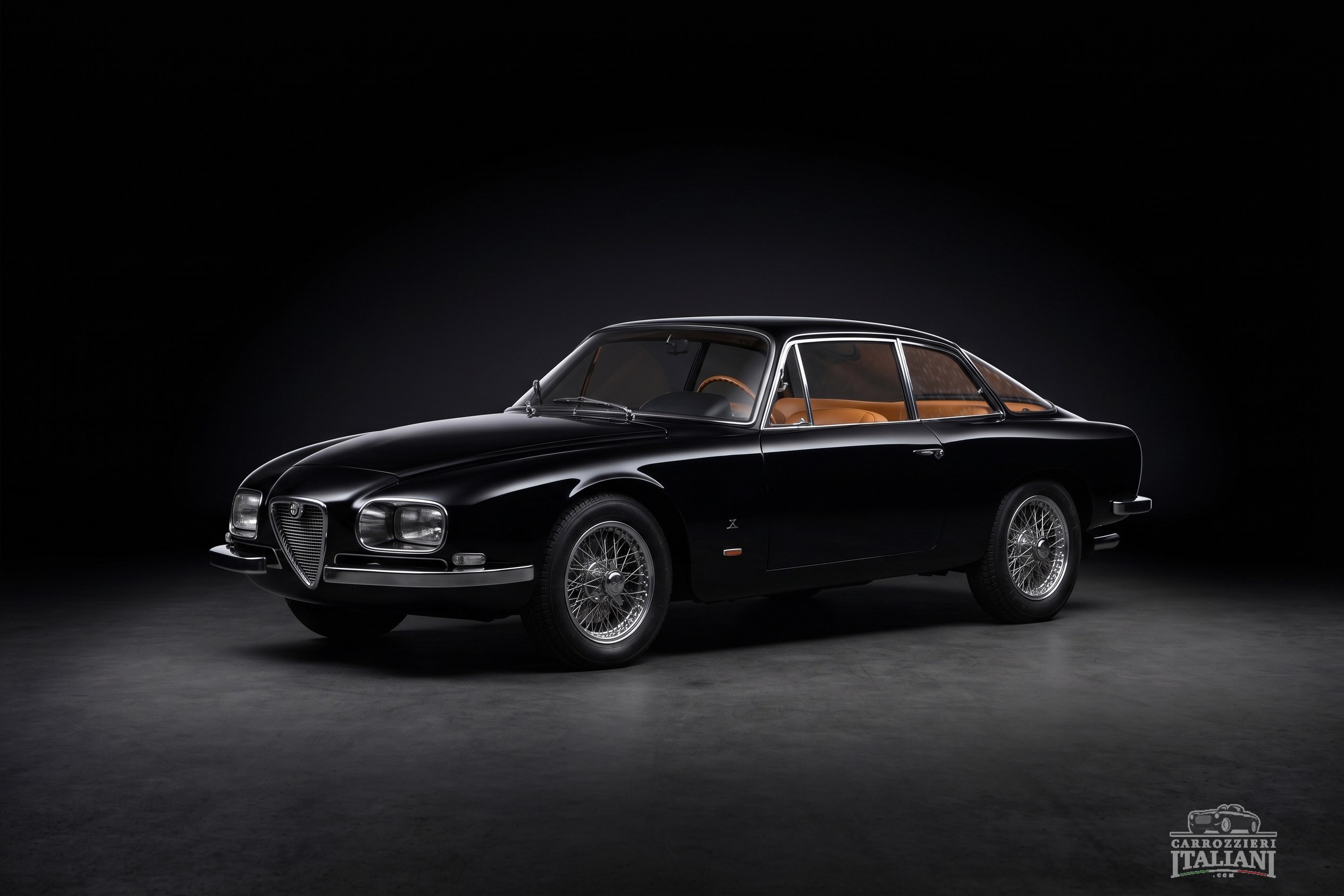
Perhaps that is why it has aged so well.
The Bertone Sprint remains the easier beauty. The Zagato asks for another look. Then another.
And somewhere between that enormous shield and the tail that ends too soon, the old Alfa six-cylinder dream becomes visible one last time—not as nostalgia, but as an argument about what an Italian Gran Turismo could still be.
Editorial research notes
- Alfa Romeo / Museo Alfa Romeo: prototype chronology, Spider-derived wheelbase, Frankfurt production version, 145 CV, 1,250 kg, 197 km/h and 105 series cars.
- Specialist Alfa Romeo 2600 SZ / Zagato register: chassis 856001, donor chassis 191575, Zagato jobs 647 and 1884, chassis-level build dates and provenance leads.
- Ercole Spada / Zagato specialist archive: 1964 design drawings and the claimed connection with the later Rover TCZ proposal.
- Museo Alfa Romeo 2600 Sprint specification: 2,584 cc straight-six, three twin-choke carburettors, five-speed gearbox, 145 CV and 2,580 mm Sprint wheelbase.
- Market and owner sources: AR856013 / SOFAR / Conrero history; 856034 auction chronology; 856075 owner history. These are used as chassis-level evidence and not as controlling factory sources.

ABOUT THE AUTHOR
Andreas Scheidl
Italian classic car enthusiast with German roots. Renowned as a respected figure in the classic car community, he serves as a jury member at various international concours d'elegance, including the Classic Gala Schwetzingen and Mantova. As a content creator, Andreas passionately shares his profound knowledge and appreciation for vintage automobiles. His heart beats for cars designed by Giovanni Michelotti, showcasing his discerning taste and dedication to preserving the timeless elegance of automotive history.
More stories by Andreas Scheidl ↗CONTINUE READING
Posts You Might Like

A Central Driving Position, a Rear-Mounted V8. Was This Really a Lancia?
In 1948, visitors to the Turin Motor Show could see an unusual Lancia on the stand of Carrozzeria Ghia. It was a large two-door coupé with a two-litre V8 mounted behind the…
Read story
Fioravanti F100: The Ferrari He Was Allowed to Imagine
Enzo Ferrari’s centenary, Leonardo Fioravanti’s independent studio and a supercar that explored air brakes, steel wheels and a new way of driving—without ever wearing the Cavallino.
Read story
Michelotti Shellette: When the Fiat 850 Became a Yacht
The yacht designer, the Turin stylist and the tiny coachbuilt car that crossed between the quay, the royal holiday house and the auction room. Some automobiles were conceived for the open road,…
Read story
Maserati A6 1500: A New Road for the Trident
When the doors of the Geneva Motor Show opened in March 1947, Maserati was a name that required little introduction to anyone who followed motor racing. What it did not yet possess…
Read story
THE CONVERSATION
Comments 0
Share a memory, a period photograph or a documented detail about this story.