
THE VEHICLE AT A GLANCE
Model dossier
- Manufacturer
- Alfa Romeo
- Base model
- Giulietta Sprint Zagato
- Coachbuilder
- Zagato
- Production period
- 1961
- Body style
- Coupé
- Engine
- Inline-4
- Type
- Limited
- Production
- 44
THE PEOPLE BEHIND THE CAR
Coachbuilding, design & conversions
PRICE & SALES RECORD
Vehicle value
- Original price
- Not documented
- Latest recorded sale
- Not documented
01 / THE STORY
History & context
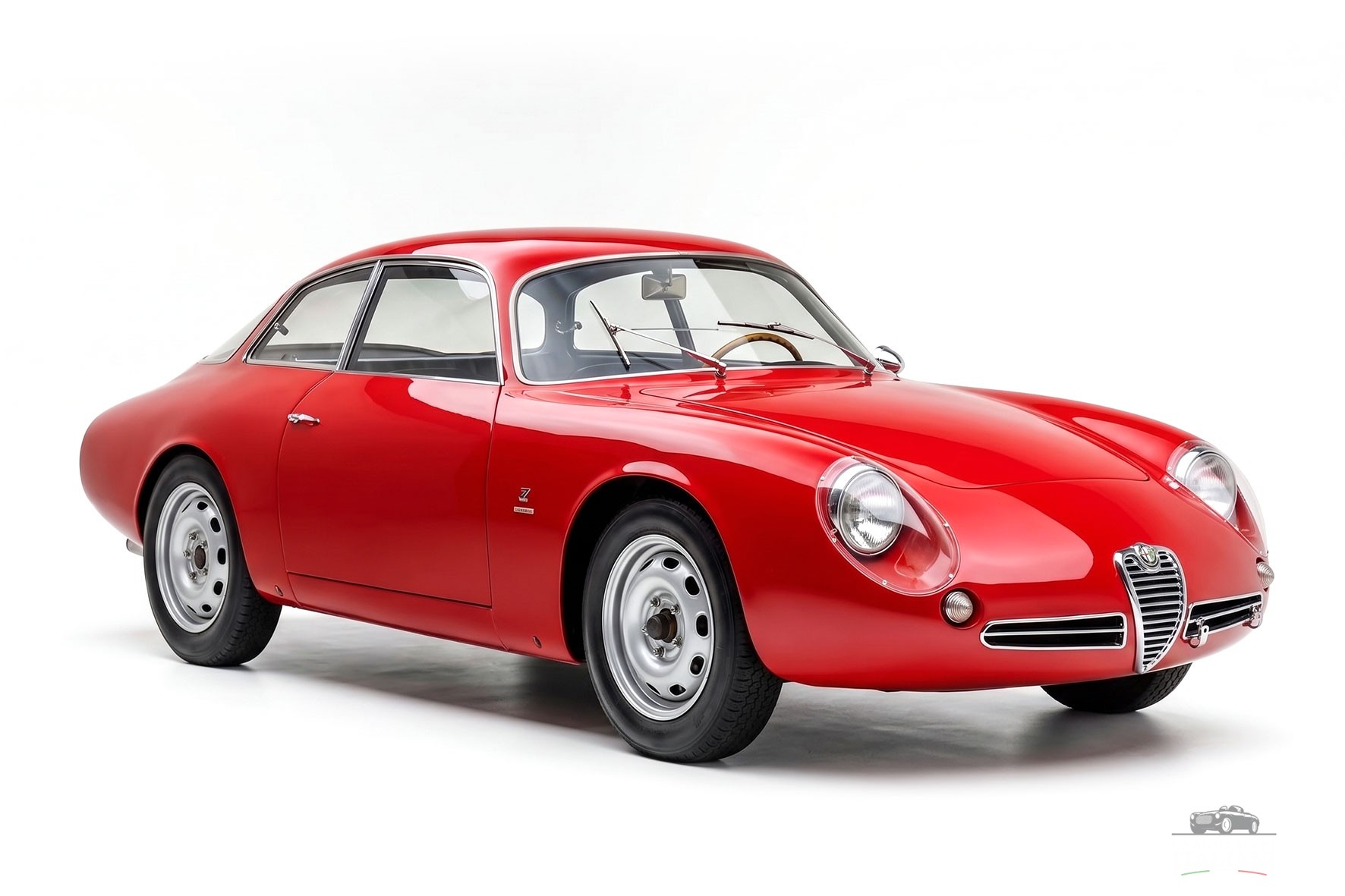
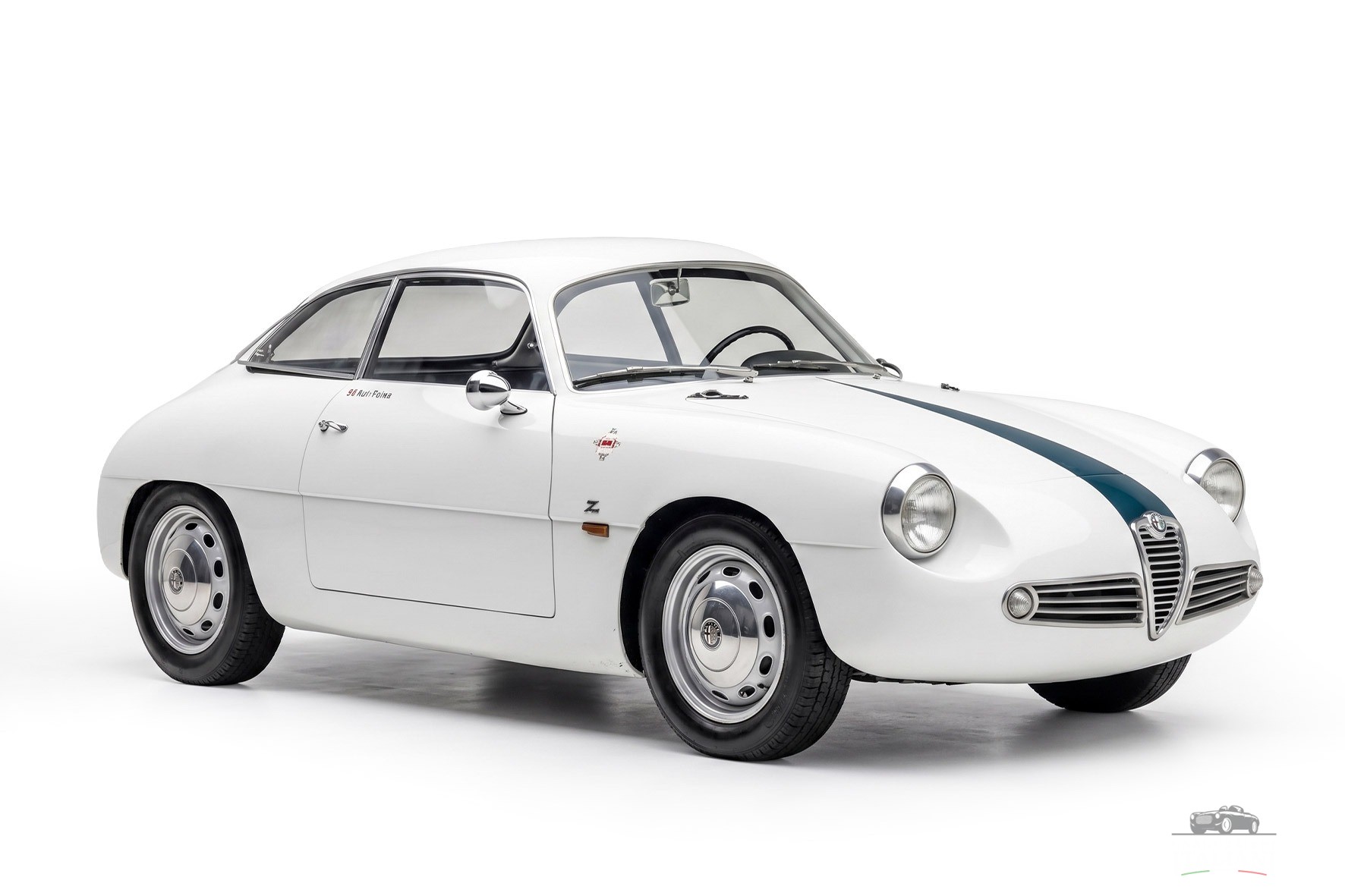
The Alfa Romeo Giulietta SZ Coda Tronca: In the hands of private racers, the SZ won a series of impressive races, oftentimes outperforming cars of greater engine capacity. The Lotus Elite and the Abarth Simca 1300 proved to be formidable competitors, so in order to remain competitive, Alfa offered the second series SZ. In collaboration with the Servizio Esperienze Speciale (test department), Carrozzeria Zagato, and the results of aerodynamic studies by Kamm, the SZ II was born. Even with an engine of just 1.3 liters, the cars were very successful and surprisingly fast, capable of easily topping 120 mph. The lightweight bodywork by Zagato, in combination with specially tuned engines which featured more power thanks to high compression, tighter tolerances, more aggressive cams, and careful tuning, made the car a winner right out of the box. Initially, Zagato had to use an uneconomical method of private elaboration—requiring the coachbuilder to acquire the cars at full price, then dismantle and rebuild them (that situation changed in 1959). Once the chassis was sent to Zagato, more than 300 hours was required to build the body, resulting in an expensive automobile, keeping production at a minimum. Little more than 200 examples were built, the last of which were 44 “coda tronca” versions such as this example. Most were modified in some manner, as few were actually used as touring cars. To fully exploit the car’s potential, Ercole Spada, a newly employed designer, fashioned more aerodynamic bodywork. Bodies with lower roofs and long tails ending in a Kamm treatment (very much in the style of the Giulia 1600 TZ which immediately followed in production) helped the car gain top speed. Other technological advancements included Girling front disc brakes and three-shoe big finned rear drums, along with a standard five-speed transmission. A higher final drive ratio was sometimes included in order to enhance speeds made capable by the streamlined body shape. Along with Giulia-type instruments, the SZ IIs featured steel inner wheels with aluminum outer rings. The SZ’s inherent stability and instantaneous response to steering input made it a driver’s car par excellence and the preferred choice of many private racers. When new, the Alfa Romeo Giulietta Sprint Coda Tronca proved virtually unbeatable, and its desirability continues today in historic motorsports as it remains eligible for a wide variety of prestigious events.
IN THE ARCHIVE
Coachbuilders & design studios
02 / TECHNICAL IDENTITY
Specifications & construction
Production & construction
- Production
- 44
- Production type
- Limited
Engine & performance
- Engine configuration
- Inline-4
Design & manufacture
- Manufacturer · Documented
- Alfa Romeo
- Coachbuilder / Body Builder · Documented
- Zagato
- Designer · Documented
- Ercole Spada
- Design features · Legacy attribution
- Coda Tronca
04 / INDIVIDUAL HISTORY
Chassis & provenance
Ownership & provenance
- Ownership & history · Legacy attribution
- Museum Car
06 / EVENTS & AWARDS
Events & awards
No events or documented awards are currently recorded for this vehicle.
07 / THE VEHICLE IN DETAIL
Photo gallery 7 photographs
Show 1 more photographs Show fewer photographs
08 / FROM THE ARCHIVE
Archive
References held in the vehicle dossier. Their inclusion does not establish that every historical claim has been independently verified.
| Reference | Source type |
|---|---|
| Zagato — Anantara Concorso Roma 2026 heritage note www.zagato.it | Coachbuilder official history |
THE CONVERSATION
Comments 0
Share a memory, a period photograph or a documented detail about this car.