
OSI (Officine Stampaggi Industriali): Ghia’s Forgotten Daughter
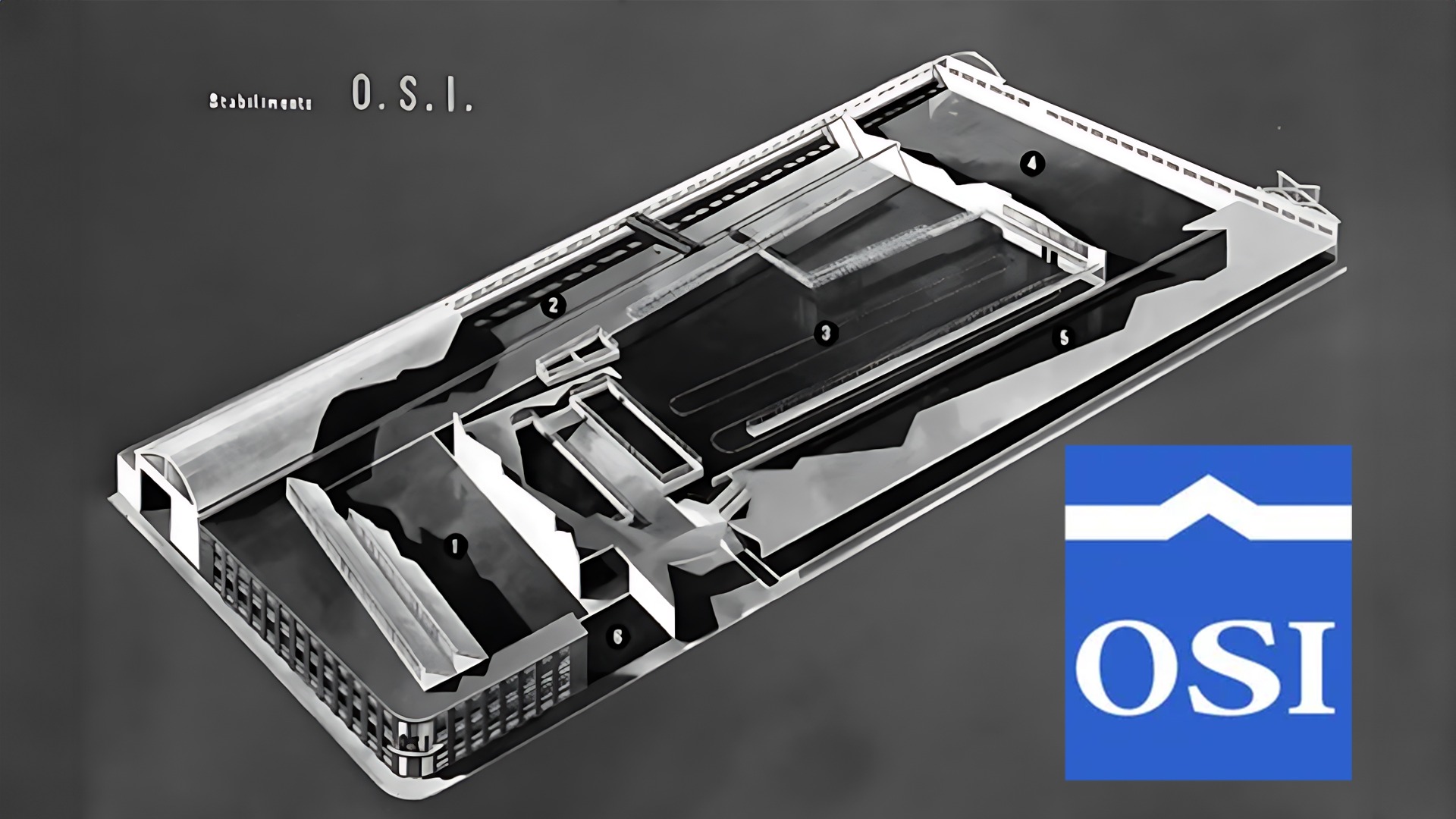
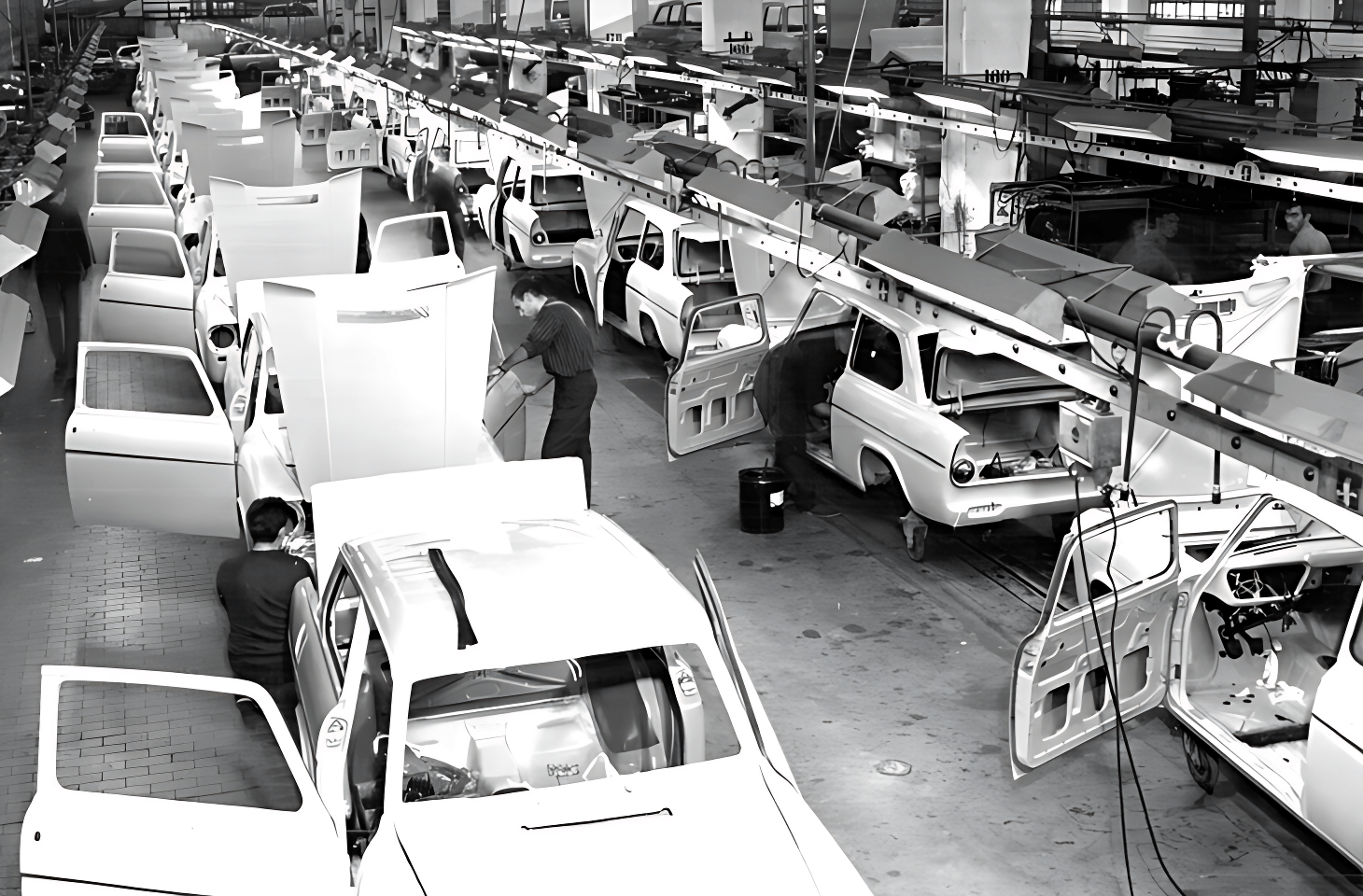
In the early 1960s, Italy’s automotive industry was booming with creativity and demand. Amid this vibrant scene, a new coachbuilder emerged with ambitious plans to marry innovative design with limited-series production. Officine Stampaggi Industriali – better known simply as OSI – was founded in 1960 in Turin as a spin-off of Carrozzeria Ghia, aimed at handling the construction of special-bodied cars that mainstream manufacturers and styling houses could not easily build in-house. The name literally means “Industrial Stampings Workshop,” reflecting OSI’s roots in sheet-metal fabrication. Under the guidance of former Ghia president Luigi Segre and industrialist Arrigo Olivetti of the Fergat company, OSI quickly grew from a mere idea into a substantial enterprise. The company opened a 21,000 square-meter plant equipped with multiple assembly lines and a modern paint shop, capable of turning out around 50 cars per day. With about 600 employees and a capital injection from its joint Ghia–Fergat parentage, OSI entered the automotive world at an opportune moment, ready to take on niche projects that larger manufacturers or coachbuilders couldn’t easily accommodate.
Origins and Early Collaborations with Ghia
OSI’s creation was very much a solution to a problem: Ghia, a renowned Italian design house, had dazzled automakers with prototype designs but lacked the capacity to manufacture them in even modest volumes. Segre had secured contracts to build special models for companies like Innocenti and Fiat, and a dedicated facility was needed to fulfill these orders. Thus, OSI was born as a sister company to Ghia – independent yet closely linked, with Segre as managing director and Olivetti as chairman. From the outset, OSI positioned itself as an industrial coachbuilder: its role was not to create mass-market vehicles, but to produce short runs of unique or upscale models designed by major styling houses.
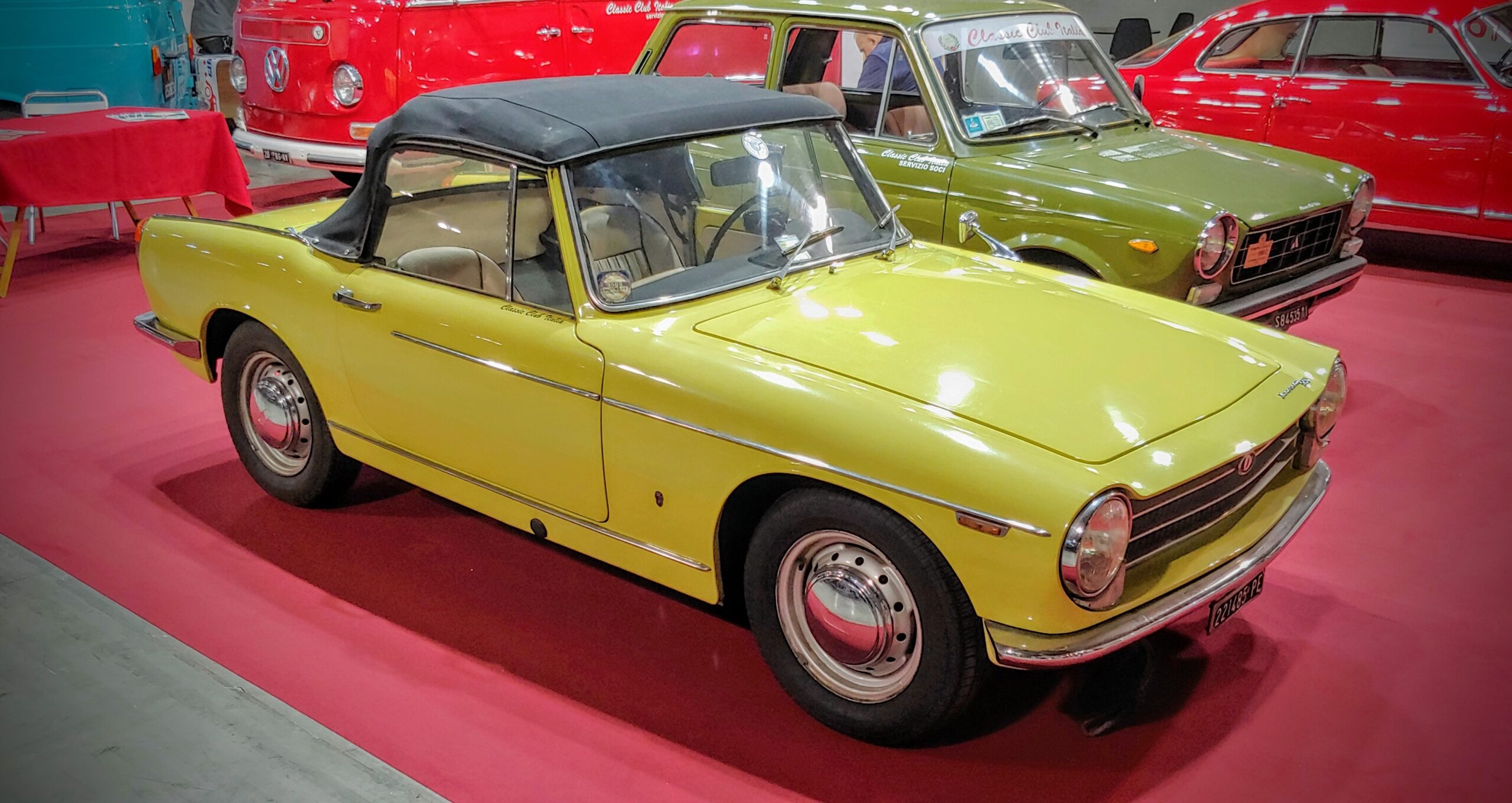
The partnership with Ghia immediately bore fruit. One of OSI’s very first assignments was to build the bodies for the Innocenti 950 Spider, a petite convertible sports car that Innocenti (better known for scooters) wanted to add to its lineup. The Innocenti Spider had been styled by a young Tom Tjaarda at Ghia and debuted at the 1960 Turin Auto Show. OSI took Tjaarda’s pretty design – a modernized take on the Austin-Healey Sprite underpinnings – and translated it into reality, stamping and assembling the sleek new bodywork. Production began in 1961, and the Innocenti Spider initially sold well in Italy. It offered wind-up windows and a more civilized character compared to the spartan British Sprite, and Innocenti managed to sell thousands of them domestically. OSI’s craftsmanship was on display in the Spider’s clean lines and solid build. As Innocenti updated the model with larger 1.1-liter engines and small refinements, OSI continued to supply the bodyshells. In total, about 4,790 of the 948 cc Spiders were built, followed by roughly 2,074 of the 1.1-liter version. This little roadster firmly put OSI on the map as a capable coachbuilder.
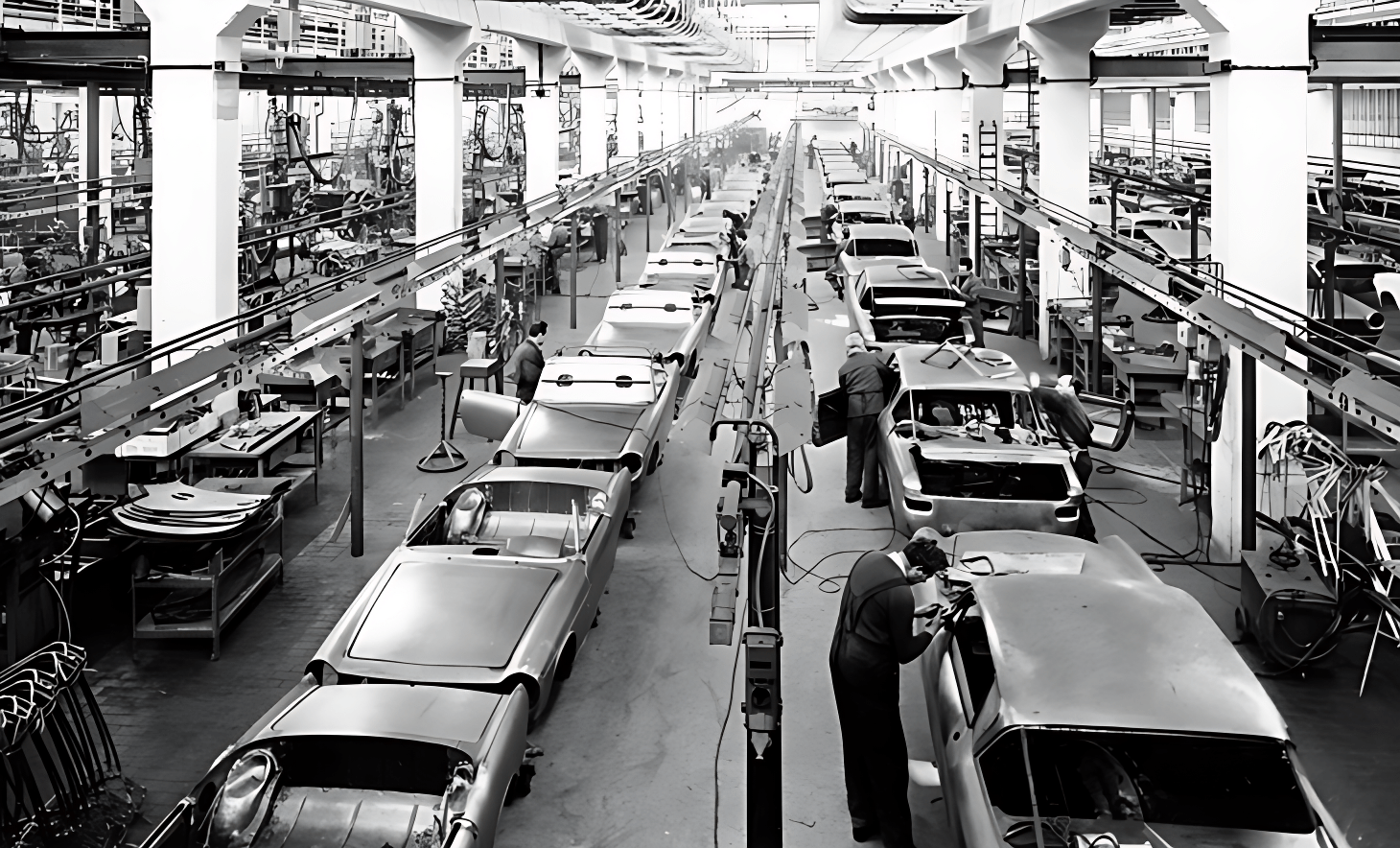
Hot on the heels of the Spider, OSI tackled another Ghia-designed project: the Fiat 2300 S Coupé. Fiat’s flagship six-cylinder grand tourer had been styled by Ghia’s studio (with contributions by designers like Sergio Sartorelli early in his career) and needed limited-production manufacturing. OSI assembled these elegant two-door coupés for Fiat, adding a prestigious Italian GT to its portfolio. Around the same time, OSI also built the Ghia 1500 GT – a fastback sports coupé based on Fiat 1500 mechanics. This car, designed at Ghia and sometimes just called the “Fiat 1500 GT,” had aggressive styling and was produced in a few hundred units between 1963 and 1967, with OSI handling the body construction. By undertaking such projects, OSI developed a reputation as the go-to manufacturer for special series: if a design house or automaker had a stylish limited-edition model they wanted built, OSI could stamp and assemble it with high quality. The company was thriving in its supporting role during these early years, benefitting from Italy’s favorable economic climate and the public’s appetite for unique, coachbuilt cars.
A Growing Portfolio: From Innocenti to Ford and Alfa Romeo
As the 1960s progressed, OSI’s portfolio became impressively eclectic. In addition to the Innocenti and Fiat-Ghia projects, OSI took on work for Ford’s Italian operations and even Alfa Romeo. These collaborations often involved other famed Italian designers, underscoring OSI’s role as a bridge between styling creativity and production know-how.
🔗 Read more: The story of Ghia – part 1
One notable project came from Ford Italia, which sought to capitalize on local tastes by giving a British economy car an Italian makeover. The result was the Ford Anglia Torino, a restyled version of Ford’s Anglia 105E sedan, penned by Giovanni Michelotti. OSI was contracted to build this special model, and from 1965 it churned out the angular little sedans with their distinctive Michelotti-designed noses and tails. The Anglia Torino was marketed in Italy and a few other European countries, and it proved modestly successful – just over 10,000 were produced and sold in Italy, as well as in export markets like Belgium, Luxembourg, and the Netherlands. For OSI, this was a significant contract that kept its assembly lines busy and demonstrated that even a humble economy car could be reborn with Italian styling flair. It also showed OSI’s flexibility: here was a coachbuilder able to work with a freelance designer (Michelotti) and a major foreign automaker to deliver a unique regional model.
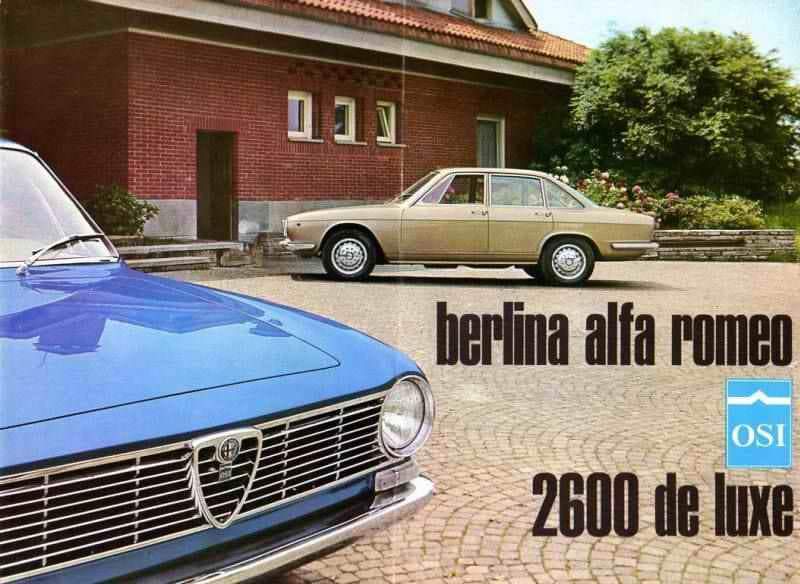
Around the same period, OSI dabbled in upscale Italian cars. In 1965, it unveiled the Alfa Romeo 2600 De Luxe by OSI, essentially a bespoke version of Alfa’s 2600 executive sedan. The OSI variant featured subtle bodywork modifications and a more luxurious finish, attempting to elevate the 2600 Berlina into true limousine territory. Alfa Romeo entrusted OSI with building this limited series, and ultimately only 54 units were manufactured, making it an ultra-rare Alfa today. The 2600 De Luxe OSI was unveiled at the Geneva Motor Show in 1965 and targeted customers who desired something more exclusive than the standard factory sedan. While it didn’t set the sales charts on fire, the project added to OSI’s prestige as a coachbuilder capable of both design tweaks and production. It also forged a relationship with Alfa Romeo that would soon lead to even more daring ventures.
🔗 Read more: Sergio Sartorelli: Designer of Dreams
OSI’s growing confidence and capability were evident. By the mid-1960s, the company wasn’t merely executing other firms’ designs – it was beginning to develop its own design and engineering projects. An important turning point was the hiring of Sergio Sartorelli, a talented automotive designer who had been working at Ghia. Following Luigi Segre’s untimely death, Sartorelli left Ghia and, after a brief freelance stint, joined OSI to establish its in-house Centro Stile (Style Center). Starting in 1965, Sartorelli became OSI’s design director, giving the firm a creative identity of its own. Under his guidance, OSI could both build and style cars – a significant evolution from being just Ghia’s manufacturing arm. Sartorelli brought with him a wealth of experience (he was the mind behind the Volkswagen Karmann Ghia Type 34 and had contributed to the Fiat 2300 S design), and at OSI he quickly set about creating new models and concepts.
The OSI 20M TS: A Flagship Sports Coupé
The most famous car to wear an OSI badge arrived in the mid-1960s: the O.S.I. 20mTS Coupé, often referred to as the Ford OSI 20M TS. Designed by Sergio Sartorelli, it was a sleek four-seat gran turismo based on Ford mechanical components but developed, bodied and assembled by O.S.I. in Turin. Ford supplied engines and elements of the chassis and lower body structure, while O.S.I. created the complete car. Sartorelli gave it a distinctly Italian character, with a long bonnet, low roofline and fastback rear. Power came mainly from Ford 2.0- and 2.3-litre V6 engines.
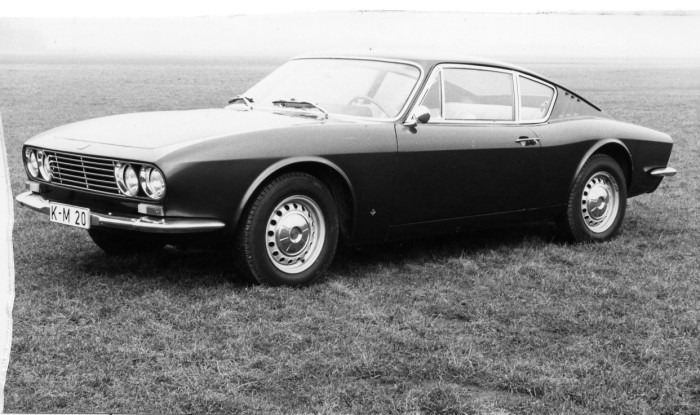
Production began in the second half of the 1960s and the car achieved its strongest commercial presence in Germany. Around 1,500 cars from the 1967 production alone are reported to have been acquired by Stuttgart-based Schwabengarage and distributed through Ford’s European dealer network. Earlier published production totals vary considerably and should therefore be treated with caution. German prices were around 14,900–15,200 DM, while the Italian launch price was 2,500,000 lire. Around 200 examples are believed to survive worldwide. The often-repeated claim that the 20mTS was conceived merely as a temporary bridge to the Ford Capri is not sufficiently supported by the available evidence.
Despite its importance, the 20mTS also marked the high point of OSI’s journey. The company had lost its co-founder and driving force, Luigi Segre, in 1963, weakening many of the industrial relationships that had supported its rapid growth. Under subsequent management, OSI continued with projects such as the 20mTS and Anglia Torino, but declining contract work and the cost of maintaining its large production capacity placed increasing pressure on the company during the second half of the 1960s.
Bold Concepts and Experiments
Even as clouds gathered on the business side, OSI’s design team under Sartorelli continued to dream big. In the span of just a few years (1966–1967), OSI produced a string of concept cars and prototypes that showcased both creative vision and engineering daring – a final burst of innovation before the end.
One of these projects was the Innocenti C Coupé (often just called the Innocenti Coupé), introduced in late 1966. Essentially, Innocenti and OSI attempted to reinvent the fading Spider as a sporty closed coupé to rekindle customer interest. Sergio Sartorelli completely reimagined the body: the Innocenti C Coupé had a wider and longer body than the Spider, with a 150 mm longer wheelbase for a less cramped cabin. It sat lower and looked more mature, featuring a fastback roof and 2+2 seating. Under the skin it still used the Austin-Healey Sprite-derived chassis and the 1.1-liter engine. Priced competitively in Italy – fitting between the tiny Fiat 850 Coupé and the larger Fiat 124 Sport Spider – the Innocenti Coupé showed promise. However, it came too late. By the late ’60s the market for the old “Spridget” underpinnings had dwindled. Innocenti managed to build only 794 Coupés before production ended in 1968, when they shifted focus to their new Mini-based models. For OSI, it was still a point of pride: the Innocenti C was an in-house design that made it to production, however limited, and it allowed the company to flex its styling muscles one more time in the small sports car arena.
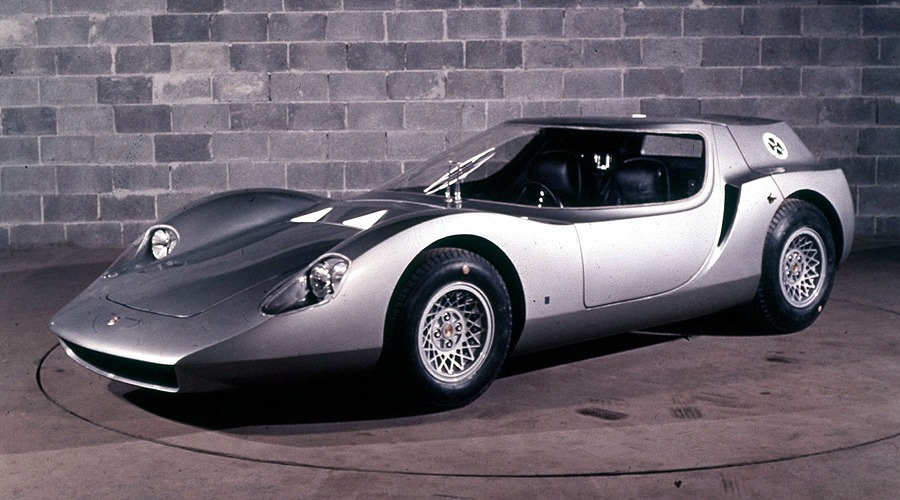
OSI also teamed up with Alfa Romeo again in 1966 for an even more exotic machine – the Alfa Romeo Scarabeo. This was a mid-engine experimental sports car engineered by Alfa’s Giuseppe Busso and Orazio Satta Puliga, with the body designed by Sartorelli at OSI. Using a tubular chassis from the Alfa Tipo 33 race car and a rear-mounted 1.6L engine from the Alfa Giulia GTA, the Scarabeo was a pared-down, lightweight missile of a car. OSI built at least two prototype bodies (some say three) for the Scarabeo project. The car debuted at the 1966 Paris Motor Show, impressing with its canopy-style doors and rear-engine layout. It was a clear departure from anything Alfa had in production. Though the Scarabeo program was eventually shelved by Alfa in favor of more focused racing efforts, the collaboration demonstrated OSI’s engineering competence and its close ties with Italy’s top design talent. The Scarabeo’s striking form – low, wide, and futuristic – remains a favorite among concept car aficionados, and one of the prototypes now resides in Alfa Romeo’s museum. This radical show car stands as evidence that OSI, for all its troubles, was never short on ambition.
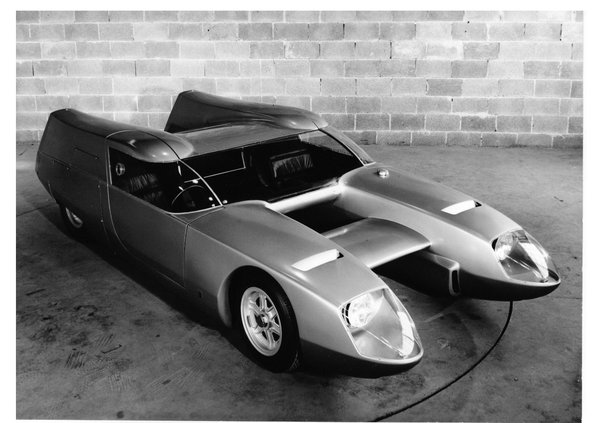
Perhaps the most outlandish OSI creation of all appeared in 1967: the OSI Silver Fox, also known as the OSI Bisiluro (twin torpedo). If ever a car looked like it came from a science fiction film, the Silver Fox was it. Unveiled at the 1967 Turin Motor Show, it was a radical twin-boom racing prototype designed with one goal – to conquer high-speed endurance competitions like Le Mans. Sergio Sartorelli and his team engineered the Silver Fox with two narrow parallel bodies (one for the driver, one for an engine) connected by wing-like aerodynamic fins. Power came from a humble 1.0-liter Renault Alpine inline-four engine mounted in one pod, counterbalancing the driver in the other. Thanks to an ultra-light build and wind-cheating shape, the Silver Fox could reportedly reach about 155 mph (250 km/h) – an astounding feat for such a small engine in 1967. Its aerodynamic party trick was a set of three adjustable wings between the twin hulls, including a central wing that could be altered on the fly to adjust downforce. The car was painted in a striking silver and orange livery and captivated onlookers at Turin with its unusual form. It was OSI’s moonshot: a demonstrator of extreme innovation, intended to show what the company’s designers and engineers could do when let loose. Sadly, the Silver Fox never got to race. It underwent a few test runs, but before any campaign at Le Mans could materialize, OSI’s automotive division collapsed. The Silver Fox remained a one-off concept – a winged wonder that today symbolizes OSI’s fearless creativity in its final hour. Enthusiast sites still marvel at this bizarre machine and its fascinating backstory, and it often makes appearances at classic car shows and museums as a reminder of OSI’s innovative spirit.
In addition to these headline projects, OSI worked on various other inventive ideas in the mid-’60s. For instance, it developed a Fiat 124 Cross Country prototype in 1966 – essentially an early crossover concept, transforming Fiat’s family sedan into a boxy off-road vehicle with a removable canvas roof. This one-off was also designed by Sartorelli and displayed in Turin, showcasing OSI’s ability to explore emerging niches like recreational 4x4s. There were also designs for a Fiat 125 station wagon (at a time when Fiat had not yet produced a wagon version of that sedan) and even a curious compact van called the OSI Secura, aimed at city use. These projects never saw mass production, but they underscore how OSI’s Centro Stile was humming with ideas. From sports cars to off-roaders to utility vehicles, OSI seemed game to try anything – a testament to the creative ferment of the era.
Commercial Challenges and Decline
While OSI’s designers were busy crafting bold models, the business side of the company was unraveling. The loss of Luigi Segre’s leadership after 1963 left OSI without its key champion in securing contracts. The alliance with Ghia weakened – especially as Ghia itself went through changes in the mid-1960s – and Ford’s support was never formalized beyond the specific projects already underway. Giacomo Bianco, who succeeded Segre, struggled to find new customers or investors to keep the momentum going. OSI had grown quite large by 1965, with upwards of 1,500–2,000 employees when running at full capacity. This scale was sustainable only if new orders kept filling the pipeline. Unfortunately, by 1966 the anticipated contracts failed to materialize. The timing was also unfortunate: the late 1960s saw many automakers bringing specialty models in-house or turning to cheaper coachbuilding alternatives. For example, Ford chose to engineer the upcoming Capri on its own rather than extend the OSI 20M, and Innocenti’s dalliance with sports cars ended as they pivoted to producing British Minis under license. The writing was on the wall for OSI’s niche.
The financial crunch hit hard in 1966. That year, OSI was forced to lay off around 2,000 workers – a massive cut that highlighted just how overextended the company had become. The closure of OSI’s automotive operations followed soon after. By December 1967, OSI halted all car production, effectively ending its run as a boutique automaker. Projects in progress were wrapped up: the last of the OSI 20M TS coupés were completed, and the Innocenti Coupé’s short production run fizzled out. The Turin factory went quiet. It was an abrupt and painful end for a company that, only a couple of years earlier, had seemed full of promise.
In early 1968, OSI’s board decided to wind down the car-making division entirely. Giacomo Bianco was dismissed, and Sergio Sartorelli – ironically one of OSI’s greatest assets – was tasked with overseeing the closure and transition. In May 1968, OSI’s design department (Centro Stile) was formally absorbed into Fiat’s own design center. Sartorelli and some of his team moved over to Fiat, bringing their expertise to future Fiat projects. (Indeed, Sartorelli would go on to head Fiat’s Future Studies department, contributing to cars like the Fiat 126 in the 1970s.) Thus, in a subtle way, OSI’s DNA continued to influence Italian car design even after the company itself had folded.
The OSI enterprise did not vanish overnight, however. The legal entity and the factory survived, pivoting back to OSI’s original industrial focus. Through the late 1960s and beyond, OSI remained active as a producer of steel pressings and industrial equipment. In other words, the company returned to doing contract manufacturing – but no longer whole cars. OSI built bodies and components for other industries and even for some commercial vehicles, albeit without its former glamor. This industrial chapter is often a footnote, overshadowed by the dramatic rise and fall of the car-building years. For fans of Italian automotive design, OSI’s true legacy lies in those brief eight years (1960–1968) when it lit up the motoring scene with a flurry of creative collaborations and creations.
Legacy and Reflections
Though OSI’s lifespan was short, its impact on Italian automotive history is cherished by enthusiasts and historians. The company served as a behind-the-scenes hero, enabling famous design houses to see their visions put on the road. Had OSI not existed, cars like the Innocenti Spider or the Anglia Torino might never have reached production. OSI provided a bridge between design innovation and manufacturing at a time when Italy’s carrozzeria culture was at its peak. Each of OSI’s projects carried a bit of that Italian magic: a combination of style, creativity, and craftsmanship that gave the cars a special aura.
Today, surviving OSI-built cars have become quite collectible. The OSI-Ford 20M TS coupé, in particular, enjoys a strong following among classic car collectors in Europe, admired for its unique blend of German robustness and Italian elegance. Fewer than 200 of these cars are thought to remain today in running condition (as of 2010), making any sighting a treat. Similarly, the Innocenti Spider and Coupé have their own niche fanbase, as do the rare Alfa 2600 De Luxe sedans – all tangible reminders of OSI’s handiwork. At classic car shows and concours d’elegance, one might even encounter OSI’s concept cars like the Silver Fox or an Alfa Scarabeo prototype, often displayed as examples of 1960s experimental design. These futuristic machines never entered production, but they continue to captivate imaginations and spark conversations, underlining the bold ingenuity that OSI embodied.
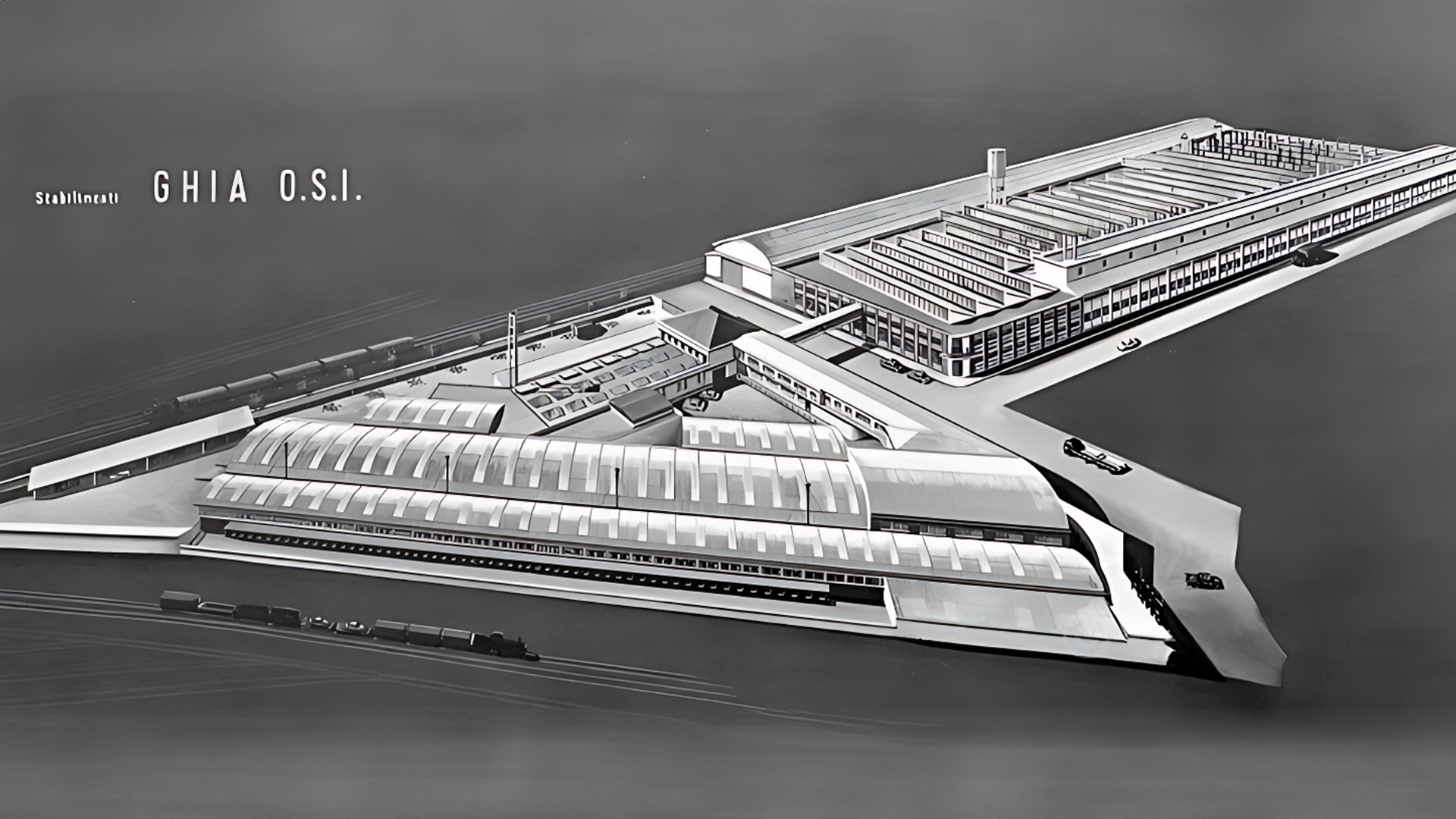
OSI’s story is also frequently cited as emblematic of the changing tides in the coachbuilding industry. In the 1950s and early ’60s, independent coachbuilders in Italy flourished by partnering with major automakers – think of Pininfarina with Ferrari, Bertone with Alfa, or Vignale with Fiat. OSI arrived as part of this wave, carving out its collaborative niche with Ghia and others. But by the late ’60s, consolidation and globalization were squeezing out the smaller players. OSI’s collapse in 1968 mirrored the fate of other carrozzerie of the era (Touring Superleggera had gone bankrupt in 1966, for example). Larger companies began absorbing design and limited-production work internally, or turning to more financially stable partners. The era of boutique Italian coachbuilders was drawing to a close, at least in its traditional form. OSI’s demise, while unfortunate, was part of a broader pattern as the industry evolved.
🔗 Read more: The History of Carrozzeria Touring: From Superleggera Origins to Modern Revival
Yet, for a company that many have never heard of, OSI’s résumé is impressive. In just a few years, it contributed to an array of memorable vehicles: cute roadsters, handsome grand tourers, practical family cars, high-speed dream machines – even an off-road prototype. It collaborated with some of the greatest design minds of the day, from Tom Tjaarda and Giovanni Michelotti to Sergio Sartorelli. It was born from Ghia’s vision, and in a twist of fate, its remaining talents helped fortify Fiat’s design future. Officine Stampaggi Industriali may have been short-lived, but it burned brightly while it lasted, leaving a legacy of creativity and craftsmanship that still resonates with Italian car enthusiasts. In the annals of carrozzeria lore, OSI’s chapter reminds us that sometimes the most intriguing stories come from the unsung heroes working quietly behind the scenes – until their own moment in the spotlight arrives.
In the end, OSI’s history is a celebration of that uniquely Italian mix of style and entrepreneurship. It’s the tale of a company that dared to take on ambitious projects and, for a brief period, succeeded in building dreams on wheels. From its auspicious Ghia-backed start to its bittersweet finish, OSI showcased the best of Italian coachbuilding – proving that even a workshop founded for industrial stampings could, with the right people and passion, create automobiles that were truly special. Its memory lives on in the gleaming restorations and museum pieces that bear the OSI name, and in the hearts of those who know the story behind those highly original models. OSI may have faded away by 1968, but its spirit continues to enchant all who appreciate the art of the automobile.

ABOUT THE AUTHOR
Andreas Scheidl
Italian classic car enthusiast with German roots. Renowned as a respected figure in the classic car community, he serves as a jury member at various international concours d'elegance, including the Classic Gala Schwetzingen and Mantova. As a content creator, Andreas passionately shares his profound knowledge and appreciation for vintage automobiles. His heart beats for cars designed by Giovanni Michelotti, showcasing his discerning taste and dedication to preserving the timeless elegance of automotive history.
More stories by Andreas Scheidl ↗CONTINUE READING
Posts You Might Like
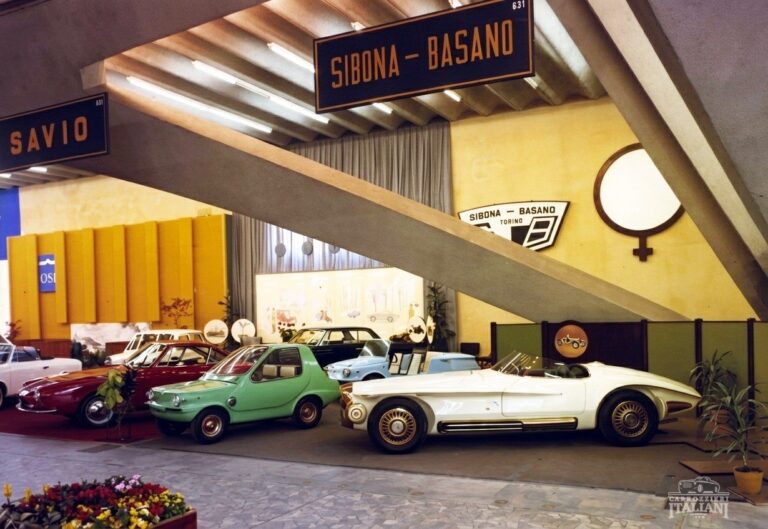
Sibona & Basano: The Turin Workshop Behind Abarth, Exner and Autonova
For a brief period in the 1960s, Sibona & Basano occupied a distinctive position in Turin's coachbuilding industry, constructing competition bodies, prototypes and experimental cars for Abarth, American designers and some of…
Read story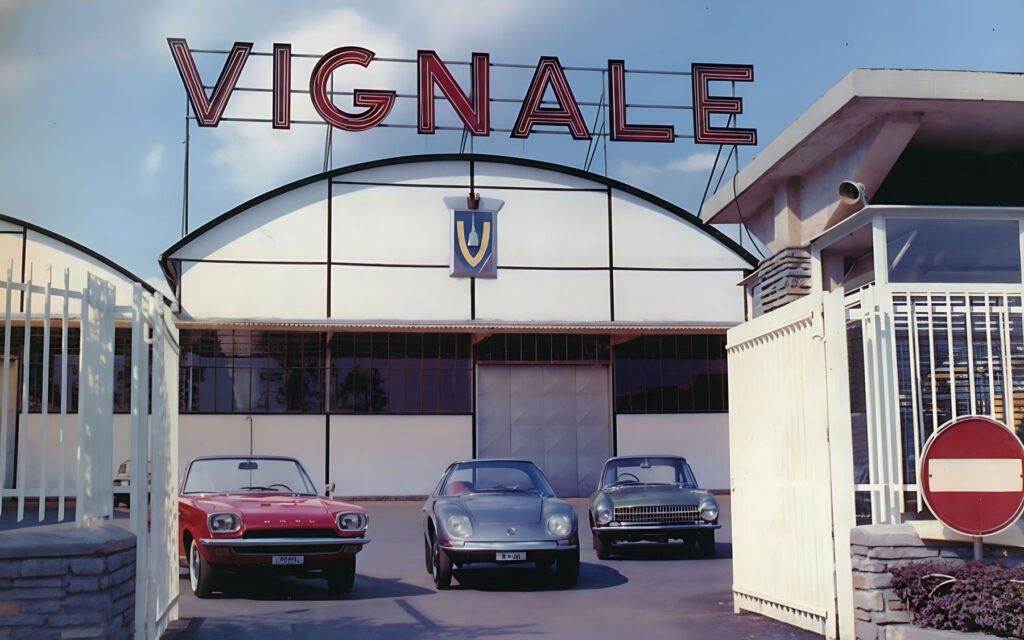
The Story of Carrozzeria Vignale
The story of Carrozzeria Vignale represents one of the many somewhat forgotten success stories born against the backdrop of an Italy that was torn apart by the Second World War and which,…
Read story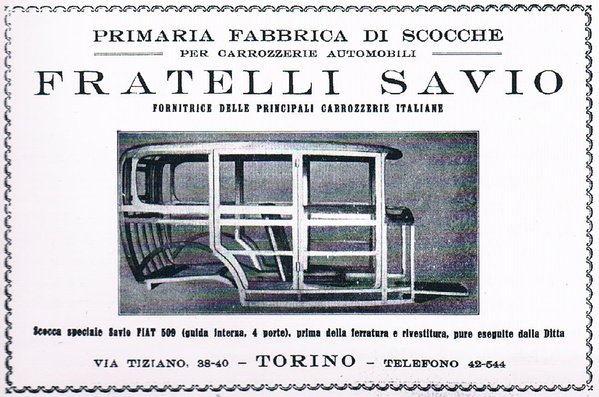
Carrozzeria Savio: The History
From early Fiat specials to the Jungla, Delta S4 and Italdesign Aztec, the story of Carrozzeria Savio is far richer than many remember.
Read story
The History of Carrozzeria Boano
The untold story of Mario Boano and Carrozzeria Boano, from Ferrari 250 GTs to the Spiaggina, reshaping Italian automotive history.
Read story
THE CONVERSATION
Comments 0
Share a memory, a period photograph or a documented detail about this story.