
Maserati A6 GCS wins Best of Show at the 2026 Classic-Gala Schwetzingen
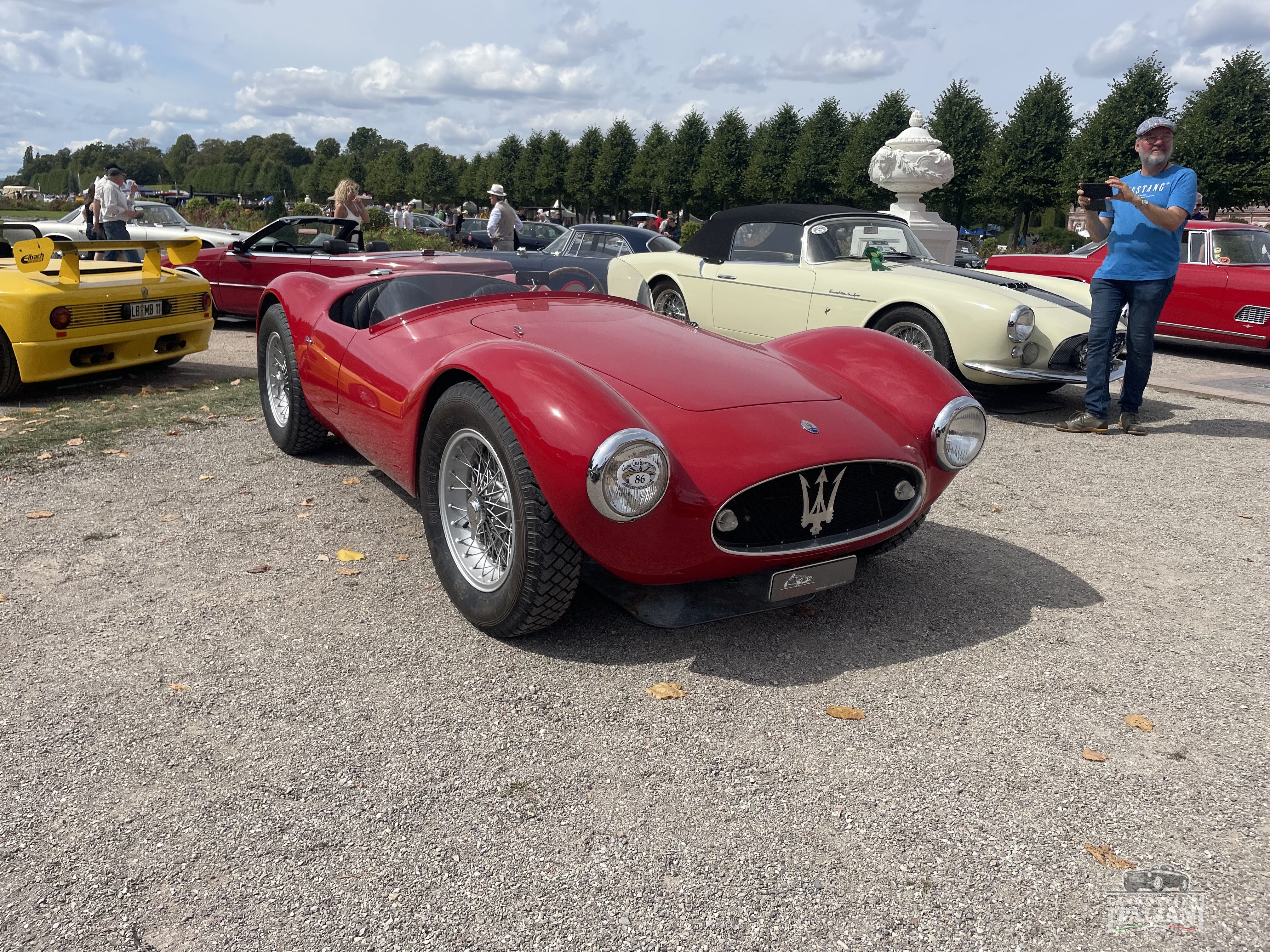
The 22nd ASC Classic-Gala filled the gardens of Schwetzingen Palace with 160 concours cars and major displays celebrating Maserati, the BMW 328 and the Dino. A 1954 Maserati A6 GCS took Best of Show, while Chris Cachia returned to the podium with his Michelotti-designed Triumph Italia.
The gardens of Schwetzingen Palace once again provided the setting for one of Germany’s most established concours d’elegance events when the 22nd ASC Classic-Gala Schwetzingen took place from 28 to 30 August 2026.
Around 160 automobiles were entered in the concours, covering well over a century of motoring history, with further cars forming part of the numerous special displays spread throughout the Schlosspark. Despite a decidedly wet opening Friday, conditions improved considerably over the weekend and the event recorded 22,500 visitors over its three days.
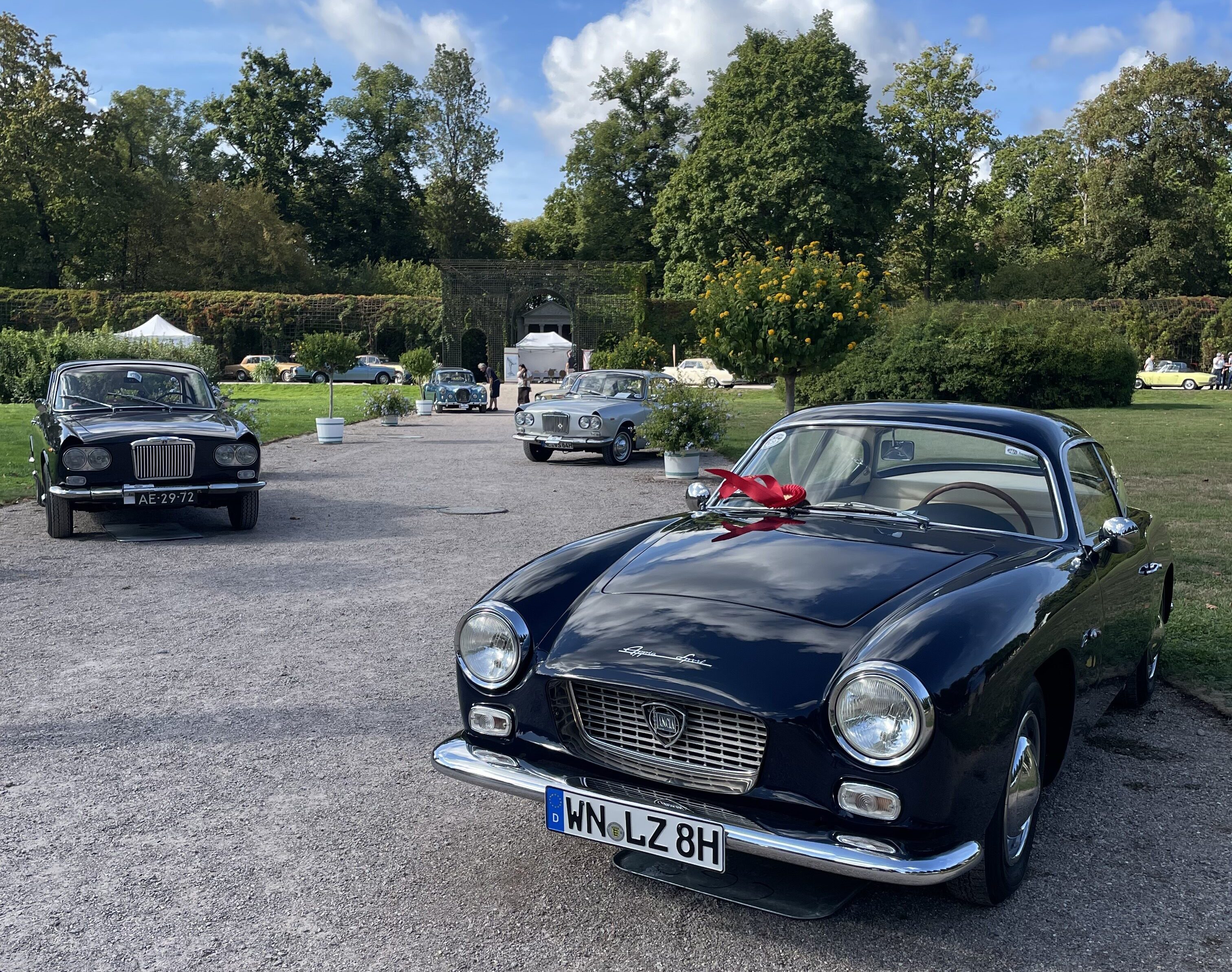
The 2026 edition revolved around three principal anniversaries and themes: 100 years of Maserati automobiles, 90 years of the BMW 328 and Passione Dino. These were joined by Héritage Peugeot, a gathering of the very rare Sunbeam Venezia and the 14th US Classic Car Concours.
As usual at Schwetzingen, the result was a deliberately broad field. Grand Prix and sports cars shared the park with luxury automobiles, compact post-war cars, prototypes, coachbuilt specials and more familiar production classics. It is this mixture that has long distinguished the event from concours devoted almost exclusively to the most expensive machinery.
A century of Maserati
Maserati naturally occupied a central position in the 2026 edition.
Although the Maserati brothers had been active before then, 1926 marked the appearance of the Tipo 26, the first racing car to bear the Maserati name, making 2026 the centenary of Maserati automobiles.
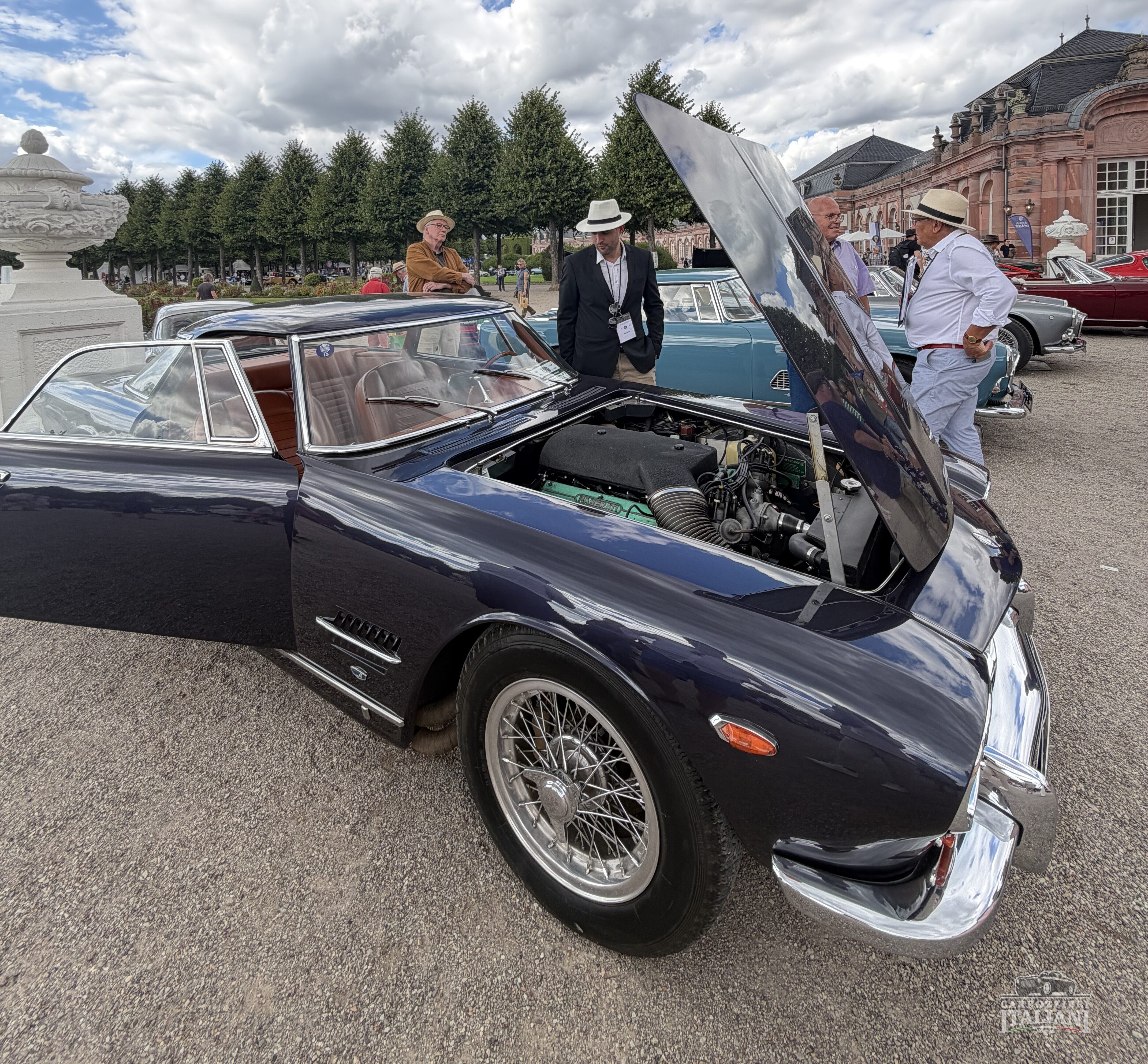
The special display traced the marque from its early competition years through the great Grand Prix machines and into the post-war Gran Turismo period.
Among the cars representing Maserati’s competition heritage were machines from the era in which the Bologna-born company established itself against Alfa Romeo, Bugatti, Mercedes-Benz and Auto Union. The story continued with the post-war cars and the gradual transition towards road-going GTs.
That transition was particularly significant for Italian coachbuilding. The early A6 road cars were clothed by firms including Pinin Farina, Ghia, Touring, Vignale and Zagato, creating some of the foundations of the post-war Italian Gran Turismo idiom.
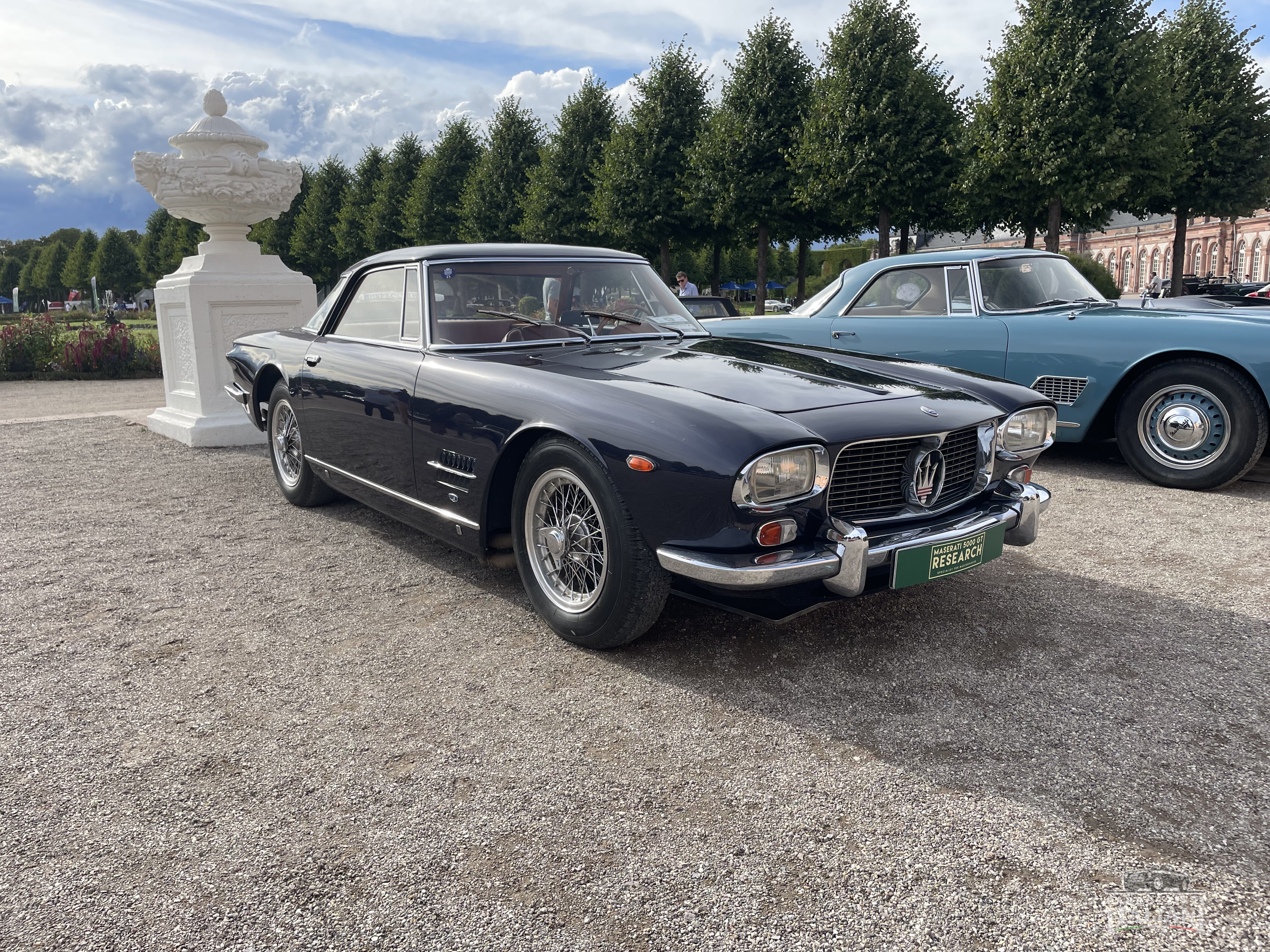
Later generations were also strongly represented at Schwetzingen. Cars from the 3500 GT family illustrated Maserati’s transformation into a serious manufacturer of high-performance road cars. The 3500 GT Coupé was joined by the particularly elegant 3500 GT Vignale Spyder, designed by Giovanni Michelotti, while subsequent Maseratis illustrated the increasingly diverse stylistic directions taken by the company.
The Sebring, Mistral, Quattroporte, Ghibli, Indy, Bora, Merak and Khamsin carried the story through the 1960s and 1970s, showing just how closely Maserati’s identity became linked to the leading Italian designers and carrozzerie.
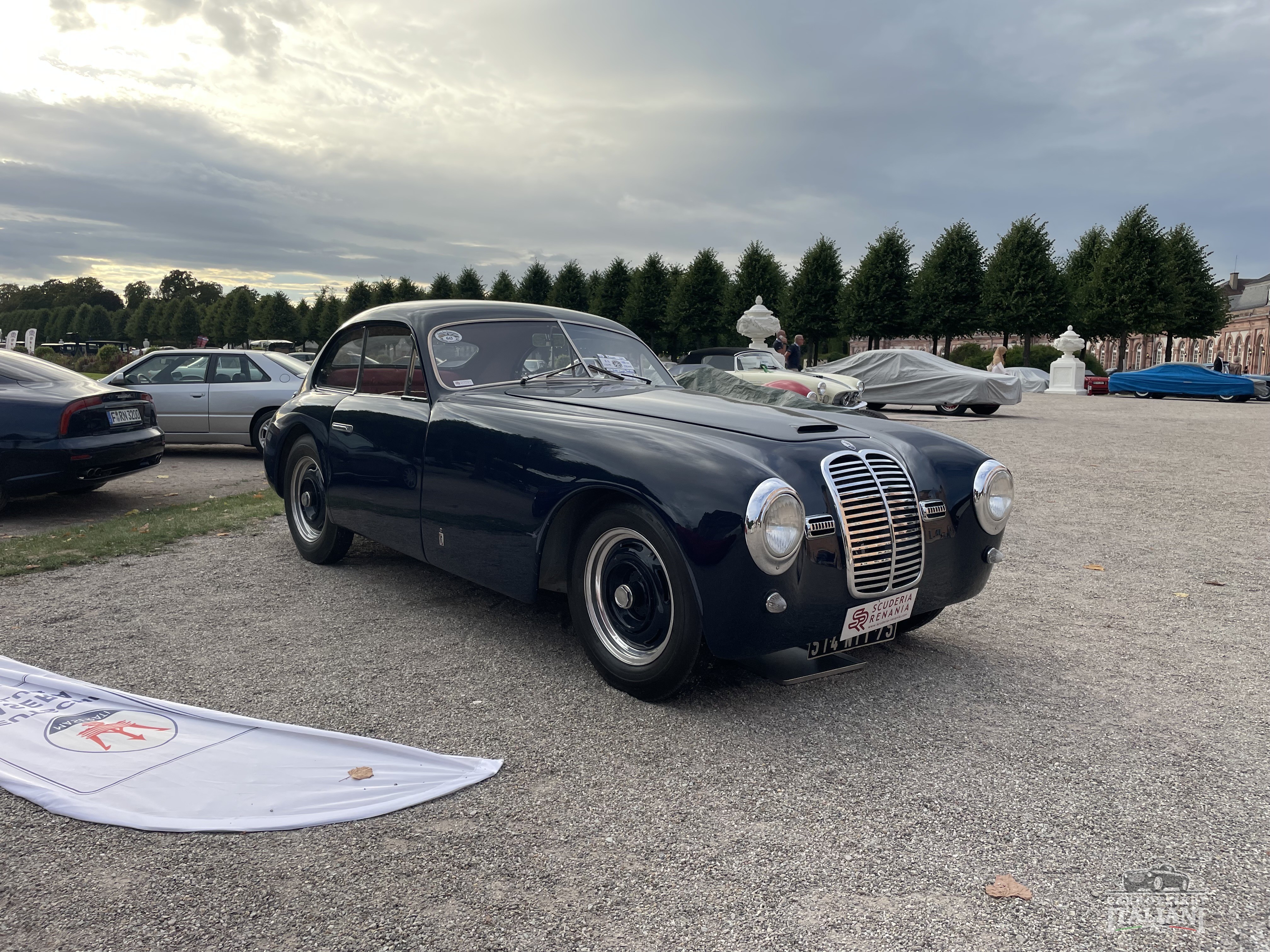
A 1992 Maserati Barchetta, one of only a very small number built for the marque’s one-make racing series, provided a much later and considerably less familiar chapter in the story.
At the end of the weekend it was also a Maserati that received the event’s highest honour.
Best of Show was awarded to J. Weber’s 1954 Maserati A6 GCS Barchetta.
It was a particularly appropriate choice during the centenary celebrations. The A6 GCS belongs to one of the most interesting periods in Maserati history, when the company was producing highly effective competition cars while simultaneously developing the road-going Gran Turismo models that would define its image during the following decade.
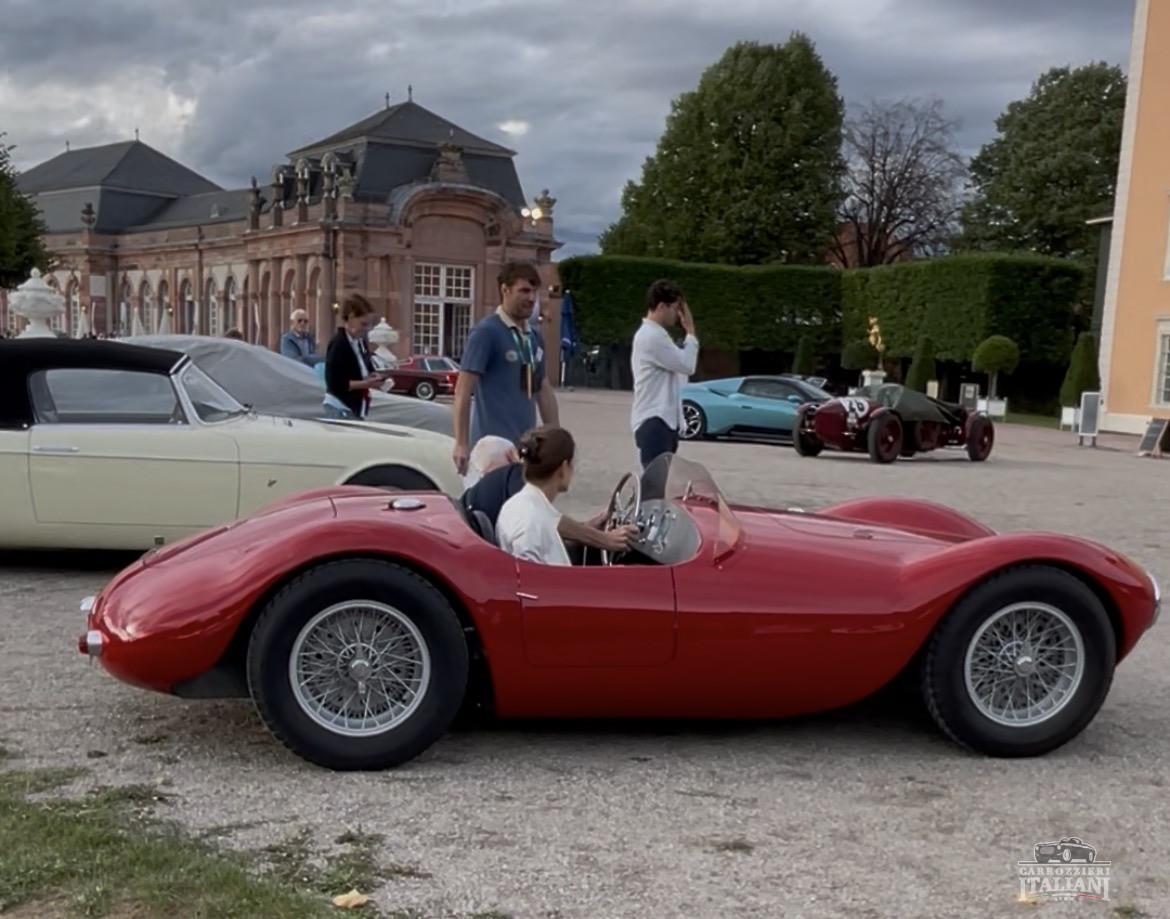
Compact, light and purposeful, the A6 GCS is the visual opposite of many of the large pre-war automobiles traditionally associated with concours d’elegance. Its victory reflected the importance now given not simply to luxury or decoration, but also to authenticity, historical significance, engineering and purity of design.
Against the backdrop of the Maserati centenary, few cars could have provided a more fitting conclusion to the 2026 event.
Chris Cachia returns with a Triumph Italia
The Classic-Gala Grand Prix went to another car with a strong Italian connection: Chris Cachia’s 1960 Triumph Italia Michelotti.
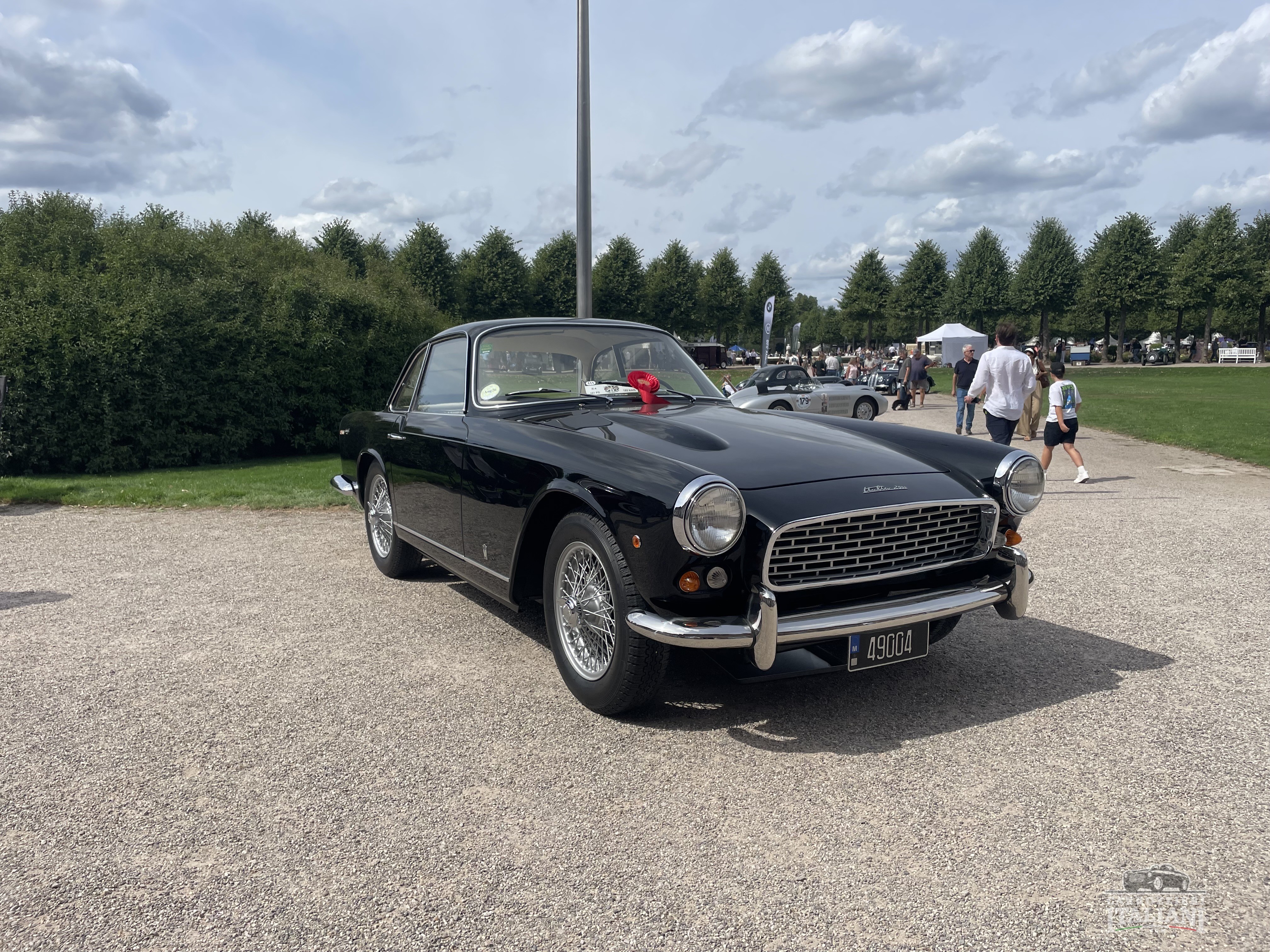
The result continued a remarkable two-year run at Schwetzingen for the Maltese collector. In 2025, Cachia had won Best of Show with the extraordinary 1950 Triumph TRX prototype after completing an extensive restoration. He promised to return with another rarity, and did exactly that.
The Triumph Italia is one of the most attractive products of the wave of Anglo-Italian collaborations that appeared during the late 1950s and early 1960s.
The project originated with Salvatore Ruffino, Triumph’s Italian distributor, who envisioned a more exclusive coupé based on Triumph mechanical components. Giovanni Michelotti was responsible for the design and Carrozzeria Vignale for its construction in Turin.
Underneath was familiar Triumph TR3 engineering; outside, very little suggested the British roadster from which it had evolved.
With only 329 examples built, the Italia was always a rare sight, and surviving cars have become particularly sought after. Cachia’s car had been prepared specifically in time for Schwetzingen, making the Grand Prix a particularly satisfying sequel to his 2025 victory.
Passione Dino
One of the strongest displays of the weekend was devoted to the Dino, a name that links several very different cars through one of Ferrari’s most important engines.
The gathering brought together both Ferrari and Fiat interpretations of the Dino idea, illustrating the unusual relationship between the two manufacturers during the 1960s.
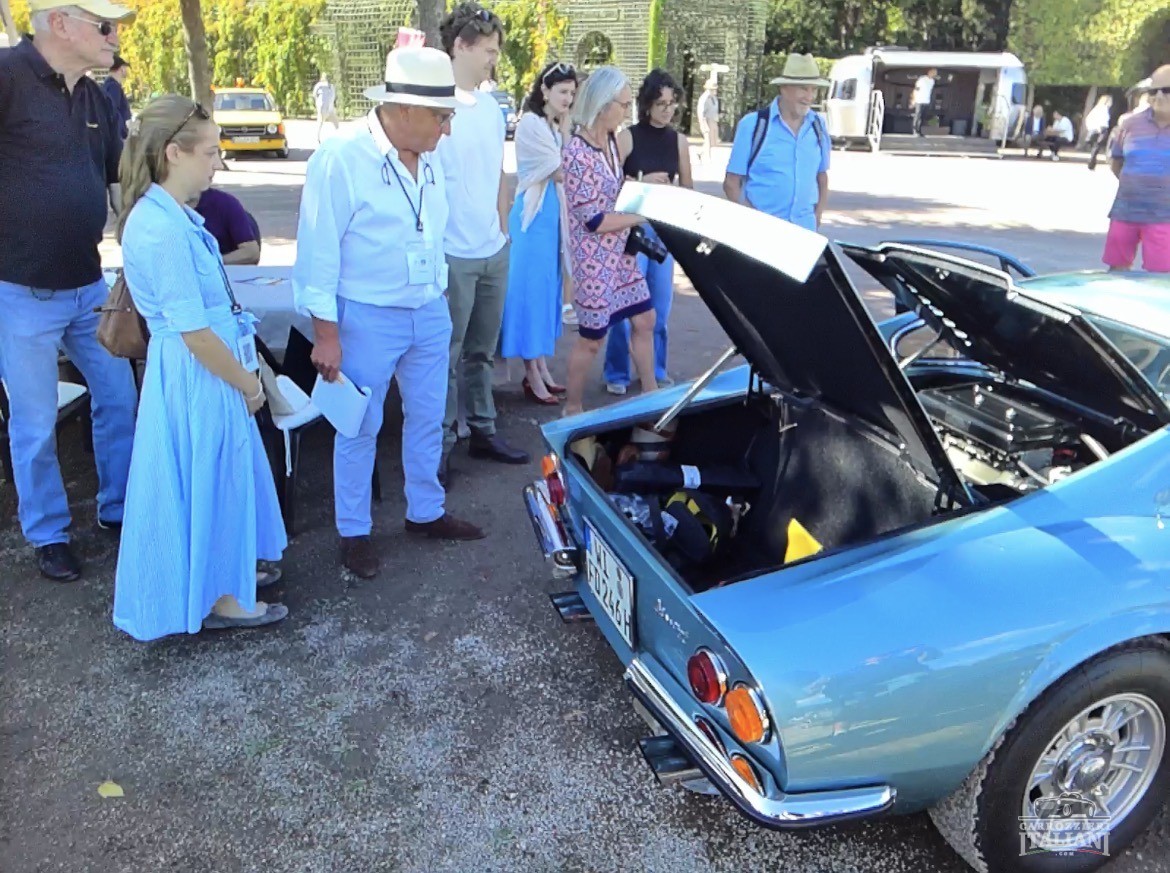
The original Dino 206 GT was followed by the better-known 246 GT and GTS, while Fiat used versions of the same V6 family in the front-engined Fiat Dino Spider, styled by Pininfarina, and Fiat Dino Coupé, designed by Bertone.
At Schwetzingen the cars could be compared side by side rather than viewed as isolated models. Several Fiat Dino Coupés were displayed together, while a group of 246 GT and GTS examples demonstrated the subtle differences between the closed and open versions.
The organisers also broadened the theme beyond the road cars. A Dino 206 S represented the competition side of the story, while later mid-engined cars including the Ferrari 308 GTB and Lancia Stratos demonstrated how the V6 and mid-engined layout influenced the following generation.
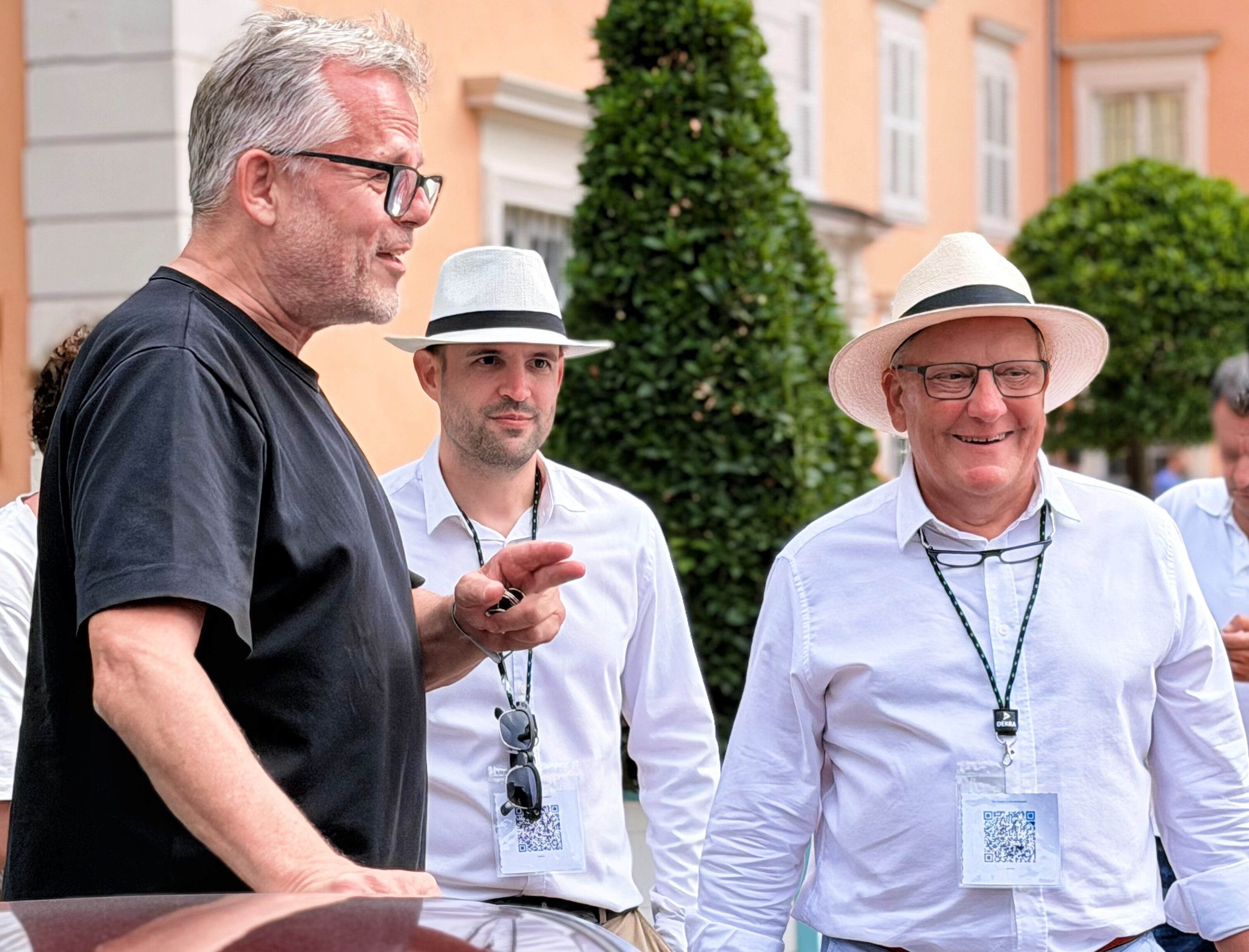
The Dino display proved successful with the jury as well. Several of the participating cars received awards, and a Ferrari Dino 246 won FIVA category F2, with a Fiat Dino Spider taking second place in the same class.
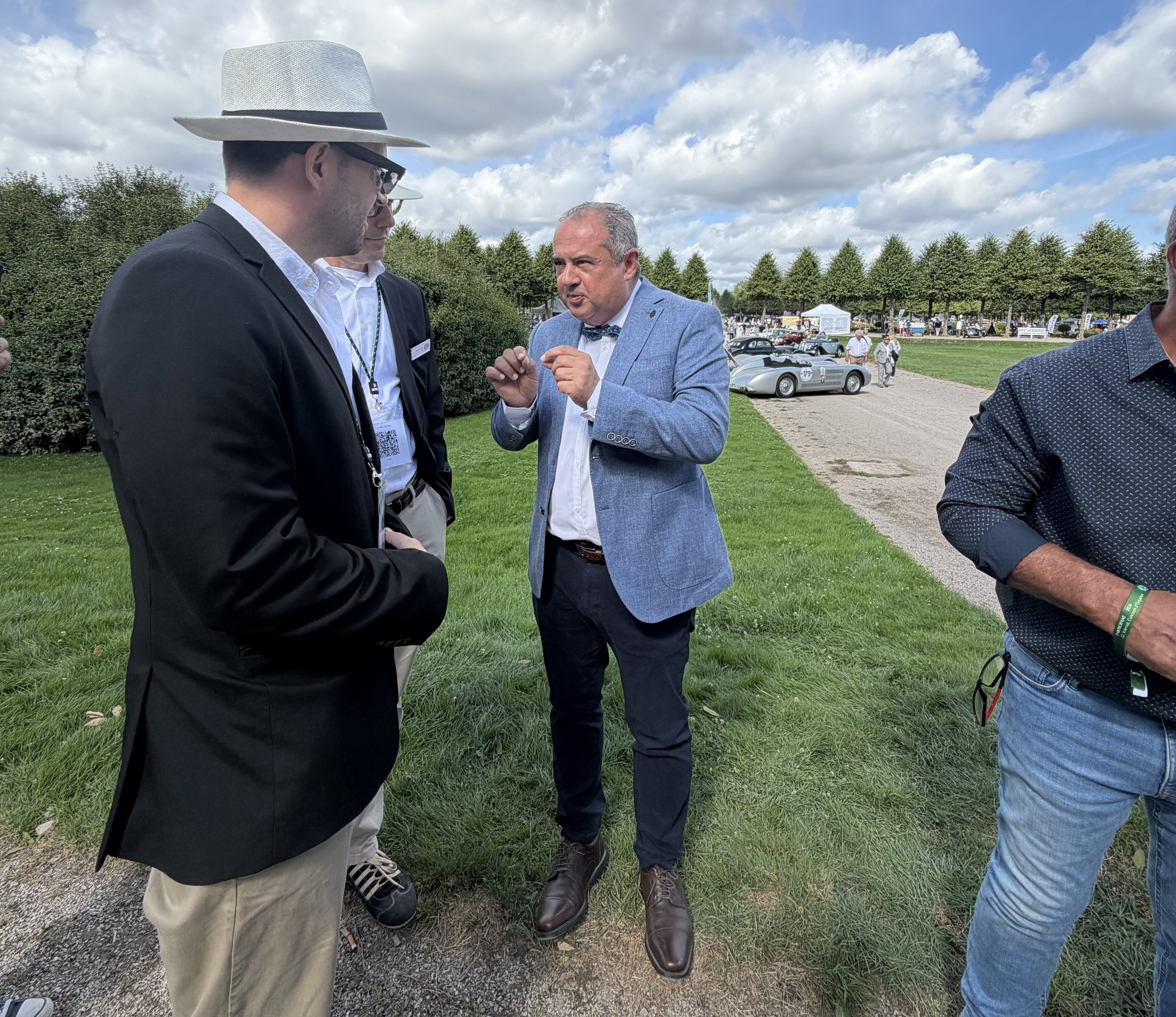
Carrozzieri-Italiani.com founder and Chief Editor Andreas Scheidl was among the members of the international jury and judged category F2 together with German automotive historian and journalist Wolfgang Blaube.
Ninety years of the BMW 328
The other major anniversary concerned a very different sports car.
Introduced in 1936, the BMW 328 is one of the defining German sports cars of the pre-war period. Light weight, a sophisticated two-litre six-cylinder engine and excellent road manners allowed the model to achieve a remarkable competition record.
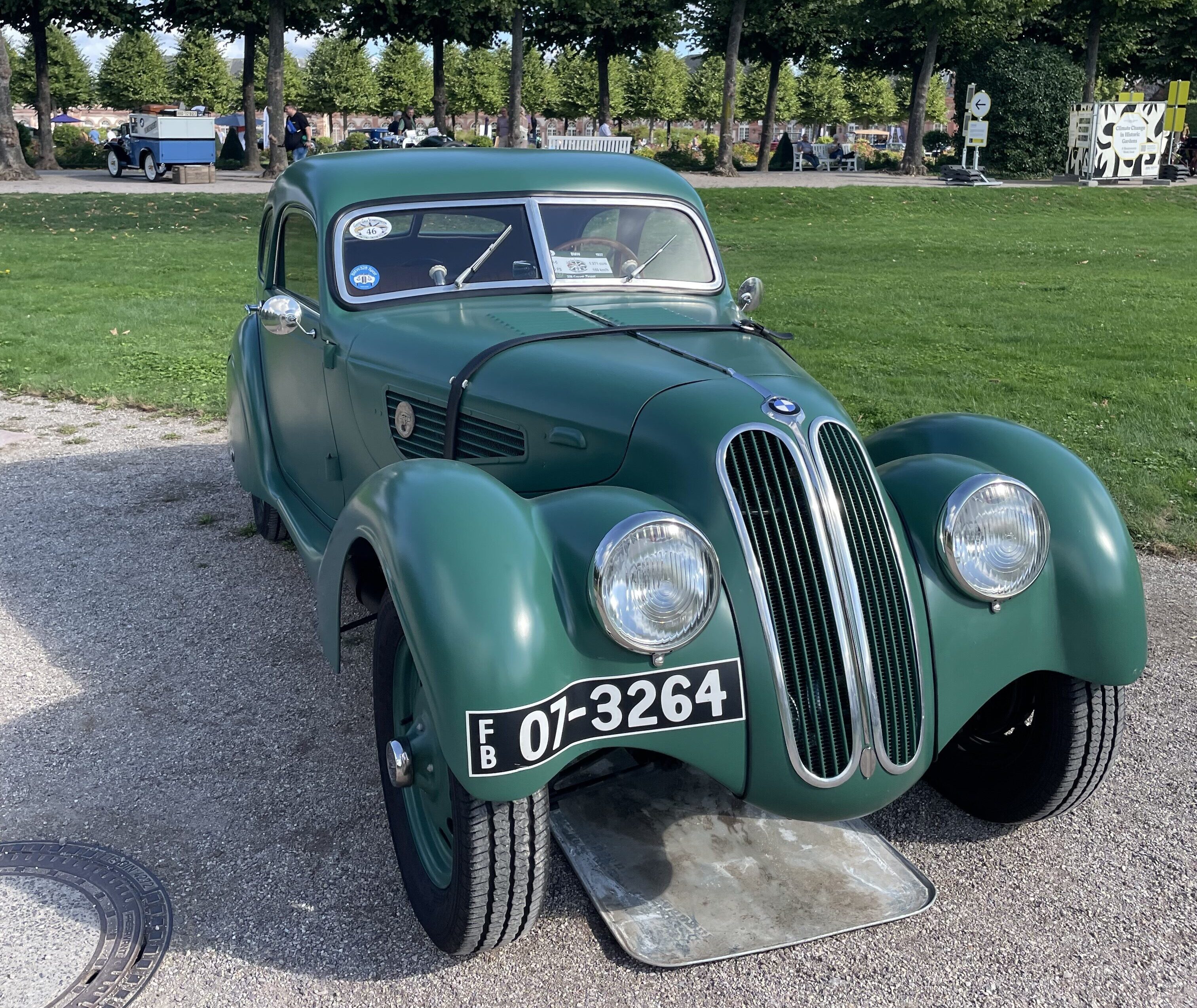
Its importance extends beyond the victories themselves. The principles behind the 328 — relatively low weight, aerodynamic efficiency and a well-developed chassis rather than simply ever-increasing engine capacity — would become an important part of BMW’s sporting identity.
Schwetzingen marked the model’s 90th anniversary with a dedicated presentation of 328s, offering a contrast to both the Italian GT cars and the larger luxury automobiles elsewhere in the park.
Five Sunbeam Venezias in one place
A much rarer Anglo-Italian story was represented by the Sunbeam Venezia.
Developed during the early 1960s, the Venezia combined British Rootes Group engineering with a body by Carrozzeria Touring of Milan. It was conceived as an elegant European Gran Turismo but was produced in only small numbers and remains little known outside specialist circles.
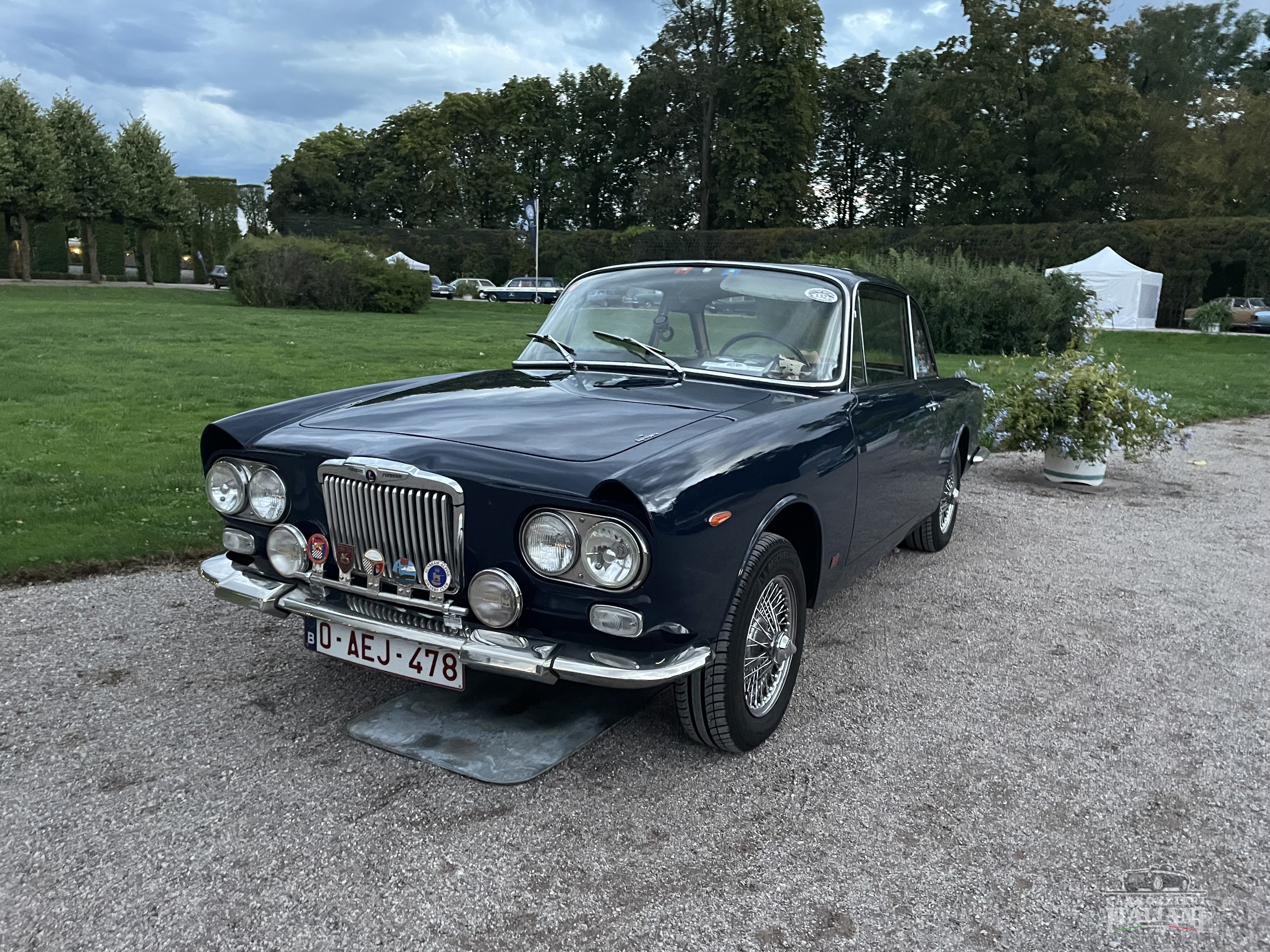
Finding a single Venezia at an event is unusual. Schwetzingen assembled five examples, making the display one of the more remarkable gatherings of the model in recent years.
Placed alongside the Triumph Italia, the Venezias also illustrated how attractive the Italian design and coachbuilding industry had become to foreign manufacturers during this period. British chassis and mechanical components were sent to Italy and returned with bodies that bore little resemblance to their mass-production origins.
From Packard to Fiat 850
The pleasure of Schwetzingen, however, lies as much in the unexpected cars as it does in the headline attractions.
Among the pre-war machinery was a 1931 Packard 833, while an unusual 1923 Chandler Sedan provided a glimpse of an American marque now largely forgotten in Europe.
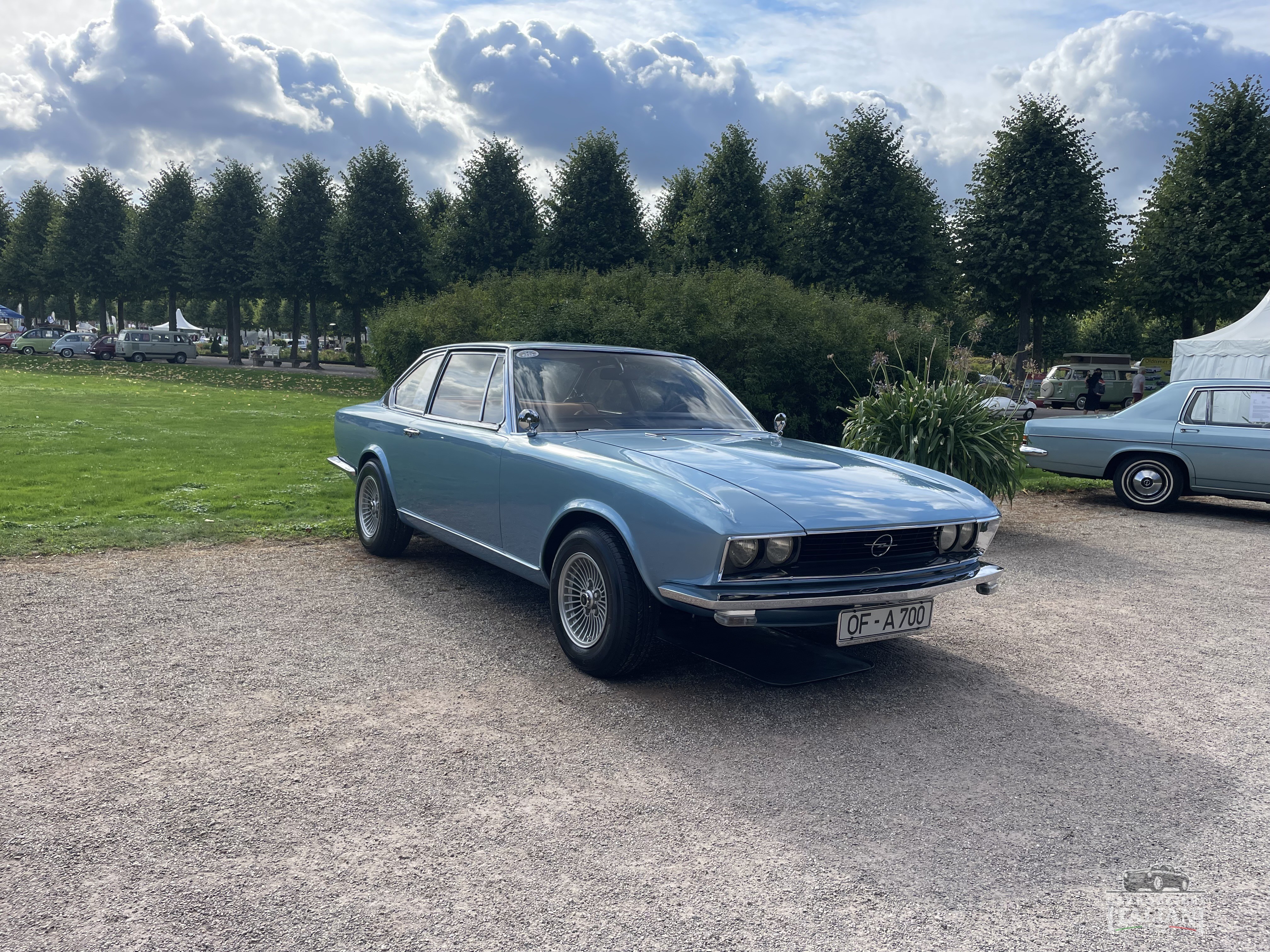
At the other end of the spectrum was a 1972 Fiat 850 Pulmino, whose narrow dimensions were a reminder that historical interest is not confined to sports cars and luxury automobiles.
A Mercedes-Benz 230 TE in period service-car specification, complete with roof equipment, showed another side of preservation: cars that were once working vehicles rather than collector pieces.
These less obvious entries are an important part of the Classic-Gala formula. A concours field containing only universally recognised icons risks becoming predictable; Schwetzingen has traditionally made room for automobiles whose appeal comes from rarity, unusual construction or simply the story attached to them.
Judging in the Schlosspark
Concours judging took place on Saturday, with the international jury assessing the cars for originality, authenticity, condition and historical correctness.
The final decisions were made ahead of Sunday’s awards ceremony. In FIVA category F2, a Ferrari Dino 246 took first place, ahead of a Fiat Dino Spider.
Beyond the concours
Classic-Gala combines the competition with a wider programme of automotive culture, including art, automobilia, live music and period displays.
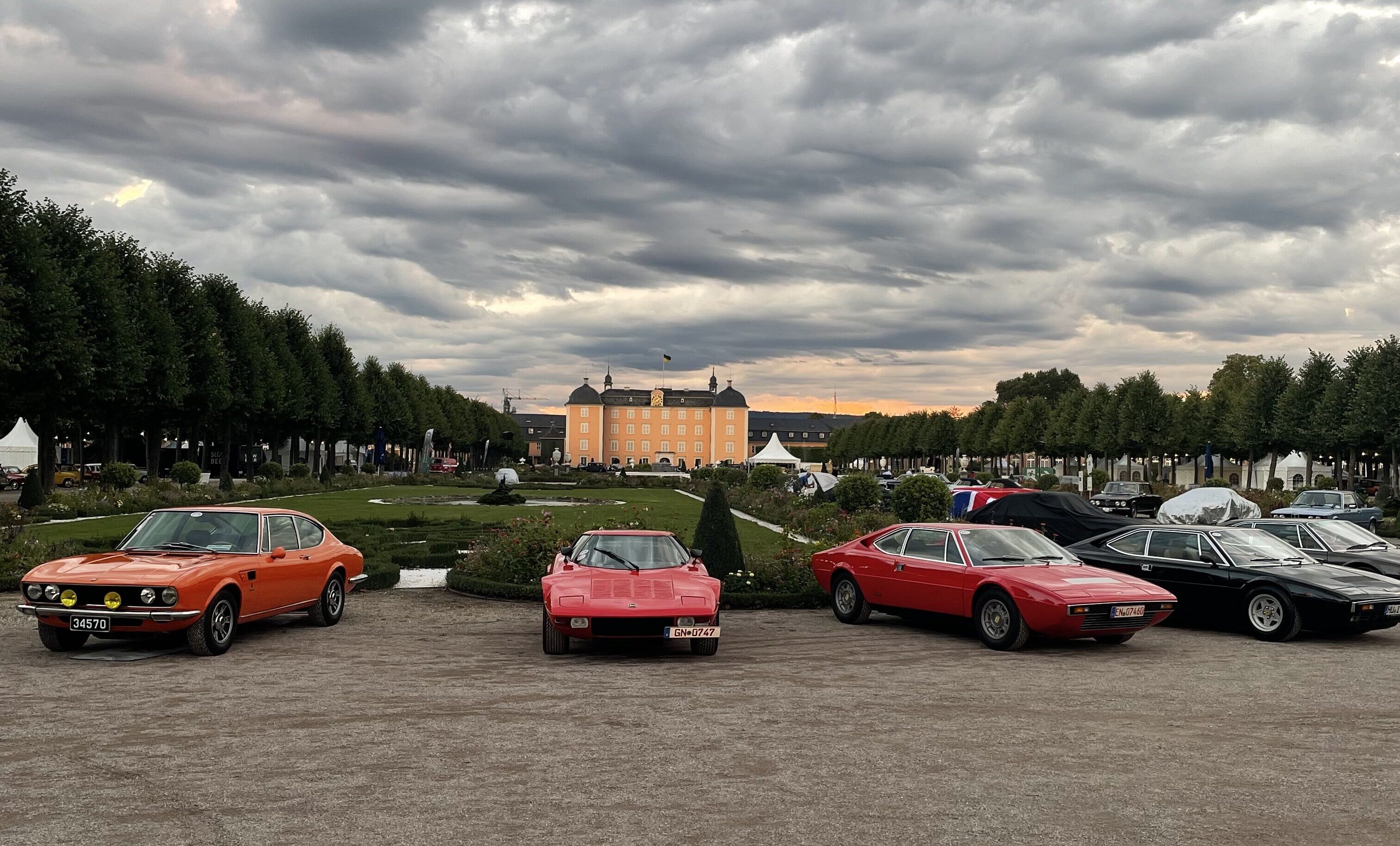
The 14th US Classic Car Concours added an American flavour, while Friday evening’s welcome barbecue, accompanied by jazz and fireworks, opened the weekend in traditional Schwetzingen style.
The palace gardens remain one of the event’s strongest features, with cars displayed throughout the avenues and lawns rather than in conventional exhibition rows.
2026 Classic-Gala Schwetzingen – main results
Best of Show
1954 Maserati A6 GCS Barchetta — J. Weber
Classic-Gala Grand Prix
1960 Triumph Italia Michelotti — Chris Cachia, Malta
The 2026 edition once again highlighted the strong Italian presence at Schwetzingen, from the Maserati centenary and Dino gathering to the Michelotti-designed Triumph Italia.
The 23rd ASC Classic-Gala Schwetzingen is scheduled for 27–29 August 2027.

ABOUT THE AUTHOR
Andreas Scheidl
Italian classic car enthusiast with German roots. Renowned as a respected figure in the classic car community, he serves as a jury member at various international concours d'elegance, including the Classic Gala Schwetzingen and Mantova. As a content creator, Andreas passionately shares his profound knowledge and appreciation for vintage automobiles. His heart beats for cars designed by Giovanni Michelotti, showcasing his discerning taste and dedication to preserving the timeless elegance of automotive history.
More stories by Andreas Scheidl ↗CONTINUE READING
Posts You Might Like
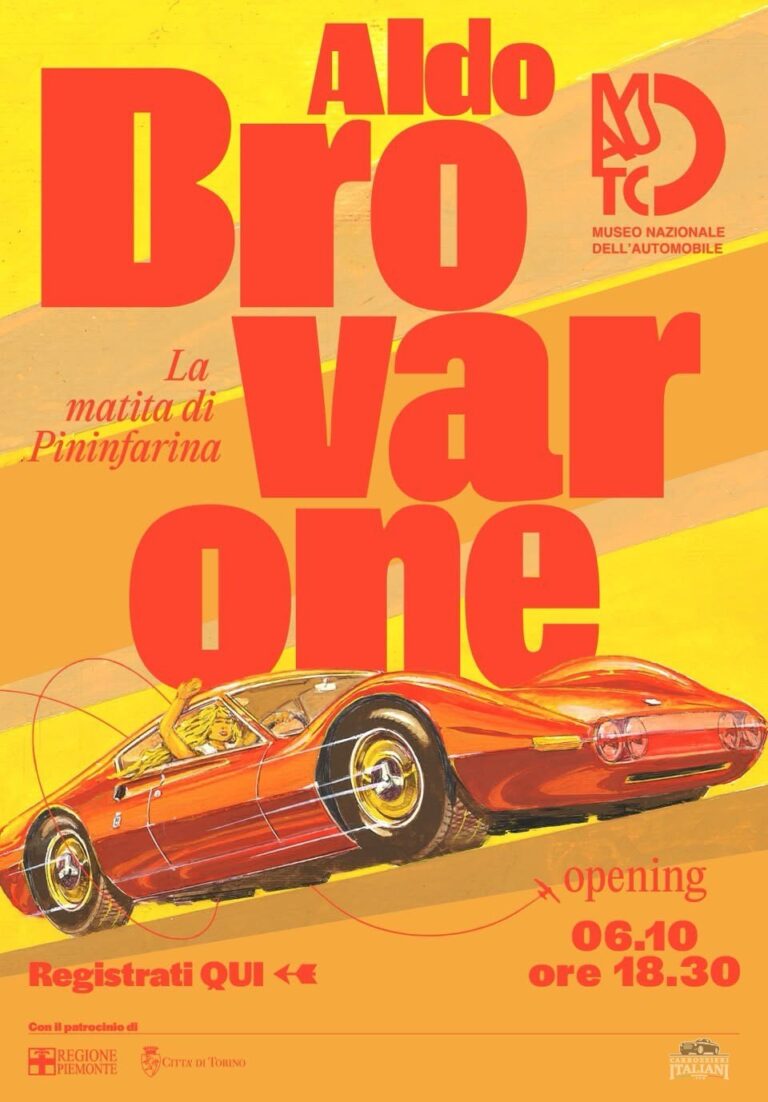
MAUTO to Celebrate Aldo Brovarone with New Exhibition in Turin
The Museo Nazionale dell’Automobile in Turin will open a new exhibition dedicated to Aldo Brovarone, one of the most distinctive figures in post-war Italian automotive design.
Read story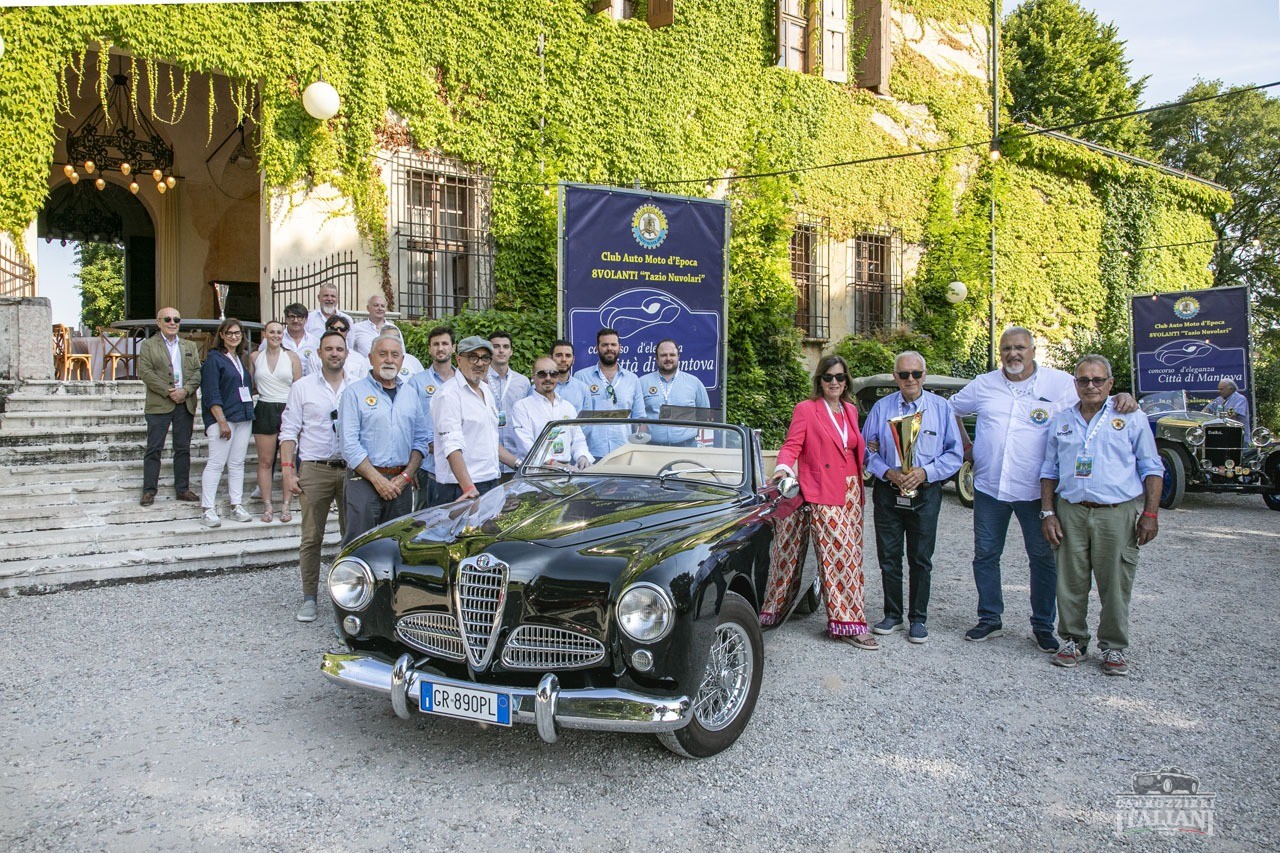
Alfa Romeo 1900 Cabrio Pininfarina Wins Best of Show in Mantova
The 10th Concorso d’Eleganza Città di Mantova crowned an Alfa Romeo 1900 Cabrio Pininfarina as Best of Show at Villa Schiarino.
Read story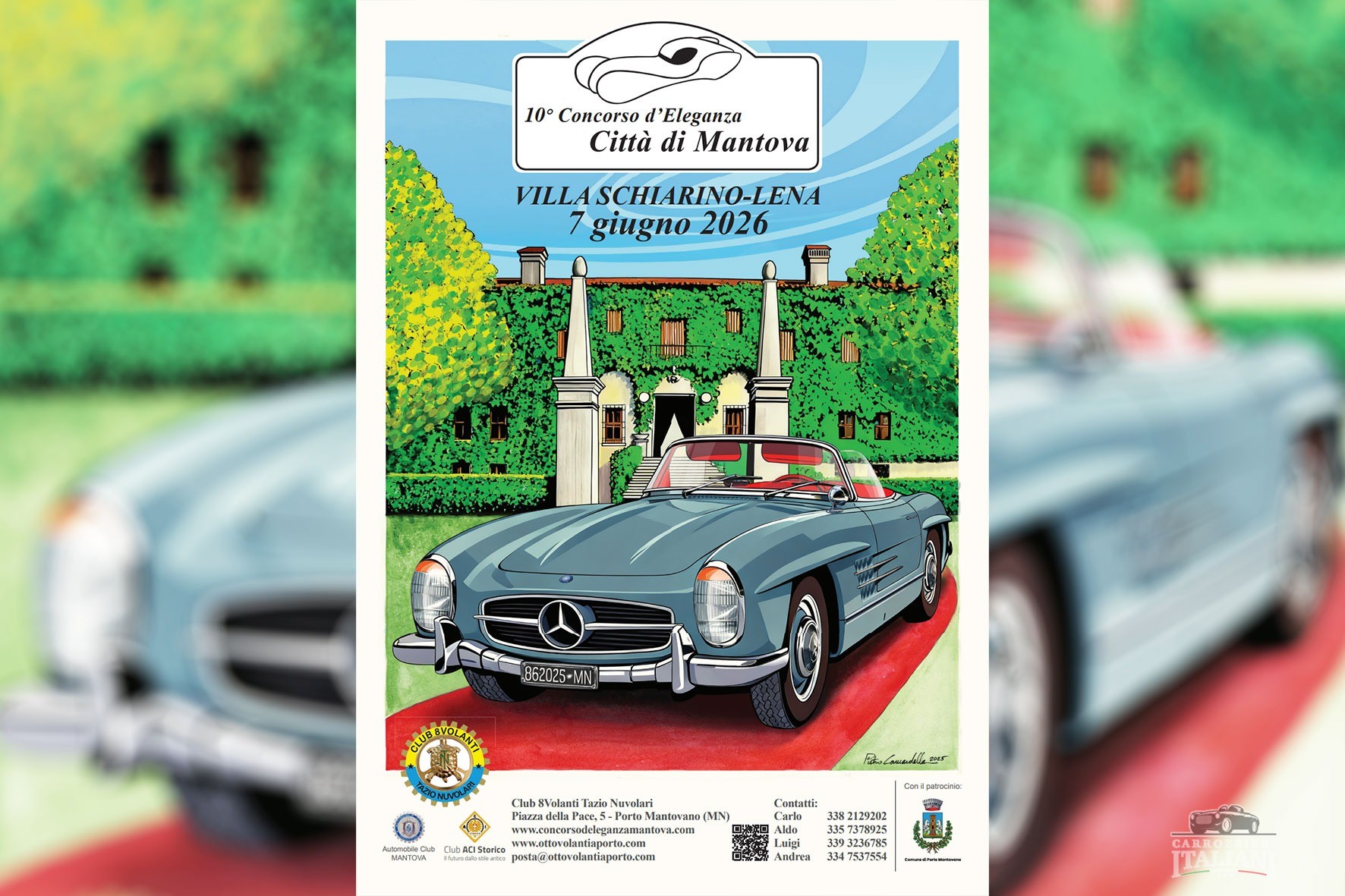
10th Concorso d’Eleganza Città di Mantova announced for June 7, 2026
The 10th Concorso d’Eleganza Città di Mantova returns on June 7, 2026 at Villa Schiarino Lena with historic cars and a special Maserati class.
Read story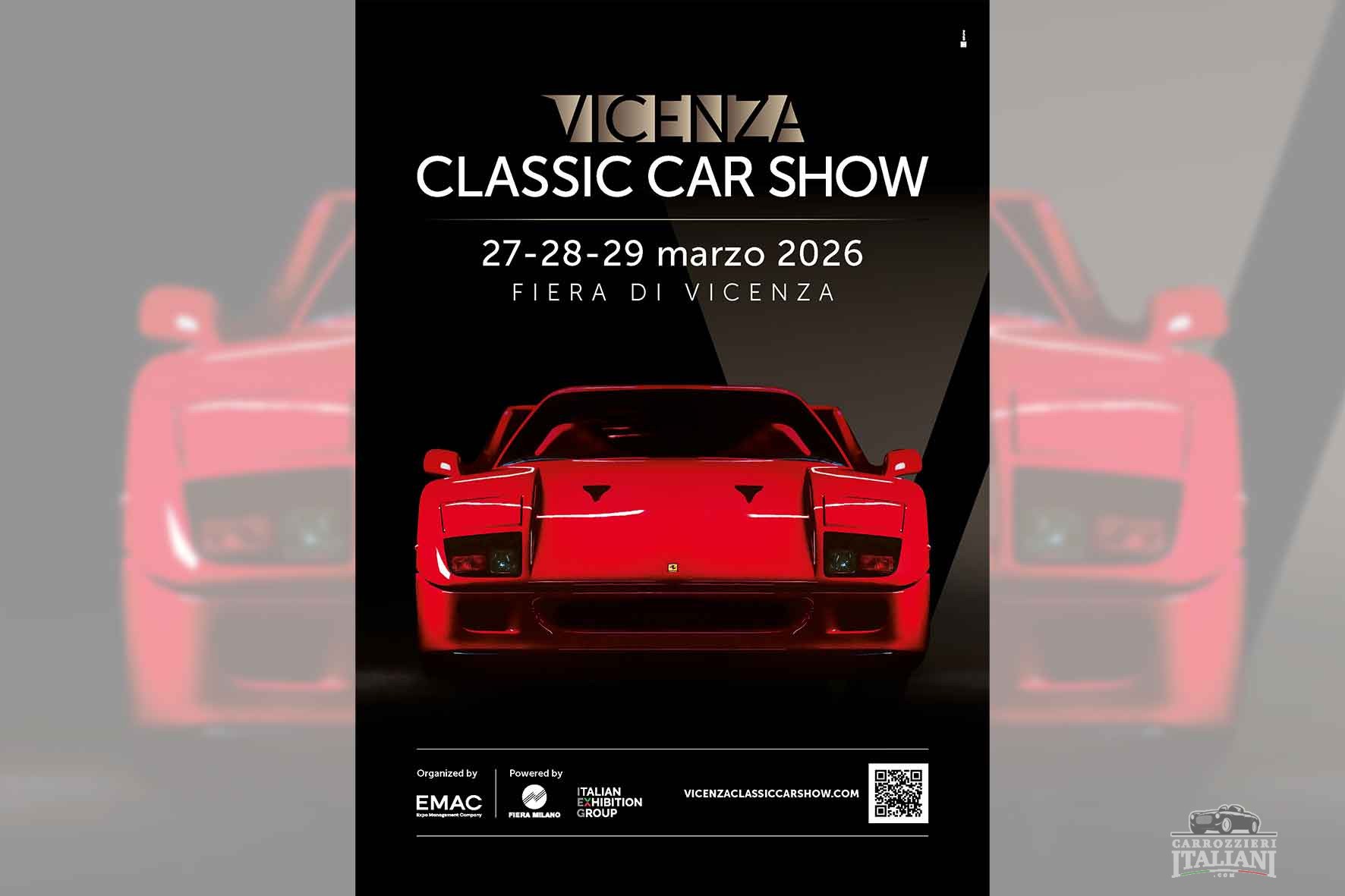
Vicenza Classic Car Show 2026: Classic and Sports Cars Take the Spotlight
Vicenza Classic Car Show 2026 returns from March 27–29 at the Fiera di Vicenza, celebrating classic and sports cars with legendary models, exhibitions, rallies and events for enthusiasts and collectors.
Read story
THE CONVERSATION
Comments 0
Share a memory, a period photograph or a documented detail about this story.