
THE VEHICLE AT A GLANCE
Model dossier
- Production period
- 1962
- Body style
- Berlinetta
- Engine
- Inline-6
- Type
- Limited
THE PEOPLE BEHIND THE CAR
Coachbuilding, design & conversions

PRICE & SALES RECORD
Vehicle value
- Original price
- Not documented
- Latest recorded sale
- Not documented
01 / THE STORY
History & context
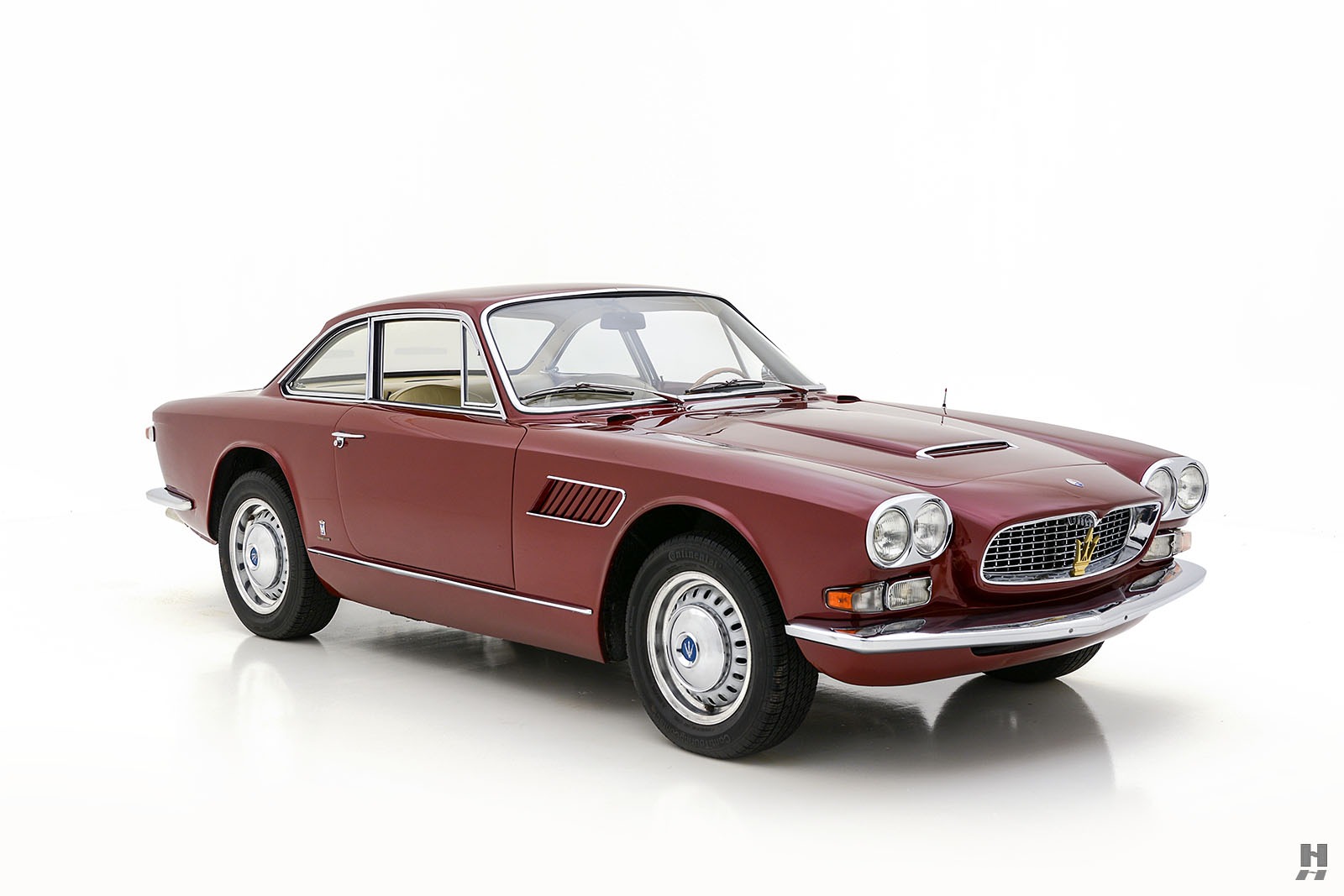
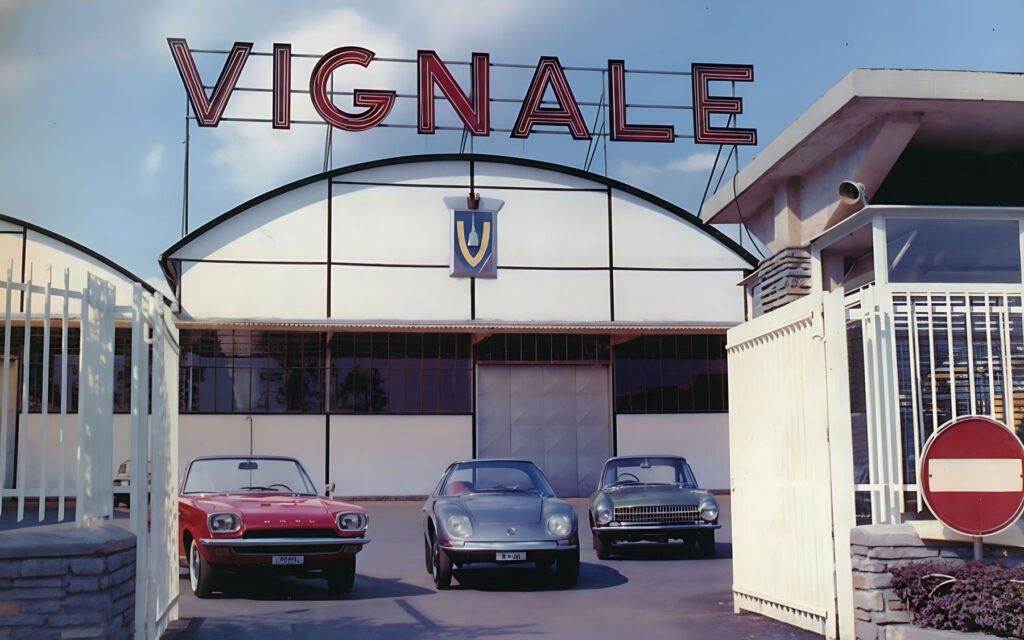
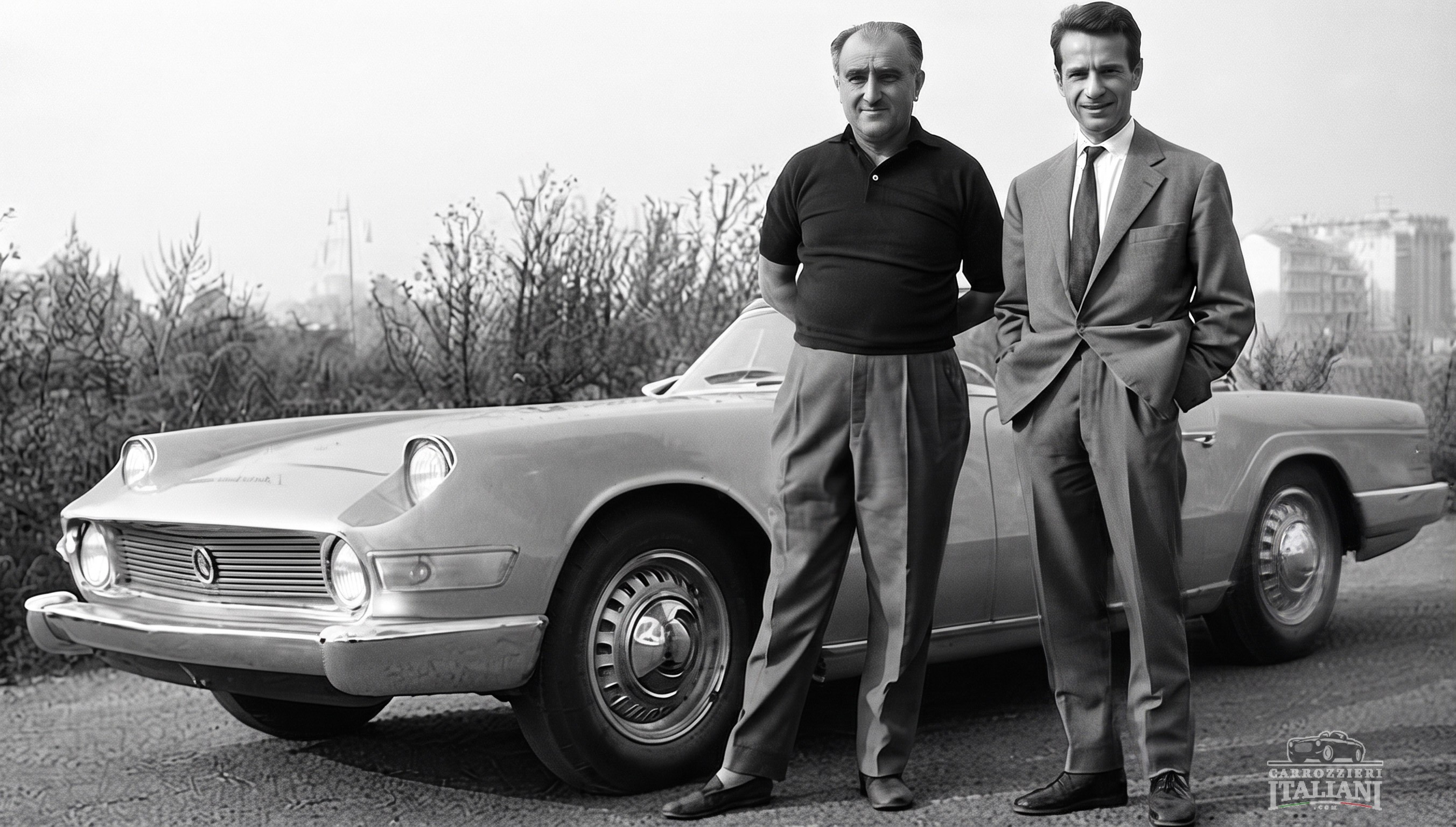
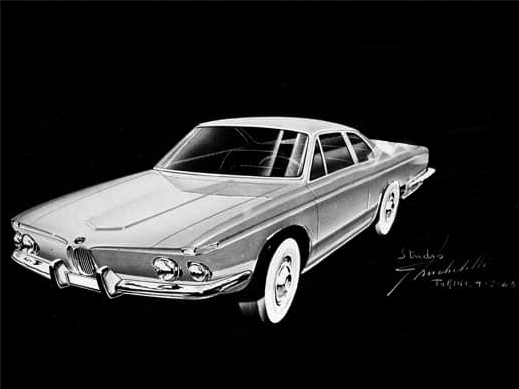
The Maserati Sebring: The pinnacle of Maserati’s legendary motor racing accomplishments came in the 1950s and early 1960s with cars such as the iconic 250F Grand Prix car, and a series of innovative sports racers including the A6G, 300S, and Tipo 61 “Birdcage.” Like their rivals at Ferrari and Lancia, motorsports directly influenced Maserati’s road cars, but even well into the 1950s, they were still only a boutique manufacturer that trickled out the occasional road car for the purpose of funding their racing exploits. Maserati brothers had no interest in building road cars, and departed to form OSCA in 1947. By the early 1960s, Maserati’s wealthy-industrialist owner Adolfo Orsi found himself in some financial difficulties, and needed a way to boost sales by a significant margin. Orsi tapped his gifted engineer Giulio Alfieri to design a new GT car that could finally establish the marque as a volume manufacturer. Alfieri created a tubular chassis design which he paired with a 3,486cc inline-six with dual overhead camshafts to form the new 3500 GT. The engine shared its roots with the 350S sports racer, which itself was based on the 250F Grand Prix car, so it had a proven lineage. Unlike Mr. Ferrari, Alfieri was a proponent of technology like disc brakes on all four wheels and even fuel injection. The 3500 initially wore triple Weber carbs, then Alfieri adapted the sophisticated Lucas P.I. fuel injection system which boosted horsepower by about 20. He later increased displacement from 3.5 to 3.7, then 4.0 liters for even more grunt. Maserati did very well with the 3500, outselling Ferrari regularly and cementing Maserati’s status as a fullfledged manufacturer of beautiful, high-performance GT cars. The chassis of the 3500 GT served as the basis of several models, including the shortenedwheelbase Sebring 2+2, and the lighter, stiffer Frua-bodied Mistral. With the Vignale-bodied Sebring, Maserati targeted Ferrari’s primary audience in America. The Maserati Sebring was shorter and slightly sportier than a 3500, but it still offered two occasional rear seats, a spacious cabin, and available niceties such as air conditioning and even an automatic transmission. Such luxuries appealed particularly to American buyers, and Maserati sold approximately 600 examples worldwide between 1962 and 1966. The Maserati Sebring proved to be a terrific driver’s car, with the gutsy twin-plug, dual-overhead-cam inline-six, and luxurious cabin. The handsome styling by Giovanni Michelotti for Vignale, bore a strong resemblance to the 3500 GT, with an understated sophistication that defined Maserati’s superb Gran Turismos of the era. Photo courtesy of Hyman Ltd.
IN THE ARCHIVE
Related people
IN THE ARCHIVE
Coachbuilders & design studios
02 / TECHNICAL IDENTITY
Specifications & construction
Production & construction
- Production type
- Limited
Engine & performance
- Engine configuration
- Inline-6
Design & manufacture
- Designer · Documented
- Giovanni Michelotti
- Manufacturer · Documented
- Maserati
- Coachbuilder / Body Builder · Documented
- Vignale
06 / EVENTS & AWARDS
Events & awards
No events or documented awards are currently recorded for this vehicle.
07 / THE VEHICLE IN DETAIL
Photo gallery 9 photographs
Show 3 more photographs Show fewer photographs
08 / FROM THE ARCHIVE
Archive
References held in the vehicle dossier. Their inclusion does not establish that every historical claim has been independently verified.
| Reference | Source type |
|---|---|
| Maserati Classiche — Sebring Second Series www.maserati.com | Manufacturer official history |
THE CONVERSATION
Comments 0
Share a memory, a period photograph or a documented detail about this car.