
The Flamboyant Car Design
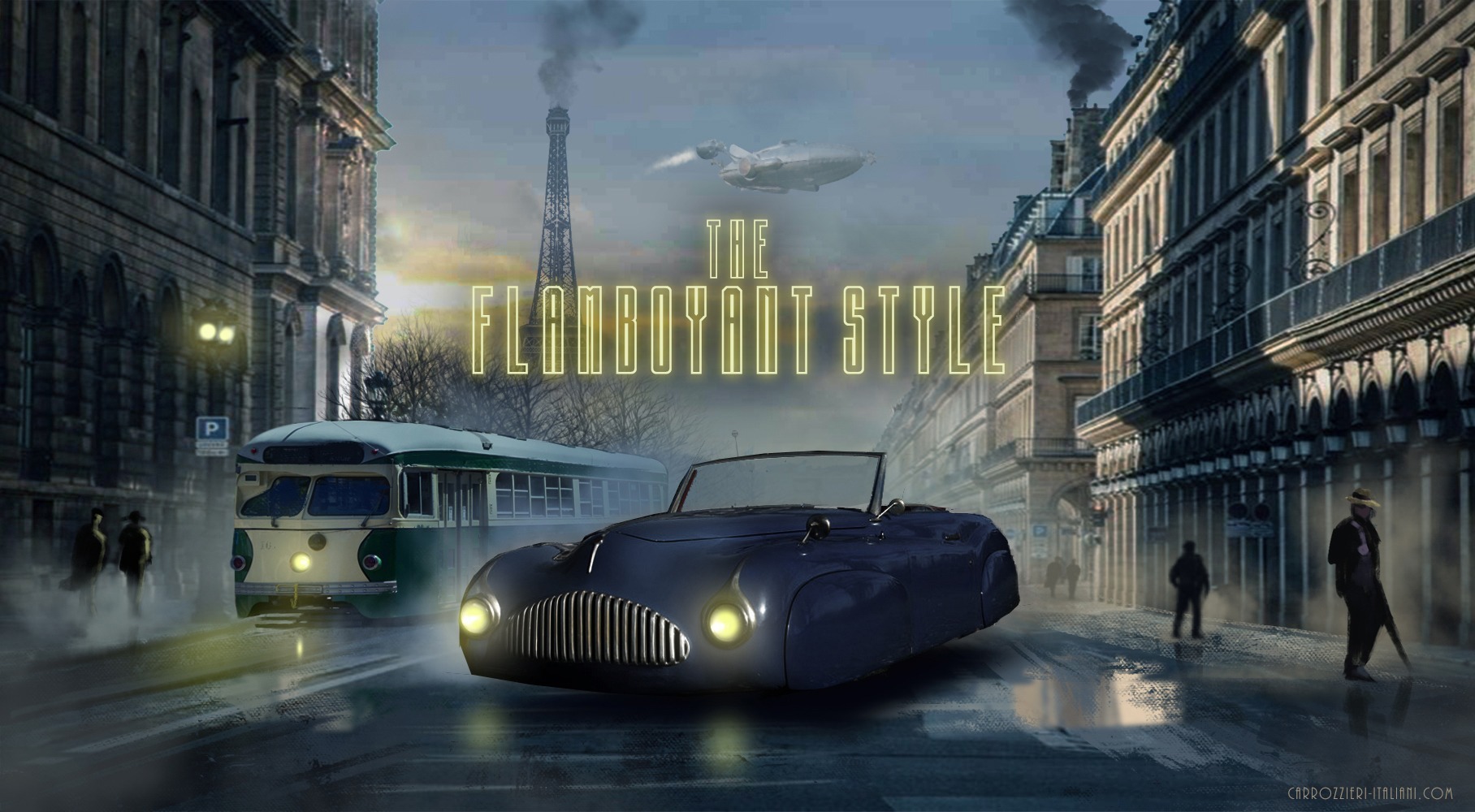
Italy’s emergence from the shadows of World War II marked not only a period of recovery—it sparked an era of bold experimentation in automotive design. Factories that once produced war machinery reemerged as ateliers of creativity, where coachbuilders and designers seized the opportunity to dismantle prewar conventions and invent something entirely new. In the late 1940s especially, Italy’s carrozzeri embraced a spirit of optimism, drawing inspiration from high fashion, cinema, and notably, the decadent streamliners of 1930s France. Those French goutte d’eau (teardrop) designs—accentuated by covered wheels, sweeping fenders, and Art Deco flair—offered a perfect muse for Italian-makers yearning to express newfound freedom and luxury.
Between 1946 and 1950, around the same time that European society sought renewal, Italian coachbuilders such as Ghia, Stabilimenti Farina, and Pininfarina unveiled a series of extravagant show cars defined by low, flowing profiles and the daring innovation of fully skirted wheel arches, both front and rear. To incorporate this sleek design, these cars required widened chassis that allowed full steering motion—a technical feat in itself. Mounted on platforms from Fiat, Lancia, and Alfa Romeo (and even French Talbot-Lago and Delahaye), these vehicles were not mere concept pieces—they were ceremonial judges at the increasingly prestigious postwar concours d’elegance events. Indeed, Ghia’s creation stunned spectators at the Jour d’Elegance in Lausanne in 1946, one of the first major showcases of this new style.
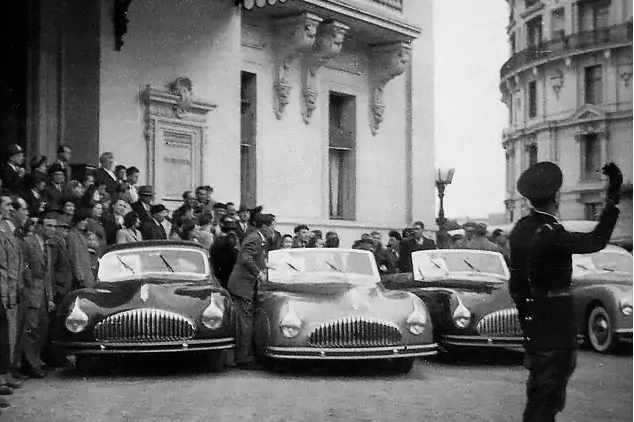
Built as cabriolets or pillarless coupés, these models were soon dubbed “flamboyant” by an American journalist—a descriptor that stuck and eventually became the defining label for this movement. The term evoked the flamboyance of French grandeur but reimagined through Italian craftsmanship. In the hands of these carrozzeri, flamboyant design merged foreign elegance with domestic flair, creating some of the most memorable, one-off masterpieces of the 1940s.
Although Ghia and Stabilimenti Farina spearheaded the movement, Pininfarina and Carrozzeria Boneschi also joined the spectacular parade with bold one-offs—most notably their “Pin‑Up” series, which paired American-inspired glamour with fully skirted fenders in almost theatrical fashion. The result was a short-lived but vibrant chapter in Italy’s design renaissance: a time when coachwork was art, innovation was celebrated, and boundaries were meant to be broken.
Below, we uncover each coachbuilder’s contribution to this flamboyant phenomenon, highlighting the models, designers, and stylistic innovations that defined the era.
Carrozzeria Ghia’s Flamboyant Creations
Ghia was among the first Italian coachbuilders to fully embrace the flamboyant style, diving headfirst into a new postwar aesthetic defined by sweeping lines, enclosed fenders, and extravagant proportions. Founded by Giacinto Ghia in 1915, the Turin-based carrozzeria had built a strong reputation for elegance and innovation before the war, but its future was reshaped after Ghia’s untimely death in 1944, during an Allied bombing raid that also destroyed the company’s factory. In the postwar years, under the leadership of Mario Boano and Giorgio Alberti, Ghia was revived with a new ambition: to create bold, theatrical show cars that would redefine Italian automotive artistry on the international stage.
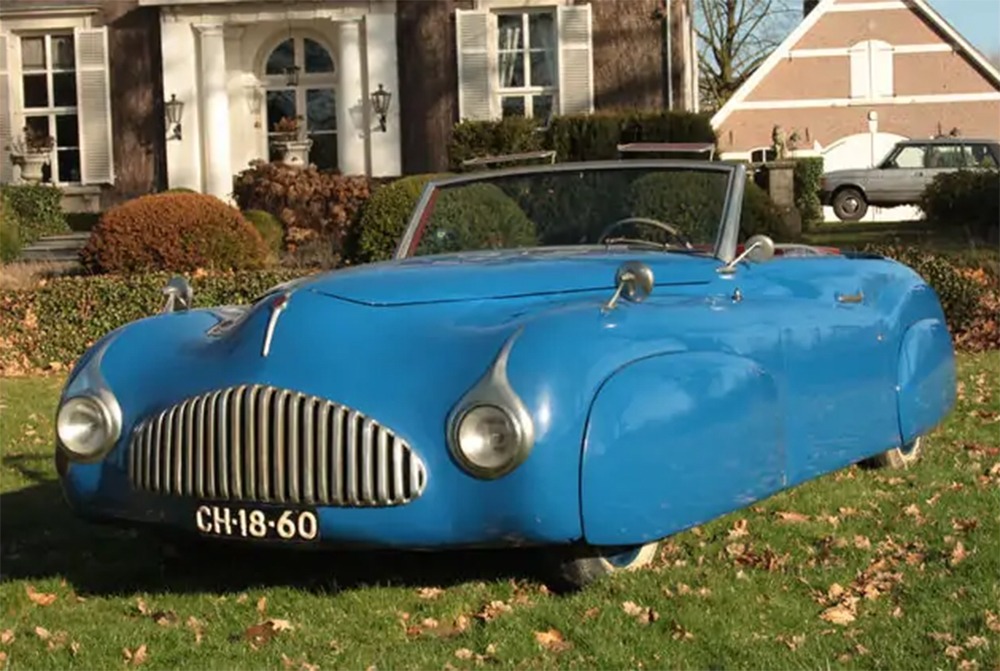
Key to this new direction was designer Felice Bianco, who infused Ghia’s flamboyant models with sculptural grace and technical sophistication. His breakthrough came in 1946 with the Fiat 1500 Cabriolet “Gran Sport,” a striking open-top design with a low hood line, pronounced fenders, and fully skirted wheels—an aesthetic flourish that would become a signature of the flamboyant trend. One of the early examples, painted in a refined grey-blue, was shown extensively and won multiple concours d’elegance titles across Italy. Bianco developed similar designs for both the Fiat 1100 and 1500 chassis, producing two cabriolets and two coupés, each radiating a distinctive blend of elegance and excess.
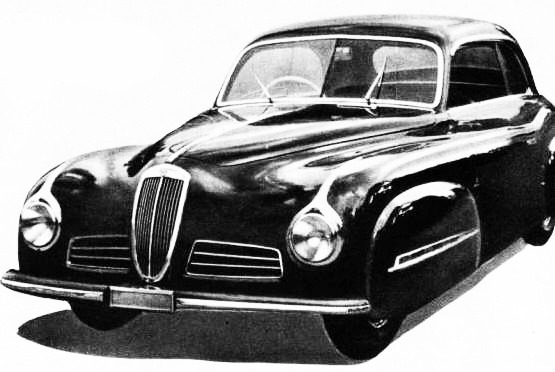
In 1948, Ghia unveiled the Lancia Aprilia Berlinetta, a fastback coupe introduced at the Turin Auto Show. Its defining feature was a pair of sliding front wheel covers, ingeniously engineered by Umberto Capalbi, which allowed the front wheels to steer while preserving the uninterrupted curve of the fenders—a perfect example of form and function intertwined. That same year, Ghia scaled the ladder of Italian performance with a Super Sport cabriolet based on the Alfa Romeo 6C 2500 SS. This low-slung roadster combined Alfa’s legendary mechanics with dramatic visual cues—sweeping lines, full fender enclosures, and a wraparound rear. The model received acclaim at concours events in Rome and Monte Carlo, further solidifying Ghia’s position among Europe’s elite carrozzerie.
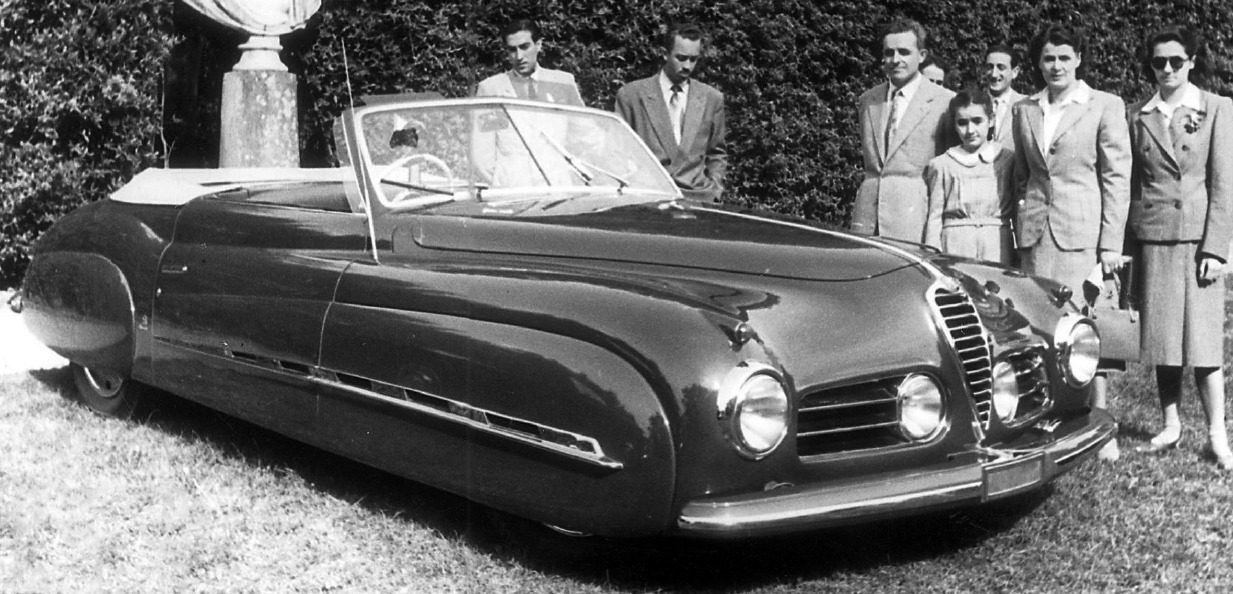
Ghia’s flamboyant philosophy also reached across borders. In 1948, the studio clothed a Talbot-Lago T26 Record in sculpted coachwork that transformed the stately French sedan into a sensual, streamlined show car. The following year, this cross-cultural collaboration culminated in one of Ghia’s most audacious projects: a Delahaye 135MS coupé. Built in 1949, the car featured voluptuous teardrop fenders, dramatic proportions, and lavish detailing, standing as one of the era’s most exaggerated interpretations of the flamboyant aesthetic.
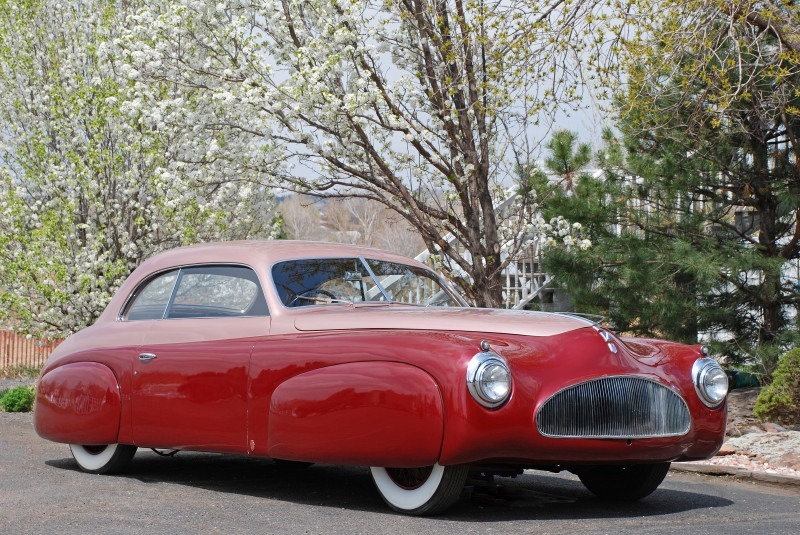
Significantly, several of these flamboyant design themes were later taken up by Ghia-Aigle, Ghia’s Swiss subsidiary, which was established in Aigle, Vaud. Ghia-Aigle adapted some of Ghia’s dramatic postwar forms—particularly the sweeping fender lines and enclosed wheels—for its own custom-bodied vehicles during the late 1940s and early 1950s. Though often built in smaller numbers and sometimes with local adjustments, these cars extended the flamboyant vision beyond Italy, bringing Ghia’s language of curves and chrome into the heart of central Europe. This not only helped Ghia gain traction in foreign markets but also ensured that its influence endured through a broader network of creative workshops.
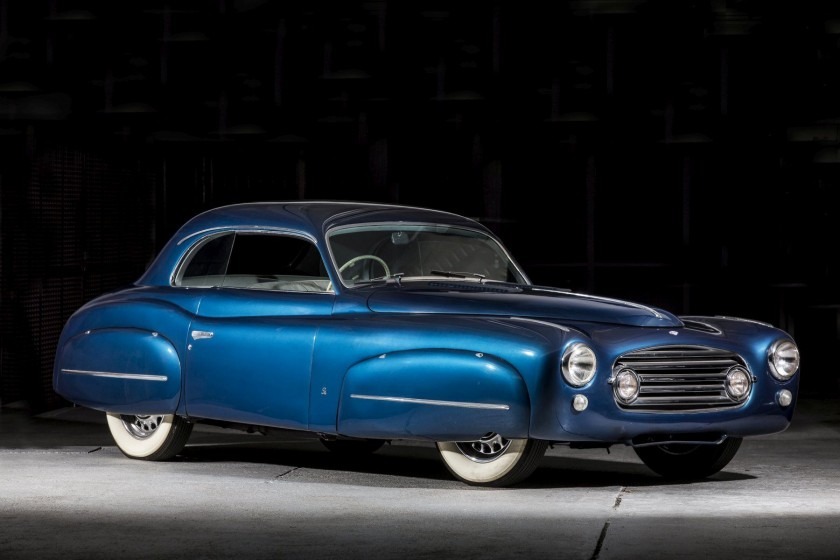
Through these richly sculpted designs—spanning Fiats, Lancias, Alfa Romeos, and even French marques like Talbot and Delahaye—Ghia established itself as a leader of the flamboyant style, turning mechanical platforms into mobile expressions of postwar glamour. Whether through its Turin headquarters or its Swiss extension in Aigle, Ghia’s flamboyant creations were more than just cars: they were statements of rebirth, optimism, and the extraordinary power of Italian design in an era hungry for beauty.
Stabilimenti Farina’s “Monolith” and More
While Ghia may have led the charge into flamboyant design, Stabilimenti Farina delivered some of the era’s most imposing and artistically ambitious interpretations—largely thanks to the emerging talent of a young Giovanni Michelotti. The Turin-based firm, run by Giovanni Farina, elder brother of Battista “Pinin” Farina, had long been known for tasteful, high-quality custom work. But the postwar period saw a decisive shift, as the company ventured into more extravagant styling, embracing the flowing lines, dramatic proportions, and enclosed wheels that defined the flamboyant movement.
Their most audacious and forward-looking creation was the 1946 Lancia Astura Coupé, a one-off model built on Lancia’s V8-powered long-wheelbase Astura chassis. Designed by Michelotti, the car became widely known by its nickname, “Il Monolite” (“The Monolith”), a name it earned for its sheer visual mass and uninterrupted, slab-sided surfaces. Painted a soft ivory and featuring fully skirted fenders, the Astura Monolith was unlike anything seen before. Its most radical element, however, was the front design, which featured a blunt nose, faired-in headlamps, and a pronounced vertical grille—a layout that anticipated the Tank Style that would soon appear on several postwar Italian show cars. The Monolith was a true hybrid: while its proportions and curves reflected flamboyant ideals, its face and stance hinted at the heavy, armored forms of a new aesthetic emerging from wartime influence.
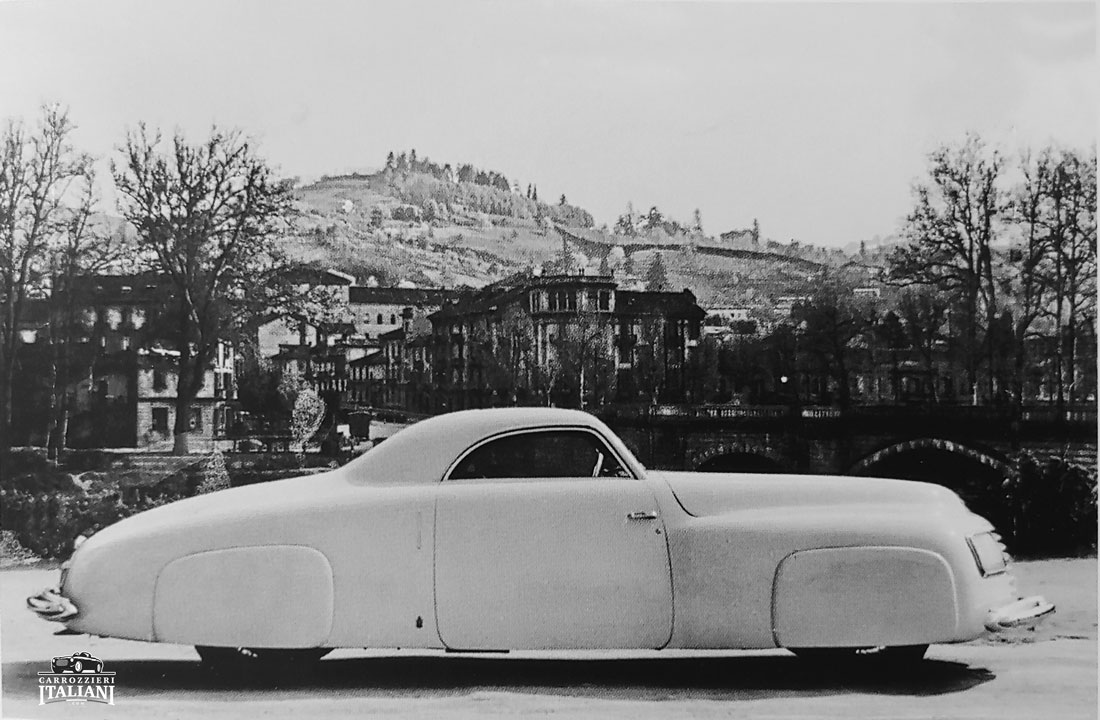
The car made its debut at the 1946 Jour d’Elegance in Lausanne, where it caused a sensation and was even chosen to appear on the official event posters. It marked not only a high point in Stabilimenti Farina’s creative history, but also an important milestone in Michelotti’s early career. With the Monolith, flamboyant style was stretched to its conceptual edge—elegant yet experimental, fluid yet monumental.
🔗 Read more: The Tank Style by Stabilimenti Farina
In 1947, Stabilimenti Farina and Michelotti returned to the flamboyant stage with two Lancia Astura Cabriolets, this time leaning fully into the flowing, romantic lines associated with French prewar streamliners. These open-top show cars retained the covered wheels and generous curves of their predecessor, but stepped back from the Monolith’s Tank-inspired rigidity. Instead, they featured more classically elegant proportions, with long hoods, finely tapered rear fenders, and a lightness that recalled the golden age of concours coachbuilding. Created explicitly to dazzle at elegance competitions, these cabriolets succeeded brilliantly: one was awarded the Coppa d’Oro (Gold Cup) at the 1947 Concorso d’Eleganza Villa d’Este, famously triumphing over Pininfarina’s much-praised Cisitalia 202.
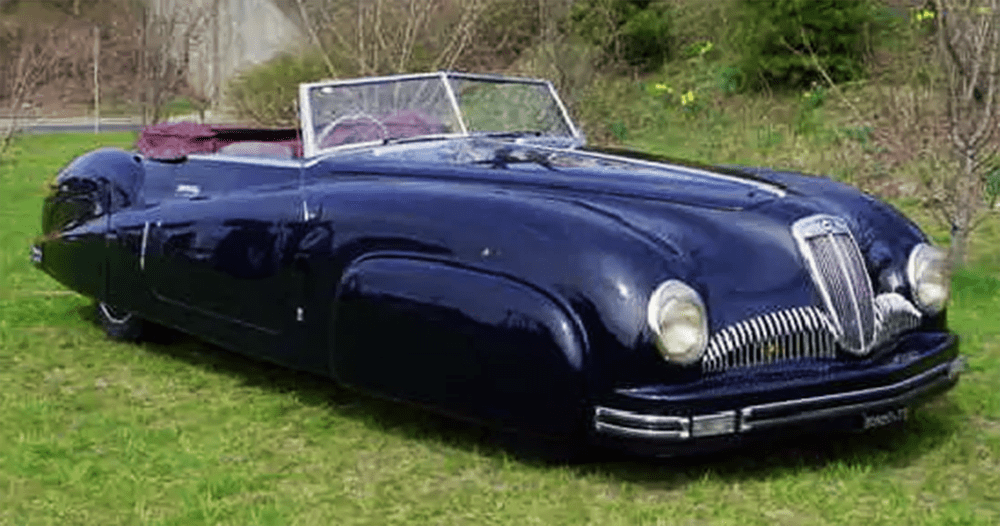
Though Stabilimenti Farina’s engagement with flamboyant design was relatively brief, and the company itself would close by 1953, its work during this creative window remains deeply influential. The Monolith in particular stands as a pivotal design—not only an icon of flamboyance but also a bridge to the emerging Tank Style aesthetic. Meanwhile, the 1947 cabriolets affirmed that flamboyant elegance, when executed with discipline and vision, could still move hearts and win juries, even as automotive fashion began to shift. For Michelotti, these flamboyant Lancias were more than mere show cars—they were the launchpad of a storied design career and a testament to how far postwar Italian creativity was willing to go in pursuit of beauty.
Pininfarina’s Flamboyant Detours
Though Pininfarina was best known for its refined, restrained elegance, even Italy’s most design-conscious coachbuilder couldn’t resist experimenting—briefly—with the flamboyant trend that swept through postwar European concours culture. While far less prolific in this arena than Ghia or Stabilimenti Farina, Pininfarina built at least two cars that clearly embodied the hallmarks of flamboyant styling: flowing, low-slung lines; enclosed wheels; and a dramatic sense of proportion.
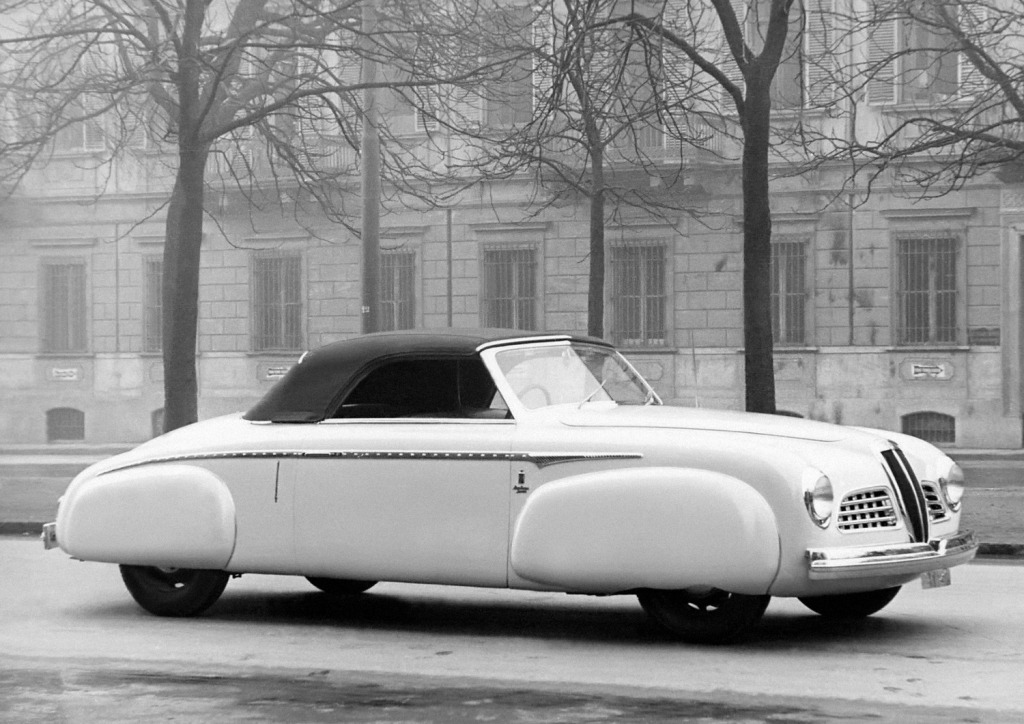
The most widely recognized of these is the 1947 Lancia Aprilia Cabriolet, a one-off design unveiled at the Geneva Motor Show that year. Based on the small, technically sophisticated Aprilia sedan, the cabriolet received a full visual transformation. The car featured a low beltline, swooping front and rear fenders with fully enclosed wheels, and a subtly tapered rear deck that hinted at aviation and jet-age influences. Despite the Aprilia’s modest mechanical underpinnings, the overall effect was theatrical, elegant, and distinctly flamboyant. Photographs from the period show it finished in a light exterior color with a contrasting dark fabric roof—understated in palette, yet bold in form. Remarkably, this one-off example still survives today in a private collection, making it one of the few flamboyant cars of the era to remain intact.
🔗 Read more: Pininfarina Through the Ages: The Complete History
In addition to the Geneva cabriolet, Pininfarina is known to have produced at least one other flamboyant-styled special during this period—though less well documented. This second example, likely built on another Lancia or Fiat chassis, shared key stylistic traits with the Aprilia cabriolet: enveloping bodywork, skirted arches, and smooth, uninterrupted curves inspired by the goutte d’eau (teardrop) silhouettes of French prewar design. While the details of this second car are less widely recorded, its existence reinforces the notion that Pininfarina, however briefly, explored the expressive vocabulary of flamboyant styling, even as the firm remained committed to the cleaner, more rationalist lines that would define its legacy.
Boneschi’s “Pin-Up” Series: Neo-Classical Flamboyance
Milan’s Carrozzeria Boneschi approached the late-’40s styling trends with its own twist on flamboyance, dubbed the “Pin-Up” design. Unveiled in 1947, the Boneschi Pin-Up Cabriolet was an unapologetically flamboyant show car offered on two different platforms: the Fiat 1500 six-cylinder chassis and the smaller Lancia Aprilia chassis. In both cases, the cars wore nearly identical bodies – an exercise in cross-chassis design reuse that allowed Boneschi to market the same glamorous look to different clients.
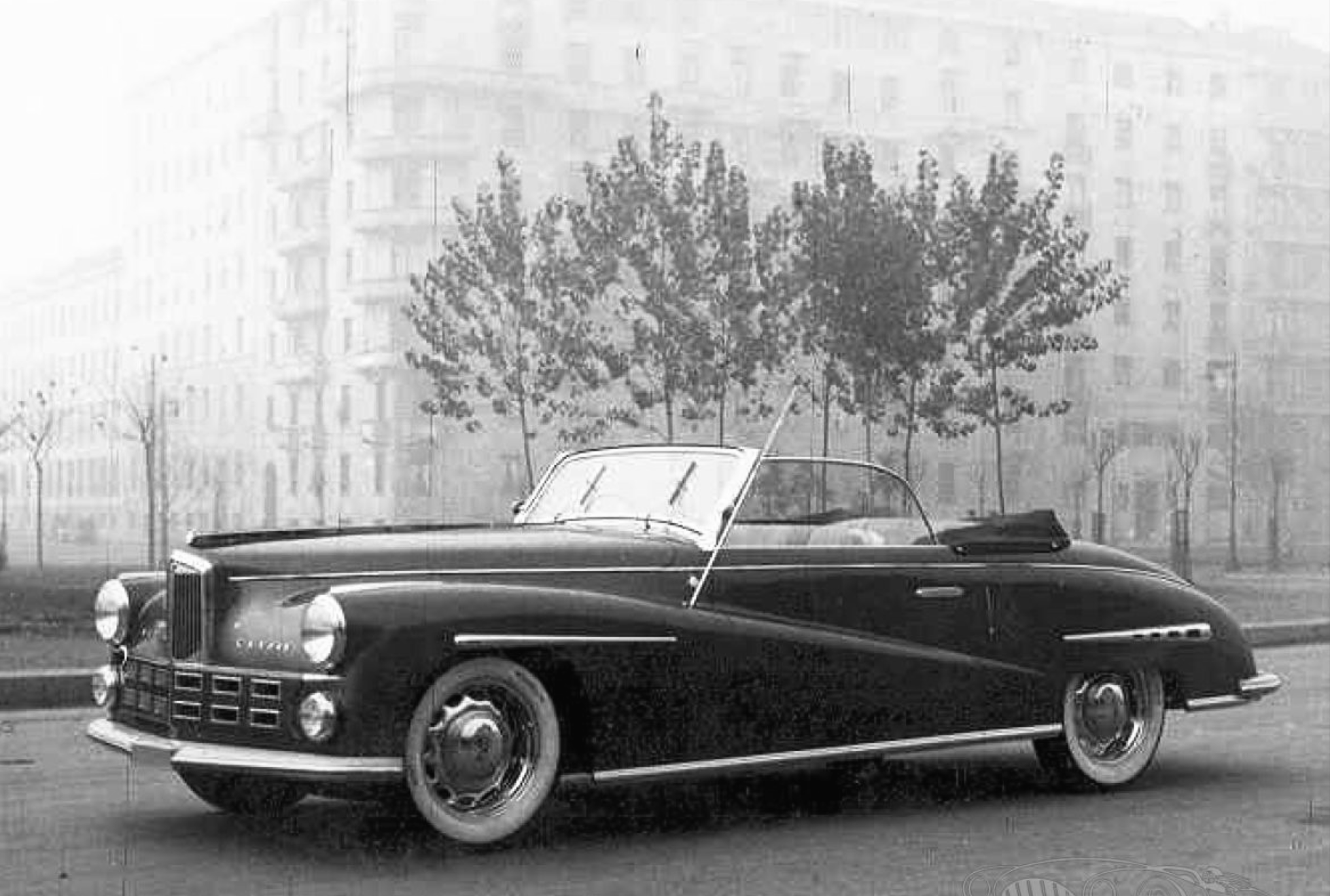
The Pin-Up cars featured a bold, neo-classical aesthetic characterized by intricate chrome detailing on the front end and bodywork extending to cover the wheels, very much in keeping with the flamboyant idiom. Their proportions were heavy and imposing, with a long bonnet and pontoon-like fenders, exuding an air of grandeur and theatrical flair. The Boneschi Pin-Up cabriolets were a statement of postwar optimism. They embraced luxury and excess at a time when Italy was emerging from conflict, hence the playful name “Pin-Up,” evoking glamorous 1940s imagery. Despite the humble mechanicals – especially in the Lancia Aprilia version with its small V4 engine – the Boneschi cars looked every bit the part of an extravagant grand tourer.
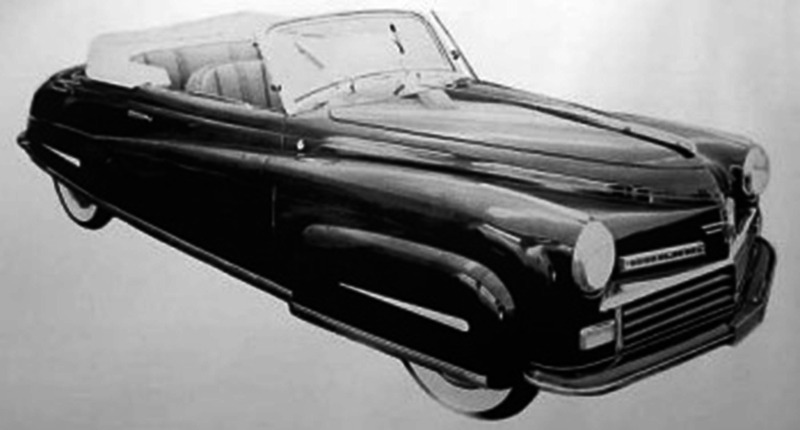
This contrast between the imposing coachwork and the modest chassis was even part of the charm: Boneschi delivered the appearance of a top-tier luxury car to clients who might not have been able to obtain a larger Alfa Romeo or Delahaye. In doing so, Boneschi’s Pin-Up series exemplified the clever ingenuity of Italian coachbuilders, proving that a distinctive flamboyant shape could be adapted and shared across multiple marques without losing its impact. Today, the Fiat 1500 and Lancia Aprilia Pin-Up cabriolets are celebrated as the pinnacle of Boneschi’s 1940s creations, and they round out the roster of Italian flamboyant-style cars alongside the better-known Ghia, Farina, and Pininfarina examples.
The flamboyant style was a brief but dazzling chapter in Italian automotive design. These cars – with their covered wheels, exaggerated curves, and unapologetic glamour – symbolized a hopeful exuberance in the difficult postwar years. Though the trend faded by the early 1950s, each of these flamboyant coachbuilt specials has left an enduring legacy, reminding us of a time when automotive design knew virtually no limits in pursuit of art and elegance.

ABOUT THE AUTHOR
Andreas Scheidl
Italian classic car enthusiast with German roots. Renowned as a respected figure in the classic car community, he serves as a jury member at various international concours d'elegance, including the Classic Gala Schwetzingen and Mantova. As a content creator, Andreas passionately shares his profound knowledge and appreciation for vintage automobiles. His heart beats for cars designed by Giovanni Michelotti, showcasing his discerning taste and dedication to preserving the timeless elegance of automotive history.
More stories by Andreas Scheidl ↗CONTINUE READING
Posts You Might Like
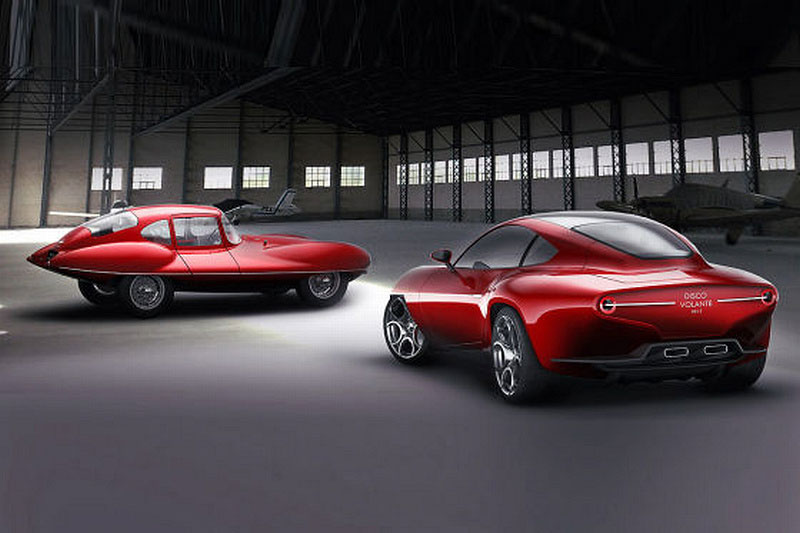
Reinterpreting the Past: When Coachbuilders revisited it’s Icons
When iconic coachbuilt cars are rebade through time, intent matters more than nostalgia. From experimental originals to modern reinterpretations, this article examines how legends are reimagined—and why some ideas refuse to stay…
Read story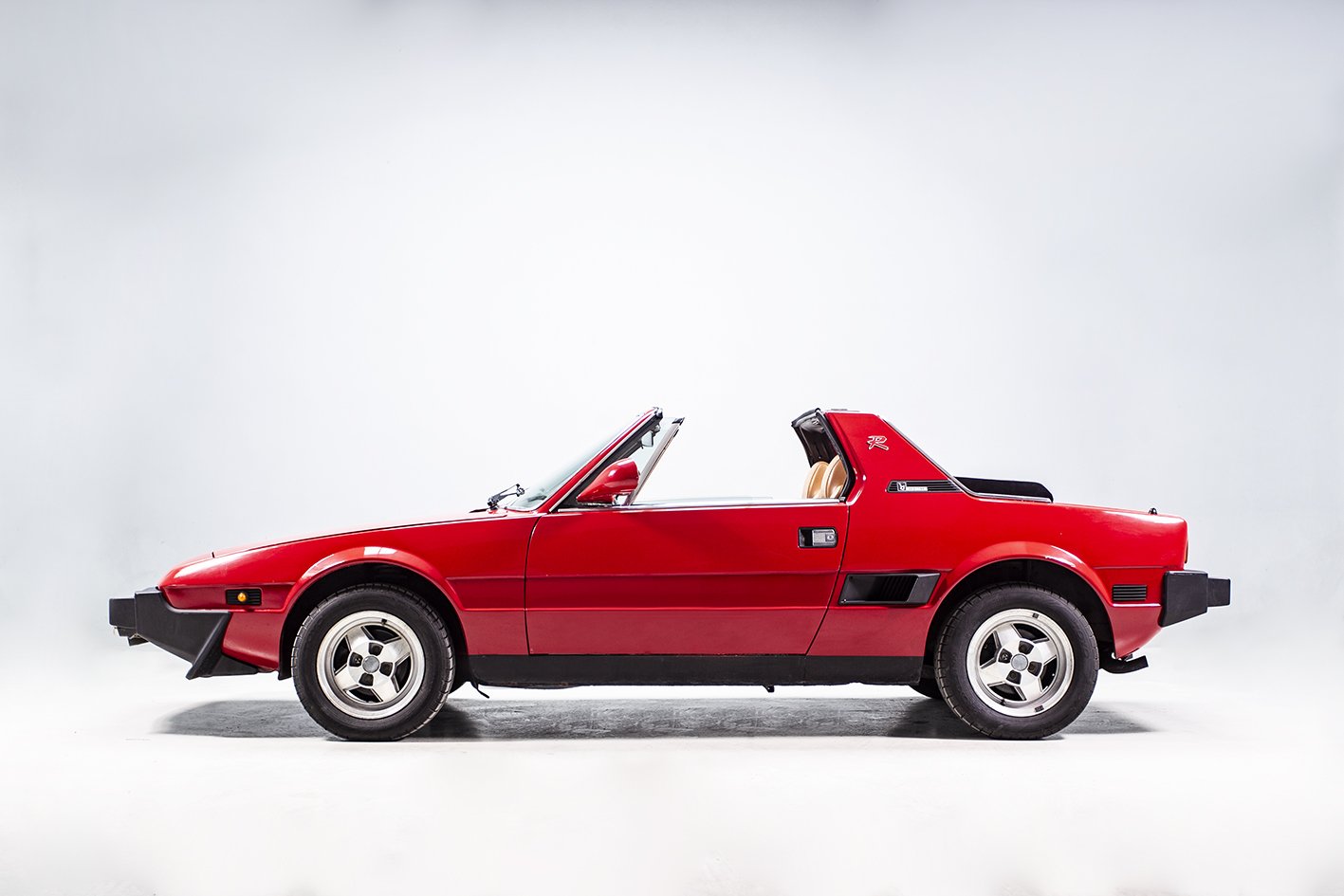
Neither Coupé nor Spider: Italy and the Targa Roof
A deep dive into Italy’s decades-long exploration of the targa roof—from early post-war experiments to Ferrari and Lamborghini icons—revealing how Italian designers created a third way between coupé and spider.
Read story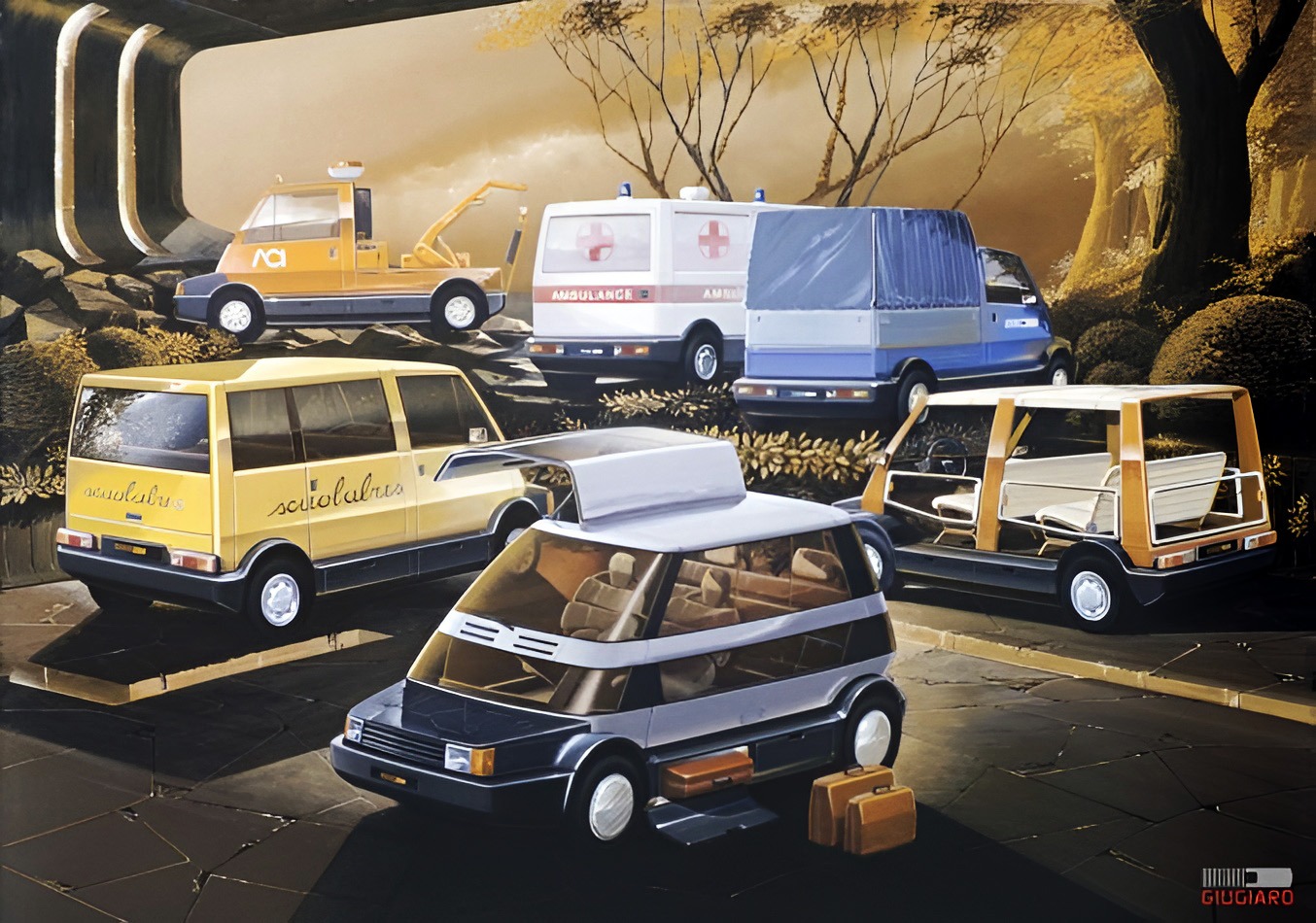
Italian Vision of the MPV: The Monovolume Concept
Long before MPVs filled suburban driveways, Italian designers were shaping the monovolume with prototypes that ranged from pragmatic to outright outrageous. Their work rewrote how space, style, and function could fit under…
Read story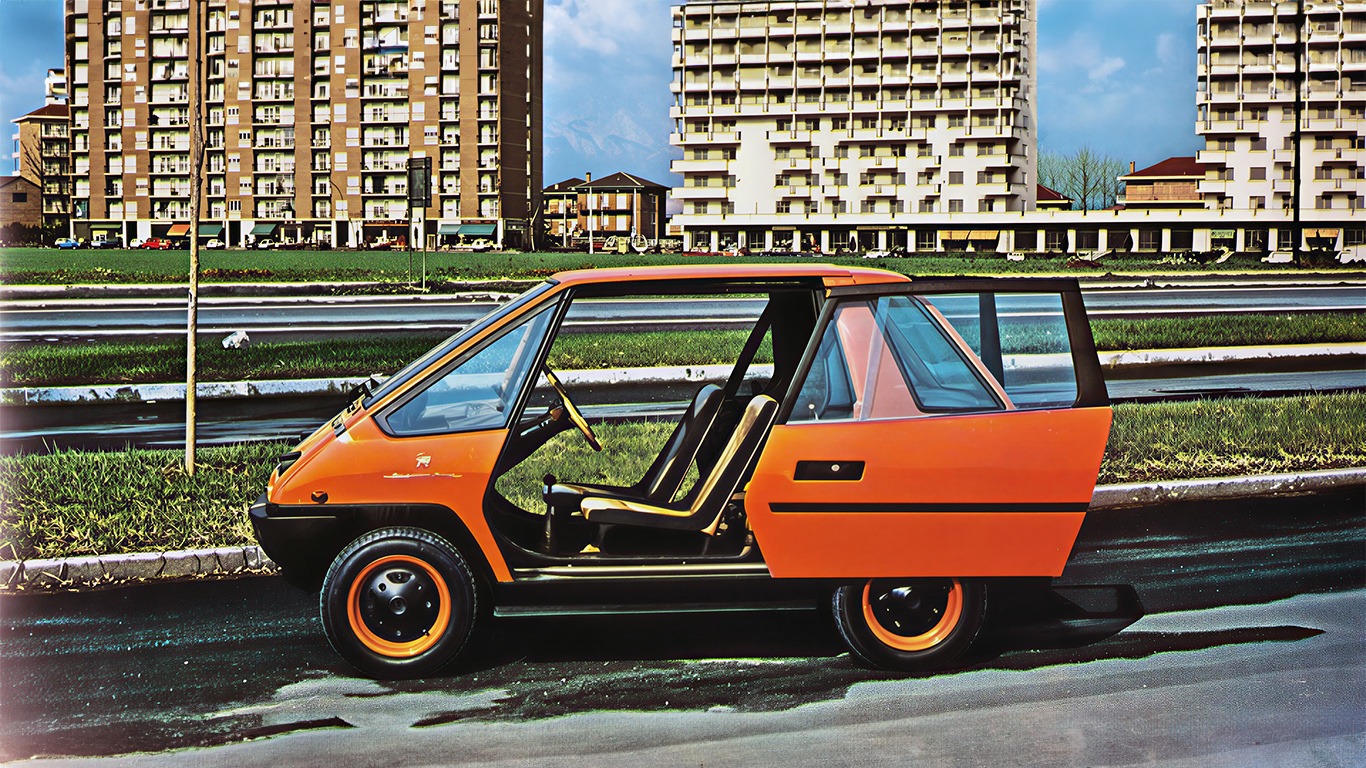
Italian Coachbuilt City Car Concepts: From Microcars to Urban EVs
How did Italy’s famed coachbuilders go from designing Ferraris to dreaming up tiny electric runabouts? From the quirky Tsé-Tsé to Pininfarina’s visionary Nido, discover how city cars became a proving ground for…
Read story
THE CONVERSATION
Comments 0
Share a memory, a period photograph or a documented detail about this story.