
The Fiat 8V: The Car Meant to Conquer America

In March 1952, Fiat surprised the world at the Geneva Motor Show with the Fiat 8V. A two-seater sports car that was also designed as a racing car. What was surprising was that Fiat had not shown any interest in re-entering the racing scene up to this point. Fiat left it to other companies to convert their vehicles for racing. In its production time until 1954, 114 “8 VU’s” were built totally by Fiat and various Coachbuilder.
The origin
The Fiat 8V’s story has roots in an ambitious postwar dream. In the late 1940s, Fiat president Vittorio Valletta, buoyed by Italy’s fragile recovery and a dose of Marshall Plan optimism, envisioned a large American-style luxury sedan that would signal gratitude to the United States for its aid. Chief engineer Dante Giacosa was tasked with the project, coded “Tipo 104.” His solution was radical for Fiat: a compact V8 engine – an unusual 70° design, under two liters in displacement, cast in a mix of iron and alloy. Conceived in 1947–48, it was Fiat’s first and only serious foray into the world of eight cylinders, and its initial target was not Modena’s racetracks but Detroit’s boulevards.
It is rumored that a prototype sedan was indeed built, clothed by Pinin Farina in suitably grand proportions to match Fiat’s ambitions. Period accounts describe it as handsome but heavy, and management soon realized the engine was ill-suited for a full-size luxury car. At carrozzieri-italiani.com we contacted Pininfarina’s archive to confirm details of this elusive prototype, but no documentation has yet surfaced. Whether myth or reality, the story lingers as a tantalizing footnote: Fiat may have flirted with a Pininfarina-bodied flagship sedan before abandoning the idea.
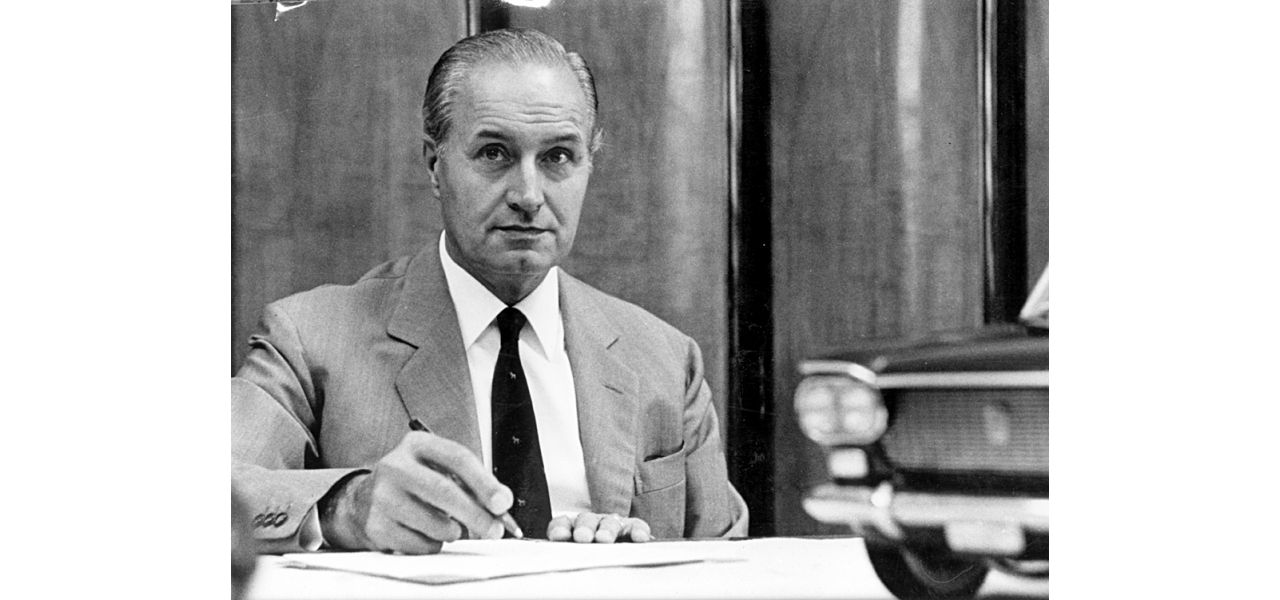
The V8 itself, however, refused to die. Giacosa – never one to waste a clever piece of engineering – convinced the board to let him repurpose the motor for a sports car. Thus, in 1950, project Tipo 106 was born. To conserve resources, Fiat enlisted Turin neighbor SIATA (Società Italiana Applicazioni/Trasformazioni Automobilistiche) to design and build the chassis, while Fiat concentrated on the engine and bodywork. The result was an advanced tubular semi-monocoque frame: a welded floorpan integrated into a tubular structure that was both lightweight and rigid. Suspension was fully independent, with double wishbones front and rear derived from Fiat’s 1100, giving the new car agility unheard of in its class.
At the heart sat Giacosa’s jewel – a compact 1,996 cc V8, pushrod-operated, with twin Weber 36 carburetors. In road tune it made 105 hp, enough to push the car to nearly 190 km/h, while hotter competition versions with high-compression pistons and triple Webers could produce 120–127 hp. Small in size but big in spirit, it was an engine that thrived on revs and gave Fiat a genuine sports car heartbeat.
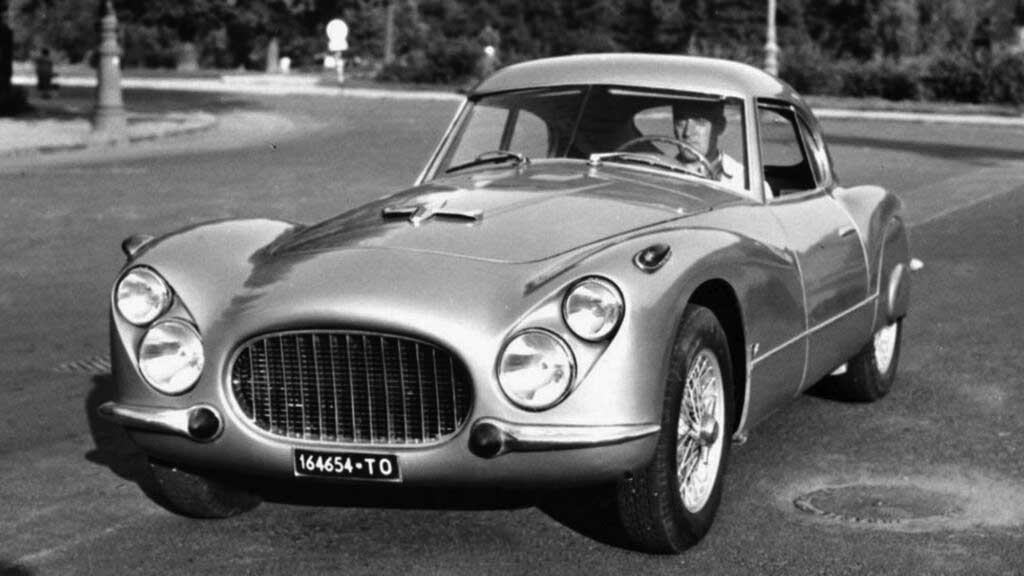
To clothe it, Fiat turned to Fabio Luigi Rapi, head of the Reparto Carrozzerie Speciali (Special Bodies Department). His fastback berlinetta was muscular yet elegant: a long hood, oval grille with chrome bars sweeping onto the nose, dramatic fender-top running lights, and rear wheel spats that suggested wind-tunnel finesse. Inside, the snug two-seater cabin featured a curved split windshield and pillarless doors, adding flair to the purposeful stance.
The Fiat 8V – or Otto Vu, as it soon became known – debuted at the Geneva Motor Show in March 1952, followed by Paris later that year. It stunned journalists: Fiat, builder of family sedans and city cars, had unveiled a hand-built Gran Turismo to rival Ferrari and Maserati. At over twice the price of a Fiat 1400, it was the company’s most exclusive car ever. In all, only 114 examples were built between 1952 and 1954. For Fiat it was not a commercial triumph, but the 8V quickly earned a different kind of glory: it was light, fast, and competitive, and it became the darling of Italy’s carrozzieri, who recognized in its bones the perfect canvas for experimentation.
Racing Pedigree in the 2-Liter Class
Even as it was unveiled, the 8V had competition in its blood. In Italy, sports car racing’s 2.0-liter class was fiercely contested in the 1950s, with Alfa Romeo, Lancia, Maserati and others fielding specialized machines. The Fiat 8V, with its light ~1000 kg chassis and revvy V8, proved an ideal contender in the Gran Turismo category. Early outings included the 1952 Mille Miglia – the grueling 1,000-mile road race that was the ultimate test of car and driver. In that year’s race, a private 8V finished a respectable fifth in the 2-liter class, serving notice that Fiat’s newcomer could run with the established sports cars.
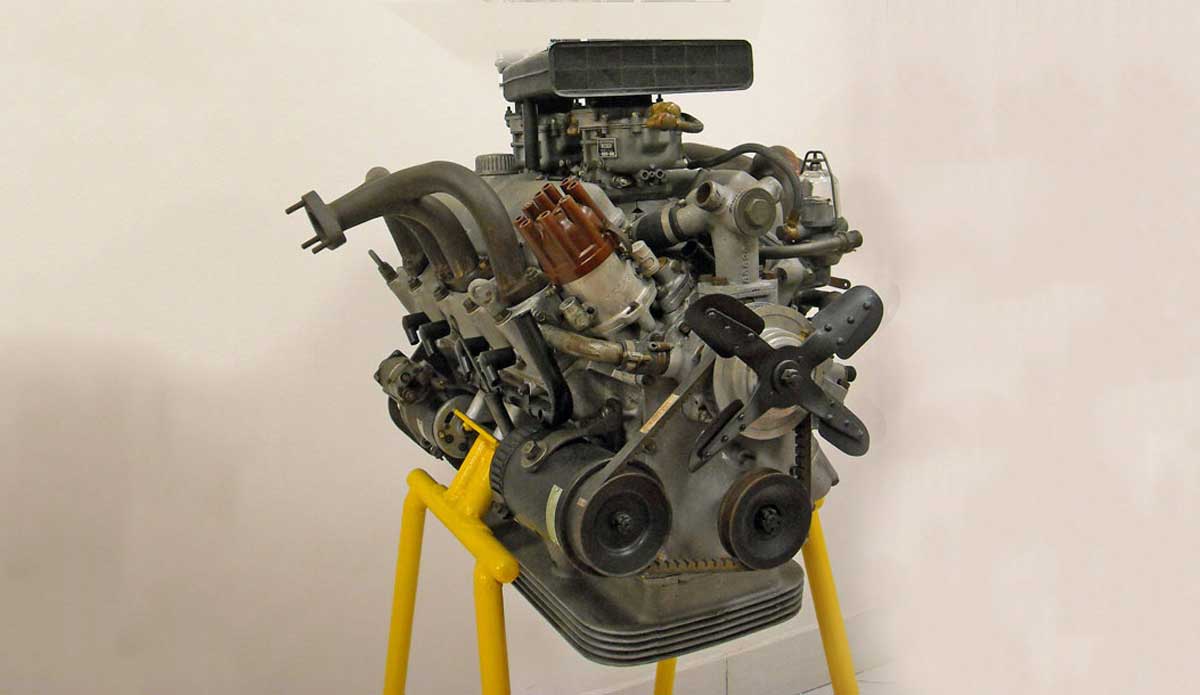
As the 8V found its footing, Fiat’s engineers developed a higher-performance engine tune (featuring a more aggressive camshaft and higher compression pistons) that boosted output to roughly 127 hp. Coupled with the 8V’s all-independent suspension and balanced handling, this made the car genuinely competitive. Indeed, the 8V would go on to dominate the Italian GT Championships in the under-2.0L category, clinching the title five years in a row from 1954 through 1958. Few could have predicted that Fiat – better known for tiny Topolinos – would become a fixture on winners’ podiums, but the 8V delivered exactly that.Lorem ipsum dolor sit amet, consectetur adipiscing elit. Ut elit tellus, luctus nec ullamcorper mattis, pulvinar dapibus leo.
The Fiat 8V Zagato: Lightweight Legends
If the standard Rapi-designed Fiat 8V was a refined gran turismo, Zagato turned it into a street-legal racing weapon. From the very beginning, Milan’s coachbuilder saw the Otto Vu not as a luxury coupé, but as a platform begging for competition. Every kilogram mattered, and Zagato’s trademark skill was shaving weight through ultra-light aluminum bodies.
The first Zagato-built cars weren’t fresh chassis supplied by Fiat, but rather unsold factory coupés that Zagato purchased and transformed. These became the Fiat 8V Elaborata Zagato – “elaborated” into race trim with hand-formed aluminum panels, stripped interiors, and often fitted with Zagato’s signature double-bubble roof for helmet clearance. Only five Elaborata were made, but they set the pattern: the 8V could be reimagined as a thoroughbred competition car.
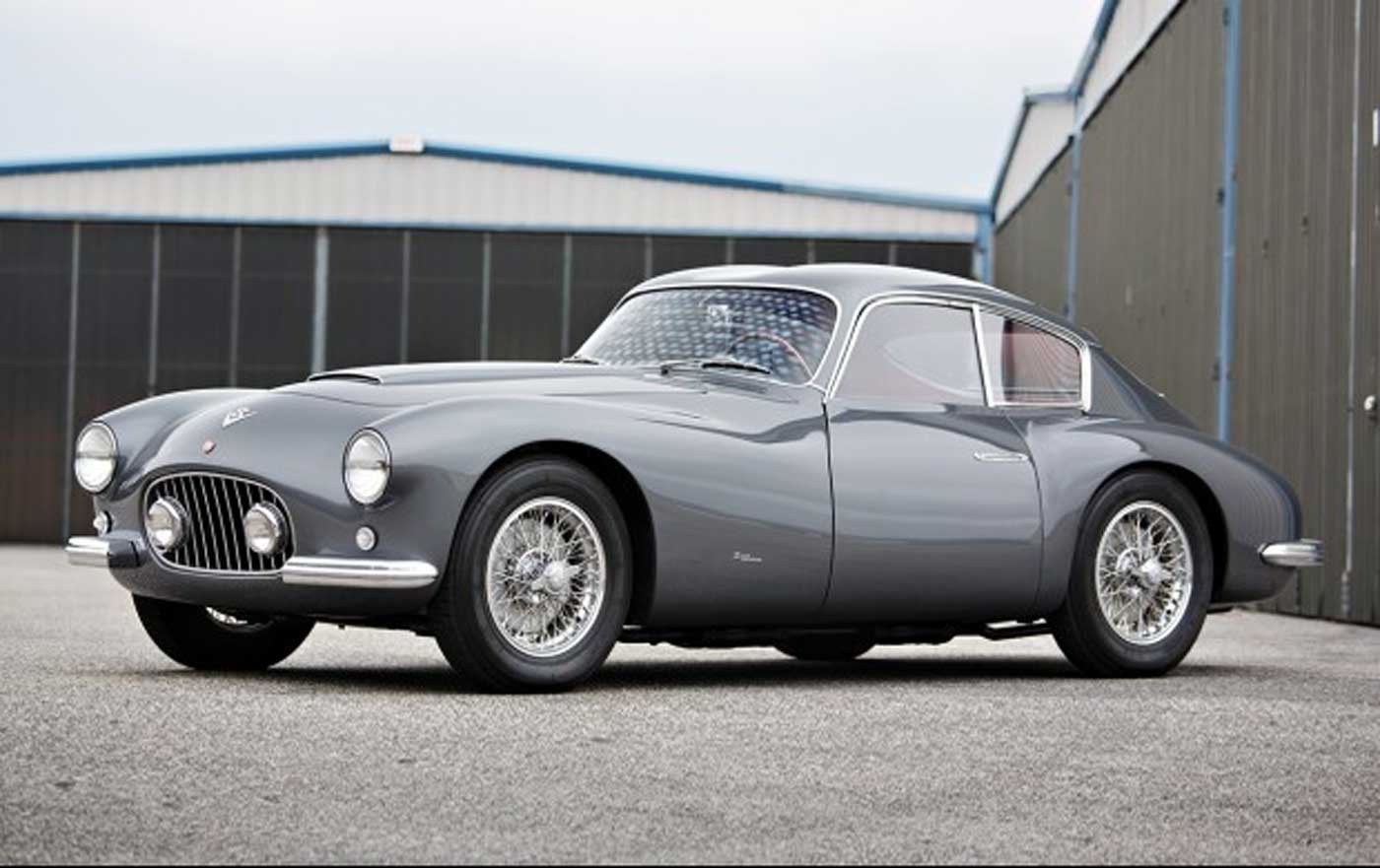
Encouraged by the results, Fiat began supplying Zagato with bare rolling chassis, allowing them greater freedom to shape their own designs. The result was the Fiat 8V Zagato, or 8VZ, a series of lightweight berlinettas and the occasional spider, bodied between 1952 and 1959. In total, Zagato clothed about 30 to 32 chassis – each car slightly different, tailored to the tastes of its first owner. Customers could specify interior trim, details of the nose and grille, even whether or not they wanted the now-famous bubble roof.
🔗 Read more: The story of Zagato Milano
These weren’t just show cars. In the hands of privateers and professionals alike, the 8VZ was devastatingly effective. Elio Zagato, the founder’s son and a talented racer, drove one to victory in the 1955 Berlin Avus Grand Prix for GT cars, humbling factory Porsches on their home circuit at an average speed of 173 km/h. Across Italian hillclimbs and endurance races, the lithe Fiat-Zagatos regularly punched far above their weight.
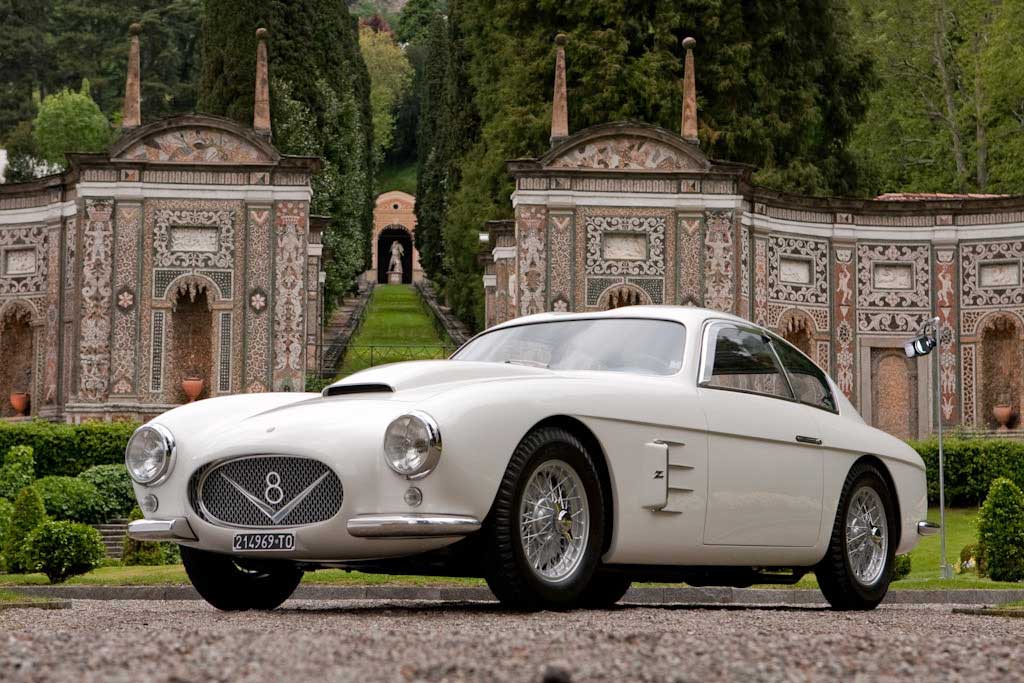
One car in particular, chassis 000005, tells the story of just how versatile Zagato could be. Originally built as a standard Fiat coupé in 1952, it was sold to industrialist Franco Auricchio, who entered it in the Mille Miglia with Vincenzo Auricchio and Piero Bozzinio at the wheel. They finished a remarkable 5th in the 2-liter class. Later, the car was sold to racer Ovidio Capelli, who sent it to Zagato to be rebodied as a lightweight barchetta. After a serious accident in Sardinia, it passed into the hands of the Leto di Priolo brothers, who commissioned yet another transformation – this time into a spider. In this guise, Massimo Leto di Priolo drove it to 2nd place in the GT class at the 1955 Swedish Grand Prix. That same car, reborn multiple times, resurfaced decades later and was shown at Auto e Moto d’Epoca in Padova in 2015, a living testament to the adaptability of Zagato’s craft.
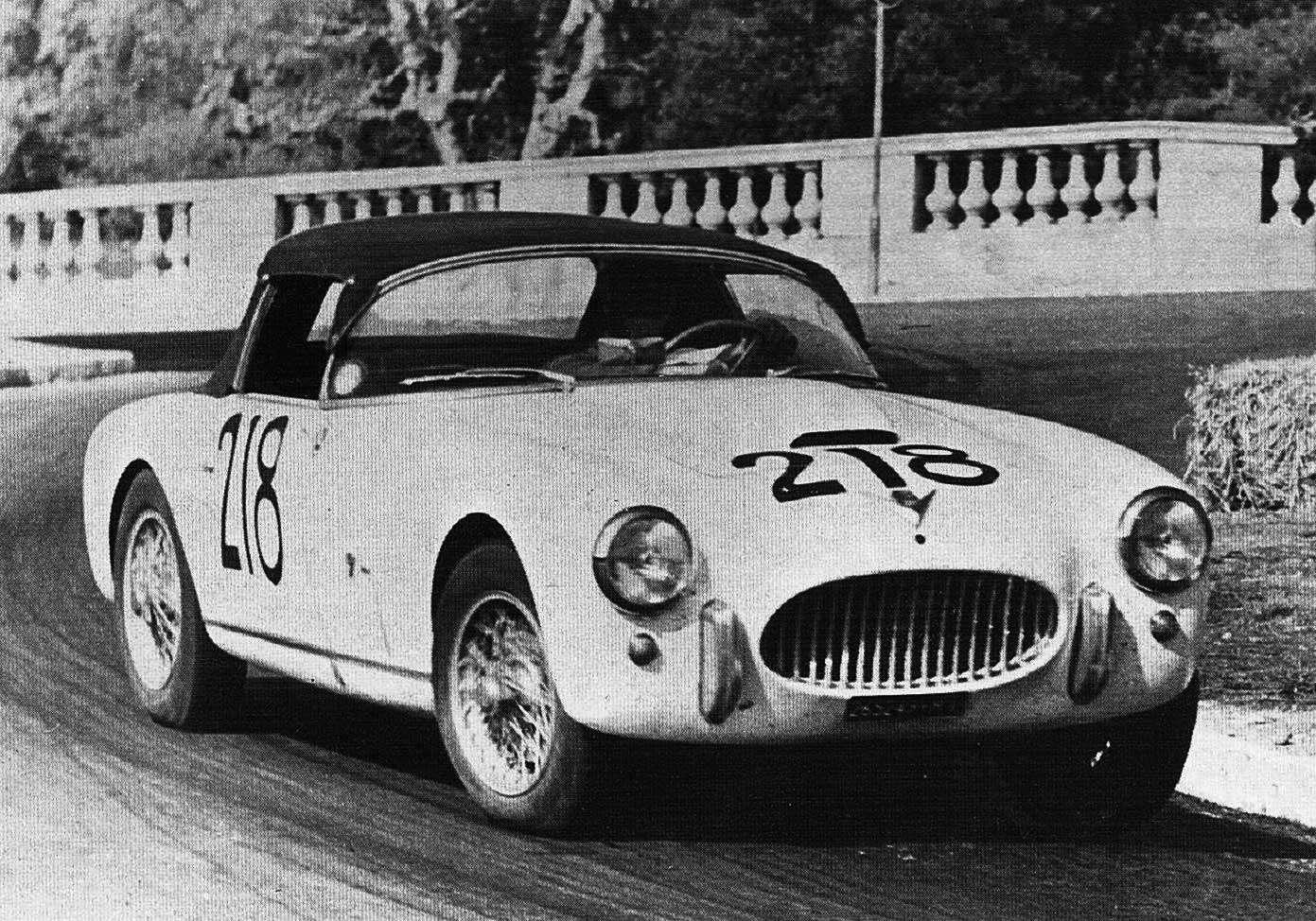
By the late 1950s, when Fiat had already stopped building the 8V, Zagato was still selling their bespoke berlinettas to gentleman drivers. Each was unique, each hand-wrought, but collectively they established the Fiat 8V Zagato as one of the most successful small-displacement GT racers of its time. Today, the 8VZ models – with their racing pedigree, lightweight construction, and unmistakable double-bubble silhouettes – are among the most coveted Otto Vu variants, fetching reverence not only as Italian design icons but as true competition machines.
The Coachbuilt 8Vs: Carrozzerie at Play
What makes the Fiat 8V’s saga so fascinating is how quickly it became a coachbuilder’s darling. In the 1950s, Turin was home to an array of carrozzerie – Ghia, Pinin Farina, Vignale, Bertone, and more – all hungry to demonstrate their artistry on exotic chassis. Here was Fiat offering an advanced, limited-production chassis with a jewel-like V8, usually sold to enthusiasts who appreciated custom work. The result was a flurry of fuoriserie creations on the 8V platform, each showcasing a unique facet of Italian design culture.
This and is a one-off. It was built in 1953 based on designs by the designer Mario Boano.
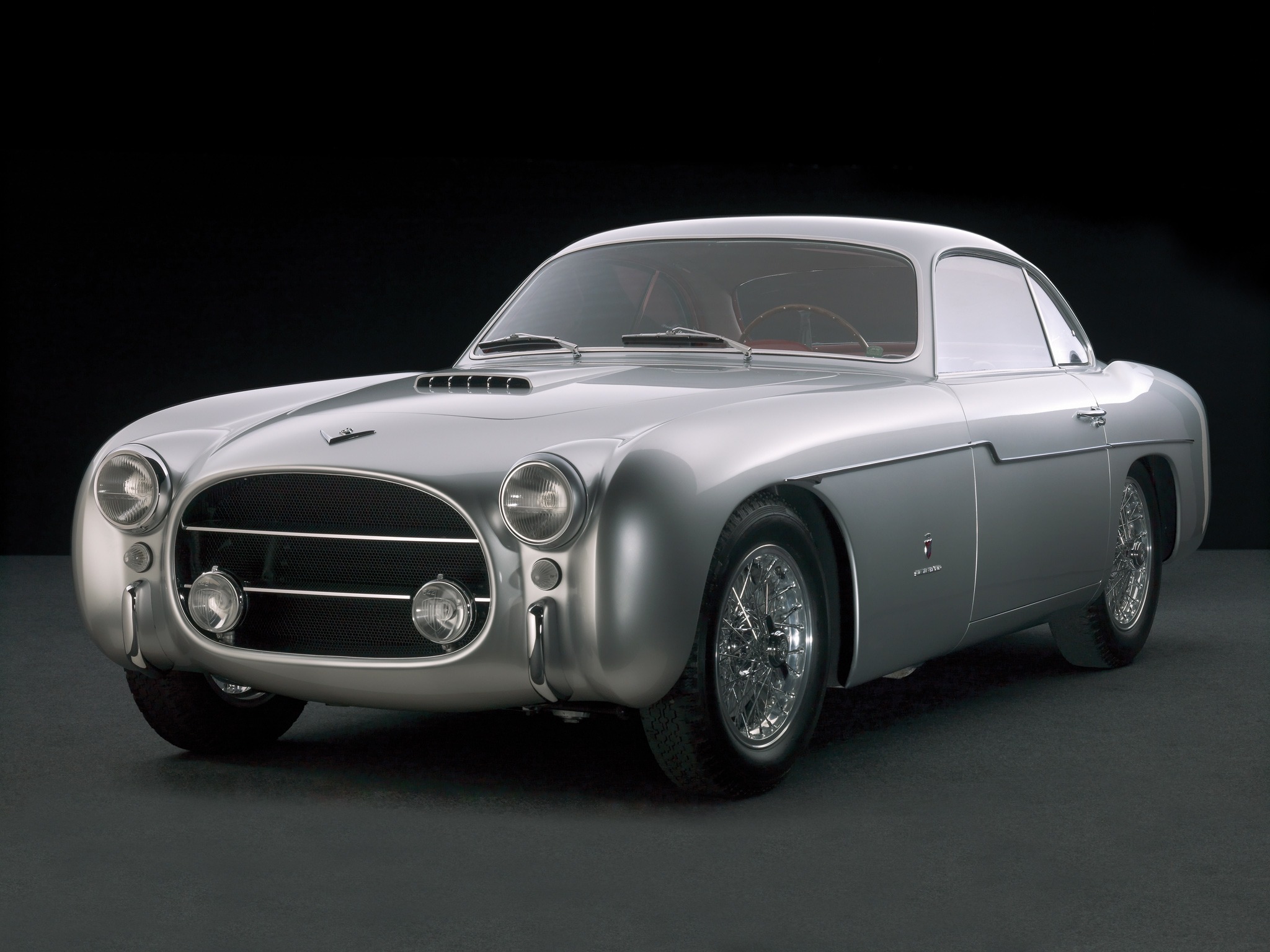
Among the most famed is Carrozzeria Ghia of Turin. Ghia built at least two distinct series on the 8V. The first was a one-off commissioned in 1953: a handsome coupé designed by Giampaolo Boano of Ghia, on chassis 042. This car hinted at American influences – Boano had a keen sense for transatlantic trends – and was a unique piece built for a specific client.
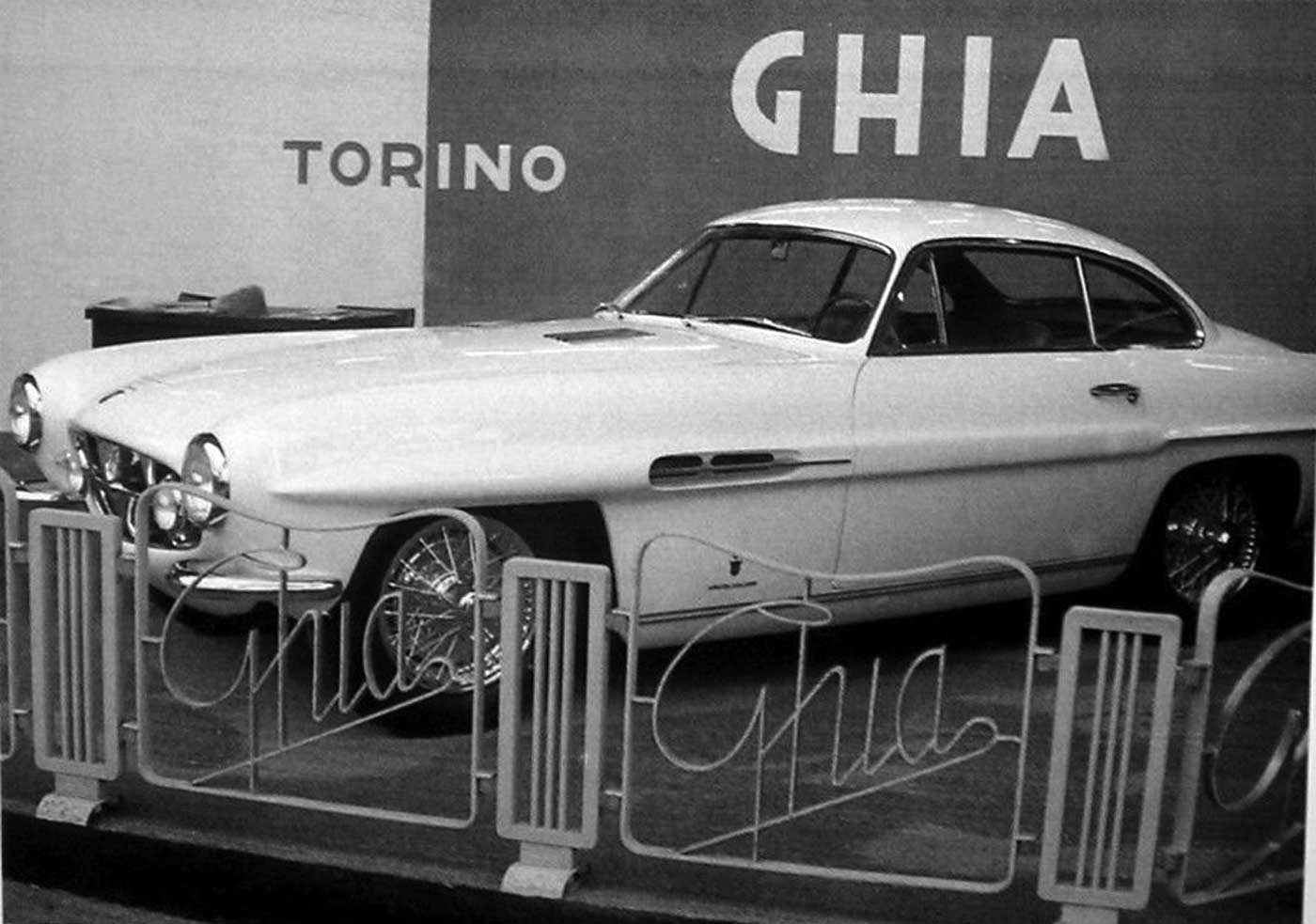
Ghia’s more celebrated venture, however, was the Supersonic. Styled by Giovanni Savonuzzi for Ghia, the Supersonic design actually originated on an Alfa Romeo chassis for a Swiss racing patron, inspired by jet-age planes and rocket fins. The shape was so futuristic and well-received that Ghia adapted it to the Fiat 8V, creating a limited run of dramatically styled cars with faired-in headlamps, crisp tailfins and a teardrop profile evocative of fighter jets. Approximately 15 Supersonics were built on Fiat 8V chassis, each one an exotic roadgoing sculpture in aluminum. They were the supercars of their day in looks, if not quite in raw speed. (Not to be outdone, a few Supersonics were even built on Jaguar XK120 and Aston Martin chassis for other clients – a testament to the design’s allure.)
🔗 Read more: Ghia Supersonic: The Space-Age Icon on Wheels
Not far from Ghia’s workshops, Vignale was another Turin coachbuilder eager to make its mark on the Otto Vu. Vignale, guided by the talented young designer Giovanni Michelotti, ended up creating no fewer than eight different Fiat 8V cars. Each was essentially a unique piece – Vignale rarely built the same car twice – but broadly they comprised five coupes of varying design, one open-top spider, one competition-oriented coupe, and one wild show car. Michelotti’s touch is evident in the Vignale 8Vs: they tend to have a certain elegance laced with daring details.
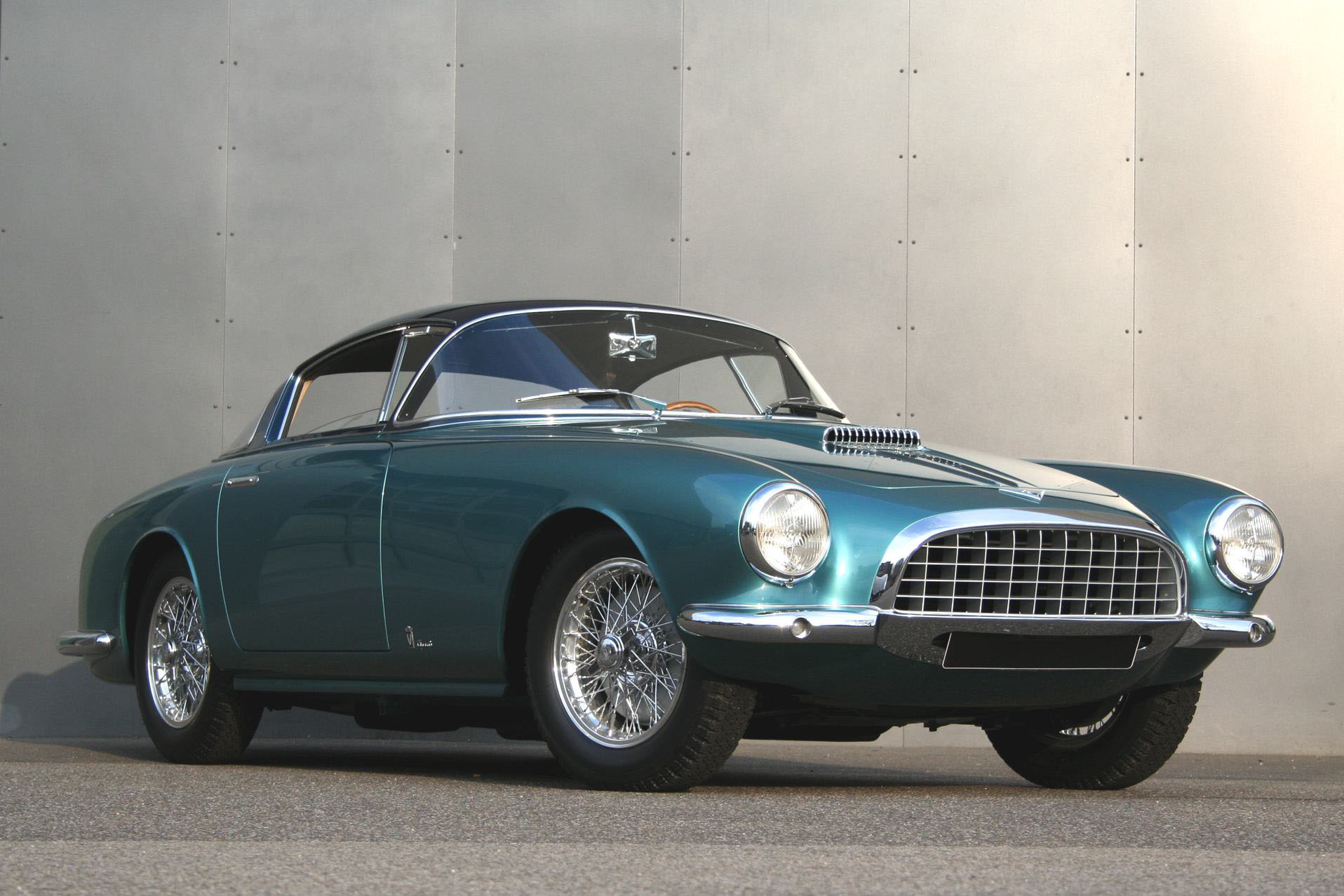
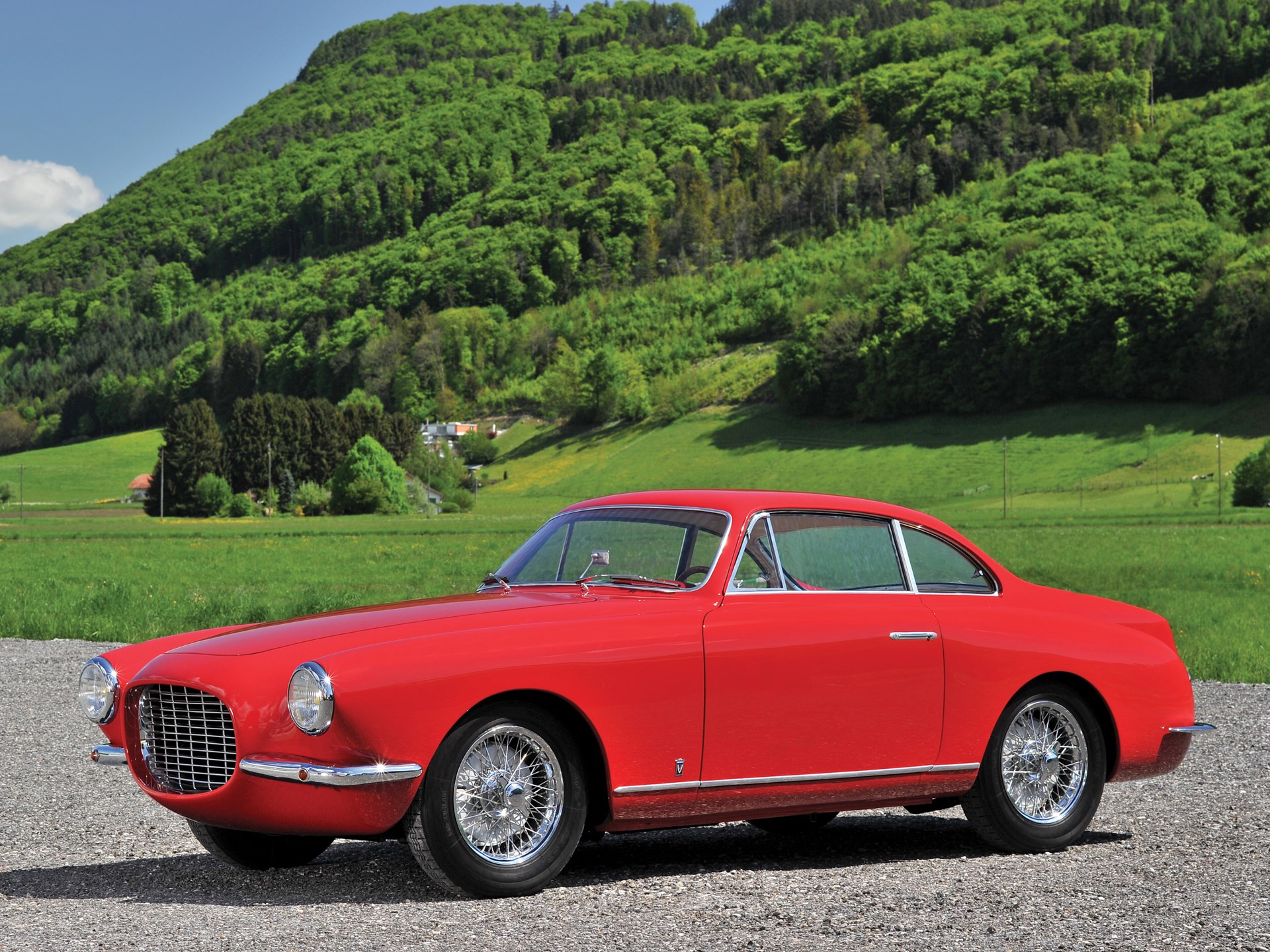
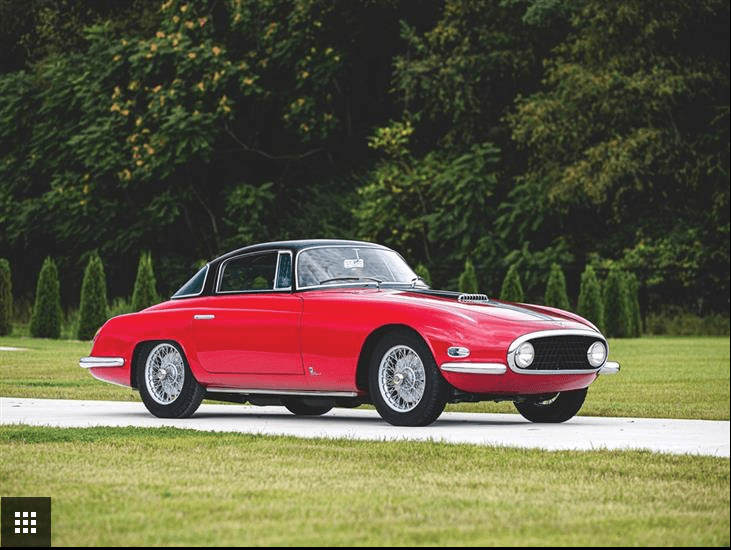
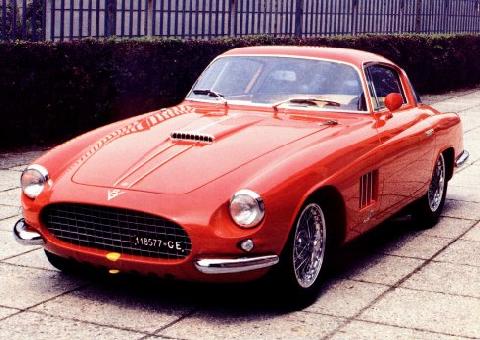
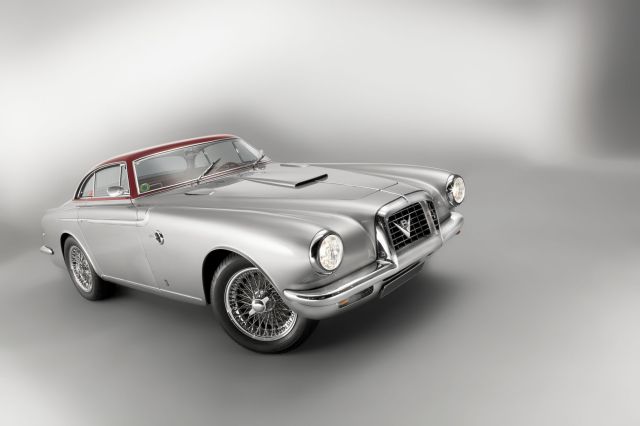
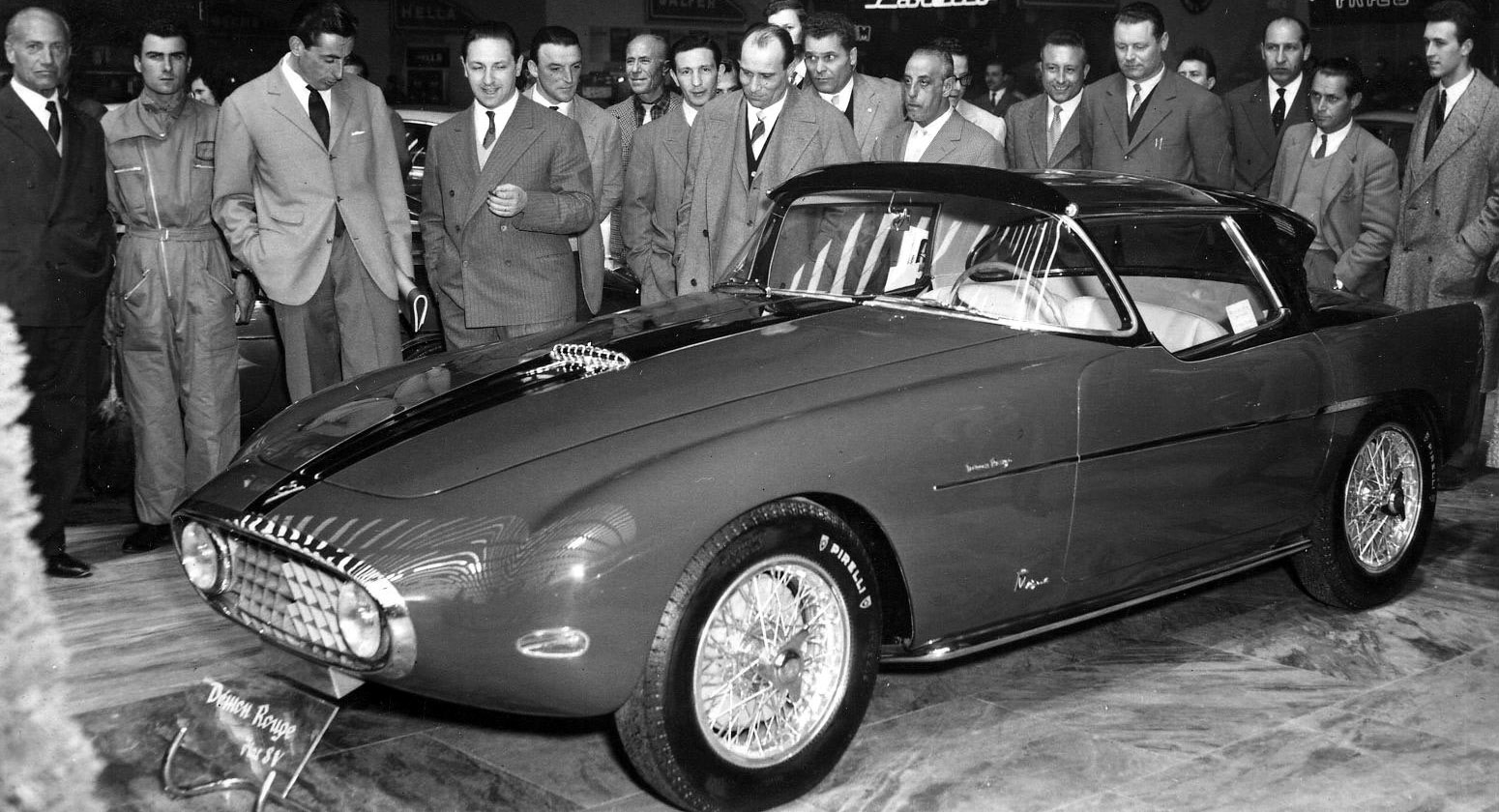
One of the most striking was the Fiat 8V Demon Rouge (French for “Red Devil”), the nickname given to a black-and-red Vignale special exhibited at the 1955 Turin Motor Show. The Demon Rouge featured a curved panoramic rear window and flush-mounted door handles hidden in the roof pillars – flamboyant innovations for the mid-’50s. That show car won the Coppa Campione d’Italia for design at a local concours in 1955, wowing attendees with its devilish color scheme and jet-age accents.
Vignale’s other 8Vs were slightly more down-to-earth but no less beautiful: the Vignale Spider (only one built) was a sporty roadster with a cut-down windshield and flowing lines, originally painted silver with a hefty full-width nose bumper – later redesigned with a twin-bumper and racy red paint. The Vignale Coupé Corsa was an attempt to make a competitive racing berlinetta in 1954, with a stripped interior and tuned engine, though it had limited racing success. Overall, Vignale’s interpretations of the 8V balanced showmanship and speed, and all were penned by Michelotti, making the 8V a little-known early chapter in the portfolio of a designer who would later become an industry giant.
Even Pinin Farina (later Pininfarina), the coachbuilder most closely associated with Ferrari, could not resist the 8V’s allure. Battista “Pinin” Farina’s firm crafted a one-off Fiat 8V Berlinetta Speciale in 1955, a bespoke coupe built for Fiat executive Giovanni Nasi.
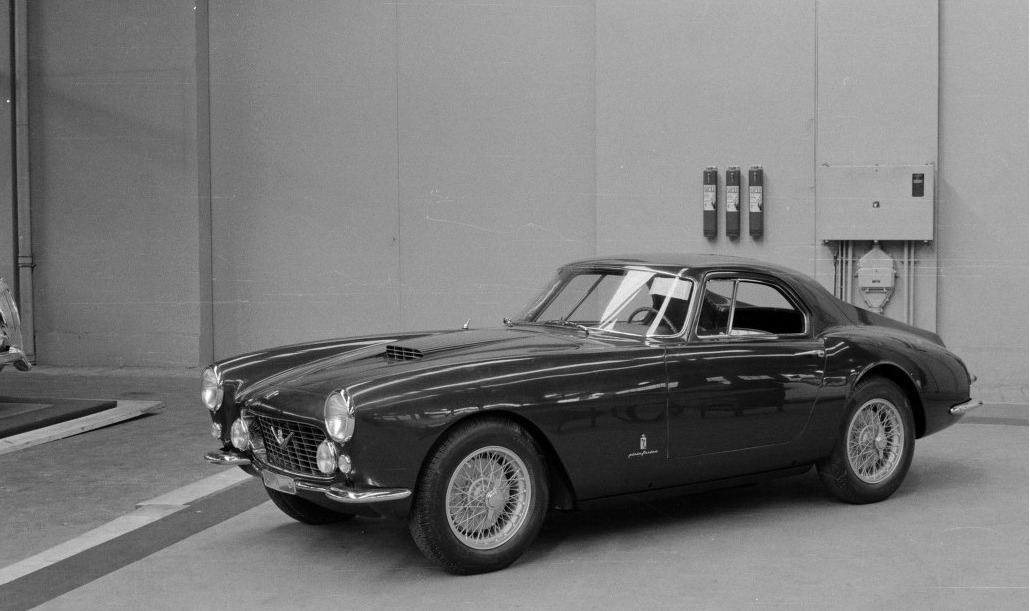
This Pininfarina 8V had a more understated elegance, with smooth, unadorned flanks and a distinctive oval grille – marrying the 8V’s technical package to Pininfarina’s refined aesthetic. It remained a singular creation, essentially a road-going grand tourer for a VIP client, but it underscored the fact that by mid-decade every major Italian coachbuilder had left their fingerprint on the 8V. From Ghia’s jet-age fantasies to Zagato’s competition lightweights, Vignale’s flamboyant showstoppers to Pininfarina’s bespoke luxe coupe, the Fiat 8V became a veritable exhibition of Italian automotive design in the 1950s. In total, well over half of all 8V chassis ended up wearing fuoriserie bodywork of some kind – an astonishing trajectory for a car born as an in-house Fiat experiment.
The SIATA 208: A Kindred Spirit
The Fiat 8V’s story would be incomplete without its lesser-known twin, the SIATA 208. From the start the link was clear: SIATA engineers had helped with the 8V’s chassis development, and in 1952, almost alongside Fiat, they presented their own V8-powered line – the 208 series – at the Turin Motor Show. Powered by Fiat’s Tipo 104 V8 but mounted on a SIATA-designed tubular frame and paired with an advanced five-speed gearbox, the 208 was a lighter, more flexible machine, built with the small constructor’s characteristic ingenuity.
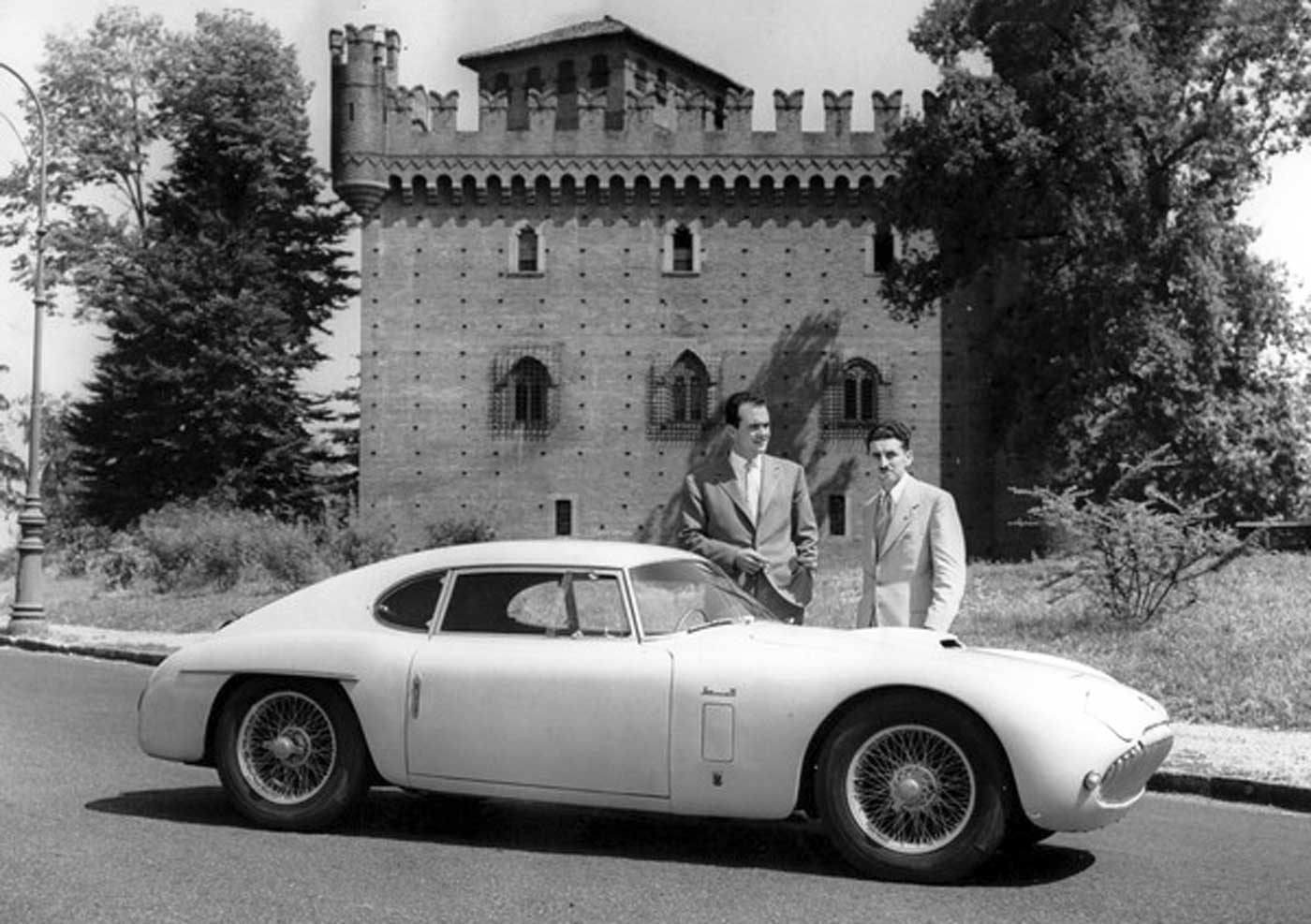
The first 208 CS Coupés were delivered to Stabilimenti Farina, which shaped around seven refined berlinettas before closing its doors in 1953. These early cars carried Farina’s signature elegance, with soft lines and an almost aristocratic restraint. When Farina disappeared, the task fell to Carrozzeria Balbo, which bodied another eleven or so cars. Balbo’s designs were sharper, more muscular, and subtly different from one another – a reminder that each car was essentially a bespoke prototype. Between Farina and Balbo, just eighteen coupés were made in total, all exuding the individuality of hand-built machines.
Bertone, too, left its mark on the 208. Nuccio Bertone commissioned a racing spider from Franco Scaglione, a stripped barchetta he drove in hillclimbs. At the same time, Bertone turned to Giovanni Michelotti, who designed a one-off coupé on the 208 CS chassis. Michelotti’s design was clean and modern, hinting at the grand touring language he would soon refine with Ferrari and Maserati. It was the most elegant of the 208s – less flamboyant than Scaglione’s racer, but a polished showcase of Bertone’s versatility and Michelotti’s rising genius.
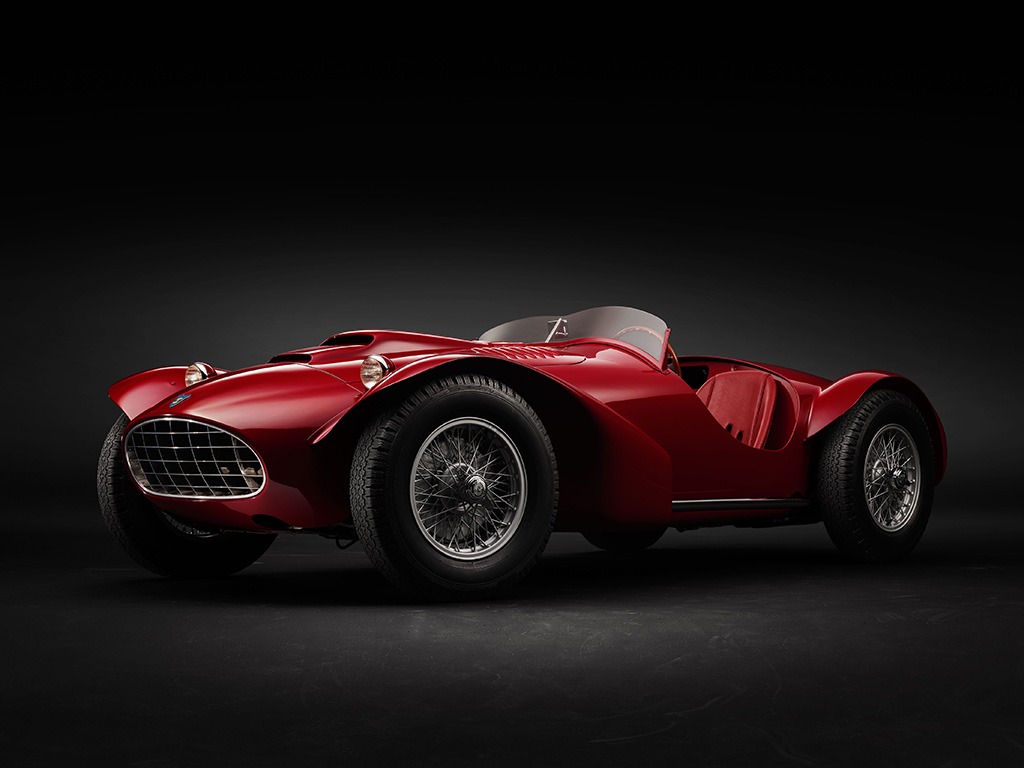
Finally, the open-air version came in the form of the 208 S Spider, most of which were bodied by Carrozzeria Motto. These minimalist, lightweight roadsters were particularly beloved in America, where importer Ernie McAfee sold them to keen West Coast enthusiasts. One of them landed in the hands of a young Steve McQueen, who affectionately called his red Spider the “Little Ferrari.”
🔗 Read more: Siata 208 CS – History, Design & Coachbuilders of Fiat’s V8-Powered Gem
With 110–140 hp from the 2.0 V8 and barely 1,000 kilos to carry, the SIATA 208s were as fast as they were rare. They raced in hillclimbs and SCCA events, often beating larger rivals, but their high price and Fiat’s dwindling supply of V8 engines meant production ended by 1955. Only a few dozen were built, making the 208 even scarcer than the Fiat 8V itself. Today, the SIATA stands as the 8V’s spiritual twin: a car that took Fiat’s jewel-like engine and wrapped it in a kaleidoscope of coachbuilt interpretations, from Farina’s poise to Balbo’s muscle, Michelotti’s elegance, and Motto’s purity.
Legacy of the Otto Vu
By the end of 1954, Fiat withdrew from the high-performance sports car market, having built just 114 Otto Vus and deciding to refocus on luxury sedans (the 1900) and upcoming family cars. In period, the 8V remained something of an insider’s secret – admired by those in the know, but never achieving the widespread fame of a Ferrari. For decades after, it lived in the shadows, a quirky footnote as the only V8 Fiat ever produced. Yet history has a way of shining a light on greatness. In recent years the 8V has been celebrated as an engineering and design landmark, a car far ahead of its time. Modern collectors and historians now appreciate that Fiat’s little coupé truly was a peer to its more pedigreed contemporaries. The 8V combined the best of 1950s Turin – technical innovation, racing prowess, and coachbuilt artistry – into a single package. Few cars can claim to so perfectly encapsulate an era.
In its day, the 8V proved that Fiat was capable of producing a world-class sports car, even if such high-end projects were outside its usual repertoire. And by attracting Italy’s greatest carrozzieri to flex their creative muscles on its chassis, the 8V left a legacy far greater than its tiny production run. Each surviving 8V, whether in factory form or dressed in bespoke aluminum by Zagato, Ghia, Vignale, Pininfarina or others, tells a story of a magical time in Turin when engineers and artisans collaborated to create moving masterpieces. The Fiat 8V may have started as a curious detour in Fiat’s history, but today it stands as a symbol of Italian ingenuity – a rare blend of high-speed engineering and coachbuilt elegance that has only grown more legendary with age.

ABOUT THE AUTHOR
Andreas Scheidl
Italian classic car enthusiast with German roots. Renowned as a respected figure in the classic car community, he serves as a jury member at various international concours d'elegance, including the Classic Gala Schwetzingen and Mantova. As a content creator, Andreas passionately shares his profound knowledge and appreciation for vintage automobiles. His heart beats for cars designed by Giovanni Michelotti, showcasing his discerning taste and dedication to preserving the timeless elegance of automotive history.
More stories by Andreas Scheidl ↗CONTINUE READING
Posts You Might Like
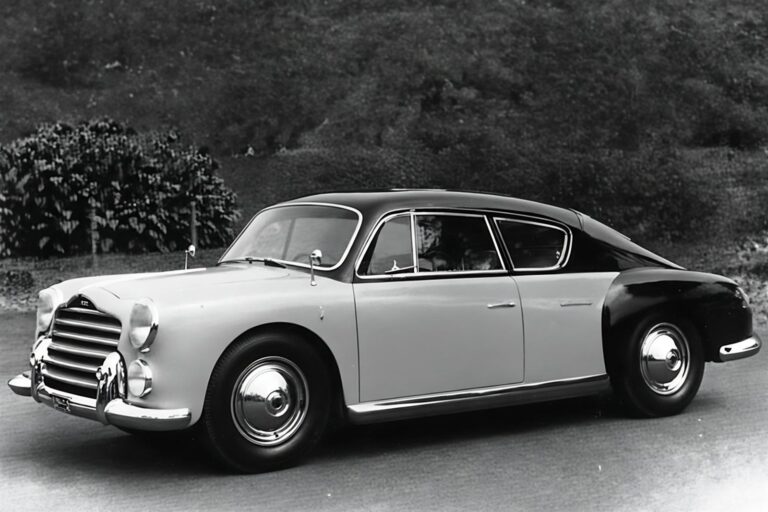
A Central Driving Position, a Rear-Mounted V8. Was This Really a Lancia?
In 1948, visitors to the Turin Motor Show could see an unusual Lancia on the stand of Carrozzeria Ghia. It was a large two-door coupé with a two-litre V8 mounted behind the…
Read story
Fioravanti F100: The Ferrari He Was Allowed to Imagine
Enzo Ferrari’s centenary, Leonardo Fioravanti’s independent studio and a supercar that explored air brakes, steel wheels and a new way of driving—without ever wearing the Cavallino.
Read story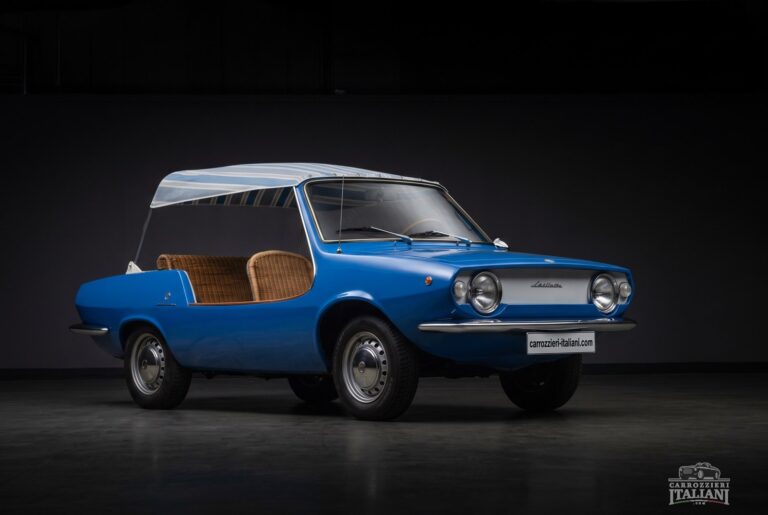
Michelotti Shellette: When the Fiat 850 Became a Yacht
The yacht designer, the Turin stylist and the tiny coachbuilt car that crossed between the quay, the royal holiday house and the auction room. Some automobiles were conceived for the open road,…
Read story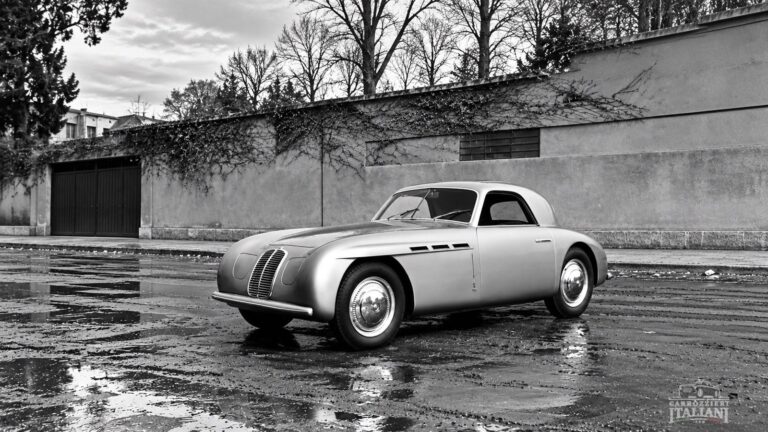
Maserati A6 1500: A New Road for the Trident
When the doors of the Geneva Motor Show opened in March 1947, Maserati was a name that required little introduction to anyone who followed motor racing. What it did not yet possess…
Read story
THE CONVERSATION
Comments 0
Share a memory, a period photograph or a documented detail about this story.