
Lancia Sibilo: Bertone’s Stratos From Another Planet
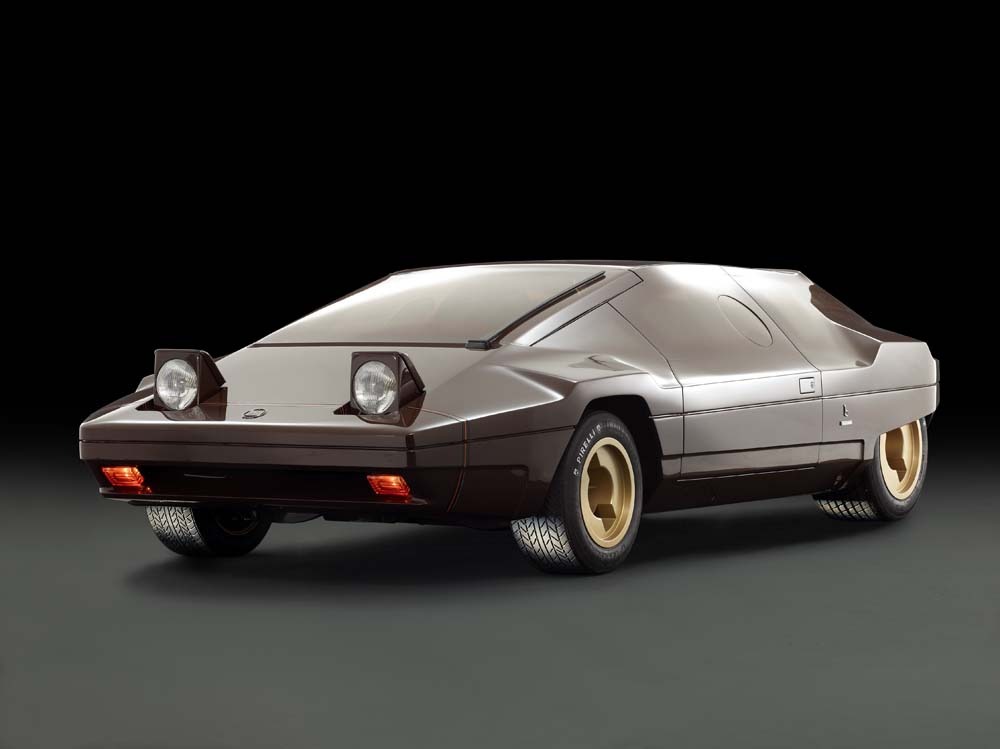
Some concept cars are previews. Others are warnings. The Lancia Sibilo was neither, and that is exactly why it still feels so strange today. It did not look like a future production Lancia, it did not look like a sensible evolution of the Stratos, and it certainly did not look like something that had been designed to make board members nod politely over coffee. It looked like Marcello Gandini had taken a Lancia Stratos, sealed it inside a bronze-brown meteorite, and then asked everyone else in the room whether they were brave enough to understand it.
Presented by Bertone at the 1978 Turin Motor Show, the Sibilo was based on the Lancia Stratos HF, which already makes the story slightly absurd. The Stratos was not exactly a conservative starting point. It was a short, furious, mid-engined rally weapon with a Ferrari-derived Dino V6, a windscreen like a racing visor, and a body that looked as if it had been designed with a ruler, a knife and very little patience for ordinary cars. It had won the World Rally Championship for Lancia three times in a row, from 1974 to 1976, and by the time the Sibilo appeared, the Stratos was already a legend in motion.
That is what makes the Lancia Sibilo so fascinating. Bertone did not take a dull saloon and turn it into a spaceship. It took one of the wildest road and rally cars of the 1970s and somehow made it look like the sensible one.
Gandini Turns the Volume Past Ten
The Sibilo came from the same creative universe that had already given the world the Lamborghini Countach, the Alfa Romeo Carabo, the Lancia Stratos Zero, the Lamborghini Bravo and the Alfa Romeo Navajo. In other words, this was not Bertone casually sketching something futuristic for attention. This was the house language of Marcello Gandini reaching one of its most extreme points.
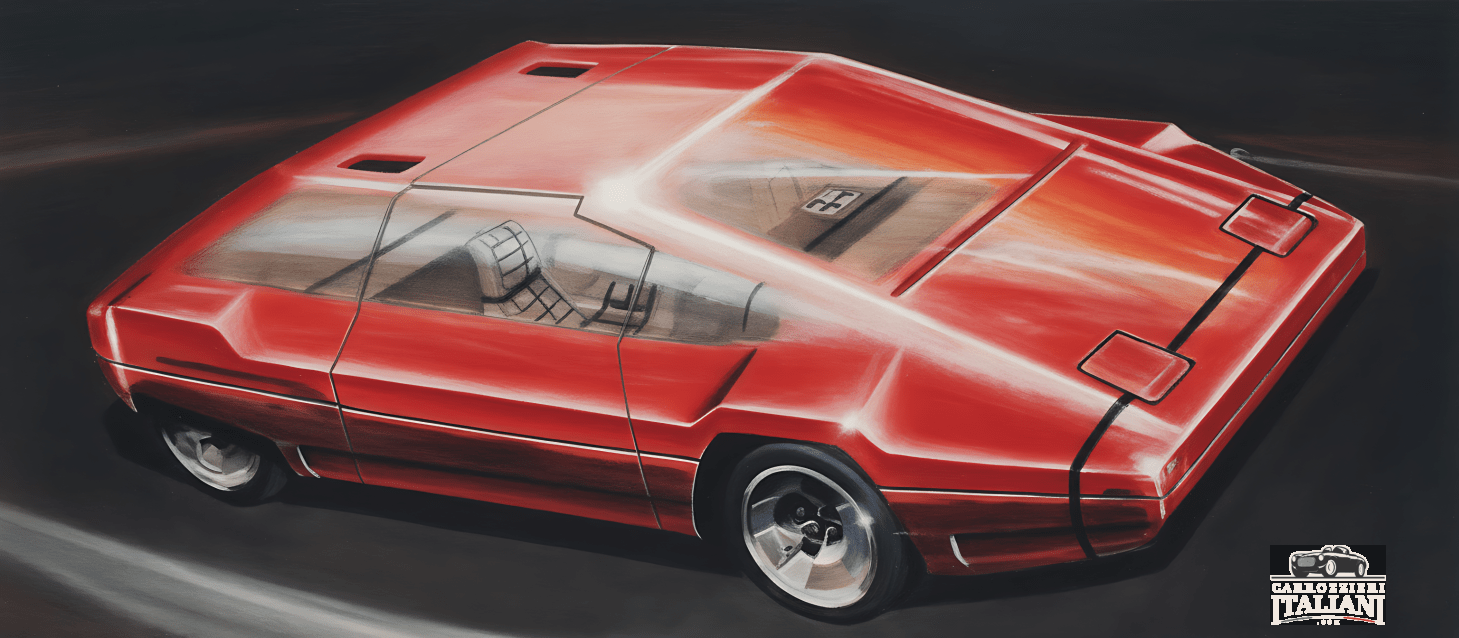
By 1978, the wedge era was no longer new. The Countach had already shocked the world. The Stratos Zero had already shown how low and theatrical a concept car could be. The Carabo had already made the future look sharp enough to draw blood. So the Sibilo could not simply be another pointed-nose fantasy with pop-up headlights and a low roofline. Gandini had already done that game, and he had done it better than almost anyone.
🔗 Read more: Marcello Gandini: The Man Who Designed the Future
Instead, the Sibilo pushed in a different direction. It was less about the wedge as a profile and more about the car as a single sealed object. The body, windows, bumpers, lights and cabin were visually compressed into one continuous shape. The usual separations disappeared. The glass did not sit proudly above the body like a traditional greenhouse. The bumpers did not announce themselves as separate pieces. The headlights hid away. The side windows became dark portholes in a body that looked more grown than assembled.
It was still a car, technically. But only just.
A Stratos Underneath, But Not Quite
Under the alien surface, the Sibilo remained closely connected to the Stratos. It used the Stratos HF mechanical package, including the transverse mid-mounted 2.4-litre Dino V6, the five-speed manual gearbox, independent suspension and four-wheel disc brakes. This mattered because the Sibilo was not just a static styling model with a theatrical shell and no real substance. It had proper machinery beneath it, and very serious machinery at that.
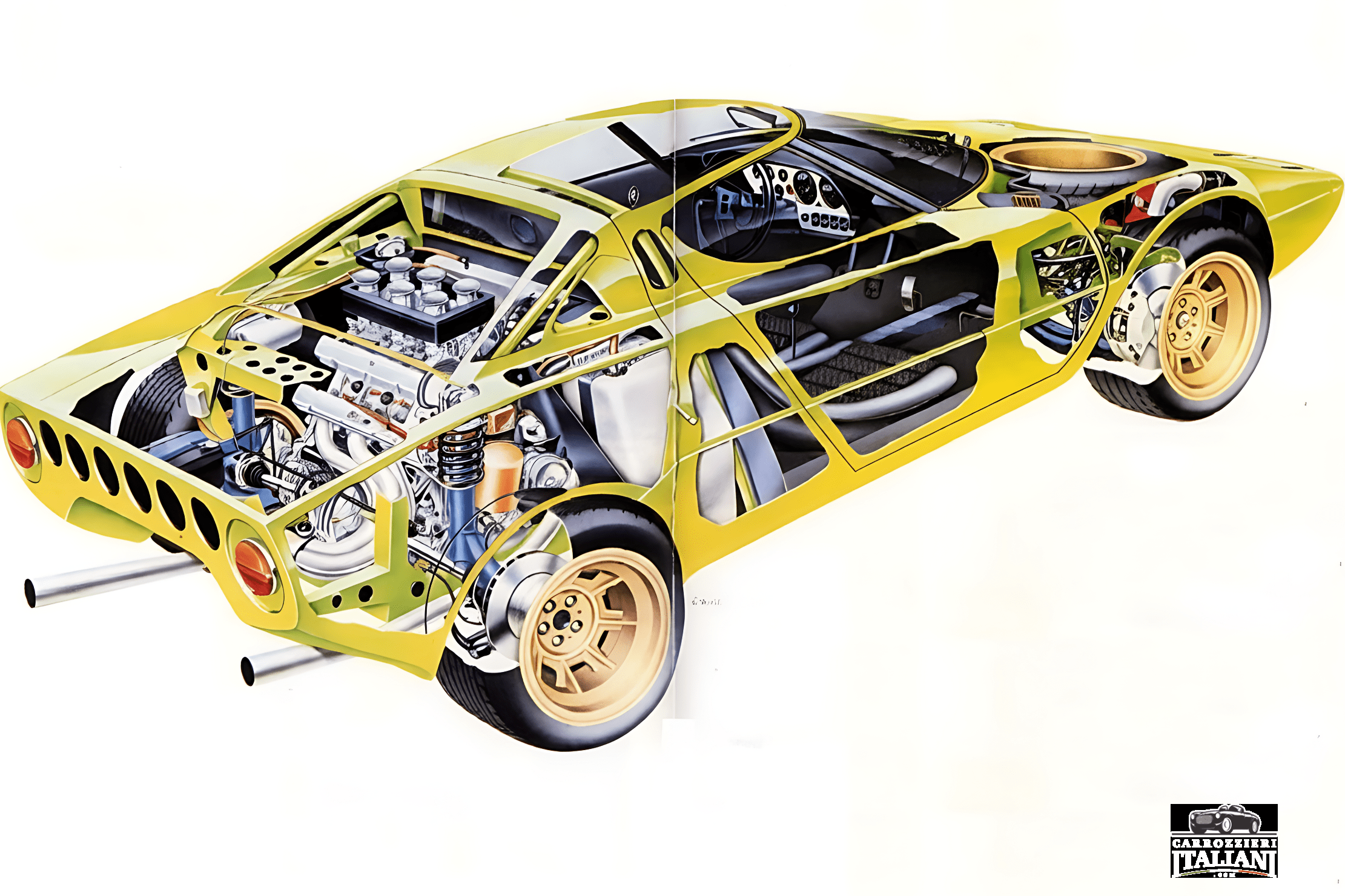
Bertone did, however, stretch the Stratos chassis by 100 mm, bringing the wheelbase to 2,280 mm. That might not sound dramatic, but on a car as compact and tightly packaged as the Stratos, it was enough to change the whole attitude. The Stratos was short, nervous and clenched, like a rally car waiting for the next hairpin. The Sibilo was still compact, but it looked longer, smoother and more mysterious, as if the violence had been wrapped in silence.
The name made perfect sense. “Sibilo” in Italian means a hiss or whistle, the kind of sound something makes as it cuts through the air. It was a brilliant name because the car did not look like it would roar into a room. It looked like it would pass through the atmosphere without asking permission.
The Brown Spaceship Problem
The Sibilo’s colour is important, because it could easily have ruined the whole thing. A car this radical could have been painted silver, white, red or black and everyone would have understood the message instantly. Silver would have said spaceship. Red would have said Italian supercar. Black would have said menace. White would have said design study.
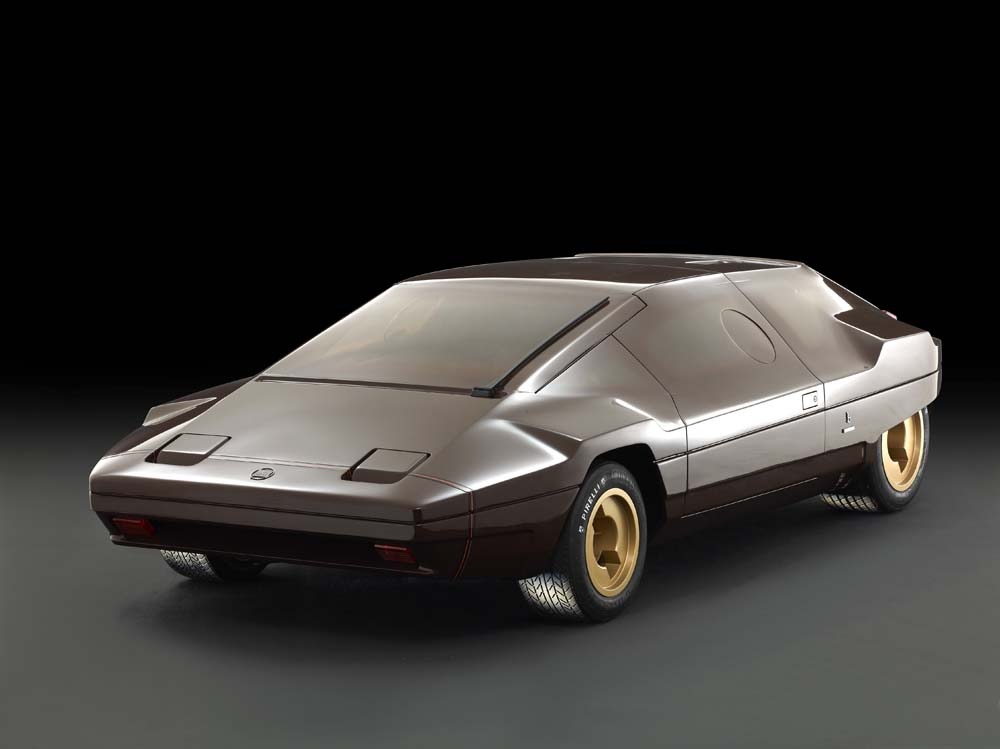
But Bertone painted it in a strange bronze-brown, chocolate-gold tone that somehow made it even more unsettling. It looked warm and synthetic at the same time, like a piece of 1970s consumer electronics that had been stretched over a mid-engined chassis. That colour helped the windows and bodywork merge visually, because the tinted glazing and painted surfaces were all part of the same atmosphere.
🔗 Read more: The Maserati Chubasco: the cyber punk concept car designed by Gandini
This is one reason the Sibilo photographs so strangely. In some images it looks magnificent. In others it looks almost awkward. From certain angles it has the presence of a lost sci-fi prop. From others it looks like Gandini deliberately designed beauty out of it, then put just enough back in to make people argue forever.
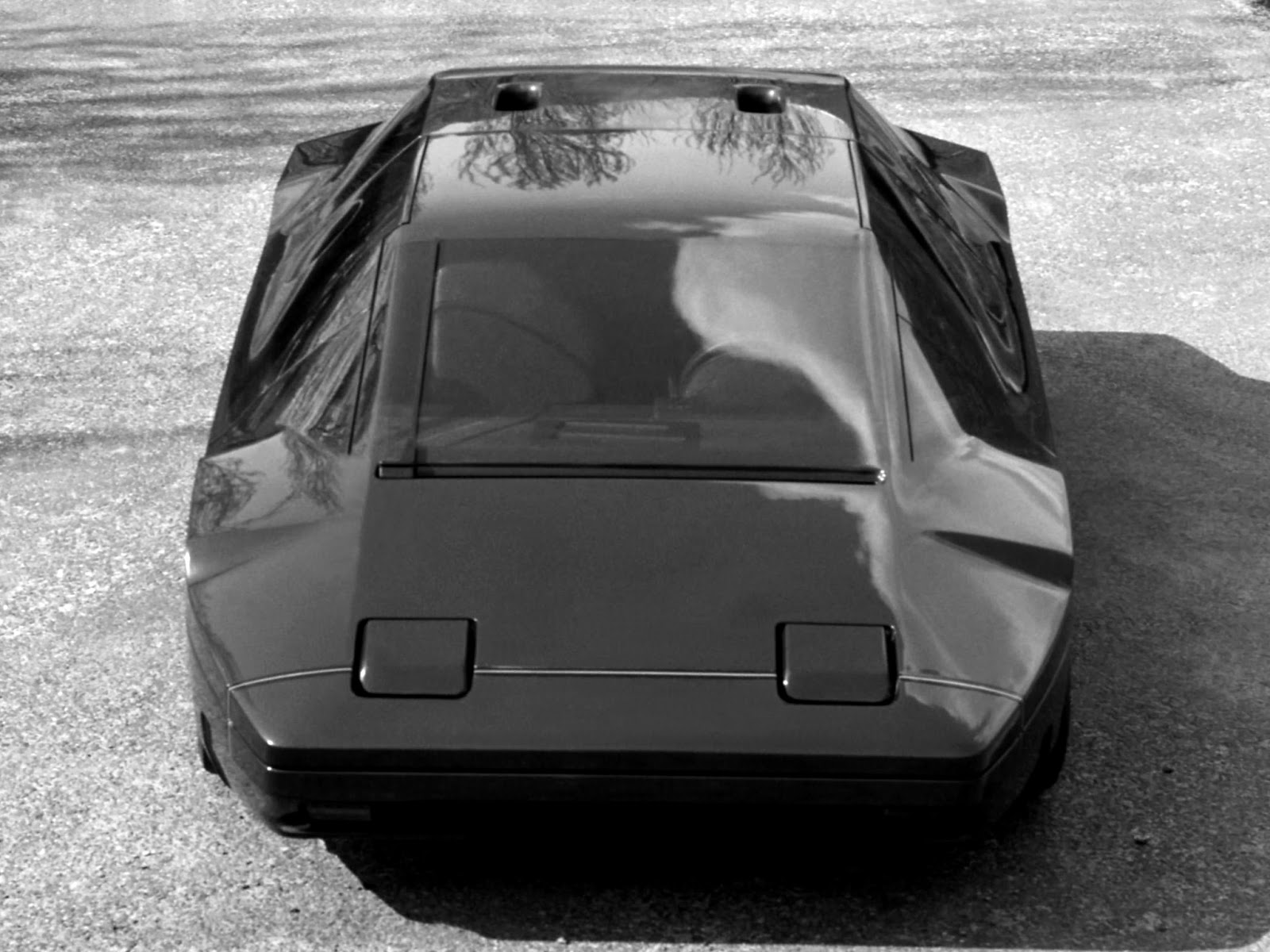
That is not a weakness. That is the point. The Sibilo was not trying to be pretty in the old coachbuilt sense. It was trying to feel inevitable, sealed, fast, and slightly beyond human control.
The Body Was One Big Trick
The most important idea on the Sibilo was surface continuity. Gandini wanted the car to read as a single mass, not as a set of parts. This is why the windscreen and side glazing were flush, why the body had so few visible interruptions, and why the bumpers were visually absorbed into the shape rather than treated as separate safety furniture.
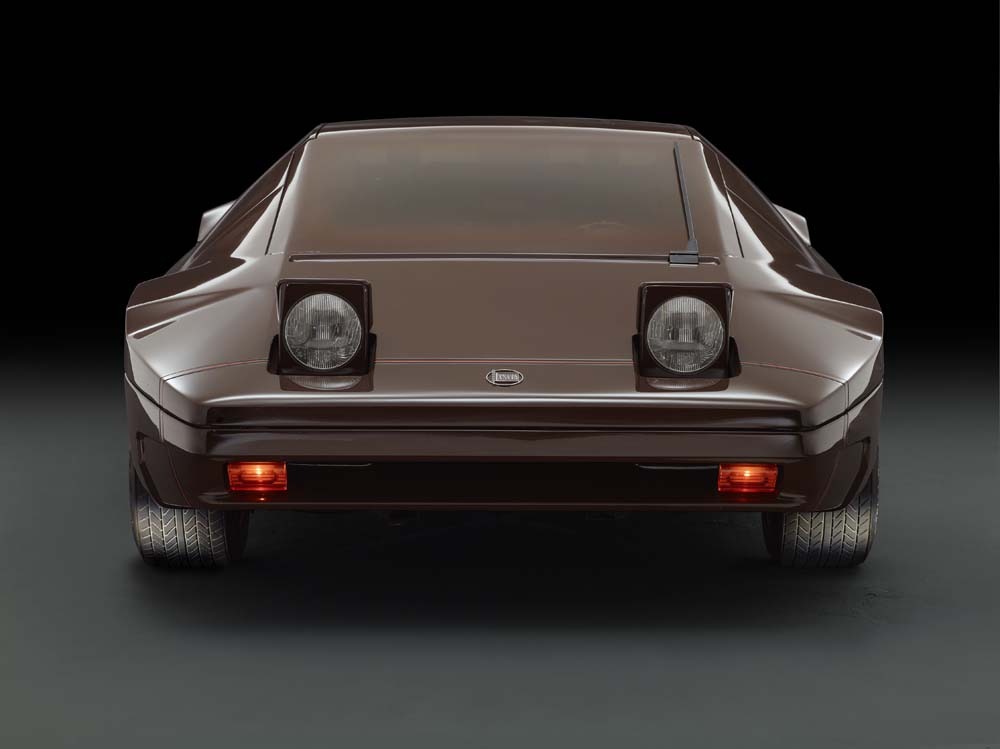
The front end was almost blank. There was no friendly face, no decorative grille, and no obvious attempt to charm the viewer. The pop-up headlights were hidden inside the surface. The nose was low and blunt, not in a clumsy way, but in a way that made the car seem less like it had a front and more like it had a direction.
The wheel arches were squared-off and graphic, with a treatment that echoed the Stratos but made the whole thing more architectural. On the Stratos, those arches looked functional and muscular. On the Sibilo, they looked like deliberate cuts in the body mass, the few places where the outside world was allowed to interrupt the sculpture.
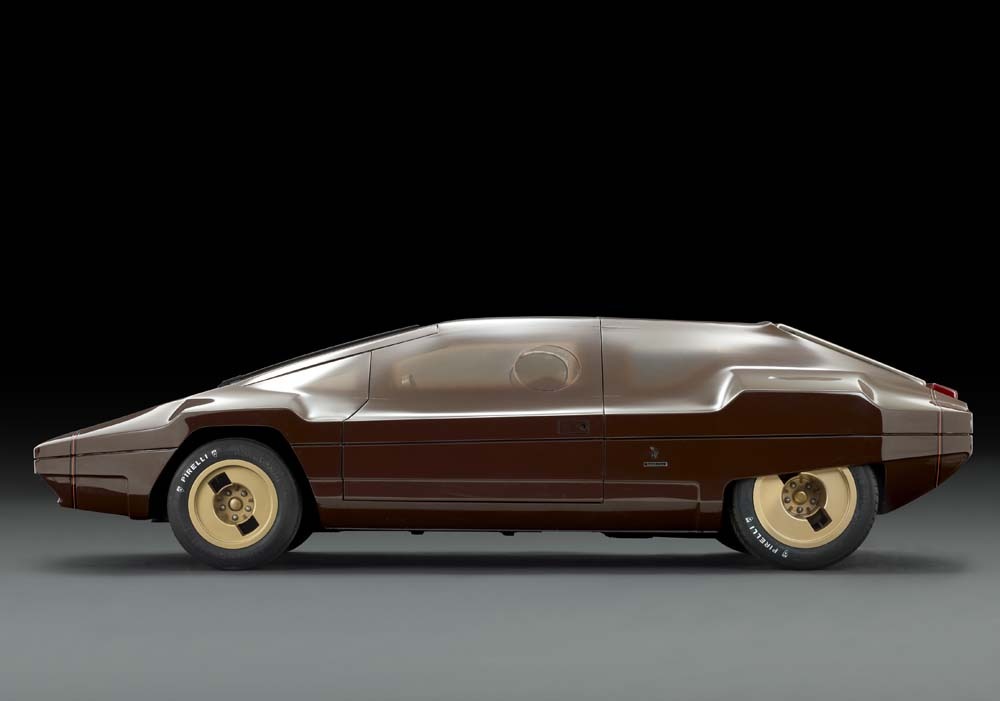
The side view was where the car became truly strange. There was no normal side glass. Instead, the Sibilo had dark, flush window panels with small circular openings. These little porthole-like sections could pop inward and slide forward, because the full windows did not wind down. That one detail tells the whole story. In a normal car, windows are about convenience. In the Sibilo, they were about atmosphere.
It was less “can I get some fresh air?” and more “permission to communicate with Earth?”
The Glass Supplier Accident That Helped the Design
One of the best development details concerns the side windows. Bertone reportedly used polycarbonate panels because the proper glass could not be delivered in time for the Turin Motor Show. In most cars, that would sound like a problem. In the Lancia Sibilo, it almost feels like fate.
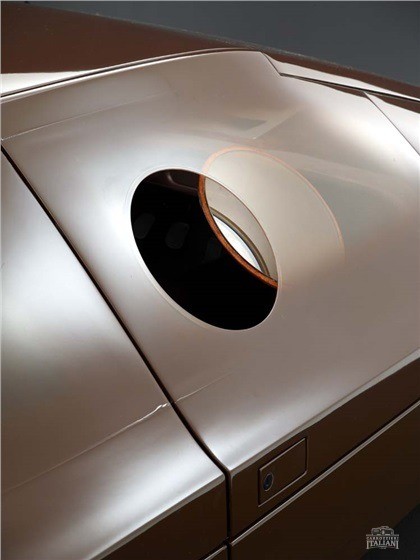
The polycarbonate helped Bertone achieve the smooth, flush treatment that made the side surfaces look less like glass and more like dark sections of the body itself. The material suited the idea. It made the car look lighter, stranger and more synthetic, which was exactly what the design needed.
This is one of those wonderful concept-car moments where a deadline problem becomes part of the mythology. The supplier could not deliver what was planned, so Bertone improvised, and the improvisation made the car even more Sibilo than it might otherwise have been.
Inside the Capsule
The interior was just as experimental as the outside, but in a different way. Where the exterior was about surface, the cabin was about control. The Sibilo did not have a traditional dashboard with handsome instruments scattered across a panel. It had horizontal digital displays placed high and close to the driver’s line of sight, reducing the need to glance down and away from the road.
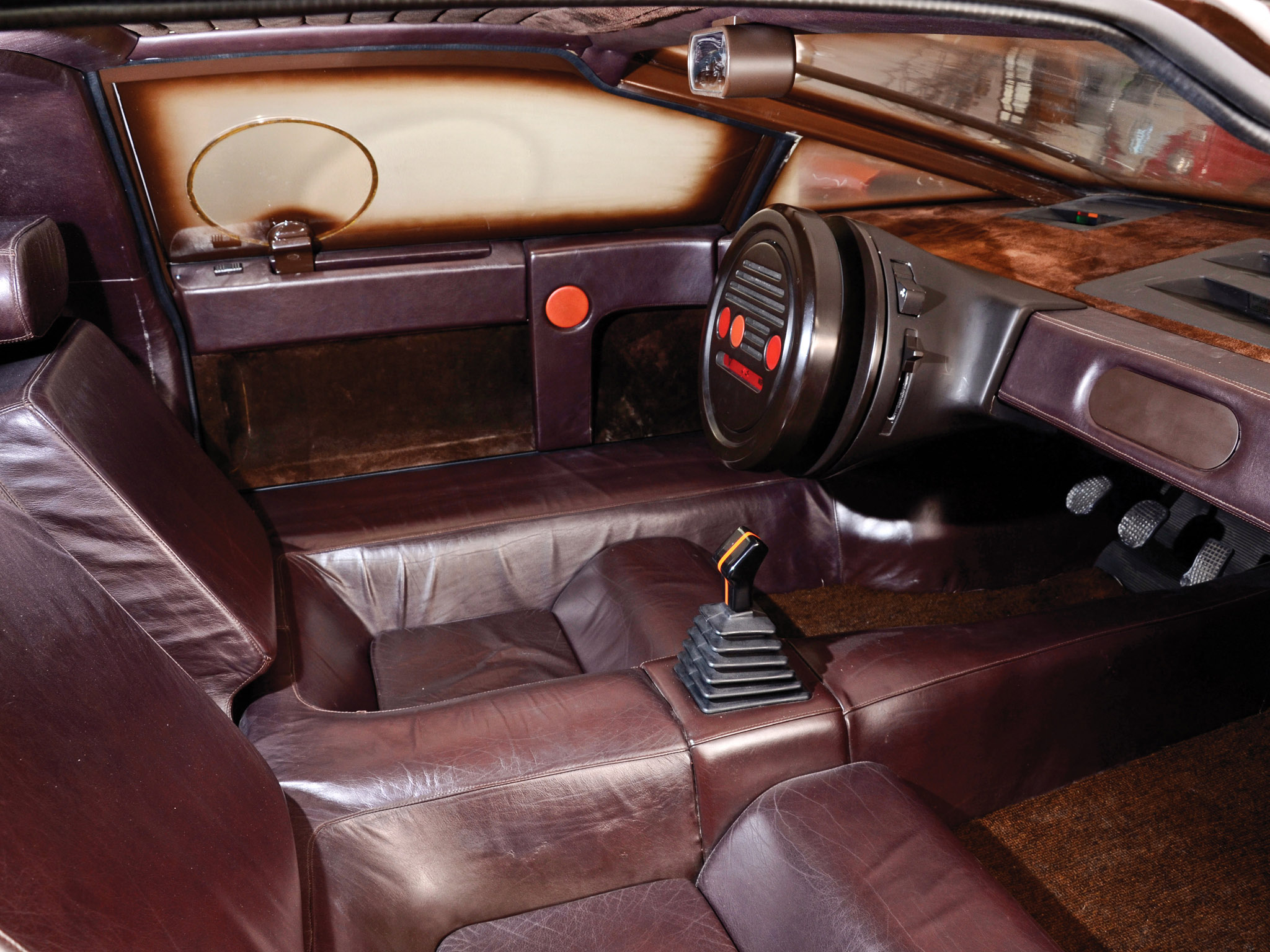
That sounds ordinary today, because modern cars are full of screens, head-up displays and digital instrument clusters. In 1978, however, this was genuinely forward-thinking. Bertone was not simply making the interior look futuristic for show photographs. It was exploring how information could be arranged around the driver, and how the cockpit could become more like a command environment than a decorated room.
🔗 Read more: Alfa Romeo Navajo: The Spaceship Bertone Actually Built
Then there was the steering wheel, which still looks completely mad. It was not a normal wheel with spokes. It was an unusual ergonomic control piece, with a grip reportedly developed from a plaster cast of a hand. The idea was to give the driver a more natural hold, with switches and warning lights integrated close to the centre.
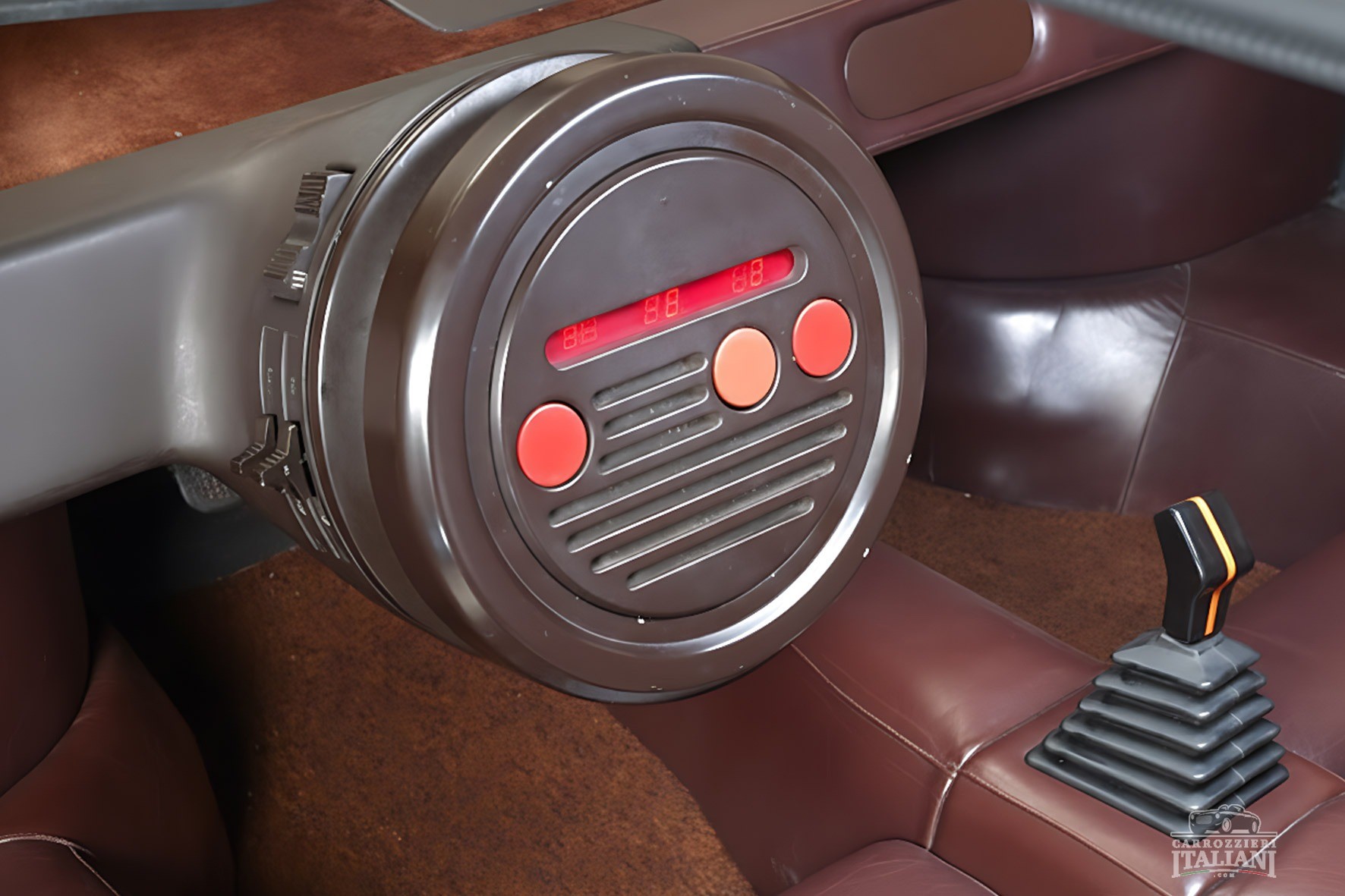
It looks odd now, but the thinking behind it was not stupid. Bertone was asking a question that car makers are still asking today: should the driver’s main controls be grouped around the hands, and should the steering wheel become more than just a rim? Modern multifunction wheels, touch controls and driver-interface systems are much more conventional in execution, but the Sibilo was already circling the same idea.
Only with more brown plastic, more drama, and far more courage.
Turin 1978: Bertone Drops the Weird One
The Lancia Sibilo was unveiled at the Turin Motor Show in 1978, and it was not some minor side attraction. It was Bertone making a statement in its own city, in front of an audience that understood Italian design theatre better than anyone. The Turin show mattered. This was home ground for many of the great carrozzerie, and Bertone knew exactly what it meant to arrive with something this extreme.
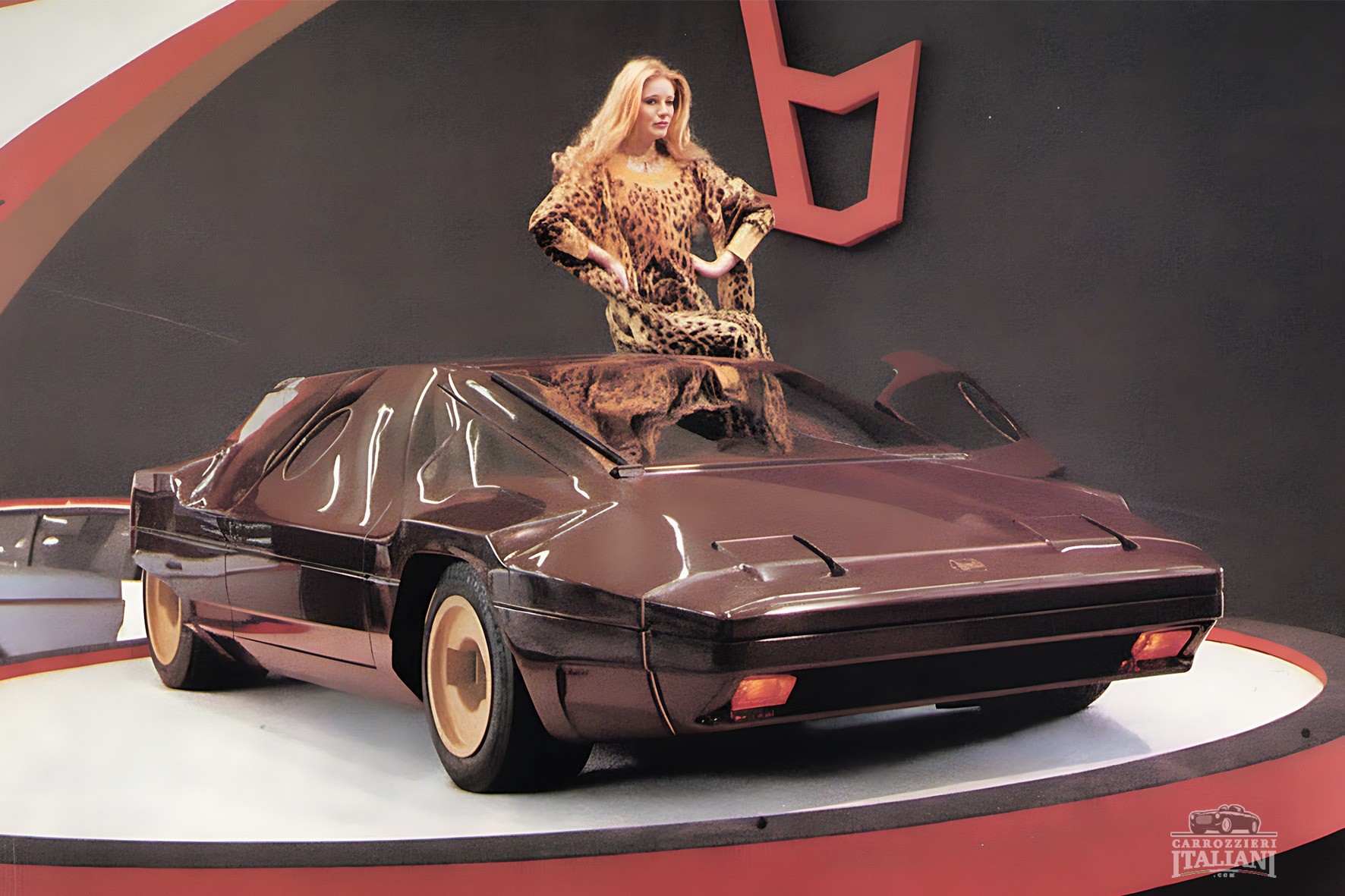
The reception was, understandably, complicated. People admired it, stared at it, questioned it and probably wondered whether Gandini had finally pushed the wedge beyond the point of no return. The Sibilo did not have the obvious seduction of the Countach or the pure shock of the Stratos Zero. It was more difficult than that. It was a car that asked the viewer to accept a new kind of beauty, one based on integration, silence and strangeness rather than proportion in the classical sense.
That is why the Sibilo has aged so well. Not because it looks normal now, because it absolutely does not. It has aged well because it still creates the same argument. It still looks futuristic, but not in the clean, predictable way most retro-future objects do. It looks like a future that went wrong, or perhaps a future that was too interesting to survive.
Not the Next Stratos, and Better For It
The Sibilo should not be described as a proposed Stratos replacement in any straightforward sense. That would make the car sound like a failed product plan, and it was much more interesting than that. It was a working design experiment on a Stratos base, not a serious showroom proposal.
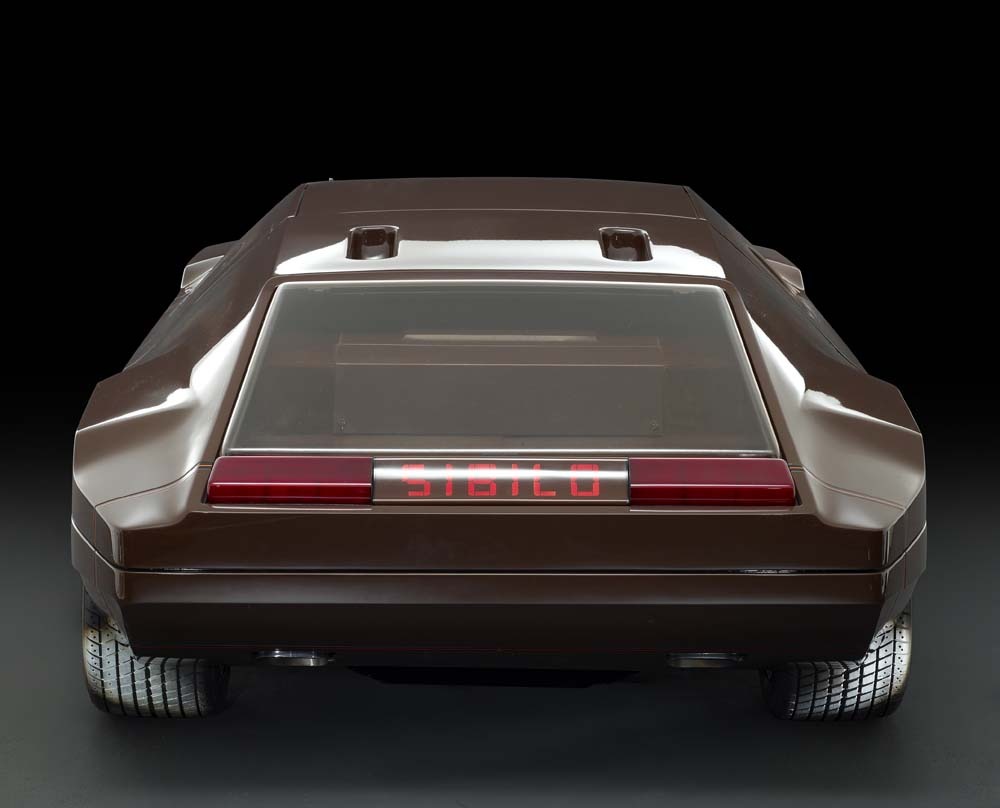
There was no realistic path from the Sibilo to production. The windows alone would have caused headaches. The cabin was too experimental. The surface treatment was too extreme. The whole thing was too sealed, too expensive, too theatrical and too far from what Lancia actually needed in the late 1970s.
But that is exactly why the car matters. Production would have softened it. Regulations would have opened up the details. Cost control would have separated the bumpers, simplified the glazing, normalised the interior and turned the Sibilo into a much less interesting object. Instead, Bertone was free to leave it as a pure thought.
A Stratos asked how fast a car could attack a rally stage. The Lancia Sibilo asked what that same machine might become if it were designed for a world of tunnels, screens, airports and science-fiction architecture.
Gandini’s War on Normal Windows
One of Gandini’s great strengths was his ability to make familiar parts of a car feel unfamiliar. Doors, windscreens, wheel arches, dashboards, engine covers; under his hand, they often stopped behaving like ordinary automotive elements and became pieces of design theatre.
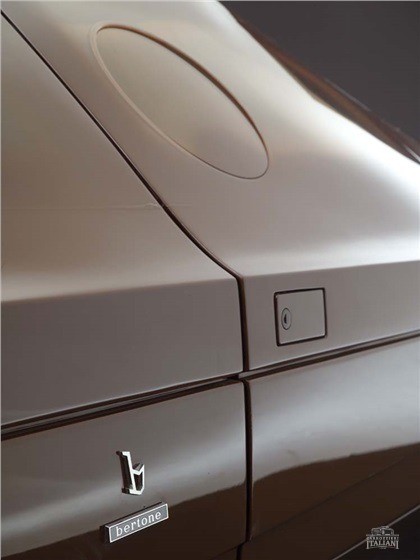
The Sibilo’s windows are a perfect example. A normal designer might have used flush glass to improve aerodynamics or visual smoothness. Gandini went further. He made the windows almost disappear, then reintroduced vision through small circular openings that looked more like instruments than conveniences.
This gave the car a strange psychological quality. The occupants did not seem to sit in a cabin with a view. They seemed enclosed in a protective shell, observing the outside world through controlled apertures. It was not friendly, but it was incredibly memorable.
That is where the Lancia Sibilo becomes more than a wild shape. It changes the emotional relationship between car and driver. The Stratos made the driver feel exposed to speed, noise and rally violence. The Sibilo made the driver feel sealed inside speed itself.
The Bertone Collection Years
After the Turin debut, the Sibilo remained with Bertone for decades. That was fortunate, because many concept cars have messy second lives. They get repainted badly, stored poorly, modified, broken, sold, forgotten, or turned into static display pieces with little connection to their original purpose.
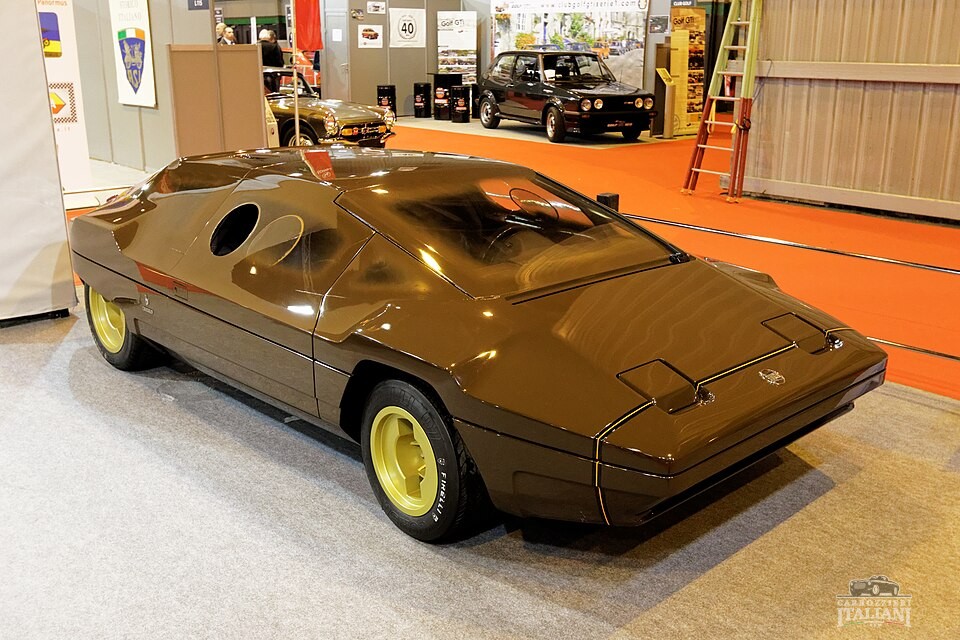
The Lancia Sibilo survived with its identity intact. It was repainted more than once during its life, as happened with several Bertone concepts, but it remained largely preserved and retained its Stratos mechanical base. More importantly, it stayed within the Bertone story long enough to be understood as part of the company’s own design archive rather than as a random curiosity.
For years, it was one of those cars enthusiasts knew from books, old show photographs and occasional appearances, but not from regular public exposure. That helped its mystique. The Sibilo was not overused. It was not turned into a marketing mascot. It remained strange, rare and slightly hidden.
Which, for a car that looks like this, is exactly the correct behaviour.
Villa d’Este 2011: The Spaceship Leaves Home
The big change came in 2011, when several important Bertone concept cars were offered from the company collection during RM Auctions’ Villa d’Este sale. Bertone’s financial troubles made the dispersal painful, because these were not ordinary old prototypes. They were pieces of Italian design history leaving the house that created them.
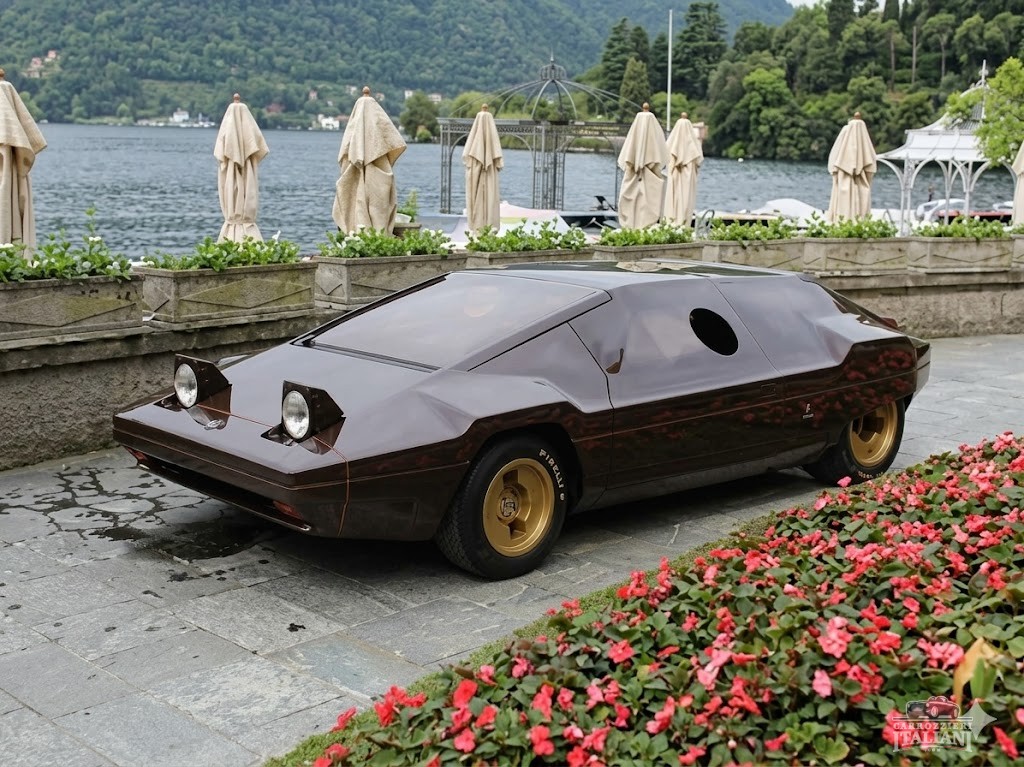
The Sibilo sold for €95,200. Today, that number looks almost absurdly low for a unique running Gandini-Bertone-Lancia concept based on the Stratos, but the market for such cars was different then, and the sale happened within a very specific context. It was not just a car changing hands. It was a fragment of Bertone’s soul being released into the world.
The buyer was Corrado Lopresto, which was probably one of the better possible outcomes. Lopresto’s collection is strongly focused on Italian prototypes, one-offs and coachbuilt oddities, and the Sibilo fits that world perfectly. It is not merely a famous concept. It is a car that needs context, patience and a collector willing to present it as design history rather than just as an expensive toy.
The Afterlife: From Bertone Archive to Cult Object
For years, the Sibilo lived quietly inside the Bertone collection, almost like a sealed experiment from another timeline. That mystery helped its legend. It was not overexposed, not softened by nostalgia, and not turned into a harmless museum prop.
Everything changed in 2011, when Bertone’s financial troubles forced several major concept cars to be sold at RM Auctions’ Villa d’Este sale. The Sibilo entered the Lopresto Collection, a perfect home for a car that needs context more than conventional beauty. Corrado Lopresto understood it not as a strange old show car, but as a serious piece of Italian design history.
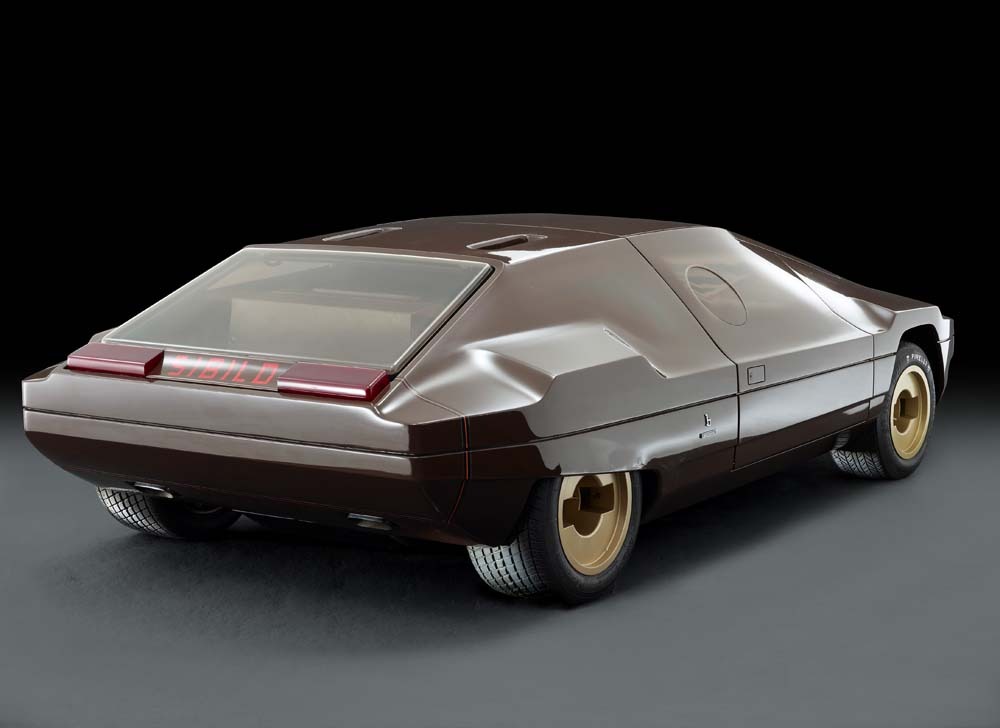
Since then, the Lancia Sibilo has returned to public life through events such as Ludwigsburg, Goodwood, SpaItalia, Geneva, The ICE St. Moritz and Dinard Elegance, gaining new respect from a concours world now more open to prototypes, design studies and radical one-offs. It does not win attention through chrome, elegance or classic proportions. It wins because it is brave.
Its sci-fi aura also explains why the car has often been linked to the visual world of Total Recall. The Sibilo already looked cinematic in 1978: low, sealed, dark-glazed and slightly hostile, like transport for a future that had not yet been invented.
Today, many of its ideas feel strangely current: flush glass, hidden lights, integrated surfaces, digital displays and a cockpit-like driving environment. The difference is that modern concepts usually try to make the future friendly. The Sibilo never did. It still looks difficult, alien and unforgettable.
That is its real power. Gandini took the Stratos, already one of the wildest cars of the 1970s, and made it unfamiliar all over again. The Stratos attacked rally stages. The Sibilo attacked the idea of what a car was allowed to look like.

ABOUT THE AUTHOR
Andreas Scheidl
Italian classic car enthusiast with German roots. Renowned as a respected figure in the classic car community, he serves as a jury member at various international concours d'elegance, including the Classic Gala Schwetzingen and Mantova. As a content creator, Andreas passionately shares his profound knowledge and appreciation for vintage automobiles. His heart beats for cars designed by Giovanni Michelotti, showcasing his discerning taste and dedication to preserving the timeless elegance of automotive history.
More stories by Andreas Scheidl ↗CONTINUE READING
Posts You Might Like
A Central Driving Position, a Rear-Mounted V8. Was This Really a Lancia?
In 1948, visitors to the Turin Motor Show could see an unusual Lancia on the stand of Carrozzeria Ghia. It was a large two-door coupé with a two-litre V8 mounted behind the…
Read story
Fioravanti F100: The Ferrari He Was Allowed to Imagine
Enzo Ferrari’s centenary, Leonardo Fioravanti’s independent studio and a supercar that explored air brakes, steel wheels and a new way of driving—without ever wearing the Cavallino.
Read story
Michelotti Shellette: When the Fiat 850 Became a Yacht
The yacht designer, the Turin stylist and the tiny coachbuilt car that crossed between the quay, the royal holiday house and the auction room. Some automobiles were conceived for the open road,…
Read story
Maserati A6 1500: A New Road for the Trident
When the doors of the Geneva Motor Show opened in March 1947, Maserati was a name that required little introduction to anyone who followed motor racing. What it did not yet possess…
Read story
THE CONVERSATION
Comments 0
Share a memory, a period photograph or a documented detail about this story.