
How a Swiss Dealer Challenged Ferrari: The Story of Monteverdi
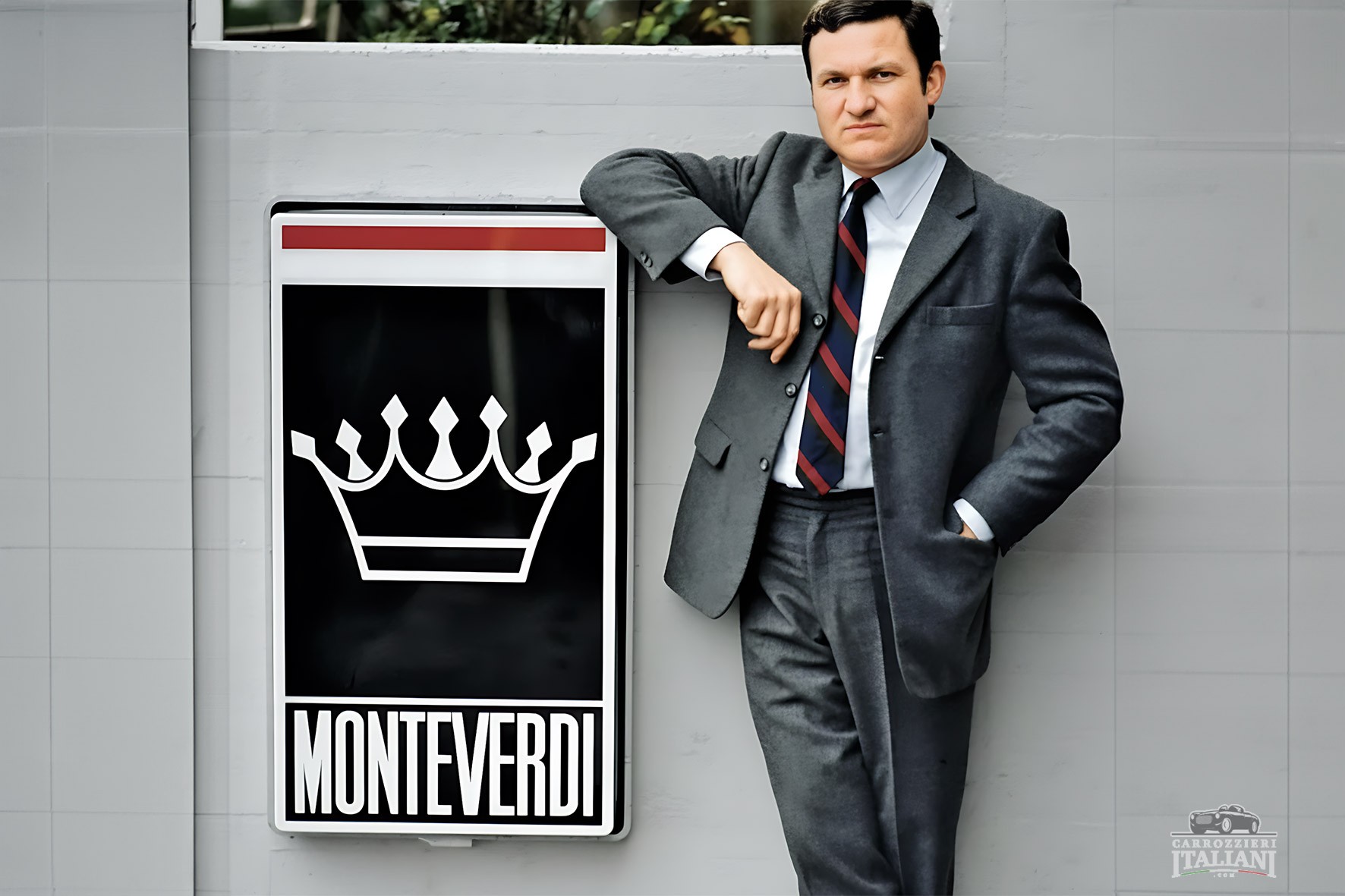
here are car companies born from market studies, boardroom forecasts and committees of men in grey suits deciding where the next profitable gap might be. Monteverdi was not one of them. Monteverdi was born from pride, talent, irritation, ambition and the sort of personal stubbornness that can be either magnificent or ruinous depending on the invoice total at the end of the month. It was the story of a Swiss garage owner who sold Ferraris, raced Ferraris, understood Ferraris, argued with Ferrari, and then decided that if Maranello would no longer supply him with the cars he wanted to sell, he would simply build something of his own. Not a modest local special, not a kit car with delusions, but a proper high-speed gran turismo with Italian tailoring, American muscle and Swiss discipline. Or at least, that was the plan. The reality was more complicated, more fascinating and, for today’s classic car enthusiast, much more interesting.
From Ferrari Dealer to Ferrari Rival
Peter Monteverdi was born in 1934 in Binningen, near Basel, and the motor car was not a hobby he discovered later in life but the family atmosphere in which he grew up. His father Rosolino Monteverdi had opened a vehicle repair business in the 1920s, and the young Peter was already building his own car as a teenager, reportedly using the remains of a pre-war Fiat Balilla as the basis for his first special. By the late 1950s he was racing, dealing and constructing, the three activities feeding one another in a way that now feels almost impossible. In 1957, after using Ferraris in competition, Monteverdi obtained the Maranello concession for Switzerland, putting him in the rare position of being both a young racing driver and one of Enzo Ferrari’s representatives north of the Alps. The showroom in Binningen became a place where Italian speed met Swiss money, and Monteverdi, still in his twenties, learned exactly what wealthy clients wanted from a car wearing an exotic badge.
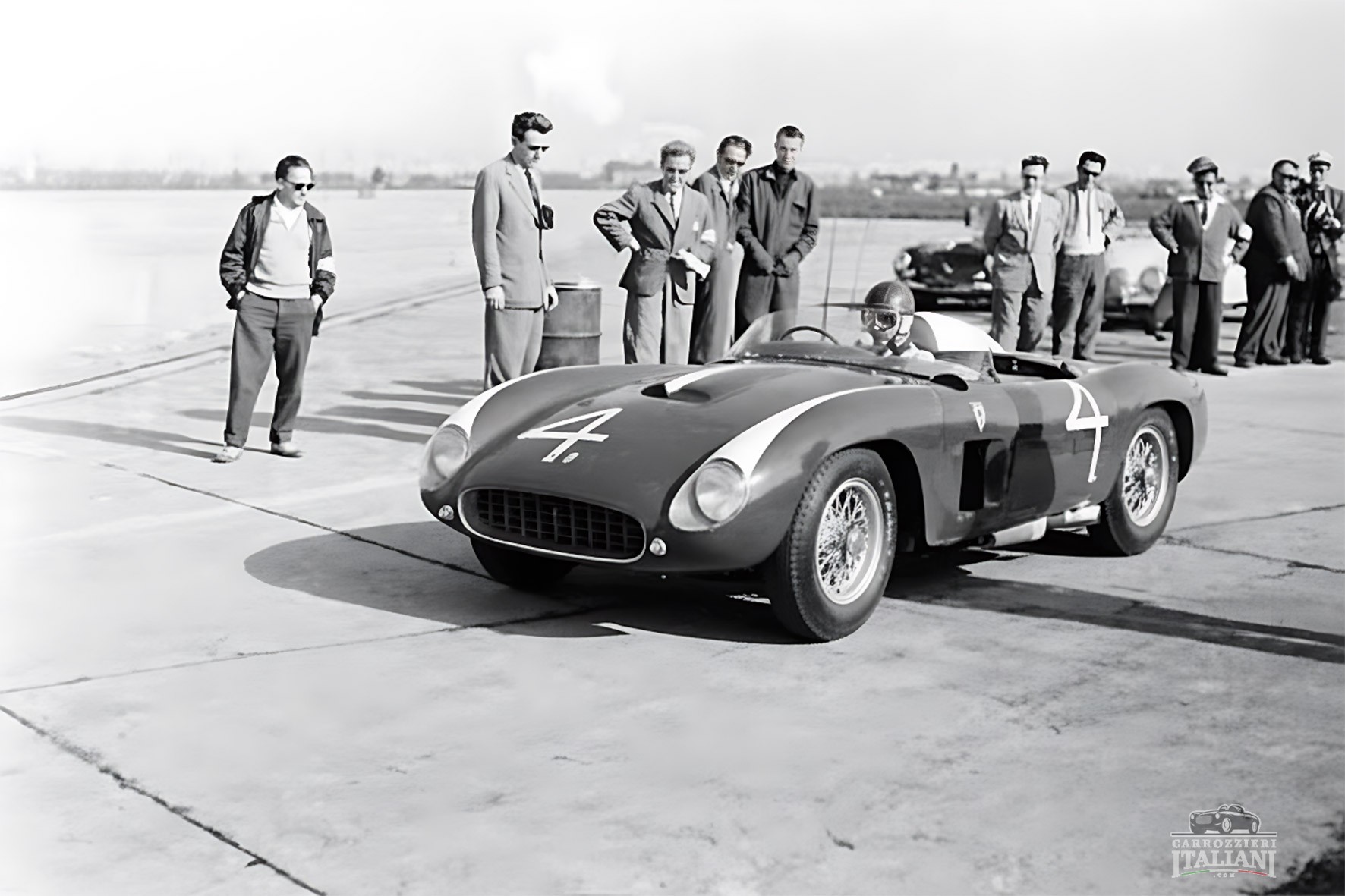
He was not merely a salesman with a good address book. Monteverdi had the impatience of a builder, and before his own name appeared on grand touring cars he had already created MBM, short for Monteverdi Binningen Motors. These cars included Formula Junior machines and what is often described as Switzerland’s first Formula 1 car, a small, determined, Porsche-powered single-seater that entered the 1961 Solitude Grand Prix. It did not rewrite Grand Prix history. It qualified at the back and retired after two laps, and shortly afterwards Monteverdi suffered a serious accident in Germany that effectively ended his driving career. One of the most repeated Monteverdi stories claims that the wrecked MBM was buried in the foundations of his new showroom, partly as a physical end to one chapter of his life and partly, perhaps, as a wonderfully dramatic way of making sure he would not be tempted back into the cockpit. Whether read literally or symbolically, it is a perfect Monteverdi anecdote: stubborn, theatrical, slightly excessive and completely unlike the polite stereotype of Swiss industry.
The break with Ferrari came in the mid-1960s, and like most stories involving Enzo Ferrari, it has acquired several layers of myth. The usual version is that Ferrari demanded payment in advance for a large consignment of cars, sometimes described as 100 cars, and Monteverdi refused. Another version frames it more broadly as a clash of personalities between two men who were not designed to take orders from one another. What matters is that Monteverdi lost the Ferrari franchise and, instead of retreating into safe dealership life, decided to answer Maranello in the most direct way possible: by producing his own high-performance GT. This was not entirely irrational. He knew the clients, he knew the roads, he knew the frustrations of exotic machinery, and he knew that in the 1960s there was a growing class of wealthy drivers who wanted Ferrari performance with more room, more comfort and less temperamental theatre. In other words, he wanted to build a Swiss answer to the Italian super-GT, a car that could cross Europe at enormous speed without needing a mechanic hidden in the boot.
🔗 Read more: Pietro Frua: Mastering the Art of Automotive Elegance
The first true Monteverdi production car, the High Speed 375 S, appeared at the 1967 Frankfurt Motor Show, and it set the template for everything that followed. The chassis was Swiss, the engine was American, and the body was Italian. Pietro Frua of Turin was chosen to clothe the car, which was a logical decision because Frua had a gift for creating grand touring forms that looked elegant without becoming fragile, and assertive without descending into vulgarity. Under the bonnet sat a Chrysler V8, most famously the 440 cubic-inch unit, a 7.2-litre engine that gave the car the kind of effortless torque European exotica often lacked. The result was not a Ferrari clone, even if the marketing naturally invited comparison. It was closer to a Facel Vega idea updated for the late 1960s: a transcontinental express powered by Detroit, dressed in Turin and sold to people who liked their glamour with a large reserve of horsepower.
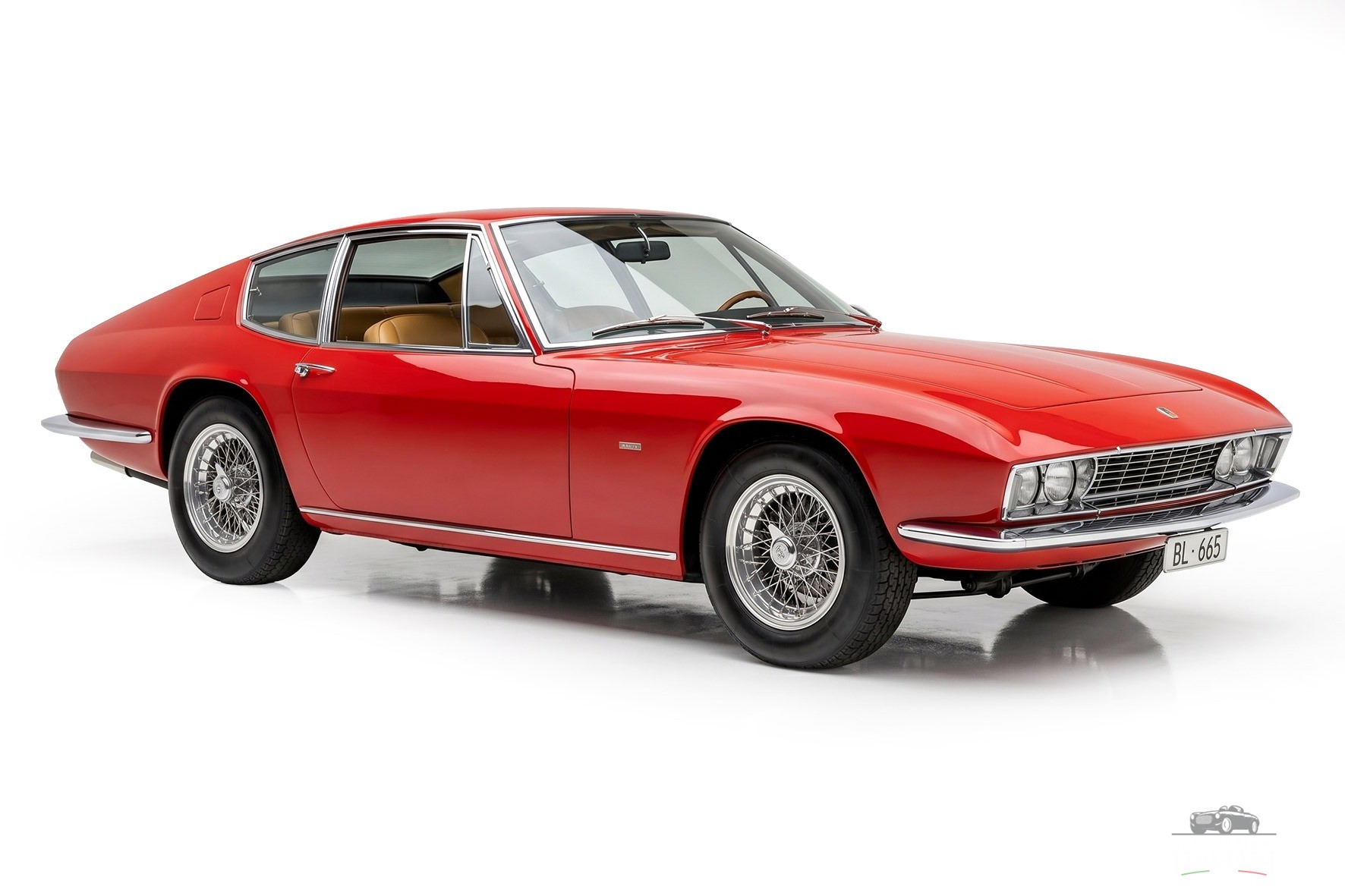
Frua’s first Monteverdi body had a certain familiar elegance, because Italian coachbuilding in that period often worked like a conversation between related ideas. You can see echoes of Frua’s other work, particularly in the clean glasshouse, the long bonnet and the disciplined side profile, but the Monteverdi had its own strange authority because the proportions were so serious. It did not flirt with delicacy. It looked expensive, fast and slightly severe, which was exactly what a Swiss Ferrari rival needed to be. The 375 S was a two-seater, but Monteverdi quickly understood that the real money might lie in a more usable 2+2, the sort of car a banker, industrialist or film producer could drive very quickly while pretending to be practical. That led to the 375 L, the model that would become the most famous Monteverdi GT and the one most closely associated with the marque’s grand ambition.
Frua, Fissore and the High Speed Years
The first Frua-bodied 375 L, shown at the 1968 Geneva Motor Show, is one of those cars that could sustain an entire article on its own. It was finished originally in light blue and carried a luxurious interior that period accounts describe as almost decadent. The performance claims were serious: a 7.2-litre Chrysler Magnum engine, around 250 km/h at the top end, and acceleration to 100 km/h in roughly six seconds, which put it in the territory of the great European GTs while offering two rear seats and a more relaxed mechanical character. Little more than a month after its unveiling, this Frua-bodied 375 L won first prize in the luxury four-seat coupé category at a concours organised by the Automobile Club of Germany, giving Monteverdi exactly the sort of public validation a young manufacturer needed.
That same car also produced one of the best Monteverdi stories, because it appears to have helped destroy the relationship between Monteverdi and Frua. Monteverdi wanted to expand production, Frua’s capacity and finances were limited, and a dispute developed over design rights and tooling costs. According to later accounts, only one Frua-bodied Monteverdi 375 L was completed, while another related body went on to AC and became connected to the AC 428 line. The first 375 L passed through fascinating hands, including Basel banking figure Alfred Hopf, who had backed Monteverdi’s Ferrari franchise and supported his racing activities, and later the celebrated photographer and playboy Gunter Sachs. The car was later bought back by Monteverdi himself and preserved as part of the factory collection, probably because he knew it was not merely a prototype but the hinge on which the entire story had turned.
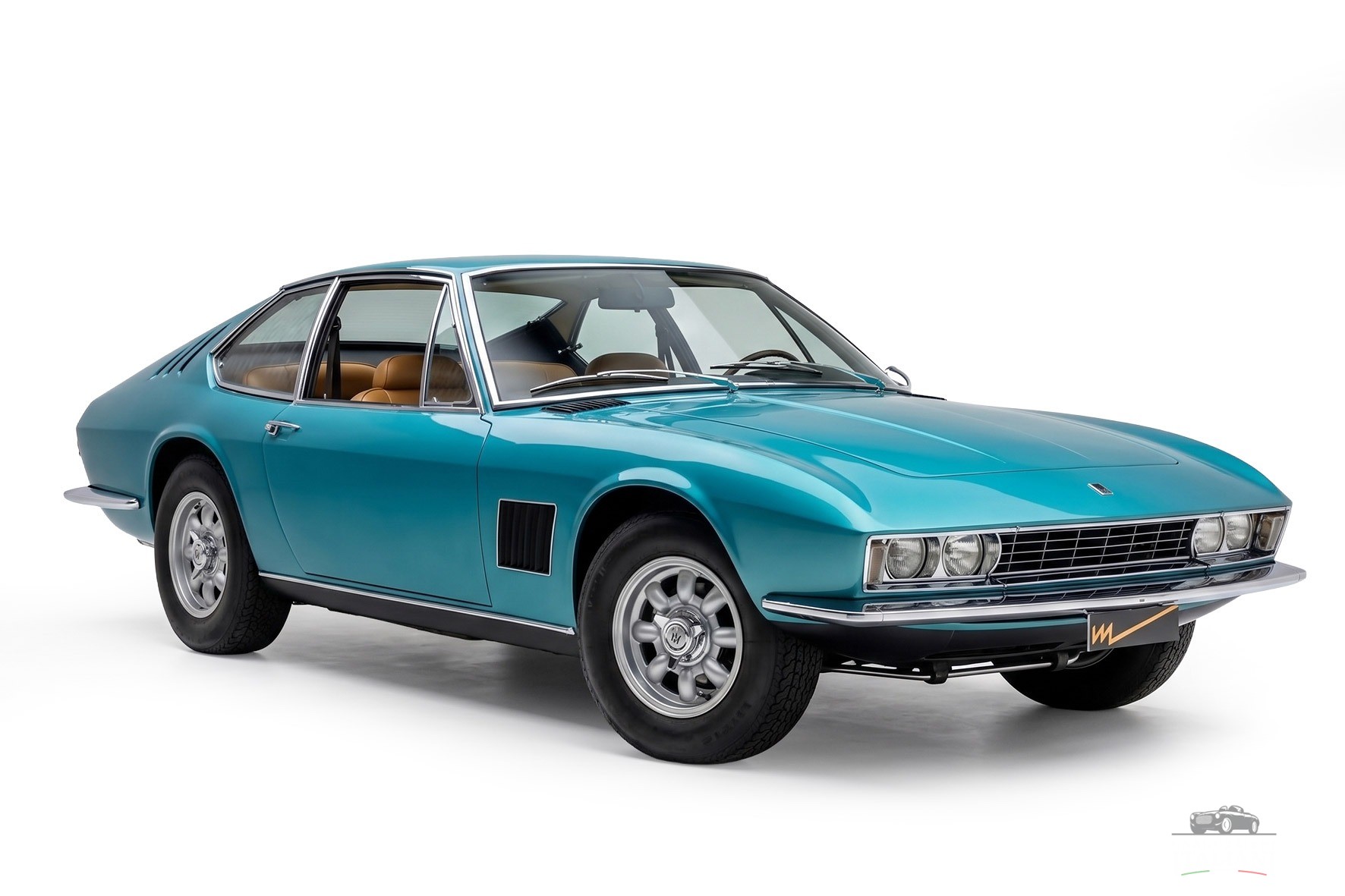
After the Frua split, Monteverdi turned to Carrozzeria Fissore in Savigliano, and this is where the Monteverdi story becomes especially relevant to lovers of Italian coachbuilding. Fissore did not just build bodies; it became a vital partner, and Monteverdi eventually took a substantial stake in the company. The Fissore-bodied 375 L was visually different from Frua’s one-off, more angular, more formal, and arguably more aligned with the coming 1970s than the late-1960s softness of the Frua car. It had a long, confident nose, a restrained cabin and a rear treatment that gave it presence without resorting to ornament. It was also expensive, rare and handmade enough that no two examples were quite identical, which is part of the appeal today but was not always reassuring when the cars were new. Monteverdi wanted to challenge Ferrari, Aston Martin, Iso and Maserati, yet he was doing so with a production system that was still closer to high-end tailoring than modern manufacturing.
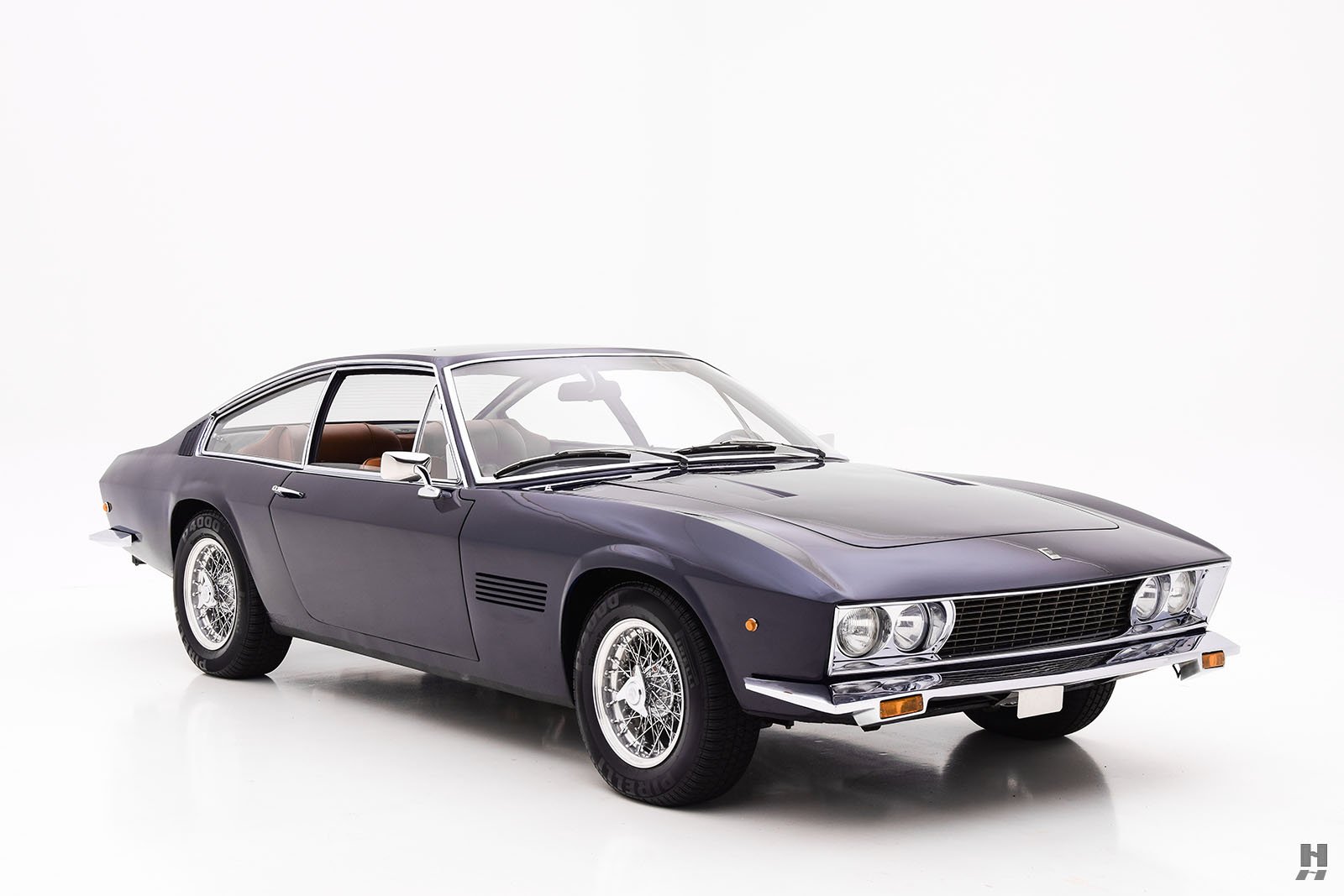
The British press reaction captured the contradiction perfectly. Autocar was impressed by the performance of the 375 L, recording a top speed of 152 mph and a standing quarter-mile in 14.6 seconds, but it was also horrified by early build-quality issues, including electrical problems, brake wear, fuel smells and even a jammed throttle during acceleration testing. Monteverdi replied that the test car was one of the first built after the move from Frua to Fissore and that the faults were teething troubles, but Swiss magazine Automobil Revue reportedly found similar issues in its own test car. That tension defines the marque better than any brochure could. A Monteverdi 375 L could be a magnificent long-distance machine, fast, comfortable and charismatic, but it was not the polished industrial product that Ferrari, Mercedes-Benz or Aston Martin buyers might have expected at that level of money. It was more personal than that, and sometimes more difficult.
From Grand Tourers to Sharks and Luxury Off-Roaders
Yet to judge Monteverdi only by those early faults would be unfair, because the cars had a genuine concept behind them. The 375 L was not trying to be a delicate sports racer for the road. It was a proper gran turismo, with a huge engine barely working at legal speeds, a cabin trimmed for serious travel, and styling that made no apology for wealth. The convertible 375 C, later evolved into the Palm Beach, and the imposing 375/4 four-door saloon extended that formula into even more unusual territory. The 375/4 in particular feels almost outrageous today: a hand-built Swiss-Italian luxury saloon with a Chrysler V8, intended for exactly the kind of client who might otherwise have bought a Rolls-Royce, Mercedes 600 or Maserati Quattroporte but wanted something nobody else at the hotel entrance would recognise. It was not rational in a mass-market sense, but luxury at this level has never been purely rational.
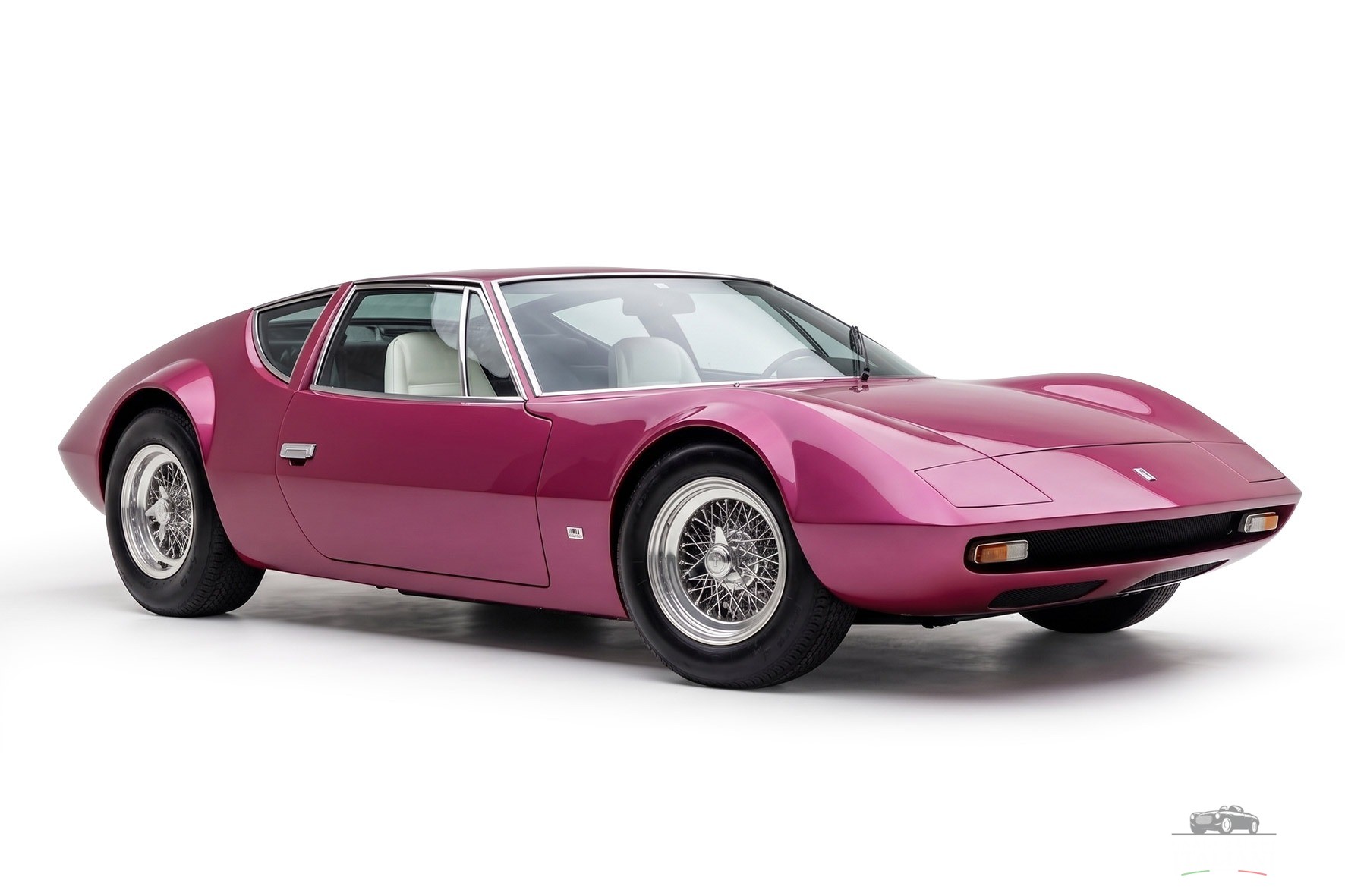
Then came the Hai, the car that turned Monteverdi from a maker of rare GTs into something closer to a legend. Presented at the 1970 Geneva Motor Show as the Hai 450 SS, it was a mid-engined supercar before that formula had become compulsory for every poster on a teenager’s wall. The name “Hai” means shark in German, and the car deserved it. It placed a large Chrysler V8 behind the cabin and wrapped it in a low, dramatic body that looked less like a gentleman’s express and more like a weapon from a parallel universe in which Switzerland had decided to invade Sant’Agata. A later Hai 450 GTS followed in 1973, again shown at Geneva, but production remained microscopic. Peter Monteverdi later claimed that between twelve and fourteen Hais were built, while most modern accounts accept that the true number was far lower, which only adds to the aura.
🔗 Read more: Carrozzeria Fissore: The History
The Hai is important because it shows that Monteverdi was not only reacting to Ferrari. He was also trying to leap ahead of the conventional front-engined GT formula into the supercar age, where Lamborghini had already fired the Miura like a flare across the industry. But the Hai was too extreme, too expensive and too difficult to become a production success. It functioned more like a declaration: proof that a small Swiss company could imagine a car as dramatic as anything from Italy. That mattered even if only a handful existed. Many boutique manufacturers of the period built cars by combining Italian styling with American power, but few produced something as strange and ambitious as the Hai. It was not merely a Monteverdi with the engine moved behind the seats; it was a challenge to the idea that only the Italians could create a true exotic.
The 1970s were not kind to such dreams. The oil crisis, tightening regulations, changing tastes and the brutal economics of hand-built luxury cars made life harder for every small manufacturer. Monteverdi, however, did what clever survivors often do: he changed the game. Instead of focusing only on high-speed coupés, he moved toward luxury off-road vehicles and boutique conversions. The Safari, introduced in the mid-1970s, was based on the International Harvester Scout but reworked with Fissore-designed bodywork and a far more luxurious interior. In retrospect, this may have been Monteverdi’s most commercially farsighted move. Long before the Range Rover became a default urban status symbol and decades before every premium marque needed a luxury SUV, Monteverdi understood that some buyers wanted the commanding image of an off-roader without the agricultural discomfort usually attached to it.
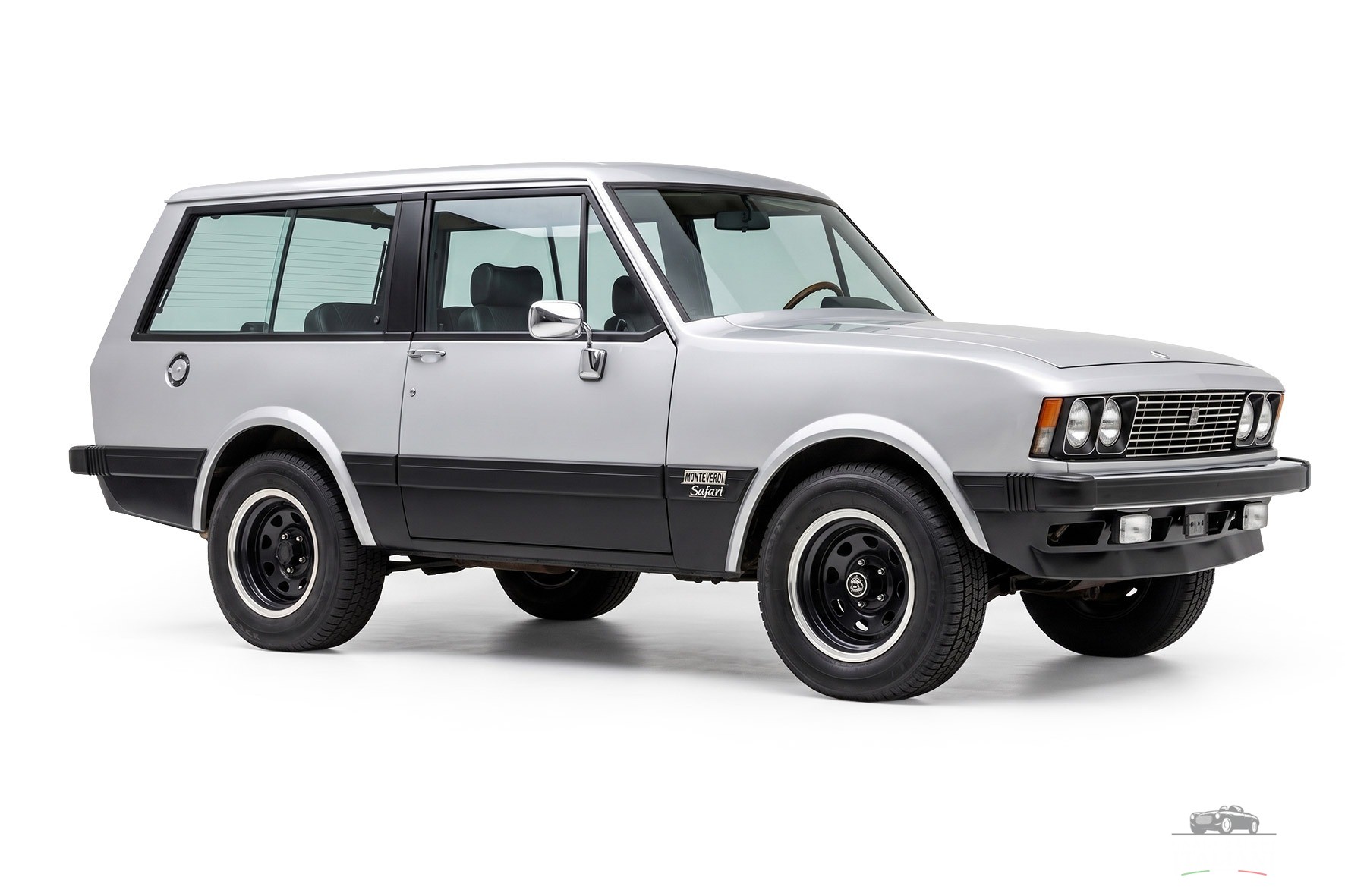
The Safari sold better than the earlier GTs by Monteverdi standards, particularly in Europe and the Middle East, and it makes the company look less like a doomed romantic project and more like an unexpectedly early participant in the luxury SUV story. The cheaper Sahara, also Scout-based but less comprehensively reworked, was less successful, while the later Sierra applied the boutique formula to an American sedan platform, using Chrysler/Plymouth hardware beneath altered bodywork and a more upscale interior. These cars are easy to mock because they seem less pure than the Frua and Fissore GTs, but that reaction misses the point. Monteverdi was trying to stay alive in a market that had turned against expensive handmade grand tourers, and he understood that exclusivity could be created not only through speed but through specification, scarcity and social signal.
There was even a Monteverdi Range Rover, and this is another moment where the Swiss company appears curiously ahead of the curve. Before Land Rover offered its own factory four-door Range Rover, Monteverdi developed a four-door conversion, with the work carried out at Fissore in Italy. Around 167 examples are often cited, though numbers vary depending on the source. The conversion was significant because it anticipated what the Range Rover would soon become officially: not just a rural estate tool, but a more civilised, practical and socially acceptable luxury vehicle. Once Land Rover introduced its own four-door model, the Monteverdi conversion lost its purpose, but the idea had been correct. Like the Safari, it shows that Monteverdi’s instinct for wealthy-client behaviour was often sharper than the market gave him credit for.
Decline, Museum Years and Modern Recognition
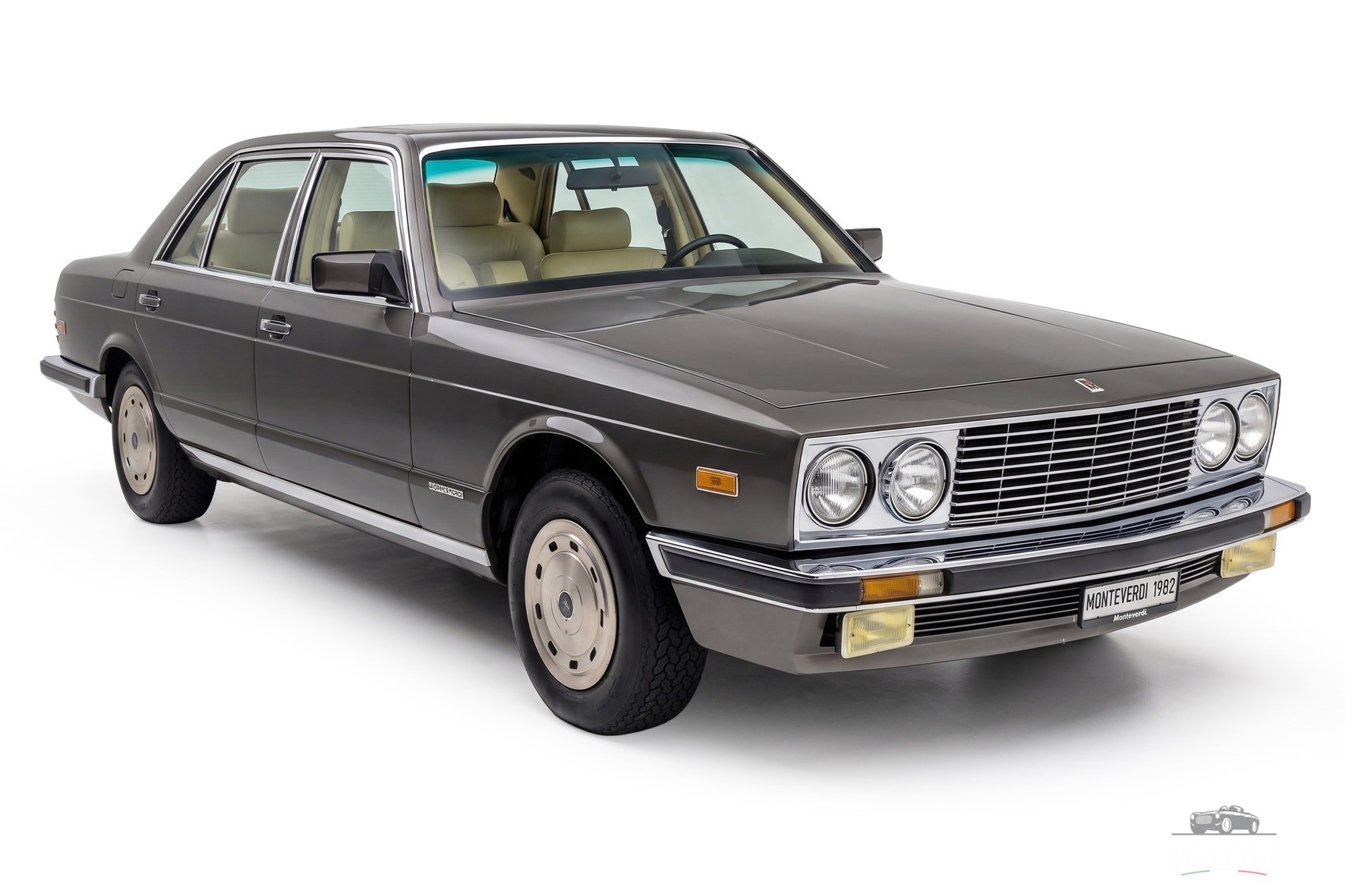
By the early 1980s, however, the road was narrowing. The Tiara, based on the Mercedes-Benz W126 S-Class, was perhaps the strangest late expression of the Monteverdi idea: an already excellent luxury saloon restyled with a large chrome grille and different lighting, sold at an enormous price to people who presumably found a normal S-Class too common. Only a tiny number were built, and by 1982 car production in Basel had effectively ended. Monteverdi had not beaten Ferrari, and in a commercial sense he had not come close. But that was never the most interesting measurement. Ferrari survived because it was Ferrari, Aston Martin survived because it was rescued repeatedly, Lamborghini survived because it became too outrageous to let die, and Monteverdi remained what it had always been: the vision of one difficult, talented, proud man operating at the edge of what was financially possible.
The story did not quite end with the cars. In 1985, the factory was transformed into the Monteverdi Car Collection, turning the production site into a memory palace for the brand. Peter Monteverdi died in 1998, but the cars remained gathered in Binningen for decades, watched over by people who understood that this was not just a collection of obscure Swiss exotica but a complete industrial autobiography. In 2016 the museum closed, and many of the cars later moved to the Swiss Museum of Transport in Lucerne, where Monteverdi is now treated as part of Switzerland’s broader automotive history rather than merely a footnote to Ferrari or Frua. That shift matters. Once a marque enters a national museum, it stops being only a curiosity for specialists and becomes part of cultural memory.
Monteverdi occupies a strange and attractive position in the classic world. The cars are rare enough to feel genuinely special, but not so widely understood that they have become predictable concours furniture. They sit somewhere between Iso, Facel Vega, Bizzarrini, De Tomaso and the more formal Italian-bodied GTs of the late 1960s, but with a Swiss accent that gives them a different flavour. A Monteverdi is not as obvious as a Ferrari Daytona, not as brutal as an Iso Grifo, not as aristocratic as an Aston DBS, and not as operatic as a Maserati Ghibli. It has its own mood: quieter at first glance, then increasingly fascinating the longer you look. The Frua cars carry the elegance of a lost coachbuilding argument, the Fissore cars express the marque’s most serious production ambition, and the Hai remains the poster car for a poster that almost nobody had on their bedroom wall because hardly anybody knew it existed.
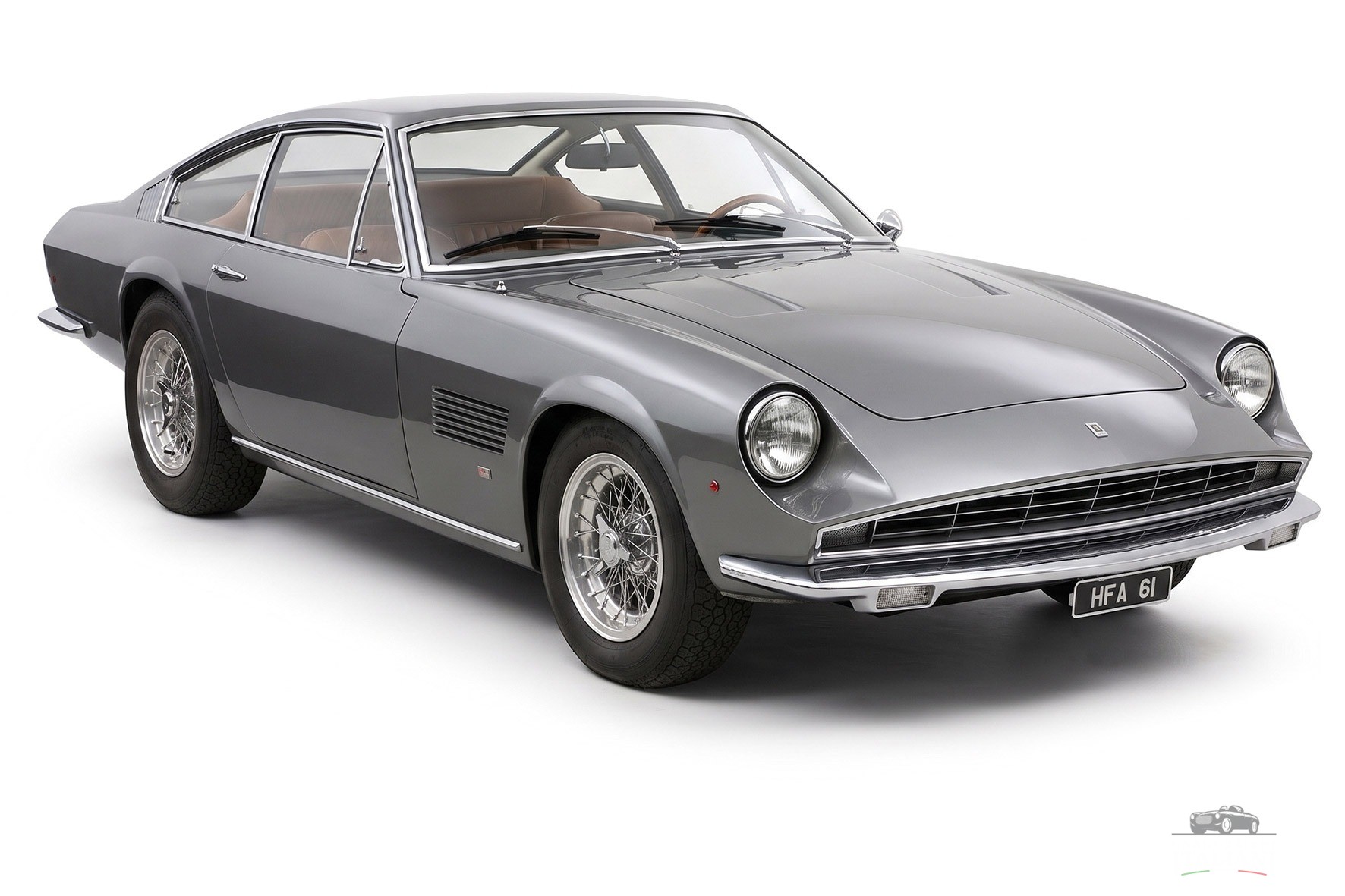
Concours recognition has helped reposition Monteverdi in recent years. The unique Frua-bodied 375 L had already won its category shortly after its 1968 debut, while a Fissore-bodied 1972 375 L High Speed won the Goodwood Cartier Style et Luxe Concours d’Elegance and was later shortlisted for The Peninsula Classics Best of the Best Award, with Classic & Sports Car noting it as the first Swiss car to win a major concours and also pointing out, wonderfully, that it had been driven to and from the event rather than treated as a static sculpture. More recently, in 2026, a 1970 Monteverdi 375 L won the Prix d’Honneur at Salon Privé London Concours de Vente, selected from a field of 80 cars and praised for its rarity, elegance and restoration quality. For a marque once dismissed as too obscure, too handmade or too awkward to classify, these awards are not just trophies; they are a correction.
The Man Who Stepped Out of Ferrari’s Shadow
What makes Monteverdi so compelling now is precisely what made it difficult when new. These cars were not created by a committee and they were not smoothed into anonymity by corporate process. They carry the marks of decisions made by a man who had sold Ferraris, crashed racing cars, argued with suppliers, changed coachbuilders, chased wealthy clients, and refused to accept that Switzerland could not have its own exotic marque. That does not make every Monteverdi beautiful, perfect or commercially sensible. Some were flawed, some were opportunistic, some were built in numbers so tiny that the word “production” begins to look generous. But they were never boring, and in a classic car world increasingly obsessed with the obvious icons, boredom is a much greater sin than imperfection.
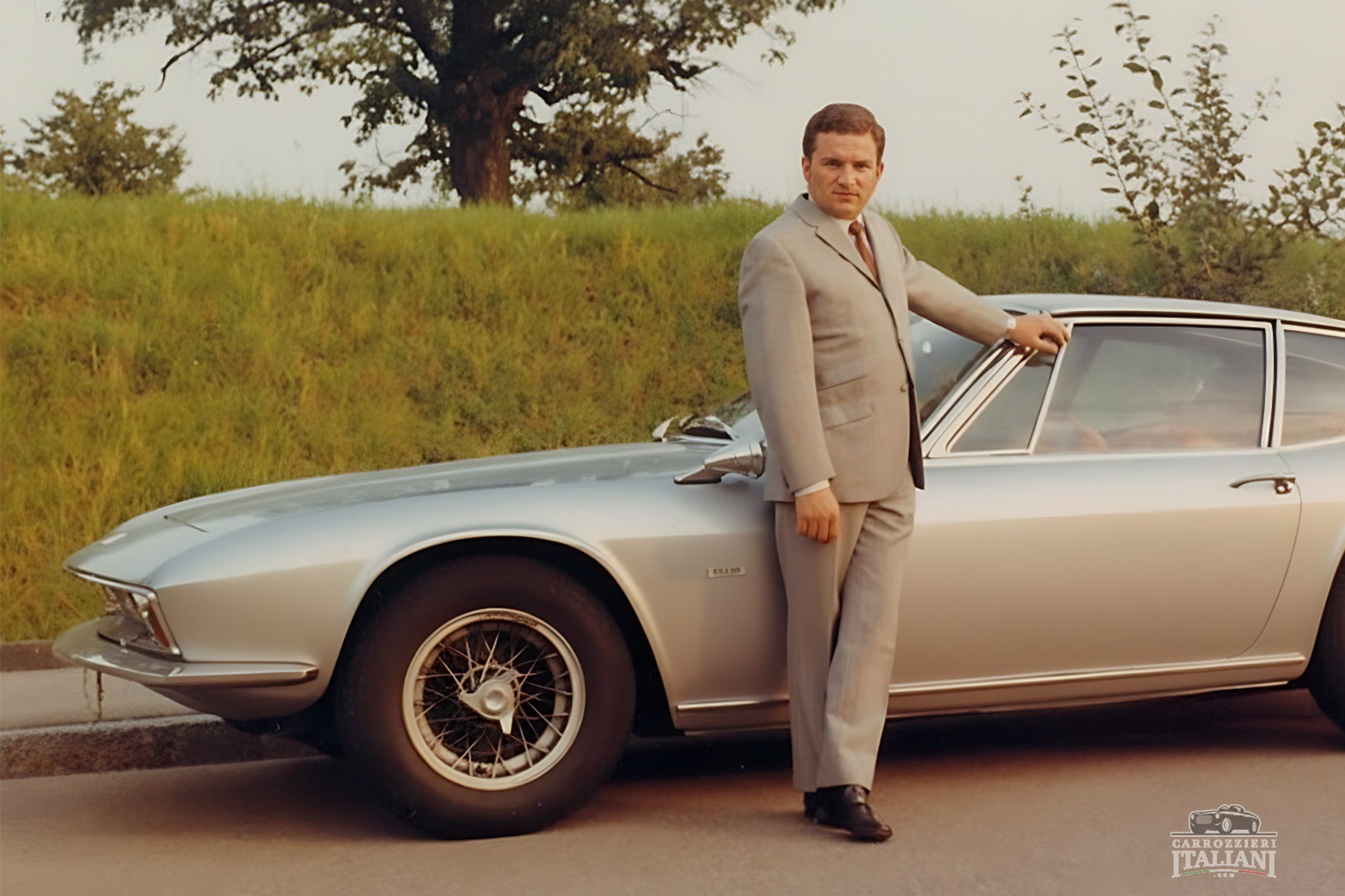
So did Peter Monteverdi really challenge Ferrari? In the sales charts, no. In racing mythology, no. In the collective imagination of schoolboys, probably not. But in a more interesting sense, yes. He challenged Ferrari by understanding that the idea of a fast, expensive, Italian-bodied GT did not have to belong only to Maranello. He challenged Ferrari by taking the ingredients of the period — V8 power, coachbuilt style, wealthy clients, motor show theatre, personal reputation — and assembling them into something with his own name on the bonnet. And he challenged Ferrari in the most human way possible: not by defeating it, but by refusing to remain merely one of its dealers. Monteverdi is the story of what happens when a man standing in Ferrari’s shadow decides the shadow is irritating him, steps sideways, and builds his own sun.

ABOUT THE AUTHOR
Andreas Scheidl
Italian classic car enthusiast with German roots. Renowned as a respected figure in the classic car community, he serves as a jury member at various international concours d'elegance, including the Classic Gala Schwetzingen and Mantova. As a content creator, Andreas passionately shares his profound knowledge and appreciation for vintage automobiles. His heart beats for cars designed by Giovanni Michelotti, showcasing his discerning taste and dedication to preserving the timeless elegance of automotive history.
More stories by Andreas Scheidl ↗CONTINUE READING
Posts You Might Like
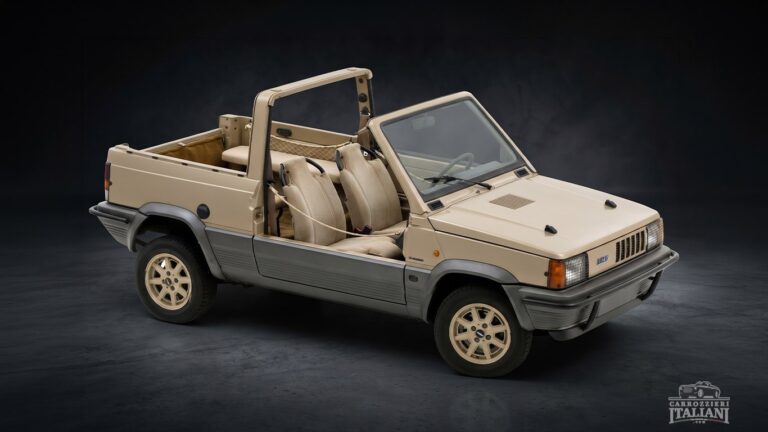
Fiat Panda Cabrio: The Italian Coachbuilders Who Opened Giugiaro’s Box
From Moretti’s Panda Rock to Italdesign’s experimental Strip, Maggiora’s four-wheel-drive convertible and Stola’s remarkable Destriero, the history of the open-top Panda reveals an unexpected chapter in Italian coachbuilding. When Giorgetto Giugiaro designed…
Read story
Gabriele d’Annunzio and the Cult of the Automobile
There was a time when the automobile had not yet become part of the landscape. It announced itself from afar through the beating of an engine, the smell of petrol and hot…
Read story
Fiat 1400: The Last Great Playground of the Carrozzieri
From Touring and Abarth to Farina, Ghia, Vignale, Boneschi, Bertone, Viotti and the smaller carrozzerie, the new Fiat quickly became one of the richest bases for Italian special bodies in the early…
Read story
Virgilio Conrero: The Magician Who Whispered to Engines
Who was Virgilio Conrero? The self-taught Italian magician who whispered to engines and built one of motorsport’s greatest tuning legacies.
Read story
THE CONVERSATION
Comments 0
Share a memory, a period photograph or a documented detail about this story.