
The First Elaborata: How the Fiat 1500 Became Italy’s Favorite Blank Canvas
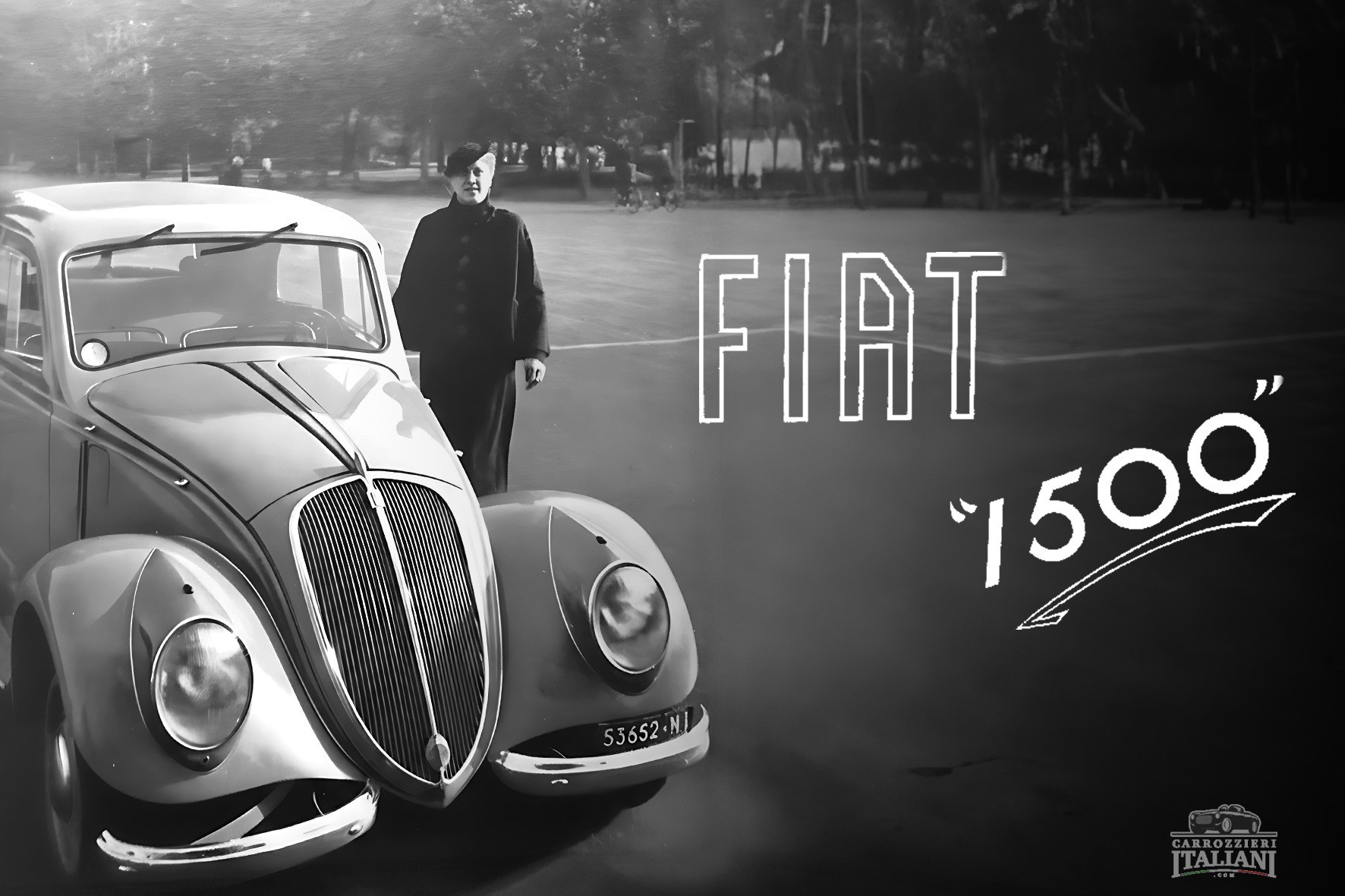
Introduced in 1935, the Fiat 1500 (series A and later B) was a groundbreaking model in Italian automotive design. It was styled by Mario Revelli di Beaumont in collaboration with Fiat’s design director Rodolfo Schaeffer, and it marked Fiat’s definitive shift to aerodynamic car bodies. In fact, the 1500 was the first European production car designed using wind-tunnel testing, debuting just a year after Chrysler’s Airflow in America. The result was a sleek, streamlined 6-passenger saloon with advanced features for its time: a raked radiator grille, faired-in headlamps, a slightly sloped windshield, and no central B-pillar between the front and rear doors (the rear doors were rear-hinged). Even the trunk was integrated smoothly into the body (early versions had no external trunk lid, accessed only from the folding rear seat) to preserve the clean lines.
🔗 Read more: Mario Revelli di Beaumont: the first Freelance Car Designer
Mechanically, the Fiat 1500 was notable for its 1.5-liter inline-six engine (producing around 45 hp) paired with a 4-speed gearbox, and it introduced independent front suspension to a mass-market Fiat, greatly improving handling. Launched at the November 1935 Milan Motor Show, the 1500 caused a sensation with its modern aerodynamic look. Over the next few years Fiat made minor updates (the 1500 B of 1939 featured detail changes like the new “spartivento” vertical-slat grille and stronger brakes), but the basic design remained, and about 25–35,000 examples of 1500 A/B were built by 1939. This innovative model not only offered brisk performance for a mid-size car (top speed ~113 km/h), but also provided an excellent foundation for Italy’s coachbuilders, who saw in the 1500 an ideal chassis to showcase their artistry.
What Does “Elaborata” Mean?
In Italian automotive parlance, an “elaborata” refers to a customized or “elaborated” version of a production car, typically created by independent coachbuilders. Unlike a wholly bespoke body built from scratch, an elaborata usually retains the basic structure and identity of the factory model, altering only certain elements of styling or bodywork. These changes might include a special roofline, custom rear body, bespoke interior, or trim details – often leaving the front end and mechanical parts largely intact. The idea was to elaborate on the standard model, adding exclusivity and personal style without the expense of a completely new design. In the 1930s, major Italian manufacturers like Fiat would even supply bare chassis or unfinished cars to carrozzerie, who then crafted limited-run convertibles, coupes, or special sedans for clients.
🔗 Read more: The Fiat 600 Elaborate
The Fiat 1500, with its advanced chassis and compact six-cylinder engine, was very popular among coachbuilders as a platform for these semi-custom creations. Generally, an elaborata kept the original car’s face (grille, hood, and often front fenders) so it was still recognizable as that model, while the coachbuilder modified the side and rear aspects to create a unique silhouette. Below we explore several such elaborata versions of the Fiat 1500 by different Italian coachbuilders – each showcasing custom touches yet still clearly a Fiat 1500 at heart.
Bertone
Before Bertone was a global design powerhouse, before the Miura and the wedge wars, it was quietly—and brilliantly—reworking Fiat 1500s in the late 1930s. These were the first elaborata, and Bertone’s take on them was a masterclass in how to radically rethink a car without touching the nose.
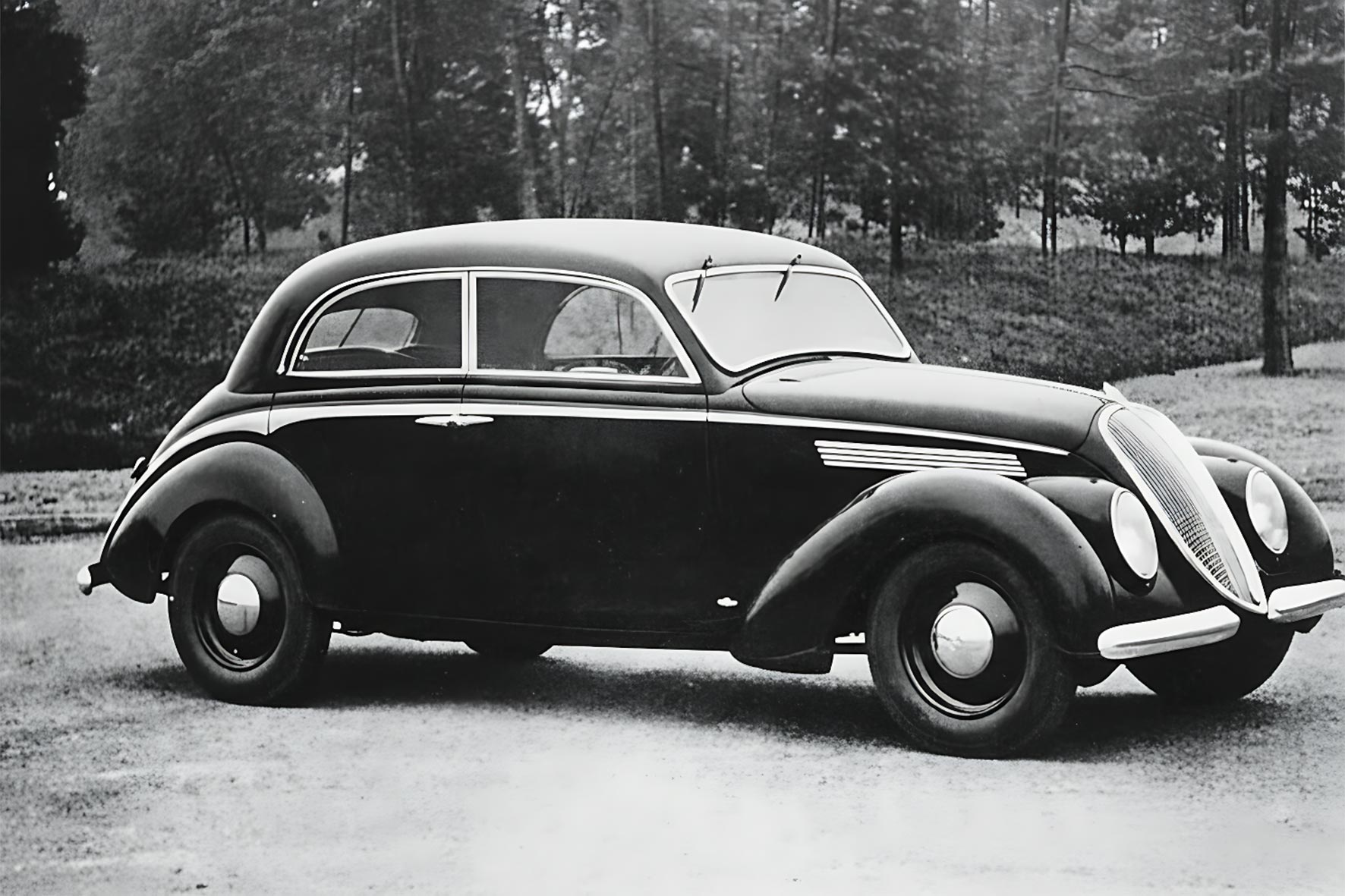
Seriously—every single one of Bertone’s 1500s kept the factory front end. The V-shaped grille, the headlight-fender blend, the long hood—it all stayed. But move your eyes past the A-pillar, and suddenly, you’re in coachbuilt heaven. Bertone used the rest of the body like a sketchpad, bending steel to chase both beauty and airflow.
Let’s start with the basics: the standard berlina. At first glance, it’s close to Fiat’s own sedan—but look again. The surfacing is cleaner. The roofline’s just a touch more relaxed. The detailing? Sharper. Think of it as a tailored suit cut from the same cloth: same structure, totally different presence.
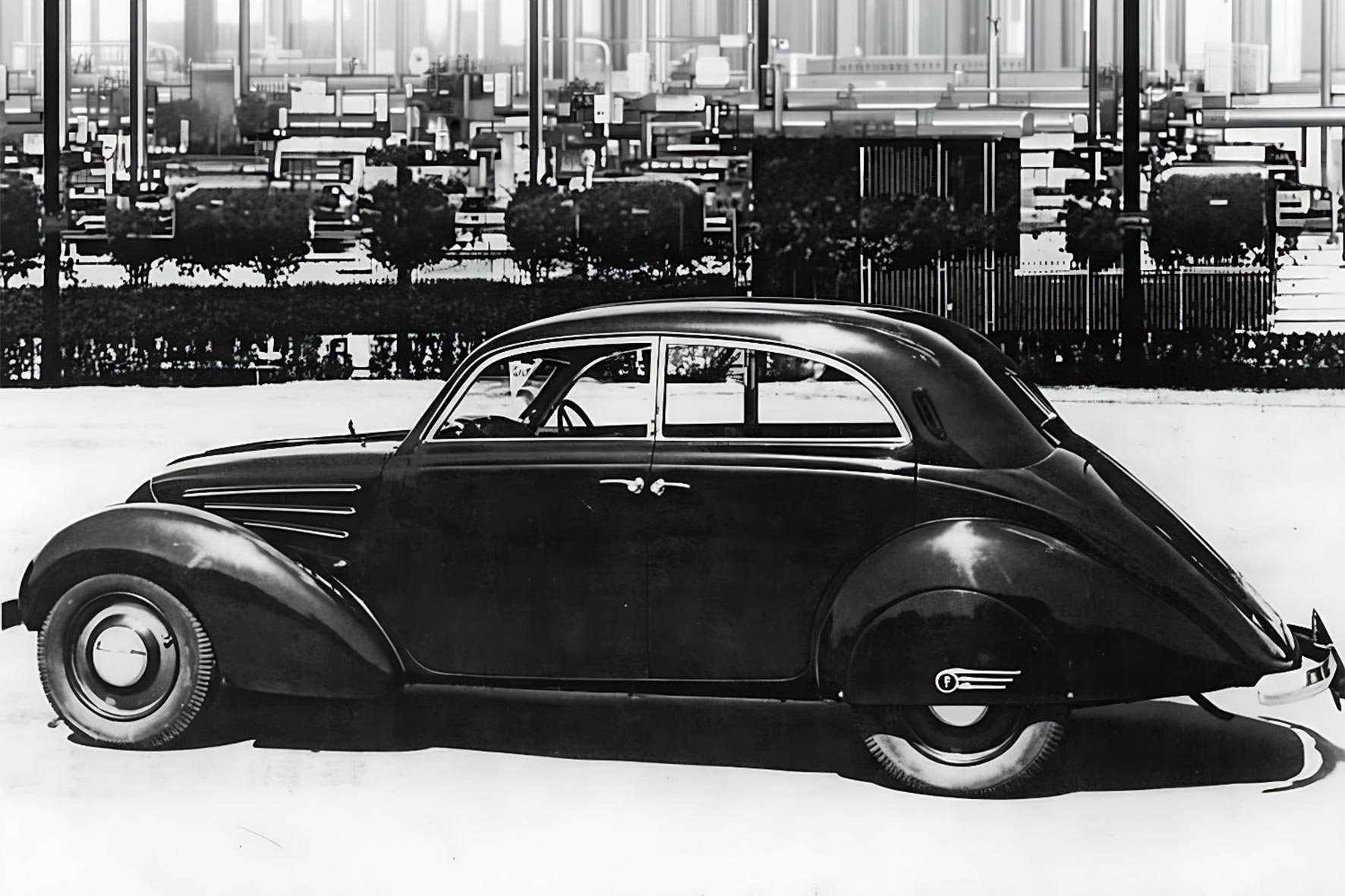
But Bertone wasn’t just here to tidy things up. Enter the Berlina Aerodinamica, and now we’re talking full-on prewar streamlining. Rear wheels? Covered. Tail? Drawn-out and tapered. The whole car looks like it’s slipping through the air at 100 km/h, even when parked. It’s not a design revolution—it’s an evolution, refined with a wind tunnel and a steady hand.
🔗 Read more: The story of Bertone: the Most Controversial Coachbuilder Ever
Then there’s the 6 Luci Aerodinamica—named for its six side windows—and this is where Bertone really started bending the rules. It added a quarter window behind each rear door, which helped stretch the cabin visually and flood it with light. The roofline was lower, the tail longer, and the whole thing leaned hard into that streamlined vibe. But it didn’t stop there. For the most extreme version, Bertone teamed up with Mario Revelli di Beaumont himself—the guy who penned the original 1500—and went full aero-futurist.
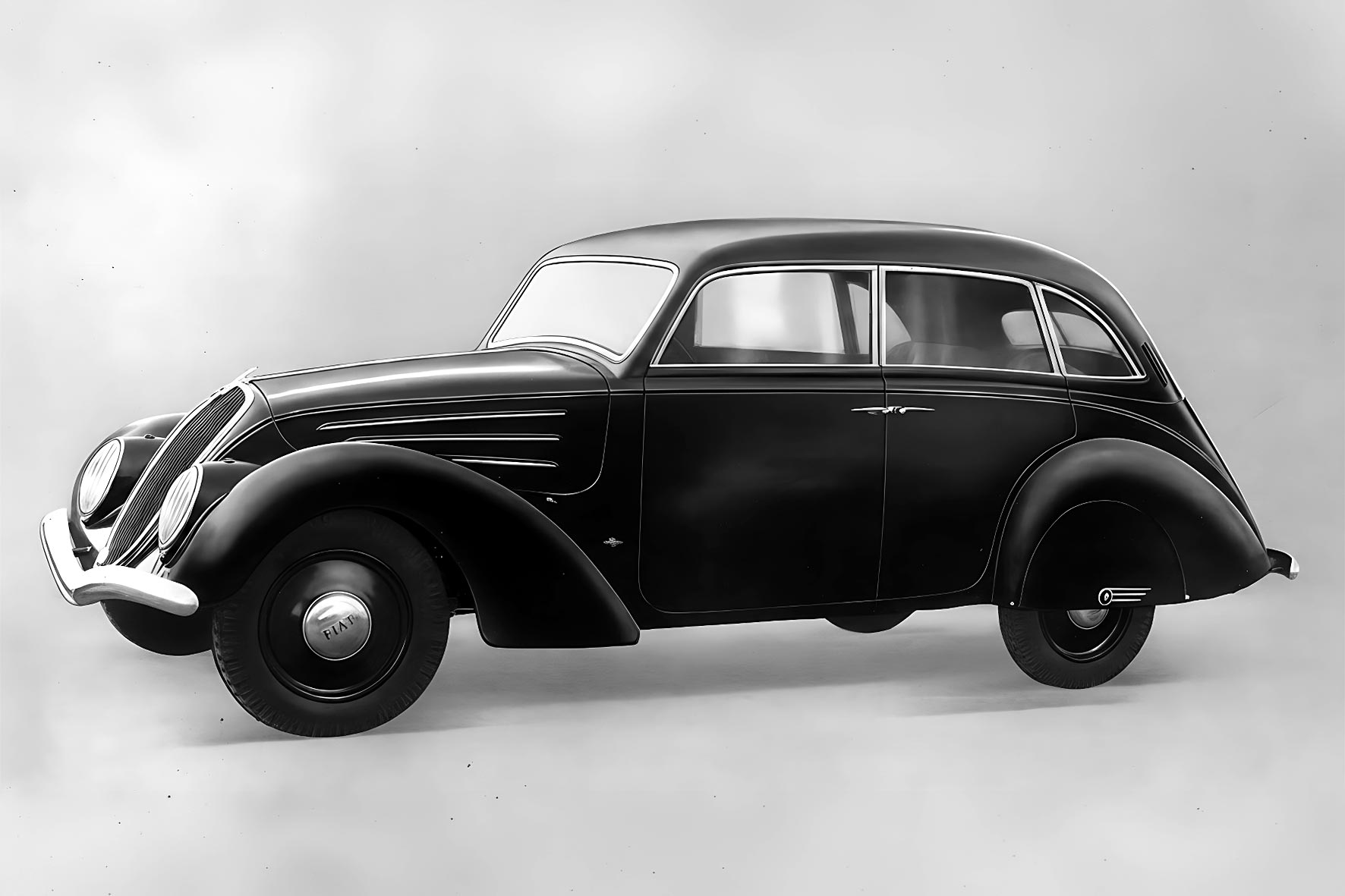
The result? A deep fastback silhouette with skirted rear wheels and bodywork that flowed like a teardrop. It still had the stock Fiat front, but from the A-pillar back it looked like something designed in a wind tunnel by a man dreaming of airplanes. Elegant? Yes. But also aggressive, experimental, and light-years ahead of its time.
Oh, and then there’s the cabriolet. If the sedans were experiments in flow, this drop-top was a love letter to Italian flair. Low-slung, two doors, and a white-on-black paint job that screams Riviera glamour. But the real kicker? All of Bertone’s Fiat 1500 versions could be ordered with a comet-shaped chrome streak down the side—a stylish flourish borrowed from Touring’s Flying Star playbook. It was a trend of the moment: a little poetic, a little flashy, and absolutely unforgettable.
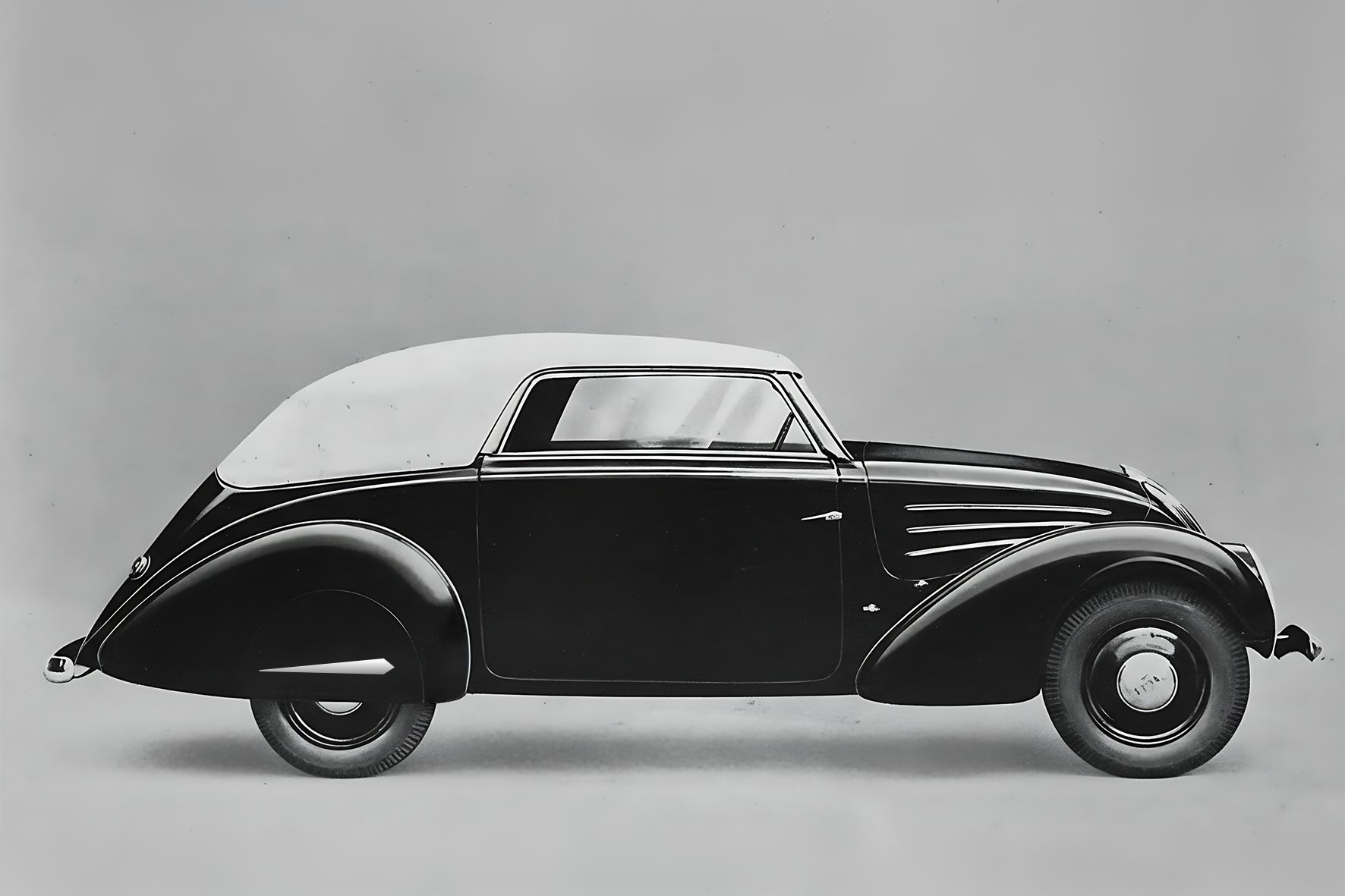
All of these cars were one-offs or built in tiny numbers, which makes sense—they were never meant to be practical. They were meant to show what was possible when a good production car met a great imagination. And they did it without trying to hide where they came from. Because even at their most extreme, they were still Fiat 1500s at heart.
Castagna Milano
Castagna took the elaborata concept in two very different directions. The first was a subtle cabriolet, almost identical to the standard Fiat 1500, but upgraded inside with premium upholstery and refined details. It was classic Castagna: quiet luxury, minimal changes, all about elevating the experience without shouting about it. This was elaborata in its purest form—mechanically untouched, visually familiar, but just more special.
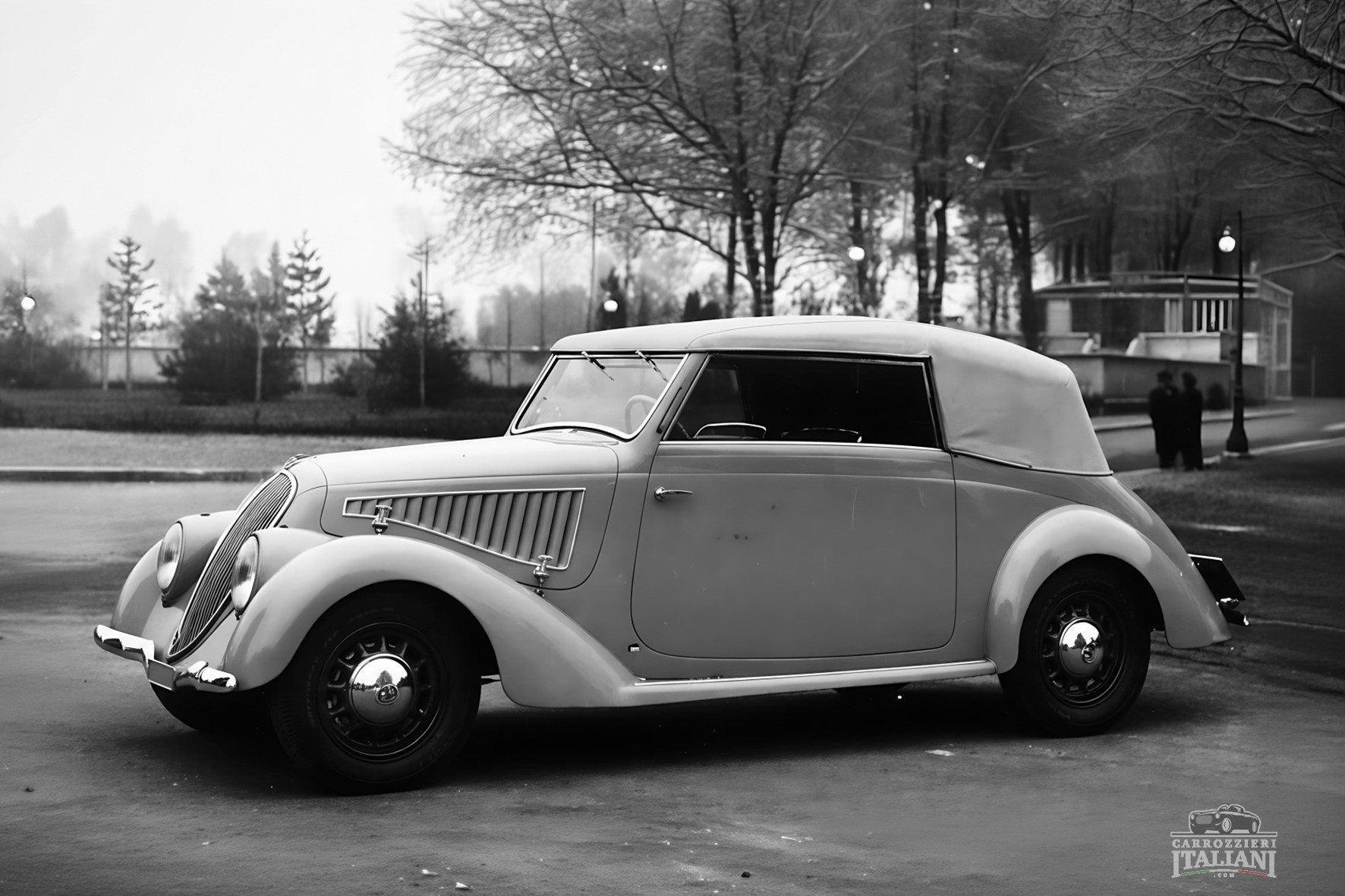
Then came the opposite: the Aerodinamica Castagna. A wild, flowing coupé that kept the 1500’s front end but ditched the rest in favor of flamboyant French-inspired curves. Long fenders, deep spats, and chrome accents turned it into an Art Deco sculpture. It wasn’t shy, and it wasn’t subtle—it was Castagna showing off.
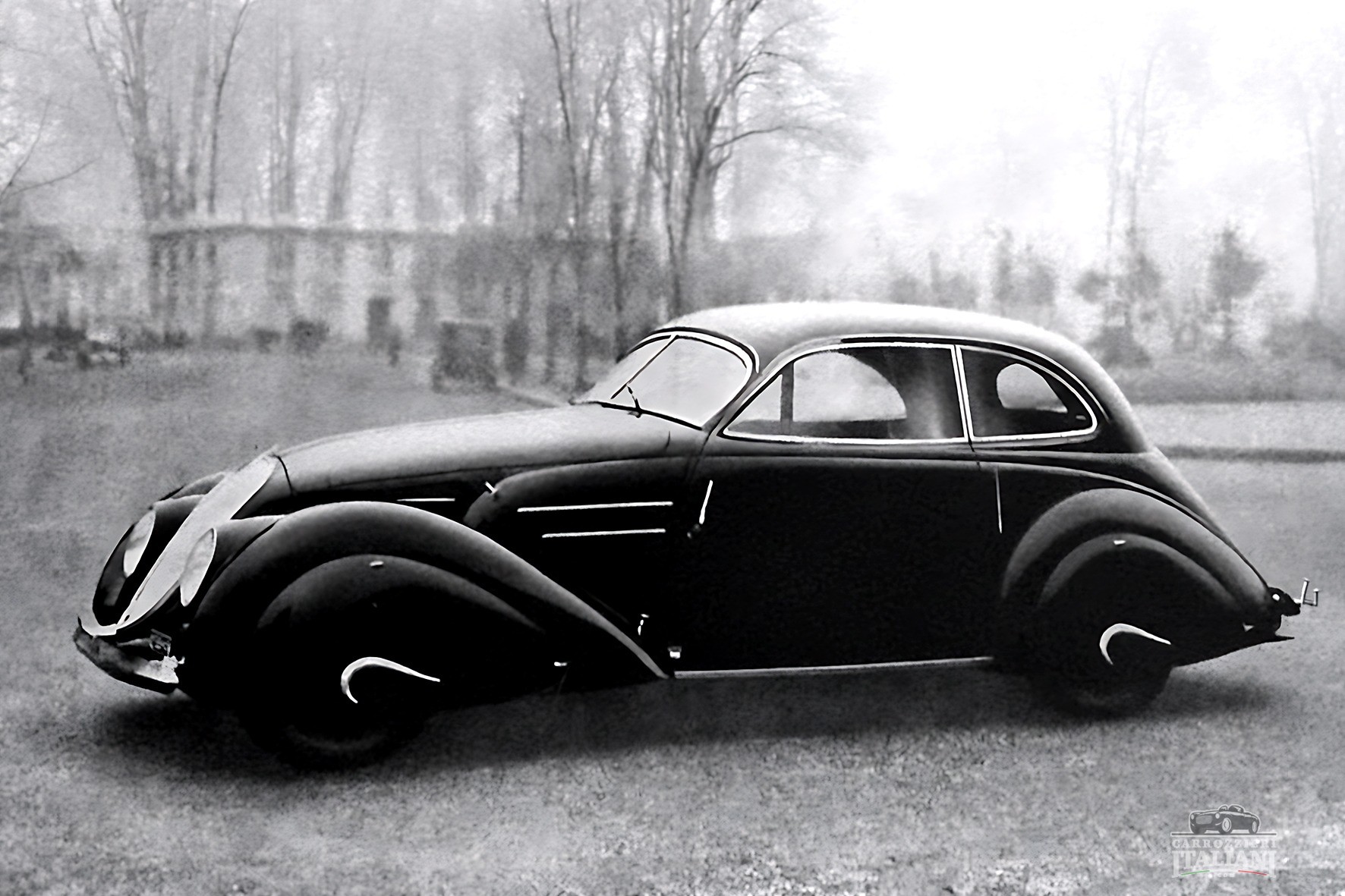
Two cars. Same chassis. One whispered, the other sang. Both 100% elaborata.
Garavini
Like many of its peers, Carrozzeria Garavini offered a refined cabriolet version of the Fiat 1500, staying close to the production model but upgrading the finish, trim, and interior quality. It was one of Garavini’s most commercially successful bodies ever — a textbook elaborata that kept the front intact and added just enough craftsmanship to set it apart.
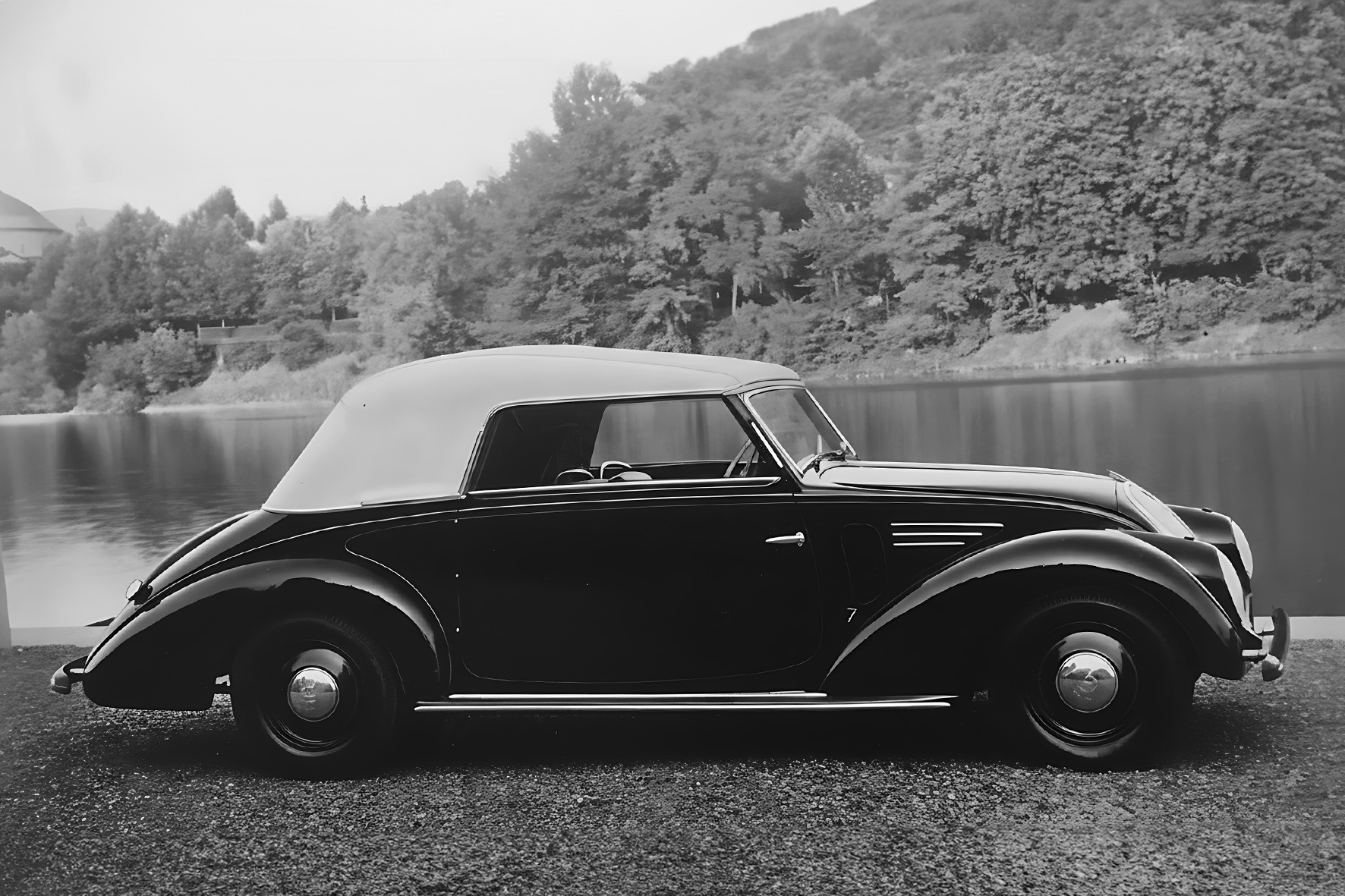
Beyond that, Garavini also built a striking coupé, likely a one-off. Period photos suggest it was entered in a concours d’elegance, and with its dramatic lines and tight proportions, it certainly looked the part.
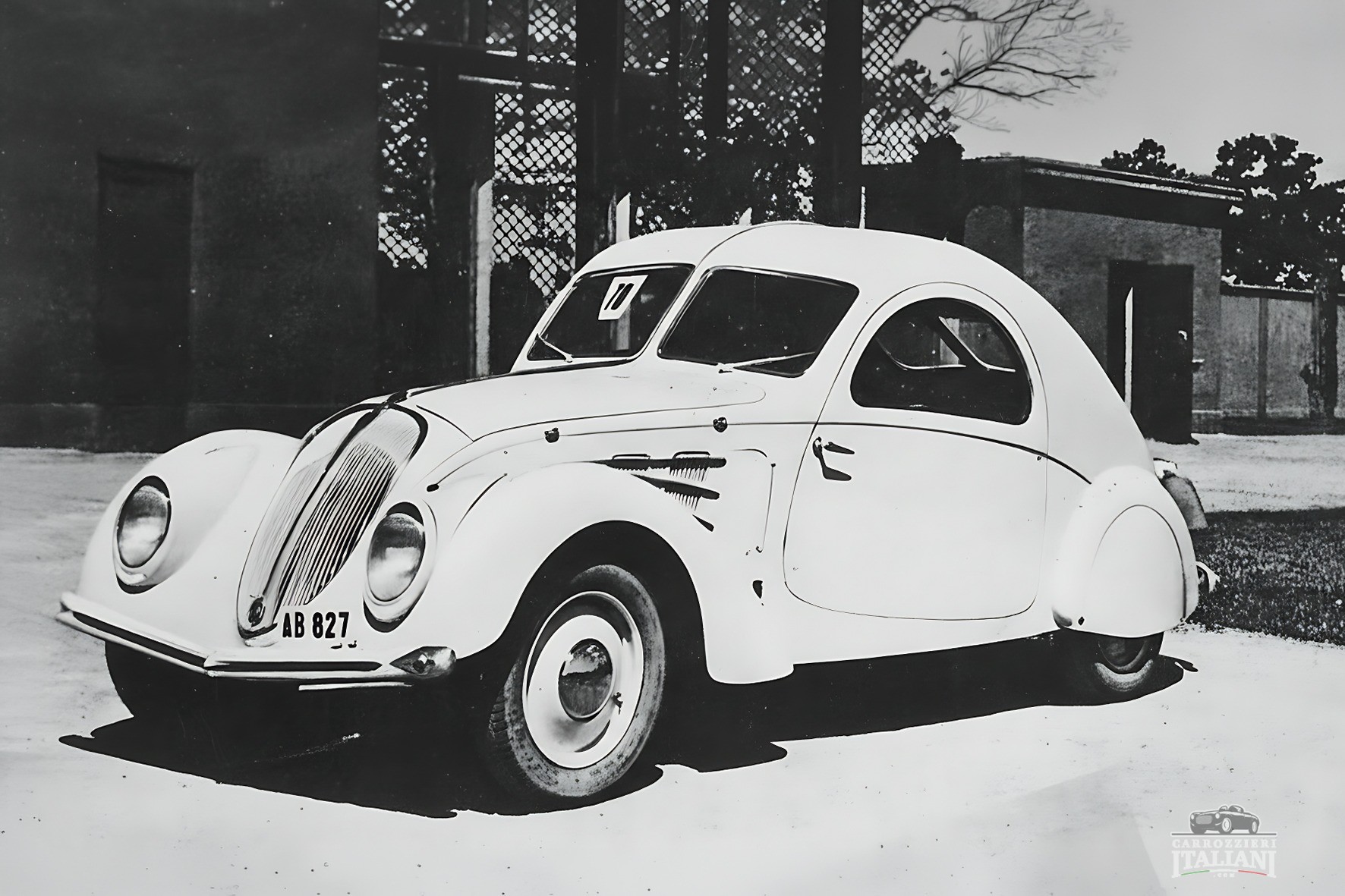
Most fascinating of all, though, is what survives in Garavini’s “figurini” design sketches: a whole family of proposed body styles based on the 1500 6C chassis—including 2-door and 4-door cabriolets and sleek fastback coupés.
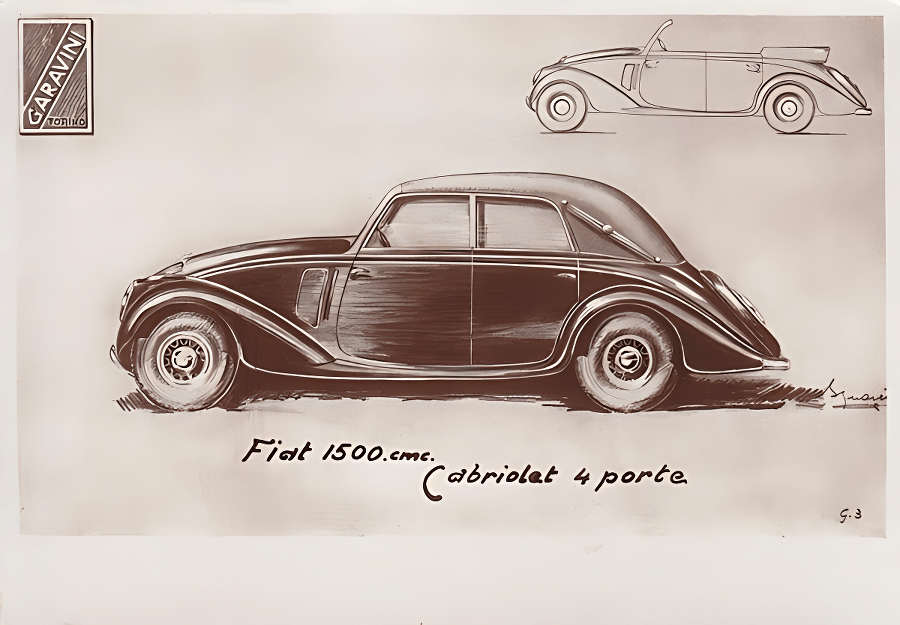
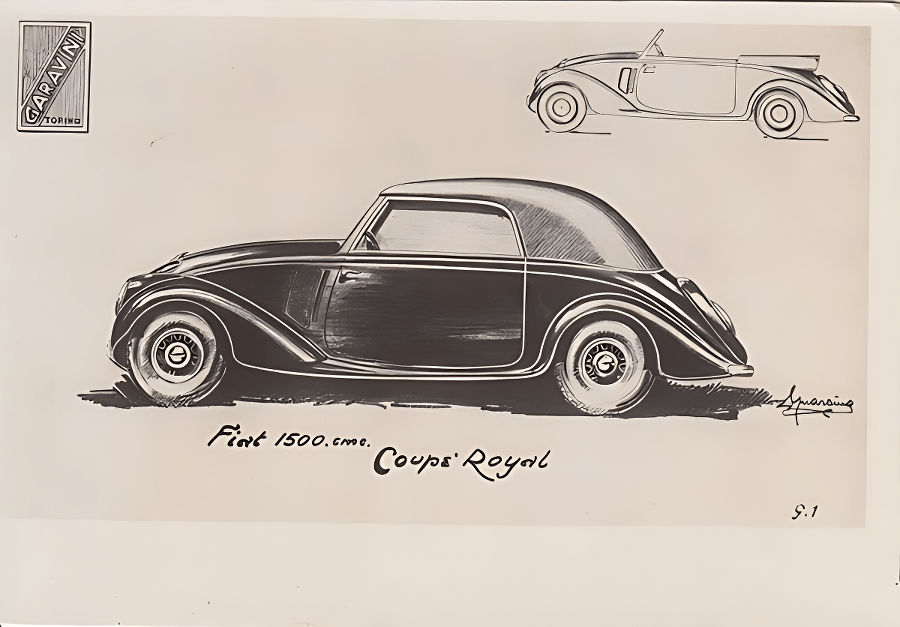
While not all were likely built, the drawings show how coachbuilders like Garavini saw the Fiat 1500 not just as a car, but as a platform for creativity.
Pinin Farina
Pinin Farina’s take on the Fiat 1500 was all about refinement without reinvention. Like Bertone, they created a “semi-aerodinamica” berlina, keeping the standard silhouette but adding covered rear wheels and a cleaner, more flowing profile. It was a subtle evolution—streamlined without losing the car’s core identity—and, as expected from Farina, it came with upgraded interior materials and trim.
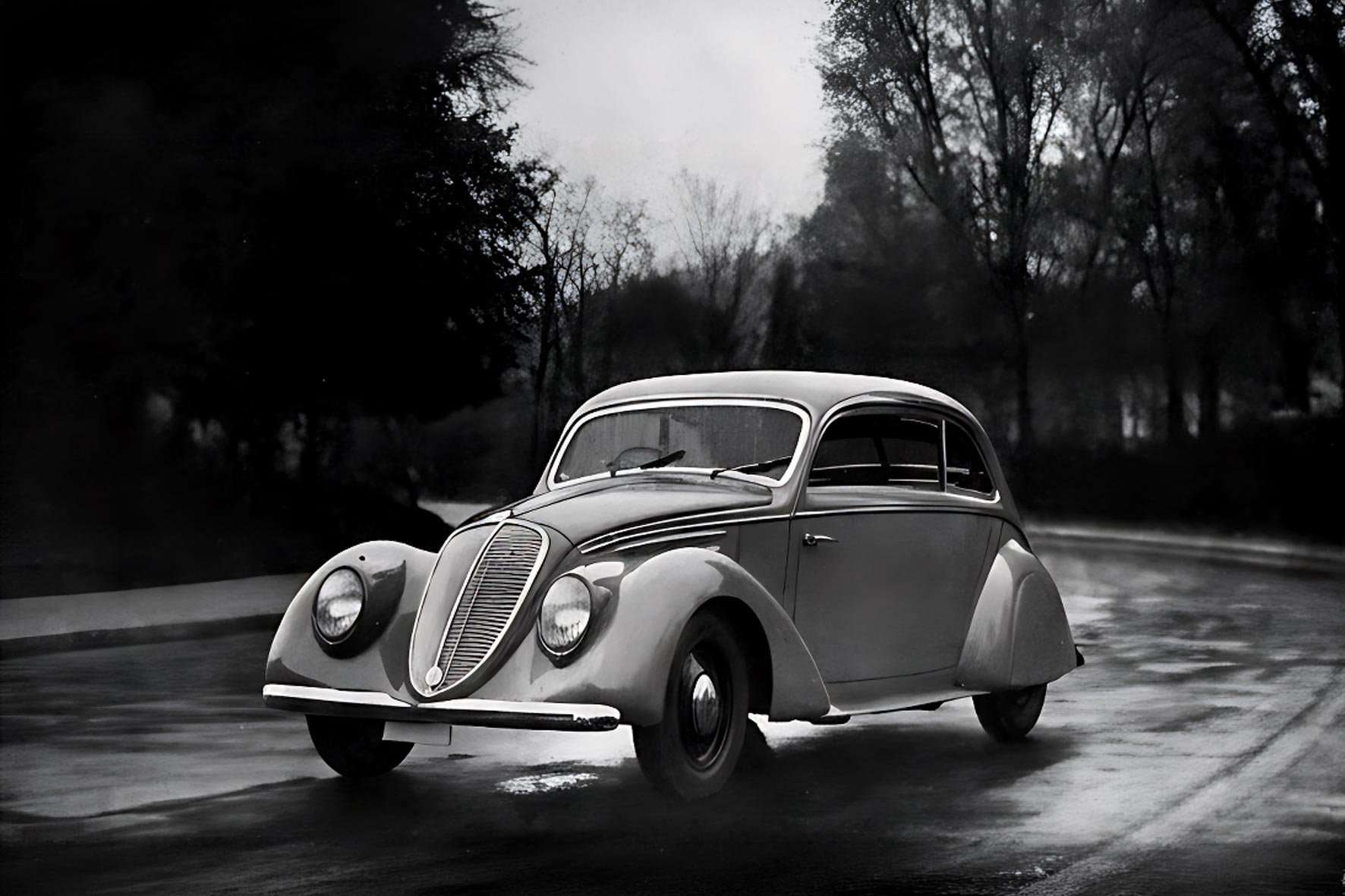
The cabriolet came in two flavors. One leaned toward luxury, with plush upholstery and fine detailing—an upscale elaborata that elevated the standard Fiat drop-top. The other took on the semi-aerodinamica theme, featuring covered rear wheels and a slightly sportier character. Both versions stayed true to the original front-end design and proportions.
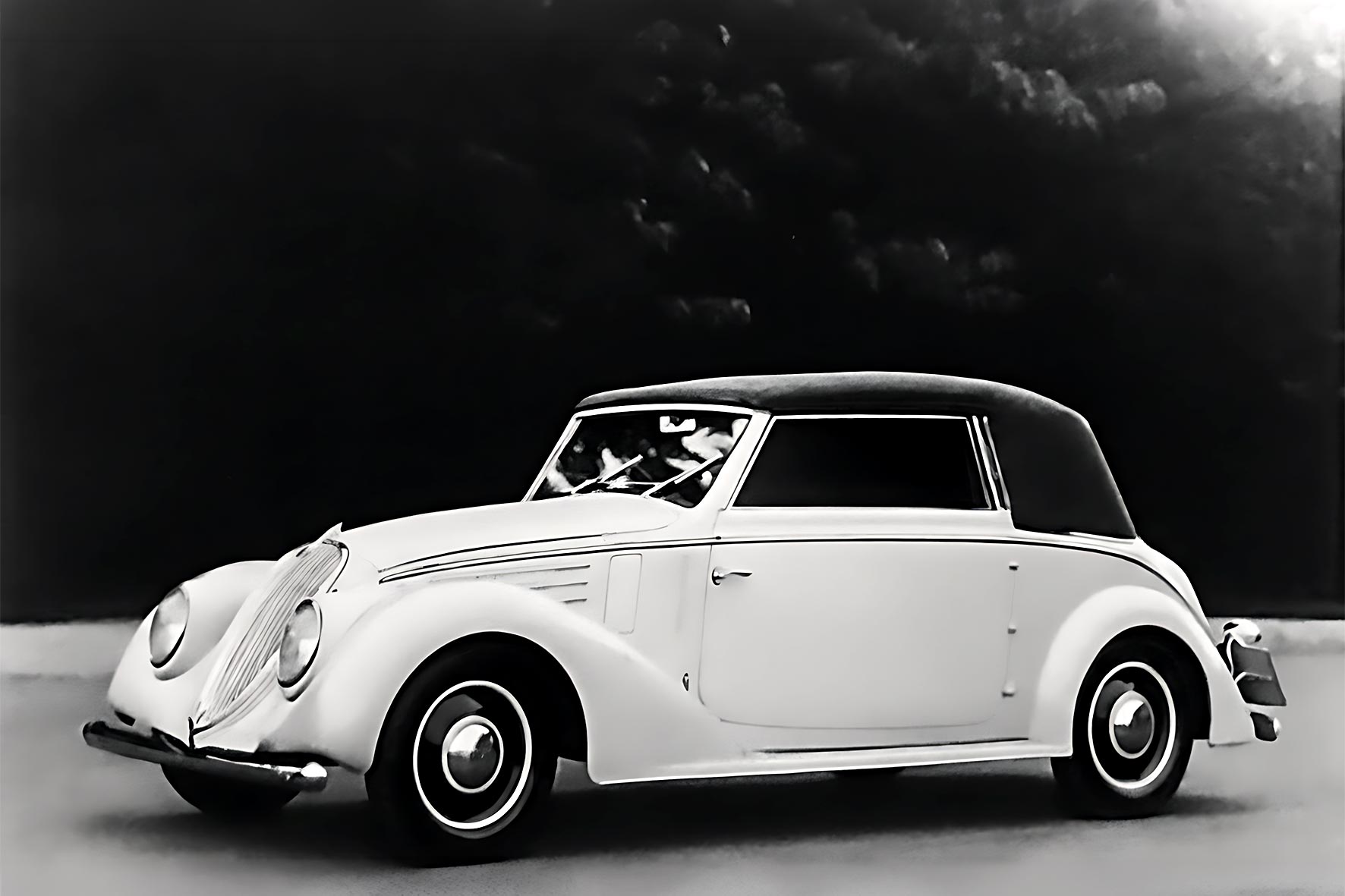
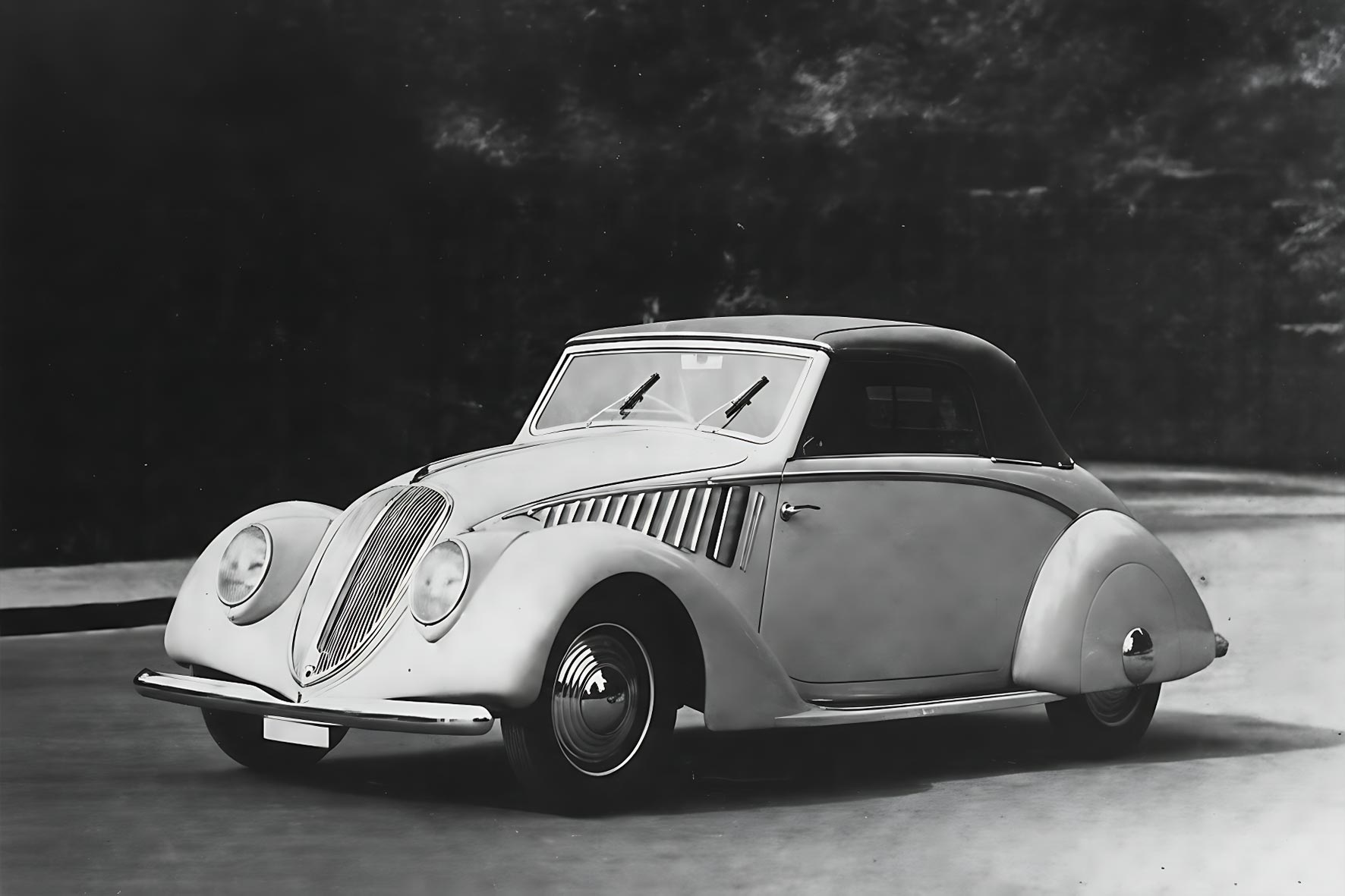
In classic Pinin Farina fashion, the changes were never loud—but always intentional. Quiet sophistication, perfectly tailored.
Stabilimenti Farina
Stabilimenti Farina offered its take on the Fiat 1500 with a refined cabriolet, based on the standard production model but customized in detail. True to the elaborata spirit, it retained the original front end and mechanicals, while the body received subtle styling updates and bespoke interior finishes.
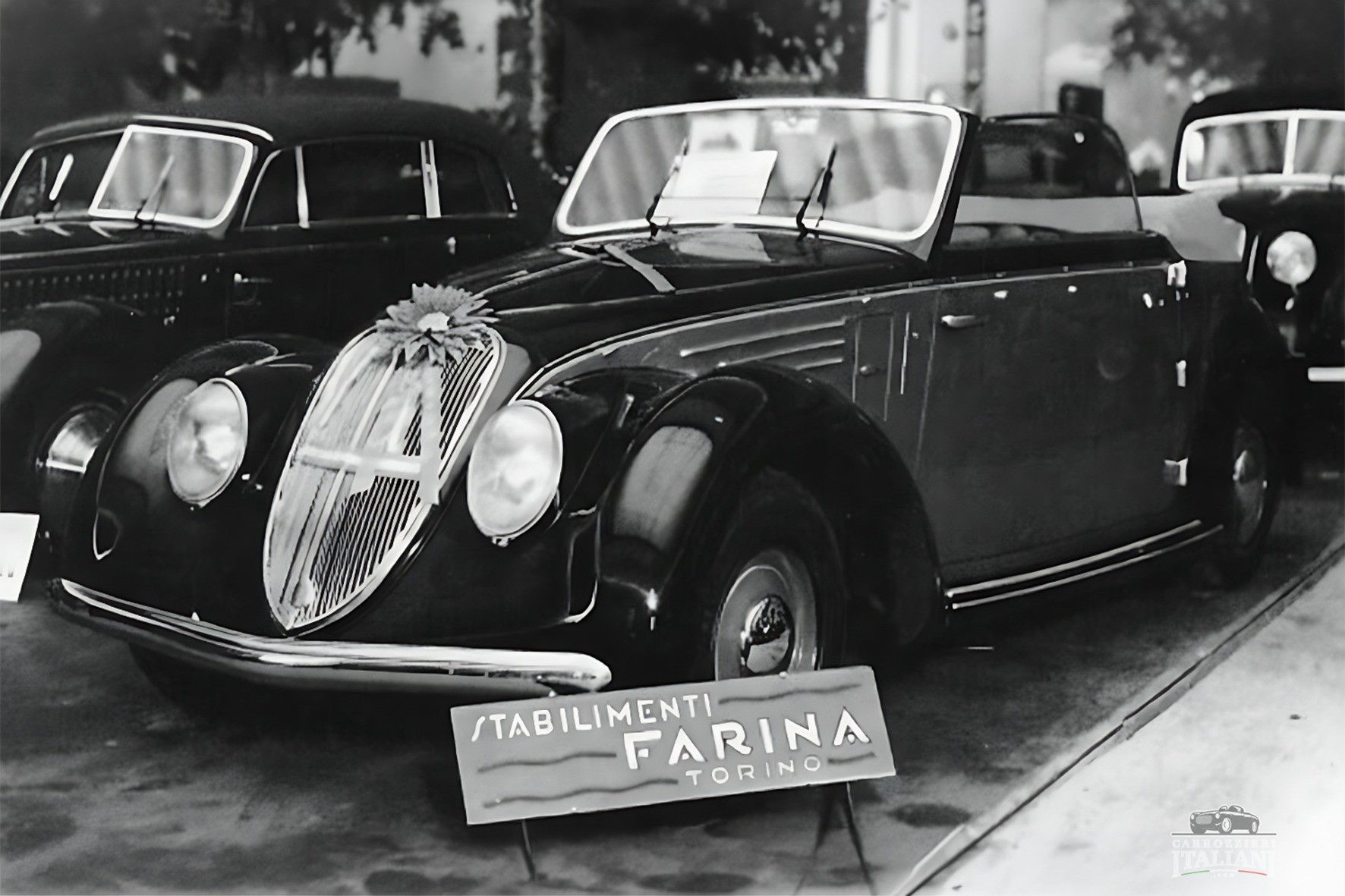
The car was unveiled at the 1936 Milan Auto Show, perfectly capturing the balance between Turin elegance and Fiat engineering. It stood as a showcase of how coachbuilding could transform a mass-produced car into something worthy of the spotlight.
Touring
Milan’s Carrozzeria Touring approached the Fiat 1500 with its signature restraint and clarity. At least three cabriolet variants were produced, each starting from the production model but reinterpreted through Touring’s minimalist, elegant lens.Milan’s Carrozzeria Touring approached the Fiat 1500 with its signature restraint and clarity. At least three distinct cabriolet variants were built, each starting from the standard production base but gently reworked to express Touring’s taste for clean, aerodynamic silhouettes.
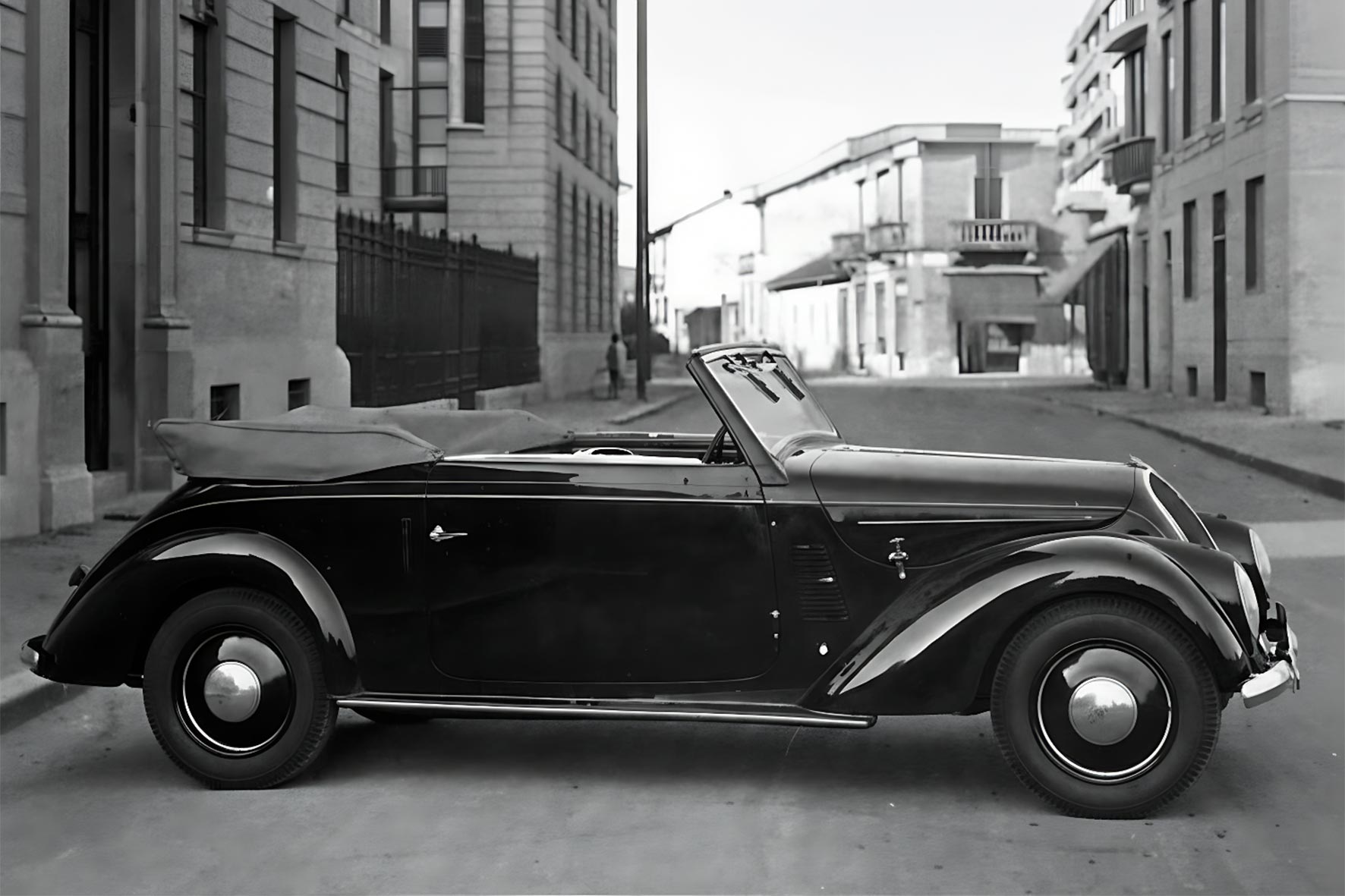
The first two cabriolets share the same fundamental bodywork—long, clean sides, with flowing fenders and subtle detailing—but differ in execution. One features a simple folding soft top, low and clean, matching the horizontal beltline without disrupting the silhouette. The other adopts a fabric-covered hardtop, giving the same body a more formal and coupe-like presence. In both cases, the lines are unbroken and uncluttered—Touring’s trademark superleggera ethos applied to a mass-market chassis.
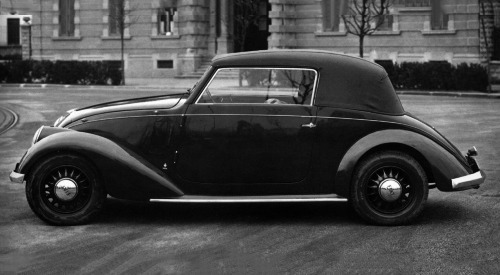
Door profiles are simple and wide, chrome trim is minimal, and the overall feel is of restrained sophistication rather than flamboyance. These weren’t show cars—they were practical elegance for the discerning driver.
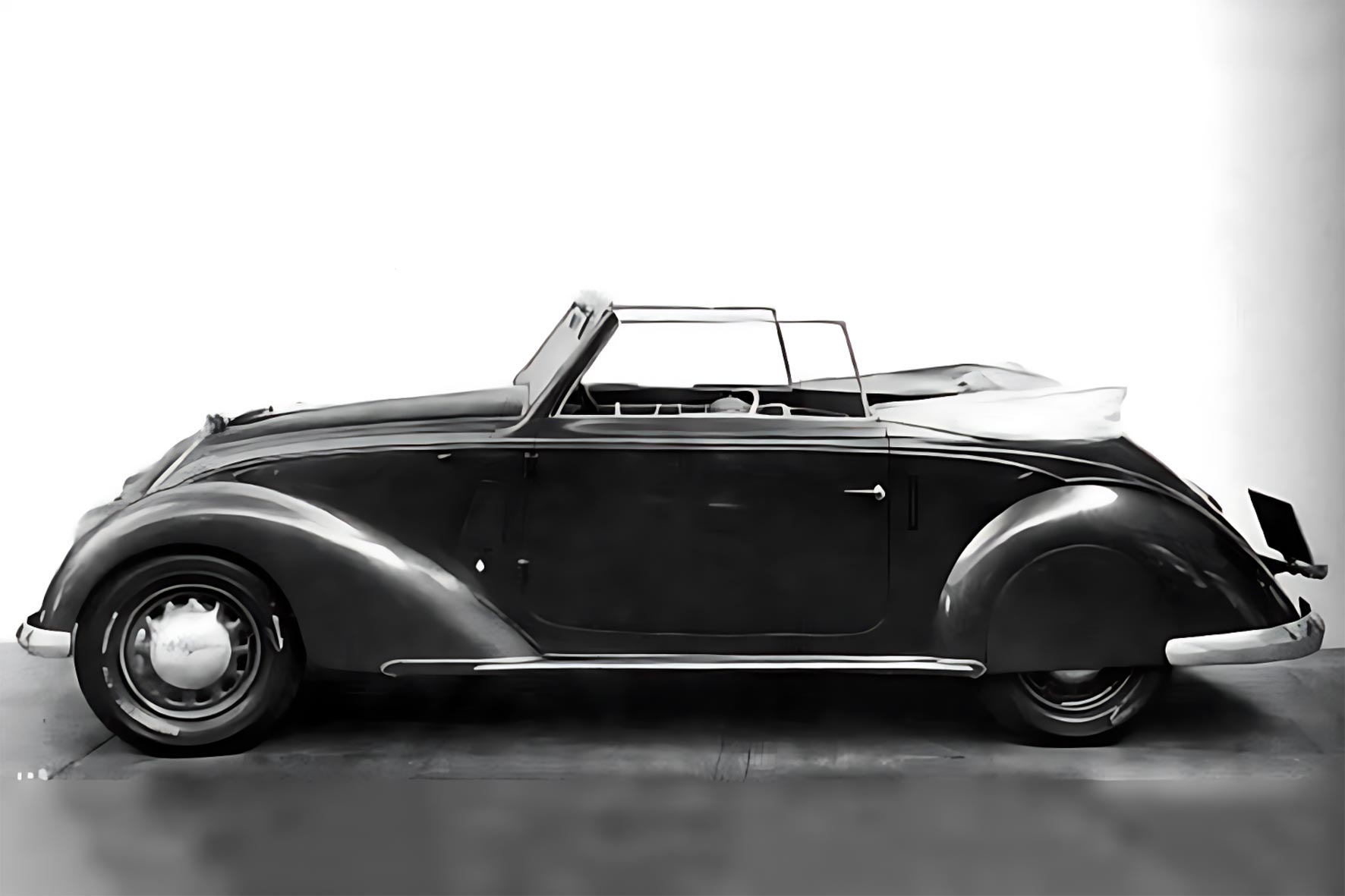
The third cabriolet adds a bit more flourish: full rear wheel covers, a more dramatic curve to the rear fenders, and flush door handles. There’s a slight kick to the rear fender line, a subtle Touring touch to energize the profile. It still keeps the Fiat 1500’s front end, of course, but it’s dressing far more like a Lancia than a family sedan.
🔗 Read more: The History of Carrozzeria Touring: From Superleggera Origins to Modern Revival
Last comes the Berlina Speciale “4 Luci”. With its slim rear doors and additional quarter windows, it plays the same trick as Bertone’s 6 Luci—stretching the cabin visually, smoothing the roofline into a more aerodynamic arch. The rear fenders swell gently out, and the trunk is pulled tight, making it look more like a fastback sedan than a standard three-box saloon.
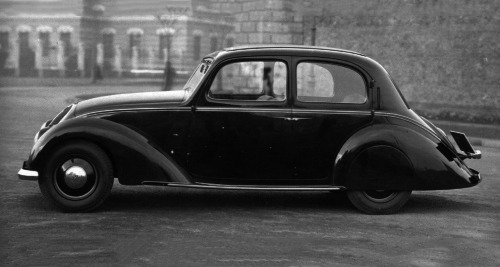
Each of these versions sticks to the elaborata ethos: preserve the mechanical base and front end, but let the side and rear views tell a more refined, coachbuilt story.
Viotti
Viotti offered a classic take on the Fiat 1500 cabriolet, echoing the elegant restraint of the period. But their standout contribution was the Cabriolet “4 Luci”—so named for its four side windows, with frameless glass and no central pillar. The result? A long, uninterrupted glasshouse and a brighter, more open cabin.
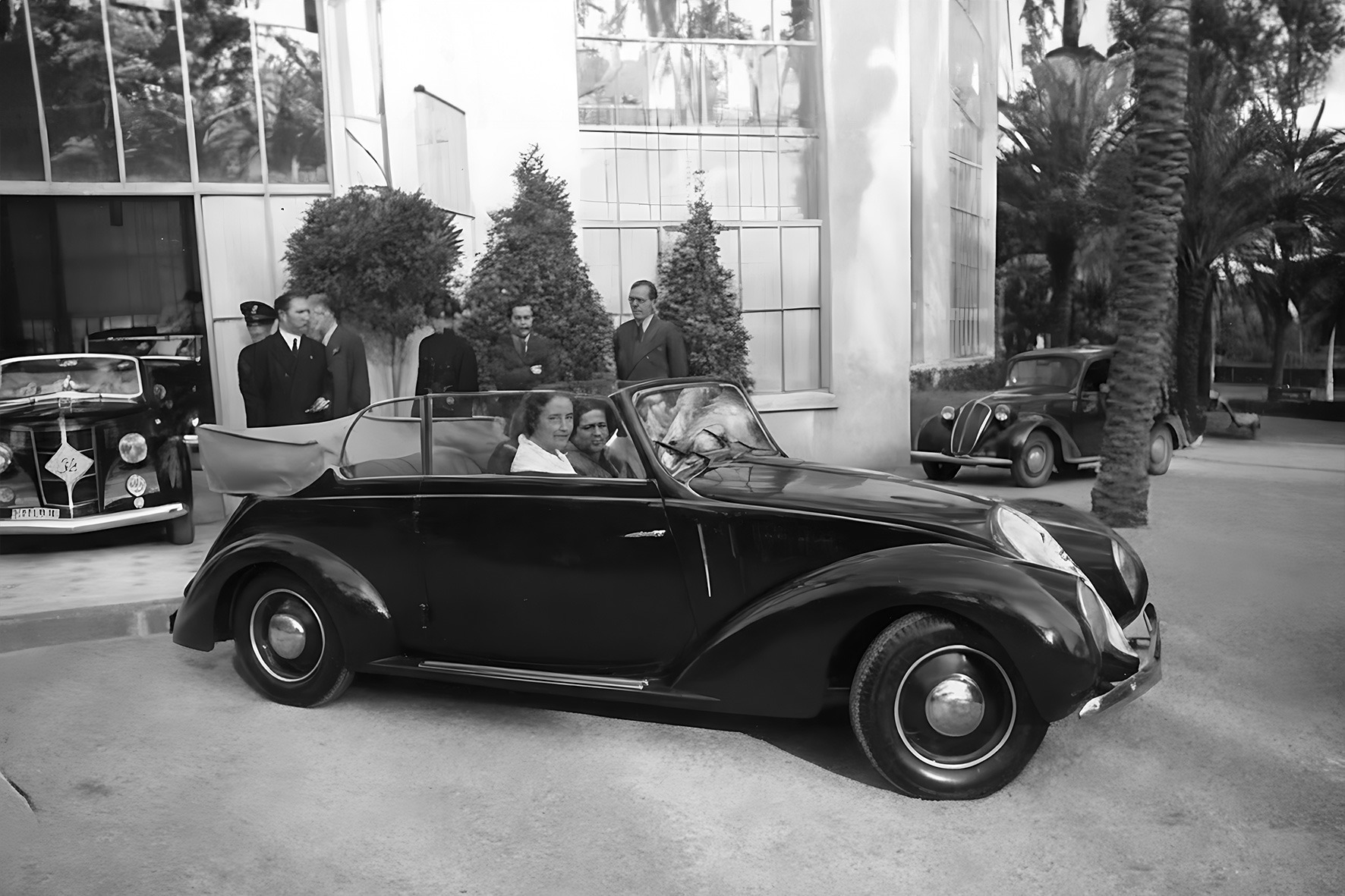
This wasn’t just a pretty face: the 4 Luci blended formal grace with everyday usability, featuring neatly integrated chrome details, refined upholstery, and thoughtful touches like recessed indicators and flush door handles. The long rear fenders taper softly into a subtle tail, keeping the overall balance refined and well-resolved.
It was more than just a design exercise. The Viotti 4 Luci cabriolet earned accolades at several concorsi d’eleganza, standing out not with flamboyance, but with proportion, light, and quiet confidence.
Alongside its cabriolet work, Carrozzeria Viotti produced one of the most refined closed interpretations of the Fiat 1500: the Coupé designed by Mario Revelli de Beaumont.
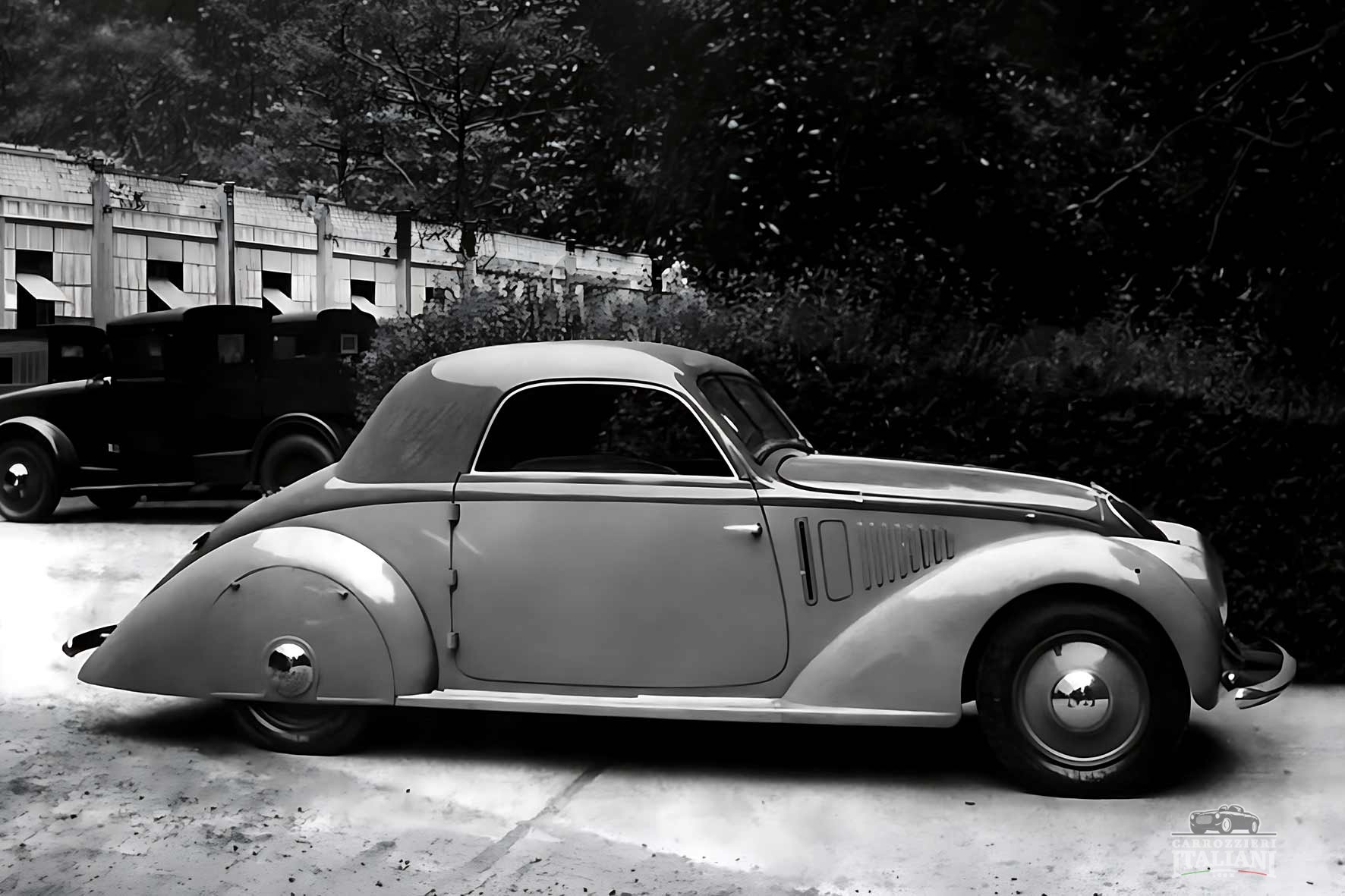
Where many contemporaries leaned toward drama, the Viotti coupé favored balance and architectural clarity. The roofline flows in a single, unbroken arc into the tail, while the gently tapering rear fenders lend the car a poised, almost nautical elegance. Window proportions are generous but disciplined, reinforcing the sense of lightness without sacrificing formality.
Other Coachbuilders
Beyond the major names, several smaller carrozzerie also worked their magic on the Fiat 1500—staying close to the factory cabriolet but adding just enough flair to make it their own.
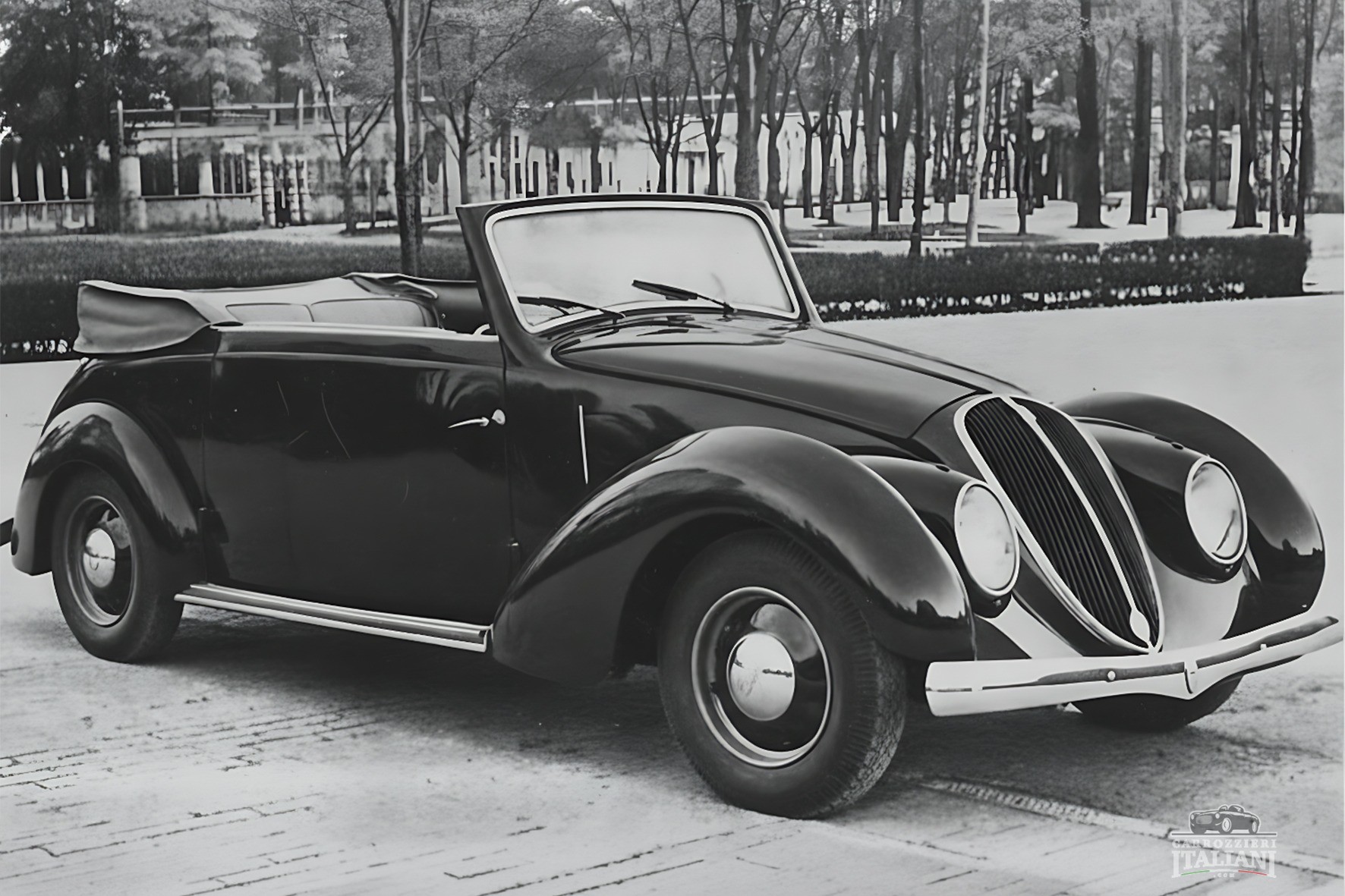
Carrozzeria Cattelan, based in Udine, offered a subtly refined version of the standard 1500 cabriolet. Think upgraded materials, a cleaner finish, and the kind of artisanal attention to detail that small shops could afford to lavish on low-volume builds.
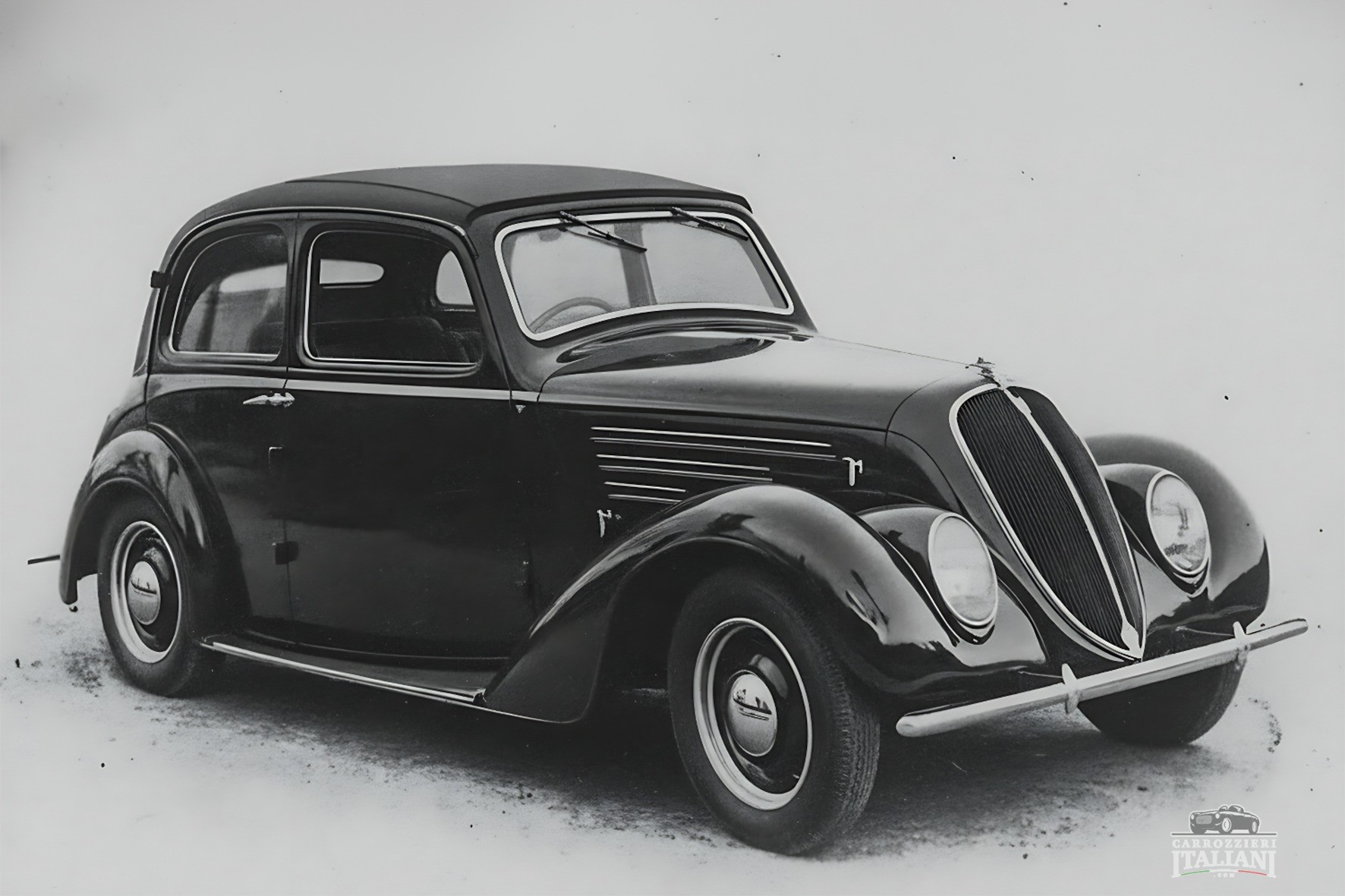
Meanwhile, Carrozzeria Borsani, better known for bus and commercial coachwork, took a different approach. They reworked the 1500 Berlina into the Belvedere—named for the “beautiful view” offered by its wide-opening folding fabric roof. Less about speed, more about sunshine, it turned the practical sedan into a panoramic cruiser, perfect for touring the lakes or the Riviera with the top half peeled back.
🔗 Read more: The History of Italian Coachbuilders
So what do you get when Italy’s coachbuilders get their hands on a rational, mass-produced sedan? Turns out, anything they want. Some gave it leather and chrome. Others gave it teardrop tails and dreams of wind tunnels. A few just opened the roof and called it a day. But through all the elegance, eccentricity, and aerodynamic ambition, one thing stayed constant: that unmistakable Fiat face, grinning like it knew it was about to wear a dozen different tuxedos—and a few capes.
It was the start of a very Italian habit: take the humble, make it heroic. A formula that would reach its peak in the ’50s and ’60s, when cars like the Fiat 500, 600, and 850 became blank canvases for the golden age of coachbuilding—proving once again that style doesn’t care about cylinder count.

ABOUT THE AUTHOR
Andreas Scheidl
Italian classic car enthusiast with German roots. Renowned as a respected figure in the classic car community, he serves as a jury member at various international concours d'elegance, including the Classic Gala Schwetzingen and Mantova. As a content creator, Andreas passionately shares his profound knowledge and appreciation for vintage automobiles. His heart beats for cars designed by Giovanni Michelotti, showcasing his discerning taste and dedication to preserving the timeless elegance of automotive history.
More stories by Andreas Scheidl ↗CONTINUE READING
Posts You Might Like
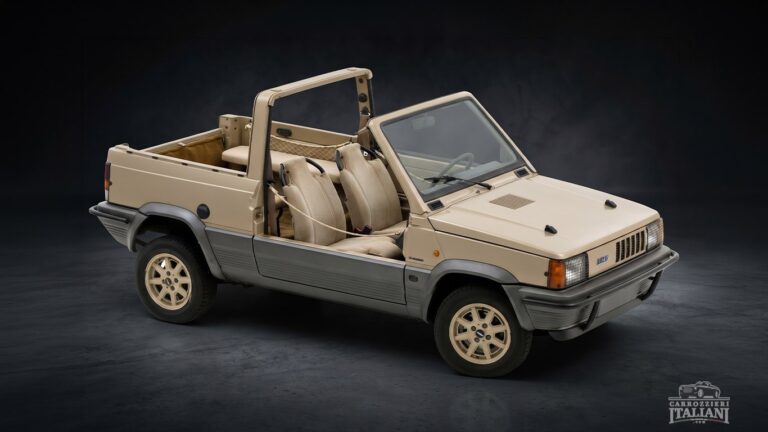
Fiat Panda Cabrio: The Italian Coachbuilders Who Opened Giugiaro’s Box
From Moretti’s Panda Rock to Italdesign’s experimental Strip, Maggiora’s four-wheel-drive convertible and Stola’s remarkable Destriero, the history of the open-top Panda reveals an unexpected chapter in Italian coachbuilding. When Giorgetto Giugiaro designed…
Read story
Gabriele d’Annunzio and the Cult of the Automobile
There was a time when the automobile had not yet become part of the landscape. It announced itself from afar through the beating of an engine, the smell of petrol and hot…
Read story
Fiat 1400: The Last Great Playground of the Carrozzieri
From Touring and Abarth to Farina, Ghia, Vignale, Boneschi, Bertone, Viotti and the smaller carrozzerie, the new Fiat quickly became one of the richest bases for Italian special bodies in the early…
Read story
How a Swiss Dealer Challenged Ferrari: The Story of Monteverdi
How Peter Monteverdi went from Swiss Ferrari dealer to creator of rare Frua and Fissore-bodied GTs, the Hai supercar and luxury off-roaders.
Read story
THE CONVERSATION
Comments 0
Share a memory, a period photograph or a documented detail about this story.