
The story of Carrozzeria Garavini
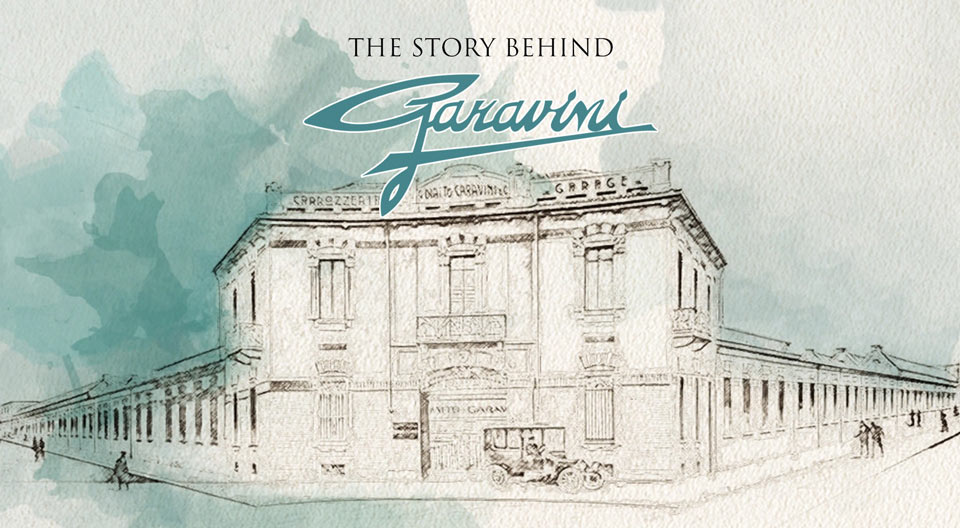
In the twilight of the 19th century, Italy was a nation on the cusp of rapid change. The fertile fields of Romagna were still home to peasant families, but the north’s industrial cities beckoned with opportunity. It was from this world that Eusebio Garavini emerged. Born in 1881 to nearly illiterate farm laborers in the village of Carpinello near Forlì – a region then known for crafting lightweight horse carriages – young Eusebio grew up far from the smokestacks and workshops of Turin. Yet he was driven by ambition. In 1898, at just 17, he made a brave decision that would shape his life and legacy: he left his rural home and migrated to Turin, the bustling epicenter of Italy’s nascent automobile industry. It was the age of Italy’s industrial awakening – the Belle Époque, when innovation and elegance went hand in hand. Turin, in particular, was alive with the hum of factories and the excitement of early motoring. Into this ferment stepped Garavini, determined to make his mark.
Early Dreams in an Industrializing Italy
Arriving in Turin in 1899, Eusebio found work as an apprentice factory laborer with Officine Diatto, one of the pioneer automotive firms. Surrounded by heavy machinery and the sharp smell of oil and metal, he learned the crafts of machining and bodywork. Garavini proved a quick study. By diligently attending evening classes after long days on the factory floor, he educated himself and rose rapidly through the ranks. In almost no time, the young man from Romagna became a foreman at Diatto. His talent did not go unnoticed. Eusebio moved on to hone his skills at Locati & Torretta, another respected coachbuilding workshop in Turin, and soon thereafter assumed a position as the technical director at Carrozzeria Taurus. In these roles he not only mastered the art of coachbuilding but also mentored other craftsmen – shaping a new generation of Italian artisans in metal and wood. All of this experience proved invaluable, for it laid the foundation for Garavini’s own entrepreneurial journey.
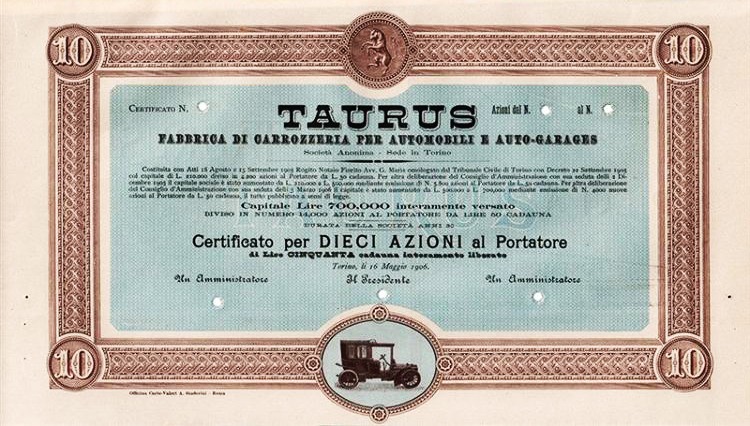
By the early 1900s, Italy’s automotive scene was flourishing. Fiat had been founded in Turin in 1899, and a constellation of smaller car makers and coachbuilders sprang up. The atmosphere in the city was electric: skilled workers and bold inventors collaborated to turn out motorized carriages for a growing market of well-heeled enthusiasts. Eusebio Garavini was determined to join these innovators. In 1908, after nine years of learning the trade, he took a leap of faith. With the encouragement of investors impressed by his workmanship at Taurus, Eusebio struck out on his own and purchased an existing workshop called “Carrozzeria Piemonte”. It was a modest business focused on building horse-drawn carriages and rudimentary motorcar frames, but under Garavini’s direction it would soon turn toward the creation of elegant automobile bodies. Thus, in a small shop on Turin’s Corso Regina Margherita, Carrozzeria Garavini’s journey began. The timing was perfect: Italy was moving from carriages to cars, and a skilled coachbuilder with modern ideas was poised to thrive.
🔗 Read more: Turin’s Automotive Industry – A Journey Through Time
From the outset, Eusebio Garavini dreamed big. He envisioned not just crafting one-off custom bodies, but elevating Italian coachbuilding to international prominence. Those dreams quickly started to materialize. In 1911, only three years after its founding, the little Carrozzeria Piemonte had grown in stature such that it attracted partnerships with some of Turin’s automotive elite. Garavini entered into an agreement with his former employer Diatto, merging operations to form G. Diatto – E. Garavini & Co.. This was a remarkable alliance – the Diatto brothers brought capital and a prestigious name, while Garavini contributed youthful energy and technical expertise. Other notable figures, including G.B. Ceirano (one of the famed Ceirano brothers who themselves helped found brands like Itala and SCAT) and Giovanni Fissore, joined as partners. Together they envisioned a company that could build everything from luxury touring car bodies to sturdy commercial vehicles.
Rise of a Coachbuilding Powerhouse
By 1912–1913, Carrozzeria Garavini (as the business was now commonly known) was hitting its stride. The firm gained a reputation for quality and style, winning contracts to body chassis from a variety of automakers. Turin’s annual motor show and even international expositions became showcases for Garavini’s artistry. Notably, Eusebio’s company became the first Italian coachbuilder to have its own stand at the Paris Auto Salon, a significant achievement in an era when France led automotive fashion. Showing a custom “Coupé Viola” on a Diatto chassis at the 1913 Turin Motor Show helped cement Garavini’s name as a byword for elegance. The French debut in Paris gave the young Italian firm credibility beyond its borders, proving that Italian coachbuilders could compete with the best in Europe. In those pre-war years – often called the golden age of the automobile – Carrozzeria Garavini’s creations blended Italian flair with the luxurious sensibilities of the Belle Époque.
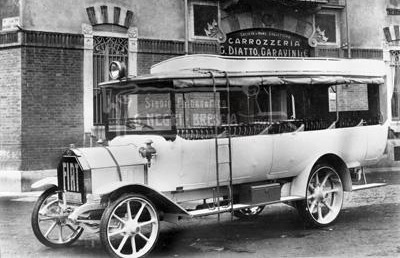
Even as his designs earned accolades, Eusebio never lost sight of the practical side of the business. He steadily grew his workshop into a real manufacturing concern. By 1914, on the eve of the First World War, the company had about 100 employees, double the workforce of a few years earlier. Garavini’s operation was remarkable for its time – a medium-sized Italian coachbuilder with an international profile. The firm’s output ranged from sumptuous one-off town cars for aristocrats to omnibuses and lorries (trucks) for commercial clients. This diversity would prove crucial for survival in the challenging years ahead.
When World War I engulfed Europe in 1914–1915, Italy’s economy and industries were forced to pivot to war footing. Carrozzeria Garavini was no exception. As Italy entered the Great War in 1915 on the Allied side, private automobile production took a backseat to military needs. Garavini’s factory retooled to build for the war effort, producing robust military vehicle bodies, trucks, ambulances, and other rescue vehicles for the Italian Army. Demand from the front was high, and the company expanded rapidly despite the hardships of wartime. At the peak of WWI, Garavini’s workforce swelled to over 500 skilled workers, laboring in shifts to keep up with orders. This was an astonishing growth for a firm that had started with just 50 employees a few years before, and it spoke to Eusebio’s organizational talent and the strategic importance of his production. The war years were difficult – resources were scarce and Italy itself saw social turmoil – but Garavini managed not only to stay afloat, he built a foundation for post-war success.
🔗 Read more: The History of Italian Coachbuilders
Amid this intense period, a significant change occurred internally: in 1917, the Diatto brothers withdrew from the partnership, perhaps to focus on their own car manufacturing enterprise. Eusebio Garavini’s and Diatto’s visions had diverged, and their alliance amicably came to an end. From April 11, 1918, the company was reorganized under a new name, E. Garavini & Co., signaling that Eusebio was now firmly at the helm of an independent coachbuilding firm once more. The timing was fortuitous – later that year World War I ended, and Italy emerged on the victorious side, albeit battered. Carrozzeria Garavini, having contributed to the war effort, survived the conflict with its facilities and finances intact. This positioned the company to take advantage of the peace that followed.
The Roaring Twenties: Style, Innovation, and Prestige
The 1920s ushered in a period of optimism and creative explosion for Carrozzeria Garavini. As soon as the war was over, Eusebio pivoted back to civilian automobiles, eager to fulfill pent-up demand for new cars among Italy’s wealthy and upwardly mobile classes. Turin in the 1920s was a city of innovation – Fiat and Lancia were rolling out new models, and a burgeoning class of industrialists and gentry sought bespoke coachbuilt bodies to distinguish their automobiles. Garavini’s workshop answered the call. “Finita la guerra… Garavini decise di tornare alle automobili,” notes one account – once peace returned, Garavini wasted no time resuming luxury car production on a variety of prestigious chassis.
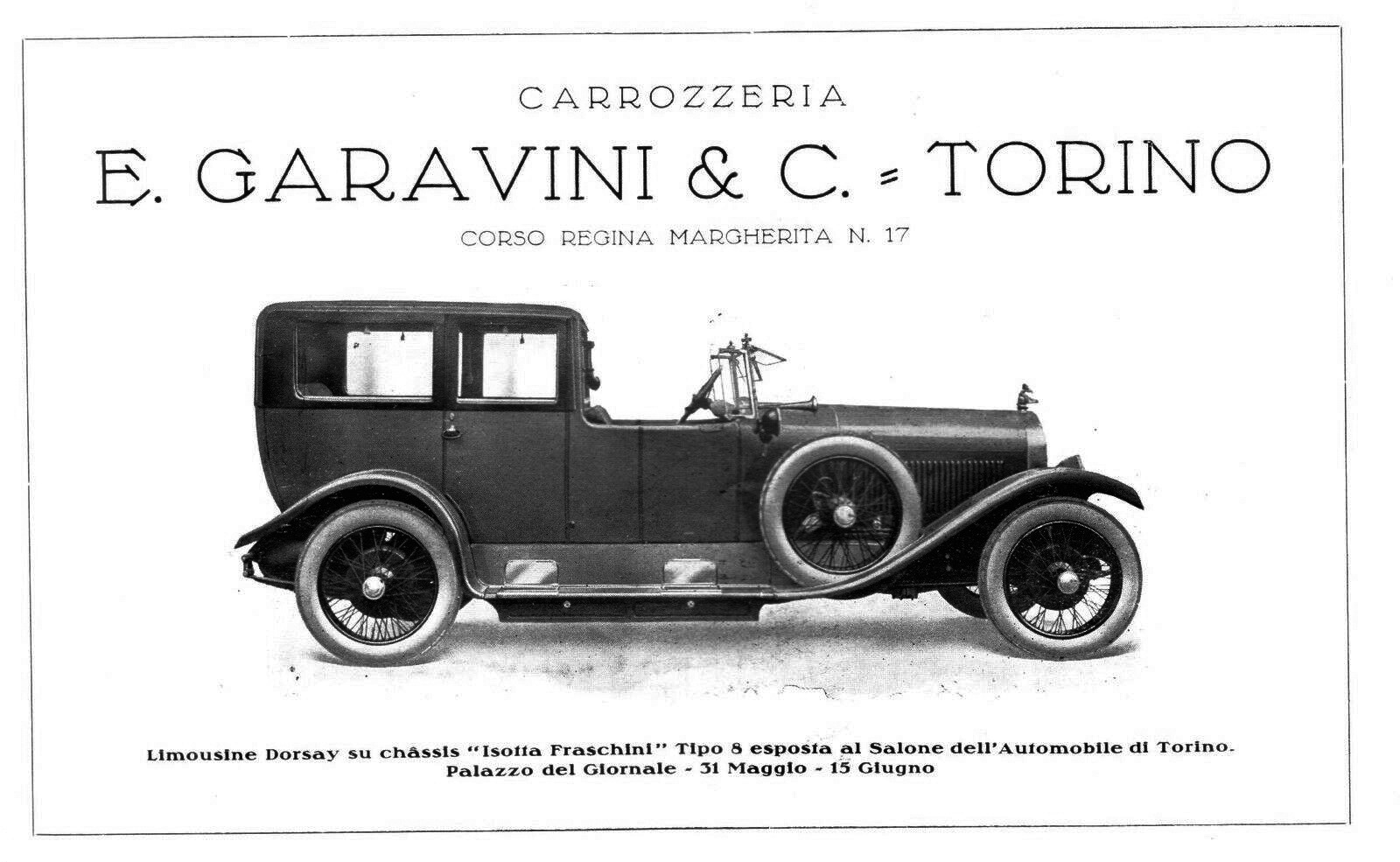
The company’s list of clients and projects in the 1920s reads like a who’s-who of classic motoring. Fiat, Lancia, Isotta Fraschini, Itala, Alfa Romeo, and even exotic foreign makes like Bugatti and Delahaye all supplied rolling chassis to Garavini, on which his craftsmen would construct tailor-made bodies. In many cases, Garavini acted as an external collaborator or finisher for luxury models – meaning that even cars produced in series by the big manufacturers could be sent to his carrozzeria for a bespoke touch before delivery. This practice was common in the era of coachbuilt cars: a customer buying, say, a Lancia Lambda or an Alfa Romeo 6C could commission a unique body from an independent coachbuilder instead of accepting the standard factory coachwork. Garavini’s designs in this period were admired for their tasteful proportions and fine craftsmanship, combining Italian elegance with robust construction suitable for both city boulevards and the rough country roads of the time.
One of Garavini’s post-WWI innovations caused a minor sensation: the “Belvedere” automobile. This was a special vehicle featuring a novel convertible roof – a top that one person could easily unfold or fold away, offering an open-air experience without the fuss that typically accompanied early convertible tops. The Belvedere’s ingenious roof made it a crowd favorite, and the name (“Belvedere” meaning “beautiful view”) captured the spirit of open-top motoring in scenic locales. Alongside the Belvedere, Garavini produced an ultra-luxurious “Coupé Royal” and a series of refined limousines with interior driver’s compartments (a style where the chauffeur sat inside with the passengers, rather than in an open cockpit). These were the sort of cars that won prizes at the Concorsi d’Eleganza – the famed European beauty contests for automobiles. Indeed, Garavini’s creations won numerous awards at prestigious concours and auto shows, enhancing the company’s prestige throughout the decade. If the Belle Époque had sparked Eusebio’s imagination as a young man, the “Roaring Twenties” provided the stage on which he truly realized his vision of marrying Italian artistry with automotive luxury.
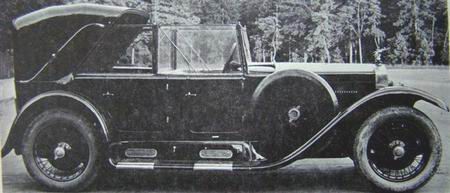
Carrozzeria Garavini not only served captains of industry and European nobility; it even caught the attention of political leaders of the day. In Fascist Italy, la bella macchina (the beautiful car) was as much a status symbol as ever. Benito Mussolini himself became a Garavini client, ordering at least one custom-bodied car from the Turin workshop. It’s tantalizing to imagine the Dictator – ordinarily fond of austere, nationalistic imagery – being chauffeured in a sleek Garavini-built limousine. Beyond Italy’s borders, Garavini’s fame reached Africa: Emperor Menelik II of Ethiopia and Empress Taitù were said to have used a Garavini-bodied car to travel their realm’s rugged roads. Considering Ethiopia’s challenging terrain, this was a testament to the durability of Garavini’s work (legend has it that Menelik chose the sturdy Italian coachwork after seeing it perform well off-road). Other European royals and dignitaries counted among the clientele, firmly establishing Garavini as a coachbuilder to the elite.
🔗 Read more: The Weymann System: How It Revolutionized Automotive Comfort in the 1920s
Underpinning the style was serious technical innovation. The late 1920s saw a revolution in automotive body engineering, and Carrozzeria Garavini was at its forefront. Traditionally, car bodies were built on wood frames skinned in metal or fabric. They were heavy and prone to squeaks and flexing, especially on Italy’s bumpy roads. In 1927, a French-American designer, Charles Weymann, popularized an “elastic” body system using flexible joints and fabric covers to reduce noise and wear – an idea that swept through coachbuilding circles. Rather than simply license the Weymann system as many competitors did, Eusebio Garavini developed his own solution. In 1927 he patented the “Pluemelastica” system (also stylized as Plumelastica), followed shortly by a refined variant called “Plumacciaio”. These patents introduced rubber dampers and flexible mounts between the car’s body and chassis to absorb shocks and prevent the body panels from cracking under stress. At the 1927 Milan Motor Show, Garavini unveiled a prototype featuring his superleggerissima Pluemelastica coachwork – a lightweight flexible body construction – which one contemporary report hailed as “the only real innovation” of the entire salon. It was a bold move: a fully Italian-engineered answer to the Weymann flexible body, and in fact the first such Italian patent in this field. Though these elastic body systems were a niche solution (only a handful of cars were ultimately built using Garavini’s patents, including a one-off Quattro Stagioni on a Mercedes chassis displayed in 1926), the effort underscored Garavini’s reputation for independent thinking and engineering prowess. He was a coachbuilder who wasn’t content just to imitate trends; he sought to set them.
Another area of innovation was the use of new materials and construction techniques. As early as 1926, Carrozzeria Garavini introduced its first body made entirely of metal, with no wood structure – a ahead-of-its-time development in Italy. This all-steel body, which featured a fully opening roof, anticipated the industry’s broader move toward steel monocoque designs in the coming decades. Garavini also experimented with lightweight alloys: for instance, his company made use of duralumin, an aluminum alloy, which they anodized to create a hard, durable protective skin on car bodies. Such techniques were cutting-edge in the coachbuilt era and showed that Garavini’s artisans were as comfortable in a materials lab as they were in a styling studio.
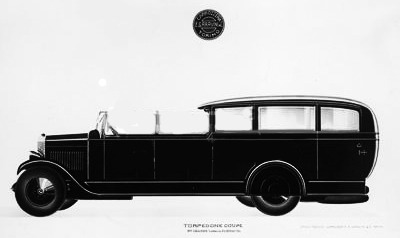
All the while, the company kept expanding its reach. By the late 1920s, Garavini had sales showrooms in major Italian cities, making it easier for well-heeled clients to order a Garavini creation without traveling to Turin. The carrozzeria even diversified beyond private cars. It built refrigerated trucks, city buses, and ambulances for municipal fleets in Rome and Turin, often applying the same creativity to these utilitarian vehicles as it did to limousines. At the 1930 Milan Salon, for example, Garavini displayed a remarkable transformable bus – a “low-noise Belvedere” omnibus with a roof that could be converted by a single person from closed to open-top, featuring ultra-thin roof pillars and large glass windows for visibility. This bus had a ventilation system that filtered fresh air for passengers and expelled engine fumes even with windows shut – a very advanced feature for the time. It also boasted an adjustable driver’s seat that could slide and fold, creating a flat floor for greater versatility. Crowds marveled at this blend of luxury, engineering, and practicality, and it underscored that Garavini was more than just a boutique coachbuilder; it was an innovator in transportation design broadly.
By the end of the 1920s, Carrozzeria Garavini stood at a pinnacle. The company reportedly grew to employ over 700 workers at its peak, a workforce size rivaling some actual automobile manufacturers. Eusebio Garavini had risen from farm boy to industrialist, presiding over a thriving enterprise. Yet, while the anni ruggenti (roaring years) were kind to Garavini, storm clouds were gathering on the horizon – both for the company and for Italy.
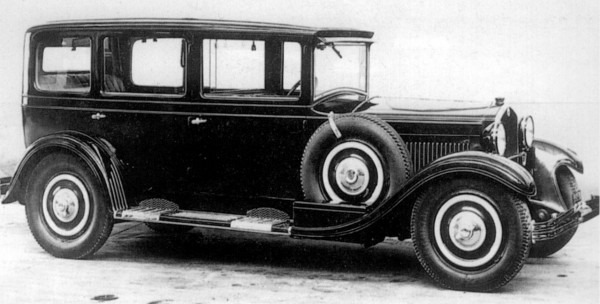
The 1930s opened with promise but soon turned into a decade of formidable challenges. In 1929, the Wall Street crash triggered a global economic depression that did not spare Italy. Demand for luxury coachbuilt cars contracted sharply as even wealthy clients grew cautious with their spending. At the same time, Mussolini’s Fascist regime was asserting greater control over the economy and championing autarchia – economic self-sufficiency – which put pressure on industries to consolidate and prioritize volume production of strategic goods. For bespoke coachbuilders like Garavini, these trends spelled trouble.
Trials and Transformation in the 1930s
The early years of the depression saw Carrozzeria Garavini struggle to stay afloat. Large orders dried up, and the international clientele retrenched. Serious difficulties beset the company in the early 1930s. Despite Garavini’s illustrious reputation, the finances grew strained. By 1933, the situation became untenable and the firm was driven into bankruptcy. It was a stunning reversal of fortune – in 25 years Garavini had survived wars and won honors, but an economic slump brought it to its knees. However, this was not quite the end. In 1935, a new lifeline appeared when a management company took over and restructured Garavini, renaming the firm “Stabilimenti Garavini” (Garavini Works). Eusebio Garavini remained involved, but now with external management shoring up the business. The reconstituted company focused on efficiency and leveraging Garavini’s technical strengths to recover its position.
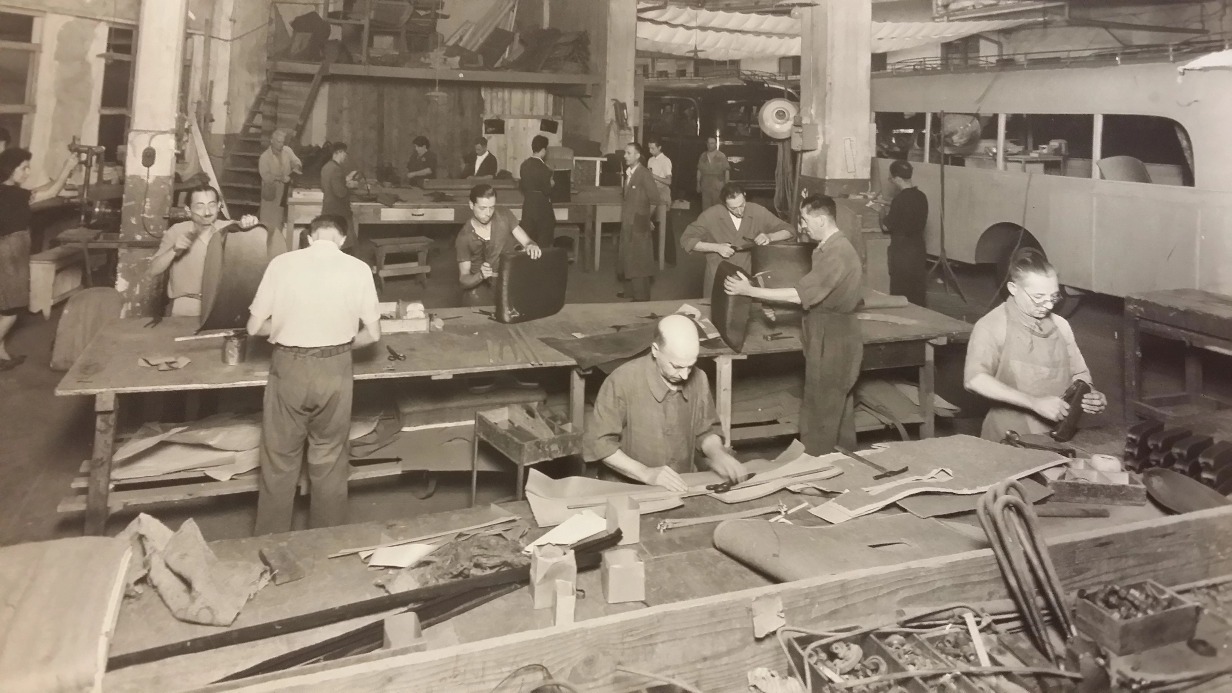
Throughout the mid-1930s, Italy’s Fascist government also encouraged domestic firms to contribute to national projects. There was an emphasis on modernizing Italy’s infrastructure, which included public transport and military rearmament. Under the new “Stabilimenti” banner, Garavini directed more effort to commercial and military vehicles, areas where there might be steady contracts. The late 1930s in Europe were a tense pre-war period, and Italy, under Mussolini, was gearing up militarily after its campaigns in Ethiopia (1935–36) and alignment with Nazi Germany. By the time World War II broke out in 1939 (Italy joined in 1940 on the Axis side), Carrozzeria Garavini was again pressed into service for the nation.
🔗 Read more: Italian Coachbuilders Under Fascism and Beyond
During WWII, Garavini’s facilities worked at full capacity building vehicles for the Italian army. This included not just standard trucks and ambulances (as in the first war) but also more specialized equipment. One particularly ingenious product was the motorized sled that Garavini manufactured for the ARMIR – the Italian Expeditionary Corps in Russia. These motor sledges were designed to traverse the snowy, freezing conditions of the Eastern Front, where Italian troops found themselves woefully ill-prepared for winter warfare. In addition, Garavini produced mobile field offices and communications vehicles: for instance, mobile telegraph and radio vans, field repair trucks (carri officina), and other special-purpose vehicles to support the military’s needs. Essentially, the carrozzeria applied its coachbuilding know-how to turn basic truck chassis into the Swiss Army knives of vehicles – outfitted with whatever body and equipment was required, from radio transmitters to medical stations. These contributions were important to the war effort, but they came at a high price for the company. Allied bombing raids on Turin and the intense combat of the war years seriously damaged Garavini’s factory. Unlike in WWI, when Italy had been spared fighting on its own soil, in WWII the industrial centers of northern Italy were targets, and by the war’s end in 1945 the Garavini works had been hit and partially ruined.
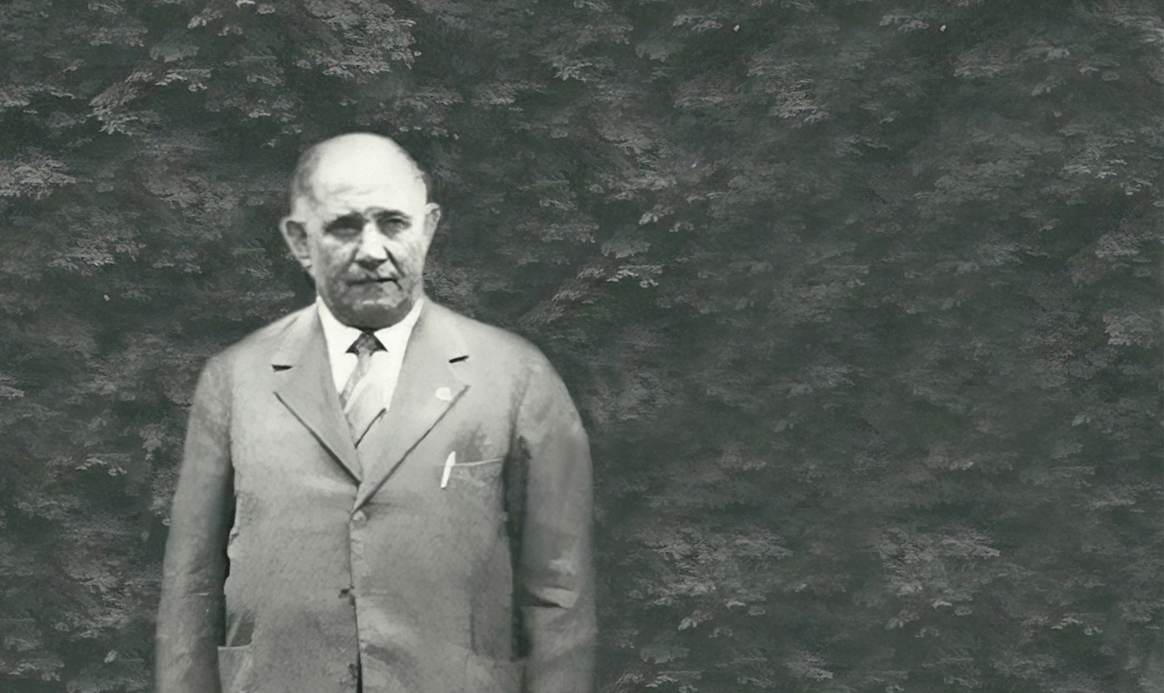
Tragically, the turmoil of wartime coincided with the twilight of Eusebio Garavini’s own life. He had guided his company through yet another war, but the strain was immense. Eusebio Garavini passed away on May 6, 1947, just two years after World War II ended. He was 66 years old. One can imagine that he saw Italy’s liberation and the start of rebuilding but also realized that the world – and the automotive industry – had changed profoundly. At the time of his death, Eusebio was still serving as president and general manager of Carrozzeria Garavini. His nearly half-century at the forefront of coachbuilding had left an indelible mark on Italian automotive design.
Post-War Challenges and the End of an Era
In the late 1940s, Italy underwent a dramatic transformation. The monarchy was abolished in the 1946 referendum (an event Eusebio lived to witness, as noted in his memoirs), and the Italian Republic was born. The economy was in shambles from the war, but the Marshall Plan and a spirit of renewal spurred rapid growth – the miracolo economico (economic miracle) of the 1950s was on the horizon. For the automotive world, however, the post-war era ushered in the age of mass production and unitary construction (monocoque) car bodies. The handcrafted, bespoke approach of the classic coachbuilders faced an existential challenge: Italy’s roads would soon be filled with inexpensive family cars like the Fiat 500 “Topolino” and mass-produced sedans that left little room for custom body artisans except in the high-end sports car niche.
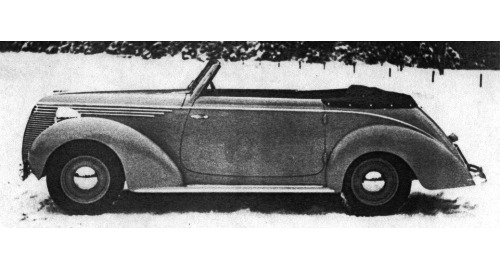
After Eusebio’s death, his son Aldo Garavini took over the reins of the company in 1947. Aldo inherited not only a proud legacy but also the daunting task of steering a luxury coachbuilder in a rapidly changing market. In the immediate post-war years, there was still some demand for custom work and certainly a need for commercial vehicles, so Carrozzeria Garavini tried to play to its strengths. The firm focused increasingly on buses and trolleybuses – vehicles where bespoke body construction was still often required. In fact, during the war in 1942, Garavini’s engineers had patented an innovative three-axle trolleybus design, where the articulation and suspension systems allowed a smoother ride for public transit. Aldo sought to capitalize on such technical know-how. In 1950, Garavini introduced a modern three-axle trolleybus model, applying the company’s patented ideas in real-world service. The company also continued refining its all-metal body construction techniques, completely phasing out the old practice of using wood frames – something Garavini had actually pioneered decades earlier. Engineers at Garavini even toyed with the principles of monocoque (unit-body) construction, reasoning that the “ideal car” would have a load-bearing body shell, offering greater strength and capacity with less weight. These forward-looking experiments showed that the Garavini spirit of innovation was alive and well. They made extensive use of light alloys and new materials – for example, coating duralumin panels with a hard oxide layer to ensure durability. In many respects, the carrozzeria was keeping pace technically with the new post-war automotive paradigms.
🔗 Read more: The Golden Age of Italian Fuoriserie: Coachbuilt Dreams of the 1950s
However, the broader market trends were not on Garavini’s side. Standardization was the order of the day. As Europe rebuilt, automobile manufacturers themselves ramped up production of complete, fully-bodied cars that left showrooms ready-to-drive. The era when a wealthy client would buy a bare chassis from Alfa Romeo or Fiat and send it to a coachbuilder for custom bodywork was fading. Now customers were content with factory designs, and even luxury marques started offering stylish bodies produced in-house or by a select few coachbuilding firms that had integrated into their production lines. Garavini’s business – rooted in an earlier ethos of bespoke luxury – began to dwindle. The company faced a painful dilemma: diversify or disappear. Some rival coachbuilders, like Pinin Farina and Touring, adapted by focusing on niche sports cars or becoming design subcontractors for big manufacturers. Garavini, however, was reluctant to abandon its identity. The firm had always stood for tailor-made elegance and personalized detail, and by the 1950s it resisted shifting to spartan mass-market projects. This purist stance, while admirable, came at a cost.
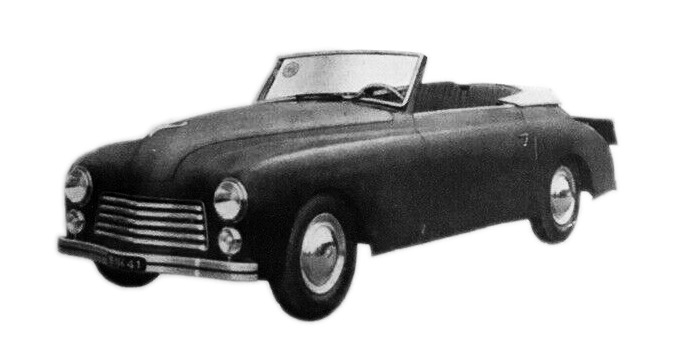
By the mid-1950s, Carrozzeria Garavini could not sustain itself independently. Orders for custom luxury cars were extremely scarce, and the bus and coach work alone was not enough to keep the large Turin facilities occupied. Despite having earned numerous awards and maintaining a respected name, the company simply could not reconcile its legacy with the new automotive reality. In 1958, after fifty years of extraordinary craftsmanship, Carrozzeria Garavini ceased operations and the storied brand name disappeared. The end came in the form of a merger with Viberti, a larger Turin-based manufacturer known for commercial vehicle bodies and trailers. In essence, Garavini’s remaining operations were absorbed by an industrial entity that continued in the commercial vehicle sector. It was a quiet exit for a company that in its heyday had sent magnificent motorcars to kings and captains of state. Classic car enthusiasts and historians would later look back on Carrozzeria Garavini as one of the last great independent coachbuilders to fall victim to the changing times at the end of the coachbuilt era.
Garavini’s Second Act
Although the original Carrozzeria Garavini closed its doors in 1958, the legacy Eusebio Garavini built did not vanish from the hearts of car lovers. Through the latter half of the 20th century, Garavini-bodied automobiles – from stately Isotta Fraschinis to sporty Lancia cabriolets – became prized collectibles, cherished for their craftsmanship and the history they carry. The Garavini name remained synonymous with an era of Italian coachbuilding excellence, often invoked alongside other great carrozzerie of pre-war Italy. Enthusiasts swapping stories at classic car rallies or concours d’elegance would recount how Garavini had once employed hundreds and won international fame. In a way, the spirit of Garavini lived on in every meticulously restored vehicle wearing its badge.
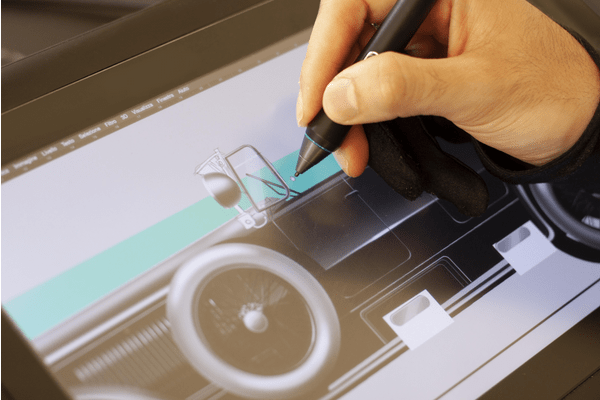
This enduring admiration eventually sparked an extraordinary development: the rebirth of the Garavini marque in the 21st century. In 2020, as the original coachbuilder’s 111th anniversary approached, a group of automotive aficionados and entrepreneurs in Turin decided to revive the Garavini name. With respect for its heritage and an eye on the future, they relaunched Carrozzeria Garavini as a boutique design house, aiming to continue the tradition of Italian craftsmanship and creativity in the modern era. “Garavini is a reborn coachbuilder, continuing the heritage of a body shop founded back in 1908,” wrote one news outlet, announcing that the famous name was returning to the world of bespoke automobiles. The new Garavini Torino set out not to mass-produce cars but to create limited-edition coachbuilt specials – much as Eusebio did, albeit for contemporary tastes and technologies.
True to form, the revived Carrozzeria Garavini immediately started turning heads with its projects. In 2024, for example, it unveiled a whimsical reimagining of the tiny electric Fiat Topolino city car, transforming the humble EV into a high-end, doorless beach cruiser inspired by the Dolce Vita days of Capri. Only ten of these bespoke Topolino conversions would be built, each tailored to its buyer – a concept Eusebio would surely have approved of. The mere fact that clients were willing to pay a premium for an individually crafted version of a common city car proved that the appetite for coachbuilt exclusivity had not died out. It was a fitting homage to Garavini’s legacy: taking a mass-market machine and infusing it with artistry, luxury, and a dash of Italian fun.
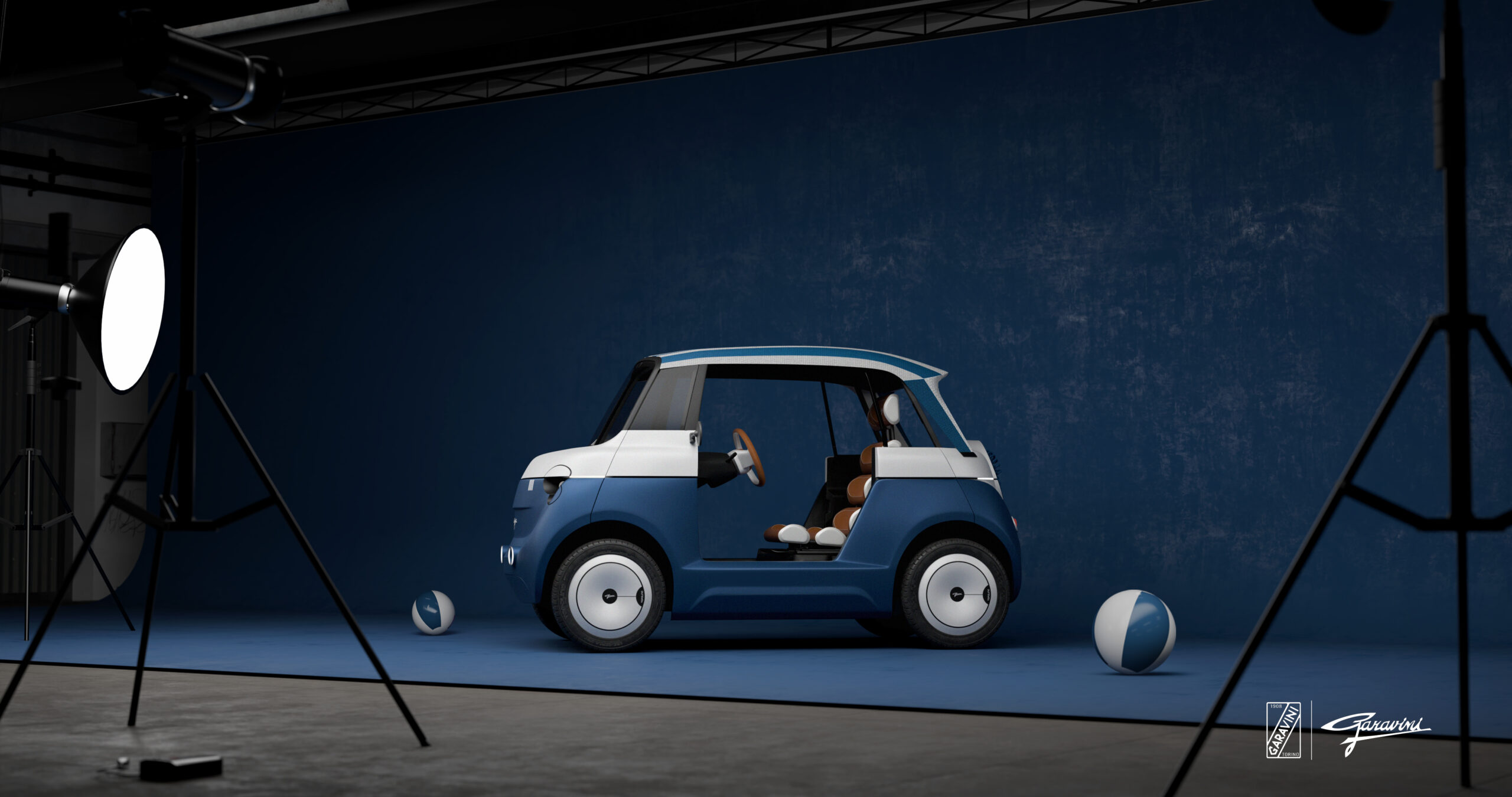
As Carrozzeria Garavini moves forward in this new millennium, it carries with it the story of a family and a brand that traversed Italy’s 20th-century upheavals – from the dawn of industrialization, through two World Wars and the rise and fall of Fascism, into the modern age. It’s a story of resilience and reinvention. Eusebio Garavini’s life mirrored the arc of Italian automotive history: he started with horse carriages and candlelit workshops and lived to see jet engines and the atomic age. Through it all, he remained devoted to the idea that an automobile could be more than just a means of transport – it could be a work of art, a symbol of style, and a testament to human ingenuity.
Today’s classic car enthusiasts remember Carrozzeria Garavini not only for the gorgeous vehicles it produced, but for what those vehicles represent. They harken back to a time when Italy found its footing as an industrial nation, when a blacksmith’s son could become a captain of industry by virtue of skill and determination. They remind us of the contradictory decades of the early 20th century – an era of great elegance and great turmoil – in which Garavini and his contemporaries had to adapt constantly, whether to peace or to war, to boom or bust. And now, with the brand’s revival, a new generation is bridging past and future, proving that the art of coachbuilding can be timeless.
In the final assessment, the history of Carrozzeria Garavini is more than the tale of one company. It is a reflection of Italian creativity and perseverance across one of the most dynamic periods in history. From Eusebio’s first hammer blows in 1908 to the cutting-edge bespoke electric cars of today, Garavini’s journey exemplifies how passion and craftsmanship can leave an enduring legacy – one that, like a finely built automobile, stands the test of time.

ABOUT THE AUTHOR
Andreas Scheidl
Italian classic car enthusiast with German roots. Renowned as a respected figure in the classic car community, he serves as a jury member at various international concours d'elegance, including the Classic Gala Schwetzingen and Mantova. As a content creator, Andreas passionately shares his profound knowledge and appreciation for vintage automobiles. His heart beats for cars designed by Giovanni Michelotti, showcasing his discerning taste and dedication to preserving the timeless elegance of automotive history.
More stories by Andreas Scheidl ↗CONTINUE READING
Posts You Might Like
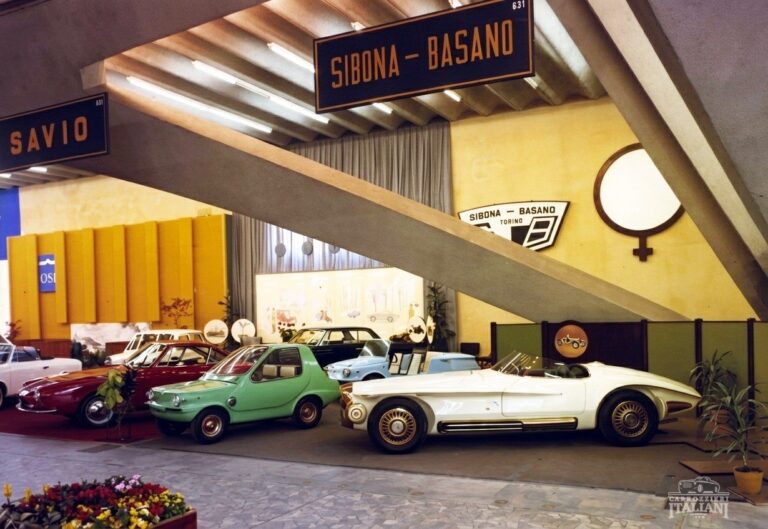
Sibona & Basano: The Turin Workshop Behind Abarth, Exner and Autonova
For a brief period in the 1960s, Sibona & Basano occupied a distinctive position in Turin's coachbuilding industry, constructing competition bodies, prototypes and experimental cars for Abarth, American designers and some of…
Read story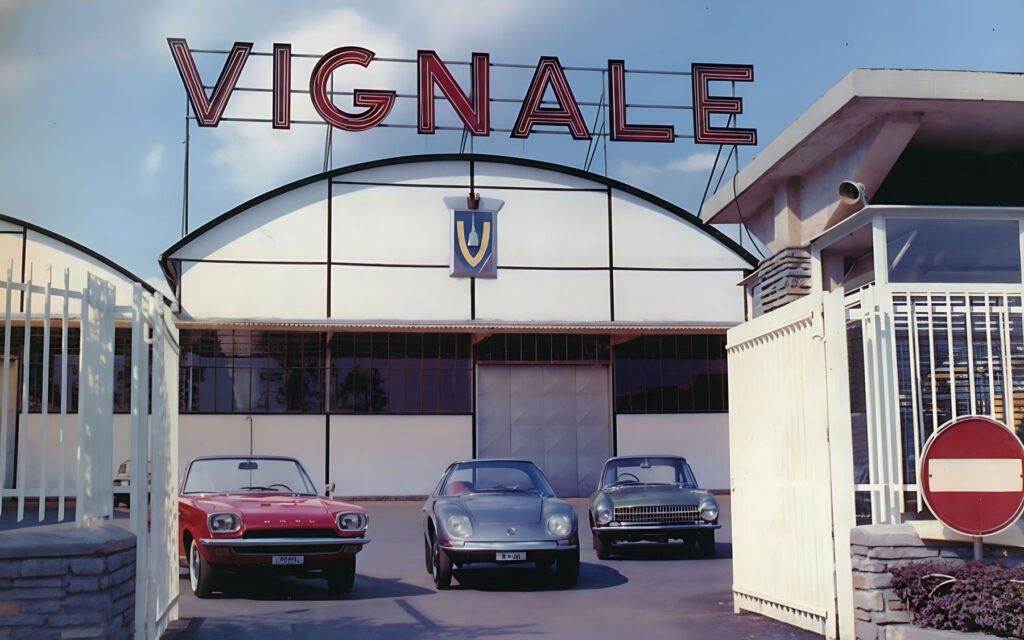
The Story of Carrozzeria Vignale
The story of Carrozzeria Vignale represents one of the many somewhat forgotten success stories born against the backdrop of an Italy that was torn apart by the Second World War and which,…
Read story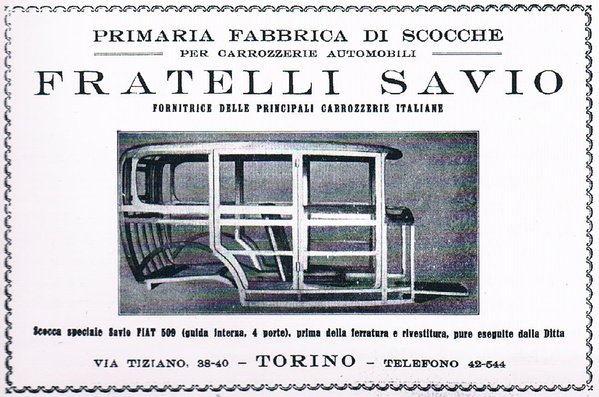
Carrozzeria Savio: The History
From early Fiat specials to the Jungla, Delta S4 and Italdesign Aztec, the story of Carrozzeria Savio is far richer than many remember.
Read story
The History of Carrozzeria Boano
The untold story of Mario Boano and Carrozzeria Boano, from Ferrari 250 GTs to the Spiaggina, reshaping Italian automotive history.
Read story
THE CONVERSATION
Comments 0
Share a memory, a period photograph or a documented detail about this story.