
Pininfarina Wind Tunnel: Where Wind Shapes Beauty
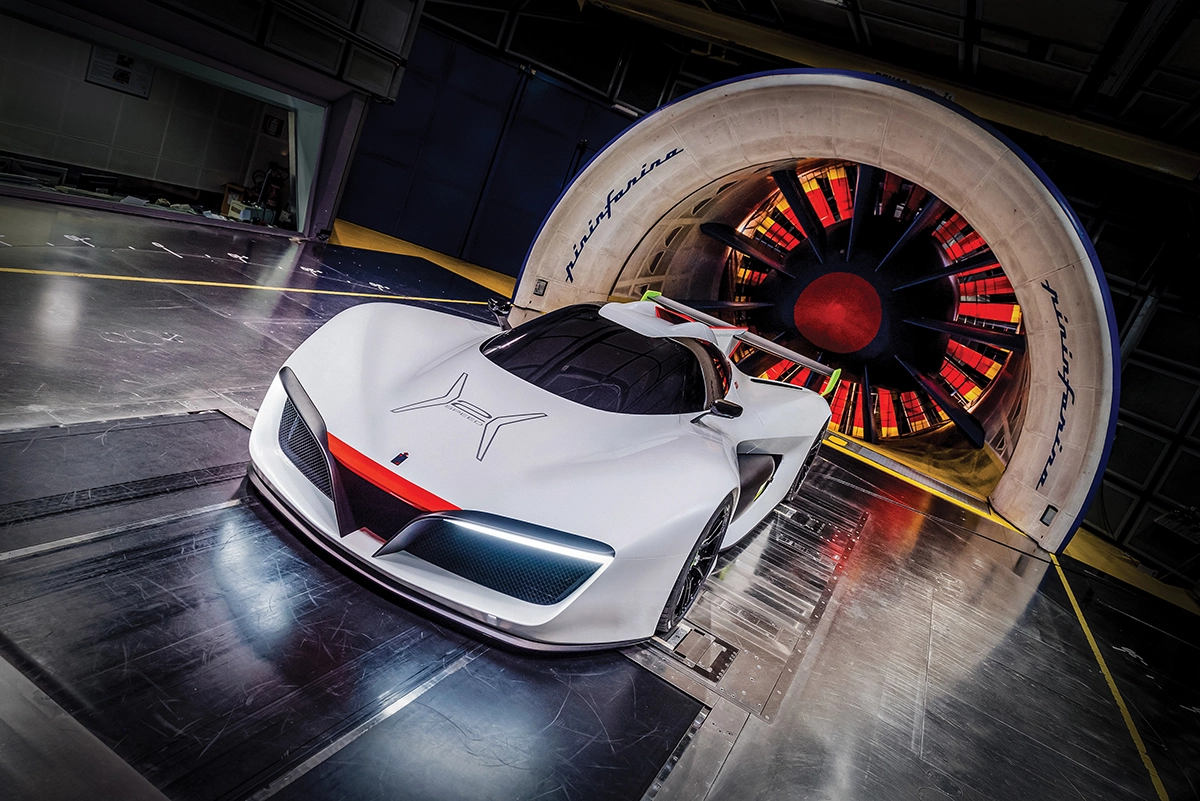
From the very beginning, Pininfarina’s founders treated the wind like a sculptor’s chisel. In the 1930s, Battista “Pinin” Farina was already fitting wheel spats and teardrop rooflines to cars like the Lancia Aprilia Aerodinamica (1936) long before wind tunnels or computers. His intuition paid off: decades later tests showed that radical design had a drag coefficient (Cd) around 0.37, light-years ahead of its contemporaries. Battista believed that nature itself held the secret to beautiful forms, famously recalling that high in the Alps he saw wind “streamlining the snow at the side of the road, carving out curved or sharp shapes at the edges”, and thought, “I wanted to copy those lines…”. His son, Sergio Pininfarina, inherited that passion and eventually turned it into cutting-edge research.
By the late 1960s, Pininfarina had become more than just a coachbuilder: under Sergio’s leadership it was a global design powerhouse. Yet the air around their Turin campus was still a wild unknown. The jet age had come and gone, but most carmakers still relied on calculation and experience, not wind tunnels, to perfect their shapes. Sergio knew that leapfrogging rivals meant measuring real airflow, not just sketching curves by eye. So in 1970 he greenlit a bold project: Pininfarina would build its own full-scale wind tunnel in Grugliasco. It was a heavy gamble – at the time only about six other full-size auto tunnels existed worldwide, and building one would cost years of work and millions of lire. “With no equivalent facility on site, even the aerodynamically astute Malcolm Sayer was forced to do full-scale testing of his Jaguars in the 24ft wind tunnel over 100 miles away at Farnborough,” wrote automotive historian Wayne Batty. Sergio reasoned that for the Ferraris and other performance cars Pininfarina was styling, the competitive edge would be worth it.
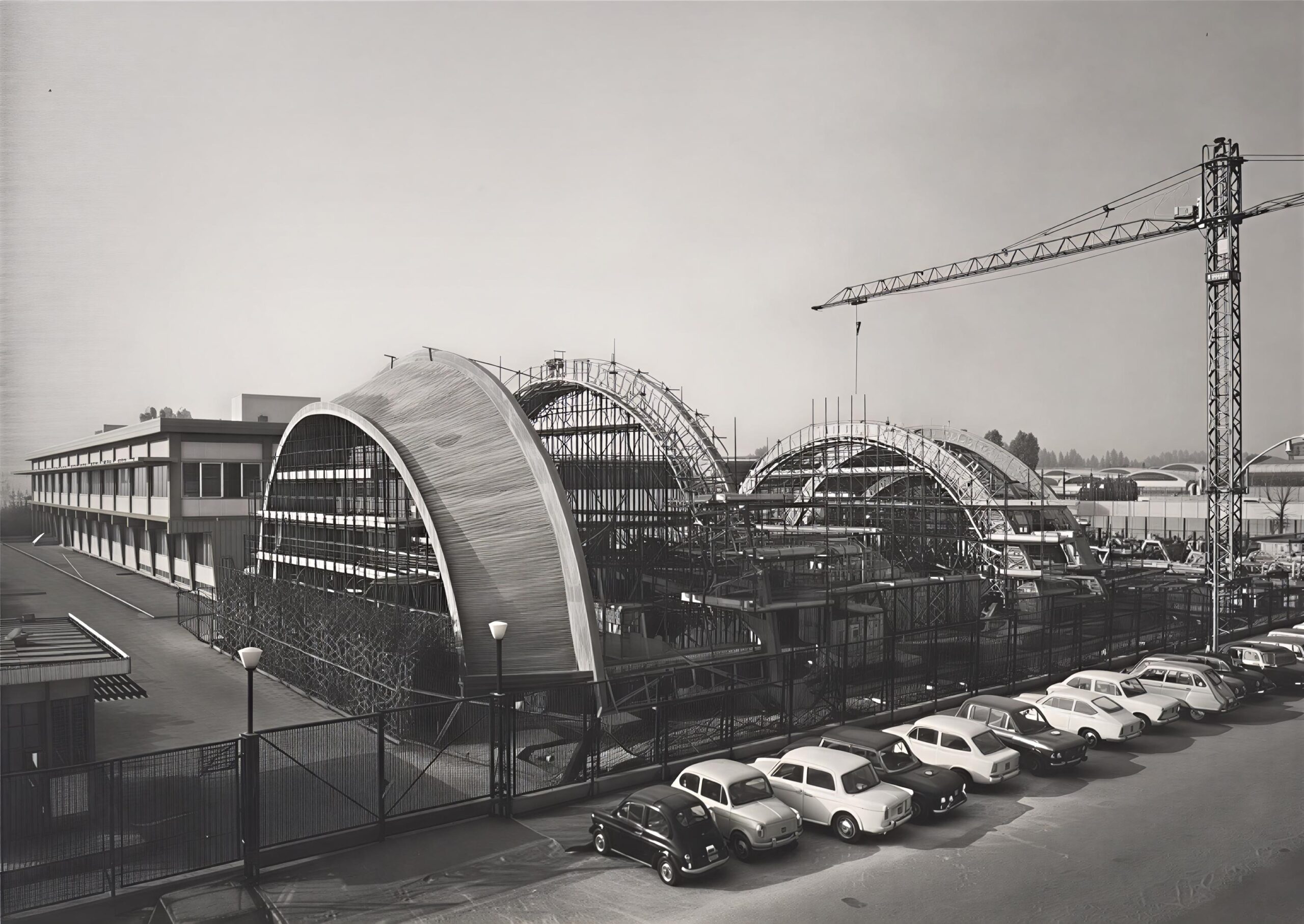
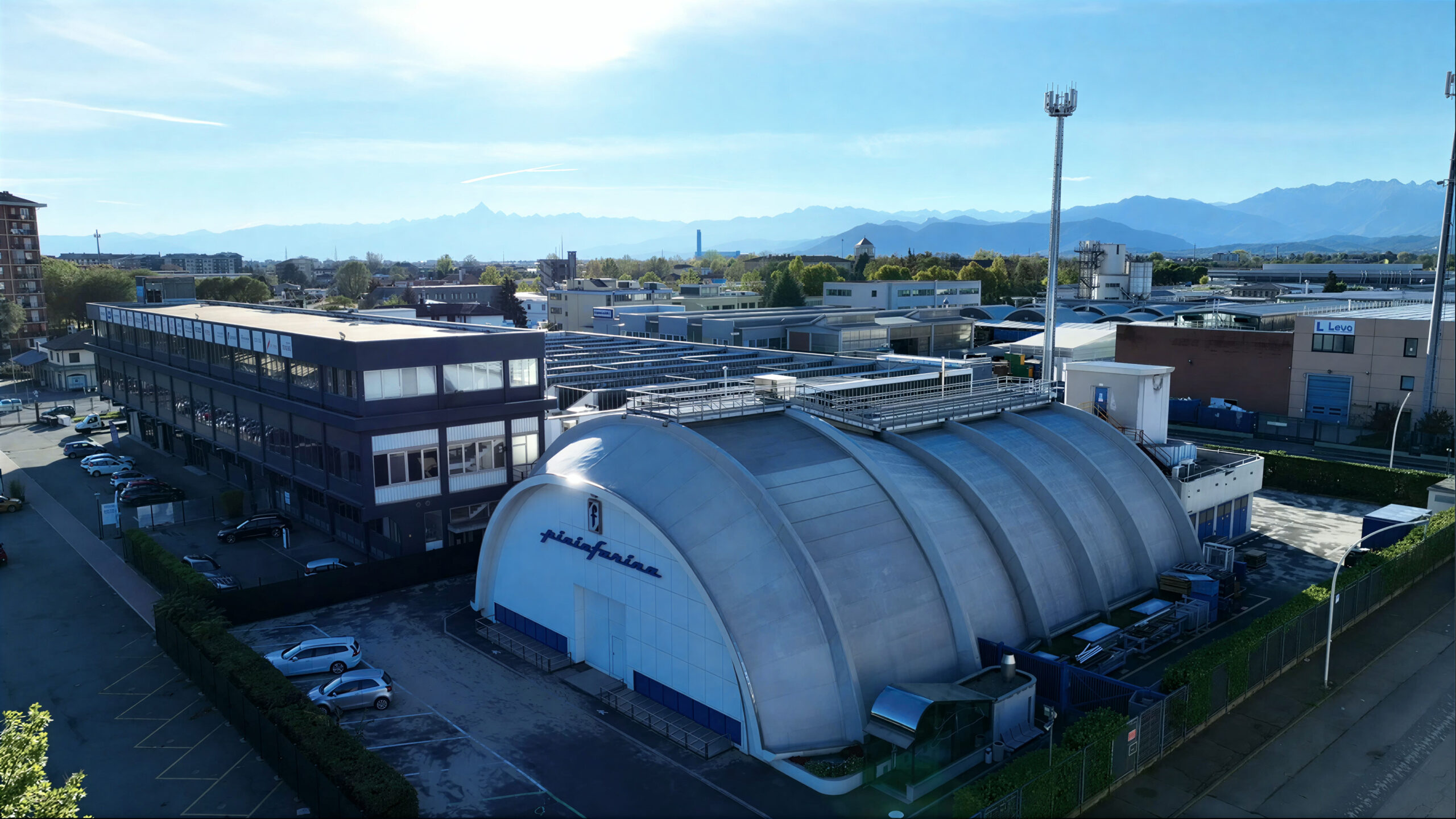
The gamble paid off. Ground was broken in 1966, and after almost three years of construction the tunnel opened in 1972. On December 19, 1972, Chairman Sergio Pininfarina officially inaugurated the Galleria del Vento di Grugliasco. It was Italy’s first wind tunnel capable of testing full-size cars, and at the moment of its birth one of only seven such facilities in the world. The inaugural roster of test cars was as glamorous as the company itself: early visits to Grugliasco included Ferrari’s new 365 GTB/4 Berlinetta Boxer, as well as the Lancia Stratos rally car and its successor the Rally 037, whose aerodynamics were refined inside this very tunnel. Just a year later, the 1973 oil crisis hit Europe; suddenly aerodynamic efficiency was no longer an academic exercise but a matter of survival. Pininfarina’s wind tunnel was already humming, and it quickly refocused on squeezing every drop of economy from its designs. By 1976, “aerodynamic efficiency had become a core tenet of car design,” and Pininfarina even teamed with Turin’s Politecnico to define the ideal low-drag passenger car shape.
Innovative Engineering in Grugliasco
What makes the Grugliasco tunnel unique is as much where it was built as how. Unlike conventional wind tunnels that use a compact circuit of square corners, Pininfarina did something unconventional: it used the factory building itself as the return circuit. In other words, the air that the giant fan pulls over a car is recirculated through rooms and corridors of the plant rather than through neat 90° turns in a separate loop. This closed-loop setup means the same air is blown over and over again, like most large-scale tunnels worldwide. Space constraints forced this unusual solution: there simply wasn’t enough room for a long straight diffuser run, so the designers placed the main fan immediately behind the test vehicle, right in the flow. In typical tunnels the fan sits far downstream, in slower-moving air, to avoid contaminating the flow. Pininfarina’s engineers countered the risk with extreme care: they built a finely tuned diffuser and added flow-straightening screens so that by the time air leaves the test section it is as smooth and uniform as any much larger facility. The result is basically a one-of-a-kind layout: “a solution practically unique in the world,” the company’s aerodynamics chief explained, which nonetheless achieves “air quality that can hold its own against much bigger conventional plants”.
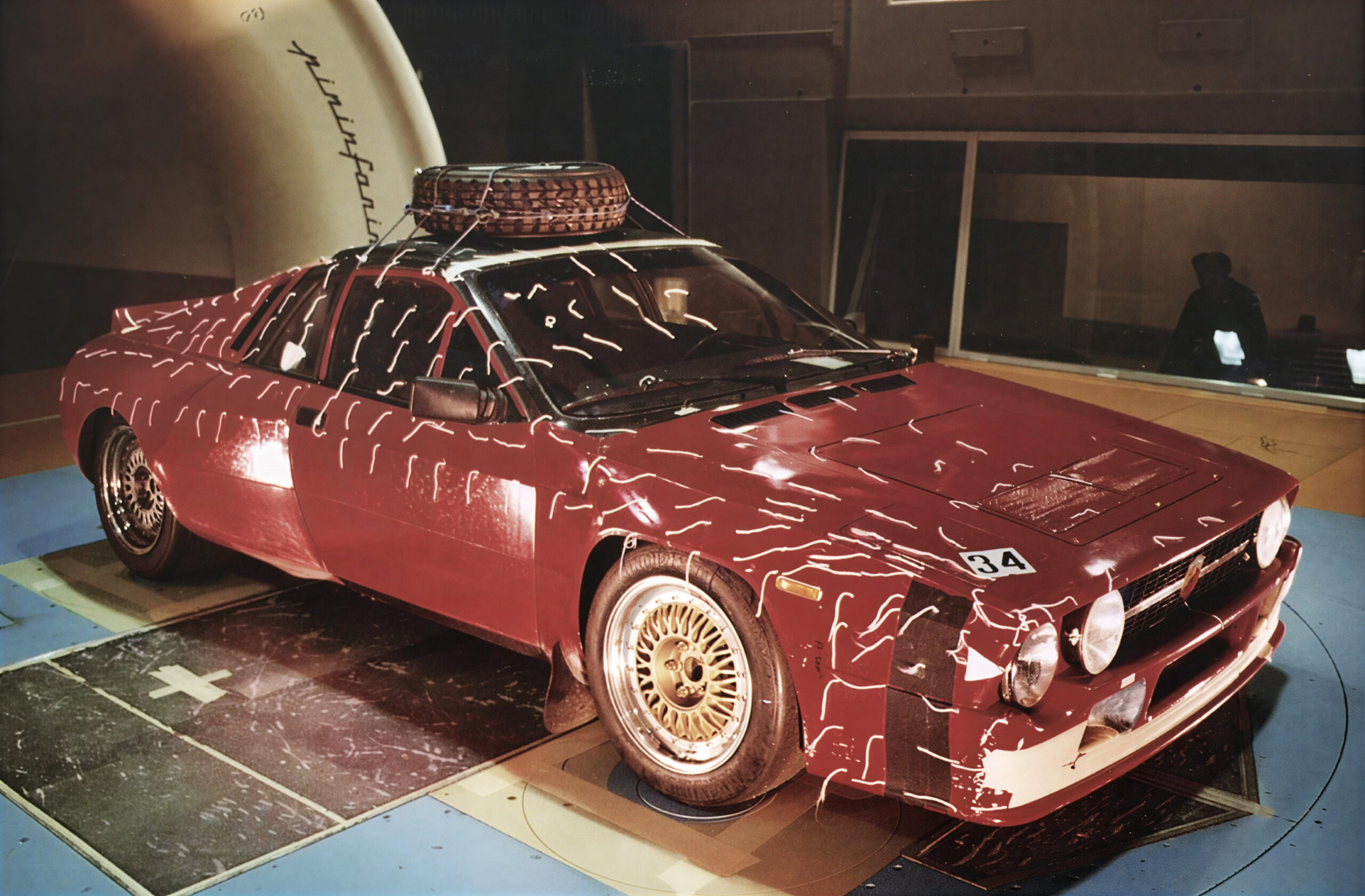
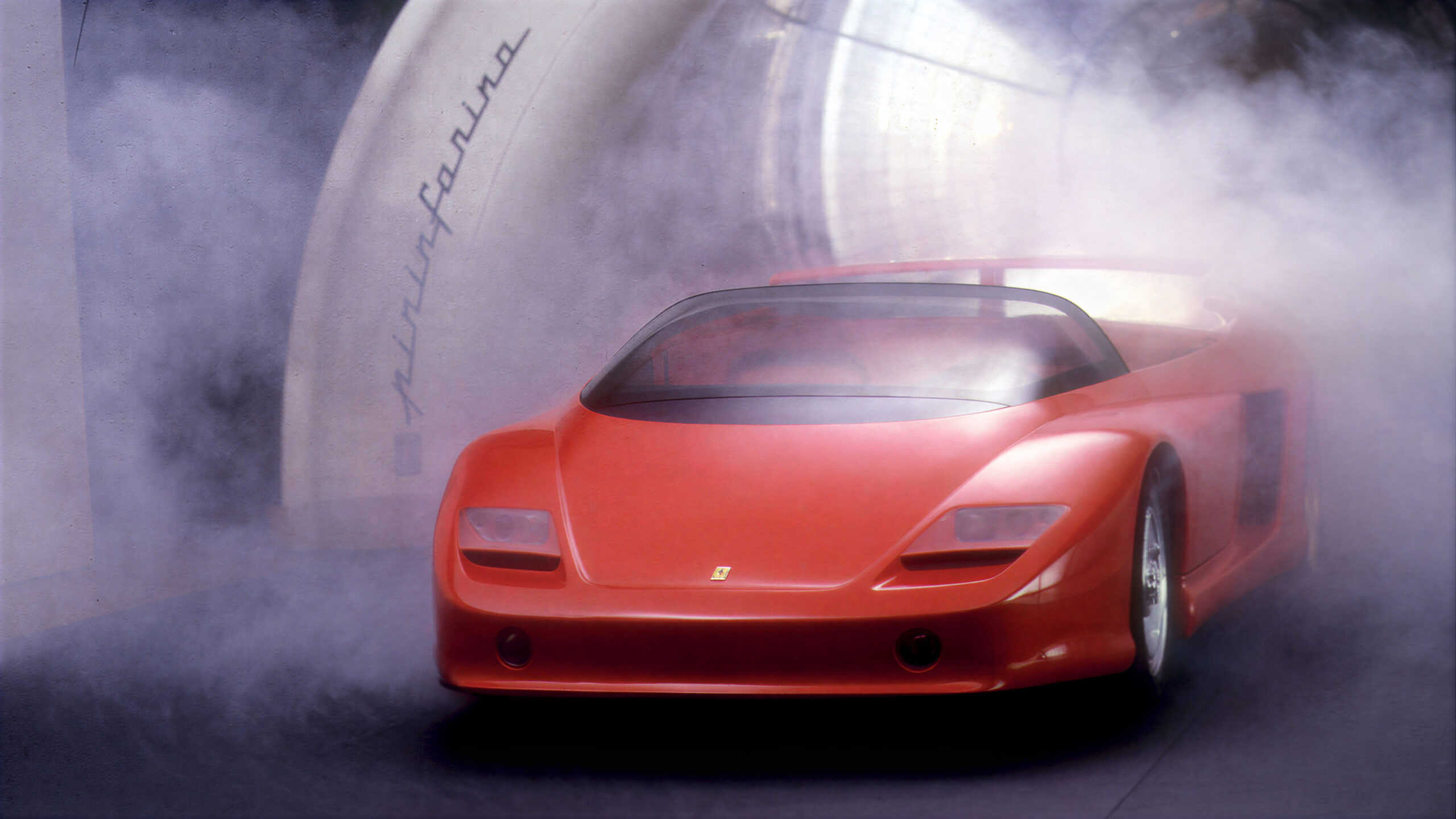
Besides the aerodynamic circuit, the Grugliasco tunnel also boasts some high-tech subsystems. One is the Ground Effect Simulation System (GESS), which faithfully mimics a moving road. High-performance cars generate huge underbody flows and ground effects that a static tunnel floor would misrepresent, so GESS uses four motorized rollers and three conveyor belts that move in sync with the windspeed. Two belts sit ahead of the front wheels and a third runs along the full length under the car. At high speed, the ground and the floor move together just like on a racetrack, ensuring accurate underbody flow and lift measurements. It’s an especially valuable feature for sports and racing applications, where front-end downforce and stability are critical.
🔗 Read more: Pininfarina Through the Ages: The Complete History
Upstream of the model sits another innovation: the Turbulence Generation System (TGS). This consists of five pairs of motor-driven “flapping wings” or blades that oscillate in the incoming air. By varying their motion, the TGS can create realistic atmospheric turbulence according to the Von Kármán spectrum – essentially emulating gusts, crosswinds, the wake of a car ahead, or the disturbed air from overtaking maneuvers. In practice, engineers program the TGS to reproduce complex conditions: for example, the turbulent wake of a downforce car or an ambient gust at 30 km/h. This means a test car isn’t just sitting in perfectly still air, but in flow fields very much like real roads. Controlled turbulence and gusts greatly enhance the fidelity of data, especially for cars that will spend time in highway or racing environments.
Advanced Testing and Measurement
At its core, a wind tunnel is only as good as its data. Pininfarina equipped Grugliasco with state-of-the-art instruments to capture every nuance of flow and noise. For airflow visualization, engineers use a proprietary PF14 pressure probe – a 3D-tethered rake of pressure sensors – that can quickly map velocity, pressure fields, vorticity, and even tiny “micro-drag” along any plane inside the tunnel. They also rely on optical techniques: 3D stereoscopic Particle Image Velocimetry (PIV) cameras illuminate smoke or tracer particles to see the flow in three dimensions. Traditional tools like vane anemometers and pressure taps are of course also on hand. Together, these methods reveal how air “glues” to the car’s body, where eddies spin off, and how pressure is distributed across the shape. Engineers can even capture quick transient events – for example, what happens when a sudden crosswind hits the model – thanks to the high-speed data acquisition in the tunnel.
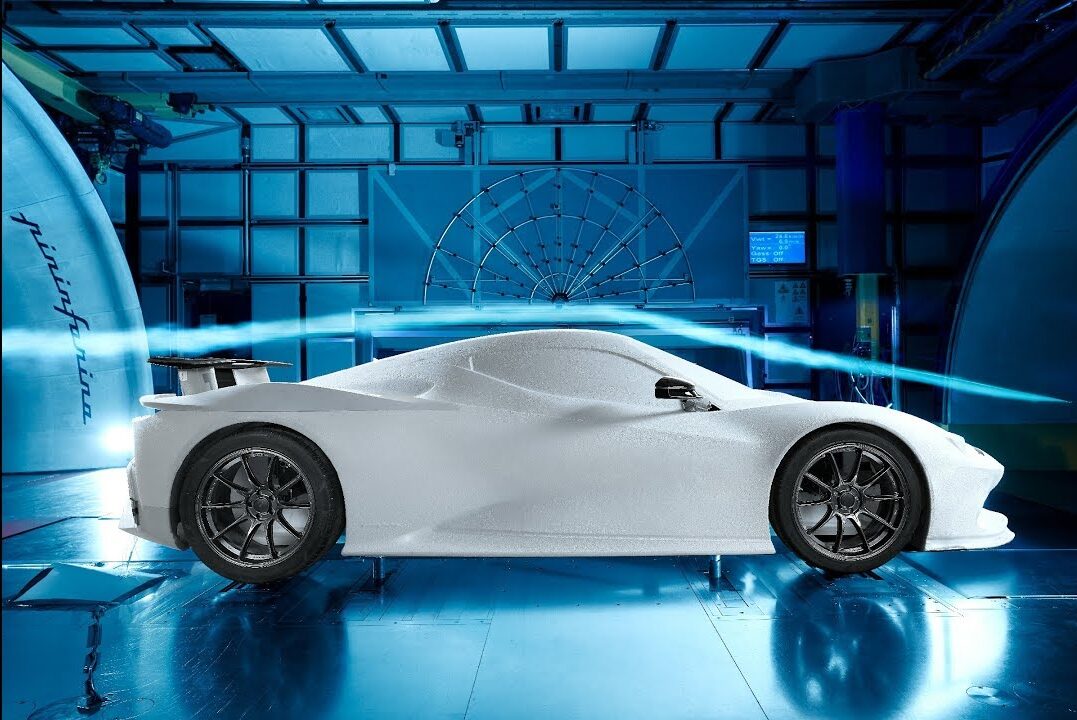
Noise and acoustics get equal attention. The tunnel has 155 microphones laid out in three external arrays (on the ceiling, front wall, and side wall) around the car. These pick up the sound of wind rushing around mirrors, flush-mounted handles, radiator grilles and other sources. Using beamforming (signal-processing that pinpoints where sound is coming from), analysts can “listen” to the flow and see, on a color map, which parts of the car are whistling or humming. For example, a sharp rustle at 500 Hz near the rear wheel arch can be traced back to a corner of the bodywork. Inside the cabin, a spherical microphone array nicknamed “Sphera” records noise coupling into the passenger space. Calibrated acoustic mannequins (dummies with built-in microphones in their ears) sit in the driver and passenger seats to measure cabin noise levels under realistic conditions. In short, Grugliasco is a full aero-audio lab: as Pininfarina likes to say, it’s a strategic tool that helps OEMs set new standards in performance, energy consumption and passenger comfort.
Beyond Automotive: Broad Applications
Although born for cars, the Pininfarina tunnel has found broader roles. From day one it has served aerospace, rail, and even building designers. The company notes that the tunnel “has helped Pininfarina excel in aerodynamic and aeroacoustic research for automotive and other industries including aircraft, high-speed trains, yachts, buildings, wind engineering, industrial design and sporting goods”. For instance, small yacht hulls or large sails can be tested at high Reynolds numbers by scaling them to fit under the roof. Building facades or partial bridge models are rolled in to measure wind loads and vibrations (an increasingly critical safety issue). In motorsport, even rival teams have rented time at Grugliasco – for example to refine WRC rally cars like the Hyundai i20 Coupe.
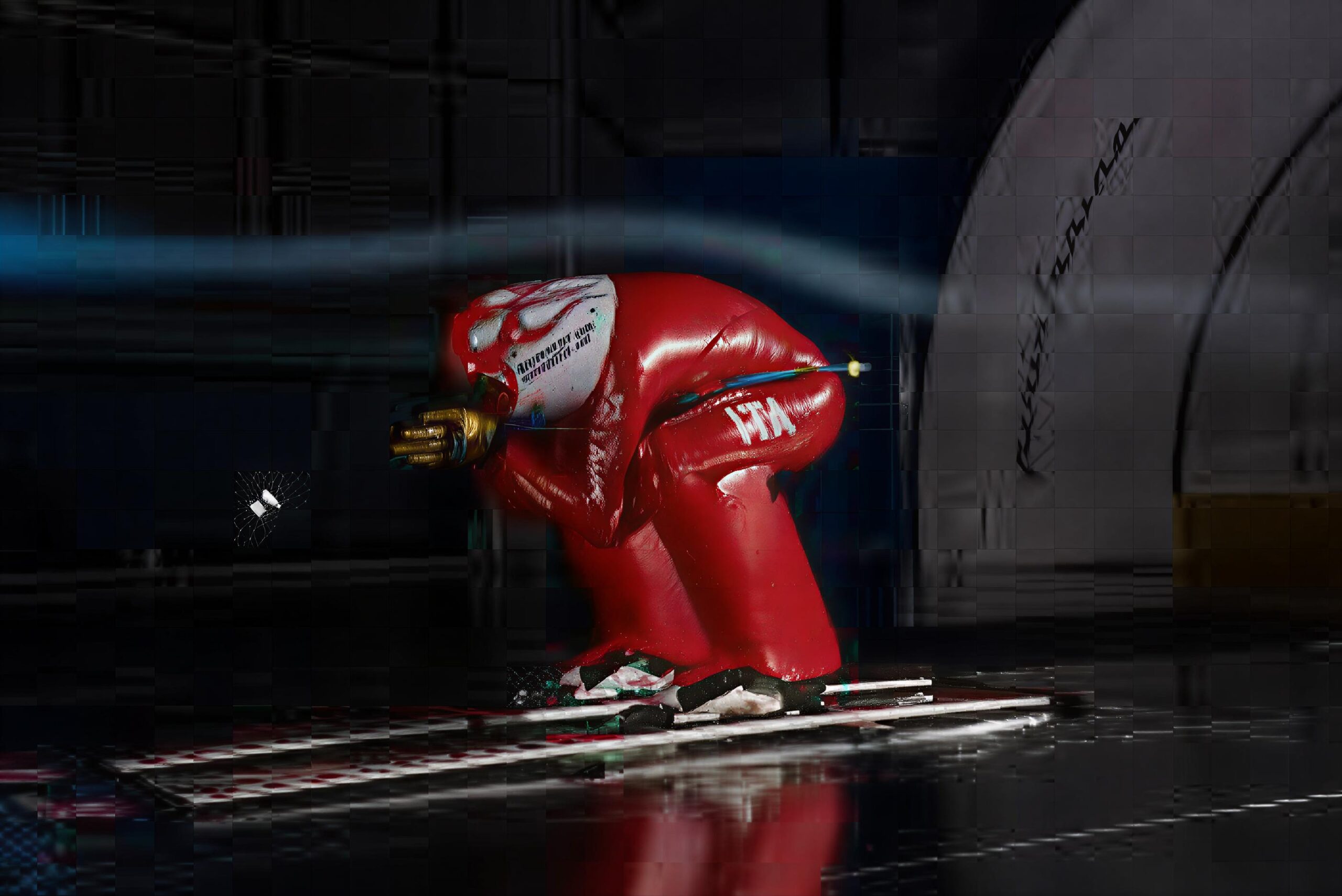
This multi-industry role is no accident. Silvio Pietro Angori, Pininfarina’s former CEO, emphasizes that “the wind tunnel has given our company a considerable competitive edge, being the only design company to own one.” A wind tunnel was originally “born as a tool with which Pininfarina developed its own projects,” he says, but today it’s a strategic asset that expands Pininfarina’s services across sectors – from transportation to architecture, from nautical to industrial design. In other words, this tunnel turned a coachbuilder into a research center for anything that cuts through air.
In recent years the tunnel has been in the spotlight for electric mobility. Modern EVs, freed from packing a noisy engine, suddenly reveal every aerodynamic tick. The pure-cabin hypercar Battista – Pininfarina’s first production car, launched in 2021 – was famously “sculpted with the help of the wind tunnel”. By optimizing fins, splitters and underbodies, engineers got the Battista to achieve a 0-60 mph run in under 2 seconds and a claimed 300+ mile range on a charge. Electric scooter and bicycle makers have also come knocking: for example, Pininfarina recently unveiled the Maxiscooter APD Concept, a “100% Sculpted by the Wind” electric vehicle, whose sleek profile was honed in Grugliasco (the design even incorporates a patented airflow duct through the center frame).
A Legacy of Passion
Fifty years on, Pininfarina’s wind tunnel is still a living embodiment of the Farina family’s vision. It celebrates every aerodynamic test, from last year’s solar-car prototype to next-gen city sports car, in the spirit of Battista Farina’s original curiosity. As Paolo Pininfarina (Battista’s grandson) noted on the tunnel’s 50th anniversary, their grandfather had an intuition for shapes that “has lasted more than 50 years, long before my father decided to build this structure,” going back to the Lancia Aprilia Aerodinamica of 1936.
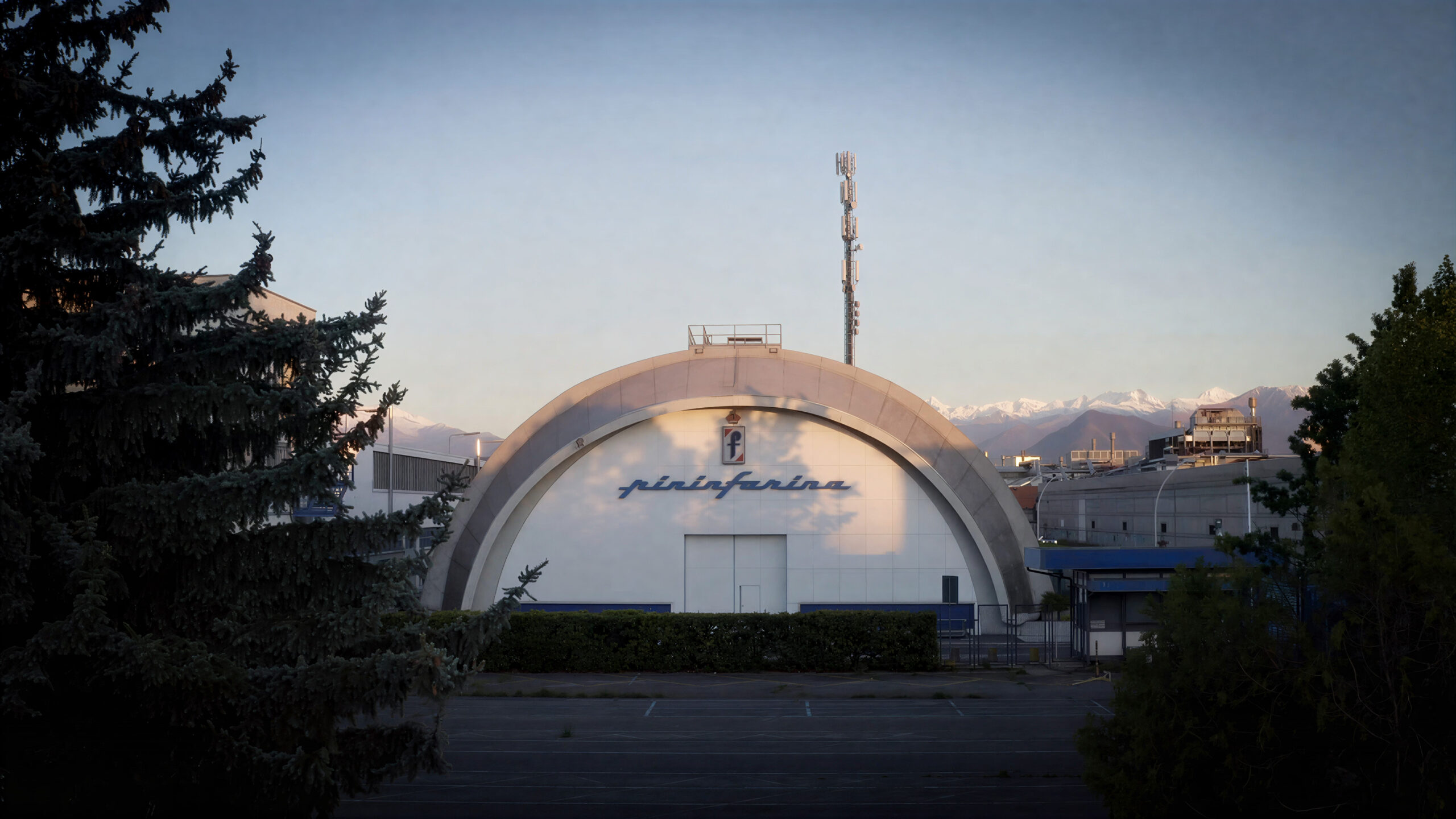
Indeed, the Farina mantra remains written in every gust of air here. The cars tested are of different eras, but each shares a lineage of wind-sculpted beauty. From the undulating curves of the Cisitalia and classic Ferraris to today’s electric hypercar, every design in Pininfarina’s lineage can claim a moment in the Grugliasco tunnel. As Battista put it: the wind event gives shape to trees and snow, and he set out to copy “those lines”. More than just a factory building or a technical instrument, the Pininfarina Wind Tunnel is the place where that poetic idea meets cold science – where art and engineering combine to keep Italian design truly ahead of the curve.

ABOUT THE AUTHOR
Andreas Scheidl
Italian classic car enthusiast with German roots. Renowned as a respected figure in the classic car community, he serves as a jury member at various international concours d'elegance, including the Classic Gala Schwetzingen and Mantova. As a content creator, Andreas passionately shares his profound knowledge and appreciation for vintage automobiles. His heart beats for cars designed by Giovanni Michelotti, showcasing his discerning taste and dedication to preserving the timeless elegance of automotive history.
More stories by Andreas Scheidl ↗CONTINUE READING
Posts You Might Like

Fiat Panda Cabrio: The Italian Coachbuilders Who Opened Giugiaro’s Box
From Moretti’s Panda Rock to Italdesign’s experimental Strip, Maggiora’s four-wheel-drive convertible and Stola’s remarkable Destriero, the history of the open-top Panda reveals an unexpected chapter in Italian coachbuilding. When Giorgetto Giugiaro designed…
Read story
Gabriele d’Annunzio and the Cult of the Automobile
There was a time when the automobile had not yet become part of the landscape. It announced itself from afar through the beating of an engine, the smell of petrol and hot…
Read story
Fiat 1400: The Last Great Playground of the Carrozzieri
From Touring and Abarth to Farina, Ghia, Vignale, Boneschi, Bertone, Viotti and the smaller carrozzerie, the new Fiat quickly became one of the richest bases for Italian special bodies in the early…
Read story
How a Swiss Dealer Challenged Ferrari: The Story of Monteverdi
How Peter Monteverdi went from Swiss Ferrari dealer to creator of rare Frua and Fissore-bodied GTs, the Hai supercar and luxury off-roaders.
Read story
THE CONVERSATION
Comments 0
Share a memory, a period photograph or a documented detail about this story.