
The Price of Progress: Why Italy’s Coachbuilt Icons Disappeared
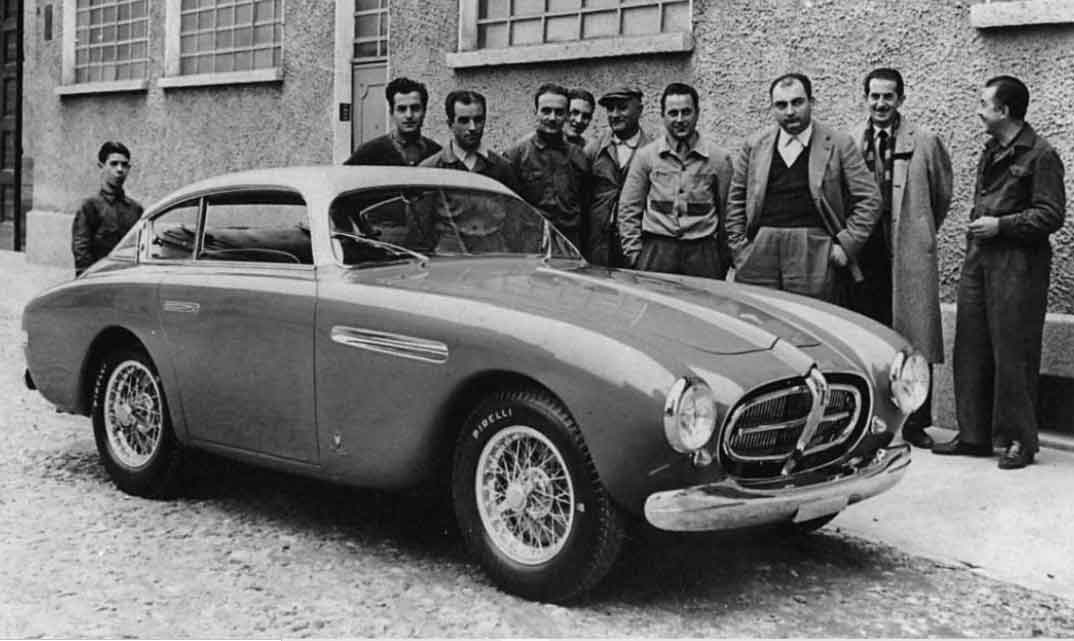
In the decades after World War II, Italy became the epicenter of bespoke automotive design. A golden age of Italian coachbuilding blossomed, remembered for its flowing fenders, elegant profiles, and unmistakable artisanal flair. Names like Pinin Farina (later Pininfarina), Carrozzeria Touring, Zagato, Bertone, Ghia, Vignale, and Castagna turned out hand-crafted dream cars that embodied the highest expressions of automotive art. During the 1950s and 1960s, these Italian carrozzieri (coachbuilders) produced fuoriserie creations – custom-bodied cars often built on the chassis of Alfa Romeo, Lancia, Ferrari, and other marques – and their work won global admiration. Italy’s postwar economic boom and creative resurgence set the stage for coachbuilders to flourish as never before.
This rise was rooted in both necessity and opportunity. After WWII, many European automakers lacked large in-house styling departments and welcomed Italian design expertise. Manufacturers would supply a chassis and running gear, and clients could then choose an Italian coachbuilder to craft a unique body. In an era when most European firms hadn’t fully realized the market power of styling, handing design duties to the Italians often yielded fresher, more daring results. Italian coachbuilders also became production partners: as unibody (chassis-less) construction took over, automakers like Fiat, Lancia, and Alfa Romeo outsourced low-volume versions (e.g. convertibles and coupes) to coachbuilders rather than invest in separate factory tooling. Companies such as Pininfarina and Bertone thus built special-series cars by the thousands on mainstream mechanicals – for example, Pininfarina crafted the Peugeot 404 Cabriolet and Alfa Romeo Giulietta Spider, Bertone built the Fiat 850 Spider and coupe, etc. This contract manufacturing allowed Italian brands to offer stylish derivatives without straining their own production lines. By the mid-1960s, Pininfarina and Bertone had grown into small industrial empires, combining design studios with coachbuilding factories turning out limited runs of cars for multiple manufacturers.
Why the Golden Age Ended: From Artisans to Industry
Enthusiasts of the time could point to countless examples of Italy’s coachbuilt excellence. Ferrari’s road cars almost all wore Italian designer bodies (often by Pininfarina or Scaglietti) and one-off Ferrari specials were built for wealthy patrons. Lamborghini’s very first models – the 350GT and 400GT – had bodies by Touring Superleggera, while Bertone (under designer Marcello Gandini) shaped the radical Miura and Countach exotics.
Alfa Romeo partnered with Touring, Pininfarina, Zagato and others for special editions like the Giulietta Sprint and SZ. Even American firms looked to Italy: a landmark partnership between Chrysler and Ghia in the early 1950s resulted in glamorous concept cars and limited-production specials that redefined international car styling. Italy was the automotive design mecca; an elite clientele from around the world beat a path to Turin and Milan to commission bespoke GTs and sports cars. This postwar period through the early 1970s truly was the golden age of Italian coachbuilt cars, with Italian craftsmanship and design innovation leading the world.
Unibody Construction & Standardization
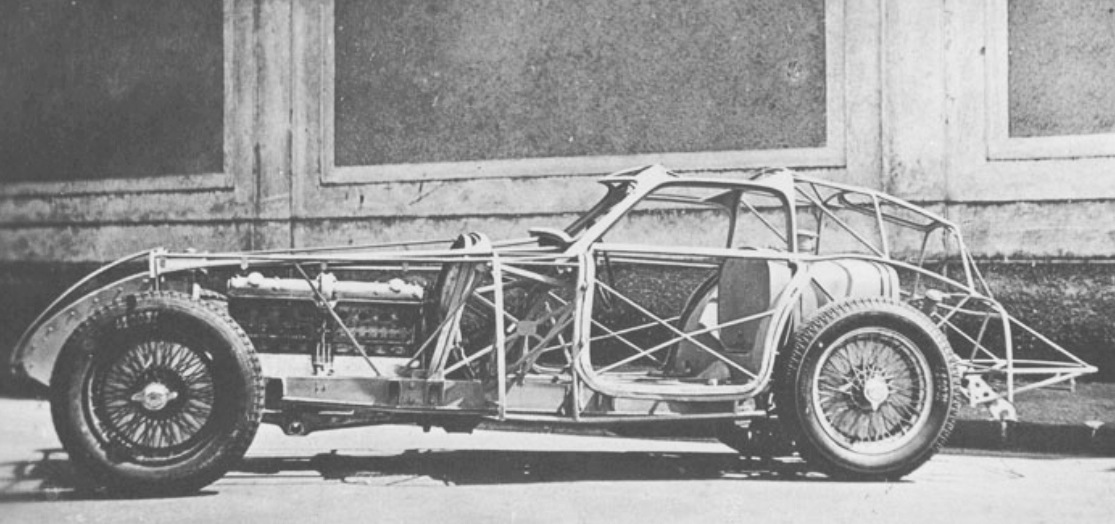
The move from body-on-frame cars to unibody designs (where the body and chassis are one structure) fundamentally changed coachbuilding. In the 1950s, separate chassis could easily accept custom coachwork. But as unibody monocoque construction became prevalent into the 1960s, it became far more complex and expensive to create bespoke body shapes. Coachbuilders adapted by focusing on special low-volume variants (like coupes and spiders) of manufacturer’s models, often built with the automaker’s cooperation.
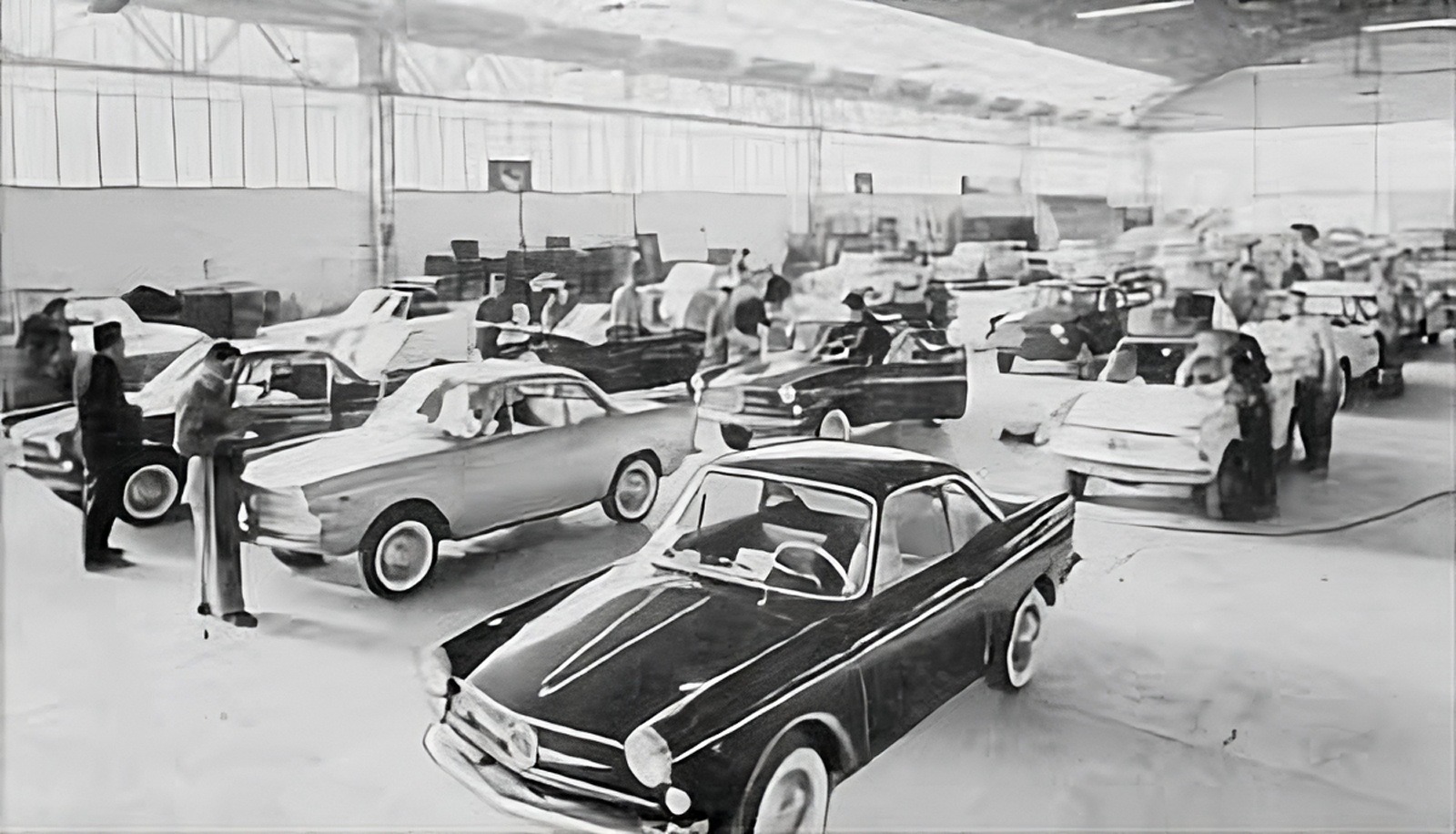
Still, the flexibility was reduced – by the 1970s, the days of a coachbuilder freely swapping an entirely new body onto a stock chassis were largely over. Modern production methods also contributed: by the ’70s and ’80s, carmakers had developed more advanced, flexible manufacturing lines that could produce multiple body styles in-house. This new flexibility removed the incentive to outsource limited-volume models. In short, mass-production technology caught up to what the artisans had been providing.
Rising Costs and Economic Pressures
Coachbuilt cars were always expensive, but mid-century Italy had some advantages – skilled labor was relatively affordable and many coachbuilders operated almost like family ateliers. By the late 1960s and into the 1970s, however, Italian economic conditions changed. Strong labor unions pushed for higher wages and strict work rules; as Ferrari’s own coachbuilding collaborator Sergio Scaglietti lamented, when unions curtailed overtime and made it hard to fire anyone, “everything went from heaven to hell quite quickly”.
🔗 Read more: The Golden Age of Italian Fuoriserie: Coachbuilt Dreams of the 1950s
A 1970 law (the Workers’ Statute) made labor even less flexible. The result was that Italy’s cost advantage vanished – the cost-effectiveness that had attracted automakers to have their special models built by Italian coachbuilders “all but vanished” by the late ’60s. Strikes and labor unrest became frequent, disrupting production. Additionally, the oil crises of 1973 and 1979 dealt severe blows to the industry. As fuel prices spiked and recession hit, demand for exotic or custom cars plummeted; many orders for coachbuilt specials were canceled during the early ’70s fuel crisis. Small coachbuilders with tight margins struggled to survive this economic turbulence.
Stricter Safety and Homologation Regulations
Perhaps the most decisive blow to traditional coachbuilding was the wave of new safety and emissions standards that swept the auto industry starting in the late 1960s. In the United States (an important market for high-end European cars), the Department of Transportation introduced stringent regulations on lighting, bumpers, crash protection, windshield glass, etc. Custom-bodied cars now had to meet the same crash tests and safety standards as mass-produced models, which was prohibitively expensive for low-volume artisans.
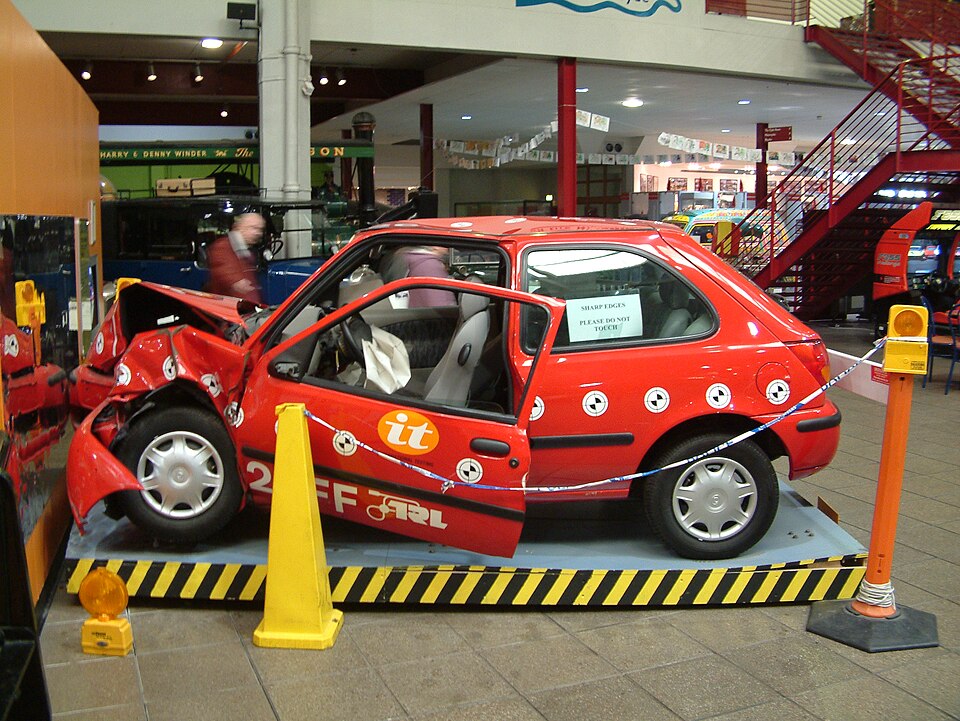
As one historian put it, by the 1970s government regulations “drastically drove up the cost” of building unique coachbuilt models. Legendary Italian design creativity was suddenly handcuffed: “America’s Department of Transportation instigated safety requirements which put additional financial burden on companies and started handcuffing Italy’s renowned creativity.”*. The delicate bespoke designs of the 1960s (think of cars with slender roof pillars, glassy tails, or faired-in headlamps) were often incompatible with the new rules. For instance, standardized bumper heights and impact-absorbing bumpers disrupted the aesthetics of low-slung GTs, and pop-up headlights or delicate fins became difficult to certify. Meeting these regulations required expensive engineering—crash structures, reinforced frames, emissions-controlled engines—that independent carrozzerie simply couldn’t afford on one-off projects. Homologation (certification) costs** soared, effectively strangling the market for custom-body one-offs by the late ’70s. Many coachbuilders either pivoted to making only cosmetic modifications or exited the business of complete car bodies.
Changing Consumer Tastes
The market of the postwar years – wealthy patrons wanting personalized grand tourers – began to dry up by the 1970s. Social attitudes shifted in Europe and abroad. Extravagant bespoke sports cars fell out of favor amidst a more practical, egalitarian mood and economic uncertainty. A “socialist mentality swept across Europe” where conspicuous GT cars were sometimes scorned. Banks became reluctant to finance niche luxury projects. Buyers in the 1980s increasingly wanted the latest high-tech features and reliability from established brands, rather than a custom coachbuilt body on an aging platform.
🔗 Read more: The Story of Carrozzeria Vignale
The cachet of a unique body by Vignale or Touring was less marketable when one could buy a well-designed factory-built Porsche or Mercedes that met all modern standards. In short, consumer expectations evolved – reliability, safety, and brand prestige (with factory warranties) began to matter more than sheer exclusivity of design. This reduced the pool of clients willing to commission truly custom cars.
Automakers Take Design In-House
In the heyday, manufacturers lacked internal styling capacity and happily relied on Italian studios. But as the importance of design became obvious, car companies worldwide established their own in-house design centers, especially from the 1980s onward. Executives realized that design is a core part of brand identity – something they wanted control over, rather than outsourcing to firms that might also be working for competitors. By the 1990s, most major automakers had global design studios (often with star designers on payroll) and no longer needed the Italian carrozzerie for new model styling. In fact, involving an outside studio became seen as a risk – companies like BMW would solicit concept ideas from Pininfarina or Italdesign only to peek at competitors’ trends, without any intent to actually build those designs.
The long marriages between Italian coachbuilders and automakers gradually unraveled. For example, Fiat and Lancia, which once farmed out many models to Pininfarina/Bertone, internalized their design and production. Most strikingly, Ferrari – whose road cars had been designed by Pininfarina for decades – created its own styling center in the 2000s; the last Pininfarina-designed production Ferrari was the 2012 F12berlinetta, after which Ferrari’s designs have been done in-house by the Ferrari Styling Centre. Likewise, Lamborghini in its early years relied on external design (Touring for the 350/400GT, Bertone for Miura/Countach), but after the brand’s acquisition by Audi in 1998, design work moved internally. Lamborghini established its Centro Stile design studio (in 2005) under Audi’s guidance, marking a clear end to outsourcing styling. In essence, as automakers grew and globalized, they absorbed the work of independent coachbuilders, preferring to keep styling, prototyping, and specialty manufacturing under their own corporate roofs.
Consolidation and Globalization
The changing economics of the car industry in the late 20th century also led to consolidation that swept up many Italian firms. Several famed coachbuilders were acquired by larger manufacturers or investors: Ghia and Vignale, for example, were bought by Ford (their names reduced to trim-line badges in later years). Italdesign Giugiaro, once independent, became majority-owned by Volkswagen’s Audi division in 2010. Bertone, after struggling in the 2000s, went bankrupt in 2014 – its brand was later revived in limited fashion, but as a manufacturing powerhouse it was gone. Pininfarina survived financial turmoil only by being purchased by India’s Mahindra Group in 2015, and it has pivoted to more of an engineering and design consultancy (and recently even an electric car manufacturer itself). By the 1990s, Turin’s legendary design houses were “knocked off their perch” by a combination of factors – it was a gradual downfall rather than a single collapse. Global competition played a role too: Japanese automakers, armed with efficient production and high quality (pioneered by W. Edwards Deming’s methods), undercut European firms and grabbed market share in the 1970s and ’80s. Many Italian coachbuilders depended on contracts from domestic automakers that were struggling to compete globally, leading to fewer projects. Even niche luxury markets became dominated by well-heeled global brands (Mercedes, Jaguar, Cadillac, etc.) who were less inclined to involve Italian carrozzerie as they once might have.
🔗 Read more: Pininfarina Through the Ages: The Complete History
Each of these factors snowballed by the late 20th century. Fewer customers, higher costs, more regulations, and less support from automakers all made the traditional coachbuilding business model untenable. By the 1980s, one could see the writing on the wall: Bertone and Pininfarina had lost major contracts, Italdesign began focusing on prototypes and industrial design, and Zagato had ceased regular production to focus on design services. A comment from a veteran designer sums it up: government regulations became “the greatest inhibitor of all” for bespoke coachbuilt cars in that era.
Cost of Custom Coachbuilding: Then vs. Now
To appreciate the changing economics, it’s illuminating to compare the cost of coachbuilt cars in the past and present. In the 1950s–60s, commissioning a special-bodied Italian car was expensive, but not as astronomical as one might think today (relative to the economy of the time). For instance, a Lancia Flaminia Sport by Zagato in the early 1960s had a list price around $6,000–$7,500 – roughly twice the price of a humble Alfa Romeo Giulietta Spider (~$3,000) but about half the price of a Ferrari 250 GT (~$13,000-$15,000) of the same era. In other words, an exclusive coachbuilt GT was a significant premium over a standard sports car, but was still on the menu for wealthy enthusiasts (comparable to buying a nice house or two at the time). Many Italian coachbuilt specials were essentially limited-production models sold through dealer networks, which helped amortize costs.
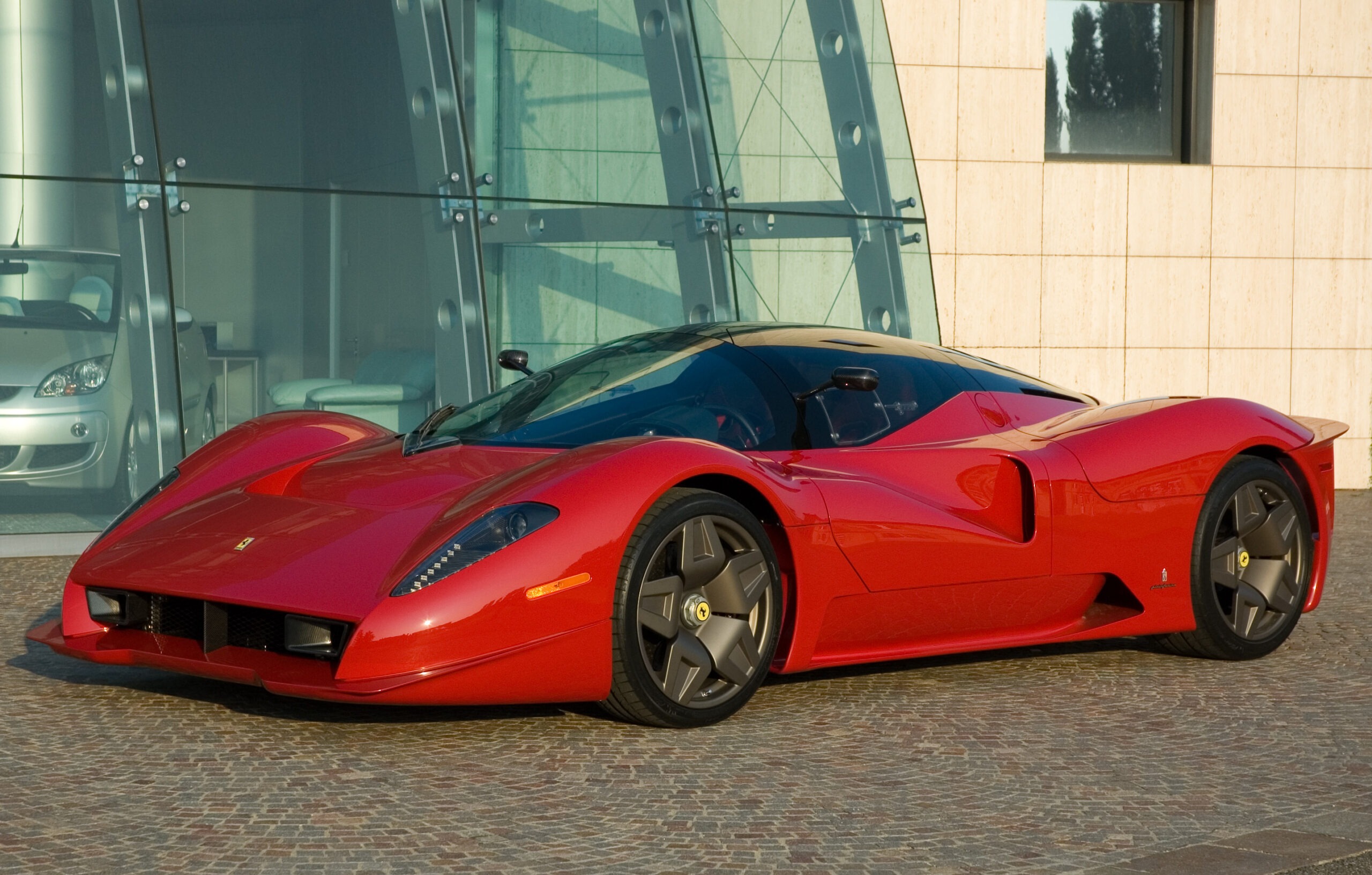
However, those prices pale in comparison to modern bespoke builds. Today, truly one-off coachbuilt cars have become the province of multi-millionaires and billionaires. The cost of meeting modern safety standards, using advanced materials, and the sheer labor involved have sent prices skyrocketing. For example, in 2006 Ferrari and Pininfarina created the Ferrari P4/5 one-off for collector James Glickenhaus – essentially a unique coachbuilt body on an Enzo chassis. That project cost roughly $4 million USD to design and build. And that is actually modest compared to more recent efforts: Rolls-Royce launched a “Coachbuild” program and in 2017 unveiled the Sweptail, a one-of-one custom luxury coupe for a client that reportedly cost about $12.8–$13 million. Likewise, Ferrari’s own Special Projects division has built several one-offs (like Eric Clapton’s SP12 EC or the Ferrari Omologata), each rumored to cost several million dollars apiece. In the 1960s, an extra $5,000 might get you a custom-bodied Italian exotic; today you’ll need hundreds of times more. Even small boutique coachbuilders charge a fortune: Carrozzeria Touring Superleggera’s recent limited rebody of the Alfa Romeo 8C (the Disco Volante coupe) was offered only to select customers at a deep six-figure price plus the cost of the base 8C. The enormous gap underscores how exclusive and rare coachbuilding has become in the modern era – it has moved from a somewhat common practice among carmakers to a hyper-niche luxury craft.
🔗 Read more: 18 Modern Coachbuilt Cars Every Collector Must Own
To put it another way, back then a special-bodied car was often the price of a few family cars; now it’s the price of a private jet. The economics of the auto industry ensure that bespoke coachbuilt cars today are extremely costly. Where a design house like Touring in 1960 might have built you a custom Alfa for a manageable (if hefty) sum, a company like Pagani in 2025 will happily build you a made-to-order supercar – but it will cost $3 million and up.
Aftermath and Renaissance: Coachbuilding’s Enduring Spirit
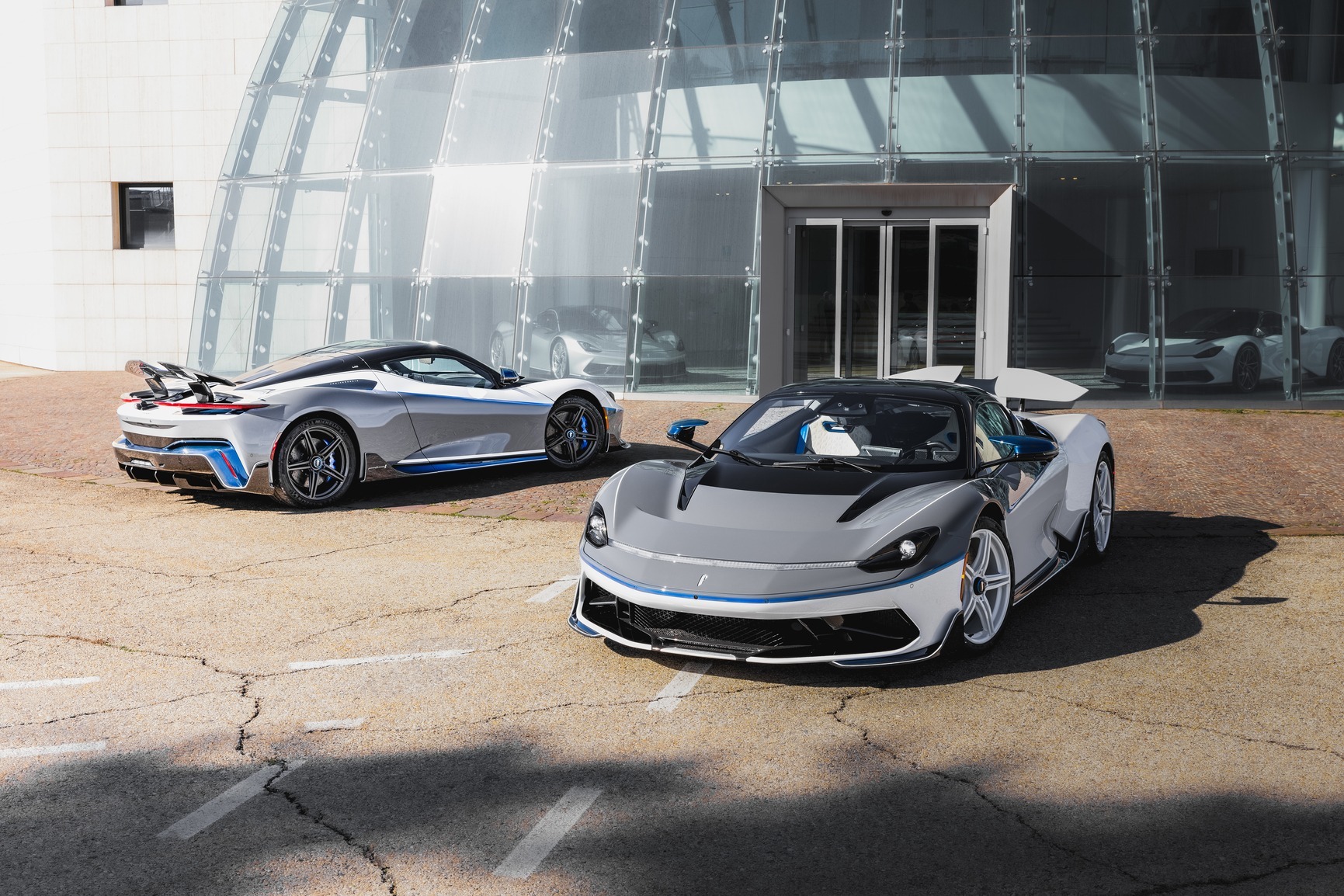
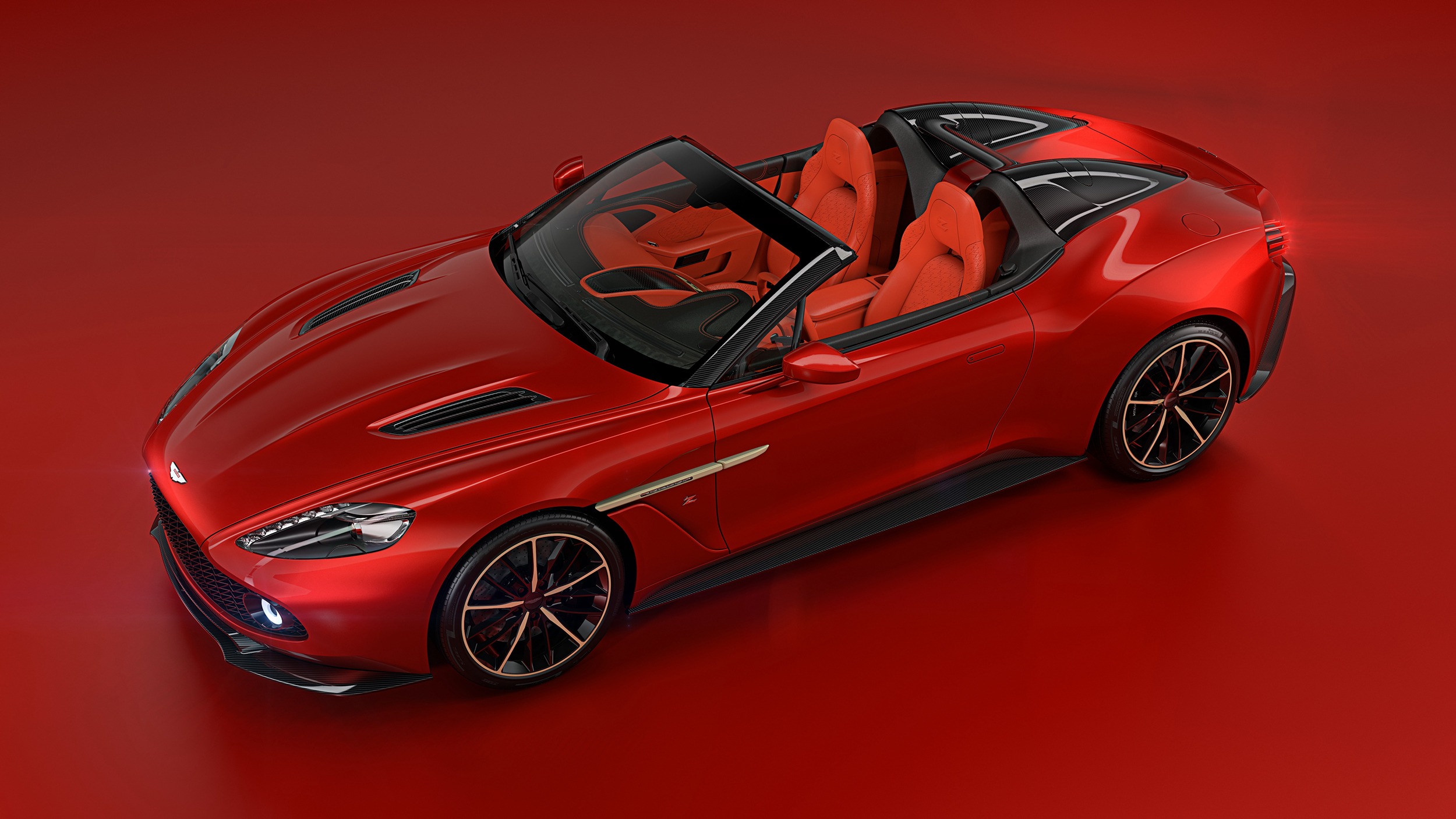
By the turn of the 21st century, it seemed the era of independent Italian coachbuilders was all but over. Many of the famous names had disappeared or transformed: – Bertone: Gone bankrupt and ceased car production by 2014. – Pininfarina: Survived by shifting to consulting and limited production; acquired by Mahindra, it even launched its own electric hypercar (the Battista) in 2020. – Carrozzeria Touring: Had closed in 1966, but was resurrected in 2006 as Touring Superleggera, focusing on bespoke rebodied exotics in very limited numbers. – Zagato: Scaled down to a design boutique. After the 1970s Zagato stopped series manufacturing and concentrated on styling and engineering services (often creating special edition Aston Martins, etc.). Aston Martin, in fact, partnered with Zagato for numerous limited models (Vantage Zagatos in the ’80s, DB7/DBS Zagato editions, the recent Vanquish Zagato series), keeping the Zagato name alive into the 21st century. – Ghia and Vignale: Absorbed into Ford by the late 20th century; their coachbuilding operations ended, with the names used on trim levels. – Italdesign: Continues as a design and engineering firm (now majority-owned by Audi) and occasionally builds ultra-low-volume concept cars or prototypes under contract. – Scaglietti: Ferrari’s favored coachbuilder in the 1950s–60s was bought out and became Ferrari’s own prototype and customization workshop (the Scaglietti name lives on as a model name for a Ferrari 612, but the independent firm is gone).
Yet, despite the end of the golden age, the spirit of coachbuilding never completely died – it has been reborn in new forms. In recent years, we’ve seen what might be called a boutique revival of coachbuilt-style projects. A handful of niche manufacturers and programs today carry on the legacy of the Italian carrozzerie:
Pagani Automobili
Founded by Horacio Pagani in Italy in the 1990s, Pagani builds hypercars (like the Zonda and Huayra) essentially in the tradition of the great coachbuilders – exquisitely hand-crafted, made-to-order machines for the ultra-rich. While Pagani produces its own chassis and isn’t a coachbuilder for other brands, the company’s ethos of artisanal construction and bespoke customization channels the same Italian craftsmanship that powered the golden age.
Touring Superleggera
The revived Touring has created striking limited editions by rebodying modern supercars. They produced the Disco Volante (a modern interpretation of the Alfa Romeo 1900 C52 “Disco Volante”) on an Alfa 8C Competizione chassis, as well as the recent Aero 3 and Arese RH95 specials based on Ferrari platforms. These are essentially coachbuilt cars in the modern era, made in handfuls for collectors. It proves that there remains a demand for unique Italian design, albeit on a very exclusive scale.
Zagato
As mentioned, Zagato has thrived by partnering with luxury automakers on limited series. Its long-standing relationship with Aston Martin has produced several modern classics (the DB4 GT Zagato Continuation, V12 Zagato, Vanquish Zagato family, etc.), and Zagato has also collaborated with the likes of BMW (the Z4 Zagato Coupe), Toyota (concepts), and others. These projects echo the old model of the coachbuilder+manufacturer partnership, albeit usually as special edition runs rather than one-offs.
Manufacturer Special Programs
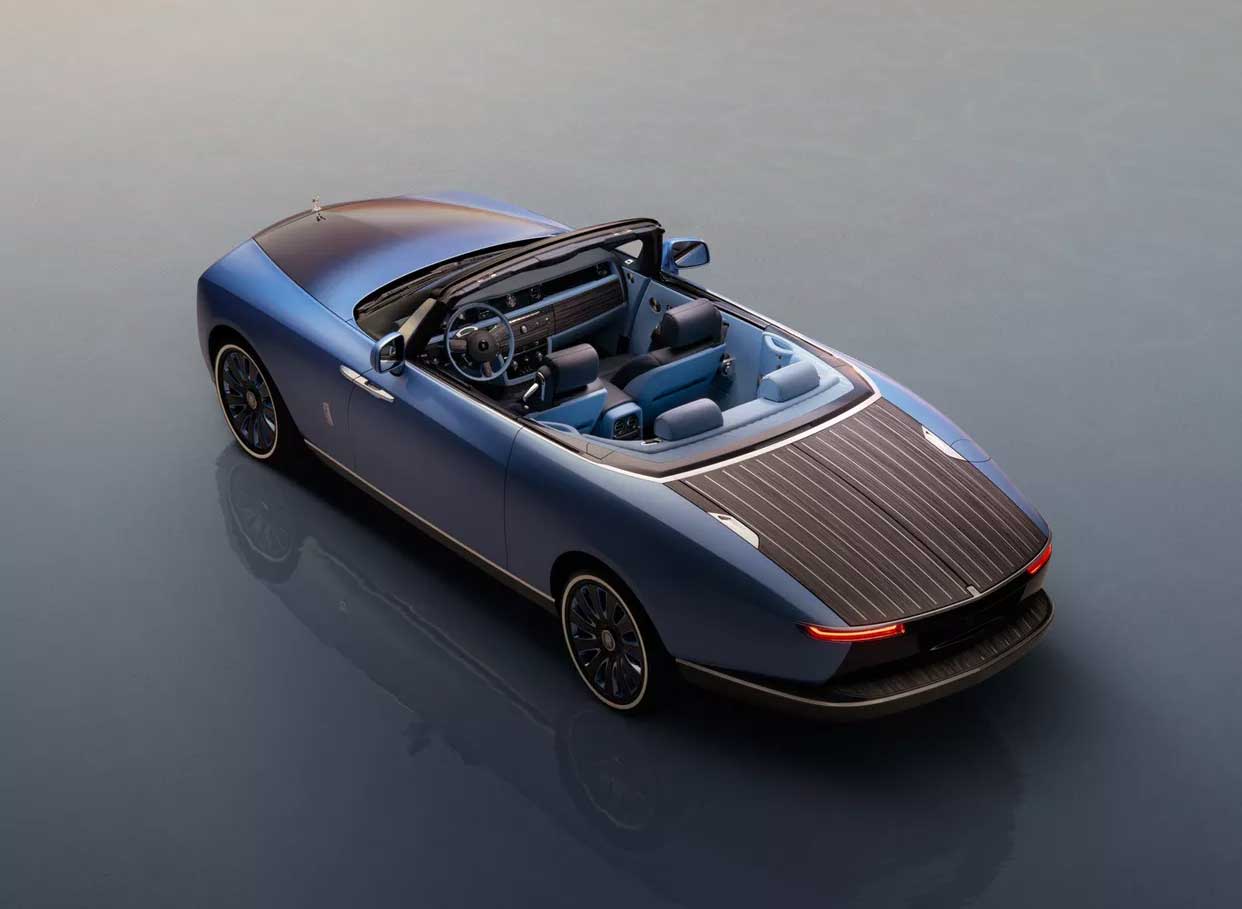
Interestingly, the big automakers themselves have reintroduced a bit of coachbuilding spirit via in-house bespoke divisions. Ferrari’s One-Off program (under its “Special Projects” division) builds unique cars for individual clients – recent examples include the Ferrari SP1, SP2 (not to be confused with the limited Monza SP1/SP2), the P80/C track car, and others. These are essentially coachbuilt Ferraris, except the work is done under Ferrari’s own roof (often with design input from Pininfarina or Ferrari’s in-house team). Maserati now markets a Fuoriserie personalization program for one-of-a-kind trims and even coachbuilt-level customizations on request. Lamborghini’s Ad Personam division mainly does paint and trim customizations, but Lamborghini has also shown willingness to create ultra-low-volume specials (for instance, the Veneno or Centenario models, or the new Lamborghini SC20 one-off speedster built by its Squadra Corse). Even Rolls-Royce and Bentley – historically associated with British coachbuilders – have revived true coachbuilding: Rolls-Royce’s Coachbuild department not only did the Sweptail but recently the Boat Tail, an opulent $20+ million custom yacht-inspired car (though not Italian, it underscores that coachbuilding as a concept is seeing a comeback at the very top end).
Enthusiasts can take heart that we may be seeing “a second golden age of coachbuilt cars” on a smaller scale. As one report noted, today’s mix of demand, affluence, technology, and skills could be aligning to bring bespoke creations back into vogue. The rise of electric vehicle “skateboard” platforms, for example, might lower the barriers for custom body shapes since EV platforms are more flexible and have fewer mechanical constraints (no engine bay, etc.). Coachbuilding in the traditional sense has evolved: modern techniques like carbon-fiber fabrication, 3D printing, and advanced computer design mean a small team can engineer a car in ways Ugo Zagato or Battista Farina could only dream of. Yet, as cutting-edge as some new coachbuilt hypercars are (see the carbon-fiber intensive Gordon Murray T.50 or the 3D-printed Czinger 21C), they still harken back to the idea of the automobile as a handcrafted work of art.
Lessons from the Fall
The golden age of Italian coachbuilders came to an end due to a confluence of economic, technological, and regulatory changes. Rising production standards, stricter safety laws, shifting consumer attitudes, and the consolidation of design and manufacturing inside global auto companies all played a part in closing the chapter on the mid-century era of Italian bespoke car design. By the 1990s, the great Turinese design houses had either disappeared or reinvented themselves to survive in a very different industry.
And yet, the legacy of that era lives on. Car enthusiasts and designers still reference the masterpieces of Pininfarina, Bertone, Touring, and others – their influence is visible in everything from the “folded paper” lines of a modern electric car to the tailored customization options offered by luxury brands today. The coachbuilders’ fall from dominance is a poignant reminder of how swiftly industries evolve, but also of how timeless great design can be. In Italy, a new generation of specialty manufacturers and design studios ensure that artisanal automotive creativity remains part of the landscape – even if the golden age as it was is gone.
The torch of the carrozzerie has been passed on, transformed but not extinguished. As long as there are passionate enthusiasts with the means to seek something truly unique – and skilled designers and craftsmen ready to realize those dreams – the spirit of Italian coachbuilding will endure, inspiring new creations in the 21st century just as it did in its mid-20th-century heyday.

ABOUT THE AUTHOR
Andreas Scheidl
Italian classic car enthusiast with German roots. Renowned as a respected figure in the classic car community, he serves as a jury member at various international concours d'elegance, including the Classic Gala Schwetzingen and Mantova. As a content creator, Andreas passionately shares his profound knowledge and appreciation for vintage automobiles. His heart beats for cars designed by Giovanni Michelotti, showcasing his discerning taste and dedication to preserving the timeless elegance of automotive history.
More stories by Andreas Scheidl ↗CONTINUE READING
Posts You Might Like

Castagna Milano’s Alfa Romeo Giulia coupé-cabriolet: a new Antisalon for Italian coachbuilding
Eighty years after Battista Farina's famous protest at the Paris Motor Show, Gioacchino Acampora presents a radical two-seat Alfa Romeo Giulia as a manifesto for the survival of independent coachbuilding. In October…
Read story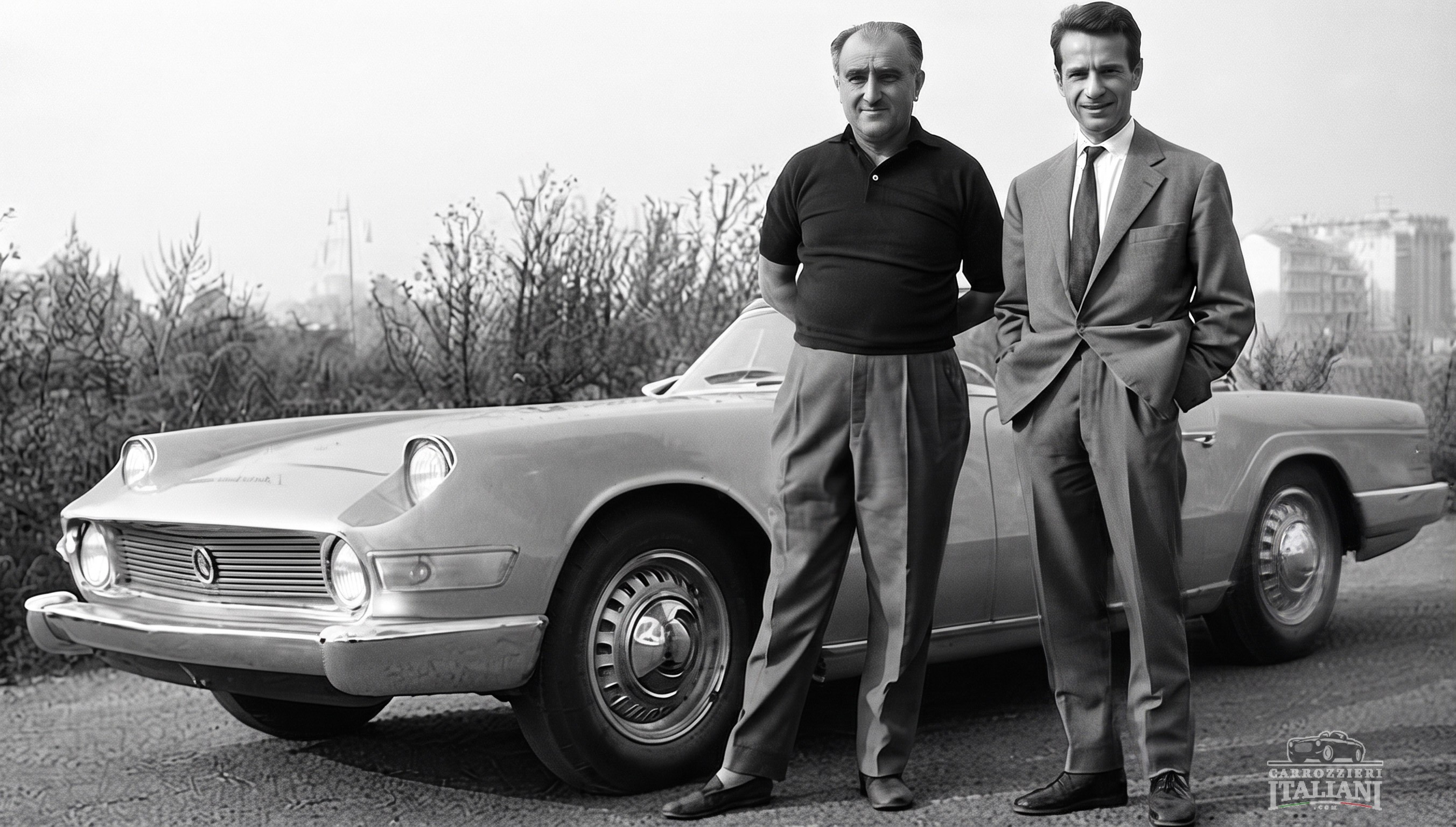
Nardi Silver Ray: What Giovanni Michelotti Wrote in 1961
A September 1961 letter from Giovanni Michelotti, written on his corso Francia studio stationery, gives a contemporary account of the Nardi Silver Ray and sheds new light on its chassis, body construction…
Read story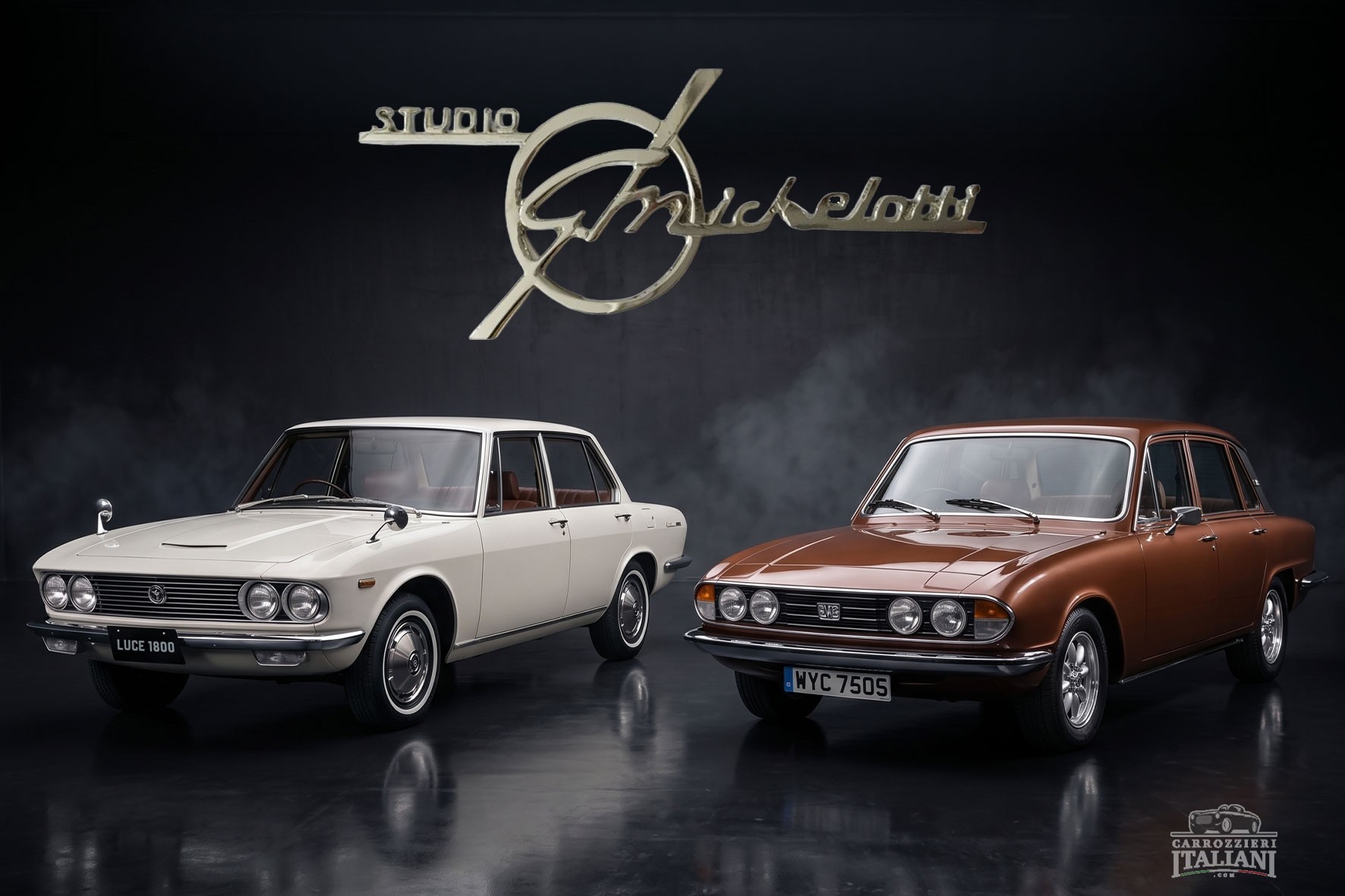
Mazda Luce: Edgardo Michelotti Challenges the Official Bertone Story
After our article on the Mazda Luce, Edgardo Michelotti revealed an unpublished claim: the Bertone design may have originated from a Michelotti Triumph project.
Read story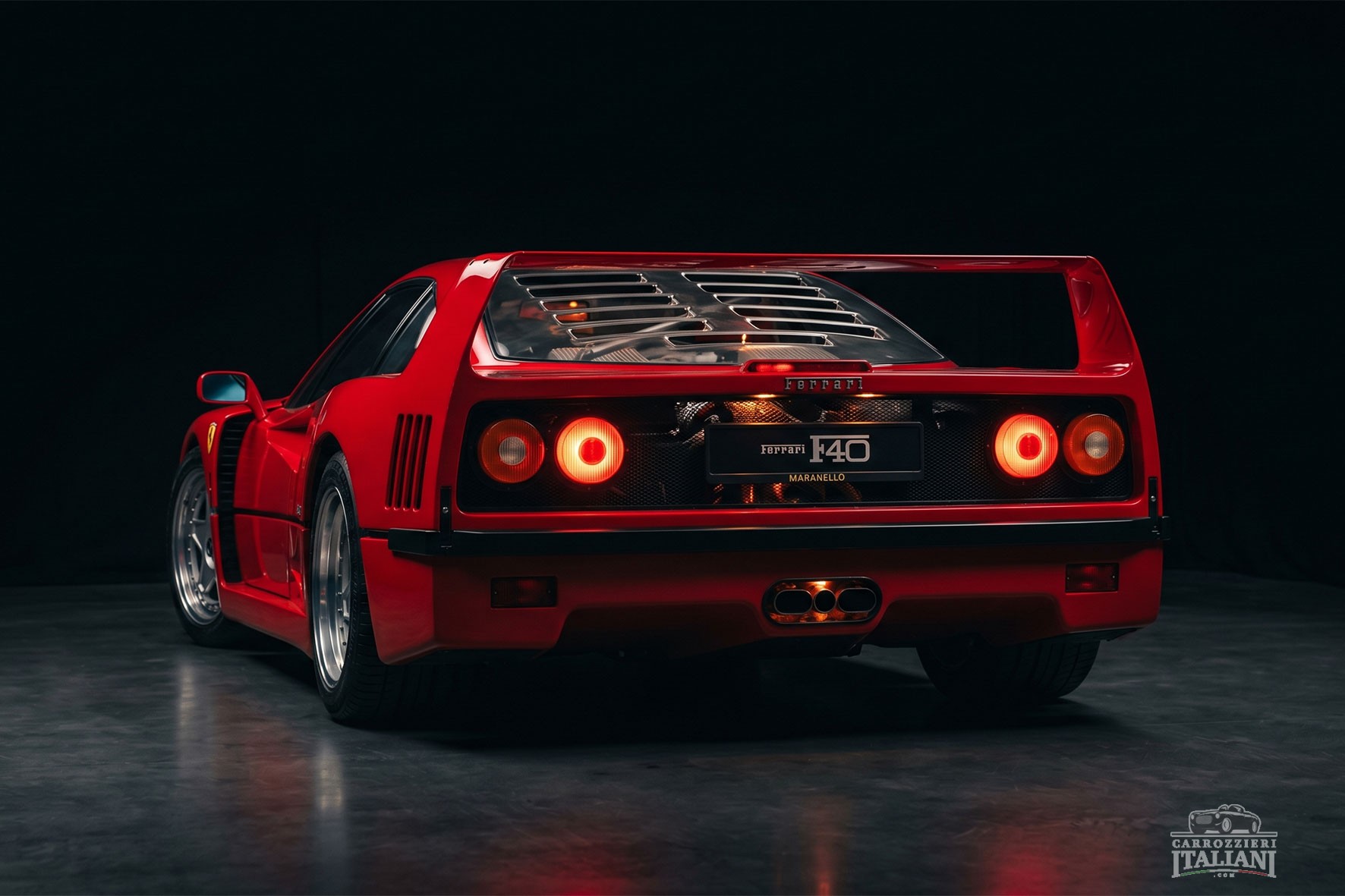
Who Designed It? The Most Confusing Italian Car Design Attributions Explained
Who really designed the F40, EB110, Fiat Coupé or BMW Turbo? A look at the confusing world of Italian car design credits, from Pininfarina to Zagato.
Read story
THE CONVERSATION
Comments 0
Share a memory, a period photograph or a documented detail about this story.