
The Peugeot 407 Coupé: Pininfarina’s Lost Proposal
The relationship between Pininfarina and Peugeot is one of those rare cases where two very different cultures managed to speak the same design language. On one side, an Italian coachbuilder with decades of experience shaping some of the most elegant cars ever made. On the other, a French manufacturer known for its rational engineering and understated style.
Their collaboration goes back to the 1950s, and over time it became something more than a simple client–supplier relationship. Pininfarina didn’t just design cars for Peugeot; it helped define how Peugeot could express elegance without excess. Cars like the 404 Coupé, the 504 Coupé and Cabriolet, and later the 306 Cabriolet all carried that unmistakable balance between precision and softness, between geometry and fluidity.
🔗 Read more: The Partnership between Peugeot & Pininfarina
By the late 1990s, this partnership had become almost instinctive. When Peugeot wanted to build something refined, something slightly more emotional than its standard range, Pininfarina was the natural choice. There was a shared trust, built over decades, that allowed both sides to work with clarity and confidence.
That’s what makes the story of the 407 Coupé so interesting. Because it’s not just about a design that didn’t make it. It’s about the moment when that long-standing collaboration quietly came to an end.
A Heavy Legacy: The Success of the 406 Coupé
When the Peugeot 406 Coupé was unveiled in 1997, it didn’t need time to prove itself. The reaction was immediate. Clean, elegant, and perfectly proportioned, it stood out in a market that was already moving toward more aggressive and complex design language.
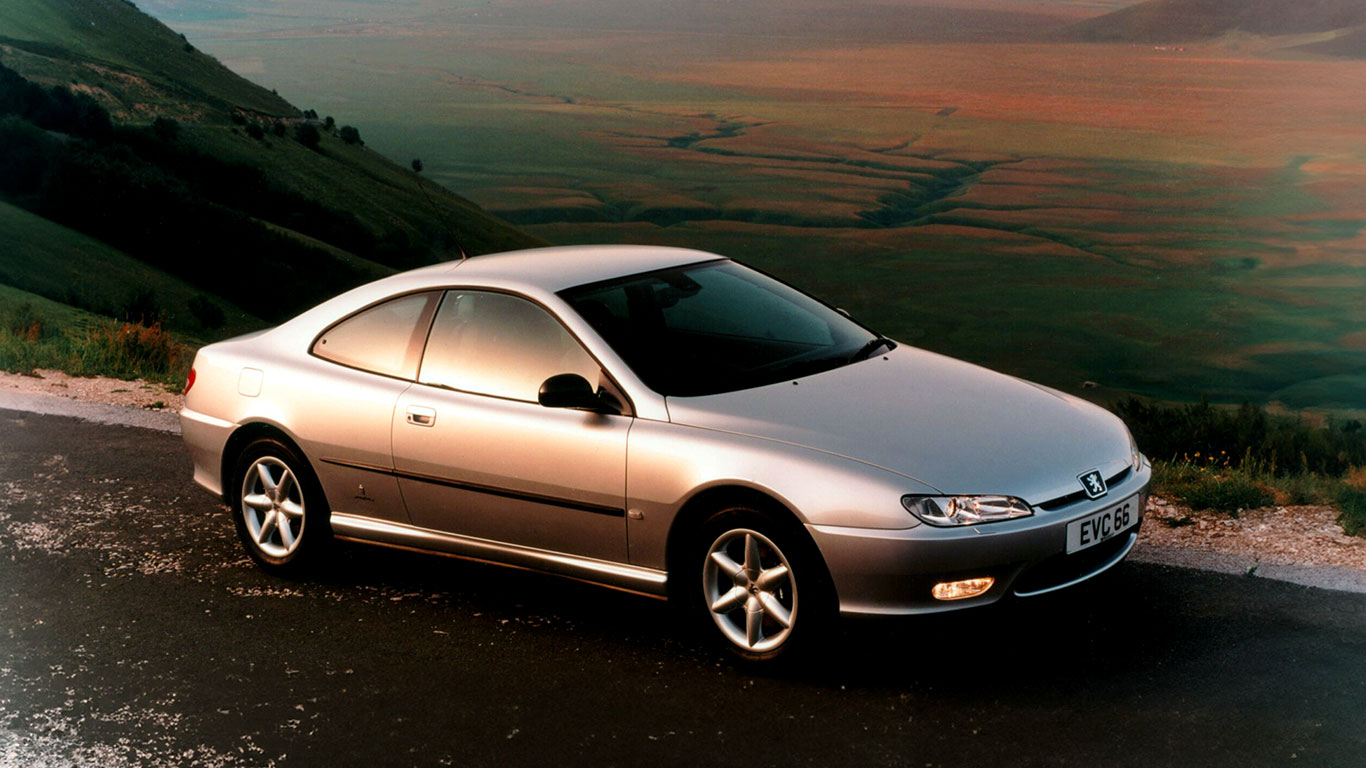
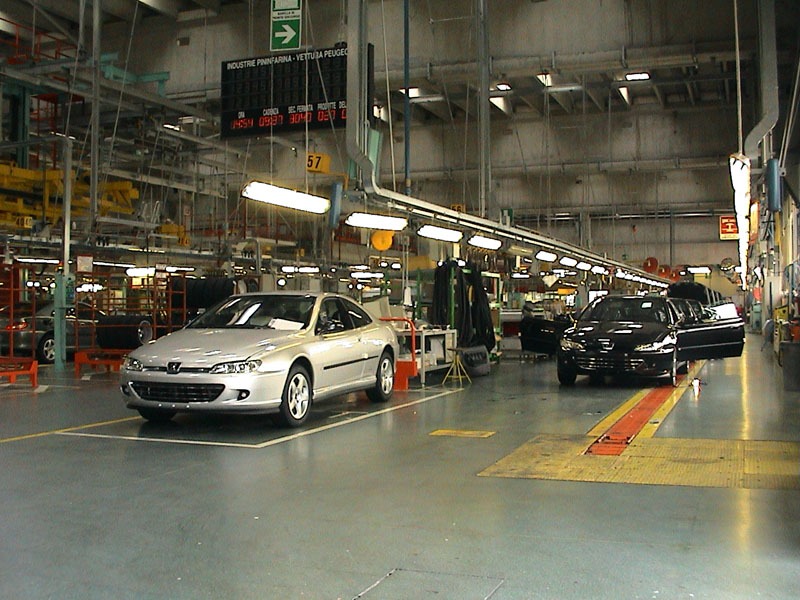
What made it special wasn’t just the styling, but the way it was built. Unlike most coupés derived from sedans, the 406 Coupé was designed and manufactured entirely by Pininfarina in Turin, at the San Giorgio Canavese facility. Bodies were assembled and finished there before being shipped back to France. It was a relatively complex industrial setup, closer to traditional coachbuilding than to mass production, and it required significant coordination between the two companies.
Production ran from 1997 to 2004, with over 107,000 units built—an impressive number for a car in this segment, especially considering its positioning. It wasn’t a niche object; it was a proper success.
Part of that success came from how effortlessly it balanced elegance and usability. It was a comfortable grand tourer, available with V6 engines, but never tried to present itself as a sports car. It knew exactly what it was, and it stayed consistent with that identity from every angle.
🔗 Read more: The Peugeot 406 Coupé: Lines of Perfection
That clarity became its biggest strength—and the biggest challenge for whatever would come next.
Because replacing the 406 Coupé didn’t just mean designing a new car. It meant following something that had already gotten the formula exactly right.
The Brief: From Selection to Paris
The project that would eventually lead to the Peugeot 407 Coupé started under the internal name D25. From the beginning, though, the conditions were different. Peugeot had decided to bring both design and production in-house, a move that reflected a broader shift in the industry at the time.
Still, Pininfarina was invited to participate in the early design phase. It wasn’t unusual—manufacturers often kept external studios involved during transitions like this, partly to maintain continuity, partly to explore alternative directions.
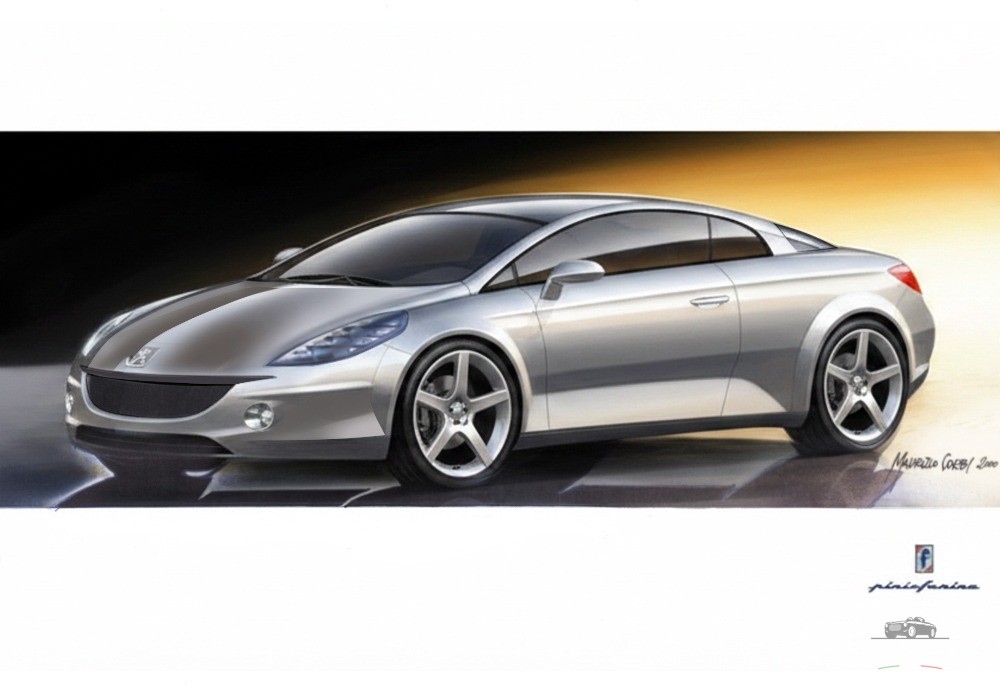
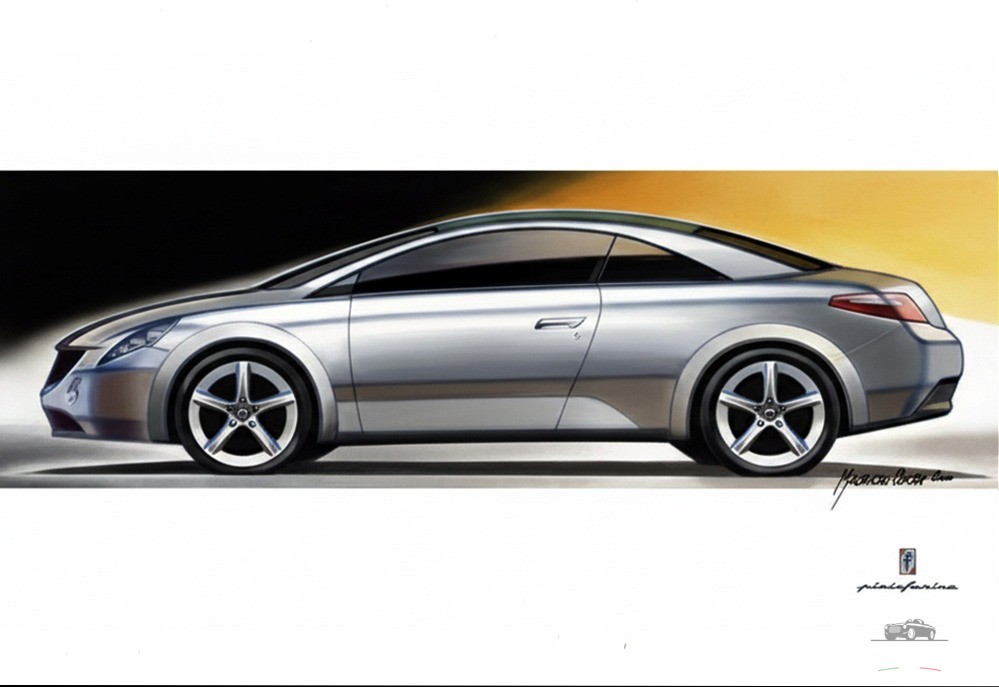
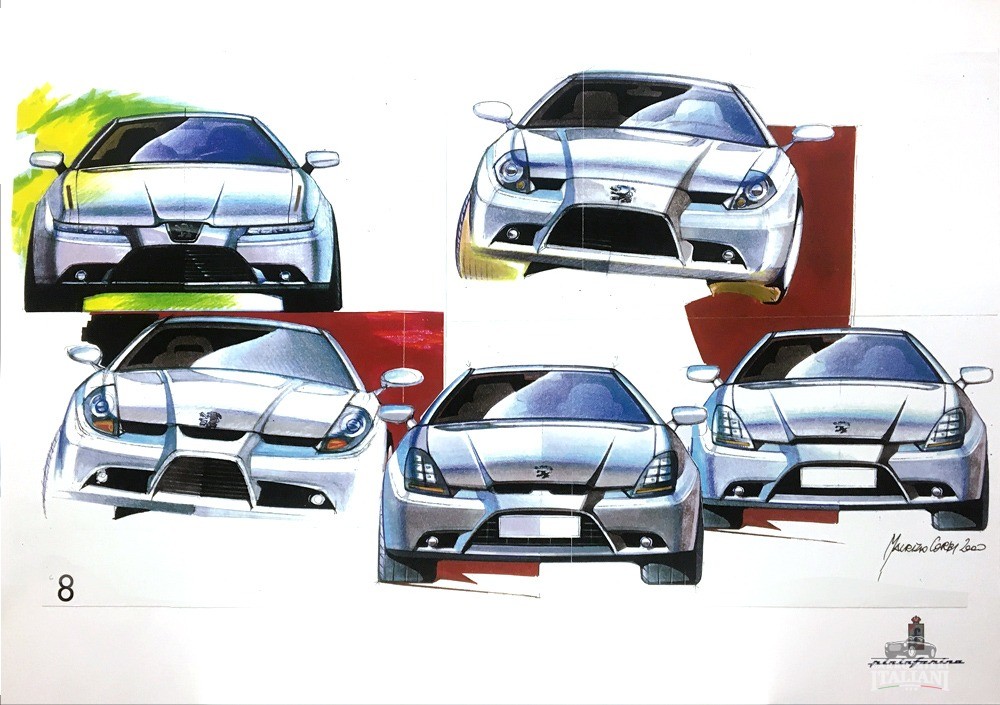
Inside Pininfarina, several proposals were developed. Among them, the one by Maurizio Corbi was selected as the studio’s official entry. It wasn’t just a stylistic exercise; it was a fully developed project.
As always with Pininfarina, the process was hands-on. The design moved quickly from sketches to a full-scale polystyrene model, used to define proportions and volumes. From there, it was refined into a resin model, with sharper detailing and a more realistic surface quality. These were physical objects, built to be judged in real space, under real light—something that still made a difference at the time.
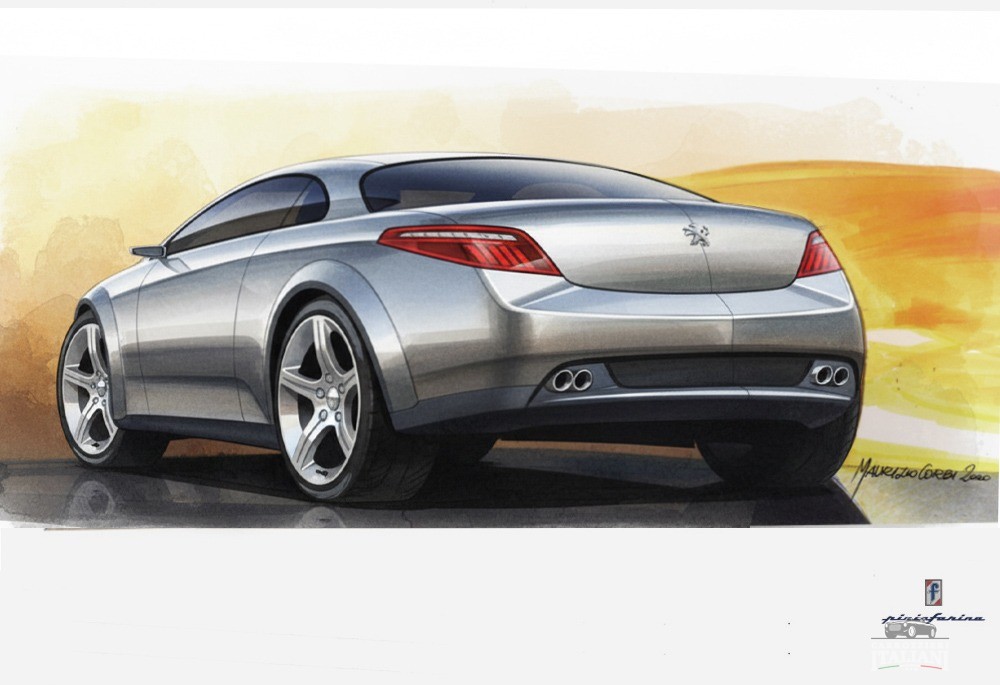
Peugeot’s initial reaction was encouraging. The proposal was well received, and it was clear that it was being taken seriously.
🔗 Read more: Ferrari F355: Designer Maurizio Corbi on Creating a 1990s Icon
That led to the key moment: the presentation in Paris, at PSA’s design center in La Garenne. Maurizio Corbi traveled there together with Lorenzo Ramaciotti, who at the time was leading Pininfarina’s design operations. They presented the model directly to the board.
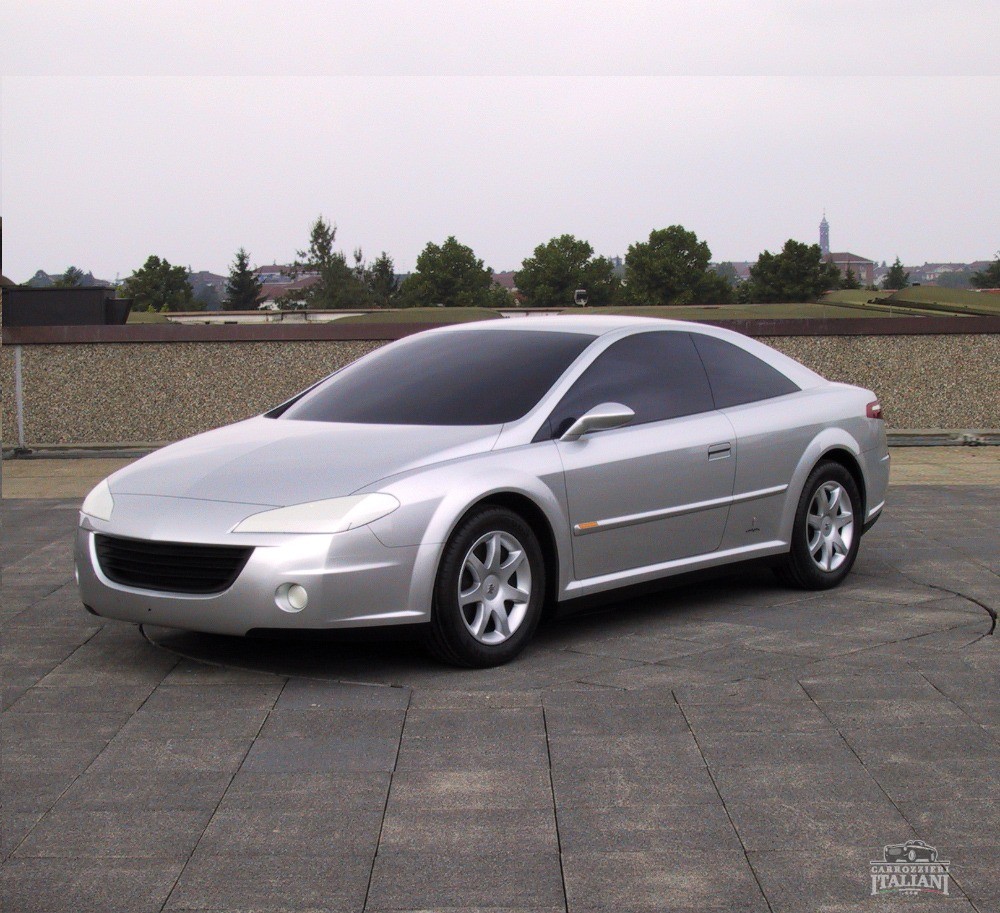
By all accounts, the meeting went well. There were no negative signals, no immediate objections. If anything, there was a sense that the project had a real chance.
And then, nothing.
No clear answer, no immediate feedback. Just a return to Italy, waiting for a decision that didn’t come right away.
A Design of Continuity
Looking at the model today, what stands out first is how calm the design feels. It doesn’t try to reinvent the Peugeot coupé. Instead, it builds on what already worked.
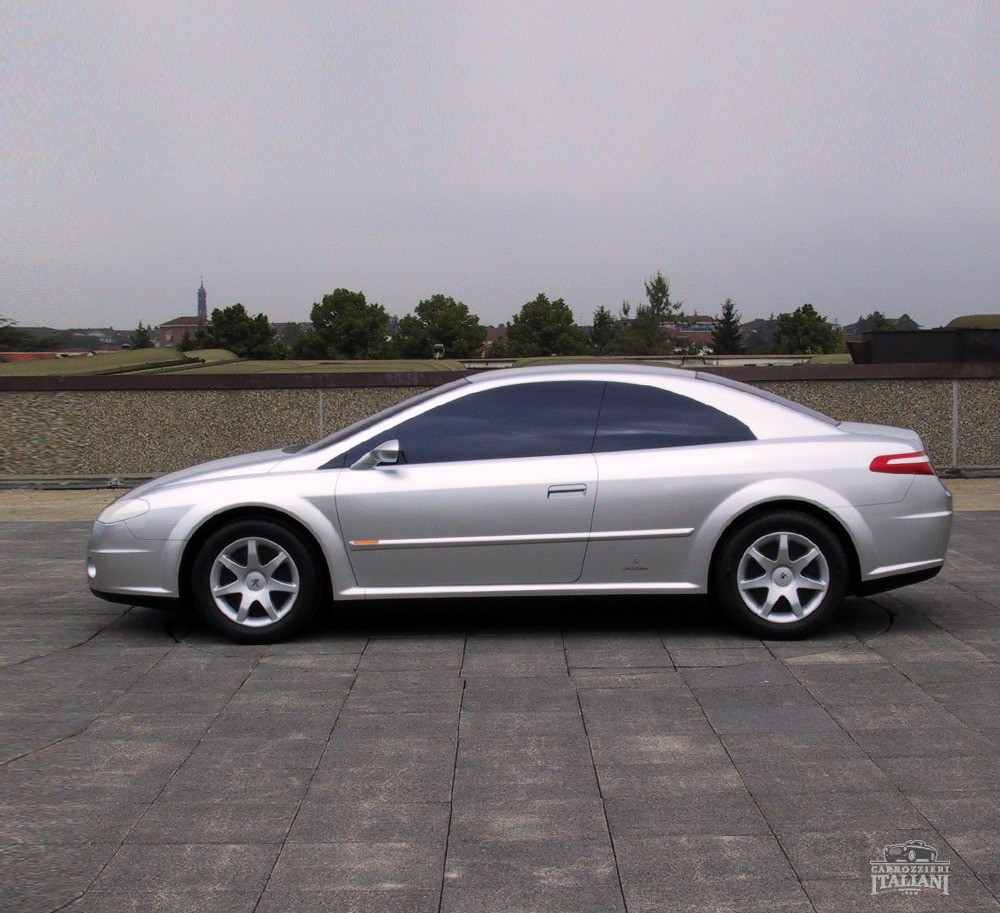
The side profile is probably the strongest element. The roofline flows in one continuous arc, without interruptions or forced transitions. It’s a simple gesture, but it defines the entire character of the car. There’s no exaggeration, no attempt to make it look more dynamic than it needs to be.
The proportions are balanced in a very natural way. The front and rear overhangs are controlled, the cabin sits correctly within the body, and the overall stance feels stable rather than aggressive. It’s clearly a grand tourer, not a sports coupé.
The surfaces are equally restrained. There’s a clean beltline running along the side, with just a slight lower crease to give the body some tension. The wheel arches are present but not overemphasized, avoiding the muscular look that became more common in the early 2000s.
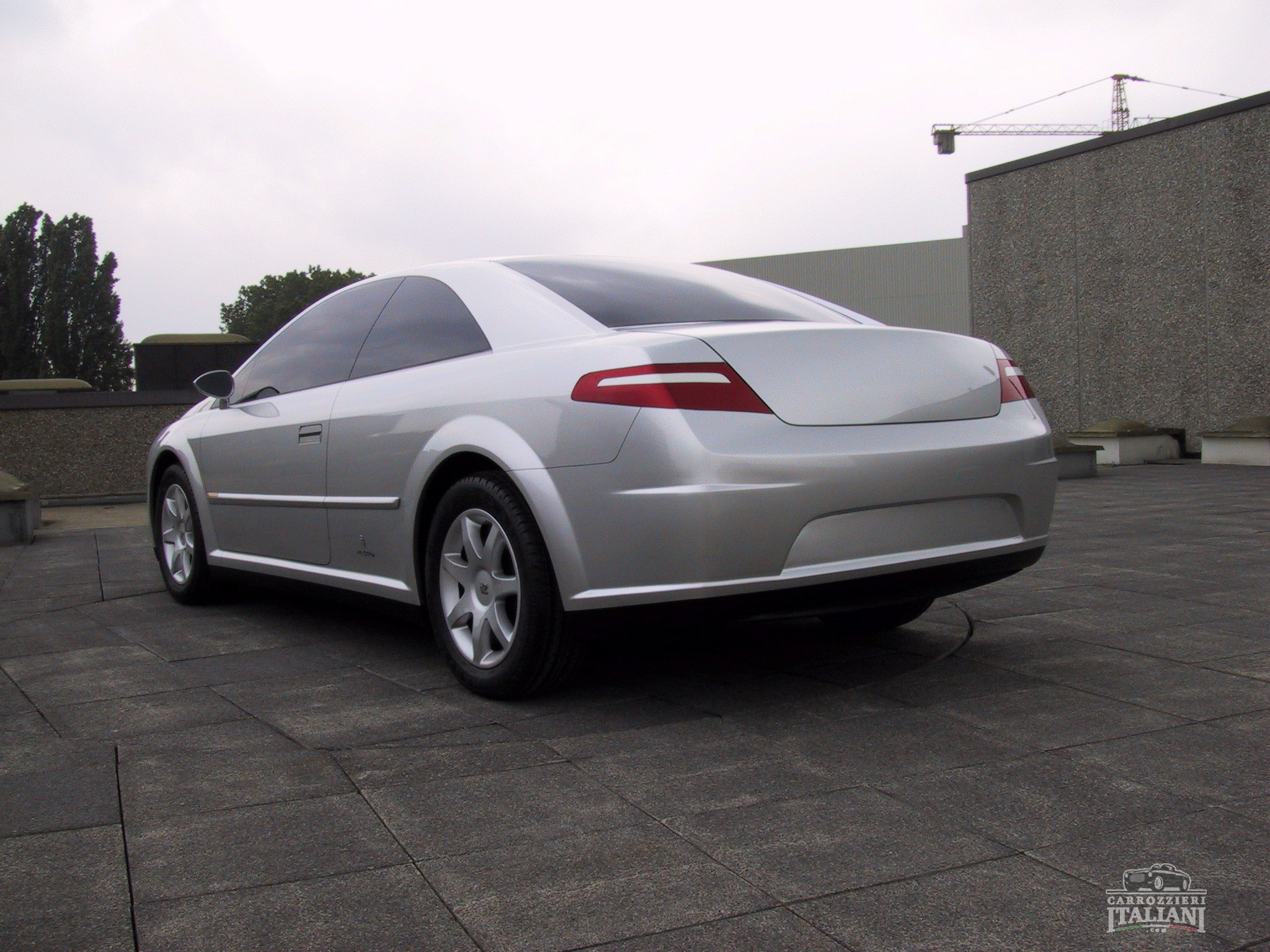
The glasshouse plays a big role in the overall perception. The side windows are long and slightly tapered toward the rear, giving the car a light, elegant appearance. There’s no heavy C-pillar treatment, no visual tricks—just a clean, well-resolved shape.
At the front, the difference from the production 407 is immediately clear. The grille is smaller, more integrated into the bodywork, and doesn’t dominate the design. The headlights are elongated and soft, following the natural curve of the fenders instead of creating tension.
It’s a front end that feels composed, almost understated, especially when compared to the more expressive direction Peugeot eventually took.
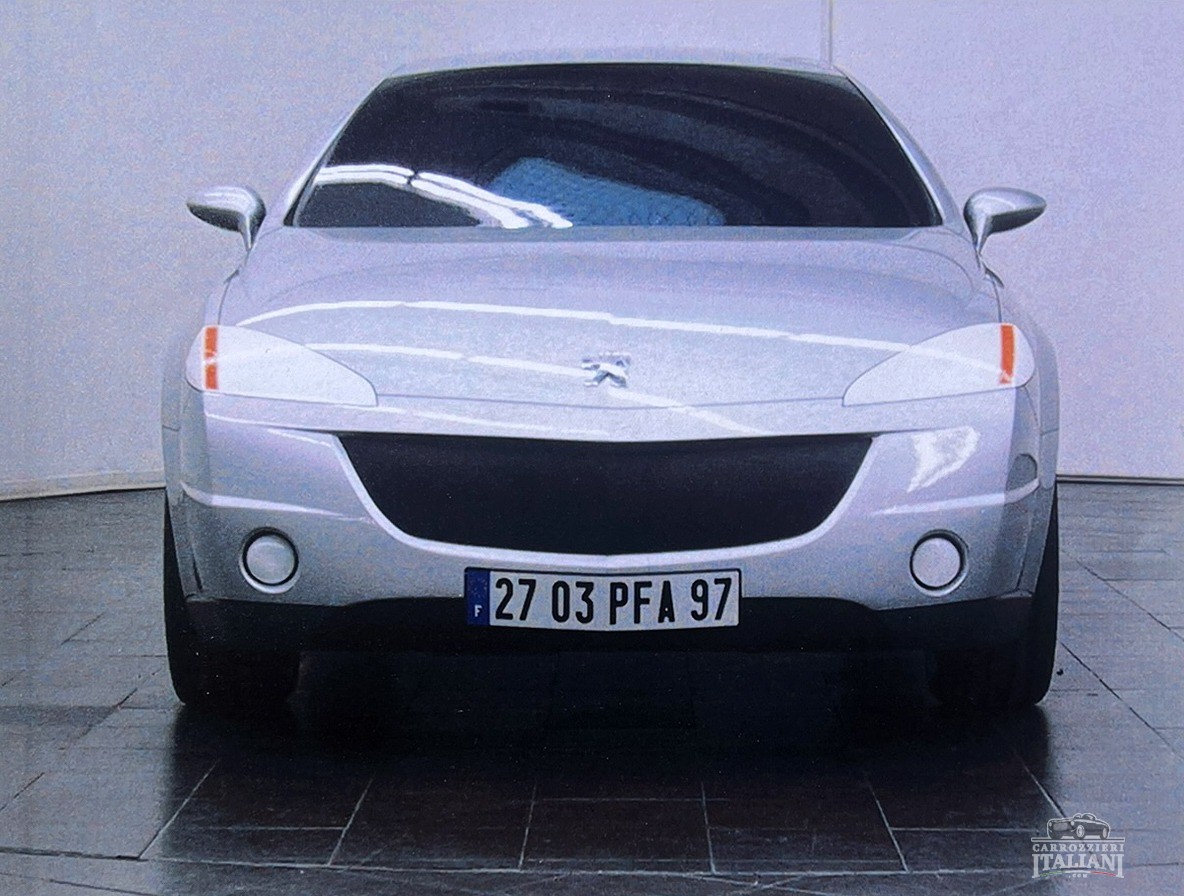
The rear is probably the most resolved part of the car. The transition from the rear window to the trunk is smooth and continuous, with no abrupt changes in volume. The taillights are thin and horizontal, emphasizing width without adding visual weight.
Overall, the design feels coherent. There’s no element that seems out of place, no detail trying too hard to stand out. It’s a car that relies entirely on proportion and surface quality.
And that’s exactly what makes it feel so close to the 406 Coupé—not in a nostalgic way, but in terms of philosophy.
Disappointment and the End of an Era
The answer from PSA arrived a few weeks later, and it was definitive. The project would move forward with an internal proposal, developed under the direction of Gérard Welter.
For Pininfarina, and for Maurizio Corbi, it was a disappointment—but not a surprising one, at least in hindsight. The decision wasn’t just about choosing one design over another. It reflected a broader shift within Peugeot, a desire to take full control of its design identity and move away from external collaborations.
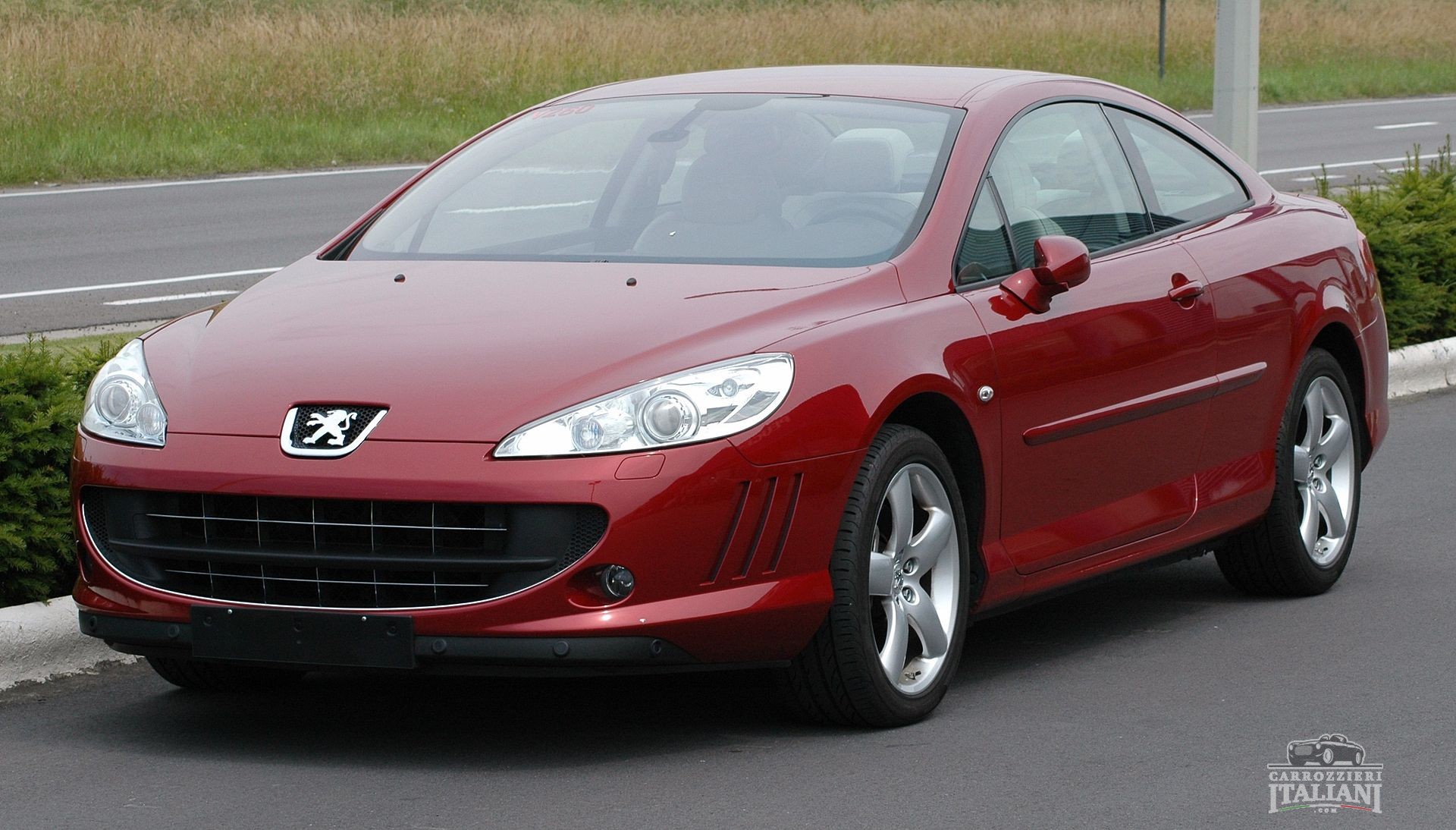
With that choice, a long chapter came to a close. The partnership that had produced some of Peugeot’s most elegant cars quietly ended, without any formal break, but with a clear change in direction.
🔗 Read more: Pininfarina Through the Ages: The Complete History
The 407 Coupé that eventually reached production followed a different path. It was more assertive, more aligned with Peugeot’s evolving brand language, but it never quite achieved the same balance or success as the 406 Coupé.
Looking back today, the Pininfarina proposal feels like a missed opportunity—not because it was necessarily better in absolute terms, but because it offered continuity. It would have extended a design philosophy that had already proven itself, instead of replacing it.
In the end, that’s what makes this project so interesting. It shows how close things can get before taking a completely different direction. And it reminds us that behind every production car, there are always other possibilities—sometimes just as convincing, sometimes even more so—that never make it past the final decision.

ABOUT THE AUTHOR
Andreas Scheidl
Italian classic car enthusiast with German roots. Renowned as a respected figure in the classic car community, he serves as a jury member at various international concours d'elegance, including the Classic Gala Schwetzingen and Mantova. As a content creator, Andreas passionately shares his profound knowledge and appreciation for vintage automobiles. His heart beats for cars designed by Giovanni Michelotti, showcasing his discerning taste and dedication to preserving the timeless elegance of automotive history.
More stories by Andreas Scheidl ↗CONTINUE READING
Posts You Might Like
A Central Driving Position, a Rear-Mounted V8. Was This Really a Lancia?
In 1948, visitors to the Turin Motor Show could see an unusual Lancia on the stand of Carrozzeria Ghia. It was a large two-door coupé with a two-litre V8 mounted behind the…
Read story
Fioravanti F100: The Ferrari He Was Allowed to Imagine
Enzo Ferrari’s centenary, Leonardo Fioravanti’s independent studio and a supercar that explored air brakes, steel wheels and a new way of driving—without ever wearing the Cavallino.
Read story
Michelotti Shellette: When the Fiat 850 Became a Yacht
The yacht designer, the Turin stylist and the tiny coachbuilt car that crossed between the quay, the royal holiday house and the auction room. Some automobiles were conceived for the open road,…
Read story
Maserati A6 1500: A New Road for the Trident
When the doors of the Geneva Motor Show opened in March 1947, Maserati was a name that required little introduction to anyone who followed motor racing. What it did not yet possess…
Read story
THE CONVERSATION
Comments 0
Share a memory, a period photograph or a documented detail about this story.