
The Peugeot 406 Coupé: Lines of Perfection
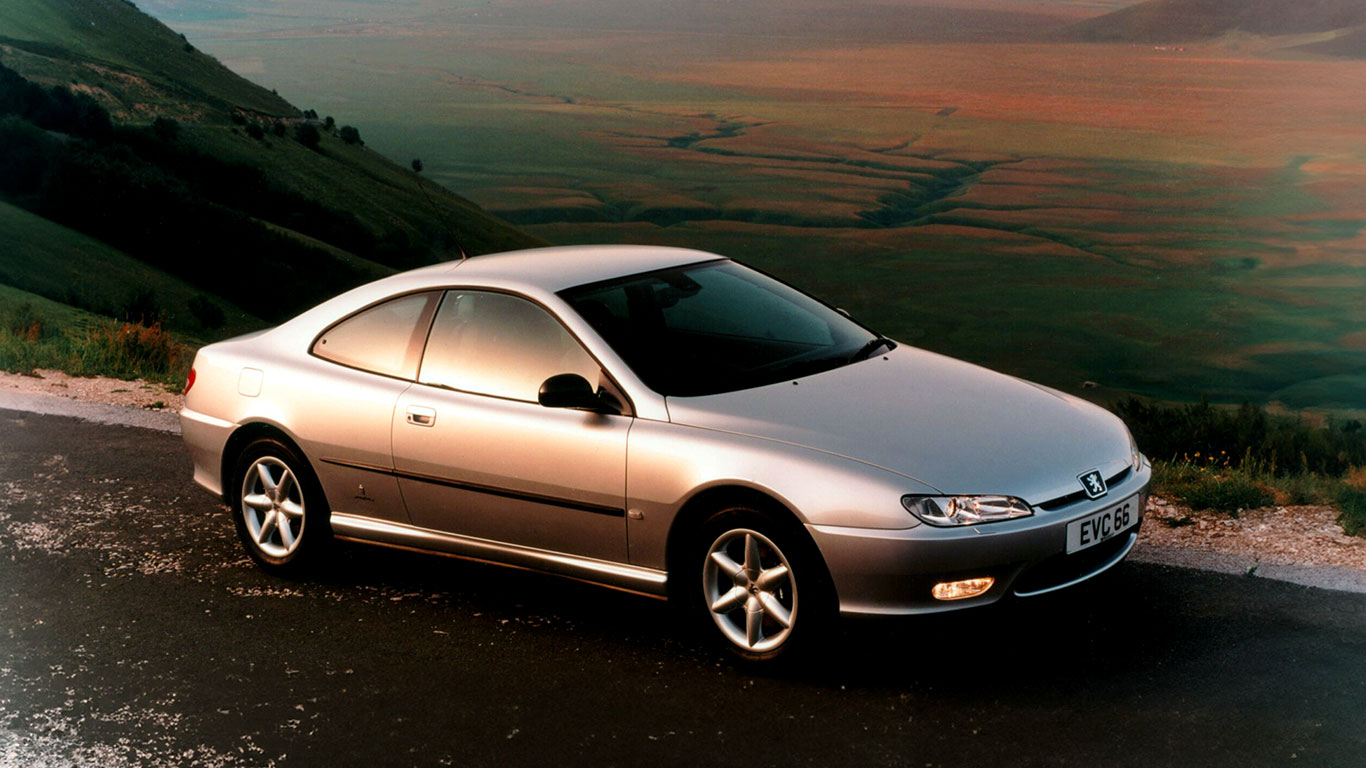
When Peugeot unveiled the 406 Coupé at the 1996 Paris Motor Show, it stole the spotlight. Sleek, balanced, and unmistakably Italian in spirit, it looked more like a hand-built GT from Turin than a production Peugeot from Sochaux. The secret, of course, was Pininfarina — and within its Cambiano studios, a young designer named Davide Arcangeli had penned what would become one of the most beautiful cars of its era.
Awards soon followed: Most Beautiful Coupé in the World, Most Beautiful Car of the Year, and the coveted Car Design Award in Turin — all affirming that Peugeot and Pininfarina had created something timeless. Beneath its sculpted lines lay Peugeot’s dependable engineering, but the real magic was in its proportions — simple, elegant, and perfectly judged.
Nearly thirty years later, the 406 Coupé still turns heads for the same reason it did in ’96. Its design hasn’t aged; it’s matured. Built by Pininfarina’s craftsmen in Italy, it remains a symbol of what happens when French precision meets Italian passion — a car that proves true beauty needs no reinvention.
A Creative Partnership Forged in Time
The story of the Peugeot 406 Coupé begins long before the car itself. It is the culmination of a cross-border partnership between Peugeot and the famed Italian design house Pininfarina that stretches back to 1951. In the early 1950s, Peugeot sought a distinctive new look for its cars and turned to Battista “Pinin” Farina’s studio to shape the Peugeot 403 sedan. The result established a design language and a friendship that would endure for decades.
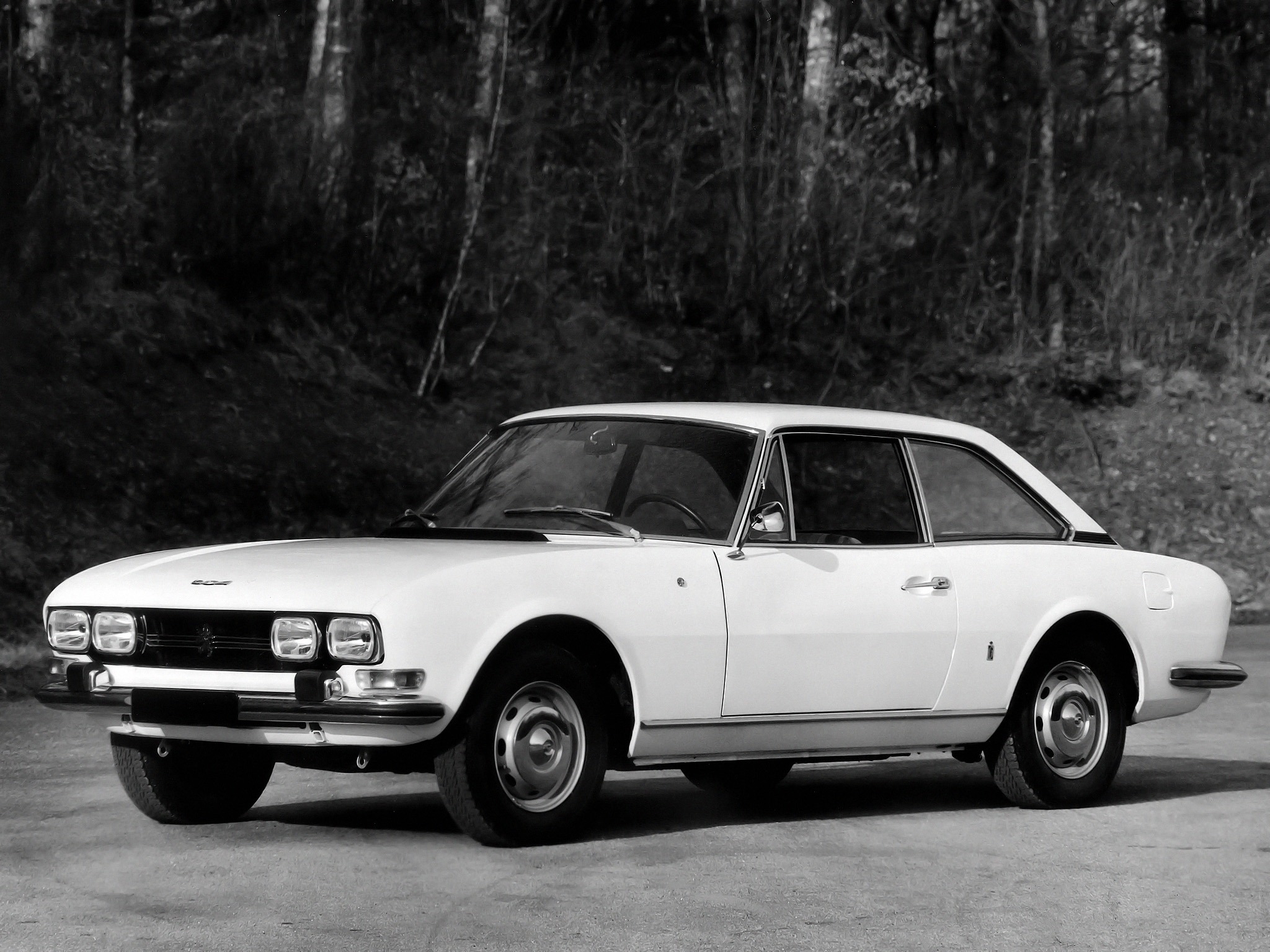
By the 1960s, the collaboration blossomed beyond styling – Pininfarina began building cars for Peugeot as well, especially low-volume exotics like coupes and convertibles. From the elegant 404 Coupé and Cabriolet of the 1960s to the pretty 204/304 Coupés, and the legendary 504 Coupé of 1969, Pininfarina’s touch gave Peugeot a family of standout designs that married French substance with Italian grace.
🔗 Read more: The Partnership between Peugeot & Pininfarina
Each of these models carried a bit of Turin’s flair onto French roads. But after the 504 Coupé was retired in the early 1980s, Peugeot’s grand touring coupé tradition went into hibernation. Aside from a few small convertibles (like the 205 Cabriolet and 306 Cabriolet, also styled by Pininfarina), the marque had no large coupé for over a decade. By the mid-1990s, both Peugeot and Pininfarina were eager to revive that tradition – and they set out to create a modern classic that would stand proudly alongside their past achievements.
Conception of a Modern Classic
In the early 1990s, Peugeot decided it was time to return to the coupé segment with a statement car. The new project would be based on the upcoming Peugeot 406 family sedan, but it needed to be far more than a two-door version of a workaday saloon. The company’s brief to Pininfarina was ambitious: avoid the easy trap of retro styling trends and instead create a design that is “serious and formal… of very high quality and with a timeless beauty”. In other words, Peugeot wanted a contemporary car that would age like a fine wine, evoking the same lasting appeal as the great Peugeot–Pininfarina coupés of the past rather than a fleeting fashion statement. Pininfarina, with its pedigree in classic yet innovative designs, seemed the perfect partner to deliver this vision.
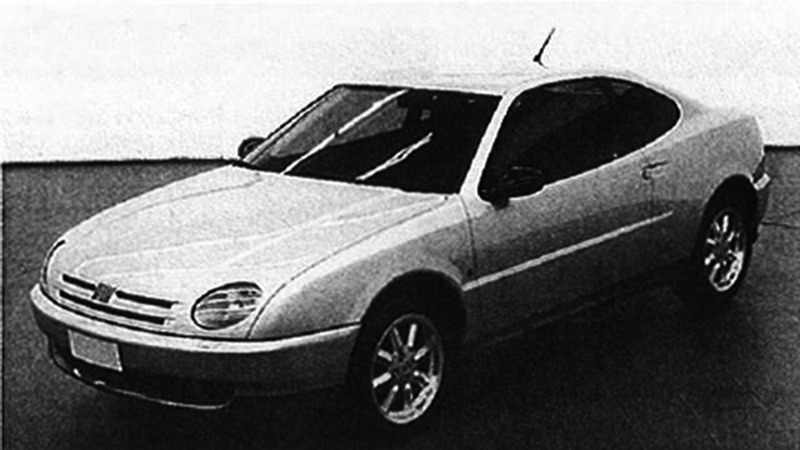
As it happened, Pininfarina already had a head start on ideas for a sleek 1990s coupé. A few years prior, around 1990, the Italian studio had pitched a proposal for a new Fiat Coupé. Fiat was hunting for a design for its sporty four-seater, and Pininfarina’s concept featured lithe proportions and a clean profile not unlike what would later become the 406 Coupé. In the end, Fiat’s management chose an in-house design by a young Chris Bangle – the design that would go on to be the striking Fiat Coupé launched in 1994. Pininfarina’s elegant proposal was passed over, but it did not vanish; the unchosen design lingered in the studios at Grugliasco. When Peugeot came calling for a new coupé, Pininfarina saw an opportunity to refine and repurpose those ideas for the Lion of Sochaux. Fiat’s loss would become Peugeot’s gain.
From Sketch to Final Model
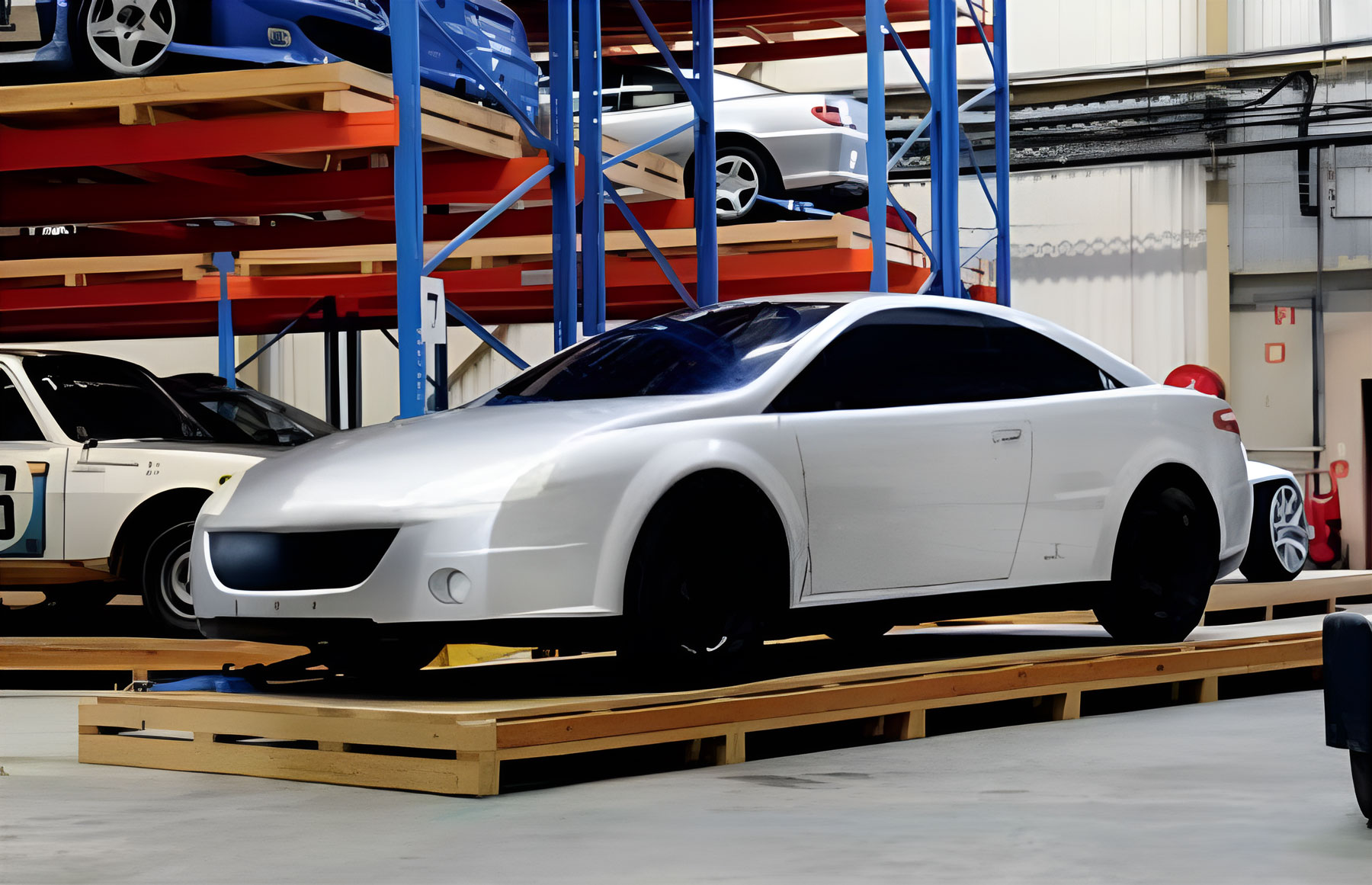
Work on Project “406 Coupé” formally kicked off in June 1992 at Pininfarina’s Cambiano design center. The atmosphere was charged with creativity and ambition. Designers produced a series of renderings exploring different silhouettes and side profiles – some envisioned a tightly drawn, athletic coupé, others a more flowing and classic grand tourer. Very quickly, the team honed in on the right direction. By September 1992, just a few months in, two full-size foam and clay models had been built for evaluation. One of these models already captured the essence of what the 406 Coupé would become, with graceful curves and balanced proportions; the other was a bolder take with taut, angular lines that ultimately was set aside. The Pininfarina designers, guided by chief stylist Lorenzo Ramaciotti, could sense they were onto something special with the first design – it had the timeless purity Peugeot wanted.
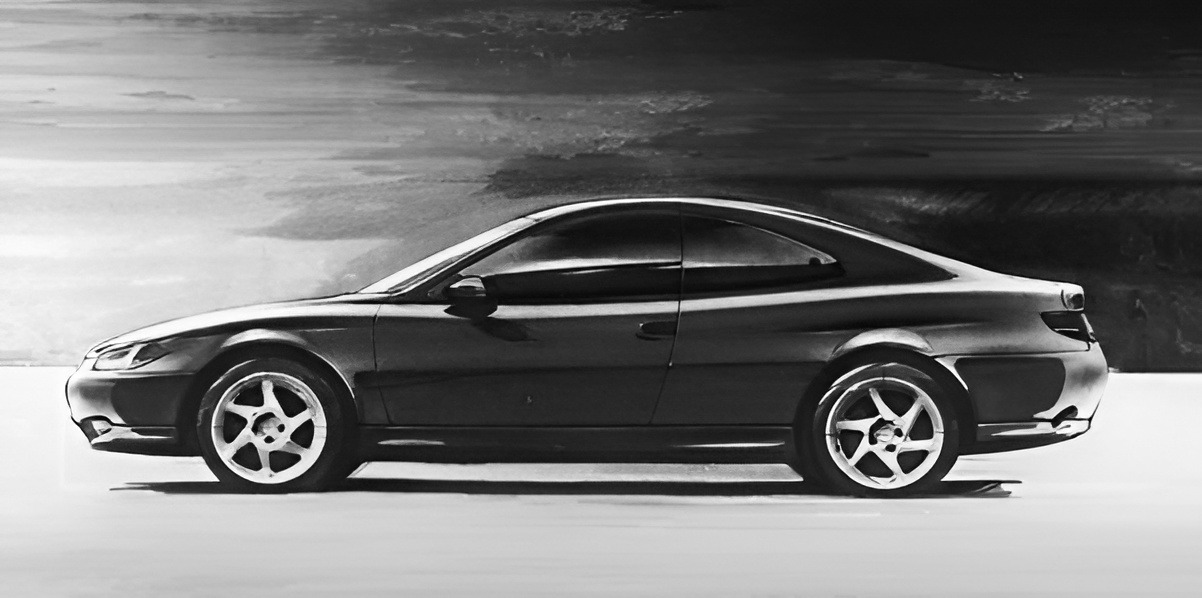
Encouraged, they quickly developed two more refined prototypes in the following months, this time fully painted to simulate a production-ready look. Of those, one was extremely close to the final design, already showcasing the signature elements: the gently arched waistline, the subtle bulge over the rear wheels, and the distinctive rear window tucked neatly into the C-pillar buttresses. By April 1993, Pininfarina produced a last definitive mock-up that was virtually identical to the car that would eventually hit the road. In essence, the exterior design had been locked in a full two years before the 406 Coupé’s public debut – a testament to how clear and confident the vision for this car was from early on.
🔗 Read more: Pininfarina Through the Ages: The Complete History
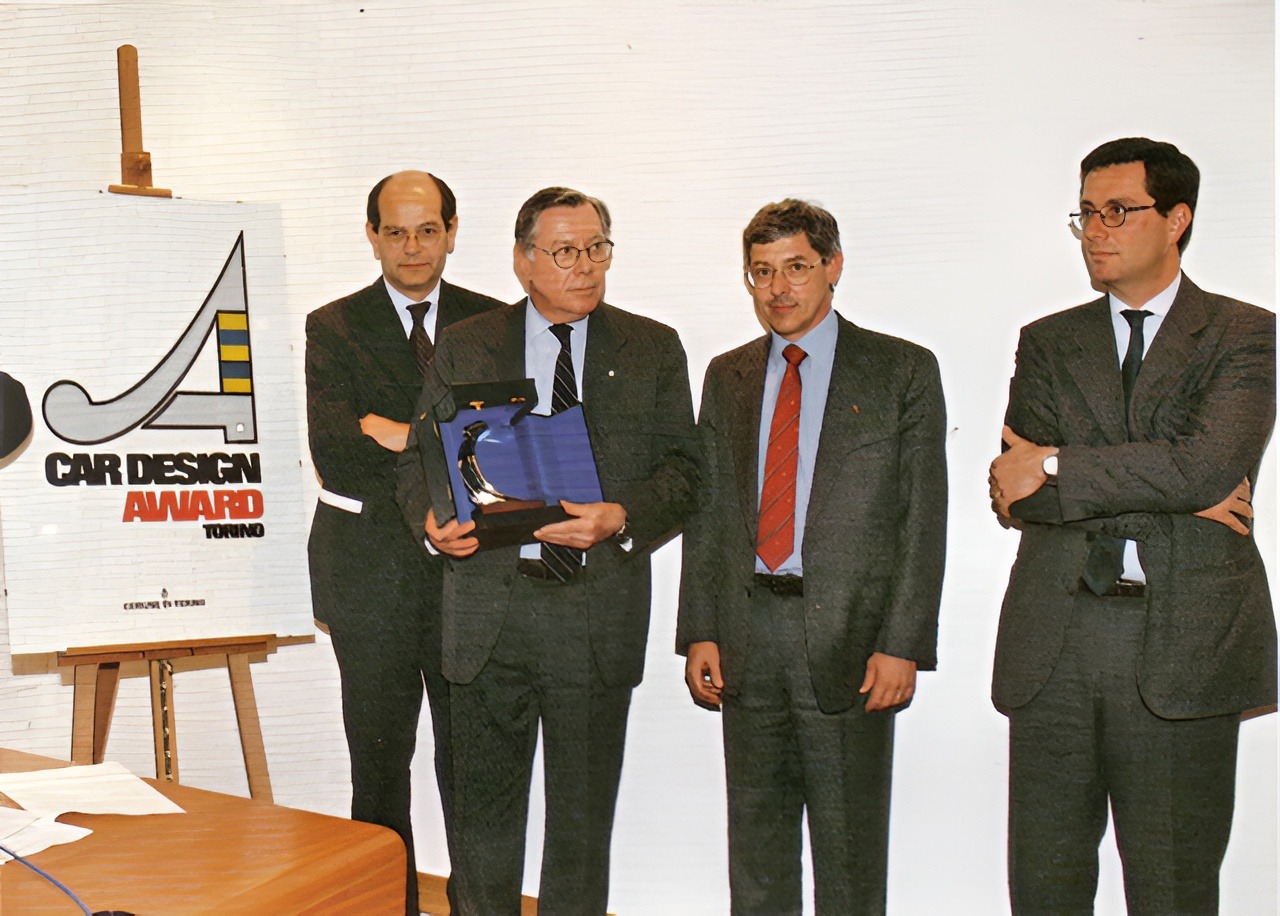
At the heart of this creative process was a young designer named Davide Arcangeli, one of Pininfarina’s rising talents. Arcangeli was only 22 years old when he began sketching the 406 Coupé in 1992, yet he displayed a mature sense of proportion and elegance in his work. It was his pencil that first traced the 406’s now-familiar silhouette, and the project allowed this prodigy to leave an indelible mark. The final design is widely credited to Arcangeli under Ramaciotti’s direction – an impressive achievement for someone in their twenties. In 1997, at age 27, Arcangeli’s role in shaping the 406 Coupé earned him the coveted Car Design Award in Turin, one of the industry’s highest honors. (Tragically, Arcangeli would not have a long career to continue his streak of brilliance. He left Pininfarina for BMW in the late 1990s and worked on the radical E60 5-Series with Chris Bangle, but fell gravely ill. He passed away in 2000 and never saw his BMW design reach production two years later. The 406 Coupé thus remains perhaps his most beloved legacy.)
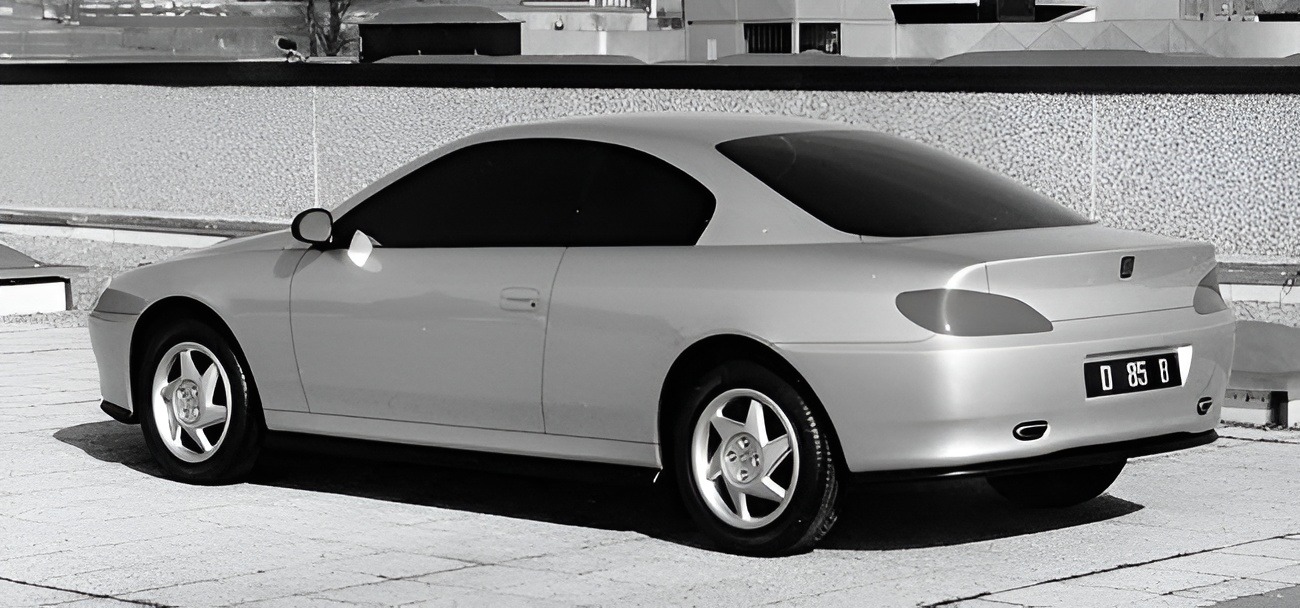
As the styling developed, those who saw the car took note of its undeniably Italian flair. Some observers remarked that from certain angles, the 406 Coupé carried hints of Ferrari – unsurprising, given Pininfarina’s simultaneous work on Ferrari models in that era. The long, low nose with its slim headlights and the sinewy, balanced profile had an echo of the Ferrari 456 GT, a Pininfarina design from a few years earlier. Indeed, the 406 Coupé was so beautiful that it sparked an urban legend in the car world: whispers spread that the Peugeot was actually a rejected “baby Ferrari” design that Pininfarina had shopped around. The story went that Maranello had supposedly commissioned an entry-level Ferrari prototype, then declined it – and Pininfarina, not wanting to waste the gorgeous design, offered it to Peugeot instead. It was a tantalizing tale, and many were willing to believe it because the 406’s proportions and details looked every inch an Italian thoroughbred despite the Peugeot badge.
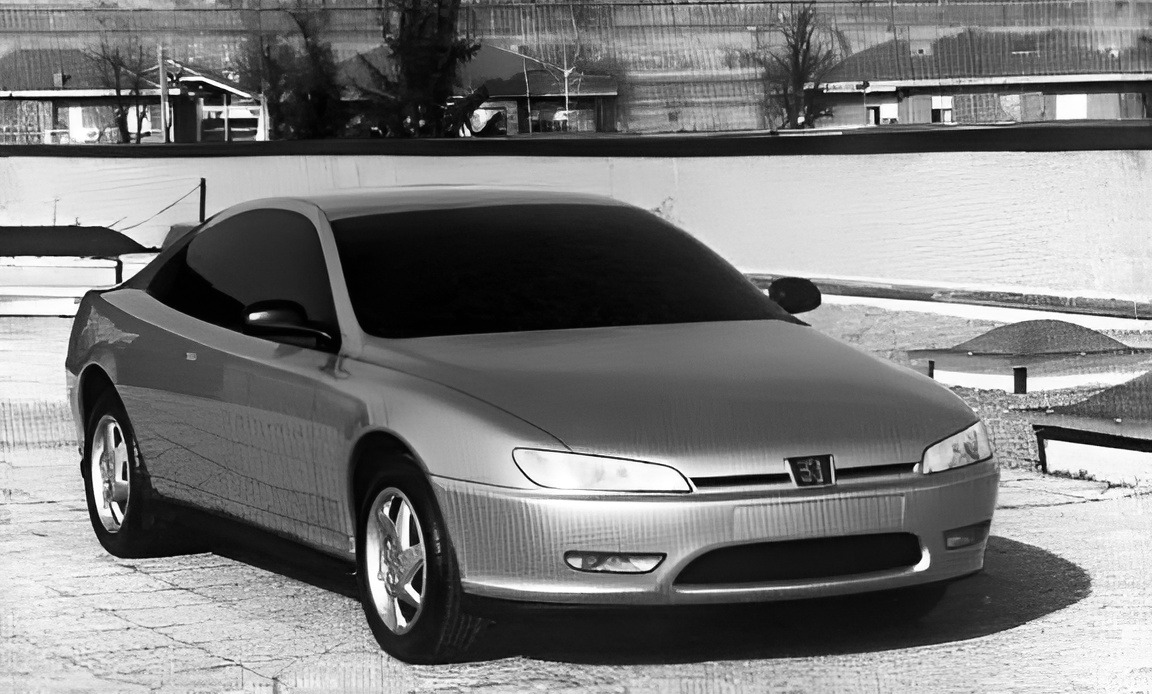
Years later, however, Pininfarina set the record straight. In a 2015 interview, Paolo Pininfarina (then chairman of the company) acknowledged with a chuckle that while the 406 Coupé has a certain Ferrari DNA, it was never a secret Ferrari project. The resemblance, he explained, comes from Pininfarina’s own house style – the shared ethos that influences all their designs, whether for Ferrari or Peugeot. Crucially, he pointed out that the 406 Coupé also carries Peugeot’s DNA: the design actually draws inspiration from Peugeot’s heritage, notably the classic 504 Coupé that Pininfarina designed in the 1960s. “If you go back and look at the 504 Coupé… you will see this shoulder line,” Paolo noted, sketching the gentle curve along the 406’s flank. “There’s a lot of good Peugeot design identity in the 406.” In other words, the 406’s elegance wasn’t the byproduct of an orphaned Ferrari at all, but a deliberate evolution of Peugeot’s own elegant coupé lineage fused with Pininfarina’s artistry. Paolo Pininfarina didn’t hesitate to declare the finished car “a masterpiece… almost timeless.” Few would disagree.
Engineering an Automotive Sculpture
If the exterior of the 406 Coupé was a work of art, the engineering and production process became a master class in translating sculpture to reality. This project added a new dimension to the Peugeot–Pininfarina relationship: for the first time ever, Peugeot entrusted Pininfarina not just with styling the car, but with full responsibility for engineering development, manufacturing and even homologation testing. It was a bold vote of confidence from Peugeot’s management – essentially handing over the keys to one of their halo models and saying, “you build it, you stand by its quality.” Pininfarina, proud of its coachbuilding heritage, threw itself into the task wholeheartedly. A joint project team was established in 1993, with engineers and managers from both companies working side by side at Pininfarina’s facilities. The goal was clear: no compromises. The 406 Coupé would meet all of Peugeot’s exacting standards for quality and safety, even if its design presented unprecedented challenges.
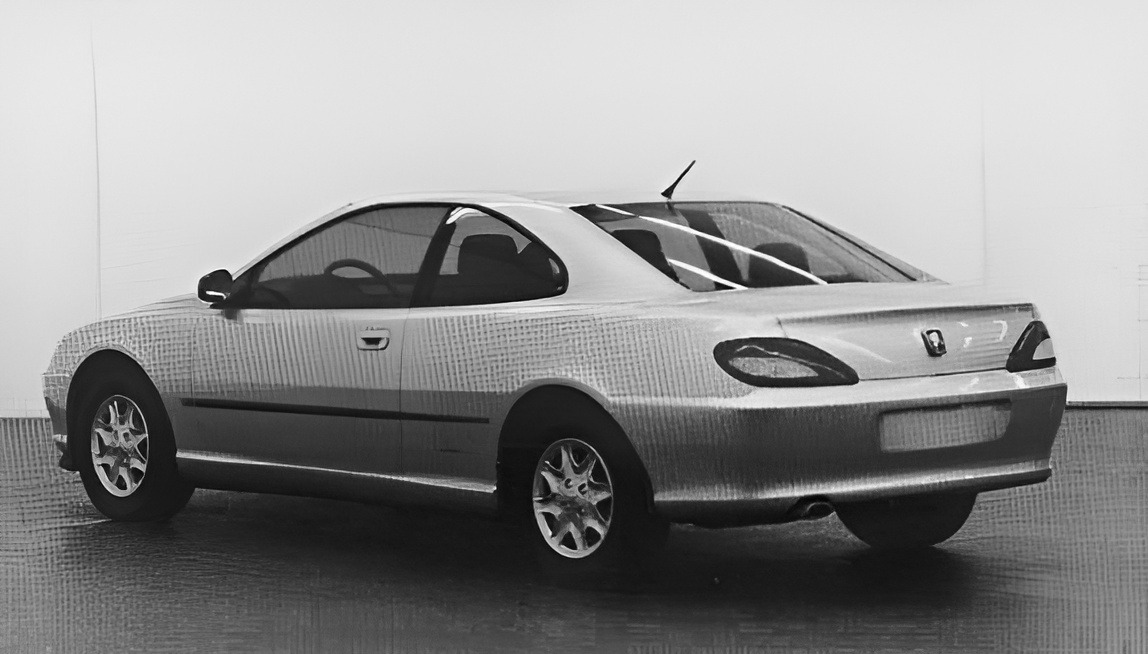
And challenges there were aplenty. The Pininfarina team often had to invent novel solutions to preserve the purity of the 406’s design. For example, the car’s doors are unusually long and frameless (no upper window frame) to achieve that sleek side profile – beautiful, but posing rigidity and sealing concerns. Engineers strengthened the door structures internally and developed a clever window mechanism: when you pull the handle, the side glass drops a few millimeters automatically, allowing the door to open without catching the seal, and then rises to snugly fit again when closed. At speed, the windows even lock in place to ensure there are no air leaks and to improve safety in the event of side impact.
Another issue was the rear quarter glass – the small triangular windows behind the doors. In most coupes these are fixed, but on the 406 Coupé they were designed to retract part-way for rear passengers’ comfort. Making that work while keeping the car’s fast roofline was an engineering puzzle that Pininfarina solved through careful motorization and sealing. Then there was the dramatic wraparound rear window itself: a curved glass panel set into a scalloped recess at the rear, which gives the car a jewel-like tail. Getting that large piece of glass to fit flush, with an even black silkscreen border and no distortion, demanded new production techniques from Pininfarina’s glass suppliers. The front end presented its own hurdles: the expansive clamshell hood (bonnet) had to clear the low nose and slender headlamps when opening. The solution was a specially designed hinge system that allows the hood to pop up and forward in a controlled arc. Likewise, the trunk lid used an elegant parallelogram hinge – a trick borrowed from convertible design – so that it could open wide without needing ungainly cut-lines in the Coupé’s curved tail. Even the bumper assemblies were crafted from advanced polycarbonate plastics, giving them the flexibility to withstand minor knocks without cracking – a practical touch for a car intended to be driven, despite its exotic looks.
🔗 Read more: Designing the Ferrari 456: Pietro Camardella’s masterpiece
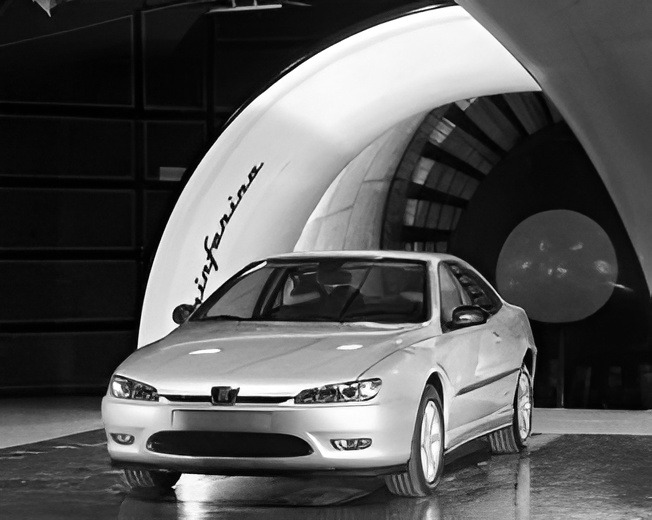
Every aspect of the 406 Coupé was pored over to marry form and function. Extensive wind tunnel testing at Pininfarina’s own facility ensured that those frameless windows and sexy curves did not compromise high-speed stability or quietness. In fact, the car achieved a remarkably hushed cabin for a 1990s coupé, thanks to superb aerodynamics and meticulous weatherproofing – the result of “accurate research sessions in the Pininfarina Wind Tunnel” to optimize seals and reduce wind noise. The underlying platform and mechanical components were shared with the Peugeot 406 sedan for reliability, but with careful tuning to match the coupé’s character. The suspension was subtly recalibrated by Peugeot’s engineers to account for the two-door’s slightly lighter weight and lower center of gravity, and the track widths were marginally wider for a planted stance. Inside, Pininfarina focused on grand touring comfort: unlike some 2+2 coupes, the 406 has four genuine, adult-sized seats and a generous luggage trunk, making it a true four-seater GT. Sumptuous leather upholstery, tasteful wood or aluminum trim, and a minimalist dash (shared with the 406 sedan) gave an upscale feel. The fact that all this practicality coexisted with the car’s svelte shape is a credit to the depth of the design and engineering collaboration.
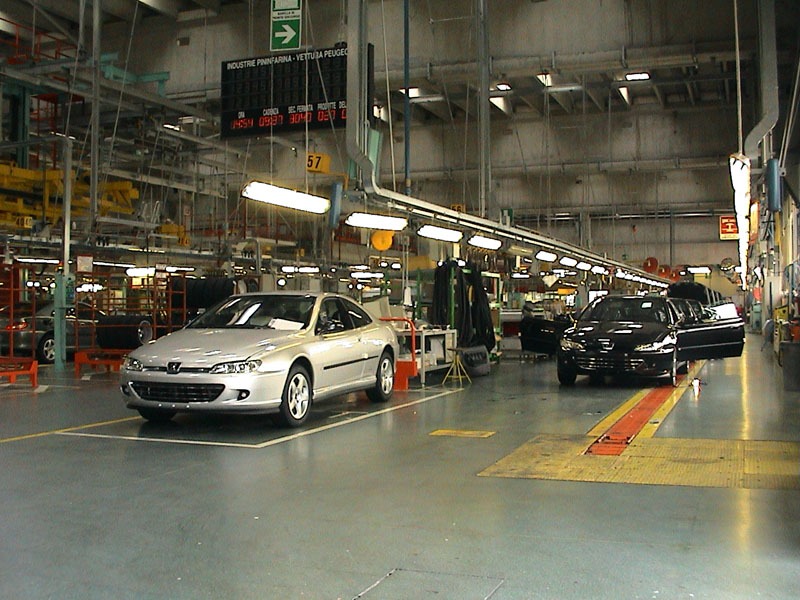
When it came time to build the car, Pininfarina’s experience as a manufacturer of specialty models was fully put to use. Production of the 406 Coupé took place not in France, but in Italy, at Pininfarina’s own facilities. The bodies were stamped and assembled at the Grugliasco plant (near Turin), where they were also painted with corrosion-proofing and top coat using a high-quality process. Partially completed bodies-in-white were then transported to Pininfarina’s manufacturing hub in San Giorgio Canavese, a short distance away, for final assembly. There, the drivetrains, suspension, and interiors supplied by Peugeot were married to the painted shells under Pininfarina’s supervision. Every single 406 Coupé underwent stringent quality checks and a test drive. In fact, Pininfarina even utilized its private test track in San Giorgio to shake down each car off the line – 100% of production was road-tested to ensure it met specs. Such attention to detail was unprecedented for a mass-production Peugeot, but it illustrates how determined both companies were to make the 406 Coupé as perfect as possible. This wasn’t just another Peugeot – it was a showcase of Italian craftsmanship and French automotive know-how blended in one product.
Unveiling, Acclaim and Evolution
After years of development, the Peugeot 406 Coupé was officially unveiled at the Paris Motor Show in October 1996, just in time to usher in a new era of Peugeot design. The public’s reaction proved that Peugeot’s bold bet had paid off. Crowds at the show stood three-deep around the car, admiring its flowing lines. Here was a Peugeot that looked like a high-priced Italian exotic, yet it was destined for showrooms at a relatively attainable price. The press were equally effusive, hailing the 406 Coupé as “the French Ferrari” and praising Peugeot for bringing back the spirit of the grand touring coupé. Orders began to flood in even before the first cars hit the road in early 1997.
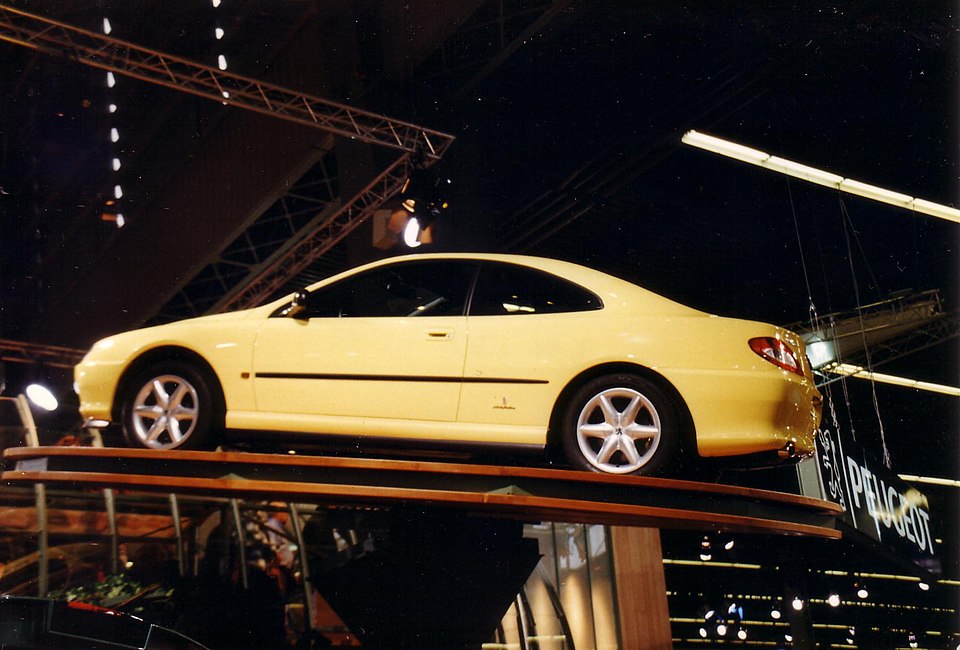
Accolades followed quickly. In Italy, the 406 Coupé won the “Most Beautiful Coupé of the World” award for 1997 – a prestigious honor bestowed in Milan by an international panel of judges. In the same year, it also received the Car Design Award 1997 in Turin, recognizing the excellence of its styling. Then, at the close of 1997, a public poll at the Festival Automobile of Chamonix crowned the 406 Coupé as “The Most Beautiful Car of the Year 1998”, beating many more expensive competitors. Such honors cemented the 406 Coupé’s reputation as a design masterpiece. It wasn’t just beautiful “for a Peugeot” – it was beautiful period, often mentioned in the same breath as luxury GTs from Ferrari or Aston Martin in terms of pure style.
🔗 Read more: The Peugeot 407 Coupé: Pininfarina’s Lost Proposal
Beneath that gorgeous exterior, the 406 Coupé shared its robust bones with the 406 sedan, meaning it inherited solid engineering and dependable road manners. At launch, it was offered with two engines: a 2.0-liter four-cylinder (around 135 bhp) for relaxed cruising, and a flagship 3.0-liter V6 (194 bhp) that gave the car proper performance to match its looks. Enthusiasts loved the smooth, sonorous V6, which could whisk the coupé from 0-100 km/h in about 7.5 seconds – not a blistering time by sports car standards, but plenty quick for a grand tourer in the late ’90s. In 1999, Peugeot updated the engines: the V6 was upgraded to a newer 210 bhp unit for extra punch, while the 2.0-liter got a modest boost to 137 bhp. More surprising was the decision in 2001 to add a 2.2-liter HDi turbo-diesel to the lineup (136 bhp). A diesel engine in a Pininfarina-styled coupé was almost heresy to purists, but Peugeot was ahead of its time – the diesel 406 Coupé offered high torque and excellent fuel economy, appealing to a subset of buyers and demonstrating the versatility of the car’s design. In practice, the HDi model still delivered a relaxed, grand-touring experience and became one of the first successful mainstream diesel coupés. Around that time, a 2.2-liter gasoline four-cylinder (160 bhp) was also introduced to slot between the base 2.0 and the V6.
Through its production run, the exterior design remained virtually unchanged, a testament to the foresight of its creators. Only in mid-2003 was a very mild facelift applied: Pininfarina subtly reshaped the front bumper with a larger air intake and fitted smaller, round fog lamps, giving the car a slightly sharper front-end look in line with newer Peugeots. The interior trim was updated with new materials (such as satin-finish metal accents and different seat upholsteries) to keep the cabin feeling premium. These tweaks were deliberately minor – after all, when a design is winning praise worldwide, you don’t mess with success too much. The 406 Coupé’s appearance in 2004 was essentially as stunning as it had been in 1997.
By the time production ceased in December 2004, Pininfarina had built 107,633 units of the Peugeot 406 Coupé. This volume far exceeded initial expectations, affirming that the car had been not only an aesthetic triumph but a commercial one as well. The vast majority of 406 Coupés stayed in Europe – France and Germany were big markets, and the UK imported over 10,000 of them (despite the car being left-hand-drive only in its final years). A few found their way to far-flung places (a small number even to Japan and Mexico), carried home by enthusiasts who couldn’t resist its charms. In an era when Peugeot’s regular sedans and hatchbacks were ubiquitous, the 406 Coupé was a rare halo car that brought excitement and glamour to the brand’s image.
Legacy of an Icon
Looking back, the Peugeot 406 Coupé is now regarded as one of the most beautiful Peugeots ever made – and indeed one of the prettiest cars of its era. It represented the peak of a long tradition of Peugeot grand tourers shaped by Italian hands. In many ways, it was the “last of an elegant line”: after the 406, Peugeot would shift to designing its coupés in-house. Pininfarina had actually submitted its own proposal for the 407 Coupé, hoping to continue the partnership, but Peugeot ultimately chose to develop the design internally. The resulting 407 Coupé, launched in 2006, was a competent car but widely seen as less cohesive and graceful in design – a sign that the magic of the Pininfarina touch was missing. Peugeot’s decision to break from its longtime collaborator may have been an effort to establish a new design language, but as one commentator drily noted, the 407 Coupé “ended up standing out for all the wrong reasons” when compared to the timeless 406.
Two decades on, the 406 Coupé’s design has truly stood the test of time. Park one next to contemporary cars and it still draws admiring looks, its purity of line and absence of clutter setting it apart. The values of used 406 Coupés have begun to appreciate as collectors and enthusiasts realize what a special machine it is – an affordable classic with pedigree. For design students and aficionados, the 406 Coupé is often cited as a masterclass in how to do a modern yet enduring design: it’s free of gimmicks, perfectly proportioned, and communicates both power and understated elegance. It’s also a case study in a successful collaboration between automakers and independent design houses – something rarer in today’s industry. The car stands as a tangible reminder of the synergy between Peugeot and Pininfarina, a rolling sculpture that combines Italian passion with French practicality.
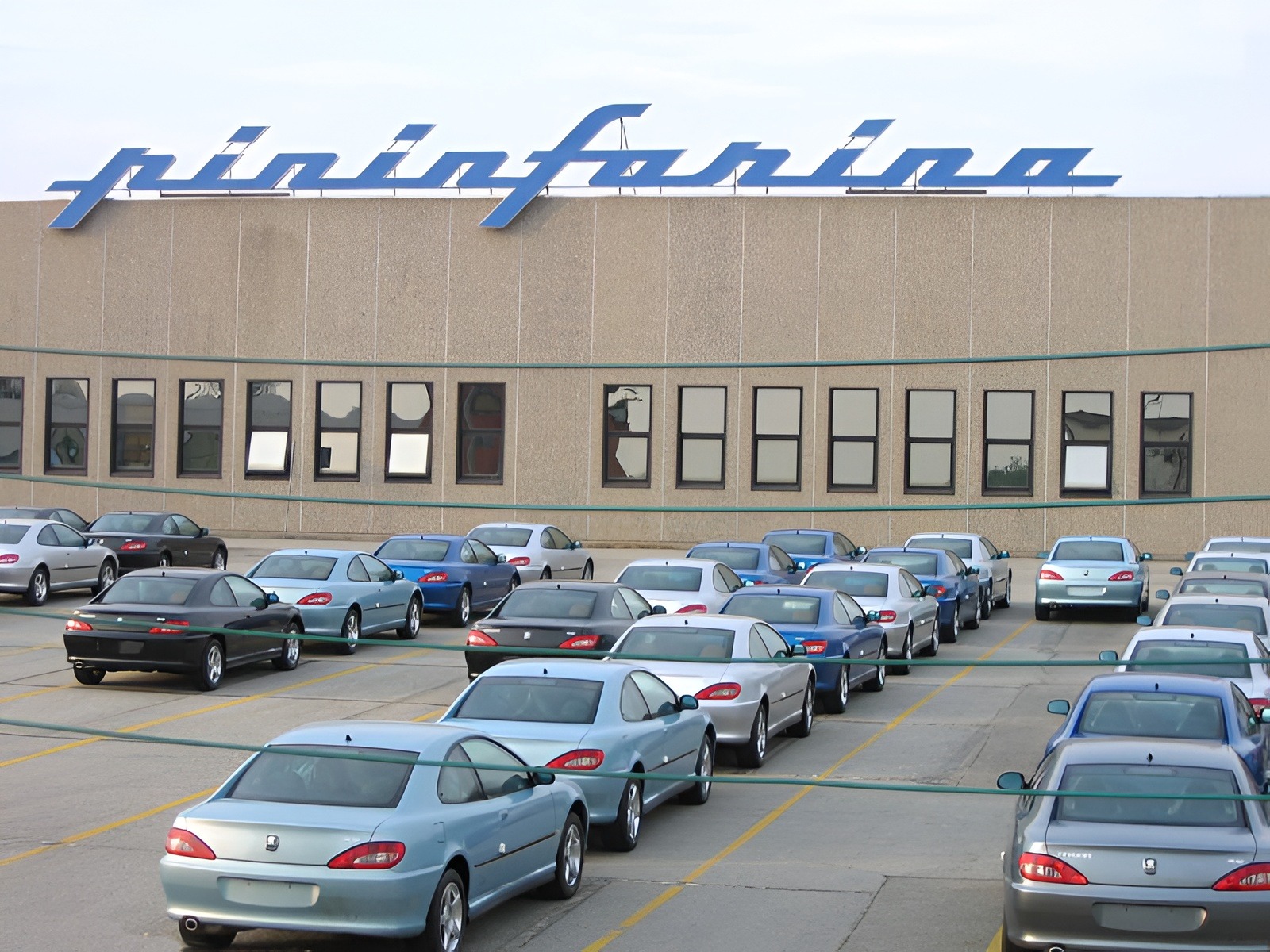
Perhaps the greatest tribute comes from the man who carries on his family’s design legacy, Paolo Pininfarina, who calls the 406 Coupé “definitely a masterpiece… Almost timeless.” In that assessment, he echoes the feelings of countless owners and fans. The Peugeot 406 Coupé’s design history is not just the chronicle of how a car came to be, but a romance of two companies and the individuals behind it, united in the pursuit of automotive art. And like any great romance, the result – the 406 Coupé itself – continues to inspire emotion every time it is seen, even well into the 21st century.

ABOUT THE AUTHOR
Andreas Scheidl
Italian classic car enthusiast with German roots. Renowned as a respected figure in the classic car community, he serves as a jury member at various international concours d'elegance, including the Classic Gala Schwetzingen and Mantova. As a content creator, Andreas passionately shares his profound knowledge and appreciation for vintage automobiles. His heart beats for cars designed by Giovanni Michelotti, showcasing his discerning taste and dedication to preserving the timeless elegance of automotive history.
More stories by Andreas Scheidl ↗CONTINUE READING
Posts You Might Like

A Central Driving Position, a Rear-Mounted V8. Was This Really a Lancia?
In 1948, visitors to the Turin Motor Show could see an unusual Lancia on the stand of Carrozzeria Ghia. It was a large two-door coupé with a two-litre V8 mounted behind the…
Read story
Fioravanti F100: The Ferrari He Was Allowed to Imagine
Enzo Ferrari’s centenary, Leonardo Fioravanti’s independent studio and a supercar that explored air brakes, steel wheels and a new way of driving—without ever wearing the Cavallino.
Read story
Michelotti Shellette: When the Fiat 850 Became a Yacht
The yacht designer, the Turin stylist and the tiny coachbuilt car that crossed between the quay, the royal holiday house and the auction room. Some automobiles were conceived for the open road,…
Read story
Maserati A6 1500: A New Road for the Trident
When the doors of the Geneva Motor Show opened in March 1947, Maserati was a name that required little introduction to anyone who followed motor racing. What it did not yet possess…
Read story
THE CONVERSATION
Comments 0
Share a memory, a period photograph or a documented detail about this story.