
THE VEHICLE AT A GLANCE
Model dossier
- Production period
- 1958
- Body style
- Coupé / Cabriolet / Station Wagon / Berlina
- Engine
- Inline-4
- Type
- Mass
- Production
- 412000
THE PEOPLE BEHIND THE CAR
Coachbuilding, design & conversions
PRICE & SALES RECORD
Vehicle value
- Original price
- Not documented
- Latest recorded sale
- Not documented
01 / THE STORY
History & context
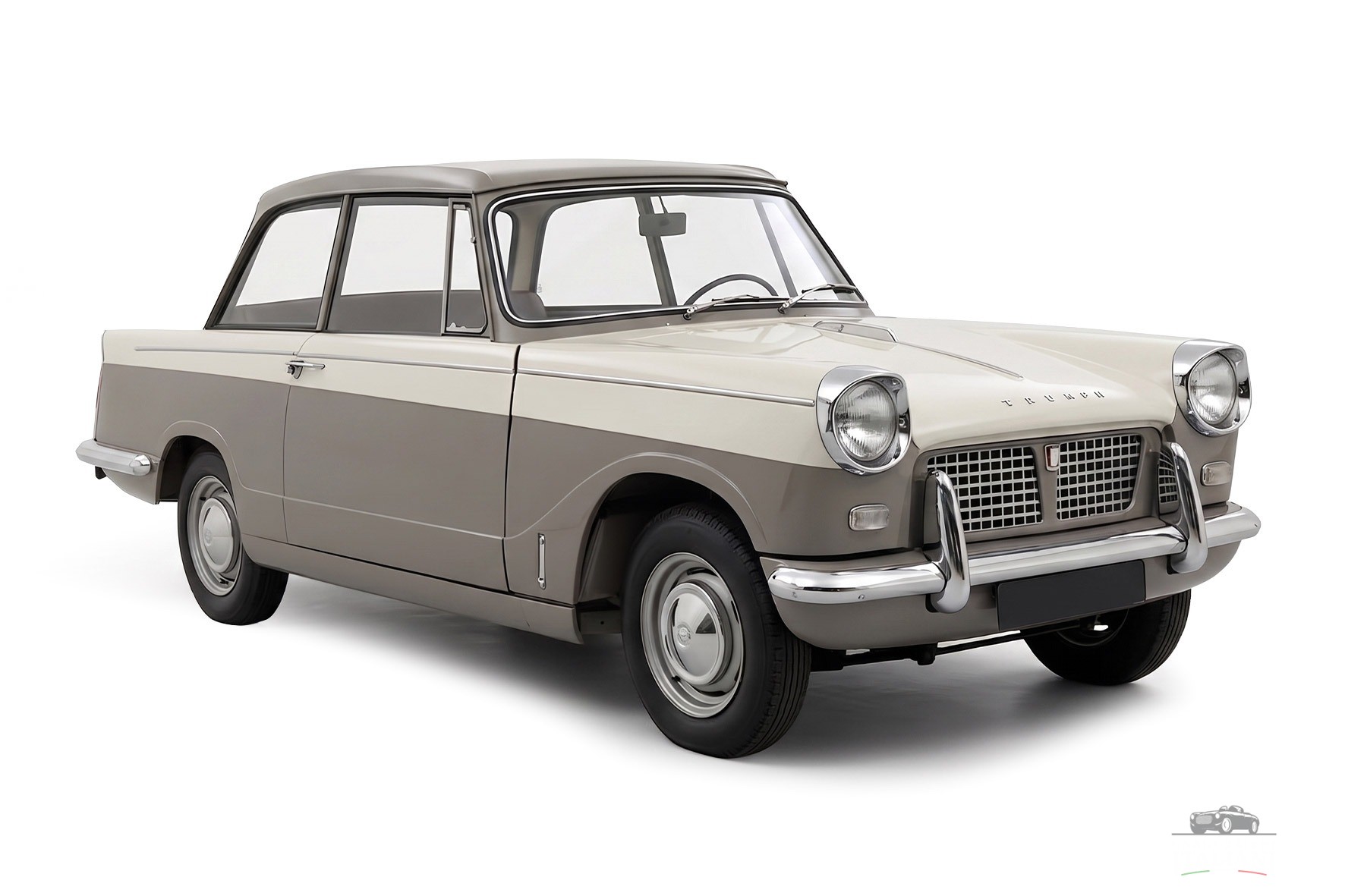
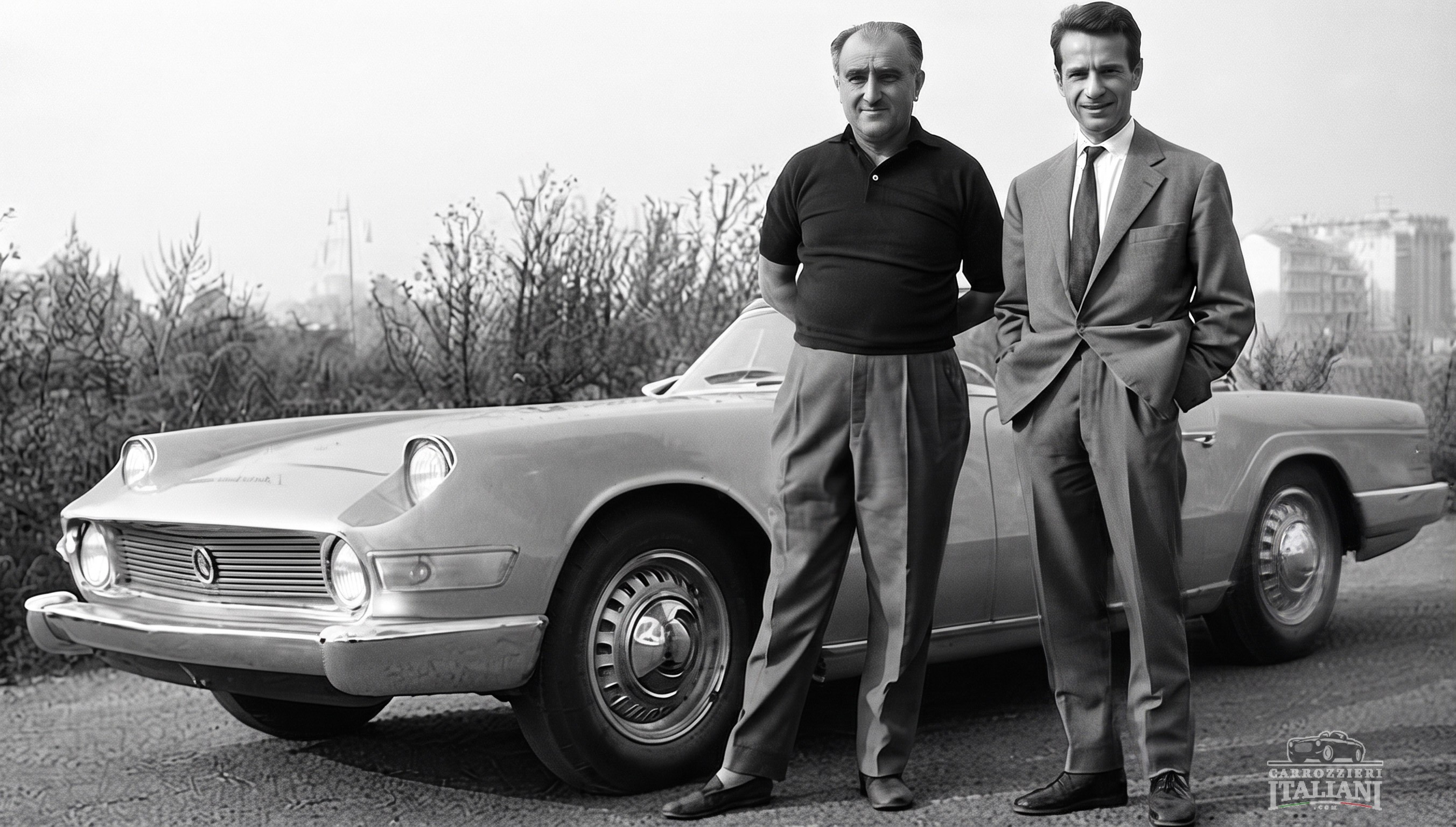
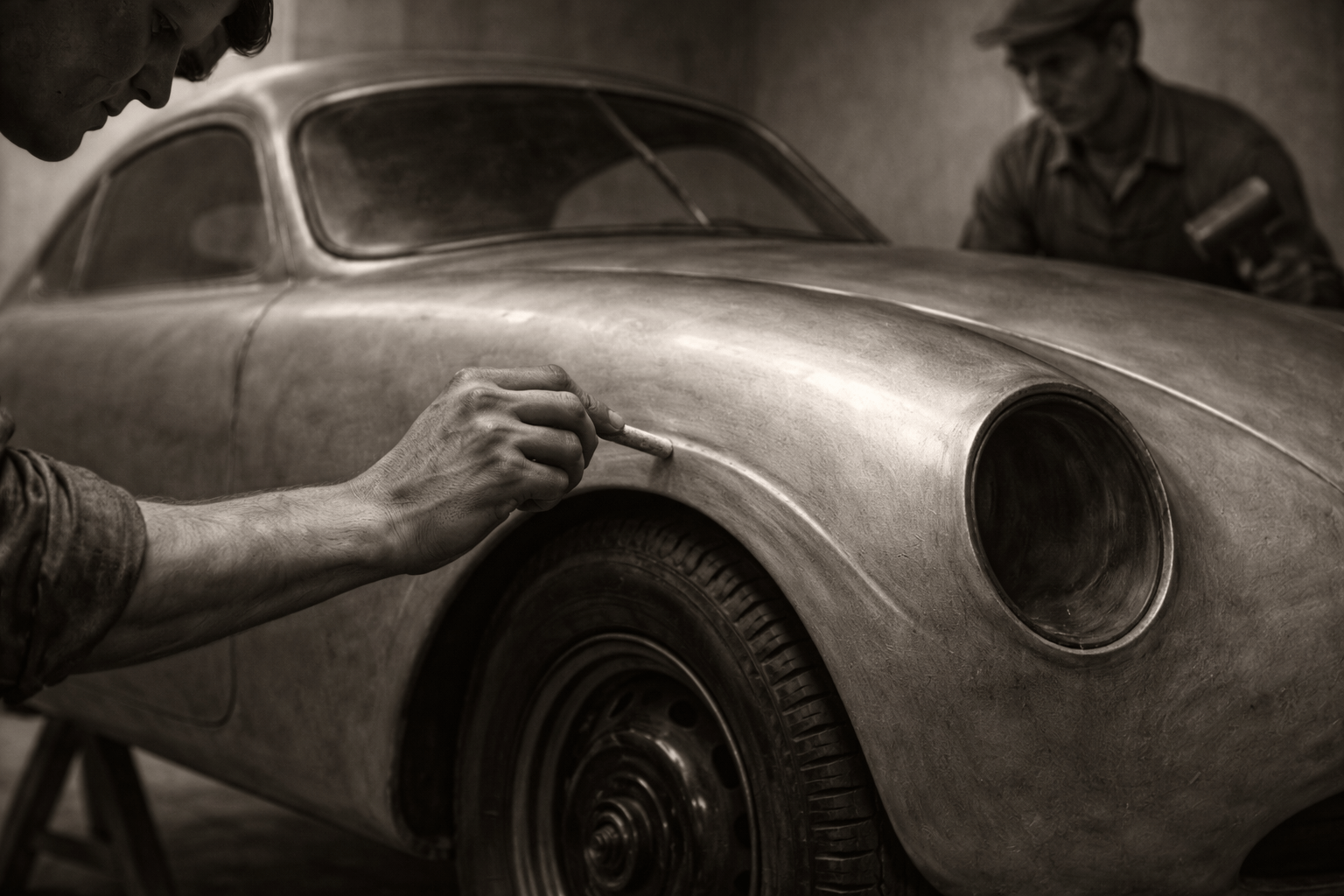
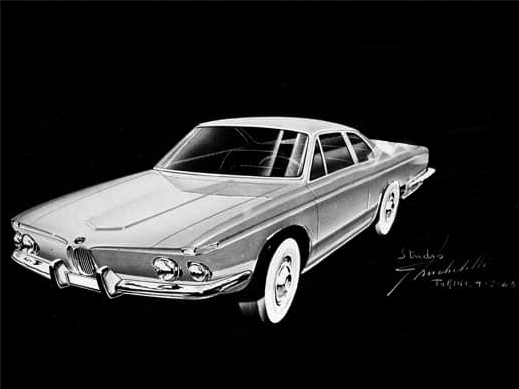
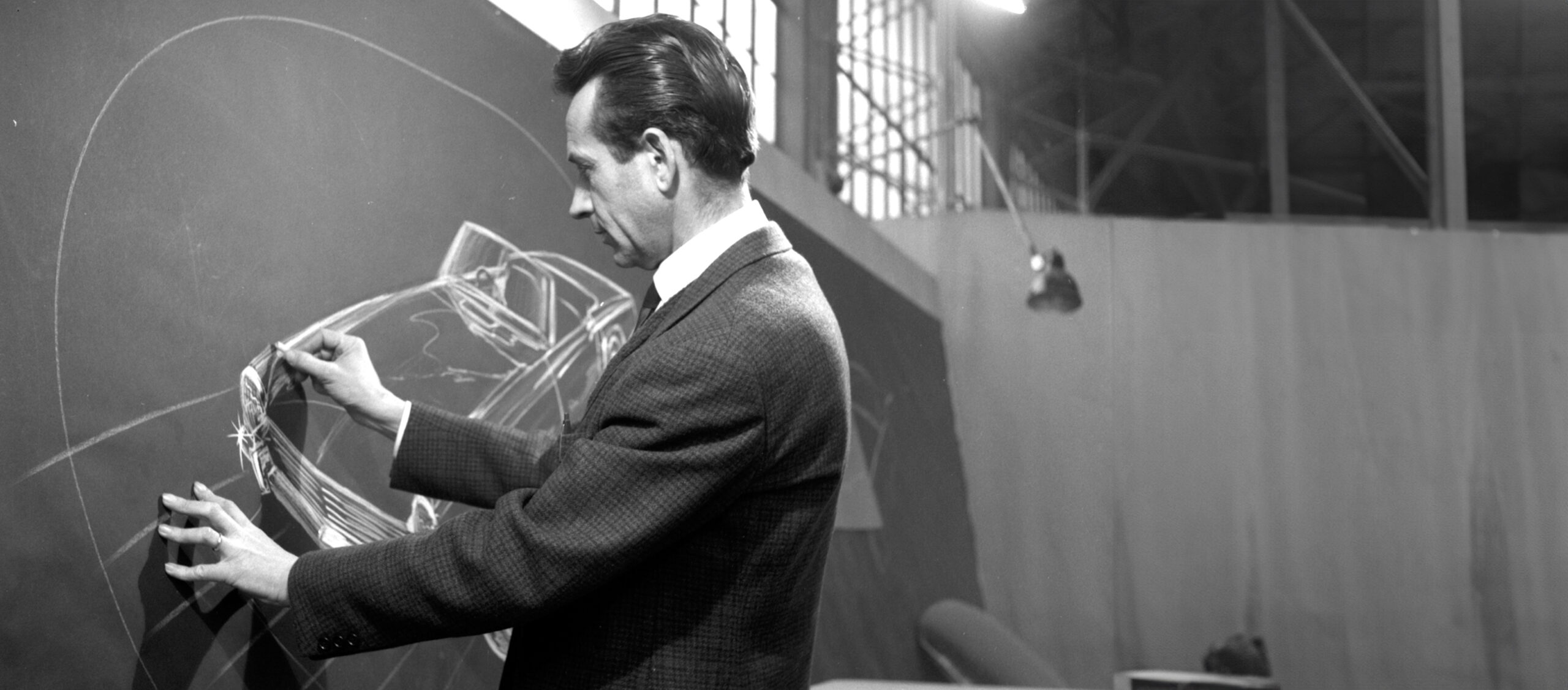
The Triumph Herald Saloon entered production at the end of the 1950s following a major technical and industrial restructuring within the Standard Motor Company. Development began in 1956, driven by the need to replace the Standard Eight and Ten, which had become commercially and technically obsolete. Progress was accelerated by the breakdown of relations with the British Motor Corporation, which had absorbed Fisher & Ludlow and left Standard without a secure external body supplier. Under the leadership of managing director Alick Dick, the new model—internally coded Zobo—was conceived as a modular vehicle system rather than a single body style. Saloon, coupé, convertible, estate, and van variants were planned on a common mechanical platform. To simplify overseas CKD assembly and regain control over body production, Standard abandoned unitary construction and adopted a separate chassis. Although conservative by contemporary standards, this solution offered flexibility and was paired with advanced features, including independent suspension on all four wheels and rack-and-pinion steering. Styling posed an early challenge following the departure of Walter Belgrove. Initial in-house proposals lacked distinction and coherence. The situation changed in 1957 with the engagement of Giovanni Michelotti, who was appointed under an exclusive agreement for the British market. During a visit to Turin by chief engineer Harry Webster, Michelotti produced the definitive Herald saloon design in a single session. The resulting form emphasized clean proportions, extensive glazing, and a construction logic aligned with the separate chassis. Prototype bodies were built in Italy by Carrozzeria Vignale and delivered to Coventry in late 1958. In parallel, Standard secured its industrial independence by acquiring Mulliners and its Tile Hill plant for £725,000. From that point onward, series-production Herald bodies were manufactured by Mulliners, following Michelotti’s modular panel construction strategy, with final assembly carried out at Banner Lane. Pre-series production of the saloon began in February 1959. The Herald was presented to distributors on 2 April 1959 at London’s Royal Albert Hall, where a rapid assembly demonstration highlighted its construction method.
IN THE ARCHIVE
Related people
IN THE ARCHIVE
Coachbuilders & design studios
02 / TECHNICAL IDENTITY
Specifications & construction
Production & construction
- Production
- 412000
- Production type
- Mass
Engine & performance
- Engine configuration
- Inline-4
Design & manufacture
- Designer · Documented
- Giovanni Michelotti
- Coachbuilder / Prototype builder · Documented
- Vignale
- Manufacturer · Documented
- Standard-Triumph
06 / EVENTS & AWARDS
Events & awards
No events or documented awards are currently recorded for this vehicle.
07 / THE VEHICLE IN DETAIL
Photo gallery 2 photographs
08 / FROM THE ARCHIVE
Archive
References held in the vehicle dossier. Their inclusion does not establish that every historical claim has been independently verified.
| Reference | Source type |
|---|---|
| AISA — Giovanni Michelotti monograph www.aisastoryauto.it | Historical association monograph |
| Carrozzieri Italiani — The Night Triumph Found Its Shape www.carrozzieri-italiani.com | Specialist editorial history |
| Carrozzieri Italiani — Triumph Herald Vignale www.carrozzieri-italiani.com | Exact vehicle editorial |
THE CONVERSATION
Comments 0
Share a memory, a period photograph or a documented detail about this car.