
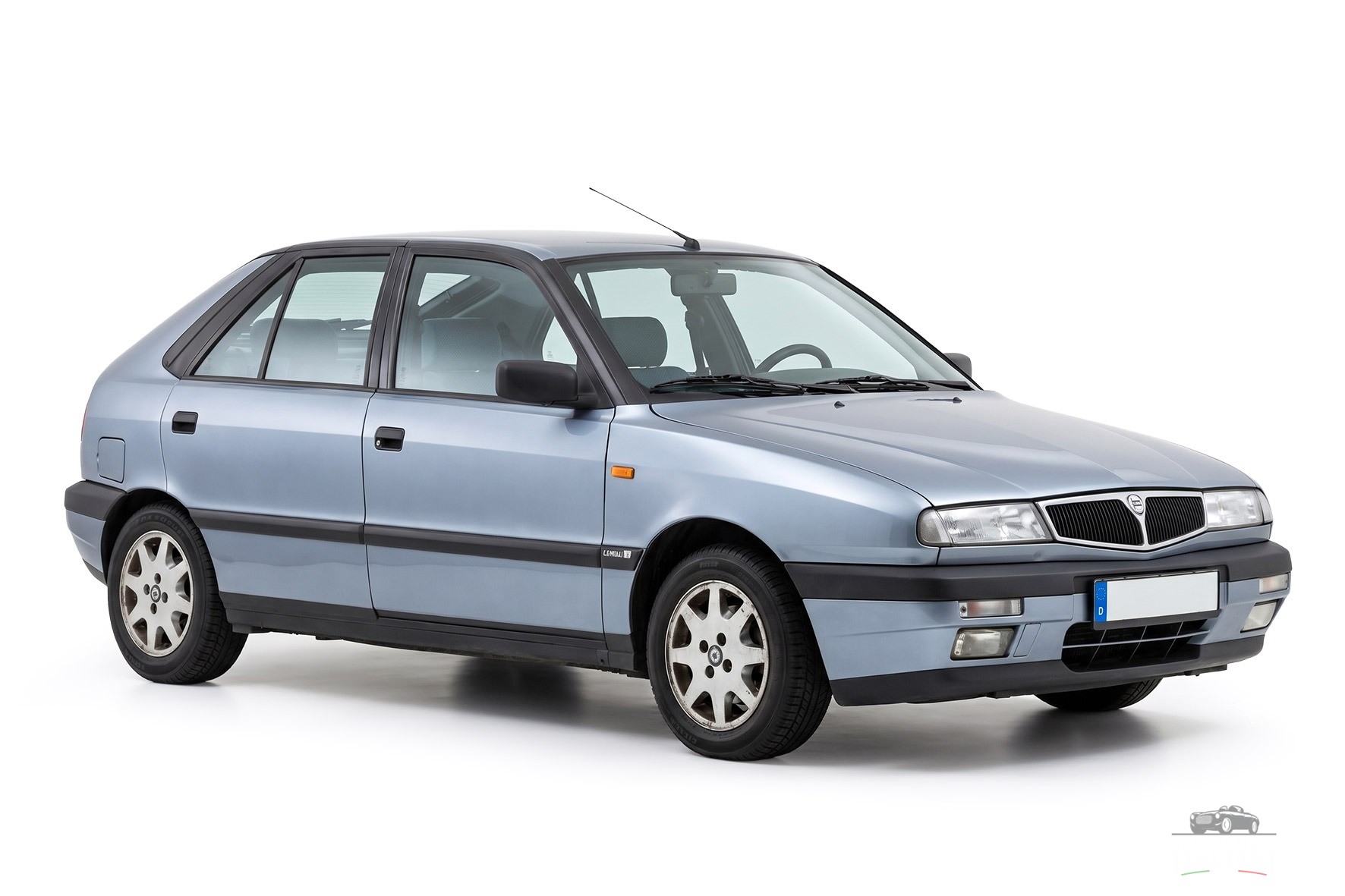
THE VEHICLE AT A GLANCE
Model dossier
- Production period
- 1993
- Body style
- Hatchback
- Type
- Mass
THE PEOPLE BEHIND THE CAR
Coachbuilding, design & conversions

PRICE & SALES RECORD
Vehicle value
- Original price
- Not documented
- Latest recorded sale
- Not documented
01 / THE STORY
History & context
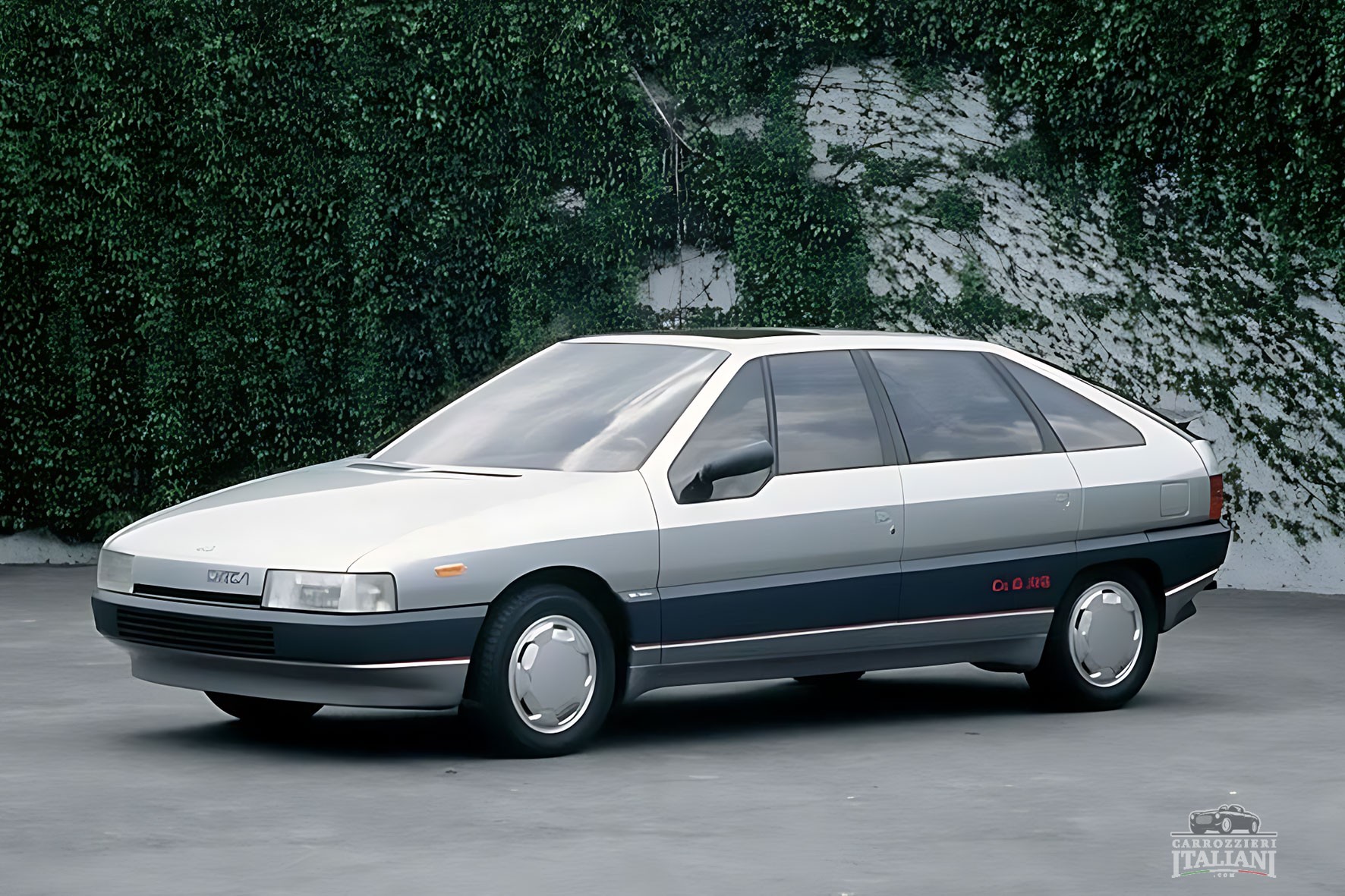
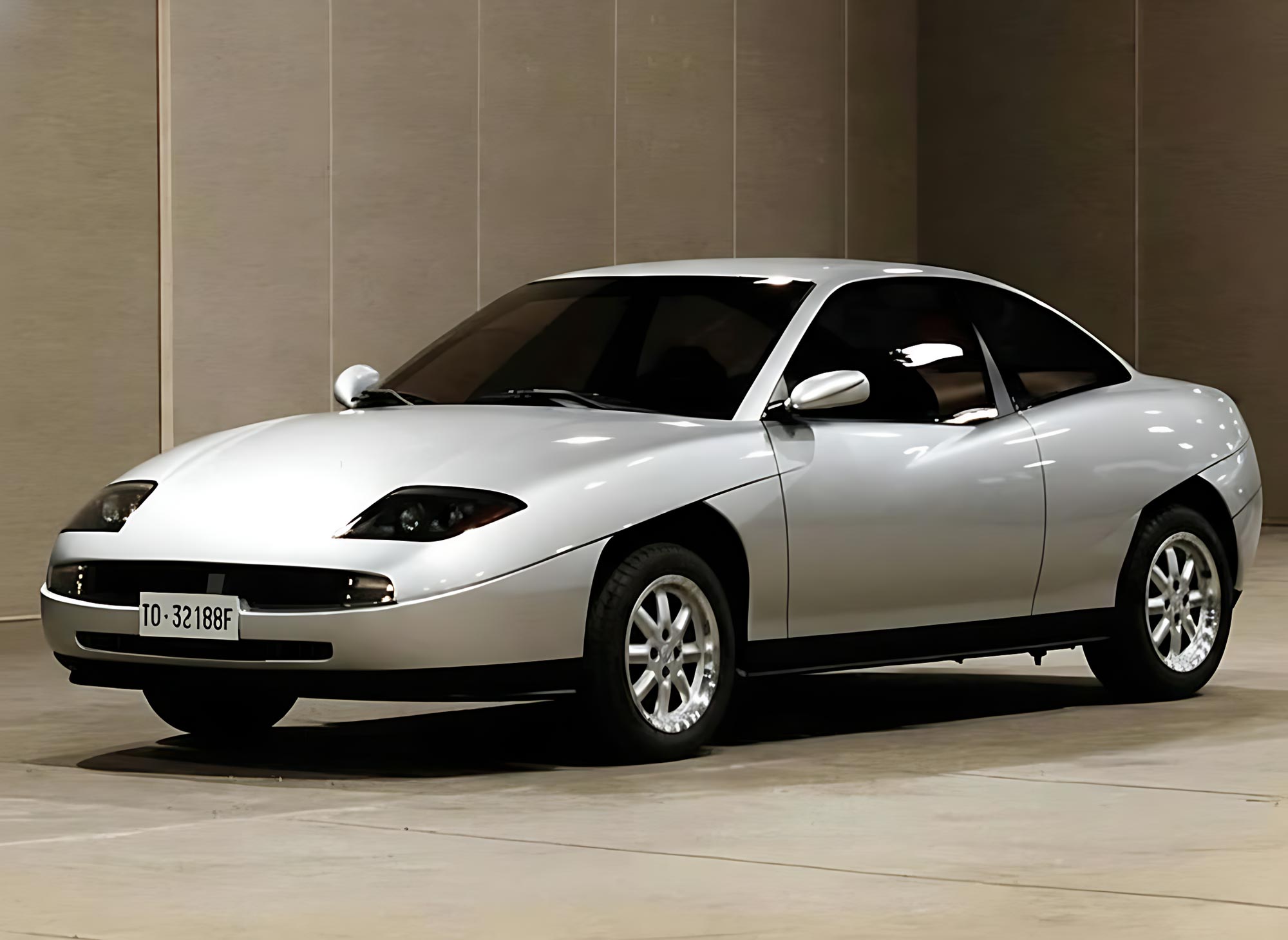
The second-generation Lancia Delta, officially known as the Lancia ? (using the Greek lowercase delta), was introduced in 1993 as the successor to the iconic first-generation Delta. Internally designated as Tipo 836, the new model marked a significant departure from the rally-bred image of its predecessor. It was developed on Fiat’s “Type Two” (Tipo Due) platform, which it shared with the Fiat Tipo and Lancia Dedra. The primary focus of the new Delta was comfort, refinement, and practicalitytargeting customers seeking a premium compact hatchback rather than a motorsport-inspired vehicle. The exterior design was penned by Ercole Spada at the Turin-based design and engineering firm I.DE.A Institute, in collaboration with Lancia’s in-house styling department. The result was a smooth, aerodynamic shape with rounded edges and a more understated, contemporary appearance compared to the angular design of the original Delta. Initially launched as a five-door hatchback, a three-door version called HPE (High Performance Executive) followed in 1995, featuring a sportier stance and slightly wider body panels. While the original Delta was celebrated for its rally victories and all-wheel-drive HF Integrale variants, the second-generation model did not feature four-wheel drive. Even the performance-oriented HF versions were front-wheel drive only. These included models with turbocharged engines, with the most powerful variant producing up to 193 PS (142 kW; 190 hp). Although competent and well-equipped, these front-wheel-drive HF models lacked the dynamic edge of their predecessors. The Nuova Delta received incremental updates throughout its production, including engine refinements, new trim levels, and interior enhancements. Despite these efforts, the car struggled to gain traction in a competitive segment dominated by German and Japanese rivals. Its more conservative positioning and the absence of a four-wheel-drive performance halo model limited its appeal among enthusiasts. Production of the second-generation Lancia Delta ended in 1999, and it was not immediately succeeded by a new model. Though it did not achieve the fame of the first-generation Delta, the Tipo 836 remains notable for its Italian design, technical refinement, and as one of the last collaborations between Lancia and the I.DE.A Institute.
IN THE ARCHIVE
Coachbuilders & design studios
02 / TECHNICAL IDENTITY
Specifications & construction
Production & construction
- Production type
- Mass
Engine & performance
- Specification notes
- Delta II generic hatchback baseline: wheelbase 2540 mm and overall length 4011 mm are consistently documented across multiple powertrains. Width/height remain unmaterialized because later HPE/body specifications are not fully uniform.
Dimensions & accommodation
- Wheelbase
- 2,540 mm
- Length
- 4,011 mm
Design & manufacture
- Manufacturer · Documented
- Lancia
- Design Studio / Engineering · Documented
- I.DE.A Institute
- Designer · Documented
- Ercole Spada
06 / EVENTS & AWARDS
Events & awards
No events or documented awards are currently recorded for this vehicle.
07 / THE VEHICLE IN DETAIL
Photo gallery 1 photographs
08 / FROM THE ARCHIVE
Archive
References held in the vehicle dossier. Their inclusion does not establish that every historical claim has been independently verified.
| Reference | Source type |
|---|---|
| Lancia Delta II technical range — dimensional corroboration www.auto-data.net | Specialist range technical reference |
| Lancia Delta II 2.0 Turbo — dimensional corroboration www.auto-data.net | Specialist range technical reference |

THE CONVERSATION
Comments 0
Share a memory, a period photograph or a documented detail about this car.