
THE VEHICLE AT A GLANCE
Model dossier
- Production period
- 1965
- Body style
- Coupé
- Engine
- V4
- Type
- Limited
- Production
- 7100
THE PEOPLE BEHIND THE CAR
Coachbuilding, design & conversions

PRICE & SALES RECORD
Vehicle value
- Original price
- Not documented
- Latest recorded sale
- Not documented
01 / THE STORY
History & context
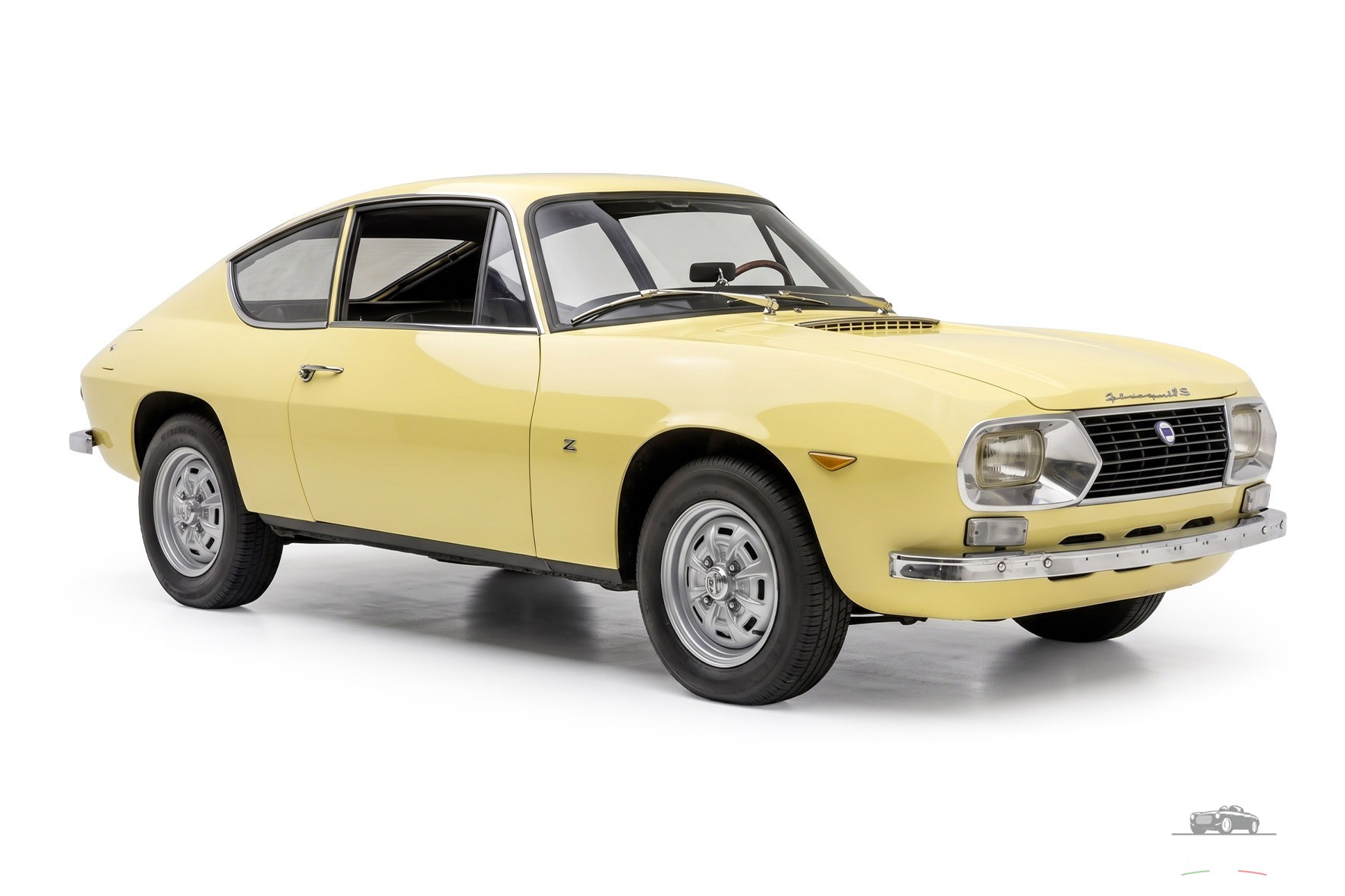
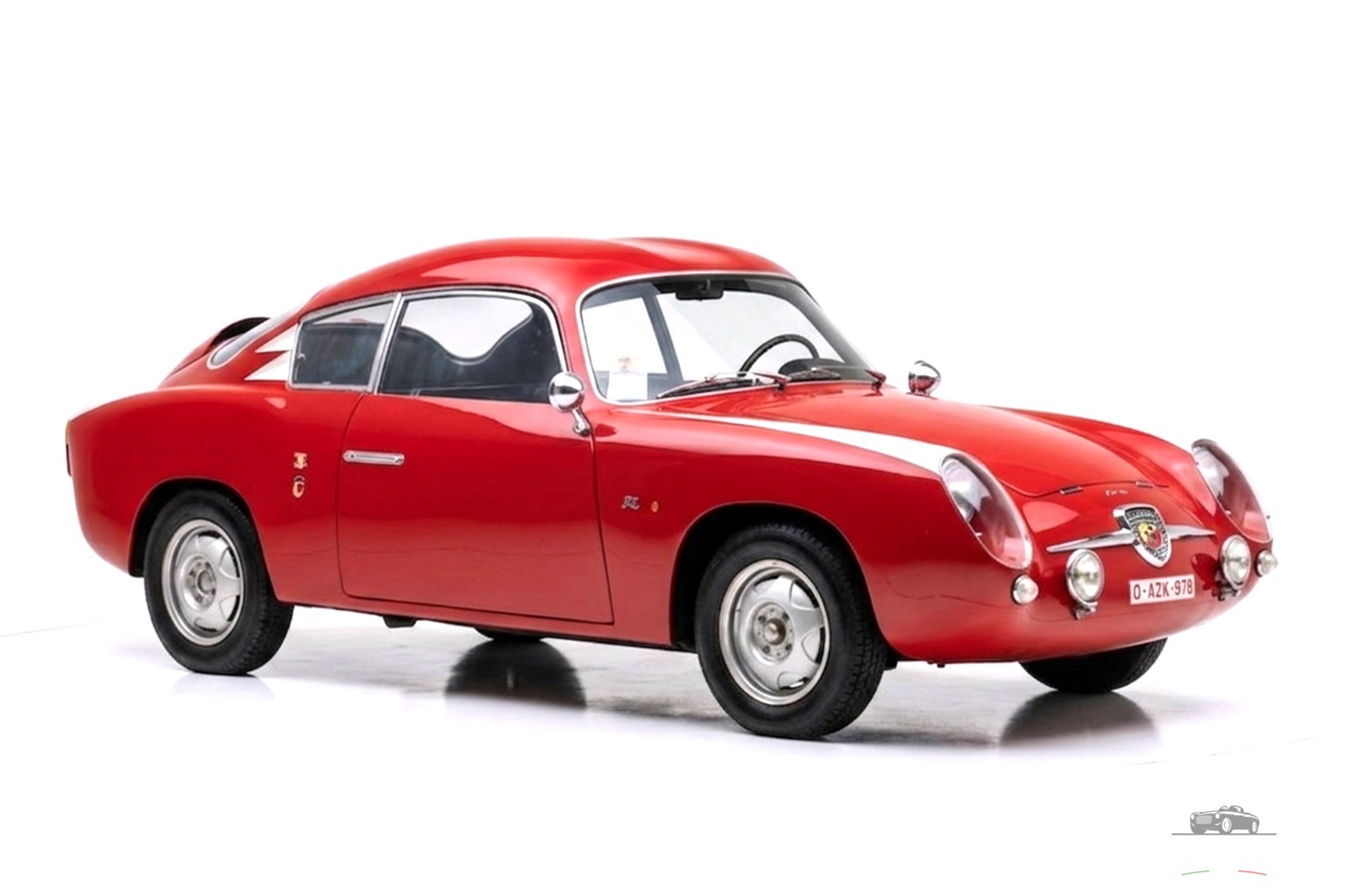
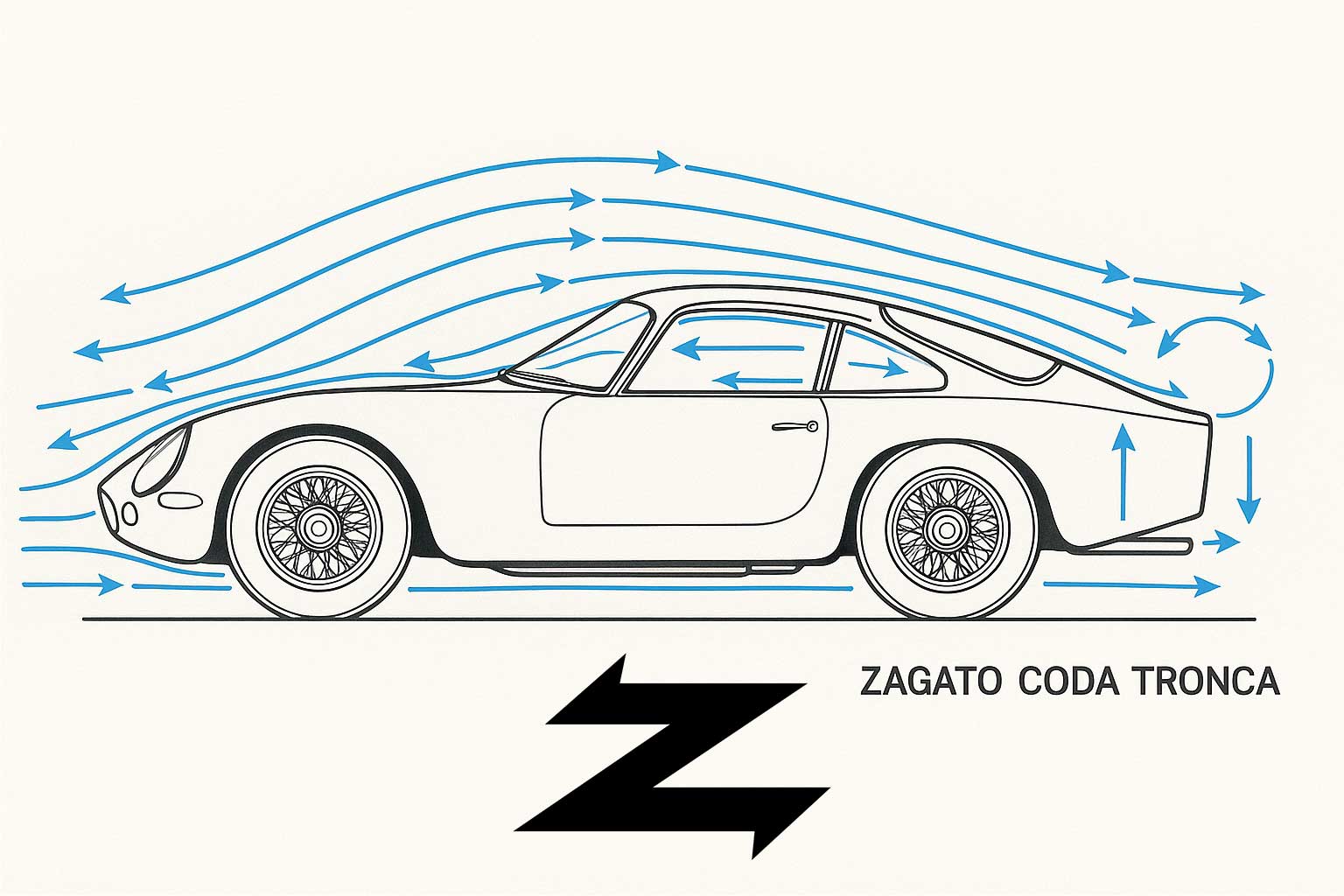
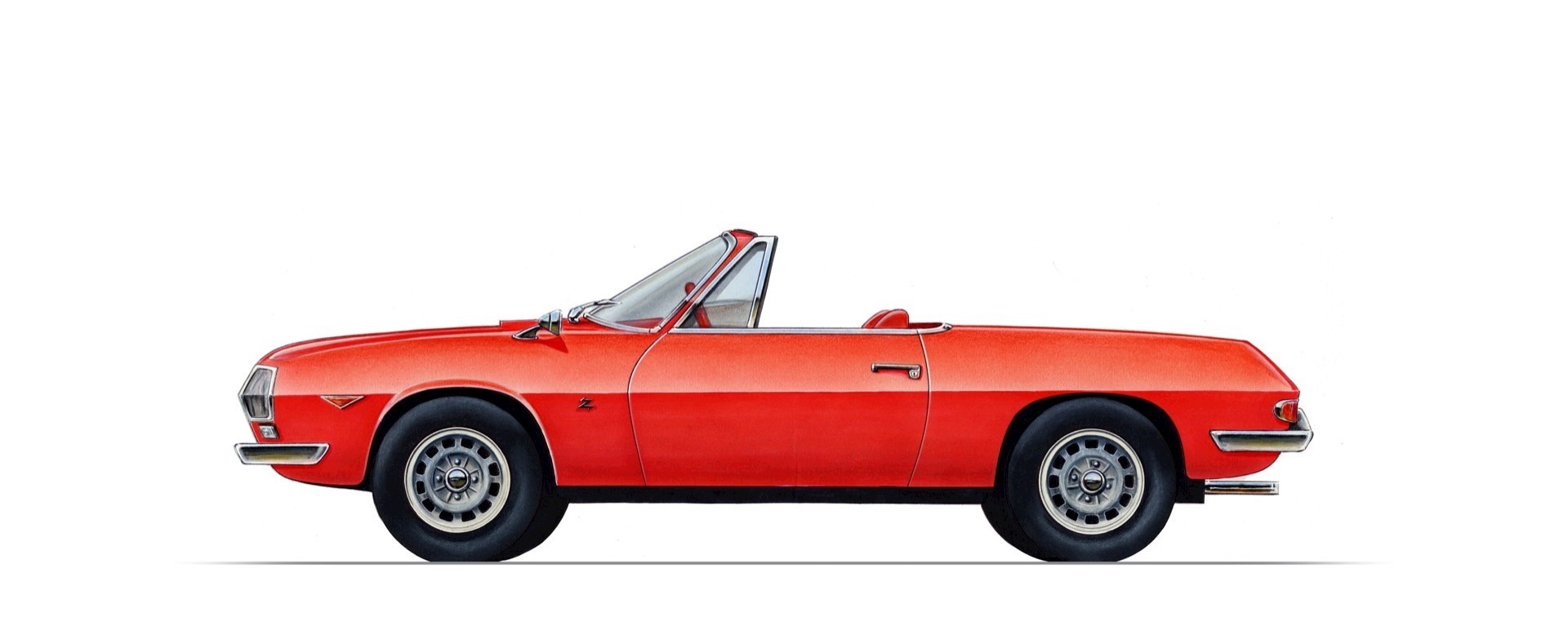
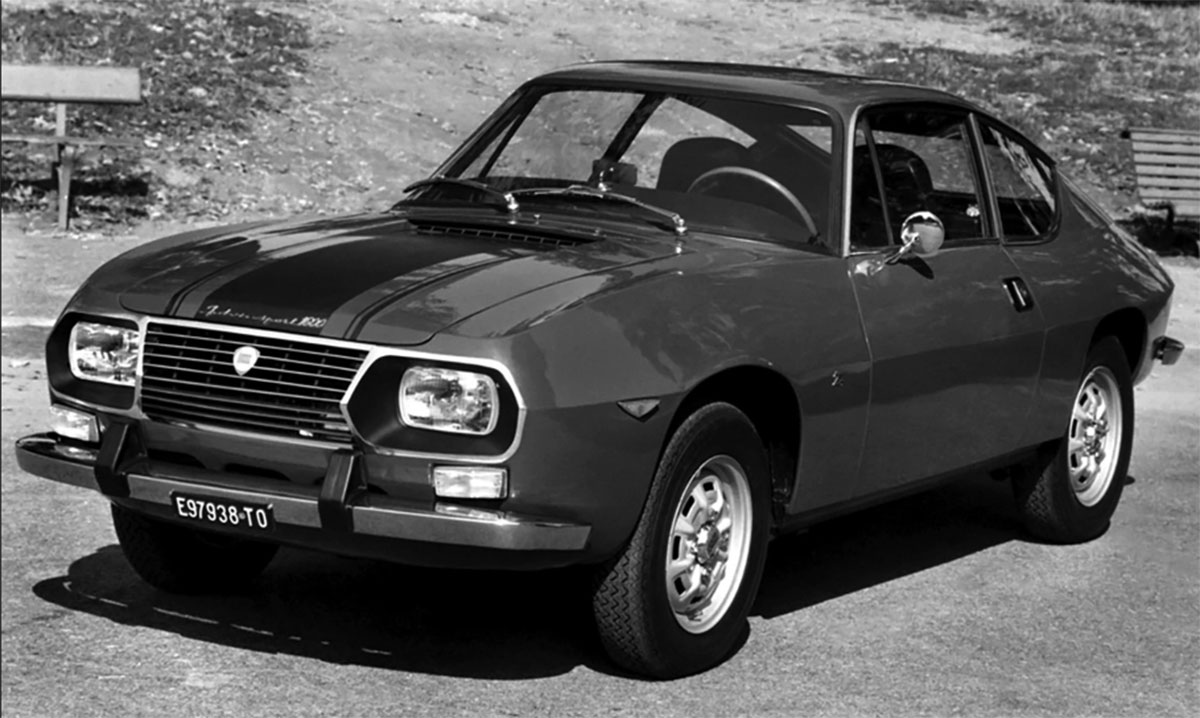
The Lancia Fulvia Sport Zagato was a lightweight, front-wheel-drive fastback coupé designed and built by the Milanese coachbuilder Zagato for Lancia. The model was introduced at the 1965 Turin Motor Show, continuing the collaboration between Lancia and Zagato that had begun in the mid-1950s with the Appia Sport and later included special versions of the Flaminia and Flavia. Designed by Ercole Spada, the Fulvia Sport was intended as a more aerodynamic and performance-oriented alternative to the Fulvia Coupé. Its body was constructed in lightweight aluminium alloy, contributing to improved acceleration and handling characteristics. Mechanically, the Fulvia Sport retained the Fulvia Coupé’s narrow-angle V4 engine, mounted longitudinally ahead of the front axle and driving the front wheels through a five-speed manual transmission. The initial version used a 1,216 cc V4 producing approximately 80 horsepower (59 kW). Subsequent variants introduced 1,298 cc and 1,584 cc engines, the latter developing up to 115 horsepower (85 kW) and allowing a top speed near 190 km/h. Suspension followed the Fulvia configuration, with independent front wishbones and a rear beam axle with a transverse leaf spring. Braking was provided by four-wheel hydraulic disc brakes, and steering employed a rack-and-pinion system. Early examples featured an electrically operated rear hatch for improved luggage access and a side-hinged bonnet for compact packaging. Dimensions included an overall length of approximately 3,970 mm, width of 1,580 mm, and height of 1,240 mm, with a wheelbase of 2,330 mm. Early aluminium-bodied cars weighed about 915 kg, while later steel-bodied versions approached 970 kg. The aerodynamic design, with its low drag coefficient and distinctive tapered rear, contributed to higher top speeds and greater stability at speed than the Fulvia Coupé. Production began in 1965 and continued until 1972, covering various displacements and minor design evolutions. In total, approximately 7,100 units were built. The Fulvia Sport Zagato remains notable for its precise engineering, lightweight construction, and the fusion of Lancia’s technical refinement with Zagato’s aerodynamic expertise.
IN THE ARCHIVE
Coachbuilders & design studios
02 / TECHNICAL IDENTITY
Specifications & construction
Production & construction
- Production
- 7100
- Production type
- Limited
Engine & performance
- Engine configuration
- V4
Dimensions & accommodation
- Length
- 3,970 mm
- Width
- 1,580 mm
- Height
- 1,240 mm
Design & manufacture
- Manufacturer · Documented
- Lancia
- Coachbuilder / Body Builder · Documented
- Zagato
- Designer · Documented
- Ercole Spada
06 / EVENTS & AWARDS
Events & awards
47° Salone Internazionale dell'Automobile – Torino General · legacy_preserved
- Date
- 1965
- Chassis
- General
Preserved CI 1.0 relation. Evidence field: _yoast_wpseo_primary_events. No award inferred.
07 / THE VEHICLE IN DETAIL
Photo gallery 6 photographs
08 / FROM THE ARCHIVE
Archive
References held in the vehicle dossier. Their inclusion does not establish that every historical claim has been independently verified.
| Reference | Source type |
|---|---|
| Zagato Atelier — Lancia 1960s www.zagato.it | Official coachbuilder project archive |

THE CONVERSATION
Comments 0
Share a memory, a period photograph or a documented detail about this car.