
The Fiat Coupé Design Story: How Fiat Beat Pininfarina at Its Own Game
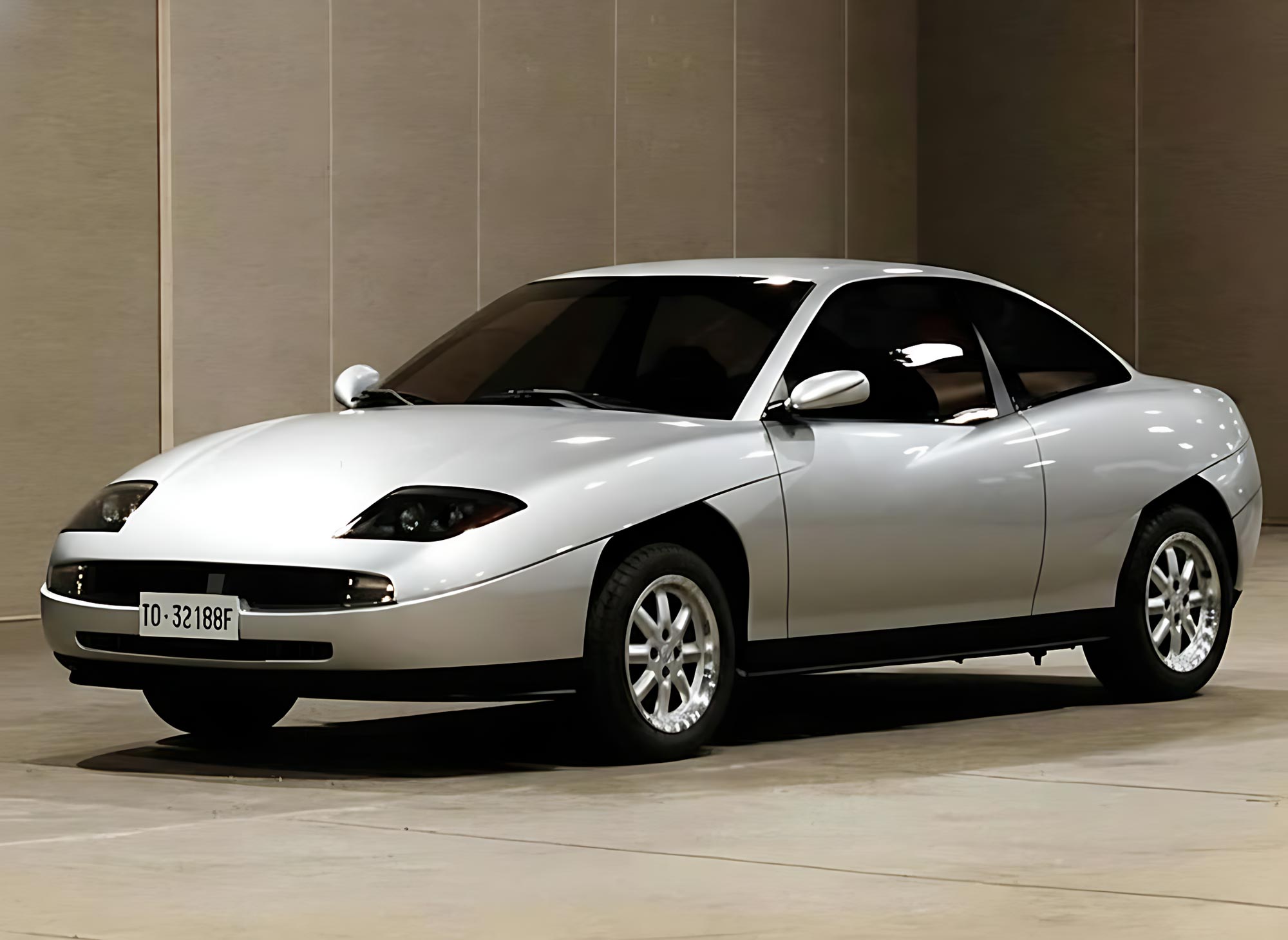
In December 1993, under the bright lights of the Bologna Motor Show, Fiat pulled the wraps off a daring new sports car – the Fiat Coupé. With its crisp lines, distinctive wheel-arch slashes, and bright paintwork, the Coupé immediately turned heads. It was unlike anything Fiat had produced before – futuristic, angular, and unapologetically bold. But the dramatic unveiling was only the climax of a story that began years earlier, involving an unexpected design duel, shifting corporate winds, and a bit of Italian creative flair. The history of the Fiat Coupé is a romantic saga of design and development – one that saw Italy’s famed coachbuilder Pininfarina and Fiat’s own Centro Stile locked in friendly competition, guided by visionary leaders determined to revive Fiat’s sporty spirit. What follows is the in-depth tale of how this striking coupé came to life, from its origins in the early 1990s through its development and eventual legacy.
Setting the Stage: Fiat’s Early 1990s Vision
To understand the Fiat Coupé’s birth, one must picture Fiat’s situation at the dawn of the 1990s. The company was eager to infuse some excitement into its lineup and recapture the sporty flair of earlier decades. At the same time, Pininfarina – the legendary Italian design house and coachbuilder – had just finished building the Cadillac Allanté bodies and suddenly found its factory in Grugliasco with idle capacity. The Allanté project’s end in 1993 meant Pininfarina was hungry for a new project, and Fiat saw an opportunity. Why not create a new coupé that could leverage Pininfarina’s production expertise? Thus, around 1990-91, plans emerged for a stylish sports coupé based on Fiat’s “Tipo” platform (the front-wheel-drive underpinnings shared with the Fiat Tipo hatchback and its siblings). Internally this project was code-named “Tipo 175”, and it would eventually be known to the world simply as the Fiat Coupé.
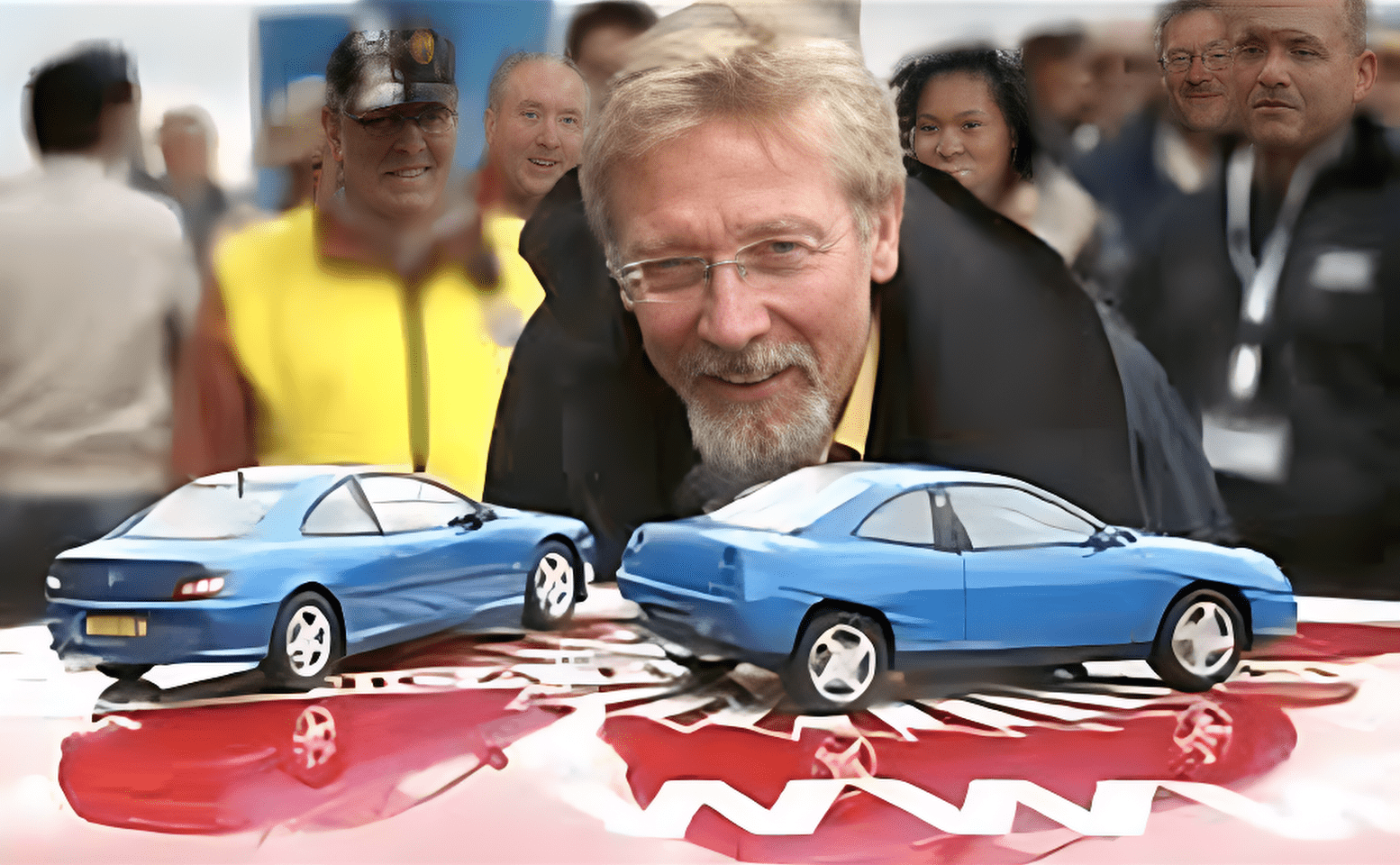
Fiat’s leadership at the time was in flux, and new ideas were welcomed. The early concept for a new coupé coincided with a change at the helm of Fiat: in 1991, Paolo Cantarella became CEO, ushering in what was described as “winds of creativity” within the company. Cantarella and design director Ermanno Cressoni (an architect who had previously led Alfa Romeo’s design) were keen to differentiate Fiat’s products with bold designs. They beefed up the Fiat Centro Stile (Style Centre) in Turin by bringing in fresh talent. Among this multinational team were American designers Chris Bangle and Mike Robinson, Greek designer Andreas Zapatinas (designer of the Barchetta), and a cadre of young Italians like Roberto Giolito. This melting pot of creativity was encouraged to push boundaries – Fiat wanted cars that made a statement, from practical people-movers to head-turning sports cars. It was in this charged atmosphere that the idea of the new coupé took shape. As Roberto Giolito (a designer in the team, now head of heritage at Stellantis) later recalled, “the Fiat Style Centre was really born at that time… a pulsating, multi-ethnic reality… The creativity that emerged was certainly innovative, sometimes even unconventional”.
Centro Stile vs. Pininfarina
From the outset, Fiat approached the Coupé project in an unusual way – it became a design competition of sorts. In 1990, Fiat’s design chief Leonardo Fioravanti (himself a former Pininfarina designer) initiated contact with Pininfarina to propose ideas for the new coupé. Pininfarina’s team eagerly got to work, sketching and sculpting their vision of a sleek 2+2 sports car using the Fiat Tipo floorpan as a starting point. Meanwhile, inside Fiat’s own Centro Stile, a young Chris Bangle and team were cooking up an entirely different vision for the same brief.
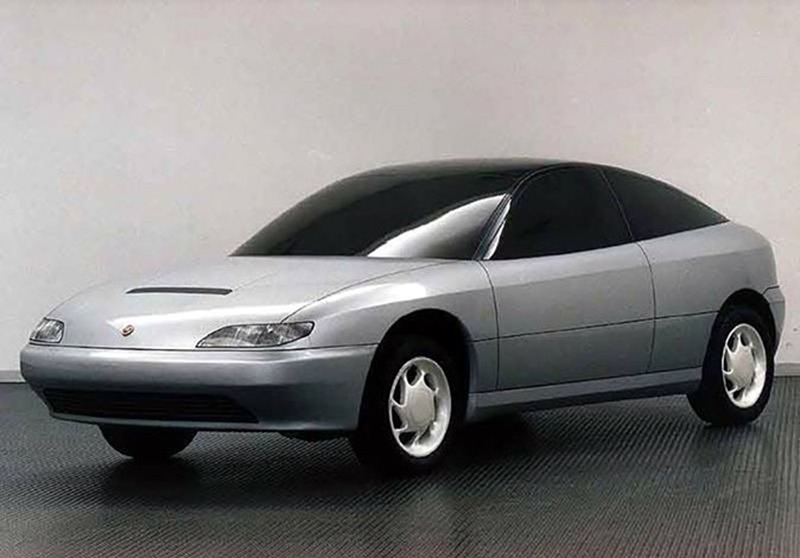
By January 1991, the first design proposals were ready to show Fiat management. On one side was Pininfarina’s proposal – a sleek, elegant coupé with smooth, flowing lines and a timeless character, very much in line with Pininfarina’s classic approach. On the other side was Bangle’s in-house proposal – a far more aggressive and avant-garde design, with sharp edges and dramatic surface cuts that looked borrowed from the world of supercars. The contrast could not have been sharper: Pininfarina’s concept was understated and refined, “elegant”, while Bangle’s was bold, edgy, even “daunting” in its modernity.
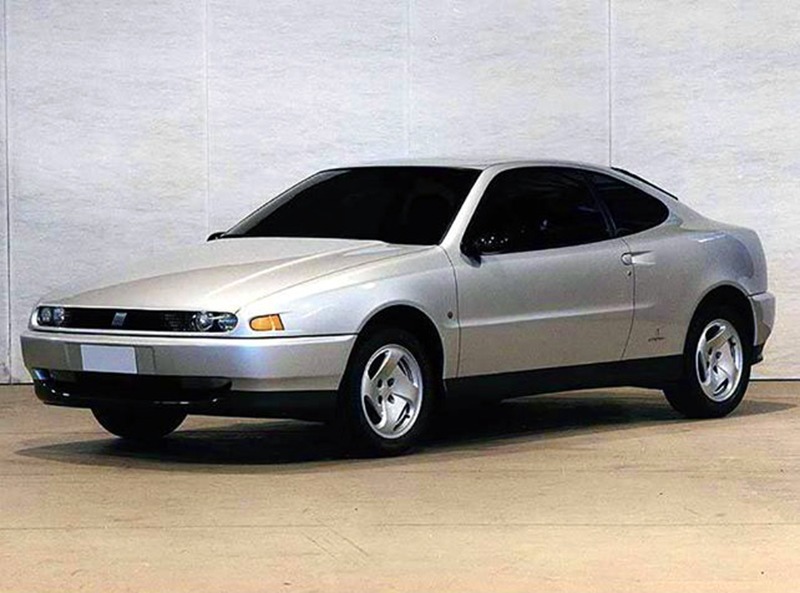
Initially, Fiat’s top brass favored the Pininfarina design – understandable given its more conservative appeal and the company’s long history of Pininfarina-crafted models. In fact, Fiat’s management in early 1991 chose Pininfarina’s design as the winner at first. One can imagine the sleek Pininfarina coupé that might have been: its front end featuring narrow, tapered headlights and a gently scooped hood, an unbroken curving roofline flowing to a tidy rear – the whole look “cohesive and timeless” in the best Pininfarina tradition. Fiat was so intrigued that by 1990 Pininfarina had even built a full prototype of this design to showcase their vision.
🔗 Read more: Pininfarina Through the Ages: The Complete History
However, the story took a twist. Just as Pininfarina’s elegant concept seemed destined for production, a new wave of decision-makers stepped in. The arrival of CEO Paolo Cantarella and other new directors at Fiat in 1991 changed the course. Cantarella in particular “wanted to break away from classical design and offer a new, innovative product”. The daring spirit of Bangle’s proposal suddenly resonated with Fiat’s leadership. Far from being deterred by the initial rejection, the Fiat Centro Stile team had kept refining their design through 1991. Their persistence paid off – the fresh eyes of the new management now saw genius in the in-house concept. In a remarkable reversal, Fiat’s higher-ups decided to green-light Chris Bangle’s design for the new Coupé instead. This was a landmark moment: it “marked the first occasion in years that the in-house team at Fiat had won the design battle” over an external carrozzeria.
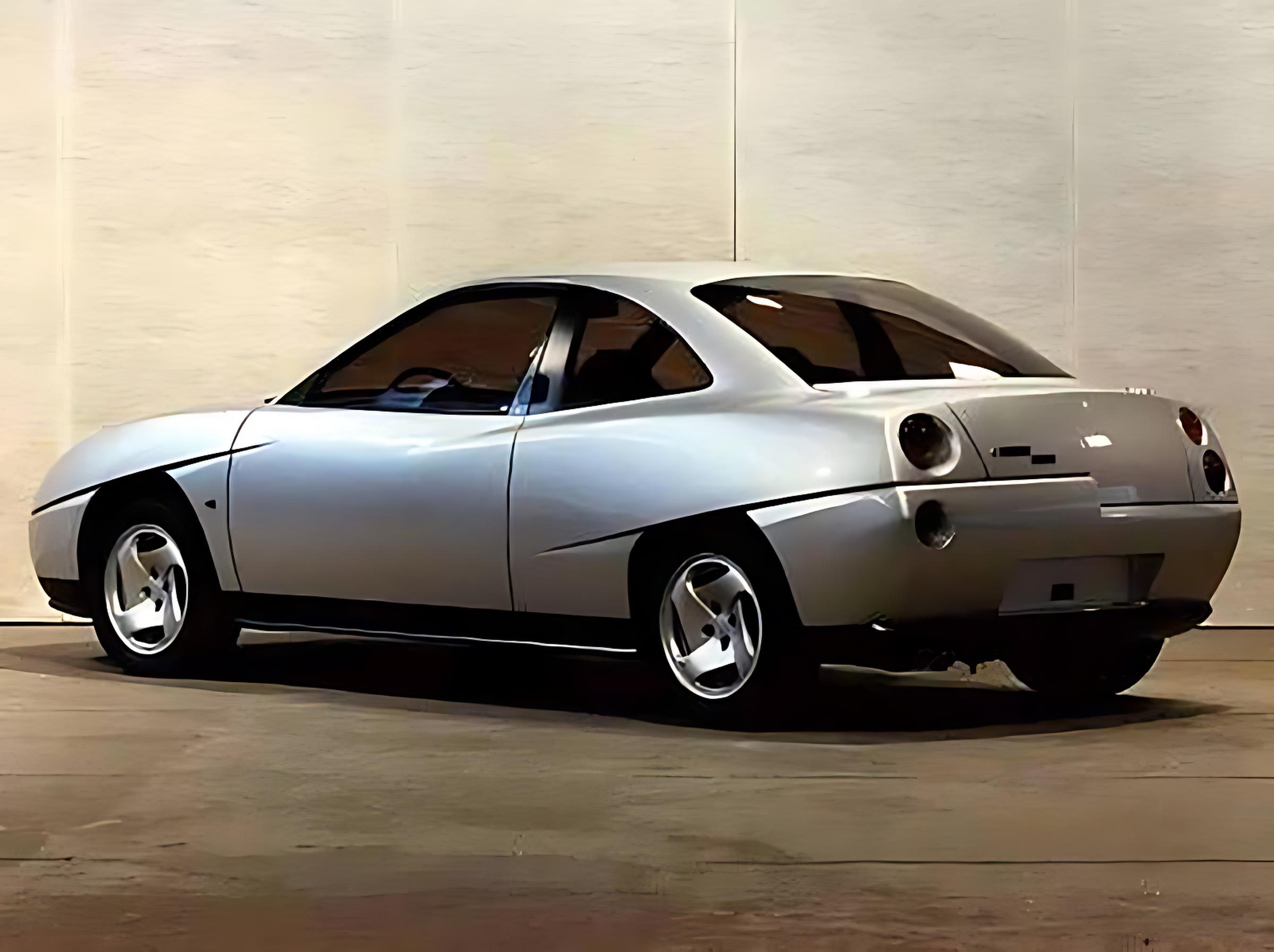
Why the change of heart? Quite simply, Fiat’s leadership realized they needed a bold break from the past. The early 1990s were a time of renewed optimism and also fierce competition in the sports coupé market. To stand out, Fiat was willing to take a risk on a polarizing design. Chris Bangle’s exterior was nothing if not polarizing: it had razor-sharp lines and provocative details that shouted for attention. In interviews years later, Bangle credited the influence of Marcello Gandini’s groundbreaking designs at Bertone (think Lancia Stratos, Lamborghini Countach, etc.) as an inspiration for the Coupé’s razor-edged look. Indeed, one can see the Gandini ethos in the Fiat Coupé’s aggressive stance and geometric forms. The decision to go with the in-house design was also a statement about Fiat’s newfound confidence in its own design team. As automotive journalist James Mills noted, the Fiat Coupé’s creation was the result of “an internal competition” and signified a turning point when Fiat proved its Centro Stile could beat the great Italian coachbuilders at their own game.
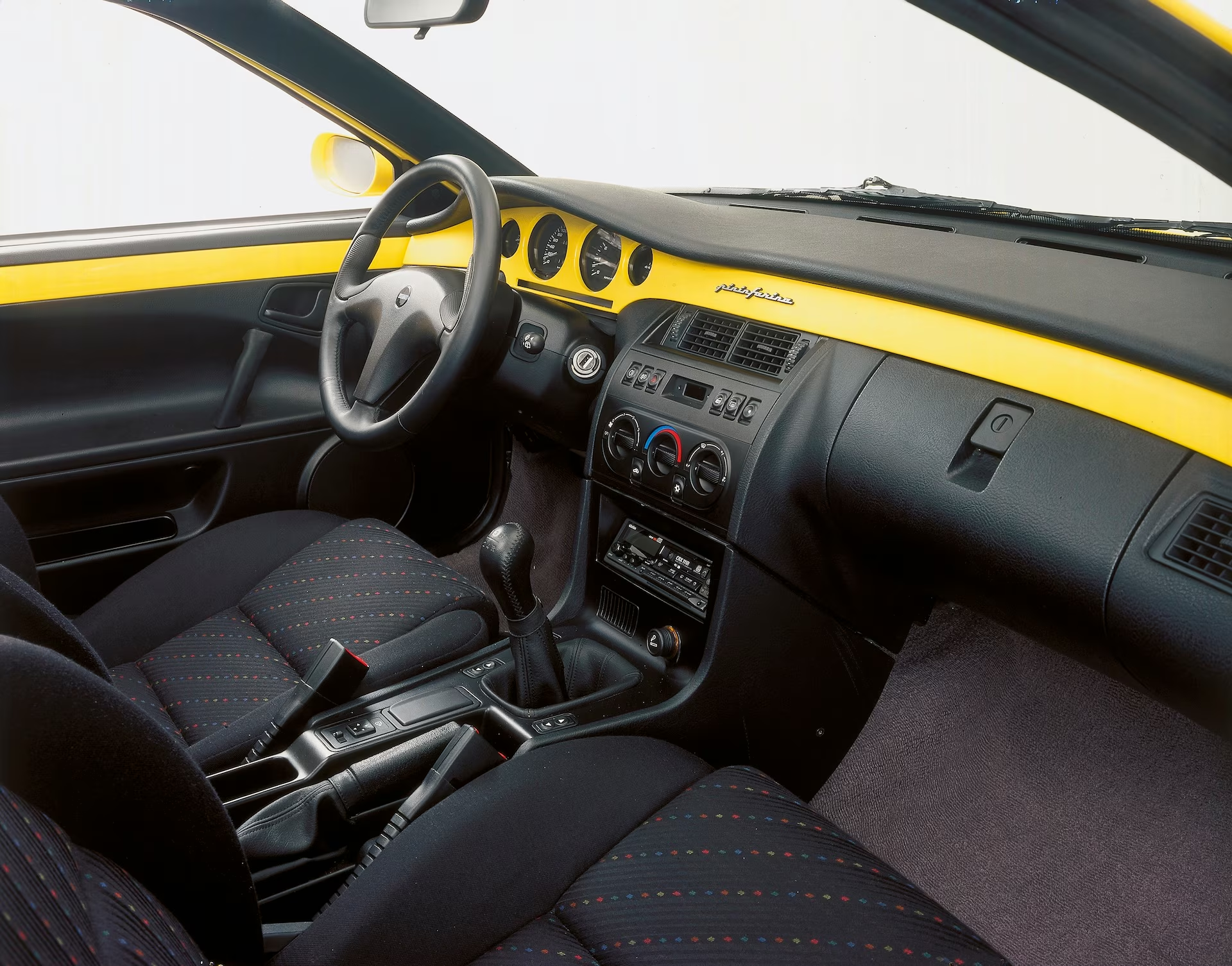
Of course, Pininfarina did not walk away empty-handed. Fiat wisely chose to incorporate the best of both worlds: while Bangle’s exterior would define the Coupé, Pininfarina’s proposal for the interior was universally loved and got the green light. In May 1991, the final approval was given to proceed with Bangle’s exterior design and Pininfarina’s interior design, uniting the two visions. This collaboration is the reason why the production Fiat Coupé proudly wears “Pininfarina” badges on its flanks and a script logo on the dashboard, even though the body shape is Bangle’s creation. Moreover, as part of the deal, Fiat contracted Pininfarina to build the Coupé at their factory in Turin once production began. In the end, both teams had a hand in the car’s making – a true joint effort in Italian style.
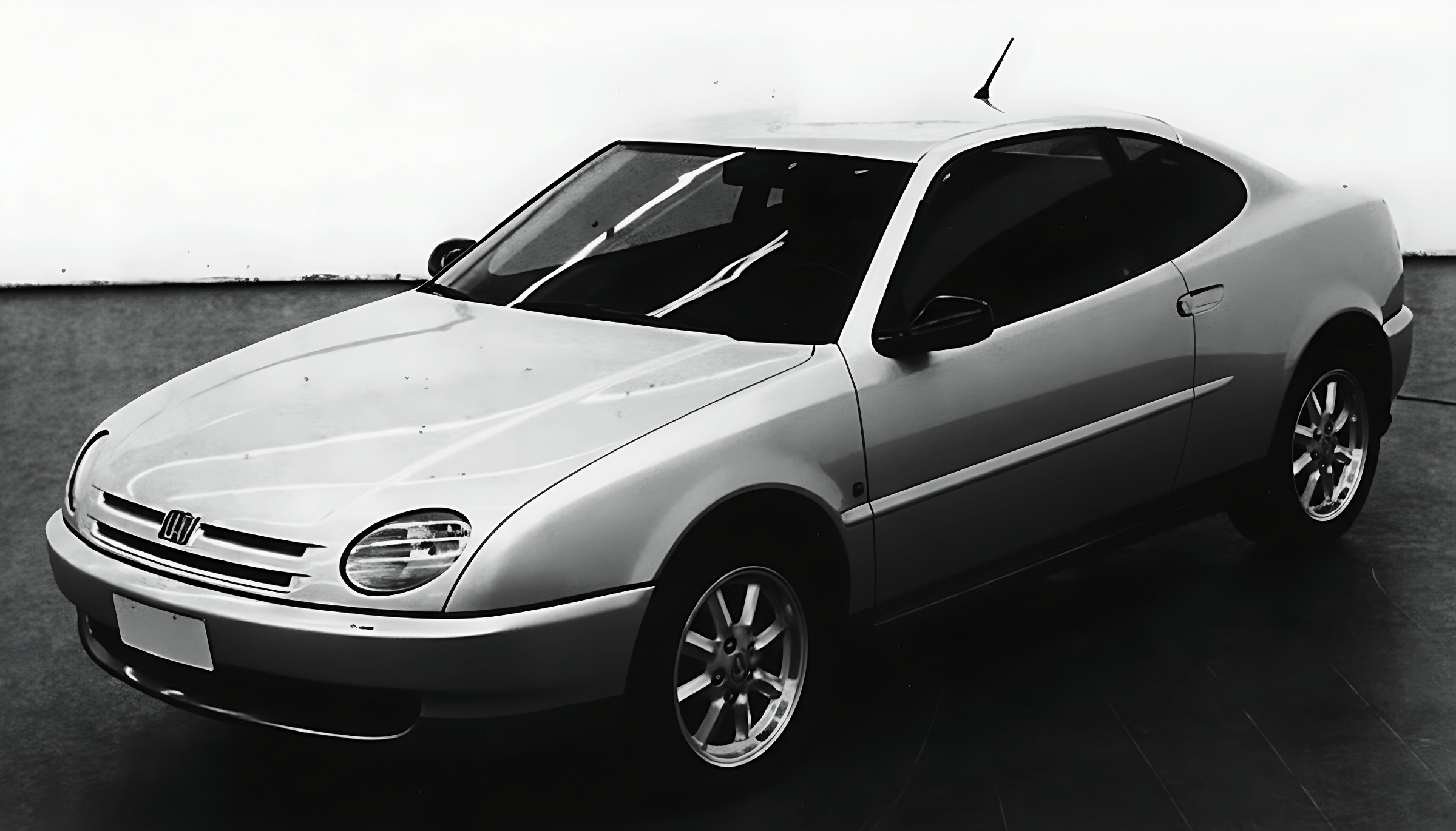
An intriguing footnote to this tale: What became of Pininfarina’s original coupé design? It turns out, that elegant concept did not die – it found a new home in France. A few years later, Peugeot was looking for a design house to create a coupé version of its 406 sedan, and Pininfarina offered up the rejected Fiat Coupé design (with some adaptations to Peugeot styling cues). Peugeot accepted with open arms, and the result was the Peugeot 406 Coupé, unveiled in 1996, which went on to be praised as one of Pininfarina’s finest designs. In other words, the beautiful lines Pininfarina once envisioned for Fiat found life elsewhere – a fascinating twist of fate where a “Fiat that never was” became a celebrated Peugeot. This anecdote underscores just how forward-thinking both proposals were, and it adds to the Fiat Coupé’s mystique: it’s a car born from two great designs, even if only one wore the Fiat badge.
Something completely new
Once the design direction was set in 1991, it was all hands on deck to turn Chris Bangle’s bold vision into a production-ready automobile. Under the supervision of Ermanno Cressoni at Centro Stile, the team translated the striking sketches into clay models and then into engineering reality. This was still the era before fully digital design; traditional hand modeling played a big role, with designers sculpting full-size mockups and fine-tuning every curve by eye. The result of their labor was a coupé that looked like nothing else on the road in the early ‘90s.
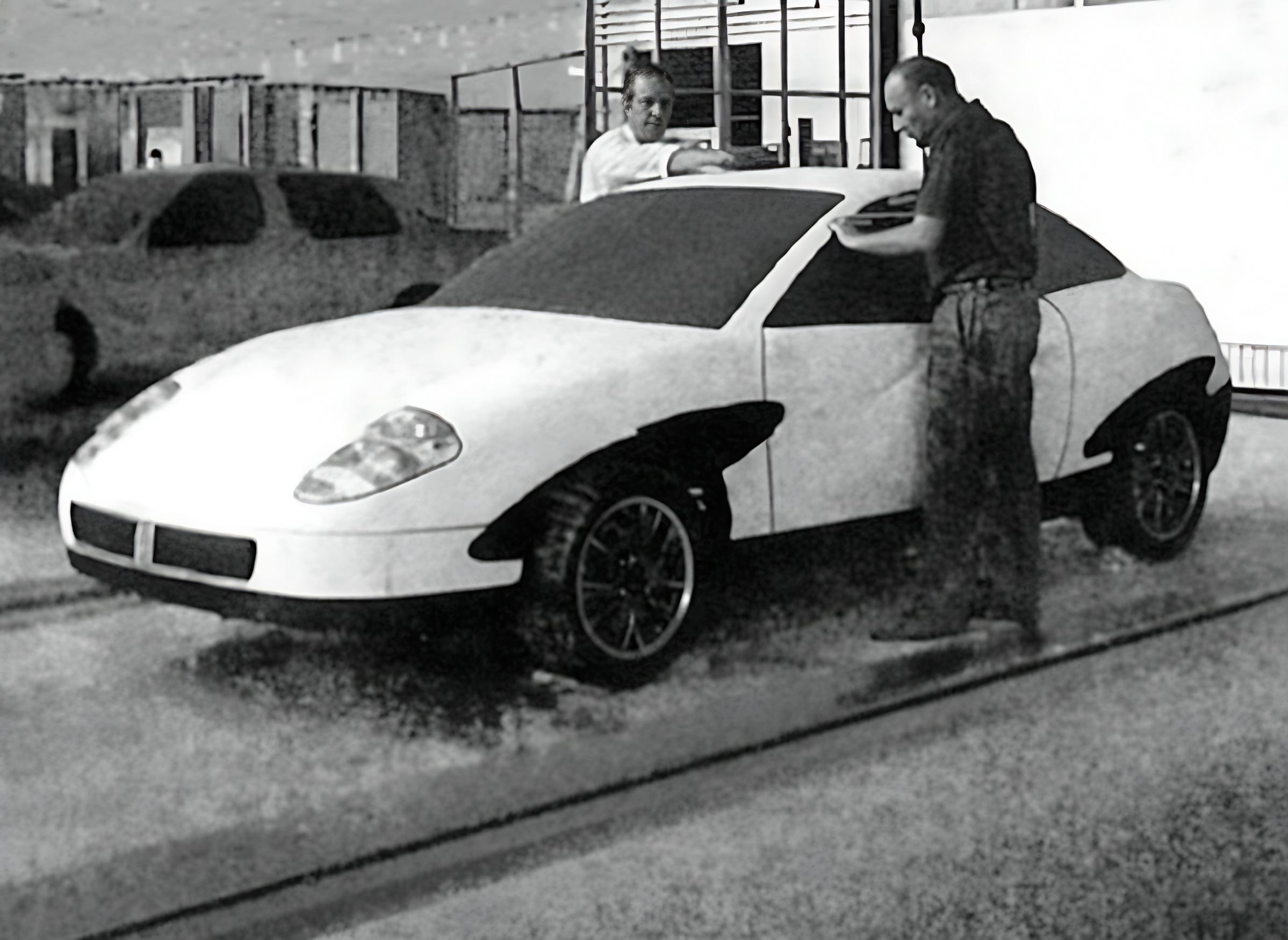
The Fiat Coupé’s design is rife with distinctive and innovative details. Perhaps its most talked-about feature is the pair of bold slashes running along the flanks – essentially character lines that slice through the wheel arches. These “slash” lines gave the car an instantly recognizable profile and a sense of motion even when standing still. Up front, the hood and fenders were ingeniously molded as one piece, creating a seamless front clamshell. In fact, Fiat’s designers coined a special term for this integrated hood-fender assembly: they called it the “cofango,” a portmanteau of cofano (hood) and parafango (fender). The cofango design was not just stylistically cool – it also harkened to exotic sports cars and allowed for a wide, unhindered engine bay opening, much to the delight of mechanics. It was a clever blend of form and function that emphasized the Coupé’s design innovation.
🔗 Read more: The Peugeot 406 Coupé: Lines of Perfection
Other exterior elements reinforced the car’s sporty, almost race-inspired character. The nose carried small twin projector headlamps under glass covers, with a textured, ribbed pattern on those covers. This detail looked ultra-modern, though it initially drew some practical questions. In one famous anecdote from the prototype presentation, Fiat managers worried that the grooved headlight covers wouldn’t allow traditional wipers to clear them. In response, the mercurial Cressoni simply pulled a handkerchief from his pocket, gently wiped the headlamp cover, and quipped, “They are cleaned with love.”. In the end, the headlamp design stayed – wipers be damned – adding to the Coupé’s distinctive face. Meanwhile, the gas cap was an ode to motorsport: a round, brushed metal fuel filler cap exposed on the rear pillar, complete with quick-release style latch, as if borrowed from a race car’s fuel system. And at the rear, the four round taillights (two on each side, deeply recessed) subtly paid homage to Italian exotica like Ferrari, giving the Coupé an unmistakably Italian GT vibe from behind.
If the exterior screamed modernity and risk-taking, the interior balanced it with a mix of Italian luxury and retro touches. As approved, Pininfarina designed the cabin, and they delivered a cockpit that complemented Bangle’s exterior without competing with it. The most iconic feature inside is the body-colored band running across the dashboard. In the red cars it was red, in yellow cars it was yellow, and so on – a nostalgic nod to sports cars of the 1960s (which often had painted metal dash panels). This bold slash of color tied the interior and exterior together visually, making the design feel holistic. Pininfarina also ensured the Coupé’s interior had an upscale feel: rich leather upholstery (often in tan or black) with tasteful stitching, sculpted sport seats, and a simple, driver-focused layout. Reviewers described it as “lush” and praised the material quality, noting that it was as elegant and well-crafted as any luxury coupe of the time. Despite the car’s compact size, clever glazing and a sweeping roofline made the 4-seat cabin feel airy and open, avoiding the claustrophobia that plagues some small sports cars. Overall, the interior was a hit – a place where Italian style met everyday usability, complete with thoughtful details like drilled aluminum pedals and a prominent “Pininfarina” script reminding occupants of the car’s pedigree.
Beneath the striking styling, the Fiat Coupé was engineered pragmatically by borrowing proven components – a strategy that helped bring it to market faster. It sat on Fiat’s Type Two platform (Tipo chassis) with front-wheel drive and all-independent suspension. While not an all-new high-tech chassis, the engineers worked wonders to make this platform deliver true sports car handling. They widened the track, tuned the springs and dampers aggressively, and for the high-output versions, added a Viscodrive limited-slip differential to tame wheelspin. In essence, Fiat turned an economy-car basis into a sharp-handling little gran turismo – and critics were pleasantly surprised by the result. Under the hood, at launch, were two versions of Fiat’s venerable 2.0-liter twin-cam engine (borrowed from the Lancia Delta Integrale): one naturally aspirated (making around 139 PS) and one turbocharged (190 PS), giving the lightweight coupé serious performance punch. These engines were chosen both for their performance pedigree and to control development costs. As an interesting quirk of history, this new Fiat sports car ended up using a heart from a rally champion Lancia, further boosting its credibility.
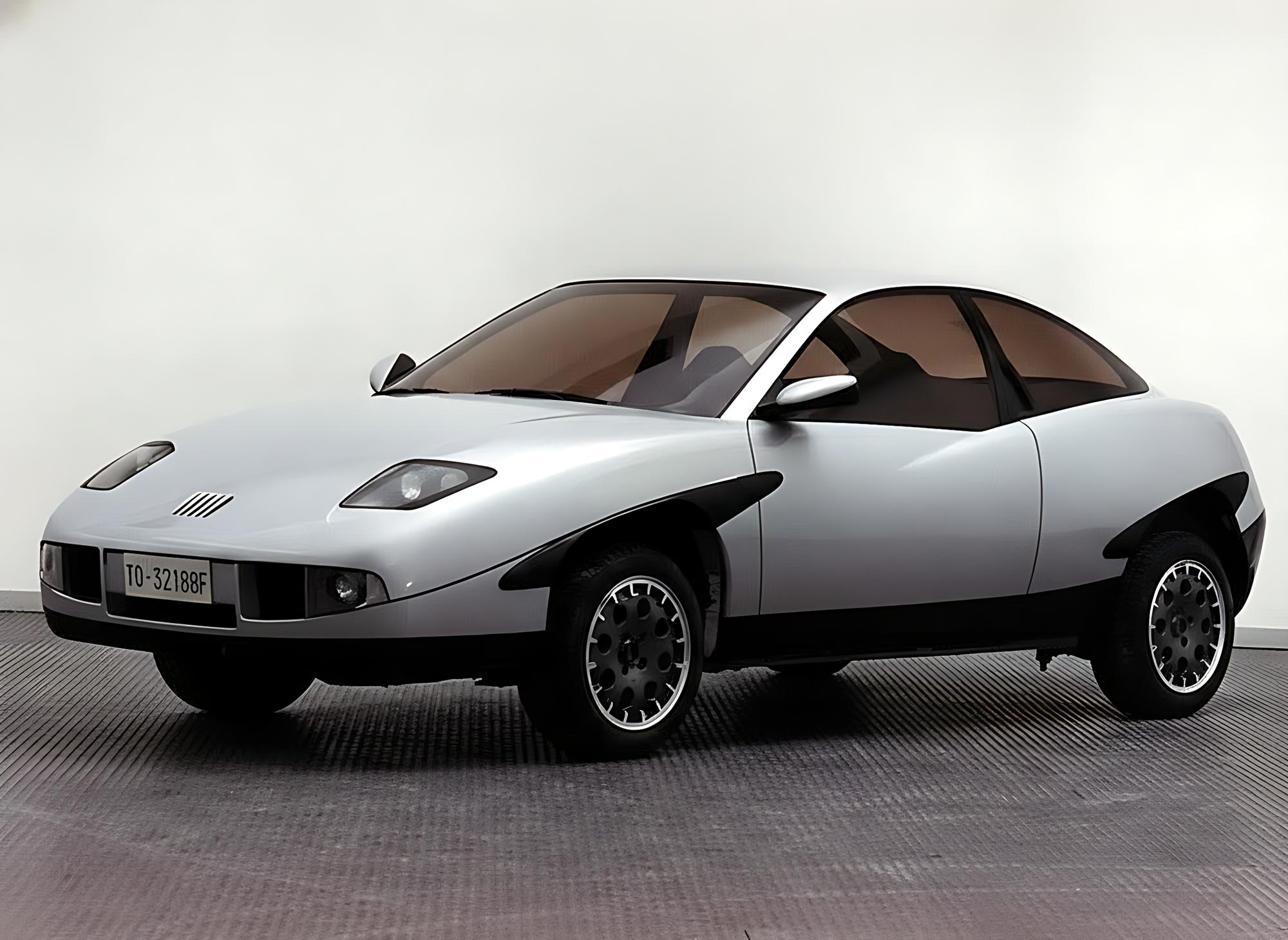
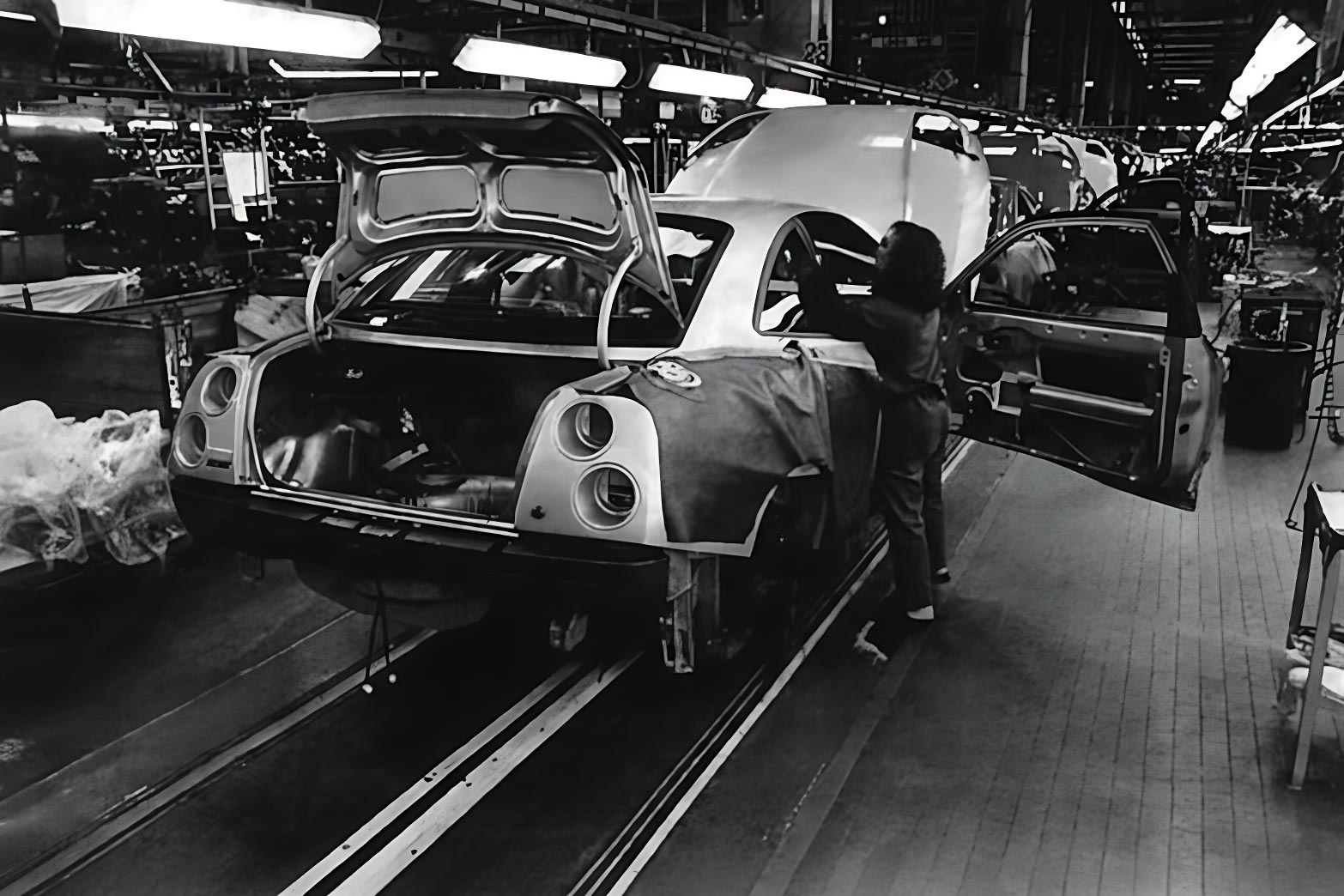
By late 1993, the Fiat Coupé was fully developed and ready for production. In an impressive show of collaboration, assembly of the Coupé was entrusted to Pininfarina at their plant on the outskirts of Turin. Fiat supplied the engines and running gear, but Pininfarina handled the body assembly and trimming – the same factory would later build the Peugeot 406 Coupé and had capacity for specialized low-volume models. Each Fiat Coupé was thus hand-finished to a degree, by craftsmen more used to building Ferraris and coachbuilt exotics, which was something of a selling point. It wasn’t common for a mass-market brand like Fiat to have a model built by Pininfarina, and it speaks to the special nature of the Coupé. Indeed, every Coupé carries a small production plaque noting “Built by Pininfarina”, underscoring this unique production arrangement.
Show-Stopping Debut: Unveiling the Coupé
The world got its first official look at the Fiat Coupé at the end of 1993, and it made sure nobody would forget it. Fiat chose to unveil the car at the Bologna Motor Show in December 1993, an Italian venue befitting an Italian creation. The bright yellow prototype on the stand (a color soon to become the model’s signature) practically radiated against the backdrop of more mundane new cars. Observers at Bologna and subsequent shows were stunned – Fiat had actually built the wild concept that many assumed would be toned down. Here was a production car with concept-car looks, complete with those radical wheel arch slashes, daring color schemes, and exotic details. It was a statement that Fiat was back in the business of fun. By January 1994, the Coupé also made an appearance at the Brussels Motor Show, which Fiat considers the official launch presentation. In fact, Fiat’s materials note that the “official presentation took place at the Brussels Motor Show in 1993”, with production starting in 1994. (In automotive calendar terms, this likely refers to the January 1994 Brussels show, coming shortly after the Bologna preview.)
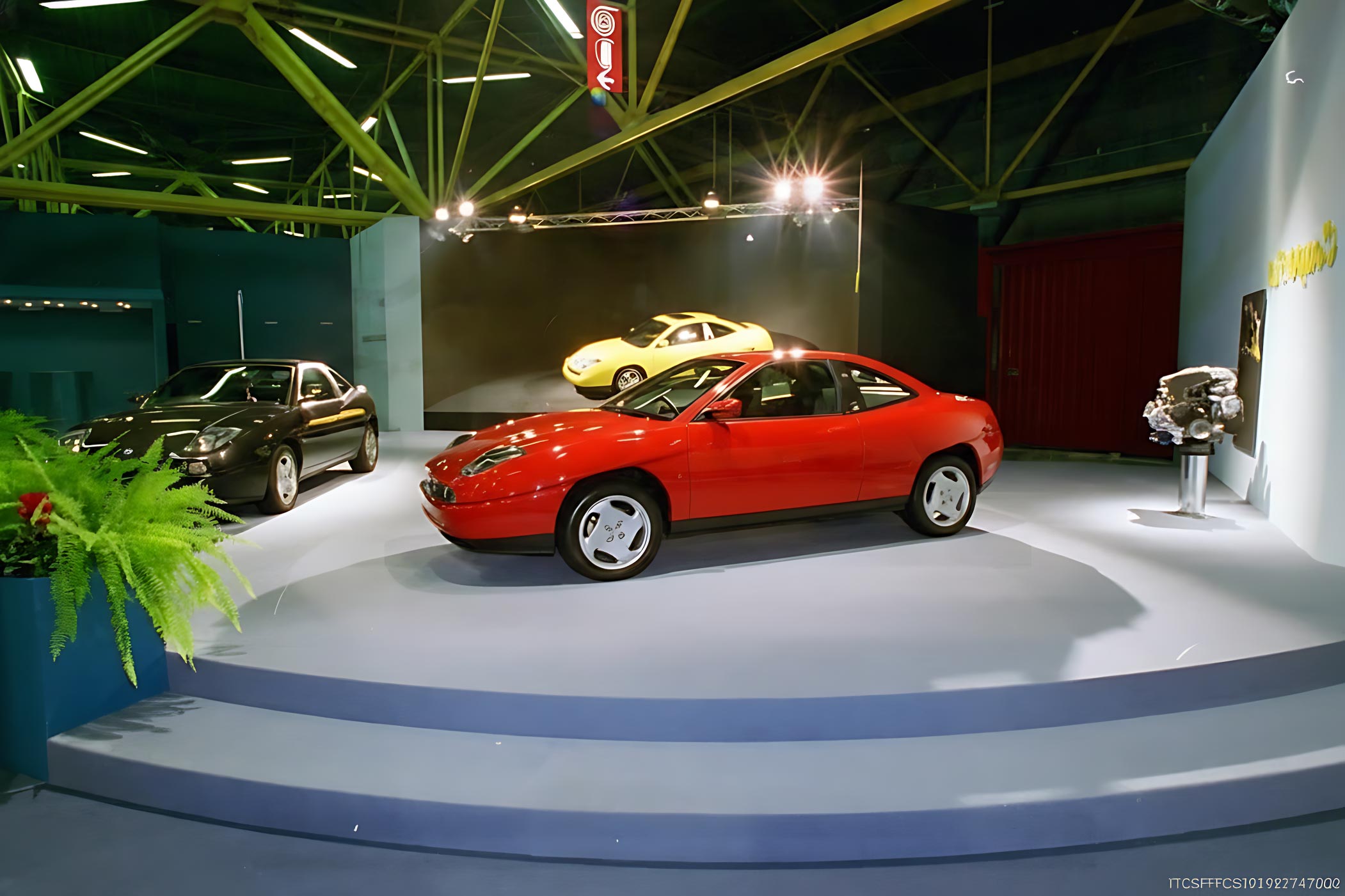
The public and press reaction was mixed, but intense. On one hand, many applauded Fiat for its courage. The Coupé was often described as “futuristic” and ahead of its time – indeed it looked like a concept car escaped from the design studio. Its angular, unconventional style bucked the mid-90s trend of organic curves (exemplified by cars like the Ford Probe or Opel Calibra) and instead offered something edgy and unique. Some loved it: enthusiasts who longed for Italian flair now had an affordable four-seater sports car that looked like a mini Ferrari (especially in red). The Coupé’s bold styling and vivid paint options (bright yellows, reds, blues – far from the typical grayscale) attracted younger buyers into Fiat showrooms, fulfilling Cantarella’s aim of spicing up the brand’s image.
Yet, not everyone was immediately smitten. Controversy swirled around the design – as with any avant-garde styling, it had its detractors. A number of journalists and onlookers found the design too brash, or “brutalist” as one retrospective put it. The car’s front end, especially, with its low hood and unusual light arrangement, was a new design language that took time to digest. One period remark was that the Fiat Coupé looked “unlike any other Fiat – perhaps even unlike any other car”, uttered with both admiration and a hint of confusion. This polarizing reception didn’t bother Fiat; if anything, it proved that the Coupé was getting noticed. As one writer later noted, the Coupé was “unapologetically itself,” clearly designed with passion and without focus-group dilution – a rare trait that earned respect over time. Love it or hate it, the Fiat Coupé demanded attention, and that is exactly what it got during its debut season on the auto show circuit.
An Icon Grows Up
After the fanfare of its reveal, the Fiat Coupé began rolling out to dealerships in early 1994. It arrived as something truly novel: a relatively affordable sports coupé with the looks of an exotic, the practicality of a daily driver, and the pedigree of Italian design royalty. Early buyers could choose between the two 2.0-liter 16-valve engines (turbo or non-turbo), both sourced from Lancia, giving either sprightly or genuinely quick performance. Reviews praised the turbocharged version’s performance, noting 0–100 km/h in the mid-6 second range – impressive for a front-drive 2+2 at the time. More universally praised was the car’s handling balance; thanks to suspension tweaks and that viscous limited-slip differential, the Coupé could carve corners with enthusiasm, and it was often described as one of the best handling front-drive cars of the era. Fiat’s engineering had truly made the most of the aging platform, and drivers reaped the rewards in back-road enjoyment.
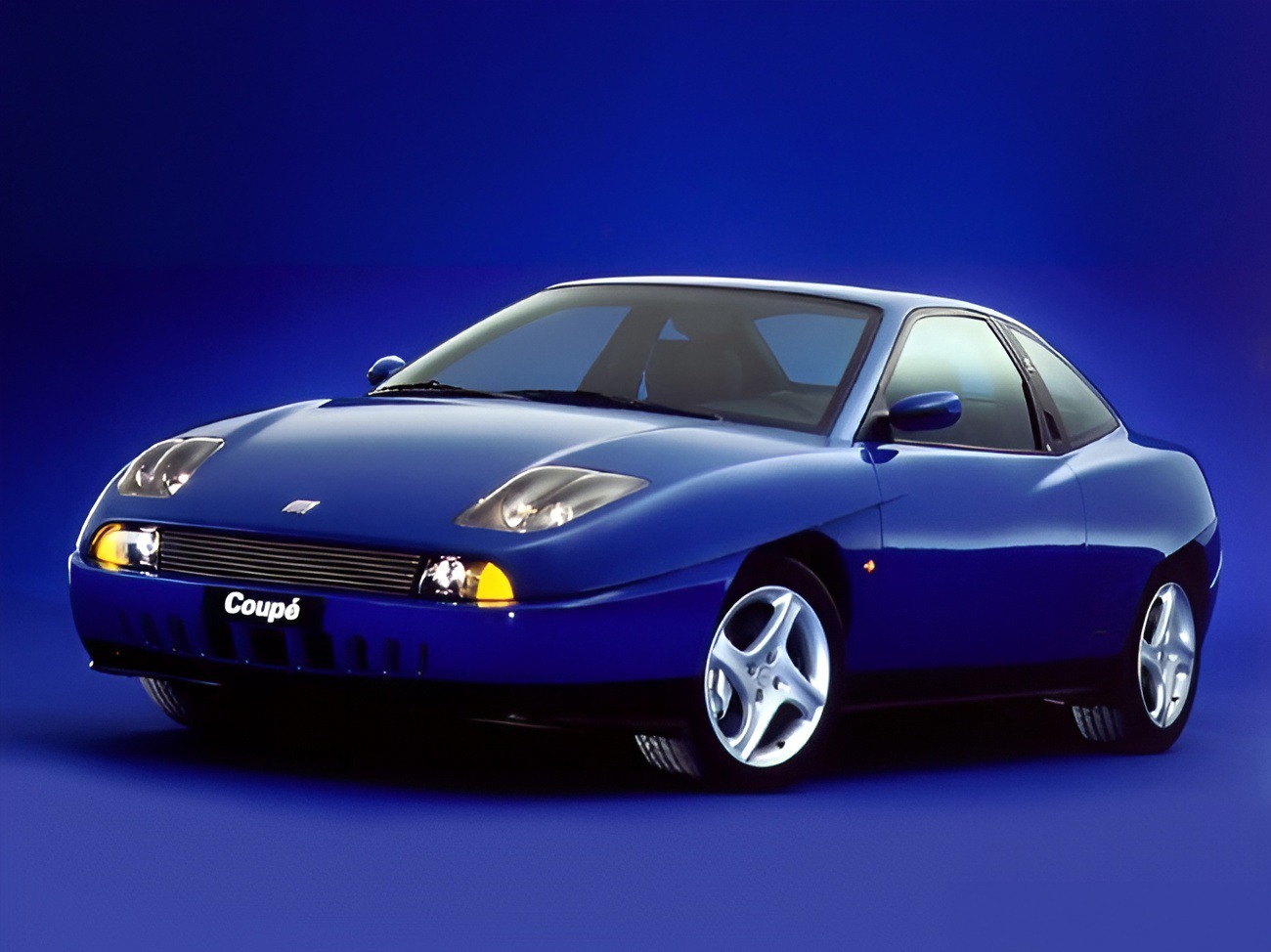
The Fiat Coupé’s design also aged gracefully – a credit to how forward-looking it was. Observers noted that when the car eventually left production years later, it still looked fresh, not a dated relic of 1990s fashion. Part of this timelessness came from the very features that were once contentious: the simplicity of its basic shape (a pure, unadorned silhouette with a neat curtailed tail) and the consistency of its theme (the sharp lines carried coherently from nose to tail) gave it a lasting identity. Over time, even some initial critics came around to its charms. What once seemed over-the-top began to be appreciated as bold and characterful in hindsight.
Fiat introduced some updates and new variants during the Coupé’s production run to keep it competitive. In 1996, a couple of years into production, new five-cylinder engines were added to the lineup – a 2.0-liter five-cylinder (20-valve) naturally aspirated and a 2.0 20V Turbo, the latter boosting output to 220 PS for even more punch. These five-cylinder engines gave the Coupé a smoother, richer sound and performance at the level of many bigger-name sports cars. Along with the new engines came a mild facelift for the interior (a new center console, a traditional clock in place of the digital one, and other trim tweaks). Pininfarina’s original design was largely kept intact – the changes were subtle and aimed at refinement. Over the late 1990s, Fiat also offered special editions like the Limited Edition (LE) and Turbo Plus, which added features such as a body kit, red Brembo brake calipers, a push-button starter, and Recaro seats. These editions, often in exclusive colors with numbered plaques, further stoked enthusiasm among the Coupé’s growing fan base.
🔗 Read more: The Fiat Barchetta Design Story: A Little Boat with Grand Ambitions
Production of the Fiat Coupé continued through the decade, with the model receiving praise for injecting excitement into the Fiat brand. However, by the turn of the millennium, the market for sporty coupes was dwindling and Fiat’s lineup was shifting towards practical cars and newer projects. The final Fiat Coupés were produced in the summer of 2000, marking the end of a remarkable seven-year run. In total, just over 72,000 units were built between 1993 and 2000. (Notably, Pininfarina celebrated the 50,000th unit as early as July 1997, illustrating how brisk sales were in the first few years.) While the Coupé was not replaced by any direct successor, its spirit lived on in Fiat’s design approach and in the hearts of enthusiasts.
Today, the Fiat Coupé enjoys a well-deserved cult status among car aficionados. It represents a singular moment in Fiat’s history when the company dared to be different and succeeded. The car’s heritage is rich: it was the product of an unprecedented collaboration and competition between Italy’s finest design minds, and it introduced the world to the talent of Chris Bangle, who would go on to revolutionize BMW’s design language later in the 2000s. For Pininfarina, the Coupé story also remains special – not only did they contribute to the Fiat’s interior and construction, but their alternate design found glory as the Peugeot 406 Coupé, meaning both design proposals ultimately saw the light of day in different forms. How often does that happen in the automotive world?
Perhaps the most enduring aspect of the Fiat Coupé’s legacy is how it blends artistry with approachability. Here is a car that looked like a wild concept, yet you could buy it from a Fiat dealer and use it as a daily driver. It had supercar-esque styling cues – dramatic lines, a wide stance, bespoke details – but came with a Fiat badge and relatively affordable price tag. In a sense, it democratized a bit of the Italian exotic car experience for regular people. Many owners and fans will wax poetic about the experience of driving a Fiat Coupé down a winding road, the turbo hissing, the five-cylinder warbling, and the car turning heads at every corner due to its arresting design. Even decades later, a Fiat Coupé passing by will cause those in the know to nod in appreciation, and those not in the know to ask, “Wow, what car is that?”
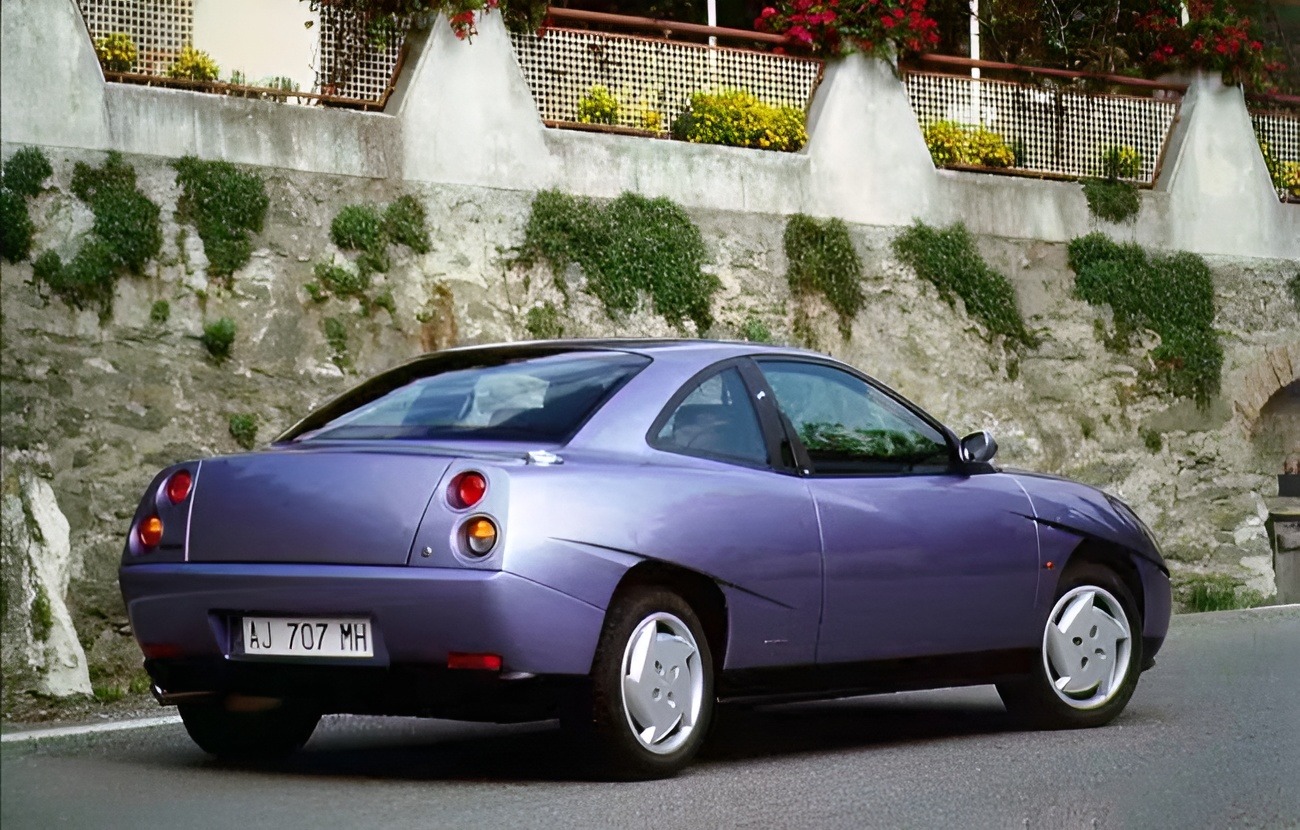
In retrospect, the Fiat Coupé’s once-controversial design has proven its worth. Petrolicious, an automotive publication, mused on whether the Chris Bangle-designed Coupé has “finally come of age,” concluding that it indeed has – the car’s looks have stood the test of time and enthusiasts have come to respect how cohesive and uncompromising the design is. What was once seen as radical is now a celebrated classic of 1990s automotive design. The Coupé also serves as a reminder of a brighter chapter for Fiat – a time when the company took risks and embraced creativity, yielding a car that still brings smiles to faces.
In the end, the Fiat Coupé’s story is as captivating as the car itself: born from a duel between tradition and innovation, sculpted by passionate minds, nearly lost to a boardroom decision, and ultimately realized in steel and glass to take its place in automotive history. It is a story of what could have been and what wonderfully came to be. To this day, the Fiat Coupé remains a unique gem – a bold Italian creation that marries the legacy of coachbuilders like Pininfarina with the forward-thinking zeal of Fiat’s in-house designers, wrapped up in a sports car that anyone could enjoy. That legacy makes the Fiat Coupé much more than just a car; it’s a narrative on wheels, one that continues to engage and inspire those who discover it.

ABOUT THE AUTHOR
Andreas Scheidl
Italian classic car enthusiast with German roots. Renowned as a respected figure in the classic car community, he serves as a jury member at various international concours d'elegance, including the Classic Gala Schwetzingen and Mantova. As a content creator, Andreas passionately shares his profound knowledge and appreciation for vintage automobiles. His heart beats for cars designed by Giovanni Michelotti, showcasing his discerning taste and dedication to preserving the timeless elegance of automotive history.
More stories by Andreas Scheidl ↗CONTINUE READING
Posts You Might Like
A Central Driving Position, a Rear-Mounted V8. Was This Really a Lancia?
In 1948, visitors to the Turin Motor Show could see an unusual Lancia on the stand of Carrozzeria Ghia. It was a large two-door coupé with a two-litre V8 mounted behind the…
Read story
Fioravanti F100: The Ferrari He Was Allowed to Imagine
Enzo Ferrari’s centenary, Leonardo Fioravanti’s independent studio and a supercar that explored air brakes, steel wheels and a new way of driving—without ever wearing the Cavallino.
Read story
Michelotti Shellette: When the Fiat 850 Became a Yacht
The yacht designer, the Turin stylist and the tiny coachbuilt car that crossed between the quay, the royal holiday house and the auction room. Some automobiles were conceived for the open road,…
Read story
Maserati A6 1500: A New Road for the Trident
When the doors of the Geneva Motor Show opened in March 1947, Maserati was a name that required little introduction to anyone who followed motor racing. What it did not yet possess…
Read story
THE CONVERSATION
Comments 0
Share a memory, a period photograph or a documented detail about this story.