
THE VEHICLE AT A GLANCE
Model dossier
- Production period
- 1950
- Body style
- Berlinetta
- Type
- Limited
- Production
- 2
THE PEOPLE BEHIND THE CAR
Coachbuilding, design & conversions

PRICE & SALES RECORD
Vehicle value
- Original price
- Not documented
- Latest recorded sale
- Not documented
01 / THE STORY
History & context
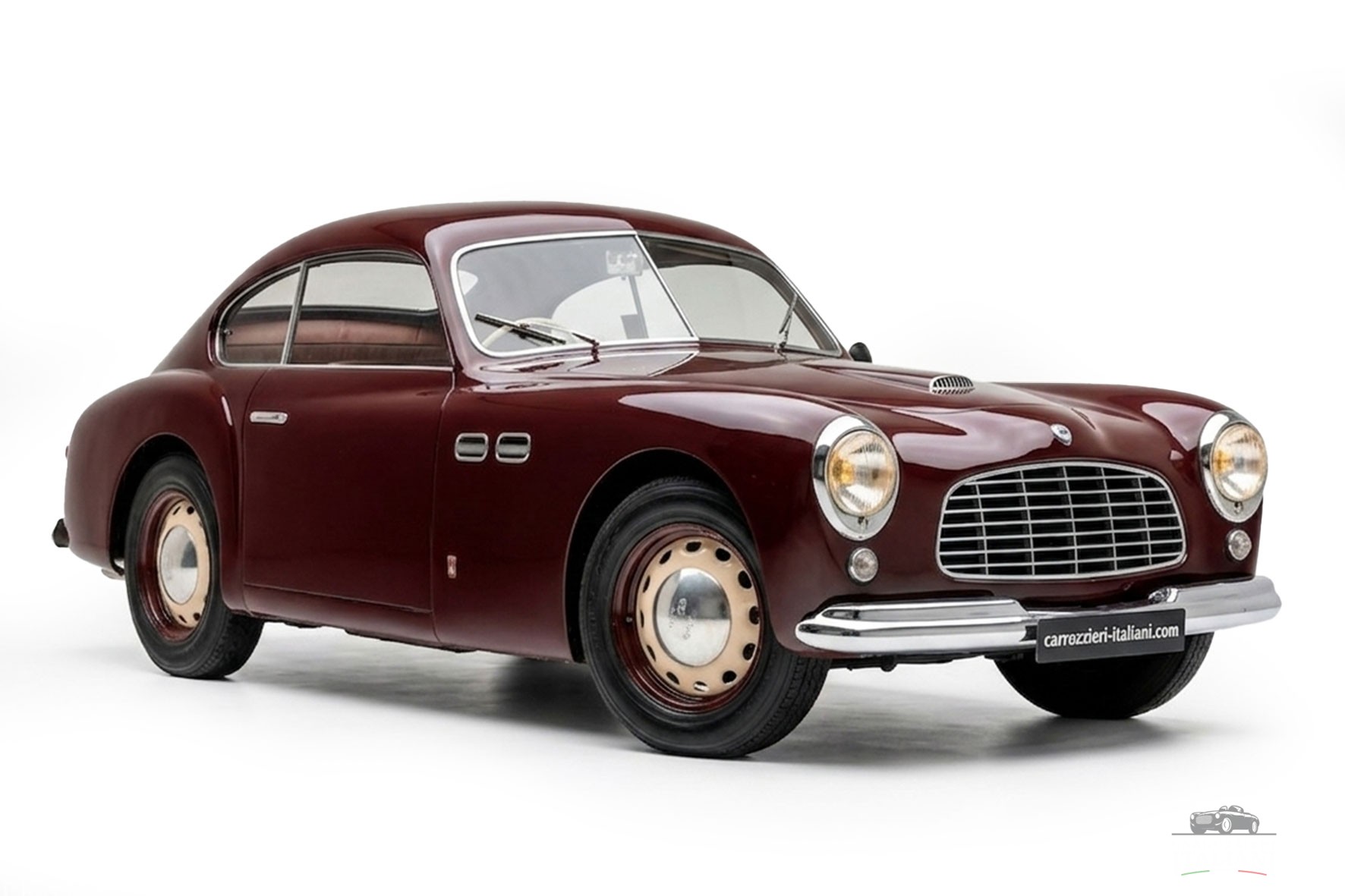
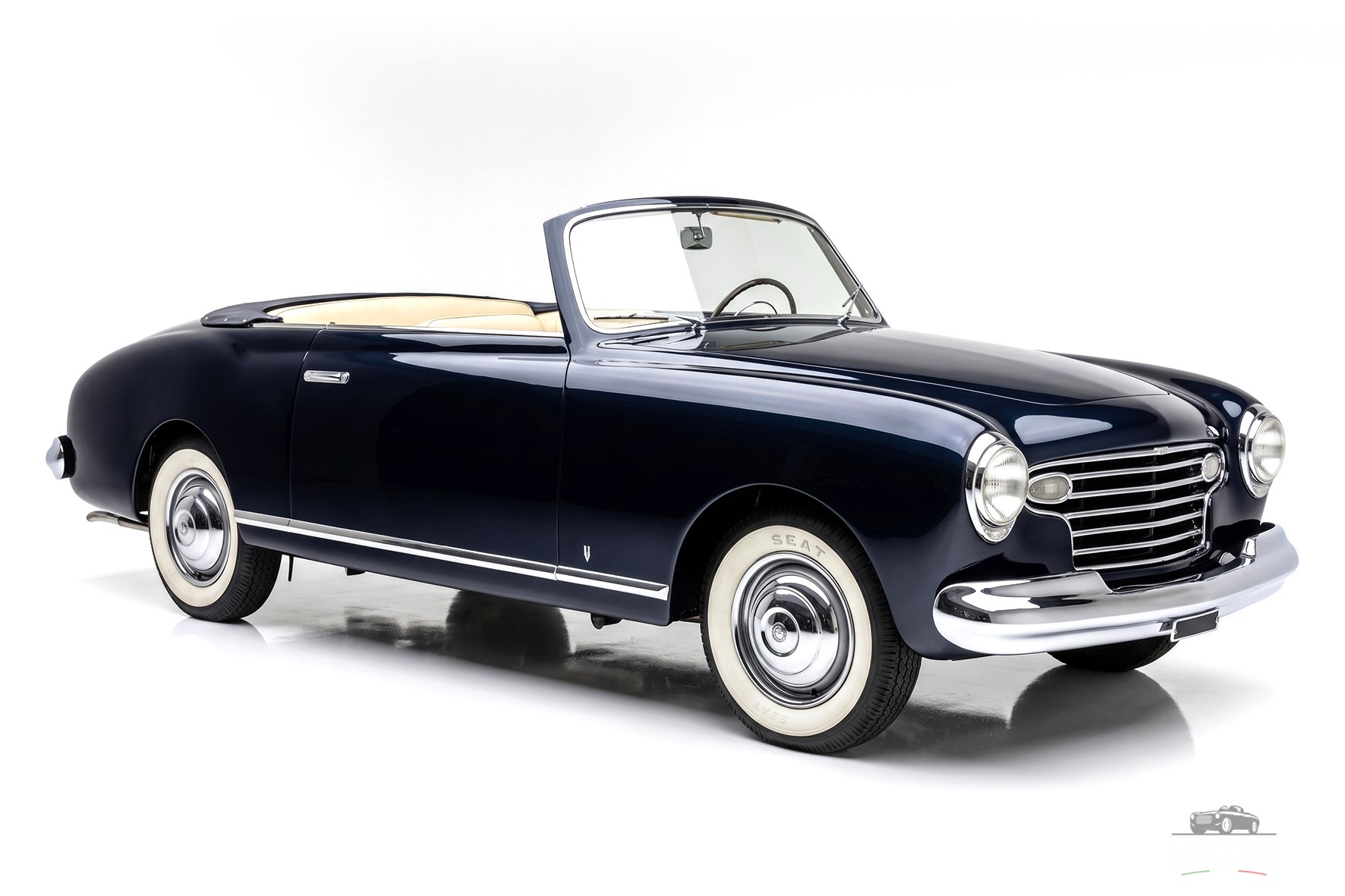
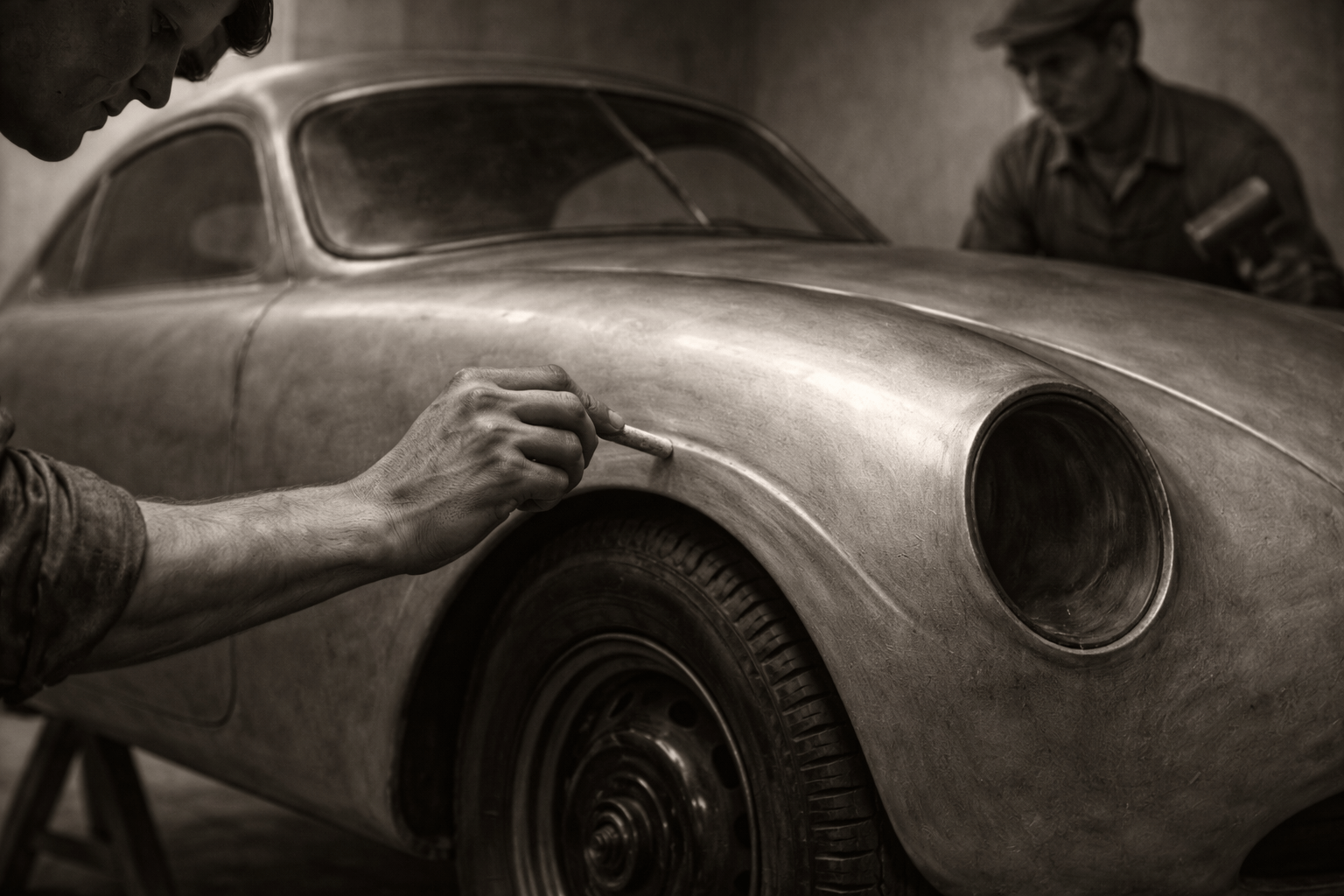
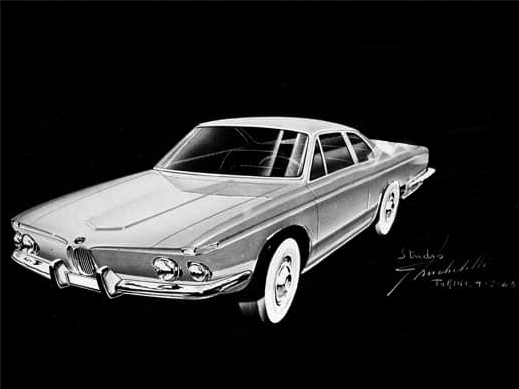
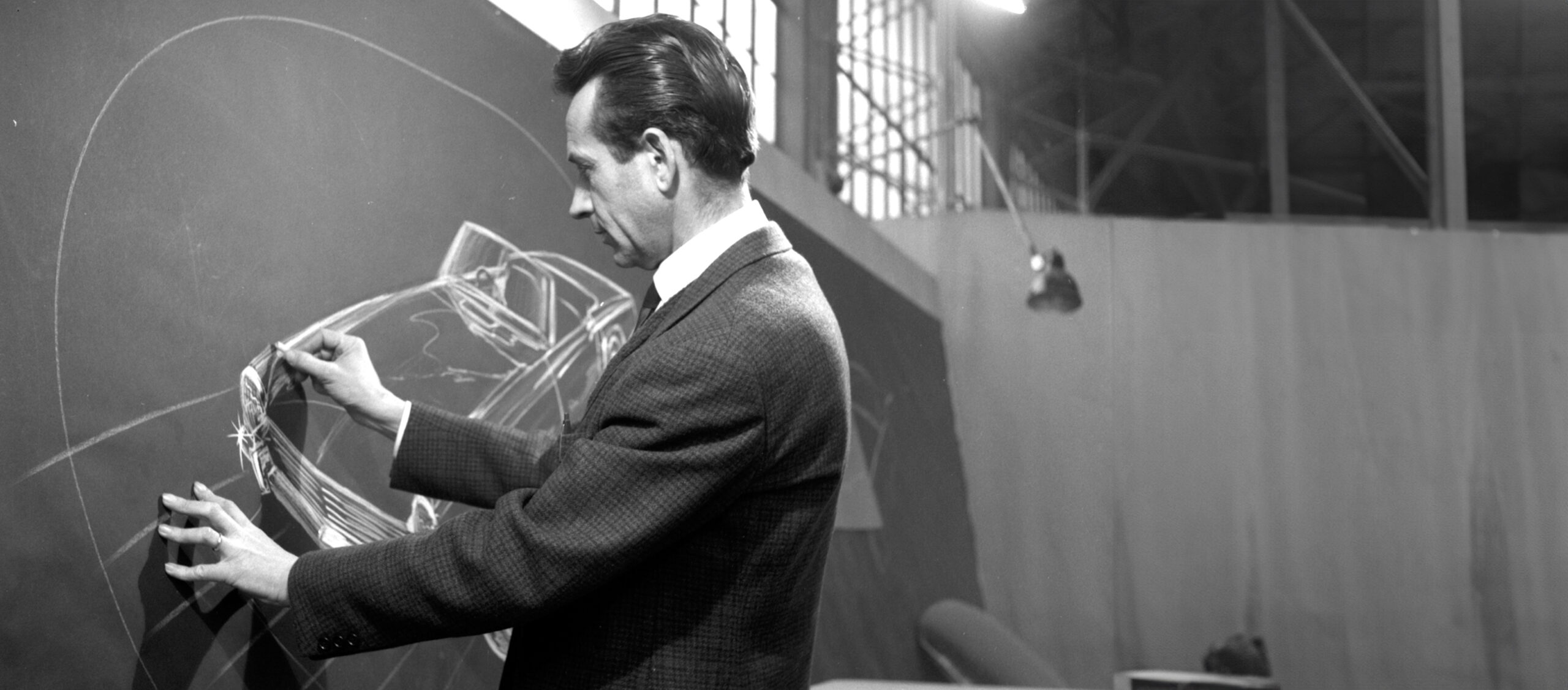
The Lancia ApriliaAurelia Berlinetta was built in Turin in 1949 within the small mechanical workshop of Giovanni Basso, a former Lancia engine department foreman. After the war, Turin’s automotive industry was slowly recovering from heavy bombing. While large manufacturers rebuilt their plants, numerous small workshops began producing tuned engines and custom-bodied cars. Basso was among these independent engineers. In 1947 he constructed an experimental engine derived from the 1.48-liter four-cylinder Lancia Aprilia, filing a patent for a twin-overhead-cam cylinder head that improved gas flow, increased power by roughly thirty horsepower, and required an upgraded lubrication system with a light-alloy oil pan and auxiliary radiator. Between 1947 and 1950 Basso produced eleven cars, all on tubular steel chassis with a 2.33-meter wheelbase, the tubes salvaged from the remains of the Fiat AIO factory. Each chassis was inspected and numbered by the Turin Railway Inspection Authority, while the engines retained their original Lancia serials. Most cars carried the Lancia badge to simplify registration. The bodywork was supplied by local artisans: Motto built the racing bodies, while Ghia and Stabilimenti Farina produced the roadgoing Berlinettas and Spiders. In 1949 Basso received an order from the Lancia agent in Udine, Archimede Fioretti, for three cars: two Berlinettas (this and another) and one Spider. For the Berlinetta, Stabilimenti Farina adapted a shortened version of its design previously used for the Fiat 1100B and Ferrari 166 Inter, with a reduction in wheelbase of seven to thirteen centimeters. Giovanni Michelotti, then working for Farina, revised the front end with recessed headlamps, a larger grille to aid engine cooling, and lightly indicated bumpers. One of the two Berlinettas was completed with a conventional Aprilia engine, the other with Basso’s experimental twin-cam unit. The Spider, also designed by Michelotti, was built for Fioretti’s personal use in competition. In September 1949, Basso entered the Ghia-bodied Spider at the Concorso d’Eleganza, where it won first prize in its class; Fioretti exhibited the Berlinetta and received favorable press commentary. Both Berlinettas were sold soon after, but the twin-cam engine proved unreliable. Overheating caused severe damage, and with no spare parts available, the cars were returned to the Udine dealership and stored in its underground garage. When Lancia introduced the Aurelia in 1950, Fioretti examined the new B10 model’s 1.75-liter V6 engine, producing 56 horsepower, and noted its compatibility with Basso’s chassis layout. Two complete Aurelia power units were ordered for conversion. In the workshop, mechanics modified the Aprilia gearbox to fit the Aurelia engine, enlarging the clutch and reinforcing the casing. The four-speed transmission handled the new engine’s output without difficulty, and the two-section driveshaft remained unchanged. Because of the larger V6, additional side vents and a hood intake were added for cooling. The car was repainted from sage green to dark blue and sold to Rodolo Rotel, Lancia’s dealer in Trieste. The transfer to Trieste faced administrative complications. After the war, the region was divided into Zone A, administered by the British, and Zone B, under Yugoslav control. Vehicle registration between provinces required special authorization. In 1950, the British governor of Zone A introduced new regulations aligned with Italian law, and Trieste license plates again carried the “TS” prefix. When Rotel presented the car for registration, officials could not identify the chassis or engine numbers. A certificate from Lancia confirmed that engine no. 1217 had originally belonged to Aurelia B10 sedan no. 1159, allowing registration to proceed under the description “Lancia Aurelia sedan.” The car was issued plate TS 111269. During the 1970s the Berlinetta was restored and repainted in amaranth red. It remained in Italy for several decades, passing through multiple owners and provoking debate among historians due to uncertainty about its origin. Later research confirmed its provenance as one of the few Basso-built ApriliaAurelia conversions with Stabilimenti Farina bodywork. Earning accolades and admiration, the Aprilia-Aurelia clinched the prestigious 2nd prize (B class) at the esteemed Concorso d’Eleganza Città di Mantova in 2019, a testament to its enduring appeal and timeless charm.The car now resides in a private collection abroad.
IN THE ARCHIVE
Related people
IN THE ARCHIVE
Coachbuilders & design studios
02 / TECHNICAL IDENTITY
Specifications & construction
Production & construction
- Production
- 2
- Production type
- Limited
Design & manufacture
- Designer · Documented
- Giovanni Michelotti
- Manufacturer · Documented
- Lancia
- Coachbuilder / Body Builder · Documented
- Stabilimenti Farina
06 / EVENTS & AWARDS
Events & awards
Mantova General · From the historical archive
- Date
- 2019
- Chassis
- General
07 / THE VEHICLE IN DETAIL
Photo gallery 3 photographs
08 / FROM THE ARCHIVE
Archive
References held in the vehicle dossier. Their inclusion does not establish that every historical claim has been independently verified.
| Reference | Source type |
|---|---|
| Escuderia — Lancia Aurelia B10 Basso www.escuderia.com | Independent historical feature |
| Classic Driver — 1950 Lancia Aurelia B10 Basso www.classicdriver.com | Specialist market historical dossier |
THE CONVERSATION
Comments 0
Share a memory, a period photograph or a documented detail about this car.