
THE VEHICLE AT A GLANCE
Model dossier
- Production period
- 1949
- Body style
- Berlinetta
- Engine
- V4
- Type
- One-off
- Production
- 1
- Displacement
- 1,486 cc
- Power
- 48 CV
THE PEOPLE BEHIND THE CAR
Coachbuilding, design & conversions

PRICE & SALES RECORD
Vehicle value
- Original price
- Not documented
- Latest recorded sale
- Not documented
01 / THE STORY
History & context
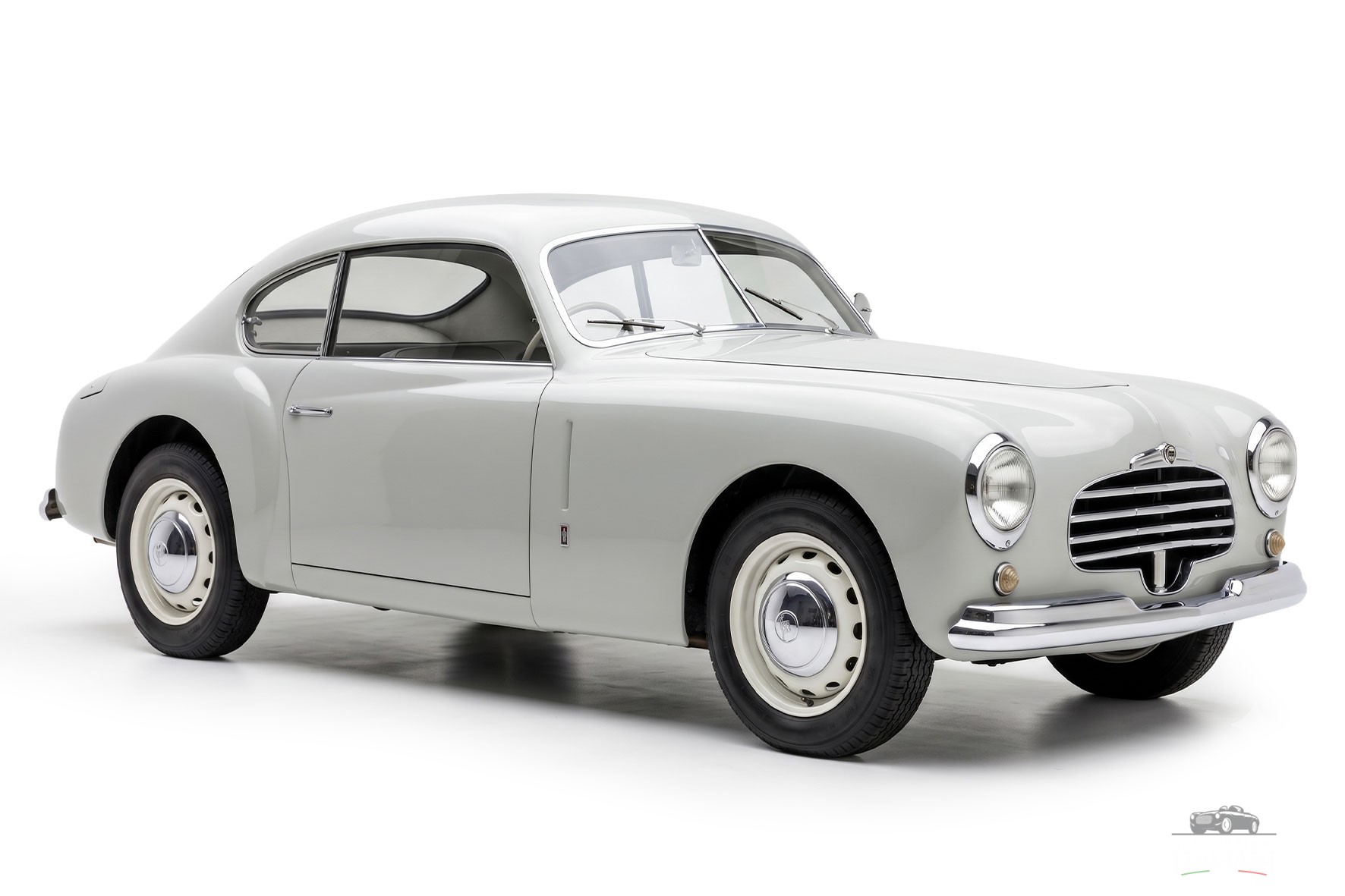
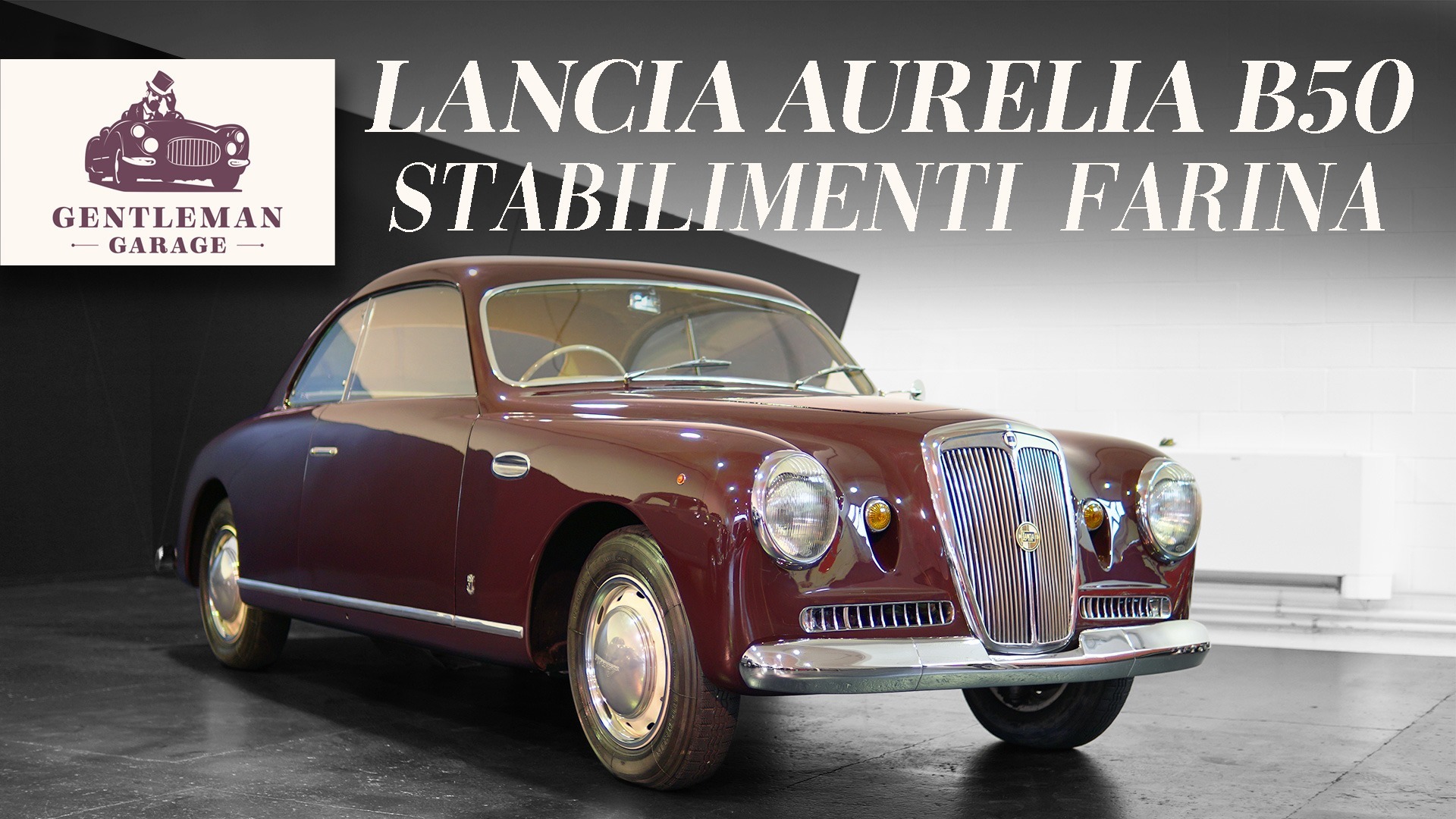
The second Lancia Aprilia Berlinetta built by Giovanni Basso was completed in Turin in 1949 as part of the same commission that produced the Basso Spider and the first Berlinetta for Archimede “Ferry” Fioretti, Lancia’s dealer in Udine. Unlike the twin-cam prototype, this second car was fitted with the standard Aprilia 1.5-liter four-cylinder engine, retaining its original single-cam configuration and Weber carburetor. The chassis was Basso’s tubular steel frame, derived from aircraft material recovered from the ruins of the Fiat AIO plant. It followed the same 2.33-meter wheelbase as the twin-cam car and carried an official inspection number from the Turin Railway Authority, the certifying body responsible for authorizing Basso’s small-series production. Body construction was entrusted to Stabilimenti Farina, which adapted its existing Berlinetta design used on the Fiat 1100B and Ferrari 166 Inter. The styling was by Giovanni Michelotti, who modified the front section and roofline to suit the shorter Aprilia underpinnings. The body was made of aluminum with a steel substructure, characterized by a low bonnet, recessed headlamps, and a clean fastback tail. The car’s proportions were compact and aerodynamic, in keeping with Farina’s late-1940s aesthetic language. This second Berlinetta was finished in white and was prepared primarily as a road car rather than a competition vehicle. Fioretti entered it at several regional exhibitions and demonstrations to promote his dealership and Basso’s mechanical work. The car was presented at the 1949 Concorso d’Eleganza in Villa d’Este alongside the Ghia-bodied Spider. While the Spider received the class prize, the Berlinetta attracted attention from the press for the quality of its coachwork and its refined proportions. Mechanically, the car was conventional but carefully assembled. The Aprilia engine produced around 48 horsepower, transmitted through the original four-speed gearbox and independent rear suspension. The car’s weight remained below 900 kilograms, providing lively performance for its size. The suspension geometry, steering linkage, and braking system were carried over from the Aprilia, with minor reinforcement to accommodate the tubular frame’s attachment points. The Berlinetta remained in Fioretti’s inventory until early 1950, when it was sold to a private owner in northern Italy. While the twin-cam car suffered engine failures that halted further production, this second Berlinetta proved reliable and saw regular use during the early 1950s. It was one of the few Basso-built vehicles to remain operational without modification. No factory records from Basso’s workshop survive, but period photographs and later documentation confirm the car’s white finish, Farina body number sequence, and Aprilia-based mechanical layout. It is believed to be the only surviving Basso Berlinetta retaining its original engine type. Its existence illustrates the transitional character of Giovanni Basso’s small-scale production: a synthesis of standard Lancia engineering, hand-built tubular construction, and limited-series coachwork by one of Turin’s leading carrozzerie at a time when the Italian automotive industry was redefining itself after the war.
IN THE ARCHIVE
Coachbuilders & design studios
02 / TECHNICAL IDENTITY
Specifications & construction
Production & construction
- Production
- 1
- Production type
- One-off
Engine & performance
- Engine configuration
- V4
- Displacement
- 1,486 cc
- Power (CV)
- 48 CV
- Engine speed
- 4,300 rpm
- Transmission
- Manual 4-speed
- Drive
- Rear-wheel drive
- Specification notes
- Source-backed donor/model-level baseline for Lancia Aprilia second series (1940–1949 in this projection): narrow-angle V4, 1486 cc, 48 CV at 4300 rpm, 4-speed manual, rear-wheel drive. Coachbuilt-body dimensions, weight and maximum speed are intentionally not inherited.
Design & manufacture
- Manufacturer · Documented
- Lancia
- Coachbuilder / Body Builder · Documented
- Stabilimenti Farina
06 / EVENTS & AWARDS
Events & awards
No events or documented awards are currently recorded for this vehicle.
07 / THE VEHICLE IN DETAIL
Photo gallery 4 photographs
08 / FROM THE ARCHIVE
Archive
References held in the vehicle dossier. Their inclusion does not establish that every historical claim has been independently verified.
| Reference | Source type |
|---|---|
| MAUTO — Storia, tecnica e stile Lancia Aprilia www.museoauto.com | Museum technical history |
THE CONVERSATION
Comments 0
Share a memory, a period photograph or a documented detail about this car.