
THE VEHICLE AT A GLANCE
Model dossier
- Production period
- 1963
- Body style
- Coupé / Cabriolet
- Type
- Limited
THE PEOPLE BEHIND THE CAR
Coachbuilding, design & conversions


PRICE & SALES RECORD
Vehicle value
- Original price
- Not documented
- Latest recorded sale
- Not documented
01 / THE STORY
History & context
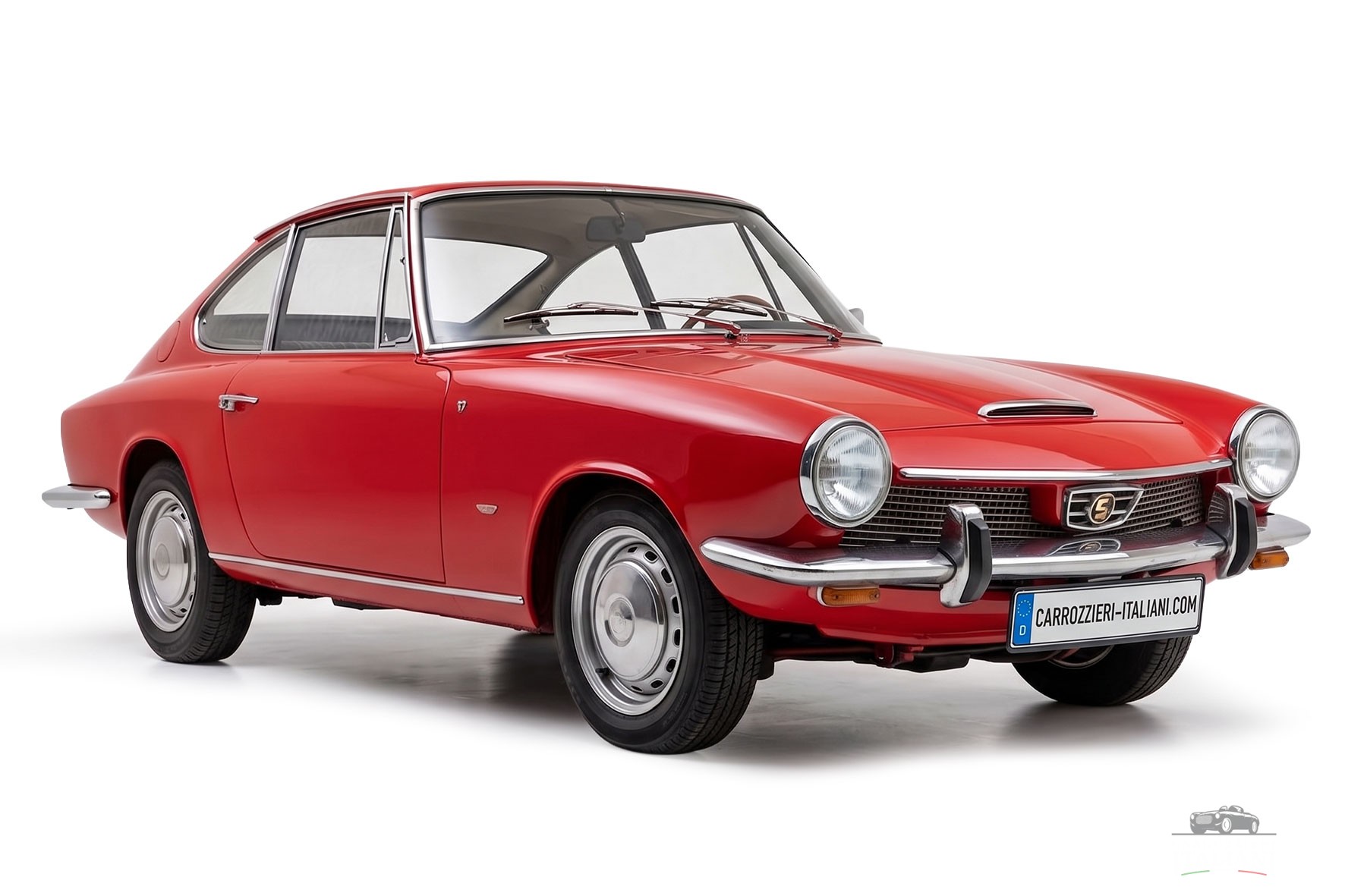
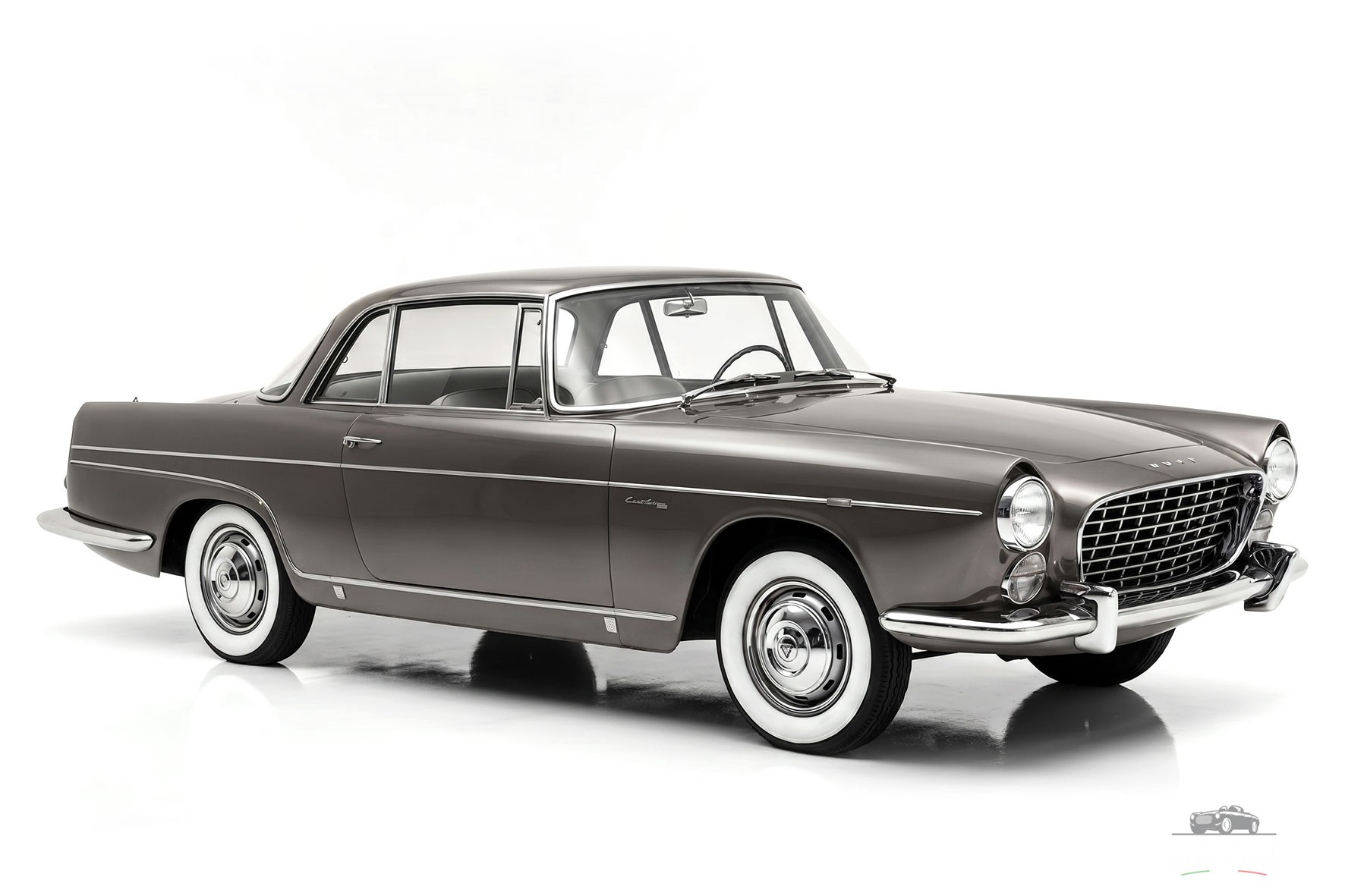
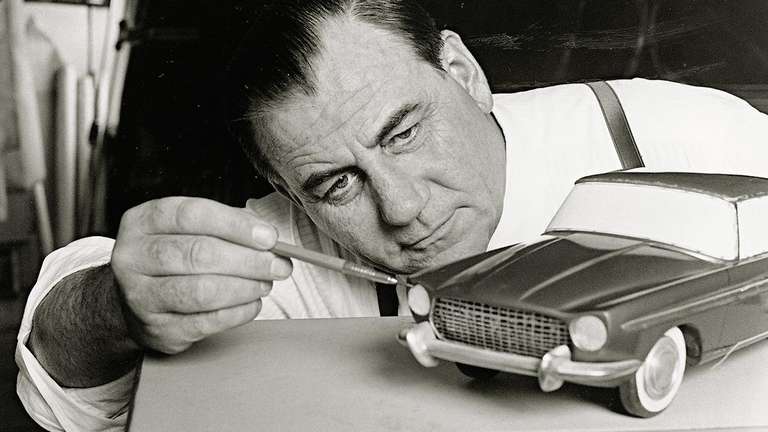
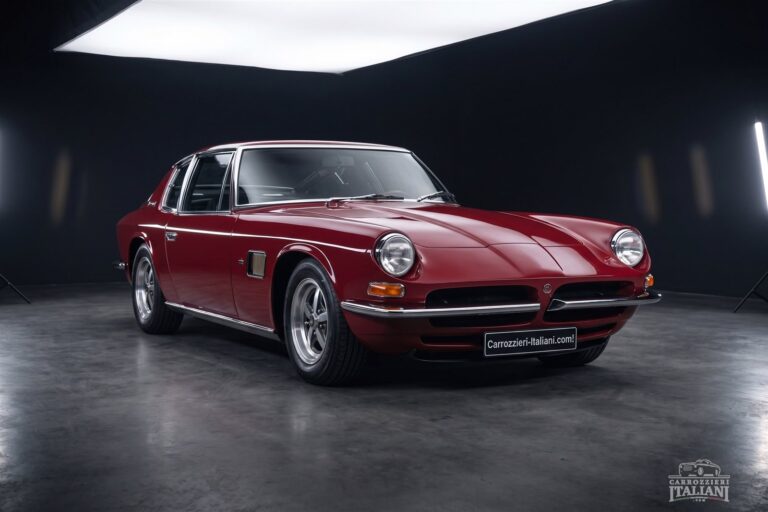
The Glas GT, a revered sports coupé crafted by Hans Glas GmbH in Dingolfing, emerged onto the automotive scene with the unveiling of the Glas 1300 GT at the Frankfurt Motor Show in September 1963. Production ramped up swiftly, commencing in March 1964. A convertible variant, a rarity, graced the market in May 1965, followed by the introduction of the larger-engined 1700 GT in the same month. Pietro Frua, the acclaimed designer, lent his expertise to sculpt the sleek body of the Glas GT. Carrozzeria Maggiora in Moncalieri undertook the construction of the body shells, which were then shipped to Dingolfing for final assembly, ensuring meticulous craftsmanship at every stage. Under the hood, the Glas GT housed a 1,290 cc engine, an enhanced iteration of the modern powerplant that had propelled the manufacturer’s 1004 model since 1962, boasting an overhead camshaft. Initially, it churned out a claimed power output of 55 kW (75 PS), propelling the GT to a top speed of 170 km/h (106 mph). However, by September 1965, power surged to 62.5 kW (85 PS), accompanied by larger wheels that pushed the top speed to 175 km/h (109 mph). In a strategic move to cater to diverse preferences, starting from September 1965, customers could opt for the 1,682 cc engine borrowed from the newly-introduced Glas 1700 TS sedan. This powerplant packed a punch with a maximum power output of 74 kW (100 PS) and a top speed of 185 km/h (115 mph). The slightly taller stature of the 1,682 cc engine necessitated a ridge along the center of the bonnet/hood, a feature streamlined across all GT models regardless of engine size. Notably, the 1700 GT secured homologation for sale in the lucrative US market, tapping into the American appetite for European sports cars. With its blend of performance, style, and adaptability, the Glas GT left an indelible mark in the annals of automotive history, embodying the spirit of innovation and precision craftsmanship.
IN THE ARCHIVE
Related people
IN THE ARCHIVE
Coachbuilders & design studios
02 / TECHNICAL IDENTITY
Specifications & construction
Production & construction
- Production type
- Limited
Engine & performance
- Drive
- Rear-wheel drive
- Specification notes
- Frua Glas GT Coupé family invariant body baseline: RWD, wheelbase 2320 mm, nominal dimensions 4050 × 1550 × 1280 mm. Glas Club gives 4055 mm length, while period catalogues/BMW continuation give 4050 mm; engine, gearbox and weight vary across 1300 GT, 1700 GT and BMW 1600 GT.
Dimensions & accommodation
- Wheelbase
- 2,320 mm
- Length
- 4,050 mm
- Width
- 1,550 mm
- Height
- 1,280 mm
Design & manufacture
- Designer · Documented
- Pietro Frua
- Manufacturer · Documented
- Glas
- Coachbuilder / Body Builder · Documented
- Maggiora
06 / EVENTS & AWARDS
Events & awards
No events or documented awards are currently recorded for this vehicle.
07 / THE VEHICLE IN DETAIL
Photo gallery 2 photographs
08 / FROM THE ARCHIVE
Archive
References held in the vehicle dossier. Their inclusion does not establish that every historical claim has been independently verified.
| Reference | Source type |
|---|---|
| Glas Club — Glas 1300/1700 GT technical description www.glasclub.de | Marque club technical reference |
| 1967 BMW 1600 GT www.automobile-catalog.com | Specialist period model reference |

THE CONVERSATION
Comments 0
Share a memory, a period photograph or a documented detail about this car.