
THE VEHICLE AT A GLANCE
Model dossier
- Production period
- 1963
- Body style
- Coupé / Cabriolet
- Type
- Limited
THE PEOPLE BEHIND THE CAR
Coachbuilding, design & conversions

PRICE & SALES RECORD
Vehicle value
- Original price
- Not documented
- Latest recorded sale
- Not documented
01 / THE STORY
History & context
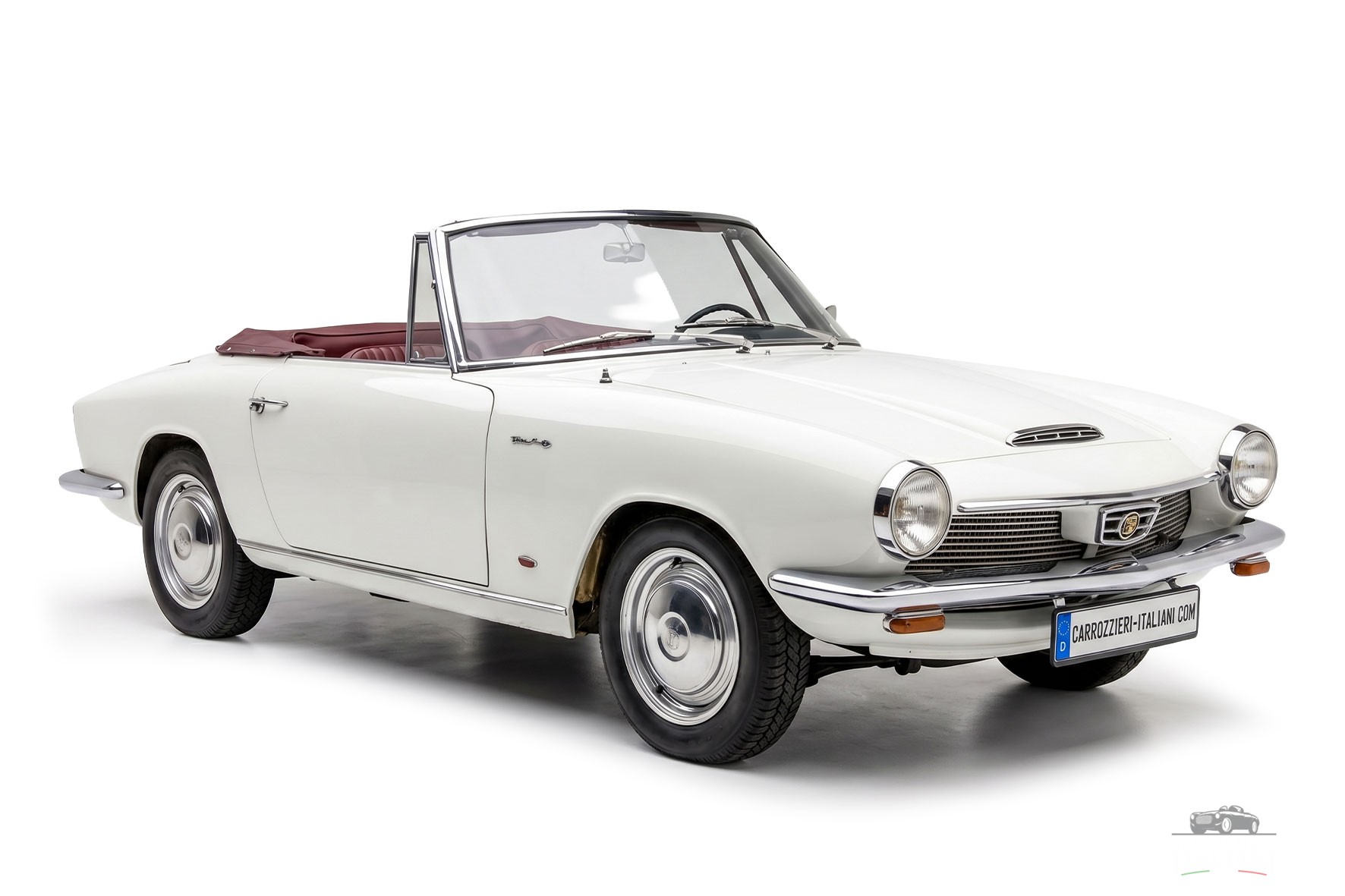
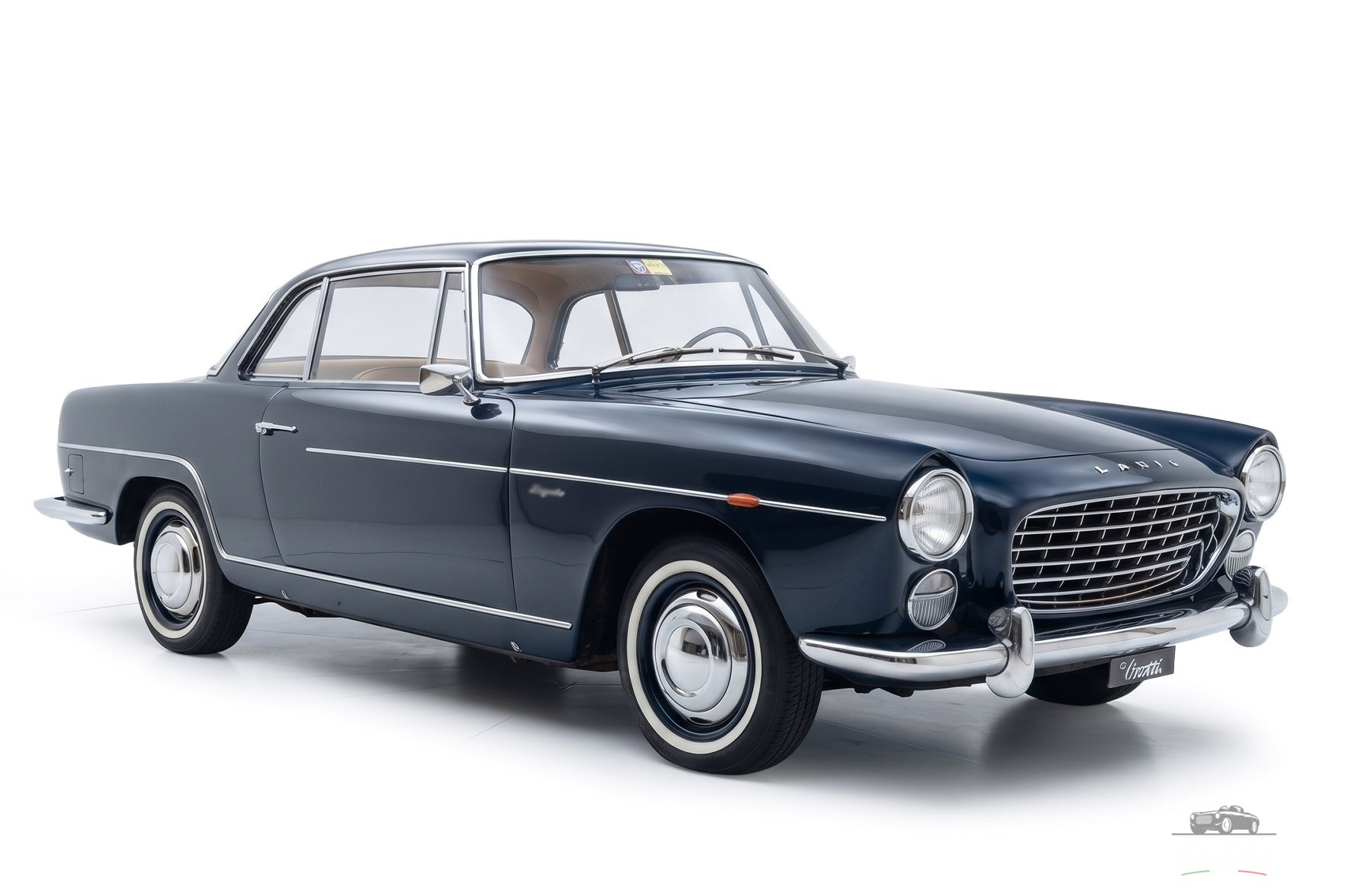
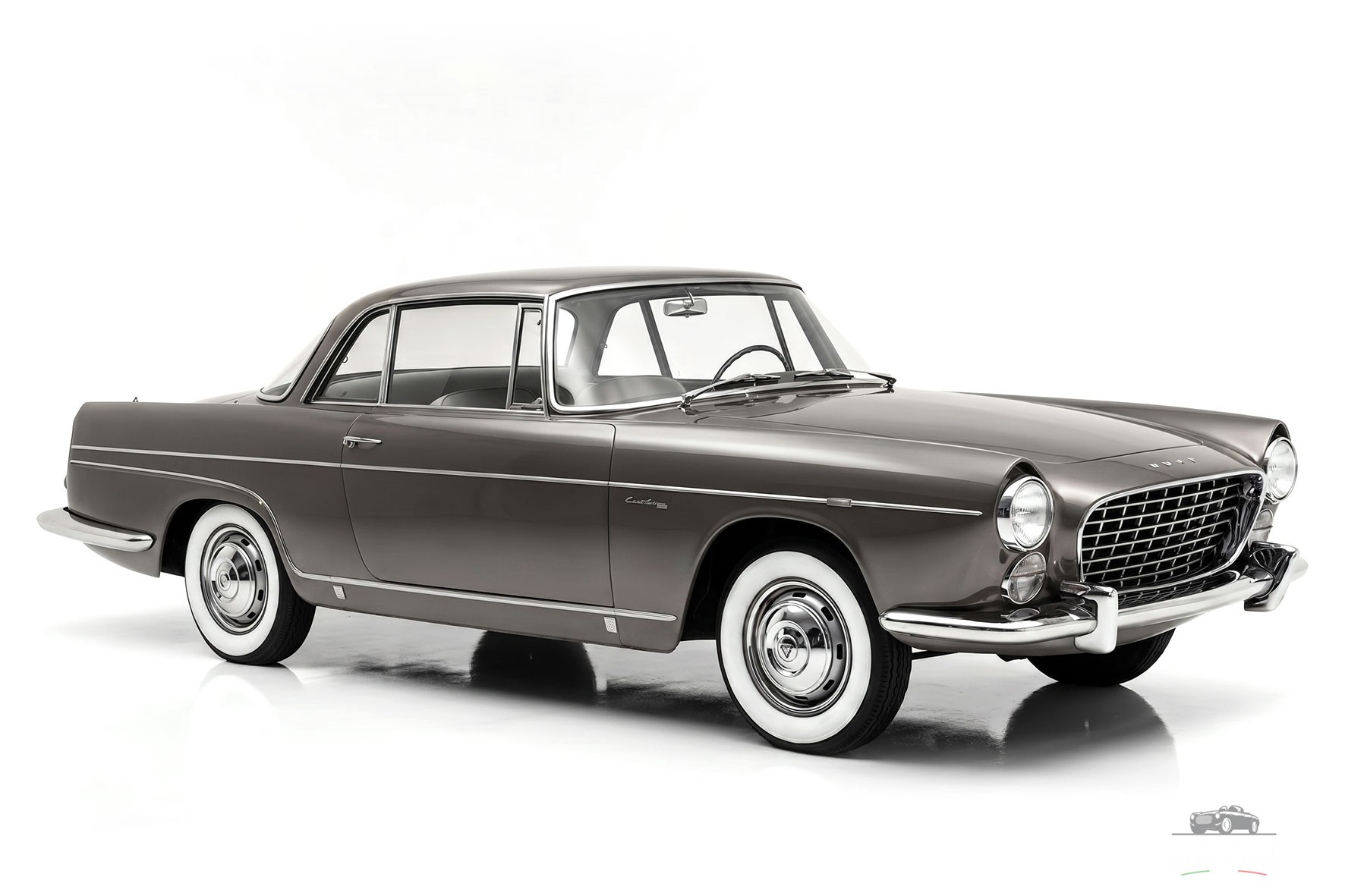
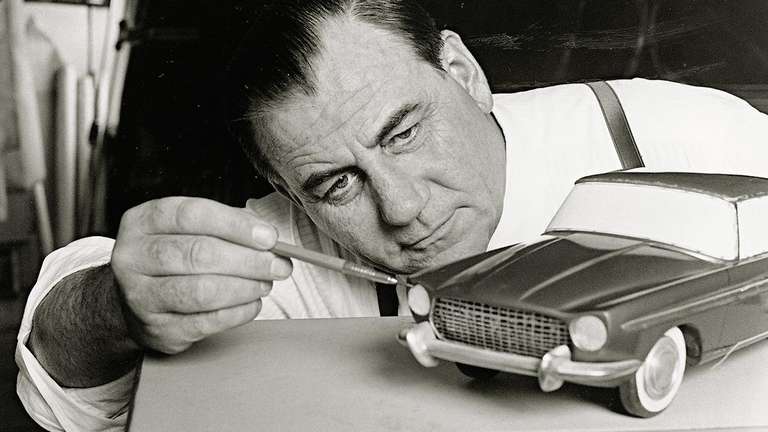
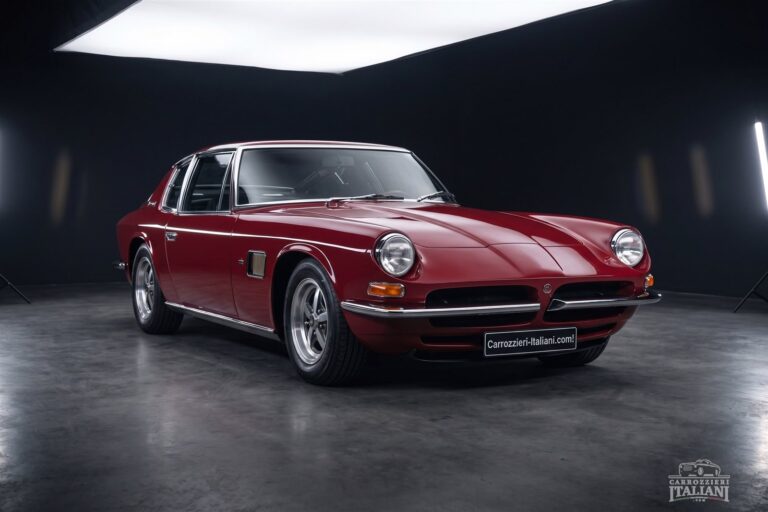
The Glas 1300 GT Cabriolet is a two-door, four-seat convertible automobile manufactured by Hans Glas GmbH of Dingolfing, Germany, between 1965 and 1967. Developed as an open variant of the Glas 1300 GT coupé, the Cabriolet combined German mechanical engineering with Italian stylistic design, exemplifying a transnational approach to automotive production during the post-war era. The vehicle’s exterior was styled by Pietro Frua, a prominent Italian designer known for his refined and proportionally balanced work. The bodywork was constructed by Carrozzeria Maggiora in Moncalieri, with final assembly taking place in Germany. The overall design adhered to the prevailing aesthetic principles of the mid-1960s, characterized by low, flowing lines, restrained ornamentation, and an emphasis on functional elegance. The fabric roof, manually operated, could be folded neatly behind the rear seats, maintaining the vehicle’s visual cohesion in both open and closed configurations. The Glas 1300 GT Cabriolet was powered by a front-mounted, 1,290 cubic centimetre inline four-cylinder engine, notable for its use of a single overhead camshaft and toothed rubber timing belt. This engine configuration, unusual for the period, produced 75 horsepower initially, with a later revision increasing output to 85 horsepower. The vehicle employed a four-speed manual transmission, and power was delivered to the rear wheels. Performance figures included a top speed ranging between 170 and 175 kilometres per hour, dependent upon engine specification. Chassis construction featured a steel monocoque with independent front suspension utilizing coil springs, and a live rear axle supported by leaf springs. Braking was managed through disc brakes at the front and drum brakes at the rear, conforming to typical European sports car standards of the time. The wheelbase measured 2,320 millimetres, with an overall length of 4,050 millimetres. Production was limited to 363 units, contributing to the model’s scarcity and subsequent collector interest. Following the acquisition of Hans Glas GmbH by Bayerische Motoren Werke AG in 1966, the model range was restructured, and the Cabriolet was succeeded indirectly by the BMW 1600 GT coupé. The Glas 1300 GT Cabriolet remains a minor yet distinguished entry in the historical narrative of mid-century European sports car development.
IN THE ARCHIVE
Related people
IN THE ARCHIVE
Coachbuilders & design studios
02 / TECHNICAL IDENTITY
Specifications & construction
Production & construction
- Production type
- Limited
Engine & performance
- Drive
- Rear-wheel drive
- Specification notes
- Glas GT Cabriolet invariant body baseline: RWD, wheelbase 2320 mm, nominal dimensions 4050 × 1550 × 1350 mm. Glas Club gives 4055 mm length; engine, gearbox and weight remain version-level across the 1300/1700 GT Cabriolet family.
Dimensions & accommodation
- Wheelbase
- 2,320 mm
- Length
- 4,050 mm
- Width
- 1,550 mm
- Height
- 1,350 mm
Design & manufacture
- Designer · Documented
- Pietro Frua
- Manufacturer · Documented
- Glas
- Coachbuilder / Body Builder · Documented
- Maggiora
06 / EVENTS & AWARDS
Events & awards
No events or documented awards are currently recorded for this vehicle.
07 / THE VEHICLE IN DETAIL
Photo gallery
No publishable photographs are currently catalogued for this vehicle.
08 / FROM THE ARCHIVE
Archive
References held in the vehicle dossier. Their inclusion does not establish that every historical claim has been independently verified.
| Reference | Source type |
|---|---|
| Glas Club — Glas GT Cabriolet technical description www.glasclub.de | Marque club technical reference |
| 1965 Glas 1300 GT Cabriolet www.automobile-catalog.com | Specialist period model reference |


THE CONVERSATION
Comments 0
Share a memory, a period photograph or a documented detail about this car.