
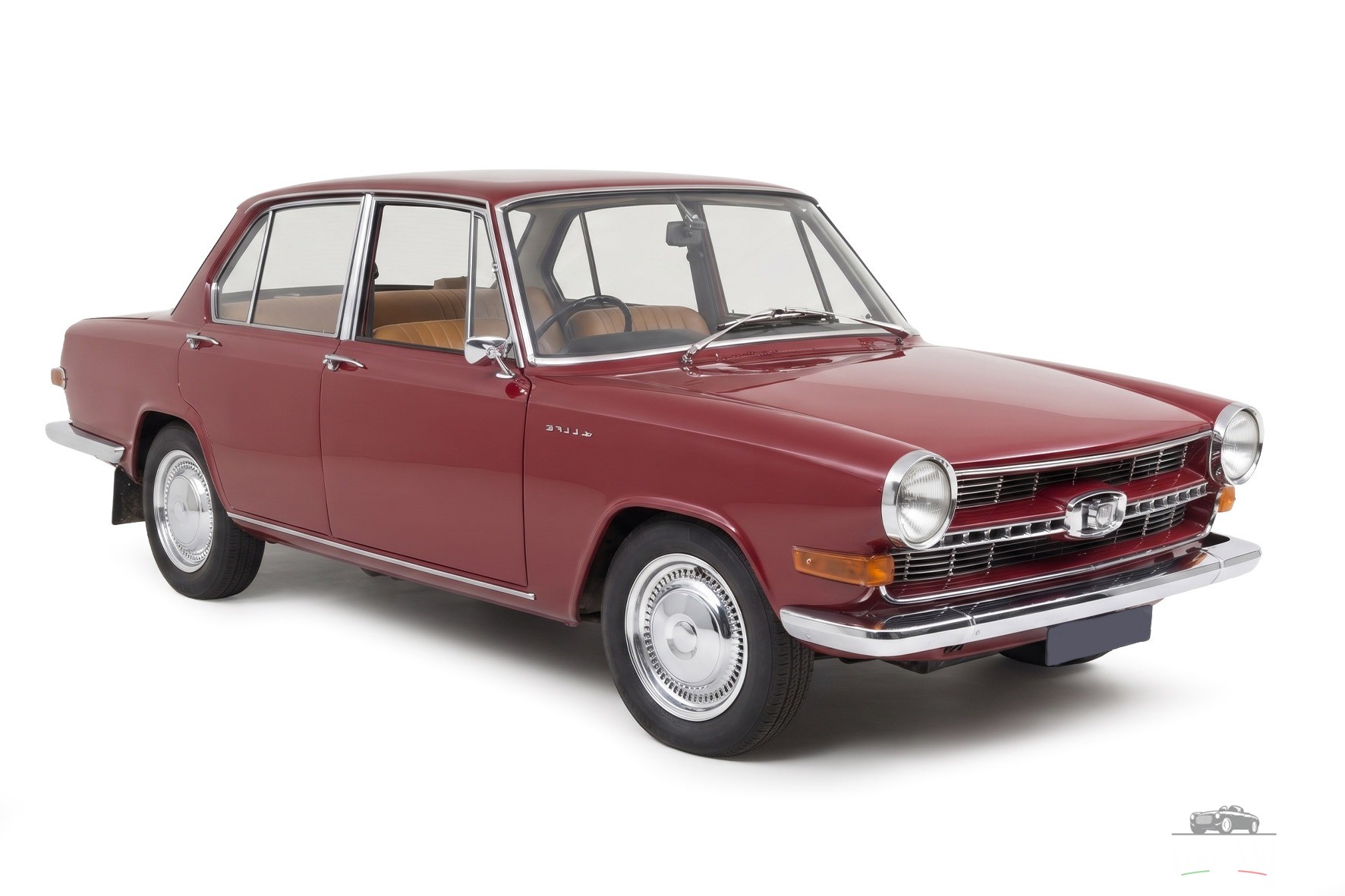
THE VEHICLE AT A GLANCE
Model dossier
- Manufacturer
- Glas
- Base model
- 1700 Limousine
- Coachbuilder
- Frua
- Production period
- 1963
- Body style
- Limousine
- Type
- Mass
- Designer
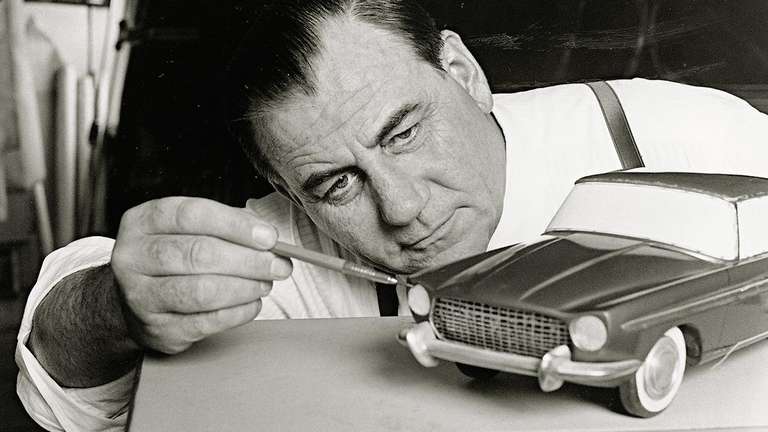
- Pietro Frua
THE PEOPLE BEHIND THE CAR
Coachbuilding, design & conversions


PRICE & SALES RECORD
Vehicle value
- Original price
- Not documented
- Latest recorded sale
- Not documented
01 / THE STORY
History & context
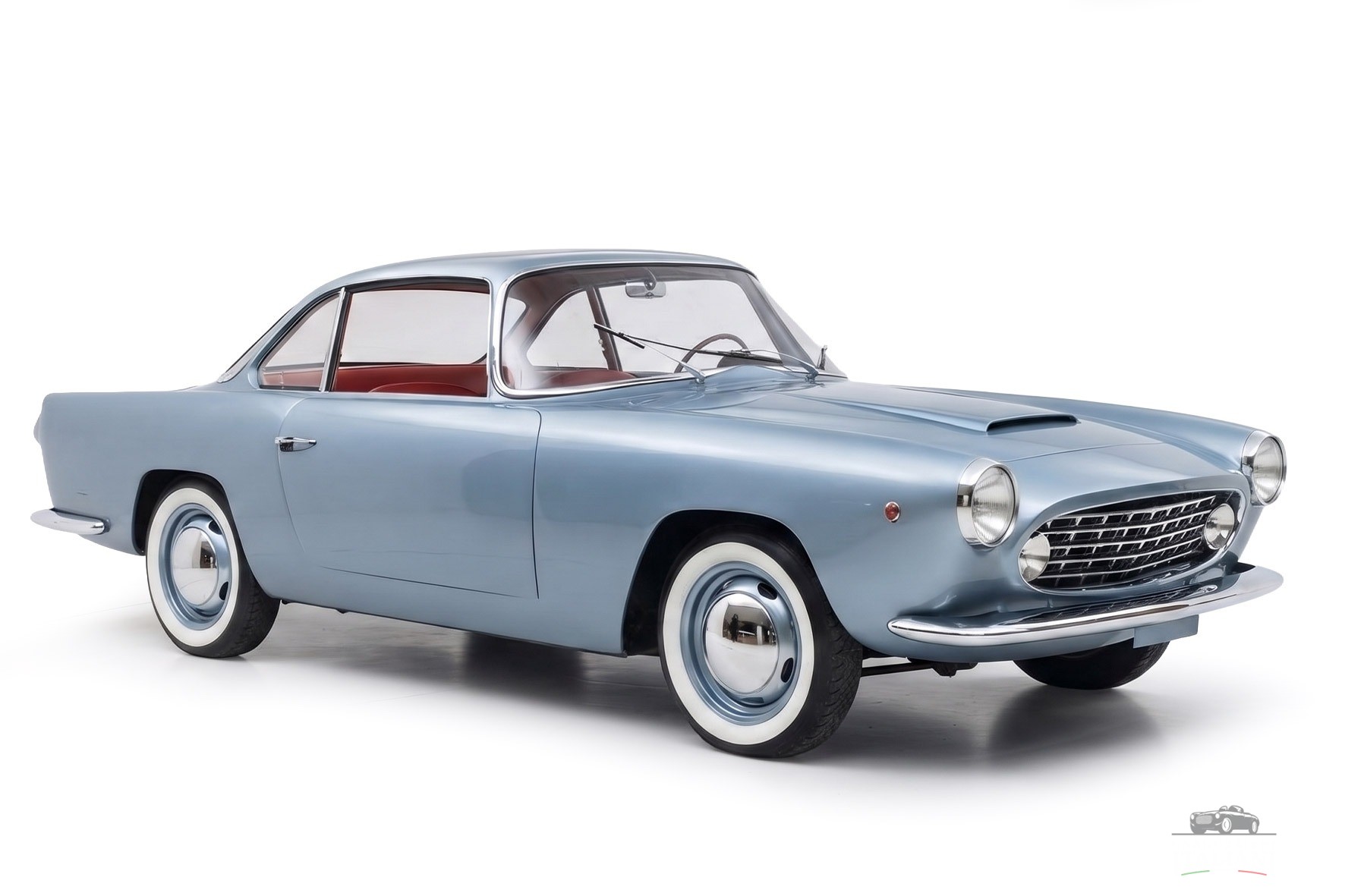
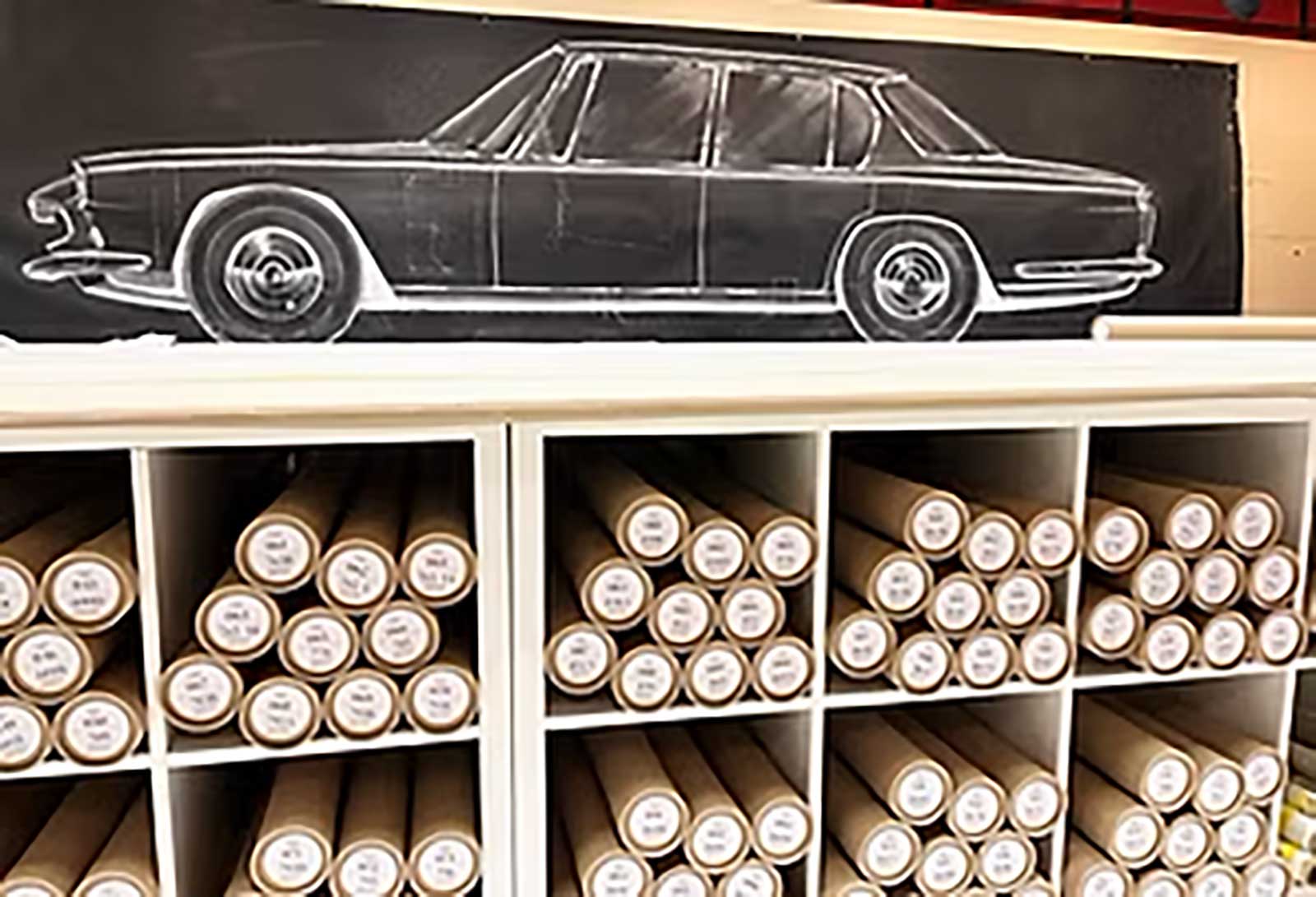
The Glas 1700 was a four-door saloon that marked a significant shift for Hans Glas GmbH, transitioning the company from its origins in compact, utilitarian vehicles like the Goggomobil to the more competitive mid-range and high-end segments. Produced in Dingolfing between August 1964 and December 1967, the Glas 1700 showcased the manufacturer’s ambition to rival established brands like BMW. However, limited financial resources ultimately constrained its success, and the model’s production ended following BMW’s acquisition of Glas. The Glas 1700 originated as the Glas 1500 prototype, unveiled in September 1963 at the Frankfurt Motor Show. Its design, attributed to the celebrated Italian stylist Pietro Frua, epitomized the clean, elegant lines of early 1960s automotive styling. The prototype was equipped with a 1.5-liter engine derived from the 1.3-liter unit of the Glas GT sports car, but it was deemed underpowered for a saloon. Consequently, Glas opted for a more robust 1.7-liter engine for the production version. This engine produced 80 horsepower, allowing for a top speed of 150155 km/h, providing competitive performance for its class. In September 1965, Glas introduced the 1700 TS, a sportier variant with an upgraded engine delivering 100 horsepower. This improvement boosted the car’s top speed to 170 km/h and reduced acceleration times, with 0100 km/h achieved in 13.5 seconds compared to 16 seconds for the standard model. These enhancements made the 1700 TS an attractive option for buyers seeking a balance between practicality and spirited performance. Despite its technical merits and refined design, the Glas 1700 faced significant challenges. Limited production capacity and financial difficulties hindered Glas’s ability to compete effectively in the marketplace. In 1967, the struggling company was acquired by BMW, which saw little value in continuing production of the 1700, as it competed directly with BMW’s own 1800 model. Production ceased in December 1967, and Glas’s legacy in the automotive world became intertwined with BMW’s expansion. The Glas 1700 remains a noteworthy example of mid-20th-century German automotive innovation, reflecting a period when smaller manufacturers sought to challenge industry giants with bold designs and engineering.
IN THE ARCHIVE
Related people
IN THE ARCHIVE
Coachbuilders & design studios
02 / TECHNICAL IDENTITY
Specifications & construction
Production & construction
- Production type
- Mass
Engine & performance
- Specification notes
- Confidence detail moved from confidence: high_disposition_only. Period technical data confirms Glas 1700 wheelbase 2500 mm and maximum dimensions 4415 × 1610 × 1390 mm. Legacy length 4420 mm was rounded/inexact and has been corrected to 4415 mm.
Dimensions & accommodation
- Wheelbase
- 2,500 mm
- Length
- 4,415 mm
- Width
- 1,610 mm
- Height
- 1,390 mm
Design & manufacture
- Coachbuilder / Body Builder · Documented
- Frua
- Designer · Documented
- Pietro Frua
- Manufacturer · Documented
- Glas
06 / EVENTS & AWARDS
Events & awards
No events or documented awards are currently recorded for this vehicle.
07 / THE VEHICLE IN DETAIL
Photo gallery 2 photographs
08 / FROM THE ARCHIVE

THE CONVERSATION
Comments 0
Share a memory, a period photograph or a documented detail about this car.