
THE VEHICLE AT A GLANCE
Model dossier
- Production period
- 1956
- Body style
- Coupé
- Engine
- Inline-4
- Type
- Limited
- Production
- 18–20
THE PEOPLE BEHIND THE CAR
Coachbuilding, design & conversions

PRICE & SALES RECORD
Vehicle value
- Original price
- Not documented
- Latest recorded sale
- Not documented
01 / THE STORY
History & context
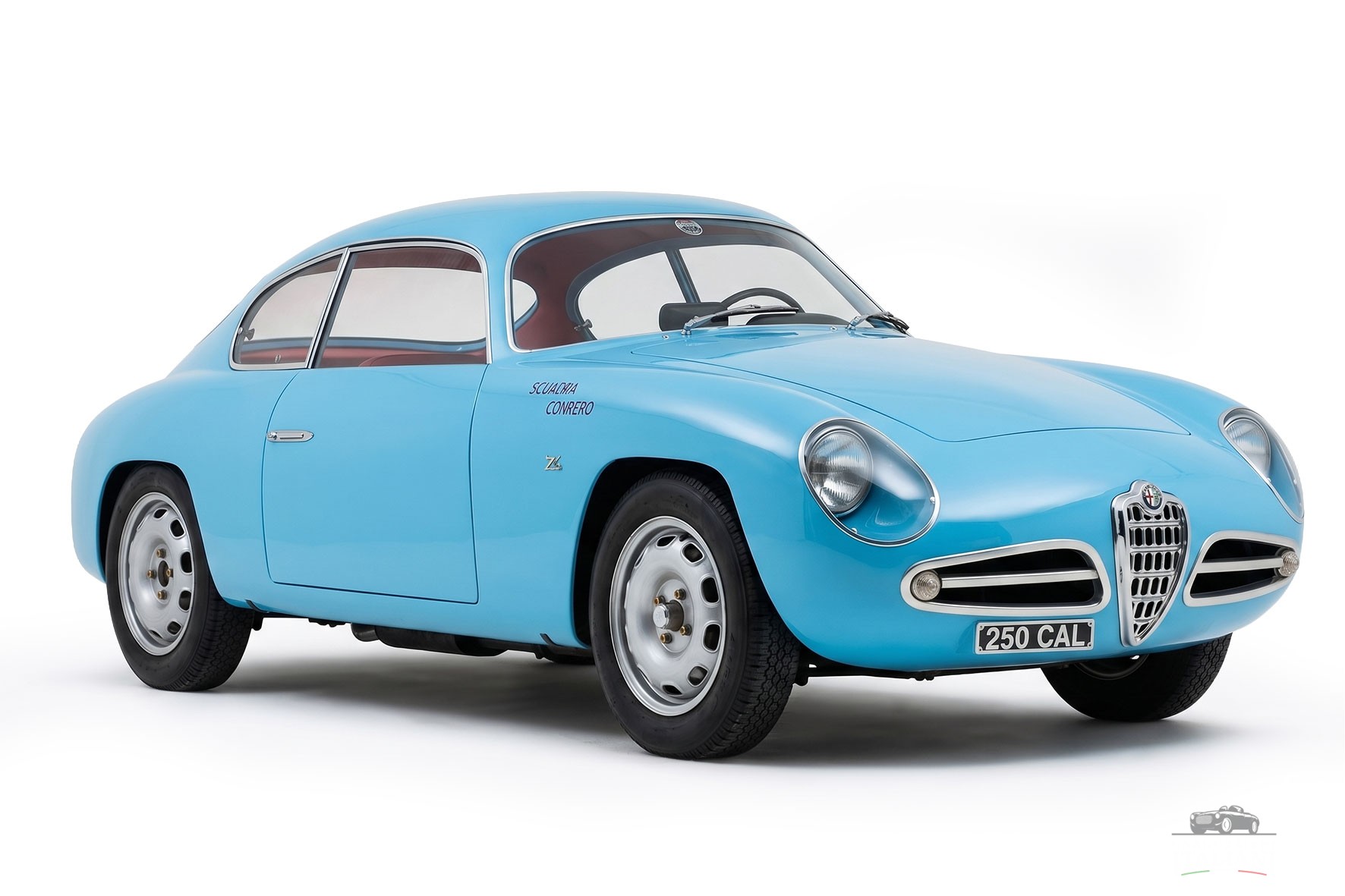
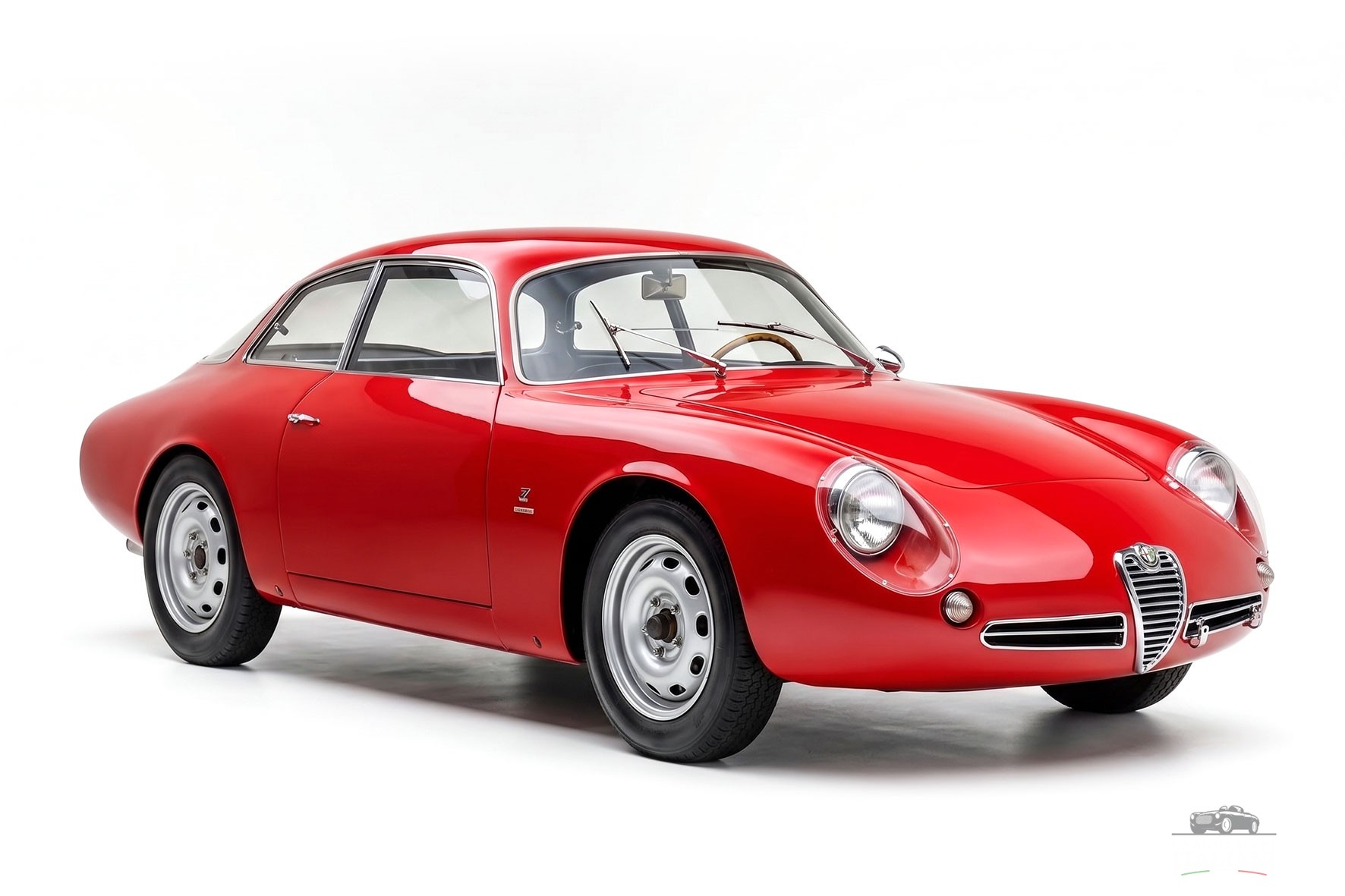
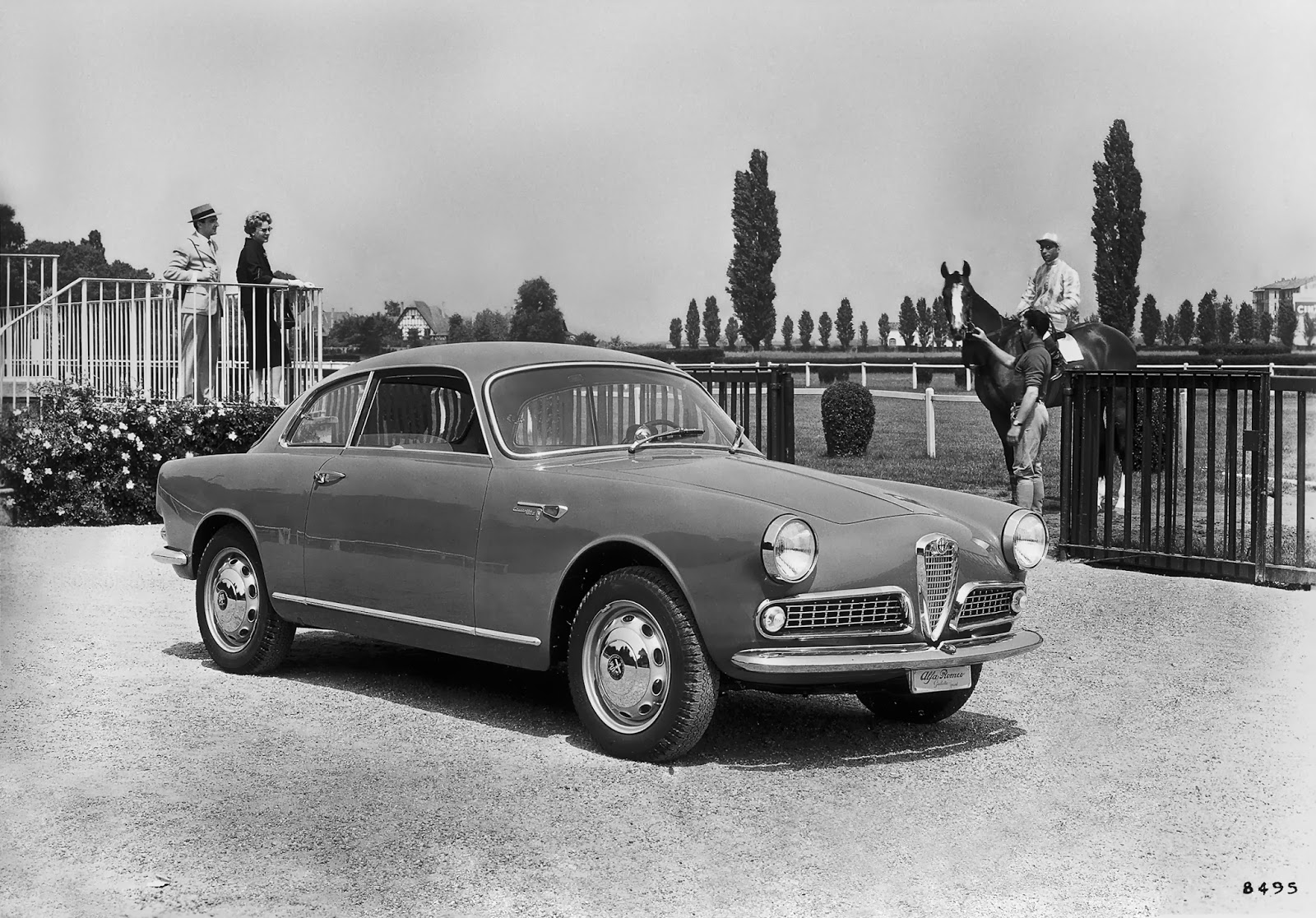
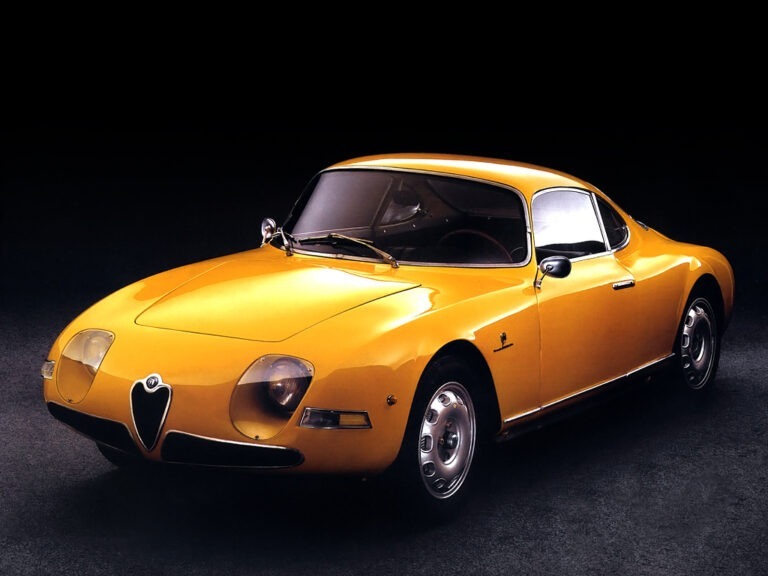
The Alfa Romeo Giulietta SVZ (Sprint Veloce Zagato) was a lightweight, limited-production competition version of the Giulietta Sprint Veloce, created by the Milanese coachbuilder Zagato in the late 1950s. Its origin can be traced to an incident during the Mille Miglia in which brothers Carlo and Dore (Salvatore) Leto of Priolo crashed their Giulietta Sprint and required a complete rebody. They commissioned Zagato to rebuild the car, resulting in an aluminum-bodied version that retained the mechanical structure of the original but featured significantly reduced weight and improved aerodynamics. The success of this rebuilt car in competition prompted other drivers to request similar conversions, leading to the creation of the Giulietta SVZ. Zagato’s approach was consistent with its established coachbuilding philosophy—lightweight aluminum body panels, simplified interior trim, and attention to aerodynamic form. Each SVZ was built individually, resulting in subtle variations between examples as the design evolved through continuous refinement. Production remained extremely limited because Zagato did not receive bare chassis from Alfa Romeo but had to rebody complete Sprint Veloce cars, increasing cost and production complexity. Estimates indicate that approximately 18 units were completed between 1956 and 1959. The Giulietta SVZ retained the 1,290 cc inline four-cylinder twin-cam engine from the Sprint Veloce, tuned to deliver around 100 horsepower (75 kW) at 6,200 rpm. The car employed a four-speed manual transmission with rear-wheel drive. Suspension was independent at the front with wishbones and coil springs, while the rear used a live axle with trailing arms and a Panhard rod. Braking was provided by hydraulic drums on all wheels. Dimensions included an overall length of approximately 3,900 mm, width of 1,550 mm, and height near 1,260 mm. Kerb weight ranged between 770 and 800 kg, depending on configuration. The SVZ’s reduced mass and improved aerodynamics enabled top speeds close to 195 km/h. The Giulietta SVZ established the foundation for the later Alfa Romeo SZ models and is regarded as the origin point of Alfa Romeo’s long-standing collaboration with Zagato in lightweight competition cars.
IN THE ARCHIVE
Coachbuilders & design studios
02 / TECHNICAL IDENTITY
Specifications & construction
Production & construction
- Production
- 18–20
- Production type
- Limited
Engine & performance
- Engine configuration
- Inline-4
Dimensions & accommodation
- Length
- 3,900 mm
- Width
- 1,550 mm
- Height
- 1,260 mm
Design & manufacture
- Manufacturer · Documented
- Alfa Romeo
- Coachbuilder / Body Builder · Documented
- Zagato
06 / EVENTS & AWARDS
Events & awards
C d’E Stresa General · legacy_preserved
- Date
- 2024
- Chassis
- General
Preserved CI 1.0 relation. Evidence field: list_of_awards_0_events. No award inferred.
07 / THE VEHICLE IN DETAIL
Photo gallery 6 photographs
08 / FROM THE ARCHIVE
Archive
References held in the vehicle dossier. Their inclusion does not establish that every historical claim has been independently verified.
| Reference | Source type |
|---|---|
| Alfa Romeo / Stellantis Media — Giulietta SZ at the Targa Florio www.media.stellantis.com | Manufacturer heritage |
| Zagato Atelier — Alfa Romeo 1950s frame www.zagato.it | Coachbuilder official archive |
| ACI L'Automobile — Ercole Spada profile www.lautomobile.aci.it | Institutional automotive publication |
THE CONVERSATION
Comments 0
Share a memory, a period photograph or a documented detail about this car.