
THE VEHICLE AT A GLANCE
Model dossier
- Manufacturer
- Alfa Romeo
- Base model
- 6C 2300 Gran Turismo
- Coachbuilt version
- Aternum / later Pescara designation
- Coachbuilder
- Touring
- Production period
- 1934
- Body style
- Berlinetta
- Engine
- Inline-6 DOHC
- Type
- Limited
- Displacement
- 2,309 cc
THE PEOPLE BEHIND THE CAR
Coachbuilding, design & conversions

PRICE & SALES RECORD
Vehicle value
- Original price
- Not documented
- Latest recorded sale
- Not documented
01 / THE STORY
History & context
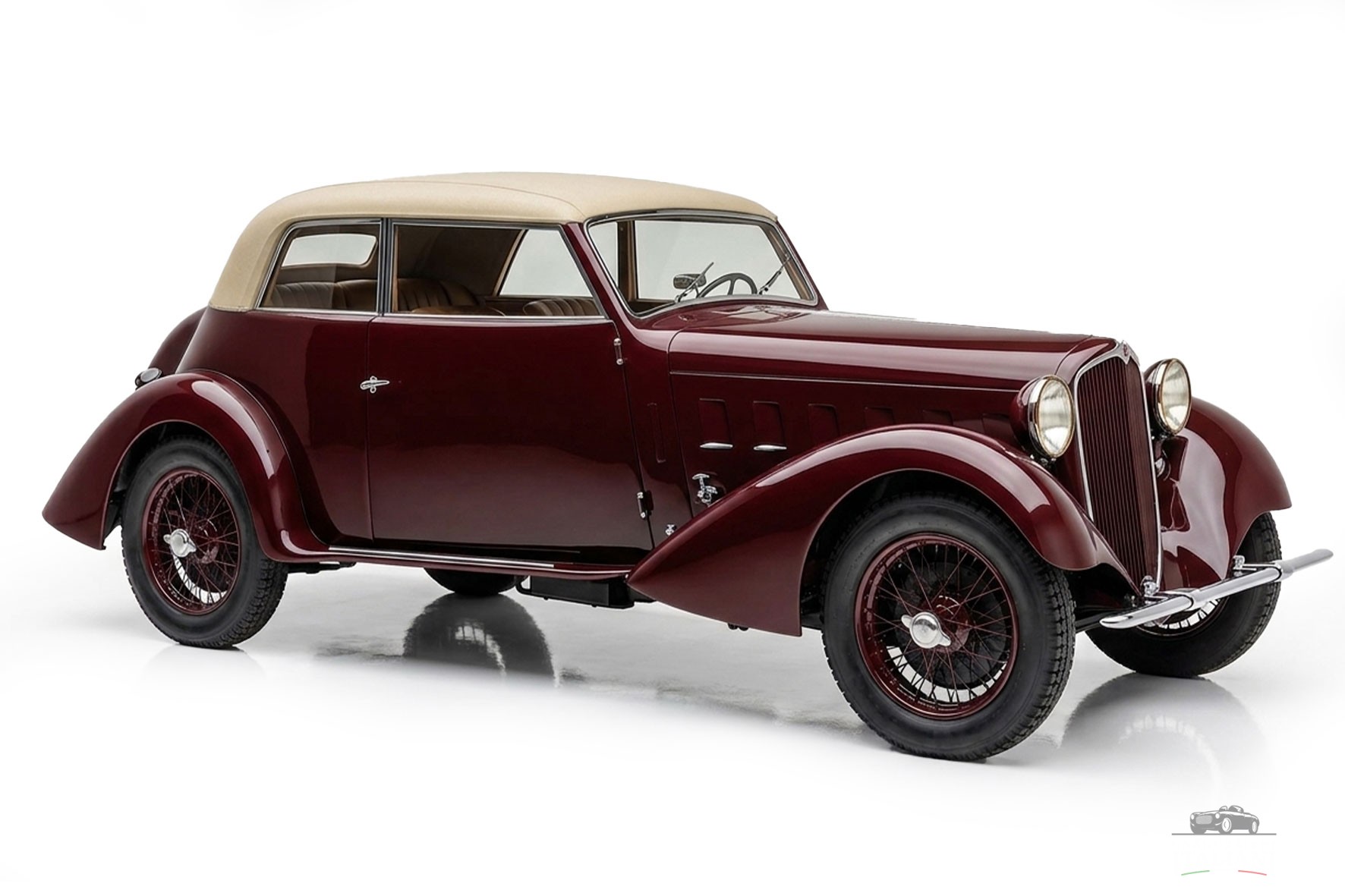
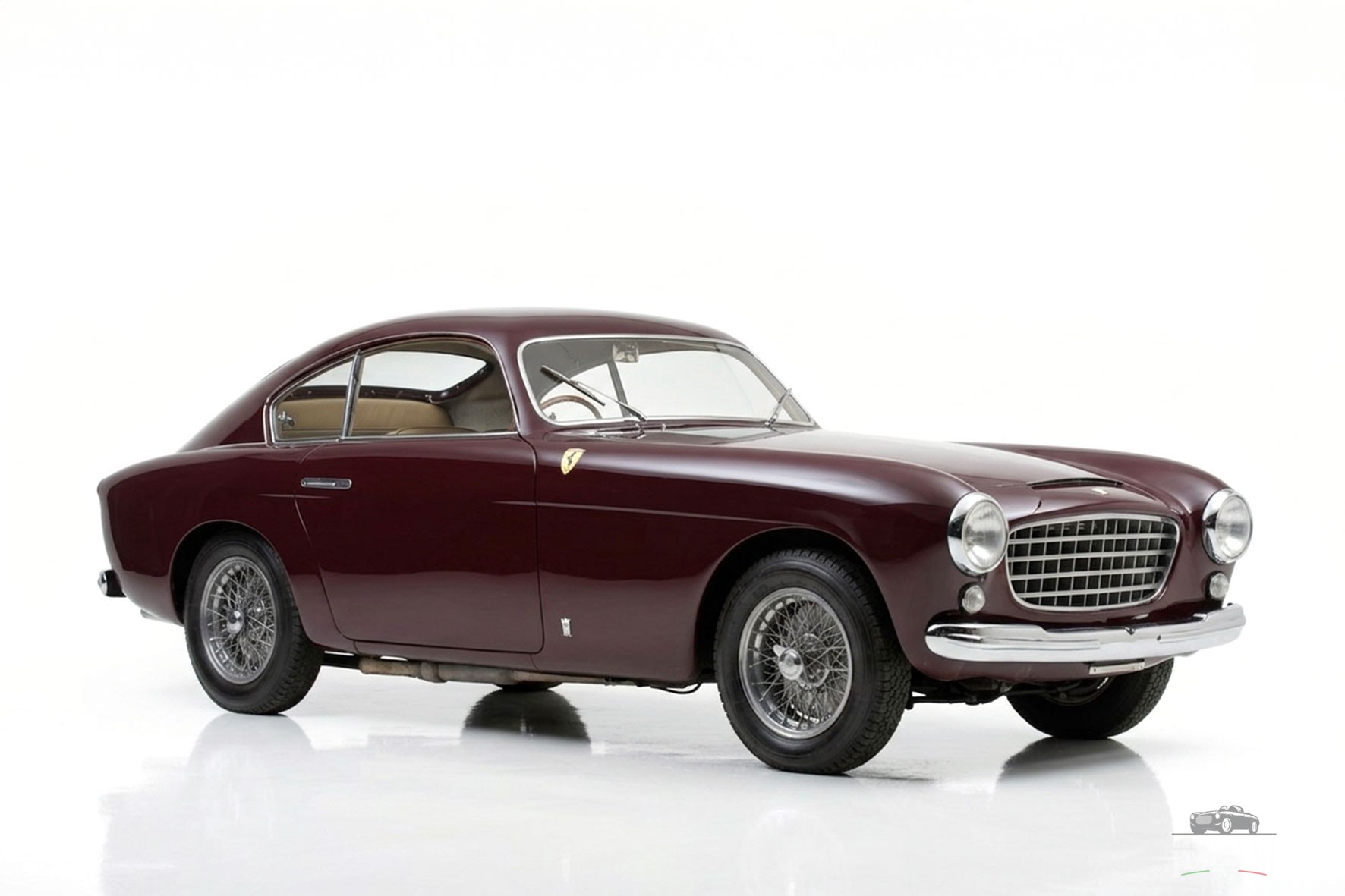
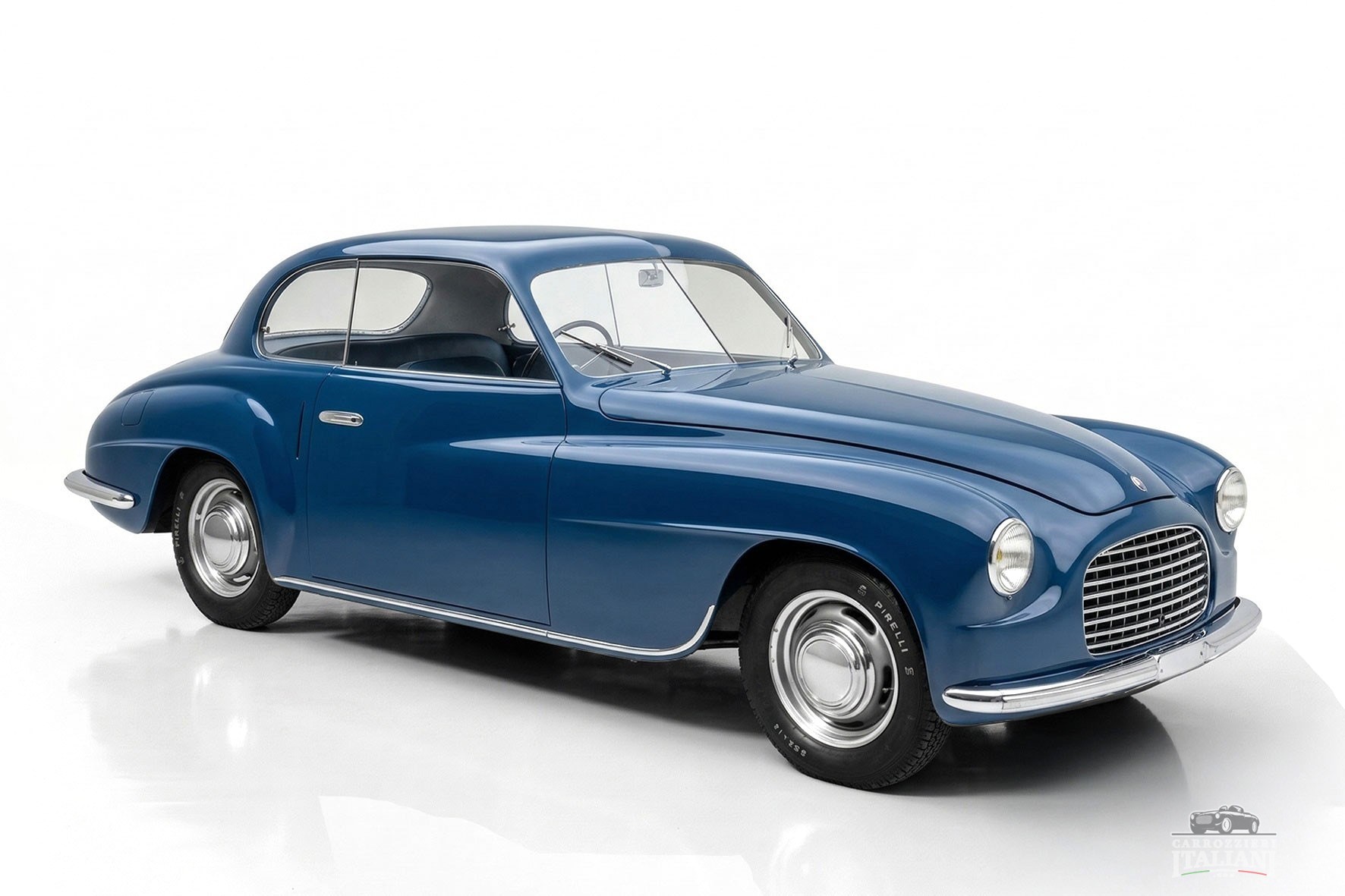
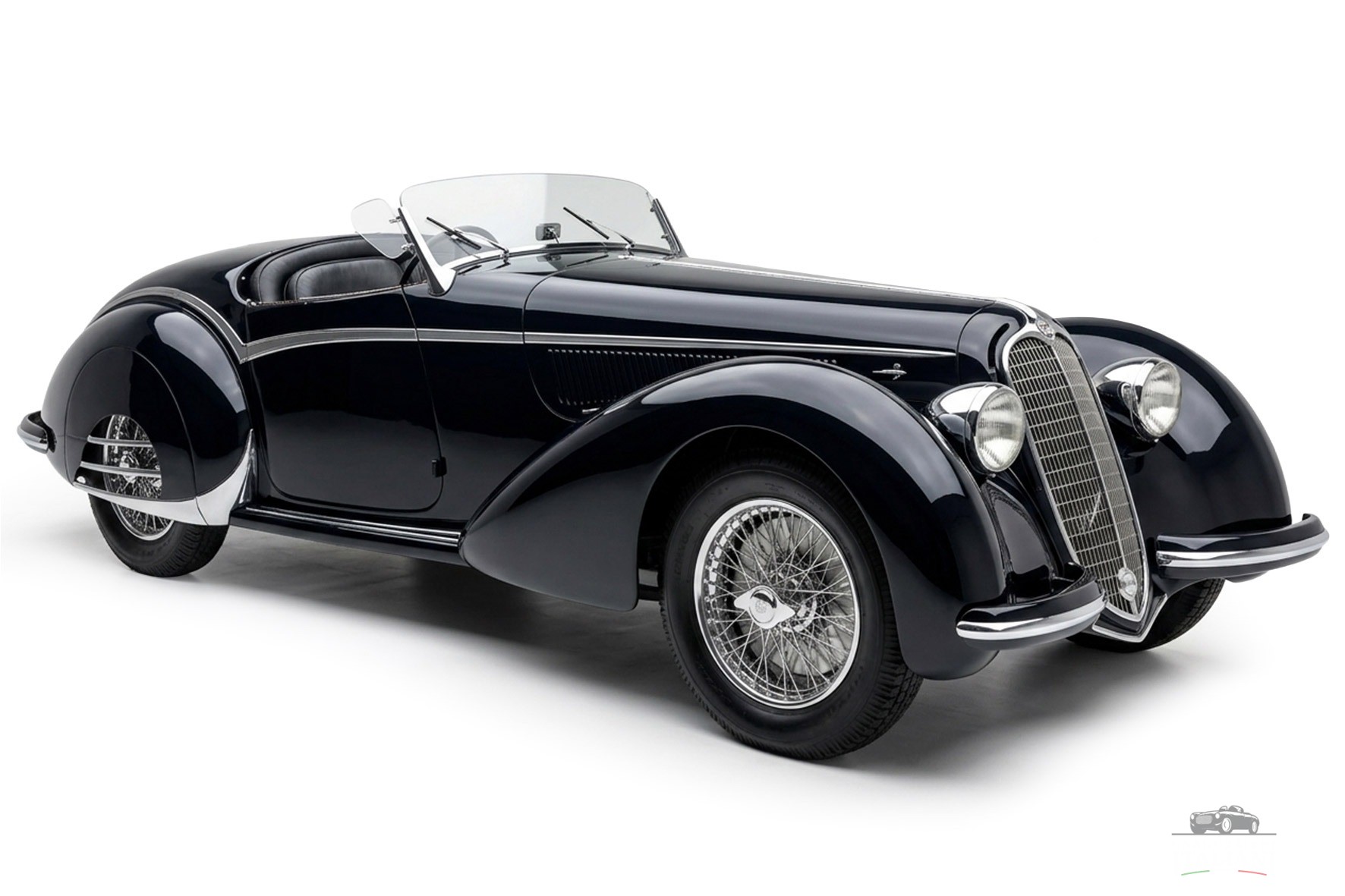
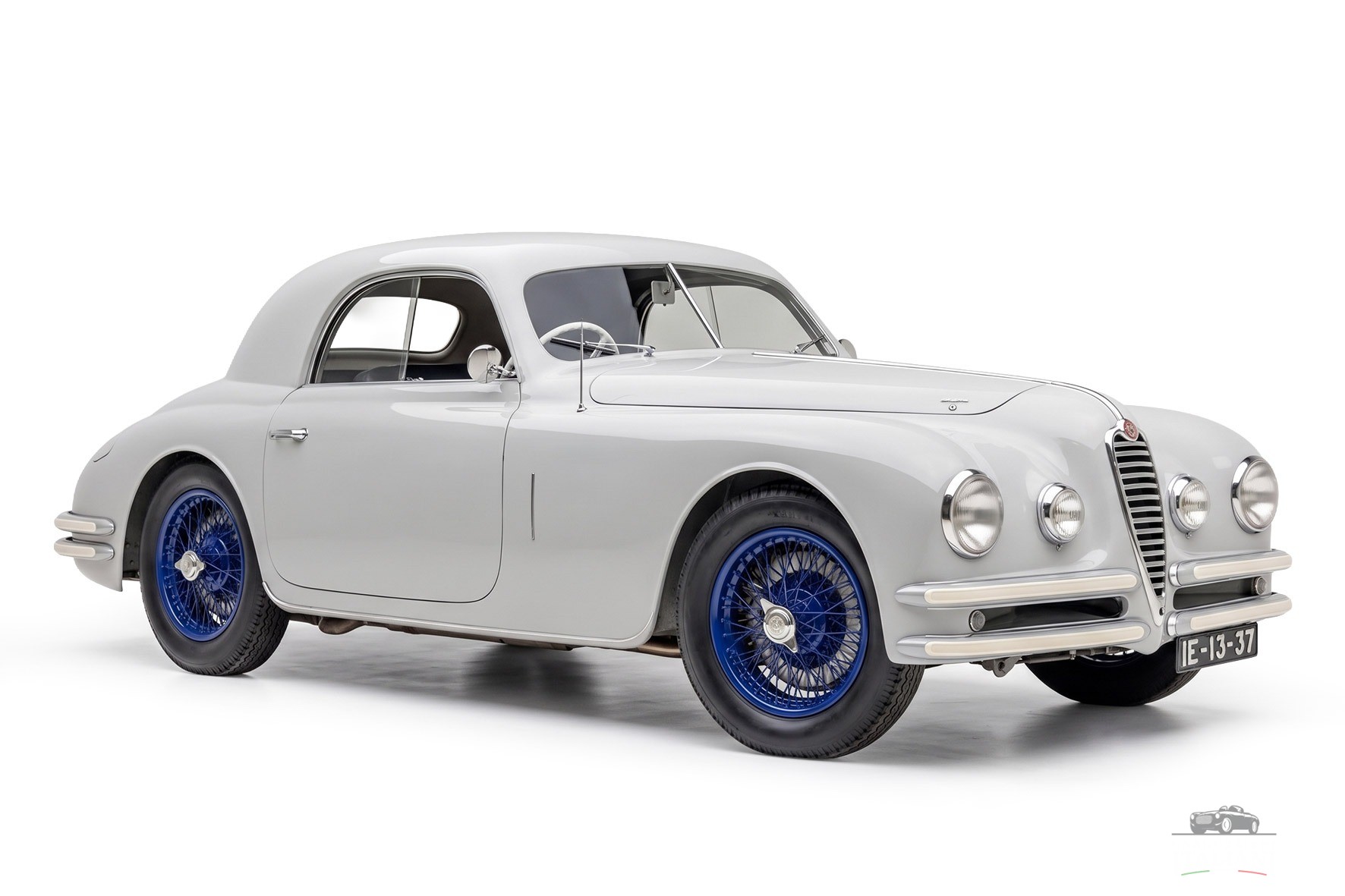
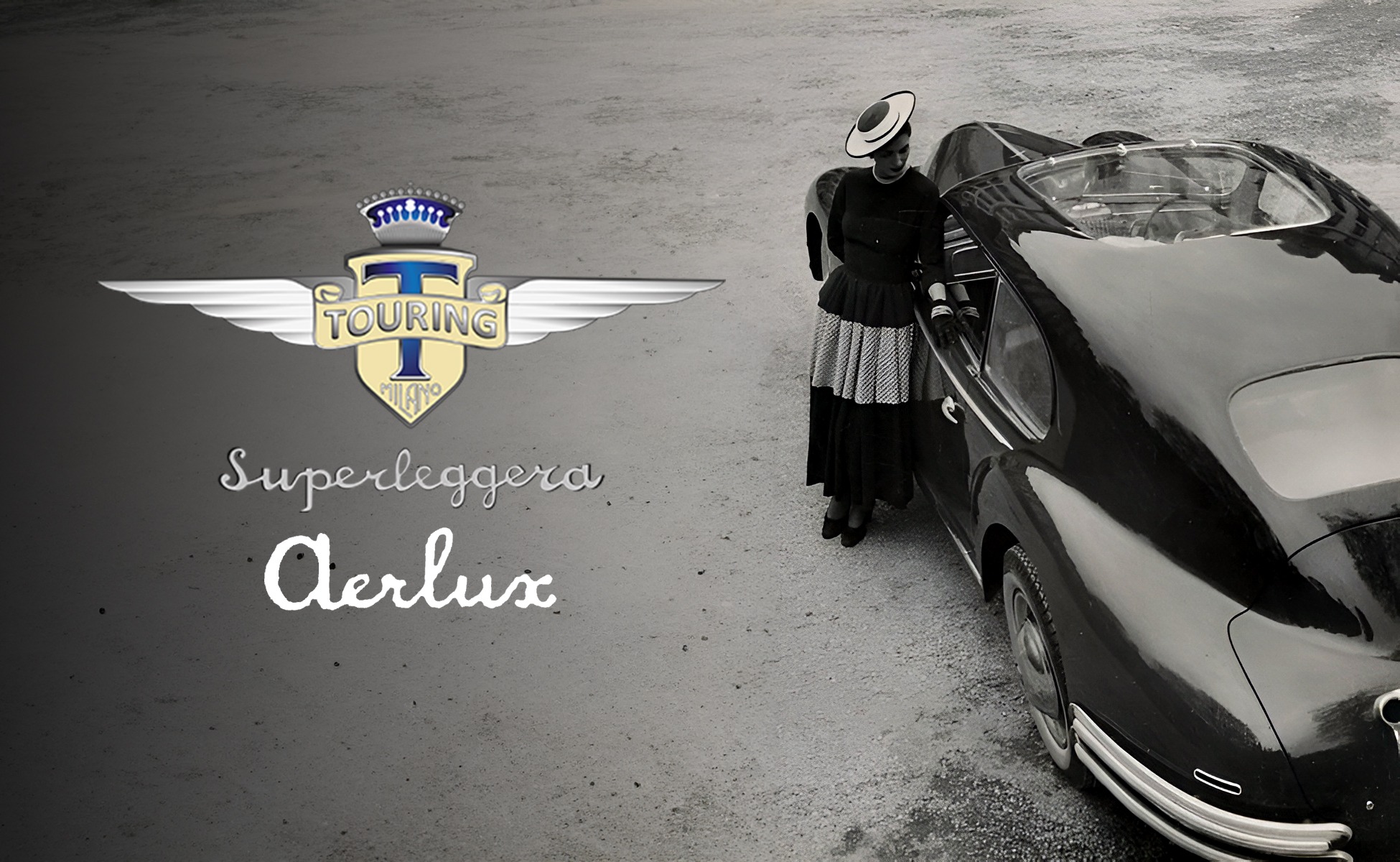
The Alfa Romeo 6C 2300 Aternum, created in 1934 by Carrozzeria Touring, was a special sports version of the Alfa Romeo 6C 2300. This unique model was designed to participate in the 24 Hours of Pescara, a prestigious endurance race held in Italy. The name “Aternum” was inspired by the Latin name of the Aterno river, which flows through the city of Pescara, adding a touch of historical and regional significance to the car’s identity. The Aternum was distinguished by its streamlined Berlinetta Speciale Superleggera body, a pioneering design that set new standards in lightweight construction. This Superleggera method, one of the earliest uses of the technique, utilized a lightweight tubular framework covered with thin aluminum panels. This construction not only reduced the vehicle’s overall weight but also improved its aerodynamics, giving the Aternum a significant edge in speed and handling compared to its contemporaries. The innovation behind the Superleggera technique became a hallmark of Touring’s work, influencing the design of countless sports and luxury cars in the years that followed. The Alfa Romeo 6C 2300 Aternum was more than just a stunning design; it was a high-performance machine tailored for competitive racing. The sleek, aerodynamic body was specifically engineered to reduce drag and enhance stability at high speeds, making it ideal for the grueling conditions of endurance races like the 24 Hours of Pescara. With its Superleggera construction, the Aternum was not just lighter but also more agile and responsive, characteristics that were essential for success in motorsport during that era. The Aternum’s legacy lies not only in its racing pedigree but also in its influence on automotive design. As one of the first vehicles to employ the Superleggera construction method, it set a precedent for future sports cars, highlighting the benefits of lightweight engineering combined with stylish aesthetics. Today, the Alfa Romeo 6C 2300 Aternum is remembered as a groundbreaking model that showcased the ingenuity and forward-thinking approach of Carrozzeria Touring, blending performance, elegance, and innovation in a way that would inspire generations of car designers and enthusiasts.
02 / TECHNICAL IDENTITY
Specifications & construction
Production & construction
- Production type
- Limited
Engine & performance
- Engine configuration
- Inline-6 DOHC
- Displacement
- 2,309 cc
- Power (hp)
- 94 hp
- Power (CV)
- 95 CV
- Engine speed
- 4,500 rpm
- Transmission
- 4-speed manual
- Drive
- Rear-wheel drive
- Specification notes
- 1934 Aternum Touring competition berlinetta baseline: DOHC inline-six 2309 cc, 95 CV at 4500 rpm, 4-speed manual, RWD, short Gran Turismo wheelbase 2925 mm. Three Aternum berlinettas were developed for the Targa Abruzzo; after their 1-2-3 finish the name evolved into Pescara. Exterior dimensions/weight remain chassis/body-specific.
Dimensions & accommodation
- Wheelbase
- 2,925 mm
03 / DESIGN, BODY & SUPPLIERS
Design, body & suppliers
Design & manufacture
- Manufacturer · Documented
- Alfa Romeo
- Coachbuilder / Body Builder · Documented
- Touring
Body form & construction
- Body style
- Berlinetta
04 / EVENTS & CHRONOLOGY
Events & awards
No events or documented awards are currently recorded for this vehicle.
08 / GALLERY
Photo gallery 3 photographs
09 / PERIOD ARCHIVE
Period photographs & advertising
The period archive gallery will show historical photographs, advertisements, brochures and press images once assets, provenance and usage rights have been recorded in the masterfile.
THE CONVERSATION
Comments 0
Share a memory, a period photograph or a documented detail about this car.