
Honda Argento Vivo: The Pininfarina Roadster That Became a Brunei V12 Secret
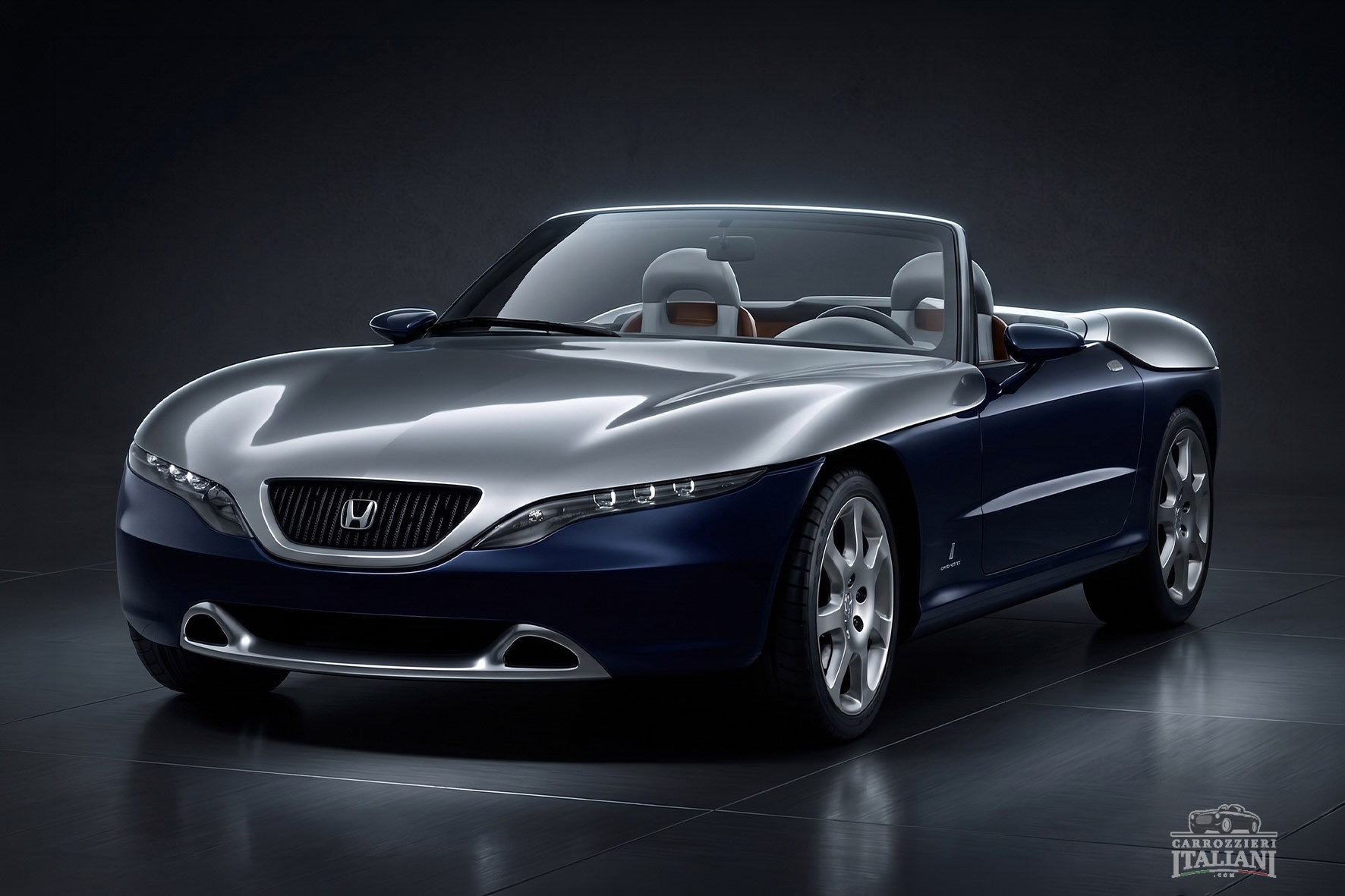
In the mid-1990s, Honda was in a very interesting mood. The company had already shown the world that it could build a supercar with the manners of a Civic and the engineering discipline of a racing department with the NSX, while its smaller performance cars were becoming sharper, lighter and more obsessive with every new generation. Yet there was still something missing from the picture: a modern Honda roadster.
Not a retro toy, not a nostalgic copy of a British sports car, and not a simple convertible version of an existing coupé, but a proper two-seat open car that could express Honda’s technical confidence in a more emotional form. The S2000 would eventually become that car, but before the production roadster arrived, Honda also asked Pininfarina to imagine a different possibility. The result was the Argento Vivo, presented at the 1995 Tokyo Motor Show, and it was not quite what one expected from Honda.
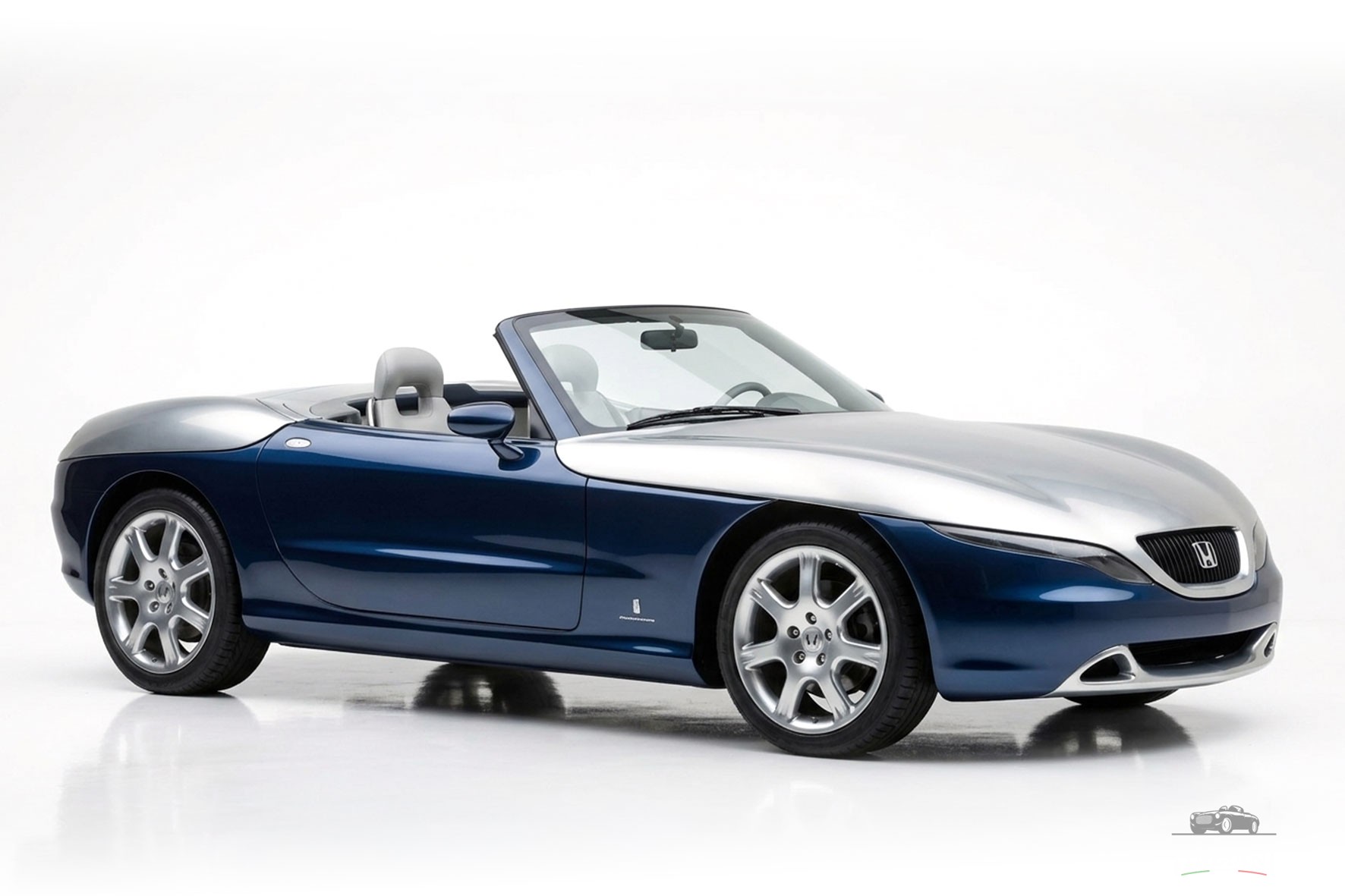
It was elegant, low, smooth and almost liquid. It had rear-wheel drive, a retractable hardtop, an aluminium space frame and a body that mixed brushed metal with dark painted surfaces. It carried an Italian name, wore a Japanese badge and looked like a car designed for someone who wanted the future to arrive in a linen suit rather than a racing helmet.
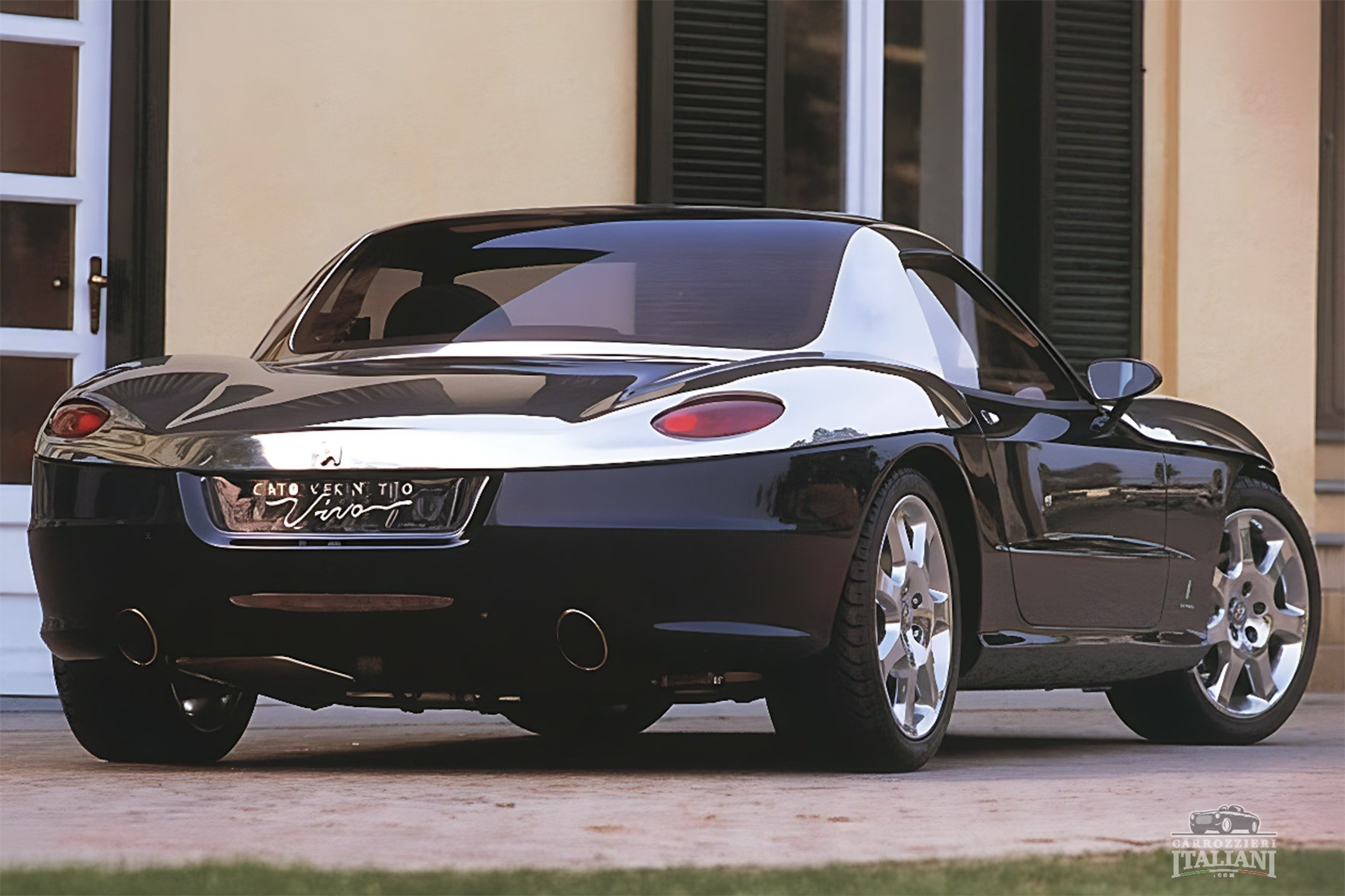
The exterior was designed at Pininfarina by Davide Arcangeli, one of the great young talents of the 1990s, while the interior was the work of Giuseppe Randazzo, whose refined and discreet approach to cabin design gave the car much of its warmth. Together, they created a concept that was sporty, but not aggressive; technical, but not cold; romantic, but not old-fashioned.
Honda did not build it. But someone else wanted it badly enough to make it happen in a far stranger form.
That someone was Prince Jefri Bolkiah of Brunei.
Why Honda Went to Pininfarina
Honda and Pininfarina were not obvious partners in the way Ferrari and Pininfarina were, but that is exactly what made the Argento Vivo interesting. Honda had engineering credibility in abundance. What it wanted from Pininfarina was not mechanical validation, but a different emotional language.
By the 1990s, the roadster was being reinvented. Mazda had already proved with the MX-5 that a small open sports car could still capture hearts, while other manufacturers were beginning to revisit the idea of compact two-seat convertibles with modern engineering. Honda, of course, was never going to build a simple nostalgic roadster. If it entered that world, it had to do so with a technical argument.
The Argento Vivo was part of that exploration. It was not the future S2000 in disguise, and it should not be treated as a direct production preview, but it did belong to the same climate of ideas. Honda was studying how a modern open two-seater could look and feel, and Pininfarina offered an answer that was more elegant, more luxurious and more Italian than the car Honda would later build.
🔗 Read more: Pininfarina Through the Ages: The Complete History
Where the S2000 would become a high-revving, sharp-edged, driver-focused machine, the Argento Vivo was softer and more sensual. It had long-bonnet proportions, a compact cabin, rear-wheel drive and a strong roadster stance, but it avoided the aggressive language that would define many performance cars of the late 1990s. It was a Honda roadster seen through Pininfarina’s eyes, and that made it almost exotic before anyone had even opened the door.
A Name Like Liquid Metal
The name Argento Vivo was not just a pretty Italian phrase chosen to make a Japanese concept sound expensive. In Italian, “argento vivo” is an old expression for mercury, the living silver that moves like liquid metal. Pininfarina took that idea seriously and turned it into the car’s visual theme.
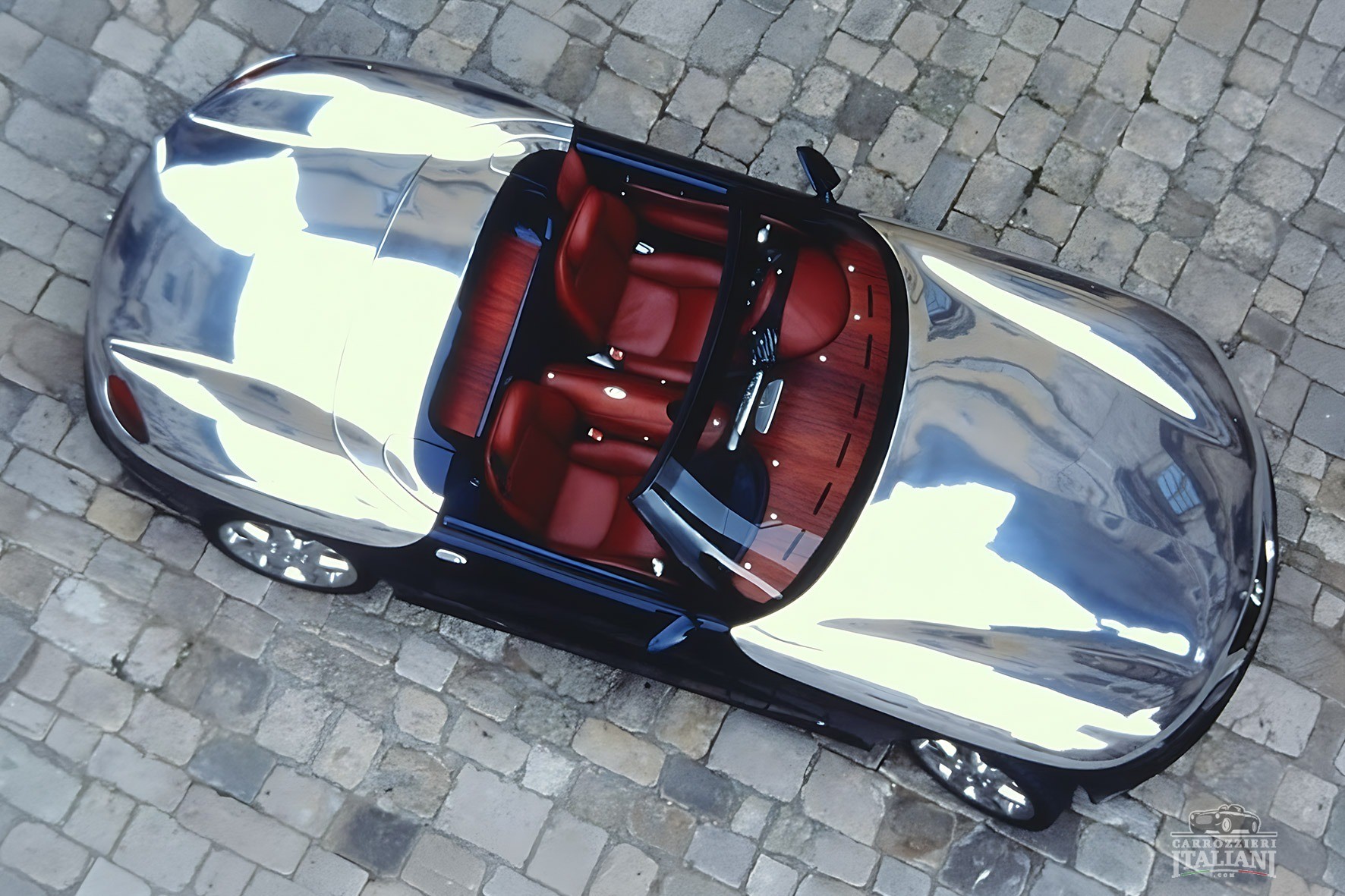
The body used a striking two-tone, two-material treatment. The lower section was finished in a dark blue tone, while the upper and rear areas used brushed aluminium, giving the car the sensation of metal flowing across the surface. The contrast was not decorative in the usual concept-car sense. It was the idea of the car made visible: light, polished, fluid and restless.
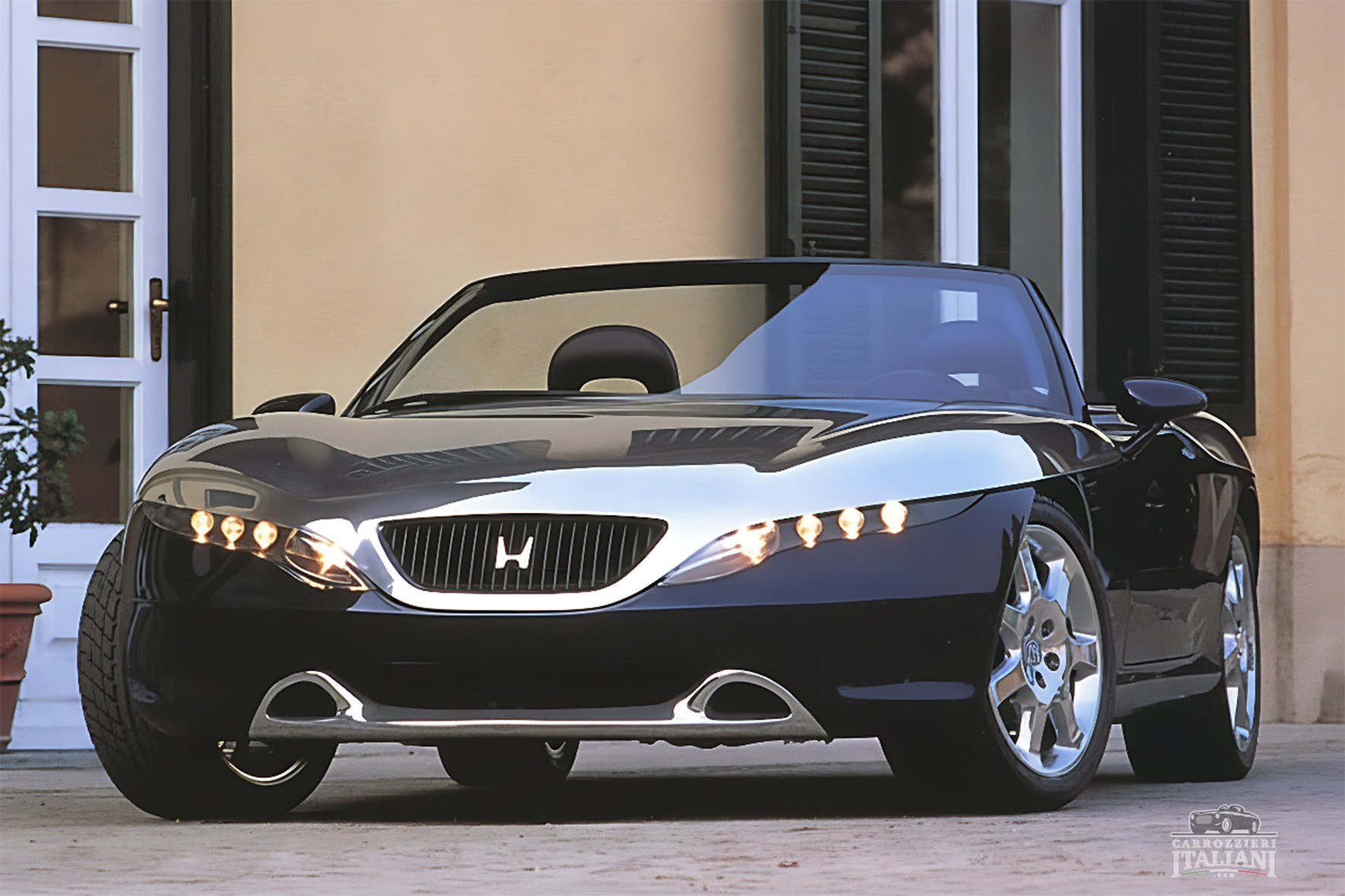
From the front, the Argento Vivo was calm and restrained. The headlights were narrow and almost hidden, the nose was clean, and the bonnet had a gentle muscularity over the wheel arches without becoming exaggerated. From the side, the car had classic roadster proportions, with the cabin set back and the rear kept short and tidy. At the back, Pininfarina avoided drama, giving the car a simple, elegant tail that felt closer to a 1960s Italian spider than to a typical 1990s concept.
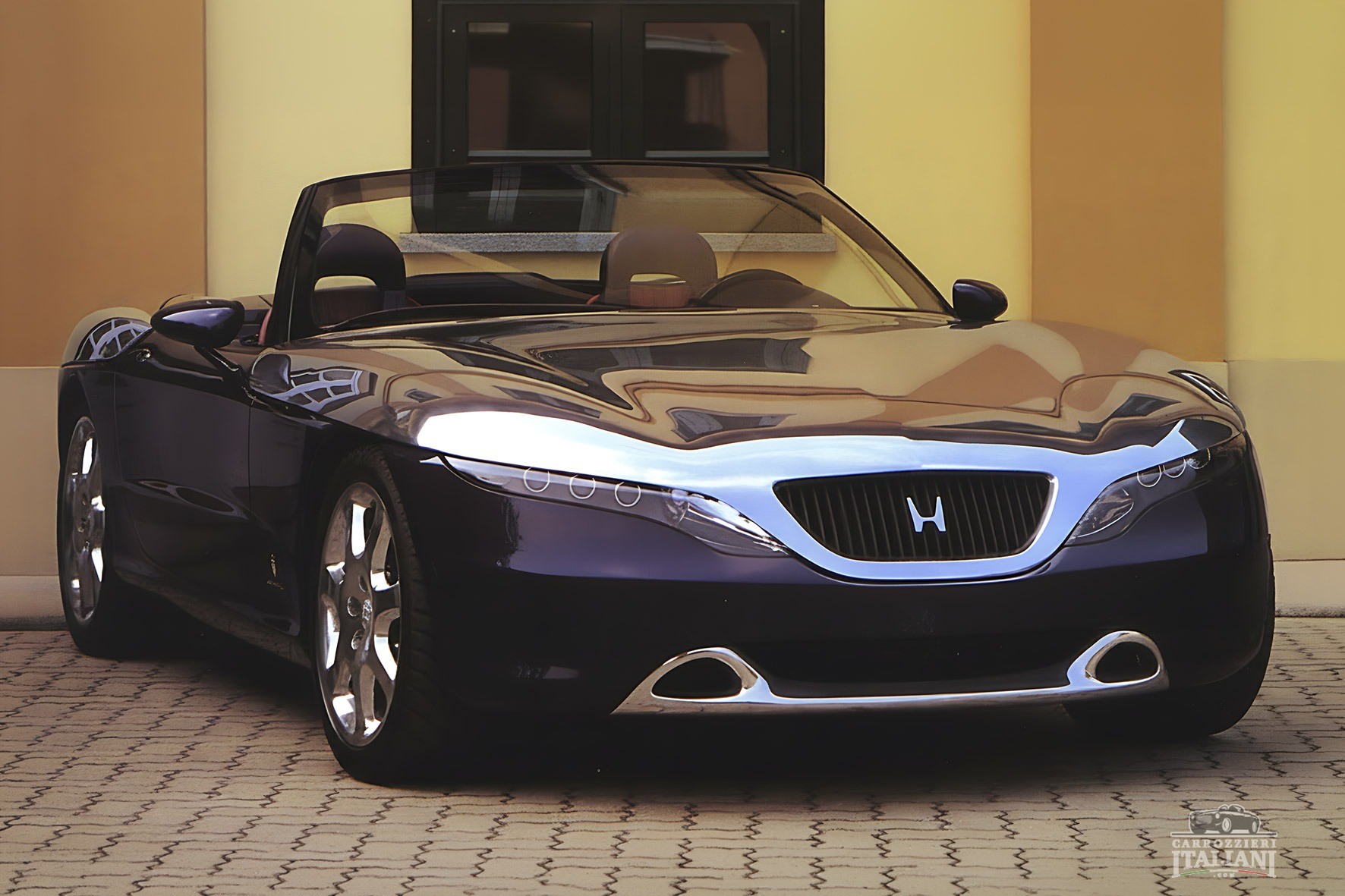
That was the clever part. The Argento Vivo looked modern, but it did not look trapped in 1995. It had technology, but not visual panic. It had a retractable roof, but not the awkward bulk that would later spoil many production coupé-convertibles. It was futuristic without trying to look like a spaceship, which is often the difference between good design and a designer having too much coffee.
Davide Arcangeli’s Exterior
Davide Arcangeli’s exterior design is one of the reasons the Argento Vivo still feels special. Arcangeli had a rare ability to create purity without boredom, and the same sensitivity would later be admired in the Peugeot 406 Coupé, one of the most elegant production cars of the decade.
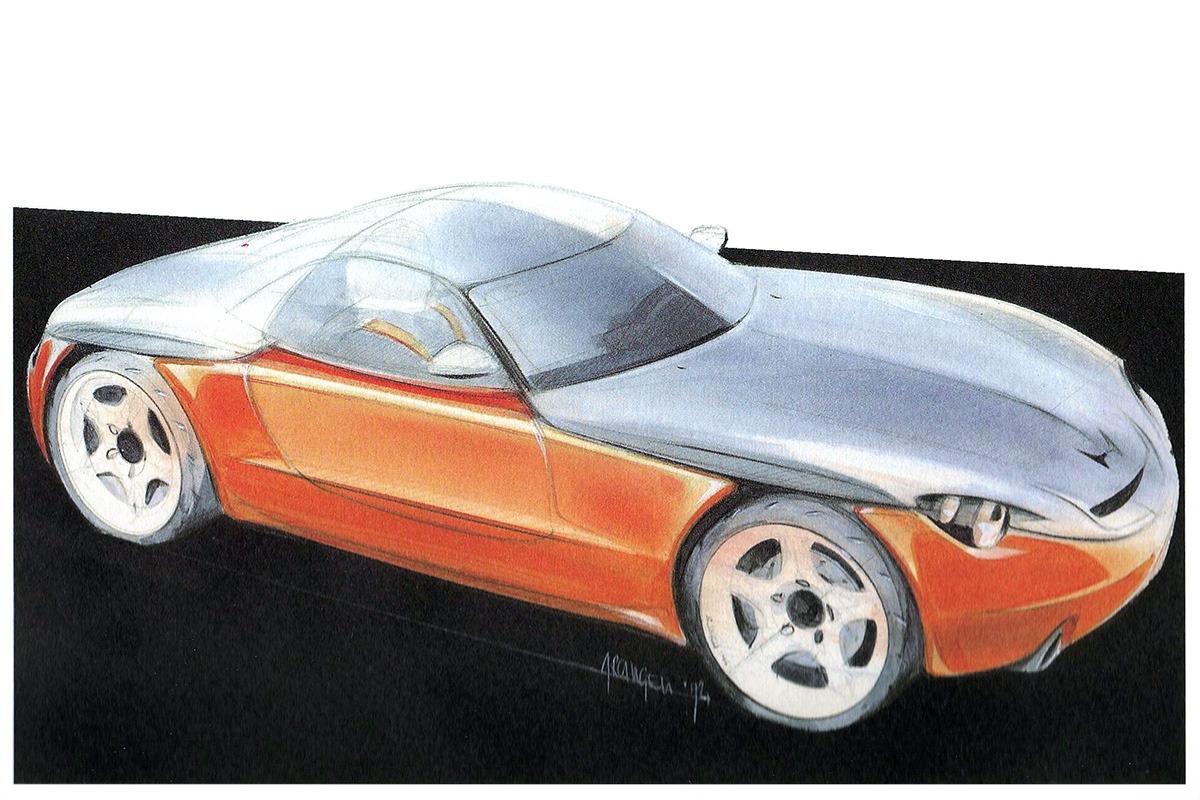
On the Argento Vivo, his work was more experimental but equally controlled. There were no unnecessary wings, no fake racing aggression and no cartoon muscles. The car relied on proportion, surface and material contrast. It looked low and clean, but not fragile. It had elegance, but also enough stance to feel like a proper roadster rather than a styling model placed on large wheels.
The most interesting thing is that the Argento Vivo did not look especially Japanese or especially Italian. It sat somewhere between the two worlds. From Honda, it inherited the idea of technical cleanliness and mechanical intelligence. From Pininfarina, it received the emotional restraint and surface discipline that made it desirable rather than merely clever.
It was a car that could have been overdesigned very easily. Instead, Arcangeli gave it calm.
Giuseppe Randazzo’s Interior
The interior deserves proper credit, because it was not simply an afterthought hidden beneath a beautiful exterior. Giuseppe Randazzo designed the cabin, and his work gave the Argento Vivo a different character from many 1990s concepts, which often looked like nightclubs, video games or dental equipment.
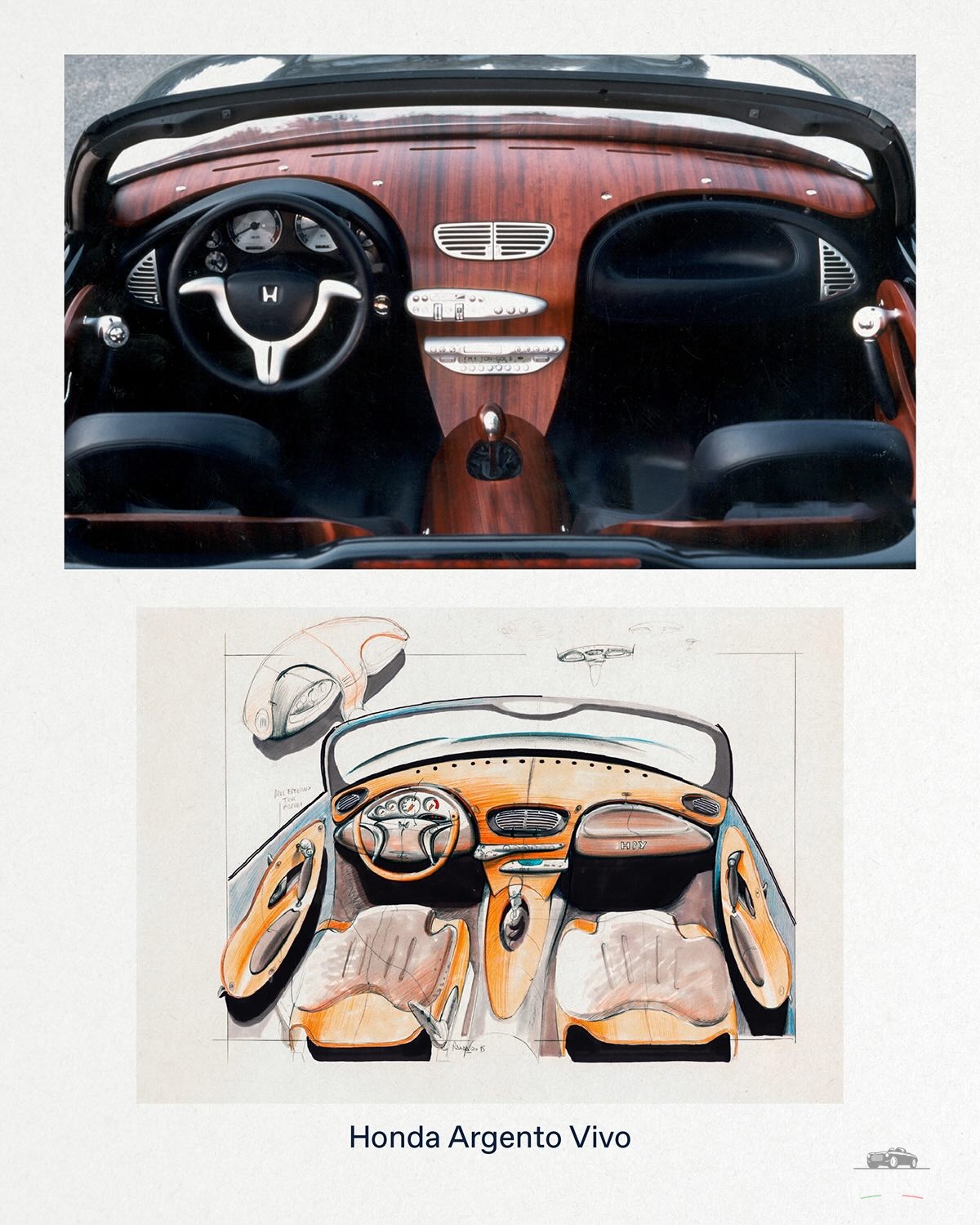
Randazzo’s interior combined leather, aluminium and wood in a way that felt warm but modern. The blue leather connected the cabin to the exterior colour scheme, while the wood on the dashboard, door panels and seat backs added a romantic note that could have looked old-fashioned in the wrong hands. Here, it worked because it softened the technology without weakening it.
The metal details, including the steering wheel spokes, air vents and central control area, reminded the driver that this was still a technical object, but the atmosphere was not clinical. Pininfarina described the car as sporty and romantic, and for once that phrase actually makes sense. The Argento Vivo was not trying to be a racing car. It was trying to be an emotional machine for movement, light and open air.
🔗 Read more: In Memoriam: Giuseppe Randazzo
Randazzo’s contribution is important because it helped separate the Argento Vivo from the future S2000. Honda’s production roadster would become famous for its pure driving focus, digital instruments and mechanical intensity. The Argento Vivo had a different soul. It imagined a Honda roadster as something more refined, more tactile and more Mediterranean.
The Technology Beneath the Elegance
The Argento Vivo was not just a pretty shell. It was conceived as a design and technological research prototype, using Honda mechanicals and a sophisticated structure. Pininfarina described it as a two-seat convertible with an aluminium space frame, rear-wheel drive and a fully retractable hardtop operated by electric motors and hydraulic actuators.
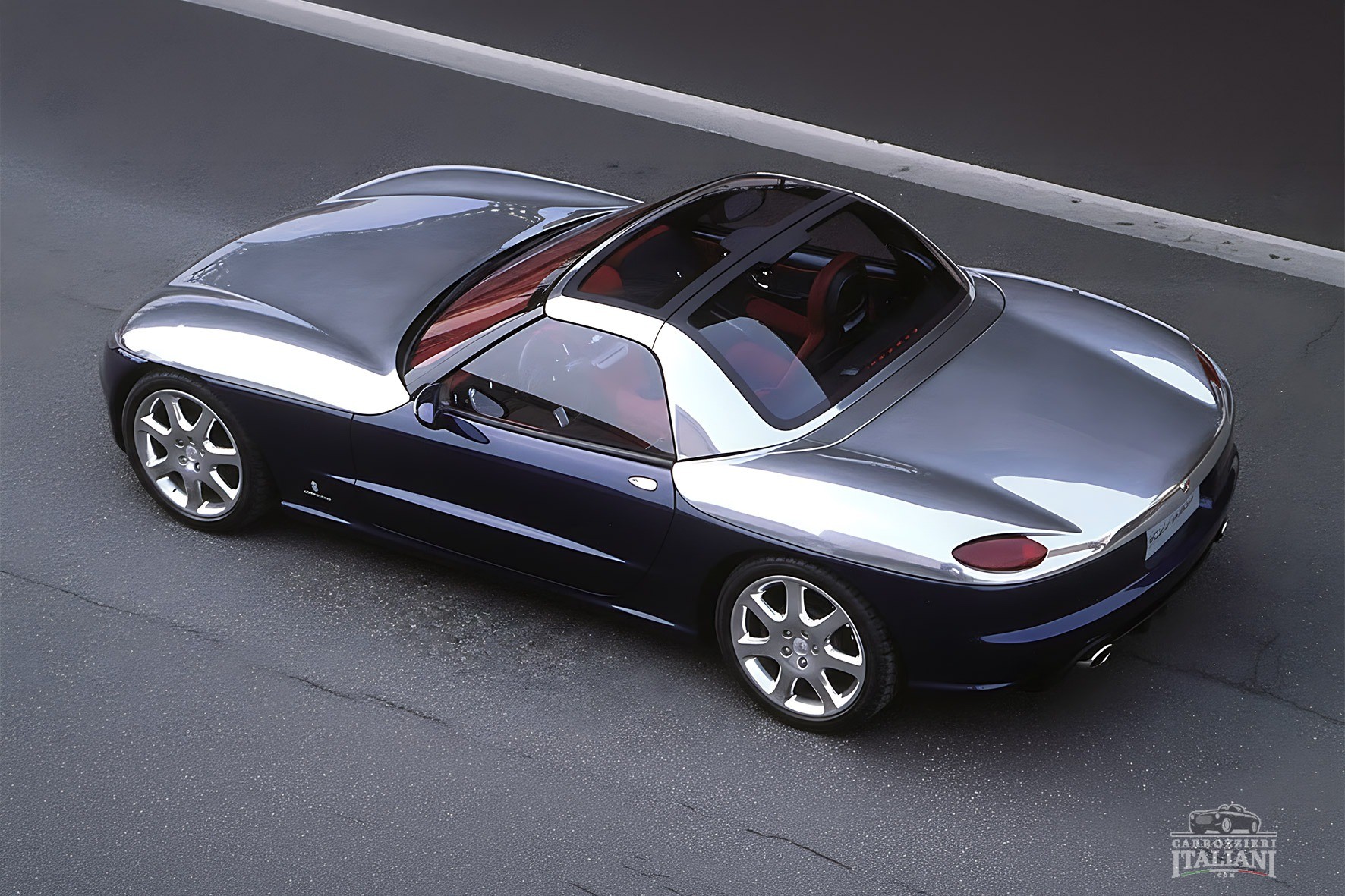
That retractable hardtop was one of the car’s most advanced features. In 1995, the idea of a compact open car with a folding metal roof still felt special. Later, cars such as the Mercedes-Benz SLK and many other coupé-cabriolets would make the formula familiar, but the Argento Vivo explored it with unusual elegance. It promised the security of a coupé and the pleasure of a spider, without destroying the proportions.
The engine was a Honda 2.5-litre five-cylinder, mounted at the front and driving the rear wheels. That layout alone made the car unusual, because Honda in the 1990s was not known for front-engined, rear-wheel-drive sports cars. The later S2000 would make that idea famous, but the Argento Vivo approached it with a more relaxed, grand-touring character.
It was, in short, not just a styling fantasy. It was a serious attempt to imagine a usable, elegant, technologically advanced open Honda.
Tokyo 1995: The Roadster That Was Not the S2000
When the Argento Vivo appeared at the 1995 Tokyo Motor Show, it joined a broader Honda conversation about the future of the open sports car. Honda also showed the SSM, the Sport Study Model, which pointed much more directly toward the production S2000. That made the Argento Vivo something of an alternative path: less obviously Honda, less aggressive, more luxurious and more Pininfarina.
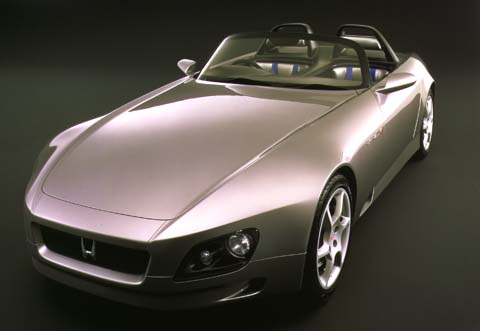
This may help explain why Honda did not build it. The Argento Vivo was beautiful, but it was probably too Italian, too refined and too conceptually distant from the car Honda wanted to put into production. Honda’s roadster needed to express the company’s own identity: high revs, mechanical sharpness, compact engineering and a direct connection between driver and machine. The S2000 did that perfectly. The Argento Vivo did something else.
There were also practical reasons. A retractable hardtop, aluminium space frame and bespoke Pininfarina body would have made the car complex and expensive. For a production Honda roadster, especially one meant to celebrate the company’s 50th anniversary and sell globally, that was probably not the right formula. The S2000 would be simpler in concept, purer in execution and far more aligned with Honda’s sporting image.
So the Argento Vivo remained a concept. Normally, that would have been the end.
But the Brunei Royal Family had a habit of treating concept cars as shopping suggestions.
Prince Jefri Discovers the Argento Vivo
The story then moves from Tokyo to one of the most extraordinary car collections ever assembled. During the 1990s, the Brunei Royal Family commissioned a remarkable number of special cars from companies such as Pininfarina, Ferrari, Bentley, Rolls-Royce, Aston Martin, AMG and others. Many of these projects are usually associated with Prince Jefri Bolkiah, the younger brother of Sultan Hassanal Bolkiah, and one of the central figures behind the family’s spectacular wave of automotive commissions.
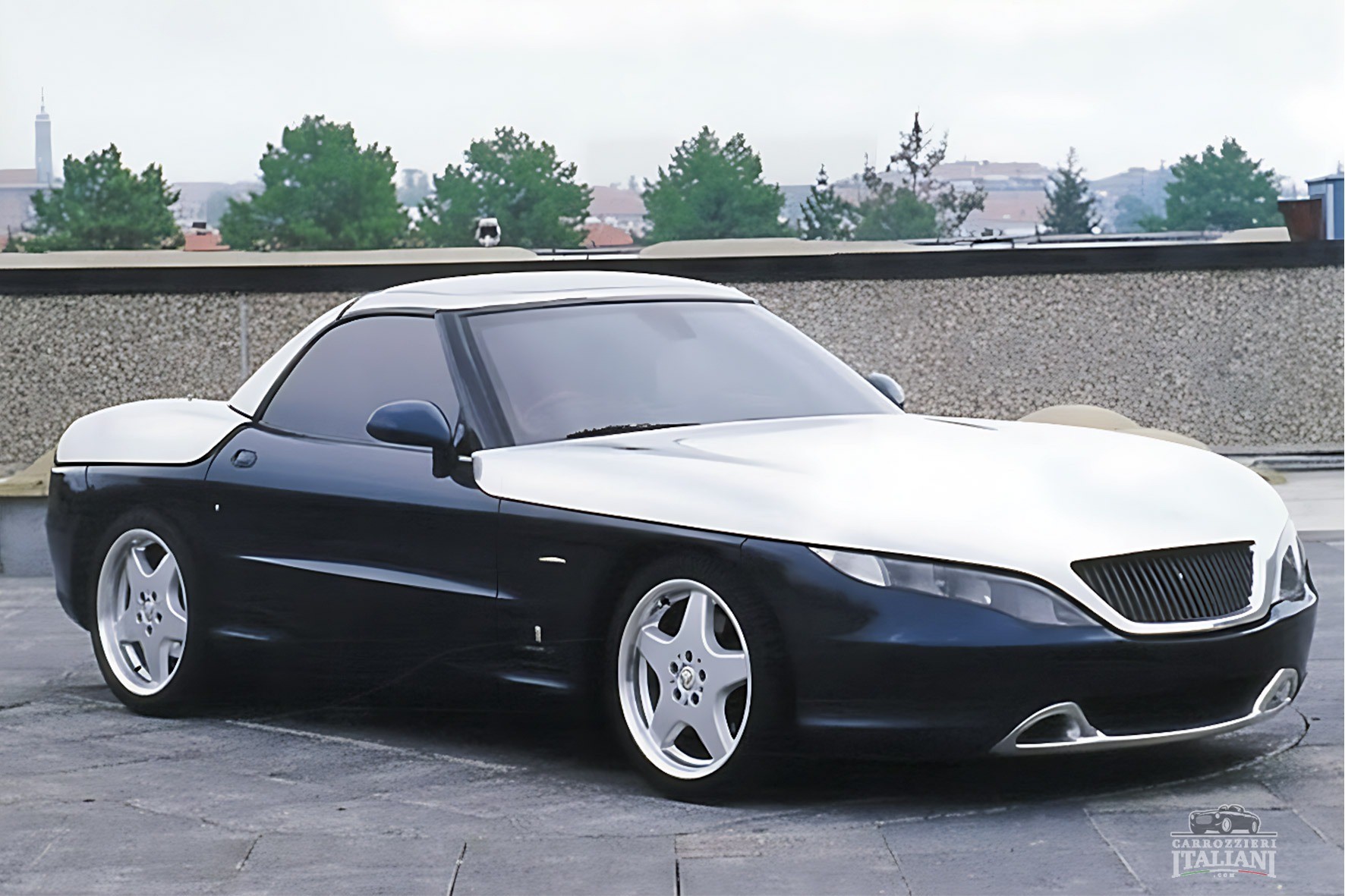
The Argento Vivo appears to have caught Prince Jefri’s attention for the same reason it still attracts enthusiasts today. It was not loud, but it was different. It had an unusual elegance, a name that sounded poetic and a visual identity strong enough to survive outside the Honda stand. In the strange world of Brunei commissions, that was enough. If a concept car was desirable and the right client wanted it, Pininfarina could be asked to turn the idea into something real.
But the Brunei version would not be a Honda.
🔗 Read more: The Sultan of Brunei’s Special Car Collection
For Pininfarina, building a small series of usable private cars meant finding a platform that could support the design, the luxury expectations and the mechanical demands of the commission without developing an entire car from scratch. The Mercedes-Benz R129 SL was the logical solution. It was strong, refined, already engineered as an open car, and available in the extraordinary SL73 AMG specification, with the 7.3-litre V12 that made it far more suitable for a royal one-off than the delicate Honda concept package.
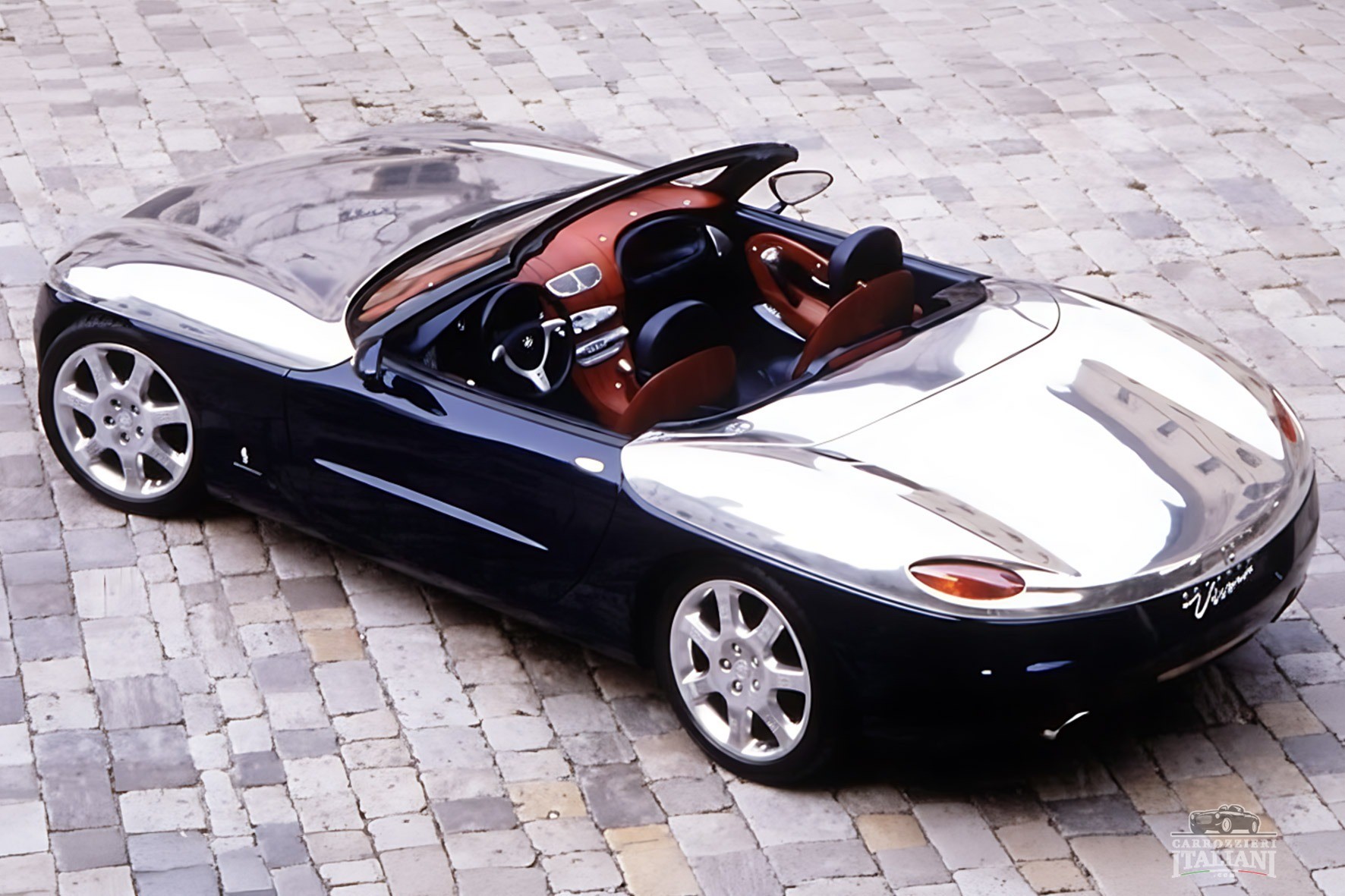
The choice was probably practical first of all for Pininfarina, then naturally accepted by the Brunei client because it matched a world they already appreciated: AMG power, Mercedes engineering, enormous performance and absolute exclusivity. The original Argento Vivo had been a Honda dream, but the private commission needed the bones of something more substantial.
In other words: same body idea, different chassis. Does that sound familiar? It should, because beneath the 1990s technology and Brunei extravagance, the logic was almost old-school Italian coachbuilding. In the classic era, carrozzieri often adapted a successful design idea, proportion or body language to different mechanical bases, depending on the client, the available chassis and the intended use. A form could migrate from one foundation to another, just as certain special bodies appeared over Lancia, Fiat or Alfa Romeo mechanicals, sometimes changing character completely while preserving a recognisable stylistic family.
🔗 Read more: One Design, Many Chassis: How Italian Coachbuilders Recycled Designs Pt.1
The Brunei Argento Vivo followed that same philosophy in a modern key. The style was selected first, then re-engineered around the platform that made the project feasible. What began as a Honda-Pininfarina concept became a Mercedes-AMG V12 roadster dressed in Pininfarina’s liquid-metal suit. It was no longer the same car in a mechanical sense, but it carried the same visual idea into a different world, exactly as the great Italian coachbuilders had done for decades.
Sources vary on the exact number, with some saying four cars and others five, and not all appear to have been completed or delivered in the same way. What matters is that the Argento Vivo escaped the normal fate of concept cars. It left the motor show stand, entered private coachbuilding and found a second life as one of the strangest and most elegant Brunei commissions of the 1990s.
From Honda Roadster to Mercedes-AMG V12
The transformation changed everything. The original Honda Argento Vivo, presented by Honda and Pininfarina at the 1995 Tokyo Motor Show, was a refined two-tone concept car built around lightness, technology and elegance. One part of the body was finished in exposed aluminium, while the blue sections were made in fiberglass, creating the “living silver” contrast that gave the car its name and its visual identity. The concept itself is still preserved at Pininfarina, carrying its original Honda badge.
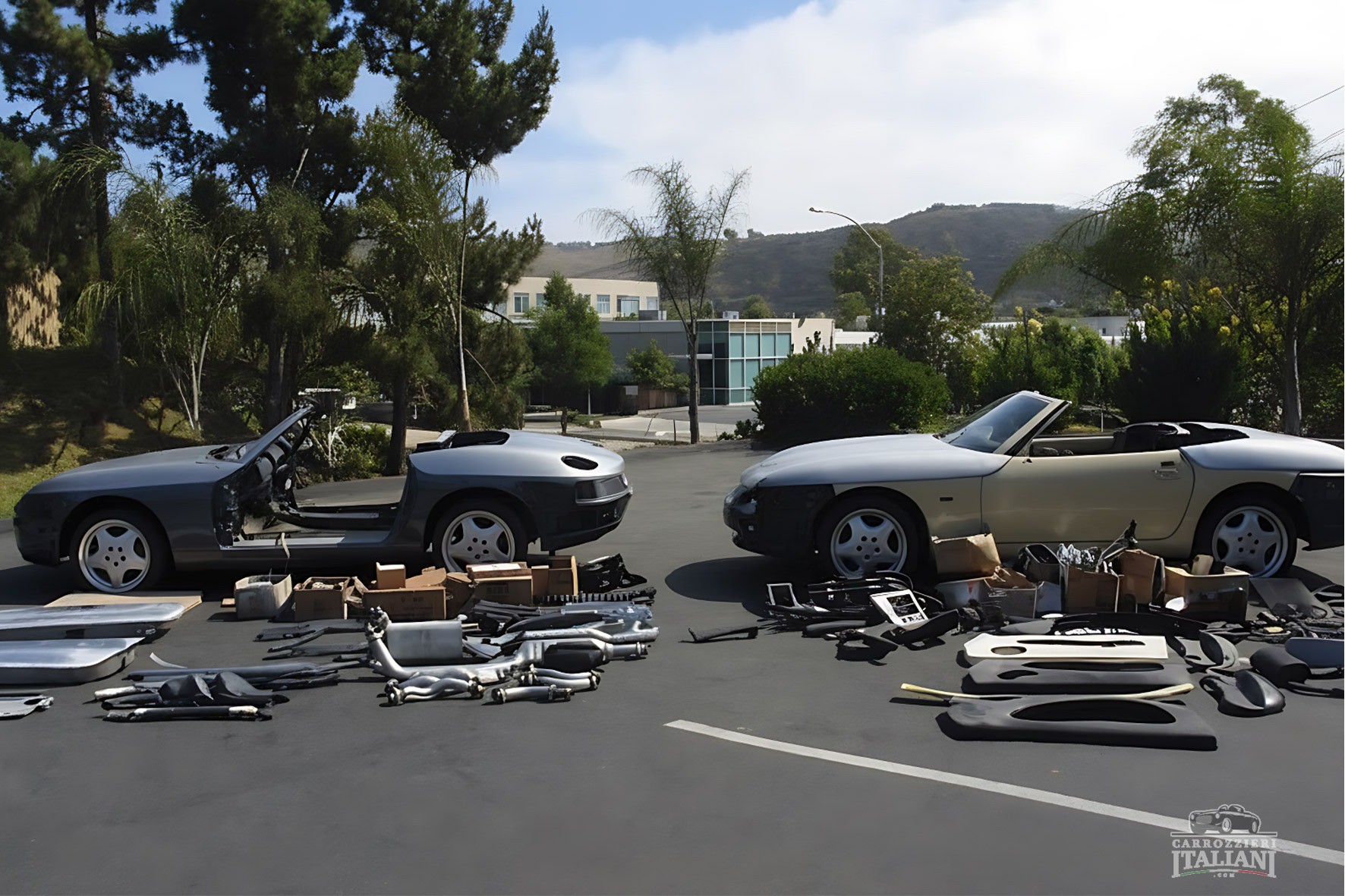
Then the story moved into far more mysterious territory. Very special Pininfarina clients, linked to the Brunei Royal Family, asked for a small “production” version inspired by the Tokyo show car. But turning the Honda concept into a usable private commission required a different foundation, and Pininfarina chose the Mercedes-Benz R129 SL, more specifically the SL73 AMG specification, as the base.
This is how the Argento Vivo idea was transformed into four Mercedes SL73-based cars. Mechanically, they were no longer Hondas at all. Beneath the Pininfarina body was the AMG-tuned 7.3-litre M120 V12, an engine family that would later become famous in the Pagani Zonda. In the special Brunei specification, these Argento Vivo cars are said to have produced around 565 horsepower, making them far more powerful, expensive and extravagant than the original Honda concept. Each car reportedly cost more than one million dollars.
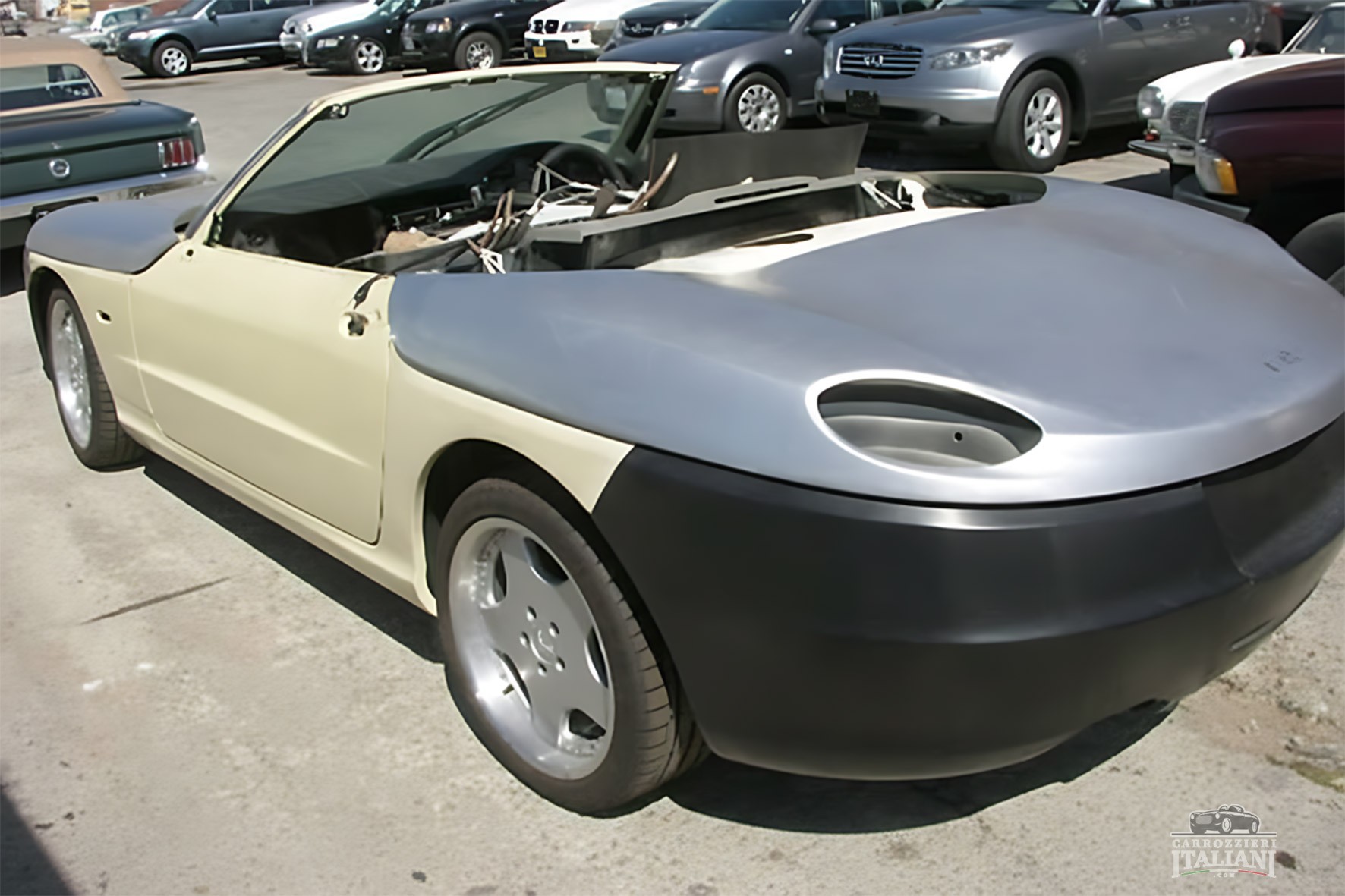
The proportions inevitably changed. The Mercedes SL was larger, heavier and more substantial than the Honda concept base, so the Brunei Argento Vivo cars could not be exact copies of the Tokyo show car. They became something else: a Pininfarina-bodied, Mercedes-AMG V12 interpretation of the Argento Vivo idea, created for private use rather than public production.
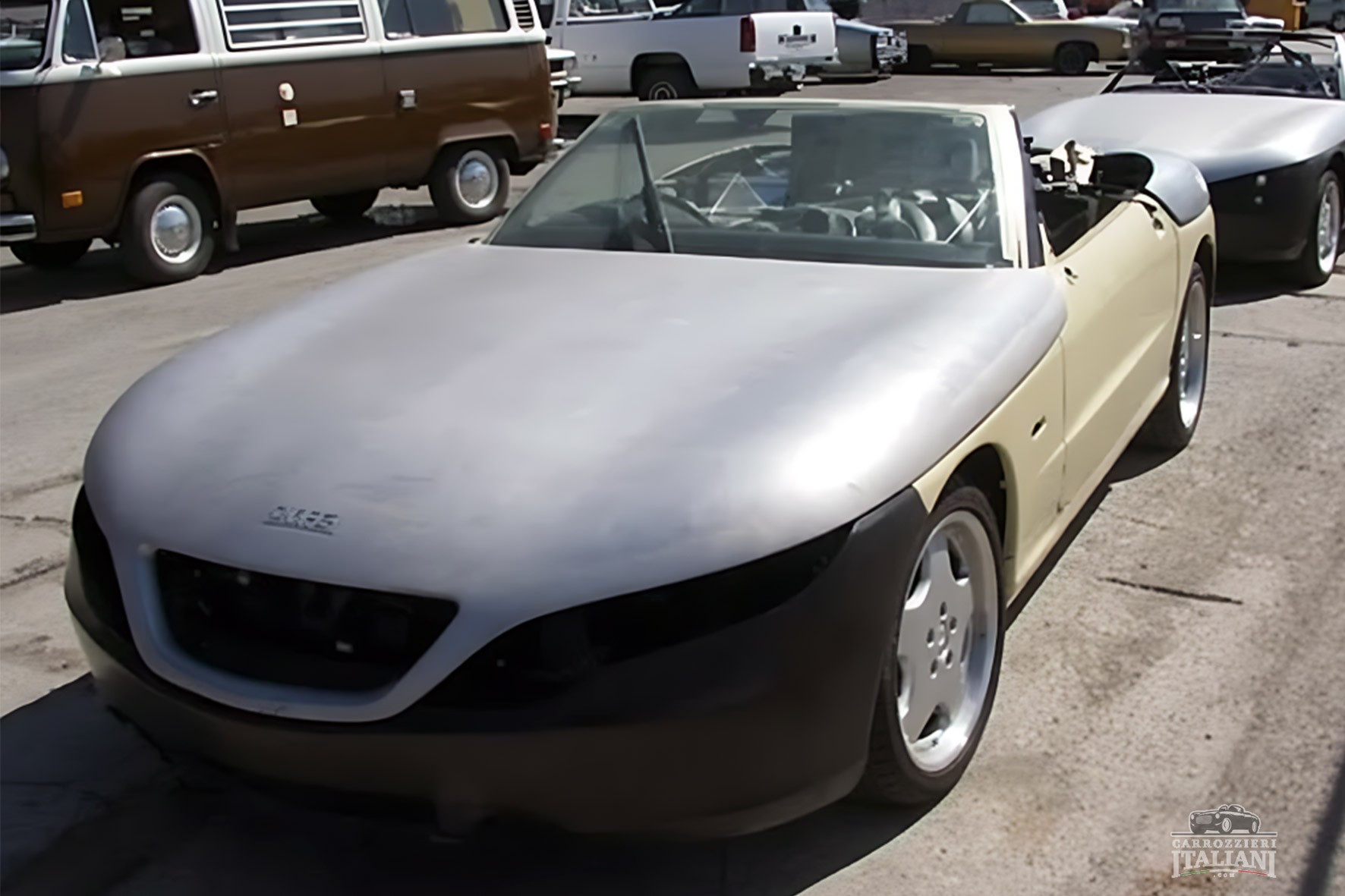
According to the most repeated accounts, only two of the four cars were completed and delivered to Jerudong, where they are believed to remain in the collection in good condition. The other two were apparently never finished. One of these unfinished cars is said to have briefly appeared for sale in Belgium on eBay in 2009, although the original listing is now almost impossible to trace, while the fate of the other unfinished example remains unclear. In recent years, one of the Brunei cars was reportedly photographed inside the collection, believed to be the only public image of an Argento Vivo in Brunei.
That is what makes the Argento Vivo so fascinating. It was not simply a Honda concept, and the Brunei cars were not ordinary Mercedes-Benz SLs. They were coachbuilt ghosts of a Honda dream, made real through Pininfarina craftsmanship, Mercedes-AMG engineering and one of the most secretive car-collecting worlds of the 1990s.
The Honda That Became Something Else
The Honda Argento Vivo is easy to overlook because it was not a production car, not a racing car and not as famous as the S2000 that followed. Yet it is one of the most interesting Honda-related concepts of the 1990s precisely because it sits at the crossroads of several stories: Honda’s search for a modern roadster, Pininfarina’s design culture of the decade, Davide Arcangeli’s refined exterior work, Giuseppe Randazzo’s warm and elegant interior, and the mysterious world of Brunei coachbuilt commissions.
It began as Pininfarina’s answer to Honda’s roadster question, a technological and emotional study with an aluminium space frame, rear-wheel drive and a retractable hardtop. Honda admired the idea, but ultimately followed a different path with the sharper, more mechanical S2000. The Argento Vivo, however, was too elegant to disappear completely. Prince Jefri Bolkiah saw in it something worth owning, and Pininfarina transformed the idea into a tiny series of Mercedes-AMG V12 roadsters for the Brunei world.
That second life turned the Argento Vivo from a forgotten Honda concept into one of the strangest and most elegant footnotes in 1990s coachbuilding. Before the S2000 became Honda’s pure roadster, there was the Argento Vivo: a living-silver Pininfarina dream that Honda did not build, Brunei could not resist, and Mercedes-AMG power quietly turned into something far more excessive than anyone in Tokyo probably expected.

ABOUT THE AUTHOR
Andreas Scheidl
Italian classic car enthusiast with German roots. Renowned as a respected figure in the classic car community, he serves as a jury member at various international concours d'elegance, including the Classic Gala Schwetzingen and Mantova. As a content creator, Andreas passionately shares his profound knowledge and appreciation for vintage automobiles. His heart beats for cars designed by Giovanni Michelotti, showcasing his discerning taste and dedication to preserving the timeless elegance of automotive history.
More stories by Andreas Scheidl ↗CONTINUE READING
Posts You Might Like
A Central Driving Position, a Rear-Mounted V8. Was This Really a Lancia?
In 1948, visitors to the Turin Motor Show could see an unusual Lancia on the stand of Carrozzeria Ghia. It was a large two-door coupé with a two-litre V8 mounted behind the…
Read story
Fioravanti F100: The Ferrari He Was Allowed to Imagine
Enzo Ferrari’s centenary, Leonardo Fioravanti’s independent studio and a supercar that explored air brakes, steel wheels and a new way of driving—without ever wearing the Cavallino.
Read story
Michelotti Shellette: When the Fiat 850 Became a Yacht
The yacht designer, the Turin stylist and the tiny coachbuilt car that crossed between the quay, the royal holiday house and the auction room. Some automobiles were conceived for the open road,…
Read story
Maserati A6 1500: A New Road for the Trident
When the doors of the Geneva Motor Show opened in March 1947, Maserati was a name that required little introduction to anyone who followed motor racing. What it did not yet possess…
Read story
THE CONVERSATION
Comments 0
Share a memory, a period photograph or a documented detail about this story.