
In Memoriam: Giuseppe Randazzo
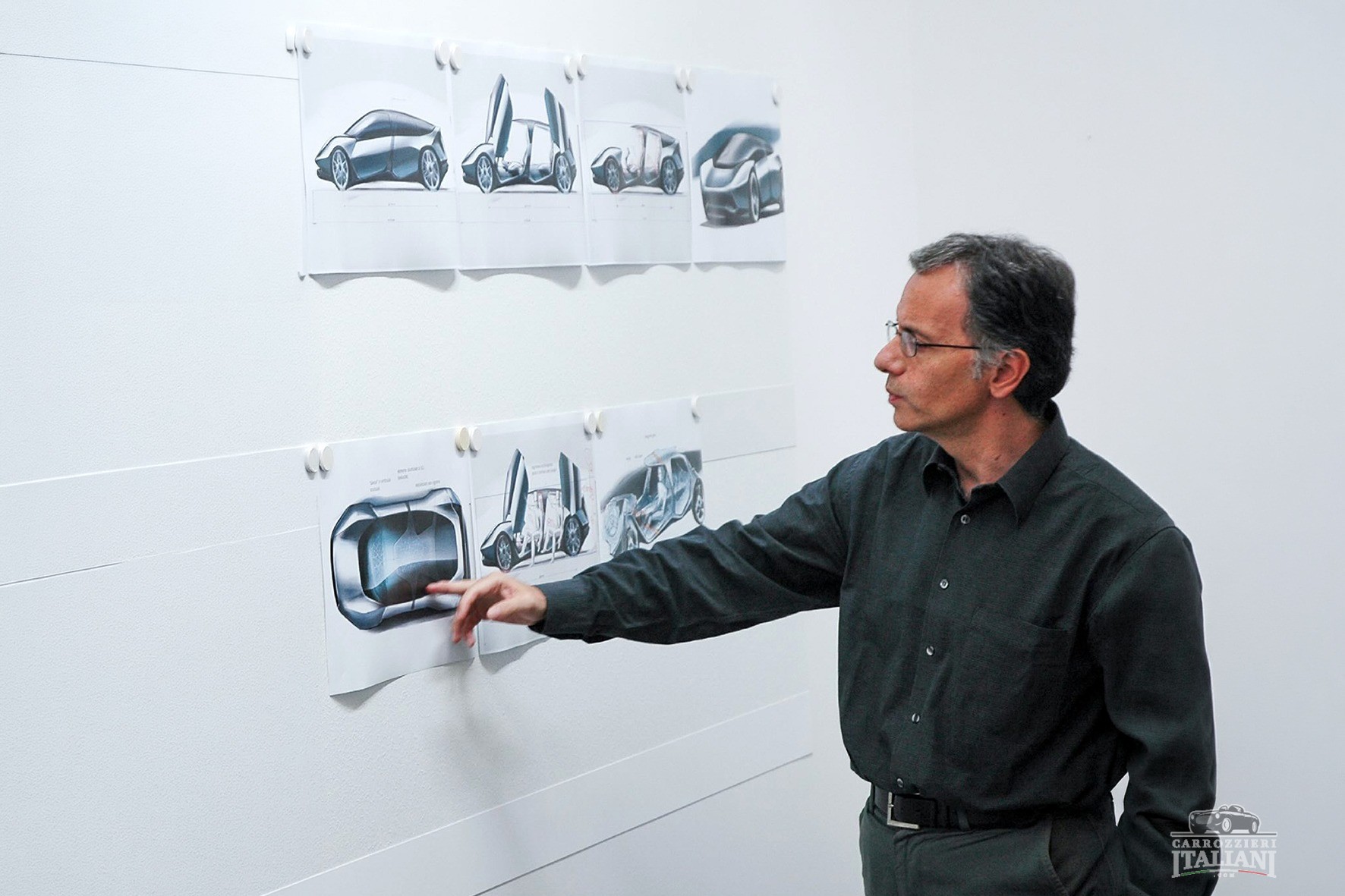
The passing of Giuseppe Randazzo has left a profound sense of loss among those who shared with him the daily life of the design studio. For colleagues at Pininfarina, he was not simply a designer, but a thoughtful observer, a subtle humorist, and a deeply cultured professional whose presence enriched decades of creative work. This tribute, aims to remember both the man and the designer—his path, his character, and the many contributions he quietly left behind.
A Life Shaped by Work and Observation
Born in La Spezia, Giuseppe maintained a lifelong emotional bond with his hometown. He often spoke of it with affection, recalling its maritime identity and the atmosphere that shaped his early imagination. His father, a naval technician who built wooden boat models, introduced him—perhaps unknowingly—to the relationship between form, structure, and craftsmanship. It is easy to see how this early exposure may have sparked Giuseppe’s desire to become a designer.
The family later moved to Turin, where Giuseppe pursued technical studies at an industrial institute before enrolling in Architecture. Although he did not complete his degree, his decision to enter the professional world immediately proved decisive. He joined Pininfarina at a very young age, beginning a lifelong journey within one of Italy’s most iconic design houses.
Formation at Pininfarina
Giuseppe’s formative years at Pininfarina placed him in contact with some of the most influential figures in automotive design, including Aldo Brovarone, Leonardo Fioravanti, and Diego Ottina. These were not merely colleagues but mentors whose experience and vision shaped a generation of designers.
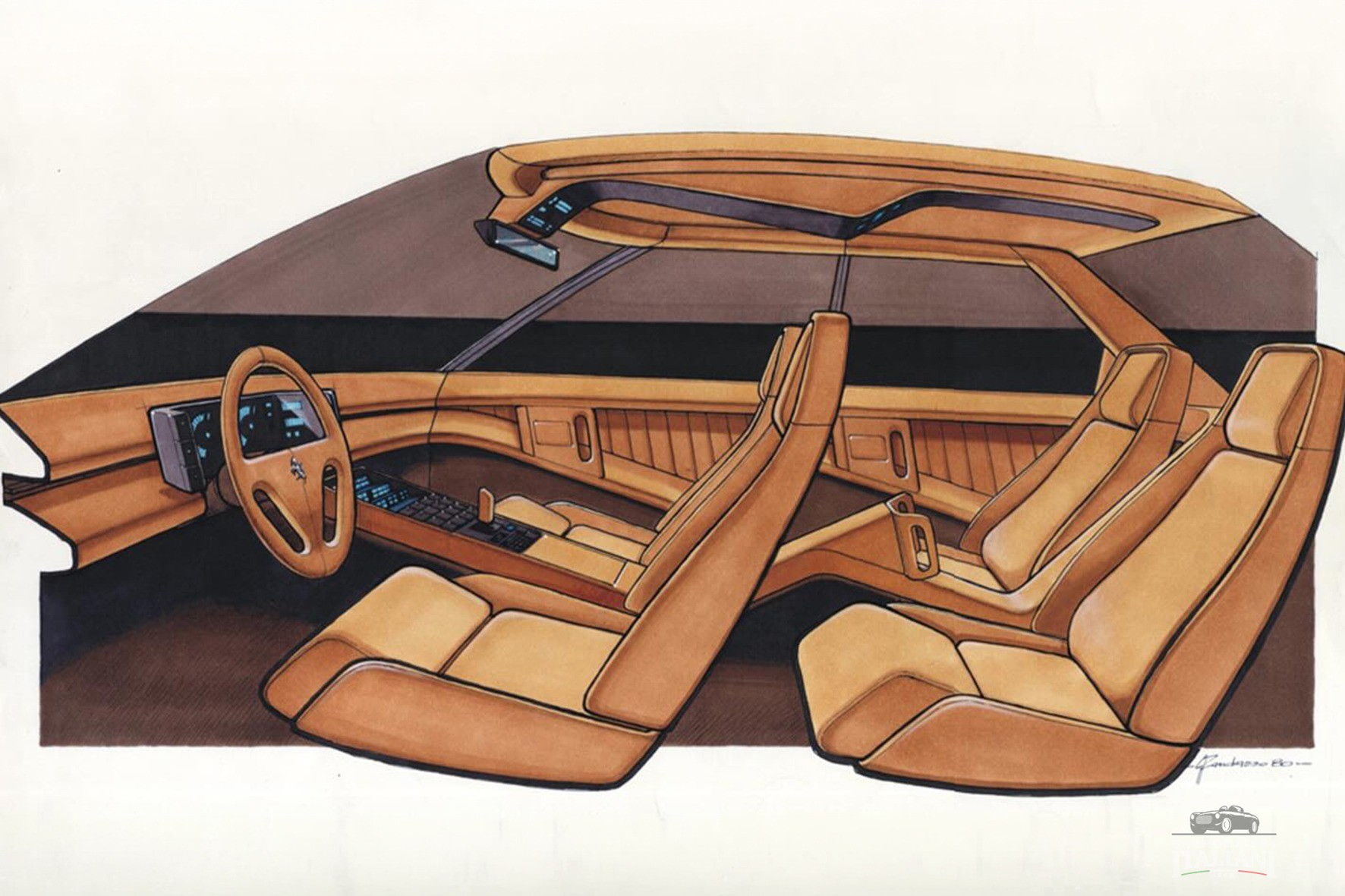
During the 1980s, the Style Office operated without rigid role divisions: designers were expected to work across all aspects of a project. In this dynamic environment, Giuseppe demonstrated versatility and adaptability. Over time, however, his work increasingly focused on interiors—a field in which his sensitivity, precision, and human-centered approach found natural expression.
Projects and Contributions
Throughout his long career, Giuseppe contributed to a remarkable number of projects, spanning both concept cars and production models. While often working behind the scenes—as is common in collaborative design studios—his hand can be recognized in a wide range of interiors and experimental vehicles that helped define Pininfarina’s design language across decades.
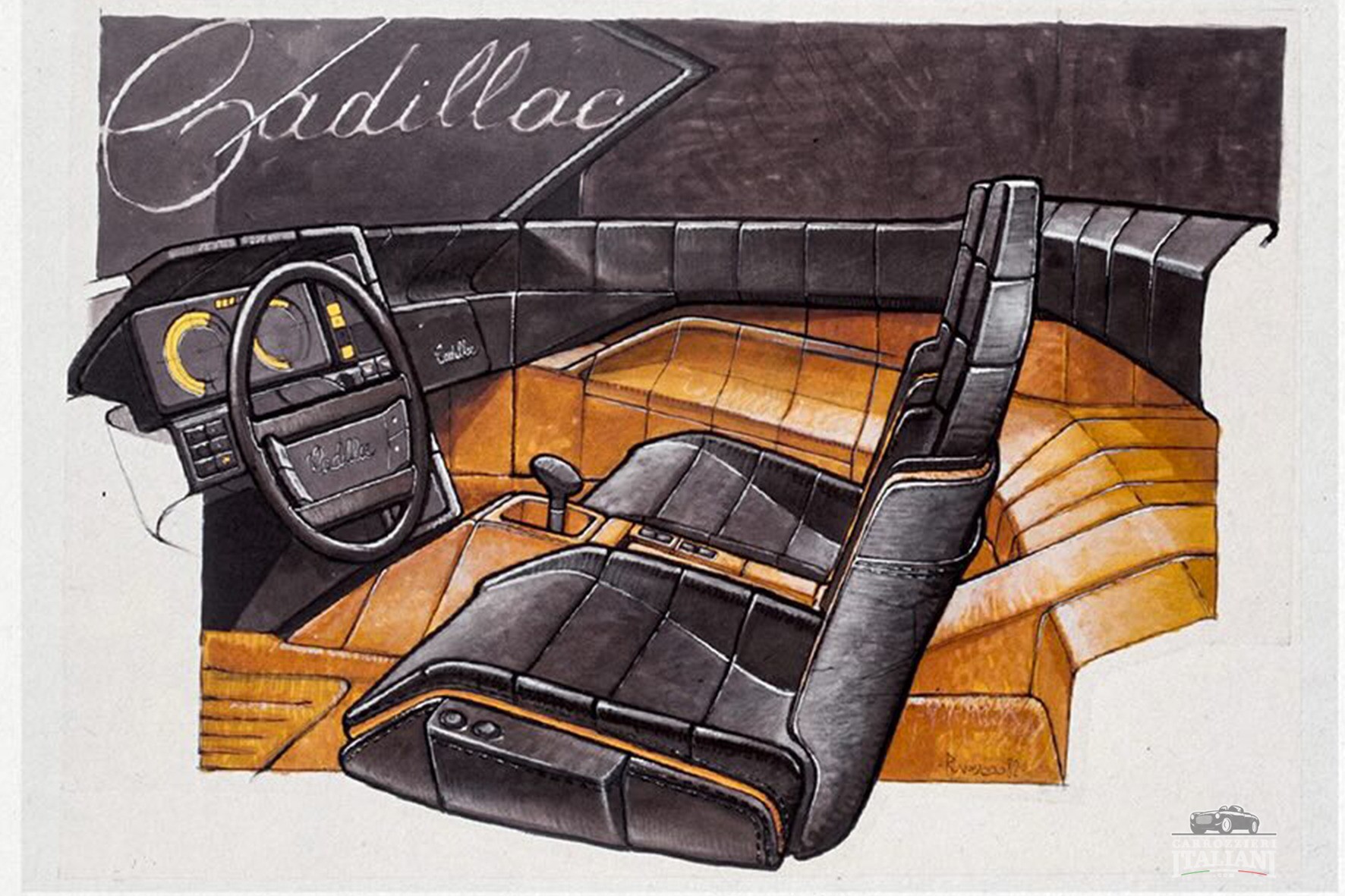
Among the most notable projects to which he contributed are the interiors of the Cadillac Allanté, a transatlantic collaboration that brought Italian design sensibility to an American luxury car, and the Ferrari Mythos, an iconic concept that captured the spirit of late-1980s experimentation.
His work also extended to the interior development of the Ferrari 360 Modena, where refinement, ergonomics, and driver-focused design played a central role. Earlier, he contributed to visionary concept interiors such as the Honda HP-X and the innovative Honda Argento Vivo, both of which explored new ideas in form, materials, and user interaction.
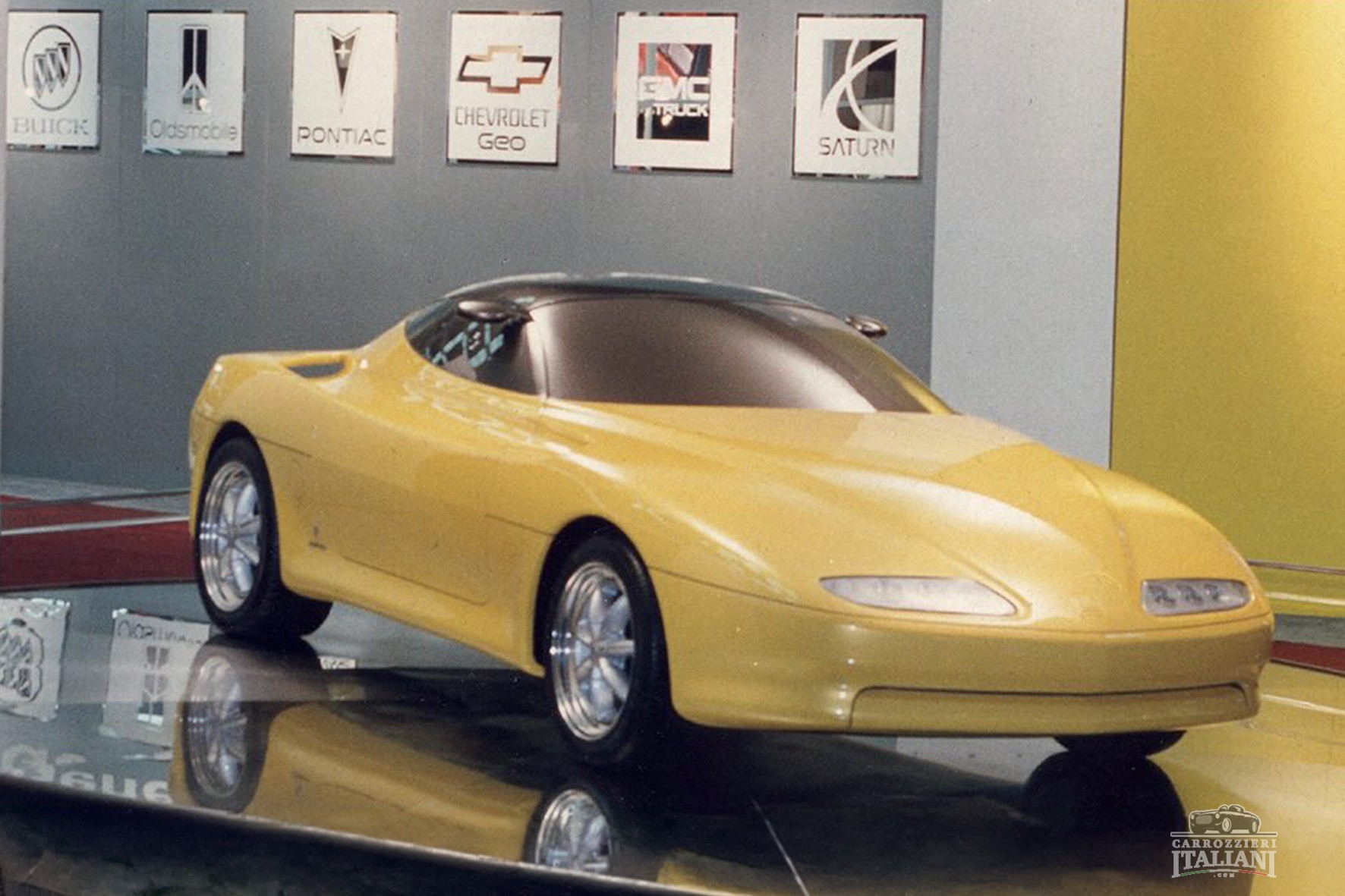
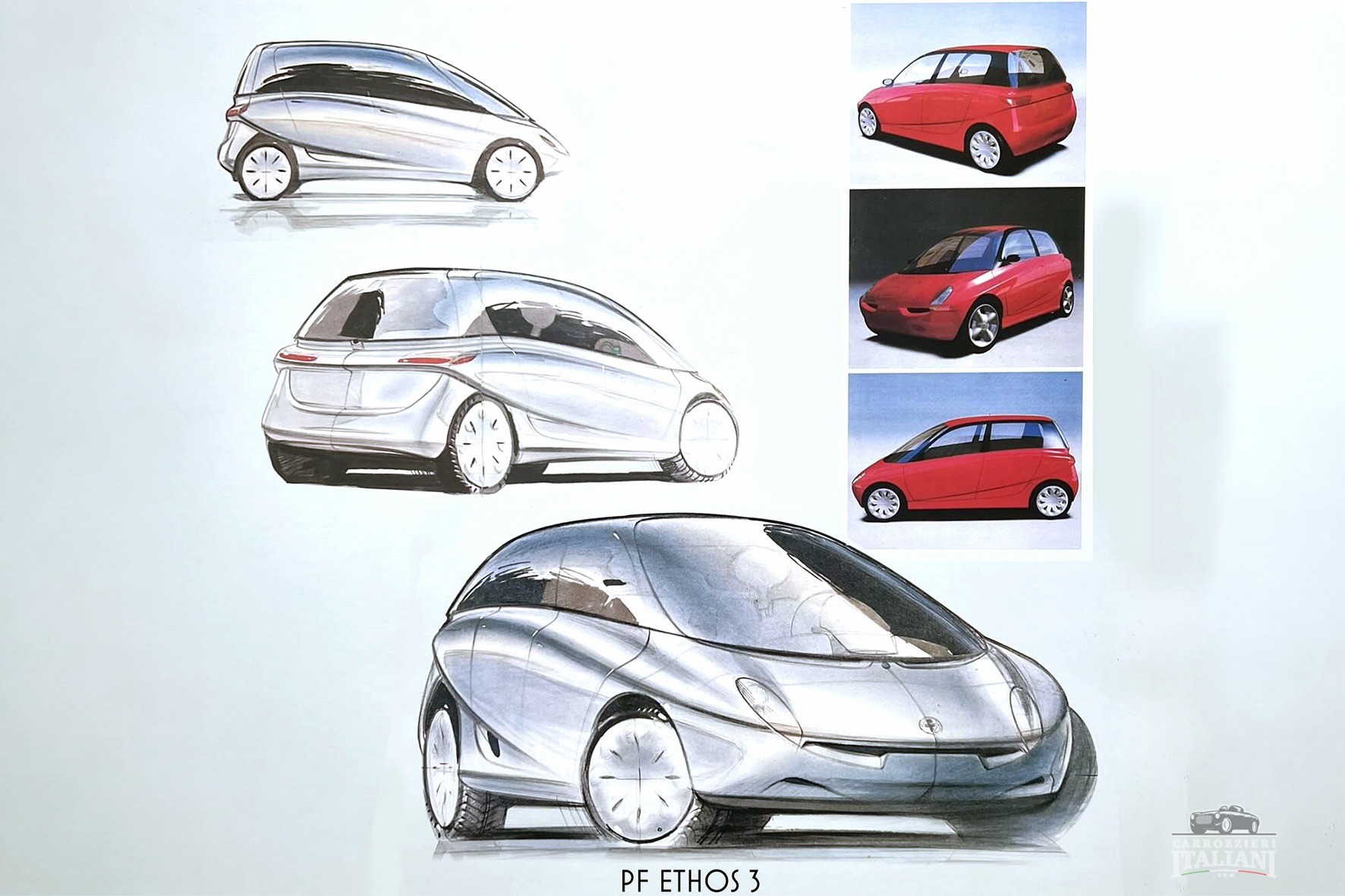
His involvement in experimental and research-driven projects is further evidenced by contributions to the Peugeot Nautilus, the Pininfarina Etabeta, and the GM Chronos. These projects reflect a period in which design studios served as laboratories for innovation, pushing the boundaries of automotive aesthetics and technology.
In later years, his experience and sensitivity were also brought to contemporary projects such as the Pininfarina Cambiano and the Ferrari Sergio, demonstrating a continuity of vision that bridged generations of design.
Taken together, these works form a mosaic of contributions that, while often discreet, were integral to the development of many vehicles that remain significant in automotive design history.
A Mind Both Critical and Playful
Giuseppe was known for his reserved nature, yet those who worked with him quickly discovered his sharp intelligence and refined sense of humor. He possessed a quiet irony that allowed him to observe the world—and the studio environment—with clarity and detachment.
This quality found expression in his role as the unofficial cartoonist of Pininfarina Studi e Ricerche. Through his drawings, he captured the subtleties of everyday life within the company: its characters, its contradictions, and its unspoken dynamics. His sketches were precise, never gratuitous, and always insightful.
He was also a rigorous thinker. His critiques—whether of projects or of internal dynamics—were often acute and remarkably accurate. Yet he never positioned himself as a central figure; rather, he maintained a deliberate distance from the more competitive and ego-driven aspects of the profession. He had little patience for those who pursued recognition at any cost, preferring instead a more authentic and measured approach to design.
Innovation and Transition to Digital Design
In the 1990s, as digital technologies began to transform the design process, Giuseppe once again demonstrated his forward-thinking mindset. Independently and driven purely by curiosity, he began experimenting with 3D modeling outside of his formal role.
What began as a personal interest soon developed into a significant expertise. Recognizing the importance of these emerging tools, Pininfarina integrated his knowledge into its workflow, leading to the creation of the company’s first virtual 3D models.
Giuseppe was eventually entrusted with leading the virtual 3D modeling department, where he played a key role not only in technological development but also in training new designers and modelers. His contribution helped bridge the gap between traditional craftsmanship and digital innovation.
Later Years and Withdrawal
Despite his significant contributions, the later stages of Giuseppe’s career were marked by organizational changes that failed to fully recognize his expertise. As the company evolved, his role was gradually reduced, and at a certain point he was asked to anticipate his departure.
For someone so deeply connected to his work, this moment represented a profound disappointment. Those close to him recall how destabilizing this experience was, even as he faced it with characteristic discretion.
After leaving Pininfarina, Giuseppe withdrew into a more private life, dedicating himself entirely to his personal projects. His curiosity remained intact, and his intellectual engagement with design and technology continued unabated, albeit away from the institutional context that had defined much of his life.
A Lasting Memory
To remember Giuseppe Randazzo is to recall a presence that was never loud, yet always meaningful. He was a designer who preferred substance over visibility, a colleague who valued intelligence over ambition, and a man who approached life with both seriousness and irony.
His legacy lives not only in the projects he contributed to, but also in the people he influenced, the ideas he developed, and the culture he helped shape within Pininfarina.
Above all, he leaves behind the memory of a person who remained true to himself—curious, independent, and quietly brilliant.
Farewell
This tribute, requested by his colleagues, is offered with genuine affection and respect. It is a way to honor not only Giuseppe’s professional achievements, but also his humanity.
In the lines of a sketch, in the form of an interior, in the evolution of digital design within the studio—his presence endures.
Rest in peace, Giuseppe.

ABOUT THE AUTHOR
Andreas Scheidl
Italian classic car enthusiast with German roots. Renowned as a respected figure in the classic car community, he serves as a jury member at various international concours d'elegance, including the Classic Gala Schwetzingen and Mantova. As a content creator, Andreas passionately shares his profound knowledge and appreciation for vintage automobiles. His heart beats for cars designed by Giovanni Michelotti, showcasing his discerning taste and dedication to preserving the timeless elegance of automotive history.
More stories by Andreas Scheidl ↗CONTINUE READING
Posts You Might Like

Castagna Milano’s Alfa Romeo Giulia coupé-cabriolet: a new Antisalon for Italian coachbuilding
Eighty years after Battista Farina's famous protest at the Paris Motor Show, Gioacchino Acampora presents a radical two-seat Alfa Romeo Giulia as a manifesto for the survival of independent coachbuilding. In October…
Read story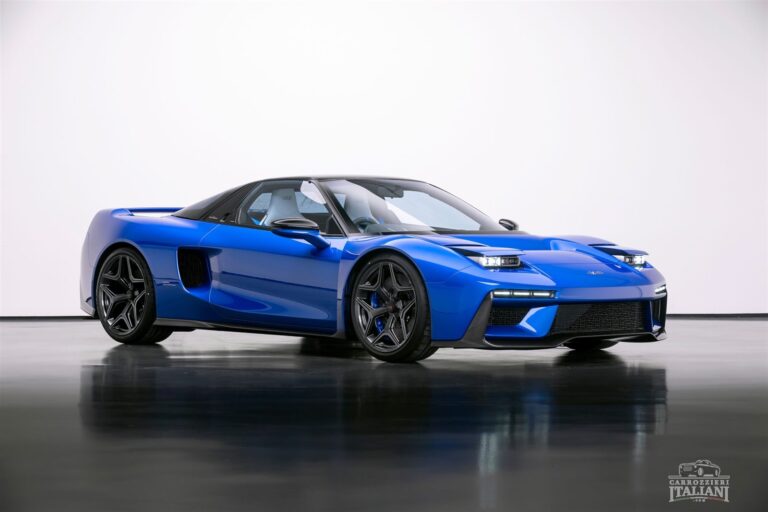
JAS Tensei Designed by Pininfarina: The Honda NSX Reborn
Unveiled on 8 October 2026, the JAS Tensei brings together the motorsport expertise of JAS Motorsport and the design heritage of Pininfarina, transforming the original Honda NSX into an exclusive, carbon-fibre-bodied supercar.…
Read story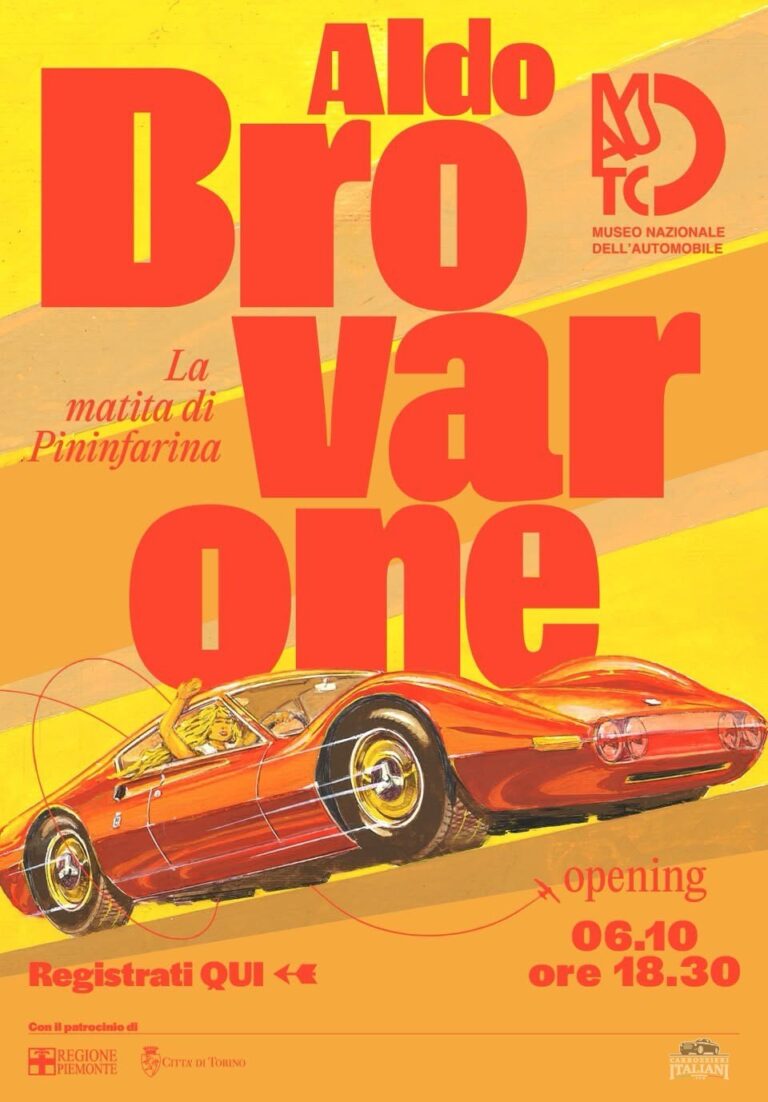
MAUTO to Celebrate Aldo Brovarone with New Exhibition in Turin
The Museo Nazionale dell’Automobile in Turin will open a new exhibition dedicated to Aldo Brovarone, one of the most distinctive figures in post-war Italian automotive design.
Read story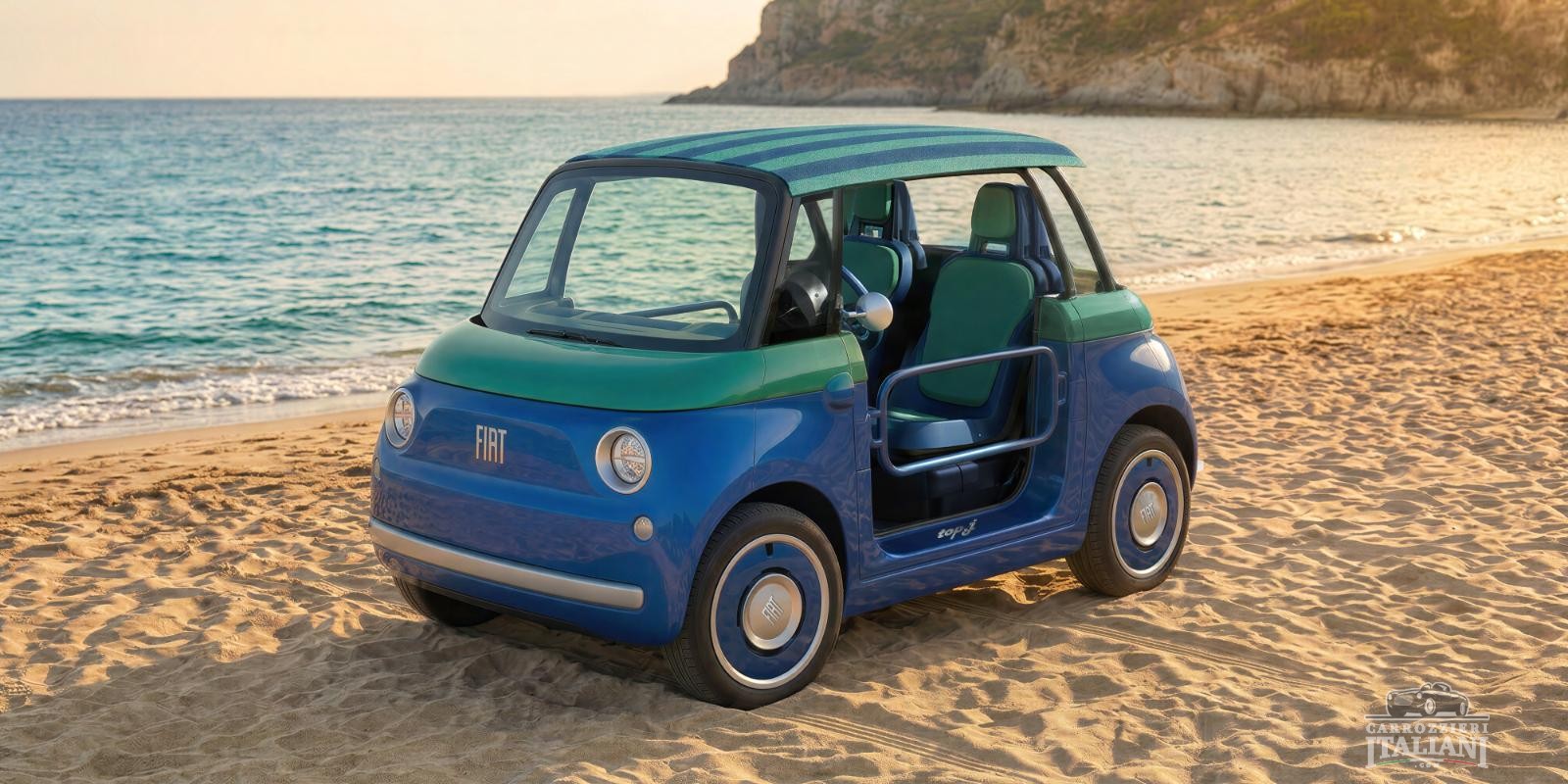
Giugiaro and Lapo Elkann Reinvent the Fiat Topolino
Giugiaro and Lapo Elkann Reinvent the Fiat Topolino with Two GFG Style One-Offs GFG Style has unveiled two radically different interpretations of the Fiat Topolino at Salone Auto Torino 2026, marking the…
Read story
THE CONVERSATION
Comments 0
Share a memory, a period photograph or a documented detail about this story.