
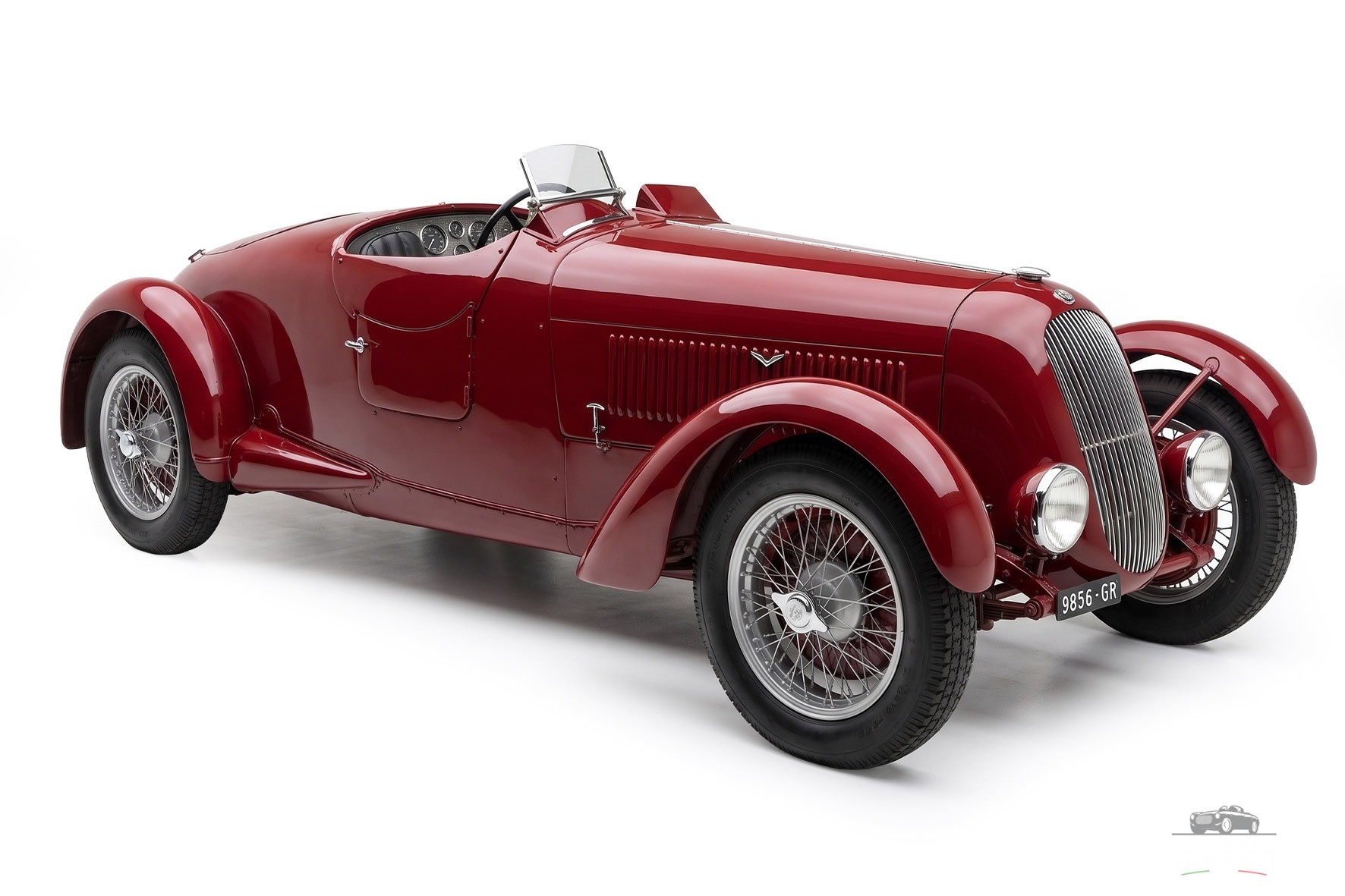
THE VEHICLE AT A GLANCE
Model dossier
- Manufacturer
- Alfa Romeo
- Base model
- 6C 2300 Pescara
- Coachbuilt version
- Zagato model/body variant; Pescara designation does not imply one chassis
- Coachbuilder
- Zagato
- Production period
- 1936
- Engine
- Inline-6 DOHC
- Type
- Limited
- Displacement
- 2,309 cc
- Power
- 95 CV
- Top speed
- 145 km/h
THE PEOPLE BEHIND THE CAR
Coachbuilding, design & conversions

PRICE & SALES RECORD
Vehicle value
- Original price
- Not documented
- Latest recorded sale
- Not documented
01 / THE STORY
History & context
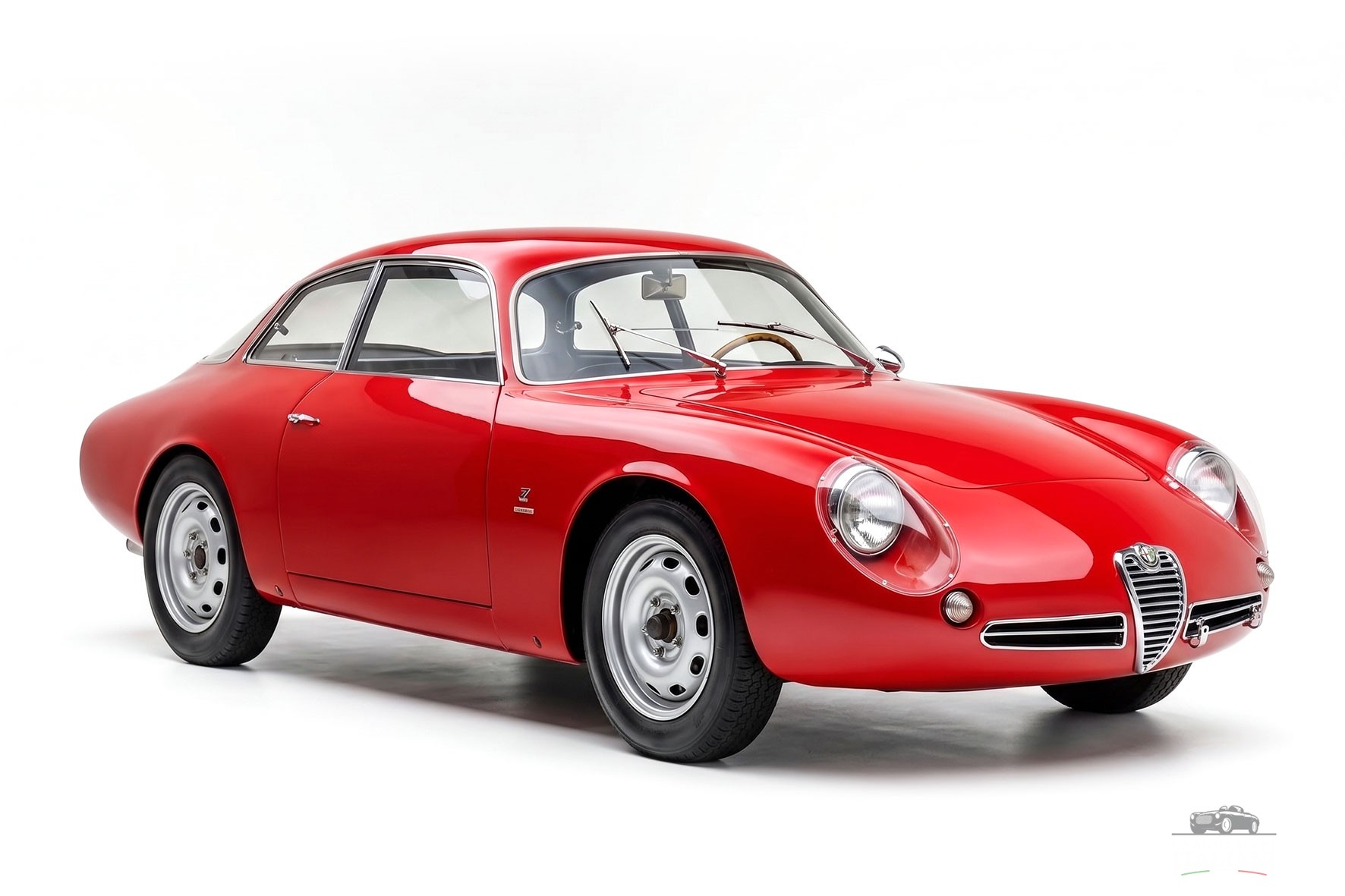
The Alfa Romeo 6C 2300 Spider (1936) was coachbuilt by Zagato. Developed during a period marked by innovation in automotive design, the 6C 2300 model series emerged as a reflection of Alfa Romeo’s commitment to performance and style. The collaboration with Zagato, known for its lightweight construction techniques and aerodynamic shapes, resulted in a vehicle that was both functional and visually striking.
The design process involved meticulous attention to proportions and construction methods, which emphasized the aerodynamic profile characteristic of Zagato’s design philosophy. The coachbuilding utilized advanced techniques for the era, including aluminum body panels that contributed to the overall weight reduction, enhancing both performance and efficiency. This model’s stylistic context can be attributed to the broader trends in the 1930s, where the blending of art and engineering became increasingly significant in automotive manufacture.
Mechanically, the Alfa Romeo 6C 2300 Spider was powered by a 6L inline-six engine, which was integrated into a robust chassis designed for both speed and stability. The suspension system was configured to provide a balance between comfort and handling, allowing for a dynamic driving experience that appealed to both enthusiasts and competitive drivers alike.
In production terms, the exact number of units produced remains undocumented; however, surviving examples are recorded in private collections and museum archives. This particular model was recognized for its engineering excellence and aesthetic appeal, leading to its exhibition in various automotive events during its time. Documentation indicates that the Alfa Romeo 6C 2300 Tipo Pescara Zagato remains a significant study for researchers of pre-war automotive design and coachbuilding practices.
IN THE ARCHIVE
Coachbuilders & design studios
02 / TECHNICAL IDENTITY
Specifications & construction
Production & construction
- Production type
- Limited
Engine & performance
- Engine configuration
- Inline-6 DOHC
- Displacement
- 2,309 cc
- Power (hp)
- 94 hp
- Power (CV)
- 95 CV
- Engine speed
- 4,500 rpm
- Transmission
- 4-speed manual
- Drive
- Rear-wheel drive
- Top speed
- 145 km/h
- Specification notes
- 1936 Zagato record aligns with the 6C 2300 B Pescara mechanical specification: DOHC inline-six 2309 cc, 95 CV at 4500 rpm, 4-speed manual, RWD, wheelbase 3000 mm, top speed about 145 km/h. Exterior dimensions and weight remain chassis/body-specific and are not projected.
Dimensions & accommodation
- Wheelbase
- 3,000 mm
Design & manufacture
- Manufacturer · Documented
- Alfa Romeo
- Coachbuilder / Body Builder · Documented
- Zagato
06 / EVENTS & AWARDS
Events & awards
No events or documented awards are currently recorded for this vehicle.
07 / THE VEHICLE IN DETAIL
Photo gallery 1 photographs
08 / FROM THE ARCHIVE
Archive
References held in the vehicle dossier. Their inclusion does not establish that every historical claim has been independently verified.
| Reference | Source type |
|---|---|
| Alfa Romeo 6C 2300 B Pescara technical specification it.wikipedia.org | Historical model reference |
| Museo Alfa Romeo — 6C 2300 B mechanical architecture www.museoalfaromeo.com | Manufacturer museum |
| Zagato archive — 1936 Alfa Romeo 6C 2300B Pescara www.zagato.it | Coachbuilder official archive |
THE CONVERSATION
Comments 0
Share a memory, a period photograph or a documented detail about this car.