
THE VEHICLE AT A GLANCE
Model dossier
THE PEOPLE BEHIND THE CAR
Coachbuilding, design & conversions

PRICE & SALES RECORD
Vehicle value
- Original price
- Not documented
- Latest recorded sale
- Not documented
01 / THE STORY
History & context
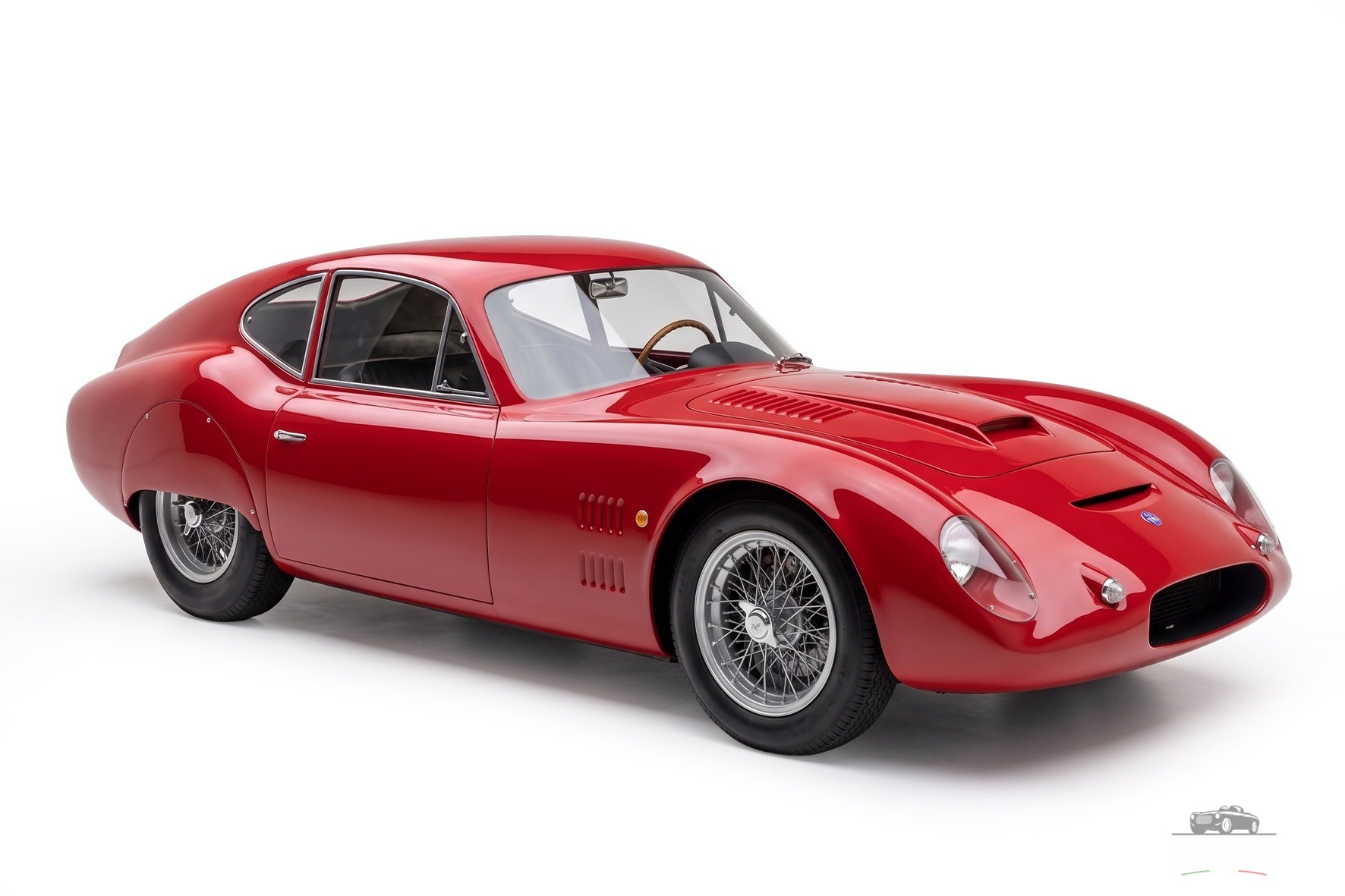
The OSCA 1600 SP2: The initial version of the car, known as the ‘basic’ version, had a 1.6 litre twin cam engine with 95 bhp, a live rear axle, and a body designed and built by Fissore. Given the Maserati brothers’ focus on racing, it was not surprising that they also offered a competition version. This version featured a lightweight Zagato body, independent rear suspension, and an engine tuned to 140 bhp. The OSCA 1600 GT, in all its variations, was highly successful and allowed the Maserati brothers to develop a new racing car specifically designed for that purpose. This new racing car, called the 1600 SP (Sperimentale or Experimental), shared the same 140 bhp engine as the competition version of the 1600 GTS. However, the only component carried over from the previous model was the four-speed gearbox. The drivetrain was mounted on a completely new multi-tubular space-frame chassis. The suspension featured independent double wishbones on all four corners, and the car was equipped with substantial disc brakes for effective stopping power. The lightweight and advanced chassis was then fitted with a sleek coupe body in-house, a departure from the usual practice of outsourcing this task to specialist companies like Morelli. This decision was economically motivated, as it allowed for greater cost control. The design of the body was primarily influenced by the shape of the chassis, resulting in tightly wrapped aluminum panels that accentuated the mechanical components. The overall aesthetic was nonetheless pleasing to the eye. The intention was for the new racer to make its debut at the prestigious 24 Hours of Le Mans, which explains its streamlined shape with a low-drag Kamm tail. Unfortunately, the economic realities once again intervened, and the Maserati brothers were compelled to sell their business to Count Augusta, a renowned figure in the motorcycle industry. While he was not particularly interested in the OSCA cars, he recognized the engineering capabilities of the Maserati brothers. As a result, their focus quickly shifted to other projects. The OSCA 1600 SP2 was one of the first casualties of the change in ownership. Its development was abruptly halted and it never had the chance to compete in any races. Although OSCA continued under Count Agusta’s ownership, the departure of the Maserati brothers in 1966 marked the beginning of the end for the company, leading to the eventual cessation of production. The 1600 SP stands as the Maseratis’ last venture into the world of racing cars. Ernesto Maserati, the sole owner of the 1600 SP, held onto it until the late 1960s when he gifted it to his son, Dr. Ing. Alfieri Maserati. Since then, Alfieri has treasured the car, using it regularly while maintaining its original condition. In a rare appearance, the esteemed scion of the Maserati family showcased the final racing car at the 2012 Concorso d’Eleganza Villa d’Este, delighting the public with its presence.
02 / TECHNICAL IDENTITY
Specifications & construction
Production & construction
- Production
- 1
- Production type
- One-off
Engine & performance
- Engine configuration
- Inline-4
03 / DESIGN, BODY & SUPPLIERS
Design, body & suppliers
Design & manufacture
- Coachbuilder / Body Builder · Documented
- Zagato
- Manufacturer · Documented
- OSCA
Body form & construction
- Body style
- Coupé
04 / EVENTS & CHRONOLOGY
Events & awards
No events or documented awards are currently recorded for this vehicle.
08 / GALLERY
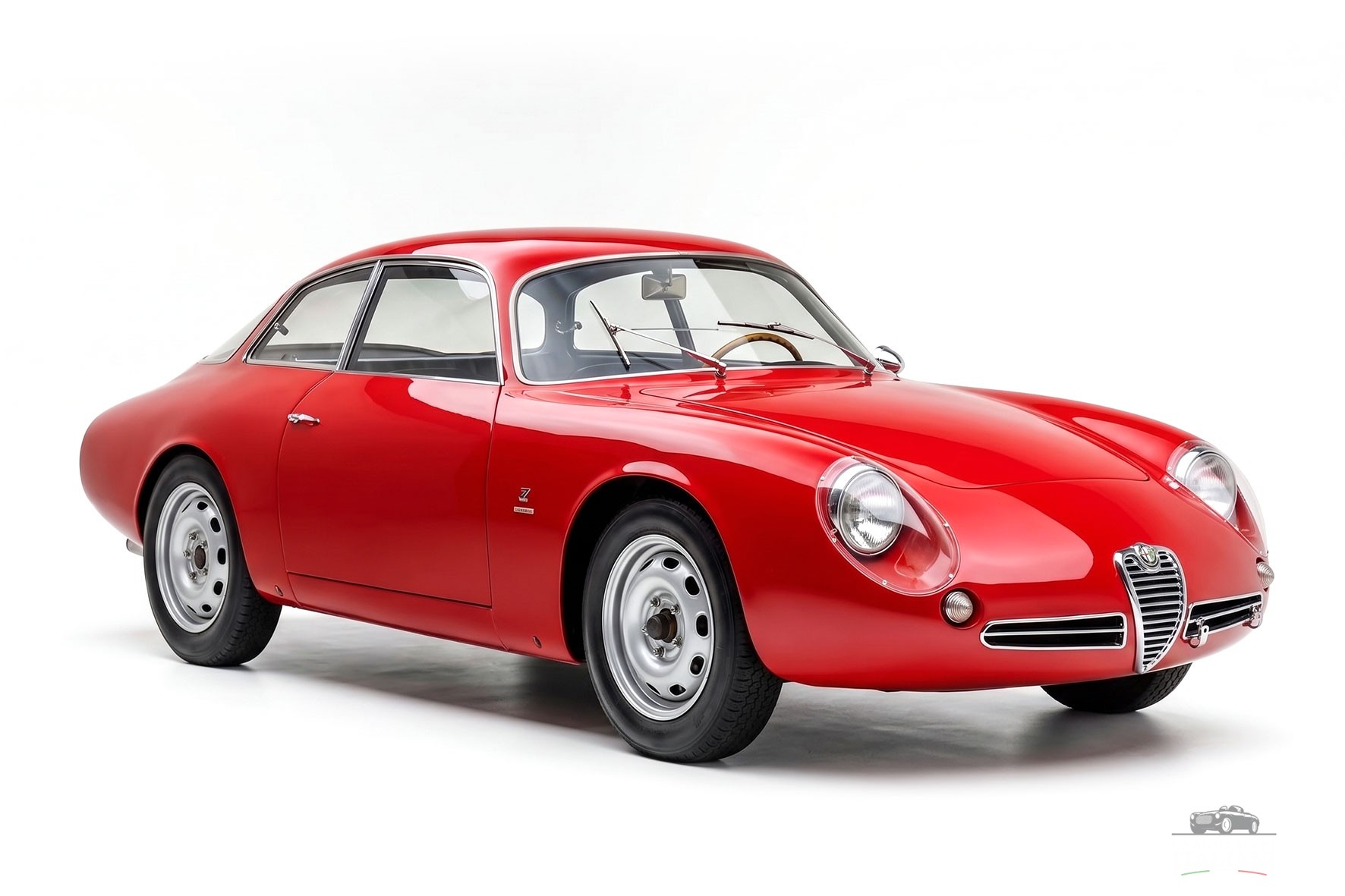
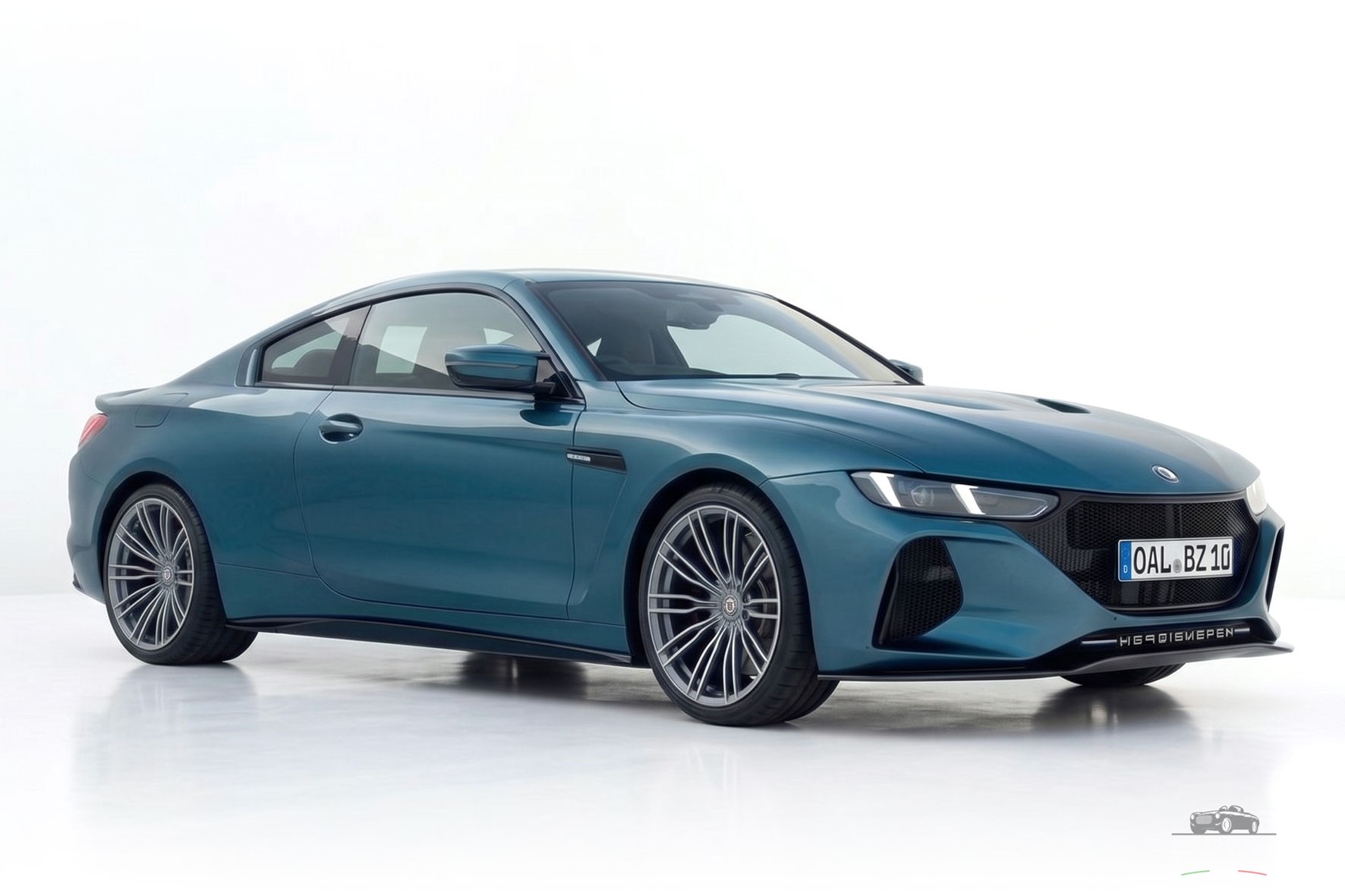
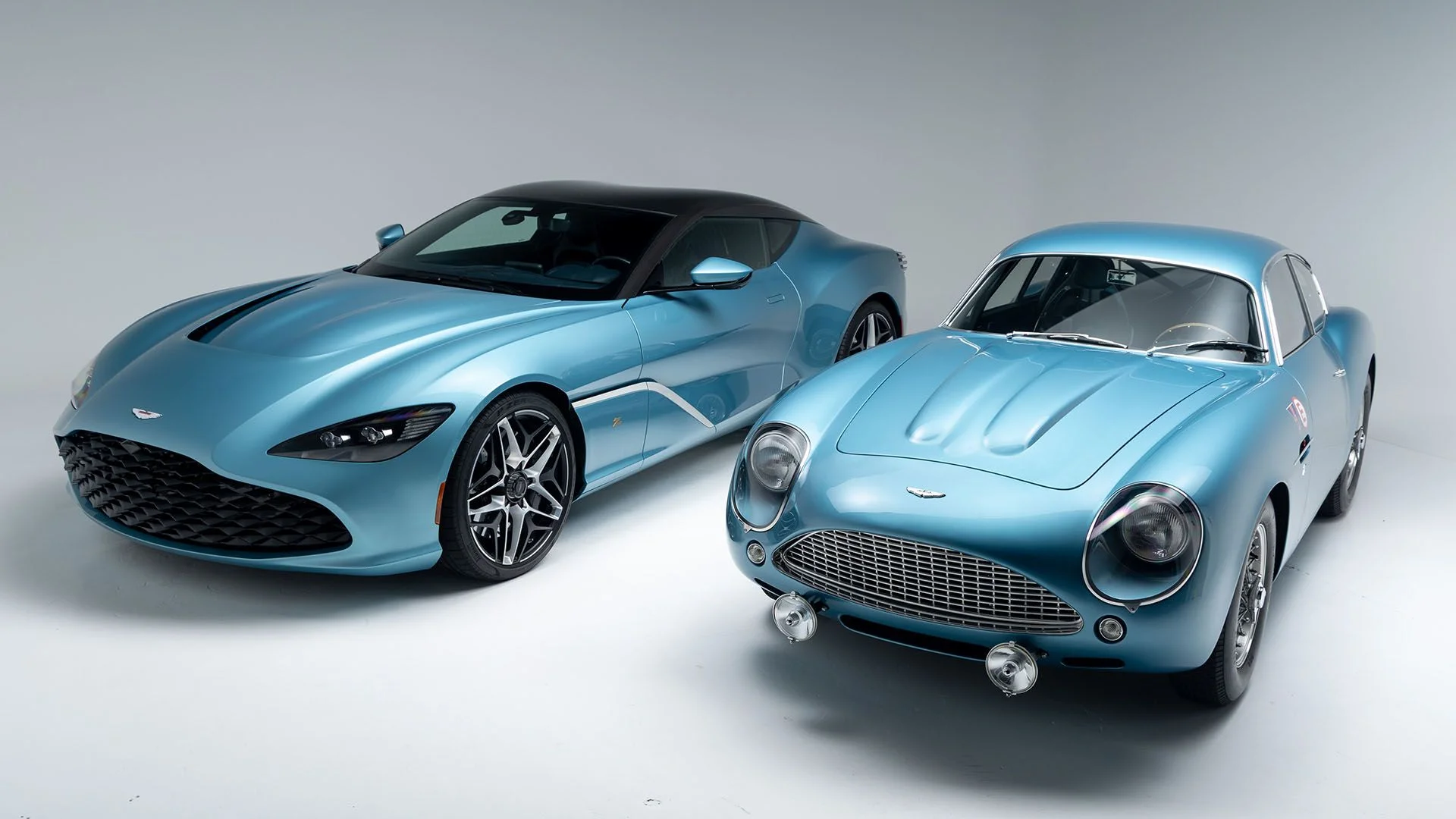
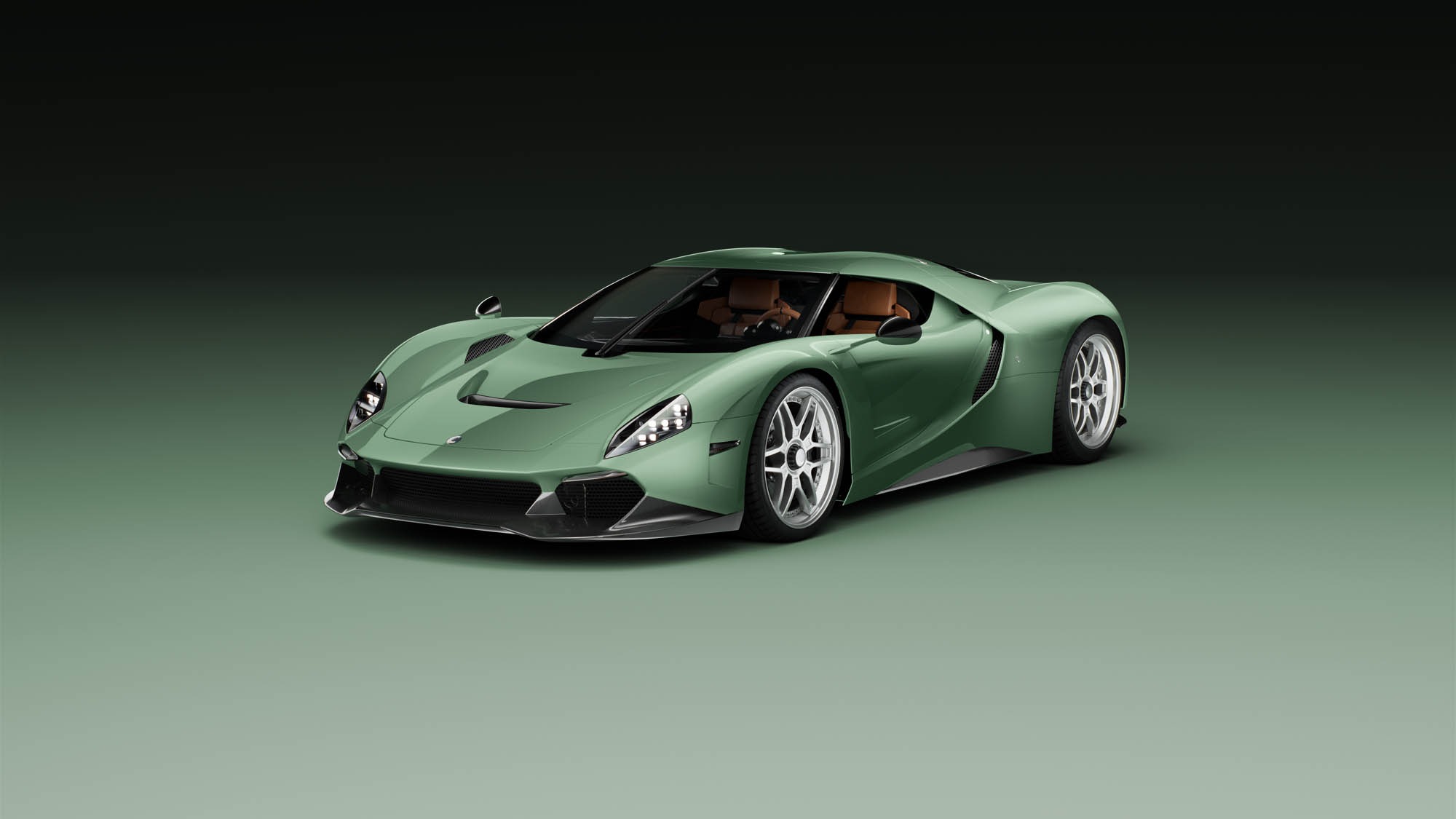
Photo gallery 4 photographs
09 / PERIOD ARCHIVE
Period photographs & advertising
The period archive gallery will show historical photographs, advertisements, brochures and press images once assets, provenance and usage rights have been recorded in the masterfile.
THE CONVERSATION
Comments 0
Share a memory, a period photograph or a documented detail about this car.