
Lancia Appia: The Little Lancia Reimagined by Italy’s Coachbuilders
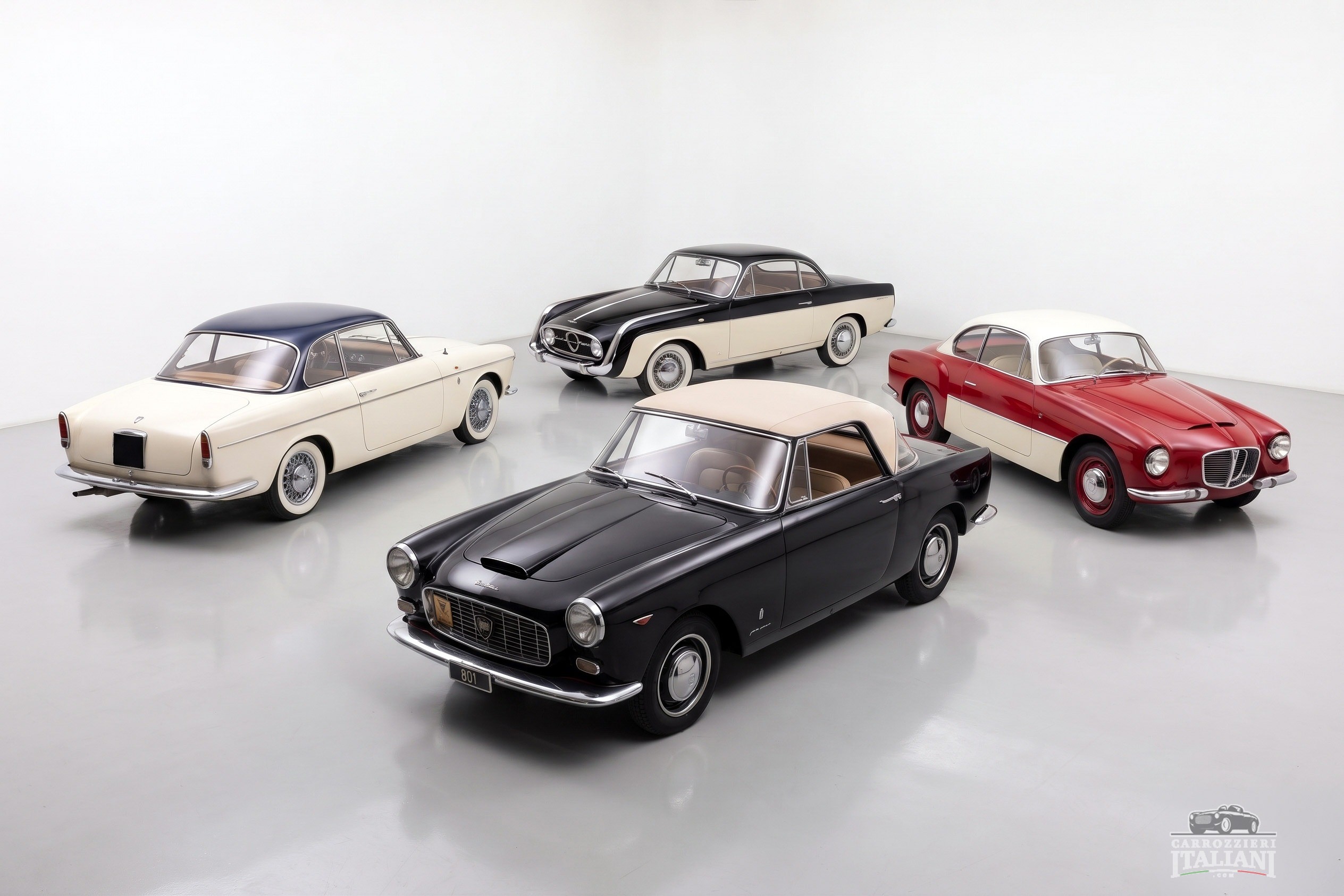
How one compact 1.1-litre Lancia became a meeting place for Pinin Farina, Vignale, Zagato, Motto, Allemano, Boano and Viotti—and one of the richest experiments of Italy’s coachbuilding age.
Turin, spring 1956
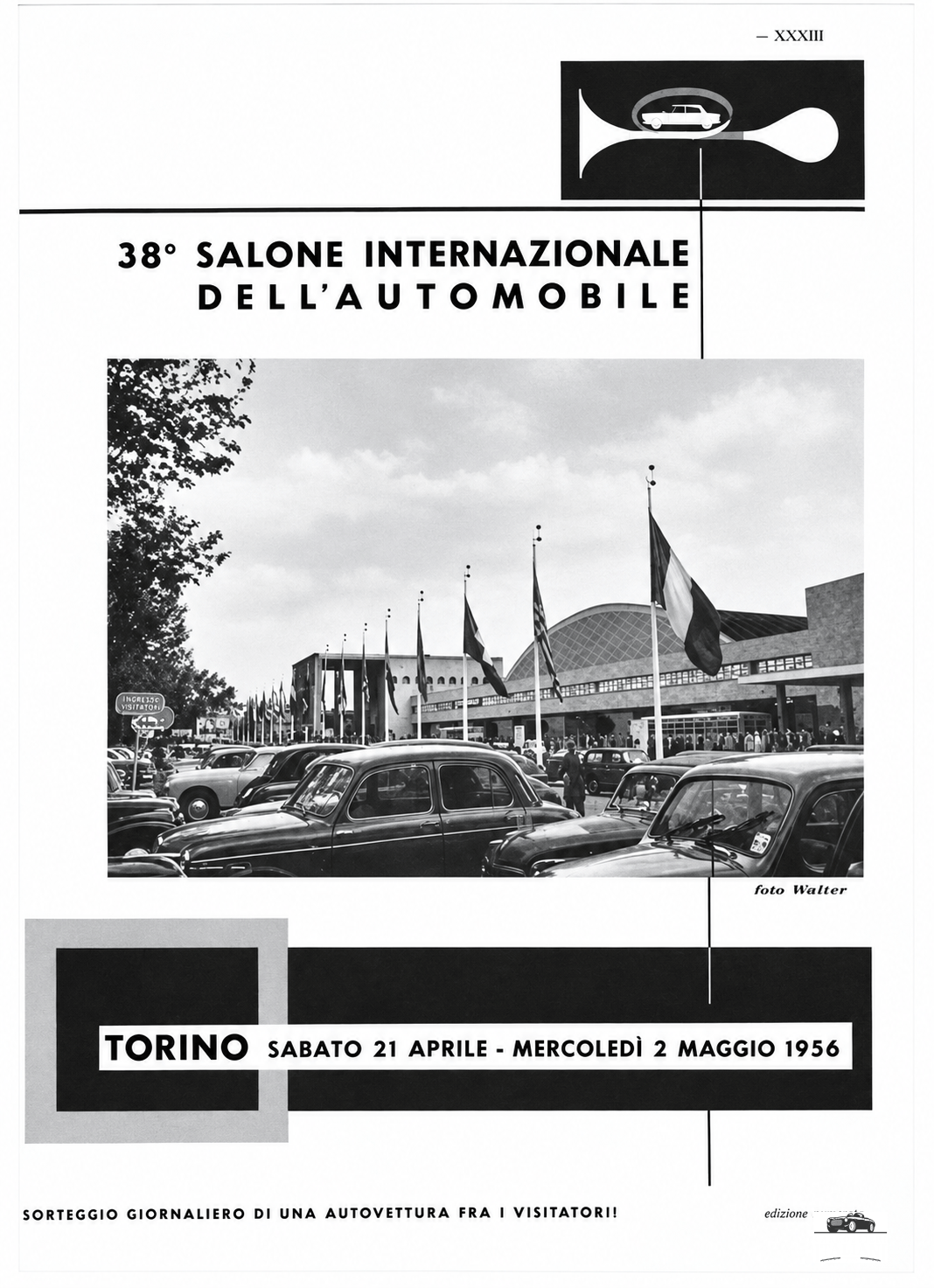
When the 38th Turin Motor Show opened on 21 April 1956, the Lancia Appia was already three years old. It was not the newest car in the halls, nor the fastest, nor the one most likely to stop a crowd from twenty metres away. Yet walk among the coachbuilders’ stands and the little Lancia kept reappearing, each time with a different face.
Underneath was the same compact idea: a narrow-angle V4, rear-wheel drive, independent front suspension and the peculiar mixture of engineering seriousness and social discretion that made a small Lancia feel expensive long before anyone looked at the price. Above that mechanical core, however, Turin’s carrozzieri seemed to be conducting an argument in sheet metal.
One Appia was formal and polished. Another was low and light. One treated the Lancia grille as something to preserve; another almost erased it. Two-tone paint, panoramic glass, fins, aluminium, delicate chrome and racing-minded rooflines all appeared around the same wheelbase. In an industry already moving rapidly toward standardized unitary bodies and industrial-scale production, the Appia became an unlikely refuge for an older Italian habit: give several carrozzieri the same mechanical proposition and see how many different cars come back.
That is the real story of the special Appias. It is not simply a list of derivatives. For a brief period, Lancia allowed one modest 1.1-litre model to become a shared canvas for Turin and Milan’s coachbuilding culture. Pinin Farina, Vignale, Zagato, Motto, Allemano, Boano and later Viotti each found a different answer. Some answers became official catalogue models. Others disappeared after a motor show. A few went racing. One was found after two decades under cover in a Lombard barn. Together they form a miniature history of Italian coachbuilding at the exact moment when that world was changing.
A small Lancia with expensive habits
The Appia had arrived in 1953 as the smaller sister of the Aurelia. Vittorio Jano, then Lancia’s technical director, kept several family traits intact: the close-set proportions, the rear-hinged “wardrobe” doors without a central pillar and, above all, a narrow-angle V engine. In the Appia the engine was a compact four-cylinder rather than the Aurelia’s celebrated V6, but the philosophy was familiar. It was an 1100 designed as a Lancia, not an economy car dressed to resemble one.
An AISA monograph by engineer Vittorio Fano describes the first Appia as unmistakably refined and unusually well finished for its class, but also notes that a collection of small shortcomings limited its commercial success. The car was technically sophisticated, yet not fully settled. That mattered because the man who would settle it had just arrived.
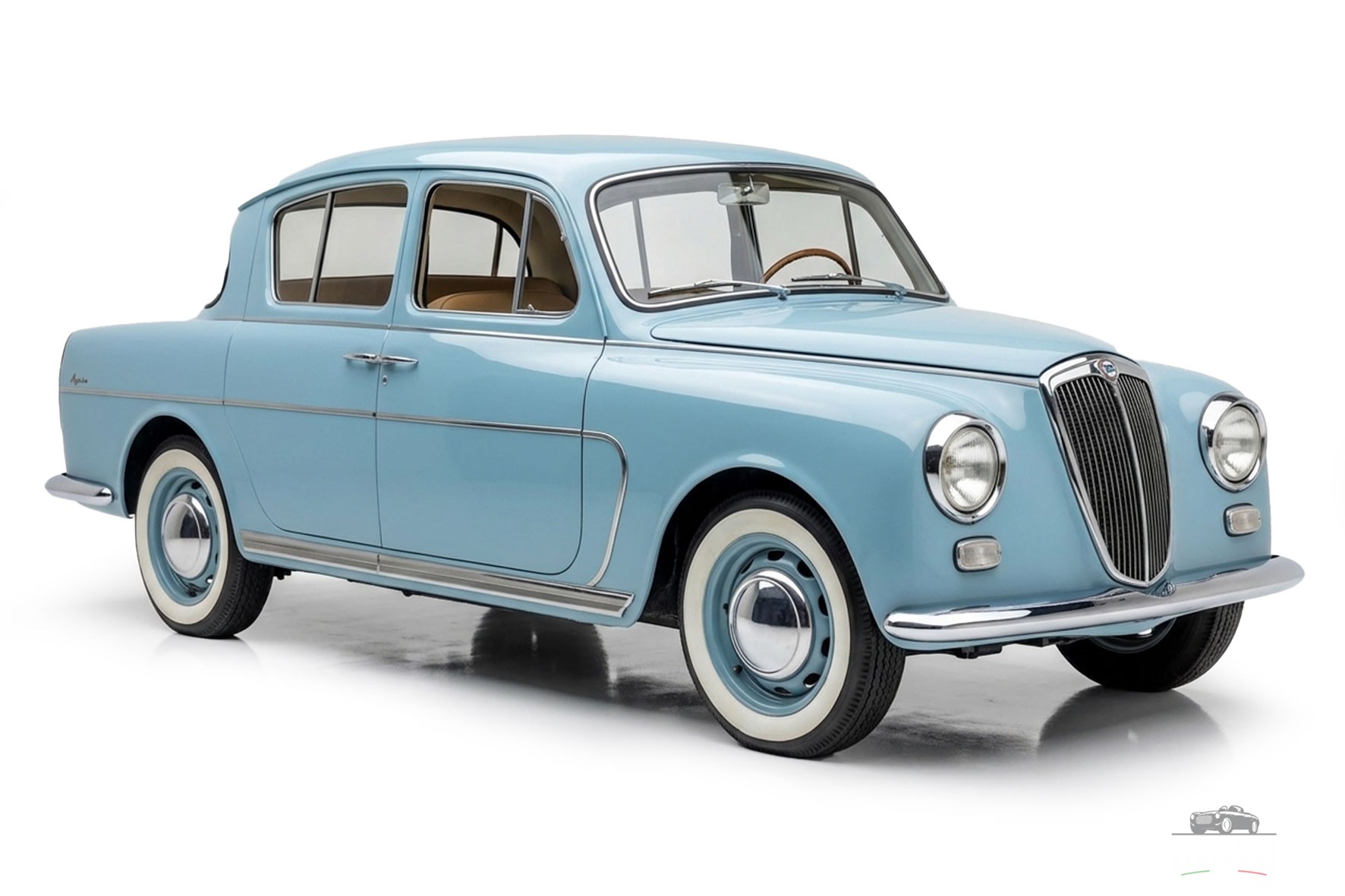
Antonio Fessia joined Lancia during one of the most turbulent periods in the company’s history. His first major intervention was not a clean-sheet car but the Appia itself. Fano’s account is unusually specific: Fessia reworked the cylinder head, combustion chambers, valves, springs, pistons, cam profiles and carburetion, improving torque and power while leaving the underlying character intact. The body also moved from a two-box to a more modern three-box form. The result was the second-series Appia of 1956.
That second series is the hinge on which the coachbuilt story turns. It was mature enough to become a platform rather than a problem. Lancia prepared special chassis for outside carrozzieri, using a more powerful 1,089 cc V4 rated at 53 CV and a four-speed floor shift. The company was not merely tolerating private one-offs. It was creating the conditions for a parallel Appia family.
Thirteen chassis, and a paper trail that never quite sits still
The first batch is where the neat history begins to fray. A detailed reconstruction of the special chassis numbering identifies thirteen initial platforms in 1956. Some later summaries give twelve; others fourteen. The strongest serial reconstruction presently points to thirteen, but the disagreement is worth preserving because the cars themselves were reclassified as specifications changed.
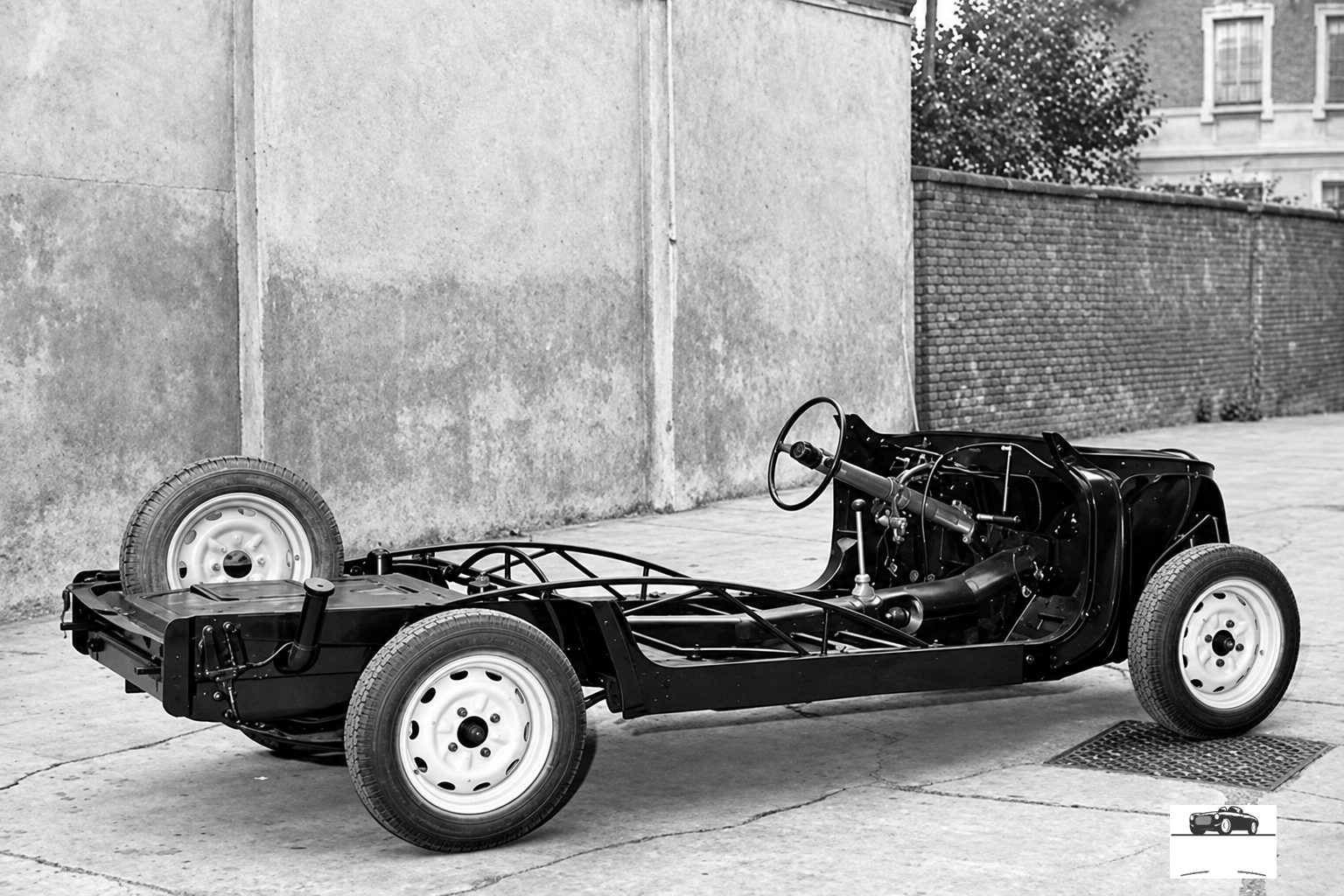
The first chassis carried the designation 812.00. Five were subsequently equipped with the more powerful engine and redefined as 812.01. That is why a car may appear in later literature under a serial identity that does not match the way it was first described at a show. The confusion is not necessarily an error in the car’s history; sometimes it is the history.
The surviving sequence reads almost like a roll call of postwar Italian coachbuilding. Vignale appears at the beginning. Pinin Farina follows. Boano and Allemano take their turns. Zagato’s crucial prototype sits among them. Rocco Motto receives chassis for a tiny run of sporting coupés. A Ghia-Aigle-bodied Appia also belongs to the broader historical batch, but Ghia-Aigle was a Swiss operation and therefore sits outside the Italian-coachbuilder scope of Carrozzieri-Italiani.
What Lancia had effectively created was a controlled experiment. The same name, the same mechanical ancestry and nearly the same compact dimensions could become an elegant 2+2, an open grand tourer, a lightweight competition berlinetta or a family car. The differences were not decorative. They reflected each carrozzeria’s idea of what an Appia buyer might want.
Pinin Farina finds the elegant answer
Pinin Farina’s first attempt in 1956 was still exploratory. CI records the early Appia Berlinetta Lusso prototype on chassis 81200.1002. The final production solution that followed was more confident and more architectural: a glassy 2+2 with a roof that seemed almost suspended above the body.
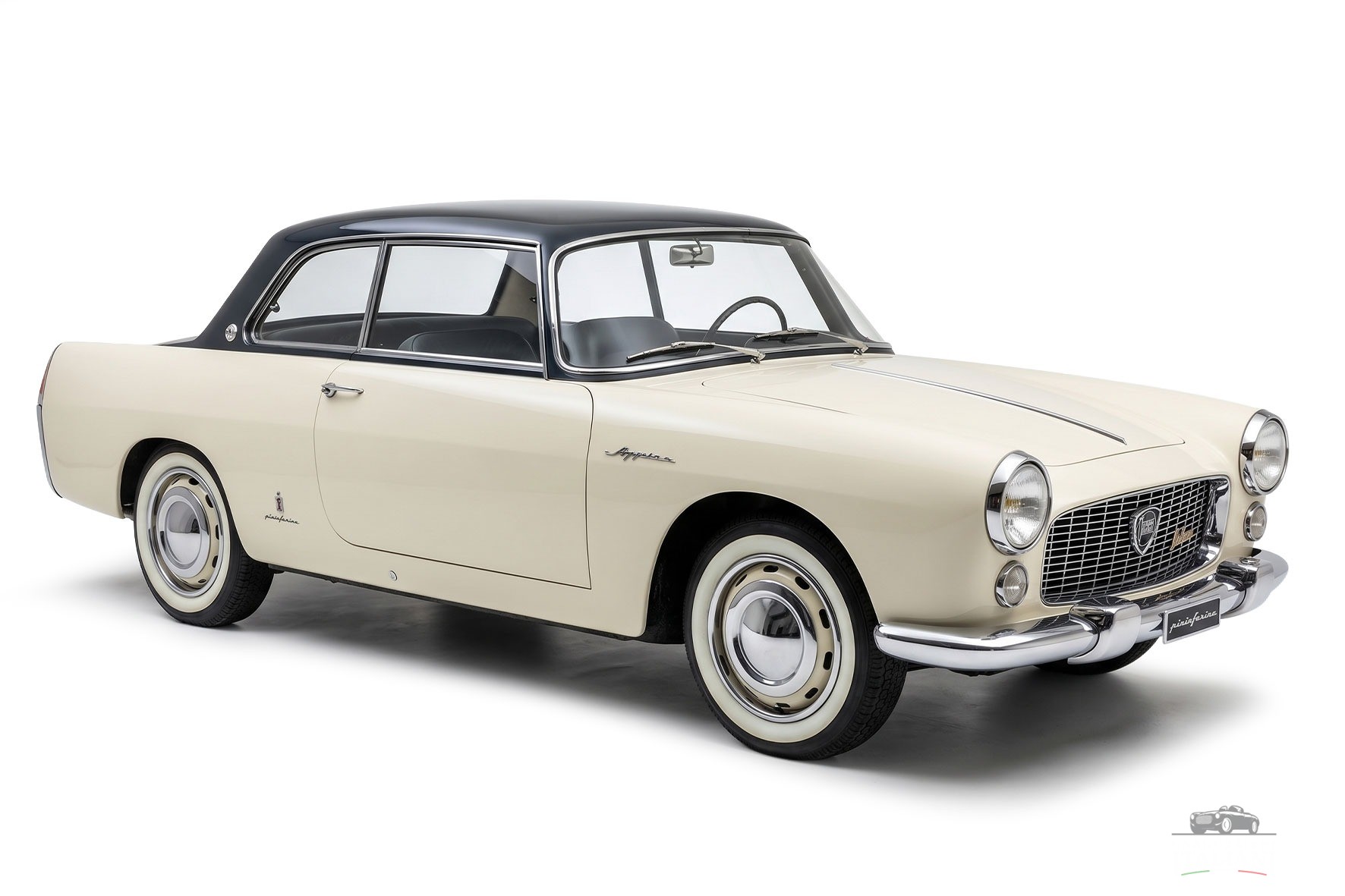
The definitive car reached the Geneva Motor Show in March 1957 and entered Lancia’s price list soon afterwards. The nose looked toward the new Flaminia rather than backward to the Appia saloon. The greenhouse was unusually open for a small coupé, its side profile punctuated by a V-shaped pillar that made the contrasting roof look like a removable hardtop. At the rear, small fins acknowledged the fashion of the moment without turning the car into an American imitation.
Official Lancia heritage material is unusually clear about the character of the Appia Coupé Pinin Farina: 1,089 cc, 53 CV, 143 km/h and 950 kg. More revealing is the way the company remembers its audience. This was not sold as a miniature racer. It was a refined 2+2, associated with the jet set and, unusually for period advertising, explicitly remembered as a car with strong appeal to sophisticated female buyers.
Sylva Koscina gives that image a human face. In Luigi Zampa’s 1960 film Il vigile, with Alberto Sordi, she appears driving an Appia Coupé. Lancia’s heritage department repeats the story that the car may actually have been hers. Whether one treats that detail as ownership fact or period anecdote, the association fits the car perfectly: modern, cosmopolitan, elegant without needing the performance theatre of a larger GT.
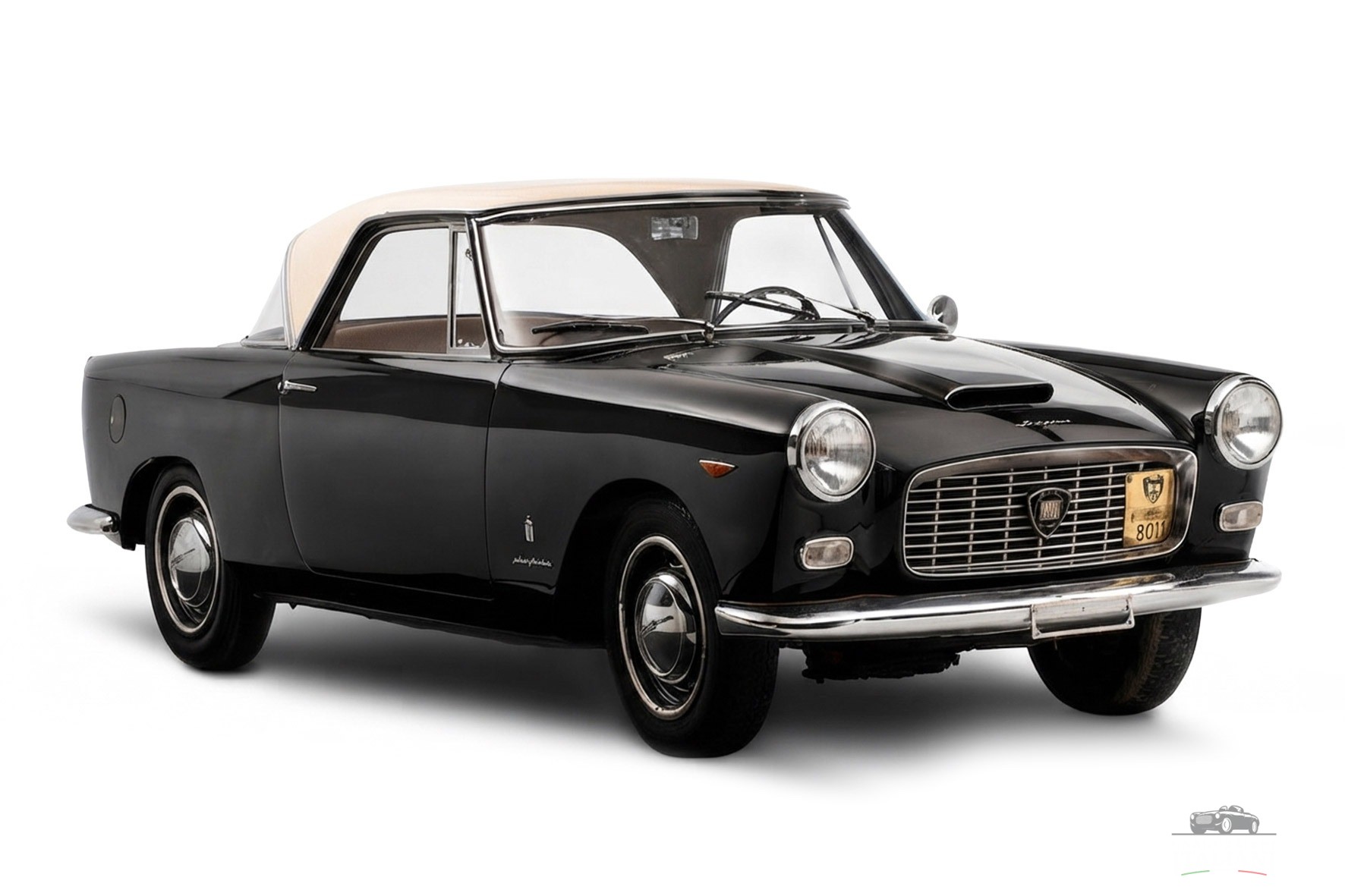
The design credit deserves a little care. Period and factory material generally credits Pinin Farina as the organization. CI’s current attribution work points to Adriano Rabbone within the studio for the 1956 Appia work. Until a signed drawing or a studio job record is inspected, the safest formulation remains Pinin Farina, with the individual Rabbone attribution kept as a qualified research lead rather than turned into false certainty.
Production also shows how far the experiment had moved beyond the one-off world. CI’s present model records give 302 second-series Coupés built by Pinin Farina, followed by 785 third-series cars assembled by Viotti to the Pinin Farina design: 1,087 cars in all. That is small-series coachbuilding, but it is no longer a salon curiosity.
Michelotti makes the Appia social
If Pinin Farina made the Appia look composed, Giovanni Michelotti used Vignale to test how many personalities the platform could carry. The 1956 Appia Sport by Vignale was a one-off on chassis 81200.1001, full of the restless visual ideas Michelotti could produce when a commission had not yet hardened into a production brief.
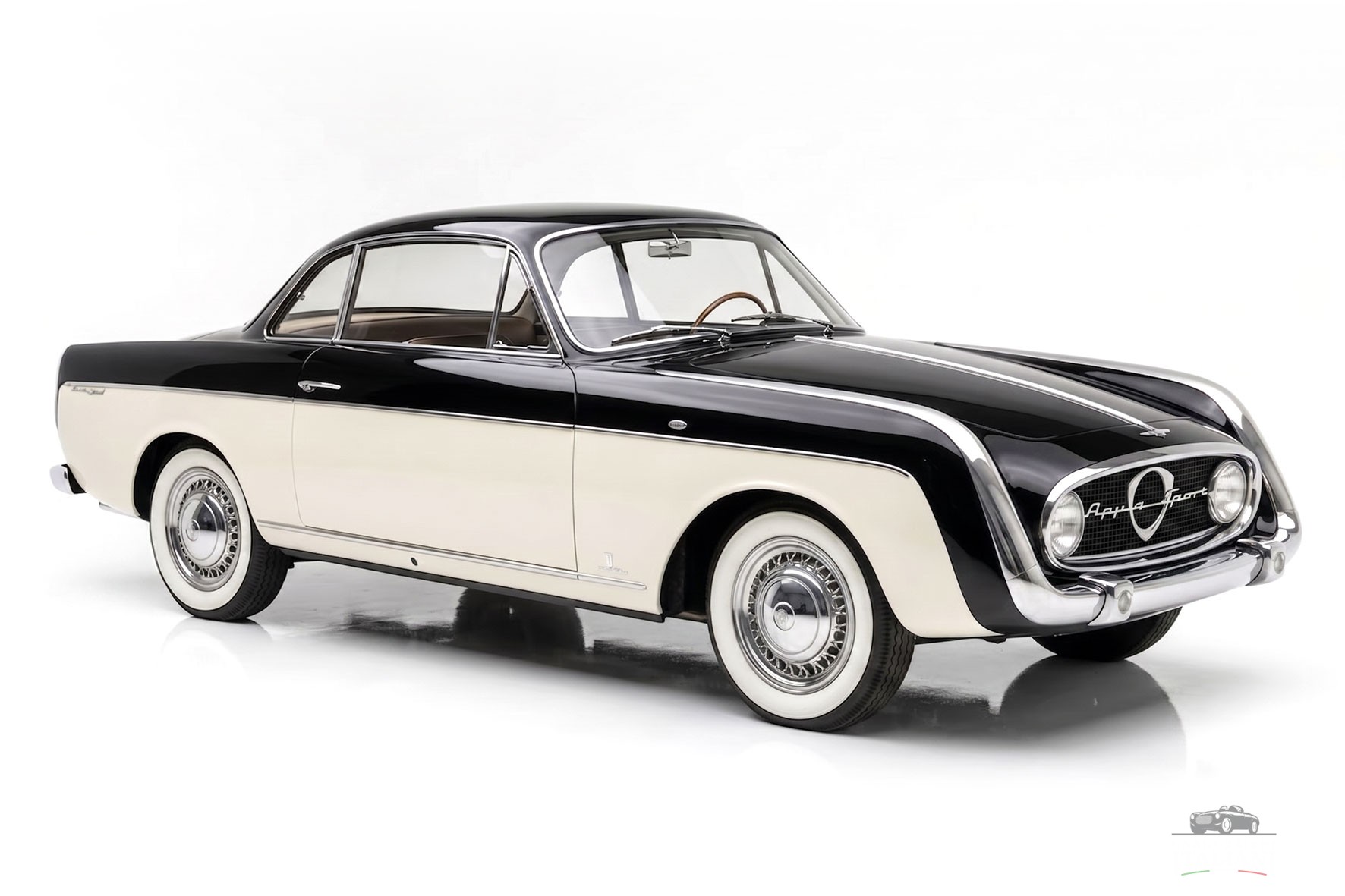
Its chrome treatment wrapped around the body, its two-tone paint separated volumes almost graphically, and the front end treated the Appia identity with far less reverence than Pinin Farina would. It was not the answer Lancia ultimately put into production, but it opened the relationship.
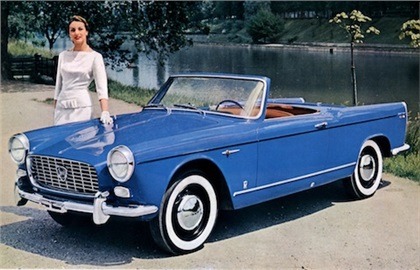
The production answer appeared at Geneva in 1957 as the Appia Convertibile. Michelotti’s sketch became a Vignale-built open car with fully retractable side windows, a panoramic windscreen, a fabric hood that disappeared cleanly and an optional removable hardtop. Early cars were strict two-seaters; later examples moved toward a 2+2 arrangement.
The Convertibile was neither cheap nor brutally sporting. It carried the Appia virtues into a more extrovert setting: leather, good finishing, open-air use and enough luggage space for the sort of weekend its advertising implied. Production reached 1,584 examples between 1957 and the early 1960s, enough to make it one of the central members of the coachbuilt Appia family.
Then came the Appia Lusso, unveiled by Vignale at Turin in 1958 and sold through Lancia’s official network from the following year. It was a two-door four-seater for buyers who wanted something more formal than the Convertibile and more individual than the standard saloon. Period-derived production figures hover at 477 or 478 cars depending on the source.
These cars also explain why Vignale matters so much to the Appia story. The coachbuilder was not simply supplying an exotic body for one wealthy customer. With Michelotti, it was helping Lancia build an entire secondary range—sporting, open and luxurious—around the same mechanical centre.
Then Zagato made it race
The Appia that changed the temperature of the story came from Milan rather than Turin. Where Pinin Farina and Vignale were solving questions of elegance and use, Zagato treated the small Lancia as raw material for speed.
The first car is the one everyone remembers: the Appia Cammello, chassis 81201.1005. It was blue in two tones and carried humps not only on the roof but also in the bonnet and tail. The nickname—“Camel”—was inevitable. The shape looks eccentric now; in period it was a functional conversation about headroom, frontal area and the packaging of a tall-enough human inside a low-enough competition body.
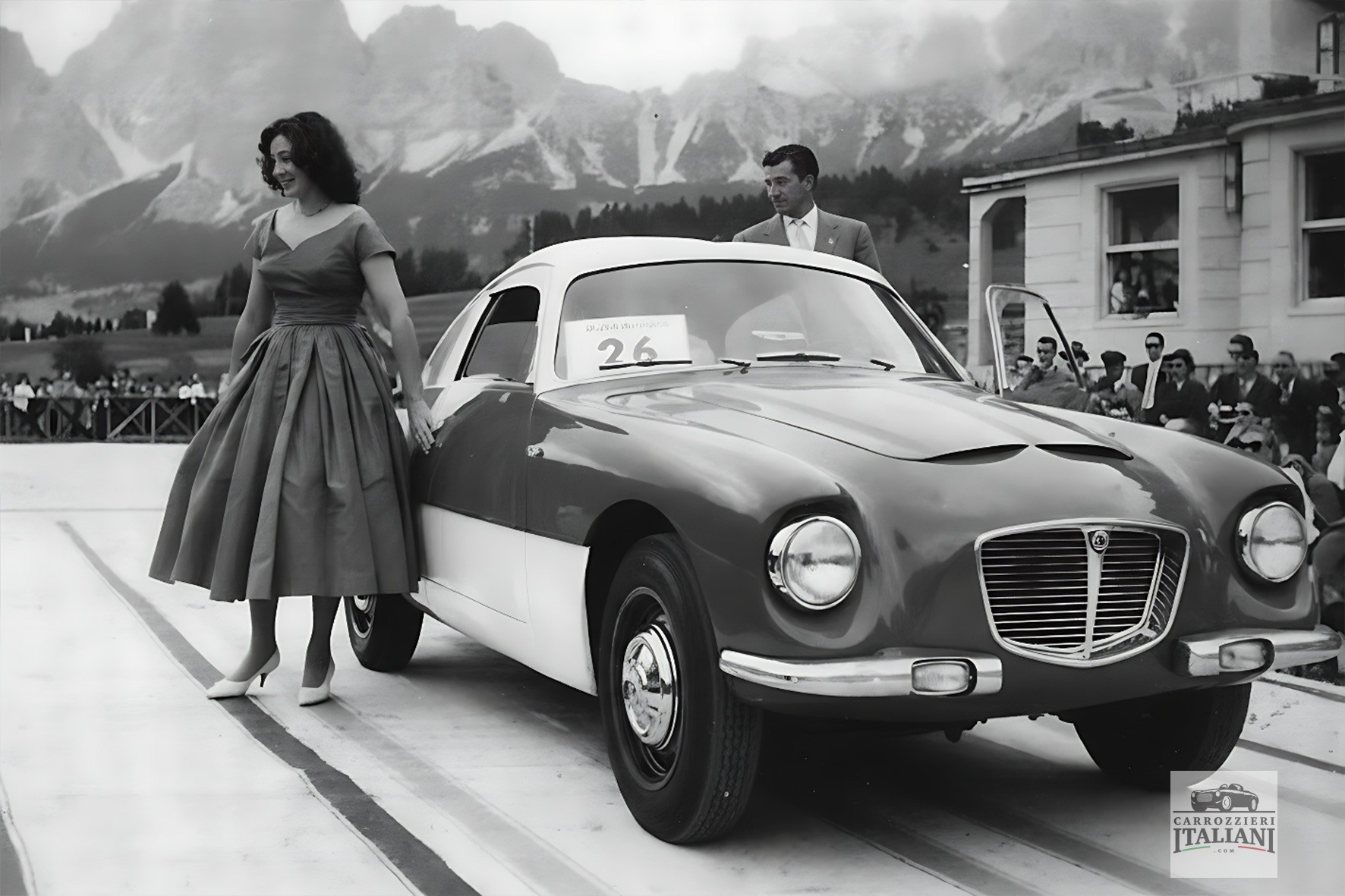
The double-bubble roof would become one of Zagato’s signatures, but the Appia version is important because it appears at the moment when that vocabulary was still being formed. The body was not trying to make the little Lancia aristocratic. It was trying to make it useful at speed.
Giorgio Lurani drove the Cammello at the 1957 Mille Miglia. He was not alone. The entry list contains a small swarm of Appia GT Zagatos: Luciano Mantovani, the driver listed as “Inca”, Lurani, Enrico Anselmi and others. Mantovani finished 49th overall and won the GT 1.1-litre class. On roads filled with Ferraris, Maseratis, Alfa Romeos and Porsches, the little V4 had found a completely different public identity.
From the prototype came the early GT, GTS and GTZ berlinettas. Their exact production breakdown remains one of the messier areas of Appia historiography. The early cars were not always marketed as a single standardized factory model, specifications evolved quickly, and later registers do not always count the same boundaries.
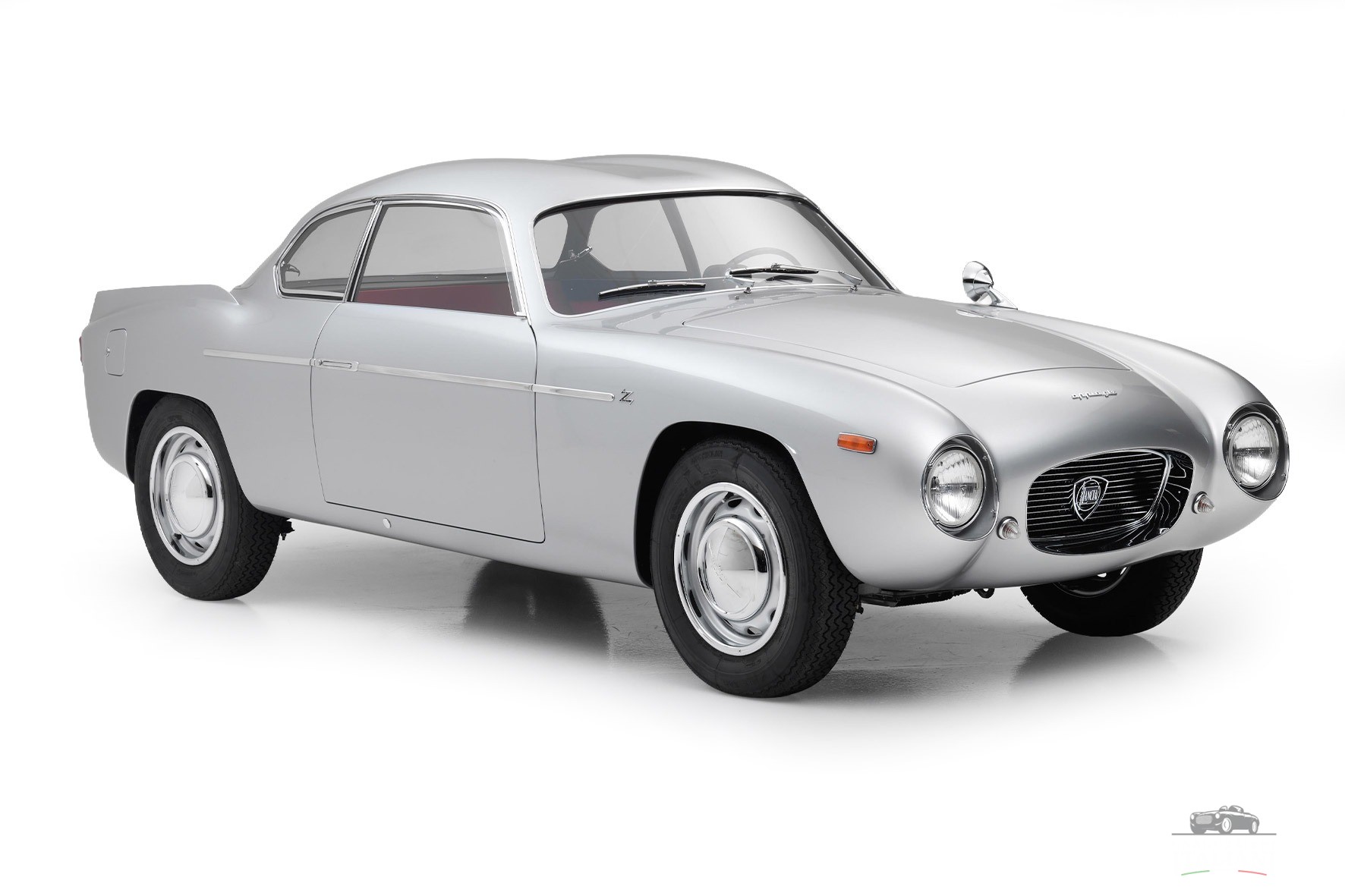
The institutional turning point came around the end of 1958 and 1959, when Lancia itself brought the Zagato idea into its sales network as the GTE. A body that had begun as a specialist competition experiment was now a recognized product. Treccani’s biography of Ugo Zagato describes this transition explicitly: the Cammello led to a small series, then Lancia commissioned a version for direct sale through its dealers.
By 1961 the story changed again. The short-wheelbase Appia Sport, type 812.05, became the first major assignment of the newly hired Ercole Spada. Two hundred were built. In retrospect it sits beautifully inside the broader Zagato story: Ugo Zagato’s aeronautical logic, the family firm’s competition experience and a new designer arriving just as the 1960s were about to redraw the Italian GT.
The Appia had begun as a compact luxury saloon. Zagato made it a racing apprenticeship, a customer competition car and finally an official Lancia model. Few 1.1-litre cars have travelled so far without changing their basic mechanical identity.
Motto’s ten cars, and the one that came back
Rocco Motto’s interpretation is less famous and, for that reason, perhaps more evocative. The Appia Coupé Motto belonged to the same sporting world as the Zagatos but came from a smaller, more artisanal operation.
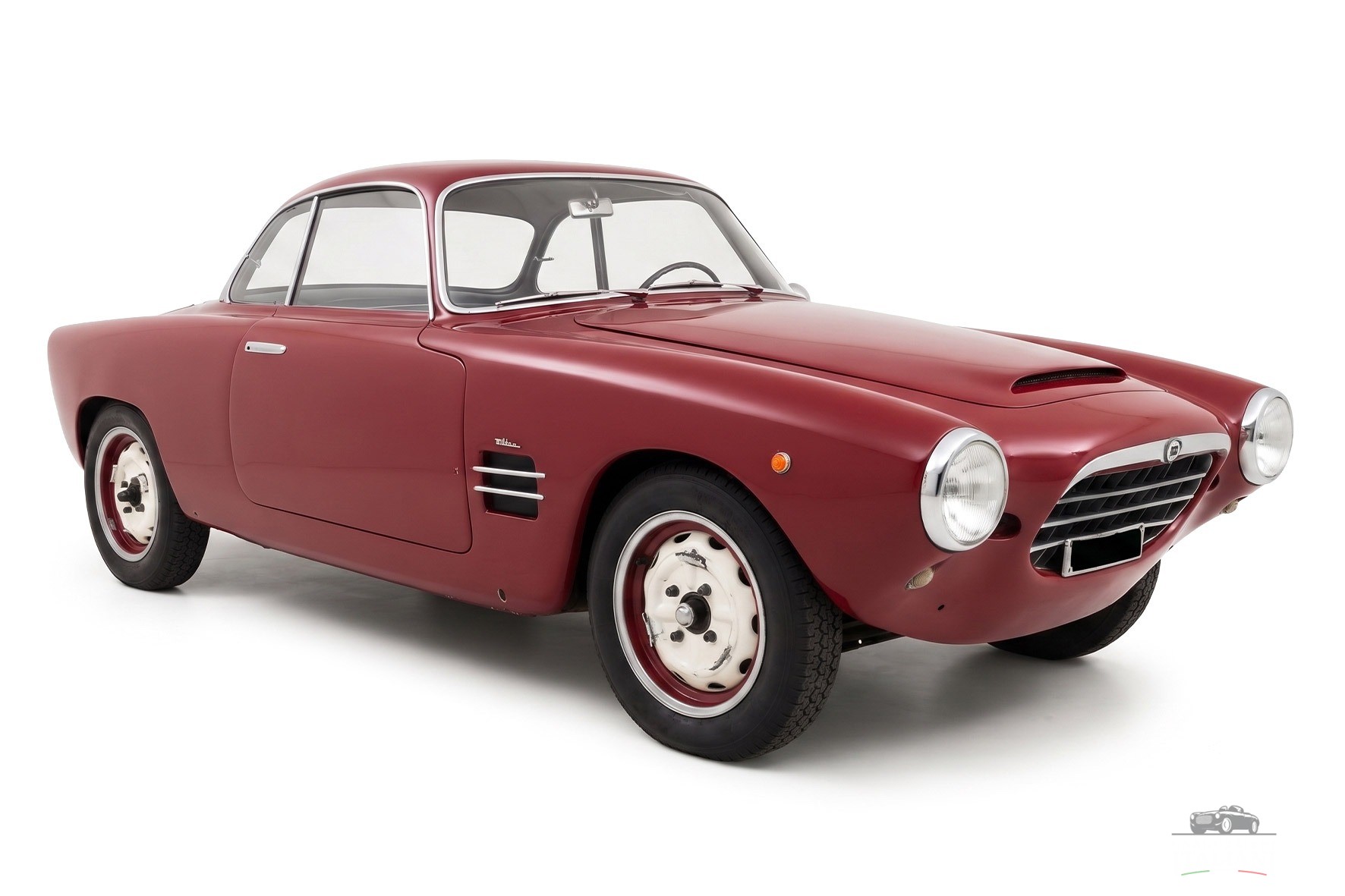
A 2024 account published by ACI’s L’Automobile reconstructs the little run with unusual detail. Lancia is said to have allocated as many as 25 platforms to Motto, but only ten cars were actually completed. They were lightweight coupés, conceived with competition in mind. At the 1957 Mille Miglia, Mario Coda entered an Appia Motto in the 1100 GT class; ACI records a Motto as sixth in class.
The most compelling evidence is not a production table but a survivor. Chassis 812.01-1031, stamped with the number 010 in the engine bay, resurfaced in 2021 after roughly twenty years out of use. The car had remained in Lombardy, passing through Sondrio, Como and Milan, and had been used in regularity events before being laid up in 2003.
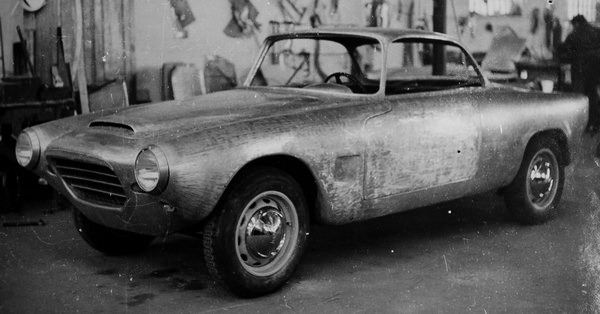
Its rediscovery has the texture that archival history often lacks. The car was sitting near Erba, dormant but still able to roll. It went to auction, drew interest from an Australian collector devoted to Appias, and was then restored in Veneto between 2022 and 2023. The aluminium and steel details, bespoke grille and tiny Motto badges were not catalogue parts; each became a small preservation problem.
ACI describes 812.01-1031 as probably the only surviving Motto Appia. “Probably” is the important word. Small-series coachbuilt cars have a habit of reappearing after decades in private storage, so survival counts deserve humility. But until another chassis surfaces, number ten is the physical witness to a ten-car idea.
Allemano and Boano: the roads not taken
Some Appias never needed a production run to make their point. The Appia Berlinetta Allemano was another Giovanni Michelotti design, and CI records it as a one-off associated with the 1956 concours season.
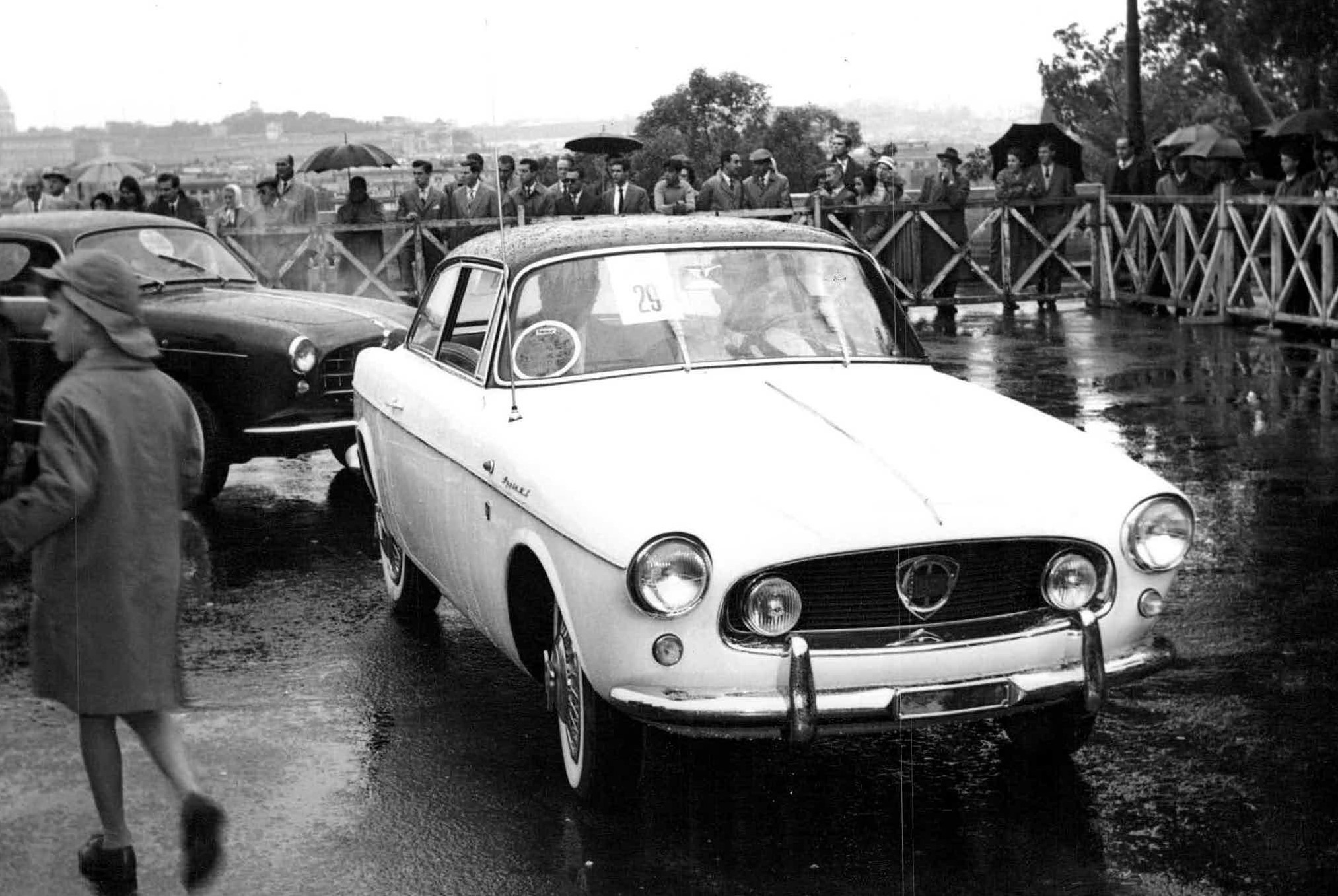
Here the chassis documentation needs more work. CI’s current listing and its Torino event index do not presently agree on the exact 812.00 serial associated with the Allemano car. Rather than choose the tidier number, the conflict should remain open until a period photograph, Lancia chassis ledger or Allemano record ties the body unambiguously to one serial.
The Appia Coupé Boano is easier to recognize than to classify. CI associates it with chassis 81200.1003 and Giovanni Michelotti, and records appearances at Geneva and Turin in 1956. Its front “moustache” treatment softened the problem of Lancia’s traditionally vertical grille, while two-tone paint visually lightened the tail.
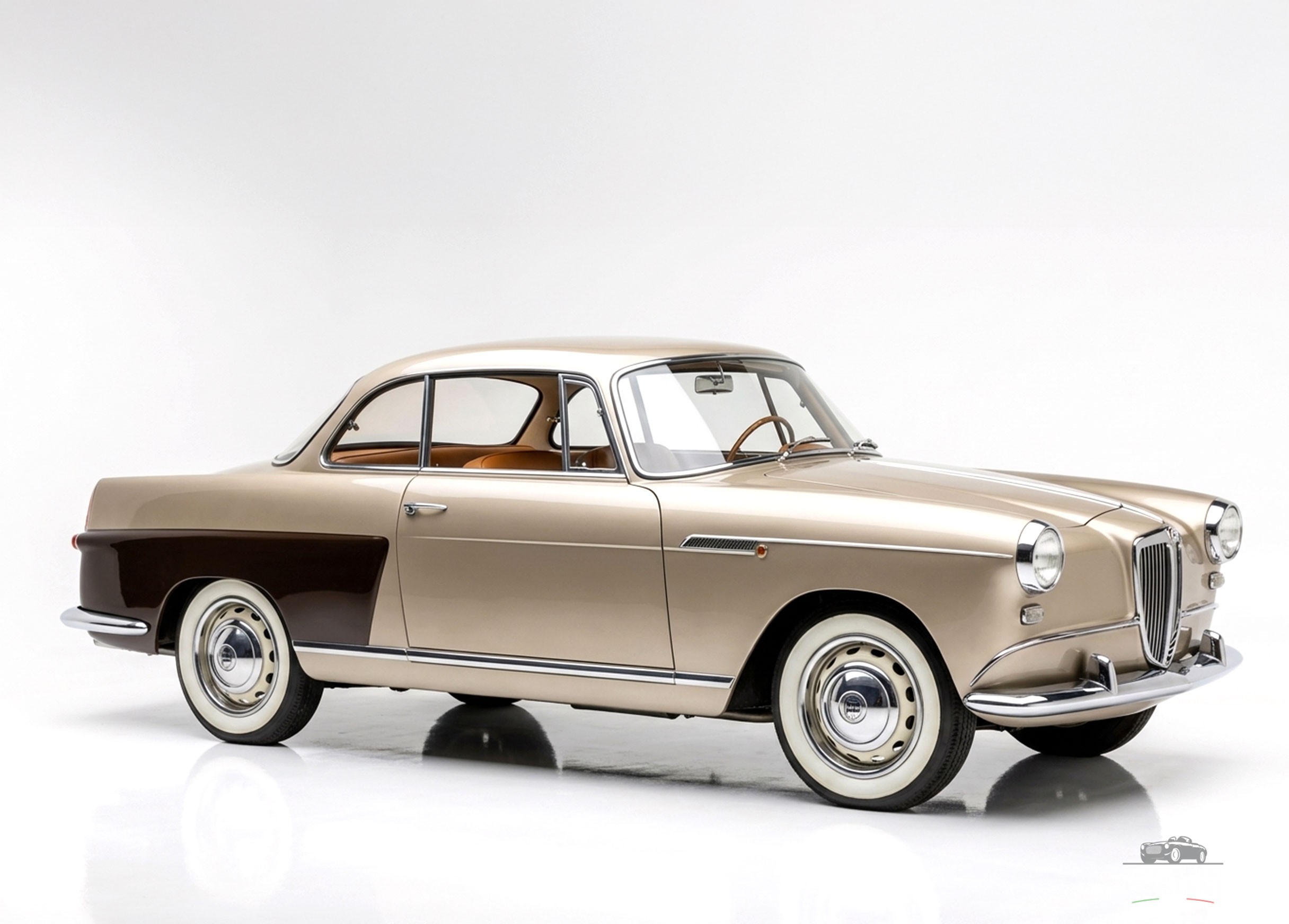
Serial 1003 is also a perfect example of why Appia research can become treacherous. Detailed chassis reconstructions place 1003 among the first cars later reclassified from 812.00 to 812.01 after the adoption of the stronger engine. A catalogue may therefore describe the same physical car differently depending on when its number was recorded.
Boano and Allemano represent the Appia as pure salon culture: one chassis, one argument, one chance to be noticed. They are the paths Lancia did not industrialize. Seen beside the later Pinin Farina and Vignale series, they show how quickly a show-car exercise could either become a product or disappear.
Viotti turns a drawing into an industry
By the time the third-series Appia arrived in 1959, the experiment had become a small ecosystem. The most revealing participant at this stage was Viotti, because its role was less about authorship than about turning other people’s ideas into repeatable cars.
Pinin Farina’s factory was increasingly committed to larger programmes, so assembly of the third-series Appia Coupé moved to Viotti while the design remained Pinin Farina’s. CI records 785 of these Viotti-built Coupés after the initial 302 Pinin Farina cars.
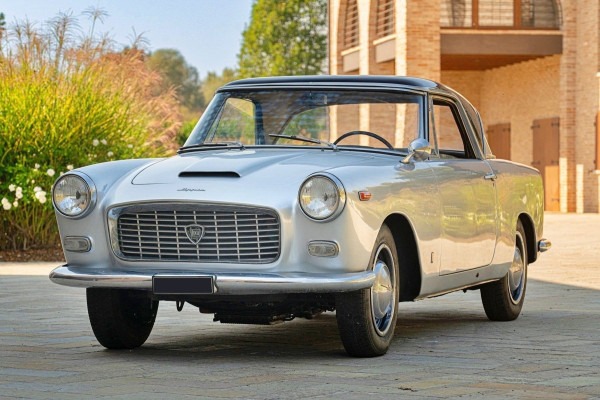
That division of labour is a useful reminder that “designed by” and “built by” are not interchangeable. The roofline, glasshouse and proportions belonged to the Pinin Farina design programme; Viotti supplied the production capability. In a period when coachbuilders were moving from bespoke craft toward subcontract manufacturing, that distinction is part of the history, not a footnote.
Viotti also developed the Appia Giardinetta, shown at Turin in 1959. Here the Appia became something almost prosaic: a two-door family estate with a top-hinged tailgate and useful load space. Yet even this practical derivative remained expensive and uncommon.
There is a useful database correction hiding in the Giardinetta story. CI’s current listing records 50 built, while the more detailed chassis sequence runs from 808.21-1001 to 1300 and gives 300 units—31 late in 1959 and 269 in 1960. Until a factory production register is checked, 300 is the stronger working figure and the CI row should be revisited rather than repeated simply because it is already in the database.
The numbers do not line up by themselves
At model level, Appia production is often presented with reassuring precision. The coachbuilt and special derivatives are commonly reconstructed at 5,161 cars in total. That figure includes the official small-series models as well as the specialist bodies, but the subdivision is less secure than the total makes it appear.
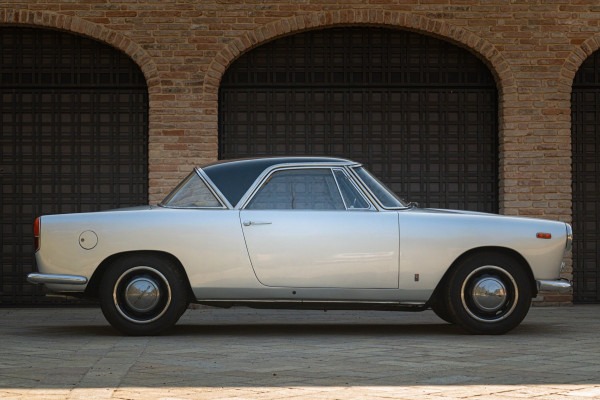
The Pinin Farina/Viotti Coupé is relatively straightforward at 1,087. The Vignale Convertibile is generally given as 1,584. The Lusso sits at 477 or 478 depending on the source. The Viotti Giardinetta is best supported at 300 despite the lower number currently shown on CI. The Appia Sport Zagato is a clean 200 thanks to its dedicated 812.05 sequence.
The Zagato cars before the Sport are harder. GT, GTS, GTZ and GTE nomenclature can change across registers, auction catalogues and enthusiast literature, while early customer cars were not always produced to one fixed specification. It is safer to describe the evolution than to force every aluminium berlinetta into a single total.
The true one-off fuoriserie are similarly slippery. One reconstruction gives 21 cars outside the main production families, including the ten Motto bodies, with the original Cammello treated separately as the starting point of a continuing Zagato line. The important thing is not to turn an accounting convention into a historical fact. A prototype can be counted as a one-off, a pre-series car, or the first member of a model family depending on who is doing the counting.
For the Appia, the chassis numbers are therefore more valuable than the headline totals. An 812.00 or 812.01 serial can tell us which phase of the programme a car belongs to; a build date can expose a later model-year assumption; an original photograph can settle a body attribution that a copied caption has muddied for decades.
The last small coachbuilt ecosystem
The Appia specials are easy to underestimate because the base car is small. There is no V12, no Le Mans victory, no royal commission and no million-dollar mythology required to make the story work. The fascination comes from something more ordinary and perhaps more revealing.
Lancia took a technically serious compact car and let Italy’s coachbuilders disagree about it in public. Pinin Farina made a coupé that could belong outside a cinema in Rome. Vignale and Michelotti opened the roof, added luxury and turned the Appia into a social car. Zagato removed weight and went racing. Motto built ten small aluminium statements and sent one to the Mille Miglia. Allemano and Boano explored forms that never reached a catalogue. Viotti showed how coachbuilding could survive by becoming manufacturing.
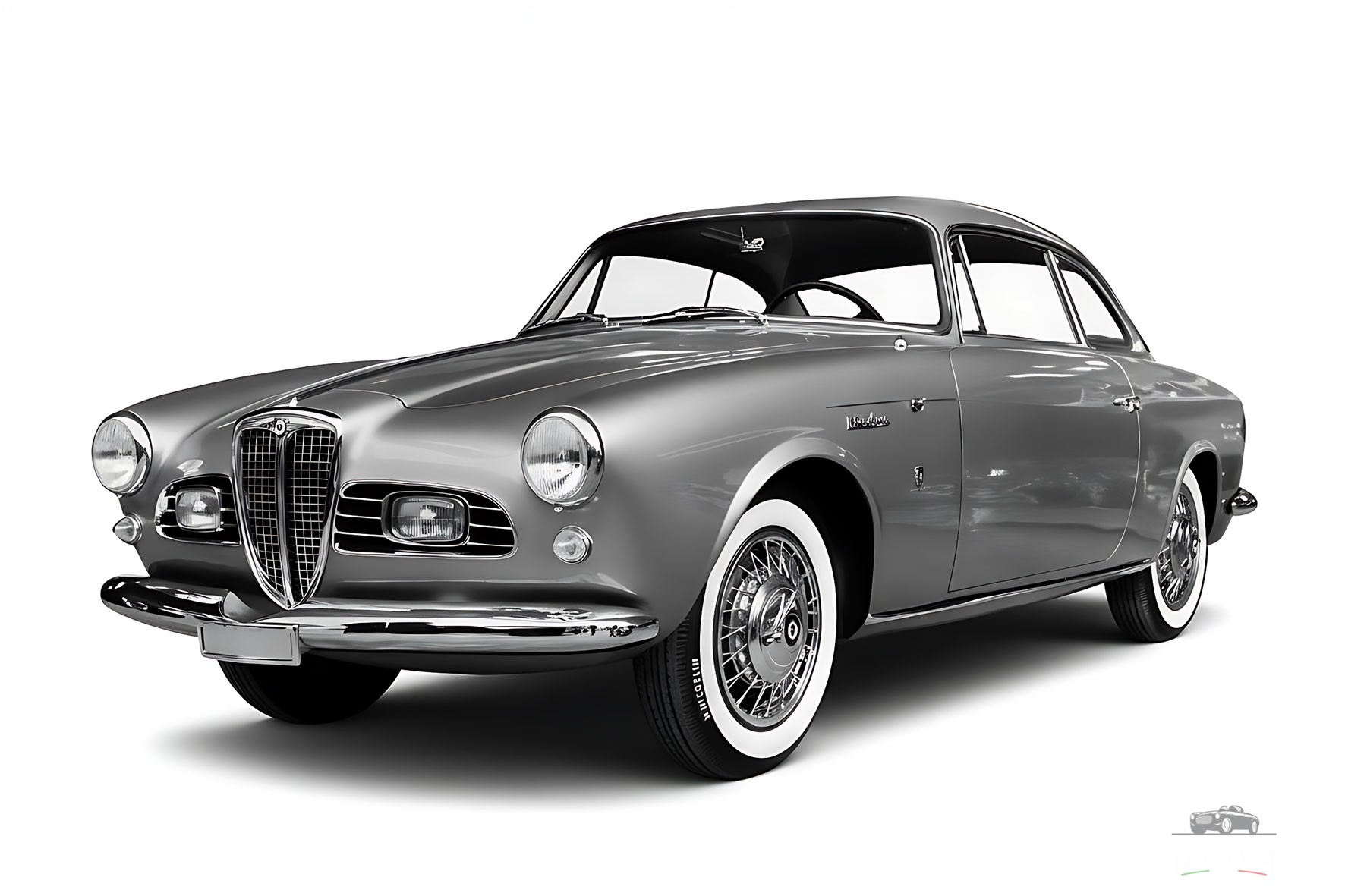
The same narrow-angle V4 sits beneath all of these stories. That continuity is what makes the differences so vivid. Nothing about the engine demanded a double-bubble roof, a V-shaped pillar, a panoramic windscreen, a station-wagon tailgate or Michelotti’s chrome experiments. Those were cultural choices made by different workshops at the same moment.
By the early 1960s, that freedom was already becoming harder to sustain. Unitary construction, rising homologation costs, larger production runs and the economics of tooling were closing the space in which a coachbuilder could turn a manufacturer’s small car into a parallel model family. Some firms adapted by becoming industrial suppliers. Others moved toward prototypes, luxury work or tiny special series. Several disappeared.
The Appia caught the older system just before it thinned out. It was affordable enough to be used, raced and modified; prestigious enough to interest the best carrozzieri; technically distinctive enough to remain unmistakably a Lancia after the original body had vanished.
That may be why the car feels larger in history than it does on the road. At Turin in 1956, the little Appia was not one design. It was an invitation. Italy answered it seven different ways.

ABOUT THE AUTHOR
Andreas Scheidl
Italian classic car enthusiast with German roots. Renowned as a respected figure in the classic car community, he serves as a jury member at various international concours d'elegance, including the Classic Gala Schwetzingen and Mantova. As a content creator, Andreas passionately shares his profound knowledge and appreciation for vintage automobiles. His heart beats for cars designed by Giovanni Michelotti, showcasing his discerning taste and dedication to preserving the timeless elegance of automotive history.
More stories by Andreas Scheidl ↗CONTINUE READING
Posts You Might Like
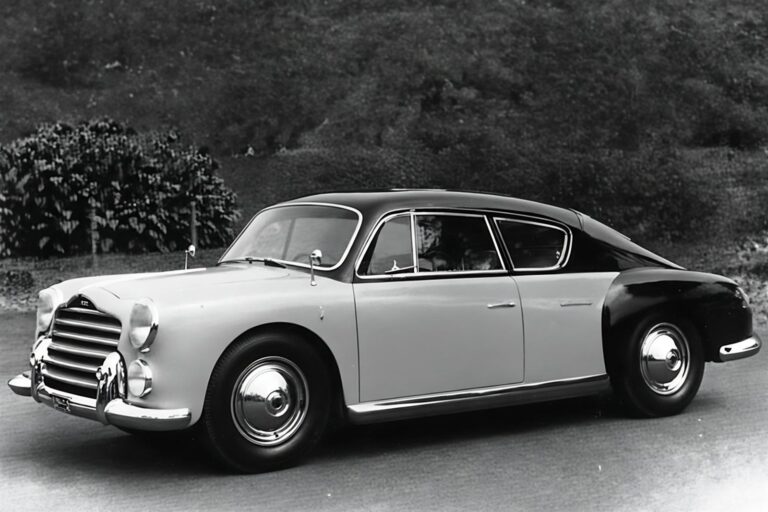
A Central Driving Position, a Rear-Mounted V8. Was This Really a Lancia?
In 1948, visitors to the Turin Motor Show could see an unusual Lancia on the stand of Carrozzeria Ghia. It was a large two-door coupé with a two-litre V8 mounted behind the…
Read story
Fioravanti F100: The Ferrari He Was Allowed to Imagine
Enzo Ferrari’s centenary, Leonardo Fioravanti’s independent studio and a supercar that explored air brakes, steel wheels and a new way of driving—without ever wearing the Cavallino.
Read story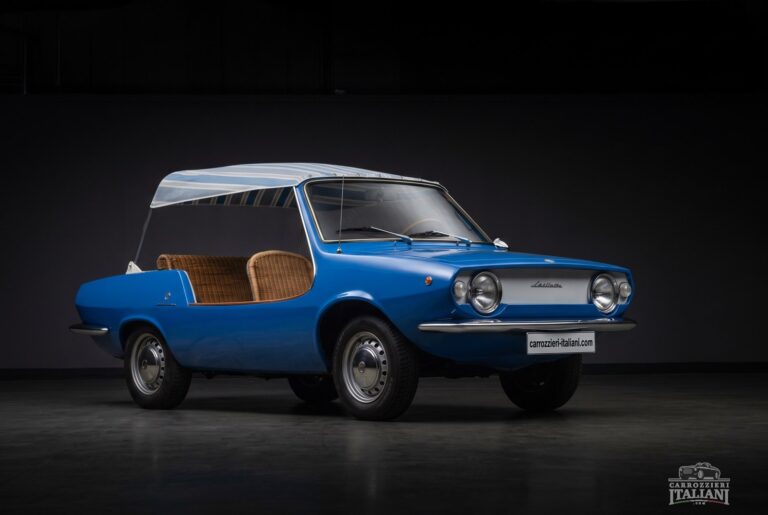
Michelotti Shellette: When the Fiat 850 Became a Yacht
The yacht designer, the Turin stylist and the tiny coachbuilt car that crossed between the quay, the royal holiday house and the auction room. Some automobiles were conceived for the open road,…
Read story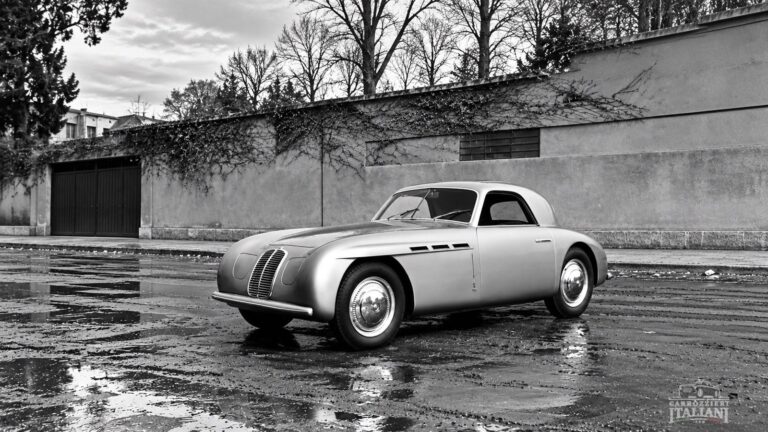
Maserati A6 1500: A New Road for the Trident
When the doors of the Geneva Motor Show opened in March 1947, Maserati was a name that required little introduction to anyone who followed motor racing. What it did not yet possess…
Read story
THE CONVERSATION
Comments 0
Share a memory, a period photograph or a documented detail about this story.