
The Lancia Gamma Turns 50: Between Form and Experiment
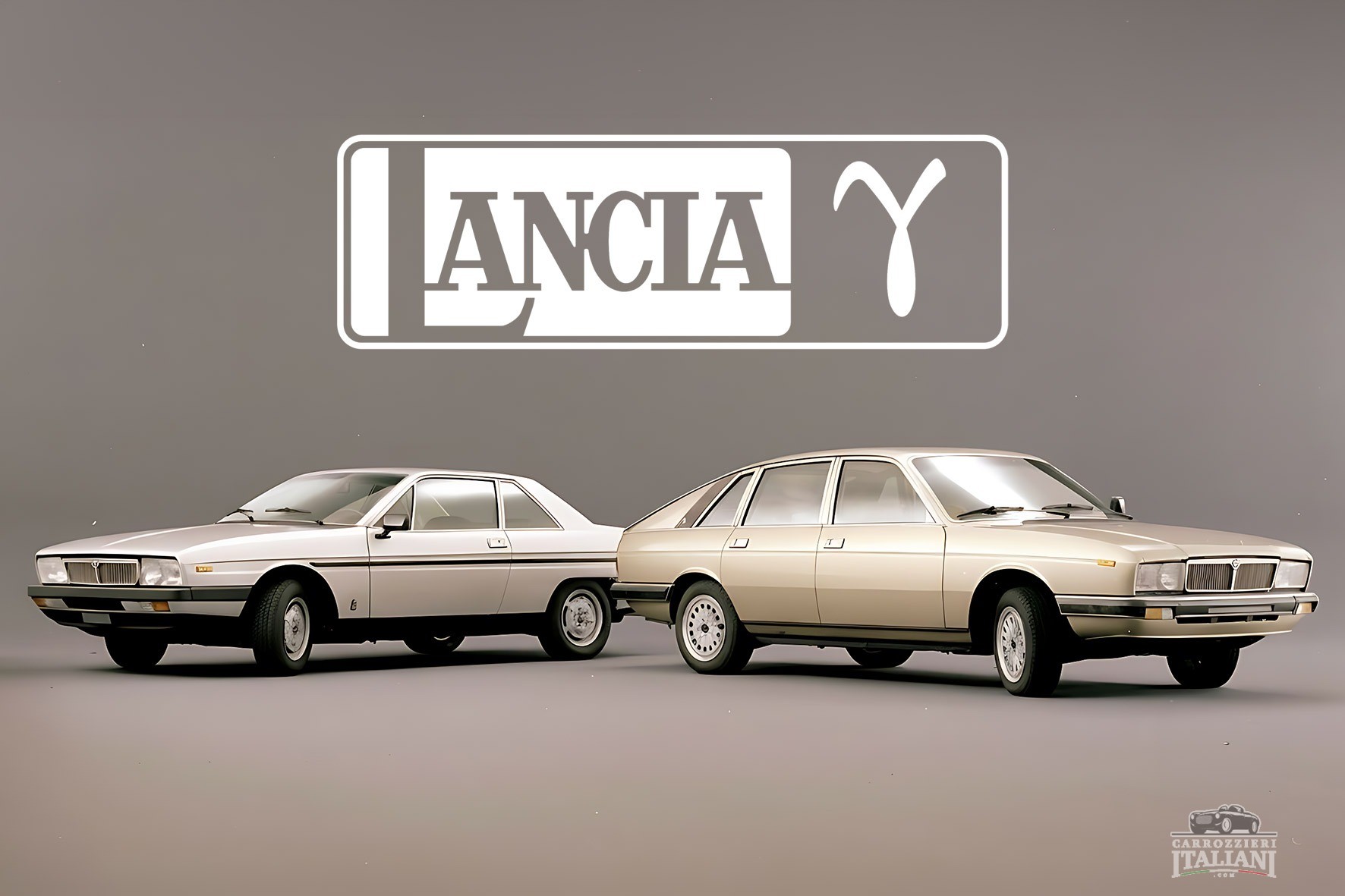
Fifty years after its debut, the Lancia Gamma remains one of the most intriguing and unconventional flagships ever produced in Turin. First unveiled at the Geneva Motor Show in March 1976, it marked Lancia’s return to the executive segment with a car that was anything but predictable. Elegant yet experimental, refined yet forward-thinking, the Gamma stood at the intersection of engineering ambition and Italian design culture—an ideal platform for some of the most fascinating coachbuilt interpretations of its era.
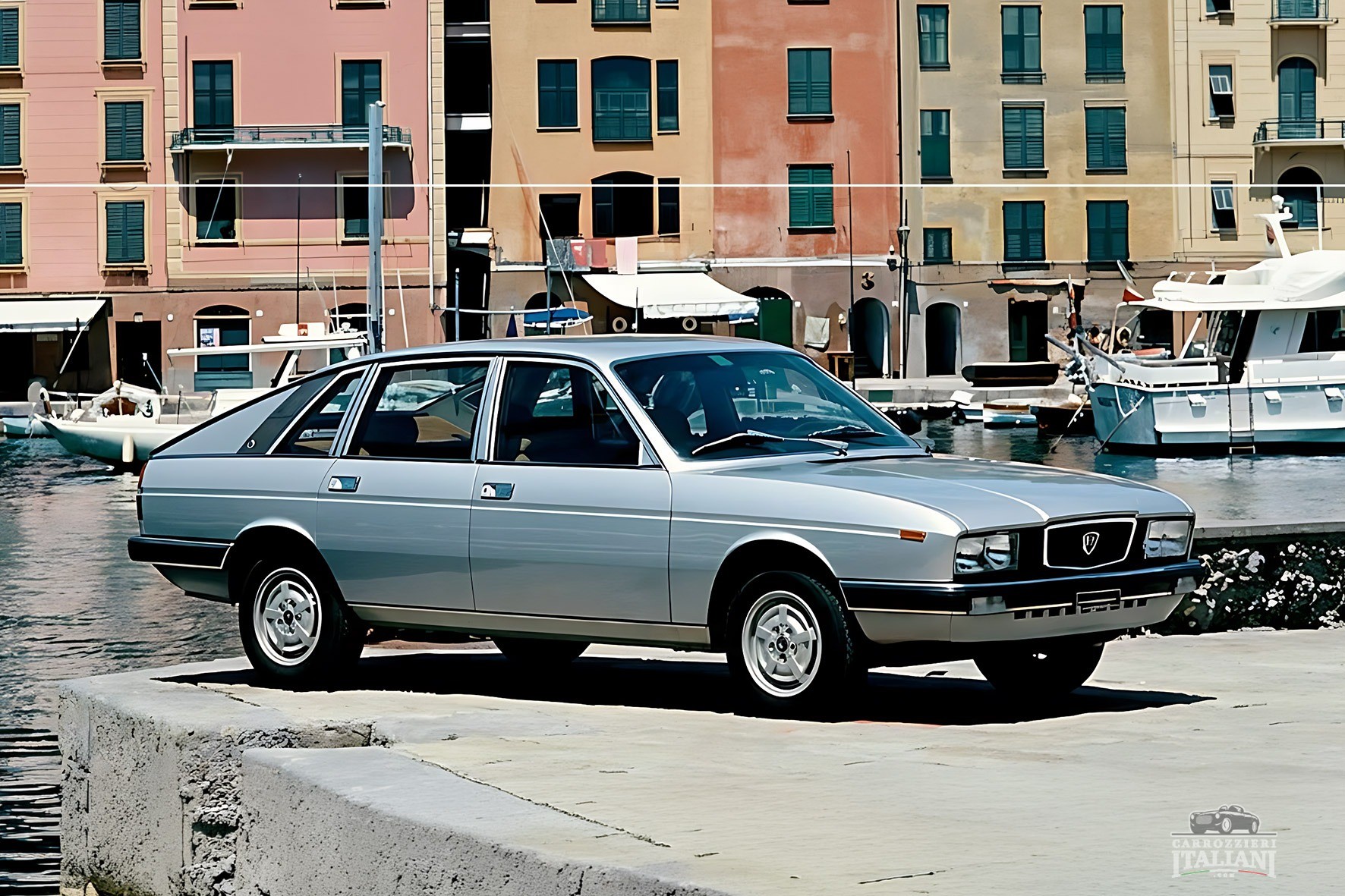
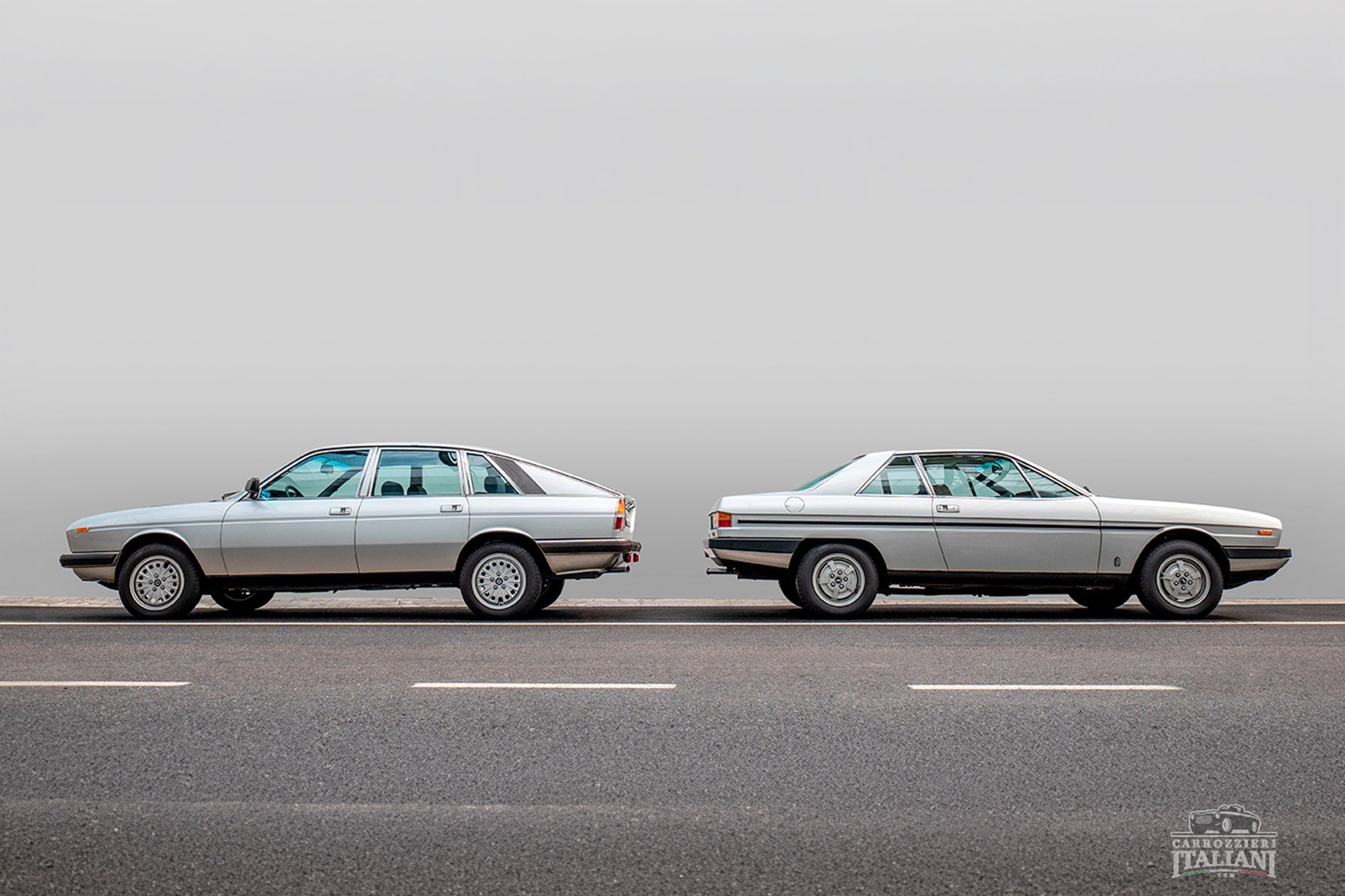
From the very beginning, the Gamma was conceived not simply as a car, but as a statement. It arrived in two distinct forms, both developed in collaboration with Pininfarina: a boldly styled fastback saloon with a truncated tail, and a graceful coupé designed by Aldo Brovarone. Together, they reflected Lancia’s enduring values—technical sophistication, stylistic elegance, and a deep attention to comfort—while opening the door to a new chapter of experimentation.
A New Flagship for a Changing Lancia
The Gamma was born during a period of transformation. Following its integration into the Fiat group, Lancia sought to redefine its identity and return to a segment it had abandoned with the end of the Flaminia in 1969. The Gamma would become the new flagship, carrying forward the brand’s engineering traditions—front-wheel drive, advanced mechanical solutions, and a distinctive design language—while addressing the evolving expectations of the late 1970s.
Under its sculptural bodywork lay an entirely new engine: a flat-four boxer developed specifically for the model. Constructed with extensive use of aluminum, the 2.5-liter unit delivered 140 horsepower with remarkable smoothness, perfectly suited to the character of a refined grand tourer. A smaller two-liter version was later introduced to comply with Italian tax regulations, ensuring the Gamma could reach a broader domestic audience.
🔗 Read more: The Partnership between Pininfarina & Lancia
Yet beyond its engineering, it was the design that set the Gamma apart. The saloon’s two-volume architecture, with its sharp, truncated rear, challenged the conventions of executive cars at the time. Inside, large glass surfaces flooded the cabin with light, while high-quality materials and thoughtful ergonomics reinforced Lancia’s reputation for understated luxury.
The Coupé: A Moving Salon
If the saloon represented innovation, the Gamma Coupé embodied elegance. With a shorter wheelbase and perfectly balanced proportions, it interpreted the Italian Gran Turismo tradition through a lens of restraint and precision. Its long, low bonnet, sharply defined lines, and carefully integrated bumpers gave it a timeless presence.
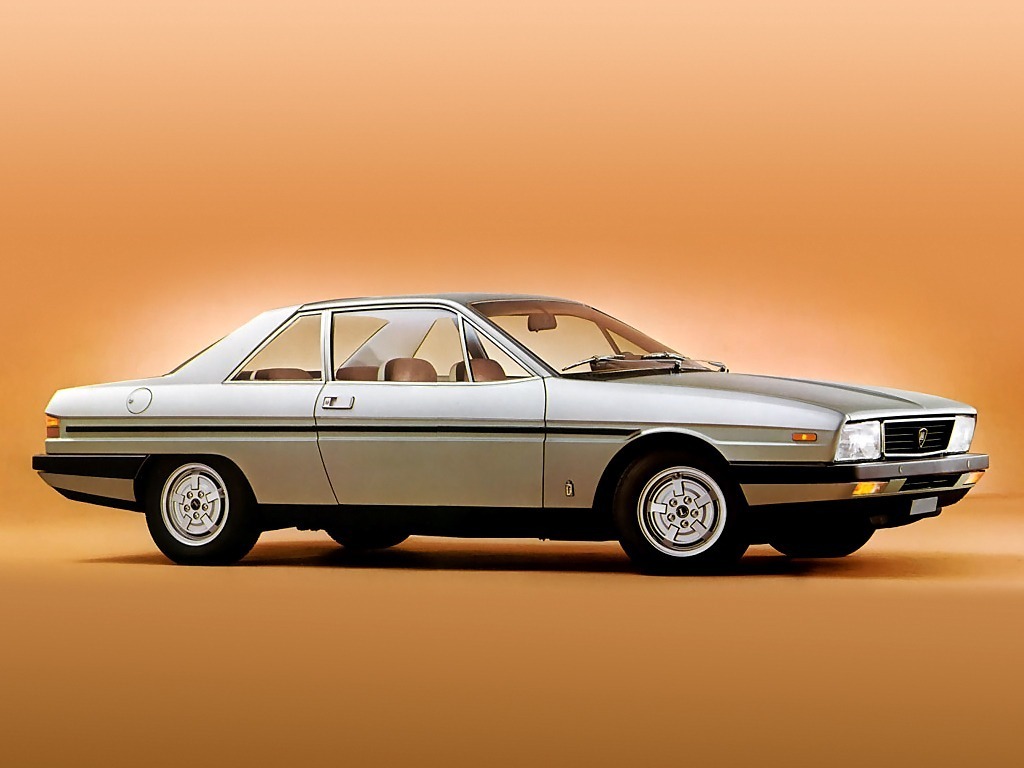
Inside, the Coupé revealed one of the most original aspects of the entire project. The cabin was conceived not merely as a driver’s environment, but as a refined living space—a “travelling lounge” in the truest sense. Designed with a strong influence from contemporary product design, it combined unusual color schemes, rich materials, and a sense of openness created by expansive glazing. It was less about performance than about atmosphere, comfort, and the experience of travel itself.
A Platform for Coachbuilders
While the production Gamma already stood apart from its competitors, its true legacy lies in what it inspired beyond the factory. The car became a fertile base for some of the most imaginative concept cars of the late 1970s and early 1980s, as Italy’s leading design houses explored new directions in automotive form.
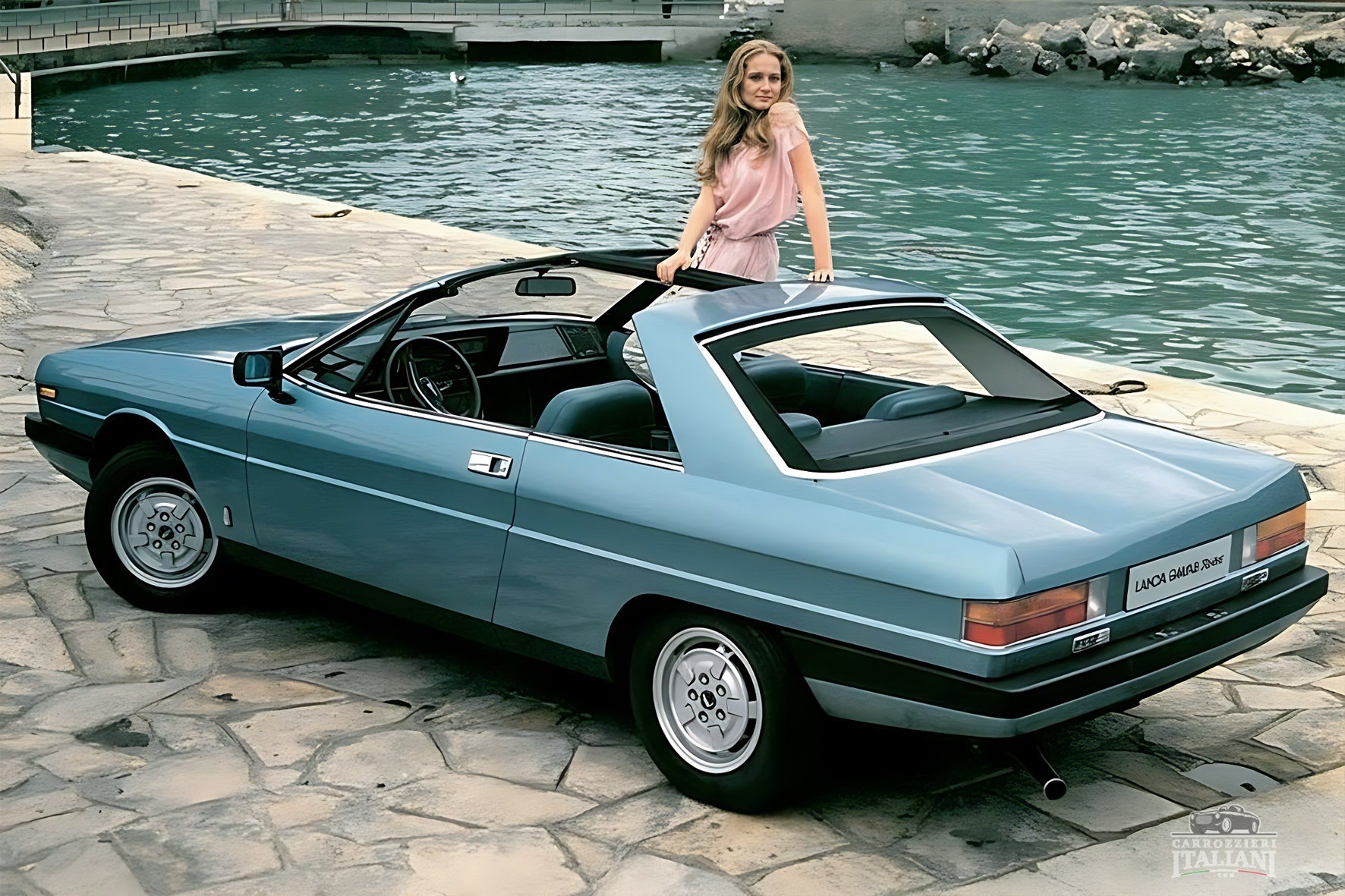
Pininfarina, closely involved from the beginning, pushed the Gamma into new territory with a series of experimental proposals. One of the earliest was a targa-style version of the Coupé, featuring a removable roof panel anchored by a robust roll bar. It was an elegant reinterpretation of open-air motoring, blending structural integrity with a sense of freedom.
🔗 Read more: One Design, Many Chassis – Pt. 2: When Pininfarina Repeats Itself
Soon after, the same design house presented the Gamma Scala—a striking four-door saloon that translated the sleek proportions of the Coupé into a more practical format. With its flowing lines and added versatility, it anticipated a segment that would only fully emerge decades later.
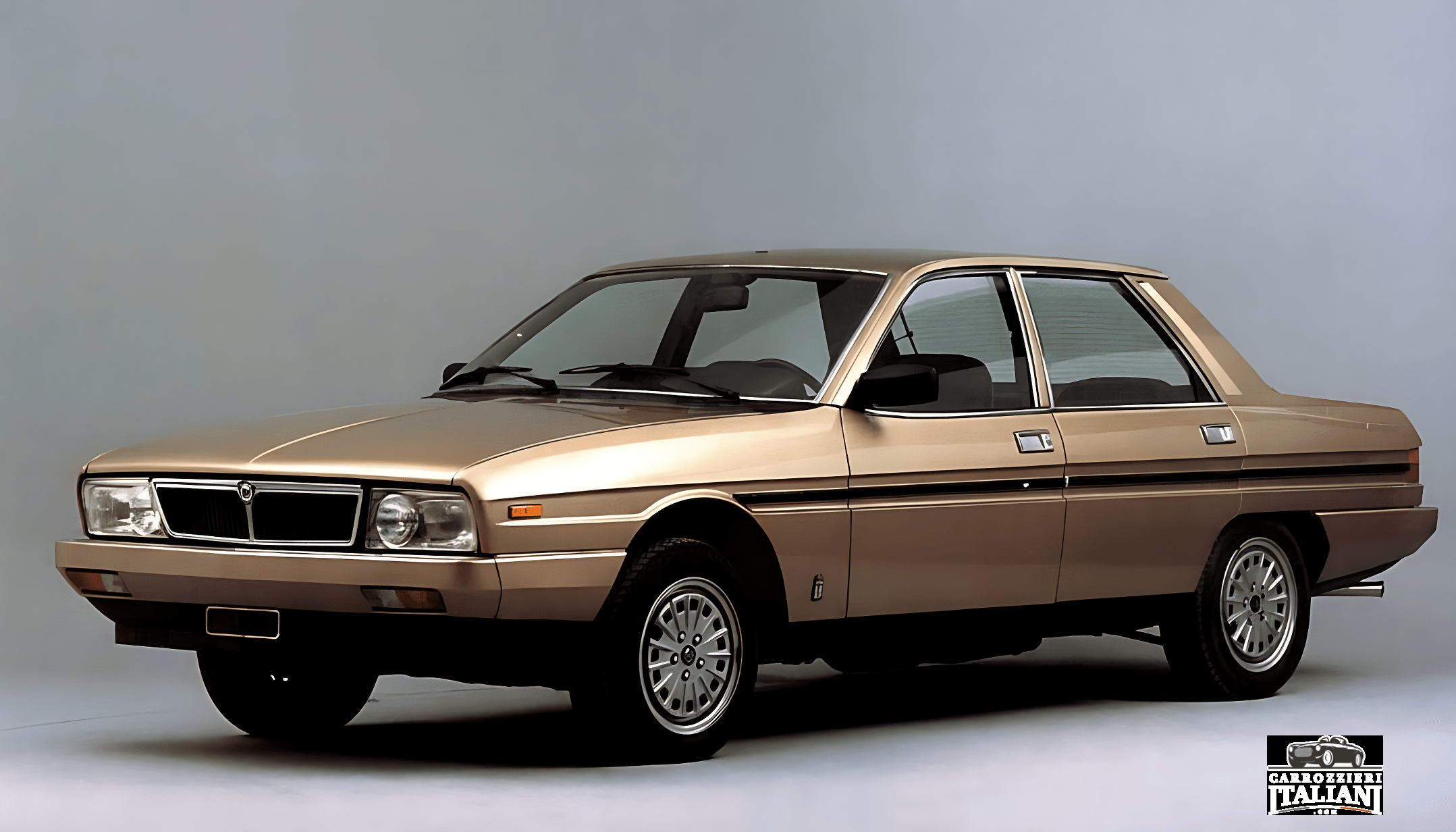
Even more unconventional was the Olgiata, a curious and forward-thinking interpretation that combined elements of a shooting brake with a sporting character. With only two side doors but a rear hatch, it challenged traditional categories, hinting at a future where versatility and design could coexist in unexpected ways.
🔗 Read more: Italian Vision of the MPV: The Monovolume Concept
Alongside these proposals, Italdesign offered its own radical vision with the Megagamma. Designed by Giorgetto Giugiaro, it took the Gamma’s architecture in an entirely new direction, raising the roofline dramatically to maximize interior space. The result was a boxy, functional form that, in hindsight, can be seen as a precursor to the modern MPV—a concept far ahead of its time.
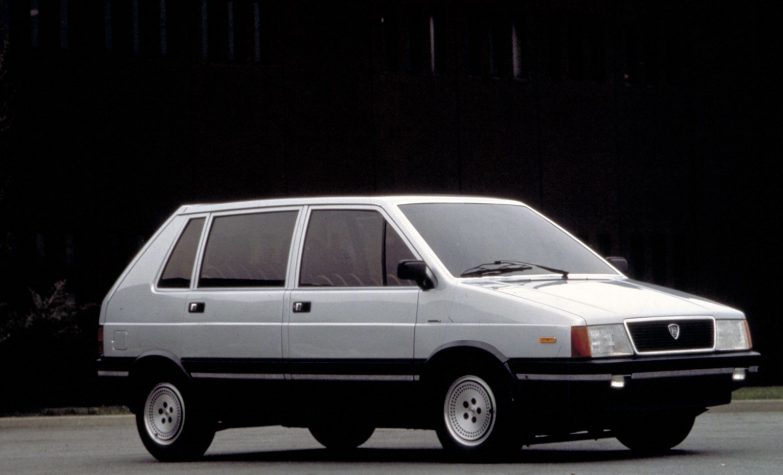
Finally, Lancia’s own design center explored yet another path with the Gamma 3V, a three-box reinterpretation of the saloon that emphasized formal elegance and classical proportions. Each of these concepts, though never destined for production, demonstrated the extraordinary flexibility of the Gamma platform and the creative vitality of Italian coachbuilding in that era.
Evolution and End of an Era
As the 1980s approached, the Gamma evolved with the introduction of electronic fuel injection, updated styling details, and refined interiors. These changes improved reliability and modernized the car without altering its essential character. The Coupé, in particular, benefited from these updates, reinforcing its role as a comfortable and sophisticated grand tourer.
Yet the broader landscape of the automotive industry was changing rapidly. The era of small-scale experimentation and coachbuilt diversity was gradually giving way to standardization and industrial efficiency. When production of the Gamma ended in 1984, after approximately 22,000 units, it marked not only the conclusion of a model line, but also the fading of a certain way of thinking about cars.
Beyond Production
The Lancia Gamma is remembered not merely as a flagship, but as an expression of creative freedom. Its significance lies as much in the cars that remained on paper as in those that reached production. In the hands of Pininfarina, Italdesign, and Lancia’s own design teams, it became a platform for exploration—at times elegant, at times radical, but always distinctly Italian.
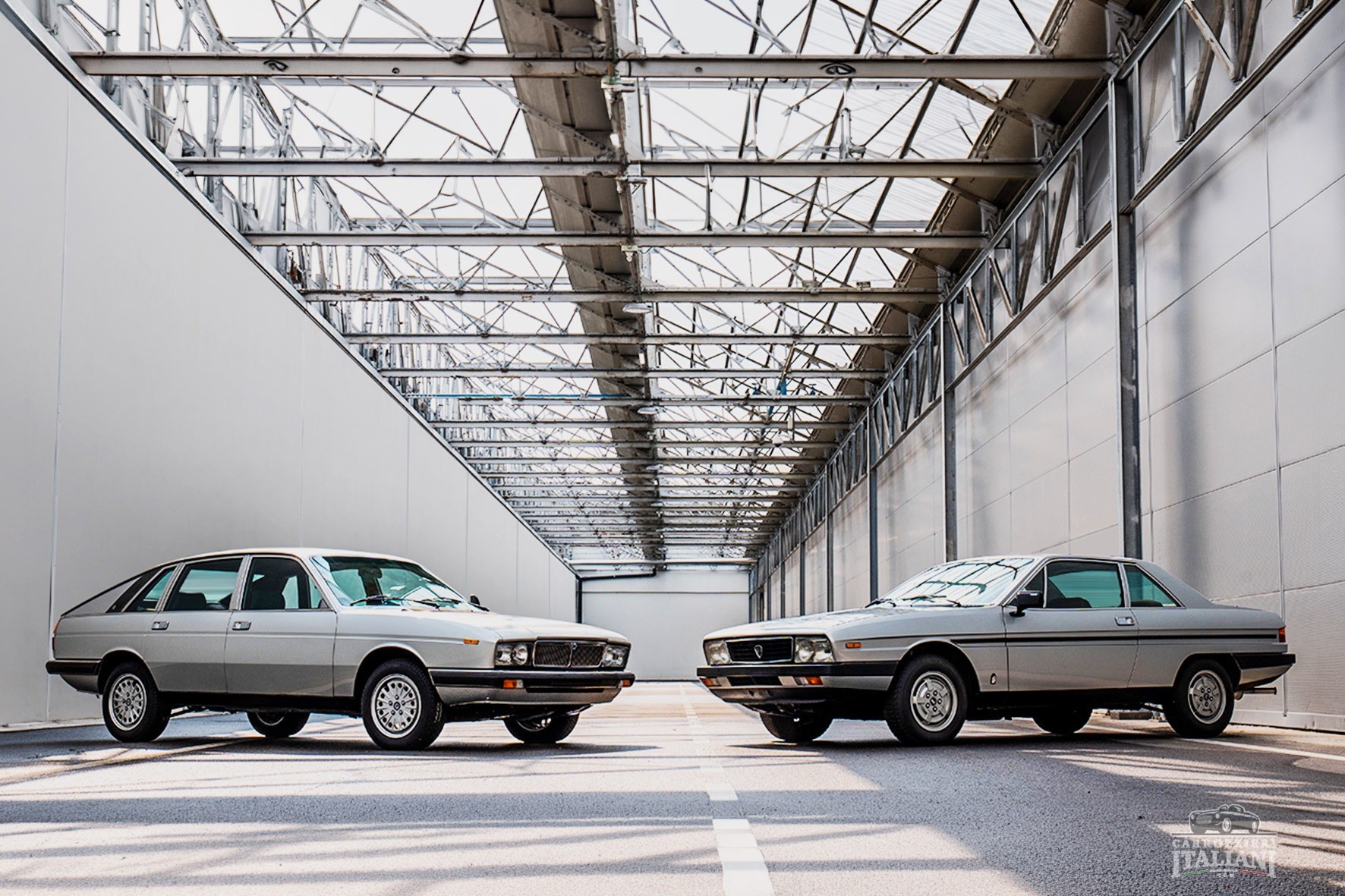
In this light, the Gamma can be seen as a bridge between two eras: one rooted in the tradition of coachbuilding, where individuality and experimentation defined the process, and another shaped by the growing demands of industrial standardization. Its legacy endures not only through the cars themselves, but through the ideas they carried—an enduring reflection of a moment when creativity still had room to lead.

ABOUT THE AUTHOR
Andreas Scheidl
Italian classic car enthusiast with German roots. Renowned as a respected figure in the classic car community, he serves as a jury member at various international concours d'elegance, including the Classic Gala Schwetzingen and Mantova. As a content creator, Andreas passionately shares his profound knowledge and appreciation for vintage automobiles. His heart beats for cars designed by Giovanni Michelotti, showcasing his discerning taste and dedication to preserving the timeless elegance of automotive history.
More stories by Andreas Scheidl ↗CONTINUE READING
Posts You Might Like
A Central Driving Position, a Rear-Mounted V8. Was This Really a Lancia?
In 1948, visitors to the Turin Motor Show could see an unusual Lancia on the stand of Carrozzeria Ghia. It was a large two-door coupé with a two-litre V8 mounted behind the…
Read story
Fioravanti F100: The Ferrari He Was Allowed to Imagine
Enzo Ferrari’s centenary, Leonardo Fioravanti’s independent studio and a supercar that explored air brakes, steel wheels and a new way of driving—without ever wearing the Cavallino.
Read story
Michelotti Shellette: When the Fiat 850 Became a Yacht
The yacht designer, the Turin stylist and the tiny coachbuilt car that crossed between the quay, the royal holiday house and the auction room. Some automobiles were conceived for the open road,…
Read story
Maserati A6 1500: A New Road for the Trident
When the doors of the Geneva Motor Show opened in March 1947, Maserati was a name that required little introduction to anyone who followed motor racing. What it did not yet possess…
Read story
THE CONVERSATION
Comments 0
Share a memory, a period photograph or a documented detail about this story.